

Influence of diet on the gut microbiome and implications for human health
Open accessThe DOI matches its Crossref record; 198 of the 198 references it cites were found in a registry or an index.
Abstract
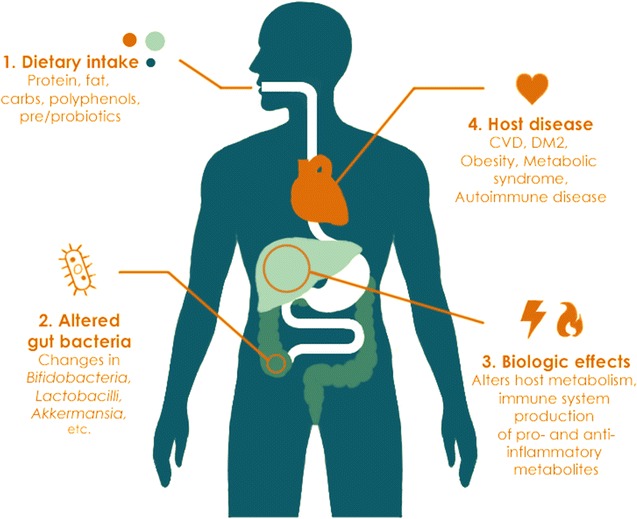
Recent studies have suggested that the intestinal microbiome plays an important role in modulating risk of several chronic diseases, including inflammatory bowel disease, obesity, type 2 diabetes, cardiovascular disease, and cancer. At the same time, it is now understood that diet plays a significant role in shaping the microbiome, with experiments showing that dietary alterations can induce large, temporary microbial shifts within 24 h. Given this association, there may be significant therapeutic utility in altering microbial composition through diet. This review systematically evaluates current data regarding the effects of several common dietary components on intestinal microbiota. We show that consumption of particular types of food produces predictable shifts in existing host bacterial genera. Furthermore, the identity of these bacteria affects host immune and metabolic parameters, with broad implications for human health. Familiarity with these associations will be of tremendous use to the practitioner as well as the patient.
Overview
The claims and statistics of this paper haven’t been checked yet.
Free: it reads the open-access text and checks the first 5 claims that cite a source we can check. Create a free account to check every claim.
Integrity signals
Registry
Cites
Statistics
Figures
Verification
Claims the paper makes
The claims and statistics of this paper haven’t been checked yet.
Free: it reads the open-access text and checks the first 5 claims that cite a source we can check. Create a free account to check every claim.
Claims other papers make about this one
Each is checked against this paper’s own text: does it say what the citing paper says it does?
The source backs part of the claim, not all of it — or backs it for a different population, condition or comparison.
In the citing paper
“Many bacteria associated with ICI response have known dietary associations, such that specific dietary patterns (e.g., plant-based versus western diet) are associated with increased or decreased relative abundances of these candidate taxa.131–135”
From Melanoma and microbiota: Current understanding and future directions (2024) · cites this paper as [134]
Experimental — accuracy not yet measuredThe cited source says what the claim attributes to it.
In the citing paper
“In addition, strategies that could mitigate the likelihood of LPS release into the blood and, thus, endotoxin-associated symptoms, include limiting the consumption of saturated fat [138], avoiding the consumption of non-steroidal anti-inflammatory drugs (NSAIDs) [139], and maintaining an adequate water intake [139].”
From International Society of Sports Nutrition Position Stand: nutritional considerations for single-stage ultra-marathon training and racing (2019) · cites this paper as [138]
The cited source says what the claim attributes to it.
In the citing paper
“Different sources of protein in a diet has been shown to influence different gut microbiota profiles (Singh et al., 2017).”
From The Microbiota-Gut-Brain Axis (2019) · cites this paper as Singh et al., 2017
In the citing paper
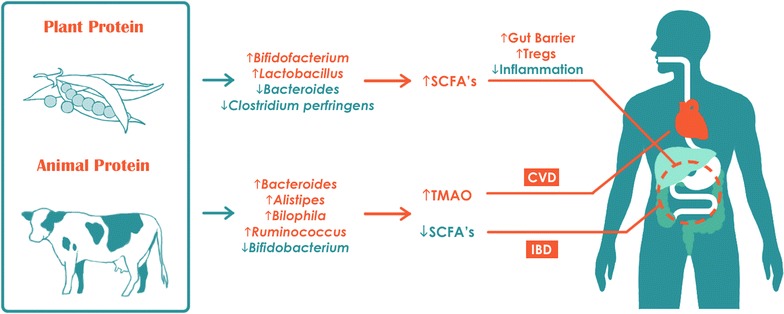
“In mice, animal-based protein increases potential detrimental gut microbes, e.g., Peptostreptococcaceae, Ruminococcaceae, Enterococcus, Streptococcus, Turicibacter, or Escherichia (92), and plant-based protein boosts the abundance of Bifidobacterium, Roseburia, and Lactobacillus and lowers the abundance of pathogens such as Bacteroides fragilis and Clostridium perfringens (37,42,80).”
From Diet and the Microbiota–Gut–Brain Axis: Sowing the Seeds of Good Mental Health (2021) · cites this paper as [80]
Self-check
Percentages, sums and reported differences re-computed from the paper’s own numbers.
The self-check needs the paper’s full text.
Citations
Cites
An obesity-associated gut microbiome with increased capacity for energy harvest
Turnbaugh, P. J., Ley, R. E., Mahowald, M. A., Magrini, V., Mardis, E. R., & Gordon, J. I. (2006) · Nature · doi:10.1038/nature05414 · Cited by 12,444 · cited 1×
“Furthermore, studies involving microbiota transplantation from obese to lean mice have shown that the obese phenotype is transmissible and may be promoted by microbiota that have increased capacity to harvest energy from the host diet [23].”
BackgroundDiet rapidly and reproducibly alters the human gut microbiome
David, L. A., Maurice, C. F., Carmody, R. N., Gootenberg, D. B., Button, J. E., Wolfe, B. E., Ling, A. V., Devlin, A. S., Varma, Y., Fischbach, M. A., et al. (2014) · Nature · doi:10.1038/nature12820 · Cited by 10,100
Human gut microbes associated with obesity
Ley, R. E., Turnbaugh, P. J., Klein, S., & Gordon, J. I. (2006) · Nature · doi:10.1038/4441022a · Cited by 8,785
Enterotypes of the human gut microbiome
MetaHIT Consortium (additional members), Arumugam, M., Raes, J., Pelletier, E., Le Paslier, D., Yamada, T., Mende, D. R., Fernandes, G. R., Tap, J., Bruls, T., et al. (2011) · Nature · doi:10.1038/nature09944 · Cited by 7,548 · cited 1×
“Recently, it has been shown that microbiota can effectively be subdivided into different enterotypes, each enriched by particular bacterial genera, but that all seem to share high functional uniformity [4].”
BackgroundChanges of Intestinal Functions in Liver Cirrhosis
Fukui, H., & Wiest, R. (2016) · Inflammatory Intestinal Diseases · doi:10.1159/000444436 · Cited by 6,808
A metagenome-wide association study of gut microbiota in type 2 diabetes
Qin, J., Li, Y., Cai, Z., Li, S., Zhu, J., Zhang, F., Liang, S., Zhang, W., Guan, Y., Shen, D., et al. (2012) · Nature · doi:10.1038/nature11450 · Cited by 6,762
Linking long-term dietary patterns with gut microbial enterotypes
Wu, G. D., Chen, J., Hoffmann, C., Bittinger, K., Chen, Y.-Y., Keilbaugh, S. A., Bewtra, M., Knights, D., Walters, W. A., Knight, R., et al. (2011) · Science · doi:10.1126/science.1208344 · Cited by 6,513 · cited 2×
“While the microbiome of a healthy individual is relatively stable, gut microbial dynamics can certainly be influenced by host lifestyle and dietary choices [26].”
BackgroundTrumbo, P., Schlicker, S., Yates, A. A., & Poos, M. (2002) · Journal of the American Dietetic Association · doi:10.1016/s0002-8223(02)90346-9 · Cited by 5,993
De Filippo, C., Cavalieri, D., Di Paola, M., Ramazzotti, M., Poullet, J. B., Massart, S., Collini, S., Pieraccini, G., & Lionetti, P. (2010) · Proceedings of the National Academy of Sciences · doi:10.1073/pnas.1005963107 · Cited by 5,579
Commensal microbe-derived butyrate induces the differentiation of colonic regulatory T cells
Furusawa, Y., Obata, Y., Fukuda, S., Endo, T. A., Nakato, G., Takahashi, D., Nakanishi, Y., Uetake, C., Kato, K., Kato, T., et al. (2013) · Nature · doi:10.1038/nature12721 · Cited by 5,549
Research works printed but not linked: 3
- Baron S Clostridium. Baron’s Med. microbiol 1996 4 Galveston University of Texas Medical Branch
- Todar K Pathogenic E coli. Online textbook of bacteriology 2007 Wisconsin University of Wisconsin-Madison Deparment of Bacteriology 11 30
- Patterson M. Streptococcus. In: Baron S, editor. Baron’s Med Microbiol. 4th ed. Galveston: University of Texas Medical Branch. 21413248
Cited by
Items 101–200 of 1,006
Pellegrini, C., Antonioli, L., Calderone, V., Colucci, R., Fornai, M., & Blandizzi, C. (2020) · Progress in Neurobiology · doi:10.1016/j.pneurobio.2020.101806 · Cited by 174
Ko, C.-Y., Liu, Q.-Q., Su, H.-Z., Zhang, H.-P., Fan, J.-M., Yang, J.-H., Hu, A.-K., Liu, Y.-Q., Chou, D., & Zeng, Y.-M. (2019) · Clinical Science · doi:10.1042/cs20180891 · Cited by 172
Nutritional Status and the Influence of the Vegan Diet on the Gut Microbiota and Human Health
Sakkas, H., Bozidis, P., Touzios, C., Kolios, D., Athanasiou, G., Athanasopoulou, E., Gerou, I., & Gartzonika, C. (2020) · Medicina · doi:10.3390/medicina56020088 · Cited by 174
“They probably provide anti-inflammatory effects in the intestine [87].”
BackgroundInfluentialThe effects of dairy and dairy derivatives on the gut microbiota: a systematic literature review
Aslam, H., Marx, W., Rocks, T., Loughman, A., Chandrasekaran, V., Ruusunen, A., Dawson, S. L., West, M., Mullarkey, E., Pasco, J. A., et al. (2020) · Gut Microbes · doi:10.1080/19490976.2020.1799533 · Cited by 170
“Diet is increasingly recognized as a modulator of the gut microbiota.(21) Dairy products contain an array of nutrients including proteins, lipids, carbohydrates, amino acids, minerals and vitamins; any of these components may have potential to influence the gut microbiota composition.”
BackgroundThe "Gut Feeling": Breaking Down the Role of Gut Microbiome in Multiple Sclerosis
Freedman, S. N., Shahi, S. K., & Mangalam, A. K. (2018) · Neurotherapeutics · doi:10.1007/s13311-017-0588-x · Cited by 168
How Diet and Physical Activity Modulate Gut Microbiota: Evidence, and Perspectives
Campaniello, D., Corbo, M. R., Sinigaglia, M., Speranza, B., Racioppo, A., Altieri, C., & Bevilacqua, A. (2022) · Nutrients · doi:10.3390/nu14122456 · Cited by 167
“and negatively associated to some taxa of Firmicutes phylum like Clostridium and Enterococcus species [38,39].”
BackgroundTiller, N. B., Roberts, J. D., Beasley, L., Chapman, S., Pinto, J. M., Smith, L., Wiffin, M., Russell, M., Sparks, S. A., Duckworth, L., et al. (2019) · Journal of the International Society of Sports Nutrition · doi:10.1186/s12970-019-0312-9 · Cited by 164
Metagenomic Approaches for Understanding New Concepts in Microbial Science
Alves, L. D. F., Westmann, C. A., Lovate, G. L., de Siqueira, G. M. V., Borelli, T. C., & Guazzaroni, M.-E. (2018) · International Journal of Genomics · doi:10.1155/2018/2312987 · Cited by 165
“Besides obesity and antibiotic resistance, the human gut microbiome has been associated with several diseases as type 2 diabetes, cardiovascular and inflammatory bowel diseases, and even cancer [84].”
BackgroundAntibiotics in Food Chain: The Consequences for Antibiotic Resistance
Kumar, S. B., Arnipalli, S. R., & Ziouzenkova, O. (2020) · Antibiotics · doi:10.3390/antibiotics9100688 · Cited by 164
Microbiome and PCOS: State-of-Art and Future Aspects
Giampaolino, P., Foreste, V., Di Filippo, C., Gallo, A., Mercorio, A., Serafino, P., Improda, F. P., Verrazzo, P., Zara, G., Buonfantino, C., et al. (2021) · International Journal of Molecular Sciences · doi:10.3390/ijms22042048 · Cited by 163
“Non-digestible carbohydrates, such as whole grain and wheat bran, seem linked to an increase in Bifidobacteria and Lactobacilli [71].”
BackgroundInfluentialKandpal, M., Indari, O., Baral, B., Jakhmola, S., Tiwari, D., Bhandari, V., Pandey, R. K., Bala, K., Sonawane, A., & Jha, H. C. (2022) · Metabolites · doi:10.3390/metabo12111064 · Cited by 159
“SCFAs such as butyrate, propionate, and acetate provide tremendous energy to hosts [37].”
BackgroundPillai, S. S., Gagnon, C. A., Foster, C., & Ashraf, A. P. (2024) · The Journal of Clinical Endocrinology & Metabolism · doi:10.1210/clinem/dgae499 · Cited by 200
The gut microbiome and irritable bowel syndrome
Menees, S., & Chey, W. (2018) · F1000Research · doi:10.12688/f1000research.14592.1 · Cited by 159
“Although benefits have been attributed largely to reductions in colonic fermentation or decreased antigen activation of the gut immune system, it is important to consider that diet significantly impacts the composition of the gut microbiome 52–54 .”
BackgroundDiet-Gut Microbiota Interactions and Gestational Diabetes Mellitus (GDM)
Ponzo, V., Fedele, D., Goitre, I., Leone, F., Lezo, A., Monzeglio, C., Finocchiaro, C., Ghigo, E., & Bo, S. (2019) · Nutrients · doi:10.3390/nu11020330 · Cited by 155
“It is well known that diet is able to modulate the microbiota composition rapidly, within a few days [15,16].”
BackgroundMicrobiome and Breast Cancer: New Role for an Ancient Population
Eslami-S, Z., Majidzadeh-A, K., Halvaei, S., Babapirali, F., & Esmaeili, R. (2020) · Frontiers in Oncology · doi:10.3389/fonc.2020.00120 · Cited by 153
Lee, P., Yacyshyn, B. R., & Yacyshyn, M. B. (2019) · Diabetes, Obesity and Metabolism · doi:10.1111/dom.13561 · Cited by 151
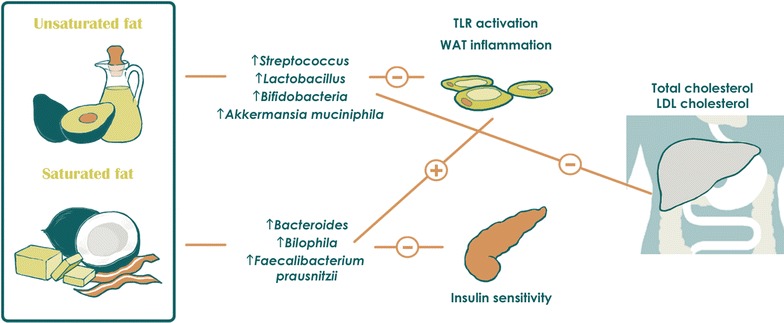
“Interestingly, mono and polyunsaturated fats, known to be healthier fats, did not modify the gut microbiota of human subjects, but promoted healthy microbiota in mice.(9) Fibre, a complex carbohydrate, is a vital part of a balanced diet for body weight loss.”
BackgroundInfluentialTowards modulating the gut microbiota to enhance the efficacy of immune-checkpoint inhibitors
Simpson, R. C., Shanahan, E. R., Scolyer, R. A., & Long, G. V. (2023) · Nature Reviews Clinical Oncology · doi:10.1038/s41571-023-00803-9 · Cited by 153
Golubnitschaja, O., Líšková, A., Koklesová, L., Samec, M., Biringer, K., Büsselberg, D., Podbielska, H., Kunin, A. A., Evsevyeva, M. E., Shapira, N., et al. (2021) · The EPMA Journal · doi:10.1007/s13167-021-00251-4 · Cited by 162
Phytochemicals and inflammatory bowel disease: a review
Hossen, I., Wu, H., Ting, L., Mehmood, A., Jingyi, S., Xu, D., Yanping, C., Hongqing, W., Zhipeng, G., Zhang, K., et al. (2019) · Critical Reviews in Food Science and Nutrition · doi:10.1080/10408398.2019.1570913 · Cited by 169
Gómez-Guillén, M. C., & Montero, P. (2021) · Food Hydrocolloids · doi:10.1016/j.foodhyd.2021.106772 · Cited by 155
Overby, H., & Ferguson, J. F. (2021) · Current Hypertension Reports · doi:10.1007/s11906-020-01125-2 · Cited by 171
Bourdeau-Julien, I., Castonguay-Paradis, S., Rochefort, G., Perron, J., Lamarche, B., Flamand, N., Di Marzo, V., Veilleux, A., & Raymond, F. (2023) · Microbiome · doi:10.1186/s40168-023-01469-2 · Cited by 147
“Roseburia has been shown to increase with non-digestible carbohydrates [63], supporting the direct association between these taxa and the diet, and it has previously been negatively associated with type 2 diabetes [64, 65].”
BackgroundAmin, N., Liu, J., Bonnechère, B., MahmoudianDehkordi, S., Arnold, M., Batra, R., Chiou, Y., Fernandes, M., Ikram, M. A., Kraaij, R., et al. (2023) · JAMA Psychiatry · doi:10.1001/jamapsychiatry.2023.0685 · Cited by 168
do Nascimento, R. D. P., Machado, A. P. D. F., Gálvez, J., Cazarin, C. B. B., & Maróstica, M. R. (2020) · Life Sciences · doi:10.1016/j.lfs.2020.118129 · Cited by 156
Secretome of Intestinal Bacilli: A Natural Guard against Pathologies
Ilinskaya, O. N., Владимировна, У. В., Рашидовна, Я. Д., & Гатауллин, И. Г. (2017) · Frontiers in Microbiology · doi:10.3389/fmicb.2017.01666 · Cited by 158
“Composition of gut microbiota varies among individuals with geographic provenance, gender, age, diet, malnutrition, and intake of probiotics or antimicrobial agents (Panda et al., 2014; Haro et al., 2016; Odamaki et al., 2016; Maffei et al., 2017; Martí et al., 2017; Singh et al., 2017).”
BackgroundA potential role for the gut microbiome in substance use disorders
Meckel, K. R., & Kiraly, D. D. (2019) · Psychopharmacology · doi:10.1007/s00213-019-05232-0 · Cited by 145
“The gut microbiome together contains a genome of approximately 10 million genes (approximately 150-fold larger than the human genome) (Kelly et al. 2015; Skosnik and Cortes-Briones 2016).”
NLRP3 Inflammasome at the Interface of Inflammation, Endothelial Dysfunction, and Type 2 Diabetes
Góra, I. M., Ciechanowska, A., & Ładyżyński, P. (2021) · Cells · doi:10.3390/cells10020314 · Cited by 171
“, a process called dysbiosis, has been reported to play a key role in the pathogenesis of inflammatory diseases such as T2DM [225].”
BackgroundDiet can impact microbiota composition in children with autism spectrum disorder
Berding, K., & Donovan, S. M. (2018) · Frontiers in Neuroscience · doi:10.3389/fnins.2018.00515 · Cited by 144
Body Mass Index and Sex Affect Diverse Microbial Niches within the Gut
Borgo, F., Garbossa, S., Riva, A., Severgnini, M., Luigiano, C., Benetti, A., Pontiroli, A. E., Morace, G., & Borghi, E. (2018) · Frontiers in Microbiology · doi:10.3389/fmicb.2018.00213 · Cited by 144
“16S rRNA sequencing revealed that the two sampled microbial communities, LAM and MAM, are influenced by different host factors: LAM, strongly diet-shaped (Zoetendal and de Vos, 2014; Xu and Knight, 2015; Singh et al., 2017), is associated to subjects’ BMI, whereas sex influences the composition of MAM, a community les…”
BackgroundEffect of Plant-Based Diets on Gut Microbiota: A Systematic Review of Interventional Studies
Sidhu, S. R. K., Kok, C. W., Kunasegaran, T., & Ramadas, A. (2023) · Nutrients · doi:10.3390/nu15061510 · Cited by 186
“Red meat consumption has been associated with elevated TMAO levels, which increases the risk of cardiovascular disease and inflammatory bowel disease [36,37].”
BackgroundUnexplored microbial diversity from 2,500 food metagenomes and links with the human microbiome.
Carlino, N., Blanco-Míguez, A., Punčochář, M., Mengoni, C., Pinto, F., Tatti, A., Manghi, P., Armanini, F., Avagliano, M., Barcenilla, C., et al. (2024) · Cell · doi:10.1016/j.cell.2024.07.039 · Cited by 146
Irritable Bowel Syndrome and the Gut Microbiome: A Comprehensive Review
Shaikh, S. D., Sun, N. Z., Canakis, A., Park, W. Y., & Weber, H. C. (2023) · Journal of Clinical Medicine · doi:10.3390/jcm12072558 · Cited by 193
“On the other hand, high-fat diets have been associated with increased abundance of anaerobes and Bacteroides in the gut [102].”
BackgroundMeroni, M., Longo, M., & Dongiovanni, P. (2019) · Nutrients · doi:10.3390/nu11112642 · Cited by 140
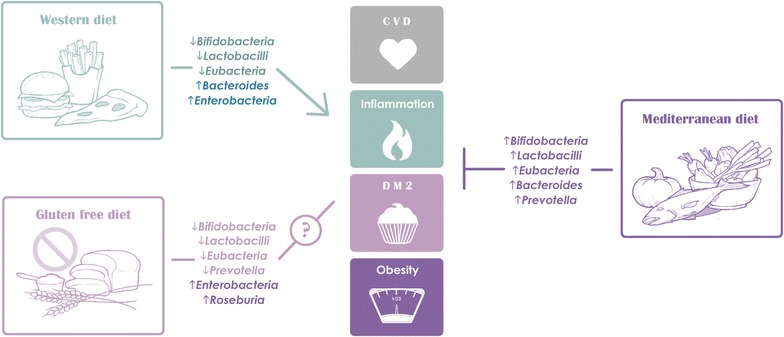
“Indeed, a diet enriched in animal fat and sugars as well as the Western diet may predispose to bacterial overgrowth, immune system activation and mucosal inflammation both in preclinical [30,31] and clinical studies [32,33].”
BackgroundSeasonality of the gut microbiota of free-ranging white-faced capuchins in a tropical dry forest
Orkin, J. D., Campos, F. A., Myers, M. S., Cheves Hernandez, S. E., Guadamuz, A., & Melin, A. D. (2019) · The ISME Journal · doi:10.1038/s41396-018-0256-0 · Cited by 140
Westernized Diet is the Most Ubiquitous Environmental Factor in Inflammatory Bowel Disease
Chiba, M., Nakane, K., & Komatsu, M. (2019) · The Permanente Journal · doi:10.7812/tpp/18-107 · Cited by 139
Dietary Protein and Muscle in Aging People: The Potential Role of the Gut Microbiome
Ni Lochlainn, M., Bowyer, R. C. E., & Steves, C. J. (2018) · doi:10.20944/preprints201806.0152.v1 · Cited by 138
Dietary Protein and Muscle in Aging People: The Potential Role of the Gut Microbiome
Ni Lochlainn, M., Bowyer, R. C. E., & Steves, C. J. (2018) · Nutrients · doi:10.3390/nu10070929 · Cited by 138
“Treatment with butyrate (a SCFA), which is associated with Bifidobacterium, was found to be protective of muscle atrophy in mice [116].”
BackgroundInfluentialZhuo, Q., Yu, B., Zhou, J., Zhang, J., Zhang, R., Xie, J., Wang, Q., & Zhao, S. (2019) · Scientific Reports · doi:10.1038/s41598-019-56661-y · Cited by 137
Immune and inflammatory mechanisms of abdominal aortic aneurysm
Márquez-Sánchez, A. C., & Koltsova, E. K. (2022) · Frontiers in Immunology · doi:10.3389/fimmu.2022.989933 · Cited by 159
Overview of anti-inflammatory diets and their promising effects on non-communicable diseases
Yu, X., Pu, H., & Voss, M. (2024) · British Journal of Nutrition · doi:10.1017/s0007114524001405 · Cited by 134
“Additionally, the intake of fibre, prebiotics and polyphenols supports a diverse and balanced gut microbiota towards an anti-inflammatory profile (227,228) , whereas diets high in saturated fats, sugar and processed foods may disrupt its composition (229) .”
Del Bo', C., Bernardi, S., Cherubini, A., Porrini, M., Gargari, G., Hidalgo-Liberona, N., González-Domínguez, R., Zamora-Ros, R., Peron, G., Marino, M., et al. (2021) · Clinical Nutrition · doi:10.1016/j.clnu.2020.12.014 · Cited by 133
High dietary fat intake induces a microbiota signature that promotes food allergy
Hussain, M., Bonilla‐Rosso, G., Chung, C. K. C. K., Bäriswyl, L., Rodriguez, M. P., Kim, B., Engel, P., & Noti, M. (2019) · Journal of Allergy and Clinical Immunology · doi:10.1016/j.jaci.2019.01.043 · Cited by 146
Space Food for Thought: Challenges and Considerations for Food and Nutrition on Exploration Missions
Douglas, G. L., Zwart, S. R., & Smith, S. M. (2020) · Journal of Nutrition · doi:10.1093/jn/nxaa188 · Cited by 168
“In addition, meeting minimal nutritional requirements may only prevent deficiency, whereas an optimized system (such as one including a variety of fruit and vegetables and associated bioactive compounds) has the potential to promote health and performance (11, 12).”
BackgroundMicrobial Peer Pressure: The Role of the Gut Microbiota in Hypertension and Its Complications
Muralitharan, R. R., Jama, H. A., Xie, L., Peh, A., Snelson, M., & Marques, F. Z. (2020) · Hypertension · doi:10.1161/hypertensionaha.120.14473 · Cited by 144
Probiotics and prebiotics for the amelioration of type 1 diabetes: Present and future perspectives
Mishra, S., Wang, S., Nagpal, R., Miller, B., Singh, R., Taraphder, S., & Yadav, H. (2019) · Microorganisms · doi:10.3390/microorganisms7030067 · Cited by 131
Self-citationRole of Overweight and Obesity in Gastrointestinal Disease
Emerenziani, S., Pier Luca Guarino, M., Trillo Asensio, L., Altomare, A., Ribolsi, M., Balestrieri, P., & Cicala, M. (2019) · Nutrients · doi:10.3390/nu12010111 · Cited by 131
“The incidence of IBD is increasing in parallel with overweight and obesity, with approximately a percentage of 15–40% overweight in patients with IBD [56] The global increasing incidence in IBD seems to be associated with western lifestyle; in particular, it is well known that diet can shape the microbiota composition…”
BackgroundJi, Y. S., Yin, Y., Sun, L., & Zhang, W. (2020) · International Journal of Molecular Sciences · doi:10.3390/ijms21093066 · Cited by 141
Gkrinia, E. M. M., & Belančić, A. (2025) · Current Issues in Molecular Biology · doi:10.3390/cimb47050357 · Cited by 177
The gut microbiome in psoriasis and psoriatic arthritis
Myers, B., Brownstone, N., Reddy, V., Chan, S., Thibodeaux, Q., Truong, A., Bhutani, T., Chang, H.-W., & Liao, W. (2019) · Best Practice & Research Clinical Rheumatology · doi:10.1016/j.berh.2020.101494 · Cited by 127
Self-citationAge-related changes in intestinal immunity and the microbiome
Walrath, T., Dyamenahalli, K. U., Hulsebus, H. J., McCullough, R. L., Idrovo, J., Boe, D. M., McMahan, R. H., & Kovacs, E. J. (2020) · Journal of Leukocyte Biology · doi:10.1002/jlb.3ri0620-405rr · Cited by 141
Calder, P. C., Ortega, E. F., Meydani, S. N., Adkins, Y. C., Stephensen, C. B., Thompson, B., & Zwickey, H. L. (2022) · Advances in Nutrition · doi:10.1093/advances/nmac052 · Cited by 143
Exploring the gut microbiota: lifestyle choices, disease associations, and personal genomics
Matute, S. P., & Iyavoo, S. (2023) · Frontiers in Nutrition · doi:10.3389/fnut.2023.1225120 · Cited by 155
“Obesity has been associated with altered Bacteroidetes:Firmicutes ratio, with greater relative abundance of Firmicutes , and with a higher proportion of genes related to SCFAs production, which underlines a higher capacity of obtaining energy from food (182, 183).”
BackgroundInfluentialThe regional diversity of gut microbiome along the GI tract of male C57BL/6 mice
Lkhagva, E., Chung, H., Hong, J., Tang, W. H. W., Lee, S., Hong, S.-T., & Lee, S. (2021) · BMC Microbiology · doi:10.1186/s12866-021-02099-0 · Cited by 132
Altomare, A., Rosa, C. D., Imperia, E., Emerenziani, S., Cicala, M., & Guarino, M. P. L. (2021) · Nutrients · doi:10.3390/nu13051506 · Cited by 158
“This composition determines an increased production of short-chain fatty acids (SCFA) levels [166].”
BackgroundRefining epigenetic prediction of chronological and biological age
Bernabeu, E., McCartney, D. L., Gadd, D. A., Hillary, R. F., Lu, A. T., Murphy, L., Wrobel, N., Campbell, A., Harris, S. E., Liewald, D., et al. (2023) · Genome Medicine · doi:10.1186/s13073-023-01161-y · Cited by 121
Nutrition and Genetics in NAFLD: The Perfect Binomium
Meroni, M., Longo, M., Rustichelli, A., & Dongiovanni, P. (2020) · International Journal of Molecular Sciences · doi:10.3390/ijms21082986 · Cited by 140
“sugars may more strongly increase the personal susceptibility to pathogenic bacteria over-growth, exerting a detrimental effect on the immunological tolerance of mucosal cells, as shown in a large number of preclinical [142,143] and clinical studies [144,145].”
BackgroundExploring the role of gut microbiome in male reproduction
Wang, Y., & Xie, Z. (2022) · Andrology · doi:10.1111/andr.13143 · Cited by 137
Sabico, S., Al-Mashharawi, A., Al-Daghri, N. M., Yakout, S., Alnaami, A. M., Alokail, M. S., & McTernan, P. G. (2017) · Journal of Translational Medicine · doi:10.1186/s12967-017-1354-x · Cited by 121
“It is now established that dietary intake and nutrition management are significant and effective external factors in modifying the gut ecosystem [5].”
Kahleová, H., Rembert, E., Alwarith, J., Yonas, W., Tura, A., Holubkov, R., Agnello, M., Chutkan, R. K., & Barnard, N. D. (2020) · Nutrients · doi:10.3390/nu12102917 · Cited by 141
“Finally, a vegan diet is rich in polyphenols and other phytochemicals, which can further modulate the composition of the gut microbiome [45].”
BackgroundBuhaș, M. C., Gavrilaș, L. I., CANDREA, A. R., Cătinean, A., Mocan, A., Miere, D., & Tataru, A. D. (2022) · Nutrients · doi:10.3390/nu14142970 · Cited by 145
“It was revealed that dietary components have a beneficial impact on the host’s microbiota diversity [23].”
BackgroundYang, Z., Khatibi, E., Nagesh, N., Abbasian, M., Azimi, I., Jain, R., & Rahmani, A. M. (2024) · Smart Health · doi:10.1016/j.smhl.2024.100465 · Cited by 120
“Rich in fruits, vegetables, and cereals, and low in fat, this dietary approach emerges as instrumental in preserving and promoting gut health [4], [5].”
BackgroundBamberger, C., Rossmeier, A., Lechner, K., Wu, L., Waldmann, E., Fischer, S., Stark, R., Altenhofer, J., Henze, K., & Parhofer, K. (2018) · Nutrients · doi:10.3390/nu10020244 · Cited by 119
“Butyrate, a short chain fatty acid which is produced by bacterial fermentation of non-digestible carbohydrates in the colon, acts as a major energy source for intestinal epithelial cells, enhances intestinal epithelial barrier function and modulates immune function [3,4].”
BackgroundGut Microbiota Status in COVID-19: An Unrecognized Player?
Zeppa, S. D., Agostini, D., Piccoli, G., Stocchi, V., & Sestili, P. (2020) · Frontiers in Cellular and Infection Microbiology · doi:10.3389/fcimb.2020.576551 · Cited by 127
“, vegetables, fruit and fish), together with a reduction in pro-inflammatory foods, such as red meat, processed foods and alcohol, could reduce baseline gut inflammation and be very helpful in managing pandemia (Singh et al., 2017; Zabetakis et al., 2020) A plant based rich fiber diet is a good source of microbiota ac…”
BackgroundZhang, N., Jin, M., Wang, K., Zhang, Z., Shah, N. P., & Wei, H. (2021) · Carbohydrate Polymers · doi:10.1016/j.carbpol.2021.119043 · Cited by 130
Hegelmaier, T., Lebbing, M., Duscha, A., Tomaske, L., Tönges, L., Holm, J. B., Bjørn Nielsen, H., Gatermann, S. G., Przuntek, H., & Haghikia, A. (2020) · Cells · doi:10.3390/cells9020376 · Cited by 118
“Additionally, non-digestible carbohydrates not only act as prebiotics by promoting the growth of beneficial microorganisms but also reduce proinflammatory cytokine production in humans [47,59].”
BackgroundVelikonja, A., Lipoglavšek, L., Zorec, M., Orel, R., & Avguštin, G. (2018) · Anaerobe · doi:10.1016/j.anaerobe.2018.11.002 · Cited by 128
Passeron, T., Zouboulis, C. C., Tan, J., Andersen, M. L., Katta, R., Lyu, X., Aguilar, L., Kerob, D., Morita, A., Krutmann, J., et al. (2021) · Journal of the European Academy of Dermatology and Venereology · doi:10.1111/jdv.17432 · Cited by 118
Food‐grade carrageenans and their implications in health and disease
Liu, F., Hou, P., Zhang, H., Tang, Q., Xue, C., & Li, R. W. (2021) · Comprehensive Reviews in Food Science and Food Safety · doi:10.1111/1541-4337.12790 · Cited by 128
“As a dynamic ecosystem, the gut microbiome is profoundly impacted by food components (Rinninella et al., 2019; Singh et al., 2017).”
BackgroundDiet, microbiota, and the mucus layer: The guardians of our health
Suriano, F., Nyström, E. E. L., Sergi, D., & Gustafsson, J. K. (2022) · Frontiers in Immunology · doi:10.3389/fimmu.2022.953196 · Cited by 136
“Indeed, vegetable proteins have been shown to increase Bifidobacterium and Lactobacillus, an effect which may also be dependent on the fact that vegetable source of proteins also represent a source of dietary fiber, as opposed to some animal proteins which combine a lack of fibers with highlevels saturated fatty acids…”
BackgroundSpecies Deletions from Microbiome Consortia Reveal Key Metabolic Interactions between Gut Microbes
Gutiérrez, N., & Garrido, D. A. (2019) · mSystems · doi:10.1128/msystems.00185-19 · Cited by 138
“Some of these substrates are considered prebiotics and are of great interest in order to modify the gut microbiome for promoting health (5, 6).”
BackgroundTurpin, W., Dong, M., Sasson, G., Raygoza Garay, J. A., Espin-Garcia, O., Lee, S.-H., Neustaeter, A., Smith, M. I., Leibovitzh, H., Guttman, D. S., et al. (2022) · Gastroenterology · doi:10.1053/j.gastro.2022.05.037 · Cited by 116
Gut and airway microbiota dysbiosis and their role in COVID-19 and long-COVID
Ancona, G., Alagna, L., Alteri, C., Palomba, E., Tonizzo, A., Pastena, A., Muscatello, A., Gori, A., & Bandera, A. (2023) · Frontiers in Immunology · doi:10.3389/fimmu.2023.1080043 · Cited by 136
Moludi, J., Khedmatgozar, H., Nachvak, S. M., Abdollahzad, H., Moradinazar, M., & Sadeghpour tabaei, A. (2022) · Nutritional Neuroscience · doi:10.1080/1028415x.2021.1889451 · Cited by 116
Jang, H.-M., Lee, K.-E., Lee, H.-J., & Kim, D.-H. (2018) · Scientific Reports · doi:10.1038/s41598-018-31764-0 · Cited by 116
Gut Vibes in Parkinson's Disease: The Microbiota‐Gut‐Brain Axis
Bullich, C., Keshavarzian, A., Garssen, J., Kraneveld, A., & Perez‐Pardo, P. (2019) · Movement Disorders Clinical Practice · doi:10.1002/mdc3.12840 · Cited by 114
“GM is strongly influenced by diet, which can lead to shifts in bacterial taxa abundances depending on the dietary habits.(129) For instance, evidences show that fiber-rich diets increase the production of SCFAs through gut bacterial fiber fermentation,(70,73,82) thus determining the GM’s capacity to maintain a functio…”
BackgroundReview: Effect of Gut Microbiota and Its Metabolite SCFAs on Radiation-Induced Intestinal Injury
Li, Y., Zhang, Y., Wei, K.-X., He, J., Ding, N., Hua, J., Zhou, T., Niu, F., Zhou, G.-C., Shi, T., et al. (2021) · Frontiers in Cellular and Infection Microbiology · doi:10.3389/fcimb.2021.577236 · Cited by 137
Swanson, K. A., Rainho-Tomko, J. N., Williams, Z. P., Lanza, L., Peredelchuk, M., Kishko, M., Pavot, V., Alamares-Sapuay, J. G., Adhikarla, H., Gupta, S., et al. (2020) · Science Immunology · doi:10.1126/sciimmunol.aba6466 · Cited by 113
Stanford, J., Charlton, K. E., Stefoska‐Needham, A., Ibrahim, R., & Lambert, K. (2020) · BMC Nephrology · doi:10.1186/s12882-020-01805-w · Cited by 130
“Clinical trials that explore the effects of dietary components, such as dietary fibre in other clinical conditions are emerging [85].”
BackgroundOrtega, M. A., Fraile-Martínez, O., Naya, I., García-Honduvilla, N., Álvarez-Mon, M., Buján, J., Asúnsolo, Á., & de la Torre, B. (2020) · Nutrients · doi:10.3390/nu12092749 · Cited by 115
Gut Microbiota Differences According to Ultra-Processed Food Consumption in a Spanish Population
Cuevas‐Sierra, A., Milagro, F. I., Aranaz, P., Martínez, J. A., & Riezu‐Boj, J. I. (2021) · Nutrients · doi:10.3390/nu13082710 · Cited by 131
“However, food seems to be a crucial variable that can modulate the gut microbiota composition, and subsequently influence nutrient absorption, regulation of nutrient harvest and different metabolic outcomes [2].”
BackgroundCardiometabolic health, diet and the gut microbiome: a meta-omics perspective
Valles-Colomer, M., Menni, C., Berry, S. E., Valdes, A. M., Spector, T. D., & Segata, N. (2023) · Nature Medicine · doi:10.1038/s41591-023-02260-4 · Cited by 114
Intestinal Sensing by Gut Microbiota: Targeting Gut Peptides
Covasa, M., Stephens, R. W., Toderean, R., & Cobuz, C. (2019) · Frontiers in Endocrinology · doi:10.3389/fendo.2019.00082 · Cited by 112
Moreno-Indias, I., Lahti, L., Nedyalkova, M., Elbere, I., Roshchupkin, G., Adilovic, M., Aydemir, O., Bakir-Gungor, B., Santa Pau, E. C.-D., D’Elia, D., et al. (2021) · Frontiers in Microbiology · doi:10.3389/fmicb.2021.635781 · Cited by 112
Role of mucosal immunity and epithelial–vascular barrier in modulating gut homeostasis
Sabatino, A. D., Santacroce, G., Rossi, C. M., Broglio, G., & Lenti, M. V. (2023) · Internal and Emergency Medicine · doi:10.1007/s11739-023-03329-1 · Cited by 144
“, animal protein consumption induces an increase in Bacteroides and Ruminococcus and a reduction in Bifidobacteria [19]), physical exercise [103], use of antibiotics [104], and many others.”
BackgroundMachine Learning and Artificial Intelligence in the Multi-Omics Approach to Gut Microbiota
Rozera, T., Pasolli, E., Segata, N., & Ianiro, G. (2025) · Gastroenterology · doi:10.1053/j.gastro.2025.02.035 · Cited by 112
yuzefpolskaya, M., Bohn, B., Nasiri, M., Zuver, A. M., Onat, D., Royzman, E. A., Nwokocha, J., Mabasa, M., Pinsino, A., Brunjes, D. L., et al. (2020) · The Journal of Heart and Lung Transplantation · doi:10.1016/j.healun.2020.02.004 · Cited by 128
García-Gutiérrez, E., Narbad, A., & Rodríguez, J. M. (2020) · Frontiers in Neuroscience · doi:10.3389/fnins.2020.578666 · Cited by 136
The gut-skin axis: a bi-directional, microbiota-driven relationship with therapeutic potential
Jimenez-Sanchez, M., Celiberto, L. S., Yang, H., Sham, H. P., & Vallance, B. A. (2025) · Gut Microbes · doi:10.1080/19490976.2025.2473524 · Cited by 156
“111,112 Conversely, a high-collagen diet has been shown to be beneficial with respect to skin aging and wound healing, emphasizing that different sources of protein may exert quite divergent effects on the skin.”
Ballard, C. R., & Maróstica, M. R. (2019) · Elsevier eBooks · doi:10.1016/b978-0-12-814774-0.00010-4 · Cited by 164
Maher, S. E., O’Brien, E. C., Moore, R., Byrne, D. F., Geraghty, A. A., Saldova, R., Murphy, E. F., van Sinderen, D., Cotter, P. D., & McAuliffe, F. M. (2020) · British Journal Of Nutrition · doi:10.1017/s0007114520000847 · Cited by 127
“and protein, which have been shown to have a negative impact(14).”
BackgroundCan we ‘seize’ the gut microbiota to treat epilepsy?
De Caro, C., Iannone, L. F., Citraro, R., Striano, P., De Sarro, G., Constanti, A., Cryan, J. F., & Russo, E. (2019) · Neuroscience & Biobehavioral Reviews · doi:10.1016/j.neubiorev.2019.10.002 · Cited by 110
Host and Microbiome Genome-Wide Association Studies: Current State and Challenges
Awany, D., Allali, I., Dalvie, S., Hemmings, S., Mwaikono, K. S., Thomford, N. E., Gomez, A., Mulder, N., & Chimusa, E. R. (2019) · Frontiers in Genetics · doi:10.3389/fgene.2018.00637 · Cited by 109
The role of the microbiota in human genetic adaptation
Suzuki, T. A., & Ley, R. E. (2020) · Science · doi:10.1126/science.aaz6827 · Cited by 110
“Human gut microbes that are enriched by a plant-based diet (52–54) or a high-fat diet (55), respectively, have been described (Fig.”
BackgroundImpact of Polyphenolic-Food on Longevity: An Elixir of Life. An Overview
Meccariello, R., & D’Angelo, S. (2021) · Antioxidants · doi:10.3390/antiox10040507 · Cited by 110
“Since accumulative evidence supports the hypothesis that the gut microbiota are involved in the progress of human syndromes such as obesity, diabetes, metabolic syndrome, cancer, cardiovascular syndrome, and neurodegenerative diseases, it is conceivable that the defense against age-related syndrome development and pro…”
BackgroundBhattacharya, R., Zekavat, S. M., Uddin, M. M., Pirruccello, J., Niroula, A., Gibson, C., Griffin, G. K., Libby, P., Ebert, B. L., Bick, A., et al. (2021) · JAMA Cardiology · doi:10.1001/jamacardio.2021.1678 · Cited by 109
Wagenaar, C. A., van de Put, M., Bisschops, M., Walrabenstein, W., de Jonge, C. S., Herrema, H., & van Schaardenburg, D. (2021) · Nutrients · doi:10.3390/nu13093208 · Cited by 133
“Additionally, other factors such as age, exercise, stress, and environment, as well as other dietary components such as fat and protein intake, can also alter the microbiome and thus potentially influence the results of the included studies [41,106].”
BackgroundResultInfluentialChiu, C., Cheng, M., Chiang, M., Kuo, Y., Tsai, M., Chiu, C., & Lin, G. (2019) · Pediatric Allergy and Immunology · doi:10.1111/pai.13096 · Cited by 120
Seo, D.-O., & Holtzman, D. M. (2020) · The Journals of Gerontology: Series A · doi:10.1093/gerona/glz262 · Cited by 106
“This “forgotten organ” is now considered not only as a key player in human homeostasis but also as direct/indirect causal agent in influencing various diseases such as allergy, irritable bowel syndrome, type 2 diabetes mellitus, obesity, and cancer (9).”
BackgroundMurray, M. H., Lankau, E. W., Kidd, A. D., Welch, C. N., Ellison, T. J., Adams, H. C., Lipp, E. K., & Hernandez, S. M. (2020) · PLoS ONE · doi:10.1371/journal.pone.0220926 · Cited by 118
“For example, diets higher in protein are typically associated with certain phyla and increased diversity [12].”
BackgroundReynoso-García, J., Miranda-Santiago, A. E., Meléndez-Vázquez, N. M., Acosta-Pagán, K. T., Rosado, M. R. S., Díaz-Rivera, J., Rosado-Quiñones, A. M., Acevedo-Márquez, L., Cruz-Roldán, L., Tosado-Rodríguez, E. L., et al. (2022) · Frontiers in Systems Biology · doi:10.3389/fsysb.2022.951403 · Cited by 125
“whey and peas, however, increase Bifidobacterium and Lactobacillus, who function as anti-inflammatory taxa and SCFA-producers and decrease Clostridium perfringens (Singh et al., 2017).”
Background
Metadata
- Authors
- Singh, R. K., Chang, H.-W., Yan, D., Lee, K. M., Ucmak, D., Wong, K., Abrouk, M., Farahnik, B., Nakamura, M., Zhu, T. H., Bhutani, T., & Liao, W.
- Affiliations
- University of California, Los Angeles (US)
- University of California, San Francisco (US)
- University of California, Irvine (US)
- University of Vermont (US)
- University of Southern California (US)
- Corresponding author
- Liao, Wilson
- ORCID
- Venue
- Journal of Translational Medicine
- Published
- 2017-04-08
- Volume
- 15
- Issue
- 1
- Pages
- 73-73
- ISSN
- 1479-5876 (ISSN-L)
- PMC
- PMC5385025
- OpenAlex
- W2605052214
- Cited by
- 2,599
- References
- 198
- Citations by year
- 2026: 202 · 2025: 287 · 2024: 341 · 2023: 375 · 2022: 364 · 2021: 381 · 2020: 299 · 2019: 219 · 2018: 109 · 2017: 22
- FWCI
- 16.61
- Type
- journal article
- Language
- en
- Open access
- gold
- doi.org
- Licence
- cc-by
- creativecommons.org/licenses/by/4.0/ (tdm)
- creativecommons.org/licenses/by/4.0/ (vor)
- Locations
- Journal of Translational Medicine (publishedVersion, cc-by)
- PubMed Central (publishedVersion, cc-by)
- PubMed (publishedVersion)
- DOAJ (DOAJ: Directory of Open Access Journals) (submittedVersion)
- eScholarship (California Digital Library) (submittedVersion)
- eScholarship (California Digital Library) (submittedVersion, cc-by)
- Funders
- National Institute of Arthritis and Musculoskeletal and Skin Diseases (R01AR065174)
- National Institute of Allergy and Infectious Diseases (U01AI119125)
- Topics
- Life Sciences › Biochemistry, Genetics and Molecular Biology › Molecular Biology › Gut microbiota and health
- Health Sciences › Medicine › Public Health, Environmental and Occupational Health › Nutritional Studies and Diet
- Life Sciences › Agricultural and Biological Sciences › Food Science › Probiotics and Fermented Foods
- Keywords
- diet, gut microbiota, food components, chronic disease, inflammatory bowel disease, obesity, type 2 diabetes, cardiovascular disease, cancer, host immune function, host metabolism, microbiota-based therapy
- MeSH terms
- Gastrointestinal Microbiome, Diet, Health, Humans, Probiotics, Polyphenols
About these checks
Registry, retraction, Cites and statistics results are computed, not judged, with one exception: a printed reference that no index lists is read once by a model before it counts as a citation error. Claims are extracted by a model and kept only when their quote appears verbatim in the text; each cited source is then checked, with a model’s help, for whether it says what the claim relies on. Those verdicts can be wrong — read the claim’s quote and the cited source before relying on one.
Statistics and arithmetic are recomputed, not judged.
Confidence bands are shown only for fields calibrated on our annotated test set. None is calibrated yet, so no band is shown.
What counts as a claim ›How we measure confidence ›How we check this ›
Are you an author, or do you see a problem with this page? Request a review
Data sources
Bibliographic data: Semantic Scholar, OpenAlex, Crossref.
Contains information from the Semantic Scholar Academic Graph Datasets, made available under the ODC Attribution License (ODC-BY 1.0).
Semantic Scholar’s data is described in: Kinney, R., et al. (2023). The Semantic Scholar Open Data Platform. arXiv:2301.10140.
