

Acceptance and Commitment Therapy preceded by an experimental Attention Bias Modification procedure in recurrent depression: study protocol for a randomized controlled trial
Open accessThe DOI matches its Crossref record; 74 of the 81 references it cites were found in a registry or an index, and 1 are not checked yet; 14 of the 58 sources its claims cite were checked for support.
Abstract
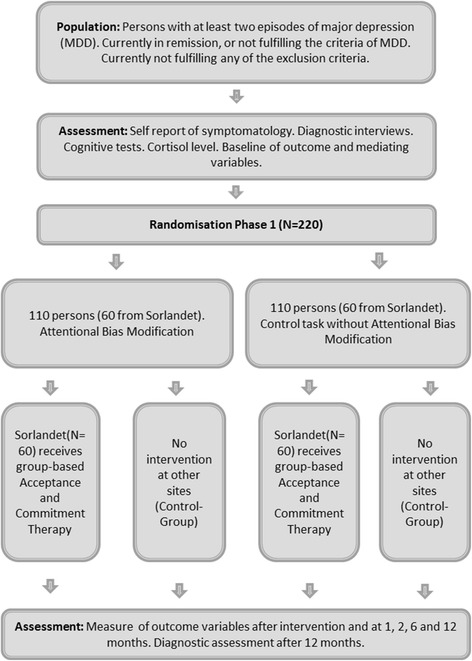
Background: This project studies the effect of group-based Acceptance and Commitment Therapy (ACT) following Attention Bias Modification (ABM) on residual symptoms in recurrent depression. ACT is a cognitive-behavioral intervention combining acceptance and mindfulness processes with commitment and behavior-change processes. ACT enjoys modest empirical support in treating depression and has also shown promising results in secondary prevention of depression. The experimental cognitive bias modification (ABM) procedure has been shown to reduce surrogate markers of depression vulnerability in patients in remission from depression. The aim of the current project is to investigate if the effect of group-based ACT on reducing residual depressive symptoms can be enhanced by preceding it with ABM. Also, assessment of the relationship between conceptually relevant therapeutic processes and outcome will be investigated. Methods/design: An invitation to participate in this project was extended to 120 individuals within a larger sample who had just completed a separate randomized, multisite, clinical trial (referred to hereafter as Phase 1) in which they received either ABM (n = 60) or a control condition without bias modification (n = 60). This larger Phase-1 sample consisted of 220 persons with a history of at least two episodes of major depression who were currently in remission or not fulfilling the criteria of major depression. After its inclusion, Phase-1 participants from the Sørlandet site (n = 120) were also recruited for this study in which they received an 8-week group-based ACT intervention. Measures will be taken immediately after Phase 1, 1 month, 2 months, 6 months, and 1 year after the conclusion of Phase 1. Discussion: This study sequentially combines acceptable, nondrug interventions from neuropsychology and cognitive-behavioral psychology in treating residual symptoms in depression. The results will provide information about the effectiveness of treatment and on mechanisms and processes of change that may be valuable in understanding and further developing ABM and ACT, combined and alone. © 2018 The Author(s).
Verified 2026-11-22 · 1 reference not checked yet
Overview
CoChat Summary
TL;DR
This is a study protocol for a randomized controlled trial testing whether 8-week group-based Acceptance and Commitment Therapy (ACT) after Attention Bias Modification (ABM) reduces residual symptoms in recurrent depression better than ACT after a control condition. The paper reports the planned design, sample, outcomes, and analyses, but not trial results.
Key findings
- The trial is designed to compare group-based ACT after ABM versus ACT after a control condition in people with recurrent depression in remission or not currently meeting criteria for major depression.
- The planned sample is 220 participants in Phase 1, with 120 from the Sørlandet site invited into the ACT phase; half of these (60) are expected to have received ABM and half control.
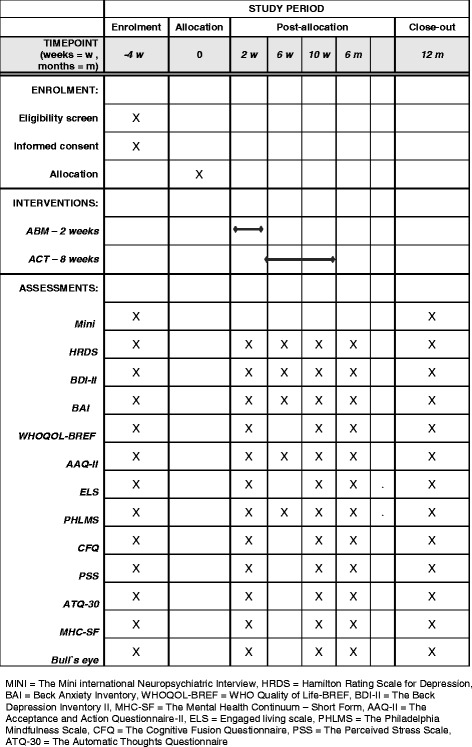
- ABM is delivered twice daily for 14 days, for 28 sessions total, and the ACT phase is an 8-week group intervention.
- The primary outcome is change in residual depressive symptoms measured with both self-report and clinician-rating scales at six assessment points; secondary outcomes include recurrence of major depressive episodes at 12 months, anxiety, quality of life, flourishing, and early morning cortisol response.
Methods
- Protocol for a randomized controlled trial built as a two-phase design: Phase 1 randomization to ABM or no-bias-modification control, followed by ACT for the Sørlandet participants.
- Participants: history of major depression, currently in remission; age 18–65; exclusions include neurological illness, bipolar disorder, psychosis, drug addiction, and ADHD/ADD.
- Primary analysis planned as intention-to-treat using mixed models; potential confounders checked with t tests and included as covariates, with multiple regressions for moderators and mediation.
Limitations
- The paper is a protocol, so no outcome data or effectiveness results are reported yet.
- The authors note that there are no relevant studies to guide expectations for the sequential combination of ABM and ACT versus ACT alone; this is a stated evidence gap.
- Evident limitation: because ACT is only given to the Sørlandet subgroup (n = 120), the study design is not described as a fully balanced trial across the full Phase-1 sample; this is inferred from the text.
Model-written summary. Check it against the paper before relying on it.
Integrity signals
Registry
Cites
Statistics
Figures
Verification
Claims the paper makes
11 Valid · 0 Not valid · 29 Not checked · 12 Own results and interpretations
The cited sources support only part of this claim — read each source’s verdict below.
In the paper
“Unfortunately, some projects have been limited by small sample sizes and poor trial methodology [20–23].”
§ Acceptance and Commitment Therapy preceded by an experimental Attention Bias Modification procedure in recurrent depression: study protocol for a randomized controlled trial > Background > Attention Bias Modification
What the sources say
- Partly supportedcites [20] Grafton B MacLeod C Rudaizky D Holmes EA Salemink E Fox E Notebaert L Confusing procedures with process when appraising the impact of cognitive bias modification on emotional vulnerability Br J Psychiatry 2017 211 5 266 271 29092835 sourceExperimental — accuracy not yet measured
In “Implications and future directions” (page not provided), the paper says some attention-bias modification procedures were delivered through less rigorous approaches, particularly in uncontrolled home environments. It does not identify small sample sizes as a limitation, so that part of the claim is unsupported by our copy. (LLM, conf=0.84)
- Not checked — no full text of the sourcecites [21] Jones EB Sharpe L Cognitive bias modification: a review of meta-analyses J Affect Disord 2017 223 175 183 28759865 source
- Supportedcites [22] Cristea IA Kok RN Cuijpers P Efficacy of cognitive bias modification interventions in anxiety and depression: meta-analysis Br J Psychiatry 2015 206 1 7 16 25561486 source
The Implications section describes early cognitive bias modification studies as pilot, low-powered studies and says well-powered, methodologically appropriate trials were lacking. The Quality of the included studies section reports that 33 of 49 trials met fewer than three of five quality criteria. The paper includes attention bias modification among the interventions it reviews; page numbers were not available in our copy. (LLM, conf=0.88)
- Not checked — no full text of the sourcecites [23] Hallion LS Ruscio AM A meta-analysis of the effect of cognitive bias modification on anxiety and depression Psychol Bull 2011 137 6 940 958 21728399 source
plain- Asserted: passes — The authors put it forward as true.
- Checkable: passes — It can be checked against evidence.
- Load-bearing: unclear — It is unclear whether the paper’s conclusions depend on it.
- Based: passes — The paper gives a reason why it holds.
- Partly supported
Every source the paper cites for this claim was checked and supports it.
In the paper
“Preventive strategies that identify and ameliorate these factors ostensibly could reduce risk of subsequent episodes [6].”
§ Acceptance and Commitment Therapy preceded by an experimental Attention Bias Modification procedure in recurrent depression: study protocol for a randomized controlled trial > Background
What the sources say
- Supportedcites [6] Bhagwagar Z Cowen PJ ‘It's not over when it's over’: persistent neurobiological abnormalities in recovered depressed patients Psychol Med 2008 38 03 307 313 18444278 source
The Introduction says that understanding vulnerability factors might improve identification of people at high risk of recurrence and lead to new prevention methods. The Discussion (p. 309) likewise proposes using neurobiological markers to guide early interventions that might have a preventive role. This supports the citing sentence’s qualified claim that such strategies could reduce subsequent episodes. (LLM, conf=0.91)
hedgedstates a possible cause- Asserted: passes — The authors put it forward as true.
- Checkable: passes — It can be checked against evidence.
- Load-bearing: passes — The paper’s conclusions depend on it.
- Based: passes — The paper gives a reason why it holds.
- Supported
Every source the paper cites for this claim was checked and supports it.
In the paper
“Correlational and experimental evidence indicates that experiential avoidance, as the converse of acceptance, contributes to the development and maintenance of different psychological and behavioral problems [32].”
§ Acceptance and Commitment Therapy preceded by an experimental Attention Bias Modification procedure in recurrent depression: study protocol for a randomized controlled trial > Background > Acceptance and Commitment Therapy Acceptance and Commitment Therapy (ACT) is a modern cognitive-behavior therapy that combines acceptance and mindfulness processes, with commitment and behavior-change processes. ACT is a transdiagnostic model that focuses on pathogenic processes that are hypothesized to be common in different forms of human suffering [26]. The main goal in ACT is to foster psychological flexibility, which is defined as “the ability to contact the present moment more fully as a conscious human being and to change, or persist in, behavior when doing so serves valued ends” ([27], p. 7). Psychological flexibility has shown to be associated with higher life satisfaction, emotional well-being, job performance, and job satisfaction [28–31]. Because ACT focuses on promoting psychological flexibility, rather than removing psychopathology, ACT is hypothesized to be well suited for the prevention of psychological disorders [32]. Psychological flexibility, in turn, is strengthened through the six core processes of (1) acceptance, (2) defusion, (3) self as context, (4) committed action, (5) values, and (6) contact with the present moment [32]. Of these six process, acceptance has received the most attention. Correlational and experimental evidence indicates that experiential avoidance, as the converse of acceptance, contributes to the development and maintenance of different psychological and behavioral problems [32]. A basic tenet of ACT is that by nurturing and developing a more accepting and psychologically flexible stance makes it possible to remain in contact with the uncomfortable experiences, while remaining focused on what one wants life to be about both now, and in the future. Another process contributing to psychological flexibility that ACT addresses, that would appear to be of greater relevance for the rationale of this study, is that of present-moment awareness. To somewhat varying degrees and via differing means, ACT protocols seek to strengthen mindfulness in a manner consistent with that of Jon Kabat-Zinn [33] as “paying attention in a particular way: on purpose, in the present moment, nonjudgmentally” (p. 4). Depressed clients are encouraged to “just notice” with an accepting attitude thoughts, emotions, and bodily sensations that might otherwise be responded to in a ruminative and experientially avoidant manner.
What the sources say
- Supportedcites [32] Biglan A Hayes SC Pistorello J Acceptance and commitment: implications for prevention science Prev Sci 2008 9 3 139 152 18690535 PMC2727477 source
The “Empirical Evidence Regarding Experiential Avoidance” section explicitly says that correlational and experimental evidence indicates EA contributes to diverse psychological and behavioral difficulties. Its longitudinal findings and the “Diathesis-Stress Model of Experiential Avoidance” section further describe EA as a risk factor that can amplify distress over time. Page numbers are unavailable in our copy. (LLM, conf=0.93)
hedgedstates a cause- Asserted: passes — The authors put it forward as true.
- Checkable: passes — It can be checked against evidence.
- Load-bearing: passes — The paper’s conclusions depend on it.
- Based: passes — The paper gives a reason why it holds.
- Supported
The sources with a verdict support this claim; the rest weren’t checked yet, have no full text we could read, or their verdicts aren’t rated yet.
In the paper
“While overall findings have been mixed, studies that have found measurable positive changes in emotional biases with ABM, have also reported associated changes in clinical symptoms [13, 24, 25].”
§ Acceptance and Commitment Therapy preceded by an experimental Attention Bias Modification procedure in recurrent depression: study protocol for a randomized controlled trial > Background > Attention Bias Modification
What the sources say
- Supportedcites [13] Browning M Holmes EA Charles M Cowen PJ Harmer CJ Using attentional bias modification as a cognitive vaccine against depression Biol Psychiatry 2012 72 7 572 579 22579509 PMC3504298 source
The Results report that positive face-based ABM increased positive attentional bias and reduced residual depressive symptoms compared with placebo. This supports the claim that a study finding a measurable bias change also reported a symptom change. The paper did not find a significant correlation between the two changes within participants, so it does not establish that stronger bias changes predicted stronger symptom improvements. (LLM, conf=0.88)
- Supportedcites [24] Li H Wei D Browning M Du X Zhang Q Qiu J Attentional bias modification (ABM) training induces spontaneous brain activity changes in young women with subthreshold depression: a randomized controlled trial Psychol Med 2016 46 5 909 920 26554304 source
In ‘The effect of ABM on attentional bias’ (page unavailable), the ABM group showed increased attention toward positive stimuli. ‘The effect of ABM on Symptom Changes’ reports significant reductions in depressive and anxiety symptoms in that group. The Discussion notes that the attentional-bias difference between ABM and active control was not significant, so the finding should not be read as a demonstrated between-group bias effect. (LLM, conf=0.88)
- Not checked — no full text of the sourcecites [25] Wells TT Beevers CG Biased attention and dysphoria: manipulating selective attention reduces subsequent depressive symptoms Cognit Emot 2010 24 4 719 728 source
plainstates an association- Asserted: passes — The authors put it forward as true.
- Checkable: passes — It can be checked against evidence.
- Load-bearing: passes — The paper’s conclusions depend on it.
- Based: passes — The paper gives a reason why it holds.
- Supported
Every source the paper cites for this claim was checked and supports it.
In the paper
“Statistical power analysis using G*Power [43] indicates that with an α-level at 0.05 and, a β-level at 0.10, the total sample size in a design like this should be 206 to detect differences in the main and interaction effects of a moderate to medium effect size, f = 0.25, with a one-two-way analysis of variance (ANOVA).”
§ Acceptance and Commitment Therapy preceded by an experimental Attention Bias Modification procedure in recurrent depression: study protocol for a randomized controlled trial > Methods/design > Sample size and power
What the sources say
- Supportedcites [43] Faul F Erdfelder E Lang A-G Buchner A G*power 3: a flexible statistical power analysis program for the social, behavioral, and biomedical sciences Behav Res Methods 2007 39 175 191 17695343 source
The citation immediately follows “G*Power,” identifying the program used for the citing authors’ calculation rather than attributing their sample-size result to Faul et al. The source’s “Program Handling” and “Tests for Means (Univariate Case)” sections describe a priori sample-size calculations and ANOVA main-effect and interaction tests using effect size f; the latter identifies f = 0.25 as medium. Page numbers are not available in our copy. (LLM, conf=0.88)
hedged- Asserted: passes — The authors put it forward as true.
- Checkable: passes — It can be checked against evidence.
- Load-bearing: passes — The paper’s conclusions depend on it.
- Based: passes — The paper gives a reason why it holds.
- Supported
17 more claims · 1 with their cited sources checked
Create a free account to see all 52 claims and every source verdict.
- Probably not a substantial claim. 24
- It may state two separate claims as one. 13
Citations
Cites
Baron, R. M., & Kenny, D. A. (1986) · Journal of Personality and Social Psychology · doi:10.1037/0022-3514.51.6.1173 · Cited by 91,532 · cited 1×
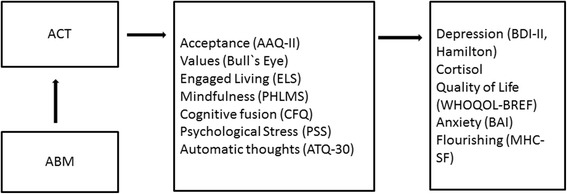
“Multiple regressions will be considered to explore potential moderators, and how acceptance, values, engaged living, mindfulness, cognitive fusion, psychological stress and automatic thoughts mediate outcome [71].”
Faul, F., Erdfelder, E., Lang, A.-G., & Buchner, A. (2007) · Behavior Research Methods · doi:10.3758/bf03193146 · Cited by 65,971 · cited 2×
“Statistical power analysis using G*Power [43] indicates that with an α-level at 0.”
InfluentialHamilton, M. (1960) · Journal of Neurology, Neurosurgery & Psychiatry · doi:10.1136/jnnp.23.1.56 · Cited by 32,817 · cited 2×
“The Hamilton Rating Scale for Depression (HRDS) [46, 47] is a widely used semi-structured clinical inter-view measuring the severity of depressive symptomatology covering a range of affective, behavioral and biological symptoms.”
An inventory for measuring clinical anxiety: Psychometric properties.
Beck, A. T., Epstein, N., Brown, G., & Steer, R. A. (1988) · Journal of Consulting and Clinical Psychology · doi:10.1037/0022-006x.56.6.893 · Cited by 14,407 · cited 3×
“The BAI has been found to have high internal consistency and has shown good convergent and divergent validity [50, 51] Changes in quality of life Quality in life is measured by the WHO Quality of Life-BREF (WHOQOL-BREF) [52, 53], which is a 26-item version of the WHOQOL-100 assessment.”
Depression and quality of life in older persons: A review
Sivertsen, H., Bjørkløf, G. H., Engedal, K., Selbæk, G., & Helvik, A.-S. (2015) · Dementia and Geriatric Cognitive Disorders · doi:10.1159/000437299 · Cited by 14,152
Development of a Rating Scale for Primary Depressive Illness
HAMILTON, M. (1967) · British Journal of Social and Clinical Psychology · doi:10.1111/j.2044-8260.1967.tb00530.x · Cited by 8,410 · cited 2×
“The Hamilton Rating Scale for Depression (HRDS) [46, 47] is a widely used semi-structured clinical inter-view measuring the severity of depressive symptomatology covering a range of affective, behavioral and biological symptoms.”
Development of the World Health Organization WHOQOL-BREF Quality of Life Assessment
THE WHOQOL GROUP (1998) · Psychological Medicine · doi:10.1017/s0033291798006667 · Cited by 7,933 · cited 2×
“The BAI has been found to have high internal consistency and has shown good convergent and divergent validity [50, 51] Changes in quality of life Quality in life is measured by the WHO Quality of Life-BREF (WHOQOL-BREF) [52, 53], which is a 26-item version of the WHOQOL-100 assessment.”
Beck, A. T., Steer, R. A., & Brown, G. (2011) · PsycTESTS Dataset · doi:10.1037/t00742-000 · Cited by 7,535
Acceptance and commitment therapy: model, processes and outcomes
Hayes, S. C., Luoma, J. B., Bond, F. W., Masuda, A., & Lillis, J. (2006) · Behaviour Research and Therapy · doi:10.1016/j.brat.2005.06.006 · Cited by 6,587 · cited 1×
“The main goal in ACT is to foster psychological flexibility, which is defined as “the ability to contact the present moment more fully as a conscious human being and to change, or persist in, behavior when doing so serves valued ends” ([27], p.”
Skevington, S. M., Lotfy, M., & O'Connell, K. A. (2004) · Quality of Life Research · doi:10.1023/b:qure.0000018486.91360.00 · Cited by 4,686 · cited 3×
“The BAI has been found to have high internal consistency and has shown good convergent and divergent validity [50, 51] Changes in quality of life Quality in life is measured by the WHO Quality of Life-BREF (WHOQOL-BREF) [52, 53], which is a 26-item version of the WHOQOL-100 assessment.”
Bond, F. W., Hayes, S. C., Baer, R. A., Carpenter, K. M., Guenole, N., Orcutt, H. K., Waltz, T., & Zettle, R. D. (2011) · Behavior Therapy · doi:10.1016/j.beth.2011.03.007 · Cited by 3,950 · cited 4×
“AAQ-II has been found to have acceptable structure, reliability, and validity [58]”
InfluentialSelf-citationLecrubier, Y., Sheehan, D., Weiller, E., Amorim, P., Bonora, I., Sheehan, K. H., Janavs, J., & Dunbar, G. (1997) · European Psychiatry · doi:10.1016/s0924-9338(97)83296-8 · Cited by 3,513 · cited 2×
“Recurrence of major depressive episodes Measured by the MINI structured interview [41] 12 months after baseline”
Linear Mixed Models for Longitudinal Data
Verbeke, G. (1997) · Lecture Notes in Statistics · doi:10.1007/978-1-4612-2294-1_3 · Cited by 3,506
(2005) · Medical Entomology and Zoology · Cited by 3,197
Wherever you go, there you are: Mindfulness meditation in everyday life
Kwee, M. (1995) · Behaviour Research and Therapy · doi:10.1016/0005-7967(95)90133-7 · Cited by 2,896 · cited 1×
“To somewhat varying degrees and via differing means, ACT protocols seek to strengthen mindfulness in a manner consistent with that of Jon Kabat-Zinn [33] as “ paying attention in a particular way: on purpose, in the present moment, nonjudgmentally ” (p. 4).”
The Neuroscience of Mindfulness Meditation
Tang, Y.-Y., Hölzel, B. K., & Posner, M. I. (2015) · Nature reviews. Neuroscience · doi:10.1038/nrn3916 · Cited by 2,889 · cited 1×
“Studies have found that both ABM and mindfulness-based treatments (of which ACT is an example) may cause neuroplastic changes in the brain regions associated with attention, emotion and self-awareness [24, 36 – 39].”
Delis-Kaplan Executive Function System
Delis, D. C., Kaplan, E., & Kramer, J. H. (2012) · PsycTESTS Dataset · doi:10.1037/t15082-000 · Cited by 2,683
Linear Mixed Models for Longitudinal Data
Molenberghs, G., & Verbeke, G. (2000) · Springer Series in Statistics · doi:10.1007/978-1-4419-0300-6 · Cited by 2,646
Selective publication of antidepressant trials and its influence on apparent efficacy
Turner, E. H., Matthews, A. M., Linardatos, E., Tell, R. A., & Rosenthal, R. (2008) · New England Journal of Medicine · doi:10.1056/nejmsa065779 · Cited by 2,435 · cited 1×
“both pharmacological [2] and psychological interventions [3] is still unsatisfying.”
Review of the Psychometric Evidence of the Perceived Stress Scale
Lee, E.-H. (2012) · Asian Nursing Research · doi:10.1016/j.anr.2012.08.004 · Cited by 2,305 · cited 1×
“Psychological stress Psychological stress is measured by The Perceived Stress Scale (PSS) [64] which has been found to have acceptable psychometric properties [65]”
The Evolution of the Cognitive Model of Depression and Its Neurobiological Correlates
Beck, A. T. (2008) · American Journal of Psychiatry · doi:10.1176/appi.ajp.2008.08050721 · Cited by 1,537 · cited 2×
“The cognitive model of depression is an empirically based framework for identifying and understanding factors that maintain an episode of depression [14].”
Shunk, A. W., Davis, A. S., & Dean, R. S. (2006) · Applied Neuropsychology · doi:10.1207/s15324826an1304_9 · Cited by 1,523
Cognitive self-statements in depression: Development of an automatic thoughts questionnaire
Hollon, S. D., & Kendall, P. C. (1980) · Cognitive Therapy and Research · doi:10.1007/bf01178214 · Cited by 1,480 · cited 2×
“The psychometric evidence suggests that PHLMS is a good measure for present-moment awareness and acceptance [62] Cognitive ) [63] which has good psychometric properties based on preliminary findings [63] Psychological stress Psychological stress is measured by The Perceived Stress Scale (PSS) [64] which has been found…”
Evaluating the psychometric properties of the mental health continuum-short form (MHC-SF)
Lamers, S. M. A., Westerhof, G. J., Bohlmeijer, E. T., ten Klooster, P. M., & Keyes, C. L. M. (2011) · Journal of Clinical Psychology · doi:10.1002/jclp.20741 · Cited by 1,402 · cited 4×
“The study uses The Mental Health Continuum – Short Form (MHC-SF) [55], which has been found to have good psychometric”
InfluentialMacLeod, C., Rutherford, E., Campbell, L., Ebsworthy, G., & Holker, L. (2002) · Journal of Abnormal Psychology · doi:10.1037/0021-843x.111.1.107 · Cited by 1,334 · cited 1×
“[19], was originally developed to test the critical hypothesis that attention bias towards negative emotional information plays a causal role in depression and anxiety [19].”
Mathers, C. (2008) · International Encyclopedia of Public Health · doi:10.1016/b978-012373960-5.00335-x · Cited by 1,121
Kashdan, T. B., Barrios, V., Forsyth, J. P., & Steger, M. F. (2006) · Behaviour Research and Therapy · doi:10.1016/j.brat.2005.10.003 · Cited by 994
The Assessment of Present-Moment Awareness and Acceptance: The Philadelphia Mindfulness Scale
Cardaciotto, L., Herbert, J. D., Forman, E. M., Moitra, E., & Farrow, V. (2008) · Assessment · doi:10.1177/1073191107311467 · Cited by 940 · cited 2×
“These two key constituents will be measured by the Philadelphia Mindfulness Scale (PHLMS) [62].”
Attentional biases for negative interpersonal stimuli in clinical depression
Gotlib, I. H., Krasnoperova, E., Yue, D. N., & Joormann, J. (2004) · Journal of Abnormal Psychology · doi:10.1037/0021-843x.113.1.121 · Cited by 911 · cited 1×
“For example, it has been demonstrated that clinically depressed subjects orient attention toward sad faces rather than neutral or positive faces [15].”
A meta-analysis of the effect of cognitive bias modification on anxiety and depression
Hallion, L. S., & Ruscio, A. M. (2011) · Psychological Bulletin · doi:10.1037/a0024355 · Cited by 891 · cited 1×
“Unfortunately, some projects have been limited by small sample sizes and poor trial methodology [20 – 23].”
The development and initial validation of the cognitive fusion questionnaire
Gillanders, D. T., Bolderston, H., Bond, F. W., Dempster, M., Flaxman, P. E., Campbell, L., Kerr, S., Tansey, L., Noel, P., Ferenbach, C., et al. (2014) · Behavior Therapy · doi:10.1016/j.beth.2013.09.001 · Cited by 837 · cited 1×
“Cognitive Fusion Questionnaire (CFQ) [63] which has good psychometric properties based on preliminary findings [63]”
Fox, K. C. R., Nijeboer, S., Dixon, M. L., Floman, J. L., Ellamil, M., Rumak, S. P., Sedlmeier, P., & Christoff, K. (2014) · Neuroscience & Biobehavioral Reviews · doi:10.1016/j.neubiorev.2014.03.016 · Cited by 804
Forman, E. M., Herbert, J. D., Moitra, E., Yeomans, P. D., & Geller, P. A. (2007) · Behavior Modification · doi:10.1177/0145445507302202 · Cited by 687
Selective attention to emotional faces following recovery from depression
Joormann, J., & Gotlib, I. H. (2007) · Journal of Abnormal Psychology · doi:10.1037/0021-843x.116.1.80 · Cited by 591 · cited 1×
“been reported in previously depressed, currently euthymic subjects [16], and in never-depressed individuals at high risk because of a family history [17].”
Efficacy of cognitive bias modification interventions in anxiety and depression: Meta-analysis
Cristea, I. A., Kok, R. N., & Cuijpers, P. (2015) · British Journal of Psychiatry · doi:10.1192/bjp.bp.114.146761 · Cited by 553
Cuijpers, P., van Straten, A., Bohlmeijer, E., Hollon, S. D., & Andersson, G. (2010) · Psychological Medicine · doi:10.1017/s0033291709006114 · Cited by 533 · cited 1×
“both pharmacological [2] and psychological interventions [3] is still unsatisfying.”
Beck, A. T., & Bredemeier, K. (2016) · Clinical Psychological Science · doi:10.1177/2167702616628523 · Cited by 510
Kabacoff, R. I., Segal, D. L., Hersen, M., & Van Hasselt, V. B. (1997) · Journal of Anxiety Disorders · doi:10.1016/s0887-6185(96)00033-3 · Cited by 500 · cited 1×
“The BAI has been found to have high internal consistency and has shown good convergent and divergent validity [50, 51]”
Advances in Analysis of Longitudinal Data
Gibbons, R. D., Hedeker, D., & DuToit, S. (2010) · Annual Review of Clinical Psychology · doi:10.1146/annurev.clinpsy.032408.153550 · Cited by 452 · cited 1×
“To accommodate missing data, mixed models, which involve randomly deleting missing observations without dropping participants, will be used where appropriate in conducting primary analyses [70].”
Biased processing of emotional information in girls at risk for depression
Joormann, J., Talbot, L., & Gotlib, I. H. (2007) · Journal of Abnormal Psychology · doi:10.1037/0021-843x.116.1.135 · Cited by 420 · cited 1×
“been reported in previously depressed, currently euthymic subjects [16], and in never-depressed individuals at high risk because of a family history [17].”
An operant analysis of problem solving
Skinner, B. F. (1984) · Behavioral and Brain Sciences · doi:10.1017/s0140525x00027412 · Cited by 378 · cited 1×
“Somewhat relatedly, Skinner’s distinction between contingencyshaped (ABM) and rule-governed behavior (ACT) [40] may also be useful in considering how ABM and ACT could work together.”
Measuring Stress: A Guide for Health and Social Scientists
(1995) · doi:10.1093/oso/9780195086416.001.0001 · Cited by 346
Hone, L. C., Jarden, A., Schofield, G. M., & Duncan, S. (2014) · International Journal of Wellbeing · doi:10.5502/ijw.v4i1.4 · Cited by 339
Cognitive bias modification: A review of meta-analyses
Jones, E. B., & Sharpe, L. (2017) · Journal of Affective Disorders · doi:10.1016/j.jad.2017.07.034 · Cited by 338
Wicksell, R. K., Olsson, G. L., & Hayes, S. C. (2010) · European Journal of Pain · doi:10.1016/j.ejpain.2010.05.001 · Cited by 259 · cited 1×
“Psychological flexibility has shown to be associated with higher life satisfaction, emotional well-being, job performance, and job satisfaction [28 – 31].”
Acceptance and commitment: Implications for prevention science
Biglan, A., Hayes, S. C., & Pistorello, J. (2008) · Prevention Science · doi:10.1007/s11121-008-0099-4 · Cited by 240 · cited 3×
“Psychological flexibility, in turn, is strengthened through the six core processes of (1) acceptance, (2) defusion, (3) self as context, (4) committed action, (5) values, and (6) contact with the present moment [32].”
InfluentialLateral prefrontal cortex mediates the cognitive modification of attentional bias
Browning, M., Holmes, E. A., Murphy, S. E., Goodwin, G. M., & Harmer, C. J. (2010) · Biological Psychiatry · doi:10.1016/j.biopsych.2009.10.031 · Cited by 236 · cited 1×
“Studies have found that both ABM and mindfulness-based treatments (of which ACT is an example) may cause neuroplastic changes in the brain regions associated with attention, emotion and self-awareness [24, 36 – 39].”
Self-citationBohlmeijer, E. T., Fledderus, M., Rokx, T. A. J. J., & Pieterse, M. E. (2011) · Behaviour Research and Therapy · doi:10.1016/j.brat.2010.10.003 · Cited by 232 · cited 1×
“ACT has been recognized as an efficacious treatment for depression and has also shown promising results in the secondary prevention of depression (e.g., [8 – 12]).”
Wells, T. T., & Beevers, C. G. (2010) · Cognition & Emotion · doi:10.1080/02699930802652388 · Cited by 228 · cited 1×
“While overall findings have been mixed, studies that have found measurable positive changes in emotional biases with ABM, have also reported associated changes in clinical symptoms [13, 24, 25].”
Holsboer, F., von Bardeleben, U., Wiedemann, K., Müller, O. A., & Stalla, G. K. (1987) · Biological Psychiatry · doi:10.1016/0006-3223(87)90237-x · Cited by 221 · cited 4×
“More than 75% of patients diagnosed with major depressive disorder (MDD) experience more than one episode, often relapsing within 2 years of recovery [4].”
InfluentialBond, F. W., & Flaxman, P. E. (2006) · Journal of Organizational Behavior Management · doi:10.1300/j075v26n01_05 · Cited by 221 · cited 1×
“Psychological flexibility has shown to be associated with higher life satisfaction, emotional well-being, job performance, and job satisfaction [28 – 31].”
Using Attentional Bias Modification as a Cognitive Vaccine Against Depression
Browning, M., Holmes, E. A., Charles, M., Cowen, P. J., & Harmer, C. J. (2012) · Biological Psychiatry · doi:10.1016/j.biopsych.2012.04.014 · Cited by 197 · cited 7×
“[13] reported robust effects of ABM on surrogate markers of depression vulnerability beyond narrowly defined measures of attentional bias.”
MethodInfluentialSelf-citationReligion and wellbeing around the world: Social purpose, social time, or social insurance?
Graham, C., & Crown, S. (2014) · International Journal of Wellbeing · doi:10.5502/ijw.v4i1.1 · Cited by 193 · cited 1×
“Flourishing is a term describing subjective well-being [54] which has been operationalized as encompassing facets of (1) emotional, (2) psychological, and (3) social wellbeing ([55], p.”
Psychological acceptance and quality of life in the elderly
Butler, J., & Ciarrochi, J. (2007) · Quality of Life Research · doi:10.1007/s11136-006-9149-1 · Cited by 192
Trompetter, H. R., ten Klooster, P. M., Schreurs, K. M. G., Fledderus, M., Westerhof, G. J., & Bohlmeijer, E. T. (2013) · Psychological Assessment · doi:10.1037/a0033813 · Cited by 184 · cited 2×
“A study by Trompetter et al. [61] found ELS to be a valid and reliable measure of an engaged response style Mindfulness Present-moment awareness and acceptance are two key components of mindfulness.”
Lrvine, S. (1988) · International Clinical Psychopharmacology · doi:10.1097/00004850-198807000-00010 · Cited by 173
The Bull's-Eye Values Survey: A Psychometric Evaluation
Lundgren, T., Luoma, J. B., Dahl, J., Strosahl, K., & Melin, L. (2012) · Cognitive and Behavioral Practice · doi:10.1016/j.cbpra.2012.01.004 · Cited by 172 · cited 2×
“It has shown good temporal stability and has many properties supporting its construct validity [59]”
Self-citationIncrease in Concentration of Waking Salivary Cortisol in Recovered Patients With Depression
Bhagwagar, Z., Hafizi, S., & Cowen, P. J. (2003) · American Journal of Psychiatry · doi:10.1176/appi.ajp.160.10.1890 · Cited by 161 · cited 1×
“Increased secretion of cortisol has also been reported to be present in depressed subjects after clinical recovery [57], and has been suggested to be a vulnerability marker.”
Grafton, B., MacLeod, C., Rudaizky, D., Holmes, E. A., Salemink, E., Fox, E., & Notebaert, L. (2017) · British Journal of Psychiatry · doi:10.1192/bjp.bp.115.176123 · Cited by 160 · cited 1×
“There has been a growing interest in ABM research [20].”
Eifert, G. H., Forsyth, J. P., Arch, J., Espejo, E., Keller, M., & Langer, D. (2009) · Cognitive and Behavioral Practice · doi:10.1016/j.cbpra.2009.06.001 · Cited by 153 · cited 1×
“An important treatment target is experiential avoidance, which is thought to “ function as a core psychological di-athesis underlying the development and maintenance of several forms of psychopathology ” ([72], p. 369).”
Hacker, T., Stone, P., & MacBeth, A. (2016) · Journal of Affective Disorders · doi:10.1016/j.jad.2015.10.053 · Cited by 130 · cited 1×
“50 on measures of residual symptoms [42].”
Bhagwagar, Z., & Cowen, P. J. (2008) · Psychological Medicine · doi:10.1017/s0033291707001250 · Cited by 124
Course and outcome of depression.
BOLAND, R. J., & Keller, M. B. (2002) · Cited by 120
(2007) · Cited by 112
Self-citationPetersen, C. L., & Zettle, R. D. (2009) · The Psychological Record · doi:10.1007/bf03395679 · Cited by 108 · cited 1×
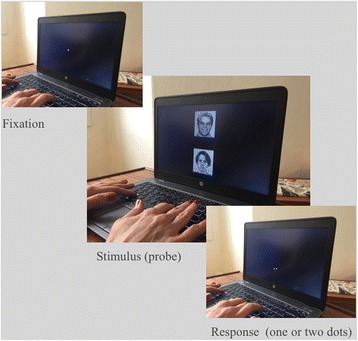
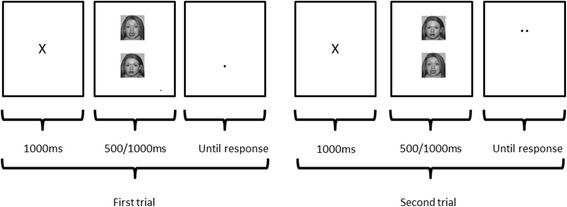
“5 Two example trials from the Attentional Bias Modification task (from Browning et al., [11]).”
Self-citationFolke, F., Parling, T., & Melin, L. (2012) · Cognitive and Behavioral Practice · doi:10.1016/j.cbpra.2012.01.002 · Cited by 100 · cited 1×
“It is rather exploring and clarifying values, and exemplifying psychological flexibility by committed actions coherent with values in multiple life areas [9].”
Månsson, K. N. T., Carlbring, P., Frick, A., Engman, J., Olsson, C.-J., Bodlund, O., Furmark, T., & Andersson, G. (2013) · Psychiatry Research: Neuroimaging · doi:10.1016/j.pscychresns.2013.08.012 · Cited by 92
Li, H., Wei, D., Browning, M., Du, X., Zhang, Q., & Qiu, J. (2016) · Psychological Medicine · doi:10.1017/s003329171500238x · Cited by 59 · cited 1×
“While overall findings have been mixed, studies that have found measurable positive changes in emotional biases with ABM, have also reported associated changes in clinical symptoms [13, 24, 25].”
Koster, E. H. W., & Bernstein, A. (2015) · Journal of Behavior Therapy and Experimental Psychiatry · doi:10.1016/j.jbtep.2015.05.006 · Cited by 55 · cited 1×
“In a special issue on ABM, Koster and Bernstein suggests that combining ABM and clinical treatment might give a better outcome than “ stand-alone ” treatment [35].”
Salemink, E., Wolters, L., & de Haan, E. (2015) · Journal of Behavior Therapy and Experimental Psychiatry · doi:10.1016/j.jbtep.2015.02.003 · Cited by 54
Clarity of Personal Values and Committed Action: Development of a Shorter Engaged Living Scale
Trindade, I. A., Ferreira, C., Pinto-Gouveia, J., & Nooren, L. (2016) · Journal of Psychopathology and Behavioral Assessment · doi:10.1007/s10862-015-9509-7 · Cited by 53 · cited 1×
“Engaged living Engaged living is a term that is used to describe ways in which valued life activities are pursued [60].”
Aasen, H. (2001) · NVA (Nasjonalt vitenarkiv) · Cited by 40
Norwegian version of the automatic thoughts questionnaire: a reliability and validity study
Chioqueta, A. P., & Stiles, T. C. (2004) · Cognitive Behaviour Therapy · doi:10.1080/16506070310016031 · Cited by 24 · cited 1×
“The Norwegian version of the ATQ has been found to have adequate reliability and validity properties [67]”
Self-citationJonassen, R., Foss Haug, K. B., Endestad, T., Bentsen, H., Grimholt, R. M., & Landrø, N. I. (2013) · Cognition & Emotion · doi:10.1080/02699931.2012.726213 · Cited by 8 · cited 1×
“In our own research group we have shown similar effects in healthy subjects at genetic risk [18].”
Self-citationde Beurs, E., Wilson, K. A., Chambless, D. L., Goldstein, A. J., & Feske, U. (1997) · Depression and Anxiety · doi:10.1002/(sici)1520-6394(1997)6:4<140::aid-da2>3.0.co;2-g
Research works printed but not linked: 2
- National Institute for Health and Clinical Excellence Treatment and management of depression in adults, including adults with a chronic physical health problem: National Clinical Practice Guideline number 23 (update) 2009
- Plumb J Hayes S Hildebrandt M Martin L Values and valued action as key processes in clinical intervention Symposium ‘engaging in life: values and valued action as catalysts for change’(JC plumb, chair) meeting of the Association for Behavior Analysis, San Diego, May: 2007 2007
Cited by
Østergaard, T., Lundgren, T., Zettle, R. D., Landrø, N. I., & Haaland, V. Ø. (2020) · Frontiers in Psychology · doi:10.3389/fpsyg.2020.00528 · Cited by 45
Østergaard, T., Lundgren, T., Rosendahl, I. K., Zettle, R. D., Jonassen, R., Harmer, C. J., Stiles, T. C., Landrø, N. I., & Haaland, V. Ø. (2019) · Frontiers in Psychology · doi:10.3389/fpsyg.2019.01995 · Cited by 15
Self-citationEl Morr, C. (2019) · International Journal of Extreme Automation and Connectivity in Healthcare · doi:10.4018/ijeach.2019010102 · Cited by 10
Corman, M., Aubret, D., Ghazal, J., Berthon, M., Chaussé, P., Lohou, C., & Dambrun, M. (2019) · Journal of Behavior Therapy and Experimental Psychiatry · doi:10.1016/j.jbtep.2019.101525 · Cited by 9
Easton, K., Kellett, S., Cooper, M., Millings, A., Varela, J., & Parry, G. D. (2021) · JMIR Mental Health · doi:10.2196/20213 · Cited by 3
Metadata
- Authors
- Østergaard, T., Lundgren, T., Zettle, R., Jonassen, R., Harmer, C. J., Stiles, T. C., Landrø, N. I., & Haaland, V. Ø.
- Affiliations
- University of Oslo (NO)
- Karolinska Institutet (SE)
- Wichita State University (US)
- University of Oxford (GB)
- Norwegian University of Science and Technology (NO)
- Corresponding author
- Østergaard, Tom
- ORCID
- Venue
- Trials
- Published
- 2018-03-27
- Volume
- 19
- Issue
- 1
- Pages
- 203-203
- ISSN
- 1745-6215 (ISSN-L)
- PMC
- PMC5870819
- OpenAlex
- W2795491928
- Cited by
- 10
- References
- 81
- Citations by year
- 2026: 1 · 2023: 1 · 2021: 2 · 2020: 3 · 2019: 2 · 2018: 1
- FWCI
- 2.34
- Type
- journal article
- Language
- en
- Open access
- gold
- doi.org
- Licence
- cc-by
- creativecommons.org/licenses/by/4.0/ (tdm)
- Locations
- Trials (publishedVersion, cc-by)
- PubMed Central (publishedVersion, cc-by)
- PubMed (publishedVersion)
- DOAJ (DOAJ: Directory of Open Access Journals) (submittedVersion, cc-by-sa)
- NORA - Norwegian Open Research Archives (submittedVersion, cc-by)
- Holmes Museum Of Anthropology (Wichita State University) (submittedVersion)
- Funders
- Helse Sør-Øst RHF (2015056)
- Topics
- Social Sciences › Psychology › Clinical Psychology › Mindfulness and Compassion Interventions
- Social Sciences › Psychology › Experimental and Cognitive Psychology › Anxiety, Depression, Psychometrics, Treatment, Cognitive Processes
- Social Sciences › Psychology › Clinical Psychology › Psychotherapy Techniques and Applications
- Keywords
- acceptance and commitment therapy, attentional bias modification, recurrent depression, residual depressive symptoms, cognitive bias modification, depression remission, mechanisms of change
- MeSH terms
- Attentional Bias, Adolescent, Adult, Aged, Depression, Female, Humans, Male, Middle Aged, Norway, Psychotherapy, Group, Recurrence, Remission Induction, Time Factors, Multicenter Studies as Topic, Randomized Controlled Trials as Topic, Treatment Outcome, Young Adult, Acceptance and Commitment Therapy
About these checks
Registry, retraction, Cites and statistics results are computed, not judged, with one exception: a printed reference that no index lists is read once by a model before it counts as a citation error. Claims are extracted by a model and kept only when their quote appears verbatim in the text; each cited source is then checked, with a model’s help, for whether it says what the claim relies on. Those verdicts can be wrong — read the claim’s quote and the cited source before relying on one.
The claim verdicts this report counts are experimental: their accuracy is not yet measured.
A language model drew the claims from the paper on 2026-10-11, under version 3 of the claim definition (model deepseek-v4.1-flash, prompt extract-v3).
A second model labelled each claim on 2026-10-11 (model jev-1.13-20260917, definition revision gold-guideline-v0.2).
Cited sources are checked with a language model’s help (gpt-6-sol).
Statistics and arithmetic are recomputed, not judged.
Confidence bands are shown only for fields calibrated on our annotated test set. None is calibrated yet, so no band is shown.
What counts as a claim ›How we measure confidence ›How we check this ›
Are you an author, or do you see a problem with this page? Request a review
Data sources
Bibliographic data: Semantic Scholar, OpenAlex, Crossref.
Contains information from the Semantic Scholar Academic Graph Datasets, made available under the ODC Attribution License (ODC-BY 1.0).
Semantic Scholar’s data is described in: Kinney, R., et al. (2023). The Semantic Scholar Open Data Platform. arXiv:2301.10140.
