

3D and organoid culture in research: physiology, hereditary genetic diseases and cancer
Open accessThe DOI matches its Crossref record; 230 of the 230 references it cites were found in a registry or an index.
Abstract
In nature, cells reside in tissues subject to complex cell–cell interactions, signals from extracellular molecules and niche soluble and mechanical signaling. These microenvironment interactions are responsible for cellular phenotypes and functions, especially in normal settings. However, in 2D cultures, where interactions are limited to the horizontal plane, cells are exposed uniformly to factors or drugs; therefore, this model does not reconstitute the interactions of a natural microenvironment. 3D culture systems more closely resemble the architectural and functional properties of in vivo tissues. In these 3D cultures, the cells are exposed to different concentrations of nutrients, growth factors, oxygen or cytotoxic agents depending on their localization and communication. The 3D architecture also differentially alters the physiological, biochemical, and biomechanical properties that can affect cell growth, cell survival, differentiation and morphogenesis, cell migration and EMT properties, mechanical responses and therapy resistance. This latter point may, in part, explain the failure of current therapies and affect drug discovery research. Organoids are a promising 3D culture system between 2D cultures and in vivo models that allow the manipulation of signaling pathways and genome editing of cells in a body-like environment but lack the many disadvantages of a living system. In this review, we will focus on the role of stem cells in the establishment of organoids and the possible therapeutic applications of this model, especially in the field of cancer research.
Overview
The claims and statistics of this paper haven’t been checked yet.
Free: it reads the open-access text and checks the first 5 claims that cite a source we can check. Create a free account to check every claim.
Integrity signals
Registry
Cites
Statistics
Figures
Verification
Claims the paper makes
The claims and statistics of this paper haven’t been checked yet.
Free: it reads the open-access text and checks the first 5 claims that cite a source we can check. Create a free account to check every claim.
Claims other papers make about this one
Each is checked against this paper’s own text: does it say what the citing paper says it does?
The source backs part of the claim, not all of it — or backs it for a different population, condition or comparison.
In the citing paper
“To overcome these limitations, integrating primary cells into three-dimensional scaffolds, organoid systems, or dynamic co-culture platforms has been shown to enhance the preservation of tissue-specific architecture and functional responses, creating hybrid models that more faithfully recapitulate in vivo physiology”
From Primary cell cultures versus immortalized cell lines: critical comparative insights into biological fidelity and translational applications (2026) · cites this paper as Suarez-Martinez et al. 2022
Experimental — accuracy not yet measured
Self-check
Percentages, sums and reported differences re-computed from the paper’s own numbers.
The self-check needs the paper’s full text.
Citations
Cites
Takahashi, K., & Yamanaka, S. (2006) · Cell · doi:10.1016/j.cell.2006.07.024 · Cited by 26,673 · cited 1×
“The first to obtain this kind of cell, called an induced pluripotent stem cell (iPSC), was Takahashi and Yamanaka in 2006, due to the ectopic expression of four transcription factors (OCT4, SOX2, KLF4 and MYC, as OSKM) in mouse fibroblasts [13].”
BackgroundComprehensive molecular characterization of human colon and rectal cancer
The Cancer Genome Atlas Network (2012) · Nature · doi:10.1038/nature11252 · Cited by 8,499
Single Lgr5 stem cells build crypt-villus structures in vitro without a mesenchymal niche
Sato, T., Vries, R. G., Snippert, H. J., van de Wetering, M., Barker, N., Stange, D. E., van Es, J. H., Abo, A., Kujala, P., Peters, P. J., et al. (2009) · Nature · doi:10.1038/nature07935 · Cited by 7,204 · cited 3×
“Since the first organoid was established in 2009 from intestinal stem cells [8], organoids from several tissues have been developed from ASCs, including stomach, liver, pancreas, prostate, mammary gland, fallopian tubes, taste buds, lungs, salivary glands, esophagus [9], epididymis [36], lingua [37], lacrimal gland [3…”
BackgroundIdentification of stem cells in small intestine and colon by marker gene Lgr5
Barker, N., van Es, J. H., Kuipers, J., Kujala, P., van den Born, M., Cozijnsen, M., Haegebarth, A., Korving, J., Begthel, H., Peters, P. J., et al. (2007) · Nature · doi:10.1038/nature06196 · Cited by 5,687 · cited 1×
“This kind of stem cell has been found in several tissues, for instance, neural SCs (NSCs) in the brain [17, 18], hematopoietic SCs (HSCs) in the bone marrow [19, 20], hepatic progenitor cells in the liver [21, 22], mesenchymal SCs in adipose tissue [23], crypt SCs in the intestine [24, 25], epithelial SCs in the skin…”
BackgroundCerebral organoids model human brain development and microcephaly
Lancaster, M. A., Renner, M., Martin, C.-A., Wenzel, D., Bicknell, L. S., Hurles, M. E., Homfray, T., Penninger, J. M., Jackson, A. P., & Knoblich, J. A. (2013) · Nature · doi:10.1038/nature12517 · Cited by 5,372
Sato, T., Stange, D. E., Ferrante, M., Vries, R. G. J., van Es, J. H., van den Brink, S., van Houdt, W. J., Pronk, A., van Gorp, J., Siersema, P. D., et al. (2011) · Gastroenterology · doi:10.1053/j.gastro.2011.07.050 · Cited by 3,753 · cited 3×
“Intestine ASC (intestinal crypt Lgr5+ stem cells) • Faithfully recapitulates the tissue • Long term growth • Growth of mouse adenomas, human colorectal cancer cells, and human metaplastic epithelia [82, 84]”
BackgroundHighly efficient neural conversion of human ES and iPS cells by dual inhibition of SMAD signaling
Chambers, S. M., Fasano, C. A., Papapetrou, E. P., Tomishima, M., Sadelain, M., & Studer, L. (2009) · Nature Biotechnology · doi:10.1038/nbt.1529 · Cited by 3,620 · cited 1×
“Neural induction requires the inhibition of SMAD signaling to promote ectoderm formation [105] and inhibition or activation of Wnt signaling depending on the region trying to be replicated; for example, for forebrain organoids, Wnt activation is necessary [60, 106, 107], whereas inhibition of Wnt signaling promotes an…”
BackgroundOrganoid Models and Applications in Biomedical Research
Xinaris, C., Brizi, V., & Remuzzi, G. (2015) · Nephron · doi:10.1159/000433566 · Cited by 3,515
Modeling Development and Disease with Organoids
Clevers, H. (2016) · Cell · doi:10.1016/j.cell.2016.05.082 · Cited by 3,196 · cited 5×
“They require a long timespan and different cocktails of growth factors to generate these structures because the system needs to mimic embryonic development [9, 68].”
BackgroundInfluentialPatterns of somatic mutation in human cancer genomes
Greenman, C., Stephens, P., Smith, R., Dalgliesh, G. L., Hunter, C., Bignell, G., Davies, H., Teague, J., Butler, A., Stevens, C., et al. (2007) · Nature · doi:10.1038/nature05610 · Cited by 3,080
Organogenesis in a dish: Modeling development and disease using organoid technologies
Lancaster, M. A., & Knoblich, J. A. (2014) · Science · doi:10.1126/science.1247125 · Cited by 2,931
Hematopoiesis: An Evolving Paradigm for Stem Cell Biology
Orkin, S. H., & Zon, L. I. (2008) · Cell · doi:10.1016/j.cell.2008.01.025 · Cited by 2,570 · cited 1×
“This kind of stem cell has been found in several tissues, for instance, neural SCs (NSCs) in the brain [17, 18], hematopoietic SCs (HSCs) in the bone marrow [19, 20], hepatic progenitor cells in the liver [21, 22], mesenchymal SCs in adipose tissue [23], crypt SCs in the intestine [24, 25], epithelial SCs in the skin…”
BackgroundPaneth cells constitute the niche for Lgr5 stem cells in intestinal crypts
Sato, T., van Es, J. H., Snippert, H. J., Stange, D. E., Vries, R. G., van den Born, M., Barker, N., Shroyer, N. F., van de Wetering, M., & Clevers, H. (2011) · Nature · doi:10.1038/nature09637 · Cited by 2,510
Prospective Derivation of a Living Organoid Biobank of Colorectal Cancer Patients
van de Wetering, M., Francies, H. E., Francis, J. M., Bounova, G., Iorio, F., Pronk, A., van Houdt, W., van Gorp, J., Taylor-Weiner, A., Kester, L., et al. (2015) · Cell · doi:10.1016/j.cell.2015.03.053 · Cited by 2,408
Crypt stem cells as the cells-of-origin of intestinal cancer
Barker, N., Ridgway, R. A., van Es, J. H., van de Wetering, M., Begthel, H., van den Born, M., Danenberg, E., Clarke, A. R., Sansom, O. J., & Clevers, H. (2009) · Nature · doi:10.1038/nature07602 · Cited by 2,166
Organoid models of human and mouse ductal pancreatic cancer
Boj, S. F., Hwang, C.-I., Baker, L. A., Chio, I. I. C., Engle, D. D., Corbo, V., Jager, M., Ponz-Sarvise, M., Tiriac, H., Spector, M. S., et al. (2015) · Cell · doi:10.1016/j.cell.2014.12.021 · Cited by 2,150 · cited 2×
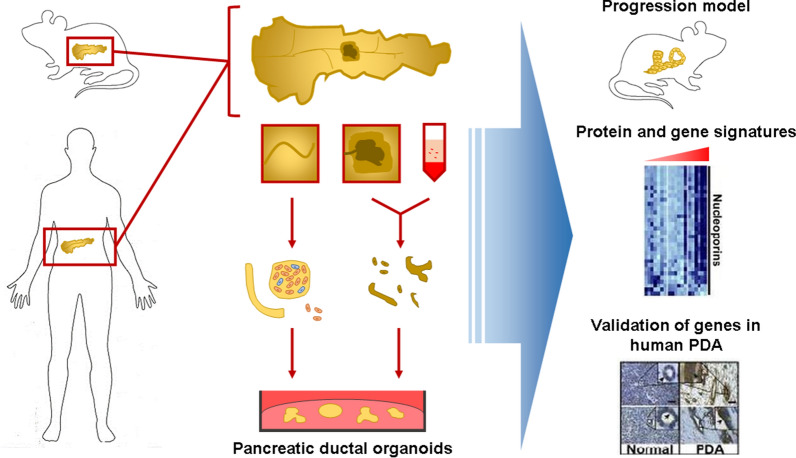
“Pancreatic organoids can be derived from tumor tissues and hPSCs [168, 169].”
BackgroundBrain-Region-Specific Organoids Using Mini-bioreactors for Modeling ZIKV Exposure
Qian, X., Nguyen, H. N., Song, M. M., Hadiono, C., Ogden, S. C., Hammack, C., Yao, B., Hamersky, G. R., Jacob, F., Zhong, C., et al. (2016) · Cell · doi:10.1016/j.cell.2016.04.032 · Cited by 2,127 · cited 3×
“Brain iPSC • The organoids recapitulate progenitor zone organization, neuro‐ genesis, gene expression, and a distinct human‐specific outer radial glia cell layer • Co‐culture of different parts of the brain can recreate the dorsal– ventral forebrain axis [57, 60]”
BackgroundPatient-derived organoids model treatment response of metastatic gastrointestinal cancers
Vlachogiannis, G., Hedayat, S., Vatsiou, A., Jamin, Y., Fernández-Mateos, J., Khan, K., Lampis, A., Eason, K., Huntingford, I., Burke, R., et al. (2018) · Science · doi:10.1126/science.aao2774 · Cited by 2,096
Self-organizing optic-cup morphogenesis in three-dimensional culture
Eiraku, M., Takata, N., Ishibashi, H., Kawada, M., Sakakura, E., Okuda, S., Sekiguchi, K., Adachi, T., & Sasai, Y. (2011) · Nature · doi:10.1038/nature09941 · Cited by 2,001 · cited 2×
“ESC • Fully stratified retinal tissue consisting of all major neural retinal components [112, 113]”
BackgroundA living biobank of breast cancer organoids captures disease heterogeneity
Sachs, N., de Ligt, J., Kopper, O., Gogola, E., Bounova, G., Weeber, F., Balgobind, A. V., Wind, K., Gracanin, A., Begthel, H., et al. (2018) · Cell · doi:10.1016/j.cell.2017.11.010 · Cited by 1,973
Stem Cells and Niches: Mechanisms That Promote Stem Cell Maintenance throughout Life
Morrison, S. J., & Spradling, A. C. (2008) · Cell · doi:10.1016/j.cell.2008.01.038 · Cited by 1,955
Directed differentiation of human pluripotent stem cells into intestinal tissue in vitro
Spence, J. R., Mayhew, C. N., Rankin, S. A., Kuhar, M. F., Vallance, J. E., Tolle, K., Hoskins, E. E., Kalinichenko, V. V., Wells, S. I., Zorn, A. M., et al. (2011) · Nature · doi:10.1038/nature09691 · Cited by 1,922
Drost, J., & Clevers, H. (2018) · Nature Reviews Cancer · doi:10.1038/s41568-018-0007-6 · Cited by 1,790 · cited 2×
“They can be used as a tool for high-throughput drug screenings, for the identification of epigenetic or genetic causes of drug resistance, and for the comparison of different compound toxicities in normal versus tumoral tissues [10].”
BackgroundMethodType 2 alveolar cells are stem cells in adult lung
Barkauskas, C. E., Cronce, M. J., Rackley, C. R., Bowie, E. J., Keene, D. R., Stripp, B. R., Randell, S. H., Noble, P. W., & Hogan, B. L. M. (2013) · Journal of Clinical Investigation · doi:10.1172/jci68782 · Cited by 1,776 · cited 2×
“AEC2-derived organoids, called ‘alveolospheres’, contain both AEC2 and AEC1 present in the alveoli but are not yet fully defined and need the presence of lung stromal cells for growth and differentiation [102].”
BackgroundKidney organoids from human iPS cells contain multiple lineages and model human nephrogenesis
Takasato, M., Er, P. X., Chiu, H. S., Maier, B., Baillie, G. J., Ferguson, C., Parton, R. G., Wolvetang, E. J., Roost, M. S., Chuva de Sousa Lopes, S. M., et al. (2015) · Nature · doi:10.1038/nature15695 · Cited by 1,627
Long-Term Culture of Genome-Stable Bipotent Stem Cells from Adult Human Liver
Huch, M., Gehart, H., van Boxtel, R., Hamer, K., Blokzijl, F., Verstegen, M. M. A., Ellis, E., van Wenum, M., Fuchs, S. A., de Ligt, J., et al. (2015) · Cell · doi:10.1016/j.cell.2014.11.050 · Cited by 1,619
Organoid Cultures Derived from Patients with Advanced Prostate Cancer
Gao, D., Vela, I., Sboner, A., Iaquinta, P. J., Karthaus, W. R., Gopalan, A., Dowling, C., Wanjala, J. N., Undvall, E. A., Arora, V. K., et al. (2014) · Cell · doi:10.1016/j.cell.2014.08.016 · Cited by 1,559
Basal cells as stem cells of the mouse trachea and human airway epithelium
Rock, J. R., Onaitis, M. W., Rawlins, E. L., Lu, Y., Clark, C. P., Xue, Y., Randell, S. H., & Hogan, B. L. M. (2009) · Proceedings of the National Academy of Sciences · doi:10.1073/pnas.0906850106 · Cited by 1,559
Organoid modeling of the tumor immune microenvironment
Neal, J. T., Li, X., Zhu, J., Giangarra, V., Grzeskowiak, C. L., Ju, J., Liu, I. H., Chiou, S.-H., Salahudeen, A. A., Smith, A. R., et al. (2018) · Cell · doi:10.1016/j.cell.2018.11.021 · Cited by 1,556
In vitro expansion of single Lgr5+ liver stem cells induced by Wnt-driven regeneration
Huch, M., Dorrell, C., Boj, S. F., van Es, J. H., Li, V. S. W., van de Wetering, M., Sato, T., Hamer, K., Sasaki, N., Finegold, M. J., et al. (2013) · Nature · doi:10.1038/nature11826 · Cited by 1,555 · cited 1×
“It has been proven previously that Lgr5+ cells from injured mouse liver [93] and mouse pancreas [94] form the respective organoids with self-organization and long-term expansion of ductal progenitor cells (Fig.”
BackgroundLgr5+ve Stem Cells Drive Self-Renewal in the Stomach and Build Long-Lived Gastric Units In Vitro
Barker, N., Huch, M., Kujala, P., van de Wetering, M., Snippert, H. J., van Es, J. H., Sato, T., Stange, D. E., Begthel, H., van den Born, M., et al. (2010) · Cell Stem Cell · doi:10.1016/j.stem.2009.11.013 · Cited by 1,547
BECKER, A. J., McCULLOCH, E. A., & TILL, J. E. (1963) · Nature · doi:10.1038/197452a0 · Cited by 1,509
Human primary liver cancer–derived organoid cultures for disease modeling and drug screening
Broutier, L., Mastrogiovanni, G., Verstegen, M. M., Francies, H. E., Gavarró, L. M., Bradshaw, C. R., Allen, G. E., Arnes-Benito, R., Sidorova, O., Gaspersz, M. P., et al. (2017) · Nature Medicine · doi:10.1038/nm.4438 · Cited by 1,471 · cited 2×
“Thirty potential tumor biomarkers have been identified by comparing healthy and primary liver cancer organoids [170].”
BackgroundCollins, C. A., Olsen, I., Zammit, P. S., Heslop, L., Petrie, A., Partridge, T. A., & Morgan, J. E. (2005) · Cell · doi:10.1016/j.cell.2005.05.010 · Cited by 1,445 · cited 1×
“This kind of stem cell has been found in several tissues, for instance, neural SCs (NSCs) in the brain [17, 18], hematopoietic SCs (HSCs) in the bone marrow [19, 20], hepatic progenitor cells in the liver [21, 22], mesenchymal SCs in adipose tissue [23], crypt SCs in the intestine [24, 25], epithelial SCs in the skin…”
BackgroundSchwank, G., Koo, B.-K., Sasselli, V., Dekkers, J. F., Heo, I., Demircan, T., Sasaki, N., Boymans, S., Cuppen, E., van der Ent, C. K., et al. (2013) · Cell Stem Cell · doi:10.1016/j.stem.2013.11.002 · Cited by 1,424
Pluripotent stem cells induced from mouse somatic cells by small-molecule compounds.
Hou, P., Li, Y., Zhang, X., Liu, C., Guan, J., Li, H., Zhao, T., Ye, J., Yang, W., Liu, K., et al. (2013) · Science · doi:10.1126/science.1239278 · Cited by 1,402
Assembly of functionally integrated human forebrain spheroids
Birey, F., Andersen, J., Makinson, C. D., Islam, S., Wei, W., Huber, N., Fan, H. C., Metzler, K. R. C., Panagiotakos, G., Thom, N., et al. (2017) · Nature · doi:10.1038/nature22330 · Cited by 1,365
STEM CELL NICHE: Structure and Function
Li, L., & Xie, T. (2005) · Annual Review of Cell and Developmental Biology · doi:10.1146/annurev.cellbio.21.012704.131525 · Cited by 1,229
An in vivo model of functional and vascularized human brain organoids
Mansour, A. A., Gonçalves, J. T., Bloyd, C. W., Li, H., Fernandes, S., Quang, D., Johnston, S., Parylak, S. L., Jin, X., & Gage, F. H. (2018) · Nature Biotechnology · doi:10.1038/nbt.4127 · Cited by 1,211 · cited 1×
“Recently, a study carried out in 2018 showed a method for transplanting human brain organoids into adult mouse brains to provide a vascularized and functional environment, triggered by the in vitro limitations in synaptic connectivity and interactions with the immune system [110].”
BackgroundHofer, M., & Lutolf, M. P. (2021) · Nature Reviews Materials · doi:10.1038/s41578-021-00279-y · Cited by 1,184 · cited 1×
“Furthermore, the short lifespan of these systems does not allow for the total maturation of cells, leading to a fetal-like phenotype [66].”
BackgroundSpherical Cancer Models in Tumor Biology
Weiswald, L.-B., Bellet, D., & Dangles-Marie, V. (2015) · Neoplasia · doi:10.1016/j.neo.2014.12.004 · Cited by 1,141
Dijkstra, K. K., Cattaneo, C. M., Weeber, F., Chalabi, M., van de Haar, J., Fanchi, L. F., Slagter, M., van der Velden, D. L., Kaing, S., Kelderman, S., et al. (2018) · Cell · doi:10.1016/j.cell.2018.07.009 · Cited by 1,135
Adult Neurogenesis in the Hippocampus: From Stem Cells to Behavior
Gonçalves, J. T., Schafer, S. T., & Gage, F. H. (2016) · Cell · doi:10.1016/j.cell.2016.10.021 · Cited by 1,122
Organoid Profiling Identifies Common Responders to Chemotherapy in Pancreatic Cancer
Tiriac, H., Belleau, P., Engle, D. D., Plenker, D., Deschênes, A., Somerville, T. D. D., Froeling, F. E. M., Burkhart, R. A., Denroche, R. E., Jang, G.-H., et al. (2018) · Cancer Discovery · doi:10.1158/2159-8290.cd-18-0349 · Cited by 1,092 · cited 1×
“Moreover, pancreatic patient-derived organoids (PDOs) have been used to compare their chemosensitivity with patient outcomes and to establish gene signatures to predict this response [212].”
BackgroundLineage Tracing Reveals Lgr5 + Stem Cell Activity in Mouse Intestinal Adenomas
Schepers, A. G., Snippert, H. J., Stange, D. E., van den Born, M., van Es, J. H., van de Wetering, M., & Clevers, H. (2012) · Science · doi:10.1126/science.1224676 · Cited by 1,072
Intestinal Tumorigenesis Initiated by Dedifferentiation and Acquisition of Stem-Cell-like Properties
Schwitalla, S., Fingerle, A. A., Cammareri, P., Nebelsiek, T., Göktuna, S. I., Ziegler, P. K., Canli, O., Heijmans, J., Huels, D. J., Moreaux, G., et al. (2013) · Cell · doi:10.1016/j.cell.2012.12.012 · Cited by 1,068
Sequential cancer mutations in cultured human intestinal stem cells
Drost, J., van Jaarsveld, R. H., Ponsioen, B., Zimberlin, C., van Boxtel, R., Buijs, A., Sachs, N., Overmeer, R. M., Offerhaus, G. J., Begthel, H., et al. (2015) · Nature · doi:10.1038/nature14415 · Cited by 1,067 · cited 1×
“Therefore, it is vital to properly isolate the tumoral material or to cultivate the cells under selective media that only allows for the expansion of cancerous cells [179, 180].”
BackgroundKadoshima, T., Sakaguchi, H., Nakano, T., Soen, M., Ando, S., Eiraku, M., & Sasai, Y. (2013) · Proceedings of the National Academy of Sciences · doi:10.1073/pnas.1315710110 · Cited by 999 · cited 1×
“Most protocols are based on the optimization of neural induction from iPSCs or ESCs by mimicking endogenous features in vitro [59, 60, 103, 104].”
BackgroundA functional CFTR assay using primary cystic fibrosis intestinal organoids
Dekkers, J. F., Wiegerinck, C. L., de Jonge, H. R., Bronsveld, I., Janssens, H. M., de Winter-de Groot, K. M., Brandsma, A. M., de Jong, N. W. M., Bijvelds, M. J. C., Scholte, B. J., et al. (2013) · Nature Medicine · doi:10.1038/nm.3201 · Cited by 999 · cited 1×
“Dekkers and colleagues developed a powerful assay, termed forskolininduced swelling (FIS), to measure CFTR activity [192] that is used in CF patient hiPSC-derived organoid studies [193].”
BackgroundModelling human development and disease in pluripotent stem-cell-derived gastric organoids
McCracken, K. W., Catá, E. M., Crawford, C. M., Sinagoga, K. L., Schumacher, M., Rockich, B. E., Tsai, Y.-H., Mayhew, C. N., Spence, J. R., Zavros, Y., et al. (2014) · Nature · doi:10.1038/nature13863 · Cited by 980
Generation of three-dimensional retinal tissue with functional photoreceptors from human iPSCs
Zhong, X., Gutierrez, C., Xue, T., Hampton, C., Vergara, M. N., Cao, L.-H., Peters, A., Park, T. S., Zambidis, E. T., Meyer, J. S., et al. (2014) · Nature Communications · doi:10.1038/ncomms5047 · Cited by 970
Bioprinting 3D microfibrous scaffolds for engineering endothelialized myocardium and heart-on-a-chip
Zhang, Y. S., Arneri, A., Bersini, S., Shin, S.-R., Zhu, K., Goli-Malekabadi, Z., Aleman, J., Colosi, C., Busignani, F., Dell'Erba, V., et al. (2016) · Biomaterials · doi:10.1016/j.biomaterials.2016.09.003 · Cited by 951
Engineering of human brain organoids with a functional vascular-like system
Cakir, B., Xiang, Y., Tanaka, Y., Kural, M. H., Parent, M., Kang, Y.-J., Chapeton, K., Patterson, B., Yuan, Y., He, C.-S., et al. (2019) · Nature Methods · doi:10.1038/s41592-019-0586-5 · Cited by 942
Interaction between the gut microbiome and mucosal immune system
Shi, N., Li, N., Duan, X., & Niu, H. (2017) · Military Medical Research · doi:10.1186/s40779-017-0122-9 · Cited by 940 · cited 1×
“The host microbiota is suggested to regulate molecular and cellular mechanisms by interacting with receptors on the surface of host cells and producing metabolic products that modify host physiology and the immune system response [123, 124].”
BackgroundChaffer, C. L., Marjanovic, N. D., Lee, T., Bell, G., Kleer, C. G., Reinhardt, F., D’Alessio, A. C., Young, R. A., & Weinberg, R. A. (2013) · Cell · doi:10.1016/j.cell.2013.06.005 · Cited by 876
Tumor Evolution and Drug Response in Patient-Derived Organoid Models of Bladder Cancer
Lee, S. H., Hu, W., Matulay, J. T., Silva, M. V., Owczarek, T. B., Kim, K., Chua, C. W., Barlow, L. J., Kandoth, C., Williams, A. B., et al. (2018) · Cell · doi:10.1016/j.cell.2018.03.017 · Cited by 873
Jo, J., Xiao, Y., Sun, A. X., Cukuroglu, E., Tran, H.-D., Göke, J., Tan, Z. Y., Saw, T. Y., Tan, C.-P., Lokman, H., et al. (2016) · Cell Stem Cell · doi:10.1016/j.stem.2016.07.005 · Cited by 861
Gut microbiome, obesity, and metabolic dysfunction
Tilg, H., & Kaser, A. (2011) · Journal of Clinical Investigation · doi:10.1172/jci58109 · Cited by 860 · cited 1×
“When the intestinal microenvironment is altered, several diseases, such as inflammatory bowel disease [125] and obesity [126], can appear.”
BackgroundFujii, M., Shimokawa, M., Date, S., Takano, A., Matano, M., Nanki, K., Ohta, Y., Toshimitsu, K., Nakazato, Y., Kawasaki, K., et al. (2016) · Cell Stem Cell · doi:10.1016/j.stem.2016.04.003 · Cited by 852
Long-Term Expansion of Functional Mouse and Human Hepatocytes as 3D Organoids
Hu, H., Gehart, H., Artegiani, B., LÖpez-Iglesias, C., Dekkers, F., Basak, O., van Es, J., Chuva de Sousa Lopes, S. M., Begthel, H., Korving, J., et al. (2018) · Cell · doi:10.1016/j.cell.2018.11.013 · Cited by 837 · cited 2×
“Liver ASC (Lgr5+ stem cells/ mature hepatocytes) • Long‐term growth • Cells can be converted into functional hepatocytes in vitro and upon transplantation into mice • Recapitulates the proliferative damage‐response of hepatocytes [35, 95]”
BackgroundAn organoid platform for ovarian cancer captures intra- and interpatient heterogeneity
Kopper, O., de Witte, C. J., Lõhmussaar, K., Valle-Inclan, J. E., Hami, N., Kester, L., Balgobind, A. V., Korving, J., Proost, N., Begthel, H., et al. (2019) · Nature Medicine · doi:10.1038/s41591-019-0422-6 · Cited by 834
In vitro generation of human pluripotent stem cell derived lung organoids
Dye, B. R., Hill, D. R., Ferguson, M. A., Tsai, Y.-H., Nagy, M. S., Dyal, R., Wells, J. M., Mayhew, C. N., Nattiv, R., Klein, O. D., et al. (2015) · eLife · doi:10.7554/elife.05098 · Cited by 819
Patient-derived lung cancer organoids as in vitro cancer models for therapeutic screening
Kim, M., Mun, H., Sung, C. O., Cho, E. J., Jeon, H.-J., Chun, S.-M., Jung, D. J., Shin, T. H., Jeong, G. S., Kim, D. K., et al. (2019) · Nature Communications · doi:10.1038/s41467-019-11867-6 · Cited by 812
The gut microbiota and inflammatory bowel disease
Matsuoka, K., & Kanai, T. (2015) · Seminars in Immunopathology · doi:10.1007/s00281-014-0454-4 · Cited by 804
Fused cerebral organoids model interactions between brain regions
Bagley, J. A., Reumann, D., Bian, S., Lévi-Strauss, J., & Knoblich, J. A. (2017) · Nature Methods · doi:10.1038/nmeth.4304 · Cited by 790 · cited 2×
“Brain iPSC • The organoids recapitulate progenitor zone organization, neuro‐ genesis, gene expression, and a distinct human‐specific outer radial glia cell layer • Co‐culture of different parts of the brain can recreate the dorsal– ventral forebrain axis [57, 60]”
Directed differentiation of telencephalic precursors from embryonic stem cells
Watanabe, K., Kamiya, D., Nishiyama, A., Katayama, T., Nozaki, S., Kawasaki, H., Watanabe, Y., Mizuseki, K., & Sasai, Y. (2005) · Nature Neuroscience · doi:10.1038/nn1402 · Cited by 787
Patient-Derived Organoids Predict Chemoradiation Responses of Locally Advanced Rectal Cancer
Yao, Y., Xu, X., Yang, L., Zhu, J., Wan, J., Shen, L., Xia, F., Fu, G., Deng, Y., Pan, M., et al. (2020) · Cell Stem Cell · doi:10.1016/j.stem.2019.10.010 · Cited by 755
Huang, L., Holtzinger, A., Jagan, I., BeGora, M., Lohse, I., Ngai, N., Nostro, C., Wang, R., Muthuswamy, L. B., Crawford, H. C., et al. (2015) · Nature Medicine · doi:10.1038/nm.3973 · Cited by 740
Yan, H. H. N., Siu, H. C., Law, S., Ho, S. L., Yue, S. S. K., Tsui, W. Y., Chan, D., Chan, A. S., Ma, S., Lam, K. O., et al. (2018) · Cell Stem Cell · doi:10.1016/j.stem.2018.09.016 · Cited by 724
Unlimited in vitro expansion of adult bi-potent pancreas progenitors through the Lgr5/R-spondin axis
Huch, M., Bonfanti, P., Boj, S. F., Sato, T., Loomans, C. J. M., van de Wetering, M., Sojoodi, M., Li, V. S. W., Schuijers, J., Gracanin, A., et al. (2013) · The EMBO Journal · doi:10.1038/emboj.2013.204 · Cited by 711
Isolation and in vitro expansion of human colonic stem cells
Jung, P., Sato, T., Merlos-Suárez, A., Barriga, F. M., Iglesias, M., Rossell, D., Auer, H., Gallardo, M., Blasco, M. A., Sancho, E., et al. (2011) · Nature Medicine · doi:10.1038/nm.2470 · Cited by 709
Organoid culture systems for prostate epithelial and cancer tissue
Drost, J., Karthaus, W. R., Gao, D., Driehuis, E., Sawyers, C. L., Chen, Y., & Clevers, H. (2016) · Nature Protocols · doi:10.1038/nprot.2016.006 · Cited by 699
Xiang, Y., Tanaka, Y., Patterson, B., Kang, Y.-J., Govindaiah, G., Roselaar, N., Cakir, B., Kim, K.-Y., Lombroso, A. P., Hwang, S.-M., et al. (2017) · Cell Stem Cell · doi:10.1016/j.stem.2017.07.007 · Cited by 698
Alcantara Llaguno, S., Chen, J., Kwon, C.-H., Jackson, E. L., Li, Y., Burns, D. K., Alvarez-Buylla, A., & Parada, L. F. (2009) · Cancer Cell · doi:10.1016/j.ccr.2008.12.006 · Cited by 694
Mosaic Analysis with Double Markers Reveals Tumor Cell of Origin in Glioma
Liu, C., Sage, J. C., Miller, M. R., Verhaak, R. G. W., Hippenmeyer, S., Vogel, H., Foreman, O., Bronson, R. T., Nishiyama, A., Luo, L., et al. (2011) · Cell · doi:10.1016/j.cell.2011.06.014 · Cited by 692
Cancer stem cell definitions and terminology: the devil is in the details
Valent, P., Bonnet, D., De Maria, R., Lapidot, T., Copland, M., Melo, J. V., Chomienne, C., Ishikawa, F., Schuringa, J. J., Stassi, G., et al. (2012) · Nature Reviews Cancer · doi:10.1038/nrc3368 · Cited by 692
Are animal models predictive for humans?
Shanks, N., Greek, R., & Greek, J. (2009) · Philosophy, Ethics, and Humanities in Medicine · doi:10.1186/1747-5341-4-2 · Cited by 677 · cited 1×
“Thus, they can predict how a treatment or a disease may develop, although they are limited by the differences among species biology, the differences in sensitivity, the cost of maintenance and a limited throughput [1, 2].”
BackgroundModeling early retinal development with human embryonic and induced pluripotent stem cells
Meyer, J. S., Shearer, R. L., Capowski, E. E., Wright, L. S., Wallace, K. A., McMillan, E. L., Zhang, S.-C., & Gamm, D. M. (2009) · Proceedings of the National Academy of Sciences · doi:10.1073/pnas.0905245106 · Cited by 601
Generation and Regeneration of Cells of the Liver and Pancreas
Zaret, K. S., & Grompe, M. (2008) · Science · doi:10.1126/science.1161431 · Cited by 588
Neural stem cells: origin, heterogeneity and regulation in the adult mammalian brain
Obernier, K., & Alvarez-Buylla, A. (2019) · Development · doi:10.1242/dev.156059 · Cited by 578
The dormant cancer cell life cycle
Phan, T. G., & Croucher, P. I. (2020) · Nature Reviews Cancer · doi:10.1038/s41568-020-0263-0 · Cited by 576
Chiou, S.-H., Wang, M.-L., Chou, Y.-T., Chen, C.-J., Hong, C.-F., Hsieh, W.-J., Chang, H.-T., Chen, Y.-S., Lin, T.-W., Hsu, H.-S., et al. (2010) · Cancer Research · doi:10.1158/0008-5472.can-10-2638 · Cited by 575
Stem/progenitor cells in liver development, homeostasis, regeneration, and reprogramming
Miyajima, A., Tanaka, M., & Itoh, T. (2014) · Cell Stem Cell · doi:10.1016/j.stem.2014.04.010 · Cited by 570
Dekkers, J. F., Berkers, G., Kruisselbrink, E., Vonk, A., de Jonge, H. R., Janssens, H. M., Bronsveld, I., van de Graaf, E. A., Nieuwenhuis, E. E. S., Houwen, R. H. J., et al. (2016) · Science Translational Medicine · doi:10.1126/scitranslmed.aad8278 · Cited by 548 · cited 2×
“For instance, biobanks of glioblastoma [200, 201], hepatocellular [202], kidney [203] neuroendocrine [204], colorectal [182, 205, 206], pancreatic [207–209], prostate [210] and breast cancer [166] organoids have been described.”
BackgroundProliferation and differentiation of spermatogonial stem cells
de Rooij, D. G. (2001) · Reproduction · doi:10.1530/rep.0.1210347 · Cited by 537
Advances in Pluripotent Stem Cells: History, Mechanisms, Technologies, and Applications
Liu, G., David, B. T., Trawczynski, M., & Fessler, R. G. (2020) · Stem Cell Reviews and Reports · doi:10.1007/s12015-019-09935-x · Cited by 519
Generation of human brain region–specific organoids using a miniaturized spinning bioreactor
Qian, X., Jacob, F., Song, M. M., Nguyen, H. N., Song, H., & Ming, G.-L. (2018) · Nature Protocols · doi:10.1038/nprot.2017.152 · Cited by 514
Human Organoids: Tools for Understanding Biology and Treating Diseases
Schutgens, F., & Clevers, H. (2020) · Annual Review of Pathology: Mechanisms of Disease · doi:10.1146/annurev-pathmechdis-012419-032611 · Cited by 510
Stange, D. E., Koo, B.-K., Huch, M., Sibbel, G., Basak, O., Lyubimova, A., Kujala, P., Bartfeld, S., Koster, J., Geahlen, J. H., et al. (2013) · Cell · doi:10.1016/j.cell.2013.09.008 · Cited by 507
Boretto, M., Maenhoudt, N., Luo, X., Hennes, A., Boeckx, B., Bui, B., Heremans, R., Perneel, L., Kobayashi, H., Van Zundert, I., et al. (2019) · Nature Cell Biology · doi:10.1038/s41556-019-0360-z · Cited by 503
Organoid Models of Human Liver Cancers Derived from Tumor Needle Biopsies
Nuciforo, S., Fofana, I., Matter, M. S., Blumer, T., Calabrese, D., Boldanova, T., Piscuoglio, S., Wieland, S., Ringnalda, F., Schwank, G., et al. (2018) · Cell Reports · doi:10.1016/j.celrep.2018.07.001 · Cited by 473 · cited 1×
“predicting patient-specific drug sensitivity to targeted drugs [214].”
BackgroundMicroenvironmental regulation of stem cells in intestinal homeostasis and cancer
Medema, J. P., & Vermeulen, L. (2011) · Nature · doi:10.1038/nature10212 · Cited by 472
Meyer, J. S., Howden, S. E., Wallace, K. A., Verhoeven, A. D., Wright, L. S., Capowski, E. E., Pinilla, I., Martin, J. M., Tian, S., Stewart, R., et al. (2011) · Stem Cells · doi:10.1002/stem.674 · Cited by 469
The Notch and Wnt pathways regulate stemness and differentiation in human fallopian tube organoids
Kessler, M., Hoffmann, K., Brinkmann, V., Thieck, O., Jackisch, S., Toelle, B., Berger, H., Mollenkopf, H.-J., Mangler, M., Sehouli, J., et al. (2015) · Nature Communications · doi:10.1038/ncomms9989 · Cited by 459
Prediction of DNA Repair Inhibitor Response in Short-Term Patient-Derived Ovarian Cancer Organoids
Hill, S. J., Decker, B., Roberts, E. A., Horowitz, N. S., Muto, M. G., Worley, M. J., Feltmate, C. M., Nucci, M. R., Swisher, E. M., Nguyen, H., et al. (2018) · Cancer Discovery · doi:10.1158/2159-8290.cd-18-0474 · Cited by 452
Lung organoids: current uses and future promise
Barkauskas, C. E., Chung, M.-I., Fioret, B., Gao, X., Katsura, H., & Hogan, B. L. M. (2017) · Development · doi:10.1242/dev.140103 · Cited by 444
You, Y., Richer, E. J., Huang, T., & Brody, S. L. (2002) · American Journal of Physiology-Lung Cellular and Molecular Physiology · doi:10.1152/ajplung.00169.2002 · Cited by 442
McCauley, K. B., Hawkins, F., Serra, M., Thomas, D. C., Jacob, A., & Kotton, D. N. (2017) · Cell Stem Cell · doi:10.1016/j.stem.2017.03.001 · Cited by 432
Oral Mucosal Organoids as a Potential Platform for Personalized Cancer Therapy
Driehuis, E., Kolders, S., Spelier, S., Lõhmussaar, K., Willems, S. M., Devriese, L. A., de Bree, R., de Ruiter, E. J., Korving, J., Begthel, H., et al. (2019) · Cancer Discovery · doi:10.1158/2159-8290.cd-18-1522 · Cited by 408 · cited 1×
“Later, Driehuis and colleagues developed a protocol for patient-derived HNSCC organoids embedded in basement membrane extract recapitulating the genetic and molecular characteristics of the original primary tumor and retaining tumorigenic potential [190].”
BackgroundHou, Q., Ye, L., Liu, H., Huang, L., Yang, Q., Turner, Jr., & Yu, Q. (2018) · Cell Death & Differentiation · doi:10.1038/s41418-018-0070-2 · Cited by 400
Wu, H., Xie, S., Miao, J., Li, Y., Wang, Z., Wang, M., & Yu, Q. (2020) · Gut Microbes · doi:10.1080/19490976.2020.1734423 · Cited by 371
Genome sequencing of normal cells reveals developmental lineages and mutational processes
Behjati, S., Huch, M., van Boxtel, R., Karthaus, W., Wedge, D. C., Tamuri, A. U., Martincorena, I., Petljak, M., Alexandrov, L. B., Gundem, G., et al. (2014) · Nature · doi:10.1038/nature13448 · Cited by 357
Liver organoids: from basic research to therapeutic applications
Prior, N., Inacio, P., & Huch, M. (2019) · Gut · doi:10.1136/gutjnl-2019-319256 · Cited by 356
Low, J. H., Li, P., Chew, E. G. Y., Zhou, B., Suzuki, K., Zhang, T., Lian, M. M., Liu, M., Aizawa, E., Rodriguez Esteban, C., et al. (2019) · Cell Stem Cell · doi:10.1016/j.stem.2019.06.009 · Cited by 354
Generation of inner ear organoids containing functional hair cells from human pluripotent stem cells
Koehler, K. R., Nie, J., Longworth-Mills, E., Liu, X.-P., Lee, J., Holt, J. R., & Hashino, E. (2017) · Nature Biotechnology · doi:10.1038/nbt.3840 · Cited by 341
SOX2 promotes dedifferentiation and imparts stem cell-like features to pancreatic cancer cells
Herreros-Villanueva, M., Zhang, J.-S., Koenig, A., Abel, E. V., Smyrk, T. C., Bamlet, W. R., de Narvajas, A. A.-M., Gomez, T. S., Simeone, D. M., Bujanda, L., et al. (2013) · Oncogenesis · doi:10.1038/oncsis.2013.23 · Cited by 331
Functional Gene Correction for Cystic Fibrosis in Lung Epithelial Cells Generated from Patient iPSCs
Firth, A. L., Menon, T., Parker, G. S., Qualls, S. J., Lewis, B. M., Ke, E., Dargitz, C. T., Wright, R., Khanna, A., Gage, F. H., et al. (2015) · Cell Reports · doi:10.1016/j.celrep.2015.07.062 · Cited by 326
Li, X., Francies, H. E., Secrier, M., Perner, J., Miremadi, A., Galeano-Dalmau, N., Barendt, W. J., Letchford, L., Leyden, G. M., Goffin, E. K., et al. (2018) · Nature Communications · doi:10.1038/s41467-018-05190-9 · Cited by 316 · cited 2×
“Patient-derived organoids (PDOs) from different regions of the same tumor retain the heterogeneous genetic composition [166, 173, 176]; however, they need to be characterized in-depth before experimental procedures due to the possible different sensitivities of tumor subclones to the same treatment and the acquisition…”
BackgroundSun, T., Jackson, S., Haycock, J. W., & MacNeil, S. (2006) · Journal of Biotechnology · doi:10.1016/j.jbiotec.2005.12.021 · Cited by 308
Acquired cancer stem cell phenotypes through Oct4-mediated dedifferentiation
Kumar, S. M., Liu, S., Lu, H., Zhang, H., Zhang, P. J., Gimotty, P. A., Guerra, M., Guo, W., & Xu, X. (2012) · Oncogene · doi:10.1038/onc.2011.656 · Cited by 308
An organoid biobank for childhood kidney cancers that captures disease and tissue heterogeneity
Calandrini, C., Schutgens, F., Oka, R., Margaritis, T., Candelli, T., Mathijsen, L., Ammerlaan, C., van Ineveld, R. L., Derakhshan, S., de Haan, S., et al. (2020) · Nature Communications · doi:10.1038/s41467-020-15155-6 · Cited by 305
Notch signaling promotes airway mucous metaplasia and inhibits alveolar development
Guseh, J. S., Bores, S. A., Stanger, B. Z., Zhou, Q., Anderson, W. J., Melton, D. A., & Rajagopal, J. (2009) · Development · doi:10.1242/dev.029249 · Cited by 298
IL-6/STAT3 promotes regeneration of airway ciliated cells from basal stem cells
Tadokoro, T., Wang, Y., Barak, L. S., Bai, Y., Randell, S. H., & Hogan, B. L. M. (2014) · Proceedings of the National Academy of Sciences · doi:10.1073/pnas.1409781111 · Cited by 288
Human Pluripotent Stem Cell-Derived Organoids as Models of Liver Disease
Ramli, M. N. B., Lim, Y. S., Koe, C. T., Demircioglu, D., Tng, W., Gonzales, K. A. U., Tan, C. P., Szczerbinska, I., Liang, H., Soe, E. L., et al. (2020) · Gastroenterology · doi:10.1053/j.gastro.2020.06.010 · Cited by 278 · cited 2×
“intestine [45, 46], inner ear [47, 48], skin [49, 50], thyroid [51] and liver [52].”
BackgroundPhan, N., Hong, J. J., Tofig, B., Mapua, M., Elashoff, D., Moatamed, N. A., Huang, J., Memarzadeh, S., Damoiseaux, R., & Soragni, A. (2019) · Communications Biology · doi:10.1038/s42003-019-0305-x · Cited by 269 · cited 1×
“developed a method to cultivate organoids derived from two high-grade serous ovarian cancer patients and one ovarian carcinoma patient [187].”
MethodTargeting mutant RAS in patient-derived colorectal cancer organoids by combinatorial drug screening
Verissimo, C. S., Overmeer, R. M., Ponsioen, B., Drost, J., Mertens, S., Verlaan-Klink, I., Gerwen, B. V., van der Ven, M., Wetering, M. V. D., Egan, D. A., et al. (2016) · eLife · doi:10.7554/elife.18489 · Cited by 263
A Simple Bioreactor-Based Method to Generate Kidney Organoids from Pluripotent Stem Cells
Przepiorski, A., Sander, V., Tran, T., Hollywood, J. A., Sorrenson, B., Shih, J.-H., Wolvetang, E. J., McMahon, A. P., Holm, T. M., & Davidson, A. J. (2018) · Stem Cell Reports · doi:10.1016/j.stemcr.2018.06.018 · Cited by 263
Deng, W.-L., Gao, M.-L., Lei, X.-L., Lv, J.-N., Zhao, H., He, K.-W., Xia, X.-X., Li, L.-Y., Chen, Y.-C., Li, Y.-P., et al. (2018) · Stem Cell Reports · doi:10.1016/j.stemcr.2018.02.003 · Cited by 254
Inzunza, J., Gertow, K., Strömberg, M. A., Matilainen, E., Blennow, E., Skottman, H., Wolbank, S., Ährlund‐Richter, L., & Hovatta, O. (2005) · STEM CELLS · doi:10.1634/stemcells.2004-0201 · Cited by 251
Cancer stem cells: understanding tumor hierarchy and heterogeneity
Rich, J. N. (2016) · Medicine · doi:10.1097/md.0000000000004764 · Cited by 243
An Organoid Biobank of Neuroendocrine Neoplasms Enables Genotype-Phenotype Mapping
Kawasaki, K., Toshimitsu, K., Matano, M., Fujita, M., Fujii, M., Togasaki, K., Ebisudani, T., Shimokawa, M., Takano, A., Takahashi, S., et al. (2020) · Cell · doi:10.1016/j.cell.2020.10.023 · Cited by 238
Establishment of Patient-Derived Organoids and Drug Screening for Biliary Tract Carcinoma
Saito, Y., Muramatsu, T., Kanai, Y., Ojima, H., Sukeda, A., Hiraoka, N., Arai, E., Sugiyama, Y., Matsuzaki, J., Uchida, R., et al. (2019) · Cell Reports · doi:10.1016/j.celrep.2019.03.088 · Cited by 230
Beshiri, M. L., Tice, C. M., Tran, C., Nguyen, H. M., Sowalsky, A. G., Agarwal, S., Jansson, K. H., Yang, Q., McGowen, K. M., Yin, J., et al. (2018) · Clinical Cancer Research · doi:10.1158/1078-0432.ccr-18-0409 · Cited by 228
Mouse embryonic stem cell culture for generation of three-dimensional retinal and cortical tissues
Eiraku, M., & Sasai, Y. (2012) · Nature Protocols · doi:10.1038/nprot.2011.429 · Cited by 217
The cancer stem cell niche: cross talk between cancer stem cells and their microenvironment
Ye, J., Wu, D., Wu, P., Chen, Z., & Huang, J. (2014) · Tumor Biology · doi:10.1007/s13277-013-1561-x · Cited by 216
De Witt Hamer, P. C., Van Tilborg, A. A. G., Eijk, P. P., Sminia, P., Troost, D., Van Noorden, C. J. F., Ylstra, B., & Leenstra, S. (2008) · Oncogene · doi:10.1038/sj.onc.1210850 · Cited by 216
Jacob, F., Ming, G.-L., & Song, H. (2020) · Nature Protocols · doi:10.1038/s41596-020-0402-9 · Cited by 215
Stemming retinal regeneration with pluripotent stem cells
Jin, Z.-B., Gao, M.-L., Deng, W.-L., Wu, K.-C., Sugita, S., Mandai, M., & Takahashi, M. (2019) · Progress in Retinal and Eye Research · doi:10.1016/j.preteyeres.2018.11.003 · Cited by 213
Morula-derived human embryonic stem cells
Strelchenko, N., Verlinsky, O., Kukharenko, V., & Verlinsky, Y. (2004) · Reproductive BioMedicine Online · doi:10.1016/s1472-6483(10)61772-5 · Cited by 211
Grabinger, T., Luks, L., Kostadinova, F., Zimberlin, C., Medema, J. P., Leist, M., & Brunner, T. (2014) · Cell Death & Disease · doi:10.1038/cddis.2014.183 · Cited by 210
Modeling Pancreatic Cancer with Organoids
Baker, L. A., Tiriac, H., Clevers, H., & Tuveson, D. A. (2016) · Trends in Cancer · doi:10.1016/j.trecan.2016.03.004 · Cited by 210
Hohwieler, M., Illing, A., Hermann, P. C., Mayer, T., Stockmann, M., Perkhofer, L., Eiseler, T., Antony, J. S., Müller, M., Renz, S., et al. (2017) · Gut · doi:10.1136/gutjnl-2016-312423 · Cited by 210
Wang, S., Wang, X., Tan, Z., Su, Y., Liu, J., Chang, M., Yan, F., Chen, J., Chen, T., Li, C., et al. (2019) · Cell Research · doi:10.1038/s41422-019-0242-8 · Cited by 210
Stem Cell Plasticity and Dormancy in the Development of Cancer Therapy Resistance
De Angelis, M. L., Francescangeli, F., La Torre, F., & Zeuner, A. (2019) · Frontiers in Oncology · doi:10.3389/fonc.2019.00626 · Cited by 206
Regeneration of Thyroid Function by Transplantation of Differentiated Pluripotent Stem Cells
Kurmann, A. A., Serra, M., Hawkins, F., Rankin, S. A., Mori, M., Astapova, I., Ullas, S., Lin, S., Bilodeau, M., Rossant, J., et al. (2015) · Cell Stem Cell · doi:10.1016/j.stem.2015.09.004 · Cited by 204
Hair Follicle Development in Mouse Pluripotent Stem Cell-Derived Skin Organoids
Lee, J., Bӧscke, R., Tang, P.-C., Hartman, B. H., Heller, S., & Koehler, K. R. (2018) · Cell Reports · doi:10.1016/j.celrep.2017.12.007 · Cited by 202 · cited 1×
“intestine [45, 46], inner ear [47, 48], skin [49, 50], thyroid [51] and liver [52].”
BackgroundBates, R. (2000) · Critical Reviews in Oncology/Hematology · doi:10.1016/s1040-8428(00)00077-9 · Cited by 202
DNA methyltransferase expression in triple-negative breast cancer predicts sensitivity to decitabine
Yu, J., Qin, B., Moyer, A. M., Nowsheen, S., Liu, T., Qin, S., Zhuang, Y., Liu, D., Lu, S. W., Kalari, K. R., et al. (2018) · Journal of Clinical Investigation · doi:10.1172/jci97924 · Cited by 201
Lee, C.-T., Bendriem, R. M., Wu, W. W., & Shen, R.-F. (2017) · Journal of Biomedical Science · doi:10.1186/s12929-017-0362-8 · Cited by 192
Adult stem cells: hopes and hypes of regenerative medicine
Dulak, J., Szade, K., Szade, A., Nowak, W., & Józkowicz, A. (2015) · Acta Biochimica Polonica · doi:10.18388/abp.2015_1023 · Cited by 191
Disease Modeling Using 3D Organoids Derived from Human Induced Pluripotent Stem Cells
Ho, B., Pek, N., & Soh, B.-S. (2018) · International Journal of Molecular Sciences · doi:10.3390/ijms19040936 · Cited by 182
Wnt Signaling in Vertebrate Axis Specification
Hikasa, H., & Sokol, S. Y. (2013) · Cold Spring Harbor Perspectives in Biology · doi:10.1101/cshperspect.a007955 · Cited by 180
Isolation and characterization of primary bone marrow mesenchymal stromal cells
Li, H., Ghazanfari, R., Zacharaki, D., Lim, H. C., & Scheding, S. (2016) · Annals of the New York Academy of Sciences · doi:10.1111/nyas.13102 · Cited by 177
Hill, D. R., Huang, S., Nagy, M. S., Yadagiri, V. K., Fields, C., Mukherjee, D., Bons, B., Dedhia, P. H., Chin, A. M., Tsai, Y.-H., et al. (2017) · eLife · doi:10.7554/elife.29132 · Cited by 175
Tumor microenvironment for cancer stem cells
Kise, K., Kinugasa‐Katayama, Y., & Takakura, N. (2015) · Advanced Drug Delivery Reviews · doi:10.1016/j.addr.2015.08.005 · Cited by 170
Wnt Signaling and Forebrain Development
Harrison-Uy, S. J., & Pleasure, S. J. (2012) · Cold Spring Harbor Perspectives in Biology · doi:10.1101/cshperspect.a008094 · Cited by 170
Mechanisms, Hallmarks, and Implications of Stem Cell Quiescence
Cho, I. J., Lui, P. P., Obajdin, J., Riccio, F., Stroukov, W., Willis, T. L., Spagnoli, F., & Watt, F. M. (2019) · Stem Cell Reports · doi:10.1016/j.stemcr.2019.05.012 · Cited by 167
Thoughts on limitations of animal models
Härtung, T. (2008) · Parkinsonism & Related Disorders · doi:10.1016/j.parkreldis.2008.04.003 · Cited by 166
Sun, L., Wang, Y., Cen, J., Ma, X., Cui, L., Qiu, Z., Zhang, Z., Li, H., Yang, R.-Z., Wang, C., et al. (2019) · Nature Cell Biology · doi:10.1038/s41556-019-0359-5 · Cited by 159
Barrila, J., Crabbé, A., Yang, J., Franco, K., Nydam, S. D., Forsyth, R. J., Davis, R. R., Gangaraju, S., Ott, C. M., Coyne, C. B., et al. (2018) · Infection and Immunity · doi:10.1128/iai.00282-18 · Cited by 154
Tracing the origin of adult intestinal stem cells
Guiu, J., Hannezo, E., Yui, S., Demharter, S., Ulyanchenko, S., Maimets, M., Jørgensen, A., Perlman, S., Lundvall, L., Mamsen, L. S., et al. (2019) · Nature · doi:10.1038/s41586-019-1212-5 · Cited by 152
Organoid technology for retinal repair
Llonch, S., Carido, M., & Ader, M. (2018) · Developmental Biology · doi:10.1016/j.ydbio.2017.09.028 · Cited by 151
Recent advances in organoid development and applications in disease modeling
Rauth, S., Karmakar, S., Batra, S. K., & Ponnusamy, M. P. (2021) · Biochimica et Biophysica Acta (BBA) - Reviews on Cancer · doi:10.1016/j.bbcan.2021.188527 · Cited by 149
Cancer stem cell niche models and contribution by mesenchymal stroma/stem cells
Melzer, C., von der Ohe, J., Lehnert, H., Ungefroren, H., & Hass, R. (2017) · Molecular Cancer · doi:10.1186/s12943-017-0595-x · Cited by 148
Kijima, T., Nakagawa, H., Shimonosono, M., Chandramouleeswaran, P. M., Hara, T., Sahu, V., Kasagi, Y., Kikuchi, O., Tanaka, K., Giroux, V., et al. (2019) · Cellular and Molecular Gastroenterology and Hepatology · doi:10.1016/j.jcmgh.2018.09.003 · Cited by 147
Boehnke, K., Iversen, P. W., Schumacher, D., Lallena, M. J., Haro, R., Amat, J., Haybaeck, J., Liebs, S., Lange, M., Schäfer, R., et al. (2016) · SLAS Discovery · doi:10.1177/1087057116650965 · Cited by 144
Tanaka, N., Osman, A. A., Takahashi, Y., Lindemann, A., Patel, A. A., Zhao, M., Takahashi, H., & Myers, J. N. (2018) · Oral Oncology · doi:10.1016/j.oraloncology.2018.10.018 · Cited by 144
Derivation of human embryonic stem cells from single blastomeres
Klimanskaya, I. V., Chung, Y., Becker, S., Lu, S., & Lanza, R. (2007) · Nature Protocols · doi:10.1038/nprot.2007.274 · Cited by 142
Differentiation of Human Intestinal Organoids with Endogenous Vascular Endothelial Cells
Holloway, E. M., Wu, J. H., Czerwinski, M. J., Sweet, C. W., Wu, A., Tsai, Y.-H., Huang, S., Stoddard, A. E., Capeling, M. M., Glass, I. A., et al. (2020) · Developmental Cell · doi:10.1016/j.devcel.2020.07.023 · Cited by 140
Finnberg, N. K., Gokare, P., Lev, A., Grivennikov, S. I., MacFarlane, A. W., Campbell, K. S., Winters, R. M., Kaputa, K., Farma, J. M., Abbas, A. E.-S., et al. (2017) · Oncotarget · doi:10.18632/oncotarget.19965 · Cited by 136
Jeon, H.-M., Jin, X., Lee, J.-S., Oh, S.-Y., Sohn, Y.-W., Park, H.-J., Joo, K. M., Park, W.-Y., Nam, D.-H., DePinho, R. A., et al. (2008) · Genes & Development · doi:10.1101/gad.1668708 · Cited by 132
Defining the clonal dynamics leading to mouse skin tumour initiation
Sánchez-Danés, A., Hannezo, E., Larsimont, J.-C., Liagre, M., Youssef, K. K., Simons, B. D., & Blanpain, C. (2016) · Nature · doi:10.1038/nature19069 · Cited by 131
Takahashi, Y., Sato, S., Kurashima, Y., Yamamoto, T., Kurokawa, S., Yuki, Y., Takemura, N., Uematsu, S., Lai, C.-Y., Otsu, M., et al. (2018) · Stem Cell Reports · doi:10.1016/j.stemcr.2017.11.004 · Cited by 127
Musah-Eroje, A., & Watson, S. (2019) · Journal of Neuro-Oncology · doi:10.1007/s11060-019-03107-0 · Cited by 127
Exploring the human lacrimal gland using organoids and single-cell sequencing
Bannier-Hélaouët, M., Post, Y., Korving, J., Trani Bustos, M., Gehart, H., Begthel, H., Bar-Ephraim, Y. E., van der Vaart, J., Kalmann, R., Imhoff, S. M., et al. (2021) · Cell Stem Cell · doi:10.1016/j.stem.2021.02.024 · Cited by 126
Nakano, M., Kikushige, Y., Miyawaki, K., Kunisaki, Y., Mizuno, S., Takenaka, K., Tamura, S., Okumura, Y., Ito, M., Ariyama, H., et al. (2018) · Oncogene · doi:10.1038/s41388-018-0480-0 · Cited by 125
Use of bioreactors for culturing human retinal organoids improves photoreceptor yields
Ovando-Roche, P., West, E. L., Branch, M. J., Sampson, R. D., Fernando, M., Munro, P., Georgiadis, A., Rizzi, M., Kloc, M., Naeem, A., et al. (2018) · Stem Cell Research & Therapy · doi:10.1186/s13287-018-0907-0 · Cited by 121
Organoid cultures of early-onset colorectal cancers reveal distinct and rare genetic profiles
Yan, H. H. N., Siu, H. C., Ho, S. L., Yue, S. S. K., Gao, Y., Tsui, W. Y., Chan, D., Chan, A. S., Wong, J. W. H., Man, A. H. Y., et al. (2020) · Gut · doi:10.1136/gutjnl-2019-320019 · Cited by 121
The use of murine‐derived fundic organoids in studies of gastric physiology
Schumacher, M. A., Aihara, E., Feng, R., Engevik, A., Shroyer, N. F., Ottemann, K. M., Worrell, R. T., Montrose, M. H., Shivdasani, R. A., & Zavros, Y. (2015) · The Journal of Physiology · doi:10.1113/jphysiol.2014.283028 · Cited by 116
Andriani, F., Bertolini, G., Facchinetti, F., Baldoli, E., Moro, M., Casalini, P., Caserini, R., Milione, M., Leone, G., Pelosi, G., et al. (2016) · Molecular Oncology · doi:10.1016/j.molonc.2015.10.002 · Cited by 113
Long-term expansion, genomic stability and in vivo safety of adult human pancreas organoids
Georgakopoulos, N., Prior, N., Angres, B., Mastrogiovanni, G., Cagan, A., Harrison, D., Hindley, C. J., Arnes-Benito, R., Liau, S.-S., Curd, A., et al. (2020) · BMC Developmental Biology · doi:10.1186/s12861-020-0209-5 · Cited by 112 · cited 2×
“[96] developed a method to expand human pancreatic organoids derived from donor tissue with high efficiency by the addition of a TGFβ inhibitor, forskolin, prostaglandin E2 and an increased concentration of R-spondin-1 to the organoid medium.”
BackgroundMethodMachine learning-assisted neurotoxicity prediction in human midbrain organoids
Monzel, A. S., Hemmer, K., Kaoma, T., Smits, L. M., Bolognin, S., Lucarelli, P., Rosety, I., Žagare, A., Antony, P. M. A., Nickels, S., et al. (2020) · Parkinsonism & Related Disorders · doi:10.1016/j.parkreldis.2020.05.011 · Cited by 111
Kim, Y., Park, N., Rim, Y. A., Nam, Y., Jung, H., Lee, K., & Ju, J. H. (2018) · Stem Cell Research & Therapy · doi:10.1186/s13287-018-0958-2 · Cited by 106
Shcheynikov, N., Kim, K. H., Kim, K., Dorwart, M. R., Ko, S. B. H., Goto, H., Naruse, S., Thomas, P., & Muallem, S. (2004) · Journal of Biological Chemistry · doi:10.1074/jbc.m313323200 · Cited by 104
Driehuis, E., Spelier, S., Beltrán Hernández, I., de Bree, R., M. Willems, S., Clevers, H., & Oliveira, S. (2019) · Journal of Clinical Medicine · doi:10.3390/jcm8111880 · Cited by 104
Chadwick, M., Yang, C., Liu, L., Gamboa, C. M., Jara, K., Lee, H., & Sabaawy, H. E. (2020) · iScience · doi:10.1016/j.isci.2020.101365 · Cited by 101
Jeong, M., O’Reilly, M., Kirkwood, N. K., Al-Aama, J. Y., Lako, M., Kros, C. J., & Armstrong, L. (2018) · Cell Death and Disease · doi:10.1038/s41419-018-0967-1 · Cited by 97
Long-term expansion and differentiation of adult murine epidermal stem cells in 3D organoid cultures
Boonekamp, K. E., Kretzschmar, K., Wiener, D. J., Asra, P., Derakhshan, S., Puschhof, J., López-Iglesias, C., Peters, P. J., Basak, O., & Clevers, H. (2019) · Proceedings of the National Academy of Sciences · doi:10.1073/pnas.1715272116 · Cited by 96 · cited 1×
“This kind of stem cell has been found in several tissues, for instance, neural SCs (NSCs) in the brain [17, 18], hematopoietic SCs (HSCs) in the bone marrow [19, 20], hepatic progenitor cells in the liver [21, 22], mesenchymal SCs in adipose tissue [23], crypt SCs in the intestine [24, 25], epithelial SCs in the skin…”
BackgroundThe Use of Stem Cell-Derived Organoids in Disease Modeling: An Update
Azar, J., Bahmad, H. F., Daher, D., Moubarak, M. M., Hadadeh, O., Monzer, A., Al Bitar, S., Jamal, M., Al-Sayegh, M., & Abou-Kheir, W. (2021) · International Journal of Molecular Sciences · doi:10.3390/ijms22147667 · Cited by 96
Della Corte, C. M., Barra, G., Ciaramella, V., Di Liello, R., Vicidomini, G., Zappavigna, S., Luce, A., Abate, M., Fiorelli, A., Caraglia, M., et al. (2019) · Journal of Experimental & Clinical Cancer Research · doi:10.1186/s13046-019-1257-1 · Cited by 95
Patient-Specific Retinal Organoids Recapitulate Disease Features of Late-Onset Retinitis Pigmentosa
Gao, M.-L., Lei, X.-L., Han, F., He, K.-W., Jin, S.-Q., Zhang, Y.-Y., & Jin, Z.-B. (2020) · Frontiers in Cell and Developmental Biology · doi:10.3389/fcell.2020.00128 · Cited by 95
Nasu, M., Takata, N., Danjo, T., Sakaguchi, H., Kadoshima, T., Futaki, S., Sekiguchi, K., Eiraku, M., & Sasai, Y. (2012) · PLoS ONE · doi:10.1371/journal.pone.0053024 · Cited by 93
Quiescence Entry, Maintenance, and Exit in Adult Stem Cells
Mohammad, K., Dakik, P., Medkour, Y., Mitrofanova, D., & Titorenko, V. I. (2019) · International Journal of Molecular Sciences · doi:10.3390/ijms20092158 · Cited by 91
The use of small molecules in somatic-cell reprogramming
Alexander Joel Federation, Bradner, J. E., & Meissner, A. (2013) · Trends in Cell Biology · doi:10.1016/j.tcb.2013.09.011 · Cited by 90
Generation of human antral and fundic gastric organoids from pluripotent stem cells
Broda, T. R., McCracken, K. W., & Wells, J. M. (2019) · Nature Protocols · doi:10.1038/s41596-018-0080-z · Cited by 88
Mesenchymal Stem Cells Derived from Human Adipose Tissue
Mahmoudifar, N., & Doran, P. M. (2015) · Methods in molecular biology · doi:10.1007/978-1-4939-2938-2_4 · Cited by 85
Generation and Differentiation of Adult Tissue-Derived Human Thyroid Organoids
Ogundipe, V. M. L., Groen, A. H., Hosper, N., Nagle, P. W. K., Hess, J., Faber, H., Jellema, A. L., Baanstra, M., Links, T. P., Unger, K., et al. (2021) · Stem Cell Reports · doi:10.1016/j.stemcr.2021.02.011 · Cited by 82
Organoid models for translational pancreatic cancer research
Tiriac, H., Plenker, D., Baker, L. A., & Tuveson, D. A. (2019) · Current Opinion in Genetics & Development · doi:10.1016/j.gde.2019.02.003 · Cited by 79
Ruiz-Garcia, H. J., Alvarado-Estrada, K., Schiapparelli, P. V., Quiñones‐Hinojosa, A., & Trifiletti, D. M. (2020) · Frontiers in Cellular Neuroscience · doi:10.3389/fncel.2020.558381 · Cited by 79
Identifying an ovarian cancer cell hierarchy regulated by bone morphogenetic protein 2
Choi, Y.-J., Ingram, P. N., Yang, K., Coffman, L., Iyengar, M., Bai, S., Thomas, D. G., Yoon, E., & Buckanovich, R. J. (2015) · Proceedings of the National Academy of Sciences · doi:10.1073/pnas.1507899112 · Cited by 78
Robust production of uniform human cerebral organoids from pluripotent stem cells
Sivitilli, A. A., Gosio, J. T., Ghoshal, B., Evstratova, A., Trcka, D., Ghiasi, P., Hernandez, J. J., Beaulieu, J. M., Wrana, J. L., & Attisano, L. (2020) · Life Science Alliance · doi:10.26508/lsa.202000707 · Cited by 77
Stem cells in tissues, organoids, and cancers
Wang, X. (2019) · Cellular and Molecular Life Sciences · doi:10.1007/s00018-019-03199-x · Cited by 76
Organoid models of glioblastoma: advances, applications and challenges.
Zhang, C., Jin, M.-Z., Zhao, J., Chen, J., & Jin, W. (2020) · PubMed Central · Cited by 74
Leibel, S. L., McVicar, R. N., Winquist, A., Niles, W. D., & Snyder, E. Y. (2020) · Current Protocols in Stem Cell Biology · doi:10.1002/cpsc.118 · Cited by 71
Establishment of Pancreatic Organoids from Normal Tissue and Tumors
Driehuis, E., Gracanin, A., Vries, R. G. J., Clevers, H., & Boj, S. F. (2020) · STAR Protocols · doi:10.1016/j.xpro.2020.100192 · Cited by 71
Organoids from adult liver and pancreas: Stem cell biology and biomedical utility
Hindley, C. J., Cordero-Espinoza, L., & Huch, M. (2016) · Developmental Biology · doi:10.1016/j.ydbio.2016.06.039 · Cited by 70
Organoids and Spheroids as Models for Studying Cholestatic Liver Injury and Cholangiocarcinoma
Sato, K., Zhang, W., Safarikia, S., Isidan, A., Chen, A. M., Li, P., Francis, H., Kennedy, L., Baiocchi, L., Alvaro, D., et al. (2021) · Hepatology · doi:10.1002/hep.31653 · Cited by 70
An evolving paradigm of cancer stem cell hierarchies: therapeutic implications
Cole, A. J., Fayomi, A. P., Anyaeche, V. I., Bai, S., & Buckanovich, R. J. (2020) · Theranostics · doi:10.7150/thno.41647 · Cited by 69
Development of Islet Organoids from H9 Human Embryonic Stem Cells in Biomimetic 3D Scaffolds
Wang, W., Jin, S., & Ye, K. (2017) · Stem Cells and Development · doi:10.1089/scd.2016.0115 · Cited by 67
Characterization of organoid cultured human breast cancer
Goldhammer, N., Kim, J., Timmermans-Wielenga, V., & Petersen, O. W. (2019) · Breast Cancer Research · doi:10.1186/s13058-019-1233-x · Cited by 67
Research works printed but not linked: 1
- FDA-NIH Biomarker Working Group. BEST (biomarkers, endpoints, and other tools) resource. 2016. 27010052
Cited by
Abbas, Z. N., Al‐Saffar, A. Z., Jasim, S. M., & Sulaiman, G. M. (2023) · Scientific Reports · doi:10.1038/s41598-023-45144-w · Cited by 198
From Infection to Death: An Overview of the Pathogenesis of Visceral Leishmaniasis
Costa, C. H. N., Chang, K. P., Costa, D. L., & Cunha, F. V. M. (2023) · Pathogens · doi:10.3390/pathogens12070969 · Cited by 138
Vascular organoids: unveiling advantages, applications, challenges, and disease modelling strategies
Naderi‐Meshkin, H., Cornelius, V. A., Eleftheriadou, M., Potel, K. N., Setyaningsih, W. A. W., & Margariti, A. (2023) · Stem Cell Research & Therapy · doi:10.1186/s13287-023-03521-2 · Cited by 108
Esposito, A., Ferraresi, A., Vallino, L., Garavaglia, B., Dhanasekaran, D. N., & Isidoro, C. (2024) · International Journal of Biological Sciences · doi:10.7150/ijbs.96469 · Cited by 83
Al-Kabani, A., Huda, B., Haddad, J., Yousuf, M., Bhurka, F., Ajaz, F., Patnaik, R., Jannati, S., & Banerjee, Y. (2025) · Cancers · doi:10.3390/cancers17132163 · Cited by 58
Metadata
- Authors
- Suarez-Martinez, E., Suazo-Sanchez, I., Celis-Romero, M., & Carnero, A.
- Affiliations
- Consejo Superior de Investigaciones Científicas (ES)
- Corresponding author
- Carnero, Amancio
- ORCID
- Carnero, Amancio
- Venue
- Cell & Bioscience
- Published
- 2022-04-01
- Volume
- 12
- Issue
- 1
- Pages
- 39-39
- ISSN
- 2045-3701 (ISSN-L)
- PMC
- PMC8973959
- OpenAlex
- W4220785523
- Cited by
- 118
- References
- 230
- Citations by year
- 2026: 24 · 2025: 39 · 2024: 31 · 2023: 21 · 2022: 1
- FWCI
- 2.81
- Type
- journal article
- Language
- en
- Open access
- gold
- doi.org
- Licence
- cc-by
- creativecommons.org/licenses/by/4.0 (tdm)
- creativecommons.org/licenses/by/4.0 (vor)
- Locations
- Cell & Bioscience (publishedVersion, cc-by)
- PubMed Central (publishedVersion, cc-by)
- PubMed (publishedVersion)
- DIGITAL.CSIC (Spanish National Research Council (CSIC)) (submittedVersion, cc-by)
- RISalud Institutional Health Repository of Andalucía (submittedVersion, cc-by)
- DOAJ (DOAJ: Directory of Open Access Journals) (submittedVersion, cc-by-sa)
- Funders
- Plan Estatal de I+D+I 2018
- Agencia Estatal de Investigación
- Fondo Europeo de Desarrollo Regional (RTI2018-097455-B-I00)
- AEI-MICIU/FEDER (RED2018-102723-T)
- CIBER de Cáncer (CB16/12/00275)
- Fundacion AECC
- Fundacion Eugenio Rodriguez Pascual
- Ministerio de Universidades (FPU17/02173)
- Topics
- Health Sciences › Medicine › Oncology › Cancer Cells and Metastasis
- Physical Sciences › Engineering › Biomedical Engineering › 3D Printing in Biomedical Research
- Life Sciences › Biochemistry, Genetics and Molecular Biology › Cell Biology › Cellular Mechanics and Interactions
- Keywords
- 3D cell culture, organoids, stem cells, tumor microenvironment, extracellular matrix, cell-cell interactions, treatment resistance, epithelial-mesenchymal transition, drug discovery, cancer research
About these checks
Registry, retraction, Cites and statistics results are computed, not judged, with one exception: a printed reference that no index lists is read once by a model before it counts as a citation error. Claims are extracted by a model and kept only when their quote appears verbatim in the text; each cited source is then checked, with a model’s help, for whether it says what the claim relies on. Those verdicts can be wrong — read the claim’s quote and the cited source before relying on one.
Statistics and arithmetic are recomputed, not judged.
Confidence bands are shown only for fields calibrated on our annotated test set. None is calibrated yet, so no band is shown.
What counts as a claim ›How we measure confidence ›How we check this ›
Are you an author, or do you see a problem with this page? Request a review
Data sources
Bibliographic data: Semantic Scholar, OpenAlex, Crossref.
Contains information from the Semantic Scholar Academic Graph Datasets, made available under the ODC Attribution License (ODC-BY 1.0).
Semantic Scholar’s data is described in: Kinney, R., et al. (2023). The Semantic Scholar Open Data Platform. arXiv:2301.10140.
