

Individual Attachment Style Modulates Human Amygdala and Striatum Activation during Social Appraisal
Open accessThe DOI matches its Crossref record; 54 of the 57 references it cites were found in a registry or an index.
Abstract
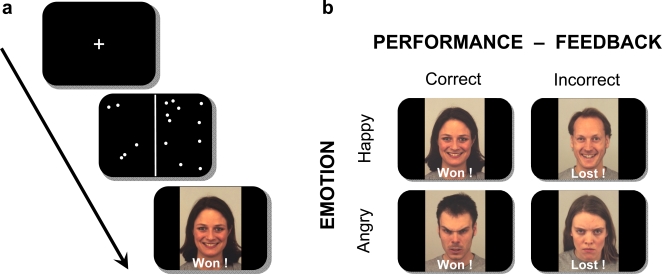
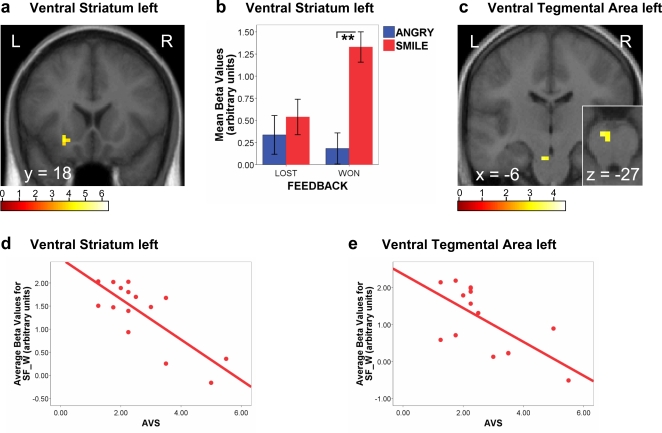
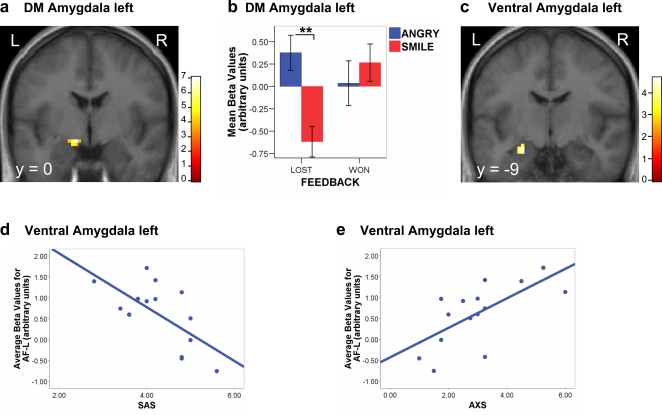
Adult attachment style refers to individual personality traits that strongly influence emotional bonds and reactions to social partners. Behavioral research has shown that adult attachment style reflects profound differences in sensitivity to social signals of support or conflict, but the neural substrates underlying such differences remain unsettled. Using functional magnetic resonance imaging (fMRI), we examined how the three classic prototypes of attachment style (secure, avoidant, anxious) modulate brain responses to facial expressions conveying either positive or negative feedback about task performance (either supportive or hostile) in a social game context. Activation of striatum and ventral tegmental area was enhanced to positive feedback signaled by a smiling face, but this was reduced in participants with avoidant attachment, indicating relative impassiveness to social reward. Conversely, a left amygdala response was evoked by angry faces associated with negative feedback, and correlated positively with anxious attachment, suggesting an increased sensitivity to social punishment. Secure attachment showed mirror effects in striatum and amygdala, but no other specific correlate. These results reveal a critical role for brain systems implicated in reward and threat processing in the biological underpinnings of adult attachment style, and provide new support to psychological models that have postulated two separate affective dimensions to explain these individual differences, centered on the ventral striatum and amygdala circuits, respectively. These findings also demonstrate that brain responses to face expressions are not driven by facial features alone but determined by the personal significance of expressions in current social context. By linking fundamental psychosocial dimensions of adult attachment with brain function, our results do not only corroborate their biological bases but also help understand their impact on behavior.
Overview
The claims and statistics of this paper haven’t been checked yet.
Free: it reads the open-access text and checks the first 5 claims that cite a source we can check. Create a free account to check every claim.
Integrity signals
Registry
Cites
Statistics
Figures
Verification
Claims the paper makes
The claims and statistics of this paper haven’t been checked yet.
Free: it reads the open-access text and checks the first 5 claims that cite a source we can check. Create a free account to check every claim.
Claims other papers make about this one
Each is checked against this paper’s own text: does it say what the citing paper says it does?
The source backs part of the claim, not all of it — or backs it for a different population, condition or comparison.
In the citing paper
“In both studies, challenges to the attachment system yielded greater ventral striatal activation in securely attached individuals, whereas in avoidant/dismissing individuals it was associated with a relative downregulation of reward-related activity.”
From A developmental, mentalization-based approach to the understanding and treatment of borderline personality disorder (2009) · cites this paper as Vrticka et al., 2008
Experimental — accuracy not yet measuredThe source backs part of the claim, not all of it — or backs it for a different population, condition or comparison.
In the citing paper
“This study reported a negative correlation between dismissing attachment scores and activation of the ventral striatum.”
From A developmental, mentalization-based approach to the understanding and treatment of borderline personality disorder (2009) · cites this paper as Vrticka et al., 2008
Experimental — accuracy not yet measuredThe source backs part of the claim, not all of it — or backs it for a different population, condition or comparison.
In the citing paper
“Individuals who use attachment deactivation strategies , typical of dismissive attached individuals, are able to keep the neural systems involved in controlled mentalization 'on-line' for longer, including neural systems involved in judging the trustworthiness of other individuals (i.e., the 'pull mechanism' associated with attachment; Vrticka et al., 2008).”
From A developmental, mentalization-based approach to the understanding and treatment of borderline personality disorder (2009) · cites this paper as Vrticka et al., 2008
Experimental — accuracy not yet measuredThe cited source says what the claim attributes to it.
In the citing paper
“Conversely, these positive responses are much weaker or even absent in individuals with an avoidant attachment style.44”
From Ventral striatum dysfunction in children and adolescents with reactive attachment disorder: functional MRI study (2015) · cites this paper as [44]
The cited source says what the claim attributes to it.
In the citing paper
“Moreover, Vrticka and colleagues also reported that secure attachment was positively related to the activation of the ventral striatum in response to positive reinforcement, but negatively with activation of the amygdala to negative reinforcement.”
From A developmental, mentalization-based approach to the understanding and treatment of borderline personality disorder (2009) · cites this paper as Vrticka et al., 2008
3 more claims about this paper
Create a free account to see every claim other papers make about this one.
Self-check
Percentages, sums and reported differences re-computed from the paper’s own numbers.
The self-check needs the paper’s full text.
Citations
Cites
Development and validation of brief measures of positive and negative affect: The PANAS scales.
Watson, D., Clark, L. A., & Tellegen, A. (1988) · Journal of Personality and Social Psychology · doi:10.1037/0022-3514.54.6.1063 · Cited by 32,433 · cited 1×
“Other personality questionnaires included STAXI [47], STAI [48], BIS-BAS [49], and PANAS [50].”
(1970) · Cited by 24,983
(1969) · Cited by 18,340
Romantic love conceptualized as an attachment process.
Hazan, C., & Shaver, P. (1987) · Journal of Personality and Social Psychology · doi:10.1037/0022-3514.52.3.511 · Cited by 11,908 · cited 4×
“Following earlier studies on children and parents, classic models have distinguished between three main prototypes of attachment style in adults: secure, anxious, and avoidant [5]; whereas subsequent work suggested the existence of four [10] or even five [11,12] distinct styles.”
InfluentialAttachment styles among young adults: A test of a four-category model.
Bartholomew, K., & Horowitz, L. M. (1991) · Journal of Personality and Social Psychology · doi:10.1037//0022-3514.61.2.226 · Cited by 8,384 · cited 8×
“However, activity in STS did not appear to subtend differences in ‘‘mental models’’ of others that are typically associated with different attachment styles [5, 10 ,25].”
InfluentialCarver, C. S., & White, T. L. (1994) · Journal of Personality and Social Psychology · doi:10.1037/0022-3514.67.2.319 · Cited by 7,306 · cited 1×
“Other personality questionnaires included STAXI [47], STAI [48], BIS-BAS [49], and PANAS [50].”
Attachment in adulthood: structure, dynamics, and change
(2008) · Choice Reviews Online · doi:10.5860/choice.45-2903 · Cited by 4,315
Does Rejection Hurt? An fMRI Study of Social Exclusion
Eisenberger, N. I., Lieberman, M. D., & Williams, K. D. (2003) · Science · doi:10.1126/science.1089134 · Cited by 3,849 · cited 4×
“SF-W), consistent with previous reports that ACC might be involved in conditions of social rejection and conflict [31–33].”
InfluentialAttachment theory and close relationships
(1998) · Choice Reviews Online · doi:10.5860/choice.35-6513 · Cited by 3,626
The amygdala: vigilance and emotion
Davis, M., & Whalen, P. J. (2001) · Molecular Psychiatry · doi:10.1038/sj.mp.4000812 · Cited by 2,882 · cited 1×
“These data reveal that processing of socially aversive situations is specifically enhanced in brain systems associated with emotional arousal and fear [41] for people with higher anxious attachment.”
Research works printed but not linked: 1
- Bouthillier D Tremblay N Hamelin F Julien D Scherzer P 1996 French translation and validation of an adult attachment styles measure. Canadian Journal of Behavioural Science-Revue Canadienne Des Sciences Du Comportement 28 74 77
Cited by
Fonagy, P., & Luyten, P. (2009) · Development and Psychopathology · doi:10.1017/s0954579409990198 · Cited by 1,146
“Individuals who use attachment deactivation strategies, typical of dismissive attached individuals, are able to keep the neural systems involved in controlled mentalization “on-line” for longer, including neural systems involved in judging the trustworthiness of other individuals (i.e., the “pull mechanism” associated…”
BackgroundAdult attachment predicts maternal brain and oxytocin response to infant cues.
Strathearn, L., Fonagy, P., Amico, J., & Montague, P. R. (2009) · Neuropsychopharmacology · doi:10.1038/npp.2009.103 · Cited by 773
“The lack of “reward” activation in mothers with insecure/dismissing attachment is consistent with a recent study of brain responses to smiling adult faces and positive task feedback (Vrticka et al, 2008), where ventral striatum activation was inversely correlated with dismissing attachment scores.”
ResultBrain basis of human social interaction: from concepts to brain imaging
Hari, R., & Kujala, M. V. (2009) · Physiological Reviews · doi:10.1152/physrev.00041.2007 · Cited by 638
“Attachment styles are fundamental personality traits and remain more or less the same throughout life: 1) persons with the secure attachment style are positive and confident, 2) persons with anxious attachment style are afraid of rejection in all possible situations, and 3) persons with avoidant attachment style prefe…”
BackgroundFunctional Neural Plasticity and Associated Changes in Positive Affect After Compassion Training
Klimecki, O. M., Leiberg, S., Lamm, C., & Singer, T. (2013) · Cerebral Cortex · doi:10.1093/cercor/bhs142 · Cited by 634
“…training would increase activity in the brain regions previously associated with love (Bartels and Zeki 2000; Aron et al. 2005) or affiliation (Vrticka et al. 2008; Strathearn et al. 2009), such as the (medial) orbitofrontal cortex (mOFC), the putamen, the middle insula, and the ventral…”
BackgroundInfluentialThe neurobiology of mentalizing.
Luyten, P., & Fonagy, P. (2015) · Personality Disorders: Theory, Research, and Treatment · doi:10.1037/per0000117 · Cited by 306
Bertrand, P., Guegan, J., Robieux, L., McCall, C. A., & Zenasni, F. (2018) · Frontiers in Robotics and AI · doi:10.3389/frobt.2018.00026 · Cited by 292
“…an increase in positive afect, even in response to others’ sufering. he phenomenon was observed in brain areas related to positive evaluation (Kringelbach and Berridge, 2009), love (Bartels and Zeki, 2000, 2004; Aron et al., 2005) and ailiation (Vrticka et al., 2008; Strathearn et al., 2009).”
BackgroundMurray, R. J., Schaer, M., & Debbané, M. (2012) · Neuroscience & Biobehavioral Reviews · doi:10.1016/j.neubiorev.2011.12.013 · Cited by 305
Neuroscience of human social interactions and adult attachment style
Vrtička, P., & Vuilleumier, P. (2012) · Frontiers in Human Neuroscience · doi:10.3389/fnhum.2012.00212 · Cited by 285
“Likewise, activity in ventral striatum and ventral tegmental area is greater in secure than insecure individuals when receiving positive social feedback (praise by others) after a correct performance in a perceptual game (Vrtička et al., 2008).”
BackgroundMethodResultInfluentialSelf-citationOxytocin enhances the experience of attachment security
Buchheim, A., Heinrichs, M., George, C., Pokorny, D., Koops, E., Henningsen, P., O’Connor, M.-F., & Gündel, H. (2009) · Psychoneuroendocrinology · doi:10.1016/j.psyneuen.2009.04.002 · Cited by 277
“A recent fMRI study found that oxytocin dampens the amygdala response to social stimuli (angry faces) (Vrtička et al., 2008) only in insecure subjects with preoccupied attachment status.”
Towards a second-person neuropsychiatry
Schilbach, L. (2016) · Philosophical Transactions of the Royal Society B: Biological Sciences · doi:10.1098/rstb.2015.0081 · Cited by 251
Affective disturbance in rheumatoid arthritis: Psychological and disease-related pathways
Sturgeon, J. A., Finan, P. H., & Zautra, A. J. (2016) · Nature Reviews Rheumatology · doi:10.1038/nrrheum.2016.112 · Cited by 232
Lieberman, M. D. (2010) · Handbook of Social Psychology · doi:10.1002/9780470561119.socpsy001005 · Cited by 204
Arsalidou, M., Duerden, E. G., & Taylor, M. J. (2013) · Human Brain Mapping · doi:10.1002/hbm.22124 · Cited by 204
Do neural responses to rejection depend on attachment style? An fMRI study
DeWall, C. N., Masten, C. L., Powell, C., Combs, D., Schurtz, D. R., & Eisenberger, N. I. (2012) · Social Cognitive and Affective Neuroscience · doi:10.1093/scan/nsq107 · Cited by 206
“As noted earlier, our findings relate to recent research that has investigated the role of individual differences in anxious and avoidant attachment on neural responses to social support or negative feedback, particularly that of Vrticka et al. (2008).”
BackgroundResultInfluentialThe social evaluation of faces: a meta-analysis of functional neuroimaging studies
Mende-Siedlecki, P., Said, C. P., & Todorov, A. (2013) · Social Cognitive and Affective Neuroscience · doi:10.1093/scan/nsr090 · Cited by 193
“Amygdala responses to angry faces have been widely observed and characterized (Morris et al., 1998; Whalen et al., 2001; Nomura et al., 2004; Taylor et al., 2006; Dannlowski et al., 2007; Monk et al., 2008; Vrticka et al., 2008).”
InfluentialNolte, T., Guiney, J., Fonagy, P., Mayes, L. C., & Luyten, P. (2011) · Frontiers in Behavioral Neuroscience · doi:10.3389/fnbeh.2011.00055 · Cited by 179
Borderline personality disorder, mentalization, and the neurobiology of attachment
Fonagy, P., Luyten, P., & Strathearn, L. (2011) · Infant Mental Health Journal · doi:10.1002/imhj.20283 · Cited by 176
“Consistent with the earlier claims about the complementary activation of the attachment and mentalizing systems, in the Vrticka et al. (2008) study, Infant Mental Health Journal DOI 10.1002/imhj.”
ResultInfluentialEngen, H. G., & Singer, T. (2015) · Social Cognitive and Affective Neuroscience · doi:10.1093/scan/nsv008 · Cited by 175
“These regions have all previously been associated with positive affect, motivation and reward (Kringelbach and Berridge, 2009; Rangel and Hare, 2010; Schultz, 2010), and affiliation (Strathearn et al., 2009; Vrtička et al., 2008).”
BackgroundInfluentialHan, D. H., Kim, S. M., Lee, Y. S., & Renshaw, P. F. (2012) · Psychiatry Research: Neuroimaging · doi:10.1016/j.pscychresns.2012.02.011 · Cited by 157
Long, M., Verbeke, W., Ein-Dor, T., & Vrtička, P. (2020) · Cortex · doi:10.1016/j.cortex.2020.01.010 · Cited by 159
Self-citationMoutsiana, C., Fearon, P., Murray, L., Cooper, P., Goodyer, I., Johnstone, T., & Halligan, S. (2014) · Journal of Child Psychology and Psychiatry · doi:10.1111/jcpp.12198 · Cited by 142
“By contrast, anxious adult attachment traits, which are characterised by ‘hyperactivation’ of the attachment system and correspondingly high emotionality and sensitivity to signs of acceptance/rejection, have been linked particularly to neural responding to negative stimuli, including: greater activation of emotion re…”
BackgroundInfluentialPerceived quality of maternal care in childhood and structure and function of mothers' brain
Kim, P., Leckman, J. F., Mayes, L. C., Newman, M., Feldman, R., & Swain, J. E. (2010) · Developmental Science · doi:10.1111/j.1467-7687.2009.00923.x · Cited by 152
“A recent study has shown that insecure attachment is associated with greater amygdala sensitivity to negative emotional stimuli (Lemche et al., 2006; Vrticka, Andersson, Grandjean, Sander & Vuilleumier, 2008).”
BackgroundA Neural Circuit Framework for Somatosensory Amplification in Somatoform Disorders
Perez, D. L., Barsky, A. J., Vago, D. R., Baslet, G., & Silbersweig, D. A. (2015) · The Journal of Neuropsychiatry and Clinical Neurosciences · doi:10.1176/appi.neuropsych.13070170 · Cited by 148
An attachment theoretical framework for personality disorders.
Levy, K. N., Johnson, B. N., Clouthier, T. L., Scala, J. W., & Temes, C. M. (2015) · Canadian Psychology / Psychologie canadienne · doi:10.1037/cap0000025 · Cited by 128
Social appraisal influences recognition of emotions.
Mumenthaler, C., & Sander, D. (2012) · Journal of Personality and Social Psychology · doi:10.1037/a0026885 · Cited by 127
Self-citationEmpathy in narcissistic personality disorder: From clinical and empirical perspectives.
Baskin-Sommers, A., Krusemark, E., & Ronningstam, E. (2014) · Personality Disorders: Theory, Research, and Treatment · doi:10.1037/per0000061 · Cited by 137
“Consequently, temperamental emotionality (i.e., degree of physiological and affective reactivity) is purported to underlie the genetic heritability of emotional empathy and neural reactivity in the amygdala (Davis, Luce, & Kraus, 1994; Vrtička et al., 2008).”
Riem, M. M. E., Bakermans-Kranenburg, M. J., van IJzendoorn, M. H., Out, D., & Rombouts, S. A. R. B. (2012) · Attachment & Human Development · doi:10.1080/14616734.2012.727252 · Cited by 134
Adult attachment style is associated with cerebral μ‐opioid receptor availability in humans
Nummenmaa, L., Manninen, S., Tuominen, L., Hirvonen, J., Kalliokoski, K. K., Nuutila, P., Jääskeläinen, I. P., Hari, R., Dunbar, R. I. M., & Sams, M. (2015) · Human Brain Mapping · doi:10.1002/hbm.22866 · Cited by 133
A Multilevel Perspective on the Development of Borderline Personality Disorder
Fonagy, P., & Luyten, P. (2016) · Developmental Psychopathology · doi:10.1002/9781119125556.devpsy317 · Cited by 127
Vrtička, P., Bondolfi, G., Sander, D., & Vuilleumier, P. (2012) · Social Neuroscience · doi:10.1080/17470919.2011.647410 · Cited by 121
“This finding dovetails with recent imaging studies showing enhanced amygdala activation in anxiously attached individuals to socially unpleasant or threatening cues, such as words with rejection meaning (Lemche et al., 2006) and faces with angry expressions (Vrtiˇcka et al., 2008).”
InfluentialSelf-citationVrtička, P., Sander, D., & Vuilleumier, P. O. (2011) · Neuropsychologia · doi:10.1016/j.neuropsychologia.2011.02.020 · Cited by 145
“…et al., 2006; Frewen et al., 2010; Goossens et al., 2009; Hariri et al., 2002; Norris et al., 2004; Sander et al., 2005; Scharpf et al., 2010; Vrtiˇcka et al., 2008) and modulated by different ER strategies (Killgore & Yurgelun-Todd, 2005; Kim & Hamann, 2007; Koenigsberg et al., 2010;…”
Self-citationPerez, D. L., Dworetzky, B. A., Dickerson, B. C., Leung, L., Cohn, R., Baslet, G., & Silbersweig, D. A. (2015) · Clinical EEG and Neuroscience · doi:10.1177/1550059414555905 · Cited by 123
Early Adversity and the Neotenous Human Brain
Tottenham, N. (2020) · Biological Psychiatry · doi:10.1016/j.biopsych.2019.06.018 · Cited by 114
“For example, studies have shown that attachment styles, when measured in adulthood, are correlated with concurrent amygdala function (67,68); moreover, when attachment is measured in infancy, these classifications have predicted amygdala structural differences when measured years later in childhood (e.”
BackgroundAttachment and Personality Disorders: A Short Review
Lorenzini, N., & Fonagy, P. (2013) · Focus · doi:10.1176/appi.focus.11.2.155 · Cited by 127
Knowing you care: Effects of perceived empathy and attachment style on pain perception
Sambo, C. F., Howard, M., Kopelman, M., Williams, S., & Fotopoulou, A. (2010) · Pain · doi:10.1016/j.pain.2010.08.035 · Cited by 112
“A main effect of Stimulus Intensity was also found (F[2,52] = 8.”
BackgroundAttachment-security priming attenuates amygdala activation to social and linguistic threat
Norman, L., Lawrence, N., Iles, A., Benattayallah, A., & Karl, A. (2015) · Social Cognitive and Affective Neuroscience · doi:10.1093/scan/nsu127 · Cited by 115
“insecurity and amygdala reactivity (Lemche et al., 2005; Buchheim et al., 2006; Vrtička et al., 2008; Vrtička et al., 2012).”
BackgroundMethodTroisi, A., Frazzetto, G., Carola, V., Di Lorenzo, G., Coviello, M., D'Amato, F. R., Moles, A., Siracusano, A., & Gross, C. (2011) · Social Neuroscience · doi:10.1080/17470919.2010.482786 · Cited by 118
“Using fMRI in healthy volunteers, Vrticka, Andersson, Grandjean, Sander, & Vuilleumier ( 2008 ) examined how adult attachment styles modulate brain responses to facial expressions conveying either positive or negative feedback about task performance in a social game context.”
BackgroundLayden, E. A., Cacioppo, J. T., Cacioppo, S., Cappa, S. F., Dodich, A., Falini, A., & Canessa, N. (2016) · NeuroImage · doi:10.1016/j.neuroimage.2016.09.050 · Cited by 127
“, 2008), and the involvement of the amygdala in attachment insecurity (Lemche et al., 2006; Vrtička et al., 2008).”
BackgroundNeural sensitivity to social reward and punishment anticipation in social anxiety disorder
Cremers, H. R., Veer, I. M., Spinhoven, P., Rombouts, S. A. R. B., & Roelofs, K. (2015) · Frontiers in Behavioral Neuroscience · doi:10.3389/fnbeh.2014.00439 · Cited by 106
The Neuroscience of Compassion and Empathy and Their Link to Prosocial Motivation and Behavior
Chierchia, G., & Singer, T. (2016) · Elsevier eBooks · doi:10.1016/b978-0-12-805308-9.00020-8 · Cited by 126
Stavropoulos, K. K. M., & Carver, L. J. (2013) · Journal of Child Psychology and Psychiatry · doi:10.1111/jcpp.12061 · Cited by 94
“Keywords: Autism spectrum disorders, behavioral interventions, social motivation hypothesis.”
BackgroundAssche, L. V., Luyten, P., Bruffaerts, R., Persoons, P., de Ven, L. V., & Vandenbulcke, M. (2012) · Clinical Psychology Review · doi:10.1016/j.cpr.2012.10.003 · Cited by 120
How relevant is social interaction in second language learning?
Verga, L., & Kotz, S. A. (2013) · Frontiers in Human Neuroscience · doi:10.3389/fnhum.2013.00550 · Cited by 112
“Moreover, the interaction with the caregiver increases motivation, thus reinforcing a given behavior (Vrtička et al., 2008; Hari and Kujala, 2009; Syal and Finlay, 2011).”
BackgroundSocial Referencing: Defining and Delineating a Basic Process of Emotion
Walle, E. A., Reschke, P. J., & Knothe, J. M. (2017) · Emotion Review · doi:10.1177/1754073916669594 · Cited by 109
Ein-Dor, T., Verbeke, W. J. M. I., Mokry, M., & Vrtička, P. (2018) · Attachment & Human Development · doi:10.1080/14616734.2018.1446451 · Cited by 85
“…reward-related brain circuits probably under the influence of (amongst others) oxytocin (Kim et al., 2017; Strathearn et al., 2009; Vrtička, 2017; Vrtička et al., 2008; Vrtička & Vuilleumier, 2012) so that an affiliative, prosocial response to stress (Taylor, 2006; von Dawans et al., 2012) is…”
BackgroundSelf-citationEarly adverse experience and substance addiction: Dopamine, oxytocin, and glucocorticoid pathways
Kim, S., Kwok, S., Mayes, L. C., Potenza, M. N., Rutherford, H. J. V., & Strathearn, L. (2017) · Annals of the New York Academy of Sciences · doi:10.1111/nyas.13140 · Cited by 85
The missing link: Mothers’ neural response to infant cry related to infant attachment behaviors
Laurent, H. K., & Ablow, J. C. (2012) · Infant Behavior and Development · doi:10.1016/j.infbeh.2012.07.007 · Cited by 83
“…also fits with previous findings of higher left hippocampal activation in adults with insecure attachment representations (Buchheim et al., 2006; Vrticka et al., 2008), as well as less deactivation of the region to cry sound in mothers reporting poor parental care histories (Kim et al., 2010).”
ResultFears of Compassion in a Depressed Population Implication for Psychotherapy
Gilbert, P. (2014) · Journal of Depression and Anxiety · doi:10.4172/2167-1044.s2-003 · Cited by 61
“In addition, research on emotion processing has shown that individuals who are depressed, anxious, insecurely attached or self-critical show diminished emotional processing of affiliative, kind and compassionate social cues such as positive facial expressions [69-71].”
BackgroundNeurobiology of human affiliative behaviour: implications for psychiatric disorders
Bora, E., Yucel, M., & Allen, N. B. (2009) · Current Opinion in Psychiatry · doi:10.1097/yco.0b013e328329e970 · Cited by 67
Influence of adult attachment style on the perception of social and non-social emotional scenes
Vrtička, P., Sander, D., & Vuilleumier, P. (2012) · Journal of Social and Personal Relationships · doi:10.1177/0265407512443451 · Cited by 66
“…correlates with stronger response to negative social stimuli (e.g., angry faces or negative verbal scenarios) in the amygdala (Lemche et al., 2006; Vrticˇka et al., 2008), a region associated with fear and personal relevance (Phelps & LeDoux, 2005; Sander, Grafman, & Zalla, 2003), while…”
InfluentialSelf-citationRedlich, R., Grotegerd, D., Opel, N., Kaufmann, C., Zwitserlood, P., Kugel, H., Heindel, W., Donges, U.-S., Suslow, T., Arolt, V., et al. (2015) · Social Cognitive and Affective Neuroscience · doi:10.1093/scan/nsu055 · Cited by 73
Integration of Error Agency and Representation of Others' Pain in the Anterior Insula
Koban, L., Corradi‐Dell’Acqua, C., & Vuilleumier, P. O. (2013) · Journal of Cognitive Neuroscience · doi:10.1162/jocn_a_00324 · Cited by 77
“Following our previous study (Vrticka et al., 2008), task difficulty (number of points) was adjusted on-line throughout the whole experiment according to Figure 2.”
BackgroundMethodInfluentialSelf-citationSchneider-Hassloff, H., Straube, B., Jansen, A., Nuscheler, B., Wemken, G., Witt, S. H., Rietschel, M., & Kircher, T. (2016) · NeuroImage · doi:10.1016/j.neuroimage.2016.04.009 · Cited by 71
“A higher recruitment of the amygdala in anxiously attached subjects has been reported in two other fMRI studies in response to negative/unpleasant social stimuli [Vrtička et al., 2012; Vrtička et al., 2008].”
ResultAttachment dismissal predicts frontal slow-wave ERPs during rejection by unfamiliar peers.
White, L. O., Wu, J., Borelli, J. L., Rutherford, H. J. V., David, D. H., Kim‐Cohen, J., Mayes, L. C., & Crowley, M. J. (2012) · Emotion · doi:10.1037/a0026750 · Cited by 76
Effects of Oxytocin on Neural Response to Facial Expressions in Patients with Schizophrenia
Shin, N. Y., Park, H. Y., Jung, W. H., Park, J. W., Yun, J., Jang, J. H., Kim, S. N., Han, H. J., Kim, S.-Y., Kang, D., et al. (2015) · Neuropsychopharmacology · doi:10.1038/npp.2015.41 · Cited by 79
“Prior studies have suggested that the effects of oxytocin on social cognition may depend on individual differences (Vrtička et al, 2008) and social context (De Dreu et al, 2010).”
BackgroundLenzi, D., Trentini, C., Pantano, P., Macaluso, E., Lenzi, G. L., & Ammaniti, M. (2013) · Human Brain Mapping · doi:10.1002/hbm.21520 · Cited by 68
“…1998; Chris Fraley et al., 2006; Griffin and Bartholomew, 1994] designed to explore only a general ‘‘orientation’’ of an individual’s attachment [Lemche et al., 2006; Vrticka et al., 2008] found that limbic and temporal areas (amygdala, ACC, PPC, and STS) are directly correlated with insecurity.”
BackgroundSex- and context-dependent effects of oxytocin on social sharing
Ma, X., Zhao, W., Luo, R., Zhou, F., Geng, Y., Xu, L., Gao, Z., Zheng, X., Becker, B., & Kendrick, K. M. (2018) · NeuroImage · doi:10.1016/j.neuroimage.2018.08.004 · Cited by 70
“Individuals with an anxious attachment style tend to perceive others as unresponsive or inconsistent, worry about being rejected, and show heightened vigilance to signs of support or hostility (Vrticka et al., 2008).”
Verbeke, W. J. M. I., Pozharliev, R., Strien, J. W. V., Belschak, F. D., & Bagozzi, R. P. (2014) · Frontiers in Human Neuroscience · doi:10.3389/fnhum.2014.00486 · Cited by 68
“Generally, neuroimaging studies examine attachment styles in relation to processing emotional information or memory processes (Vrtiˇcka et al., 2008; Donges et al., 2012).”
Adult attachment and emotional processing biases: An Event-Related Potentials (ERPs) study
Dan, O., & Raz, S. (2012) · Biological Psychology · doi:10.1016/j.biopsycho.2012.06.003 · Cited by 71
“Indeed, attachment-related differences in brain function have been reported in several fMRI studies (e.g., Buchheim et al., 2006; Coan et al., 2006; Gillath et al., 2005; Lemche et al., 2006; Vrticka et al., 2008; Warren et al., 2010).”
BackgroundLoth, E., Poline, J.-B., Thyreau, B., Jia, T., Tao, C., Lourdusamy, A., Stacey, D., Cattrell, A., Desrivières, S., Ruggeri, B., et al. (2014) · Biological Psychiatry · doi:10.1016/j.biopsych.2013.07.043 · Cited by 65
“The VS is a key region in the processing of social reinforcement (45), including “negative social reinforcers” such as the anger signals (32) used here and has been shown to contain high OT-receptor densities (8).”
MacDonald, K. S., Berlow, R., & Thomas, M. L. (2013) · Journal of Affective Disorders · doi:10.1016/j.jad.2013.07.040 · Cited by 74
Takiguchi, S., Fujisawa, T. X., Mizushima, S., Saito, D. N., Okamoto, Y., Shimada, K., Koizumi, M., Kumazaki, H., Jung, M., Kosaka, H., et al. (2015) · BJPsych Open · doi:10.1192/bjpo.bp.115.001586 · Cited by 63
RetractedExamining psychopathy from an attachment perspective: the role of fear of rejection and abandonment
Conradi, H. J., Boertien, S. D., Cavus, H. A., & Verschuère, B. (2015) · Journal of Forensic Psychiatry and Psychology · doi:10.1080/14789949.2015.1077264 · Cited by 73
Mühlberger, A., Wieser, M. J., Gerdes, A. B. M., Frey, M. C. M., Weyers, P., & Pauli, P. (2011) · Social Cognitive and Affective Neuroscience · doi:10.1093/scan/nsq039 · Cited by 60
“Whereas emotional facial expressions have been confirmed to act as reinforcers using the presentation of static pictures (e.g. Vrticka et al., 2008; Spreckelmeyer, 2009), to our knowledge no study has investigated changes of these expressions as reinforcers.”
BackgroundLateralized interactive social content and valence processing within the human amygdala
Vrtička, P., Sander, D., & Vuilleumier, P. O. (2013) · Frontiers in Human Neuroscience · doi:10.3389/fnhum.2012.00358 · Cited by 67
“…Brain Sciences Research, Department of Psychiatry and Behavioral Sciences, School of Medicine, Stanford University, 401 Quarry Rd., MC 5795, Stanford, CA 94305, USA. e-mail: pvrticka@stanford.edu In the past, the amygdala has generally been conceptualized as a fear-processing module.”
BackgroundSelf-citationMeaux, E., & Vuilleumier, P. O. (2016) · NeuroImage · doi:10.1016/j.neuroimage.2016.07.004 · Cited by 70
“Notably, STS is also activated when facial expressions are seen in incongruent context, e.g., displaying anger in response to a winning outcome or smiling to a loss outcome in virtual social encounters (Vrticka et al., 2008).”
Self-citationThe Neurobiology of Empathy in Borderline Personality Disorder
Ripoll, L. H., Snyder, R., Steele, H., & Siever, L. J. (2013) · Current Psychiatry Reports · doi:10.1007/s11920-012-0344-1 · Cited by 66
“Preliminary evidence suggests an association between attachment insecurity, rejection sensitivity, or fearfulness of abandonment on the one hand, and dysregulation of empathic circuitry on the other [26, 48–50].”
BackgroundMothers' amygdala response to positive or negative infant affect is modulated by personal relevance
Strathearn, L., & Kim, S. (2013) · Frontiers in Neuroscience · doi:10.3389/fnins.2013.00176 · Cited by 53
“Although we have argued that the observed amygdala responses to own and unknown infant face cues are indicative of “personal relevance,” other unmeasured factors may also be involved, such as motivational state or other psychological traits (Canli et al., 2001; Vrticka et al., 2008, 2012).”
BackgroundFeldmanHall, O., Mobbs, D., & Dalgleish, T. (2013) · Social Cognitive and Affective Neuroscience · doi:10.1093/scan/nss139 · Cited by 62
Breastfeeding and early brain development: the G eneration R study
Herba, C. M., Roza, S. J., Govaert, P. P., Hofman, A., Jaddoe, V. W. V., Verhulst, F. C., & Tiemeier, H. W. (2012) · Maternal and Child Nutrition · doi:10.1111/mcn.12015 · Cited by 67
Vega, D., Soto, À., Amengual, J. L., Ribas, J., Torrúbia, R., Rodríguez‐Fornells, A., & Marco‐Pallarés, J. (2013) · Biological Psychology · doi:10.1016/j.biopsycho.2013.08.002 · Cited by 62
Donges, U., Kugel, H., Stuhrmann, A., Grotegerd, D., Redlich, R., Lichev, V., Rosenberg, N., Ihme, K. A., Suslow, T., & Dannlowski, U. (2012) · Neuroscience · doi:10.1016/j.neuroscience.2012.06.036 · Cited by 61
“Finally, anxious attachment appears to be associated with differential increases in the amygdala and parahippocampal cortex for negative and positive social scenes during spontaneous emotional judgments (Vrticka et al., 2011).”
BackgroundMolecular and neurocircuitry mechanisms of social avoidance
Gellner, A., Voelter, J., Schmidt, U., Beins, E. C., Stein, V., Philipsen, A., & Hurlemann, R. (2020) · Cellular and Molecular Life Sciences · doi:10.1007/s00018-020-03649-x · Cited by 59
Yacubian, J., & Büchel, C. (2009) · Neuroscience · doi:10.1016/j.neuroscience.2009.05.015 · Cited by 53
Differential reward responses during competition against in- and out-of-network others
Fareri, D. S., & Delgado, M. R. (2013) · Social Cognitive and Affective Neuroscience · doi:10.1093/scan/nst006 · Cited by 54
“, 2012) as well as complementary evidence suggesting general social reward sensitivity may be related to other measures of interpersonal closeness (Vrticka et al., 2008; for review see Vrticka and Vuilleumier, 2012), this result is not necessarily surprising.”
BackgroundFemales Are More Sensitive to Opponent’s Emotional Feedback: Evidence From Event-Related Potentials
Chen, X., Yuan, H., Zheng, T., Chang, Y., & Luo, Y. (2018) · Frontiers in Human Neuroscience · doi:10.3389/fnhum.2018.00275 · Cited by 54
Adult Attachment System Links With Brain Mu Opioid Receptor Availability In Vivo
Turtonen, O., Saarinen, A. I. L., Nummenmaa, L., Tuominen, L. J., Tikka, M., Armio, R.-L., Hautamäki, A., Laurikainen, H., Raitakari, O. T., Keltikangas‐Järvinen, L., et al. (2020) · Biological Psychiatry Cognitive Neuroscience and Neuroimaging · doi:10.1016/j.bpsc.2020.10.013 · Cited by 69
“Previously, it has been shown that the activity level and gray matter volume of the amygdala and hippocampus are related to social appraisal (63), processing attachment-related social stimuli (64), and experiencing separation anxiety (65).”
BackgroundVrtička, P., Andersson, F., Sander, D., & Vuilleumier, P. (2009) · Social Neuroscience · doi:10.1080/17470910902941793 · Cited by 47
Self-citationFunctional Brain Changes in Response to Treatment of Internet Gaming Disorder
Han, D. H., Kim, S. M., & Renshaw, P. F. (2015) · Studies in neuroscience, psychology and behavioral economics · doi:10.1007/978-3-319-07242-5_5 · Cited by 51
Is social categorization based on relational ingroup/outgroup opposition? A meta-analysis
Shkurko, A. (2012) · Social Cognitive and Affective Neuroscience · doi:10.1093/scan/nss085 · Cited by 50
Robles, T. F., & Kane, H. S. (2013) · Journal of Personality · doi:10.1111/jopy.12052 · Cited by 51
After the Honeymoon: Neural and Genetic Correlates of Romantic Love in Newlywed Marriages
Acevedo, B. P., Poulin, M. J., Collins, N. L., & Brown, L. L. (2020) · Frontiers in Psychology · doi:10.3389/fpsyg.2020.00634 · Cited by 49
“Activation of L VTA has mostly appeared in studies of facial attractiveness, specifically showing response to smiling and supportive faces (Vrticka et al., 2008).”
BackgroundAttachment style, affective loss and gray matter volume: A voxel‐based morphometry study
Benetti, S., McCrory, E., Arulanantham, S., De Sanctis, T., McGuire, P., & Mechelli, A. (2010) · Human Brain Mapping · doi:10.1002/hbm.20954 · Cited by 42
“These functional imaging studies have reported that differences in attachment style are associated with different responses in brain regions implicated in reward and threat processing [Vrtic̆ka et al., 2008].”
BackgroundResultAdult attachment style modulates neural responses in a mentalizing task
Schneider-Haßloff, H., Straube, B., Nuscheler, B., Wemken, G., & Kircher, T. T. J. (2015) · Neuroscience · doi:10.1016/j.neuroscience.2015.06.062 · Cited by 45
Adult attachment style and social anhedonia in healthy volunteers
Troisi, A., Alcini, S., Coviello, M., Nanni, R. C., & Siracusano, A. (2010) · Personality and Individual Differences · doi:10.1016/j.paid.2010.01.002 · Cited by 46
Attachment Patterns Trigger Differential Neural Signature of Emotional Processing in Adolescents
Escobar, M. J., Rivera-Rei, Á. A., Decety, J., Huepe, D., Cardona, J. F., Canales‐Johnson, A., Sigman, M., Mikulan, E., Helgiu, E., Báez, S., et al. (2013) · PLoS ONE · doi:10.1371/journal.pone.0070247 · Cited by 49
“Moreover, individuals with avoidant attachment showed a weaker activation of the somatosensory cortex to sad, masked faces [6] and lower activation of the ventral striatum and ventral tegmental areas in response to smiling faces followed by positive feedback [28].”
BackgroundInfluentialHigher well-being is related to reduced affective reactivity to positive events in daily life.
Rueschkamp, J. M. G., Kuppens, P., Riediger, M., Blanke, E. S., & Brose, A. (2020) · Emotion · doi:10.1037/emo0000557 · Cited by 49
Vrtička, P., Sander, D., Anderson, B., Badoud, D., Eliez, S., & Debbané, M. (2014) · Brain and Behavior · doi:10.1002/brb3.251 · Cited by 43
“For each participant, the six different conditions (SFW, SFL, AFW, AFL, as well as neural activity during dot perception, either on “Won” [DW] or “Lost” [DL] trials — used as a baseline) were modeled as single events and convolved with the standard hemodynamic response (Vrticka et al. 2008).”
InfluentialSelf-citationLabek, K., Viviani, R., Gizewski, E. R., Verius, M., & Buchheim, A. (2016) · Frontiers in Human Neuroscience · doi:10.3389/fnhum.2016.00345 · Cited by 46
“…2004; Leibenluft et al., 2004; Nitschke et al., 2004; Lenzi et al., 2009; Riem et al., 2012; Wittfoth-Schardt et al., 2012), the affiliative (e.g., Vrtička et al., 2008) and the romantic/sexual Frontiers in Human Neuroscience | www.frontiersin.org 1 July 2016 | Volume 10 | Article 345 system…”
BackgroundInfluentialHow mentalisation changes the mind
Fonagy, P., & Adshead, G. M. J. (2012) · Advances in Psychiatric Treatment · doi:10.1192/apt.bp.108.005876 · Cited by 48
Play it again: neural responses to reunion with excluders predicted by attachment patterns
White, L. O., Wu, J., Borelli, J. L., Mayes, L. C., & Crowley, M. J. (2013) · Developmental Science · doi:10.1111/desc.12035 · Cited by 42
Interactions between perceived emotions and executive attention in an interpersonal game
Ruz, M., Madrid, E., & Tudela, P. (2012) · Social Cognitive and Affective Neuroscience · doi:10.1093/scan/nss080 · Cited by 43
Anticipated pleasure for positive and negative social interaction outcomes in schizophrenia
Campellone, T. R., & Kring, A. M. (2017) · Psychiatry Research · doi:10.1016/j.psychres.2017.09.084 · Cited by 41
“Future studies might seek to increase the social nature of interaction outcomes, possibly by using emotion displays as outcomes (e.g., Vrticka et al., 2008), or assess anticipated social pleasure in the context of participant's daily lives (e.g., Granholm et al., 2013).”
The Social Neuroscience of Attachment
Vrtička, P. (2017) · Springer eBooks · doi:10.1007/978-3-319-68421-5_5 · Cited by 44
Self-citationPersonality disorders: Toward theoretical and empirical integration in diagnosis and assessment.
Huprich, S. K., & American Psychological Association (2015) · American Psychological Association eBooks · doi:10.1037/14549-000 · Cited by 40
The optimal calibration hypothesis: how life history modulates the brain's social pain network
Chester, D. S., Pond, R. S., Richman, S. B., & DeWall, C. N. (2012) · Frontiers in Evolutionary Neuroscience · doi:10.3389/fnevo.2012.00010 · Cited by 38
Ein‐Dor, T., Coan, J. A., Reizer, A., Gross, E. B., Dahan, D., Wegener, M. A., Carel, R. S., Cloninger, C. R., & Zohar, A. H. (2015) · Frontiers in Psychology · doi:10.3389/fpsyg.2015.00492 · Cited by 38
“Indeed, secure individuals are less attentive to signs of danger, and show the longest delays in warning others about dangers they do detect (Ein-Dor et al., 2011a,b; Ein-Dor and Orgad, 2012).”
BackgroundHumor processing in children: Influence of temperament, age and IQ
Vrtička, P., Black, J. M., Neely, M., Walter, E., & Reiss, A. L. (2013) · Neuropsychologia · doi:10.1016/j.neuropsychologia.2013.09.028 · Cited by 43
Self-citationRadke, S., Seidel, E., Eickhoff, S. B., Gur, R. C., Schneider, F. W., Habel, U., & Derntl, B. (2015) · NeuroImage · doi:10.1016/j.neuroimage.2015.12.014 · Cited by 36
“Individuals with an avoidant attachment style (Vrticka et al., 2008), low social proficiency (Gossen et al.”
Kawamoto, T., Nittono, H., & Ura, M. (2015) · Frontiers in Psychology · doi:10.3389/fpsyg.2015.01516 · Cited by 37
“We also conducted the identical analysis described above with RDC subcomponents.”
Method
Metadata
- Authors
- Vrtička, P., Andersson, F., Grandjean, D., Sander, D., & Vuilleumier, P.
- Affiliations
- University of Geneva (CH)
- Corresponding author
- Vrtička, Pascal
- Venue
- PLoS ONE
- Publisher
- Public Library of Science (PLoS)
- Published
- 2008-08-06
- Volume
- 3
- Issue
- 8
- Pages
- e2868
- ISSN
- 1932-6203 (ISSN-L)
- PMC
- PMC2478709
- OpenAlex
- W2163551061
- Cited by
- 260
- References
- 57
- Citations by year
- 2026: 10 · 2025: 19 · 2024: 8 · 2023: 6 · 2022: 13 · 2021: 10 · 2020: 14 · 2019: 11 · 2018: 15 · 2017: 16 · 2016: 17 · 2015: 29 · 2014: 19 · 2013: 22 · 2012: 27
- FWCI
- 10.70
- Type
- journal article
- Language
- en
- Open access
- gold
- doi.org
- Locations
- PLoS ONE (publishedVersion, cc-by)
- Europe PMC (PubMed Central) (publishedVersion, cc-by)
- PubMed Central (publishedVersion, cc-by)
- PubMed (publishedVersion)
- Archive ouverte UNIGE (University of Geneva) (publishedVersion, other-oa)
- HAL (submittedVersion)
- RePEc: Research Papers in Economics (submittedVersion)
- DOAJ (DOAJ: Directory of Open Access Journals) (submittedVersion, cc-by-sa)
- Max Planck Digital Library (submittedVersion)
- mediaTUM – the media and publications repository of the Technical University Munich (Technical University Munich) (submittedVersion)
- MPG.PuRe (Max Planck Society) (submittedVersion, other-oa)
- Archive ouverte UNIGE (University of Geneva) (submittedVersion, cc-by)
- Funders
- National Science Foundation (51NF40-104897)
- Schweizerischer Nationalfonds zur Förderung der Wissenschaftlichen Forschung (104897, 51NF40)
- Université de Genève (51NF40-104897)
- Topics
- Social Sciences › Psychology › Social Psychology › Attachment and Relationship Dynamics
- Life Sciences › Neuroscience › Cognitive Neuroscience › Face Recognition and Perception
- Life Sciences › Neuroscience › Endocrine and Autonomic Systems › Neuroendocrine regulation and behavior
- Keywords
- adult attachment styles, secure attachment, attachment avoidance, attachment anxiety, amygdala, ventral striatum, ventral tegmental area, social feedback, facial expressions, social reward, social danger, individual differences, social evaluation
- MeSH terms
- Amygdala, Brain Mapping, Corpus Striatum, Emotions, Facial Expression, Feedback, Humans, Functional Laterality, Magnetic Resonance Imaging, Reaction Time, Social Behavior, Social Support
About these checks
Registry, retraction, Cites and statistics results are computed, not judged, with one exception: a printed reference that no index lists is read once by a model before it counts as a citation error. Claims are extracted by a model and kept only when their quote appears verbatim in the text; each cited source is then checked, with a model’s help, for whether it says what the claim relies on. Those verdicts can be wrong — read the claim’s quote and the cited source before relying on one.
Statistics and arithmetic are recomputed, not judged.
Confidence bands are shown only for fields calibrated on our annotated test set. None is calibrated yet, so no band is shown.
What counts as a claim ›How we measure confidence ›How we check this ›
Are you an author, or do you see a problem with this page? Request a review
Data sources
Bibliographic data: Semantic Scholar, OpenAlex, Crossref.
Contains information from the Semantic Scholar Academic Graph Datasets, made available under the ODC Attribution License (ODC-BY 1.0).
Semantic Scholar’s data is described in: Kinney, R., et al. (2023). The Semantic Scholar Open Data Platform. arXiv:2301.10140.
