

The DOI matches its Crossref record; 49 of the 49 references it cites were found in a registry or an index.
Homocysteine-Lowering by B Vitamins Slows the Rate of Accelerated Brain Atrophy in Mild Cognitive Impairment: A Randomized Controlled Trial
Open accessAbstract
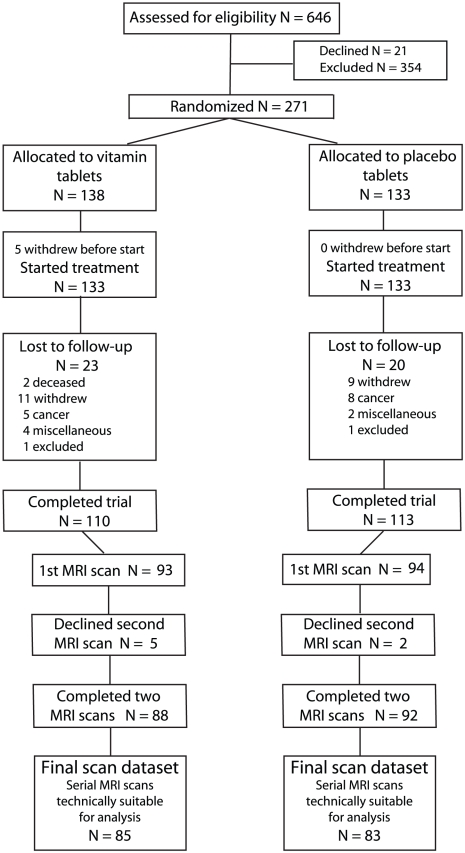
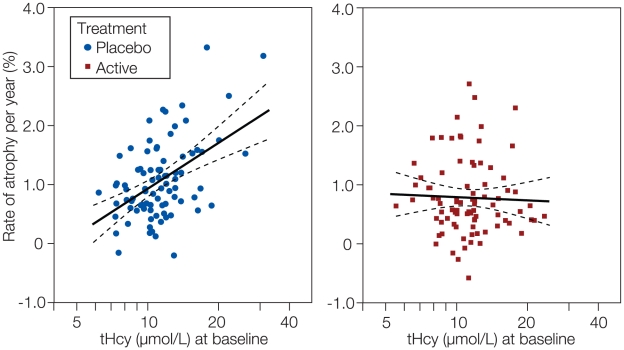
BACKGROUND: An increased rate of brain atrophy is often observed in older subjects, in particular those who suffer from cognitive decline. Homocysteine is a risk factor for brain atrophy, cognitive impairment and dementia. Plasma concentrations of homocysteine can be lowered by dietary administration of B vitamins. OBJECTIVE: To determine whether supplementation with B vitamins that lower levels of plasma total homocysteine can slow the rate of brain atrophy in subjects with mild cognitive impairment in a randomised controlled trial (VITACOG, ISRCTN 94410159). METHODS AND FINDINGS: Single-center, randomized, double-blind controlled trial of high-dose folic acid, vitamins B(6) and B(12) in 271 individuals (of 646 screened) over 70 y old with mild cognitive impairment. A subset (187) volunteered to have cranial MRI scans at the start and finish of the study. Participants were randomly assigned to two groups of equal size, one treated with folic acid (0.8 mg/d), vitamin B(12) (0.5 mg/d) and vitamin B(6) (20 mg/d), the other with placebo; treatment was for 24 months. The main outcome measure was the change in the rate of atrophy of the whole brain assessed by serial volumetric MRI scans. RESULTS: A total of 168 participants (85 in active treatment group; 83 receiving placebo) completed the MRI section of the trial. The mean rate of brain atrophy per year was 0.76% [95% CI, 0.63-0.90] in the active treatment group and 1.08% [0.94-1.22] in the placebo group (P = 0.001). The treatment response was related to baseline homocysteine levels: the rate of atrophy in participants with homocysteine >13 µmol/L was 53% lower in the active treatment group (P = 0.001). A greater rate of atrophy was associated with a lower final cognitive test scores. There was no difference in serious adverse events according to treatment category. CONCLUSIONS AND SIGNIFICANCE: The accelerated rate of brain atrophy in elderly with mild cognitive impairment can be slowed by treatment with homocysteine-lowering B vitamins. Sixteen percent of those over 70 y old have mild cognitive impairment and half of these develop Alzheimer's disease. Since accelerated brain atrophy is a characteristic of subjects with mild cognitive impairment who convert to Alzheimer's disease, trials are needed to see if the same treatment will delay the development of Alzheimer's disease. TRIAL REGISTRATION: Controlled-Trials.com ISRCTN94410159.
Overview
The claims and statistics of this paper haven’t been checked yet.
Run the check — free, no account needed. It reads the open-access text and checks the sources it cites.
Integrity signals
Registry
Cites
Statistics
Figures
Verification
Claims the paper makes
The claims and statistics of this paper haven’t been checked yet.
Run the check — free, no account needed. It reads the open-access text and checks the sources it cites.
Claims other papers make about this one
Each is checked against this paper’s own text: does it say what the citing paper says it does?
The source backs part of the claim, not all of it — or backs it for a different population, condition or comparison.
In the citing paper
“Finally, dietary approaches in terms of nutrition supplementation, such as combined formulation of specific active ingredients or probiotics, or nutritional guidance, such as fasting intermitting or Mediterranean diet, ameliorate both cognition and function of prodromal and mild AD patients [200,201,202].”
From Treatment of Alzheimer’s Disease: Beyond Symptomatic Therapies (2023) · cites this paper as [200]
Experimental — accuracy not yet measuredThe cited source says what the claim attributes to it.
In the citing paper
“While some degree of brain atrophy is common in older age, even in people who are cognitively healthy, atrophy is accelerated in people with Alzheimer's dementia.”
From 2024 Alzheimer's disease facts and figures (2024) · cites this paper as [20]
Self-check
Percentages, sums and reported differences re-computed from the paper’s own numbers.
The self-check needs the paper’s full text.
Citations
Cites
Folstein, M. F., Folstein, S. E., & McHugh, P. R. (1975) · Journal of Psychiatric Research · doi:10.1016/0022-3956(75)90026-6 · Cited by 88,282 · cited 5×
“First, in studies over longer periods (up to 5 years) it has been found that the rate of whole brain atrophy in MCI is correlated with cognitive decline in several tests, including the MMSE [5].”
InfluentialMoms, J. C., Heyman, A., Mohs, R. C., Hughes, J. P., van Belle, G., Fillenbaum, G., Mellits, E. D., & Clark, C. (1989) · Neurology · doi:10.1212/wnl.39.9.1159 · Cited by 4,130 · cited 1×
“…daily living based on the Cambridge Behavioural Inventory [26], an objective memory problem assessed with the ‘Telephone interview of cognitive status, modified’ (TICS-M) [27], a test without a ceiling effect [28], and category fluency [29] based on previously defined cut-off scores for MCI [28].”
Consortium to Establish a Registry for Alzheimer's Disease (CERAD)
Fillenbaum, G., & Heyman, A. (2002) · doi:10.1002/0470846410.ch42(iii · Cited by 2,859
Accurate, Robust, and Automated Longitudinal and Cross-Sectional Brain Change Analysis
Smith, S. M., Zhang, Y., Jenkinson, M., Chen, J. M., Matthews, P. M., Federico, A., & Stefano, N. D. (2002) · NeuroImage · doi:10.1006/nimg.2002.1040 · Cited by 2,013 · cited 3×
“A cross-sectional method (SIENAX) was used to estimate normalized brain volume from a single image, using the skull to normalize spatially, with respect to a standard image [31].”
InfluentialSelf-citationMild Cognitive Impairment: Ten Years Later
Petersen, R. C., Roberts, R. O., Knopman, D. S., Boeve, B. F., Geda, Y. E., Ivnik, R. J., Smith, G. E., & Jack, C. R. (2009) · Archives of Neurology · doi:10.1001/archneurol.2009.266 · Cited by 1,447
Longitudinal Magnetic Resonance Imaging Studies of Older Adults: A Shrinking Brain
Resnick, S. M., Pham, D. L., Kraut, M. A., Zonderman, A. B., & Davatzikos, C. (2003) · The Journal of Neuroscience · doi:10.1523/jneurosci.23-08-03295.2003 · Cited by 1,425 · cited 1×
“The atrophy occurs even in cognitively healthy subjects [1] but is much accelerated in patients suffering from Alzheimer’s disease [2,3,4,5].”
Folate, Vitamin B12, and Serum Total Homocysteine Levels in Confirmed Alzheimer Disease
Clarke, R., Smith, A. D., Jobst, K. A., Refsum, H., Sutton, L., & Ueland, P. M. (1998) · Archives of Neurology · doi:10.1001/archneur.55.11.1449 · Cited by 1,408 · cited 3×
“The results also fit with our earlier finding that raised tHcy predicts the rate of shrinkage of the medial temporal lobe in patients with Alzheimer’s disease [12].”
Self-citationMorris, J. C., Mohs, R. C., Rogers, H., Fillenbaum, G. G., & Heyman, A. (1988) · PubMed · Cited by 1,131
Facts and recommendations about total homocysteine determinations: an expert opinion
Refsum, H., Smith, A. D., Ueland, P. M., Nexo, E., Clarke, R., McPartlin, J., Johnston, C., Engbaek, F., Schneede, J., McPartlin, C., et al. (2004) · Clinical Chemistry · doi:10.1373/clinchem.2003.021634 · Cited by 1,056 · cited 1×
“The tissue and plasma concentrations of homocysteine are largely determined by the body’s status of certain B vitamins (folate, B6 and B12), which are cofactors or substrates for enzymes involved in homocysteine metabolism [22].”
Self-citationPrevalence of Cognitive Impairment without Dementia in the United States
Plassman, B. L., Langa, K. M., Fisher, G. G., Heeringa, S. G., Weir, D. R., Ofstedal, M. B., Burke, J. R., Hurd, M. D., Potter, G. G., Rodgers, W. L., et al. (2008) · Annals of Internal Medicine · doi:10.7326/0003-4819-148-6-200803180-00005 · Cited by 946 · cited 1×
“The prevalence of MCI is between 14% and 18% in those over 70 years-old [24,41], which means that about 5 million people in the USA and 14 million in greater Europe suffer from this condition.”
Cited by
Sorted by citations
Items 201–300 of 813
Koohpeyma, H., Goudarzi, I., Salmani, M. E., Lashkarbolouki, T., & Shabani, M. (2019) · Neurotoxicity Research · doi:10.1007/s12640-019-00119-6 · Cited by 44
“The rats during the first week treated with 0.3 μmol Hcy/g of body weight, in the second week with 0.4 μmol Hcy/g and in the final week with 0.6 μmol Hcy/g of body weight with slight modification (Matte et al. 2009; Streck et al. 2002).”
MethodInfluentialUeno, A., Hamano, T., Enomoto, S., Shirafuji, N., Nagata, M., Kimura, H., Ikawa, M., Yamamura, O., Yamanaka, D., Ito, T., et al. (2022) · Nutrients · doi:10.3390/nu14071494 · Cited by 49
“Vitamin B12 supplementation has been written to be related to slow progress of brain atrophy [23,50], particularly in the hippocampus, medial parietal lobe, and occipital cortex of patients with mild cognitive impairment patients [23].”
BackgroundAge dependent levels of plasma homocysteine and cognitive performance
Agrawal, A., Ilango, K., Singh, P. K., Karmakar, D., Singh, G. P. I., Kumari, R., & Dubey, G. P. (2015) · Behavioural Brain Research · doi:10.1016/j.bbr.2015.01.016 · Cited by 45
The Fragile X-Associated Tremor Ataxia Syndrome
Tassone, F., & Hagerman, R. J. (2011) · Results and problems in cell differentiation · doi:10.1007/978-3-642-21649-7_18 · Cited by 43
“cognitive impairment (Smith et al. 2010).”
Li, M., Wang, F., Huang, Y., Du, F., Zhong, C., Olaleye, O. E., Jia, W., Li, Y., Xu, F., Dong, J., et al. (2015) · Drug Metabolism and Disposition · doi:10.1124/dmd.114.061473 · Cited by 42
“An abnormally high blood concentration of homocysteine is recognized as a risk factor for vascular diseases and neurodegenerative conditions (McCully, 2007; Vogel et al., 2009; Smith et al., 2010).”
BackgroundUnified theory of Alzheimer’s disease (UTAD): implications for prevention and curative therapy
Nehls, M. (2016) · Journal of Molecular Psychiatry · doi:10.1186/s40303-016-0018-8 · Cited by 41
“76 % in the active treatment group) [329], no full prevention nor cure of AD can be expected, according to the LOM, as long as other essential risk factors are not eliminated as well.”
BackgroundRoss, A. B., Shertukde, S. P., Livingston Staffier, K., Chung, M., Jacques, P. F., & McKeown, N. M. (2023) · Advances in Nutrition · doi:10.1016/j.advnut.2023.04.003 · Cited by 41
Sustaining an ageing population: the role of micronutrients in frailty and cognitive impairment
O’Connor, D. M. A., Molloy, A. M., Laird, E. J., Kenny, R. A., & O’Halloran, A. M. (2023) · Proceedings of The Nutrition Society · doi:10.1017/s0029665123002707 · Cited by 41
Rajagopalan, P., Jahanshad, N., Stein, J. L., Hua, X., Madsen, S. K., Omid Kohannim, A., Hibar, D. P., Toga, A. W., Jack, C. R., Saykin, A. J., et al. (2012) · NeuroImage Clinical · doi:10.1016/j.nicl.2012.09.012 · Cited by 41
“Some clinical trials target the folate pathway specifically, and advocate taking high doses of B vitamins as a preventative measure against further brain atrophy (Smith et al., 2010) and cognitive decline (Jager et al.”
InfluentialSuszyńska-Zajczyk, J., Łuczak, M., Marczak, Ł., & Jakubowski, H. (2014) · Journal of Alzheimer s Disease · doi:10.3233/jad-132033 · Cited by 41
“Hcy lowering by B-vitamin treat-ment has a significant protective effect on stroke [16 21 the , improves cognitive performance [22], and slows rate of brain atrophy [23], particularly in the gray matter regions related to cognitive decline and AD including the medial temporal lobe [24].”
Allott, K., McGorry, P. D., Yuen, H. P., Firth, J., Proffitt, T., Berger, G. E., Maruff, P. T., O’Regan, M. K., Papas, A., Stephens, T. C. B., et al. (2019) · Biological Psychiatry · doi:10.1016/j.biopsych.2018.12.018 · Cited by 41
2026 Alzheimer's disease facts and figures
(2026) · Alzheimer s & Dementia · doi:10.1002/alz.71345 · Cited by 69
Folate status and health: challenges and opportunities
Obeid, R., Oexle, K., Rißmann, A., Pietrzik, K. F., & Koletzko, B. V. (2015) · Journal of Perinatal Medicine · doi:10.1515/jpm-2014-0346 · Cited by 44
“Vitamin B treatment has been shown to slow brain volume shrinkage [61], prevent atrophy of gray matter [62], and slow cognitive decline in people with mild cognitive impairment [63], an effect that was not confirmed by all studies [64].”
ResultNeuro-nutrients as anti-alzheimer's disease agents: A critical review
Ravi, S. K., Narasingappa, R. B., & Vincent, B. (2018) · Critical Reviews in Food Science and Nutrition · doi:10.1080/10408398.2018.1481012 · Cited by 41
“…regimen suffered significantly less brain shrinkage (atrophy) compared to those who had received a placebo, as measured by volumetric MRI scans (Smith et al. 2010) and another supporting study measured lower levels of vitamin B12 in individuals with increased chances of developing AD or…”
ResultVitamin B—Can it prevent cognitive decline? A systematic review and meta-analysis
Behrens, A. S., Graessel, E., Pendergrass, A., & Donath, C. (2020) · Systematic Reviews · doi:10.1186/s13643-020-01378-7 · Cited by 43
BRIDGING THE TRANSLATION GAP: FROM DEMENTIA RISK ASSESSMENT TO ADVICE ON RISK REDUCTION
Anstey, K. J., Eramudugolla, R., Hosking, D. E., Lautenschlager, N. T., & Dixon, R. A. (2015) · The Journal of Prevention of Alzheimer s Disease · doi:10.14283/jpad.2015.75 · Cited by 40
Effect of a Vegan Diet on Alzheimer’s Disease
Katonová, A., Sheardová, K., Amlerová, J., Angelucci, F., & Hort, J. (2022) · International Journal of Molecular Sciences · doi:10.3390/ijms232314924 · Cited by 46
Vitamins in the Prevention and Support Therapy of Neurodegenerative Diseases
Orywal, K., Socha, K., Iwaniuk, P., Kaczyński, P., Farhan, J. A., Zoń, W., Łozowicka, B., Perkowski, M., & Mroczko, B. (2025) · International Journal of Molecular Sciences · doi:10.3390/ijms26031333 · Cited by 44
Li, W., Yu, M., Luo, S., Liu, H., Gao, Y., Wilson, J. X., & Huang, G. (2013) · The Journal of Nutritional Biochemistry · doi:10.1016/j.jnutbio.2012.11.001 · Cited by 38
“These novel findings shed new light on the mechanism of action of folate in CNS development and suggest new approaches for the prevention and treatment of neurodegenerative diseases.”
BackgroundInfluentialCognitive impairment is associated with elevated serum homocysteine levels among older adults
Kim, S.-H., Choi, B. Y., Nam, J. H., Kim, M. K., Oh, D. H., & Yang, Y. J. (2018) · European Journal of Nutrition · doi:10.1007/s00394-017-1604-y · Cited by 39
“In meta-analyses studies of 29 RCTs over 1–12 months, exercise improved cognitive scores in healthy adults without dementia [49].”
Nalder, L., Zheng, B., Chiandet, G., Middleton, L. T., & de Jager, C. A. (2021) · The journal of nutrition health & aging · doi:10.1007/s12603-020-1489-y · Cited by 43
Hashim, A., Wang, L., Juneja, K. S., Ye, Y., Zhao, Y., & Ming, L. (2011) · Bioorganic & Medicinal Chemistry Letters · doi:10.1016/j.bmcl.2011.08.123 · Cited by 37
Koz, S. T., Etem, E. Ö., Baydaş, G., Yüce, H., Ozercan, H. I., Kuloğlu, T., Köz, S., Etem, A., & Demir, N. (2012) · Brain Research · doi:10.1016/j.brainres.2012.09.026 · Cited by 35
“Homocysteine is also suspected to cause cognitive impairment in aged peoples (Smith et al., 2010).”
BackgroundPlasma homocysteine and MTHFRC677T polymorphism as risk factors for incident dementia
Ford, A. H., Flicker, L. A., Alfonso, H. S., Hankey, G. J., Norman, P. E., BOCKXMEER, F. M. V., & Almeida, O. P. (2011) · Journal of Neurology Neurosurgery & Psychiatry · doi:10.1136/jnnp.2011.242446 · Cited by 38
“001).(35) A number of studies have reported an association between dementia and the C677T MTHFR polymorphism,(36) 37 but results have not been consistent.”
Estimating anatomical trajectories with Bayesian mixed-effects modeling
Ziegler, G., Penny, W. D., Ridgway, G. R., Sebastien Ourselin, A., & Friston, K. J. (2015) · NeuroImage · doi:10.1016/j.neuroimage.2015.06.094 · Cited by 41
“This allows researchers to identify adverse aswellasprotective factorsthat mayin fl uence healthyand pathological changes in brain anatomy and function over time (see e.g. Taki et al., 2013; Thambisetty et al., 2012; Smith et al., 2010; Debette et al., 2011; den Heijer et al., 2012).”
Hyperhomocysteinemia in Alzheimer's Disease: The Hen and the Egg?
Farkas, M., Keskitalo, S., Smith, D. E. C., Bain, N., Semmler, A., Ineichen, B. V., Smulders, Y. M., Blom, H. J., Kulic, L., & Linnebank, M. (2013) · Journal of Alzheimer s Disease · doi:10.3233/jad-2012-121378 · Cited by 36
“This may be a vicious cycle breakable by homocysteinelowering vitamins as suggested by the VITACOG trial [12].”
B‐vitamins for neuroprotection: Narrowing the evidence gap
Nachum‐Biala, Y., & Troen, A. M. (2012) · BioFactors · doi:10.1002/biof.1006 · Cited by 36
“The rate of atrophy was also correlated with final cognitive test scores [12], although the trial was not powered for the cognitive outcome.”
BackgroundResultInfluentialRole of Homocysteine in Cognitive Impairement and Alzheimer’s Disease
Bhargava, S., Bhandari, A., & Choudhury, S. (2017) · Indian Journal of Clinical Biochemistry · doi:10.1007/s12291-017-0646-5 · Cited by 36
Yu, J. H., Kim, R. E. Y., Jung, J., Park, S. Y., Lee, D. Y., Cho, H. J., Kim, N. H., Yoo, H. J., Seo, J. A., Kim, S. G., et al. (2021) · BMC Geriatrics · doi:10.1186/s12877-021-02581-4 · Cited by 42
“Other possible mediators include exercise-induced alterations in insulin-like growth factor-1 [41], homocysteine [42], irisin [43], vascular endothelial-derived growth factor [44], metabolites [45], and hormonal responses, which all mediate an active interaction between muscles and the brain through muscle–organ cross…”
BackgroundSolfrizzi, V., Agosti, P., Lozupone, M., Custodero, C., Schilardi, A., Valiani, V., Santamato, A., Sardone, R., Dibello, V., Lena, L. D., et al. (2018) · Neuroscience & Biobehavioral Reviews · doi:10.1016/j.neubiorev.2018.10.022 · Cited by 38
Baroni, L., Bonetto, C., Rizzo, G., Bertola, C., Caberlotto, L., & Bazzerla, G. (2019) · Journal of Alzheimer s Disease · doi:10.3233/jad-190249 · Cited by 35
“In the VITACOG randomized trial on elderly people, a combination of B-vitamins slowed cognitive decline and brain atrophy only among participants with serum HCY levels above 11 (cid:2) mol/L [37, 38].”
Jadavji, N. M., Bahous, R. H., Deng, L.-Y., Malysheva, O., Grand’Maison, M., Bedell, B. J., Caudill, M. A., & Rozen, R. R. (2014) · Biochemical Journal · doi:10.1042/bj20131568 · Cited by 34
Paraoxonase 1, B Vitamins Supplementation, and Mild Cognitive Impairment
Perła‐Kaján, J., Włoczkowska, O., Zioła‐Frankowska, A., Frankowski, M., Smith, A. D., de Jager, C. A., Refsum, H., & Jakubowski, H. (2021) · Journal of Alzheimer s Disease · doi:10.3233/jad-210137 · Cited by 35
“Previous findings showed that B vitamin treatment was beneficial by reducing the rate of brain atrophy [5].”
BackgroundMethodResultInfluentialSelf-citationSong, Y., Quan, M., Li, T., & Jia, J. (2022) · Journal of Alzheimer s Disease · doi:10.3233/jad-220410 · Cited by 36
“Several studies have found elevated Hcy level is associated with cognitive decline [22], brain atrophy [7], neurofibrillary tangles [38], and white matter damage [39], which are all related to dementia.”
Mietus‐Snyder, M., Shigenaga, M. K., Suh, J. H., Shenvi, S. V., Lal, A., McHugh, T. H., Olson, D., Lilienstein, J., Krauss, R. M., Gildengoren, G. L., et al. (2012) · The FASEB Journal · doi:10.1096/fj.11-201558 · Cited by 34
“2 are not clinical cutoffs, but were chosen to reflect results from prospective studies that suggest relatively modest increases in plasma Hcy result in statistically significant increases in future risk of CVD (52, 53) and cognitive decline (54, 55).”
BackgroundDietary Intake Is Associated with Occlusal Force Rather Than Number of Teeth in 80-y-Old Japanese
Inomata, C., Ikebe, K., Okubo, H., Takeshita, H., Mihara, Y., Hatta, K., Tada, S., Enoki, K., Ogawa, T., Matsuda, K., et al. (2016) · JDR Clinical & Translational Research · doi:10.1177/2380084416673963 · Cited by 34
“Folate decreases the risk of Alzheimer disease (Luchsinger et al. 2007; Smith et al. 2010).”
BackgroundNutrition and brain aging: how can we move ahead?
Barberger‐Gateau, P. (2014) · European Journal of Clinical Nutrition · doi:10.1038/ejcn.2014.177 · Cited by 34
Souvenaid in the management of mild cognitive impairment: an expert consensus opinion
Cummings, J. L., Passmore, P., McGuinness, B., Mok, V., Chen, C., Engelborghs, S., Woodward, M., Manzano, S., García‐Ribas, G., Cappa, S. F., et al. (2019) · Alzheimer s Research & Therapy · doi:10.1186/s13195-019-0528-6 · Cited by 35
Ding, H., Reiss, A. B., Pinkhasov, A., & Kasselman, L. J. (2022) · Medicina · doi:10.3390/medicina58081025 · Cited by 32
“A 2010 randomized controlled trial found that vitamin B6, B12, and folic acid supplementation decreased the rate of brain atrophy, a characteristic finding in individuals with MCI who later develop Alzheimer’s disease [45].”
BackgroundHomocysteine, Grey Matter and Cognitive Function in Adults with Cardiovascular Disease
Ford, A. H., Garrido, G. J., Etherton‐Beer, C., Lautenschlager, N. T., Arnolda, L., Flicker, L. A., & Almeida, O. P. (2012) · PLoS ONE · doi:10.1371/journal.pone.0033345 · Cited by 32
“These findings are in contrast to data from the VITACOG trial [41,42].”
ResultBowman, G. L., Dodge, H. H., Guyonnet, S., Zhou, N., Donohue, J., Bichsel, A., Schmitt, J. A. J., Hooper, C., Bartfai, T., Andrieu, S., et al. (2019) · Alzheimer s & Dementia Translational Research & Clinical Interventions · doi:10.1016/j.trci.2019.11.004 · Cited by 35
“This notion has emerged in trials of homocysteine (HCy)lowering B vitamins to slow cognitive decline and reduce total brain atrophy in people with hyperhomocysteinemia and higher baseline n-3 polyunsaturated fatty acid (PUFA) in circulation [7,9].”
BackgroundZuin, M., Cervellati, C., Brombo, G., Trentini, A., Roncon, L., & Zuliani, G. (2021) · The Journal of Prevention of Alzheimer s Disease · doi:10.14283/jpad.2021.7 · Cited by 32
“H-Hcy has been found to be related with cognitive decline, global and regional brain atrophy (including hippocampus volumes), white matter damage, formation and/or accumulation of the major AD-neuropathological hallmarks, neurofibrillary tangles and neuritic plaques (31).”
BackgroundOgata, S., Tanaka, H., Omura, K., Honda, C., & Hayakawa, K. (2015) · Clinical Nutrition · doi:10.1016/j.clnu.2015.03.023 · Cited by 34
Risk Profiles of Alzheimer Disease
Bilbul, M., & Schipper, H. M. (2011) · Canadian Journal of Neurological Sciences / Journal Canadien des Sciences Neurologiques · doi:10.1017/s0317167100012129 · Cited by 34
Parkinson's disease subtypes: Approaches and clinical implications
Deng, X., Mehta, A., Xiao, B., Chaudhuri, К. R., Tan, E., & Tan, L. C. (2024) · Parkinsonism & Related Disorders · doi:10.1016/j.parkreldis.2024.107208 · Cited by 41
Djukic, M., Wedekind, D., Franz, A., Gremke, M., & Nau, R. (2015) · European Archives of Psychiatry and Clinical Neuroscience · doi:10.1007/s00406-015-0583-3 · Cited by 31
The role of nutrition on cognition and brain health in ageing: a targeted approach
Monti, J. M., Moulton, C. J., & Cohen, N. J. (2015) · Nutrition Research Reviews · doi:10.1017/s0954422415000141 · Cited by 34
“In one report, Smith et al.((112)) noted that after 2 years of supplementation, the overall brain volume of the B vitamin group (relative to the placebo group) was higher, indicating reduced atrophy as a result of B vitamin supplementation.”
BackgroundMihelčić, M., Šimić, G., Leko, M. B., Lavrač, N., Džeroski, S., Šmuc, T., & Initiative, A. D. N. (2017) · PLoS ONE · doi:10.1371/journal.pone.0187364 · Cited by 31
“Administering of vitamin B12 is known to sometimes improve cognition when there is insufficient level of B12 in the organism [56,57].”
Disturbed Connectivity of EEG Functional Networks in Alcoholism: A Graph-Theoretic Analysis
Cao, R., Wu, Z., Li, H., Xiang, J., & Chen, J. (2014) · Bio-Medical Materials and Engineering · doi:10.3233/bme-141112 · Cited by 33
“Moreover, chronic alcohol abuse can cause malnutrition and liver dysfunction, which can result in serious diseases, such as Wernicke encephalopathy and Korsakoff syndrome [4].”
BackgroundAntony, A. C. (2017) · Elsevier eBooks · doi:10.1016/b978-0-323-35762-3.00039-1 · Cited by 32
Blood Flow Deficits and Cerebrovascular Changes in a Dietary Model of Hyperhomocysteinemia
Braun, D. J., Abner, E. L., Bakshi, V., Goulding, D. S., Grau, E., Lin, A., Norris, C. M., Sudduth, T. L., Webster, S. J., Wilcock, D. M., et al. (2019) · ASN NEURO · doi:10.1177/1759091419865788 · Cited by 28
“, 2018), and data from several metaanalyses of randomized controlled trials demonstrate the efficacy of B vitamin supplementation on lowering homocysteine levels (Durga et al., 2007; Smith et al., 2010; Ford & Almeida, 2012; Clarke et al., 2014).”
Dietary Interventions to Prevent or Delay Alzheimer’s Disease: What the Evidence Shows
Bartochowski, Z., Conway, J., Wallach, Y., Chakkamparambil, B., Alakkassery, S., & Grossberg, G. T. (2020) · Current Nutrition Reports · doi:10.1007/s13668-020-00333-1 · Cited by 31
Precision Medicine for Alzheimer’s Disease Prevention
Berkowitz, C. L., Mosconi, L., Scheyer, O., Rahman, A., Hristov, H., & Isaacson, R. (2018) · Healthcare · doi:10.3390/healthcare6030082 · Cited by 31
“Several trials have studied a combination of B vitamins to determine whether lowering homocysteine can impact cognitive function and/or brain pathology [55].”
BackgroundThe Role of B-Vitamins in Nutritional Anemia
McNulty, H. (2022) · Nutrition and health · doi:10.1007/978-3-031-14521-6_13 · Cited by 30
Olawade, D. B., Rashad, I., Egbon, E., Teke, J., Ovsepian, S. V., & Boussios, S. (2025) · International Journal of Molecular Sciences · doi:10.3390/ijms26104929 · Cited by 37
“Smith et al. (2010) conducted a randomized, double-blind, placebo-controlled trial involving 168 elderly subjects with mild cognitive impairment [112].”
InfluentialKunisawa, K., Nakashima, N., Nagao, M., Nomura, T., Kinoshita, S., & Hiramatsu, M. (2015) · Behavioural Brain Research · doi:10.1016/j.bbr.2015.06.004 · Cited by 29
Canever, L., Alves, C. S. V., Mastella, G. A., Damázio, L. S., Polla, J. V., Citadin, S. A., Luca, L. A. D., Barcellos, A. S., Garcez, M. L., Quevedo, J., et al. (2017) · Molecular Neurobiology · doi:10.1007/s12035-017-0493-7 · Cited by 28
McCarter, S. J., Stang, C. D., Turcano, P., Mielke, M. M., Ali, F., Bower, J. H., & Savica, R. (2020) · Parkinsonism & Related Disorders · doi:10.1016/j.parkreldis.2020.03.009 · Cited by 28
Nutrition and Cognition in Aging Adults
Coley, N., Vaurs, C., & Andrieu, S. (2015) · Clinics in Geriatric Medicine · doi:10.1016/j.cger.2015.04.008 · Cited by 29
Zhou, X., Wang, Q., An, P., Du, Y. J., Zhao, J., Song, A., & Huang, G. (2019) · International Journal of Food Sciences and Nutrition · doi:10.1080/09637486.2019.1648387 · Cited by 28
“Indeed, vitamin B supplementation can slow the rate of brain atrophy (Smith et al. 2010) and improve cognitive performance in patients with MCI (de Jager et al.”
BackgroundFolate and Vitamin B12-Related Biomarkers in Relation to Brain Volumes
van der Zwaluw, N. L., Brouwer-Brolsma, E. M., van de Rest, O., van Wijngaarden, J. P., Veld, P. H. I. '., Kourie, D., Swart, K. M. A., Enneman, A. W., Dijk, S. V., van der Velde, N., et al. (2016) · Nutrients · doi:10.3390/nu9010008 · Cited by 27
Zajac, I. T., Herreen, D., Bastiaans, K., Dhillon, V. S., & Fenech, M. F. (2018) · Nutrients · doi:10.3390/nu11010019 · Cited by 27
“Prior research has proposed that interventions involving otherwise healthy participants, as used herein, require durations as long as 2-to-5 years in order to demonstrate an impact on cognitive function [42].”
MethodSpecific Challenges in Geriatric Cirrhosis and Hepatic Encephalopathy
Bajaj, J. S., Gentili, A., Wade, J. B., & Godschalk, M. (2022) · Clinical Gastroenterology and Hepatology · doi:10.1016/j.cgh.2022.04.035 · Cited by 28
Biomarker characterization of clinical subtypes of Parkinson Disease
Deng, X., Saffari, S. E., Liu, N., Xiao, B., Allen, J. C., Ng, S. Y., Chia, N. S. Y., Tan, Y. J., Choi, X., Heng, D. L., et al. (2022) · npj Parkinson s Disease · doi:10.1038/s41531-022-00375-y · Cited by 27
Plasma homocysteine and cognitive decline in older hypertensive subjects
Narayan, S. K., Saxby, B. K., Firbank, M., O'Brien, J. T., Harrington, F., McKeith, I. G., Hansrani, M., Stansby, G. P., & Ford, G. A. (2011) · International Psychogeriatrics · doi:10.1017/s1041610211000779 · Cited by 28
Shankle, W. R., Hara, J., Barrentine, L. W., & Curole, M. V. (2016) · Journal of Alzheimer s Disease · doi:10.3233/jad-160241 · Cited by 27
“The present study used doses of L-methylfolate and B12 that were respectively 10 and 4 times larger than the folate and B12 doses used in other regional brain volumetric studies of HHcy treatment with B vitamins [6, 7, 44].”
ResultXie, Q., Li, C., Song, X., Wu, L., Jiang, Q., Qiu, Z., Cao, H., Yu, K., Wan, C., Li, J., et al. (2016) · Nucleic Acids Research · doi:10.1093/nar/gkw1208 · Cited by 27
Lau, H., Shahar, S., Mohamad, M., Rajab, N. F., Yahya, H. M., Din, N. C., & Hamid, H. A. (2018) · Clinical Interventions in Aging · doi:10.2147/cia.s183425 · Cited by 27
Effect of vitamin intake on cognitive decline in older adults: Evaluation of the evidence
Krause, D., & Roupas, P. (2015) · The journal of nutrition health & aging · doi:10.1007/s12603-015-0539-3 · Cited by 27
“The mechanism for the homocysteine lowering effect is still under investigation as Smith et al, (40) reported that the effect was likely to be from folate and vitamin B12 rather than vitamin B6, while a study from Faux et al (43) found no clear relationship between folate and vitamin B12 in modulating homocysteine lev…”
Hudd, F., Shiel, A., Harris, M., Bowdler, P., McCann, B., Tsivos, D., Wearn, A., Knight, M., Kauppinen, R., Coulthard, E., et al. (2019) · Journal of Alzheimer's Disease · doi:10.3233/jad-180879 · Cited by 26
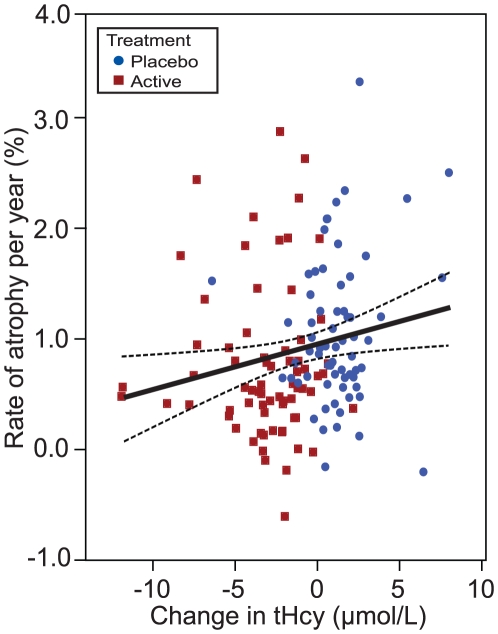
“This is particularly relevant to AD as a study that used vitamin B supplementation over 2 years showed how accelerated brain atrophy in elderly subjects with MCI was slowed by 30%, which corresponded to a decrease of 31.7% in total homocysteine levels [68].”
InfluentialLevodopa, homocysteine and Parkinson's disease: What's the problem?
Ahlskog, J. E. (2023) · Parkinsonism & Related Disorders · doi:10.1016/j.parkreldis.2023.105357 · Cited by 31
Benton, D. (2012) · Molecular Nutrition & Food Research · doi:10.1002/mnfr.201200477 · Cited by 26
“An interesting exception is the report that in those over 70 years, with mild cognitive impairment (early signs of memory loss), the rate of brain atrophy as measured using structural MRI scans of the brain, was slowed over a period of 2 years by using B vitamins to decrease the levels of homocysteine [38].”
BackgroundStrategies to improve diet in older adults
Johnson, M. A. (2012) · Proceedings of The Nutrition Society · doi:10.1017/s0029665112002819 · Cited by 27
“8 mg folic acid and 20 mg vitamin B6) were associated with lower rates of brain atrophy((52)) and stabilisation of executive function relative to the placebo treatment((53)).”
BackgroundGupta, L. K., Gupta, R. K., Gupta, P. K., Malhotra, H. S., Saha, I., & Garg, R. K. (2015) · Magnetic Resonance Imaging · doi:10.1016/j.mri.2015.10.026 · Cited by 26
“A number of studies have described that evidence of B12 deficiency is associated with cognitive decline, WM damage and brain atrophy [11,12,28].”
BackgroundCognitive Impairment and Risk Factors in Elderly People Living in Fluorosis Areas in China
Li, M., Gao, Y., Cui, J., Li, Y., Li, B., Liu, Y., Sun, J., Liu, X., Liu, H., Zhao, L., et al. (2015) · Biological Trace Element Research · doi:10.1007/s12011-015-0568-0 · Cited by 27
“Serum Hcy concentrations were increased with theexacerbation of cognitive impairment, which supported that higher serum concentrations of Hcy may be one of the risk factors for cognitive impairment as reported by a previous study [15].”
ResultHomocysteine and Cerebral Atrophy: The Epidemiology of Dementia in Singapore Study
Tan, B. W. Q., Venketasubramanian, N., Vrooman, H. A., Cheng, C., Wong, T. Y., Ikram, M. K., Chen, C., & Hilal, S. (2018) · Journal of Alzheimer s Disease · doi:10.3233/jad-170796 · Cited by 28
“A randomized controlled trial showed that homocysteine-lowering vitamin B12 supplementation decreased progression in global cerebral atrophy, with effects most prominent in subjects with elevated homocysteine levels [32].”
Li, H., Li, H., Zhu, Z., Xiong, X., Huang, Y., Feng, Y., Li, Z., Wu, K., & Wu, F. (2023) · Journal of Psychiatric Research · doi:10.1016/j.jpsychires.2023.01.045 · Cited by 26
Recent Advances in Imaging Alzheimer's Disease
Braskie, M. N., Toga, A. W., & Thompson, P. M. (2012) · Journal of Alzheimer s Disease · doi:10.3233/jad-2012-129016 · Cited by 26
Moustafa, A. A., Hewedi, D. H., Eissa, A. M., Myers, C. E., & Sadek, H. A. (2012) · PLoS ONE · doi:10.1371/journal.pone.0046496 · Cited by 26
“Many studies have reported that lowering homocysteine levels enhances memory and cognition in individuals with MCI and AD [20,101].”
BackgroundKumar, M., Goudihalli, S. R., Mukherjee, K. K., Dhandapani, S., & Sandhir, R. (2018) · Metabolic Brain Disease · doi:10.1007/s11011-018-0268-5 · Cited by 26
“MTHFR C677T polymorphism and elevated plasma Hcy levels have also been reported in coronary artery diseases (CAD) in a case control study in North Indian population (Tripathi et al. 2010).”
Preventing Alzheimer’s: Our Most Urgent Health Care Priority
Sherzai, D., & Sherzai, A. Z. (2019) · American Journal of Lifestyle Medicine · doi:10.1177/1559827619843465 · Cited by 27
Low folate predicts accelerated cognitive decline: 8-year follow-up of 3140 older adults in Ireland
O’Connor, D. M. A., Scarlett, S., Looze, C. D., O’Halloran, A. M., Laird, E. J., Molloy, A. M., Clarke, R., McGarrigle, C. A., & Kenny, R. A. (2022) · European Journal of Clinical Nutrition · doi:10.1038/s41430-021-01057-3 · Cited by 25
Dementia Prevention in Clinical Practice
Niotis, K., Akiyoshi, K., Carlton, C., & Isaacson, R. (2022) · Seminars in Neurology · doi:10.1055/s-0042-1759580 · Cited by 26
Mapping creatinine- and cystatin C-related white matter brain deficits in the elderly
Rajagopalan, P., Refsum, H., Hua, X., Toga, A. W., Jack, C. R., Weiner, M. W., & Thompson, P. M. (2012) · Neurobiology of Aging · doi:10.1016/j.neurobiolaging.2012.10.022 · Cited by 25
“, 2007) and rate of brain atrophy (Smith et al., 2010); (2) CysC with silent brain infarcts (Seliger et al.”
BackgroundSelf-citationRoy, B., Trivedi, R., Garg, R. K., Gupta, P. K., Tyagi, R., & Gupta, R. K. (2015) · Magnetic Resonance Imaging · doi:10.1016/j.mri.2015.02.012 · Cited by 25
Gupta, P. K., Garg, R. K., Gupta, R. K., Malhotra, H. S., Paliwal, V. K., Rathore, R. K. S., Verma, R. K., Singh, M. K., Rai, Y., & Pandey, C. M. (2013) · Neuroradiology · doi:10.1007/s00234-013-1306-y · Cited by 25
“There is much evidence that B12 deficiency is associated with brain atrophy and causes cognitive decline [32, 34].”
BackgroundBrain imaging and human nutrition: which measures to use in intervention studies?
Sizonenko, S. V., Babiloni, C., de Bruin, E. A., Isaacs, E., Jönsson, L. S., Kennedy, D. O., Latulippe, M. E., Mohajeri, M. H., Moreines, J., Pietrini, P., et al. (2013) · British Journal Of Nutrition · doi:10.1017/s0007114513001384 · Cited by 25
“However, this possibility has recently been weakened by a large well-controlled intervention study((84)).”
Ulstein, I. D., & Bøhmer, T. (2016) · Journal of Alzheimer s Disease · doi:10.3233/jad-160393 · Cited by 25
“In fact, the OPTIMA group in Oxford reported that high-dose supplementation with the vitamins B6, B12, and folic acid slowed brain atrophy in persons with mild cognitive impairment (MCI) [15], particularly in those with high -3 fatty acids [16].”
BackgroundCastrogiovanni, P., & Imbesi, R. (2017) · Journal of Functional Morphology and Kinesiology · doi:10.3390/jfmk2030030 · Cited by 25
“Moreover, it seems that the low concentration of maternal folate is linked to increased inattention, hyperactivity problems and emotional problems in the progeny [27], considerations that deserve further investigation.”
BackgroundDeng, Y., Wang, D., Wang, K., & Kwok, T. C. Y. (2017) · The journal of nutrition health & aging · doi:10.1007/s12603-017-0979-z · Cited by 25
One-Carbon Metabolism Biomarkers and Cognitive Decline in the Very Old: The Newcastle 85+ Study
Mendonça, N., Granic, A., Mathers, J. C., Martin-Ruiz, C. M., Wesnes, K. A., Seal, C. J., Jagger, C., & Hill, T. R. (2017) · Journal of the American Medical Directors Association · doi:10.1016/j.jamda.2017.05.008 · Cited by 25
“Physical activity, high, % (n) 38 (71) 33 (62) Education 12 y, % (n) 11 (20) 11 (20) History of cardiovascular disease, % (n) 45 (84) 57 (108) Diabetes type 1 or 2, % (n) 9 (16) 16 (31) Hypertension, % (n) 54 (100) 59 (112)”
Reddan, J. M., White, D., Macpherson, H., Scholey, A. B., & Pipingas, A. (2018) · Frontiers in Aging Neuroscience · doi:10.3389/fnagi.2018.00049 · Cited by 29
“Supplementation with these B vitamins has been shown to lower HcY concentrations (Eussen et al., 2006; McMahon et al., 2006; Smith et al., 2010; Clarke et al., 2014; Ford and Almeida, 2014).”
BackgroundMethodInfluentialSeifan, A., & Isaacson, R. (2015) · The Journal of Prevention of Alzheimer s Disease · doi:10.14283/jpad.2015.81 · Cited by 25
“A uthor M anuscript A uthor M anuscript A uthor M anuscript A uthor M anuscript Table 4 Potential Personalized Interventions Risk Factor Individual Factor Potential Intervention Hypertension Midlife Avoid CNS-active beta blockers86; consider CCB or ARB (87) Lifestyle counseling Assess and treat sleep apnea Insulin Res…”
BackgroundInfluentialHelicobacter pylori, Vascular Risk Factors and Cognition in U.S. Older Adults
Cardenas, V. M., Boller, F., & Román, G. C. (2019) · Brain Sciences · doi:10.3390/brainsci9120370 · Cited by 24
“[31] The VITACOG trial [50] demonstrated that high-dose oral B-vitamins lowered by 53% the rate of brain atrophy in subjects with Hcy > 13.”
BackgroundConsideration of nutrient levels in studies of cognitive decline
Barnes, J. L., Tian, M., Edens, N. K., & Morris, M. C. (2014) · Nutrition Reviews · doi:10.1111/nure.12144 · Cited by 24
Yin, Y., Fan, Y., Lin, F. R., Xu, Y., & Zhang, J. (2014) · The journal of nutrition health & aging · doi:10.1007/s12603-014-0510-8 · Cited by 23
“A single-center, randomized, double-blind controlled trial (VITACOG) of high-dose folate, VitB6, and B12 supplementation conducted in the United Kingdom (56), found that that high doses of B vitamins can be used to reduce the rate of atrophy of the brain in elderly people with MCI, but the study was not powered suffic…”
MTHFR Gene Mutations: A Potential Marker of Late-Onset Alzheimer’s Disease?
Román, G. C. (2015) · Journal of Alzheimer s Disease · doi:10.3233/jad-150304 · Cited by 24
Cai, C., Xiao, R., Halm‐Lutterodt, N. V., Zhen, J., Huang, X., Xu, Y., Chen, S., & Yuan, L. (2016) · Nutrients · doi:10.3390/nu8100665 · Cited by 24
Rogne, S., Vangberg, T. R., Eldevik, P., Wikran, G., Mathiesen, E. B., & Schirmer, H. (2016) · Dementia and Geriatric Cognitive Disorders Extra · doi:10.1159/000450885 · Cited by 25
Nutrient deficiencies and depression in older adults according to sex: A cross sectional study
Park, Y., Choi‐Kwon, S., Park, K., Suh, M., & Jung, Y. (2016) · Nursing and Health Sciences · doi:10.1111/nhs.12315 · Cited by 23
Metadata
- Authors
- Smith, A. D., Smith, S. M., de Jager, C. A., Whitbread, P., Johnston, C., Agacinski, G., Oulhaj, A., Bradley, K. M., Jacoby, R., & Refsum, H.
- Affiliations
- University of Oxford (GB)
- University of Oslo (NO)
- Corresponding author
- Smith, A. David
- Venue
- PLoS ONE
- Publisher
- Public Library of Science (PLoS)
- Published
- 2010-09-08
- Volume
- 5
- Issue
- 9
- Pages
- e12244
- ISSN
- 1932-6203 (ISSN-L)
- PMC
- PMC2935890
- OpenAlex
- W2156635660
- Cited by
- 813
- References
- 49
- Citations by year
- 2026: 50 · 2025: 49 · 2024: 34 · 2023: 44 · 2022: 58 · 2021: 58 · 2020: 66 · 2019: 39 · 2018: 43 · 2017: 55 · 2016: 59 · 2015: 49 · 2014: 44 · 2013: 58 · 2012: 59
- FWCI
- 36.35
- Type
- journal article
- Language
- en
- Open access
- gold
- doi.org
- Locations
- PLoS ONE (publishedVersion, cc-by)
- PubMed Central (publishedVersion, cc-by)
- PubMed (publishedVersion)
- ORCA Online Research @Cardiff (Cardiff University) (acceptedVersion)
- DOAJ (DOAJ: Directory of Open Access Journals) (submittedVersion, cc-by-sa)
- Figshare (submittedVersion, cc-by)
- Funders
- Alzheimer's Research Trust
- National Institute for Health and Care Research
- University of Oxford
- Medical Research Council
- Topics
- Health Sciences › Nursing › Nutrition and Dietetics › Folate and B Vitamins Research
- Health Sciences › Medicine › Psychiatry and Mental health › Dementia and Cognitive Impairment Research
- Health Sciences › Medicine › Clinical Neurology › Alcoholism and Thiamine Deficiency
- Keywords
- homocysteine, B vitamins, folic acid, vitamin B6, vitamin B12, brain atrophy, mild cognitive impairment, cognitive decline, dementia prevention, older adults, plasma homocysteine, volumetric MRI, cognitive performance, adverse events
- MeSH terms
- Aged, Aged, 80 and over, Atrophy, Brain, Cognition Disorders, Female, Homocysteine, Humans, Magnetic Resonance Imaging, Male, Radiography, Vitamin B Complex, Treatment Outcome
About these checks
Registry, retraction, Cites and statistics results are computed, not judged, with one exception: a printed reference that no index lists is read once by a model before it counts as a citation error. Claims are extracted by a model and kept only when their quote appears verbatim in the text; each cited source is then checked, with a model’s help, for whether it says what the claim relies on. Those verdicts can be wrong — read the claim’s quote and the cited source before relying on one.
Statistics and arithmetic are recomputed, not judged.
Confidence bands are shown only for fields calibrated on our annotated test set. None is calibrated yet, so no band is shown.
What counts as a claim ›How we measure confidence ›How we check this ›
Are you an author, or do you see a problem with this page? Request a review
