

The DOI matches its Crossref record; 49 of the 49 references it cites were found in a registry or an index.
Homocysteine-Lowering by B Vitamins Slows the Rate of Accelerated Brain Atrophy in Mild Cognitive Impairment: A Randomized Controlled Trial
Open accessAbstract
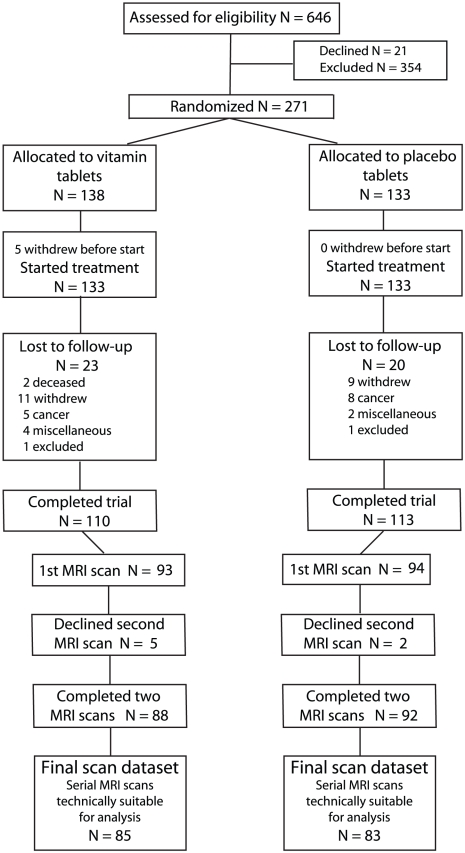
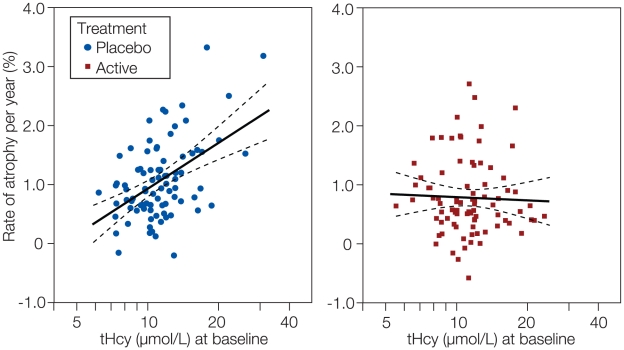
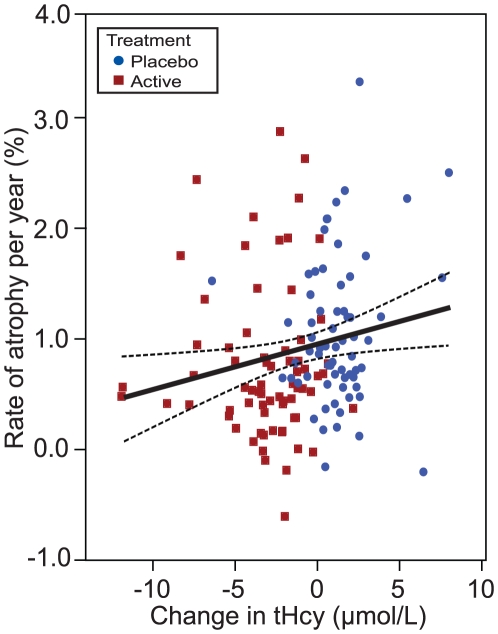
BACKGROUND: An increased rate of brain atrophy is often observed in older subjects, in particular those who suffer from cognitive decline. Homocysteine is a risk factor for brain atrophy, cognitive impairment and dementia. Plasma concentrations of homocysteine can be lowered by dietary administration of B vitamins. OBJECTIVE: To determine whether supplementation with B vitamins that lower levels of plasma total homocysteine can slow the rate of brain atrophy in subjects with mild cognitive impairment in a randomised controlled trial (VITACOG, ISRCTN 94410159). METHODS AND FINDINGS: Single-center, randomized, double-blind controlled trial of high-dose folic acid, vitamins B(6) and B(12) in 271 individuals (of 646 screened) over 70 y old with mild cognitive impairment. A subset (187) volunteered to have cranial MRI scans at the start and finish of the study. Participants were randomly assigned to two groups of equal size, one treated with folic acid (0.8 mg/d), vitamin B(12) (0.5 mg/d) and vitamin B(6) (20 mg/d), the other with placebo; treatment was for 24 months. The main outcome measure was the change in the rate of atrophy of the whole brain assessed by serial volumetric MRI scans. RESULTS: A total of 168 participants (85 in active treatment group; 83 receiving placebo) completed the MRI section of the trial. The mean rate of brain atrophy per year was 0.76% [95% CI, 0.63-0.90] in the active treatment group and 1.08% [0.94-1.22] in the placebo group (P = 0.001). The treatment response was related to baseline homocysteine levels: the rate of atrophy in participants with homocysteine >13 µmol/L was 53% lower in the active treatment group (P = 0.001). A greater rate of atrophy was associated with a lower final cognitive test scores. There was no difference in serious adverse events according to treatment category. CONCLUSIONS AND SIGNIFICANCE: The accelerated rate of brain atrophy in elderly with mild cognitive impairment can be slowed by treatment with homocysteine-lowering B vitamins. Sixteen percent of those over 70 y old have mild cognitive impairment and half of these develop Alzheimer's disease. Since accelerated brain atrophy is a characteristic of subjects with mild cognitive impairment who convert to Alzheimer's disease, trials are needed to see if the same treatment will delay the development of Alzheimer's disease. TRIAL REGISTRATION: Controlled-Trials.com ISRCTN94410159.
Overview
The claims and statistics of this paper haven’t been checked yet.
Run the check — free, no account needed. It reads the open-access text and checks the sources it cites.
Integrity signals
Registry
Cites
Statistics
Figures
Verification
Claims the paper makes
The claims and statistics of this paper haven’t been checked yet.
Run the check — free, no account needed. It reads the open-access text and checks the sources it cites.
Claims other papers make about this one
Each is checked against this paper’s own text: does it say what the citing paper says it does?
The source backs part of the claim, not all of it — or backs it for a different population, condition or comparison.
In the citing paper
“Finally, dietary approaches in terms of nutrition supplementation, such as combined formulation of specific active ingredients or probiotics, or nutritional guidance, such as fasting intermitting or Mediterranean diet, ameliorate both cognition and function of prodromal and mild AD patients [200,201,202].”
From Treatment of Alzheimer’s Disease: Beyond Symptomatic Therapies (2023) · cites this paper as [200]
Experimental — accuracy not yet measuredThe cited source says what the claim attributes to it.
In the citing paper
“While some degree of brain atrophy is common in older age, even in people who are cognitively healthy, atrophy is accelerated in people with Alzheimer's dementia.”
From 2024 Alzheimer's disease facts and figures (2024) · cites this paper as [20]
Self-check
Percentages, sums and reported differences re-computed from the paper’s own numbers.
The self-check needs the paper’s full text.
Citations
Cites
Folstein, M. F., Folstein, S. E., & McHugh, P. R. (1975) · Journal of Psychiatric Research · doi:10.1016/0022-3956(75)90026-6 · Cited by 88,282 · cited 5×
“First, in studies over longer periods (up to 5 years) it has been found that the rate of whole brain atrophy in MCI is correlated with cognitive decline in several tests, including the MMSE [5].”
InfluentialMoms, J. C., Heyman, A., Mohs, R. C., Hughes, J. P., van Belle, G., Fillenbaum, G., Mellits, E. D., & Clark, C. (1989) · Neurology · doi:10.1212/wnl.39.9.1159 · Cited by 4,130 · cited 1×
“…daily living based on the Cambridge Behavioural Inventory [26], an objective memory problem assessed with the ‘Telephone interview of cognitive status, modified’ (TICS-M) [27], a test without a ceiling effect [28], and category fluency [29] based on previously defined cut-off scores for MCI [28].”
Consortium to Establish a Registry for Alzheimer's Disease (CERAD)
Fillenbaum, G., & Heyman, A. (2002) · doi:10.1002/0470846410.ch42(iii · Cited by 2,859
Accurate, Robust, and Automated Longitudinal and Cross-Sectional Brain Change Analysis
Smith, S. M., Zhang, Y., Jenkinson, M., Chen, J. M., Matthews, P. M., Federico, A., & Stefano, N. D. (2002) · NeuroImage · doi:10.1006/nimg.2002.1040 · Cited by 2,013 · cited 3×
“A cross-sectional method (SIENAX) was used to estimate normalized brain volume from a single image, using the skull to normalize spatially, with respect to a standard image [31].”
InfluentialSelf-citationMild Cognitive Impairment: Ten Years Later
Petersen, R. C., Roberts, R. O., Knopman, D. S., Boeve, B. F., Geda, Y. E., Ivnik, R. J., Smith, G. E., & Jack, C. R. (2009) · Archives of Neurology · doi:10.1001/archneurol.2009.266 · Cited by 1,447
Longitudinal Magnetic Resonance Imaging Studies of Older Adults: A Shrinking Brain
Resnick, S. M., Pham, D. L., Kraut, M. A., Zonderman, A. B., & Davatzikos, C. (2003) · The Journal of Neuroscience · doi:10.1523/jneurosci.23-08-03295.2003 · Cited by 1,425 · cited 1×
“The atrophy occurs even in cognitively healthy subjects [1] but is much accelerated in patients suffering from Alzheimer’s disease [2,3,4,5].”
Folate, Vitamin B12, and Serum Total Homocysteine Levels in Confirmed Alzheimer Disease
Clarke, R., Smith, A. D., Jobst, K. A., Refsum, H., Sutton, L., & Ueland, P. M. (1998) · Archives of Neurology · doi:10.1001/archneur.55.11.1449 · Cited by 1,408 · cited 3×
“The results also fit with our earlier finding that raised tHcy predicts the rate of shrinkage of the medial temporal lobe in patients with Alzheimer’s disease [12].”
Self-citationMorris, J. C., Mohs, R. C., Rogers, H., Fillenbaum, G. G., & Heyman, A. (1988) · PubMed · Cited by 1,131
Facts and recommendations about total homocysteine determinations: an expert opinion
Refsum, H., Smith, A. D., Ueland, P. M., Nexo, E., Clarke, R., McPartlin, J., Johnston, C., Engbaek, F., Schneede, J., McPartlin, C., et al. (2004) · Clinical Chemistry · doi:10.1373/clinchem.2003.021634 · Cited by 1,056 · cited 1×
“The tissue and plasma concentrations of homocysteine are largely determined by the body’s status of certain B vitamins (folate, B6 and B12), which are cofactors or substrates for enzymes involved in homocysteine metabolism [22].”
Self-citationPrevalence of Cognitive Impairment without Dementia in the United States
Plassman, B. L., Langa, K. M., Fisher, G. G., Heeringa, S. G., Weir, D. R., Ofstedal, M. B., Burke, J. R., Hurd, M. D., Potter, G. G., Rodgers, W. L., et al. (2008) · Annals of Internal Medicine · doi:10.7326/0003-4819-148-6-200803180-00005 · Cited by 946 · cited 1×
“The prevalence of MCI is between 14% and 18% in those over 70 years-old [24,41], which means that about 5 million people in the USA and 14 million in greater Europe suffer from this condition.”
Cited by
Sorted by citations
2024 Alzheimer's disease facts and figures
(2024) · Alzheimer's & Dementia · doi:10.1002/alz.13809 · Cited by 2,536
Aging and aging-related diseases: from molecular mechanisms to interventions and treatments
Guo, J., Huang, X., Dou, L., Yan, M., Shen, T., Tang, W., & Li, J. (2022) · Signal Transduction and Targeted Therapy · doi:10.1038/s41392-022-01251-0 · Cited by 1,976
“However, the use of metformin by older adults can cause deficiencies in folate-related B vitamins, which are associated with reduced cognitive performance.(580) Additionally, impaired ER homeostasis has been found to induce the misfolding of proinsulin and the pathogenesis of diabetes.”
BackgroundDefeating Alzheimer's disease and other dementias: a priority for European science and society
Winblad, B., Amouyel, P., Andrieu, S., Ballard, C., Brayne, C., Brodaty, H., Cedazo-Minguez, A., Dubois, B., Edvardsson, D., Feldman, H., et al. (2016) · The Lancet Neurology · doi:10.1016/s1474-4422(16)00062-4 · Cited by 1,676
Biomarkers of Nutrition for Development—Folate Review
Bailey, L. B., Stover, P. J., McNulty, H., Fenech, M. F., Gregory, J. F., Mills, J. L., Pfeiffer, C. M., Fazili, Z., Zhang, M., Ueland, P. M., et al. (2015) · Journal of Nutrition · doi:10.3945/jn.114.206599 · Cited by 1,170
B Vitamins and the Brain: Mechanisms, Dose and Efficacy—A Review
Kennedy, D. (2016) · Nutrients · doi:10.3390/nu8020068 · Cited by 1,055
“It has also been noted [129] that more consistent evidence exists for lower vitamin B12 status and higher homocysteine levels being associated with decreased brain volume [134,135] and increased white matter lesions [136] and for supplementation with homocysteine lowering B vitamins attenuating the rate of cerebral at…”
Green, R., Allen, L. H., Bjørke-Monsen, A.-L., Brito, A., Guéant, J.-L., Miller, J. W., Molloy, A. M., Nexo, E., Stabler, S., Toh, B.-H., et al. (2017) · Nature Reviews Disease Primers · doi:10.1038/nrdp.2017.40 · Cited by 970
Schneider, L. S., Mangialasche, F., Andreasen, N., Feldman, H., Giacobini, E., Jones, R., Mantua, V., Mecocci, P., Pani, L., Winblad, B., et al. (2014) · Journal of Internal Medicine · doi:10.1111/joim.12191 · Cited by 651
Nutrition and prevention of cognitive impairment
Scarmeas, N., Anastasiou, C. A., & Yannakoulia, M. (2018) · The Lancet Neurology · doi:10.1016/s1474-4422(18)30338-7 · Cited by 612
Homocysteine, B Vitamins, and Cognitive Impairment
Smith, A. D., & Refsum, H. (2016) · Annual Review of Nutrition · doi:10.1146/annurev-nutr-071715-050947 · Cited by 526
Self-citationPreventing Alzheimer’s disease-related gray matter atrophy by B-vitamin treatment
Douaud, G., Refsum, H., de Jager, C. A., Jacoby, R. J., Nichols, T. E., Smith, S. M., & Smith, A. D. (2013) · Proceedings of the National Academy of Sciences · doi:10.1073/pnas.1301816110 · Cited by 533
Self-citationGuidelines for the diagnosis and treatment of cobalamin and folate disorders
Devalia, V., Hamilton, M. S., & Molloy, A. M. (2014) · British Journal of Haematology · doi:10.1111/bjh.12959 · Cited by 541
“…the elderly have a high incidence of food malabsorption, with some early studies suggesting possible cognitive improvement after cobalamin supplements with or without Folate/B vitamins (van Asselt et al, 2001; Nilsson et al, 2001; Smith & Refsum, 2009; Smith et al, 2010; de Jager et al, 2012).”
Background2025 Alzheimer's disease facts and figures
(2025) · Alzheimer s & Dementia · doi:10.1002/alz.70235 · Cited by 642
de Jager, C. A., Oulhaj, A., Jacoby, R. J., Refsum, H., & Smith, A. D. (2011) · International Journal of Geriatric Psychiatry · doi:10.1002/gps.2758 · Cited by 471
“Both at baseline and at the second visit, blood samples were obtained for routine biochemical tests and assessment of plasma tHcy, folate, vitamin B12, holotranscobalamin and apolipoprotein E (APOE) genotype, as previously described (Smith et al., 2010).”
BackgroundMethodInfluentialSelf-citationHerold, F., Törpel, A., Schega, L., & Müller, N. G. (2019) · European Review of Aging and Physical Activity · doi:10.1186/s11556-019-0217-2 · Cited by 349
Dietary and lifestyle guidelines for the prevention of Alzheimer's disease
Barnard, N. D., Bush, A. I., Ceccarelli, A., Cooper, J. K., de Jager, C. A., Erickson, K. I., Fraser, G. E., Kesler, S. R., Levin, S., Lucey, B. P., et al. (2014) · Neurobiology of Aging · doi:10.1016/j.neurobiolaging.2014.03.033 · Cited by 340
Plasma nutrient status of patients with Alzheimer's disease: Systematic review and meta‐analysis
da Silva, S. L., Vellas, B. J., Elemans, S., Luchsinger, J. A., Kamphuis, P. J. G. H., Yaffe, K. S., Sijben, J., Groenendijk, M., & Stijnen, T. (2013) · Alzheimer s & Dementia · doi:10.1016/j.jalz.2013.05.1771 · Cited by 313
Vascular Cognitive Impairment (VCI)
Rundek, T., Tolea, M. I., Ariko, T., Fagerli, E. A., & Camargo, C. J. (2021) · Neurotherapeutics · doi:10.1007/s13311-021-01170-y · Cited by 347
“This positive effect was found on cognitive performance [218] and on the slower rate of brain atrophy in individuals with MCI and particularly in those with total plasma homocysteine levels > 13 μmol/L [219].”
BackgroundResultBiomarkers of Nutrition for Development (BOND): Vitamin B-12 Review
Allen, L. H., Miller, J. W., de Groot, C. P. G. M., Rosenberg, I. H., Smith, A. D., Refsum, H., & Raiten, D. J. (2018) · Journal of Nutrition · doi:10.1093/jn/nxy201 · Cited by 303
“◦ The importance of plasma tHcy as a marker for a subgroup was shown in a randomized trial (VITACOG) on elderly people with mild cognitive impairment: ▪ In VITACOG, a combination of B vitamins (800 μg folic acid, 500 μg B12, and 20 mg vitamin B6/d) slowed brain atrophy and cognitive decline over a 2-y period (59, 60),…”
BackgroundSelf-citationNutritional modulation of cognitive function and mental health
Parletta, N., Milte, C. M., & Meyer, B. J. (2013) · The Journal of Nutritional Biochemistry · doi:10.1016/j.jnutbio.2013.01.002 · Cited by 312
“These clinical benefits were accompanied by a slower rate of brain atrophy in the treatment group as assessed by MRI [271].”
Drug repositioning for Alzheimer's disease
Corbett, A., Pickett, J., Burns, A. S., Corcoran, J. P. T., Dunnett, S. B., Edison, P., Hagan, J. J., Holmes, C., Jones, E., Katona, C., et al. (2012) · Nature Reviews Drug Discovery · doi:10.1038/nrd3869 · Cited by 307
Andrieu, S., Coley, N., Lovestone, S., Aisen, P. S., & Vellas, B. (2015) · The Lancet Neurology · doi:10.1016/s1474-4422(15)00153-2 · Cited by 293
“…et al (2009)40 Launer et al (2011)41 ACCORD-MIND study Eussen et al (2006)42 Muscari et al (2010)43§ Lautenschlager et al (2008)44 FABS study Smith et al (2010)45 VITACOG study van de Rest et al (2008)46 Yurko-Mauro et al (2010)47 MIDAS study Dangour et al (2010)48 OPAL study Smith et al…”
BackgroundHomocysteine and Hyperhomocysteinaemia
Zarić, B. L., Obradovic, M. M., Bajić, V., Haidara, M. A., Jovanović, M., & Isenović, E. R. (2018) · Current Medicinal Chemistry · doi:10.2174/0929867325666180313105949 · Cited by 282
Homocysteine – from disease biomarker to disease prevention
Smith, A. D., & Refsum, H. (2021) · Journal of Internal Medicine · doi:10.1111/joim.13279 · Cited by 274
Self-citationMediterranean diet and brain structure in a multiethnic elderly cohort
Gu, Y., Brickman, A. M., Stern, Y., Habeck, C. G., Razlighi, Q. R., Luchsinger, J. A., Manly, J. J., Schupf, N., Mayeux, R. P., & Scarmeas, N. (2015) · Neurology · doi:10.1212/wnl.0000000000002121 · Cited by 260
Nutrition for the ageing brain: Towards evidence for an optimal diet
Vauzour, D., Camprubi-Robles, M., Miquel-Kergoat, S., Andres-Lacueva, C., Bánáti, D., Barberger-Gateau, P., Bowman, G. L., Caberlotto, L., Clarke, R., Hogervorst, E., et al. (2017) · Ageing Research Reviews · doi:10.1016/j.arr.2016.09.010 · Cited by 241
“MRI and MRI can provide evidence of the impact of nutrients on brain tructure and function The rate of brain atrophy was the priary outcome of the Hcy and B vitamins in cognitive impairment VITACOG) study (Smith et al., 2010) which found that vitamin intake in the active treatment group was associated with 30% ess bra…”
Soininen, H., Solomon, A., Visser, P. J., Hendrix, S. B., Blennow, K., Kivipelto, M., Hartmann, T., Hallikainen, I., Hallikainen, M., Helisalmi, S., et al. (2017) · The Lancet Neurology · doi:10.1016/s1474-4422(17)30332-0 · Cited by 241
Solomon, A., Turunen, H., Ngandu, T., Peltonen, M., Levälahti, E., Helisalmi, S., Antikainen, R., Bäckman, L., Hänninen, T., Jula, A., et al. (2018) · JAMA Neurology · doi:10.1001/jamaneurol.2017.4365 · Cited by 213
“No effects of the APOE genotype on intervention response were found in trials of nonsteroidal anti-inflammatory drugs,(21) statins,(22) gingko biloba,(23) vitamin E,(14) or vitamin B12 supplementation.(24) The Finnish Geriatric Intervention Study to Prevent Cognitive Impairment andDisability (FINGER)was, to our knowle…”
BackgroundDiet, nutrition and the ageing brain: current evidence and new directions
Moore, K., Hughes, C., Ward, M., Hoey, L., & McNulty, H. (2018) · Proceedings of The Nutrition Society · doi:10.1017/s0029665117004177 · Cited by 227
“Of note, studies using MRI have shown that adherence to theMediterranean diet was associated with larger cortical thickness (which in turn is associatedwith a lower risk of cognitive impairment)(40).”
BackgroundResultInfluentialDiet, cognition, and alzheimer’s disease: food for thought
Otaegui-Arrazola, A., Amiano, P., Elbusto, A., Urdaneta, E., & Martínez-Lage, P. (2014) · European Journal of Nutrition · doi:10.1007/s00394-013-0561-3 · Cited by 214
Mild Cognitive Impairment and Dementia
Etgen, T., Sander, D., Bickel, H., & Förstl, H. (2011) · Deutsches Ärzteblatt international · doi:10.3238/arztebl.2011.0743 · Cited by 228
Clarke, R., Bennett, D., Parish, S., Lewington, S., Skeaff, M., Eussen, S. J. P. M., Lewerin, C., Stott, D. J., Armitage, J., Hankey, G. J., et al. (2014) · American Journal of Clinical Nutrition · doi:10.3945/ajcn.113.076349 · Cited by 206
“However, the claims that lowering homocysteine can prevent cognitive aging (10, 36, 37) within just a few years of treatment are not supported by the present meta-analysis.”
ResultHyperhomocysteinemia and Neurologic Disorders: a Review
Ansari, R., Mahta, A., Mallack, E. J., & Luo, J. J. (2014) · Journal of Clinical Neurology · doi:10.3988/jcn.2014.10.4.281 · Cited by 205
Hyperhomocysteinemia as a Risk Factor and Potential Nutraceutical Target for Certain Pathologies
Tinelli, C., Pino, A. D., Ficulle, E., Marcelli, S., & Feligioni, M. (2019) · Frontiers in Nutrition · doi:10.3389/fnut.2019.00049 · Cited by 203
Ried, K., & Fakler, P. (2014) · Integrated Blood Pressure Control · doi:10.2147/ibpc.s51434 · Cited by 198
Jernerén, F., Elshorbagy, A. K., Oulhaj, A., Smith, S. M., Refsum, H., & Smith, A. D. (2015) · American Journal of Clinical Nutrition · doi:10.3945/ajcn.114.103283 · Cited by 196
“This value corresponds to the median baseline tHcy concentration in the VITACOG cohort: previous studies showed that the beneficial effect of B vitamin treatment on global and regional brain atrophy (20, 21) and cognitive decline (28) was dependent on baseline tHcy.”
BackgroundMethodResultInfluentialSelf-citationNutrition and neurodegeneration: epidemiological evidence and challenges for future research
Guyonnet, S., Secher, M., & Vellas, B. J. (2013) · British Journal of Clinical Pharmacology · doi:10.1111/bcp.12058 · Cited by 186
“Smith et al. 2010 [29]* Outcomes: Neurocognitive tests of executive function-memory-learning and psychomotor speed Intervention: Caloric restriction with physical exercise Follow-up: 4 months Participants: n = 124, mean age of 52 9 years, with elevated blood pressure, sedentary and overweight or…”
BackgroundNutritional determinants of cognitive aging and dementia
Morris, M. C. (2011) · Proceedings of The Nutrition Society · doi:10.1017/s0029665111003296 · Cited by 196
Homocysteine and age-associated disorders
Ostrakhovitch, E. A., & TABIBZADEH, S. S. (2018) · Ageing Research Reviews · doi:10.1016/j.arr.2018.10.010 · Cited by 182
Folate and fetal programming: a play in epigenomics?
Guéant, J., Namour, F., Guéant‐Rodriguez, R., & Daval, J. (2013) · Trends in Endocrinology and Metabolism · doi:10.1016/j.tem.2013.01.010 · Cited by 183
Smith, A. D., Warren, M. J., & Refsum, H. (2018) · Advances in food and nutrition research · doi:10.1016/bs.afnr.2017.11.005 · Cited by 185
Self-citationMetabolite Profiling of Alzheimer's Disease Cerebrospinal Fluid
Czech, C., Berndt, P., Busch, K., Schmitz, O., Wiemer, J. C., Most, V., Hampel, H. J., Kastler, J., & Senn, H. (2012) · PLoS ONE · doi:10.1371/journal.pone.0031501 · Cited by 167
“One clinical study has shown that lowering of homocysteine in plasma by Vitamin B12 slows the rate of brain atrophy, however without effect on cognitive parameters [35].”
BackgroundDiet in the Prevention of Alzheimer’s Disease: Current Knowledge and Future Research Requirements
Stefaniak, O., Dobrzyńska, M., Drzymała-Czyż, S., & Przysławski, J. (2022) · Nutrients · doi:10.3390/nu14214564 · Cited by 185
“study showed that supplementation with vitamin B (B6, B12, and B9) could slow down the rate of accelerated brain atrophy that occurs in mild cognitive impairment [85].”
BackgroundInfluentialSobczyńska‐Malefora, A., DELVIN, E. E., McCaddon, A., Ahmadi, K. R., & Harrington, D. J. (2021) · Critical Reviews in Clinical Laboratory Sciences · doi:10.1080/10408363.2021.1885339 · Cited by 191
Rutjes, A. W., Denton, D. A., Di Nisio, M., Chong, L.-Y., Abraham, R. P., Al-Assaf, A. S., Anderson, J. L., Malik, M. A., Vernooij, R. W., Martínez, G., et al. (2018) · Cochrane Database of Systematic Reviews · doi:10.1002/14651858.cd011906.pub2 · Cited by 164
Mitchell, E. S., Conus, N. M., & Kaput, J. (2014) · Neuroscience & Biobehavioral Reviews · doi:10.1016/j.neubiorev.2014.08.006 · Cited by 164
McCleery, J., Abraham, R. P., Denton, D. A., Rutjes, A. W., Chong, L.-Y., Al-Assaf, A. S., Griffith, D. J., Rafeeq, S., Yaman, H., Malik, M. A., et al. (2018) · Cochrane Database of Systematic Reviews · doi:10.1002/14651858.cd011905.pub2 · Cited by 162
Decreased Brain Levels of Vitamin B12 in Aging, Autism and Schizophrenia
Zhang, Y., Hodgson, N., Trivedi, M. S., Abdolmaleky, H. M., Fournier, M., Cuénod, M., Kim, Q., & Deth, R. C. (2016) · PLoS ONE · doi:10.1371/journal.pone.0146797 · Cited by 164
Oulhaj, A., Jernerén, F., Refsum, H., Smith, A. D., & de Jager, C. A. (2016) · Journal of Alzheimer s Disease · doi:10.3233/jad-150777 · Cited by 166
“The VITACOG trial showed that a B vitamin supplement (folic acid, vitamins B6 and B12) in older adults with mild cognitive impairment (MCI) slowed the rate of global [10] and regional brain atrophy [11] and maintained verbal episodic memory, semantic memory, and global cognitive performance (Mini-Mental State Examinat…”
BackgroundMethodSelf-citationArnoriaga-Rodríguez, M., Mayneris-Perxachs, J., Burokas, A., Contreras-Rodríguez, O., Blasco, G., Coll, C., Biarnés, C., Miranda-Olivos, R., Latorre, J., Moreno-Navarrete, J.-M., et al. (2020) · Cell Metabolism · doi:10.1016/j.cmet.2020.09.002 · Cited by 157
Asaoka, D., Xiao, J., Takeda, T., Yanagisawa, N., Yamazaki, T., Matsubara, Y., Sugiyama, H., Endo, N., Higa, M., Kasanuki, K., et al. (2022) · Journal of Alzheimer s Disease · doi:10.3233/jad-220148 · Cited by 173
“Another clinical intervention using a combination of high-dose folic acid, vitamin B6, and B12 in MCI subjects was associated with reducing the inflammatory marker homocysteine and a 53% reduction of brain atrophy [35].”
Neuroenhancement with Vitamin B12—Underestimated Neurological Significance
Gröber, U., Kisters, K., & Schmidt, J. (2013) · Nutrients · doi:10.3390/nu5125031 · Cited by 154
“The accelerated rate of brain atrophy in elderly with mild cognitive impairment can be slowed by treatment with homocysteine-lowering B vitamins [43].”
BackgroundCognitive and brain changes associated with ischaemic heart disease and heart failure
Almeida, O. P., Garrido, G. J., Etherton‐Beer, C., Lautenschlager, N. T., Arnolda, L., & Flicker, L. A. (2012) · European Heart Journal · doi:10.1093/eurheartj/ehr467 · Cited by 159
“High tHcy has been associated with cognitive decline and brain atrophy, and recent evidence suggests that lowering tHcy may decrease the rate of neuronal loss, possibly because apoptosis and vascular pathology are attenuated by consumption of folate and vitamin B12.(49)”
BackgroundHomocysteine: a biomarker in neurodegenerative diseases
Herrmann, W., & Obeid, R. (2011) · Clinical Chemistry and Laboratory Medicine (CCLM) · doi:10.1515/cclm.2011.084 · Cited by 149
Heart Failure-Induced Brain Injury
Havakuk, O., King, K. S., Grazette, L. P., Yoon, A., Fong, M., Bregman, N., Elkayam, U., & Kloner, R. A. (2017) · Journal of the American College of Cardiology · doi:10.1016/j.jacc.2017.01.022 · Cited by 151
“High levels of tHcy were shown to produce brain atrophy and cognitive decline through brain cell apoptosis (55), and interventions aimed at reducing the levels of tHcy were shown to delay brain atrophy (56).”
BackgroundDiagnosing Mild Cognitive Impairment (MCI) in clinical trials: a systematic review
Stephan, B. C. M., Minett, T., Pagett, E., Siervo, M., Brayne, C., & McKeith, I. G. (2013) · BMJ Open · doi:10.1136/bmjopen-2012-001909 · Cited by 154
“Smith et al10 used four items from the Cambridge Examination for Mental Disorders.28 Rapp et al22 used the Memory Functioning Questionnaire,29 which is a 64-item questionnaire assessing memory problems and the use of mnemonics.”
MethodAdvances in clinical determinants and neurological manifestations of B vitamin deficiency in adults
Sechi, G., Sechi, E., Fois, C., & Kumar, N. (2016) · Nutrition Reviews · doi:10.1093/nutrit/nuv107 · Cited by 149
Wang, Z., Zhu, W. P., Xing, Y., Jia, J., & Tang, Y. (2021) · Nutrition Reviews · doi:10.1093/nutrit/nuab057 · Cited by 147
Butler, M., Nelson, V. A., Davila, H., Ratner, E., Fink, H. A., Hemmy, L. S., McCarten, J. R., Barclay, T. R., Brasure, M., & Kane, R. L. (2018) · Annals of Internal Medicine · doi:10.7326/m17-1530 · Cited by 144
Causes, Consequences and Public Health Implications of Low B-Vitamin Status in Ageing
Porter, K. M., Hoey, L., Hughes, C., Ward, M., & McNulty, H. (2016) · Nutrients · doi:10.3390/nu8110725 · Cited by 150
“This effect was modulated by baseline homocysteine concentration, with the greatest impact observed in those with concentrations ≥ 13 μmol/L [196].”
BackgroundHampel, H. J., Lista, S., Teipel, S. J., Garaci, F., Nisticò, R., Blennow, K., Zetterberg, H., Bertram, L., Duyckaerts, C. J., Bakardjian, H., et al. (2013) · Biochemical Pharmacology · doi:10.1016/j.bcp.2013.11.009 · Cited by 148
Mohajeri, M. H., Troesch, B., & Weber, P. (2015) · Nutrition · doi:10.1016/j.nut.2014.06.016 · Cited by 141
Emerging roles for folate and related B-vitamins in brain health across the lifecycle
McGarel, C., Pentieva, K. D., Strain, J. J., & McNulty, H. (2014) · Proceedings of The Nutrition Society · doi:10.1017/s0029665114001554 · Cited by 143
“The effect was greatest in participants with the highest baseline homocysteine concentrations (>13 μmol/l), among whom an overall reduction of brain atrophy rate of 53 % was reported, while no effect was found in those in the bottom quartile (≤9·5 μmol/l)((65)).”
InfluentialMetabolic vitamin B12 deficiency: a missed opportunity to prevent dementia and stroke
Spence, J. D. (2015) · Nutrition Research · doi:10.1016/j.nutres.2015.10.003 · Cited by 141
“[30] Smith AD, Smith SM, de Jager CA, Whitbread P, Johnston C, Agacinski G, et al.”
BackgroundNutritional Interventions for Elderly and Considerations for the Development of Geriatric Foods
Kaur, D., Rasane, P., Singh, J., Kaur, S., Kumar, V., Mahato, D. K., Dey, A., Dhawan, K., & Kumar, S. (2019) · Current Aging Science · doi:10.2174/1874609812666190521110548 · Cited by 159
Hainsworth, A. H., Yeo, N., Weekman, E. M., & Wilcock, D. M. (2015) · Biochimica et Biophysica Acta (BBA) - Molecular Basis of Disease · doi:10.1016/j.bbadis.2015.11.015 · Cited by 136
The Future of Precision Medicine in the Cure of Alzheimer’s Disease
Arafah, A., Khatoon, S., Rasool, I., Khan, A., Rather, M. A., Abujabal, K. A., Faqih, Y. A. H., Rashid, H., Rashid, S. M., Bilal Ahmad, S., et al. (2023) · Biomedicines · doi:10.3390/biomedicines11020335 · Cited by 133
“It has been investigated in several trials if reduced homocysteine can affect brain disease and/or cognitive function by using a mixture of B vitamins [81].”
BackgroundCerebral atrophy in mild cognitive impairment: A systematic review with meta‐analysis
Tabatabaei‐Jafari, H., Shaw, M. E., & Cherbuin, N. (2015) · Alzheimer s & Dementia Diagnosis Assessment & Disease Monitoring · doi:10.1016/j.dadm.2015.11.002 · Cited by 128
“Indeed, initial attempts at early therapeutic interventions have reported some successes in the early phase ofMCI [1,2].”
BackgroundPrice, B. R., Wilcock, D. M., & Weekman, E. M. (2018) · Frontiers in Aging Neuroscience · doi:10.3389/fnagi.2018.00350 · Cited by 128
Dobrijević, D., Pastor, K., Nastić, N. M., Özoğul, F., Krulj, J. A., Kokić, B. M., Bartkienė, E., Rocha, J. M., & Kojić, J. S. (2023) · Molecules · doi:10.3390/molecules28124824 · Cited by 128
“Even a slightly elevated level of homocysteine in the blood could be considered a biomarker of increased risk of cardiovascular, cerebral, and peripheral vascular diseases, neurodegenerative disorders, and cognitive decline [47,48].”
Backgroundvan Wijk, N., Broersen, L. M., de Wilde, M. C., Hageman, R. J. J., Groenendijk, M., Sijben, J. W. C., & Kamphuis, P. J. G. H. (2013) · Journal of Alzheimer s Disease · doi:10.3233/jad-130998 · Cited by 128
“For example, supplementing humans with DHA [73], choline [74], or the combination of folic acid, vitamin B12, and B6 [75] result in increased levels in the circulation.”
Nutrition and the ageing brain: Moving towards clinical applications
Flanagan, E. C., Lamport, D. J., Brennan, L., Burnet, P. W. J., Calabrese, V., Cunnane, S. C., de Wilde, M. C., Dye, L., Farrimond, J. A., Lombardo, N. B. E., et al. (2020) · Ageing Research Reviews · doi:10.1016/j.arr.2020.101079 · Cited by 132
“Regarding the association with homocysteine, total brain atrophy in the placebo group doubled across the levels of baseline homocysteine, whereas in the active treatment group there was no relation between homocysteine at baseline and atrophy, such that subjects within the top quartile of homocysteine levels showed a…”
Self-citationKuśmierek, K., Chwatko, G., Głowacki, R., Kubalczyk, P., & Bald, E. (2010) · Journal of Chromatography B · doi:10.1016/j.jchromb.2010.10.035 · Cited by 122
Vitamin B12, cognition, and brain MRI measures
Tangney, C., Aggarwal, N. T., Li, H., Wilson, R. S., DeCarli, C. S., Evans, D. A., & Morris, M. C. (2011) · Neurology · doi:10.1212/wnl.0b013e3182315a33 · Cited by 119
Preventing dementia? Interventional approaches in mild cognitive impairment
Lissek, V. J., & Boris Suchan, A. (2021) · Neuroscience & Biobehavioral Reviews · doi:10.1016/j.neubiorev.2020.12.022 · Cited by 127
for the FINGER study group, Stephen, R., Liu, Y., Ngandu, T., Antikainen, R., Hulkkonen, J., Koikkalainen, J., Kemppainen, N., Lötjönen, J., Levälahti, E., et al. (2019) · Alzheimer's Research & Therapy · doi:10.1186/s13195-019-0506-z · Cited by 116
DIETARY FACTORS AND COGNITIVE DECLINE
Smith, P. J., & Blumenthal, J. A. (2015) · The Journal of Prevention of Alzheimer s Disease · doi:10.14283/jpad.2015.71 · Cited by 111
“It will also be important to gain a better understanding of the mechanisms underlying the relationship between nutritional intake and cognitive outcomes from human studies: although multiple causal factors have been hypothesized, including neuroinflammatory pathways (162), reductions in CVD risk factors (121, 141), al…”
BackgroundFord, A. H., & Almeida, O. P. (2019) · Drugs & Aging · doi:10.1007/s40266-019-00649-w · Cited by 113
Grimm, M. O. W., Michaelson, D. M., & Hartmann, T. (2017) · Journal of Lipid Research · doi:10.1194/jlr.r076331 · Cited by 114
Fekete, M., Lehoczki, A., Tarantini, S., Fazekas‐Pongor, V., Csípő, T., Csizmadia, Z., & Varga, J. T. (2023) · Nutrients · doi:10.3390/nu15245116 · Cited by 126
“Studies [119–121] have demonstrated that a high intake of these B vitamins can significantly slow cognitive decline in older adults, particularly in those with elevated homocysteine levels or mild cognitive impairment [116,122].”
Ma, F., Zhou, X., Li, Q., Zhao, J., Song, A., An, P., Du, Y. J., Xu, W., & Huang, G. (2019) · Current Alzheimer Research · doi:10.2174/1567205016666190725144629 · Cited by 109
Ma, F., Wu, T., Zhao, J., Song, A., Liu, H., Xu, W., & Huang, G. (2016) · Scientific Reports · doi:10.1038/srep37486 · Cited by 105
Walhovd, K. B., Storsve, A. B., Westlye, L. T., Drevon, C. A., & Fjell, A. M. (2013) · Neurobiology of Aging · doi:10.1016/j.neurobiolaging.2013.11.011 · Cited by 114
Ross, A. B., Zangger, A., & Guiraud, S. P. (2013) · Food Chemistry · doi:10.1016/j.foodchem.2013.08.122 · Cited by 103
Nutrient intake, nutritional status, and cognitive function with aging
Tucker, K. L. (2016) · Annals of the New York Academy of Sciences · doi:10.1111/nyas.13062 · Cited by 103
Mechanistic Link between Vitamin B12 and Alzheimer’s Disease
Lauer, A. A., Grimm, H. S., Apel, B., Golobrodska, N., Kruse, L., Ratanski, E., Schulten, N., Schwarze, L., Slawik, T., Sperlich, S., et al. (2022) · Biomolecules · doi:10.3390/biom12010129 · Cited by 121
“[169] 2010 RCT/2 years/intervention group (n = 85) and placebo group (n = 83) Accelerated brain atrophy in MCI patients can be slowed by treatment with B vitamins (folic acid, vitamin B6 and B12)”
BackgroundBrain foods - the role of diet in brain performance and health
Ekstrand, B., Scheers, N., Rasmussen, M. K., Young, J. F., Ross, A. B., & Landberg, R. (2020) · Nutrition Reviews · doi:10.1093/nutrit/nuaa091 · Cited by 115
Ford, T. C., Downey, L. A., Simpson, T. N., McPhee, G. M., Oliver, C., & Stough, C. K. K. (2018) · Nutrients · doi:10.3390/nu10121860 · Cited by 101
“In fact, combined vitamin B (folate, B6, and B12) supplementation has been shown to slow the rate of brain atrophy for those with mild cognitive impairment over a 24-month period, which corresponded significantly to increases in B12 and folate levels [1].”
BackgroundHomocysteine and disease: Causal associations or epiphenomenons?
Hannibal, L., & Blom, H. J. (2016) · Molecular Aspects of Medicine · doi:10.1016/j.mam.2016.11.003 · Cited by 99
Cognitive reserve, cortical plasticity and resistance to Alzheimer's disease
Esiri, M. M., & Chance, S. A. (2012) · Alzheimer's Research & Therapy · doi:10.1186/alzrt105 · Cited by 95
Vitamin B12status, cognitive decline and dementia: a systematic review of prospective cohort studies
O'Leary, F., Allman-Farinelli, M., & Samman, S. (2012) · British Journal Of Nutrition · doi:10.1017/s0007114512004175 · Cited by 96
Rucklidge, J. J., Eggleston, M. J. F., Johnstone, J. M., Darling, K. A., & Frampton, C. M. (2017) · Journal of Child Psychology and Psychiatry · doi:10.1111/jcpp.12817 · Cited by 103
“Reduction of homocysteine levels has been associated with improvements in mood (Mech & Farah, 2016) and cognitive function (Smith et al., 2010).”
BackgroundThe United Kingdom Glaucoma Treatment Study
Garway‐Heath, D. F., Lascaratos, G., Bunce, C., Crabb, D. P., Russell, R. A., & Shah, A. (2012) · Ophthalmology · doi:10.1016/j.ophtha.2012.07.028 · Cited by 97
Kwok, T. C. Y., Wu, Y., Lee, J., Lee, R., Yung, C. Y., Choi, G., Lee, V. W. Y., Harrison, J., Lam, L. C. W., & Mok, V. (2019) · Clinical Nutrition · doi:10.1016/j.clnu.2019.11.005 · Cited by 98
Vascular risk factors and Alzheimer’s disease
O'Brien, J. T., & Markus, H. S. (2014) · BMC Medicine · doi:10.1186/s12916-014-0218-y · Cited by 99
“This relationship is particularly important to determine since raised homocysteine levels were associated with increased brain volume loss on serial magnetic resonance imaging (MRI) in those with mild cognitive impairment in one study [12], and reducing homocysteine levels through folate and vitamin B12 replacement ha…”
BackgroundHodgson, N., Trivedi, M. S., Muratore, C., Li, S., & Deth, R. C. (2013) · Journal of Alzheimer s Disease · doi:10.3233/jad-130101 · Cited by 93
Treatment of Alzheimer’s Disease: Beyond Symptomatic Therapies
Buccellato, F. R., D’Anca, M., Tartaglia, G. M., Del Fabbro, M., Scarpini, E., & Galimberti, D. (2023) · International Journal of Molecular Sciences · doi:10.3390/ijms241813900 · Cited by 94
“…dietary approaches in terms of nutrition supplementation, such as combined formulation of specific active ingredients or probiotics, or nutritional guidance, such as fasting intermitting or Mediterranean diet, ameliorate both cognition and function of prodromal and mild AD patients [200–202].”
BackgroundRomán, G. C., Páez, O. M., & Bernal, C. (2019) · International Journal of Molecular Sciences · doi:10.3390/ijms20020319 · Cited by 94
Kellar, D., Lockhart, S. N., Aisen, P. S. S., Raman, R., Rissman, R. A., Brewer, J. B., & Craft, S. (2021) · The Journal of Prevention of Alzheimer s Disease · doi:10.14283/jpad.2021.14 · Cited by 92
“Previous interventions have shown decreased rates of atrophy in patients with MCI treated with other non-insulin interventions; however, these findings were over a 2-year period (73).”
Hooshmand, B., Mangialasche, F., Kalpouzos, G., Solomon, A., Kåreholt, I., Smith, A. D., Refsum, H., Wang, R., Mühlmann, M., Ertl-Wagner, B. B., et al. (2016) · JAMA Psychiatry · doi:10.1001/jamapsychiatry.2016.0274 · Cited by 91
Self-citationMcNulty, H., Ward, M., Hoey, L., Hughes, C., & Pentieva, K. D. (2019) · Proceedings of The Nutrition Society · doi:10.1017/s0029665119000661 · Cited by 91
“Cognitive function typically declines with age, but in some cases, the decline occurs at a greater rate than expected, ranging in severity from relatively minor slips in performing activities, through to subjective cognitive decline, mild cognitive impairment (MCI) and dementia(55).”
ResultInfluential
Metadata
- Authors
- Smith, A. D., Smith, S. M., de Jager, C. A., Whitbread, P., Johnston, C., Agacinski, G., Oulhaj, A., Bradley, K. M., Jacoby, R., & Refsum, H.
- Affiliations
- University of Oxford (GB)
- University of Oslo (NO)
- Corresponding author
- Smith, A. David
- Venue
- PLoS ONE
- Publisher
- Public Library of Science (PLoS)
- Published
- 2010-09-08
- Volume
- 5
- Issue
- 9
- Pages
- e12244
- ISSN
- 1932-6203 (ISSN-L)
- PMC
- PMC2935890
- OpenAlex
- W2156635660
- Cited by
- 813
- References
- 49
- Citations by year
- 2026: 50 · 2025: 49 · 2024: 34 · 2023: 44 · 2022: 58 · 2021: 58 · 2020: 66 · 2019: 39 · 2018: 43 · 2017: 55 · 2016: 59 · 2015: 49 · 2014: 44 · 2013: 58 · 2012: 59
- FWCI
- 36.35
- Type
- journal article
- Language
- en
- Open access
- gold
- doi.org
- Locations
- PLoS ONE (publishedVersion, cc-by)
- PubMed Central (publishedVersion, cc-by)
- PubMed (publishedVersion)
- ORCA Online Research @Cardiff (Cardiff University) (acceptedVersion)
- DOAJ (DOAJ: Directory of Open Access Journals) (submittedVersion, cc-by-sa)
- Figshare (submittedVersion, cc-by)
- Funders
- Alzheimer's Research Trust
- National Institute for Health and Care Research
- University of Oxford
- Medical Research Council
- Topics
- Health Sciences › Nursing › Nutrition and Dietetics › Folate and B Vitamins Research
- Health Sciences › Medicine › Psychiatry and Mental health › Dementia and Cognitive Impairment Research
- Health Sciences › Medicine › Clinical Neurology › Alcoholism and Thiamine Deficiency
- Keywords
- homocysteine, B vitamins, folic acid, vitamin B6, vitamin B12, brain atrophy, mild cognitive impairment, cognitive decline, dementia prevention, older adults, plasma homocysteine, volumetric MRI, cognitive performance, adverse events
- MeSH terms
- Aged, Aged, 80 and over, Atrophy, Brain, Cognition Disorders, Female, Homocysteine, Humans, Magnetic Resonance Imaging, Male, Radiography, Vitamin B Complex, Treatment Outcome
About these checks
Registry, retraction, Cites and statistics results are computed, not judged, with one exception: a printed reference that no index lists is read once by a model before it counts as a citation error. Claims are extracted by a model and kept only when their quote appears verbatim in the text; each cited source is then checked, with a model’s help, for whether it says what the claim relies on. Those verdicts can be wrong — read the claim’s quote and the cited source before relying on one.
Statistics and arithmetic are recomputed, not judged.
Confidence bands are shown only for fields calibrated on our annotated test set. None is calibrated yet, so no band is shown.
What counts as a claim ›How we measure confidence ›How we check this ›
Are you an author, or do you see a problem with this page? Request a review
