

Resistant Starches Types 2 and 4 Have Differential Effects on the Composition of the Fecal Microbiota in Human Subjects
Open accessThe DOI matches its Crossref record; 61 of the 61 references it cites were found in a registry or an index.
Abstract
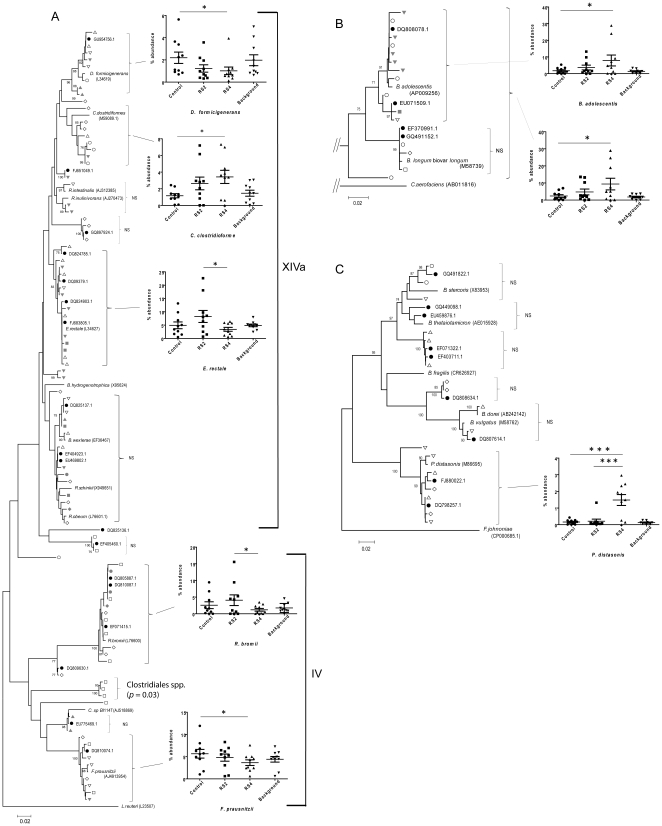
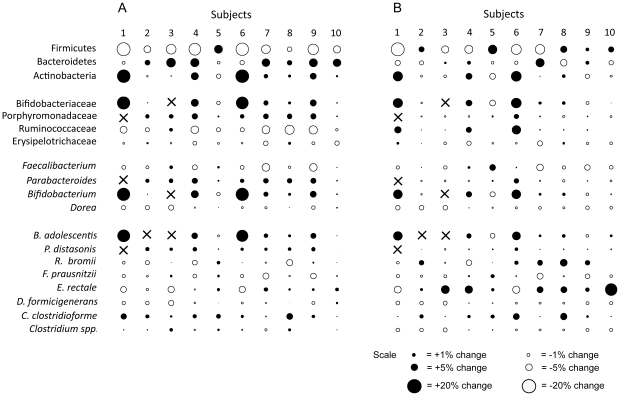
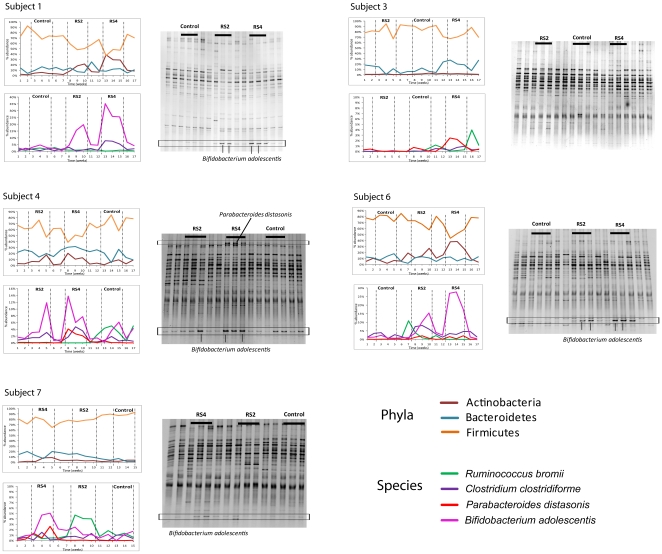
BACKGROUND: To systematically develop dietary strategies based on resistant starch (RS) that modulate the human gut microbiome, detailed in vivo studies that evaluate the effects of different forms of RS on the community structure and population dynamics of the gut microbiota are necessary. The aim of the present study was to gain a community wide perspective of the effects of RS types 2 (RS2) and 4 (RS4) on the fecal microbiota in human individuals. METHODS AND FINDINGS: Ten human subjects consumed crackers for three weeks each containing either RS2, RS4, or native starch in a double-blind, crossover design. Multiplex sequencing of 16S rRNA tags revealed that both types of RS induced several significant compositional alterations in the fecal microbial populations, with differential effects on community structure. RS4 but not RS2 induced phylum-level changes, significantly increasing Actinobacteria and Bacteroidetes while decreasing Firmicutes. At the species level, the changes evoked by RS4 were increases in Bifidobacterium adolescentis and Parabacteroides distasonis, while RS2 significantly raised the proportions of Ruminococcus bromii and Eubacterium rectale when compared to RS4. The population shifts caused by RS4 were numerically substantial for several taxa, leading for example, to a ten-fold increase in bifidobacteria in three of the subjects, enriching them to 18-30% of the fecal microbial community. The responses to RS and their magnitudes varied between individuals, and they were reversible and tightly associated with the consumption of RS. CONCLUSION: Our results demonstrate that RS2 and RS4 show functional differences in their effect on human fecal microbiota composition, indicating that the chemical structure of RS determines its accessibility by groups of colonic bacteria. The findings imply that specific bacterial populations could be selectively targeted by well designed functional carbohydrates, but the inter-subject variations in the response to RS indicates that such strategies might benefit from more personalized approaches.
Overview
The claims and statistics of this paper haven’t been checked yet.
Free: it reads the open-access text and checks the first 5 claims that cite a source we can check. Create a free account to check every claim.
Integrity signals
Registry
Cites
Statistics
Figures

Verification
Claims the paper makes
The claims and statistics of this paper haven’t been checked yet.
Free: it reads the open-access text and checks the first 5 claims that cite a source we can check. Create a free account to check every claim.
Claims other papers make about this one
Each is checked against this paper’s own text: does it say what the citing paper says it does?
In the citing paper
“In 2 of the studies not included in the meta-analysis, raffinose and resistant starch interventions did not lead to significant difference in α-diversity compared with placebo (93,101).”
From Dietary fiber intervention on gut microbiota composition in healthy adults: a systematic review and meta-analysis (2018) · cites this paper as [101]
In the citing paper
“Human consumption of resistant starch led to significant increases in Bifidobacterium, Faecalibacterium, and Eubacterium, while decreasing some Ruminococcus strains (74,75).”
From Diet and the Microbiota–Gut–Brain Axis: Sowing the Seeds of Good Mental Health (2021) · cites this paper as [74]
In the citing paper
“Symptoms linked to increased fiber consumption such as flatulence and bloating are likely the result of gas formation during fermentation by the gut microbiota, 22 , 23 which shows substantial inter-individual variation. 48–50”
From Adaptation to tolerate high doses of arabinoxylan is associated with fecal levels of Bifidobacterium longum (2024) · cites this paper as [48]
Self-check
Percentages, sums and reported differences re-computed from the paper’s own numbers.
The self-check needs the paper’s full text.
Citations
Cites
MUSCLE: multiple sequence alignment with high accuracy and high throughput
Edgar, R. C. (2004) · Nucleic Acids Research · doi:10.1093/nar/gkh340 · Cited by 44,662
Hall, T. A. (1999) · Nucleic Acids Symposium Series · doi:10.14601/phytopathol_mediterr-14998u1.29 · Cited by 38,297 · cited 2×
“A local nucleotide database was established for each subject in BioEdit [ 56 ] containing all sequences detected by pyrosequencing , and the BLASTn algorithm was used with a 97% cutoff ( min . length 300 bp ) to quantify each OTU in the fecal bacterial populations in each sample .”
MethodMEGA4: Molecular Evolutionary Genetics Analysis (MEGA) Software Version 4.0
Tamura, K., Dudley, J., Nei, M., & Kumar, S. (2007) · Molecular Biology and Evolution · doi:10.1093/molbev/msm092 · Cited by 28,730 · cited 2×
“0 Software [ 55 ] by neighbor - joining with 1 , 000 bootstrap replicates .”
MethodAn obesity-associated gut microbiome with increased capacity for energy harvest
Turnbaugh, P. J., Ley, R. E., Mahowald, M. A., Magrini, V., Mardis, E. R., & Gordon, J. I. (2006) · Nature · doi:10.1038/nature05414 · Cited by 12,444 · cited 1×
“A microbiome enriched in Firmicutes has been associated with an increased capacity for energy harvest and obesity [49,50], and a reduction of this phylum could therefore reduce the amount of calories extracted from the diet.”
BackgroundHuman gut microbes associated with obesity
Ley, R. E., Turnbaugh, P. J., Klein, S., & Gordon, J. I. (2006) · Nature · doi:10.1038/4441022a · Cited by 8,785 · cited 1×
“The bacterial composition in the ten subjects during the baseline period was, as shown by other studies [28,29], dominated by the phyla Firmicutes (78%) and Bacteroidetes (13%).”
ResultA core gut microbiome in obese and lean twins
Turnbaugh, P. J., Hamady, M., Yatsunenko, T., Cantarel, B. L., Duncan, A., Ley, R. E., Sogin, M. L., Jones, W. J., Roe, B. A., Affourtit, J. P., et al. (2009) · Nature · doi:10.1038/nature07540 · Cited by 7,823 · cited 3×
“First, few OTU are completely conserved among humans [28,44], thus species that were affected in some subjects might simply not be present in other individuals.”
BackgroundMethodResultDominguez-Bello, M. G., Costello, E. K., Contreras, M., Magris, M., Hidalgo, G., Fierer, N., & Knight, R. (2010) · Proceedings of the National Academy of Sciences · doi:10.1073/pnas.1002601107 · Cited by 4,774 · cited 1×
“This technique has been extremely valuable, for example, in the characterization of the human microbiota in terms of lean and obese physiological states, impact of antibiotics, and the importance of delivery mode at birth [26,27,28].”
MethodThe Ribosomal Database Project: improved alignments and new tools for rRNA analysis
Cole, J. R., Wang, Q., Cardenas, E., Fish, J., Chai, B., Farris, R. J., Kulam-Syed-Mohideen, A. S., McGarrell, D. M., Marsh, T., Garrity, G. M., et al. (2009) · Nucleic Acids Research · doi:10.1093/nar/gkn879 · Cited by 4,762 · cited 1×
“edu/) [53] with default parameters (which included the removal of sequences containing at least one ambiguous nucleotide), except for the minimum sequence length, which was set to 300 bp.”
Ecological and Evolutionary Forces Shaping Microbial Diversity in the Human Intestine
Ley, R. E., Peterson, D. A., & Gordon, J. I. (2006) · Cell · doi:10.1016/j.cell.2006.02.017 · Cited by 3,358 · cited 1×
“A microbiome enriched in Firmicutes has been associated with an increased capacity for energy harvest and obesity [49,50], and a reduction of this phylum could therefore reduce the amount of calories extracted from the diet.”
BackgroundDethlefsen, L., Huse, S., Sogin, M. L., & Relman, D. A. (2008) · PLoS Biology · doi:10.1371/journal.pbio.0060280 · Cited by 2,361 · cited 1×
“This technique has been extremely valuable, for example, in the characterization of the human microbiota in terms of lean and obese physiological states, impact of antibiotics, and the importance of delivery mode at birth [26,27,28].”
Method
Research works printed but not linked: 1
- Ryan KJ 2004 Normal Microbial Flora. Ryan KJ Ray CG Medical Microbiology An intorduction to infectious diseases. 4th ed New York McGraw-Hill
Cited by
Items 101–200 of 662
Human gut microbiota: Does diet matter?
Maukonen, J., & Saarela, M. (2015) · Proceedings of The Nutrition Society · doi:10.1017/s0029665114000688 · Cited by 177
Stefoska-Needham, A., Beck, E. J., Johnson, S. K., & Tapsell, L. C. (2015) · Food Reviews International · doi:10.1080/87559129.2015.1022832 · Cited by 177
“Sorghum contains resistant starch (RS) and fermentation of RS in the colon is linked to a number of positive effects including those on the gut microbiome.((50,158)) Studies specific to energy control with sorghum intake are limited however a recent study by Shen et al.”
Prebiotics: Definition and protective mechanisms
Valcheva, R., & Dieleman, L. A. (2016) · Best Practice & Research Clinical Gastroenterology · doi:10.1016/j.bpg.2016.02.008 · Cited by 162
Investigation of bacterial diversity in the feces of cattle fed different diets1
Kim, M., Kim, J., Kuehn, L. A., Bono, J. L., Berry, E. D., Kalchayanand, N., Freetly, H. C., Benson, A. K., & Wells, J. E. (2014) · Journal of Animal Science · doi:10.2527/jas.2013-6841 · Cited by 168
Self-citationDiet, nutrients and the microbiome
(2020) · Progress in Molecular Biology and Translational Science · doi:10.1016/bs.pmbts.2020.04.006 · Cited by 170
Peterson, C. T., Vaughn, A. R., Sharma, V., Chopra, D., Mills, P. J., Peterson, S. N., & Sivamani, R. K. (2018) · Journal of Evidence-Based Integrative Medicine · doi:10.1177/2515690x18790725 · Cited by 171
Whisner, C. M., Martin, B. R., Nakatsu, C. H., Story, J. A., MacDonald-Clarke, C. J., McCabe, L. D., McCabe, G. P., & Weaver, C. M. (2016) · The Journal of Nutrition · doi:10.3945/jn.115.227256 · Cited by 169
Resistant starch, microbiome, and precision modulation
Dobranowski, P. A., & Stintzi, A. (2021) · Gut Microbes · doi:10.1080/19490976.2021.1926842 · Cited by 159
Nonalcoholic Fatty Liver Disease, the Gut Microbiome, and Diet
Mokhtari, Z., Gibson, D. L., & Hekmatdoost, A. (2017) · Advances in Nutrition · doi:10.3945/an.116.013151 · Cited by 166
Association between the gut microbiota and diet: Fetal life, early childhood, and further life
Kashtanova, D. A., Popenko, A. S., Tkacheva, O. N., Tyakht, A. B., Alexeev, D. G., & Boytsov, S. A. (2016) · Nutrition · doi:10.1016/j.nut.2015.12.037 · Cited by 165
Fungi inhabiting the healthy human gastrointestinal tract: a diverse and dynamic community
Hallen-Adams, H. E., Kachman, S. D., Kim, J., Legge, R. M., & Martínez, I. (2015) · Fungal Ecology · doi:10.1016/j.funeco.2015.01.006 · Cited by 165
“PCR amplification was performed on a Mastercycler Pro (Eppendorf) using Ex-Taq polymerase (TaKaRa Bio, USA) following the procedure of Martínez et al. (2010).”
InfluentialSelf-citationOh, P. L., Martínez, I., Sun, Y., Walter, J., Peterson, D. A., & Mercer, D. F. (2012) · American Journal of Transplantation · doi:10.1111/j.1600-6143.2011.03860.x · Cited by 165
“analyzed with two independent methods (17).”
Self-citationTandon, D., Haque, M. M., Gote, M., Jain, M., Bhaduri, A., Dubey, A. K., & Mande, S. S. (2019) · Scientific Reports · doi:10.1038/s41598-019-41837-3 · Cited by 164
Holscher, H. D., Caporaso, J. G., Hooda, S., Brulc, J. M., Fahey, G. C., & Swanson, K. S. (2015) · The American Journal of Clinical Nutrition · doi:10.3945/ajcn.114.092064 · Cited by 164
Leamy, L. J., Kelly, S. A., Nietfeldt, J., Legge, R. M., Ma, F., Hua, K., Sinha, R., Peterson, D. A., Walter, J., Benson, A. K., et al. (2014) · Genome Biology · doi:10.1186/s13059-014-0552-6 · Cited by 160
“Even relatively minor short-term changes such as inclusion of whole grains or prebiotic oligosaccharides can translate into significant, albeit temporary, changes in microbiome composition [34,35].”
BackgroundSelf-citationLe Leu, R. K., Winter, J. M., Christophersen, C. T., Young, G. P., Humphreys, K. J., Hu, Y., Gratz, S. W., Miller, R. B., Topping, D. L., Bird, A. R., et al. (2015) · British Journal of Nutrition · doi:10.1017/s0007114515001750 · Cited by 157
“…in the stool numbers of the C. leptum group and R. bromii , a member of the C. leptum group, in response to the consumption of RS as HAMSB is consistent with the effects previously observed in human subjects and with the central role that this bacterium appears to have in RS degradation (53–55) .”
Modulation of the gut microbiota by prebiotic fibres and bacteriocins
Umu, Ö. C. O., Rudi, K., & Diep, D. B. (2017) · Microbial Ecology in Health and Disease · doi:10.1080/16512235.2017.1348886 · Cited by 150
“in humans and Bifidobacterium, Akkermansia and Allobaculum genera in mice [4,52,53].”
BackgroundDiet, Microbiota, and Metabolic Health: Trade-Off Between Saccharolytic and Proteolytic Fermentation
Korpela, K. (2018) · Annual Review of Food Science and Technology · doi:10.1146/annurev-food-030117-012830 · Cited by 176
“However, different types of resistant starch may have different effects on the microbiota: It appears that ruminococci may not degrade starch that is rendered indigestible via chemical modification (Martı́nez et al. 2010).”
BackgroundInfluentialZe, X., Le Mougen, F., Duncan, S. H., Louis, P., & Flint, H. J. (2013) · Gut Microbes · doi:10.4161/gmic.23998 · Cited by 156
Umu, Ö. C. O., Frank, J. A., Fangel, J. U., Oostindjer, M., da Silva, C. S., Bolhuis, E. J., Bosch, G., Willats, W. G. T., Pope, P. B., & Diep, D. B. (2015) · Microbiome · doi:10.1186/s40168-015-0078-5 · Cited by 154
“In some previous studies, performed with varied methods and models, it has been shown that type 2 resistant starch increases Ruminococcus bromi and Eubacterium rectale, while type 4 resistant starch promotes the growth of Bifidobacterium adolescentis and Parabacteroides distasonis in human subjects [27], and that Bifi…”
Emerging prospects of macro- and microalgae as prebiotic
Patel, A. K., Singhania, R. R., Awasthi, M. K., Varjani, S., Bhatia, S. K., Tsai, M.-L., Hsieh, S.-L., Chen, C.-W., & Dong, C.-D. (2021) · Microbial Cell Factories · doi:10.1186/s12934-021-01601-7 · Cited by 156
“Resistant starch Type 4 Bifidobacteria, Parabacteroides distasonis, Clostridia – [120]”
BackgroundThe preparation, formation, fermentability, and applications of resistant starch
Jiang, F., Du, C., Jiang, W., Wang, L., & Du, S. (2019) · International Journal of Biological Macromolecules · doi:10.1016/j.ijbiomac.2019.10.124 · Cited by 163
Host–microbe interactions shaping the gastrointestinal environment
Kaiko, G. E., & Stappenbeck, T. S. (2014) · Trends in Immunology · doi:10.1016/j.it.2014.08.002 · Cited by 180
Food Starch Structure Impacts Gut Microbiome Composition
Warren, F. J., Fukuma, N. M., Mikkelsen, D., Flanagan, B. M., Williams, B. A., Lisle, A. T., Cuív, P. Ó., Morrison, M., & Gidley, M. J. (2018) · mSphere · doi:10.1128/msphere.00086-18 · Cited by 161
Wang, S., Xiao, Y., Tian, F., Zhao, J., Zhang, H., Zhai, Q., & Chen, W. (2020) · Journal of Functional Foods · doi:10.1016/j.jff.2020.103838 · Cited by 172
Food Ingredients That Inhibit Cholesterol Absorption.
Jesch, E. D., & Carr, T. P. (2017) · PubMed · doi:10.3746/pnf.2017.22.2.67 · Cited by 139
“Additionally, RS4 has some gastrointestinal side effects such as bloating (87,88).”
BackgroundThe impact of nutrition on intestinal bacterial communities
Flint, H. J., Duncan, S. H., & Louis, P. (2017) · Current Opinion in Microbiology · doi:10.1016/j.mib.2017.04.005 · Cited by 149
Alfa, M. J., Strang, D., Tappia, P. S., Graham, M., Van Domselaar, G., Forbes, J. D., Laminman, V., Olson, N., DeGagne, P., Bray, D., et al. (2018) · Clinical Nutrition · doi:10.1016/j.clnu.2017.03.025 · Cited by 149
“be pivotal in initiating breakdown of resistant starch in vitro (3, 42) even under conditions in 518 which itself cannot grow (i.”
BackgroundMethodResultInfluentialResistant starch and the gut microbiome: Exploring beneficial interactions and dietary impacts
Zhao, C. X., Liang, N., Zhang, H., Li, H., Guo, J., Zhang, Y., Chen, Y., Wang, Y., & Shi, N. (2024) · Food Chemistry X · doi:10.1016/j.fochx.2024.101118 · Cited by 194
“Long-term RS intake can lead to a more resilient and diversified microbiota, which can be more resistant to perturbations and potential dysbiosis (Martínez et al., 2010).”
BackgroundKoutsos, A., Lima, M., Conterno, L., Gasperotti, M., Bianchi, M., Fava, F., Vrhovsek, U., Lovegrove, J., & Tuohy, K. (2017) · Nutrients · doi:10.3390/nu9060533 · Cited by 139
“Increases in Actinobacteria have been observed in humans after intake of pectin [30], resistant starch [31] and pomegranate extract [32] and in rats fed with wild blueberries [33].”
Zhang, L., Ouyang, Y., Li, H., Shen, L., Ni, Y., Fang, Q., Wu, G., Qian, L., Xiao, Y., Zhang, J., et al. (2019) · Scientific Reports · doi:10.1038/s41598-018-38216-9 · Cited by 162
Dynamic responses of Bacteroides thetaiotaomicron during growth on glycan mixtures
Rogers, T. E., Pudlo, N. A., Koropatkin, N. M., Bell, J. S. K., Moya Balasch, M., Jasker, K., & Martens, E. C. (2013) · Molecular Microbiology · doi:10.1111/mmi.12228 · Cited by 135
“Diet is a well-established parameter that influences the taxonomic composition of the microbiota, often on the timescale of just hours (Turnbaugh et al., 2009; Martinez et al., 2010; Faith et al., 2011).”
BackgroundExtrinsic factors influencing gut microbes, the immediate consequences and restoring eubiosis
Bajinka, O., Tan, Y., Abdelhalim, K. A., Özdemir, G., & Qiu, X. (2020) · AMB Express · doi:10.1186/s13568-020-01066-8 · Cited by 141
Sequence-based methods for detecting and evaluating the human gut mycobiome
Suhr, M. J., Banjara, N., & Hallen-Adams, H. E. (2016) · Letters in Applied Microbiology · doi:10.1111/lam.12539 · Cited by 126
“A ~200 mg subsample was suspended in phosphatebuffered saline, with the addition of 300 mg 0 1 mm zirconium beads, and pelleted by centrifugation at 8000 g for 5 min and DNA was extracted using a modified method of the QIAamp DNA stool mini kit (Qiagen, Hilden, Germany) (Mart ınez et al. 2010).”
Microbiome-Metabolome Responses in the Cecum and Colon of Pig to a High Resistant Starch Diet
Sun, Y., Su, Y., & Zhu, W. (2016) · Frontiers in Microbiology · doi:10.3389/fmicb.2016.00779 · Cited by 128
Microbial Peer Pressure: The Role of the Gut Microbiota in Hypertension and Its Complications
Muralitharan, R. R., Jama, H. A., Xie, L., Peh, A., Snelson, M., & Marques, F. Z. (2020) · Hypertension · doi:10.1161/hypertensionaha.120.14473 · Cited by 144
Regmi, P. R., Metzler-Zebeli, B. U., Gänzle, M. G., Kempen, T. A. T. G. V., & Zijlstra, R. T. (2011) · Journal of Nutrition · doi:10.3945/jn.111.140509 · Cited by 140
Frame, L. A., Costa, E., & Jackson, S. A. (2020) · Nutrition Reviews · doi:10.1093/nutrit/nuz106 · Cited by 141
“Increased resistant starch intake has been shown to increase the abundance of Ruminococcus bromii (Clostridia class)(17,42,85,86) and Eubacterium rectale.(86) High fiber diets have been shown to accelerate intestinal transit time due to the bulk-forming capacity of fiber.”
BackgroundTurroni, S., Magnani, M., KC, P., Lesnik, P., Vidal, H., & Heer, M. (2020) · Frontiers in Physiology · doi:10.3389/fphys.2020.553929 · Cited by 117
Holscher, H., Taylor, A., Swanson, K., Novotny, J., & Baer, D. (2018) · Nutrients · doi:10.3390/nu10020126 · Cited by 126
Kahleová, H., Rembert, E., Alwarith, J., Yonas, W., Tura, A., Holubkov, R., Agnello, M., Chutkan, R. K., & Barnard, N. D. (2020) · Nutrients · doi:10.3390/nu12102917 · Cited by 141
“Decreased levels of Firmicutes in favor of Bacteroidetes and Bifidobacteria may be beneficial in preventing and treating obesity [23].”
BackgroundMolecular details of a starch utilization pathway in the human gut symbiont Eubacterium rectale
Cockburn, D. W., Orlovsky, N. I., Foley, M. H., Kwiatkowski, K. J., Bahr, C. M., Maynard, M., Demeler, B., & Koropatkin, N. M. (2015) · Molecular Microbiology · doi:10.1111/mmi.12859 · Cited by 115
“More specifically, diets supplemented with resistant starch (RS), a general term describing dietary starch that is relatively inaccessible to human (gluco)amylases due to its physical structure, cause an increase in the abundance of these organisms (Martinez et al., 2010; Conlon et al., 2012).”
BackgroundBlachier, F., Beaumont, M., Portune, K. J., Steuer, N., Lan, A., Audebert, M., Khodorova, N., Andriamihaja, M., Airinei, G., Benamouzig, R., et al. (2019) · Clinical Nutrition · doi:10.1016/j.clnu.2018.09.016 · Cited by 124
Tuncil, Y. E., Nakatsu, C. H., Kazem, A. E., Arioglu-Tuncil, S., Reuhs, B., Martens, E. C., & Hamaker, B. R. (2017) · Journal of Functional Foods · doi:10.1016/j.jff.2017.03.001 · Cited by 124
Jiminez, J. A., Uwiera, T. C., Abbott, D. W., Uwiera, R. R. E., & Inglis, G. D. (2017) · mSphere · doi:10.1128/msphere.00243-17 · Cited by 136
“Moreover, treatment with butyrate also altered bacterial populations of Bacteroidetes , Firmicutes , Deferribacteres , and Proteobacteria in the large intestine (30– 33).”
Liu, H., Zhang, M., Ma, Q., Tian, B., Nie, C., Chen, Z., & Li, J. (2020) · Food & Function · doi:10.1039/d0fo00855a · Cited by 136
A comparison of two probiotic strains of bifidobacteria in premature infants
Underwood, M. A., Kalanetra, K. M., Bokulich, N. A., Lewis, Z. T., Mirmiran, M., Tancredi, D. J., & Mills, D. A. (2013) · The Journal of Pediatrics · doi:10.1016/j.jpeds.2013.07.017 · Cited by 121
Tiwari, U. P., Singh, A. K., & Jha, R. (2019) · Animal nutrition · doi:10.1016/j.aninu.2019.04.003 · Cited by 133
Whisner, C. M., Martin, B. R., Nakatsu, C. H., McCabe, G. P., McCabe, L. D., Peacock, M., & Weaver, C. M. (2014) · British Journal of Nutrition · doi:10.1017/s0007114514000981 · Cited by 118
“Another study comparing the effect of two different types of RS has reported some similar findings; the authors demonstrated an increase in the proportions of Parabacteroides, Bacteroides, Clostridium clostridioforme and other Clostridiales in participants given a RS4 diet and an increase in those of Eubacterium and R…”
MethodResultHughes, R. L., Kable, M. E., Marco, M., & Keim, N. L. (2019) · Advances in Nutrition · doi:10.1093/advances/nmz049 · Cited by 117
“bromii (62, 64), have also been tied to the fermentation of fiber, particularly resistant starch, and the production of metabolites such as butyrate, which has been shown to have many functions (97).”
BackgroundClassifying compounds as prebiotics — scientific perspectives and recommendations
Hutkins, R. W., Walter, J., Gibson, G. R., Bedu-Ferrari, C., Scott, K. P., Tancredi, D. J., Wijeyesekera, A., & Sanders, M. E. (2024) · Nature Reviews Gastroenterology & Hepatology · doi:10.1038/s41575-024-00981-6 · Cited by 138
“Findings from 16S rRNA gene PCR amplicon sequencing and qPCR are highly correlated 76 , indicating that they provide accurate assessments of prebiotic-induced compositional shifts in the intestinal microbiota.”
Self-citationThe Food-gut Human Axis: The Effects of Diet on Gut Microbiota and Metabolome
Angelis, M. D., Garruti, G., Minervini, F., Bonfrate, L., Portincasa, P., & Gobbetti, M. (2017) · Current Medicinal Chemistry · doi:10.2174/0929867324666170428103848 · Cited by 118
Conserved and variable responses of the gut microbiome to resistant starch type 2
Bendiks, Z. A., Knudsen, K. E. B., Keenan, M. J., & Marco, M. L. (2020) · Nutrition Research · doi:10.1016/j.nutres.2020.02.009 · Cited by 110
“species level, Ruminococcus bromii abundance was increased in five human studies [58,62,63,67,68], four rat studies [43,55,69,70] and one pig study [59].”
BackgroundSynthesis and Functions of Resistant Starch
Wang, Z., Wang, S., Xu, Q., Kong, Q., Li, F., Lin, L., Xu, Y., & Wei, Y. (2023) · Advances in Nutrition · doi:10.1016/j.advnut.2023.06.001 · Cited by 123
Monteagudo-Mera, A., Arthur, J. C., Jobin, C., Keku, T., Bruno-Barcena, J. M., & Azcarate-Peril, M. A. (2016) · Beneficial Microbes · doi:10.3920/bm2015.0114 · Cited by 112
“Since the universal primers used in our first 16S amplicon sequencing experiment have been reported to under-detect Bifidobacterium (49), extensively reported to be increased by GOS feeding (10, 18, 19), we performed additional amplicon pyrosequencing of fecal samples using Bifidobacterium-specific primers (32).”
InfluentialKumari, M., Singh, P., Nataraj, B. H., Kokkiligadda, A., Naithani, H., Azmal Ali, S., Behare, P. V., & Nagpal, R. (2021) · Food Research International · doi:10.1016/j.foodres.2021.110716 · Cited by 107
The gut microbiome and dietary fibres: implications in obesity, cardiometabolic diseases and cancer
Delzenne, N. M., Bindels, L. B., Neyrinck, A. M., & Walter, J. (2024) · Nature Reviews Microbiology · doi:10.1038/s41579-024-01108-z · Cited by 126
Self-citationRegulation of dietary fiber on intestinal microorganisms and its effects on animal health
Xue-bing, H., Ma, Y., Ding, S., Fang, J., & Liu, G. (2023) · Animal nutrition · doi:10.1016/j.aninu.2023.06.004 · Cited by 122
Underwood, M. A., Arriola, J., Gerber, C. W., Kaveti, A., Kalanetra, K. M., Kananurak, A., Bevins, C. L., Mills, D. A., & Dvorak, B. (2014) · Pediatric Research · doi:10.1038/pr.2014.102 · Cited by 107
“Ceca samples were thawed and DNA was extracted using the QIAamp DNA Stool Mini Kit (Qiagen) with the additional enzymatic lysis and homogenization by bead-beating.(35)”
MethodResultCommunal living: glycan utilization by the human gut microbiota
Briggs, J. A., Grondin, J. M., & Brumer, H. (2020) · Environmental Microbiology · doi:10.1111/1462-2920.15317 · Cited by 115
“Generally, these species are enriched in hosts with diets containing higher proportions of resistant starch (Duncan et al., 2007; Martinez et al., 2010; 2013; Walker et al., 2011; David et al., 2014; Salonen et al., 2014), and as such, demonstrate an expanded repertoire of starch-targeting GH13 amylases (Stam et al.”
BackgroundOlvera-Rosales, L.-B., Cruz-Guerrero, A.-E., Ramírez-Moreno, E., Quintero-Lira, A., Contreras-López, E., Jaimez-Ordaz, J., Castañeda-Ovando, A., Añorve-Morga, J., Calderón-Ramos, Z.-G., Arias-Rico, J., et al. (2021) · Foods · doi:10.3390/foods10061261 · Cited by 94
Gut Microbiome of the Critically Endangered New Zealand Parrot, the Kakapo (Strigops habroptilus)
Waite, D. W., Deines, P., & Taylor, M. W. (2012) · PLoS ONE · doi:10.1371/journal.pone.0035803 · Cited by 119
“Historically the kakapo have relied on a low-starch diet [61], which may have selected against Bacteroidetes colonization, as diet has been identified as one of the factors that shape gut microbiota [62,63,64,65].”
BackgroundBergeron, N., Williams, P. T., Lamendella, R., Faghihnia, N., Grube, A., Li, X., Wang, Z., Knight, R., Jansson, J. K., Hazen, S. L., et al. (2016) · British Journal of Nutrition · doi:10.1017/s0007114516004165 · Cited by 100
Beisner, J., Gonzalez‐Granda, A., Basrai, M., Damms-Machado, A., & Bischoff, S. C. (2020) · Nutrients · doi:10.3390/nu12113444 · Cited by 113
“Differences in the baseline microbial composition can drive the response to dietary changes [75,76], which is highly individualized [77,78].”
BackgroundResistant starches for the management of metabolic diseases
Bindels, L. B., Walter, J., & Ramer-Tait, A. E. (2015) · Current Opinion in Clinical Nutrition and Metabolic Care · doi:10.1097/mco.0000000000000223 · Cited by 104
“Human trials in healthy volunteers demonstrated that feeding resistant starch type 2 and resistant starch type 3 increased the abundance of Ruminococcus bromii and Eubacterium rectale, whereas resistant starch type 4 had a major bifidogenic effect [18,34].”
BackgroundSelf-citationTunçil, Y. E., Thakkar, R., Marcia, A. D. R., Hamaker, B. R., & Lindemann, S. R. (2018) · Scientific Reports · doi:10.1038/s41598-018-34912-8 · Cited by 108
Dietary fiber, starch, and sugars in bananas at different stages of ripeness in the retail market
Phillips, K. M., McGinty, R. C., Couture, G., Pehrsson, P. R., McKillop, K. A., & Fukagawa, N. K. (2021) · PLoS ONE · doi:10.1371/journal.pone.0253366 · Cited by 121
Metagenomic Insights into the Degradation of Resistant Starch by Human Gut Microbiota
Vital, M., Howe, A., Bergeron, N., Krauss, R. M., Jansson, J. K., & Tiedje, J. M. (2018) · Applied and Environmental Microbiology · doi:10.1128/aem.01562-18 · Cited by 111
“Flourishing of major butyrate producers, specifically of Eubacterium rectale, during diets rich in RS has been repeatedly reported (9, 10, 12).”
BackgroundResultInfluentialResistant starch—An accessible fiber ingredient acceptable to the Western palate
Walsh, S. K., Lucey, A. J., Walter, J., Zannini, E., & Arendt, E. K. (2022) · Comprehensive Reviews in Food Science and Food Safety · doi:10.1111/1541-4337.12955 · Cited by 113
Self-citationStructure and function of non-digestible carbohydrates in the gut microbiome
Rastall, R. A., Díez‐Municio, M., Forssten, S. D., Hamaker, B. R., Meynier, A., Moreno, F. J., Respondek, F., Stahl, B., Venema, K., & Wiese, M. (2022) · Beneficial Microbes · doi:10.3920/bm2021.0090 · Cited by 114
Carco, C., Young, W., Gearry, R. B., Talley, N. J., McNabb, W. C., & Roy, N. C. (2020) · Frontiers in Cellular and Infection Microbiology · doi:10.3389/fcimb.2020.00468 · Cited by 99
“, fiber) are the most investigated dietary category in the context of IBS (Martínez et al., 2010).”
BackgroundWhole food-based approaches to modulating gut microbiota and associated diseases
Han, Y., & Xiao, H. (2020) · Annual Review of Food Science and Technology · doi:10.1146/annurev-food-111519-014337 · Cited by 101
A major mechanism for immunomodulation: Dietary fibres and acid metabolites
Xie, L., Alam, J., Marques, F. Z., & Mackay, C. R. (2023) · Seminars in Immunology · doi:10.1016/j.smim.2023.101737 · Cited by 111
Early Diet Impacts Infant Rhesus Gut Microbiome, Immunity, and Metabolism
O’Sullivan, A., He, X., McNiven, E. M. S., Haggarty, N. W., Lönnerdal, B., & Slupsky, C. M. (2013) · Journal of Proteome Research · doi:10.1021/pr4001702 · Cited by 98
Hu, J., Nie, S., Li, C., Wang, S., & Xie, M. (2017) · Food Hydrocolloids · doi:10.1016/j.foodhyd.2017.06.009 · Cited by 104
Flowers, S. A., Baxter, N. T., Ward, K. M., Kraal, A. Z., McInnis, M. G., Schmidt, T. M., & Ellingrod, V. L. (2019) · Pharmacotherapy The Journal of Human Pharmacology and Drug Therapy · doi:10.1002/phar.2214 · Cited by 100
Going with the grain: Fiber, cognition, and the microbiota-gut-brain-axis
Berding, K., Carbia, C., & Cryan, J. F. (2021) · Experimental Biology and Medicine · doi:10.1177/1535370221995785 · Cited by 100
Sun, Y., Zhou, L., Fang, L., Su, Y., & Zhu, W. (2015) · Frontiers in Microbiology · doi:10.3389/fmicb.2015.00877 · Cited by 114
Lentinula edodes-Derived Polysaccharide Alters the Spatial Structure of Gut Microbiota in Mice
Xu, X., & Zhang, X. (2015) · PLoS ONE · doi:10.1371/journal.pone.0115037 · Cited by 104
Brüssow, H., & Parkinson, S. J. (2014) · Nature Biotechnology · doi:10.1038/nbt.2845 · Cited by 110
Baxter, N. T., Lesniak, N. A., Sinani, H., Schloss, P. D., & Koropatkin, N. M. (2019) · mSphere · doi:10.1128/msphere.00528-18 · Cited by 107
Hughes, R. L., Marco, M. L., Hughes, J. P., Keim, N. L., & Kable, M. E. (2019) · Advances in Nutrition · doi:10.1093/advances/nmz022 · Cited by 93
“(2010) (77) Microbiome composition (16S, DGGE, Bif.”
Laverde Gomez, J. A., Mukhopadhya, I., Duncan, S. H., Louis, P., Shaw, S., Collie‐Duguid, E., Crost, E., Juge, N., & Flint, H. J. (2019) · Environmental Microbiology · doi:10.1111/1462-2920.14454 · Cited by 88
“Ruminococcus bromii is a dominant member of the human intestinal microbiota whose population is readily increased by consumption of diets rich in resistant starch when this species can account for more than 10% of total faecal bacteria (Martínez et al., 2010; Walker et al., 2011).”
BackgroundInteractions Between Food and Gut Microbiota: Impact on Human Health
Wu, Y., Wan, J., Choe, U., Pham, Q., Schoene, N. W., He, Q., Li, B., Yu, L. L., & Wang, T. T. Y. (2019) · Annual Review of Food Science and Technology · doi:10.1146/annurev-food-032818-121303 · Cited by 103
Nichenametla, S. N., Weidauer, L. A., Wey, H. E., Beare, T. M., Specker, B. L., & Dey, M. (2014) · Molecular Nutrition & Food Research · doi:10.1002/mnfr.201300829 · Cited by 93
“Also, changes in the microbial profiles induced by RS2 and RS4 were distinct [6].”
InfluentialGong, J., & Yang, C. (2012) · Food Research International · doi:10.1016/j.foodres.2011.12.027 · Cited by 108
Han, F., Wang, Y., Han, Y., Zhao, J., Han, F., Song, G., Jiang, P., & Miao, H. (2018) · Journal of Agricultural and Food Chemistry · doi:10.1021/acs.jafc.8b01891 · Cited by 98
Microbial Population Changes and Their Relationship with Human Health and Disease
Álvarez‐Mercado, A. I., Navarro-Oliveros, M., Robles-Sánchez, C., Plaza‐Díaz, J., Sáez‐Lara, M. J., Muñoz‐Quezada, S., Fontana, L., & Abadía‐Molina, F. (2019) · Microorganisms · doi:10.3390/microorganisms7030068 · Cited by 105
“In humans, resistant starch fermentation may enhance the abundances of specific gut microbiota taxa, such as Bifidobacterium, Ruminococcus bromii, and Eubacterium rectale, with associated improvements in insulin response, body fat reserve, and cholesterol levels [160].”
BackgroundResistant Starch Content in Foods Commonly Consumed in the United States: A Narrative Review
Patterson, M. A., Maiya, M., & Stewart, M. L. (2020) · Journal of the Academy of Nutrition and Dietetics · doi:10.1016/j.jand.2019.10.019 · Cited by 90
Plant prebiotics and human health: Biotechnology to breed prebiotic-rich nutritious food crops
Dwivedi, S. L., Sahrawat, K. L., Puppala, N., & Ortiz, R. O. (2014) · Electronic Journal of Biotechnology · doi:10.1016/j.ejbt.2014.07.004 · Cited by 108
Kristek, A., Wiese, M., Heuer, P., Kosík, O., Schär, M. Y., Soycan, G., Alsharif, S. N., Kuhnle, G., Walton, G., & Spencer, J. P. E. (2019) · British Journal Of Nutrition · doi:10.1017/s0007114518003501 · Cited by 96
Kadyan, S., Sharma, A., Arjmandi, B. H., Singh, P. R., & Nagpal, R. (2022) · Nutrients · doi:10.3390/nu14091726 · Cited by 92
Prebiotics and synbiotics: dietary strategies for improving gut health
Krumbeck, J. A., Maldonado-Gomez, M. X., Ramer-Tait, A. E., & Hutkins, R. W. (2016) · Current Opinion in Gastroenterology · doi:10.1097/mog.0000000000000249 · Cited by 86
“Indeed, multiple studies have reported the occurrence of study participants who respond to prebiotics and other dietary treatments (responders), whereas in similar studies, study participants fail to respond (nonresponders) to the same treatments [14,43,50,51].”
Resistant starches and gut microbiota
Wen, J.-J., Li, M., Hu, J., Tan, H., & Nie, S. (2022) · Food Chemistry · doi:10.1016/j.foodchem.2022.132895 · Cited by 94
Snelson, M., Kellow, N. J., & Coughlan, M. T. (2018) · Advances in Nutrition · doi:10.1093/advances/nmy068 · Cited by 96
“Another species that has been shown to be upregulated with RS in humans is Eubacterium rectale (92, 94, 95), a wellrecognized butyrate producer (96).”
BackgroundTeichmann, J., & Cockburn, D. W. (2021) · Frontiers in Microbiology · doi:10.3389/fmicb.2021.640253 · Cited by 95
“Ap, amylopectin; CS, corn starch; Bn, green banana flour; Tn, tiger nut flour; HAM2, high amylose maize starch; PS, potato starch; PS_Ba, potato starch with fecal samples supplemented with Bifidobacterium adolescentis; PS_Rb, potato starch with fecal samples supplemented with Ruminococcus bromii; RS3_Ex, retrograded e…”
BackgroundInfluentialPrebiotics – an added benefit of some fibre types
Lockyer, S., & Stanner, S. A. (2019) · Nutrition Bulletin · doi:10.1111/nbu.12366 · Cited by 96
“…et al. 2012), with the remaining studies finding either no significant difference (for raffinose and resistant starch) (Fernando et al. 2010; Mart ınez et al. 2010), conflicting results (for arabinoxylans) (Salden et al. 2018) or not reporting group differences (for flaxseed mucilage) (Brahe et…”
Lavefve, L., Marasini, D. N., & Carbonero, F. G. (2018) · Advances in food and nutrition research · doi:10.1016/bs.afnr.2018.09.001 · Cited by 95
Peterson, C. M., Beyl, R. A., Marlatt, K. L., Martin, C. K., Aryana, K. J., Marco, M. L., Martin, R. J., Keenan, M. J., & Ravussin, E. (2018) · The American Journal of Clinical Nutrition · doi:10.1093/ajcn/nqy121 · Cited by 84
“In humans without diabetes, RS2 improves the gut microbiome (10, 11), increases the production of short-chain fatty acids (12–17), and improves metabolic endpoints, including fasting and postprandial glucose and insulin concentrations, insulin sensitivity, first-phase insulin secretion, and postprandial fat oxidation…”
BackgroundMicrobial Tryptophan Metabolism Tunes Host Immunity, Metabolism, and Extraintestinal Disorders
Liu, M., Nieuwdorp, M., de Vos, W. M., & Rampanelli, E. (2022) · Metabolites · doi:10.3390/metabo12090834 · Cited by 94
Metadata
- Authors
- Martínez, I., Kim, J., Duffy, P. R., Schlegel, V. L., & Walter, J.
- Affiliations
- University of Nebraska–Lincoln (US)
- Corresponding author
- Walter, Jens
- Venue
- PLoS ONE
- Publisher
- Public Library of Science (PLoS)
- Published
- 2010-11-29
- Volume
- 5
- Issue
- 11
- Pages
- e15046
- ISSN
- 1932-6203 (ISSN-L)
- PMC
- PMC2993935
- OpenAlex
- W2065925831
- Cited by
- 645
- References
- 61
- Citations by year
- 2026: 27 · 2025: 31 · 2024: 48 · 2023: 35 · 2022: 51 · 2021: 53 · 2020: 64 · 2019: 56 · 2018: 49 · 2017: 41 · 2016: 40 · 2015: 44 · 2014: 32 · 2013: 34 · 2012: 26
- FWCI
- 9.50
- Type
- journal article
- Language
- en
- Open access
- gold
- doi.org
- Locations
- PLoS ONE (publishedVersion, cc-by)
- Europe PMC (PubMed Central) (publishedVersion, cc-by)
- PubMed Central (publishedVersion, cc-by)
- PubMed (publishedVersion)
- Lincoln (University of Nebraska) (submittedVersion, cc-by)
- DOAJ (DOAJ: Directory of Open Access Journals) (submittedVersion, cc-by-sa)
- Figshare (submittedVersion, cc-by)
- Funders
- U.S. Department of Agriculture
- Nebraska Corn Board
- Technische Universität München
- Topics
- Life Sciences › Biochemistry, Genetics and Molecular Biology › Molecular Biology › Gut microbiota and health
- Health Sciences › Nursing › Nutrition and Dietetics › Food composition and properties
- Health Sciences › Nursing › Nutrition and Dietetics › Microbial Metabolites in Food Biotechnology
- Keywords
- resistant starch, resistant starch type 4, fecal microbiota, gut microbiota, dietary intervention, Bifidobacterium adolescentis, Parabacteroides distasonis, Ruminococcus bromii, Eubacterium rectale, actinobacteria, Bacteroidetes, Firmicutes, interindividual variability, functional carbohydrates, personalized nutrition
- MeSH terms
- Adult, Bacteria, DNA, Bacterial, Double-Blind Method, Feces, Female, Humans, Male, RNA, Ribosomal, 16S, Species Specificity, Starch, Genetic Variation, Sequence Analysis, DNA, Cross-Over Studies, Metagenome, Young Adult
About these checks
Registry, retraction, Cites and statistics results are computed, not judged, with one exception: a printed reference that no index lists is read once by a model before it counts as a citation error. Claims are extracted by a model and kept only when their quote appears verbatim in the text; each cited source is then checked, with a model’s help, for whether it says what the claim relies on. Those verdicts can be wrong — read the claim’s quote and the cited source before relying on one.
Statistics and arithmetic are recomputed, not judged.
Confidence bands are shown only for fields calibrated on our annotated test set. None is calibrated yet, so no band is shown.
What counts as a claim ›How we measure confidence ›How we check this ›
Are you an author, or do you see a problem with this page? Request a review
Data sources
Bibliographic data: Semantic Scholar, OpenAlex, Crossref.
Contains information from the Semantic Scholar Academic Graph Datasets, made available under the ODC Attribution License (ODC-BY 1.0).
Semantic Scholar’s data is described in: Kinney, R., et al. (2023). The Semantic Scholar Open Data Platform. arXiv:2301.10140.
