

Resistant Starches Types 2 and 4 Have Differential Effects on the Composition of the Fecal Microbiota in Human Subjects
Open accessThe DOI matches its Crossref record; 61 of the 61 references it cites were found in a registry or an index.
Abstract
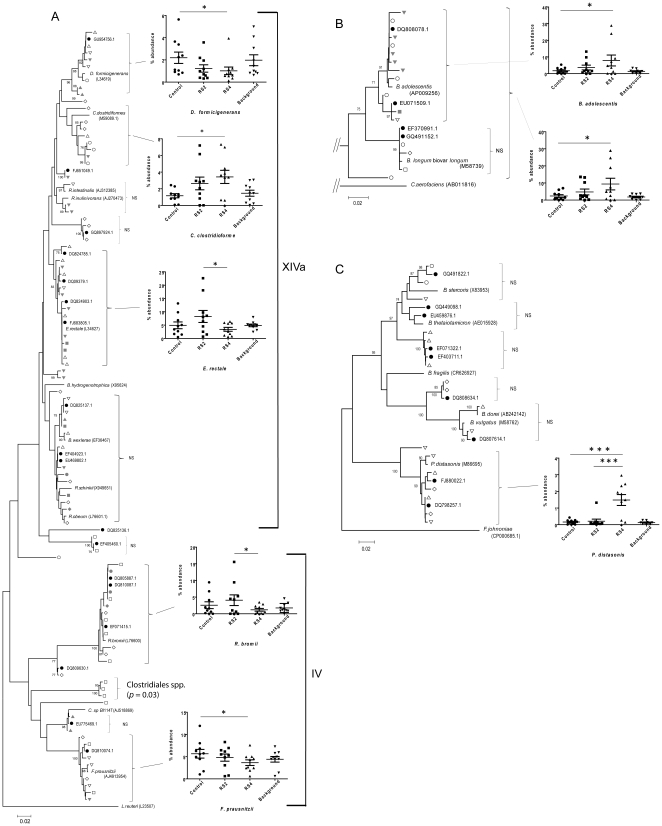
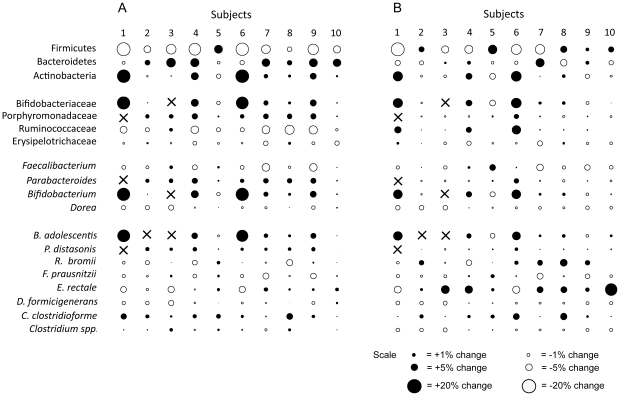
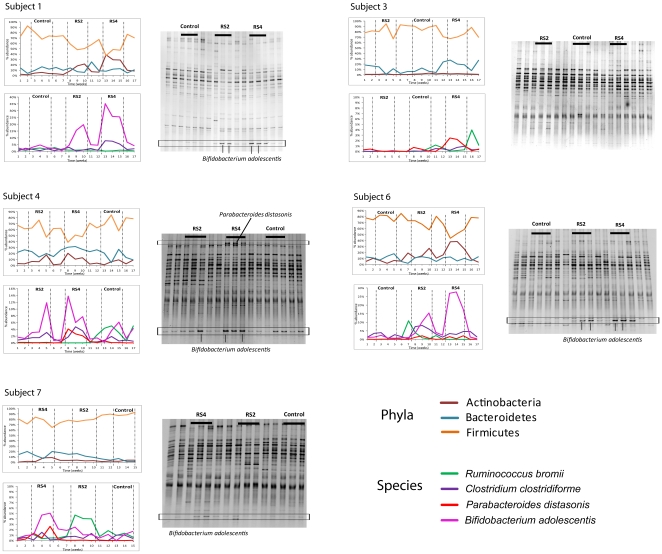
BACKGROUND: To systematically develop dietary strategies based on resistant starch (RS) that modulate the human gut microbiome, detailed in vivo studies that evaluate the effects of different forms of RS on the community structure and population dynamics of the gut microbiota are necessary. The aim of the present study was to gain a community wide perspective of the effects of RS types 2 (RS2) and 4 (RS4) on the fecal microbiota in human individuals. METHODS AND FINDINGS: Ten human subjects consumed crackers for three weeks each containing either RS2, RS4, or native starch in a double-blind, crossover design. Multiplex sequencing of 16S rRNA tags revealed that both types of RS induced several significant compositional alterations in the fecal microbial populations, with differential effects on community structure. RS4 but not RS2 induced phylum-level changes, significantly increasing Actinobacteria and Bacteroidetes while decreasing Firmicutes. At the species level, the changes evoked by RS4 were increases in Bifidobacterium adolescentis and Parabacteroides distasonis, while RS2 significantly raised the proportions of Ruminococcus bromii and Eubacterium rectale when compared to RS4. The population shifts caused by RS4 were numerically substantial for several taxa, leading for example, to a ten-fold increase in bifidobacteria in three of the subjects, enriching them to 18-30% of the fecal microbial community. The responses to RS and their magnitudes varied between individuals, and they were reversible and tightly associated with the consumption of RS. CONCLUSION: Our results demonstrate that RS2 and RS4 show functional differences in their effect on human fecal microbiota composition, indicating that the chemical structure of RS determines its accessibility by groups of colonic bacteria. The findings imply that specific bacterial populations could be selectively targeted by well designed functional carbohydrates, but the inter-subject variations in the response to RS indicates that such strategies might benefit from more personalized approaches.
Overview
The claims and statistics of this paper haven’t been checked yet.
Free: it reads the open-access text and checks the first 5 claims that cite a source we can check. Create a free account to check every claim.
Integrity signals
Registry
Cites
Statistics
Figures

Verification
Claims the paper makes
The claims and statistics of this paper haven’t been checked yet.
Free: it reads the open-access text and checks the first 5 claims that cite a source we can check. Create a free account to check every claim.
Claims other papers make about this one
Each is checked against this paper’s own text: does it say what the citing paper says it does?
In the citing paper
“In 2 of the studies not included in the meta-analysis, raffinose and resistant starch interventions did not lead to significant difference in α-diversity compared with placebo (93,101).”
From Dietary fiber intervention on gut microbiota composition in healthy adults: a systematic review and meta-analysis (2018) · cites this paper as [101]
In the citing paper
“Human consumption of resistant starch led to significant increases in Bifidobacterium, Faecalibacterium, and Eubacterium, while decreasing some Ruminococcus strains (74,75).”
From Diet and the Microbiota–Gut–Brain Axis: Sowing the Seeds of Good Mental Health (2021) · cites this paper as [74]
In the citing paper
“Symptoms linked to increased fiber consumption such as flatulence and bloating are likely the result of gas formation during fermentation by the gut microbiota, 22 , 23 which shows substantial inter-individual variation. 48–50”
From Adaptation to tolerate high doses of arabinoxylan is associated with fecal levels of Bifidobacterium longum (2024) · cites this paper as [48]
Self-check
Percentages, sums and reported differences re-computed from the paper’s own numbers.
The self-check needs the paper’s full text.
Citations
Cites
MUSCLE: multiple sequence alignment with high accuracy and high throughput
Edgar, R. C. (2004) · Nucleic Acids Research · doi:10.1093/nar/gkh340 · Cited by 44,662
Hall, T. A. (1999) · Nucleic Acids Symposium Series · doi:10.14601/phytopathol_mediterr-14998u1.29 · Cited by 38,297 · cited 2×
“A local nucleotide database was established for each subject in BioEdit [ 56 ] containing all sequences detected by pyrosequencing , and the BLASTn algorithm was used with a 97% cutoff ( min . length 300 bp ) to quantify each OTU in the fecal bacterial populations in each sample .”
MethodMEGA4: Molecular Evolutionary Genetics Analysis (MEGA) Software Version 4.0
Tamura, K., Dudley, J., Nei, M., & Kumar, S. (2007) · Molecular Biology and Evolution · doi:10.1093/molbev/msm092 · Cited by 28,730 · cited 2×
“0 Software [ 55 ] by neighbor - joining with 1 , 000 bootstrap replicates .”
MethodAn obesity-associated gut microbiome with increased capacity for energy harvest
Turnbaugh, P. J., Ley, R. E., Mahowald, M. A., Magrini, V., Mardis, E. R., & Gordon, J. I. (2006) · Nature · doi:10.1038/nature05414 · Cited by 12,444 · cited 1×
“A microbiome enriched in Firmicutes has been associated with an increased capacity for energy harvest and obesity [49,50], and a reduction of this phylum could therefore reduce the amount of calories extracted from the diet.”
BackgroundHuman gut microbes associated with obesity
Ley, R. E., Turnbaugh, P. J., Klein, S., & Gordon, J. I. (2006) · Nature · doi:10.1038/4441022a · Cited by 8,785 · cited 1×
“The bacterial composition in the ten subjects during the baseline period was, as shown by other studies [28,29], dominated by the phyla Firmicutes (78%) and Bacteroidetes (13%).”
ResultA core gut microbiome in obese and lean twins
Turnbaugh, P. J., Hamady, M., Yatsunenko, T., Cantarel, B. L., Duncan, A., Ley, R. E., Sogin, M. L., Jones, W. J., Roe, B. A., Affourtit, J. P., et al. (2009) · Nature · doi:10.1038/nature07540 · Cited by 7,823 · cited 3×
“First, few OTU are completely conserved among humans [28,44], thus species that were affected in some subjects might simply not be present in other individuals.”
BackgroundMethodResultDominguez-Bello, M. G., Costello, E. K., Contreras, M., Magris, M., Hidalgo, G., Fierer, N., & Knight, R. (2010) · Proceedings of the National Academy of Sciences · doi:10.1073/pnas.1002601107 · Cited by 4,774 · cited 1×
“This technique has been extremely valuable, for example, in the characterization of the human microbiota in terms of lean and obese physiological states, impact of antibiotics, and the importance of delivery mode at birth [26,27,28].”
MethodThe Ribosomal Database Project: improved alignments and new tools for rRNA analysis
Cole, J. R., Wang, Q., Cardenas, E., Fish, J., Chai, B., Farris, R. J., Kulam-Syed-Mohideen, A. S., McGarrell, D. M., Marsh, T., Garrity, G. M., et al. (2009) · Nucleic Acids Research · doi:10.1093/nar/gkn879 · Cited by 4,762 · cited 1×
“edu/) [53] with default parameters (which included the removal of sequences containing at least one ambiguous nucleotide), except for the minimum sequence length, which was set to 300 bp.”
Ecological and Evolutionary Forces Shaping Microbial Diversity in the Human Intestine
Ley, R. E., Peterson, D. A., & Gordon, J. I. (2006) · Cell · doi:10.1016/j.cell.2006.02.017 · Cited by 3,358 · cited 1×
“A microbiome enriched in Firmicutes has been associated with an increased capacity for energy harvest and obesity [49,50], and a reduction of this phylum could therefore reduce the amount of calories extracted from the diet.”
BackgroundDethlefsen, L., Huse, S., Sogin, M. L., & Relman, D. A. (2008) · PLoS Biology · doi:10.1371/journal.pbio.0060280 · Cited by 2,361 · cited 1×
“This technique has been extremely valuable, for example, in the characterization of the human microbiota in terms of lean and obese physiological states, impact of antibiotics, and the importance of delivery mode at birth [26,27,28].”
Method
Research works printed but not linked: 1
- Ryan KJ 2004 Normal Microbial Flora. Ryan KJ Ray CG Medical Microbiology An intorduction to infectious diseases. 4th ed New York McGraw-Hill
Cited by
Human Genetics Shape the Gut Microbiome
Goodrich, J. K., Waters, J. L., Poole, A. C., Sutter, J. L., Koren, O., Blekhman, R., Beaumont, M., Van Treuren, W., Knight, R., Bell, J. T., et al. (2014) · Cell · doi:10.1016/j.cell.2014.09.053 · Cited by 3,164
“However, we did not find a relationship between Christensenellaceae and diet information in human studies (Wu et al., 2011; Martı́nez et al., 2010; Koren et al., 2012).”
The impact of dietary fiber on gut microbiota in host health and disease
Makki, K., Deehan, E. C., Walter, J., & Bäckhed, F. (2018) · Cell Host & Microbe · doi:10.1016/j.chom.2018.05.012 · Cited by 2,517
Self-citationRole of the gut microbiota in nutrition and health
Valdes, A. M., Walter, J., Segal, E., & Spector, T. D. (2018) · BMJ · doi:10.1136/bmj.k2179 · Cited by 2,375
Self-citationMicrobial degradation of complex carbohydrates in the gut
Flint, H. J., Scott, K. P., Duncan, S. H., Louis, P., & Forano, E. (2012) · Gut Microbes · doi:10.4161/gmic.19897 · Cited by 2,331
The role of the gut microbiota in nutrition and health
Flint, H. J., Scott, K. P., Louis, P., & Duncan, S. H. (2012) · Nature Reviews Gastroenterology & Hepatology · doi:10.1038/nrgastro.2012.156 · Cited by 2,182
Dietary fiber and prebiotics and the gastrointestinal microbiota
Holscher, H. D. (2017) · Gut Microbes · doi:10.1080/19490976.2017.1290756 · Cited by 1,808
“Resistant starch type 2 and 4 are both composed of glucose monosaccharides linked by a-1,6 glycosidic bonds, resistant starch type 4 has additional crosslinkages by phosphorylation.(35) Soluble corn fiber is corn starch fraction rich in 1,6-glycosidic bonds.”
BackgroundHow glycan metabolism shapes the human gut microbiota
Koropatkin, N. M., Cameron, E. A., & Martens, E. C. (2012) · Nature Reviews Microbiology · doi:10.1038/nrmicro2746 · Cited by 1,419
Gut microbial metabolites as multi-kingdom intermediates
Krautkramer, K. A., Fan, J., & Bäckhed, F. (2021) · Nature Reviews Microbiology · doi:10.1038/s41579-020-0438-4 · Cited by 1,398
Environmental and Gut Bacteroidetes: The Food Connection
Thomas, F., Hehemann, J.-H., Rebuffet, E., Czjzek, M., & Michel, G. (2011) · Frontiers in Microbiology · doi:10.3389/fmicb.2011.00093 · Cited by 1,337
“The observed changes were completely reversible within 1 week, demonstrating the high population dynamics (Martinez et al., 2010).”
BackgroundThe Effect of Probiotics on the Production of Short-Chain Fatty Acids by Human Intestinal Microbiome
Markowiak-Kopeć, P., & Śliżewska, K. (2020) · Nutrients · doi:10.3390/nu12041107 · Cited by 1,219
“The type of RS has a significant effect on the composition of the intestinal microbiome [46].”
BackgroundMoving pictures of the human microbiome
Caporaso, J. G., Lauber, C. L., Costello, E. K., Berg-Lyons, D., Gonzalez, A., Stombaugh, J., Knights, D., Gajer, P., Ravel, J., Fierer, N., et al. (2011) · Genome Biology · doi:10.1186/gb-2011-12-5-r50 · Cited by 1,138
“For this reason our results do not necessarily contradict previous Denaturing Gradient Gel Electrophoresis (DGGE)-based work in this area [4,15-17], which is suggestive of a core gut microbiome but at a coarser phylogenetic resolution and more limited dynamic range.”
ResultShort chain fatty acids in human gut and metabolic health
Blaak, E. E., Canfora, E. E., Theis, S., Frost, G., Groen, A. K., Mithieux, G., Nauta, A., Scott, K., Stahl, B., van Harsselaar, J., et al. (2020) · Beneficial Microbes · doi:10.3920/bm2020.0057 · Cited by 1,103
“Human studies with starch supplementation supported the key role of R. bromii and E. rectale in starch degradation (Martínez et al. , 2010; Walker et al. , 2011).”
Ruminococcus bromii is a keystone species for the degradation of resistant starch in the human colon
Ze, X., Duncan, S. H., Louis, P., & Flint, H. J. (2012) · The ISME Journal · doi:10.1038/ismej.2012.4 · Cited by 1,060
“bromii and other Gram-positive bacteria in fecal samples during consumption of diets high in RS (Abell et al., 2008; Martı́nez et al., 2010; Walker et al., 2011).”
BackgroundThe influence of diet on the gut microbiota
Scott, K. P., Gratz, S. W., Sheridan, P. O., Flint, H. J., & Duncan, S. H. (2013) · Pharmacological Research · doi:10.1016/j.phrs.2012.10.020 · Cited by 1,052
Intestinal microbiota in functional bowel disorders: a Rome foundation report
Simrén, M., Barbara, G., Flint, H. J., Spiegel, B. M. R., Spiller, R. C., Vanner, S., Verdu, E. F., Whorwell, P. J., & Zoetendal, E. G. (2013) · Gut · doi:10.1136/gutjnl-2012-302167 · Cited by 939
Resistant Starch: Promise for Improving Human Health
Birt, D. F., Boylston, T., Hendrich, S., Jane, J.-L., Hollis, J., Li, L., McClelland, J., Moore, S., Phillips, G. J., Rowling, M., et al. (2013) · Advances in Nutrition · doi:10.3945/an.113.004325 · Cited by 852
“Individual study participants also appeared to have widely different responses to dietary starch (8,9).”
BackgroundMethodInfluentialDiet-microbiota interactions and personalized nutrition
Kolodziejczyk, A. A., Zheng, D., & Elinav, E. (2019) · Nature Reviews Microbiology · doi:10.1038/s41579-019-0256-8 · Cited by 879
Baxter, N. T., Schmidt, A. W., Venkataraman, A., Kim, K. S., Waldron, C., & Schmidt, T. M. (2019) · mBio · doi:10.1128/mbio.02566-18 · Cited by 762
“been observed previously when type 2 or type 4 resistant starches are consumed (37).”
BackgroundThe human gut microbiome: ecology and recent evolutionary changes
Walter, J., & Ley, R. (2011) · Annual Review of Microbiology · doi:10.1146/annurev-micro-090110-102830 · Cited by 720
Self-citationThe effects of vegetarian and vegan diets on gut microbiota
Tomova, A., Bukovsky, I., Rembert, E., Yonas, W., Alwarith, J., Barnard, N. D., & Kahleova, H. (2019) · Frontiers in Nutrition · doi:10.3389/fnut.2019.00047 · Cited by 713
“A decrease in Firmicutes levels, usually occurring in favor of Bacteroidetes and Bifidobacteria, as seen in response to an increase in resistant starches, may be beneficial in preventing and treating obesity (41).”
BackgroundSo, D., Whelan, K., Rossi, M., Morrison, M., Holtmann, G., Kelly, J. T., Shanahan, E. R., Staudacher, H. M., & Campbell, K. L. (2018) · The American Journal of Clinical Nutrition · doi:10.1093/ajcn/nqy041 · Cited by 683
“and next-generation sequencing (including 454 pyrosequencing and Illumina sequencing) (12 209 studies) (59, 62, 64, 72, 75, 77-80, 97, 101, 115).”
BackgroundInfluentialTrompette, A., Gollwitzer, E. S., Pattaroni, C., Lopez-Mejia, I. C., Riva, E., Pernot, J., Ubags, N., Fajas, L., Nicod, L. P., & Marsland, B. J. (2018) · Immunity · doi:10.1016/j.immuni.2018.04.022 · Cited by 678
“Dietary fiber content can shape the composition of the gut microbiota (Carmody et al., 2015; De Filippo et al., 2010; Holscher et al., 2015; Martı́nez et al., 2010; Trompette et al., 2014).”
BackgroundDietary fibre modulates the gut microbiota
Cronin, P., Joyce, S. A., O’Toole, P. W., & O’Connor, E. M. (2021) · Nutrients · doi:10.3390/nu13051655 · Cited by 658
“In vivo studies have found that RS4 consumption in humans increased the abundance of the phyla Actinobacteria and Bacteroidetes, while Firmicutes were decreased [46].”
BackgroundSalonen, A., Lahti, L., Salojärvi, J., Holtrop, G., Korpela, K., Duncan, S. H., Date, P., Farquharson, F., Johnstone, A. M., Lobley, G. E., et al. (2014) · The ISME Journal · doi:10.1038/ismej.2014.63 · Cited by 626
“Also the different forms of RS have been shown to bring about distinct compositional alterations (Martinez et al., 2010).”
BackgroundMicrobial Ecology along the Gastrointestinal Tract
Hillman, E. T., Lu, H., Yao, T., & Nakatsu, C. H. (2017) · Microbes and environments · doi:10.1264/jsme2.me17017 · Cited by 580
“Only a few studies have examined the effects of fibers and resistant starches on the human microbiome (87, 127, 198, 210, 211).”
BackgroundGut microbiome composition is linked to whole grain-induced immunological improvements
Martínez, I., Lattimer, J. M., Hubach, K. L., Case, J. A., Yang, J., Weber, C. G., Louk, J. A., Rose, D. J., Kyureghian, G., Peterson, D. A., et al. (2013) · The ISME Journal · doi:10.1038/ismej.2012.104 · Cited by 614
“Pyrosequencing of amplicons obtained by PCR with universal primers targeting the V1–V3 region of the 16 S rRNA gene was performed as previously described (Martı́nez et al., 2010), using the 454 Genome Sequencer FLX with GS FLX Titanium series reagents at the Core for Applied Genomics and Ecology (University of Nebrask…”
BackgroundMethodResultSelf-citationReview article: dietary fibre-microbiota interactions
Simpson, H. L., & Campbell, B. J. (2015) · Alimentary Pharmacology & Therapeutics · doi:10.1111/apt.13248 · Cited by 602
“In addition, there was also an increase in the abundance of bacteria related to E. rectale (10.1% of total bacteria) following RS consumption.26 In 2010, Martinez et al.115 also studied the effect of RS2 and RS4 on the composition of the human microbiota in a placebo-controlled, double-blind crossover trial with 10 he…”
BackgroundInfluentialHamaker, B. R., & Tuncil, Y. E. (2014) · Journal of Molecular Biology · doi:10.1016/j.jmb.2014.07.028 · Cited by 580
Starch–lipid and starch–lipid–protein complexes: A comprehensive review
Wang, S., Chao, C., Cai, J., Niu, B., Copeland, L., & Wang, S. (2020) · Comprehensive Reviews in Food Science and Food Safety · doi:10.1111/1541-4337.12550 · Cited by 582
Effect of Diet and Dietary Components on the Composition of the Gut Microbiota
Beam, A., Clinger, E., & Hao, L. (2021) · Nutrients · doi:10.3390/nu13082795 · Cited by 576
“To further examine this, a human study, conducted in 2010, assessed the SCFA levels in subjects who were supplemented with a low-fiber control diet or a diet that was composed of 30 g wheat bran fiber, RS2, or RS3 [60].”
BackgroundResultCockburn, D. W., & Koropatkin, N. M. (2016) · Journal of Molecular Biology · doi:10.1016/j.jmb.2016.06.021 · Cited by 539
Deehan, E. C., Yang, C., Perez-Muñoz, M. E., Nguyen, N. K., Cheng, C. C., Triador, L., Zhang, Z., Bakal, J. A., & Walter, J. (2020) · Cell Host & Microbe · doi:10.1016/j.chom.2020.01.006 · Cited by 539
Self-citationEffects of Psychological, Environmental and Physical Stressors on the Gut Microbiota
Karl, J. P., Hatch, A. M., Arcidiacono, S. M., Pearce, S. C., Pantoja-Feliciano, I. G., Doherty, L. A., & Soares, J. W. (2018) · Frontiers in Microbiology · doi:10.3389/fmicb.2018.02013 · Cited by 530
Contribution of diet to the composition of the human gut microbiota
Graf, D., Di Cagno, R., Fåk, F., Flint, H. J., Nyman, M., Saarela, M., & Watzl, B. (2015) · Microbial Ecology in Health & Disease · doi:10.3402/mehd.v26.26164 · Cited by 519
“There was a large individual variation and the changes were reversible and correlated to the RS consumed (46).”
BackgroundMethodEating For Two: How Metabolism Establishes Interspecies Interactions in the Gut
Fischbach, M. A., & Sonnenburg, J. L. (2011) · Cell Host & Microbe · doi:10.1016/j.chom.2011.10.002 · Cited by 507
“…for a limited quantity of carbohydrate in the distal gut, and changes in host diet are a major driver of change in community composition and function (Table 1) (Faith et al., 2011; Martinez et al., 2010; Sonnenburg et al., 2010; Sonnenburg et al., 2005; Walker et al., 2011; Wu et al., 2011).”
BackgroundRole of Dietary Nutrients in the Modulation of Gut Microbiota: A Narrative Review
Yang, Q., Liang, Q., Balakrishnan, B., Belobrajdic, D. P., Feng, Q.-J., & Zhang, W. (2020) · Nutrients · doi:10.3390/nu12020381 · Cited by 466
“Benus et al. (2010) Dietary fiber formula (dietary fiber 19.6 and 18.0 g/day) for 14 days and the fiber-free diet as reference/clinical trials (10 healthy subjects: 6 women and 4 men, age range of 21–34 years) [164] ↑ Carvalho-Wells et al. (2010) Maize-derived whole grain cereal (48 g/day) for 21 days and the same dos…”
MethodInfluentialSex, body mass index, and dietary fiber intake influence the human gut microbiome
Dominianni, C., Sinha, R., Goedert, J. J., Pei, Z., Yang, L., Hayes, R. B., & Ahn, J. (2015) · PLOS ONE · doi:10.1371/journal.pone.0124599 · Cited by 468
“59 for major taxa) [8] and the identified major taxon distributions were within ranges of other published studies [51, 52].”
ResultPrebiotics: why definitions matter
Hutkins, R. W., Krumbeck, J. A., Bindels, L. B., Cani, P. D., Fahey, G., Goh, Y. J., Hamaker, B., Martens, E. C., Mills, D. A., Rastal, R. A., et al. (2016) · Current Opinion in Biotechnology · doi:10.1016/j.copbio.2015.09.001 · Cited by 437
“[36] suggested that a broader range of food ingredients have prebiotic activity, including resistant starch and various dietary fibers.”
BackgroundDietary Fiber Intake and Gut Microbiota in Human Health
Fu, J., Zheng, Y., Gao, Y., & Xu, W. (2022) · Microorganisms · doi:10.3390/microorganisms10122507 · Cited by 394
“Interventions using inulin [72,87,96,97], guar gum [98], resistant starch [88,91,99], GOS [75,76,95,100], FOS [76], or arabinoxylan oligosaccharide (a kind of FOS) [85,101,102] consistently resulted in an increased abundance of Bifidobacterium, while intake of a specific fiber type led to the promotion of Faecalibacte…”
BackgroundDiet and the Microbiota–Gut–Brain Axis: Sowing the Seeds of Good Mental Health
Berding, K., Vlckova, K., Marx, W., Schellekens, H., Stanton, C., Clarke, G., Jacka, F., Dinan, T. G., & Cryan, J. F. (2021) · Advances in Nutrition · doi:10.1093/advances/nmaa181 · Cited by 451
Precision Nutrition and the Microbiome, Part I: Current State of the Science
Mills, S., Stanton, C., Lane, J., Smith, G., & Ross, R. (2019) · Nutrients · doi:10.3390/nu11040923 · Cited by 399
“[376] revealed that resistant starch types 3 and 4 differentially affected the microbiota in human volunteers following consumption of each for three weeks in a double-blind cross-over study.”
BackgroundSorghum (Sorghum bicolor L.): Nutrients, bioactive compounds, and potential impact on human health
de Morais Cardoso, L., Pinheiro, S. S., Martino, H. S. D., & Pinheiro-Sant'Ana, H. M. (2017) · Critical Reviews in Food Science and Nutrition · doi:10.1080/10408398.2014.887057 · Cited by 379
You Are What You Eat—The Relationship between Diet, Microbiota, and Metabolic Disorders—A Review
Moszak, M., Szulińska, M., & Bogdański, P. (2020) · Nutrients · doi:10.3390/nu12041096 · Cited by 397
“2010 [44] a doubleblind, crossover trial heathy human (n = 10) crackers containing either RS2 (resistant starch type 2), RS4, or native stRS types 2 (RS2) and 4 (RS4) for 3 weeks RS4 but not RS2 induced significantly, reversible ↑ Actinobacteria and Bacteroidetes and ↓ Firmicutes.”
BackgroundVariable responses of human microbiomes to dietary supplementation with resistant starch
Venkataraman, A., Sieber, J. R., Schmidt, A. W., Waldron, C., Theis, K. R., & Schmidt, T. M. (2016) · Microbiome · doi:10.1186/s40168-016-0178-x · Cited by 384
Microbial nutrient niches in the gut
Pereira, F. C., & Berry, D. (2017) · Environmental Microbiology · doi:10.1111/1462-2920.13659 · Cited by 369
“Increased alpha diversity and decreased beta diversity are observed in the gut microbiota of tribal populations in comparison to non-tribal populations, suggesting that better sanitation and other hygienic practices associated with industrialization might affect the dispersal of gut organisms and thereby influence the…”
BackgroundInfluentialResistant starch: impact on the gut microbiome and health
DeMartino, P., & Cockburn, D. W. (2020) · Current Opinion in Biotechnology · doi:10.1016/j.copbio.2019.10.008 · Cited by 360
Krumbeck, J. A., Rasmussen, H. E., Hutkins, R. W., Clarke, J., Shawron, K., Keshavarzian, A., & Walter, J. (2018) · Microbiome · doi:10.1186/s40168-018-0494-4 · Cited by 342
“However, the relative abundance of resident Bifidobacterium levels in adults is highly variable, ranging from 0 to 3% [45–48], and not all subjects respond to prebiotic intervention, even at high doses [45, 46, 49, 50].”
BackgroundSelf-citationHaenen, D., Zhang, J., Souza da Silva, C., Bosch, G., van der Meer, I. M., van Arkel, J., van den Borne, J. J. G. C., Pérez Gutiérrez, O., Smidt, H., Kemp, B., et al. (2013) · The Journal of Nutrition · doi:10.3945/jn.112.169672 · Cited by 341
Inflammation in Renal Diseases: New and Old Players
Andrade-Oliveira, V., Foresto-Neto, O., Watanabe, I. K. M., Zatz, R., & Câmara, N. O. S. (2019) · Frontiers in Pharmacology · doi:10.3389/fphar.2019.01192 · Cited by 330
The dynamics of gut‐associated microbial communities during inflammation
Winter, S. E., Lopez, C. A., & Bäumler, A. J. (2013) · EMBO reports · doi:10.1038/embor.2013.27 · Cited by 329
Health effects of resistant starch
Lockyer, S., & Nugent, A. P. (2017) · Nutrition Bulletin · doi:10.1111/nbu.12244 · Cited by 312
“Furthermore, while diet explained 10% of the total variance in microbiota composition, as reported elsewhere (Martinez et al. 2010; McOrist et al. 2011), individual SCFA response was highly variable.”
InfluentialDavis, L. M. G., Martínez, I., Walter, J., Goin, C., & Hutkins, R. W. (2011) · PLoS ONE · doi:10.1371/journal.pone.0025200 · Cited by 318
“adolescentis [39].”
InfluentialSelf-citationMocanu, V., Zhang, Z., Deehan, E. C., Kao, D. H., Hotte, N., Karmali, S., Birch, D. W., Samarasinghe, K. K., Walter, J., & Madsen, K. L. (2021) · Nature Medicine · doi:10.1038/s41591-021-01399-2 · Cited by 328
Self-citationImpact of Dietary Resistant Starch on the Human Gut Microbiome, Metaproteome, and Metabolome
Maier, T. V., Lucio, M., Lee, L. H., VerBerkmoes, N. C., Brislawn, C. J., Bernhardt, J., Lamendella, R., McDermott, J. E., Bergeron, N., Heinzmann, S. S., et al. (2017) · mBio · doi:10.1128/mbio.01343-17 · Cited by 316
“Depending on the formulation of RS, the gut microbiome has been reported to respond differently, with a trend for an increase in Bacteroidetes compared to Firmicutes after an RS4 diet (4) and the opposite trend after an RS2 diet (5).”
Seasonal Variation in Human Gut Microbiome Composition
Davenport, E. R., Mizrahi-Man, O., Michelini, K., Barreiro, L. B., Ober, C., & Gilad, Y. (2014) · PLoS ONE · doi:10.1371/journal.pone.0090731 · Cited by 314
“The Bacteroidetes clade is known to contain specialists in degrading high molecular weight organic material, such as plant cell walls and complex carbohydrates, and their genomes are known to contain large numbers of CAZymes, or carbohydrate-active enzymes [43,44].”
BackgroundInterindividual variability in gut microbiota and host response to dietary interventions
Healey, G. R., Murphy, R., Brough, L., Butts, C. A., & Coad, J. (2017) · Nutrition Reviews · doi:10.1093/nutrit/nux062 · Cited by 292
Yang, J., Martínez, I., Walter, J., Keshavarzian, A., & Rose, D. J. (2013) · Anaerobe · doi:10.1016/j.anaerobe.2013.06.012 · Cited by 289
“Sequencing was performed by as described previously [13].”
BackgroundMethodResultSelf-citationThe impact of nutrition on the human microbiome
Flint, H. J. (2012) · Nutrition Reviews · doi:10.1111/j.1753-4887.2012.00499.x · Cited by 287
McBurney, M. I., Davis, C., Fraser, C. M., Schneeman, B. O., Huttenhower, C., Verbeke, K., Walter, J., & Latulippe, M. E. (2019) · The Journal of Nutrition · doi:10.1093/jn/nxz154 · Cited by 282
Self-citationManipulating the gut microbiota to maintain health and treat disease
Scott, K. P., Antoine, J.-M., Midtvedt, T., & van Hemert, S. (2015) · Microbial Ecology in Health & Disease · doi:10.3402/mehd.v26.25877 · Cited by 281
“RS2 and RS4 had very different effects on the composition of the microbiota when compared in the same human study (37).”
BackgroundLordan, C., Thapa, D., Ross, R. P., & Cotter, P. D. (2020) · Gut Microbes · doi:10.1080/19490976.2019.1613124 · Cited by 289
O. Sheridan, P., Martin, J. C., Lawley, T. D., Browne, H. P., Harris, H. M. B., Bernalier-Donadille, A., Duncan, S. H., O'Toole, P. W., P. Scott, K., & J. Flint, H. (2016) · Microbial Genomics · doi:10.1099/mgen.0.000043 · Cited by 271
Hooda, S., Boler, B. M. V., Serao, M. C. R., Brulc, J. M., Staeger, M. A., Boileau, T. W., Dowd, S. E., Fahey, G. C., & Swanson, K. S. (2012) · The Journal of Nutrition · doi:10.3945/jn.112.158766 · Cited by 272
“The relative abundance of Firmicutes was greater than that reported in recent human experiments pertaining to gut health (14,32,33).”
BackgroundMethodResultA critical review on interplay between dietary fibers and gut microbiota
Ye, S., Shah, B. R., Li, J., Liang, H., Zhan, F., Geng, F., & Li, B. (2022) · Trends in Food Science & Technology · doi:10.1016/j.tifs.2022.04.010 · Cited by 258
Changes of the human gut microbiome induced by a fermented milk product
Veiga, P., Pons, N., Agrawal, A., Oozeer, R., Guyonnet, D., Brazeilles, R., Faurie, J.-M., van Hylckama Vlieg, J. E. T., Houghton, L. A., Whorwell, P. J., et al. (2014) · Scientific Reports · doi:10.1038/srep06328 · Cited by 259
Is butyrate the link between diet, intestinal microbiota and obesity-related metabolic diseases?
Brahe, L. K., Astrup, A., & Larsen, L. H. (2013) · Obesity Reviews · doi:10.1111/obr.12068 · Cited by 264
“Both RS2 (86,87), RS3 (88,89) and RS4 (90) appear to be highly butyrogenic based on studies in humans, where these substrates have been shown to either increase the faecal content of butyrate (87,88) or butyrate-producing bacteria (86,89), and in vitro studies of fermentation by human faecal microbiota showing an incr…”
BackgroundInfluentialMicrobiome-based interventions to modulate gut ecology and the immune system
Hitch, T. C. A., Hall, L. J., Walsh, S. K., Leventhal, G. E., Slack, E., de Wouters, T., Walter, J., & Clavel, T. (2022) · Mucosal Immunology · doi:10.1038/s41385-022-00564-1 · Cited by 243
Self-citationReichardt, N., Vollmer, M., Holtrop, G., Farquharson, F. M., Wefers, D., Bunzel, M., Duncan, S. H., Drew, J. E., Williams, L. M., Milligan, G., et al. (2018) · The ISME Journal · doi:10.1038/ismej.2017.196 · Cited by 249
“bromii on RS (Abell et al., 2008; Martinez et al., 2010; Walker et al., 2011; Ze et al., 2013, 2015), of bifidobacteria (Ramirez-Farias et al.”
BackgroundThompson, A. L., Monteagudo-Mera, A., Cadenas, M. B., Lampl, M. L., & Azcarate-Peril, M. A. (2015) · Frontiers in Cellular and Infection Microbiology · doi:10.3389/fcimb.2015.00003 · Cited by 230
“In order to ensure detection of Bifidobacterium species normally highly represented in breastfed babies we used a combination (4:1) of the primers 8F and Bifidobacterium -specific Bifido-8F (5 - AGGGTTCGATTCTGGCTCAG-3 ) (Martinez et al., 2010)with 335R as the reverse primer as described (Davis et al., 2011).”
MethodDelzenne, N. M., Neyrinck, A. M., & Cani, P. D. (2011) · Microbial Cell Factories · doi:10.1186/1475-2859-10-s1-s10 · Cited by 233
“Other non digestible/fermentable carbohydrates such as resistant starch (type 4), are able to increase Actinobacteria and specific types of bifidobacteria (Bifidobacterium adolescentis) in human individuals [77].”
BackgroundThe Burden of Carbohydrates in Health and Disease
Clemente-Suárez, V. J., Mielgo-Ayuso, J., Martín-Rodríguez, A., Ramos-Campo, D. J., Redondo-Flórez, L., & Tornero-Aguilera, J. F. (2022) · Nutrients · doi:10.3390/nu14183809 · Cited by 194
“Furthermore, resistant starches have been shown to enrich specific bacterial groups in some individuals depending on the carbohydrate’s chemical structure and the microbes’ enzymatic capacity to access them [63], with specific species becoming enriched to constitute more than 30% of the microbiota [64].”
BackgroundKorpela, K., Flint, H. J., Johnstone, A. M., Lappi, J., Poutanen, K., Dewulf, E., Delzenne, N., de Vos, W. M., & Salonen, A. (2014) · PLoS ONE · doi:10.1371/journal.pone.0090702 · Cited by 229
“Negative density dependence was evident in all bacterial groups, not only in bifidobacteria (data not shown), which explain more generally why certain intestinal bacteria respond to dietary changes in some, but not all individuals, as noted in numerous studies (e.g. [16,18,45]).”
ResultDeehan, E. C., Duar, R. M., Armet, A. M., Perez-Muñoz, M. E., Jin, M., & Walter, J. (2017) · Microbiology Spectrum · doi:10.1128/microbiolspec.bad-0019-2017 · Cited by 221
“The variability in human intervention studies could arise from both the highly inter-individualized nature of the human GI microbiome (53, 55, 60) and the variability in the host ’ s metabolic response to NDFCs (39, 222).”
BackgroundMethodInfluentialSelf-citationPolysaccharides: bowel health and gut microbiota
Ho Do, M., Seo, Y. S., & Park, H.-Y. (2021) · Critical Reviews in Food Science and Nutrition · doi:10.1080/10408398.2020.1755949 · Cited by 223
Oh, J.-H., Alexander, L. M., Pan, M., Schueler, K. L., Keller, M. P., Attie, A. D., Walter, J., & van Pijkeren, J.-P. (2019) · Cell Host & Microbe · doi:10.1016/j.chom.2018.11.016 · Cited by 229
Self-citationGanesan, K., Chung, S. K., Vanamala, J., & Xu, B. (2018) · International Journal of Molecular Sciences · doi:10.3390/ijms19123720 · Cited by 221
“Resistant starch (type 2,3,4) [72,73] RS2: ↑Ruminococcus bromii, ↑Eubacterium rectale RS3: ↑Ruminococcus bromii, ↑Ocillobactor, ↑Eubacterium rectale RS4: ↑Bifidobacterium adoloscentis, ↑Parabacteroides distasonis”
Impact of dietary resistant starch type 4 on human gut microbiota and immunometabolic functions
Upadhyaya, B., McCormack, L., Fardin-Kia, A. R., Juenemann, R., Nichenametla, S., Clapper, J., Specker, B., & Dey, M. (2016) · Scientific Reports · doi:10.1038/srep28797 · Cited by 220
Starch digestibility: past, present, and future
Bello‐Perez, L. A., Flores‐Silva, P. C., Agama‐Acevedo, E., & Tovar, J. (2020) · Journal of the Science of Food and Agriculture · doi:10.1002/jsfa.8955 · Cited by 210
“rectale, and RS4 consumption was associated with increased Bifidobacterium adolescentis and Parabacteroides distasonis.(83) This ability of RS to modify colonic microbiota and SCFA production is also of interest due to the physiological and metabolic impacts of these metabolites with implications on human health.”
BackgroundAlbesharat, R., Ehrmann, M. A., Korakli, M., Yazaji, S., & Vogel, R. F. (2011) · Systematic and Applied Microbiology · doi:10.1016/j.syapm.2010.12.001 · Cited by 214
Biomass Utilization by Gut Microbiomes
White, B. A., Lamed, R., Bayer, E. A., & Flint, H. J. (2014) · Annual Review of Microbiology · doi:10.1146/annurev-micro-092412-155618 · Cited by 217
Martínez, I., Perdicaro, D. J., Brown, A. W., Hammons, S., Carden, T. J., Carr, T. P., Eskridge, K. M., & Walter, J. (2013) · Applied and Environmental Microbiology · doi:10.1128/aem.03046-12 · Cited by 215
“OTUs determined to be 164 significantly affected by plant sterol consumption or associated with host physiological 165 parameters were confirmed using BLASTn as described previously (27).”
Self-citationRan-Ressler, R. R., Khailova, L., Arganbright, K. M., Adkins-Rieck, C. K., Jouni, Z. E., Koren, O., Ley, R. E., Brenna, J. T., & Dvorak, B. (2011) · PLoS ONE · doi:10.1371/journal.pone.0029032 · Cited by 215
“Examples of these include digestion-resistant starch in adults [36], and iron fortification in anemic children aged 6–14 y old which supported growth of more pathogenic microbiota compared to a non-fortified diet [37].”
BackgroundHou, Y., Li, J., & Ying, S. (2023) · Metabolites · doi:10.3390/metabo13111166 · Cited by 213
Whole cereal grains and potential health effects: Involvement of the gut microbiota
Gong, L., Cao, W., Chi, H., Wang, J., Zhang, H., Liu, J., & Sun, B. (2018) · Food Research International · doi:10.1016/j.foodres.2017.10.025 · Cited by 206
Tachon, S., Zhou, J., Keenan, M., Martin, R., & Marco, M. L. (2013) · FEMS Microbiology Ecology · doi:10.1111/j.1574-6941.2012.01475.x · Cited by 205
“Diets supplemented with RS resulted in changes in the activity and composition of the gut microbiota of healthy adults (Abell et al., 2008; Martı́nez et al., 2010; Walker et al., 2011).”
BackgroundMethodResultInfluentialValcheva, R., Koleva, P., Martínez, I., Walter, J., Gänzle, M. G., & Dieleman, L. A. (2019) · Gut Microbes · doi:10.1080/19490976.2018.1526583 · Cited by 205
“Sequencing and bioinformatic analysis of 16S rRNA sequence tags Pyrosequencing using Roche 454 GS-FLX Titanium protocol was performed as previously described.(60) Sequence analysis was conducted with Quantitative Insights Into Microbial Ecology (QIIME) pipeline.”
MethodSelf-citationGut microbiota, diet, and obesity-related disorders: the good, the bad, and the future challenges
Portune, K. J., Benítez‐Páez, A., Del Pulgar, E. M. G., Cerrudo, V., & Sanz, Y. (2017) · Molecular Nutrition & Food Research · doi:10.1002/mnfr.201600252 · Cited by 201
“Similar to studies with WG supplements, variation in gut microbiota patterns seems to be influenced by the subtypes of the RS used [72, 73].”
BackgroundResultMartínez, I., Maldonado-Gomez, M. X., Gomes-Neto, J. C., Kittana, H., Ding, H., Schmaltz, R., Joglekar, P., Cardona, R. J., Marsteller, N. L., Kembel, S. W., et al. (2018) · eLife · doi:10.7554/elife.36521 · Cited by 199
“For both methods, enzymatic and mechanical cell lysis steps were included (Martı́nez et al., 2010; Martı́nez et al., 2009).”
InfluentialSelf-citationDe Leoz, M. L. A., Kalanetra, K. M., Bokulich, N. A., Strum, J. S., Underwood, M. A., German, J. B., Mills, D. A., & Lebrilla, C. B. (2015) · Journal of Proteome Research · doi:10.1021/pr500759e · Cited by 192
Bach Knudsen, K. E. (2015) · Advances in Nutrition · doi:10.3945/an.114.007450 · Cited by 186
Gastrointestinal Tract Microbiota and Probiotics in Production Animals
Yeoman, C. J., & White, B. A. (2014) · Annual Review of Animal Biosciences · doi:10.1146/annurev-animal-022513-114149 · Cited by 178
Nguyen, N. K., Deehan, E. C., Zhang, Z., Jin, M., Baskota, N., Perez-Muñoz, M. E., Cole, J., Tuncil, Y. E., Seethaler, B., Wang, T., et al. (2020) · Microbiome · doi:10.1186/s40168-020-00887-w · Cited by 189
“Raw fecal material was diluted 1:4 in distilled water to determine fecal pH using an Accumet AB150 pH meter (Fisher, Canada) as previously described [88, 89].”
MethodSelf-citationStarch Digestion by Gut Bacteria: Crowdsourcing for Carbs
Cerqueira, F. M., Photenhauer, A. L., Pollet, R. M., Brown, H. A., & Koropatkin, N. M. (2020) · Trends in Microbiology · doi:10.1016/j.tim.2019.09.004 · Cited by 187
Ze, X., Ben David, Y., Laverde-Gomez, J. A., Dassa, B., Sheridan, P. O., Duncan, S. H., Louis, P., Henrissat, B., Juge, N., Koropatkin, N. M., et al. (2015) · mBio · doi:10.1128/mbio.01058-15 · Cited by 182
Holscher, H. D., Bauer, L. L., Gourineni, V., Pelkman, C. L., Fahey, G. C., & Swanson, K. S. (2015) · The Journal of Nutrition · doi:10.3945/jn.115.217331 · Cited by 178
The Interplay Between Fiber and the Intestinal Microbiome in the Inflammatory Response
Kuo, S.-M. (2013) · Advances in Nutrition · doi:10.3945/an.112.003046 · Cited by 174
Martínez, I., Muller, C. E., & Walter, J. (2013) · PLoS ONE · doi:10.1371/journal.pone.0069621 · Cited by 181
“Fecal samples of three individuals who had participated in two dietary trials conducted by our group [30,31,32] were included in this study.”
BackgroundMethodSelf-citationResistant starch can improve insulin sensitivity independently of the gut microbiota
Bindels, L. B., Segura Munoz, R. R., Gomes-Neto, J. C., Mutemberezi, V., Martínez, I., Salazar, N., Cody, E. A., Quintero-Villegas, M. I., Kittana, H., de los Reyes-Gavilán, C. G., et al. (2017) · Microbiome · doi:10.1186/s40168-017-0230-5 · Cited by 175
“In those interventions, participants are asked to consume either RS-enriched products [33, 38, 39] or RS supplements [9–11, 40, 41] with native or readily digestible starch or starch-based products serving as the placebo.”
BackgroundMethodResultInfluentialSelf-citationHald, S., Schioldan, A. G., Moore, M. E., Dige, A., Lærke, H. N., Agnholt, J., Bach Knudsen, K. E., Hermansen, K., Marco, M. L., Gregersen, S., et al. (2016) · PLoS ONE · doi:10.1371/journal.pone.0159223 · Cited by 180
“[54] The capacity of DF to promote Bifidobacterium has been found in many studies.[14, 15, 55] Bifidobacterium is a saccharolytic bacterium that produces acetate and lactic acid as a result of fermentative growth.”
BackgroundInfluentialHow Diet and Physical Activity Modulate Gut Microbiota: Evidence, and Perspectives
Campaniello, D., Corbo, M. R., Sinigaglia, M., Speranza, B., Racioppo, A., Altieri, C., & Bevilacqua, A. (2022) · Nutrients · doi:10.3390/nu14122456 · Cited by 167
Metadata
- Authors
- Martínez, I., Kim, J., Duffy, P. R., Schlegel, V. L., & Walter, J.
- Affiliations
- University of Nebraska–Lincoln (US)
- Corresponding author
- Walter, Jens
- Venue
- PLoS ONE
- Publisher
- Public Library of Science (PLoS)
- Published
- 2010-11-29
- Volume
- 5
- Issue
- 11
- Pages
- e15046
- ISSN
- 1932-6203 (ISSN-L)
- PMC
- PMC2993935
- OpenAlex
- W2065925831
- Cited by
- 645
- References
- 61
- Citations by year
- 2026: 27 · 2025: 31 · 2024: 48 · 2023: 35 · 2022: 51 · 2021: 53 · 2020: 64 · 2019: 56 · 2018: 49 · 2017: 41 · 2016: 40 · 2015: 44 · 2014: 32 · 2013: 34 · 2012: 26
- FWCI
- 9.50
- Type
- journal article
- Language
- en
- Open access
- gold
- doi.org
- Locations
- PLoS ONE (publishedVersion, cc-by)
- Europe PMC (PubMed Central) (publishedVersion, cc-by)
- PubMed Central (publishedVersion, cc-by)
- PubMed (publishedVersion)
- Lincoln (University of Nebraska) (submittedVersion, cc-by)
- DOAJ (DOAJ: Directory of Open Access Journals) (submittedVersion, cc-by-sa)
- Figshare (submittedVersion, cc-by)
- Funders
- U.S. Department of Agriculture
- Nebraska Corn Board
- Technische Universität München
- Topics
- Life Sciences › Biochemistry, Genetics and Molecular Biology › Molecular Biology › Gut microbiota and health
- Health Sciences › Nursing › Nutrition and Dietetics › Food composition and properties
- Health Sciences › Nursing › Nutrition and Dietetics › Microbial Metabolites in Food Biotechnology
- Keywords
- resistant starch, resistant starch type 4, fecal microbiota, gut microbiota, dietary intervention, Bifidobacterium adolescentis, Parabacteroides distasonis, Ruminococcus bromii, Eubacterium rectale, actinobacteria, Bacteroidetes, Firmicutes, interindividual variability, functional carbohydrates, personalized nutrition
- MeSH terms
- Adult, Bacteria, DNA, Bacterial, Double-Blind Method, Feces, Female, Humans, Male, RNA, Ribosomal, 16S, Species Specificity, Starch, Genetic Variation, Sequence Analysis, DNA, Cross-Over Studies, Metagenome, Young Adult
About these checks
Registry, retraction, Cites and statistics results are computed, not judged, with one exception: a printed reference that no index lists is read once by a model before it counts as a citation error. Claims are extracted by a model and kept only when their quote appears verbatim in the text; each cited source is then checked, with a model’s help, for whether it says what the claim relies on. Those verdicts can be wrong — read the claim’s quote and the cited source before relying on one.
Statistics and arithmetic are recomputed, not judged.
Confidence bands are shown only for fields calibrated on our annotated test set. None is calibrated yet, so no band is shown.
What counts as a claim ›How we measure confidence ›How we check this ›
Are you an author, or do you see a problem with this page? Request a review
Data sources
Bibliographic data: Semantic Scholar, OpenAlex, Crossref.
Contains information from the Semantic Scholar Academic Graph Datasets, made available under the ODC Attribution License (ODC-BY 1.0).
Semantic Scholar’s data is described in: Kinney, R., et al. (2023). The Semantic Scholar Open Data Platform. arXiv:2301.10140.
