

Opinion: The Key Steps in the Origin of Life to the Formation of the Eukaryotic Cell
Open accessThe DOI matches its Crossref record, with a small difference in title or year; 155 of the 160 references it cites were found in a registry or an index; 32 of the 87 sources its claims cite were checked for support.
Abstract
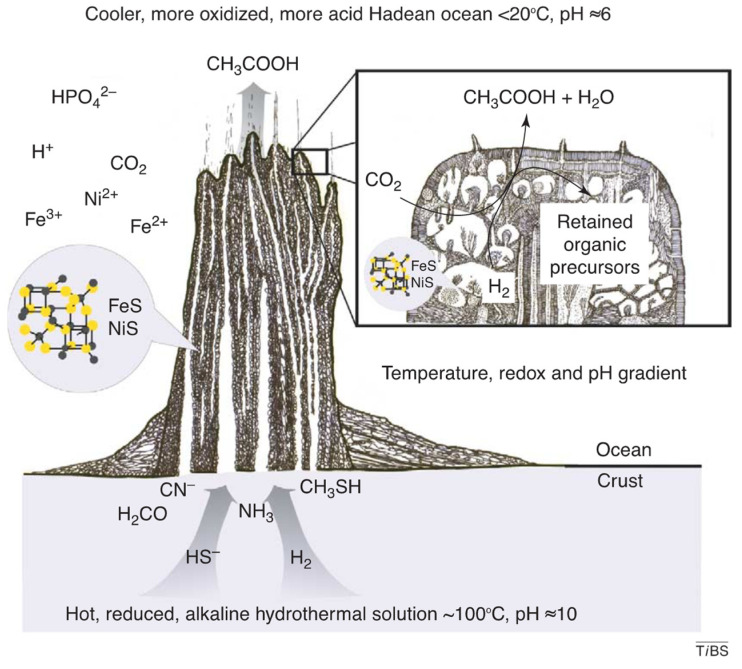
The path from life's origin to the emergence of the eukaryotic cell was long and complex, and as such it is rarely treated in one publication. Here, we offer a sketch of this path, recognizing that there are points of disagreement and that many transitions are still shrouded in mystery. We assume life developed within microchambers of an alkaline hydrothermal vent system. Initial simple reactions were built into more sophisticated reflexively autocatalytic food-generated networks (RAFs), laying the foundation for life's anastomosing metabolism, and eventually for the origin of RNA, which functioned as a genetic repository and as a catalyst (ribozymes). Eventually, protein synthesis developed, leading to life's biology becoming dominated by enzymes and not ribozymes. Subsequent enzymatic innovation included ATP synthase, which generates ATP, fueled by the proton gradient between the alkaline vent flux and the acidic sea. This gradient was later internalized via the evolution of the electron transport chain, a preadaptation for the subsequent emergence of the vent creatures from their microchamber cradles. Differences between bacteria and archaea suggests cellularization evolved at least twice. Later, the bacterial development of oxidative phosphorylation and the archaeal development of proteins to stabilize its DNA laid the foundation for the merger that led to the formation of eukaryotic cells.
Overview
CoChat Summary
TL;DR
This opinion paper argues that life most plausibly began in alkaline hydrothermal vent microchambers, where prebiotic chemistry progressed through reflexively autocatalytic networks, RNA-based heredity, protein synthesis, and membrane evolution. It then extends that narrative to eukaryotes, favoring a hydrogen-symbiosis origin in which bacterial and archaeal lineages contributed mitochondria and chromatin-stabilizing proteins.
Key findings
- The authors identify the alkaline hydrothermal vent system as the “most attractive venue” for life’s origin, emphasizing microchambers with steady fluxes of energy and raw materials and noting that these vents can span “~10^17 microchambers” in a single large chimney.
- They argue that early chemistry likely progressed from pre-biotic reflexively autocatalytic food-generated networks (RAFs) to RNA-based heredity, then to protein synthesis; they note that the modern ribosome still retains a ribozyme peptidyl transferase core.
- They propose that ATP synthase was first driven by the natural proton gradient between alkaline vent fluid and acidic seawater, and that the electron transport chain later internalized that gradient.
- For eukaryotes, they favor “The Hydrogen Hypothesis for the First Eukaryote,” in which an archaeal partner and a bacterial partner merged; they state that mitochondria and chloroplasts are bacterial in origin, and that archaeal histone-like proteins helped organize the eukaryotic genome.
Methods
- This is an opinion/narrative synthesis rather than an empirical study.
- The paper integrates prior literature from origin-of-life chemistry, hydrothermal vent geochemistry, molecular evolution, and cell biology; no new data set or sample is analyzed.
- The main approach is qualitative argumentation, using historical reconstruction and comparative biology to justify a stepwise scenario from prebiotic chemistry to eukaryotic cells.
Limitations
- The authors explicitly state that they do “not yet have a comprehensive understanding of all steps” and that “many will disagree with aspects of our narrative.”
- They also note that the paper is “not an encyclopedic review” and is only an outline of the “most plausible scenario” given their reading of the literature.
- Evident from the text: the article does not present original experiments, quantitative tests, or formal model comparisons; its conclusions are therefore interpretive and depend on the cited literature rather than direct empirical validation.
Model-written summary. Check it against the paper before relying on it.
Integrity signals
Registry
Cites
Statistics
Figures
Verification
Claims the paper makes
23 Valid · 12 Not valid · 31 Not checked · 77 Own results and interpretations
The cited sources support only part of this claim — read each source’s verdict below.
In the paper
“Further, unlike the alkaline hydrothermal vent hypothesis, it fails to explain any of life’s current idiosyncrasies: for example, the differences in the compositions of the cell walls, cell membranes, and locomotory devices of bacteria and archaea, and the bizarre nature of life’s use of chemiosmosis in the generation of ATP [34].”
§ Opinion: The Key Steps in the Origin of Life to the Formation of the Eukaryotic Cell > 1. Introduction > 1.1. Some Guiding Principles
What the sources say
- Partly supportedcites [34] Brunk C.F. Marshall C.R. ‘Whole Organism’, Systems Biology, and Top-Down Criteria for Evaluating Scenarios for the Origin of Life Life 2021 11 690 10.3390/life11070690 34357062 PMC8306273 sourceExperimental — accuracy not yet measured
Section 7 (page unavailable) says wet–dry scenarios do not readily explain differences in bacterial and archaeal cell walls, membranes, and motility mechanisms. But it also says they are not fundamentally at odds with the top-down criteria, so “fails to explain any” is stronger than the paper’s assessment. Section 8.8.2 presents chemiosmosis as a strength of the microchamber scenario without expressly saying wet–dry cycling cannot explain it. (LLM, conf=0.88)
plain- Asserted: passes — The authors put it forward as true.
- Checkable: passes — It can be checked against evidence.
- Load-bearing: passes — The paper’s conclusions depend on it.
- Based: passes — The paper gives a reason why it holds.
- Partly supported
Every source the paper cites for this claim was checked and supports it.
In the paper
“Serpentinization provided the electron donor (H2) and energy to fix CO2 in the early vent systems [38].”
§ Opinion: The Key Steps in the Origin of Life to the Formation of the Eukaryotic Cell > 4. Stages in the Development of Life > 4.1. Pre-Biotic Stage
What the sources say
- Supportedcites [38] Schwander L. Brabender M. Mrnjavac N. Wimmer J.L.E. Preiner M. Martin W.F. Serpentinization as the Source of Energy, Electrons, Organics, Catalysts, Nutrients and pH Gradients for the Origin of LUCA and Life Front. Microbiol. 2023 14 1257597 10.3389/fmicb.2023.1257597 37854333 PMC10581274 source
The “Serpentinizing systems and their similarities and differences” section says serpentinization generates H2, which serves as an energy source and electron donor and could have played that role in prebiotic chemistry. The same section says this H2 can reduce CO2 to organic compounds; the paper describes catalysts as necessary for that reduction. Page numbers were not available in our copy. (LLM, conf=0.90)
plainstates a cause- Asserted: passes — The authors put it forward as true.
- Checkable: passes — It can be checked against evidence.
- Load-bearing: passes — The paper’s conclusions depend on it.
- Based: passes — The paper gives a reason why it holds.
- Rests on an assumption not shown here.
- Supported
The sources with a verdict support this claim; the rest weren’t checked yet, have no full text we could read, or their verdicts aren’t rated yet.
In the paper
“The products produced are similar to the intermediates formed in the Acetyl-CoA pathway of autotrophic microbes, such as formate and acetate [9,103].”
§ Opinion: The Key Steps in the Origin of Life to the Formation of the Eukaryotic Cell > 4. Stages in the Development of Life > 4.1. Pre-Biotic Stage
What the sources say
- Not checked — no full text of the sourcecites [9] Preiner M. Igarashi K. Muchowska B.K. Yu M. Varma S.J. Kleinermanns K. Nobu M.K. Kamagata Y. Tüysüz H. Moran J. A hydrogen-dependent geochemical analogue of primordial carbon and energy metabolism Nat. Ecol. Evol. 2020 4 534 542 10.1038/s41559-020-1125-6 32123322 source
- Supportedcites [103] Beyazay T. Belthle K.S. Farès C. Preiner M. Moran J. Martin W.F. Tüysüz H. Ambient Temperature CO2 Fixation to Pyruvate and Subsequently to Citramalate over Iron and Nickel Nanoparticles Nat. Commun. 2023 14 570 10.1038/s41467-023-36088-w 36732515 PMC9894855 source
The Introduction identifies formate and acetate as products and intermediates of the acetyl-CoA pathway. It also reports their abiotic production over Ni–Fe nanoparticles; the Abstract links those products to the pathway in H₂-dependent autotrophic microbes. (LLM, conf=0.94)
plainstates an association- Asserted: passes — The authors put it forward as true.
- Checkable: passes — It can be checked against evidence.
- Load-bearing: passes — The paper’s conclusions depend on it.
- Based: passes — The paper gives a reason why it holds.
- Rests on an assumption not shown here.
The cited sources support only part of this claim — read each source’s verdict below.
In the paper
“Thus, conceiving of a suitable venue with high temperatures or exposure to ultraviolet radiation or lightning which also leads to the accumulation of organic molecules in high concentrations is very challenging [29,78,79].”
§ Opinion: The Key Steps in the Origin of Life to the Formation of the Eukaryotic Cell > 3. Venue—What Was the Nature of the Cradles of Life?
What the sources say
- Partly supportedcites [29] Deamer D. Where Did Life Begin? Testing Ideas in Prebiotic Analogue Conditions Life 2021 11 134 10.3390/life11020134 33578711 PMC7916457 sourceExperimental — accuracy not yet measured
In “Prebiotic Analogue Sites” (p. unavailable), the paper describes elevated temperatures as an apparent obstacle, but says hydrothermal conditions are not necessarily lethal. In “Results,” §3.1 (p. unavailable), it describes evaporation concentrating organic solutes. It does not support the broader claim that finding a venue combining high temperature, ultraviolet radiation or lightning with high organic concentrations is very challenging. (LLM, conf=0.83)
- Could not verifycites [78] Bonfio C. Valer L. Scintilla S. Shah S. Evans D.J. Jin L. Szostak J.W. Sasselov D.D. John D. Sutherland J.D. UV-Light-driven Prebiotic Synthesis of Iron–sulfur Clusters Nat. Chem. 2017 9 1229 1234 10.1038/nchem.2817 29168482 PMC5808832 sourceExperimental — accuracy not yet measured
The Results describe UV-driven synthesis and report ligand concentrations used in experiments, while the Discussion describes light-exposed environments as compatible with iron-sulfur cluster formation. Neither section addresses whether finding a venue that combines high temperatures, UV radiation, or lightning with the accumulation of concentrated organic molecules is challenging. Searches for that combination and for organic-molecule accumulation found no supporting passage; page numbers were not available in our copy. (LLM, conf=0.74)
- Not checked — no full text of the sourcecites [79] Fox S.W. Harada K. Thermal copolymerization of amino acids to a product resembling protein Science 1985 128 1214 10.1126/science.128.3333.1214 13592311 source
plain- Asserted: passes — The authors put it forward as true.
- Checkable: unclear — It is unclear whether it could be checked against evidence.
- Load-bearing: passes — The paper’s conclusions depend on it.
- Based: passes — The paper gives a reason why it holds.
- Partly supported
The cited sources support only part of this claim — read each source’s verdict below.
In the paper
“In short, the microchambers of alkaline hydrothermal vent systems meet all the basic requirements for a venue for the origin and development of life [94,95].”
§ Opinion: The Key Steps in the Origin of Life to the Formation of the Eukaryotic Cell > 3. Venue—What Was the Nature of the Cradles of Life? > 3.2. Alkaline Hydrothermal Vent Systems
What the sources say
- Not checked — no full text of the sourcecites [94] Branscomb E. Russell M.J. Why the Submarine Alkaline Vent is the Most Reasonable Explanation for the Emergence of Life BioEssays 2018 41 62 78 10.1002/bies.201800208 30431168 source
- Partly supportedcites [95] Koonin E.V. Matrin W. On the origin of genomes and cells within inorganic compartments Trends Genet. 2005 21 647 654 10.1016/j.tig.2005.09.006 16223546 PMC7172762 sourceExperimental — accuracy not yet measured
In “The case for a LUCA confined within a network of inorganic compartments” (page unavailable), the authors argue that warm hydrothermal iron-sulfide compartments could meet the demands of life's emergence by concentrating building blocks, catalyzing reactions, and supplying energy. Our copy does not identify the proposed vents as alkaline, and presents their suitability as a plausible hypothesis rather than an established finding that such systems meet all requirements. (LLM, conf=0.83)
plain- Asserted: passes — The authors put it forward as true.
- Checkable: passes — It can be checked against evidence.
- Load-bearing: passes — The paper’s conclusions depend on it.
- Based: passes — The paper gives a reason why it holds.
- Rests on an assumption not shown here.
63 more claims · 16 with their cited sources checked
Create a free account to see all 143 claims and to verify the 11 references still open.
- It may state two separate claims as one. 49
- Probably not a substantial claim. 44
- The quote only partly states this claim. 1
Citations
Cites
Molecular Structure of Nucleic Acids: A Structure for Deoxyribose Nucleic Acid
WATSON, J. D., & CRICK, F. H. C. (1953) · Nature · doi:10.1038/171737a0 · Cited by 13,584 · cited 1×
“Then, in a short publication in 1953, James Watson (1928–) and Francis Crick (1916–2004) proposed a structure for DNA, which immediately suggested the mechanism by which nucleic acids might transmit information [66].”
BackgroundA biochemical model of photosynthetic CO2 assimilation in leaves of C3 species
Farquhar, G. D., von Caemmerer, S., & Berry, J. A. (1980) · Planta · doi:10.1007/bf00386231 · Cited by 8,796
(1985) · American Economic Review · Cited by 6,056
Darwin, C., Murray, J., Sons, W. C. A., & Evans., B. &. (1859) · doi:10.5962/bhl.title.82303 · Cited by 5,608
Woese, C. R. (1987) · Microbiological Reviews · doi:10.1128/mr.51.2.221-271.1987 · Cited by 5,042 · cited 1×
“In 1977, using partial rRNA sequences, Carl Woese (1928–2012) determined that there were two distinct lineages of prokaryotes, bacteria and archaea, which are different to each other, as each is to eukaryotes [138].”
MethodCoupling of phosphorylation to electron and hydrogen transfer by a chemi-osmotic type of mechanism
MITCHELL, P. (1961) · Nature · doi:10.1038/191144a0 · Cited by 4,704 · cited 1×
“In the 1960 ′ s, Peter Mitchell (1920–1992) proposed the chemiosmotic hypothesis, which posited that the movement of protons across a membrane could generate ATP [129].”
BackgroundLateral gene transfer and the nature of bacterial innovation
Ochman, H., Lawrence, J. G., & Groisman, E. A. (2000) · Nature · doi:10.1038/35012500 · Cited by 3,816 · cited 1×
“In lateral gene transfer, DNA is passed directly from one organism to another without having to be inherited (transmitted vertically) from parents to progeny [70].”
BackgroundCrick, F. (1958) · PubMed · Cited by 2,722
Gilbert, W. (1986) · Nature · doi:10.1038/319618a0 · Cited by 2,721
STUDIES ON THE CHEMICAL NATURE OF THE SUBSTANCE INDUCING TRANSFORMATION OF PNEUMOCOCCAL TYPES
Avery, O. T., MacLeod, C. M., & McCarty, M. (1944) · Journal of Experimental Medicine · doi:10.1084/jem.79.2.137 · Cited by 2,683 · cited 1×
“In 1944, Oswald Avery (1877–1955) and coworkers definitively identified DNA as the genetic material; however, this did not immediately override the prejudice in favor of proteins [65].”
BackgroundThe ENCODE (ENCyclopedia Of DNA Elements) Project
(2004) · Science · doi:10.1126/science.1105136 · Cited by 2,390
The Structural Basis of Ribosome Activity in Peptide Bond Synthesis
Nissen, P., Hansen, J., Ban, N., Moore, P. B., & Steitz, T. A. (2000) · Science · doi:10.1126/science.289.5481.920 · Cited by 2,269
Viral RNA-dependent DNA Polymerase: RNA-dependent DNA Polymerase in Virions of RNA Tumour Viruses
BALTIMORE, D. (1970) · Nature · doi:10.1038/2261209a0 · Cited by 2,068 · cited 1×
“The first major challenge to the Central Dogma occurred when Howard Temin (1934–1994) and David Baltimore (1938–) independently observed the transfer of information from RNA to DNA via reverse transcriptase [68,69].”
BackgroundSubmarine Thermal Springs on the Galápagos Rift
Corliss, J. B., Dymond, J., Gordon, L. I., Edmond, J. M., von Herzen, R. P., Ballard, R. D., Green, K., Williams, D., Bainbridge, A., Crane, K., et al. (1979) · Science · doi:10.1126/science.203.4385.1073 · Cited by 1,898 · cited 2×
“However, newly released cells would have been essentially cut off from the energy and material flows provided by vent flux—the region surrounding the vent was a virtual desert [82].”
BackgroundOn the origin of mitosing cells
Sagan, L. (1967) · Journal of Theoretical Biology · doi:10.1016/0022-5193(67)90079-3 · Cited by 1,870 · cited 1×
“Lynn Margulis (1938–2011) became a champion of the symbiotic formation of eukaryotes from the time she was a junior faculty member [144].”
BackgroundHydrothermal vents and the origin of life
Martin, W., Baross, J., Kelley, D., & Russell, M. J. (2008) · Nature Reviews Microbiology · doi:10.1038/nrmicro1991 · Cited by 1,608 · cited 6×
“…arose relative to Thus, the development of intermediate energy transfer molecules was a major innovation early in the emergence of RAFs, e ff ectively enabling action at a distance [96,111]. the origin of life; DNA is necessary to make proteins, but proteins are required for the copying of DNA.”
BackgroundInfluentialMiller, S. L., & Urey, H. C. (1959) · Science · doi:10.1126/science.130.3370.245 · Cited by 1,405 · cited 1×
“The first experimental data were generated by Miller and Urey in 1953, showing that multi-carbon molecules including amino acids are easily generated [45].”
BackgroundThe extended evolutionary synthesis: its structure, assumptions and predictions
Laland, K. N., Uller, T., Feldman, M. W., Sterelny, K., Müller, G. B., Moczek, A., Jablonka, E., & Odling-Smee, J. (2015) · Proceedings of the Royal Society B: Biological Sciences · doi:10.1098/rspb.2015.1019 · Cited by 1,399 · cited 4×
“Environmental conditions provide feedback that alters gene expression in such ways that a unidirectional flow of information from the genome to the environment is not tenable [158].”
BackgroundInfluentialA Serpentinite-Hosted Ecosystem: The Lost City Hydrothermal Field
Kelley, D. S., Karson, J. A., Früh-Green, G. L., Yoerger, D. R., Shank, T. M., Butterfield, D. A., Hayes, J. M., Schrenk, M. O., Olson, E. J., Proskurowski, G., et al. (2005) · Science · doi:10.1126/science.1102556 · Cited by 1,288 · cited 3×
“…and colleagues recognized that milder vents some distance from the sites of the seafloor spreading with alkaline flux and lower temperatures would be an attractive venue for the origin of life [87], in part because the vents were riddled with tiny, approximately cell-sized microchambers [88,89].”
BackgroundThe Hydrogen Hypothesis for the First Eukaryote
Martin, W., & Müller, M. (1998) · Nature · doi:10.1038/32096 · Cited by 1,282 · cited 4×
“In our opinion, the rise of eukaryotes is best explained by ‘The Hydrogen Hypothesis for the First Eukaryote’ published in 1998 by William Martin and Mikl ó s Müller (1930–) [161].”
BackgroundInfluentialAn off-axis hydrothermal vent field near the Mid-Atlantic Ridge at 30° N
Party, T. A.-6. S., Kelley, D. S., Karson, J. A., Blackman, D. K., Früh-Green, G. L., Butterfield, D. A., Lilley, M. D., Olson, E. J., Schrenk, M. O., Roe, K. K., et al. (2001) · Nature · doi:10.1038/35084000 · Cited by 1,168
Phenotypic plasticity and evolution by genetic assimilation
Pigliucci, M., Murren, C. J., & Schlichting, C. D. (2006) · Journal of Experimental Biology · doi:10.1242/jeb.02070 · Cited by 1,122 · cited 2×
“It is clear that there is a great deal of regulation of gene expression superseding the simple ideas of the ‘central dogma’ and the ‘modern syn-thesis’ [155].”
BackgroundThe physiology and habitat of the last universal common ancestor
Weiss, M. C., Sousa, F. L., Mrnjavac, N., Neukirchen, S., Roettger, M., Nelson-Sathi, S., & Martin, W. F. (2016) · Nature Microbiology · doi:10.1038/nmicrobiol.2016.116 · Cited by 1,049
Common origins of RNA, protein and lipid precursors in a cyanosulfidic protometabolism
Patel, B. H., Percivalle, C., Ritson, D. J., Duffy, C. D., & Sutherland, J. D. (2015) · Nature Chemistry · doi:10.1038/nchem.2202 · Cited by 949 · cited 2×
“Ultraviolet light has been championed by John Sutherland (1962–) and others [30,37], given that it can be used to energize the synthesis of a number of important precursor biochemicals including purines and pyrimidines [29,31,32,78].”
BackgroundHow many human proteoforms are there?
Aebersold, R., Agar, J. N., Amster, I. J., Baker, M. S., Bertozzi, C. R., Boja, E. S., Costello, C. E., Cravatt, B. F., Fenselau, C., Garcia, B. A., et al. (2018) · Nature Chemical Biology · doi:10.1038/nchembio.2576 · Cited by 907 · cited 1×
“Prokaryotic Segments of a eukaryotic gene may also be rearranged during mRNA processing, alternative splicing, which allows approximately 20,000 coding regions (genes) in the human genome to give rise to well over 100,000 different proteins [154].”
BackgroundIsolation of New Ribozymes from a Large Pool of Random Sequences
Bartel, D. P., & Szostak, J. W. (1993) · Science · doi:10.1126/science.7690155 · Cited by 900 · cited 1×
“–), and others have made substantial progress in experimentally generating ribozymes [116,117].”
BackgroundOn the origin of biochemistry at an alkaline hydrothermal vent
Martin, W., & Russell, M. J. (2007) · Philosophical Transactions of the Royal Society B: Biological Sciences · doi:10.1098/rstb.2006.1881 · Cited by 771 · cited 4×
“However, they would have provided a rich variety of organic molecules from which living systems could be constructed [96,97,111].”
BackgroundInfluentialRNA-catalyzed RNA polymerization: Accurate and general RNA-templated primer extension.
Johnston, W. K., Unrau, P. J., Lawrence, M. S., Glasner, M. E., & Bartel, D. P. (2001) · Science · doi:10.1126/science.1060786 · Cited by 768 · cited 1×
“–), and others have made substantial progress in experimentally generating ribozymes [116,117].”
BackgroundKracke, F., Vassilev, I., & Krömer, J. O. (2015) · Frontiers in Microbiology · doi:10.3389/fmicb.2015.00575 · Cited by 748
Hohmann-Marriott, M. F., & Blankenship, R. E. (2011) · Annual Review of Plant Biology · doi:10.1146/annurev-arplant-042110-103811 · Cited by 744
Unusual Resistance of Peptidyl Transferase to Protein Extraction Procedures
Noller, H. F., Hoffarth, V., & Zimniak, L. (1992) · Science · doi:10.1126/science.1604315 · Cited by 728 · cited 1×
“The fact that the peptidyl transferase at the center of modern ribosomes is still a ribozyme provides support for an early role of RNA catalysis [119–121].”
BackgroundBaross, J. A., & Hoffman, S. E. (1985) · Origins of life and evolution of the biosphere · doi:10.1007/bf01808177 · Cited by 621 · cited 1×
“Soon after the discovery of hydrothermal vents, John A. Baross (1940–) and others championed the idea that these vents would be ideal sites for the origin of life [84,85].”
BackgroundWegener, A. (1912) · Geologische Rundschau · doi:10.1007/bf02202896 · Cited by 604 · cited 1×
“With the advent of the theory of plate tectonics and resulting acceptance of Alfred Wegener’s (1880–1930) theory of ‘continental drift’ [81], it became clear that the tectonic plate boundaries, especially where new sea-floor is being created, were likely to be sites for volcanic activity which…”
BackgroundEndosymbiotic theories for eukaryote origin
Martin, W. F., Garg, S., & Zimorski, V. (2015) · Philosophical Transactions of the Royal Society B: Biological Sciences · doi:10.1098/rstb.2014.0330 · Cited by 583 · cited 1×
“…cell was dependent on the origin of histone-like proteins in the archaeal partner [19], and oxidative phosphorylation in the bacterial partner [20,21], which itself was a response to the rise in oxygen, which in turn was as a consequence of the emergence of oxygenic photosynthesis, which…”
BackgroundThe Chemistry of Self-Splicing RNA and RNA Enzymes
Cech, T. R. (1987) · Science · doi:10.1126/science.2438771 · Cited by 531 · cited 1×
“The discovery of ribozymes, catalytic RNAs, in 1980 by Thomas Cech (1947–) showed that RNA is capable of catalyzing reactions as well as transmitting information [46].”
BackgroundSerpentinization as a source of energy at the origin of life
RUSSELL, M. J., HALL, A. J., & MARTIN, W. (2010) · Geobiology · doi:10.1111/j.1472-4669.2010.00249.x · Cited by 527 · cited 1×
“These vents were fueled by serpentinization, a geologic metamorphic process that results from the interaction between the hot rock of the upper mantle and sea water that produces heat and is an abundant source of the electron donor H 2 [91–93].”
BackgroundExplaining the Cambrian "Explosion" of Animals
Marshall, C. R. (2006) · Annual Review of Earth and Planetary Sciences · doi:10.1146/annurev.earth.33.031504.103001 · Cited by 506 · cited 2×
“Further, the Cambrian explosion occurred only after atmospheric oxygen levels had risen substantially [15,18].”
BackgroundSelf-citationGraur, D., Zheng, Y., Price, N., Azevedo, R. B. R., Zufall, R. A., & Elhaik, E. (2013) · Genome Biology and Evolution · doi:10.1093/gbe/evt028 · Cited by 478
The Hot Spring Hypothesis for an Origin of Life
Damer, B., & Deamer, D. (2020) · Astrobiology · doi:10.1089/ast.2019.2045 · Cited by 478 · cited 1×
“An implicit assumption in some of the origin of life literature is that the emergence of life was a relatively straightforward process [28–30].”
BackgroundThe Hadean Crust: Evidence from >4 Ga Zircons
Harrison, T. M. (2009) · Annual Review of Earth and Planetary Sciences · doi:10.1146/annurev.earth.031208.100151 · Cited by 433 · cited 1×
“Alternatively, it is possible that there was extensive surface crust even this early in the Earth’s history [141].”
BackgroundThe rocky roots of the acetyl-CoA pathway
Russell, M. J., & Martin, W. (2004) · Trends in Biochemical Sciences · doi:10.1016/j.tibs.2004.05.007 · Cited by 432 · cited 4×
“Thus, the development of intermediate energy transfer molecules was a major innovation early in the emergence of RAFs, effectively enabling action at a distance [96,111].”
BackgroundInfluentialIs junk DNA bunk? A critique of ENCODE
Doolittle, W. F. (2013) · Proceedings of the National Academy of Sciences · doi:10.1073/pnas.1221376110 · Cited by 429 · cited 2×
“There was significant push back, noting that transcription does not automatically assure function [148–151], but transcribing that much DNA strongly suggests some function.”
BackgroundEvidence of Archean life: Stromatolites and microfossils
Schopf, J. W., Kudryavtsev, A. B., Czaja, A. D., & Tripathi, A. B. (2007) · Precambrian Research · doi:10.1016/j.precamres.2007.04.009 · Cited by 409 · cited 2×
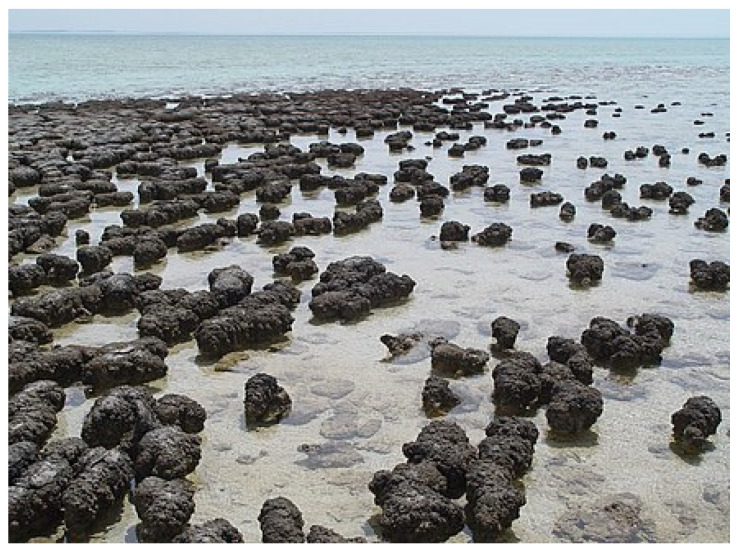
“Fossil stromatolites provide our earliest evidence of cellular life, [143].”
BackgroundOn the origin of genomes and cells within inorganic compartments
Koonin, E. V., & Martin, W. (2005) · Trends in Genetics · doi:10.1016/j.tig.2005.09.006 · Cited by 406 · cited 3×
“The minute size of the microchambers within the vents allows reactants and products to reach very high concentrations which promotes the formation of larger molecules, particularly polypeptides several amino acids in length and polynucleotides many nucleotides in length [94,95].”
BackgroundOrigin and evolution of the genetic code: The universal enigma
Koonin, E. V., & Novozhilov, A. S. (2009) · IUBMB Life · doi:10.1002/iub.146 · Cited by 392 · cited 1×
“…provide an analysis of the selective forces responsible for the protein and RNA composition of the ribosome [123] Protein synthesis is a remarkable and complex process that translates with high fidelity the nucleotide sequences carried in the DNA into proteins’ sequences of amino acids [124].”
BackgroundHow did LUCA make a living? Chemiosmosis in the origin of life
Lane, N., Allen, J. F., & Martin, W. (2010) · BioEssays · doi:10.1002/bies.200900131 · Cited by 377 · cited 1×
“An additional set of reactions termed the Calvin cycle utilized the ATP and NADH to convert carbon dioxide and water into organic compounds including glucose [97,107].”
BackgroundTransgenerational Inheritance of an Acquired Small RNA-Based Antiviral Response in C. elegans
Rechavi, O., Minevich, G., & Hobert, O. (2011) · Cell · doi:10.1016/j.cell.2011.10.042 · Cited by 351 · cited 2×
“The ‘inheritance of acquired characteristics’ has been suggested, although few mechanisms have been proposed, and there is no evidence for the modification of the genetic core (DNA sequence) based on acquired characteristics [157,159].”
BackgroundDid DNA replication evolve twice independently?
Leipe, D. D., Aravind, L., & Koonin, E. V. (1999) · Nucleic Acids Research · doi:10.1093/nar/27.17.3389 · Cited by 351
Submarine hot springs and the origin of life
Miller, S. L., & Bada, J. L. (1988) · Nature · doi:10.1038/334609a0 · Cited by 338 · cited 1×
“This suggestion was, however, countered by Stanley Miller and Jeffrey Bada (1942–) who disparaged the vents as suitable venues largely because of their high temperature and acidity [86].”
ResultNonenzymatic Metabolic Reactions and Life’s Origins
Muchowska, K. B., Varma, S. J., & Moran, J. (2020) · Chemical Reviews · doi:10.1021/acs.chemrev.0c00191 · Cited by 317 · cited 3×
“Overall, the initial production of large arrays of organic molecules, although challenging, does not seem to present an insurmountable conceptual problem [108–110].”
BackgroundThermal Copolymerization of Amino Acids to a Product Resembling Protein
Fox, S. W., & Harada, K. (1958) · Science · doi:10.1126/science.128.3333.1214 · Cited by 292 · cited 3×
“Thus, conceiving of a suitable venue with high temperatures or exposure to ultraviolet radiation or lightning which also leads to the accumulation of organic molecules in high concentrations is very challenging [29,78,79].”
BackgroundThe Drive to Life on Wet and Icy Worlds
Russell, M. J., Barge, L. M., Bhartia, R., Bocanegra, D., Bracher, P. J., Branscomb, E., Kidd, R., McGlynn, S., Meier, D. H., Nitschke, W., et al. (2014) · Astrobiology · doi:10.1089/ast.2013.1110 · Cited by 288 · cited 1×
“These vents were fueled by serpentinization, a geologic metamorphic process that results from the interaction between the hot rock of the upper mantle and sea water that produces heat and is an abundant source of the electron donor H 2 [91–93].”
BackgroundDoolittle, W. F. (2000) · Scientific American · doi:10.1038/scientificamerican0200-90 · Cited by 275 · cited 1×
“One of the major early hypotheses for the origin of eukaryotes proposed that a large precursor to the eukaryotic cell lacking mitochondria, but capable of phagocytosis, en-gulfed the bacteria, which were to become the mitochondria [147].”
BackgroundA hydrogen-dependent geochemical analogue of primordial carbon and energy metabolism
Preiner, M., Igarashi, K., Muchowska, K. B., Yu, M., Varma, S. J., Kleinermanns, K., Nobu, M. K., Kamagata, Y., Tüysüz, H., Moran, J., et al. (2020) · Nature Ecology & Evolution · doi:10.1038/s41559-020-1125-6 · Cited by 272 · cited 1×
“It uses enzymes that have at their cores transition metal clusters found in the hydrothermal vents, and is strictly anaerobic (consistent with it being ancient) [8,9].”
BackgroundA hydrogen dependent geochemical analogue of primordial carbon and energy metabolism
Preiner, M., Igarashi, K., Muchowska, K. B., Yu, M., Varma, S. J., Kleinermanns, K., Nobu, M. K., Kamagata, Y., Tüysüz, H., Moran, J., et al. (2019) · doi:10.1101/682955 · Cited by 272
A self-replicating ligase ribozyme
Paul, N., & Joyce, G. F. (2002) · Proceedings of the National Academy of Sciences · doi:10.1073/pnas.202471099 · Cited by 264 · cited 1×
“Gerald Joyce (1956–) and coworkers have been able to produce an RNA ligase capable of self-replication in vitro [118] Marshall and Brunk call this phase in the development of life the ‘plus RNA World’ to highlight the fact”
BackgroundDarwinian evolution in the light of genomics
Koonin, E. V. (2008) · Nucleic Acids Research · doi:10.1093/nar/gkp089 · Cited by 256 · cited 1×
“Protein’s fundamental role in living systems was well established, and with over twenty different amino acids they appeared to have the complexity a genetic core would require [59,63,64].”
BackgroundSchrum, J. P., Zhu, T. F., & Szostak, J. W. (2010) · Cold Spring Harbor Perspectives in Biology · doi:10.1101/cshperspect.a002212 · Cited by 255 · cited 1×
“Although coacervates (protocells) remain a popular suggested venue for life’s origin, especially in the development of biology once RNA had evolved, it is difficult to imagine how sufficient fluxes of energy and material can be made available to the interior of these isolated bubbles [75,76].”
BackgroundDetecting autocatalytic, self-sustaining sets in chemical reaction systems
Hordijk, W., & Steel, M. (2004) · Journal of Theoretical Biology · doi:10.1016/j.jtbi.2003.11.020 · Cited by 251
A key role for green rust in the Precambrian oceans and the genesis of iron formations
Halevy, I., Alesker, M., Schuster, E. M., Popovitz-Biro, R., & Feldman, Y. (2017) · Nature Geoscience · doi:10.1038/ngeo2878 · Cited by 247 · cited 1×
“In addition, many ionic molecules were already present in the vent flux and lined the microchamber walls, including green rust (foug é rite), enhancing the biochemical pathways [101,122].”
BackgroundCech, T. R. (2012) · Cold Spring Harbor Perspectives in Biology · doi:10.1101/cshperspect.a006742 · Cited by 244 · cited 2×
“The traditional view, stemming from the co-dependence of DNA and proteins in modern cells, is that the biology (e.g., catalysis) of first life was dominated by RNAs (ribozymes in the absence of protein and DNA), the so-called RNA world; see [115,127,128] for a review.”
BackgroundWolf, Y. I., & Koonin, E. V. (2007) · Biology Direct · doi:10.1186/1745-6150-2-14 · Cited by 235 · cited 1×
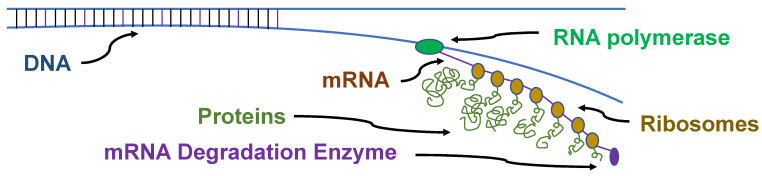
“…DNA sequences are transcribed into messenger RNA (mRNA) sequences; the mRNA is then translated into a protein sequence using transfer RNAs (tRNAs), where one end of the tRNA corresponds to the one of the codons of the genetic code, while the other end binds the corresponding amino acid [125].”
Horizontal Gene Transfer in Eukaryotes: Not if, but How Much?
Van Etten, J., & Bhattacharya, D. (2020) · Trends in Genetics · doi:10.1016/j.tig.2020.08.006 · Cited by 231 · cited 1×
“Initially observed in prokaryotes, lateral gene transfer is found among virtually all species [71,72], and can make phylogenetic analysis of lineages challenging [73].”
BackgroundOpinion: Studies on the origin of life — the end of the beginning
Sutherland, J. D. (2017) · Nature Reviews Chemistry · doi:10.1038/s41570-016-0012 · Cited by 225 · cited 2×
“It has been stated based on these considerations “ that the idea that life originated at vents should, like the vents themselves, remain ‘In the deep bosom of the ocean buried’ ” [33].”
BackgroundMechanisms for initiating cellular DNA replication
Bleichert, F., Botchan, M. R., & Berger, J. M. (2017) · Science · doi:10.1126/science.aah6317 · Cited by 220 · cited 1×
“The fact that the mechanisms of DNA replication in bacteria and archaea are different [133] suggests the possibility that DNA, as the primary information storage molecule, evolved independently in each of these lineages [133–135].”
BackgroundThe origin of life as a planetary phenomenon
Sasselov, D. D., Grotzinger, J. P., & Sutherland, J. D. (2020) · Science Advances · doi:10.1126/sciadv.aax3419 · Cited by 210 · cited 2×
“Ultraviolet light has been championed by John Sutherland (1962–) and others [30,37], given that it can be used to energize the synthesis of a number of important precursor biochemicals including purines and pyrimidines [29,31,32,78].”
BackgroundOrigin and Evolution of the Universal Genetic Code
Koonin, E. V., & Novozhilov, A. S. (2017) · Annual Review of Genetics · doi:10.1146/annurev-genet-120116-024713 · Cited by 200 · cited 2×
“There are 64 codons in the genetic code, and each one specifies one of the twenty amino acids (or serves as start or stop codons) [126].”
BackgroundMereschkowsky, C. (1910) · Medical Entomology and Zoology · Cited by 200
Vasas, V., Szathmáry, E., & Santos, M. (2010) · Proceedings of the National Academy of Sciences · doi:10.1073/pnas.0912628107 · Cited by 196 · cited 2×
“With time, we surmise that RAFs increased in size and complexity, but they could not reproduce [113] as they had no genetic core.”
BackgroundNutman, A. P., Mojzsis, S. J., & Friend, C. R. L. (1997) · Geochimica et Cosmochimica Acta · doi:10.1016/s0016-7037(97)00097-5 · Cited by 196
Autocatalytic chemical networks at the origin of metabolism
Xavier, J. C., Hordijk, W., Kauffman, S., Steel, M., & Martin, W. F. (2020) · Proceedings of the Royal Society B: Biological Sciences · doi:10.1098/rspb.2019.2377 · Cited by 196 · cited 1×
“We surmise that the initial reactions occurring in the vent microchamber system built into RAFs without the assistance of ribozyme or enzyme catalysts [106].”
BackgroundSelective prebiotic formation of RNA pyrimidine and DNA purine nucleosides
Xu, J., Chmela, V., Green, N. J., Russell, D. A., Janicki, M. J., Góra, R. W., Szabla, R., Bond, A. D., & Sutherland, J. D. (2020) · Nature · doi:10.1038/s41586-020-2330-9 · Cited by 176 · cited 2×
“Ultraviolet light has been championed by John Sutherland (1962–) and others [30,37], given that it can be used to energize the synthesis of a number of important precursor biochemicals including purines and pyrimidines [29,31,32,78].”
The Evolution of the Earliest Cells
Schopf, J. W. (1978) · Scientific American · doi:10.1038/scientificamerican0978-110 · Cited by 161 · cited 1×
“…past; for example, the fact that some aerobic metabolic pathways (e.g., for sterol and fatty-acid synthesis) are built on anaerobic foundations [5], the fact that the catalytic function of the ribosome, peptidyl transferase, is a ribozyme, as well as the fact that the enzyme that assimilates…”
BackgroundSubmarine hot springs and the origin of life
RUSSELL, M. J., HALL, A. J., CAIRNS-SMITH, A. G., & BRATERMAN, P. S. (1988) · Nature · doi:10.1038/336117a0 · Cited by 161 · cited 1×
“…and colleagues recognized that milder vents some distance from the sites of the seafloor spreading with alkaline flux and lower temperatures would be an attractive venue for the origin of life [87], in part because the vents were riddled with tiny, approximately cell-sized microchambers [88,89].”
BackgroundUV-light-driven prebiotic synthesis of iron-sulfur clusters
Bonfio, C., Valer, L., Scintilla, S., Shah, S., Evans, D. J., Jin, L., Szostak, J. W., Sasselov, D. D., Sutherland, J. D., & Mansy, S. S. (2017) · Nature Chemistry · doi:10.1038/nchem.2817 · Cited by 158 · cited 2×
“Ultraviolet light has been championed by John Sutherland (1962–) and others [30,37], given that it can be used to energize the synthesis of a number of important precursor biochemicals including purines and pyrimidines [29,31,32,78].”
BackgroundSchönheit, P., Buckel, W., & Martin, W. F. (2016) · Trends in Microbiology · doi:10.1016/j.tim.2015.10.003 · Cited by 156
Physiology is rocking the foundations of evolutionary biology
Noble, D. (2013) · Experimental Physiology · doi:10.1113/expphysiol.2012.071134 · Cited by 149 · cited 3×
“The ‘inheritance of acquired characteristics’ has been suggested, although few mechanisms have been proposed, and there is no evidence for the modification of the genetic core (DNA sequence) based on acquired characteristics [157,159].”
BackgroundEvolution evolves: physiology returns to centre stage
Noble, D., Jablonka, E., Joyner, M. J., Müller, G. B., & Omholt, S. W. (2014) · The Journal of Physiology · doi:10.1113/jphysiol.2014.273151 · Cited by 142 · cited 1×
“However, increasingly credible evidence suggests something like this may occur [109,157,159,160].”
BackgroundOn the co‐evolution of surface oxygen levels and animals
Cole, D. B., Mills, D. B., Erwin, D. H., Sperling, E. A., Porter, S. M., Reinhard, C. T., & Planavsky, N. J. (2020) · Geobiology · doi:10.1111/gbi.12382 · Cited by 141 · cited 2×
“While the exact environment on Earth at that time is less than certain [49], it is clear that the young Earth was very different, including being effectively devoid of atmospheric molecular oxygen [18] and life.”
BackgroundIn vitro growth of iron sulphide chimneys: possible culture chambers for origin‐of‐life experiments
Russell, M. J., Hall, A. J., & Turner, D. (1989) · Terra Nova · doi:10.1111/j.1365-3121.1989.tb00364.x · Cited by 138 · cited 1×
“…and colleagues recognized that milder vents some distance from the sites of the seafloor spreading with alkaline flux and lower temperatures would be an attractive venue for the origin of life [87], in part because the vents were riddled with tiny, approximately cell-sized microchambers [88,89].”
BackgroundHOMOLOGY BETWEEN RNA FROM ROUS SARCOMA VIRUS AND DNA FROM ROUS SARCOMA VIRUS-INFECTED CELLS
Temin, H. M. (1964) · Proceedings of the National Academy of Sciences · doi:10.1073/pnas.52.2.323 · Cited by 136 · cited 1×
“The first major challenge to the Central Dogma occurred when Howard Temin (1934–1994) and David Baltimore (1938–) independently observed the transfer of information from RNA to DNA via reverse transcriptase [68,69].”
BackgroundThe Greatest Step in Vertebrate History: A Paleobiological Review of the Fish‐Tetrapod Transition
Long, J. A., & Gordon, M. S. (2004) · Physiological and Biochemical Zoology · doi:10.1086/425183 · Cited by 135 · cited 1×
“For example, the vertebrate invasion of land was built upon the pre-adaptive origin of limbs, digits and lungs that had evolved for life in water [10,11], and the transition was not possible until there was a terrestrial ecosystem in place, including plants [12], fungi and bacteria [13], and…”
BackgroundOlder than genes: the acetyl CoA pathway and origins
Martin, W. F. (2020) · Frontiers in Microbiology · doi:10.3389/fmicb.2020.00817 · Cited by 132 · cited 5×
“It uses enzymes that have at their cores transition metal clusters found in the hydrothermal vents, and is strictly anaerobic (consistent with it being ancient) [8,9].”
BackgroundInfluentialNoyes, J. (1983) · International Journal of Man-Machine Studies · doi:10.1016/s0020-7373(83)80010-8 · Cited by 130 · cited 1×
“The name stems from the fact that the layout of the keyboard today, with the first row of letters beginning with QWERTY, is largely a consequence of the initial design [1,2], which, while perhaps optimal at the time [3], appears to be now less efficient than other designs [4].”
BackgroundA research journey with ATP synthase
Boyer, P. D. (2002) · Journal of Biological Chemistry · doi:10.1074/jbc.x200001200 · Cited by 130 · cited 1×
“ATP synthase is a remarkable molecular machine involving a membrane-bound stator surrounding a rotor which turns as protons cross the membrane and pass through the machine [130].”
BackgroundGeodynamic and metabolic cycles in the Hadean
Russell, M. J., & Arndt, N. T. (2005) · Biogeosciences · doi:10.5194/bg-2-97-2005 · Cited by 126 · cited 1×
“It is even possible that the planet’s crust in the Hadean was completely submerged by an ocean to perhaps a depth of 5 km [36,140].”
BackgroundOrigin and Early Evolution of the Eukaryotic Cell
Gabaldón, T. (2021) · Annual Review of Microbiology · doi:10.1146/annurev-micro-090817-062213 · Cited by 121
In vitro splicing of the ribosomal RNA precursor in nuclei of tetrahymena
Zaug, A. J., & Cech, T. R. (1980) · Cell · doi:10.1016/0092-8674(80)90507-3 · Cited by 115 · cited 1×
“In 1982, this conflict In modern biology, nucleotide triphosphates ful fi ll this role, particularly adenosine triphosphate (ATP). was resolved by the discovery of ribozymes, catalytic RNA molecules [114,115].”
BackgroundCan ENCODE tell us how much junk DNA we carry in our genome?
Niu, D., & Jiang, L. (2012) · Biochemical and Biophysical Research Communications · doi:10.1016/j.bbrc.2012.12.074 · Cited by 111 · cited 1×
“There was significant push back, noting that transcription does not automatically assure function [148–151], but transcribing that much DNA strongly suggests some function.”
BackgroundPropulsive nanomachines: the convergent evolution of archaella, flagella and cilia
Beeby, M., Ferreira, J. L., Tripp, P., Albers, S.-V., & Mitchell, D. R. (2020) · FEMS Microbiology Reviews · doi:10.1093/femsre/fuaa006 · Cited by 110 · cited 2×
“This supposition gains support from the observation that the independently evolved locomotory organs of the bacteria (the flagellum) and archaea (archaella) both have at their core adhesins, molecules that enable the attachment of the cell to external surfaces [136].”
BackgroundResult(2018) · doi:10.1201/b22230 · Cited by 109
Turnstiles and bifurcators: The disequilibrium converting engines that put metabolism on the road
Branscomb, E., & Russell, M. J. (2013) · Biochimica et Biophysica Acta (BBA) - Bioenergetics · doi:10.1016/j.bbabio.2012.10.003 · Cited by 105
Dalrymple, G. B. (1991) · doi:10.1515/9781503621596 · Cited by 103
A prebiotic basis for ATP as the universal energy currency
Pinna, S., Kunz, C., Halpern, A., Harrison, S. A., Jordan, S. F., Ward, J., Werner, F., & Lane, N. (2022) · PLOS Biology · doi:10.1371/journal.pbio.3001437 · Cited by 103 · cited 2×
“Acetyl phosphate (AcP) may well have been a precursor of ATP [112].”
BackgroundGreen Rust: The Simple Organizing ‘Seed’ of All Life?
Russell, M. J. (2018) · Life · doi:10.3390/life8030035 · Cited by 101 · cited 1×
“In addition, many ionic molecules were already present in the vent flux and lined the microchamber walls, including green rust (foug é rite), enhancing the biochemical pathways [101,122].”
BackgroundRNA, the Epicenter of Genetic Information: A new understanding of molecular biology
Mattick, J. S., & Amaral, P. (2022) · CRC Press eBooks · doi:10.1201/9781003109242 · Cited by 100 · cited 2×
“We now have a much more sophisticated understanding of the remarkable biology of RNAs [152,153].”
BackgroundCellular remains in a ~3.42-billion-year-old subseafloor hydrothermal environment
Cavalazzi, B., Lemelle, L., Simionovici, A., Cady, S. L., Russell, M. J., Bailo, E., Canteri, R., Enrico, E., Manceau, A., Maris, A., et al. (2021) · Science Advances · doi:10.1126/sciadv.abf3963 · Cited by 95 · cited 1×
“The oldest water-lain sediments date to 3.8 to 3.9 billion years ago [50], so there is virtually no geologic data from the time of life’s origin [51,52].”
BackgroundInfluentialBowler, P. J. (2009) · University of California Press eBooks · doi:10.1525/9780520945326 · Cited by 94
Historical Development of Origins Research
Lazcano, A. (2010) · Cold Spring Harbor Perspectives in Biology · doi:10.1101/cshperspect.a002089 · Cited by 91
A wet heterogeneous mantle creates a habitable world in the Hadean
Miyazaki, Y., & Korenaga, J. (2022) · Nature · doi:10.1038/s41586-021-04371-9 · Cited by 90 · cited 1×
“…the early Earth, it is quite possible that hydrothermal activity driven by serpentinization may have covered much of the sea floor by the middle of the Hadean [137]; the oceanic seafloor, when life originated, may had been replete with useable redox gradients as resources for the first cells.”
BackgroundArchaeology of Eukaryotic DNA Replication
Makarova, K. S., & Koonin, E. V. (2013) · Cold Spring Harbor Perspectives in Biology · doi:10.1101/cshperspect.a012963 · Cited by 87 · cited 1×
“The fact that the mechanisms of DNA replication in bacteria and archaea are different [133] suggests the possibility that DNA, as the primary information storage molecule, evolved independently in each of these lineages [133–135].”
BackgroundCamprubí, E., de Leeuw, J. W., House, C. H., Raulin, F., Russell, M. J., Spang, A., Tirumalai, M. R., & Westall, F. (2019) · Space Science Reviews · doi:10.1007/s11214-019-0624-8 · Cited by 84
The Importance of Being Alkaline
Russell, M. J. (2003) · Science · doi:10.1126/science.1091765 · Cited by 81 · cited 1×
“The system had a cooler alkaline flux, and their vent spires, largely comprised of calcium carbonate, were called ‘white smokers” (although they did not emit smoke) [48,90].”
Ribosomes are optimized for autocatalytic production
Reuveni, S., Ehrenberg, M., & Paulsson, J. (2017) · Nature · doi:10.1038/nature22998 · Cited by 78 · cited 1×
“Reuveni et al. (2017) provide an analysis of the selective forces responsible for the protein and RNA composition of the ribosome [123] Protein synthesis is a remarkable and complex process that translates with high fidelity the nucleotide sequences carried in the DNA into proteins’ sequences of…”
BackgroundSupply of phosphate to early Earth by photogeochemistry after meteoritic weathering
Ritson, D. J., Mojzsis, S. J., & Sutherland, J. D. (2020) · Nature Geoscience · doi:10.1038/s41561-020-0556-7 · Cited by 78 · cited 1×
“The invocation of ultraviolet light or lightning as the source of energy that drove the formations of first organic molecules, with or without a proposed role of wet/dry cycles, is also problematic [29,77].”
BackgroundCapel, E., Cleal, C. J., Xue, J., Monnet, C., Servais, T., & Cascales‐Miñana, B. (2022) · Earth-Science Reviews · doi:10.1016/j.earscirev.2022.104085 · Cited by 77 · cited 1×
“…the vertebrate invasion of land was built upon the pre-adaptive origin of limbs, digits and lungs that had evolved for life in water [10,11], and the transition was not possible until there was a terrestrial ecosystem in place, including plants [12], fungi and bacteria [13], and invertebrates [14].”
BackgroundApproaches to the Origin of Life on Earth
Kauffman, S. A. (2011) · Life · doi:10.3390/life1010034 · Cited by 74 · cited 2×
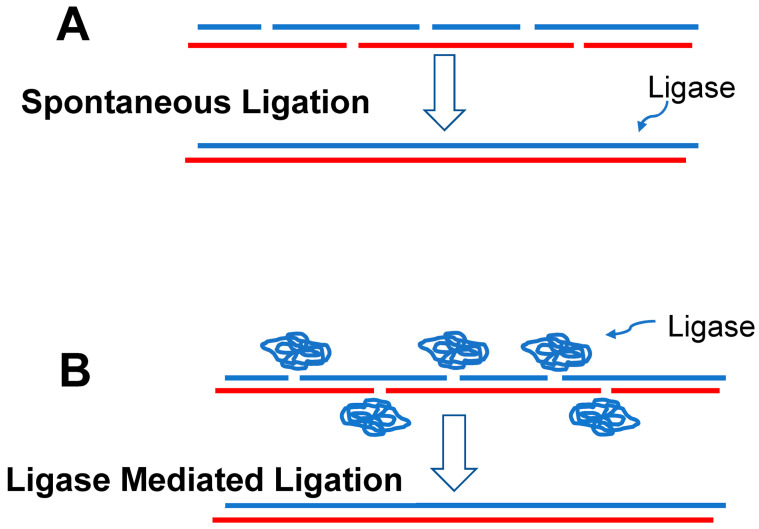
“Short duplexes could be knitted together into long strands (Figure 2), which were among the most valuable elements in the later developing RAFs due to their ability to store and transfer information [108].”
BackgroundBeyazay, T., Belthle, K. S., Farès, C., Preiner, M., Moran, J., Martin, W. F., & Tüysüz, H. (2023) · Nature Communications · doi:10.1038/s41467-023-36088-w · Cited by 72
Insuperable problems of the genetic code initially emerging in an RNA world
Wills, P. R., & Carter, C. W. (2017) · Biosystems · doi:10.1016/j.biosystems.2017.09.006 · Cited by 67
Evolution "On Purpose": Teleonomy in Living Systems
(2023) · doi:10.7551/mitpress/14642.001.0001 · Cited by 66
Schwander, L., Brabender, M., Mrnjavac, N., Wimmer, J. L. E., Preiner, M., & Martin, W. F. (2023) · Frontiers in Microbiology · doi:10.3389/fmicb.2023.1257597 · Cited by 65 · cited 2×
“Initial RAFs However, the process of serpentinization is now known in many types of environments [38].”
BackgroundMargulis, L. (2010) · Paleontological Journal · doi:10.1134/s0031030110120087 · Cited by 64 · cited 2×
“She avidly promoted the idea that the mitochondria found in eukaryotic cells were of aerobic bacteria origin that had been ingested by a large anaerobic cell: symbiogenesis [145,146].”
BackgroundPhytoplankton pangenome reveals extensive prokaryotic horizontal gene transfer of diverse functions
Fan, X., Qiu, H., Han, W., Wang, Y., Xu, D., Zhang, X., Bhattacharya, D., & Ye, N. (2020) · Science Advances · doi:10.1126/sciadv.aba0111 · Cited by 64 · cited 1×
“Initially observed in prokaryotes, lateral gene transfer is found among virtually all species [71,72], and can make phylogenetic analysis of lineages challenging [73].”
BackgroundMendel and Darwin: untangling a persistent enigma
Fairbanks, D. J. (2019) · Heredity · doi:10.1038/s41437-019-0289-9 · Cited by 63 · cited 2×
“Protein’s fundamental role in living systems was well established, and with over twenty different amino acids they appeared to have the complexity a genetic core would require [59,63,64].”
BackgroundRerun the tape of history and QWERTY always wins
Kay, N. M. (2013) · Research Policy · doi:10.1016/j.respol.2013.03.007 · Cited by 62 · cited 1×
“The name stems from the fact that the layout of the keyboard today, with the first row of letters beginning with QWERTY, is largely a consequence of the initial design [1,2], which, while perhaps optimal at the time [3], appears to be now less efficient than other designs [4].”
BackgroundOne step beyond a ribosome: The ancient anaerobic core
Sousa, F. L., Nelson-Sathi, S., & Martin, W. F. (2016) · Biochimica et Biophysica Acta (BBA) - Bioenergetics · doi:10.1016/j.bbabio.2016.04.284 · Cited by 58 · cited 1×
“The fact that the peptidyl transferase at the center of modern ribosomes is still a ribozyme provides support for an early role of RNA catalysis [119–121].”
BackgroundMarshall, C. R., & Schultze, H. (1992) · Journal of Molecular Evolution · doi:10.1007/bf00183220 · Cited by 57 · cited 1×
“For example, the vertebrate invasion of land was built upon the pre-adaptive origin of limbs, digits and lungs that had evolved for life in water [10,11], and the transition was not possible until there was a terrestrial ecosystem in place, including plants [12], fungi and bacteria [13], and…”
BackgroundSelf-citationArchaeal Histone Contributions to the Origin of Eukaryotes
Brunk, C. F., & Martin, W. F. (2019) · Trends in Microbiology · doi:10.1016/j.tim.2019.04.002 · Cited by 55 · cited 3×
“Eukaryotic DNA is organized into linear chromosomes composed of chromatin facilitated by histones, DNA binding proteins that form regular compact structures [19].”
BackgroundSelf-citationWestall, F., Brack, A., Fairén, A. G., & Schulte, M. D. (2023) · Frontiers in Astronomy and Space Sciences · doi:10.3389/fspas.2022.1095701 · Cited by 55 · cited 1×
“Ultraviolet light has been championed by John Sutherland (1962–) and others [30,37], given that it can be used to energize the synthesis of a number of important precursor biochemicals including purines and pyrimidines [29,31,32,78].”
BackgroundTerrestrial invertebrates in the Rhynie chert ecosystem
Dunlop, J. A., & Garwood, R. J. (2018) · Philosophical Transactions of the Royal Society B: Biological Sciences · doi:10.1098/rstb.2016.0493 · Cited by 53 · cited 1×
“…the vertebrate invasion of land was built upon the pre-adaptive origin of limbs, digits and lungs that had evolved for life in water [10,11], and the transition was not possible until there was a terrestrial ecosystem in place, including plants [12], fungi and bacteria [13], and invertebrates [14].”
BackgroundThe Evolution and Evolvability of Photosystem II
Oliver, T., Kim, T. D., Trinugroho, J. P., Cordón-Preciado, V., Wijayatilake, N., Bhatia, A., Rutherford, A. W., & Cardona, T. (2023) · Annual Review of Plant Biology · doi:10.1146/annurev-arplant-070522-062509 · Cited by 52 · cited 1×
“Following the original development of photosynthesis, two versions of the original photosystem, called photosystem I and photosystem II, were coupled, enabling solar photons to split water (instead of hydrogen sulfide), producing molecular oxygen and hydrogen [142].”
BackgroundRNA–DNA Chimeras in the Context of an RNA World Transition to an RNA/DNA World
Gavette, J. V., Stoop, M., Hud, N. V., & Krishnamurthy, R. (2016) · Angewandte Chemie International Edition · doi:10.1002/anie.201607919 · Cited by 51 · cited 3×
“This suggests that DNA as an information storage molecule may have been a later innova-Life tion, eventually replacing RNA as the primary genetic core material, even though DNA may have arisen at approximately the same time as RNA [22].”
BackgroundInfluentialBeyazay, T., Ochoa‐Hernández, C., Song, Y., Belthle, K. S., Martin, W. F., & Tüysüz, H. (2023) · Angewandte Chemie International Edition · doi:10.1002/anie.202218189 · Cited by 50
Berry, A., & Browne, J. (2022) · Proceedings of the National Academy of Sciences · doi:10.1073/pnas.2122144119 · Cited by 49 · cited 1×
“Protein’s fundamental role in living systems was well established, and with over twenty different amino acids they appeared to have the complexity a genetic core would require [59,63,64].”
BackgroundThe “Water Problem”(sic), the Illusory Pond and Life’s Submarine Emergence—A Review
Russell, M. J. (2021) · Life · doi:10.3390/life11050429 · Cited by 48 · cited 2×
“It is even possible that the planet’s crust in the Hadean was completely submerged by an ocean to perhaps a depth of 5 km [36,140].”
BackgroundProkaryotic Metabolism and Physiology
Kim, B. H., & Gadd, G. M. (2019) · doi:10.1017/9781316761625 · Cited by 46 · cited 1×
“Once free of the vent microchambers, different lineages were able to adapt to the broad range of electron donors likely available [139] and beyond the hydrogen they relied on within the vents, expanding the range of environments that they were able to live in.”
BackgroundNOTES ON A MAJOR OCEANOGRAPHIC FIND.
Ballard, R. D., & Rd, B. (1977) · Cited by 41
Belthle, K. S., Beyazay, T., Ochoa-Hernández, C., Miyazaki, R., Foppa, L., Martin, W. F., & Tüysüz, H. (2022) · Journal of the American Chemical Society · doi:10.1021/jacs.2c08845 · Cited by 41
What prevents mainstream evolutionists teaching the whole truth about how genomes evolve?
Shapiro, J. A., & Noble, D. (2021) · Progress in Biophysics and Molecular Biology · doi:10.1016/j.pbiomolbio.2021.04.004 · Cited by 39 · cited 3×
“Thus, by the end of the 20th century, there were notable exceptions to the ‘Central Dogma’, and the true nature of the evolutionary process was still being debated [74].”
BackgroundSymbiogenesis, gradualism, and mitochondrial energy in eukaryote origin
Martin, W. F. (2017) · Periodicum Biologorum · doi:10.18054/pb.v119i3.5694 · Cited by 38 · cited 4×
“…cell was dependent on the origin of histone-like proteins in the archaeal partner [19], and oxidative phosphorylation in the bacterial partner [20,21], which itself was a response to the rise in oxygen, which in turn was as a consequence of the emergence of oxygenic photosynthesis, which…”
BackgroundInfluentialFossil filamentous microorganisms associated with plants in early terrestrial environments
Strullu‐Derrien, C. (2018) · Current Opinion in Plant Biology · doi:10.1016/j.pbi.2018.04.001 · Cited by 36
Molecular evolution of the first cells
Fox, S. W. (1973) · Pure and Applied Chemistry · doi:10.1351/pac197334030641 · Cited by 34 · cited 1×
“Similarly, high temperatures are capable of producing polypeptides, as shown by Sidney Fox (1912–1998); however, they are also highly destructive of macromolecules [79,80].”
BackgroundWhere Did Life Begin? Testing Ideas in Prebiotic Analogue Conditions
Deamer, D. (2021) · Life · doi:10.3390/life11020134 · Cited by 31 · cited 3×
“The invocation of ultraviolet light or lightning as the source of energy that drove the formations of first organic molecules, with or without a proposed role of wet/dry cycles, is also problematic [29,77].”
BackgroundMarshal, C. R., & Valentine, J. W. (2009) · Evolution · doi:10.1111/j.1558-5646.2009.00908.x · Cited by 30 · cited 1×
“Similarly, the Cambrian explosion, the rapid appearance of the majority of the animal phyla [15], was built upon extensive genomic preadaptation [16], including the evolution of a combinatorial developmental system [15,17].”
BackgroundFlorkin, M., & Earth, I. S. O. T. O. O. L. O. (1960) · Elsevier eBooks · doi:10.5962/bhl.title.10213 · Cited by 27
From the Mantle to Microbes: The Lost City Hydrothermal Field
Kelley, D. S. (2005) · Oceanography · doi:10.5670/oceanog.2005.23 · Cited by 26 · cited 2×
“Then, in 2000, the discovery of the ‘Lost City’ alkaline hydrothermal vents by Deborah Kelley (1958–) and colleagues provided an attractive present-day analog of the venue for the origin of life [47,48].”
BackgroundCobalt: A must-have element for life and livelihood
Russell, M. J. (2022) · Proceedings of the National Academy of Sciences · doi:10.1073/pnas.2121307119 · Cited by 26
Driving forces in the origins of life
Dill, K. A., & Agozzino, L. (2021) · Open Biology · doi:10.1098/rsob.200324 · Cited by 24 · cited 1×
“The traditional view, stemming from the co-dependence of DNA and proteins in modern cells, is that the biology (e.g., catalysis) of first life was dominated by RNAs (ribozymes in the absence of protein and DNA), the so-called RNA world; see [115,127,128] for a review.”
BackgroundBrunk, C. F., & Marshall, C. R. (2021) · Life · doi:10.3390/life11070690 · Cited by 23 · cited 5×
“…vent hypothesis, it fails to explain any of life’s current idiosyncrasies: for example, the differences in the compositions of the cell walls, cell membranes, and loco-motory devices of bacteria and archaea, and the bizarre nature of life’s use of chemiosmosis in the generation of ATP [34].”
BackgroundInfluentialSelf-citationWhy the Submarine Alkaline Vent is the Most Reasonable Explanation for the Emergence of Life
Branscomb, E., & Russell, M. J. (2019) · BioEssays · doi:10.1002/bies.201800208 · Cited by 22 · cited 2×
“The minute size of the microchambers within the vents allows reactants and products to reach very high concentrations which promotes the formation of larger molecules, particularly polypeptides several amino acids in length and polynucleotides many nucleotides in length [94,95].”
BackgroundReciprocally-Coupled Gating: Strange Loops in Bioenergetics, Genetics, and Catalysis
Carter, C. W., & Wills, P. R. (2021) · Biomolecules · doi:10.3390/biom11020265 · Cited by 21 · cited 3×
“Similarly, an emerging theory for the origin of the ribosome, the machinery that makes proteins, suggests that its complexity arose directly from a co-evolutionary process, rather than via the co-option of previously evolved complexity [25–27].”
BackgroundReciprocally-coupled Gating: Strange Loops in Bioenergetics, Genetics, and Catalysis
Carter, Jr., & Wills, P. R. (2021) · doi:10.20944/preprints202101.0057.v1 · Cited by 18
Hybrid organic–inorganic structures trigger the formation of primitive cell-like compartments
Holler, S., Bartlett, S., Löffler, R. J. G., Casiraghi, F., Diaz, C. I. S., Cartwright, J. H. E., & Hanczyc, M. M. (2023) · Proceedings of the National Academy of Sciences · doi:10.1073/pnas.2300491120 · Cited by 17 · cited 2×
“In this context, there is evidence that interactions between the inorganic walls of the vent microchambers and fatty alcohols may have facilitated the process of providing containment for life’s early chemistry [23].”
BackgroundImpedance Matching and the Choice Between Alternative Pathways for the Origin of Genetic Coding
Wills, P. R., & Carter, C. W. (2020) · International Journal of Molecular Sciences · doi:10.3390/ijms21197392 · Cited by 16
On the Emergence of Autonomous Chemical Systems through Dissipation Kinetics
Pross, A., & Pascal, R. (2023) · Life · doi:10.3390/life13112171 · Cited by 15 · cited 1×
“For example, from a metabolic perspective, life may be seen as a complex coordinated system of reactions, while thermodynamically life can be viewed as ‘way stations’ in the massive flow of energy as it passes from the sun or Earth to outer space [61].”
BackgroundThe Moon‐Forming Impact and the Autotrophic Origin of Life
Mrnjavac, N., Wimmer, J. L. E., Brabender, M., Schwander, L., & Martin, W. F. (2023) · ChemPlusChem · doi:10.1002/cplu.202300270 · Cited by 13
Fossil and Transcriptomic Perspectives on the Origins and Success of Metazoan Multicellularity
Valentine, J. W., & Marshall, C. R. (2015) · Advances in marine genomics · doi:10.1007/978-94-017-9642-2_2 · Cited by 12 · cited 1×
“Similarly, the Cambrian explosion, the rapid appearance of the majority of the animal phyla [15], was built upon extensive genomic preadaptation [16], including the evolution of a combinatorial developmental system [15,17].”
BackgroundSelf-citationBeyazay, T., Ochoa‐Hernández, C., Song, Y., Belthle, K. S., Martin, W. F., & Tüysüz, H. (2023) · Angewandte Chemie · doi:10.1002/ange.202218189 · Cited by 11
(2016) · PubMed · Cited by 10
Defining Life Multiple Perspectives
Kolb, V. M. (2018) · CRC Press eBooks · doi:10.1201/b22230-6 · Cited by 10
Physiology, phylogeny, and the energetic roots of life
Martin, W. F. (2017) · Periodicum Biologorum · doi:10.18054/pb.v118i4.4737 · Cited by 9 · cited 1×
“Initially observed in prokaryotes, lateral gene transfer is found among virtually all species [71,72], and can make phylogenetic analysis of lineages challenging [73].”
BackgroundAutocatalytic chemical networks preceded proteins and RNA in evolution
Xavier, J. C., Hordijk, W., Kauffman, S., Steel, M., & Martin, W. F. (2019) · doi:10.1101/693879 · Cited by 8
Long Non-coding RNA and Cancer
Morillon, A. (2018) · Elsevier eBooks · doi:10.1016/b978-1-78548-265-6.50005-8 · Cited by 7
Marshall, M. (2020) · University of Chicago Press eBooks · doi:10.7208/chicago/9780226715377.001.0001 · Cited by 5
Biochemistry, Electron Transport Chain
Ahmad, M., Wolberg, A., & Kahwaji, C. I. (2023) · PubMed
Research works printed but not linked: 7
- David P.A. Path Dependence and the Quest for Historical Economics: One More Chorus of the Ballad of QWERTY Discussion Papers in Economic and Social History University of Oxford Oxford, UK 1997
- Haldane J.B.S. The Origin of Life The Rationalist Annual The Rationalist Press Association London, UK 1929 Volume 3 3 10
- Mendel G.J. Versuche über Pflanzeb-Hybriden Verh. Naturforschenden Ver. Brünn 1865 4 3 47
- Dobzhansky T. Genetics and the Origin of Species Columbia University Press New York, NY, USA 1937
- Mayr E. Systematics and the Origin of Species Harvard University Press Cambridge, MA, USA 1942
- Corliss J.B. Baross J.A. Hoffman S.E. An Hypothesis Concerning the Relationship between Submarine Hot Springs and the Origin of Life on Earth Oceanol. Acta 1981 4 59 69
- Dawkins R. The Selfish Gene Oxford University Press Oxford, UK 1976
Cited by
Fungal Evolution: Aquatic–Terrestrial Transitions
Strullu‐Derrien, C., Rokas, A., James, T. Y., & Berbee, M. L. (2024) · Elsevier eBooks · doi:10.1016/b978-0-443-15750-9.00020-3 · Cited by 1
Grădinaru, A. C. (2026) · Life · doi:10.3390/life16010079 · Cited by 3
“Gilbert emphasized RNA’s dual informational and catalytic capacities and pointed to the ribosome’s peptidyl transferase center, composed entirely of r RNA, as compelling evidence that ancient life relied primarily on RNA catalysis [155,156].”
Various Viewpoints to Investigate the Origins of Life Are Needed
Jia, T. Z., & Chandru, K. (2024) · Life · doi:10.3390/life14101324
“In particular, they suggest that because bacteria and archaea are so different, cellularization likely evolved twice, eventually leading to the emergence of eukaryotes via the fusion of bacteria and archaea [5].”
BackgroundMiller, W. B., Baluška, F., Slijepčević, P., & Reber, A. S. (2026) · Springer eBooks · doi:10.1007/978-3-032-23779-8_7
Epidemics by beneficial microorganisms drive evolution
Rosenberg, E. (2026) · Infection Genetics and Evolution · doi:10.2139/ssrn.7154275
Metadata
- Authors
- Brunk, C. F., & Marshall, C. R.
- Affiliations
- University of California, Los Angeles (US)
- University of California, Berkeley (US)
- Corresponding author
- Brunk, Clifford F.
- Marshall, Charles R.
- ORCID
- Marshall, Charles R.
- Venue
- Life
- Publisher
- MDPI AG
- Published
- 2024-02-05
- Volume
- 14
- Issue
- 2
- Pages
- 226
- ISSN
- 2075-1729 (ISSN-L)
- PMC
- PMC10890422
- OpenAlex
- W4391530903
- Cited by
- 5
- References
- 160
- Citations by year
- 2026: 3 · 2024: 2
- FWCI
- 0.25
- Type
- journal article
- Language
- en
- Open access
- gold
- doi.org
- Licence
- Locations
- Life (publishedVersion, cc-by)
- PubMed Central (publishedVersion, cc-by)
- PubMed (publishedVersion)
- eScholarship (California Digital Library) (submittedVersion, cc-by)
- DOAJ (DOAJ: Directory of Open Access Journals) (submittedVersion)
- Funders
- Philip Sandford Boone Chair in Paleontology
- Topics
- Physical Sciences › Physics and Astronomy › Astronomy and Astrophysics › Origins and Evolution of Life
- Life Sciences › Biochemistry, Genetics and Molecular Biology › Molecular Biology › RNA and protein synthesis mechanisms
- Life Sciences › Agricultural and Biological Sciences › Ecology, Evolution, Behavior and Systematics › Protist diversity and phylogeny
- Keywords
- origin of life, eukaryotic cell evolution, alkaline hydrothermal vents, microchamber, ribozymes, protein synthesis, ATP synthase, proton gradient, electron transport chain, cellularization, oxidative phosphorylation, archaea, bacterial evolution, endosymbiotic origin of eukaryotes
About these checks
Registry, retraction, Cites and statistics results are computed, not judged, with one exception: a printed reference that no index lists is read once by a model before it counts as a citation error. Claims are extracted by a model and kept only when their quote appears verbatim in the text; each cited source is then checked, with a model’s help, for whether it says what the claim relies on. Those verdicts can be wrong — read the claim’s quote and the cited source before relying on one.
The claim verdicts this report counts are experimental: their accuracy is not yet measured.
A language model drew the claims from the paper on 2026-10-10, under version 3 of the claim definition (model deepseek-v4.1-flash, prompt extract-v3).
A second model labelled each claim on 2026-10-10 (model jev-1.13-20260917, definition revision gold-guideline-v0.2).
Cited sources are checked with a language model’s help (gpt-6-sol).
Statistics and arithmetic are recomputed, not judged.
Confidence bands are shown only for fields calibrated on our annotated test set. None is calibrated yet, so no band is shown.
What counts as a claim ›How we measure confidence ›How we check this ›
Are you an author, or do you see a problem with this page? Request a review
Data sources
Bibliographic data: Semantic Scholar, OpenAlex, Crossref.
Contains information from the Semantic Scholar Academic Graph Datasets, made available under the ODC Attribution License (ODC-BY 1.0).
Semantic Scholar’s data is described in: Kinney, R., et al. (2023). The Semantic Scholar Open Data Platform. arXiv:2301.10140.
