

The DOI matches its Crossref record; 169 of the 171 references it cites were found in a registry or an index.
Role of Intestinal Microbiota in the Bioavailability and Physiological Functions of Dietary Polyphenols
Open accessAbstract
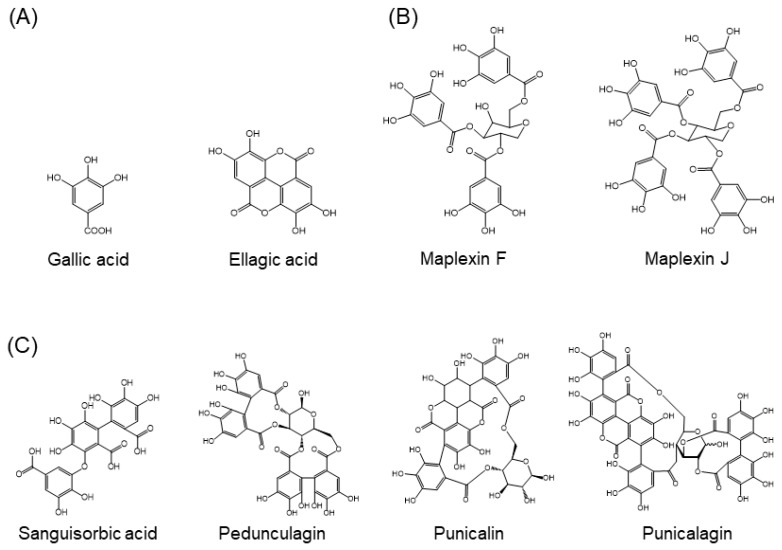
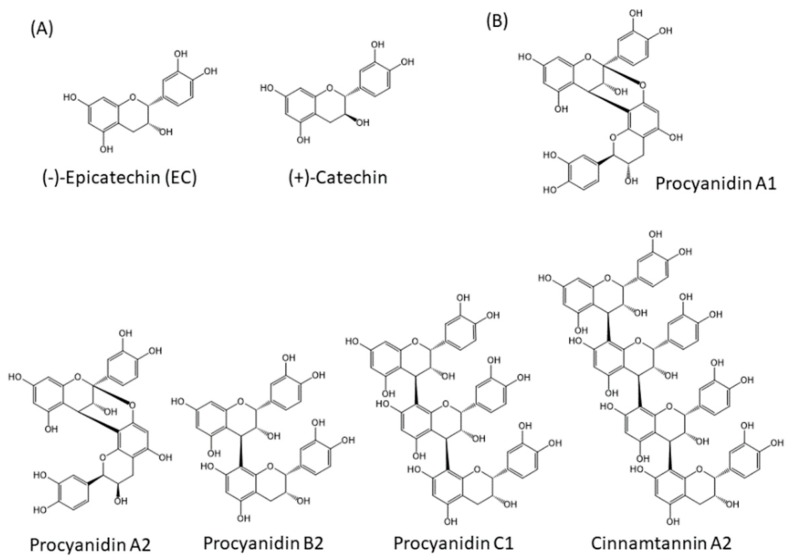
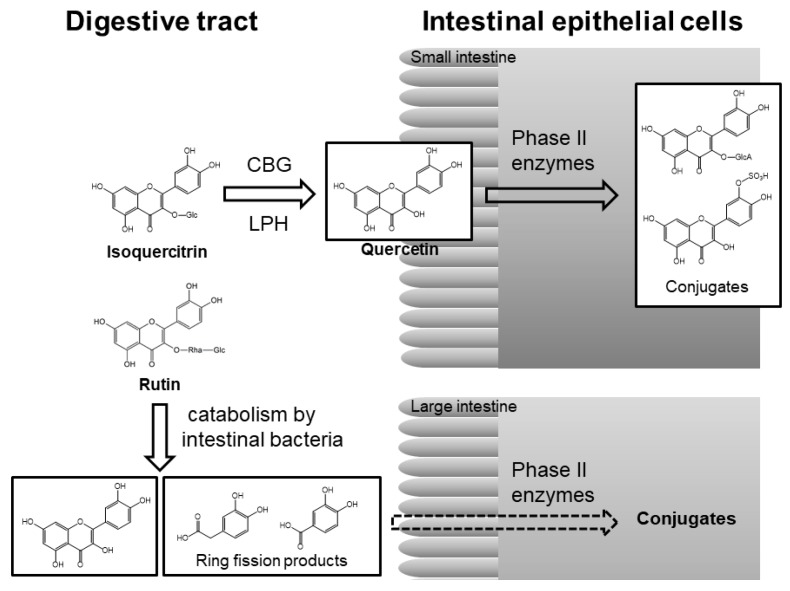
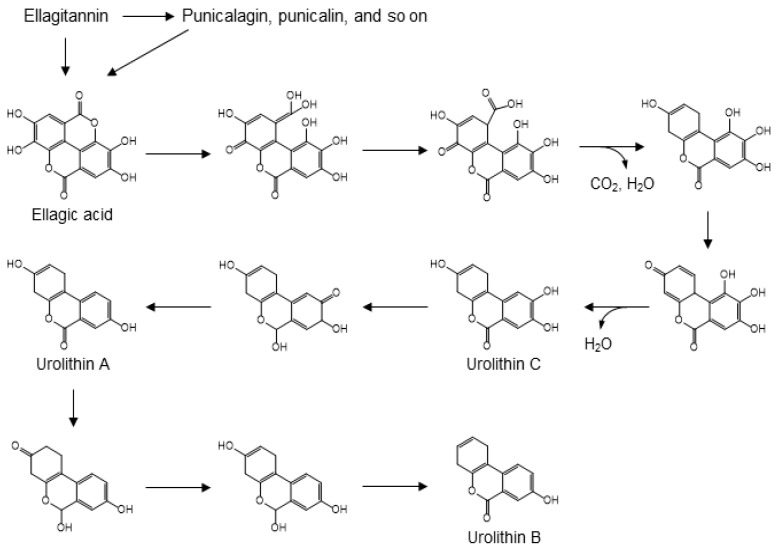
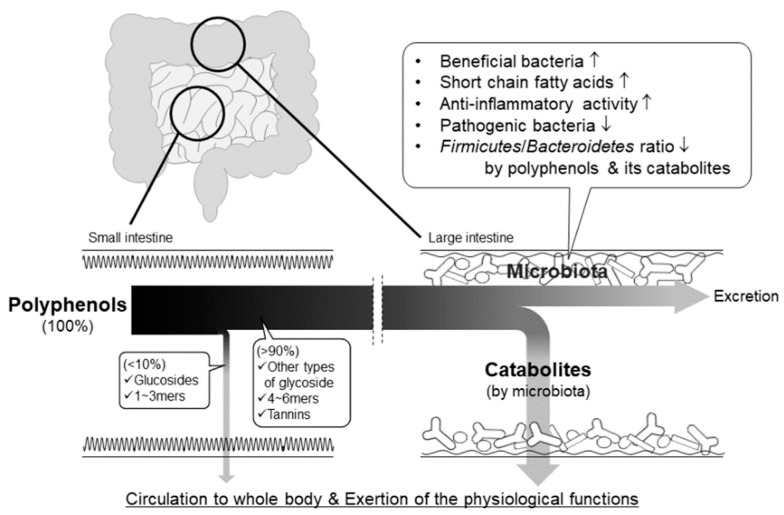
Polyphenols are categorized as plant secondary metabolites, and they have attracted much attention in relation to human health and the prevention of chronic diseases. In recent years, a considerable number of studies have been published concerning their physiological function in the digestive tract, such as their prebiotic properties and their modification of intestinal microbiota. It has also been suggested that several hydrolyzed and/or fission products, derived from the catabolism of polyphenols by intestinal bacteria, exert their physiological functions in target sites after transportation into the body. Thus, this review article focuses on the role of intestinal microbiota in the bioavailability and physiological function of dietary polyphenols. Monomeric polyphenols, such as flavonoids and oligomeric polyphenols, such as proanthocyanidins, are usually catabolized to chain fission products by intestinal bacteria in the colon. Gallic acid and ellagic acid derived from the hydrolysis of gallotannin, and ellagitannin are also subjected to intestinal catabolism. These catabolites may play a large role in the physiological functions of dietary polyphenols. They may also affect the microbiome, resulting in health promotion by the activation of short chain fatty acids (SCFA) excretion and intestinal immune function. The intestinal microbiota is a key factor in mediating the physiological functions of dietary polyphenols.
Overview
The claims and statistics of this paper haven’t been checked yet.
Run the check — free, no account needed. It reads the open-access text and checks the sources it cites.
Integrity signals
Registry
Cites
Statistics
Figures
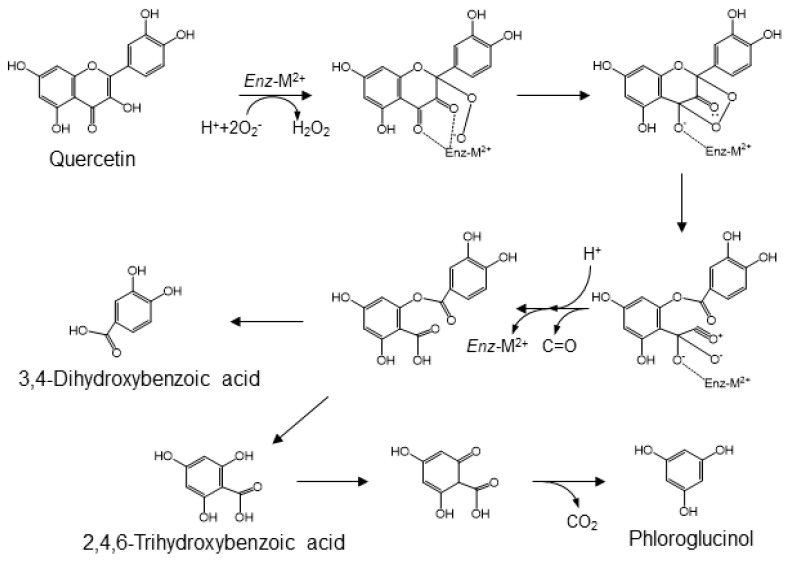
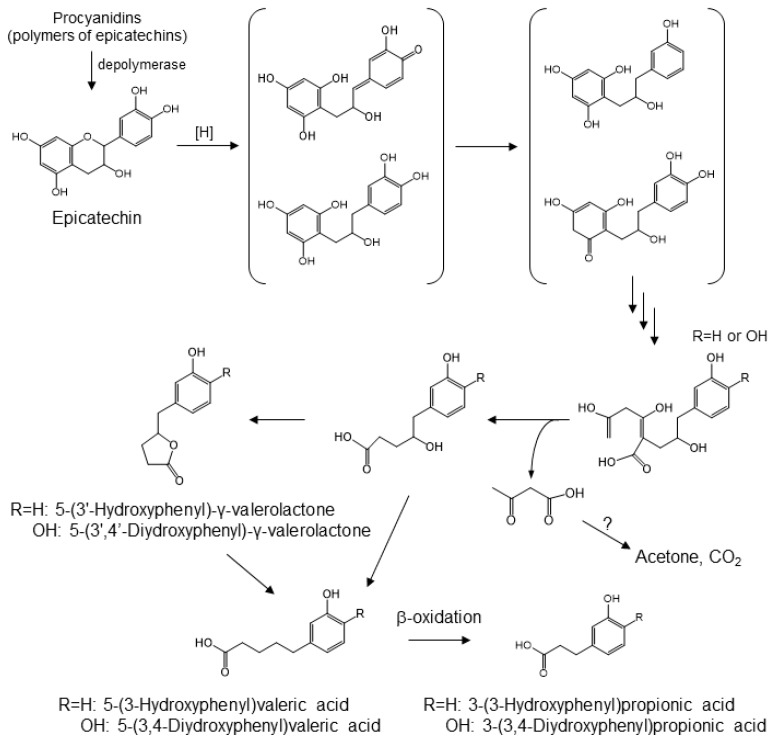
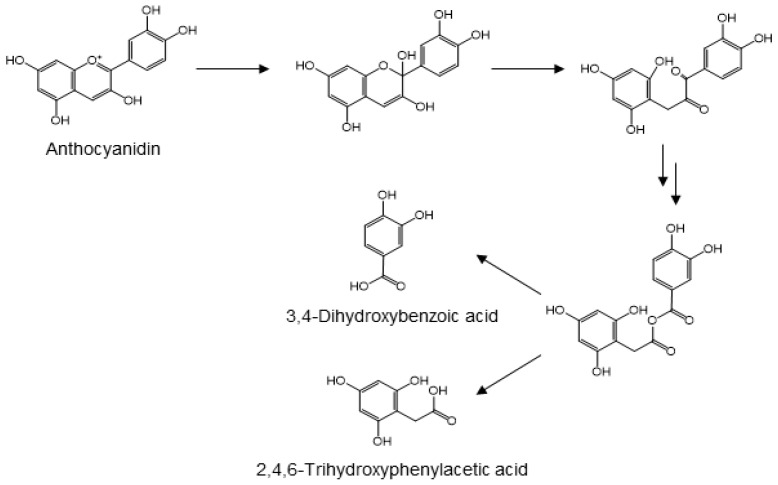
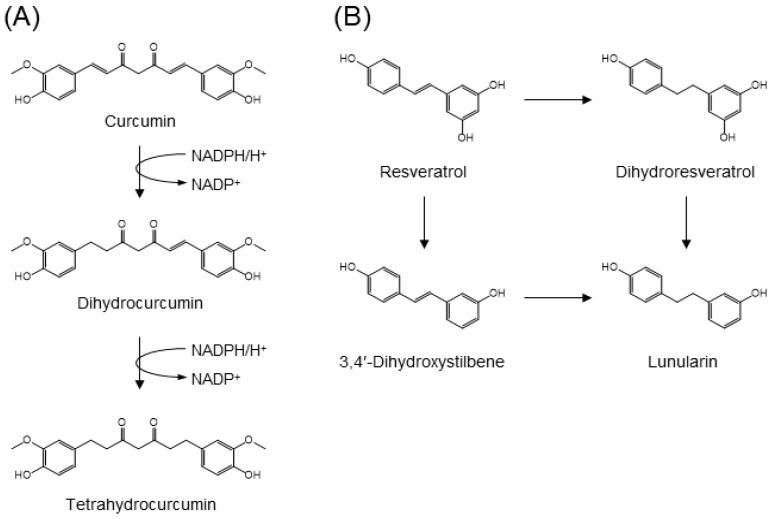
Verification
Claims the paper makes
The claims and statistics of this paper haven’t been checked yet.
Run the check — free, no account needed. It reads the open-access text and checks the sources it cites.
Claims other papers make about this one
Each is checked against this paper’s own text: does it say what the citing paper says it does?
In the citing paper
“Considering the reported anti-muscle atrophy effect of some nutraceuticals, such as resveratrol and epicatechin, and the fact that they could modulate the gut microbiome composition and increase circulating levels of short-chain fatty acids [167,168], it is likely that they may improve muscle atrophy by regulating the gut microbiota and their metabolites; nevertheless, future confirmatory studies”
From Nutraceuticals in the Prevention and Treatment of the Muscle Atrophy (2021) · cites this paper as [168]
Self-check
Percentages, sums and reported differences re-computed from the paper’s own numbers.
The self-check needs the paper’s full text.
Citations
Cites
An obesity-associated gut microbiome with increased capacity for energy harvest
Turnbaugh, P. J., Ley, R. E., Mahowald, M. A., Magrini, V., Mardis, E. R., & Gordon, J. I. (2006) · Nature · doi:10.1038/nature05414 · Cited by 12,444
From Dietary Fiber to Host Physiology: Short-Chain Fatty Acids as Key Bacterial Metabolites
Koh, A., De Vadder, F., Kovatcheva-Datchary, P., & Bäckhed, F. (2016) · Cell · doi:10.1016/j.cell.2016.05.041 · Cited by 7,070
Mind-altering microorganisms: the impact of the gut microbiota on brain and behaviour
Cryan, J. F., & Dinan, T. G. (2012) · Nature Reviews Neuroscience · doi:10.1038/nrn3346 · Cited by 4,572
Dietary antioxidant flavonoids and risk of coronary heart disease: the Zutphen Elderly Study
Hertog, M. G. L., Feskens, E. J. M., Kromhout, D., Hertog, M. G. L., Hollman, P. C. H., Hertog, M. G. L., & Katan, M. (1993) · The Lancet · doi:10.1016/0140-6736(93)92876-u · Cited by 4,336
Dietary Intake and Bioavailability of Polyphenols
Scalbert, A., & Williamson, G. (2000) · The Journal of Nutrition · doi:10.1093/jn/130.8.2073s · Cited by 3,658
Sudo, N., Chida, Y., Aiba, Y., Sonoda, J., Oyama, N., Yu, X., Kubo, C., & Koga, Y. (2004) · The Journal of Physiology · doi:10.1113/jphysiol.2004.063388 · Cited by 2,735
Del Rio, D., Rodriguez-Mateos, A., Spencer, J. P. E., Tognolini, M., Borges, G., & Crozier, A. (2013) · Antioxidants & Redox Signaling · doi:10.1089/ars.2012.4581 · Cited by 2,601
Plovier, H., Everard, A., Druart, C., Depommier, C., Van Hul, M., Geurts, L., Chilloux, J., Ottman, N., Duparc, T., Lichtenstein, L., et al. (2017) · Nature Medicine · doi:10.1038/nm.4236 · Cited by 2,204
Akkermansia muciniphila gen. nov., sp. nov., a human intestinal mucin-degrading bacterium
Derrien, M., Vaughan, E. E., Plugge, C. M., & de Vos, W. M. (2004) · International Journal of Systematic and Evolutionary Microbiology · doi:10.1099/ijs.0.02873-0 · Cited by 2,094
Benefits of polyphenols on gut microbiota and implications in human health
Cardona, F., Andrés‐Lacueva, C., Tulipani, S., Tinahones, F. J., & Queipo‐Ortuño, M. I. (2013) · The Journal of Nutritional Biochemistry · doi:10.1016/j.jnutbio.2013.05.001 · Cited by 1,615
Bioavailability and bioefficacy of polyphenols in humans. II. Review of 93 intervention studies
Williamson, G., & Manach, C. (2005) · American Journal of Clinical Nutrition · doi:10.1093/ajcn/81.1.243s · Cited by 1,340
Anhê, F. F., Roy, D., Pilon, G., Dudonné, S., Matamoros, S., Varin, T. V., Garofalo, C., Moine, Q., Desjardins, Y., Levy, E., et al. (2015) · Gut · doi:10.1136/gutjnl-2014-307142 · Cited by 1,137
Ryu, D., Mouchiroud, L., Andreux, P. A., Katsyuba, E., Moullan, N., Nicolet-dit-Félix, A. A., Williams, E. G., Jha, P., Lo Sasso, G., Huzard, D., et al. (2016) · Nature Medicine · doi:10.1038/nm.4132 · Cited by 1,105
The gut microbiota at the intersection of diet and human health
Gentile, C. L., & Weir, T. L. (2018) · Science · doi:10.1126/science.aau5812 · Cited by 1,049
Gut microbes and the brain: paradigm shift in neuroscience
Mayer, E. A., Knight, R., Mazmanian, S. K., Cryan, J. F., & Tillisch, K. (2014) · The Journal of Neuroscience · doi:10.1523/jneurosci.3299-14.2014 · Cited by 1,033
Concentrations of Proanthocyanidins in Common Foods and Estimations of Normal Consumption
Kelm, M. A., Hammerstone, J. F., Beecher, G. R., Holden, J., Haytowitz, D. B., Gebhardt, S. E., Gu, L., & Prior, R. L. (2004) · Journal of Nutrition · doi:10.1093/jn/134.3.613 · Cited by 941
Hydrogen peroxide sensing, signaling and regulation of transcription factors
Marinho, H. S., Real, C., Cyrne, L., Soares, H., & Antunes, F. (2014) · Redox Biology · doi:10.1016/j.redox.2014.02.006 · Cited by 872
Bioavailability of Dietary Polyphenols and Gut Microbiota Metabolism: Antimicrobial Properties
Marín, L., Miguélez, E. M., Villar, C. J., & Lombó, F. (2015) · BioMed Research International · doi:10.1155/2015/905215 · Cited by 802
Schneeberger, M., Everard, A., Gómez-Valadés, A. G., Matamoros, S., Ramírez, S., Delzenne, N. M., Gomis, R., Claret, M., & Cani, P. D. (2015) · Scientific Reports · doi:10.1038/srep16643 · Cited by 798
Kailasapathy, K., & Chin, J. J.-C. (2000) · Immunology and Cell Biology · doi:10.1046/j.1440-1711.2000.00886.x · Cited by 792
Chen, M.-L., Yi, L., Zhang, Y., Zhou, X., Ran, L., Yang, J., Zhu, J.-D., Zhang, Q.-Y., & Mi, M.-T. (2016) · mBio · doi:10.1128/mbio.02210-15 · Cited by 754 · cited 1×
“Furthermore, resveratrol is thought to inhibit the production of trimethylamine and hence, trimethylamine oxide, from choline via the remodeling of the gut microbe composition [144].”
Backgroundde la Cuesta-Zuluaga, J., Mueller, N. T., Corrales-Agudelo, V., Velásquez-Mejía, E. P., Carmona, J. A., Abad, J. M., & Escobar, J. S. (2017) · Diabetes Care · doi:10.2337/dc16-1324 · Cited by 704
Proanthocyanidins and hydrolysable tannins: occurrence, dietary intake and pharmacological effects
Smeriglio, A., Barreca, D., Bellocco, E., & Trombetta, D. (2016) · British Journal of Pharmacology · doi:10.1111/bph.13630 · Cited by 692
Roopchand, D. E., Carmody, R. N., Kuhn, P., Moskal, K., Rojas-Silva, P., Turnbaugh, P. J., & Raskin, I. (2015) · Diabetes · doi:10.2337/db14-1916 · Cited by 678
Queipo-Ortuño, M. I., Boto-Ordóñez, M., Murri, M., Gomez-Zumaquero, J. M., Clemente-Postigo, M., Estruch, R., Cardona Diaz, F., Andrés-Lacueva, C., & Tinahones, F. J. (2012) · The American Journal of Clinical Nutrition · doi:10.3945/ajcn.111.027847 · Cited by 671
Interaction of dietary compounds, especially polyphenols, with the intestinal microbiota: a review
Duda-Chodak, A., Tarko, T., Satora, P., & Sroka, P. (2015) · European Journal of Nutrition · doi:10.1007/s00394-015-0852-y · Cited by 599
Human metabolism and elimination of the anthocyanin, cyanidin-3-glucoside: a 13C-tracer study
Czank, C., Cassidy, A., Zhang, Q., Morrison, D. J., Preston, T., Kroon, P. A., Botting, N. P., & Kay, C. D. (2013) · American Journal of Clinical Nutrition · doi:10.3945/ajcn.112.049247 · Cited by 598
Antimicrobial activity of phenolic acids against commensal, probiotic and pathogenic bacteria
Cueva, C., Moreno-Arribas, M. V., Martín‐Álvarez, P. J., Bills, G. F., Vicente, M. F., Basilio, Á., Rivas, C. L., Requena, T., Rodríguez, J. M., & Bartolomé, B. (2010) · Research in Microbiology · doi:10.1016/j.resmic.2010.04.006 · Cited by 579
Metabolism of the cancer chemopreventive agent curcumin in human and rat intestine.
Ireson, C. R., Jones, D. J. L., Orr, S., Coughtrie, M. W. H., Boocock, D. J., Williams, M. L., Farmer, P. B., Steward, W. P., & Gescher, A. J. (2002) · PubMed · Cited by 561
Metabolic fate of polyphenols in the human superorganism
van Duynhoven, J., Vaughan, E. E., Jacobs, D. M., A. Kemperman, R., van Velzen, E. J. J., Gross, G., Roger, L. C., Possemiers, S., Smilde, A. K., Doré, J., et al. (2011) · Proceedings of the National Academy of Sciences · doi:10.1073/pnas.1000098107 · Cited by 540
Antioxidative flavonoid quercetin: implication of its intestinal absorption and metabolism.
Murota, K., & Terao, J. (2003) · Archives of Biochemistry and Biophysics · doi:10.1016/s0003-9861(03)00284-4 · Cited by 531
Self-citationPharmacokinetics of quercetin from quercetin aglycone and rutin in healthy volunteers
Erlund, I., Kosonen, T., Alfthan, G., Mäenpää, J., Perttunen, K., Kenraali, J., Parantainen, J., & Aro, A. (2000) · European Journal of Clinical Pharmacology · doi:10.1007/s002280000197 · Cited by 524
The role of metabolism (and the microbiome) in defining the clinical efficacy of dietary flavonoids
Cassidy, A., & Minihane, A. M. (2016) · American Journal of Clinical Nutrition · doi:10.3945/ajcn.116.136051 · Cited by 522
Colonic metabolism of dietary polyphenols: influence of structure on microbial fermentation products
Rechner, A. R., Smith, M. A., Kuhnle, G., Gibson, G. R., Debnam, E. S., Srai, S. K., Moore, K. P., & Rice-Evans, C. A. (2004) · Free Radical Biology and Medicine · doi:10.1016/j.freeradbiomed.2003.09.022 · Cited by 512
Protocatechuic Acid Is the Major Human Metabolite of Cyanidin-Glucosides3
Vitaglione, P., Donnarumma, G., Napolitano, A., Galvano, F., Gallo, A., Scalfi, L., & Fogliano, V. (2007) · Journal of Nutrition · doi:10.1093/jn/137.9.2043 · Cited by 504
Seeram, N. P., Henning, S. M., Zhang, Y., Suchard, M. A., Li, Z., & Heber, D. (2006) · Journal of Nutrition · doi:10.1093/jn/136.10.2481 · Cited by 477
Chlorogenic Acid, Quercetin-3-Rutinoside and Black Tea Phenols Are Extensively Metabolized in Humans
Olthof, M. R., Hollman, P. C. H., Buijsman, M. N. C. P., van Amelsvoort, J. M. M., & Katan, M. B. (2003) · The Journal of Nutrition · doi:10.1093/jn/133.6.1806 · Cited by 468 · cited 1×
“In contrast to quercetin aglycone and its glucosides, rutin is barely absorbed in the small intestine [44,45].”
BackgroundIn vitro metabolism of anthocyanins by human gut microflora
Aura, A., Martin-Lopez, P., O’Leary, K. A., Williamson, G., Oksman‐Caldentey, K., Poutanen, K. S., & Santos‐Buelga, C. (2004) · European Journal of Nutrition · doi:10.1007/s00394-004-0502-2 · Cited by 461
Seeram, N. P., Lee, R., & Heber, D. (2004) · Clinica Chimica Acta · doi:10.1016/j.cccn.2004.04.029 · Cited by 454
Cerdá, B., Tomás-Barberán, F. A., & Espı́n, J. C. (2004) · Journal of Agricultural and Food Chemistry · doi:10.1021/jf049144d · Cited by 448
Berry phenolics selectively inhibit the growth of intestinal pathogens
Puupponen‐Pimiä, R., Nohynek, L. J., Hartmann-Schmidlin, S., Kähkönen, M., Heinonen, M., Riihinen, K., & Oksman‐Caldentey, K. (2005) · Journal of Applied Microbiology · doi:10.1111/j.1365-2672.2005.02547.x · Cited by 420
Tomás-Barberán, F. A., García-Villalba, R., González-Sarrías, A., Selma, M. V., & Espín, J. C. (2014) · Journal of Agricultural and Food Chemistry · doi:10.1021/jf5024615 · Cited by 419
Diet-Derived Phenols in Plasma and Tissues and their Implications for Health
Clifford, M. N. (2004) · Planta Medica · doi:10.1055/s-2004-835835 · Cited by 410
Hollman, P. C. H., Cassidy, A., Comte, B., Heinonen, M., Richelle, M., Richling, E., Serafini, M., Scalbert, A., Sies, H., & Vidry, S. (2011) · The Journal of Nutrition · doi:10.3945/jn.110.131490 · Cited by 406
In vivo and in vitro metabolism of trans-resveratrol by human gut microbiota
Bode, L. M., Bunzel, D., Huch, M., Cho, G., Ruhland, D., Bunzel, M., Bub, A., Franz, C. M. A. P., & Kulling, S. E. (2013) · American Journal of Clinical Nutrition · doi:10.3945/ajcn.112.049379 · Cited by 404
Impact of Polyphenols and Polyphenol-Rich Dietary Sources on Gut Microbiota Composition
Etxeberría, U., Fernández‐Quintela, A., Milagro, F. I., Aguirre, L., Martínez, J. A., & Portillo, M. P. (2013) · Journal of Agricultural and Food Chemistry · doi:10.1021/jf402506c · Cited by 394
Rasmussen, S. E., Frederiksen, H. W., Krogholm, K. S., & Bredsdorff, L. (2005) · Molecular Nutrition & Food Research · doi:10.1002/mnfr.200400082 · Cited by 373
Qiao, Y., Sun, J., Xia, S., Tang, X., Shi, Y., & Le, G. (2014) · Food & Function · doi:10.1039/c3fo60630a · Cited by 367
Larrosa, M., Yañéz-Gascón, M. J., Selma, M. V., González-Sarrías, A., Toti, S., Cerón, J. J., Tomás-Barberán, F., Dolara, P., & Espín, J. C. (2009) · Journal of Agricultural and Food Chemistry · doi:10.1021/jf803638d · Cited by 365
Holder, G. M., Plummer, J. L., & Ryan, A. J. (1978) · Xenobiotica · doi:10.3109/00498257809069589 · Cited by 361
Absorption, Bioavailability, and Metabolism of Flavonoids
Hollman, P. C. H. (2004) · Pharmaceutical Biology · doi:10.3109/13880200490893492 · Cited by 361
Metabolism of dietary procyanidins in rats
Gonthier, M., Donovan, J. L., Texier, O., Felgines, C., Rémésy, C., & Scalbert, A. (2003) · Free Radical Biology and Medicine · doi:10.1016/s0891-5849(03)00394-0 · Cited by 345
Gonzalez, C. A., Pera, G., Agudo, A., Bueno-de-Mesquita, H. B., Ceroti, M., Boeing, H., Schulz, M., Giudice, G. D., Plebani, M., Carneiro, F., et al. (2005) · International Journal of Cancer · doi:10.1002/ijc.21678 · Cited by 342
Strawberry Anthocyanins Are Recovered in Urine as Glucuro- and Sulfoconjugates in Humans
Felgines, C., Talavéra, S., Texier, O., Lamaison, J., Gonthier, M., Scalbert, A., & Rémésy, C. (2003) · Journal of Nutrition · doi:10.1093/jn/133.5.1296 · Cited by 337
Kawabata, K., Mukai, R., & Ishisaka, A. (2015) · Food & Function · doi:10.1039/c4fo01178c · Cited by 336
Self-citationPhenols, Polyphenols and Tannins: An Overview
Crozier, A., Jaganath, I. B., & Clifford, M. N. (2006) · Wiley eBooks · doi:10.1002/9780470988558.ch1 · Cited by 333
Cocoa procyanidins are stable during gastric transit in humans,,
Rios, L. Y., Bennett, R. N., Lazarus, S. A., Rémésy, C., Scalbert, A., & Williamson, G. (2002) · American Journal of Clinical Nutrition · doi:10.1093/ajcn/76.5.1106 · Cited by 327
Wang, D., Xia, M., Xiao, Y., Li, D., Wang, L., Xu, Y., Jin, T., & Ling, W. (2012) · Circulation Research · doi:10.1161/circresaha.112.266502 · Cited by 319
Hypoxia and gastrointestinal disease
Taylor, C. T., & Colgan, S. P. (2007) · Journal of Molecular Medicine · doi:10.1007/s00109-007-0277-z · Cited by 313
Ménard, S., Candalh, C., Bambou, J. C., Terpend, K., Cerf–Bensussan, N., & Heyman, M. (2004) · Gut · doi:10.1136/gut.2003.026252 · Cited by 309
Dietary polyphenols: Structures, bioavailability and protective effects against atherosclerosis
Santhakumar, A. B., Battino, M. A., & Álvarez-Suárez, J. M. (2018) · Food and Chemical Toxicology · doi:10.1016/j.fct.2018.01.022 · Cited by 307
Aura, A., O’Leary, K. A., Williamson, G., Ojala, M., Bailey, M., Puupponen‐Pimiä, R., Nuutila, A. M., Oksman‐Caldentey, K., & Poutanen, K. S. (2002) · Journal of Agricultural and Food Chemistry · doi:10.1021/jf0108056 · Cited by 306
Discovery of the curcumin metabolic pathway involving a unique enzyme in an intestinal microorganism
Hassaninasab, A., Hashimoto, Y., Tomita‐Yokotani, K., & Kobayashi, M. (2011) · Proceedings of the National Academy of Sciences · doi:10.1073/pnas.1016217108 · Cited by 302
Bacillus subtilis isolated from the human gastrointestinal tract
Hong, H. A., Khaneja, R., Tam, N. K. M., Cazzato, A., Tan, S., Urdaci, M. C., Brisson, A. R., Gasbarrini, A., Barnes, I., & Cutting, S. M. (2008) · Research in Microbiology · doi:10.1016/j.resmic.2008.11.002 · Cited by 296
Appeldoorn, M. M., Vincken, J., Aura, A., Hollman, P. C. H., & Gruppen, H. (2009) · Journal of Agricultural and Food Chemistry · doi:10.1021/jf803059z · Cited by 293
Seeram, N. P., Aronson, W. J., Zhang, Y., Henning, S. M., Moro, A., Lee, R., Sartippour, M. R., Harris, D. M., Rettig, M. B., Suchard, M. A., et al. (2007) · Journal of Agricultural and Food Chemistry · doi:10.1021/jf071303g · Cited by 293
Plant Secondary Metabolites: Occurrence, Structure And Role In The Human Diet
Crozier, A., Clifford, M. B., & Ashihara, H. (2014) · Wiley eBooks · doi:10.1002/9780470988558 · Cited by 287
Serra, A., Macià, A., Romero, M., Valls, J., Bladé, C., Arola, L., & Motilva, M. (2009) · British Journal Of Nutrition · doi:10.1017/s0007114509992741 · Cited by 284
Decomposition of Cocoa Procyanidins in the Gastric Milieu
Spencer, J. P. E., Chaudry, F., Pannala, A. S., Srai, S. K., Debnam, E. S., & Rice-Evans, C. A. (2000) · Biochemical and Biophysical Research Communications · doi:10.1006/bbrc.2000.2749 · Cited by 283
González‐Barrio, R., Borges, G., Mullen, W., & Crozier, A. (2010) · Journal of Agricultural and Food Chemistry · doi:10.1021/jf100315d · Cited by 283
Białońska, D., Ramnani, P., Kasimsetty, S. G., Muntha, K. R., Gibson, G. R., & Ferreira, D. (2010) · International Journal of Food Microbiology · doi:10.1016/j.ijfoodmicro.2010.03.038 · Cited by 280
Polyphenols and Oxidative Stress in Atherosclerosis‐Related Ischemic Heart Disease and Stroke
Cheng, Y., Sheen, J.-M., Hu, W.-L., & Hung, Y. (2017) · Oxidative Medicine and Cellular Longevity · doi:10.1155/2017/8526438 · Cited by 266
Anthocyanin metabolites in human urine and serum
Kay, C. D., Mazza, G., Holub, B. J., & Jian, W. (2004) · British Journal Of Nutrition · doi:10.1079/bjn20041126 · Cited by 260
Białońska, D., Kasimsetty, S. G., Khan, S. I., & Ferreira, D. (2009) · Journal of Agricultural and Food Chemistry · doi:10.1021/jf9025794 · Cited by 258
Ottaviani, J. I., Borges, G., Momma, T. Y., Spencer, J. P. E., Keen, C. L., Crozier, A., & Schroeter, H. (2016) · Scientific Reports · doi:10.1038/srep29034 · Cited by 256
Bub, A., Watzl, B., Heeb, D., Rechkemmer, G., & Briviba, K. (2001) · European Journal of Nutrition · doi:10.1007/s003940170011 · Cited by 254
Mertens‐Talcott, S. U., Rios, J., Jilma‐Stohlawetz, P., Pacheco-Palencia, L. A., Meibohm, B., Talcott, S. T., & Derendorf, H. (2008) · Journal of Agricultural and Food Chemistry · doi:10.1021/jf8007037 · Cited by 249
Shoji, T., Masumoto, S., Moriichi, N., Akiyama, H., Kanda, T., Ohtake, Y., & Goda, Y. (2006) · Journal of Agricultural and Food Chemistry · doi:10.1021/jf052260b · Cited by 248
Bioavailability of (-)-epicatechin upon intake of chocolate and cocoa in human volunteers
Baba, S., Osakabe, N., Yasuda, A., Natsume, M., Takizawa, T., Nakamura, T., & Terao, J. (2000) · Free Radical Research · doi:10.1080/10715760000301151 · Cited by 241
Self-citationHuman studies on the absorption, distribution, metabolism, and excretion of tea polyphenols
Clifford, M. N., van der Hooft, J. J. J., & Crozier, A. (2013) · American Journal of Clinical Nutrition · doi:10.3945/ajcn.113.058958 · Cited by 240
Aprikian, O., Duclos, V., Besson, C., Manach, C., Morand, C., Rémésy, C., Demigné, C., Guyot, S., & Bernalier, A. (2003) · Journal of Nutrition · doi:10.1093/jn/133.6.1860 · Cited by 238
Núñez‐Sánchez, M. Á., Garcı́a-Villalba, R., Monedero‐Saiz, T., Espin, N. V. G.-T., Gómez‐Sánchez, M. B., Sánchez‐Álvarez, C., García‐Albert, A. M., Rodríguez‐Gil, F. J., Ruiz‐Marín, M., Pastor-Quirante, F. A., et al. (2014) · Molecular Nutrition & Food Research · doi:10.1002/mnfr.201300931 · Cited by 235
The Role of Curcumin in Modulating Colonic Microbiota During Colitis and Colon Cancer Prevention
McFadden, R.-M. T., Larmonier, C. B., Shehab, K. W., Midura‐Kiela, M. T., Ramalingam, R., Harrison, C. A., Besselsen, D. G., Chase, J., Caporaso, J. G., Jobin, C., et al. (2015) · Inflammatory Bowel Diseases · doi:10.1097/mib.0000000000000522 · Cited by 233
Serra, A., Macià, A., Romero, M., Reguant, J., Ortega-Olivé, N., & Motilva, M. (2011) · Food Chemistry · doi:10.1016/j.foodchem.2011.07.055 · Cited by 231
Masumoto, S., Terao, A., Yamamoto, Y., Mukai, T., Miura, T., & Shoji, T. (2016) · Scientific Reports · doi:10.1038/srep31208 · Cited by 224
The interaction of anthocyanins with bilitranslocase
Passamonti, S., Vrhovšek, U., & Mattivi, F. (2002) · Biochemical and Biophysical Research Communications · doi:10.1016/s0006-291x(02)00927-0 · Cited by 220
Absorption and urinary excretion of procyanidin B2 [epicatechin-(4β-8)-epicatechin] in rats
Baba, S., Osakabe, N., Natsume, M., & Terao, J. (2002) · Free Radical Biology and Medicine · doi:10.1016/s0891-5849(02)00871-7 · Cited by 220
Self-citationAbsorption, metabolism and excretion of Choladi green tea flavan‐3‐ols by humans
Stalmach, A., Troufflard, S., Serafini, M., & Crozier, A. (2008) · Molecular Nutrition & Food Research · doi:10.1002/mnfr.200800169 · Cited by 218
Absorption, metabolism, and excretion of green tea flavan‐3‐ols in humans with an ileostomy
Stalmach, A., Mullen, W., Steiling, H., Williamson, G., Lean, M. E. J., & Crozier, A. (2009) · Molecular Nutrition & Food Research · doi:10.1002/mnfr.200900194 · Cited by 216
González‐Sarrías, A., Giménez‐Bastida, J. A., García‐Conesa, M. T., Gómez‐Sánchez, M. B., García‐Talavera, N. V., Gil‐Izquierdo, A., Sánchez‐Álvarez, C., Fontana‐Compiano, L. O., Morga‐Egea, J. P., Pastor‐Quirante, F. A., et al. (2010) · Molecular Nutrition & Food Research · doi:10.1002/mnfr.200900152 · Cited by 212
Dietary Flavonoids as Antioxidants
Terao, J. (2009) · Forum of nutrition/Bibliotheca Nutritio et dieta · doi:10.1159/000212741 · Cited by 210
Self-citationNatsume, M., Osakabe, N., Makoto, O., Sasaki, M., Baba, S., Nakamura, Y., Osawa, T., & Terao, J. (2003) · Free Radical Biology and Medicine · doi:10.1016/s0891-5849(02)01434-x · Cited by 209
Self-citationJaganath, I. B., Jaganath, I. B., Mullen, W., Edwards, C. A., & Crozier, A. (2006) · Free Radical Research · doi:10.1080/10715760600771400 · Cited by 208
González‐Sarrías, A., Larrosa, M., Tomás-Barberán, F. A., Dolara, P., & Espı́n, J. C. (2010) · British Journal Of Nutrition · doi:10.1017/s0007114510000826 · Cited by 207
The Potential and Action Mechanism of Polyphenols in the Treatment of Liver Diseases
Li, S., Tan, H., Wang, N., Cheung, F., Hong, M., & Feng, Y. (2018) · Oxidative Medicine and Cellular Longevity · doi:10.1155/2018/8394818 · Cited by 199
Donovan, J. L., Lee, A., Rios, L., Rios, L. Y., Morand, C., Scalbert, A., & Rémésy, C. (2002) · British Journal Of Nutrition · doi:10.1079/bjnbjn2001517 · Cited by 197
The absorption, distribution, metabolism and excretion of procyanidins
Zhang, L., Wang, Y., Li, D., Ho, C., Li, J., & Wan, X. (2016) · Food & Function · doi:10.1039/c5fo01244a · Cited by 197
Ring-Cleaving Dioxygenases with a Cupin Fold
Fetzner, S. (2012) · Applied and Environmental Microbiology · doi:10.1128/aem.07651-11 · Cited by 191
Appeldoorn, M. M., Vincken, J., Gruppen, H., & Hollman, P. C. H. (2009) · Journal of Nutrition · doi:10.3945/jn.109.106765 · Cited by 188
Campos, D., Betalleluz‐Pallardel, I., Chirinos, R., Aguilar‐Galvez, A., Noratto, G. D., & Pedreschi, R. (2012) · Food Chemistry · doi:10.1016/j.foodchem.2012.05.088 · Cited by 187
Gao, K., Xu, A., Krul, C. A. M., Venema, K., Liu, Y., Niu, Y., Lu, J., Bensoussan, L., Seeram, N. P., Heber, D., et al. (2006) · Journal of Nutrition · doi:10.1093/jn/136.1.52 · Cited by 183
Bentsáth, A., Rusznyák, S., & Szent‐Györgyi, A. (1936) · Nature · doi:10.1038/138798a0 · Cited by 180
Imaoka, A., Shima, T., Kato, K., Mizuno, S., Uehara, T., Matsumoto, S., Setoyama, H., Hara, T., & Umesaki, Y. (2008) · World Journal of Gastroenterology · doi:10.3748/wjg.14.2511 · Cited by 179
McKay, D. L., Chen, C.-Y. O., Zampariello, C. A., & Blumberg, J. B. (2014) · Food Chemistry · doi:10.1016/j.foodchem.2014.07.062 · Cited by 179
Stimulatory role of grape pomace polyphenols on Lactobacillus acidophilus growth
Hervert-Hernández, D., Pintado, C., Rotger, R., & Goñi, I. (2009) · International Journal of Food Microbiology · doi:10.1016/j.ijfoodmicro.2009.09.016 · Cited by 179
Białońska, D., Kasimsetty, S. G., Schrader, K. K., & Ferreira, D. (2009) · Journal of Agricultural and Food Chemistry · doi:10.1021/jf901931b · Cited by 177
Seeram, N. P., Zhang, Y., McKeever, R., Henning, S. M., Lee, R., Suchard, M. A., Li, Z., Chen, S., Thames, G., Zerlin, A., et al. (2008) · Journal of Medicinal Food · doi:10.1089/jmf.2007.650 · Cited by 164
Kaulmann, A., & Bohn, T. (2016) · Oxidative Medicine and Cellular Longevity · doi:10.1155/2016/9346470 · Cited by 154
Amin, H., Czank, C., Raheem, S., Zhang, Q., Botting, N. P., Cassidy, A., & Kay, C. D. (2015) · Molecular Nutrition & Food Research · doi:10.1002/mnfr.201400803 · Cited by 150
Terao, J. (2017) · Biochemical Pharmacology · doi:10.1016/j.bcp.2017.03.021 · Cited by 149
Self-citationIn vitro catabolism of rutin by human fecal bacteria and the antioxidant capacity of its catabolites
Jaganath, I. B., Mullen, W., Lean, M. E. J., Edwards, C. A., & Crozier, A. (2009) · Free Radical Biology and Medicine · doi:10.1016/j.freeradbiomed.2009.07.031 · Cited by 143
Wang, L., Zeng, B., Liu, Z., Liao, Z., Zhong, Q., Gu, L., Wei, H., & Fang, X. (2018) · Journal of Food Science · doi:10.1111/1750-3841.14058 · Cited by 142
Hoffmann, T., Troup, B., Szabo, A., Hungerer, C., & Jahn, D. (1995) · FEMS Microbiology Letters · doi:10.1111/j.1574-6968.1995.tb07780.x · Cited by 131
Chadwick, R. W., George, S. E., & Claxton, L. D. (1992) · Drug Metabolism Reviews · doi:10.3109/03602539208996302 · Cited by 124
Anoxic Conditions Promote Species-Specific Mutualism between Gut Microbes In Silico
Heinken, A., & Thiele, I. (2015) · Applied and Environmental Microbiology · doi:10.1128/aem.00101-15 · Cited by 123 · cited 1×
“The gastrointestinal mucosa separates the highly vascularized and oxygen-rich epithelium from the anoxic gut lumen, and the colon, which is relatively anoxic compared with the small intestine, is helpful for intestinal bacteria to form the more complex community [74,75].”
BackgroundDietary Flavonoids in the Prevention of T2D: An Overview
Alkhalidy, H., Wang, Y., & Liu, D. (2018) · Nutrients · doi:10.3390/nu10040438 · Cited by 123
Kinetic and Spectroscopic Studies on the Quercetin 2,3-Dioxygenase from Bacillus subtilis
Schaab, M. R., Barney, B. M., & Francisco, W. A. (2005) · Biochemistry · doi:10.1021/bi051571c · Cited by 116
Effect of Curcumin on the Diversity of Gut Microbiota in Ovariectomized Rats
Zhang, Z., Chen, Y., Xiang, L., Wang, Z., Xiao, G. G., & Hu, J. (2017) · Nutrients · doi:10.3390/nu9101146 · Cited by 112
Savi, M., Bocchi, L., Bresciani, L., Falco, A., Quaini, F., Mena, P. R., Brighenti, F., Crozier, A., Stilli, D., & Rio, D. D. (2018) · Molecules · doi:10.3390/molecules23030549 · Cited by 112
Dietary and Microbial Metabolites in the Regulation of Host Immunity
Shibata, N., Kunisawa, J., & Kiyono, H. (2017) · Frontiers in Microbiology · doi:10.3389/fmicb.2017.02171 · Cited by 109
Rothwell, J. A., Knaze, V., & Zamora‐Ros, R. (2017) · Current Opinion in Clinical Nutrition & Metabolic Care · doi:10.1097/mco.0000000000000424 · Cited by 106
Anti‐inflammatory properties of intestinal Bifidobacterium strains isolated from healthy infants
Khokhlova, E. V., Smeianov, V. V., Efimov, B. A., Kafarskaia, L. I., Павлова, С. И., & Shkoporov, A. N. (2011) · Microbiology and Immunology · doi:10.1111/j.1348-0421.2011.00398.x · Cited by 104
Hein, E., Rose, K., Slot, G. V., Friedrich, A. W., & Humpf, H. (2008) · Journal of Agricultural and Food Chemistry · doi:10.1021/jf073444o · Cited by 103
Sáyago‐Ayerdi, S. G., Zamora-Gasga, V. M., & Venema, K. (2017) · Food Research International · doi:10.1016/j.foodres.2017.12.024 · Cited by 103
Truchado, P., Larrosa, M., García‐Conesa, M., Cerdá, B., Vidal-Guevara, M. L., Tomás-Barberán, F. A., & Espín, J. C. (2011) · Journal of Agricultural and Food Chemistry · doi:10.1021/jf203641r · Cited by 101
Antioxidant properties of major metabolites of quercetin
Dueñas, M., Surco-Laos, F., González‐Manzano, S., Paramás, A. M. G., & Santos‐Buelga, C. (2010) · European Food Research and Technology · doi:10.1007/s00217-010-1363-y · Cited by 97
Gut microbiome, metabolome, and allergic diseases
Hirata, S., & Kunisawa, J. (2017) · Allergology International · doi:10.1016/j.alit.2017.06.008 · Cited by 95
Kawabata, K., Sugiyama, Y., Sakano, T., & Ohigashi, H. (2013) · BioFactors · doi:10.1002/biof.1081 · Cited by 93
Self-citationZhao, W., Shi, F., Guo, Z., Zhao, J., Song, X., & Yang, H. (2017) · Molecular Carcinogenesis · doi:10.1002/mc.22746 · Cited by 93
Zhang, X., Zhang, M., Ho, C., Guo, X., Wu, Z., Weng, P., Yan, M., & Cao, J. (2018) · Journal of Functional Foods · doi:10.1016/j.jff.2018.05.003 · Cited by 91
Bacillus subtilis YxaG is a novel Fe‐containing quercetin 2,3‐dioxygenase
Bowater, L., Fairhurst, S. A., Just, V. J., & Bornemann, S. (2003) · FEBS Letters · doi:10.1016/s0014-5793(03)01439-x · Cited by 89
Effect of Flavan-3-ols on the Adhesion of Potential Probiotic Lactobacilli to Intestinal Cells
Bustos, I., García‐Cayuela, T., Hernández‐Ledesma, B., Peláez, C., Requena, T., & Martínez‐Cuesta, M. C. (2012) · Journal of Agricultural and Food Chemistry · doi:10.1021/jf301133g · Cited by 88
Degradation of quercetin-3-glucoside in gnotobiotic rats associated with human intestinal bacteria
Schneider, H., Simmering, R., Hartmann, L., Pforte, H., & Blaut, M. (2000) · Journal of Applied Microbiology · doi:10.1046/j.1365-2672.2000.01209.x · Cited by 87
Biotransformation of polyphenols in a dynamic multistage gastrointestinal model
Ekbatan, S. S., Sleno, L., Sabally, K., Khairallah, J., Azadi, B., Rodes, L., Prakash, S., Donnelly, D. J., & Kubow, S. J. (2016) · Food Chemistry · doi:10.1016/j.foodchem.2016.02.140 · Cited by 86
Ou, K., Percival, S. S., Zou, T., Khoo, C., & Gu, L. (2012) · Journal of Agricultural and Food Chemistry · doi:10.1021/jf2040912 · Cited by 84
Kasimsetty, S. G., Białońska, D., Reddy, M. K., Thornton, C., Willett, K. L., & Ferreira, D. (2009) · Journal of Agricultural and Food Chemistry · doi:10.1021/jf902716r · Cited by 79
Miene, C., Weise, A., & Glei, M. (2011) · Nutrition and Cancer · doi:10.1080/01635581.2011.552157 · Cited by 78
Modulation of intestinal functions by food substances
Shimizu, M. (1999) · Food / Nahrung · doi:10.1002/(sici)1521-3803(19990601)43:3 · Cited by 77
Daniel, E. M., Ratnayake, S., Kinstle, T. H., & Stoner, G. D. (1991) · Journal of Natural Products · doi:10.1021/np50076a004 · Cited by 76
Catabolism of (+)-Catechin and (−)-Epicatechin by Rat Intestinal Microbiota
Takagaki, A., & Nanjo, F. (2013) · Journal of Agricultural and Food Chemistry · doi:10.1021/jf304431v · Cited by 74
Target molecules of food phytochemicals: Food science bound for the next dimension
Murakami, A., & Ohnishi, K. (2012) · Food & Function · doi:10.1039/c2fo10274a · Cited by 74
Woodward, G., Needs, P. W., & Kay, C. D. (2010) · Molecular Nutrition & Food Research · doi:10.1002/mnfr.201000355 · Cited by 71
Tulipani, S., Urpí-Sardà, M., Garcı́a-Villalba, R., Rabassa, M., López-Uriarte, P. J., Bulló, M., Jáuregui, O., Tomás-Barberán, F. A., Salas‐Salvadó, J., Espı́n, J. C., et al. (2012) · Journal of Agricultural and Food Chemistry · doi:10.1021/jf301509w · Cited by 71
Flavonoids and Related Compounds
Spencer, J. P. E., & Crozier, A. (2012) · CRC Press eBooks · doi:10.1201/b11872 · Cited by 67
Faecal Metabolomic Fingerprint after Moderate Consumption of Red Wine by Healthy Subjects
Jiménez-Girón, A., Ibáñez, C., Cifuentes, A., Simó, C., Muñoz‐González, I., Martín‐Álvarez, P. J., Bartolomé, B., & Moreno-Arribas, M. V. (2014) · Journal of Proteome Research · doi:10.1021/pr500960g · Cited by 65
Bitsch, I., Janßen, M., Netzel, M. E., Straß, G., & Frank, T. (2004) · International Journal of Clinical Pharmacology and Therapeutics · doi:10.5414/cpp42293 · Cited by 64
Peng, X., Zhang, Z., Zhang, N., Liu, L., Li, S., & Wei, H. (2014) · Food & Nutrition Research · doi:10.3402/fnr.v58.23406 · Cited by 63
Zduńczyk, Z., Juśkiewicz, J., & Estrella, I. (2006) · Nutrition · doi:10.1016/j.nut.2006.05.010 · Cited by 58
Vascular effects of flavonoids
Rezende, B. A., Pereira, A., Côrtes, S. F., & Lemos, V. S. (2015) · Current Medicinal Chemistry · doi:10.2174/0929867323666151111143616 · Cited by 48
Barnes, R. C., Krenek, K. A., Meibohm, B., Mertens‐Talcott, S. U., & Talcott, S. T. (2015) · Molecular Nutrition & Food Research · doi:10.1002/mnfr.201500706 · Cited by 48
Volstatova, T., Maršík, P., Rada, V., Geigerová, M., & Havlík, J. (2017) · Journal of Functional Foods · doi:10.1016/j.jff.2017.06.005 · Cited by 48
Barroso, E., Sánchez‐Patán, F., Martín-Álvarez, P. J., Bartolomé, B., Moreno-Arribas, M. V., Peláez, C., Requena, T., de Wiele, T. V., & Martínez‐Cuesta, M. C. (2013) · Journal of Agricultural and Food Chemistry · doi:10.1021/jf402816r · Cited by 46
Goodrich, K. M., & Neilson, A. P. (2014) · Journal of Chromatography B · doi:10.1016/j.jchromb.2014.03.011 · Cited by 45
Fotschki, B., Juśkiewicz, J., Jurgoński, A., Kołodziejczyk, K., Milala, J., Kosmala, M., & Zduńczyk, Z. (2016) · PLoS ONE · doi:10.1371/journal.pone.0149081 · Cited by 45
Surapaneni, K. M., Priya, V. V., & Mallika, J. (2014) · PubMed · Cited by 44
Zhang, Y., Li, X.-L., Li, T.-Y., Li, M., Huang, R.-M., Li, W., & Yang, R. (2018) · RSC Advances · doi:10.1039/c7ra13729j · Cited by 38
Tang, J. S., Vissers, M. C. M., Anderson, R. F., Sreebhavan, S., Bozonet, S. M., Scheepens, A., & Melton, L. D. (2017) · Molecular Nutrition & Food Research · doi:10.1002/mnfr.201700647 · Cited by 35
Oligosaccharide Promotes Bioavailability of a Water-Soluble Flavonoid Glycoside, αG-Rutin, in Rats
Matsukawa, N., Matsumoto, M., Chiji, H., & Hara, H. (2009) · Journal of Agricultural and Food Chemistry · doi:10.1021/jf802390v · Cited by 32
Fotschki, B., Milala, J., Jurgoński, A., Karlińska, E., Zduńczyk, Z., & Juśkiewicz, J. (2014) · Journal of Agricultural and Food Chemistry · doi:10.1021/jf405612a · Cited by 32
Ulbrich, K., Reichardt, N., Braune, A., Kroh, L. W., Blaut, M., & Rohn, S. (2014) · Food Research International · doi:10.1016/j.foodres.2014.11.051 · Cited by 30
Margalef, M., Pons, Z., Muguerza, B., & Arola‐Arnal, A. (2014) · Journal of Agricultural and Food Chemistry · doi:10.1021/jf5019752 · Cited by 29
Oxidation of benzoins to benzoic acids using sodium hydride under oxygen atmosphere
Kang, S., Joo, C., Kim, S. M., Han, H., & Yang, J. W. (2010) · Tetrahedron Letters · doi:10.1016/j.tetlet.2010.11.079 · Cited by 28
Sun, Y., Huang, Q.-Q., Li, P., & Zhang, J. (2015) · Dalton Transactions · doi:10.1039/c5dt01760b · Cited by 27
Mülek, M., & Högger, P. (2015) · Analytical and Bioanalytical Chemistry · doi:10.1007/s00216-014-8451-y · Cited by 27
Hirooka, K., & Fujita, Y. (2010) · Bioscience Biotechnology and Biochemistry · doi:10.1271/bbb.90928 · Cited by 26
Effect on both aglycone and sugar moiety towards Phase II metabolism of anthocyanins
Ichiyanagi, T., Shida, Y., Rahman, M., Sekiya, M., Hatano, Y., Matsumoto, H., Hirayama, M., Konishi, T., & Ikeshiro, Y. (2008) · Food Chemistry · doi:10.1016/j.foodchem.2008.02.031 · Cited by 25
Effects of phytochemicals on in vitro anti-inflammatory activity of Bifidobacterium adolescentis
Kawabata, K., Kato, Y., Sakano, T., Baba, N., Hagiwara, K., Tamura, A., Baba, S., Natsume, M., & Ohigashi, H. (2015) · Bioscience Biotechnology and Biochemistry · doi:10.1080/09168451.2015.1006566 · Cited by 20
Self-citationKawabata, K., Baba, N., Sakano, T., Hamano, Y., Taira, S., Tamura, A., Baba, S., Natsume, M., Ishii, T., Murakami, S., et al. (2017) · Bioscience Biotechnology and Biochemistry · doi:10.1080/09168451.2017.1401916 · Cited by 20
Self-citationFlavonols: Metabolism, Bioavailability, and Health Impacts
Terao, J. (2009) · doi:10.1002/9780470531792.ch8 · Cited by 17
Self-citation
Research works printed but not linked: 2
- Silverman, R.B. (2002). Organic Chemistry of Enzyme-Catalyzed Reactions, Academic Press. Revised ed.
- Has, 2006, Of the Major Phenolic Acids Formed during Human Microbial Fermentation of Tea, Citrus, and Soy Flavonoid Supplements, Only, Joournal Nutr., 136, 52
Cited by
Sorted by citations
Polymeric Nanoparticles for Drug Delivery: Recent Developments and Future Prospects
Begines, B., Ortiz, T., Pérez-Aranda, M., Martínez, G., Merinero, M., Argüelles-Arias, F., & Alcudia, A. (2020) · Nanomaterials · doi:10.3390/nano10071403 · Cited by 1,061
Role of dietary polyphenols on gut microbiota, their metabolites and health benefits
Aravind, S. M., Wichienchot, S., Tsao, R., Ramakrishnan, S., & Chakkaravarthi, S. (2021) · Food Research International · doi:10.1016/j.foodres.2021.110189 · Cited by 502
Polyphenol-Mediated Gut Microbiota Modulation: Toward Prebiotics and Further
Rodríguez-Daza, M.-C., Pulido-Mateos, E. C., Lupien‐Meilleur, J., Guyonnet, D., Desjardins, Y., & Roy, D. (2021) · Frontiers in Nutrition · doi:10.3389/fnut.2021.689456 · Cited by 511
Phenolic acids from vegetables: A review on processing stability and health benefits
Rashmi, H. B., & Negi, P. S. (2020) · Food Research International · doi:10.1016/j.foodres.2020.109298 · Cited by 493
The Effects of Flavonoids in Cardiovascular Diseases
Ciumărnean, L., Milaciu, M. V., Runcan, O., Vesa, Ș. C., Răchişan, A. L., Negrean, V., Perné, M.-G., Donca, V., Alexescu, T., Para, I., et al. (2020) · Molecules · doi:10.3390/molecules25184320 · Cited by 474
Metadata
- Authors
- Kawabata, K., Yoshioka, Y., & Terao, J.
- Affiliations
- Konan Women's University (JP)
- Corresponding author
- Terao, Junji
- Venue
- Molecules
- Publisher
- MDPI AG
- Published
- 2019-01-21
- Volume
- 24
- Issue
- 2
- Pages
- 370
- ISSN
- 1420-3049 (ISSN-L)
- PMC
- PMC6359708
- OpenAlex
- W2909540292
- Cited by
- 563
- References
- 171
- Citations by year
- 2026: 36 · 2025: 63 · 2024: 61 · 2023: 82 · 2022: 103 · 2021: 105 · 2020: 82 · 2019: 31
- FWCI
- 7.74
- Type
- journal article
- Language
- en
- Open access
- gold
- dx.doi.org
- Licence
- Locations
- Molecules (publishedVersion, cc-by)
- Europe PMC (PubMed Central) (publishedVersion, other-oa)
- PubMed Central (publishedVersion, cc-by)
- PubMed (publishedVersion)
- DOAJ (DOAJ: Directory of Open Access Journals) (submittedVersion)
- Funders
- Japan Society for the Promotion of Science (16K00815)
- Topics
- Health Sciences › Medicine › Biochemistry (medical) › Phytochemicals and Antioxidant Activities
- Life Sciences › Biochemistry, Genetics and Molecular Biology › Molecular Biology › Gut microbiota and health
- Health Sciences › Nursing › Nutrition and Dietetics › Pomegranate: compositions and health benefits
- Keywords
- gut microbiota, dietary polyphenols, polyphenol bioavailability, prebiotic properties, flavonoids, proanthocyanidins, gallotannins, ellagitannins, gallic acid, ellagic acid, short-chain fatty acids, intestinal immunity, chronic disease prevention
- MeSH terms
- Gastrointestinal Microbiome, Animals, Biological Availability, Energy Metabolism, Humans, Hydrolysis, Intestinal Mucosa, Research, Dietary Supplements, Gastrointestinal Tract, Prebiotics, Polyphenols, Gastrointestinal Absorption
About these checks
Registry, retraction, Cites and statistics results are computed, not judged, with one exception: a printed reference that no index lists is read once by a model before it counts as a citation error. Claims are extracted by a model and kept only when their quote appears verbatim in the text; each cited source is then checked, with a model’s help, for whether it says what the claim relies on. Those verdicts can be wrong — read the claim’s quote and the cited source before relying on one.
Statistics and arithmetic are recomputed, not judged.
Confidence bands are shown only for fields calibrated on our annotated test set. None is calibrated yet, so no band is shown.
What counts as a claim ›How we measure confidence ›How we check this ›
Are you an author, or do you see a problem with this page? Request a review
