

Exercise-Induced Mitohormesis for the Maintenance of Skeletal Muscle and Healthspan Extension
Open accessThe DOI matches its Crossref record; 143 of the 143 references it cites were found in a registry or an index.
Abstract
Oxidative damage is one mechanism linking aging with chronic diseases including the progressive loss of skeletal muscle mass and function called sarcopenia. Thus, mitigating oxidative damage is a potential avenue to prevent or delay the onset of chronic disease and/or extend healthspan. Mitochondrial hormesis (mitohormesis) occurs when acute exposure to stress stimulates adaptive mitochondrial responses that improve mitochondrial function and resistance to stress. For example, an acute oxidative stress via mitochondrial superoxide production stimulates the activation of endogenous antioxidant gene transcription regulated by the redox sensitive transcription factor Nrf2, resulting in an adaptive hormetic response. In addition, acute stresses such as aerobic exercise stimulate the expansion of skeletal muscle mitochondria (i.e., mitochondrial biogenesis), constituting a mitohormetic response that protects from sarcopenia through a variety of mechanisms. This review summarized the effects of age-related declines in mitochondrial and redox homeostasis on skeletal muscle protein homeostasis and highlights the mitohormetic mechanisms by which aerobic exercise mitigates these age-related declines and maintains function. We discussed the potential efficacy of targeting the Nrf2 signaling pathway, which partially mediates adaptation to aerobic exercise, to restore mitochondrial and skeletal muscle function. Finally, we highlight knowledge gaps related to improving redox signaling and make recommendations for future research.
Overview
The claims and statistics of this paper haven’t been checked yet.
Free: it reads the open-access text and checks the first 5 claims that cite a source we can check. Create a free account to check every claim.
Integrity signals
Registry
Cites
Statistics
Figures
Verification
Claims the paper makes
The claims and statistics of this paper haven’t been checked yet.
Free: it reads the open-access text and checks the first 5 claims that cite a source we can check. Create a free account to check every claim.
Claims other papers make about this one
Each is checked against this paper’s own text: does it say what the citing paper says it does?
The cited source says what the claim attributes to it.
In the citing paper
“This implies that exercise training exerts a mitohormetic effect, positively influencing the maintenance and improvement of mitochondrial function, the antioxidant capacity, and the proteostasis.”
From Role of Age-Related Mitochondrial Dysfunction in Sarcopenia (2020) · cites this paper as [101]
In the citing paper
“To date, exercise training is one of the best examples of mitohormesis, which is the phenomenon that occurs when an acute exposure to stress stimulates adaptive mitochondrial responses improving mitochondrial function and resistance to stress [101].”
From Role of Age-Related Mitochondrial Dysfunction in Sarcopenia (2020) · cites this paper as [101]
In the citing paper
“In turn, these adaptations contribute to the prevention of the age-related decline in skeletal muscle function, improving strength and muscle mass [33,101].”
From Role of Age-Related Mitochondrial Dysfunction in Sarcopenia (2020) · cites this paper as [101]
Self-check
Percentages, sums and reported differences re-computed from the paper’s own numbers.
The self-check needs the paper’s full text.
Citations
Cites
López-Otín, C., Blasco, M. A., Partridge, L., Serrano, M., & Kroemer, G. (2013) · Cell · doi:10.1016/j.cell.2013.05.039 · Cited by 14,982 · cited 4×
“There are nine underlying mechanisms linking aging with chronic diseases that are highlighted in the review “Hallmarks of Aging [6].”
BackgroundInfluentialSarcopenia: revised European consensus on definition and diagnosis
Cruz-Jentoft, A. J., Bahat, G., Bauer, J., Boirie, Y., Bruyère, O., Cederholm, T., Cooper, C., Landi, F., Rolland, Y., Sayer, A. A., et al. (2019) · Age and Ageing · doi:10.1093/ageing/afy169 · Cited by 13,818
Yusuf, S., Hawken, S., Ôunpuu, S., Dans, T., Avezum, A., Lanas, F., McQueen, M., Budaj, A., Pais, P., Varigos, J., et al. (2004) · The Lancet · doi:10.1016/s0140-6736(04)17018-9 · Cited by 12,026
Health benefits of physical activity: the evidence
Warburton, D. E. R. (2006) · Canadian Medical Association Journal · doi:10.1503/cmaj.051351 · Cited by 8,007
AMPK: guardian of metabolism and mitochondrial homeostasis
Herzig, S., & Shaw, R. J. (2018) · Nature Reviews Molecular Cell Biology · doi:10.1038/nrm.2017.95 · Cited by 4,061
Sarcopenia: revised European consensus on definition and diagnosis
Cruz-Jentoft, A. J., Bahat, G., Bauer, J., Boirie, Y., Bruyère, O., Cederholm, T., Cooper, C., Landi, F., Rolland, Y., Sayer, A. A., et al. (2019) · Age and Ageing · doi:10.1093/ageing/afz046 · Cited by 3,803 · cited 2×
“Over the past three decades, this definition has evolved to include the age-related loss of skeletal muscle function [22].”
BackgroundBe smart, exercise your heart: Exercise effects on brain and cognition
Hillman, C. H., Erickson, K. I., & Kramer, A. F. (2008) · Nature Reviews Neuroscience · doi:10.1038/nrn2298 · Cited by 3,563 · cited 1×
“Aerobic exercise protects from age-related chronic diseases such as Alzheimer’s disease [86], cancer [97], cardiovascular disease [98], diabetes [99], and many more [8].”
BackgroundJanssen, I., Heymsfield, S. B., & Ross, R. (2002) · Journal of the American Geriatrics Society · doi:10.1046/j.1532-5415.2002.50216.x · Cited by 3,139 · cited 1×
“Sarcopenia increases the risk of disability for men and women two- and three-fold, respectively, compared to non-sarcopenic individuals [26].”
BackgroundGoodpaster, B. H., Park, S. W., Harris, T. B., Kritchevsky, S. B., Nevitt, M., Schwartz, A. V., Simonsick, E. M., Tylavsky, F. A., Visser, M., Newman, A. B., et al. (2006) · The Journals of Gerontology Series A: Biological Sciences and Medical Sciences · doi:10.1093/gerona/61.10.1059 · Cited by 3,083 · cited 1×
“Longitudinal studies, such as the Health ABC study, also demonstrate that age-related muscle loss predicts the loss of strength and the incidence of disability [27,28].”
Muscles, exercise and obesity: skeletal muscle as a secretory organ
Pedersen, B. K., & Febbraio, M. A. (2012) · Nature Reviews Endocrinology · doi:10.1038/nrendo.2012.49 · Cited by 2,909 · cited 1×
“Over the past decade, there is greater acknowledgment of the role of skeletal muscle as being central to substrate metabolism and as an endocrine organ [31].”
BackgroundPenedo, F. J., & Dahn, J. R. (2005) · Current Opinion in Psychiatry · doi:10.1097/00001504-200503000-00013 · Cited by 2,851
The World Report on Ageing and Health
Beard, J. R., Officer, A. M., & Cassels, A. K. (2016) · The Gerontologist · doi:10.1093/geront/gnw037 · Cited by 2,843
Geroscience: Linking Aging to Chronic Disease
Kennedy, B. K., Berger, S. L., Brunet, A., Campisi, J., Cuervo, A. M., Epel, E. S., Franceschi, C., Lithgow, G. J., Morimoto, R. I., Pessin, J. E., et al. (2014) · Cell · doi:10.1016/j.cell.2014.10.039 · Cited by 2,764
Exercise-Induced Oxidative Stress: Cellular Mechanisms and Impact on Muscle Force Production
Powers, S. K., & Jackson, M. J. (2008) · Physiological Reviews · doi:10.1152/physrev.00031.2007 · Cited by 2,459 · cited 3×
“In fact, with sedentary aging, there is a diminished capacity to acutely elicit ROS emission during exercise [103], which impairs muscle contractile force and the adaptive redox circuits that impart cytoprotective effects [59,100,104].”
BackgroundOxidative damage and mitochondrial decay in aging.
Shigenaga, M. K., Hagen, T. M., & Ames, B. N. (1994) · Proceedings of the National Academy of Sciences · doi:10.1073/pnas.91.23.10771 · Cited by 2,055 · cited 5×
“Two key characteristics of mitochondrial dysfunction are decrements in ATP production and a concomitant increase in reactive oxygen species (ROS) production [10].”
BackgroundInfluentialLauretani, F., Russo, C. R., Bandinelli, S., Bartali, B., Cavazzini, C., Di Iorio, A., Corsi, A. M., Rantanen, T., Guralnik, J. M., & Ferrucci, L. (2003) · Journal of Applied Physiology · doi:10.1152/japplphysiol.00246.2003 · Cited by 1,946
Jones, D. P. (2006) · Antioxidants & Redox Signaling · doi:10.1089/ars.2006.8.1865 · Cited by 1,726
Visser, M., Goodpaster, B. H., Kritchevsky, S. B., Newman, A. B., Nevitt, M., Rubin, S. M., Simonsick, E. M., Harris, T. B., & Study, F. T. H. A. (2005) · The Journals of Gerontology Series A: Biological Sciences and Medical Sciences · doi:10.1093/gerona/60.3.324 · Cited by 1,403 · cited 1×
“Longitudinal studies, such as the Health ABC study, also demonstrate that age-related muscle loss predicts the loss of strength and the incidence of disability [27,28].”
Decline in skeletal muscle mitochondrial function with aging in humans
Short, K. R., Bigelow, M. L., Kahl, J., Singh, R., Coenen-Schimke, J., Raghavakaimal, S., & Nair, K. S. (2005) · Proceedings of the National Academy of Sciences · doi:10.1073/pnas.0501559102 · Cited by 1,333
Achieving the Balance between ROS and Antioxidants: When to Use the Synthetic Antioxidants
Poljsak, B., Šuput, D., & Milisav, I. (2013) · Oxidative Medicine and Cellular Longevity · doi:10.1155/2013/956792 · Cited by 1,301 · cited 1×
“Given the detrimental role of age-related increases in chronic ROS production (as opposed to transient increases in ROS from a bout of exercise) on health, there has been emphasis on antioxidant supplementation to mitigate the age-related increases in oxidative stress to prevent, delay the onset of, and mitigate the s…”
BackgroundSchulz, T. J., Zarse, K., Voigt, A., Urban, N., Birringer, M., & Ristow, M. (2007) · Cell Metabolism · doi:10.1016/j.cmet.2007.08.011 · Cited by 1,209 · cited 1×
“Mitohormesis likely contributes to health benefits by upregulating antioxidant enzymes [81], increasing mitochondrial biogenesis [79,81], enhancing mitochondrial function [82], and improving redox homeostasis [81].”
BackgroundRosenberg, I. H. (1989) · The American Journal of Clinical Nutrition · doi:10.1093/ajcn/50.5.1231 · Cited by 1,102
Biochemical Adaptations to Endurance Exercise in Muscle
Holloszy, J. O., & Booth, F. W. (1976) · Annual Review of Physiology · doi:10.1146/annurev.ph.38.030176.001421 · Cited by 1,053 · cited 2×
“As discussed, aerobic exercise elicits an acute increase in ROS concentrations that stimulate redox signaling pathways, mitochondrial biogenesis, and other adaptive mechanisms that increase cardiorespiratory fitness [94].”
BackgroundInflammatory markers and loss of muscle mass (sarcopenia) and strength
Schaap, L. A., Pluijm, S. M. F., Deeg, D. J. H., & Visser, M. (2006) · The American Journal of Medicine · doi:10.1016/j.amjmed.2005.10.049 · Cited by 1,047
Oxidative stress in health and disease: The therapeutic potential of Nrf2 activation
Hybertson, B. M., Gao, B., Bose, S. K., & McCord, J. M. (2011) · Molecular Aspects of Medicine · doi:10.1016/j.mam.2011.10.006 · Cited by 1,015 · cited 2×
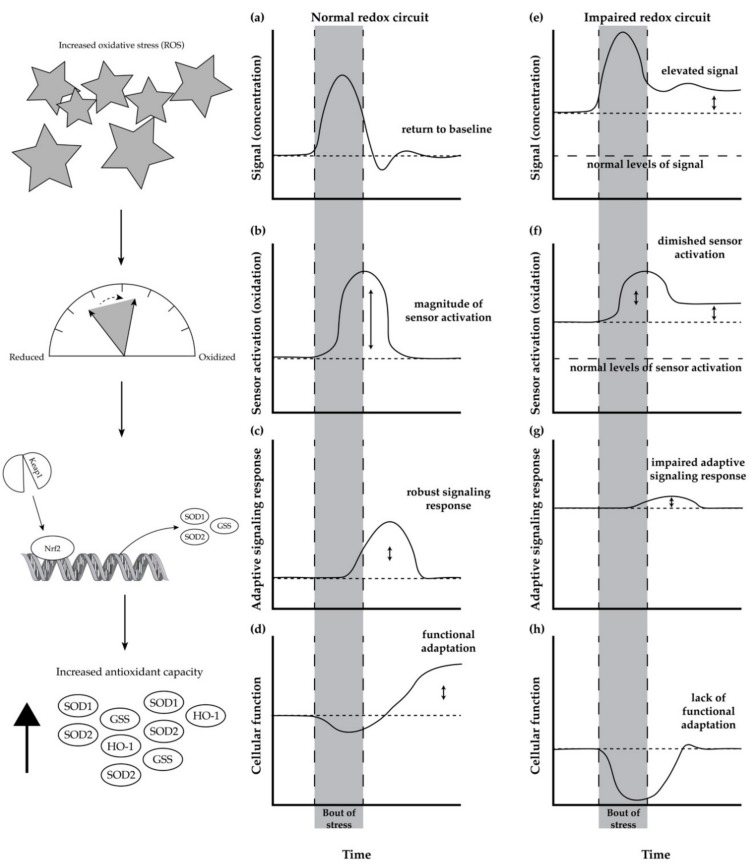
“The redox circuit functions in this manner: hydrogen peroxide (Figure 1a, the signal) oxidizes cysteine residues (Figure 1b, the sensor) of the Nrf2/Keap1 complex, which leads to activation of the transcription factor Nrf2 (Figure 1c, the response pathway), and an increase in cellular antioxidant enzymatic capacity (F…”
BackgroundWelcome to the ICD‐10 code for sarcopenia
Anker, S. D., Morley, J. E., & von Haehling, S. (2016) · Journal of Cachexia, Sarcopenia and Muscle · doi:10.1002/jcsm.12147 · Cited by 983 · cited 1×
“Whilst there is debate on the value of returning to the strict definition of sarcopenia as loss of muscle mass and establishing new terminology to characterize age-related muscle dysfunction [23,24], the World Health Organization (WHO) recently established an ICD-10 code for sarcopenia defined as loss of skeletal musc…”
BackgroundPhysical Activity in U.S. Adults
Tucker, J. M., Welk, G. J., & Beyler, N. K. (2011) · American Journal of Preventive Medicine · doi:10.1016/j.amepre.2010.12.016 · Cited by 977 · cited 1×
“Whilst exercise remains the most effective intervention to maintain and improve health, adherence to exercise guidelines remains remarkably low both in the United States (less than 10%) and Europe (less than 50%) [122,123].”
BackgroundBjelakovic, G., Nikolova, D., Gluud, L. L., Simonetti, R. G., & Gluud, C. (2012) · Cochrane Database of Systematic Reviews · doi:10.1002/14651858.cd007176.pub2 · Cited by 924 · cited 1×
“Beyond adaptation to exercise, a meta-analysis reveals that exogenous antioxidant supplementation provides no protection against chronic disease or mortality from chronic diseases [127].”
BackgroundGomez-Cabrera, M.-C., Domenech, E., Romagnoli, M., Arduini, A., Borras, C., Pallardo, F. V., Sastre, J., & Viña, J. (2008) · The American Journal of Clinical Nutrition · doi:10.1093/ajcn/87.1.142 · Cited by 844 · cited 2×
“This becomes apparent when observing the effects of supplementing aerobic exercise with vitamins C and E [125,126].”
BackgroundSuh, J. H., Shenvi, S. V., Dixon, B. M., Liu, H., Jaiswal, A. K., Liu, R.-M., & Hagen, T. M. (2004) · Proceedings of the National Academy of Sciences · doi:10.1073/pnas.0400282101 · Cited by 772 · cited 2×
“However, with age, the impaired ability to resolve oxidative stress [62,64] (Figure 1a→Figure 1e) leads to the constitutive oxidation (signal) of the GSSG/GSH redox pair (Figure 1b→Figure 1f) [61,67].”
BackgroundCollapse of proteostasis represents an early molecular event in Caenorhabditis elegans aging
Ben-Zvi, A., Miller, E. A., & Morimoto, R. I. (2009) · Proceedings of the National Academy of Sciences · doi:10.1073/pnas.0902882106 · Cited by 649 · cited 1×
“The accumulation of damaged proteins impairs the contractile machinery responsible for force production and transduction [41,73,74].”
BackgroundShort, K. R., Vittone, J. L., Bigelow, M. L., Proctor, D. N., Rizza, R. A., Coenen-Schimke, J. M., & Nair, K. S. (2003) · Diabetes · doi:10.2337/diabetes.52.8.1888 · Cited by 631 · cited 1×
“Aerobic exercise protects from age-related chronic diseases such as Alzheimer’s disease [86], cancer [97], cardiovascular disease [98], diabetes [99], and many more [8].”
BackgroundYun, J., & Finkel, T. (2014) · Cell Metabolism · doi:10.1016/j.cmet.2014.01.011 · Cited by 626
Landi, F., Cruz-Jentoft, A. J., Liperoti, R., Russo, A., Giovannini, S., Tosato, M., Capoluongo, E., Bernabei, R., & Onder, G. (2013) · Age and Ageing · doi:10.1093/ageing/afs194 · Cited by 619 · cited 1×
“Sarcopenia increases the risk of falls three-fold in adults above the age of 80 years [29].”
BackgroundMolecular mechanisms linking exercise to cancer prevention and treatment
Hojman, P., Gehl, J., Christensen, J. F., & Pedersen, B. K. (2018) · Cell Metabolism · doi:10.1016/j.cmet.2017.09.015 · Cited by 600 · cited 1×
“Aerobic exercise protects from age-related chronic diseases such as Alzheimer’s disease [86], cancer [97], cardiovascular disease [98], diabetes [99], and many more [8].”
BackgroundRedox regulation of mitochondrial function
Handy, D. E., & Loscalzo, J. (2012) · Antioxidants & Redox Signaling · doi:10.1089/ars.2011.4123 · Cited by 588
Endurance Exercise as a Countermeasure for Aging
Lanza, I. R., Short, D. K., Short, K. R., Raghavakaimal, S., Basu, R., Joyner, M. J., McConnell, J. P., & Nair, K. S. (2008) · Diabetes · doi:10.2337/db08-0349 · Cited by 582
Piantadosi, C. A., Carraway, M. S., Babiker, A., & Suliman, H. B. (2008) · Circulation Research · doi:10.1161/01.res.0000338597.71702.ad · Cited by 578 · cited 1×
“There is also evidence to suggest that the activation of Nrf2 also has “crosstalk” promoting mitochondrial biogenesis [117].”
BackgroundIncrease of mitochondria and mitochondrial DNA in response to oxidative stress in human cells
LEE, H.-C., YIN, P.-H., LU, C.-Y., CHI, C.-W., & WEI, Y.-H. (2000) · Biochemical Journal · doi:10.1042/bj3480425 · Cited by 551 · cited 1×
“Indeed, the stress imposed by exercise training has long been recognized as the most robust stimulus for mitochondrial biogenesis, increasingly recognized as redox-sensitive adaptation [102,118,119], resulting in enhanced mitochondrial function throughout age [120,121].”
BackgroundRobinson, M. M., Dasari, S., Konopka, A. R., Johnson, M. L., Manjunatha, S., Esponda, R. R., Carter, R. E., Lanza, I. R., & Nair, K. S. (2017) · Cell Metabolism · doi:10.1016/j.cmet.2017.02.009 · Cited by 539 · cited 1×
“Indeed, the stress imposed by exercise training has long been recognized as the most robust stimulus for mitochondrial biogenesis, increasingly recognized as redox-sensitive adaptation [102,118,119], resulting in enhanced mitochondrial function throughout age [120,121].”
BackgroundMitohormesis: Promoting Health and Lifespan by Increased Levels of Reactive Oxygen Species (ROS)
Ristow, M., & Schmeisser, K. (2014) · Dose-Response · doi:10.2203/dose-response.13-035.ristow · Cited by 534
New insights into the role of mitochondria in aging: mitochondrial dynamics and more
Seo, A. Y., Joseph, A.-M., Dutta, D., Hwang, J. C. Y., Aris, J. P., & Leeuwenburgh, C. (2010) · Journal of Cell Science · doi:10.1242/jcs.070490 · Cited by 522 · cited 1×
“, mitochondrial dynamics [11,12], calcium handling [13]).”
Atkins, J. L., Whincup, P. H., Morris, R. W., Lennon, L. T., Papacosta, O., & Wannamethee, S. G. (2014) · Journal of the American Geriatrics Society · doi:10.1111/jgs.12652 · Cited by 509
Larsson, L., Sjödin, B., & Karlsson, J. (1978) · Acta Physiologica Scandinavica · doi:10.1111/j.1748-1716.1978.tb06187.x · Cited by 495 · cited 1×
“These data indicate that other factors besides muscle mass contribute to overall strength and function, including energetics [45], muscle fiber type [42], innervation [46], redox signaling [47], and skeletal muscle proteome integrity [48,49].”
BackgroundAMPK and the biochemistry of exercise: implications for human health and disease
Richter, E. A., & Ruderman, N. B. (2009) · Biochemical Journal · doi:10.1042/bj20082055 · Cited by 481 · cited 3×
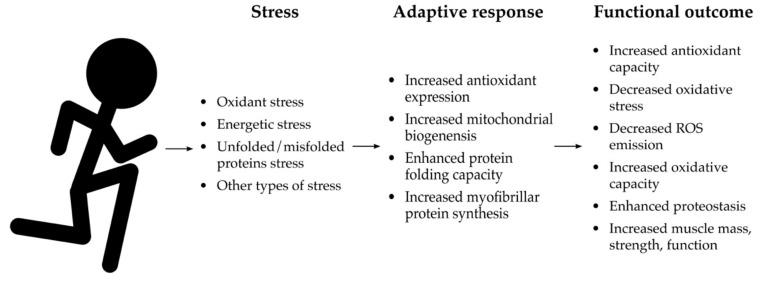
“At a molecular level, aerobic exercise acutely stimulates the generation of ROS and it activates a multitude of redox circuits related to stress adaptation [105] (e.g., AMPK [106], MAP kinases [107], and NFkB [108]) (Figure 2).”
BackgroundHealthy Hearts—and the Universal Benefits of Being Physically Active: Physical Activity and Health
Blair, S. N., & Morris, J. N. (2009) · Annals of Epidemiology · doi:10.1016/j.annepidem.2009.01.019 · Cited by 457
Invited Review: Redox modulation of skeletal muscle contraction: what we know and what we don't
Reid, M. B. (2001) · Journal of Applied Physiology · doi:10.1152/jappl.2001.90.2.724 · Cited by 456
Collagen, cross-linking, and advanced glycation end products in aging human skeletal muscle
Haus, J. M., Carrithers, J. A., Trappe, S. W., & Trappe, T. A. (2007) · Journal of Applied Physiology · doi:10.1152/japplphysiol.00670.2007 · Cited by 415 · cited 2×
“The accumulation of damaged proteins impairs the contractile machinery responsible for force production and transduction [41,73,74].”
BackgroundO'Neill, H. M., Maarbjerg, S. J., Crane, J. D., Jeppesen, J., Jørgensen, S. B., Schertzer, J. D., Shyroka, O., Kiens, B., van Denderen, B. J., Tarnopolsky, M. A., et al. (2011) · Proceedings of the National Academy of Sciences · doi:10.1073/pnas.1105062108 · Cited by 406
Innervation and neuromuscular control in ageing skeletal muscle
Hepple, R. T., & Rice, C. L. (2016) · The Journal of Physiology · doi:10.1113/jp270561 · Cited by 400 · cited 1×
“These data indicate that other factors besides muscle mass contribute to overall strength and function, including energetics [45], muscle fiber type [42], innervation [46], redox signaling [47], and skeletal muscle proteome integrity [48,49].”
BackgroundThat which does not kill me makes me stronger: adapting to chronic ER stress
Rutkowski, D. T., & Kaufman, R. J. (2007) · Trends in Biochemical Sciences · doi:10.1016/j.tibs.2007.09.003 · Cited by 398 · cited 1×
“Acute activation of the UPR through exercise-induced oxidant stress also improves protein folding capacity and enhances the mechanisms related to proteostasis [114].”
BackgroundAging, exercise, and muscle protein metabolism
Koopman, R., & van Loon, L. J. C. (2009) · Journal of Applied Physiology · doi:10.1152/japplphysiol.91551.2008 · Cited by 371
Strong, R., Miller, R. A., Antebi, A., Astle, C. M., Bogue, M., Denzel, M. S., Fernandez, E., Flurkey, K., Hamilton, K. L., Lamming, D. W., et al. (2016) · Aging Cell · doi:10.1111/acel.12496 · Cited by 362 · cited 1×
“As opposed to exogenous antioxidant supplements, Protandim, an Nrf2 activator, has been shown to extend the median lifespan in male heterogenous mice [131].”
BackgroundSelf-citationLee, H.-Y., Choi, C. S., Birkenfeld, A. L., Alves, T. C., Jornayvaz, F. R., Jurczak, M. J., Zhang, D., Woo, D. K., Shadel, G. S., Ladiges, W., et al. (2010) · Cell Metabolism · doi:10.1016/j.cmet.2010.11.004 · Cited by 319 · cited 1×
“In contrast, enhancing endogenous antioxidant capacity permits redox signaling whilst simultaneously preventing ROS from reaching a tipping point in which a stress becomes maladaptive [130].”
BackgroundMuthusamy, V. R., Kannan, S., Sadhaasivam, K., Gounder, S. S., Davidson, C. J., Boeheme, C., Hoidal, J. R., Wang, L., & Rajasekaran, N. S. (2012) · Free Radical Biology and Medicine · doi:10.1016/j.freeradbiomed.2011.10.440 · Cited by 316 · cited 1×
“ROS generated during exercise activate the transcription factor Nrf2, leading to the transcription of genes encoding much of the endogenous antioxidant network [115].”
BackgroundPhysiological geroscience: targeting function to increase healthspan and achieve optimal longevity
Seals, D. R., Justice, J. N., & LaRocca, T. J. (2016) · The Journal of Physiology · doi:10.1113/jphysiol.2014.282665 · Cited by 312 · cited 1×
“With the growing aging population, researchers and healthcare providers have shifted focus to extending healthspan (as opposed to the lifespan), or the period of time living free of age-related chronic diseases, such as diabetes, cardiovascular disease, and Alzheimer’s disease [4,5].”
BackgroundNrf2 mediates redox adaptations to exercise
Done, A. J., & Traustadóttir, T. (2016) · Redox Biology · doi:10.1016/j.redox.2016.10.003 · Cited by 308 · cited 2×
“Aerobic exercise, as discussed, is a potent stimulator of endogenous antioxidant upregulation, resulting in the transcription of endogenous antioxidants, such as SOD1 and SOD2, which is mediated by the activation of transcription factors, such as Nrf2 [70,116,129].”
BackgroundPluquet, O., Pourtier, A., & Abbadie, C. (2015) · American Journal of Physiology-Cell Physiology · doi:10.1152/ajpcell.00334.2014 · Cited by 305 · cited 5×
“, the unfolded protein response (UPR) [68]; the protein phosphorylome in response to redox modulation [69]) and have different roles than the Nrf2 signaling pathway in maintaining redox and protein homeostasis.”
BackgroundInfluentialThe Regulation of AMP-Activated Protein Kinase by H2O2
Choi, S.-L., Kim, S.-J., Lee, K.-T., Kim, J., Mu, J., Birnbaum, M. J., Soo Kim, S., & Ha, J. (2001) · Biochemical and Biophysical Research Communications · doi:10.1006/bbrc.2001.5544 · Cited by 294
Acute exercise activates nuclear factor (NF)‐ΚB signaling pathway in rat skeletal muscle
JI, L. L., GOMEZCABRERA, M., STEINHAFEL, N., & VINA, J. (2004) · The FASEB Journal · doi:10.1096/fj.04-1846com · Cited by 280 · cited 2×
“At a molecular level, aerobic exercise acutely stimulates the generation of ROS and it activates a multitude of redox circuits related to stress adaptation [105] (e.g., AMPK [106], MAP kinases [107], and NFkB [108]) (Figure 2).”
BackgroundCardiorespiratory Fitness and Mortality in Healthy Men and Women
Imboden, M. T., Harber, M. P., Whaley, M. H., Finch, W. H., Bishop, D. L., & Kaminsky, L. A. (2018) · Journal of the American College of Cardiology · doi:10.1016/j.jacc.2018.08.2166 · Cited by 276
Live strong and prosper: the importance of skeletal muscle strength for healthy ageing
McLeod, M., Breen, L., Hamilton, D. L., & Philp, A. (2016) · Biogerontology · doi:10.1007/s10522-015-9631-7 · Cited by 274 · cited 1×
“In addition, skeletal muscle function predicts the survival rates of other diseases such as cancer [39].”
BackgroundMitochondrial redox signalling at a glance
Collins, Y., Chouchani, E. T., James, A. M., Menger, K. E., Cochemé, H. M., & Murphy, M. P. (2012) · Journal of Cell Science · doi:10.1242/jcs.098475 · Cited by 254 · cited 1×
“Mitochondrial function plays a significant underlying role in many of these factors, including maintaining energetics [18], skeletal muscle innervation [50], proteome integrity (proteostasis) [51], and redox homeostasis [52].”
BackgroundChin, S. O., Rhee, S. Y., Chon, S., Hwang, Y.-C., Jeong, I.-K., Oh, S., Ahn, K. J., Chung, H. Y., Woo, J.-T., Kim, S.-W., et al. (2013) · PLoS ONE · doi:10.1371/journal.pone.0060119 · Cited by 252
Merry, T. L., & Ristow, M. (2016) · The Journal of Physiology · doi:10.1113/jp271957 · Cited by 246 · cited 1×
“Indeed, the stress imposed by exercise training has long been recognized as the most robust stimulus for mitochondrial biogenesis, increasingly recognized as redox-sensitive adaptation [102,118,119], resulting in enhanced mitochondrial function throughout age [120,121].”
BackgroundAging Hallmarks: The Benefits of Physical Exercise
Rebelo-Marques, A., De Sousa Lages, A., Andrade, R., Ribeiro, C. F., Mota-Pinto, A., Carrilho, F., & Espregueira-Mendes, J. (2018) · Frontiers in Endocrinology · doi:10.3389/fendo.2018.00258 · Cited by 246
Aerobic exercise training improves whole muscle and single myofiber size and function in older women
Harber, M. P., Konopka, A. R., Douglass, M. D., Minchev, K., Kaminsky, L. A., Trappe, T. A., & Trappe, S. (2009) · American Journal of Physiology-Regulatory, Integrative and Comparative Physiology · doi:10.1152/ajpregu.00354.2009 · Cited by 242 · cited 2×
“In skeletal muscle, aerobic exercise training enhances mitochondrial function [93,94], stimulates skeletal muscle hypertrophy [88], and maintains strength and function throughout life [95,96].”
BackgroundTapia, P. C. (2006) · Medical Hypotheses · doi:10.1016/j.mehy.2005.09.009 · Cited by 239 · cited 1×
“The term mitohormesis was first proposed in 2006 referring to the notion that sublethal mitochondrial stress can stimulate a robust cellular response that improves mitochondrial and overall cellular function [76].”
BackgroundKubo, E., Chhunchha, B., Singh, P., Sasaki, H., & Singh, D. P. (2017) · Scientific Reports · doi:10.1038/s41598-017-14520-8 · Cited by 230
Harber, M. P., Konopka, A. R., Undem, M. K., Hinkley, J. M., Minchev, K., Kaminsky, L. A., Trappe, T. A., & Trappe, S. (2012) · Journal of Applied Physiology · doi:10.1152/japplphysiol.00786.2012 · Cited by 218 · cited 2×
“In skeletal muscle, aerobic exercise training enhances mitochondrial function [93,94], stimulates skeletal muscle hypertrophy [88], and maintains strength and function throughout life [95,96].”
BackgroundPansarasa, O., Bertorelli, L., Vecchiet, J., Felzani, G., & Marzatico, F. (1999) · Free Radical Biology and Medicine · doi:10.1016/s0891-5849(99)00108-2 · Cited by 212 · cited 2×
“However, due to desensitization to the signal and increased sensor activation [55], the impaired redox circuit fails to elicit a functional adaptation or enhance antioxidant capacity (Figure 1h) [61].”
BackgroundExercise stimulates the mitogen-activated protein kinase pathway in human skeletal muscle.
Aronson, D., Violan, M. A., Dufresne, S. D., Zangen, D., Fielding, R. A., & Goodyear, L. J. (1997) · Journal of Clinical Investigation · doi:10.1172/jci119282 · Cited by 209 · cited 1×
“, AMPK [106], MAP kinases [107], and NFkB [108]) (Figure 2).”
BackgroundBatsis, J. A., Mackenzie, T. A., Lopez-Jimenez, F., & Bartels, S. J. (2015) · Nutrition Research · doi:10.1016/j.nutres.2015.09.003 · Cited by 203
Konopka, A. R., Suer, M. K., Wolff, C. A., & Harber, M. P. (2014) · The Journals of Gerontology: Series A · doi:10.1093/gerona/glt107 · Cited by 187 · cited 1×
“In skeletal muscle, aerobic exercise training enhances mitochondrial function [93,94], stimulates skeletal muscle hypertrophy [88], and maintains strength and function throughout life [95,96].”
BackgroundFang, E. F., Waltz, T. B., Kassahun, H., Lu, Q., Kerr, J. S., Morevati, M., Fivenson, E. M., Wollman, B. N., Marosi, K., Wilson, M. A., et al. (2017) · Scientific Reports · doi:10.1038/srep46208 · Cited by 187
Siegel, M. P., Kruse, S. E., Percival, J. M., Goh, J., White, C. C., Hopkins, H. C., Kavanagh, T. J., Szeto, H. H., Rabinovitch, P. S., & Marcinek, D. J. (2013) · Aging Cell · doi:10.1111/acel.12102 · Cited by 186 · cited 1×
“Treatment with SS31 in old mice results in improvements mitochondrial function, redox homeostasis, and skeletal muscle function [139,140].”
BackgroundPrevalence of Sarcopenia and Associated Outcomes in the Clinical Setting
Peterson, S. J., & Braunschweig, C. A. (2016) · Nutrition in Clinical Practice · doi:10.1177/0884533615622537 · Cited by 185 · cited 1×
“Lower levels of muscle function and the increased risk of disability and frailty also hinders recovery from hospitalization, predisposing individuals to admission to nursing home facilities [30].”
BackgroundAdaptive responses of mouse skeletal muscle to contractile activity: The effect of age
Vasilaki, A., McArdle, F., Iwanejko, L. M., & McArdle, A. (2006) · Mechanisms of Ageing and Development · doi:10.1016/j.mad.2006.08.004 · Cited by 182 · cited 1×
“In fact, with sedentary aging, there is a diminished capacity to acutely elicit ROS emission during exercise [103], which impairs muscle contractile force and the adaptive redox circuits that impart cytoprotective effects [59,100,104].”
BackgroundOLSHANSKY, S. J., GOLDMAN, D. P., ZHENG, Y., & ROWE, J. W. (2009) · The Milbank Quarterly · doi:10.1111/j.1468-0009.2009.00581.x · Cited by 182 · cited 1×
“8% of the population will be above the age of 65 years by 2050 [3].”
BackgroundGonzalez‐Freire, M., Scalzo, P., D'Agostino, J., Moore, Z. A., Diaz‐Ruiz, A., Fabbri, E., Zane, A., Chen, B., Becker, K. G., Lehrmann, E., et al. (2018) · Aging Cell · doi:10.1111/acel.12725 · Cited by 179
Jackson, M. J., & McArdle, A. (2011) · The Journal of Physiology · doi:10.1113/jphysiol.2011.206623 · Cited by 177 · cited 1×
“In fact, with sedentary aging, there is a diminished capacity to acutely elicit ROS emission during exercise [103], which impairs muscle contractile force and the adaptive redox circuits that impart cytoprotective effects [59,100,104].”
BackgroundMitohormesis in exercise training
Merry, T. L., & Ristow, M. (2016) · Free Radical Biology and Medicine · doi:10.1016/j.freeradbiomed.2015.11.032 · Cited by 176 · cited 2×
“While the study of aerobic exercise on health and aging is decades old, the paradigm in which aerobic exercise exerts a mitohormetic effect is relatively new [83].”
BackgroundHow healthy is the healthspan concept?
Kaeberlein, M. (2018) · GeroScience · doi:10.1007/s11357-018-0036-9 · Cited by 176 · cited 1×
“With the growing aging population, researchers and healthcare providers have shifted focus to extending healthspan (as opposed to the lifespan), or the period of time living free of age-related chronic diseases, such as diabetes, cardiovascular disease, and Alzheimer’s disease [4,5].”
BackgroundMorrison, D., Hughes, J., Della Gatta, P. A., Mason, S., Lamon, S., Russell, A. P., & Wadley, G. D. (2015) · Free Radical Biology and Medicine · doi:10.1016/j.freeradbiomed.2015.10.412 · Cited by 171 · cited 1×
“This becomes apparent when observing the effects of supplementing aerobic exercise with vitamins C and E [125,126].”
BackgroundAge-induced oxidative stress: how does it influence skeletal muscle quantity and quality?
Baumann, C. W., Kwak, D., Liu, H. M., & Thompson, L. V. (2016) · Journal of Applied Physiology · doi:10.1152/japplphysiol.00321.2016 · Cited by 169 · cited 1×
“damage of proteins, such as contractile proteins, which compromises proteome integrity [49,58].”
BackgroundAntioxidants are not identical and their effects are not uniform over the population (2009)
Hemilä, H. (2009) · doi:10.13140/2.1.4426.0641 · Cited by 164
Survival of the fittest VO sub 2 sub max a key predictor of longevity
Strasser, B. (2018) · Frontiers in Bioscience · doi:10.2741/4657 · Cited by 162
Miller, C. J., Gounder, S. S., Kannan, S., Karan, G., Muthusamy, V. R., Firpo, M. A., Symons, J. D., Paine, R., Hoidal, J. R., & Rajasekaran, N. S. (2012) · Biochimica et Biophysica Acta (BBA) - Molecular Basis of Disease · doi:10.1016/j.bbadis.2012.02.007 · Cited by 160 · cited 3×
“This is partially due to the fact that Nrf2 activity decreases with age [62,63].”
BackgroundDysfunctional Nrf2–Keap1 redox signaling in skeletal muscle of the sedentary old
Safdar, A., deBeer, J., & Tarnopolsky, M. A. (2010) · Free Radical Biology and Medicine · doi:10.1016/j.freeradbiomed.2010.08.010 · Cited by 158 · cited 1×
“This is partially due to the fact that Nrf2 activity decreases with age [62,63].”
BackgroundMitochondria as a Target for Mitigating Sarcopenia
Coen, P. M., Musci, R. V., Hinkley, J. M., & Miller, B. F. (2019) · Frontiers in Physiology · doi:10.3389/fphys.2018.01883 · Cited by 154 · cited 1×
“We have previously highlighted the efficacy of targeting mitochondrial function to improve skeletal muscle proteostasis and function through improvements of energetics and the mitigation of oxidative damage [51,54].”
BackgroundSelf-citationMidlife Cardiorespiratory Fitness and the Long-Term Risk of Mortality
Clausen, J. S. R., Marott, J. L., Holtermann, A., Gyntelberg, F., & Jensen, M. T. (2018) · Journal of the American College of Cardiology · doi:10.1016/j.jacc.2018.06.045 · Cited by 152
Rasmussen, U. F., Krustrup, P., Kjær, M., & Rasmussen, H. (2003) · Experimental Gerontology · doi:10.1016/s0531-5565(03)00092-5 · Cited by 149
Mitochondrial energetics is impaired in vivo in aged skeletal muscle
Gouspillou, G., Bourdel‐Marchasson, I., Rouland, R., Calmettes, G., Biran, M., Deschodt‐Arsac, V., Miraux, S., Thiaudiere, E., Pasdois, P., Detaille, D., et al. (2014) · Aging Cell · doi:10.1111/acel.12147 · Cited by 147
Calcium signaling alterations, oxidative stress, and autophagy in aging
Ureshino, R. P., Rocha, K. K., Lopes, G. S., Bincoletto, C., & Smaili, S. S. (2014) · Antioxidants & Redox Signaling · doi:10.1089/ars.2013.5777 · Cited by 143 · cited 1×
“, mitochondrial dynamics [11,12], calcium handling [13]).”
Miller, B. F., Robinson, M. M., Bruss, M. D., Hellerstein, M., & Hamilton, K. L. (2012) · Aging Cell · doi:10.1111/j.1474-9726.2011.00769.x · Cited by 137
Self-citationMitochondrial respiratory capacity and coupling control decline with age in human skeletal muscle
Porter, C., Hurren, N. M., Cotter, M. V., Bhattarai, N., Reidy, P. T., Dillon, E. L., Durham, W. J., Tuvdendorj, D., Sheffield-Moore, M., Volpi, E., et al. (2015) · American Journal of Physiology-Endocrinology and Metabolism · doi:10.1152/ajpendo.00125.2015 · Cited by 134
Holloway, G. P., Holwerda, A. M., Miotto, P. M., Dirks, M. L., Verdijk, L. B., & van Loon, L. J. C. (2018) · Cell Reports · doi:10.1016/j.celrep.2018.02.069 · Cited by 134 · cited 1×
“Two key characteristics of mitochondrial dysfunction are decrements in ATP production and a concomitant increase in reactive oxygen species (ROS) production [10].”
BackgroundImpaired proteostasis during skeletal muscle aging
Fernando, R., Drescher, C., Nowotny, K., Grune, T., & Castro, J. P. (2019) · Free Radical Biology and Medicine · doi:10.1016/j.freeradbiomed.2018.08.037 · Cited by 134 · cited 1×
“The accumulation of damaged proteins impairs the contractile machinery responsible for force production and transduction [41,73,74].”
BackgroundCampbell, M. D., Duan, J., Samuelson, A. T., Gaffrey, M. J., Merrihew, G. E., Egertson, J. D., Wang, L., Bammler, T. K., Moore, R. J., White, C. C., et al. (2019) · Free Radical Biology and Medicine · doi:10.1016/j.freeradbiomed.2018.12.031 · Cited by 134 · cited 1×
“Treatment with SS31 in old mice results in improvements mitochondrial function, redox homeostasis, and skeletal muscle function [139,140].”
BackgroundEndoplasmic Reticulum Unfolded Protein Response, Aging and Exercise: An Update
Estébanez, B., Fernández, J. A. D. P., Cuevas, M. J., & González‐Gallego, J. (2018) · Frontiers in Physiology · doi:10.3389/fphys.2018.01744 · Cited by 127 · cited 1×
“Acute exercise also stimulates the UPR, another redox circuit, through increasing the protein folding demand [109,110].”
BackgroundReuland, D. J., Khademi, S., Castle, C. J., Irwin, D. C., McCord, J. M., Miller, B. F., & Hamilton, K. L. (2012) · Free Radical Biology and Medicine · doi:10.1016/j.freeradbiomed.2012.11.016 · Cited by 123 · cited 1×
“Our lab has demonstrated that treatment with Protandim protects coronary endothelial cells and cardiomyocytes from oxidative stress challenges [132,133].”
BackgroundSelf-citationMitohormesis in Mice via Sustained Basal Activation of Mitochondrial and Antioxidant Signaling
Cox, C. S., McKay, S. E., Holmbeck, M. A., Christian, B. E., Scortea, A. C., Tsay, A. J., Newman, L. E., & Shadel, G. S. (2018) · Cell Metabolism · doi:10.1016/j.cmet.2018.07.011 · Cited by 122 · cited 1×
“Mitohormesis likely contributes to health benefits by upregulating antioxidant enzymes [81], increasing mitochondrial biogenesis [79,81], enhancing mitochondrial function [82], and improving redox homeostasis [81].”
BackgroundSarcopenia: a potential cause and consequence of type 2 diabetes in Australia's ageing population?
Scott, D., Courten, B., & Ebeling, P. R. (2016) · Medical Journal of Australia · doi:10.5694/mja16.00446 · Cited by 119 · cited 1×
“For example, given the role of skeletal muscle in glucose metabolism, there is growing speculation that sarcopenia could impair insulin sensitivity [32] and several prospective studies have indeed linked sarcopenia with increased incidence”
BackgroundCardiovascular and skeletal muscle health with lifelong exercise
Gries, K. J., Raue, U., Perkins, R. K., Lavin, K. M., Overstreet, B. S., D’Acquisto, L. J., Graham, B., Finch, W. H., Kaminsky, L. A., Trappe, T. A., et al. (2018) · Journal of Applied Physiology · doi:10.1152/japplphysiol.00174.2018 · Cited by 119 · cited 1×
“Aerobic exercise protects from age-related chronic diseases such as Alzheimer’s disease [86], cancer [97], cardiovascular disease [98], diabetes [99], and many more [8].”
BackgroundAntioxidant supplements in exercise: worse than useless?
Gomez-Cabrera, M. C., Ristow, M., & Viña, J. (2012) · American Journal of Physiology-Endocrinology and Metabolism · doi:10.1152/ajpendo.00567.2011 · Cited by 95
Lee, M.-R., Jung, S. M., Bang, H., Kim, H. S., & Kim, Y. B. (2018) · Medicine · doi:10.1097/md.0000000000010984 · Cited by 95
The role of Nrf2 in skeletal muscle contractile and mitochondrial function
Crilly, M. J., Tryon, L. D., Erlich, A. T., & Hood, D. A. (2016) · Journal of Applied Physiology · doi:10.1152/japplphysiol.00042.2016 · Cited by 94 · cited 2×
“Aerobic exercise, as discussed, is a potent stimulator of endogenous antioxidant upregulation, resulting in the transcription of endogenous antioxidants, such as SOD1 and SOD2, which is mediated by the activation of transcription factors, such as Nrf2 [70,116,129].”
BackgroundJackson, M. J. (2016) · Molecular Aspects of Medicine · doi:10.1016/j.mam.2016.05.002 · Cited by 90 · cited 1×
“These data indicate that other factors besides muscle mass contribute to overall strength and function, including energetics [45], muscle fiber type [42], innervation [46], redox signaling [47], and skeletal muscle proteome integrity [48,49].”
BackgroundNrf2 deficiency promotes apoptosis and impairs PAX7/MyoD expression in aging skeletal muscle cells
Narasimhan, M., Hong, J., Atieno, N., Muthusamy, V. R., Davidson, C. J., Abu-Rmaileh, N., Richardson, R. S., Gomes, A. V., Hoidal, J. R., & Rajasekaran, N. S. (2014) · Free Radical Biology and Medicine · doi:10.1016/j.freeradbiomed.2014.02.023 · Cited by 86 · cited 1×
“Disruption of the redox homeostasis also deleteriously affects muscle regeneration and skeletal muscle precursor differentiation [75].”
BackgroundSnow, L. M., Fugere, N. A., & Thompson, L. V. (2007) · The Journals of Gerontology Series A: Biological Sciences and Medical Sciences · doi:10.1093/gerona/62.11.1204 · Cited by 86 · cited 2×
“Unmitigated and sustained increases in ROS also damages proteins, including proteins responsible for contractions [48,71].”
BackgroundOxidative proteome alterations during skeletal muscle ageing.
Lourenço dos Santos, S., Baraibar, M. A., Lundberg, S., Eeg-Olofsson, O., Larsson, L., & Friguet, B. (2015) · Redox Biology · doi:10.1016/j.redox.2015.05.006 · Cited by 82
Wright, V. P., Reiser, P. J., & Clanton, T. L. (2009) · The Journal of Physiology · doi:10.1113/jphysiol.2009.178285 · Cited by 82 · cited 3×
“adherence to tissue harvesting and treatment required to accurately measure these effects are quite prohibitive [69,142].”
BackgroundGaffney, C. J., Pollard, A. K., Barratt, T. F., Constantin‐Teodosiu, D., Greenhaff, P. L., & Szewczyk, N. J. (2018) · Aging · doi:10.18632/aging.101654 · Cited by 82 · cited 2×
“Moreover, oxidative damage to mitochondria impairs their capacity to generate ATP [59], which in turn impairs processes critical to maintaining the proteome (proteostasis) and myocellular function [53].”
BackgroundThe Pleiotropic Effect of Physical Exercise on Mitochondrial Dynamics in Aging Skeletal Muscle
Barbieri, E., Agostini, D., Polidori, E., Potenza, L., Guescini, M., Lucertini, F., Annibalini, G., Stocchi, L., De Santi, M., & Stocchi, V. (2015) · Oxidative Medicine and Cellular Longevity · doi:10.1155/2015/917085 · Cited by 80 · cited 1×
“Given the multitude of effects of aerobic exercise [141], it is difficult to isolate the specific set of mechanisms by which aerobic exercise improves redox signaling and homeostasis.”
BackgroundThe Ability of Exercise-Associated Oxidative Stress to Trigger Redox-Sensitive Signalling Responses
Webb, R., Hughes, M. G., Thomas, A. J., & Morris, K. (2017) · Antioxidants · doi:10.3390/antiox6030063 · Cited by 79 · cited 1×
“At a molecular level, aerobic exercise acutely stimulates the generation of ROS and it activates a multitude of redox circuits related to stress adaptation [105] (e.”
BackgroundThe unfolded protein response is triggered following a single, unaccustomed resistance-exercise bout
Ogborn, D. I., McKay, B. R., Crane, J. D., Parise, G., & Tarnopolsky, M. A. (2014) · American Journal of Physiology-Regulatory, Integrative and Comparative Physiology · doi:10.1152/ajpregu.00511.2013 · Cited by 78 · cited 1×
“Acute exercise also stimulates the UPR, another redox circuit, through increasing the protein folding demand [109,110].”
BackgroundAssociation of Muscular Strength and Incidence of Type 2 Diabetes
Wang, Y., Lee, D.-C., Brellenthin, A. G., Sui, X., Church, T. S., Lavie, C. J., & Blair, S. N. (2019) · Mayo Clinic Proceedings · doi:10.1016/j.mayocp.2018.08.037 · Cited by 78
Distefano, G., Standley, R. A., Dubé, J. J., Carnero, E. A., Ritov, V. B., Stefanovic-Racic, M., Toledo, F. G. S., Piva, S. R., Goodpaster, B. H., & Coen, P. M. (2016) · The Journals of Gerontology Series A: Biological Sciences and Medical Sciences · doi:10.1093/gerona/glw102 · Cited by 76 · cited 1×
“When covariates such as physical activity, fitness, and adiposity are controlled for, there is only a weak inverse correlation between age and mitochondrial function that accounts for less than 5% of variations observed in maximal oxidative capacity in mitochondria [20].”
BackgroundOh, S., Komine, S., Warabi, E., Akiyama, K., Ishii, A., Ishige, K., Mizokami, Y., Kuga, K., Horie, M., Miwa, Y., et al. (2017) · Scientific Reports · doi:10.1038/s41598-017-12926-y · Cited by 70 · cited 1×
“Aerobic exercise, as discussed, is a potent stimulator of endogenous antioxidant upregulation, resulting in the transcription of endogenous antioxidants, such as SOD1 and SOD2, which is mediated by the activation of transcription factors, such as Nrf2 [70,116,129].”
BackgroundBurkart, A., Shi, X., Chouinard, M., & Corvera, S. (2011) · Journal of Biological Chemistry · doi:10.1074/jbc.m110.134106 · Cited by 68 · cited 1×
“Mitochondrial dysfunction also impairs the UPR, thereby hindering a proteostatic mechanism to repair damaged proteins and maintain proteome integrity [72].”
BackgroundDonovan, E. L., McCord, J. M., Reuland, D. J., Miller, B. F., & Hamilton, K. L. (2012) · Oxidative Medicine and Cellular Longevity · doi:10.1155/2012/132931 · Cited by 64 · cited 1×
“Our lab has demonstrated that treatment with Protandim protects coronary endothelial cells and cardiomyocytes from oxidative stress challenges [132,133].”
BackgroundSelf-citationThe influence of age and aerobic fitness: effects on mitochondrial respiration in skeletal muscle
Larsen, S., Hey‐Mogensen, M., Rabøl, R., Stride, N., Helge, J. W., & Dela, F. (2012) · Acta Physiologica · doi:10.1111/j.1748-1716.2012.02408.x · Cited by 63
Kramer, P. A., Duan, J., Qian, W.-J., & Marcinek, D. J. (2015) · Frontiers in Physiology · doi:10.3389/fphys.2015.00347 · Cited by 54 · cited 1×
“adherence to tissue harvesting and treatment required to accurately measure these effects are quite prohibitive [69,142].”
BackgroundKonopka, A. R., Laurin, J. L., Musci, R. V., Wolff, C. A., Reid, J. J., Biela, L. M., Zhang, Q., Peelor, F. F., Melby, C. L., Hamilton, K. L., et al. (2017) · GeroScience · doi:10.1007/s11357-017-9968-8 · Cited by 44
Self-citationVasilaki, A., Richardson, A., Van Remmen, H., Brooks, S. V., Larkin, L., McArdle, A., & Jackson, M. J. (2017) · The Journal of Physiology · doi:10.1113/jp274336 · Cited by 44 · cited 1×
“Mitochondrial function plays a significant underlying role in many of these factors, including maintaining energetics [18], skeletal muscle innervation [50], proteome integrity (proteostasis) [51], and redox homeostasis [52].”
BackgroundHamilton, K. L., & Miller, B. F. (2017) · The Journal of Physiology · doi:10.1113/jp274335 · Cited by 41 · cited 1×
“Mitohormesis likely contributes to health benefits by upregulating antioxidant enzymes [81], increasing mitochondrial biogenesis [79,81], enhancing mitochondrial function [82], and improving redox homeostasis [81].”
BackgroundSelf-citationDiminished stress resistance and defective adaptive homeostasis in age-related diseases
Lomeli, N., Bota, D. A., & Davies, K. J. A. (2017) · Clinical Science · doi:10.1042/cs20160982 · Cited by 41 · cited 1×
“As a consequence, impaired redox signaling and oxidative damage predispose aged individuals to chronic diseases such as diabetes, Alzheimer’s disease, and sarcopenia [57].”
BackgroundTargeting mitochondrial function and proteostasis to mitigate dynapenia
Musci, R. V., Hamilton, K. L., & Miller, B. F. (2018) · European Journal of Applied Physiology · doi:10.1007/s00421-017-3730-x · Cited by 38 · cited 3×
“As a result of improved mitochondrial capacity, energetics seem to be more capable of investing in costly proteome maintenance, collectively called proteostatic mechanisms [51].”
BackgroundSelf-citationDrenth, H., Zuidema, S., Bunt, S., Bautmans, I., van der Schans, C., & Hobbelen, H. (2016) · European Review of Aging and Physical Activity · doi:10.1186/s11556-016-0163-1 · Cited by 37 · cited 1×
“Unmitigated and sustained increases in ROS also damages proteins, including proteins responsible for contractions [48,71].”
BackgroundWolff, C. A., Reid, J. J., Musci, R. V., Bruns, D. R., Linden, M. A., Konopka, A. R., Peelor, F. F., Miller, B. F., & Hamilton, K. L. (2019) · The Journals of Gerontology Series A · doi:10.1093/gerona/glz058 · Cited by 37
Self-citationDifferential effects of vitamin C or protandim on skeletal muscle adaptation to exercise
Bruns, D. R., Ehrlicher, S. E., Khademi, S., Biela, L. M., Peelor, F. F., Miller, B. F., & Hamilton, K. L. (2018) · Journal of Applied Physiology · doi:10.1152/japplphysiol.00277.2018 · Cited by 36 · cited 2×
“However, there appears to be some additive effect of improving cellular antioxidant capacity to exercise, as demonstrated by our work in which Nrf2 activators enhanced mitochondrial proteostasis in active rats [134] and increased proteostatic mechanisms in the skeletal muscle of older adults [135].”
BackgroundSelf-citationMcArdle, A., Pollock, N., Staunton, C. A., & Jackson, M. J. (2019) · Free Radical Biology and Medicine · doi:10.1016/j.freeradbiomed.2018.11.038 · Cited by 35 · cited 1×
“Elevated levels of ROS (the signal) impair redox signaling by disrupting the initiation (via a sensor) of an adaptive response to the stress, thereby impairing the ability to functionally adapt to the stress [64,65].”
BackgroundMarsaux, C. F. M., Celis-Morales, C. A., Hoonhout, J., Claassen, A., Goris, A. H. C., Forster, H., Fallaize, R., Macready, A. L., Navas‐Carretero, S., Kolossa, S., et al. (2016) · PLoS ONE · doi:10.1371/journal.pone.0150902 · Cited by 31 · cited 1×
“Whilst exercise remains the most effective intervention to maintain and improve health, adherence to exercise guidelines remains remarkably low both in the United States (less than 10%) and Europe (less than 50%) [122,123].”
BackgroundMaliszewska, K., Adamska-Patruno, E., Gościk, J., Lipińska, D., Citko, A., Krahel, A., Miniewska, K., Fiedorczuk, J., Moroz, M., Górska, M., et al. (2019) · Nutrients · doi:10.3390/nu11040834 · Cited by 31
Miotto, P. M., & Holloway, G. P. (2019) · Mitochondrion · doi:10.1016/j.mito.2018.03.003 · Cited by 30 · cited 2×
“In addition, a bout of aerobic exercise acutely imposes a cellular oxidative stress by transiently increasing ROS emission by simultaneously stimulating electron flux and decreasing ADP sensitivity [102].”
BackgroundRejuvenation of the term sarcopenia
Bülow, J., Ulijaszek, S. J., & Holm, L. (2018) · Journal of Applied Physiology · doi:10.1152/japplphysiol.00400.2018 · Cited by 30 · cited 1×
“Whilst there is debate on the value of returning to the strict definition of sarcopenia as loss of muscle mass and establishing new terminology to characterize age-related muscle dysfunction [23,24], the World Health Organization (WHO) recently established an ICD-10 code for sarcopenia defined as loss of skeletal musc…”
BackgroundNrf2 Protects Against TWEAK-mediated Skeletal Muscle Wasting
Al‐Sawaf, O., Fragoulis, A., Rosen, C., Kan, Y. W., Sönmez, T. T., Pufe, T., & Wruck, C. J. (2014) · Scientific Reports · doi:10.1038/srep03625 · Cited by 26
Commentaries on Viewpoint: Rejuvenation of the term sarcopenia
Langer, H. T., Mossakowski, A. A., Baar, K., Alcázar, J., Martín-Rincón, M., Alegre, L. M., Ara, I., Calbet, J. A. L., Hinkley, J. M., Coen, P. M., et al. (2019) · Journal of Applied Physiology · doi:10.1152/japplphysiol.00816.2018 · Cited by 20 · cited 1×
“Whilst there is debate on the value of returning to the strict definition of sarcopenia as loss of muscle mass and establishing new terminology to characterize age-related muscle dysfunction [23,24], the World Health Organization (WHO) recently established an ICD-10 code for sarcopenia defined as loss of skeletal musc…”
BackgroundSelf-citationRattan, S. I. S., Demirovic, D., & Nizard, C. (2017) · Mechanisms of Ageing and Development · doi:10.1016/j.mad.2017.09.005 · Cited by 18 · cited 2×
“Elevated levels of ROS (the signal) impair redox signaling by disrupting the initiation (via a sensor) of an adaptive response to the stress, thereby impairing the ability to functionally adapt to the stress [64,65].”
Background‘Molecular habituation’ as a potential mechanism of gradual homeostatic loss with age
Guimera, A. M., Welsh, C., Proctor, C. J., McArdle, A., & Shanley, D. P. (2017) · Mechanisms of Ageing and Development · doi:10.1016/j.mad.2017.11.010 · Cited by 16
Precision remodeling: how exercise improves mitochondrial quality in myofibers
Drake, J. C., & Yan, Z. (2019) · Current Opinion in Physiology · doi:10.1016/j.cophys.2019.05.005 · Cited by 8 · cited 1×
“, mitochondrial dynamics [11,12], calcium handling [13]).”
Modelling the role of redox-related mechanisms in musculoskeletal ageing
Guimera, A. M., Shanley, D. P., & Proctor, C. J. (2018) · Free Radical Biology and Medicine · doi:10.1016/j.freeradbiomed.2018.09.013 · Cited by 7 · cited 1×
“Aged individuals have higher resting levels of ROS production, and they also have an impaired ability to acutely increase ROS to elicit an adaptive response [62,66].”
BackgroundExercise physiology: From performance studies to muscle physiology and cardiovascular adaptations
Kiens, B., Richter, E. A., & Wojtaszewski, J. F. P. (2014) · Journal of Applied Physiology · doi:10.1152/japplphysiol.00874.2014 · Cited by 4
Cited by
Exercise-induced oxidative stress: Friend or foe?
Powers, S. K., Deminice, R., Ozdemir, M., Yoshihara, T., Bomkamp, M. P., & Hyatt, H. (2020) · Journal of Sport and Health Science · doi:10.1016/j.jshs.2020.04.001 · Cited by 655
“This exercise-induced hormesis concept has received recent support from several investigators.(17,106,109,110) As discussed elsewhere in this article, it has been established that exercise-induced increases in the production of ROS in skeletal muscle plays a required role in”
Healthful aging mediated by inhibition of oxidative stress
Vatner, S. F., Zhang, J., Oydanich, M., Berkman, T., Naftalovich, R., & Vatner, D. E. (2020) · Ageing Research Reviews · doi:10.1016/j.arr.2020.101194 · Cited by 238
Role of Age-Related Mitochondrial Dysfunction in Sarcopenia
Ferri, E., Marzetti, E., Calvani, R., Picca, A., Cesari, M., & Arosio, B. (2020) · International Journal of Molecular Sciences · doi:10.3390/ijms21155236 · Cited by 224
Inflammaging, hormesis and the rationale for anti-aging strategies
Santoro, A., Martucci, M., Conte, M., Capri, M., Franceschi, C., & Salvioli, S. (2020) · Ageing Research Reviews · doi:10.1016/j.arr.2020.101142 · Cited by 113
The geroscience agenda: Toxic stress, hormetic stress, and the rate of aging
Epel, E. S. (2020) · Ageing Research Reviews · doi:10.1016/j.arr.2020.101167 · Cited by 123
Metadata
- Authors
- Musci, R., Hamilton, K., & Linden, M.
- Affiliations
- Colorado State University (US)
- Corresponding author
- Musci, Robert
- Venue
- Sports
- Publisher
- MDPI AG
- Published
- 2019-07-11
- Volume
- 7
- Issue
- 7
- Pages
- 170
- ISSN
- 2075-4663 (ISSN-L)
- PMC
- PMC6681340
- OpenAlex
- W2959115523
- Semantic Scholar
- 5a47df375c4c7c64b9a504210e9be762bd98bcdf
- Cited by
- 73
- References
- 142
- Citations by year
- 2026: 5 · 2025: 7 · 2024: 8 · 2023: 10 · 2022: 15 · 2021: 7 · 2020: 18 · 2019: 1
- FWCI
- 1.43
- Type
- journal article
- Language
- en
- Open access
- gold
- dx.doi.org
- Licence
- Locations
- Sports (publishedVersion, cc-by)
- Europe PMC (PubMed Central) (publishedVersion, cc-by)
- PubMed Central (publishedVersion, cc-by)
- PubMed (publishedVersion)
- DOAJ (DOAJ: Directory of Open Access Journals) (submittedVersion, cc-by-sa)
- Topics
- Health Sciences › Medicine › Physiology (medical) › Exercise and Physiological Responses
- Life Sciences › Biochemistry, Genetics and Molecular Biology › Molecular Biology › Muscle Physiology and Disorders
- Life Sciences › Biochemistry, Genetics and Molecular Biology › Molecular Biology › Mitochondrial Function and Pathology
- Keywords
- mitohormesis, aerobic exercise, sarcopenia, skeletal muscle, healthspan extension, Nrf2 signaling, oxidative stress, mitochondrial biogenesis, mitochondrial superoxide, redox homeostasis, mitochondrial function, aging, proteostasis, chronic disease
About these checks
Registry, retraction, Cites and statistics results are computed, not judged, with one exception: a printed reference that no index lists is read once by a model before it counts as a citation error. Claims are extracted by a model and kept only when their quote appears verbatim in the text; each cited source is then checked, with a model’s help, for whether it says what the claim relies on. Those verdicts can be wrong — read the claim’s quote and the cited source before relying on one.
Statistics and arithmetic are recomputed, not judged.
Confidence bands are shown only for fields calibrated on our annotated test set. None is calibrated yet, so no band is shown.
What counts as a claim ›How we measure confidence ›How we check this ›
Are you an author, or do you see a problem with this page? Request a review
Data sources
Bibliographic data: Semantic Scholar, OpenAlex, Crossref.
Contains information from the Semantic Scholar Academic Graph Datasets, made available under the ODC Attribution License (ODC-BY 1.0).
Semantic Scholar’s data is described in: Kinney, R., et al. (2023). The Semantic Scholar Open Data Platform. arXiv:2301.10140.
