

Vulnerability factors among children at risk for anxiety disorders
Open accessThe DOI matches its Crossref record; 86 of the 89 references it cites were found in a registry or an index.
Abstract
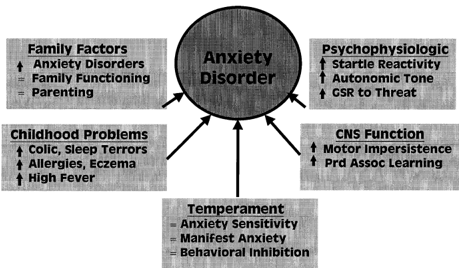
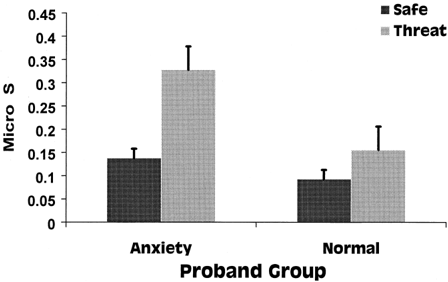
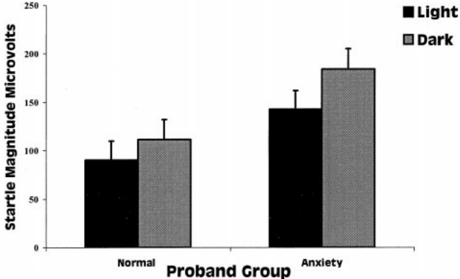
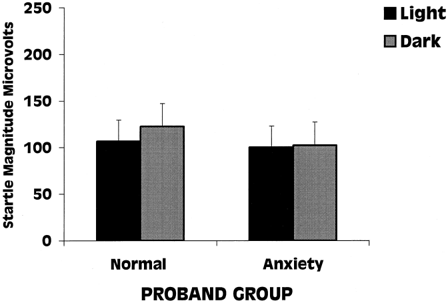
BACKGROUND: The high-risk strategy is one of the most powerful approaches for identifying premorbid risk factors and reducing etiologic and phenotypic heterogeneity characteristic of the major psychiatric disorders. METHODS: This paper reviews the methods of high-risk research and findings from previous high-risk studies of anxiety. The preliminary results of the 6-8 year follow-up of a high-risk study of 192 offspring of probands with anxiety disorders, substance abuse, and unaffected controls are presented. The key study measures include comprehensive diagnostic interviews, symptom ratings, indirect measures of brain functioning (neuropsychologic, neurologic and psychophysiologic function), developmental measures, and family functioning measures. RESULTS: The major findings reveal that there is specificity of familial aggregation of anxiety disorders among parents and children; children at high risk for anxiety have increased startle reflex, autonomic reactivity, and stress reactivity, higher verbal IQ, and deficits in paired associative learning as compared to other children. CONCLUSIONS: The finding that family environment and parenting do not differ between children at risk for anxiety disorders and other children, when taken together with the strong degree of specificity of transmission of anxiety disorders, suggests that there may be temperamental vulnerability factors for anxiety disorders in general that may already manifest in children prior to puberty.
Overview
The claims and statistics of this paper haven’t been checked yet.
Free: it reads the open-access text and checks the first 5 claims that cite a source we can check. Create a free account to check every claim.
Integrity signals
Registry
Cites
Statistics
Figures
Verification
Claims the paper makes
The claims and statistics of this paper haven’t been checked yet.
Free: it reads the open-access text and checks the first 5 claims that cite a source we can check. Create a free account to check every claim.
Claims other papers make about this one
Each is checked against this paper’s own text: does it say what the citing paper says it does?
The cited source says what the claim attributes to it.
In the citing paper
“Various vulnerability factors have been associated with risk for mood and anxiety disorders, including a parental history of anxiety disorders (Merikangas et al, 1999), early life stress (Nemeroff, 2004), and being female (Kessler et al, 1994).”
From Phasic vs Sustained Fear in Rats and Humans: Role of the Extended Amygdala in Fear vs Anxiety (2010) · cites this paper as Merikangas et al, 1999
Self-check
Percentages, sums and reported differences re-computed from the paper’s own numbers.
The self-check needs the paper’s full text.
Citations
Cites
Diagnostic and Statistical Manual of Mental Disorders
Williams, J. B. W., & First, M. (2013) · Encyclopedia of Social Work · doi:10.1093/acrefore/9780199975839.013.104 · Cited by 109,519
A Diagnostic Interview: The Schedule for Affective Disorders and Schizophrenia
Endicott, J. (1978) · Archives of General Psychiatry · doi:10.1001/archpsyc.1978.01770310043002 · Cited by 5,684
Diagnostic and Statistical Manual of Mental Disorders (3rd ed. rev.)
Drake, M. (1988) · The American Journal of Occupational Therapy · doi:10.5014/ajot.42.10.683b · Cited by 5,240
Gray, J. A. (1982) · Behavioral and Brain Sciences · doi:10.1017/s0140525x00013066 · Cited by 4,477 · cited 1×
“These results begin to test the pathways posited by Gray (1982) , Kagan et al (1998), and others that implicated the projections from the amygdala that control the cognitive, motor, and autonomic systems involved in the fear response.”
A parental bonding instrument.
Parker, G., Tupling, H., & Brown, L. B. (1979) · British Journal of Medical Psychology · doi:10.1111/j.2044-8341.1979.tb02487.x · Cited by 3,788
THE McMASTER FAMILY ASSESSMENT DEVICE*
Epstein, N. B., Baldwin, L. M., & Bishop, D. S. (1983) · Journal of Marital and Family Therapy · doi:10.1111/j.1752-0606.1983.tb01497.x · Cited by 3,510
Anxiety, sensitivity, anxiety frequency, and the prediction of fearfulness
Reiss, S., Peterson, R. A., Gursky, D. M., & McNally, R. J. (1986) · Behaviour Research and Therapy · doi:10.1016/0005-7967(86)90143-9 · Cited by 3,169
Children of depressed parents: An integrative review.
Downey, G., & Coyne, J. C. (1990) · Psychological Bulletin · doi:10.1037//0033-2909.108.1.50 · Cited by 2,355 · cited 1×
“The role of a family history of psychiatric disorders as one of the most potent risk factors for the development of psychopathology has generated a substantial body of research on offspring of parents with schizophrenia, alcoholism, anxiety disorders, and affective disorders (Downey and Coyne 1990; Erlenmeyer-Kimling…”
BackgroundWhat I Think and Feel: A Revised Measure of Children's Manifest Anxiety
Reynolds, C. R., & Richmond, B. O. (1997) · Journal of Abnormal Child Psychology · doi:10.1023/a:1025751206600 · Cited by 1,935
Pine, D. S., Cohen, P., Gurley, D., Brook, J., & Ma, Y. (1998) · Archives of General Psychiatry · doi:10.1001/archpsyc.55.1.56 · Cited by 1,753 · cited 2×
“This finding, when taken together with findings of similar sensitivity in children and adolescents with panic ( Pine et al 1998 ), suggests that CO2 sensitivity may be a promising trait marker for the development of panic.”
BackgroundResultWhat i think and feel: A revised measure of children's manifest anxiety
Reynolds, C. R., & Richmond, B. O. (1978) · Journal of Abnormal Child Psychology · doi:10.1007/bf00919131 · Cited by 1,741
OLSON, D. H., SPRENKLE, D. H., & RUSSELL, C. S. (1979) · Family Process · doi:10.1111/j.1545-5300.1979.00003.x · Cited by 1,526
Anxiety and the Anxiety Disorders
Tuma, A. H., & Maser, J. (1990) · International Clinical Psychopharmacology · doi:10.1097/00004850-199001000-00015 · Cited by 1,270
Chambers, W. J. (1985) · Archives of General Psychiatry · doi:10.1001/archpsyc.1985.01790300064008 · Cited by 1,269
Behavioral Inhibition to the Unfamiliar
Kagan, J., Reznick, J. S., Clarke, C., Snidman, N. C., & Garcia-Coll, C. T. (1984) · Child Development · doi:10.1111/j.1467-8624.1984.tb03916.x · Cited by 742 · cited 1×
“Kagan et al (1984) reported an association between allergic symptoms, particularly hay fever, and inhibited temperament in young children.”
BackgroundKendler, K. S. (1995) · Archives of General Psychiatry · doi:10.1001/archpsyc.1995.03950170048007 · Cited by 693
Galen's Prophecy: Temperament In Human Nature
Kagan, J., Snidman, N. C., Arcus, D. M., & Reznick, J. S. (1994) · Medical Entomology and Zoology · Cited by 648
Comorbidity of mood and anxiety disorders
Maser, J. D., & Cloninger, C. R. (1990) · Medical Entomology and Zoology · Cited by 633
Walker, D. L., & Davis, M. (1997) · The Journal of Neuroscience · doi:10.1523/jneurosci.17-23-09375.1997 · Cited by 627 · cited 1×
“It has been suggested elsewhere that the facilitation of startle by darkness was mediated by the bed nucleus of the stria terminalis (Grillon et al 1997a; Walker and Davis 1997).”
BackgroundAre different parts of the extended amygdala involved in fear versus anxiety?
Davis, M. (1998) · Biological Psychiatry · doi:10.1016/s0006-3223(98)00288-1 · Cited by 549 · cited 3×
“This anxiety-like reaction has been linked to the bed nucleus of the stria terminalis (Davis 1998).”
BackgroundInfluentialKendler, K. S. (1992) · Archives of General Psychiatry · doi:10.1001/archpsyc.1992.01820040025003 · Cited by 548
Windle, M., & Lerner, R. M. (1986) · Journal of Adolescent Research · doi:10.1177/074355488612007 · Cited by 522
At Risk for Anxiety: I. Psychopathology in the Offspring of Anxious Parents
BEIDEL, D. C., & TURNER, S. M. (1997) · Journal of the American Academy of Child & Adolescent Psychiatry · doi:10.1097/00004583-199707000-00013 · Cited by 444 · cited 2×
“Studies that employed a comparison group of parent probands with depressive disorders have shown that rates of anxiety disorders are also increased among the offspring of these parents (Beidel and Turner 1997; Sylvester et al 1988; Turner et al 1987; Warner et al 1995); conversely, offspring of parents Table 1.”
BackgroundPsychopathology in the offspring of anxiety disorders patients.
Turner, S. M., Beidel, D. C., & Costello, A. (1987) · Journal of Consulting and Clinical Psychology · doi:10.1037//0022-006x.55.2.229 · Cited by 397 · cited 6×
“Studies that employed a comparison group of parent probands with depressive disorders have shown that rates of anxiety disorders are also increased among the offspring of these parents (Beidel and Turner 1997; Sylvester et al 1988; Turner et al 1987; Warner et al 1995); conversely, offspring of parents Table 1. Contro…”
BackgroundInfluentialWiedemann, K. (2015) · International Encyclopedia of the Social & Behavioral Sciences · doi:10.1016/b978-0-08-097086-8.27006-2 · Cited by 394
Revised Neurological Examination for Subtle Signs (1985).
DENCKLA, M. B. (1985) · PubMed · Cited by 344
Anxiety Disorders in Children and Their Families
Last, C. G. (1991) · Archives of General Psychiatry · doi:10.1001/archpsyc.1991.01810340060008 · Cited by 340
Behavioral and neuroendocrine responses in shy children
Schmidt, L. A., Fox, N. A., Rubin, K. H., Sternberg, E. M., Gold, P. W., Smith, C. C., & Schulkin, J. (1997) · Developmental Psychobiology · doi:10.1002/(sici)1098-2302(199703)30:2<127::aid-dev4>3.0.co;2-s · Cited by 332
Grillon, C., & Morgan, C. A. (1999) · Journal of Abnormal Psychology · doi:10.1037/0021-843x.108.1.134 · Cited by 331 · cited 1×
“Recent reviews of this large body of research are presented by Johnson and Lydiard (1995), Goddard et al (1996), Coplan and Lydiard (1998), Fyer (1998), Stein et al (1998) and Kagan et al (1998).”
BackgroundSelf-citationTryptophan depletion in normal volunteers produces selective impairments in learning and memory
Park, S. B., Coull, J. T., McShane, R. H., Young, A. H., Sahakian, B. J., Robbins, T. W., & Cowen, P. J. (1994) · Neuropharmacology · doi:10.1016/0028-3908(94)90089-2 · Cited by 310 · cited 1×
“Based on prior studies of specific deficits in paired associative learning, but not other subtests of the CANTAB sensitive to frontal lobe dysfunction, after reduction of serotonin by tryptophan depletion in normal subjects, Park et al (1994) concluded that the serotonergic system may have a specific role in the proce…”
BackgroundCo-morbidity and familial aggregation of alcoholism and anxiety disorders
MERIKANGAS, K. R., STEVENS, D. E., FENTON, B., STOLAR, M., O'MALLEY, S., WOODS, S. W., & RISCH, N. (1998) · Psychological Medicine · doi:10.1017/s0033291798006941 · Cited by 301
Self-citationBehavioral Inhibition in Children of Parents With Panic Disorder and Agoraphobia: A Controlled Study
Rosenbaum, J. F. (1988) · Archives of General Psychiatry · doi:10.1001/archpsyc.1988.01800290083010 · Cited by 293
The Relationship of Anxiety and Depression: A Review of the Literature
Stavrakaki, C., & Vargo, B. (1986) · British Journal of Psychiatry · doi:10.1192/bjp.149.1.7 · Cited by 276 · cited 1×
“Nonetheless, similar to studies of adults that show common familial and genetic risk factors for anxiety and depression (Kendler et al 1993; Merikangas 1990; Stavrakaki and Vargo 1986 ), these studies have revealed that there is a lack of specificity with respect to depression (Beidel and Turner 1997; Sylvester et al…”
BackgroundMerikangas, K. R., Dierker, L. C., & Szatmari, P. (1998) · Journal of Child Psychology and Psychiatry · doi:10.1017/s0021963098002522 · Cited by 244
Self-citationChildhood Derivatives of High and Low Reactivity in Infancy
Kagan, J., Snidman, N., & Arcus, D. (1998) · Child Development · doi:10.1111/j.1467-8624.1998.tb06171.x · Cited by 235 · cited 5×
“Recent reviews of this large body of research are presented by Johnson and Lydiard (1995), Goddard et al (1996), Coplan and Lydiard (1998), Fyer (1998), Stein et al (1998) and Kagan et al (1998) .”
BackgroundInfluentialHammen, C. (1997) · Issues in Clinical Child Psychology · doi:10.1007/978-1-4757-2677-0_5 · Cited by 230
A Direct-Interview Family Study of Generalized Social Phobia
Stein, M. B., Chartier, M. J., Hazen, A. L., Kozak, M. V., Tancer, M. E., Lander, S., Furer, P., Chubaty, D., & Walker, J. R. (1998) · American Journal of Psychiatry · doi:10.1176/ajp.155.1.90 · Cited by 225
Psychosocial risks for major depression in late adolescence: a longitudinal community study
REINHERZ, H. Z., GIACONIA, R. M., PAKIZ, B., SILVERMAN, A. B., FROST, A. K., & LEFKOWITZ, E. S. (1993) · Journal of the American Academy of Child & Adolescent Psychiatry · doi:10.1097/00004583-199311000-00007 · Cited by 217 · cited 1×
“Evidence for the latter has been suggested by a strong association between depression and environmental adversity (Rutter 1986), increased incidence of depression in youth after acute stress ( Reinherz et al 1993 ), and increased rates of Conduct Disorder among offspring of parents concordant for psychiatric disorders…”
BackgroundSpecificity in Familial Aggregation of Phobic Disorders
Fyer, A. J. (1995) · Archives of General Psychiatry · doi:10.1001/archpsyc.1995.03950190046007 · Cited by 216
The Epidemiology of Childhood Hyperactivity
Garralda, M. E. (1992) · Archives of Disease in Childhood · doi:10.1136/adc.67.8.1060-b · Cited by 215
Wilkinson, D. J. C., Thompson, J. M., Lambert, G. W., Jennings, G. L., Schwarz, R. G., Jefferys, D., Turner, A. G., & Esler, M. D. (1998) · Archives of General Psychiatry · doi:10.1001/archpsyc.55.6.511 · Cited by 214
A twin study of DSM‐III‐R anxiety disorders
Skre, I., Onstad, S., Torgersen, S., Lygren, S., & Kringlen, E. (1993) · Acta Psychiatrica Scandinavica · doi:10.1111/j.1600-0447.1993.tb03419.x · Cited by 214 · cited 1×
“Panic disorder is the anxiety syndrome that has been shown to have the strongest degree of familial aggregation, with an average relative risk of approximately 9.4 (Weissman 1993), as well as the highest heritability (Kendler et al 1993, 1995; Skre et al 1993 ).”
BackgroundInfluentialBaseline and fear-potentiated startle in panic disorder patients
Grillon, C., Ameli, R., Goddard, A., Woods, S. W., & Davis, M. (1994) · Biological Psychiatry · doi:10.1016/0006-3223(94)90040-x · Cited by 212 · cited 1×
“The wide range of biochemical and physiologic measures that have been investigated as potential trait markers for anxiety disorders fall into the following three categories: 1) psychophysiologic function such as pulse, respiration rate, and galvanic skin response and other output of the sympathetic nervous system (e.g…”
BackgroundSelf-citationChildhood psychopathology and development
Guzé, S. B., Earls, F. J., & Barrett, J. E. (1983) · Raven Press eBooks · Cited by 197
A Direct Interview Family Study of Social Phobia
Fyer, A. J. (1993) · Archives of General Psychiatry · doi:10.1001/archpsyc.1993.01820160056007 · Cited by 195
Brain circuits in panic disorder
Coplan, J. D., & Lydiard, R. B. (1998) · Biological Psychiatry · doi:10.1016/s0006-3223(98)00300-x · Cited by 194 · cited 1×
“Recent reviews of this large body of research are presented by Johnson and Lydiard (1995), Goddard et al (1996), Coplan and Lydiard (1998), Fyer (1998), Stein et al (1998) and Kagan et al (1998).”
BackgroundDarkness facilitates the acoustic startle reflex in humans
Grillon, C., Pellowski, M., Merikangas, K. R., & Davis, M. (1997) · Biological Psychiatry · doi:10.1016/s0006-3223(96)00466-0 · Cited by 193
Self-citationOffspring at High and Low Risk for Depression and Anxiety: Mechanisms of Psychiatric Disorder
Warner, V., Mufson, L., & Weissman, M. M. (1995) · Journal of the American Academy of Child & Adolescent Psychiatry · doi:10.1097/00004583-199506000-00020 · Cited by 190 · cited 4×
“Nonetheless, similar to studies of adults that show common familial and genetic risk factors for anxiety and depression (Kendler et al 1993; Merikangas 1990; Stavrakaki and Vargo 1986), these studies have revealed that there is a lack of specificity with respect to depression (Beidel and Turner 1997; Sylvester et al 1…”
BackgroundInfluentialPrenatal and perinatal influences on risk for psychopathology in childhood and adolescence
ALLEN, N. B., LEWINSOHN, P. M., & SEELEY, J. R. (1998) · Development and Psychopathology · doi:10.1017/s0954579498001722 · Cited by 180 · cited 1×
“In a retrospective review of prenatal, perinatal, and early childhood risk factors for different forms of psychiatric disorders in adolescence and early adulthood, Allen et al (1998) found that anxiety disorders in adolescents were associated specifically with illness during the first year of life, particularly high f…”
BackgroundInfluence of Parental Concordance for Psychiatric Disorders on Psychopathology in Offspring
Dierker, L. C., Merikangas, K. R., & Szatmari, P. (1999) · Journal of the American Academy of Child & Adolescent Psychiatry · doi:10.1097/00004583-199903000-00015 · Cited by 178 · cited 3×
“Probands were contacted at approximately 2-year intervals to obtain permission for follow-up of the offspring ( Dierker et al 1999; Merikangas et al 1998a).”
BackgroundMethodResultSelf-citationFamilial Aggregation and Phenomenology of 'Early'-Onset (at or Before Age 20 Years): Panic Disorder
Goldstein, R. B. (1997) · Archives of General Psychiatry · doi:10.1001/archpsyc.1997.01830150097014 · Cited by 174 · cited 1×
“These results begin to test the pathways posited by Gray (1982), Kagan et al (1998), and others that implicated the projections from the amygdala that control the cognitive, motor, and autonomic systems involved in the fear response.”
BackgroundA family study of generalized anxiety disorder
(1987) · American Journal of Psychiatry · doi:10.1176/ajp.144.8.1019 · Cited by 173
Comorbidity and social phobia: evidence from clinical, epidemiologic, and genetic studies
Merikangas, K. R., & Angst, J. (1995) · European Archives of Psychiatry and Clinical Neuroscience · doi:10.1007/bf02190407 · Cited by 161
Self-citationReznick, J. S., Hegeman, I. M., Kaufman, E. R., Woods, S. W., & Jacobs, M. (1992) · Development and Psychopathology · doi:10.1017/s095457940000016x · Cited by 159
Biederman, J., Rosenbaum, J. F., Bolduc, E. A., Faraone, S. V., & Hirshfeld, D. R. (1991) · Psychiatry Research · doi:10.1016/0165-1781(91)90068-z · Cited by 158
Lerner, R. M., Palermo, M., Spiro, A., & Nesselroade, J. R. (1982) · Child Development · doi:10.1111/j.1467-8624.1982.tb01302.x · Cited by 157
ALLEN, M. T., & MATTHEWS, K. A. (1997) · Psychophysiology · doi:10.1111/j.1469-8986.1997.tb02403.x · Cited by 155 · cited 1×
“The lack of pre- and perinatal risk factors for the development of anxiety disorders confirms the findings of Allen and Matthews (1997), who found that children who suffered from a variety of exposures ranging from prenatal substance use to postnatal injuries were more likely to develop behavior disorders (particularl…”
BackgroundComorbid-ity of Mood and Anxiety Disorders
Roy‐Byrne, P. (1991) · The Journal of Nervous and Mental Disease · doi:10.1097/00005053-199111000-00021 · Cited by 153
Fear-potentiated startle in adolescent offspring of parents with anxiety disordersf
Grillon, C., Dierker, L., & Merikangas, K. R. (1998) · Biological Psychiatry · doi:10.1016/s0006-3223(98)00188-7 · Cited by 151
Self-citationComparison of the family history method to direct interview
Orvaschel, H., Thompson, W. D., Belanger, A., Prusoff, B. A., & Kídd, K. K. (1982) · Journal of Affective Disorders · doi:10.1016/0165-0327(82)90019-2 · Cited by 148 · cited 2×
“Kiddie-Schedule for Affective Disorders and Schizophrenia (K-SADS-E) was used for diagnostic assessment of the offspring (Orvaschel et al 1982), modified for DSM-III-R (Chambers et al 1985; Gammon et al 1983; Orvaschel et al 1982 ).”
MethodMajor depression and phobias: the genetic and environmental sources of comorbidity
Kendler, K. S., Neale, M. C., Kessler, R. C., Heath, A. C., & Eaves, L. J. (1993) · Psychological Medicine · doi:10.1017/s0033291700028464 · Cited by 142 · cited 2×
“Nonetheless, similar to studies of adults that show common familial and genetic risk factors for anxiety and depression ( Kendler et al 1993; Merikangas 1990; Stavrakaki and Vargo 1986), these studies have revealed that there is a lack of specificity with respect to depression (Beidel and Turner 1997; Sylvester et al…”
BackgroundInfluentialChildhood Psychopathology and Development
Chess, S. (1984) · The Journal of Nervous and Mental Disease · doi:10.1097/00005053-198401000-00024 · Cited by 136
Startle Modulation in Children at Risk for Anxiety Disorders and/or Alcoholism
GRILLON, C., DIERKER, L., & MERIKANGAS, K. R. (1997) · Journal of the American Academy of Child & Adolescent Psychiatry · doi:10.1097/00004583-199707000-00014 · Cited by 135 · cited 3×
“Some recent work has begun to test the stability of these measures under various conditions (Wilkinson et al 1998), as well as the prognostic significance of these measures (Grillon et al 1997a, 1998; Schmidt et al 1997) and their presence in children ( Grillon et al 1997a, 1998; Kagan et al 1998; Pine et al 1998).”
BackgroundSelf-citationRelatives at risk for mental disorder
Holland, A. J. (1990) · Behaviour Research and Therapy · doi:10.1016/0005-7967(90)90092-w · Cited by 124
Fear, Anxiety and Perceived Control in Children of Agoraphobic Parents
Capps, L., Sigman, M., Sena, R., Heoker, B., & Whalen, C. (1996) · Journal of Child Psychology and Psychiatry · doi:10.1111/j.1469-7610.1996.tb01425.x · Cited by 108
Current approaches to etiology and pathophysiology of specific phobia
Fyer, A. J. (1998) · Biological Psychiatry · doi:10.1016/s0006-3223(98)00274-1 · Cited by 104 · cited 1×
“Recent reviews of this large body of research are presented by Johnson and Lydiard (1995), Goddard et al (1996), Coplan and Lydiard (1998), Fyer (1998) , Stein et al (1998) and Kagan et al (1998).”
BackgroundPsychophysiological assessment of anxious emotional states in children.
Beidel, D. C. (1988) · Journal of Abnormal Psychology · doi:10.1037//0021-843x.97.1.80 · Cited by 97
Family genetic studies of panic disorder
Weissman, M. M. (1993) · Journal of Psychiatric Research · doi:10.1016/0022-3956(93)90018-w · Cited by 94 · cited 1×
“Panic disorder is the anxiety syndrome that has been shown to have the strongest degree of familial aggregation, with an average relative risk of approximately 9.4 ( Weissman 1993 ), as well as the highest heritability (Kendler et al 1993, 1995; Skre et al 1993).”
BackgroundInfluentialSylvester, C. E., Hyde, T. S., & Reichler, R. J. (1987) · Journal of the American Academy of Child & Adolescent Psychiatry · doi:10.1097/00004583-198709000-00010 · Cited by 88
(1983) · American Journal of Psychiatry · doi:10.1176/ajp.140.5.543 · Cited by 71
Startle potentiation by threat of aversive stimuli and darkness in adolescents: a multi-site study
Grillon, C., Merikangas, K. R., Dierker, L., Snidman, N., Arriaga, R. I., Kagan, J., Donzella, B., Dikel, T., & Nelson, C. (1999) · International Journal of Psychophysiology · doi:10.1016/s0167-8760(99)00002-1 · Cited by 70
Self-citationFamily history of panic disorder and hypersensitivity to CO2 in patients with panic disorder
(1996) · American Journal of Psychiatry · doi:10.1176/ajp.153.8.1060 · Cited by 68
Advances in the neurobiology of anxiety disorders
Westenberg, H. G. M., den Boer, J. A., & Murphy, D. L. (1996) · Wiley eBooks · Cited by 64
Behavioral and pathological correlates of motor impersistence
Joynt, R., Benton, A. L., & Fogel, M. L. (1962) · Neurology · doi:10.1212/wnl.12.12.876 · Cited by 64
Genetics of Fear and Anxiety Disorders
Marks, I. M. (1986) · British Journal of Psychiatry · doi:10.1192/bjp.149.4.406 · Cited by 61 · cited 1×
“The wide range of biochemical and physiologic measures that have been investigated as potential trait markers for anxiety disorders fall into the following three categories: 1) psychophysiologic function such as pulse, respiration rate, and galvanic skin response and other output of the sympathetic nervous system (e.g…”
BackgroundThe Neurobiology of Anxiety Disorders
Johnson, M., & Lydiard, R. B. (1995) · Psychiatric Clinics of North America · doi:10.1016/s0193-953x(18)30019-4 · Cited by 55 · cited 2×
“The general conclusion is that multiple systems and brain structures are involved in the pathophysiology of anxiety disorders (Goddard et al 1996; Johnson and Lydiard 1995).”
BackgroundMenstrual cycle-related sensitivity to 35% CO2 in panic patients
Perna, G., Brambilla, F., Arancio, C., & Bellodi, L. (1995) · Biological Psychiatry · doi:10.1016/0006-3223(94)00154-u · Cited by 54 · cited 1×
“Perna et al (1996, 1995) , for example, have shown that healthy relatives of probands with panic disorder have increased sensitivity to CO2 challenge.”
BackgroundPsychopathology in Children of Patients with Panic Disorder or Animal Phobia
Unnewehr, S., Schneider, S., Florin, I., & Margraf, J. (1998) · Psychopathology · doi:10.1159/000029026 · Cited by 46 · cited 2×
“Merikangas et al (1998) Panic/Social Phob Alcohol or Drug Use Substance and ANX Dx 192 7‐17 2.0 Unnewehr et al (1998) Panic Simple Not Eval 87 5‐15 9.2 Vulnerability among Children at Risk for Anxiety 1525”
BackgroundInfluentialParental mental disorder and early child development
Laucht, M., Esser, G., & Schmidt, M. H. (1994) · European Child & Adolescent Psychiatry · doi:10.1007/bf02720321 · Cited by 41
Adrenergic receptor genes as candidate genes for panic disorder: a linkage study
Wang, Z. W., Crowe, R., & Noyes, R. (1992) · American Journal of Psychiatry · doi:10.1176/ajp.149.4.470 · Cited by 34
Assessment of Anxiety in Children
Achenbach, T. M. (2019) · Routledge eBooks · doi:10.4324/9780203728215-50 · Cited by 29
Comorbidity of anxiety and depression
Van Oppen, P., Smit, J. H., Van Balkom, A. J. L. M., Zitman, F., Nolen, W. A., Beekman, A. T., Van Dyck, R., & Penninx, B. W. (2007) · European Psychiatry · doi:10.1016/j.eurpsy.2007.01.1110 · Cited by 25
Schmidt, S. M., Zoëga, T., & Crowe, R. (1993) · Acta Psychiatrica Scandinavica · doi:10.1111/j.1600-0447.1993.tb03446.x · Cited by 17 · cited 1×
“Other work has similarly excluded linkage with GABAA receptor genes ( Schmidt et al 1993 ).”
BackgroundEley, T. C. (2007) · Psychiatry · doi:10.1016/j.mppsy.2007.03.006 · Cited by 11
The Developmental Psychopathology of Depression
McLaughlin, K. A., Michl-Petzing, L. C., & Herts, K. L. (2013) · Wiley eBooks · doi:10.1002/9781118316153.ch5 · Cited by 7
1995 Park City Molecular Psychiatry Conference, 5–8 February 1995, Park City, Utah
Nürnberger, J. I., & Byerley, W. (1995) · Psychiatric Genetics · doi:10.1097/00041444-199521000-00002 · Cited by 6
Psychophysiological assessment of anxious emotional states in children.
Beidel, D. C. (1988) · Journal of Abnormal Psychology · doi:10.1037/0021-843x.97.1.80
Research works printed but not linked: 4
- Downes J, Evenden J, Morris R, et al (1994): Cambridge Neurological Test Automated Battery (CANTAB): Instruction Manual. Waterbeach, UK: Paul Fray Ltd.
- Goddard, 1996, A critical review of the role of norepinephrine in panic disorder, 107
- Joynt RJ (1990): Behavioral Aspects of Neurological Disease, Vol 2. Philadelphia: J.B. Lippincott Company.
- Sylvester C, Hyde T, Reichler R (1988): Clinical psychopathol- ogy among children of adults with panic disorder. In: Dunner D, Gershon E, Barrett J, editors. Relatives at Risk for Mental Disorder. New York: Raven Press, 87-102.
Cited by
Beesdo, K., Knappe, S., & Pine, D. S. (2009) · Psychiatric Clinics of North America · doi:10.1016/j.psc.2009.06.002 · Cited by 1,703
Phasic vs Sustained Fear in Rats and Humans: Role of the Extended Amygdala in Fear vs Anxiety
Davis, M., Walker, D. L., Miles, L., & Grillon, C. (2010) · Neuropsychopharmacology · doi:10.1038/npp.2009.109 · Cited by 1,513
Self-citationEpidemiology of mental disorders in children and adolescents
Merikangas, K. R., Nakamura, E. F., & Kessler, R. C. (2009) · Dialogues in Clinical Neuroscience · doi:10.31887/dcns.2009.11.1/krmerikangas · Cited by 1,246
“There are consistent few differences in the distribution of anxiety disorders by ethnicity and social class.(56)”
BackgroundSelf-citationClassical fear-conditioning in the anxiety disorders: a meta-analysis
Lissek, S., Powers, A. S., McClure, E. B., Phelps, E. A., Woldehawariat, G., Grillon, C., & Pine, D. S. (2005) · Behaviour Research and Therapy · doi:10.1016/j.brat.2004.10.007 · Cited by 1,034
Self-citationConnell, A. M., & Goodman, S. H. (2002) · Psychological Bulletin · doi:10.1037/0033-2909.128.5.746 · Cited by 943
Metadata
- Authors
- Merikangas, K. R., Avenevoli, S., Dierker, L., & Grillon, C.
- Affiliations
- Yale University (US)
- Wesleyan University (US)
- Corresponding author
- Merikangas, Kathleen Ries
- Venue
- Biological Psychiatry
- Publisher
- Elsevier BV
- Published
- 1999-12
- Volume
- 46
- Issue
- 11
- Pages
- 1523-1535
- ISSN
- 0006-3223 (ISSN-L)
- OpenAlex
- W2012538001
- Cited by
- 229
- References
- 89
- Citations by year
- 2025: 3 · 2024: 3 · 2023: 2 · 2022: 9 · 2021: 8 · 2020: 8 · 2019: 3 · 2018: 2 · 2017: 6 · 2016: 15 · 2015: 10 · 2014: 9 · 2013: 10 · 2012: 12
- FWCI
- 12.69
- Type
- journal article
- Language
- en
- Open access
- hybrid
- doi.org
- Licence
- cc-by-nc-nd
- www.elsevier.com/tdm/userlicense/1.0/ (tdm)
- www.elsevier.com/legal/tdmrep-license (tdm)
- creativecommons.org/licenses/by-nc-nd/4.0/ (vor, 366 d)
- Locations
- Biological Psychiatry (publishedVersion, cc-by-nc-nd)
- PubMed (publishedVersion)
- Funders
- John D. and Catherine T. MacArthur Foundation
- U.S. Public Health Service (AA07080, DA05348)
- National Institute on Alcohol Abuse and Alcoholism (R01AA007080, AA-07080)
- National Institute of Mental Health (MH30929)
- National Institute on Drug Abuse (DA 05348)
- Topics
- Social Sciences › Psychology › Clinical Psychology › Child and Adolescent Psychosocial and Emotional Development
- Social Sciences › Psychology › Experimental and Cognitive Psychology › Anxiety, Depression, Psychometrics, Treatment, Cognitive Processes
- Health Sciences › Medicine › Public Health, Environmental and Occupational Health › Maternal Mental Health During Pregnancy and Postpartum
- Keywords
- anxiety disorders, high-risk offspring, familial aggregation, premorbid risk factors, startle response, autonomic reactivity, stress reactivity, verbal IQ, parenting, family functioning, substance abuse
- MeSH terms
- Adolescent, Adult, Anxiety Disorders, Child, Family, Female, Follow-Up Studies, Humans, Male, Neuropsychological Tests, Parents, Psychiatric Status Rating Scales, Risk Factors
About these checks
Registry, retraction, Cites and statistics results are computed, not judged, with one exception: a printed reference that no index lists is read once by a model before it counts as a citation error. Claims are extracted by a model and kept only when their quote appears verbatim in the text; each cited source is then checked, with a model’s help, for whether it says what the claim relies on. Those verdicts can be wrong — read the claim’s quote and the cited source before relying on one.
Statistics and arithmetic are recomputed, not judged.
Confidence bands are shown only for fields calibrated on our annotated test set. None is calibrated yet, so no band is shown.
What counts as a claim ›How we measure confidence ›How we check this ›
Are you an author, or do you see a problem with this page? Request a review
Data sources
Bibliographic data: Semantic Scholar, OpenAlex, Crossref.
Contains information from the Semantic Scholar Academic Graph Datasets, made available under the ODC Attribution License (ODC-BY 1.0).
Semantic Scholar’s data is described in: Kinney, R., et al. (2023). The Semantic Scholar Open Data Platform. arXiv:2301.10140.
