

Changes in Kidney Function Do Not Differ Between Healthy Adults Consuming Higher-Compared with Lower- or Normal-Protein Diets: A Systematic Review and Meta-Analysis
Open accessThe DOI matches its Crossref record; 78 of the 78 references it cites were found in a registry or an index; none of the 70 sources its claims cite is checked for support yet.
Abstract
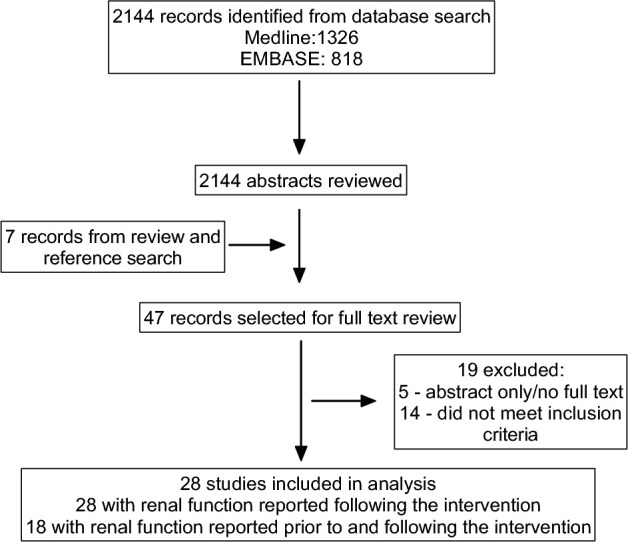
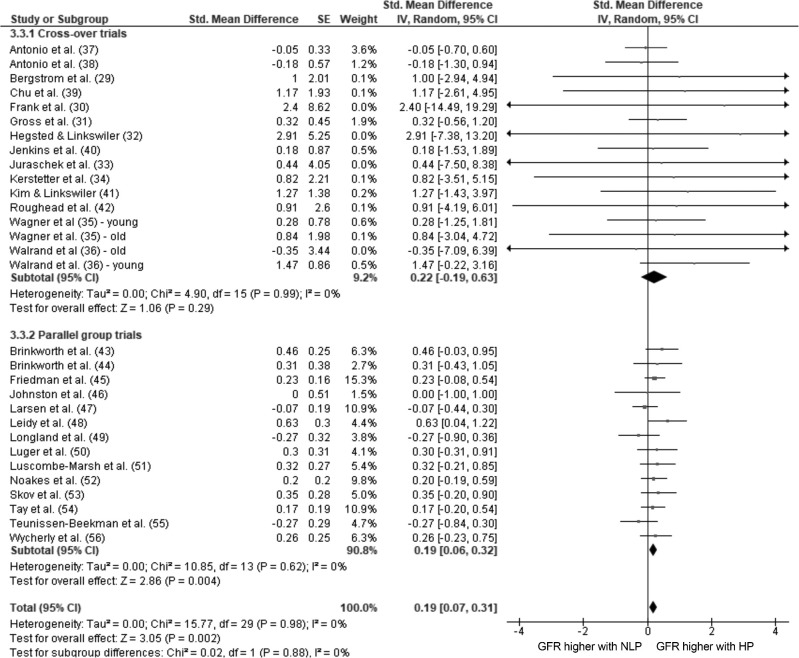
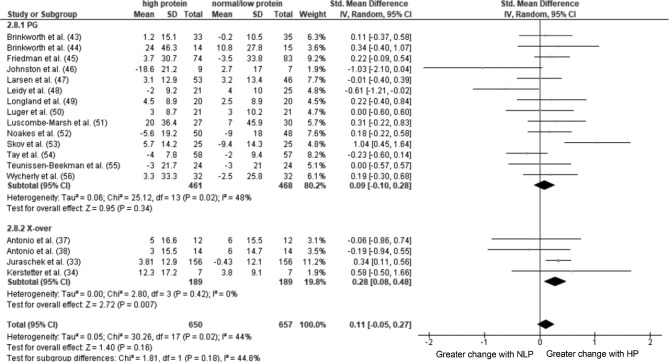
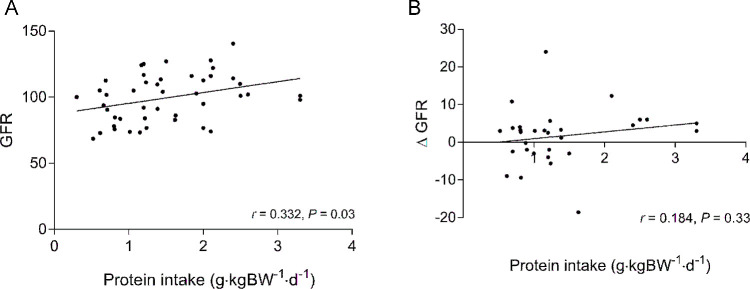
Background: Higher-protein (HP) diets are advocated for several reasons, including mitigation of sarcopenia, but their effects on kidney function are unclear. Objective: This meta-analysis was conducted to determine the effect of HP intakes on kidney function in healthy adults. Methods: We conducted a systematic review and meta-analysis of trials comparing HP (≥1.5 g/kg body weight or ≥20% energy intake or ≥100 g protein/d) with normal- or lower-protein (NLP; ≥5% less energy intake from protein/d compared with HP group) intakes on kidney function. Medline and EMBASE databases were searched. Randomized controlled trials comparing the effects of HP with NLP (>4 d duration) intakes on glomerular filtration rate (GFR) in adults without kidney disease were included. Results: A total of 2144 abstracts were reviewed, with 40 articles selected for full-text review; 28 of these were analyzed and included data from 1358 participants. Data were analyzed using random-effects meta-analysis (RevMan 5; The Cochrane Collaboration), meta-regression (STATA; StataCorp), and dose-response analysis (Prism; GraphPad). Analyses were conducted using postintervention (post) GFR and the change in GFR from preintervention to post. The post-only comparison showed a trivial effect for GFR to be higher after HP intakes [standardized mean difference (SMD): 0.19; 95% CI: 0.07, 0.31; P = 0.002]. The change in GFR did not differ between interventions (SMD: 0.11; 95% CI: -0.05, 0.27; P = 0.16). There was a linear relation between protein intake and GFR in the post-only comparison (r = 0.332, P = 0.03), but not between protein intake and the change in GFR (r = 0.184, P = 0.33). The main limitation of the current analysis is the unclear risk of selection bias of the included trials. Conclusions: Postintervention GFR comparisons indicate that HP diets result in higher GFRs; however, when changes in GFR were compared, dietary protein had no effect. Our analysis indicates that HP intakes do not adversely influence kidney function on GFR in healthy adults.
Overview
CoChat Summary
TL;DR
In healthy adults without chronic kidney disease, higher-protein diets did not change glomerular filtration rate from baseline compared with lower- or normal-protein diets, although postintervention-only GFR was trivially higher with higher protein. The authors conclude that higher protein intake does not adversely affect kidney function as measured by GFR.
Key findings
- Across 28 trials and 1358 participants, higher-protein diets averaged 1.81 ± 0.60 g · kg BW−1 · d−1 versus 0.93 ± 0.51 g · kg BW−1 · d−1 for normal- or lower-protein diets.
- Postintervention-only GFR was trivially higher after higher-protein intake: SMD 0.19 (95% CI: 0.07, 0.31; P = 0.002).
- The change in GFR from pre- to postintervention did not differ between diets: SMD 0.11 (95% CI: −0.05, 0.27; P = 0.16).
- Protein intake showed a linear relation with postintervention GFR (r = 0.332, P = 0.03) but not with the change in GFR (r = 0.184, P = 0.33).
Methods
- Systematic review and meta-analysis of randomized controlled trials comparing higher-protein intake (≥1.5 g/kg BW, ≥20% energy, or ≥100 g/d) with normal- or lower-protein intake (≥5% less energy from protein) for >4 d in adults without kidney disease; Medline and EMBASE were searched to 3 April 2017.
- From 2144 abstracts, 40 articles were reviewed in full and 28 trials were included; data were analyzed with random-effects meta-analysis, meta-regression, and dose-response analysis using postintervention GFR and pre-to-post change in GFR.
- Subgroup and sensitivity analyses examined trial design, GFR measurement type, energy balance/restriction, diabetes status, intervention length, and macronutrient manipulation; certainty was assessed with GRADE.
Limitations
- The paper states that the main limitation is the unclear risk of selection bias in included trials; only 4 trials reported the method of random sequence generation and only 2 provided adequate allocation concealment information.
- The paper also notes risk of carryover in crossover trials, small numbers of studies in subgroup analyses, significant heterogeneity in the pre/post change analysis (chi-square = 30.26, P = 0.02; I² = 44%), and low to very low GRADE certainty.
- Evident from the text: included trials varied widely in duration (4 d to 104 wk), populations, and GFR measurement methods, and some crossover trials did not report a washout period, which may limit interpretation despite sensitivity analyses showing no overall influence.
Model-written summary. Check it against the paper before relying on it.
Integrity signals
Registry
Cites
Statistics
Figures
Verification
Claims the paper makes
0 Valid · 0 Not valid · 36 Not checked · 108 Own results and interpretations
A result the paper reports from its own data — it cites no other source for it, so there is none to check. The quote shows it is in the paper.
In the paper
“There was a linear relation between protein intake and GFR in the post-only comparison (r = 0.332, P = 0.03), but not between protein intake and the change in GFR (r = 0.184, P = 0.33).”
§ Changes in Kidney Function Do Not Differ between Healthy Adults Consuming Higher- Compared with Lower- or Normal-Protein Diets: A Systematic Review and Meta-Analysis > Abstract > Results
plainstates an associationn = 1,358 ·- Asserted: passes — The authors put it forward as true.
- Checkable: passes — It can be checked against evidence.
- Load-bearing: unclear — It is unclear whether the paper’s conclusions depend on it.
- Based: passes — The paper gives a reason why it holds.
A result the paper reports from its own data — it cites no other source for it, so there is none to check. The quote shows it is in the paper.
In the paper
“The post-only comparison showed a trivial effect for GFR to be higher after HP intakes [standardized mean difference (SMD): 0.19; 95% CI: 0.07, 0.31; P = 0.002].”
§ Changes in Kidney Function Do Not Differ between Healthy Adults Consuming Higher- Compared with Lower- or Normal-Protein Diets: A Systematic Review and Meta-Analysis > Abstract > Results
plainstates a causen = 1,358 ·- Asserted: passes — The authors put it forward as true.
- Checkable: passes — It can be checked against evidence.
- Load-bearing: unclear — It is unclear whether the paper’s conclusions depend on it.
- Based: passes — The paper gives a reason why it holds.
A result the paper reports from its own data — it cites no other source for it, so there is none to check. The quote shows it is in the paper.
In the paper
“The change in GFR did not differ between interventions (SMD: 0.11; 95% CI: −0.05, 0.27; P = 0.16).”
§ Changes in Kidney Function Do Not Differ between Healthy Adults Consuming Higher- Compared with Lower- or Normal-Protein Diets: A Systematic Review and Meta-Analysis > Abstract > Results
plainn = 1,358- Asserted: passes — The authors put it forward as true.
- Checkable: passes — It can be checked against evidence.
- Load-bearing: passes — The paper’s conclusions depend on it.
- Based: passes — The paper gives a reason why it holds.
A result the paper reports from its own data — it cites no other source for it, so there is none to check. The quote shows it is in the paper.
In the paper
“The effect of HP intakes on the change in GFR during energy balance was mainly due to the effects seen in the first 8 wk of consuming an HP diet (SMD: 0.30; 95% CI: 0.10, 0.51; P = 0.004),”
§ Changes in Kidney Function Do Not Differ between Healthy Adults Consuming Higher- Compared with Lower- or Normal-Protein Diets: A Systematic Review and Meta-Analysis > Results > Meta-analysis
plainstates a cause- Asserted: passes — The authors put it forward as true.
- Checkable: passes — It can be checked against evidence.
- Load-bearing: unclear — It is unclear whether the paper’s conclusions depend on it.
- Based: passes — The paper gives a reason why it holds.
A result the paper reports from its own data — it cites no other source for it, so there is none to check. The quote shows it is in the paper.
In the paper
“In the pre/post change meta-regression, when all covariates were combined, differences in protein intake, trial length, age, diabetic status, and energy intake status did not explain any of the variance (τ2 = 0.12) in the changes in GFR (P = 0.93).”
§ Changes in Kidney Function Do Not Differ between Healthy Adults Consuming Higher- Compared with Lower- or Normal-Protein Diets: A Systematic Review and Meta-Analysis > Results > Meta-regression
plain- Asserted: passes — The authors put it forward as true.
- Checkable: passes — It can be checked against evidence.
- Load-bearing: unclear — It is unclear whether the paper’s conclusions depend on it.
- Based: passes — The paper gives a reason why it holds.
80 more claims
Create a free account to see all 144 claims and to verify the 70 references still open.
- Probably not a substantial claim. 40
- It may state two separate claims as one. 24
Claims other papers make about this one
Each is checked against this paper’s own text: does it say what the citing paper says it does?
The source backs part of the claim, not all of it — or backs it for a different population, condition or comparison.
In the citing paper
“It is worth noting that traditional concerns with high protein intakes (i.e. adverse effects on kidney, liver, and bone health) lack evidentiary support in healthy populations [123–128].”
From International Society of Sports Nutrition position stand: diets for body weight reduction (2026) · cites this paper as [126]
Experimental — accuracy not yet measuredThe cited source says what the claim attributes to it.
In the citing paper
“Concerns about kidney safety have not been confirmed in individuals with normal kidney function who consume at least 1.5 g per kg of body weight per day of protein [137].”
From Dietary and Behavioral Strategies for Weight Loss and Weight Loss Maintenance: A Narrative Review (2025) · cites this paper as [137]
Self-check
Percentages, sums and reported differences re-computed from the paper’s own numbers.
Each contradiction between two passages listed here was confirmed by an independent check.
Rated minor: it would not touch a result — a value no result rests on, a p-value that stays on the same side of the significance level, or a conflict that is clerical, resolved elsewhere in the paper, or outside its own findings.
In the paper
“52 wk : 12 wk ER; 36 wk EB”
§ Changes in Kidney Function Do Not Differ between Healthy Adults Consuming Higher- Compared with Lower- or Normal-Protein Diets: A Systematic Review and Meta-Analysis > Results > Study and subject characteristics
Reported 52 · recomputed 48
Rated minor: it would not touch a result — a value no result rests on, a p-value that stays on the same side of the significance level, or a conflict that is clerical, resolved elsewhere in the paper, or outside its own findings.
In the paper
§ Changes in Kidney Function Do Not Differ between Healthy Adults Consuming Higher- Compared with Lower- or Normal-Protein Diets: A Systematic Review and Meta-Analysis > Results > Meta-analysis
“carbohydrate—post-only SMD: 0.18; 95% CI: 0.01, 0.35; P = 0.06”
§ Changes in Kidney Function Do Not Differ between Healthy Adults Consuming Higher- Compared with Lower- or Normal-Protein Diets: A Systematic Review and Meta-Analysis > Results > Meta-analysis
“95% CI: 0.01, 0.35; P = 0.06”
Rated minor: it would not touch a result — a value no result rests on, a p-value that stays on the same side of the significance level, or a conflict that is clerical, resolved elsewhere in the paper, or outside its own findings.
In the paper
§ Changes in Kidney Function Do Not Differ between Healthy Adults Consuming Higher- Compared with Lower- or Normal-Protein Diets: A Systematic Review and Meta-Analysis > Results > Meta-analysis
“eGFR (SMD: 0.16; 95% CI: 0.03, 0.34; P = 0.09)”
§ Changes in Kidney Function Do Not Differ between Healthy Adults Consuming Higher- Compared with Lower- or Normal-Protein Diets: A Systematic Review and Meta-Analysis > Results > Meta-analysis
“95% CI: 0.03, 0.34; P = 0.09”
Rated minor: it would not touch a result — a value no result rests on, a p-value that stays on the same side of the significance level, or a conflict that is clerical, resolved elsewhere in the paper, or outside its own findings.
In the paper
§ Changes in Kidney Function Do Not Differ between Healthy Adults Consuming Higher- Compared with Lower- or Normal-Protein Diets: A Systematic Review and Meta-Analysis > Discussion
“differences in baseline mean GFR between groups of >5% were observed in 6 of the 19 studies that reported baseline GFR values (34, 43, 46, 48, 50, 53)”
§ Changes in Kidney Function Do Not Differ between Healthy Adults Consuming Higher- Compared with Lower- or Normal-Protein Diets: A Systematic Review and Meta-Analysis > Results > Study and subject characteristics
“| Teunissen-Beekman et al. (55) | PG | HP | 48 | 30 | 24 | No | 55 | 29.0 | 4 | Protein isolate supplement (pea, soy, egg white, milk) | 1.5 g/kg | EB, ad libitum | Inulin clearance (mL/min) | 130 ± 25 | 127 ± 25 | | | | NLP | | | 24 | | | | | Isocaloric maltodextrin | 1.0 g/kg | | | 137 ± 26 | 134 ± 26 |”
Rated minor: it would not touch a result — a value no result rests on, a p-value that stays on the same side of the significance level, or a conflict that is clerical, resolved elsewhere in the paper, or outside its own findings.
In the paper
§ Changes in Kidney Function Do Not Differ between Healthy Adults Consuming Higher- Compared with Lower- or Normal-Protein Diets: A Systematic Review and Meta-Analysis > Results > Meta-analysis
“SMD: 0.20; 96% CI: 0.07, 0.33; P = 0.003”
§ Changes in Kidney Function Do Not Differ between Healthy Adults Consuming Higher- Compared with Lower- or Normal-Protein Diets: A Systematic Review and Meta-Analysis > Discussion
“the post-only analysis found that HP intakes resulted in higher post GFR, whereas the pre/post change analysis was not significant (SMD: 0.24 compared with 0.12)”
2 more findings
Create a free account to see every finding of this check.
Citations
Cites
KDIGO 2024 clinical practice guideline for the evaluation and management of chronic kidney disease
Stevens, P. E., Ahmed, S. B., Carrero, J. J., Foster, B., Francis, A., Hall, R. K., Herrington, W. G., Hill, G., Inker, L. A., Kazancıoğlu, R., et al. (2024) · Kidney International · doi:10.1016/j.kint.2023.10.018 · Cited by 8,530
GRADE guidelines: 3. Rating the quality of evidence
Balshem, H., Helfand, M., Schünemann, H. J., Oxman, A. D., Kunz, R., Brozek, J., Vist, G. E., Falck-Ytter, Y., Meerpohl, J., & Norris, S. (2011) · Journal of Clinical Epidemiology · doi:10.1016/j.jclinepi.2010.07.015 · Cited by 8,285 · cited 1×
“In GRADE, when assessing certainty, RCTs start as high; however, serious or very serious issues across 5 domains may reduce the certainty of: 1) risk of bias, 2) inconsistency, 3) imprecision, 4) indirectness, and 5) publication bias (23).”
BackgroundSterne, J. A. C., Sutton, A. J., Ioannidis, J. P. A., Terrin, N., Jones, D. R., Lau, J., Carpenter, J., Rucker, G., Harbord, R. M., Schmid, C. H., et al. (2011) · BMJ · doi:10.1136/bmj.d4002 · Cited by 7,709 · cited 1×
“Last, when funnel plot asymmetry existed in the presence of heterogeneity, then the results from both fixedand random-effects models were compared to verify that the results of the random-effects meta-analysis were not greater than those of the fixed-effects model (21).”
ResultTrumbo, P., Schlicker, S., Yates, A. A., & Poos, M. (2002) · Journal of the American Dietetic Association · doi:10.1016/s0002-8223(02)90346-9 · Cited by 5,993
What is ‘quality of evidence’ and why is it important to clinicians?
Guyatt, G. H., Oxman, A. D., Kunz, R., Vist, G. E., Falck-Ytter, Y., & Schünemann, H. J. (2008) · BMJ · doi:10.1136/bmj.39490.551019.be · Cited by 3,250 · cited 1×
“Certainty in the evidence means to what extent the estimates in treatment effect are correct or close to the truth (22).”
BackgroundBauer, J., Biolo, G., Cederholm, T., Cesari, M., Cruz-Jentoft, A. J., Morley, J. E., Phillips, S., Sieber, C., Stehle, P., Teta, D., et al. (2013) · Journal of the American Medical Directors Association · doi:10.1016/j.jamda.2013.05.021 · Cited by 2,553 · cited 1×
“HP intake (compared with the RDA) has also been advocated for older persons to preserve skeletal muscle mass loss due to sarcopenia (4, 5).”
BackgroundSelf-citationMeta-analyses involving cross-over trials: methodological issues
Elbourne, D. R., Altman, D. G., Higgins, J. P., Curtin, F., Worthington, H. V., & Vail, A. (2002) · International Journal of Epidemiology · doi:10.1093/ije/31.1.140 · Cited by 2,305 · cited 1×
“Because of the risk of carryover in crossover trials, the use of post values, not change from baseline, is preferred when including crossover trials in a meta-analysis (79).”
MethodEpstein, F. H., Brenner, B. M., Meyer, T. W., & Hostetter, T. H. (1982) · New England Journal of Medicine · doi:10.1056/nejm198209093071104 · Cited by 2,075 · cited 3×
“Broadly stated, the thesis that protein affects kidney function is that with persistent consumption of an HP diet the increased renal solute load (as urea) is an antecedent step leading to compensatory hyperfiltration, which then leads to glomerular damage and eventual kidney damage and failure (9).”
BackgroundInfluentialPlasma aldosterone regulation in anephric man
Walker, W. G., & Cooke, C. R. (1973) · Kidney International · doi:10.1038/ki.1973.1 · Cited by 1,841
Deutz, N. E. P., Bauer, J. M., Barazzoni, R., Biolo, G., Boirie, Y., Bosy-Westphal, A., Cederholm, T., Cruz-Jentoft, A., Krznariç, Z., Nair, K. S., et al. (2014) · Clinical Nutrition · doi:10.1016/j.clnu.2014.04.007 · Cited by 1,738 · cited 1×
“HP intake (compared with the RDA) has also been advocated for older persons to preserve skeletal muscle mass loss due to sarcopenia (4, 5).”
BackgroundHyperfiltration in remnant nephrons: a potentially adverse response to renal ablation
Hostetter, T. H., Olson, J. L., Rennke, H. G., Venkatachalam, M. A., & Brenner, B. M. (1981) · American Journal of Physiology-Renal Physiology · doi:10.1152/ajprenal.1981.241.1.f85 · Cited by 1,680 · cited 1×
“Indeed, in response to kidney injury resulting in nephron loss, glomerular hypertension has been shown to precede progressive kidney damage in animal models (60, 61).”
BackgroundMorton, R. W., Murphy, K. T., McKellar, S. R., Schoenfeld, B. J., Henselmans, M., Helms, E., Aragon, A. A., Devries, M. C., Banfield, L., Krieger, J. W., et al. (2018) · British Journal of Sports Medicine · doi:10.1136/bjsports-2017-097608 · Cited by 1,269 · cited 1×
“) to determine models of best fit as previously described (27, 28).”
MethodSelf-citationControlling the risk of spurious findings from meta-regression
Higgins, J. P. T., & Thompson, S. G. (2004) · Statistics in Medicine · doi:10.1002/sim.1752 · Cited by 1,267 · cited 1×
“The random-effects metaregression used residual restricted maximum likelihood to measure between-study variance (τ2) with a Knapp-Hartung modification as recommended (26).”
MethodCermak, N. M., Res, P. T., de Groot, L. C., Saris, W. H., & van Loon, L. J. (2012) · The American Journal of Clinical Nutrition · doi:10.3945/ajcn.112.037556 · Cited by 827 · cited 4×
“Mean difference = Meanpost − Meanpre (1)”
BackgroundInfluentialGlomerular hemodynamics in experimental diabetes mellitus
Hostetter, T. H., Troy, J. L., & Brenner, B. M. (1981) · Kidney International · doi:10.1038/ki.1981.33 · Cited by 790 · cited 1×
“Indeed, in response to kidney injury resulting in nephron loss, glomerular hypertension has been shown to precede progressive kidney damage in animal models (60, 61).”
BackgroundMoore, D. R., Churchward-Venne, T. A., Witard, O., Breen, L., Burd, N. A., Tipton, K. D., & Phillips, S. M. (2015) · The Journals of Gerontology: Series A · doi:10.1093/gerona/glu103 · Cited by 770 · cited 1×
“) to determine models of best fit as previously described (27, 28).”
MethodSelf-citationSkov, A., Toubro, S., Rønn, B., Holm, L., & Astrup, A. (1999) · International Journal of Obesity · doi:10.1038/sj.ijo.0800867 · Cited by 743 · cited 1×
“HP intake during weight loss may also increase satiety, resulting in lower daily energy intake (7); and protein ingestion has an increased thermic effect, resulting in greater daily energy expenditure (8).”
BackgroundRisk factors for chronic kidney disease: an update
Kazancioğlu, R. (2013) · Kidney International Supplements · doi:10.1038/kisup.2013.79 · Cited by 711 · cited 1×
“A subanalysis was conducted in participants with type 2 diabetes, given their elevated risk for kidney disease (57).”
BackgroundGlomerular hyperfiltration: definitions, mechanisms and clinical implications
Helal, I., Fick-Brosnahan, G. M., Reed-Gitomer, B., & Schrier, R. W. (2012) · Nature Reviews Nephrology · doi:10.1038/nrneph.2012.19 · Cited by 673 · cited 1×
“However, in these situations, the increase in GFR occurred at the single-nephron level, whereas in humans in response to protein-feeding or other stimuli, such as pregnancy or nephrectomy, glomerular hyperfiltration occurs at the wholekidney level as a result of increased kidney blood flow (62, 63).”
BackgroundWycherley, T. P., Moran, L. J., Clifton, P. M., Noakes, M., & Brinkworth, G. D. (2012) · The American Journal of Clinical Nutrition · doi:10.3945/ajcn.112.044321 · Cited by 606 · cited 5×
“When SD was not reported and raw data were not available, SD was calculated Dietary protein and kidney function 1761 as follows: SD = √[(SDpre)2 + (SDpost)2 − 2 × corr(pre, post) × SDpre × SDpost] (2) where corr(pre, post) is the correlation between pre- and post-values across participants.”
BackgroundInfluentialLevey, A. S., Becker, C., & Inker, L. A. (2015) · JAMA · doi:10.1001/jama.2015.0602 · Cited by 591
Hartman, J. W., Tang, J. E., Wilkinson, S. B., Tarnopolsky, M. A., Lawrence, R. L., Fullerton, A. V., & Phillips, S. M. (2007) · The American Journal of Clinical Nutrition · doi:10.1093/ajcn/86.2.373 · Cited by 498 · cited 1×
“Hypothesized mechanisms underpinning greater exercise-induced changes in lean mass with protein supplementation in resistance training include greater and more regular stimulation of muscle protein synthesis (6), and the same may be true in the setting of weight loss (2, 3).”
BackgroundSelf-citationNoakes, M., Keogh, J. B., Foster, P. R., & Clifton, P. M. (2005) · The American Journal of Clinical Nutrition · doi:10.1093/ajcn/81.6.1298 · Cited by 483 · cited 1×
“Study design Parallel group (43–56) Crossover (29–42) Includes washout (29–36) No washout (37–42) Type 2 diabetes (31, 47, 50, 54) Sex Men (30, 37, 39, 41, 49, 56) Women (32, 34, 42, 48, 52) Both (29, 31, 33, 35, 36, 40, 43–47, 50, 51, 53–55) Diet Isocaloric Modified CHO (33–35, 40, 42, 44, 47, 48, 50, 52, 56) Modifie…”
LEVEY, A. S., GREENE, T., BECK, G. J., CAGGIULA, A. W., KUSEK, J. W., HUNSICKER, L. G., & KLAHR, S. (1999) · Journal of the American Society of Nephrology · doi:10.1681/asn.v10112426 · Cited by 399
Protein "requirements" beyond the RDA: implications for optimizing health
Phillips, S. M., Chevalier, S., & Leidy, H. J. (2016) · Applied Physiology, Nutrition, and Metabolism · doi:10.1139/apnm-2015-0550 · Cited by 396 · cited 1×
“These findings are in line with statements from the WHO (80) and Institute of Medicine (81) on protein intake and kidney function (82).”
ResultSelf-citationLow protein diets for chronic kidney disease in non diabetic adults
Fouque, D., & Laville, M. (2009) · Cochrane Database of Systematic Reviews · doi:10.1002/14651858.cd001892.pub3 · Cited by 356
Dietary protein intake and renal function
Martin, W. F., Armstrong, L. E., & Rodriguez, N. R. (2005) · Nutrition & Metabolism · doi:10.1186/1743-7075-2-25 · Cited by 308 · cited 14×
“In individuals with compromised kidney function [i.e., chronic kidney disease (CKD)], where there is a reduction in the ability of nephrons to filter solutes such as urea, a lowerprotein diet (0.6–0.8 g · kg BW−1 · d−1) can improve the metabolic abnormalities associated with CKD (10) and delay mortality (11).”
BackgroundInfluentialSantesso, N., Akl, E. A., Bianchi, M., Mente, A., Mustafa, R., Heels-Ansdell, D., & Schünemann, H. J. (2012) · European Journal of Clinical Nutrition · doi:10.1038/ejcn.2012.37 · Cited by 292 · cited 1×
“In addition, the NLP diet had to provide ≥5% less, as a percentage of total daily energy intake, protein than the HP diet (17).”
BackgroundHigher Protein Intake Preserves Lean Mass and Satiety with Weight Loss in Pre‐obese and Obese Women
Leidy, H. J., Carnell, N. S., Mattes, R. D., & Campbell, W. W. (2007) · Obesity · doi:10.1038/oby.2007.531 · Cited by 277 · cited 2×
“Study design Parallel group (43–56) Crossover (29–42) Includes washout (29–36) No washout (37–42) Type 2 diabetes (31, 47, 50, 54) Sex Men (30, 37, 39, 41, 49, 56) Women (32, 34, 42, 48, 52) Both (29, 31, 33, 35, 36, 40, 43–47, 50, 51, 53–55) Diet Isocaloric Modified CHO (33–35, 40, 42, 44, 47, 48, 50, 52, 56) Modifie…”
ResultSelection of Routine Method for Determination of Glomerular Filtration Rate in Adult Patients
Bröchner-Mortensen, J., & Rödbro, P. (1976) · Scandinavian Journal of Clinical and Laboratory Investigation · doi:10.1080/00365517609068016 · Cited by 273 · cited 1×
“Given the interindividual variability in GFR within a healthy population (58, 59), simply comparing the GFR between HP and NLP groups after the intervention and inferring that the differences are the result of the intervention may lead to inaccurate interpretations.”
BackgroundLongland, T. M., Oikawa, S. Y., Mitchell, C. J., Devries, M. C., & Phillips, S. M. (2016) · The American Journal of Clinical Nutrition · doi:10.3945/ajcn.115.119339 · Cited by 271 · cited 5×
“Previous trials have found that HP intake increases GFR (30, 33, 49, 53, 70, 71).”
BackgroundMethodInfluentialSelf-citationDiet induced thermogenesis measured over 24h in a respiration chamber: effect of diet composition
Westerterp, K., Wilson, S., & Rolland, V (1999) · International Journal of Obesity · doi:10.1038/sj.ijo.0800810 · Cited by 251 · cited 1×
“HP intake during weight loss may also increase satiety, resulting in lower daily energy intake (7); and protein ingestion has an increased thermic effect, resulting in greater daily energy expenditure (8).”
BackgroundBrinkworth, G. D., Noakes, M., Keogh, J. B., Luscombe, N. D., Wittert, G. A., & Clifton, P. M. (2004) · International Journal of Obesity · doi:10.1038/sj.ijo.0802617 · Cited by 245 · cited 3×
“Sixteen trials were designed for study participants to be in weight maintenance (29–42, 50, 55), 9 trials were designed to induce weight loss (43, 45, 46, 48, 49, 52–54, 56), and 3 trials involved both weight-loss and weightmaintenance phases (44, 47, 51).”
BackgroundPoggio, E. D., Rule, A. D., Tanchanco, R., Arrigain, S., Butler, R. S., Srinivas, T., Stephany, B. R., Meyer, K. H., Nurko, S., Fatica, R. A., et al. (2009) · Kidney International · doi:10.1038/ki.2009.11 · Cited by 217 · cited 2×
“Of the studies included in this meta-analysis, only 2 studies (45, 51) reported mean GFR values above what would be considered to be within the normal range for the age of the subjects tested (74).”
BackgroundUnderstanding controlled trials Crossover trials
Sibbald, B., & Roberts, C. (1998) · BMJ · doi:10.1136/bmj.316.7146.1719 · Cited by 215
Johnston, C. S., Tjonn, S. L., & Swan, P. D. (2004) · The Journal of Nutrition · doi:10.1093/jn/134.3.586 · Cited by 211 · cited 2×
“Study design Parallel group (43–56) Crossover (29–42) Includes washout (29–36) No washout (37–42) Type 2 diabetes (31, 47, 50, 54) Sex Men (30, 37, 39, 41, 49, 56) Women (32, 34, 42, 48, 52) Both (29, 31, 33, 35, 36, 40, 43–47, 50, 51, 53–55) Diet Isocaloric Modified CHO (33–35, 40, 42, 44, 47, 48, 50, 52, 56) Modifie…”
ResultLarsen, R. N., Mann, N. J., Maclean, E., & Shaw, J. E. (2011) · Diabetologia · doi:10.1007/s00125-010-2027-y · Cited by 197 · cited 7×
“Only 4 of the included trials reported the method they used to randomly assign participants into groups (47, 49, 54, 56).”
BackgroundMethodInfluentialDietary protein affects intestinal calcium absorption
Kerstetter, J. E., O’Brien, K. O., & Insogna, K. L. (1998) · The American Journal of Clinical Nutrition · doi:10.1093/ajcn/68.4.859 · Cited by 193
Josse, A. R., Atkinson, S. A., Tarnopolsky, M. A., & Phillips, S. M. (2011) · The Journal of Nutrition · doi:10.3945/jn.111.141028 · Cited by 187 · cited 3×
“Hypothesized mechanisms underpinning greater exercise-induced changes in lean mass with protein supplementation in resistance training include greater and more regular stimulation of muscle protein synthesis (6), and the same may be true in the setting of weight loss (2, 3).”
BackgroundSelf-citationRosenvinge Skov, A., Toubro, S., Bülow, J., Krabbe, K., Parving, H.-H., & Astrup, A. (1999) · International Journal of Obesity · doi:10.1038/sj.ijo.0801048 · Cited by 166 · cited 6×
“Previous trials have found that HP intake increases GFR (30, 33, 49, 53, 70, 71).”
BackgroundResultInfluentialRoughead, Z. K., Johnson, L. K., Hunt, J. R., & LYKKEN, G. I. (2003) · Journal of Nutrition · doi:10.1093/jn/133.4.1020 · Cited by 147 · cited 2×
“, food scales) Major sources of protein provided Yes (29–35, 37–44, 46–49, 51–56) (45, 50) For HP only No (36) Type of protein Animal + vegetable (29–39, 41–56) Non-animal (40) Energy status Energy balance (29–42, 50, 55) Energy restriction (43, 45, 46, 48, 49, 52–54, 56) Both (44, 47, 51) Diet adherence measured Yes…”
Luscombe-Marsh, N. D., Noakes, M., Wittert, G. A., Keogh, J. B., Foster, P., & Clifton, P. M. (2005) · The American Journal of Clinical Nutrition · doi:10.1093/ajcn/81.4.762 · Cited by 145 · cited 6×
“Of the studies included in this meta-analysis, only 2 studies (45, 51) reported mean GFR values above what would be considered to be within the normal range for the age of the subjects tested (74).”
BackgroundResultInfluentialJenkins, D. J., Kendall, C. W., Vidgen, E., Augustin, L. S. A., van Erk, M., Geelen, A., Parker, T., Faulkner, D. A., Vuksan, V. V. V., Josse, R. G., et al. (2001) · American Journal of Clinical Nutrition · doi:10.1093/ajcn/74.1.57 · Cited by 142 · cited 2×
“, food scales) Major sources of protein provided Yes (29–35, 37–44, 46–49, 51–56) (45, 50) For HP only No (36) Type of protein Animal + vegetable (29–39, 41–56) Non-animal (40) Energy status Energy balance (29–42, 50, 55) Energy restriction (43, 45, 46, 48, 49, 52–54, 56) Both (44, 47, 51) Diet adherence measured Yes…”
BackgroundFunctional response of healthy and diseased glomeruli to a large, protein-rich meal.
Chan, A. Y., Cheng, M. L., Keil, L. C., & Myers, B. D. (1988) · Journal of Clinical Investigation · doi:10.1172/jci113302 · Cited by 126 · cited 2×
“Previous trials have found that HP intake increases GFR (30, 33, 49, 53, 70, 71).”
BackgroundSchwingshackl, L., & Hoffmann, G. (2014) · PLoS ONE · doi:10.1371/journal.pone.0097656 · Cited by 125 · cited 2×
“Schwingshackl and Hoffmann (14) conducted a systematic review and meta-analysis of the effects of HP compared with normal- or lower-protein (NLP) intake on kidney function in people without CKD.”
BackgroundResultFunctional impact of high protein intake on healthy elderly people
Walrand, S., Short, K. R., Bigelow, M. L., Sweatt, A. J., Hutson, S. M., & Nair, K. S. (2008) · American Journal of Physiology-Endocrinology and Metabolism · doi:10.1152/ajpendo.90536.2008 · Cited by 125 · cited 3×
“, food scales) Major sources of protein provided Yes (29–35, 37–44, 46–49, 51–56) (45, 50) For HP only No (36) Type of protein Animal + vegetable (29–39, 41–56) Non-animal (40) Energy status Energy balance (29–42, 50, 55) Energy restriction (43, 45, 46, 48, 49, 52–54, 56) Both (44, 47, 51) Diet adherence measured Yes…”
ResultKim, Y., & Linkswiler, H. (1979) · Journal of Nutrition · doi:10.1093/jn/109.8.1399 · Cited by 122 · cited 2×
“, food scales) Major sources of protein provided Yes (29–35, 37–44, 46–49, 51–56) (45, 50) For HP only No (36) Type of protein Animal + vegetable (29–39, 41–56) Non-animal (40) Energy status Energy balance (29–42, 50, 55) Energy restriction (43, 45, 46, 48, 49, 52–54, 56) Both (44, 47, 51) Diet adherence measured Yes…”
Comparative Effects of Low-Carbohydrate High-Protein Versus Low-Fat Diets on the Kidney
Friedman, A. N., Ogden, L. G., Foster, G. D., Klein, S., Stein, R., Miller, B., Hill, J. O., Brill, C., Bailer, B., Rosenbaum, D. R., et al. (2012) · Clinical Journal of the American Society of Nephrology · doi:10.2215/cjn.11741111 · Cited by 121 · cited 4×
“, food scales) Major sources of protein provided Yes (29–35, 37–44, 46–49, 51–56) (45, 50) For HP only No (36) Type of protein Animal + vegetable (29–39, 41–56) Non-animal (40) Energy status Energy balance (29–42, 50, 55) Energy restriction (43, 45, 46, 48, 49, 52–54, 56) Both (44, 47, 51) Diet adherence measured Yes…”
BackgroundInfluentialPronounced increase in serum creatinine concentration after eating cooked meat.
Jacobsen, F. K., Christensen, C. K., Mogensen, C. E., Andreasen, F., & Heilskov, N. S. (1979) · BMJ · doi:10.1136/bmj.1.6170.1049 · Cited by 120 · cited 1×
“Given the potential for changes in protein intake to influence serum creatinine concentrations (24, 25), subgroup analysis was performed on the basis of measurement type (i.”
MethodA High Protein Diet Has No Harmful Effects: A One-Year Crossover Study in Resistance-Trained Males
Antonio, J., Ellerbroek, A., Silver, T., Vargas, L., Tamayo, A., Buehn, R., & Peacock, C. A. (2016) · Journal of Nutrition and Metabolism · doi:10.1155/2016/9104792 · Cited by 106 · cited 1×
“Study design Parallel group (43–56) Crossover (29–42) Includes washout (29–36) No washout (37–42) Type 2 diabetes (31, 47, 50, 54) Sex Men (30, 37, 39, 41, 49, 56) Women (32, 34, 42, 48, 52) Both (29, 31, 33, 35, 36, 40, 43–47, 50, 51, 53–55) Diet Isocaloric Modified CHO (33–35, 40, 42, 44, 47, 48, 50, 52, 56) Modifie…”
Effect of a High-Protein Diet on Kidney Function in Healthy Adults: Results From the OmniHeart Trial
Juraschek, S. P., Appel, L. J., Anderson, C. A. M., & Miller, E. R. (2013) · American Journal of Kidney Diseases · doi:10.1053/j.ajkd.2012.10.017 · Cited by 105 · cited 5×
“(33), the 3 different diets were HP (25% of energy intake; used as the HP group); high-fat, regular protein (37% fat, 15% protein); and high-carbohydrate, regular protein (58% carbohydrate, 15% protein).”
BackgroundMethodInfluentialLong-Term Effects of Level of Protein Intake on Calcium Metabolism in Young Adult Women
Hegsted, M., & Linkswiler, H. M. (1981) · The Journal of Nutrition · doi:10.1093/jn/111.2.244 · Cited by 104 · cited 2×
“, food scales) Major sources of protein provided Yes (29–35, 37–44, 46–49, 51–56) (45, 50) For HP only No (36) Type of protein Animal + vegetable (29–39, 41–56) Non-animal (40) Energy status Energy balance (29–42, 50, 55) Energy restriction (43, 45, 46, 48, 49, 52–54, 56) Both (44, 47, 51) Diet adherence measured Yes…”
Tay, J., Thompson, C. H., Luscombe-Marsh, N. D., Noakes, M., Buckley, J. D., Wittert, G. A., & Brinkworth, G. D. (2015) · Medicine · doi:10.1097/md.0000000000002181 · Cited by 99
Effect of a Chicken-Based Diet on Renal Function and Lipid Profile in Patients With Type 2 Diabetes
Gross, J. L., Zelmanovitz, T., Moulin, C. C., De Mello, V., Perassolo, M., Leitão, C., Hoefel, A., Paggi, A., & Azevedo, M. J. (2002) · Diabetes Care · doi:10.2337/diacare.25.4.645 · Cited by 98
Mechanisms of Renal Vasodilation and Hyperfiltration During Pregnancy
Conrad, K. P. (2004) · Journal of the Society for Gynecologic Investigation · doi:10.1016/j.jsgi.2004.05.002 · Cited by 90
BERGSTRÖM, J., AHLBERG, M., & ALVESTRAND, A. (1985) · Acta Medica Scandinavica · doi:10.1111/j.0954-6820.1985.tb01655.x · Cited by 90 · cited 3×
“Creatinine clearance (32, 39–42, 44–46, 51, 52, 56) Inulin/sinistrin clearance (29, 30, 55) eGFR (33–35, 37, 38, 43, 47–50, 54)”
Chu, J.-Y., Margen, S., & Costa, F. (1975) · American Journal of Clinical Nutrition · doi:10.1093/ajcn/28.9.1028 · Cited by 90 · cited 5×
“, food scales) Major sources of protein provided Yes (29–35, 37–44, 46–49, 51–56) (45, 50) For HP only No (36) Type of protein Animal + vegetable (29–39, 41–56) Non-animal (40) Energy status Energy balance (29–42, 50, 55) Energy restriction (43, 45, 46, 48, 49, 52–54, 56) Both (44, 47, 51) Diet adherence measured Yes…”
BackgroundMethodInfluentialAntonio, J., Ellerbroek, A., Silver, T., Vargas, L., & Peacock, C. (2016) · Journal of the International Society of Sports Nutrition · doi:10.1186/s12970-016-0114-2 · Cited by 81 · cited 2×
“, food scales) Major sources of protein provided Yes (29–35, 37–44, 46–49, 51–56) (45, 50) For HP only No (36) Type of protein Animal + vegetable (29–39, 41–56) Non-animal (40) Energy status Energy balance (29–42, 50, 55) Energy restriction (43, 45, 46, 48, 49, 52–54, 56) Both (44, 47, 51) Diet adherence measured Yes…”
Wycherley, T. P., Brinkworth, G. D., Clifton, P. M., & Noakes, M. (2012) · Nutrition & Diabetes · doi:10.1038/nutd.2012.11 · Cited by 67 · cited 2×
“Study design Parallel group (43–56) Crossover (29–42) Includes washout (29–36) No washout (37–42) Type 2 diabetes (31, 47, 50, 54) Sex Men (30, 37, 39, 41, 49, 56) Women (32, 34, 42, 48, 52) Both (29, 31, 33, 35, 36, 40, 43–47, 50, 51, 53–55) Diet Isocaloric Modified CHO (33–35, 40, 42, 44, 47, 48, 50, 52, 56) Modifie…”
MethodFrank, H., Graf, J., Amann-Gassner, U., Bratke, R., Daniel, H., Heemann, U., & Hauner, H. (2009) · The American Journal of Clinical Nutrition · doi:10.3945/ajcn.2009.27601 · Cited by 66
Robustness of empirical search strategies for clinical content in MEDLINE.
Wilczynski, N. L., & Haynes, R. B. (2002) · PubMed · Cited by 65
Rughooputh, M. S., Zeng, R., & Yao, Y. (2015) · PLOS ONE · doi:10.1371/journal.pone.0145505 · Cited by 64 · cited 1×
“with type 2 diabetes (76) and provide further support that HP diets do not cause a decline in kidney function even in those individuals at higher risk of kidney damage.”
BackgroundBrinkworth, G. D., Buckley, J. D., Noakes, M., & Clifton, P. M. (2010) · Journal of the American Dietetic Association · doi:10.1016/j.jada.2009.12.016 · Cited by 58 · cited 3×
“Of the 8 trials (30, 31, 43, 45, 47, 50, 53, 54) that reported on the effects of an HP compared with an NLP diet on albumin excretion, only 1 trial found that an HP diet increased the albumin excretion rate (30).”
BackgroundResultWhat does the renal reserve mean?
Thomas, D. M., Coles, G. A., & Williams, J. D. (1994) · Kidney International · doi:10.1038/ki.1994.53 · Cited by 57 · cited 12×
“In individuals with compromised kidney function [i.e., chronic kidney disease (CKD)], where there is a reduction in the ability of nephrons to filter solutes such as urea, a lowerprotein diet (0.6–0.8 g · kg BW−1 · d−1) can improve the metabolic abnormalities associated with CKD (10) and delay mortality (11).”
BackgroundInfluentialLong-Term Consequence of Nephrectomy
Higashihara, E., Horie, S., Takeuchi, T., Nutahara, K., & Aso, Y. (1990) · Journal of Urology · doi:10.1016/s0022-5347(17)39922-6 · Cited by 52 · cited 1×
“Furthermore, despite significant hypertrophy and hyperfiltration in the remaining kidney after nephrectomy, kidney function remains normal over a prolonged period (>20 y) (67, 68).”
BackgroundLuger, M., Holstein, B., Schindler, K., Kruschitz, R., & Ludvik, B. (2013) · Experimental and Clinical Endocrinology & Diabetes · doi:10.1055/s-0033-1341472 · Cited by 45 · cited 4×
“, food scales) Major sources of protein provided Yes (29–35, 37–44, 46–49, 51–56) (45, 50) For HP only No (36) Type of protein Animal + vegetable (29–39, 41–56) Non-animal (40) Energy status Energy balance (29–42, 50, 55) Energy restriction (43, 45, 46, 48, 49, 52–54, 56) Both (44, 47, 51) Diet adherence measured Yes…”
BackgroundResultInfluentialLONG-TERM FOLLOWUP OF RENAL FUNCTIONAL RESERVE CAPACITY AFTER UNILATERAL NEPHRECTOMY IN CHILDHOOD
REGAZZONI, B. M., GENTON, N., PELET, J., DRUKKER, A., & GUIGNARD, J.-P. (1998) · Journal of Urology · doi:10.1016/s0022-5347(01)62817-9 · Cited by 40 · cited 1×
“Furthermore, despite significant hypertrophy and hyperfiltration in the remaining kidney after nephrectomy, kidney function remains normal over a prolonged period (>20 y) (67, 68).”
BackgroundDietary protein intake significantly affects the serum creatinine concentration
Butani, L., Polinsky, M. S., Kaiser, B. A., & Baluarte, H. J. (2002) · Kidney International · doi:10.1046/j.1523-1755.2002.00342.x · Cited by 29 · cited 1×
“Given the potential for changes in protein intake to influence serum creatinine concentrations (24, 25), subgroup analysis was performed on the basis of measurement type (i.”
MethodWagner, E. A., Falciglia, G. A., Amlal, H., Levin, L., & Soleimani, M. (2007) · Journal of the American Dietetic Association · doi:10.1016/j.jada.2007.05.003 · Cited by 25 · cited 1×
“Two of the studies were carried out to determine if there was a differential kidney response to protein feeding dependent on age, and data were reported for younger and older adults separately; thus, the results were treated as 2 different studies for accurate data input (35, 36).”
ResultUrinary Urea Excretion and Long-term Outcome After Renal Transplantation
Deetman, P. E., Said, M. Y., Kromhout, D., Dullaart, R. P. F., Kootstra-Ros, J. E., Sanders, J.-S. F., Seelen, M. A. J., Gans, R. O. B., Navis, G., Joosten, M. M., et al. (2015) · Transplantation · doi:10.1097/tp.0000000000000464 · Cited by 25
Murea, M., Register, T. C., Divers, J., Bowden, D. W., Carr, J. J., Hightower, C. R., Xu, J., Smith, S. C., Hruska, K. A., Langefeld, C. D., et al. (2012) · BMC Nephrology · doi:10.1186/1471-2369-13-148 · Cited by 24 · cited 1×
“In addition, monocyte chemoattractant protein 1 (MCP-1) concentration, a known mediator of kidney disease susceptibility (73), was lower in the high-mixed-protein group (72).”
BackgroundEffect of increased protein intake on renal acid load and renal hemodynamic responses
Teunissen-Beekman, K. F. M., Dopheide, J., Geleijnse, J. M., Bakker, S. J. L., Brink, E. J., de Leeuw, P. W., & van Baak, M. A. (2016) · Physiological Reports · doi:10.14814/phy2.12687 · Cited by 20 · cited 3×
“Creatinine clearance (32, 39–42, 44–46, 51, 52, 56) Inulin/sinistrin clearance (29, 30, 55) eGFR (33–35, 37, 38, 43, 47–50, 54)”
Reproducibility of GFR measured by chromium-51-EDTA and iohexol
Delanaye, P., Cavalier, E., Froissart, M., & Krzesinski, J. M. (2008) · Nephrology Dialysis Transplantation · doi:10.1093/ndt/gfn496 · Cited by 18 · cited 1×
“Given the interindividual variability in GFR within a healthy population (58, 59), simply comparing the GFR between HP and NLP groups after the intervention and inferring that the differences are the result of the intervention may lead to inaccurate interpretations.”
BackgroundRenal haemodynamic responses to a chicken or beef meal in normal individuals
Simon, A. (1998) · Nephrology Dialysis Transplantation · doi:10.1093/ndt/13.9.2261 · Cited by 17 · cited 2×
“Previous trials have found that HP intake increases GFR (30, 33, 49, 53, 70, 71).”
BackgroundCARRY-OVER EFFECTS IN BIOEQUIVALENCE STUDIES
D'Angelo, G., Potvin, D., & Turgeon, J. (2001) · Journal of Biopharmaceutical Statistics · doi:10.1081/bip-100104196 · Cited by 15 · cited 1×
“Although the potential for carryover with crossover trials exists, including a washout period between arms of the trial mitigates an impact of carryover from occurring (78).”
BackgroundDevassy, J. G., Wojcik, J. L., Ibrahim, N. H. M., Zahradka, P., Taylor, C. G., & Aukema, H. M. (2017) · Applied Physiology, Nutrition, and Metabolism · doi:10.1139/apnm-2016-0301 · Cited by 8 · cited 2×
“Furthermore, animal studies have shown that markers of renal damage do not differ in obese rats fed a high-mixed-protein diet for 12 wk as compared with those fed a lower-protein diet, despite an increase in kidney size (72).”
Background(2004) · PubMed Central
(2007) · PubMed
Research works printed but not linked: 3
- MEDINFO 2001: Proceedings of the 10th World Congress on Medical Informatics, Part 1. Volume 84 of Studies in health technology and informatics. Patel VL, Rogers R, Haux R, editors. IOS Press, 2001.
- Cohen J Statistical power analysis for the behavioural sciences. 1st ed New Work: Academic Press; 1969.
- WHO; FAO; UN University Protein and amino acid requirements in human nutrition: report of a joint FAO/WHO/UNU expert consultation. World Health Organ Tech Rep Ser 2007; 935, p. 224. 18330140
Cited by
Dietary Protein and Muscle Mass: Translating Science to Application and Health Benefit
Carbone, J. W., & Pasiakos, S. M. (2019) · Nutrients · doi:10.3390/nu11051136 · Cited by 198
“This finding held true across non-dairy animal, animal, and plant protein sources and neither glomerular filtration rate (GFR) nor blood creatinine concentrations were related to dietary protein content.”
BackgroundInfluentialBeneficial Effects of Soybean-Derived Bioactive Peptides
Kim, I.-S., Yang, W., & Kim, C. (2021) · International Journal of Molecular Sciences · doi:10.3390/ijms22168570 · Cited by 170
“In a meta-analysis of patients with CKD, bean-based products were shown to greatly decrease the level of proteinuria and blood creatinine, inter alia, despite a lower increase in the glomerular filtration rate [110].”
BackgroundHengeveld, L. M., Boer, J. M. A., Gaudreau, P., Heymans, M. W., Jagger, C., Mendonça, N., Ocké, M. C., Presse, N., Sette, S., Simonsick, E. M., et al. (2020) · Journal of Cachexia Sarcopenia and Muscle · doi:10.1002/jcsm.12580 · Cited by 132
Givens, D. I. (2020) · Journal of Dairy Science · doi:10.3168/jds.2020-18296 · Cited by 143
Slater, G. J., Dieter, B. P., Marsh, D. J., Helms, E. R., Shaw, G., & Iraki, J. (2019) · Frontiers in Nutrition · doi:10.3389/fnut.2019.00131 · Cited by 88
Metadata
- Authors
- Devries, M. C., Sithamparapillai, A., Brimble, K. S., Banfield, L., Morton, R. W., & Phillips, S. M.
- Affiliations
- University of Waterloo (CA)
- McMaster University (CA)
- Corresponding author
- Phillips, Stuart M
- ORCID
- Venue
- The Journal of Nutrition
- Publisher
- Elsevier BV
- Published
- 2018-11
- Volume
- 148
- Issue
- 11
- Pages
- 1760-1775
- ISSN
- 0022-3166 (ISSN-L)
- PMC
- PMC6236074
- OpenAlex
- W2899097956
- Semantic Scholar
- b817f2d6f90f7fd9d19dfc1e4b57b99b5f7cf89c
- Cited by
- 108
- References
- 78
- Citations by year
- 2026: 24 · 2025: 10 · 2024: 9 · 2023: 10 · 2022: 11 · 2021: 14 · 2020: 17 · 2019: 12 · 2018: 1
- FWCI
- 1.24
- Type
- journal article
- Language
- en
- Open access
- hybrid
- doi.org
- Licence
- cc-by-nc
- www.elsevier.com/tdm/userlicense/1.0/ (tdm)
- creativecommons.org/licenses/by-nc/4.0/ (vor)
- Locations
- Journal of Nutrition (publishedVersion, cc-by-nc)
- Europe PMC (PubMed Central) (publishedVersion, cc-by-nc)
- PubMed Central (publishedVersion, cc-by-nc)
- PubMed (publishedVersion)
- Topics
- Health Sciences › Nursing › Nutrition and Dietetics › Muscle metabolism and nutrition
- Health Sciences › Medicine › Nephrology › Chronic Kidney Disease and Diabetes
- Health Sciences › Medicine › Physiology (medical) › Diet and metabolism studies
- Keywords
- protein intake, renal function, glomerular filtration rate, healthy adults, sarcopenia, dose-response relationship, proteinuria, kidney disease risk, sarcopenia interventions, sarcopenia prevention, sarcopenia treatment, sarcopenia screening
- MeSH terms
- Adult, Dietary Proteins, Glomerular Filtration Rate, Humans, Diet, Protein-Restricted
About these checks
Registry, retraction, Cites and statistics results are computed, not judged, with one exception: a printed reference that no index lists is read once by a model before it counts as a citation error. Claims are extracted by a model and kept only when their quote appears verbatim in the text; each cited source is then checked, with a model’s help, for whether it says what the claim relies on. Those verdicts can be wrong — read the claim’s quote and the cited source before relying on one.
A language model drew the claims from the paper on 2026-11-23, under version 3 of the claim definition (model deepseek-v4.1-flash, prompt extract-v3).
A second model labelled each claim on 2026-11-23 (model jev-1.13-20260917, definition revision gold-guideline-v0.2).
Statistics and arithmetic are recomputed, not judged.
Confidence bands are shown only for fields calibrated on our annotated test set. None is calibrated yet, so no band is shown.
What counts as a claim ›How we measure confidence ›How we check this ›
Are you an author, or do you see a problem with this page? Request a review
Data sources
Bibliographic data: Semantic Scholar, OpenAlex, Crossref.
Contains information from the Semantic Scholar Academic Graph Datasets, made available under the ODC Attribution License (ODC-BY 1.0).
Semantic Scholar’s data is described in: Kinney, R., et al. (2023). The Semantic Scholar Open Data Platform. arXiv:2301.10140.
