

AlphaFold Protein Structure Database in 2024: providing structure coverage for over 214 million protein sequences
Open accessThe DOI matches its Crossref record; 29 of the 29 references it cites were found in a registry or an index; 18 of the 18 sources its claims cite were checked for support.
Abstract
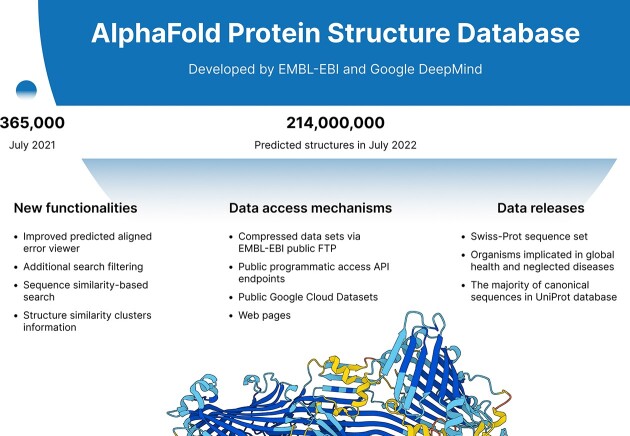
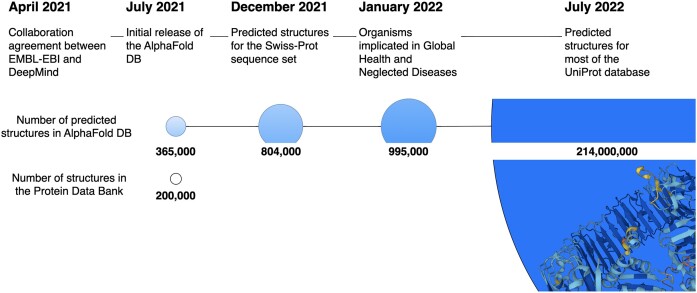
The AlphaFold Database Protein Structure Database (AlphaFold DB, https://alphafold.ebi.ac.uk) has significantly impacted structural biology by amassing over 214 million predicted protein structures, expanding from the initial 300k structures released in 2021. Enabled by the groundbreaking AlphaFold2 artificial intelligence (AI) system, the predictions archived in AlphaFold DB have been integrated into primary data resources such as PDB, UniProt, Ensembl, InterPro and MobiDB. Our manuscript details subsequent enhancements in data archiving, covering successive releases encompassing model organisms, global health proteomes, Swiss-Prot integration, and a host of curated protein datasets. We detail the data access mechanisms of AlphaFold DB, from direct file access via FTP to advanced queries using Google Cloud Public Datasets and the programmatic access endpoints of the database. We also discuss the improvements and services added since its initial release, including enhancements to the Predicted Aligned Error viewer, customisation options for the 3D viewer, and improvements in the search engine of AlphaFold DB.
Overview
CoChat Summary
TL;DR
AlphaFold DB has grown from ~300k to over 214 million predicted protein structures as of September 2023, with expanded access, search, and visualization features. This 2024 update describes data archiving, access mechanisms, integration with core resources, and new clustering/BLAST/PAE viewer capabilities.
Key findings
- AlphaFold DB expanded from approximately 300k structures in 2021 to over 214 million predicted protein structures as of September 2023; the initial July 2021 release housed over 360,000 structures for 20 model organism proteomes.
- Predictions are integrated into resources including PDB, UniProt, Ensembl, InterPro and MobiDB, and are accessible via FTP, Google Cloud Public Datasets (~23 TiB), API, and the website; PAE data is unavailable from EMBL-EBI public FTP.
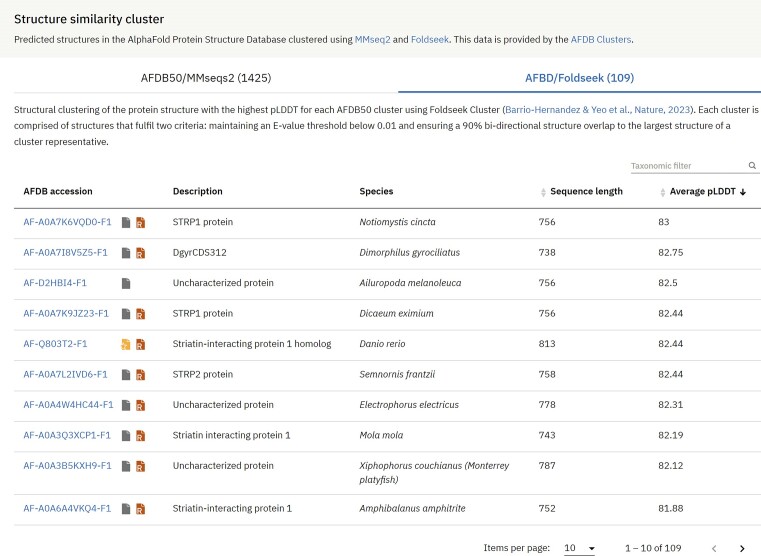
- Structure similarity clustering used MMseqs2 to cluster 214 million UniProtKB sequences into 52 million clusters, then Foldseek secondary clustering yielded 18.8 million clusters, finalizing 2.30 million robust clusters each with at least a pair of structures.
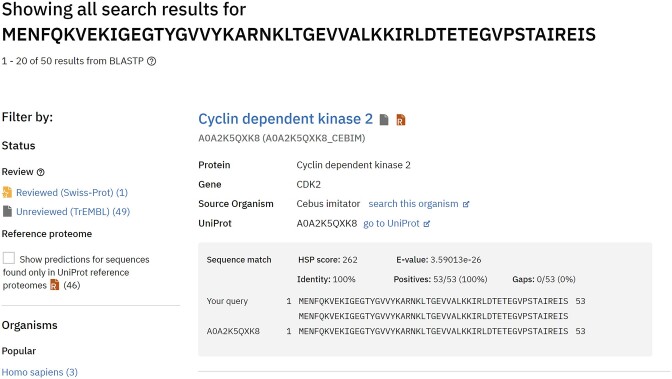
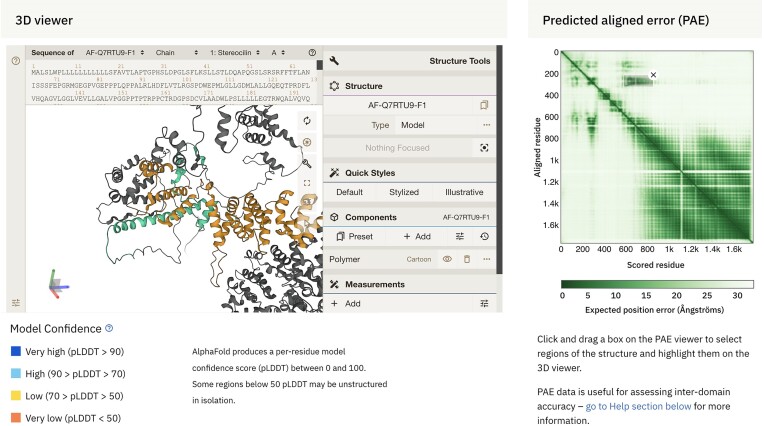
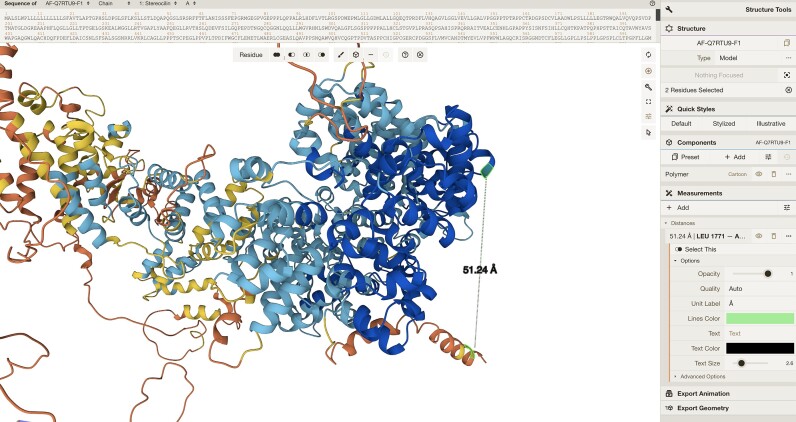
- New features include BLAST sequence similarity search, improved search filters for reviewed/unreviewed and reference proteome status, enhanced PAE viewer–Mol* interactivity, and a November 2022 update fixing a numerical bug that affected ~4% of total structure predictions.
Methods
- Descriptive database update/report with no primary experimental design; data generation is carried out by Google DeepMind, with predictions stored in PDB, mmCIF (modelCIF), and binaryCIF formats plus JSON metadata and confidence metrics pLDDT and PAE.
- Archiving uses successive releases from UniProt reference proteomes (e.g., 2021_02, 2021_04), Swiss-Prot, WHO global health proteomes, and MANE select; as of September 2023, EMBL-EBI FTP hosts TAR files for proteomes of 48 organisms.
- Access and analysis infrastructure includes FTP, Google Cloud Public Datasets, an API keyed on UniProt accessions, Apache-Solr search, BLAST on Google Cloud Platform, and Foldseek/MMseqs2 clustering.
Limitations
- Stated: sequences are not covered if they are less than 16 amino acids; >2700 aa for Swiss-Prot/proteome sequences or >1280 aa for other UniProt sequences; contain non-standard amino acids; are not in the UniProt ‘one sequence per gene’ FASTA file; or are viral proteins; these limitations are under discussion.
- Stated: some sequences may be outdated compared to UniProt due to less frequent AlphaFold DB releases; PAE data is unavailable from EMBL-EBI public FTP; full Google Cloud dataset download requires a Google account and can take roughly 2.5 days at 1 Gbps.
- Evident from the text: all archived structures are predicted models rather than experimental structures, and users must interpret pLDDT/PAE cautiously (e.g., pLDDT <50 likely disordered, 50–70 lower confidence); the database also currently lacks isoform and multimeric predicted structures, which are listed as future work.
Model-written summary. Check it against the paper before relying on it.
Integrity signals
Registry
Cites
Statistics
Figures

Verification
Claims the paper makes
11 Valid · 1 Not valid · 0 Not checked · 28 Own results and interpretations
Every source the paper cites for this claim was checked and supports it.
In the paper
“The new generation of predicted protein structure models has demonstrated remarkable accuracy, which could mitigate the continually widening gap between known protein sequences and experimentally determined protein structures (7).”
§ AlphaFold Protein Structure Database in 2024: providing structure coverage for over 214 million protein sequences > Introduction
What the sources say
- Supportedcites [7] Varadi M., Bordin N., Orengo C., Velankar S. The opportunities and challenges posed by the new generation of deep learning-based protein structure predictors. Curr. Opin. Struct. Biol. 2023; 79: 102543. 36807079 PMC7618866 source
The Introduction says prediction models made a major advance in accuracy and can match or sometimes surpass experimentally determined structures. It also describes a growing gap between known protein sequences and determined structures; the section on new challenges says predicted structures have greatly increased coverage of protein sequence space. These passages support both the accuracy claim and the proposed potential to narrow that gap (page numbers unavailable). (LLM, conf=0.93)
boosted- Asserted: passes — The authors put it forward as true.
- Checkable: passes — It can be checked against evidence.
- Load-bearing: passes — The paper’s conclusions depend on it.
- Based: passes — The paper gives a reason why it holds.
- Supported
Every source the paper cites for this claim was checked and supports it.
In the paper
“In response to frequent requests from the user community since the AlphaFold DB launch, we have made significant strides to implement a sequence-based similarity search feature. We have incorporated the Basic Local Alignment Search Tool (BLAST) (21) into our Google Cloud Platform infrastructure to achieve this.”
§ AlphaFold Protein Structure Database in 2024: providing structure coverage for over 214 million protein sequences > Implementation > Data access
What the sources say
- Supportedcites [21] Camacho C., Coulouris G., Avagyan V., Ma N., Papadopoulos J., Bealer K., Madden T.L. BLAST+: architecture and applications. BMC Bioinf. 2009; 10: 421. PMC2803857 20003500 source
The Background identifies BLAST as a sequence similarity search program that matches a query sequence against a database. In the citing sentence, the citation identifies the tool incorporated; the AlphaFold DB implementation is the citing authors’ own report, not a claim attributed to this source. (LLM, conf=0.91)
plainstates a cause- Asserted: passes — The authors put it forward as true.
- Checkable: passes — It can be checked against evidence.
- Load-bearing: unclear — It is unclear whether the paper’s conclusions depend on it.
- Based: passes — The paper gives a reason why it holds.
- Supported
Every source the paper cites for this claim was checked and supports it.
In the paper
“The impact of the predicted structures is further enhanced by their seamless integration into several core data resources, including PDBe-KB (17), UniProt (6), Ensembl (16), InterPro (15), Genecards (24) and MobiDB (25), among others.”
§ AlphaFold Protein Structure Database in 2024: providing structure coverage for over 214 million protein sequences > Conclusions and outlook
What the sources say
- Supportedcites [17] consortium P.D.B.-K.B. PDBe-KB: collaboratively defining the biological context of structural data. Nucleic Acids Res. 2022; 50: D534– D542. 34755867 PMC8728252 source
Citation (17) is attached specifically to PDBe-KB, rather than to the other resources in the sentence. The Introduction identifies PDBe-KB as a resource that integrates structural and functional annotations, supporting its identification here. (LLM, conf=0.90)
- Supportedcites [6] U.P. Consortium UniProt: the Universal Protein Knowledgebase in 2023. Nucleic Acids Res. 2023; 51: D523– D531. 36408920 PMC9825514 source
The citation is attached to UniProt in a list of resources, and the cited paper is a description of UniProt. Its Data integration and Interactive visualisations in entry pages sections state that UniProt incorporates AlphaFold-predicted structures into protein entries alongside other data; the supplied passages do not give page numbers. (LLM, conf=0.93)
- Supportedcites [16] Cunningham F., Allen J.E., Allen J., Alvarez-Jarreta J., Amode M.R., Armean I.M., Austine-Orimoloye O., Azov A.G., Barnes I., Bennett R. et al. Ensembl 2022. Nucleic Acids Res. 2022; 50: D988– D995. 34791404 PMC8728283 source
The citation identifies Ensembl as one of the resources in the list. In “Developing a new website” (page not provided), the paper says Ensembl’s Entity Viewer provides access to protein information, including 3D structures from PDBe. (LLM, conf=0.86)
plainstates a cause- Asserted: passes — The authors put it forward as true.
- Checkable: passes — It can be checked against evidence.
- Load-bearing: unclear — It is unclear whether the paper’s conclusions depend on it.
- Based: passes — The paper gives a reason why it holds.
- Supported
Every source the paper cites for this claim was checked and supports it.
In the paper
“Tackling this challenge, Steinegger et al. recently unveiled the Foldseek Cluster, a state-of-the-art structural-alignment-based clustering algorithm designed for vast datasets (22). They applied this novel method to the AlphaFold DB archive, making the derived structure similarity clusters available to the research community.”
§ AlphaFold Protein Structure Database in 2024: providing structure coverage for over 214 million protein sequences > Implementation > Data access
What the sources say
- Supportedcites [22] Barrio-Hernandez I., Yeo J., Jänes J., Mirdita M., Gilchrist C.L.M., Wein T., Varadi M., Velankar S., Beltrao P., Steinegger M. Clustering-predicted structures at the scale of the known protein universe. Nature. 2023; 622: 637– 645. 37704730 PMC10584675 source
The Abstract says the authors used Foldseek cluster to cluster the AlphaFold database. The Methods section (“Web server”) says they developed a server for users to explore the clusters, their members and related clusters, supporting the claim that the results were made available to researchers. (LLM, conf=0.93)
plainstates a cause- Asserted: passes — The authors put it forward as true.
- Checkable: passes — It can be checked against evidence.
- Load-bearing: passes — The paper’s conclusions depend on it.
- Based: passes — The paper gives a reason why it holds.
- Supported
- Probably not a substantial claim. 30
- It may state two separate claims as one. 15
- The quote only partly states this claim. 1
Claims other papers make about this one
Each is checked against this paper’s own text: does it say what the citing paper says it does?
The cited source says what the claim attributes to it.
In the citing paper
“houses over 200 million pre-run AF2 predictions”
From The power and pitfalls of AlphaFold2 for structure prediction beyond rigid globular proteins (2024) · cites this paper as [7]
Citations
Cites
Highly accurate protein structure prediction with AlphaFold
Jumper, J., Evans, R., Pritzel, A., Green, T., Figurnov, M., Ronneberger, O., Tunyasuvunakool, K., Bates, R., Žídek, A., Potapenko, A., et al. (2021) · Nature · doi:10.1038/s41586-021-03819-2 · Cited by 43,764
Self-citationBLAST+: architecture and applications
Camacho, C., Coulouris, G., Avagyan, V., Ma, N., Papadopoulos, J., Bealer, K., & Madden, T. L. (2009) · BMC Bioinformatics · doi:10.1186/1471-2105-10-421 · Cited by 22,074
UniProt: the Universal Protein Knowledgebase in 2023
The UniProt Consortium, Bateman, A., Martin, M.-J., Orchard, S., Magrane, M., Ahmad, S., Alpi, E., Bowler-Barnett, E. H., Britto, R., Bye-A-Jee, H., et al. (2023) · Nucleic Acids Research · doi:10.1093/nar/gkac1052 · Cited by 7,210
Evolutionary-scale prediction of atomic level protein structure with a language model
Lin, Z., Akin, H., Rao, R., Hie, B., Zhu, Z., Lu, W., Smetanin, N., Verkuil, R., Kabeli, O., Shmueli, Y., et al. (2022) · doi:10.1101/2022.07.20.500902 · Cited by 5,990 · cited 1×
“In the wake of the latest breakthroughs in prediction software, new databases such as the AlphaFold Protein Structure Database and the ESM Atlas ( 14 ) have emerged.”
MethodThe GeneCards suite: from gene data mining to disease genome sequence analyses
Stelzer, G., Rosen, N., Plaschkes, I., Zimmerman, S., Twik, M., Fishilevich, S., Stein, T. I., Nudel, R., Lieder, I., Mazor, Y., et al. (2016) · Current Protocols in Bioinformatics · doi:10.1002/cpbi.5 · Cited by 5,550 · cited 1×
“The impact of the predicted structures is further enhanced by their seamless integration into several core data resources, including PDBe-KB ( 17 ), UniProt ( 6 ), Ensembl ( 16 ), InterPro ( 15 ), Genecards ( 24 ) and MobiDB ( 25 ), among others.”
BackgroundAccurate prediction of protein structures and interactions using a 3-track network
Baek, M., DiMaio, F., Anishchenko, I., Dauparas, J., Ovchinnikov, S., Lee, G. R., Wang, J., Cong, Q., Kinch, L. N., Schaeffer, R. D., et al. (2021) · doi:10.1101/2021.06.14.448402 · Cited by 5,549
Paysan-Lafosse, T., Blum, M., Chuguransky, S., Grego, T., Pinto, B. L., Salazar, G. A., Bileschi, M. L., Bork, P., Bridge, A., Colwell, L., et al. (2023) · Nucleic Acids Research · doi:10.1093/nar/gkac993 · Cited by 2,399
Cunningham, F., Allen, J. E., Allen, J., Alvarez-Jarreta, J., Amode, M. R., Armean, I. M., Austine-Orimoloye, O., Azov, A. G., Barnes, I., Bennett, R., et al. (2022) · Nucleic Acids Research · doi:10.1093/nar/gkab1049 · Cited by 1,923
Mol* Viewer: modern web app for 3D visualization and analysis of large biomolecular structures
Sehnal, D., Bittrich, S., Deshpande, M., Svobodová, R., Berka, K., Bazgier, V., Velankar, S., Burley, S. K., Koča, J., & Rose, A. S. (2021) · Nucleic Acids Research · doi:10.1093/nar/gkab314 · Cited by 1,154 · cited 1×
“We improved the visualisation of non-consecutive regions and the interactivity between the PAE viewer and the 3D molecular graphics viewer, Mol* ( 23 ) (Figure 5 ).”
MethodSelf-citationMariani, V., Biasini, M., Barbato, A., & Schwede, T. (2013) · Bioinformatics · doi:10.1093/bioinformatics/btt473 · Cited by 1,138 · cited 1×
“AlphaFold yields a per-residue estimate of its confidence, known as pLDDT, ranging from 0 to 100, indicating the tool’s predicted score on the lDDT-C α metric ( 19 ).”
Method
Cited by
Items 101–200 of 2,174
Carpentier, M.-C., Receveur, A.-E., Boubegtitene, A., Cadoudal, A., Bousquet-Antonelli, C., & Merret, R. (2024) · Nucleic Acids Research · doi:10.1093/nar/gkae363 · Cited by 31
A General Substitution Matrix for Structural Phylogenetics
Garg, S. G., & Hochberg, G. K. A. (2025) · Molecular Biology and Evolution · doi:10.1093/molbev/msaf124 · Cited by 29
Erdős, G., & Dosztányi, Z. (2024) · Current Opinion in Structural Biology · doi:10.1016/j.sbi.2024.102950 · Cited by 32
GTalign: spatial index-driven protein structure alignment, superposition, and search
(2024) · doi:10.1038/s41467-024-51669-z · Cited by 23
“In contemporary structural bioinformatics, the advent of advanced arti fi cial neural network architectures 1 – 3 has ushered in an era where protein structures are predicted with high accuracy for a myriad of protein sequences 4,5 .”
InfluentialIn silico modeling of targeted protein degradation
Lv, W., Jia, X., Tang, B., Ma, C., Fan, X., Jin, X., Niu, Z., & Han, X. (2025) · European Journal of Medicinal Chemistry · doi:10.1016/j.ejmech.2025.117432 · Cited by 29
Li, R., Neofytos, D. D., Kirkensgaard, J. J. K., Pal, A., Pedersen, J. S., & Corredig, M. (2025) · Journal of Colloid and Interface Science · doi:10.1016/j.jcis.2025.137507 · Cited by 23
Autonomous biomedical research with an artificial intelligence agent
Huang, K., Zhang, S., Wang, H., Qu, Y., Lu, Y., Li, R., Roohani, Y., Qiu, L., Cao, S., Li, G. L., et al. (2026) · Science · doi:10.1126/science.adz4351 · Cited by 355
Machine learning for computational fracture and damage mechanics— Status and perspectives
Ani, A. S., Nakka, R., Subhash, G., Molinari, J., & Ponnusami, S. A. (2025) · Engineering Fracture Mechanics · doi:10.1016/j.engfracmech.2025.111778 · Cited by 23
Deep generative modeling of temperature-dependent structural ensembles of proteins
Janson, G., Jussupow, A., & Feig, M. (2025) · Communications Chemistry · doi:10.1038/s42004-025-01737-2 · Cited by 42
“Control models from the AlphaFold Database 51 were selected asfollows.”
InfluentialStructural information in therapeutic peptides: Emerging applications in biomedicine
Iglesias, V., Bárcenas, O., Pintado‐Grima, C., Burdukiewicz, M., & Ventura, S. (2024) · FEBS Open Bio · doi:10.1002/2211-5463.13847 · Cited by 31
Mieres‐Pérez, J., Almeida‐Hernández, Y., Sander, W., & Sánchez‐García, E. (2025) · Chemical Reviews · doi:10.1021/acs.chemrev.4c00807 · Cited by 23
Harkova, L. G., de Dios, R., Rubio-Valle, A., et al. (2024) · PLoS Pathogens · doi:10.1371/journal.ppat.1012529 · Cited by 21
“Protein structures were predicted using AlphaFold [70,71] and visualised with PyMOL (v3.”
MethodEmerging frontiers in protein structure prediction following the AlphaFold revolution
Rennie, M. L., & Oliver, M. R. (2025) · Journal of The Royal Society Interface · doi:10.1098/rsif.2024.0886 · Cited by 40
Li, J., Wang, D., Song, S., Wang, Y., Wu, X., Du, Z., & Hong, Y. (2025) · Functional & Integrative Genomics · doi:10.1007/s10142-025-01616-y · Cited by 23
“The crystal structures of the core proteins (PPARG, CD36, FABP4, PPARGC1A, LPL, and PCK1) were obtained from the AlphaFold Pro - tein Structure Database (AlphaFold DB, h t t p s : / / a l p h a f o l d e b i . a c . u k ) (Varadi et al. 2024).”
Artificial intelligence streamlines scientific discovery of drug–target interactions
Yang, Y., & Cheng, F. (2025) · British Journal of Pharmacology · doi:10.1111/bph.17427 · Cited by 26
“The latest release of DrugBank Online (Version Data Bank (PDB) (Berman et al., 2000) and AlphaFold Protein Structure Database (Varadi et al., 2024).”
Multimeric protein interaction and complex prediction: Structure, dynamics and function
Lu, D., Yu, S., Huang, Y., & Gong, X. (2025) · Computational and Structural Biotechnology Journal · doi:10.1016/j.csbj.2025.05.009 · Cited by 25
Dapkūnas, J., Timinskas, A., Olechnovič, K., Tomkuvienė, M., & Venclovas, Č. (2024) · Nucleic Acids Research · doi:10.1093/nar/gkae278 · Cited by 17
“A recent deep learning-driven breakthrough ( 1 ) resulted in accurately predicted structures for millions of individual proteins ( 2 ).”
Background(2024) · doi:10.3390/md22040185 · Cited by 27
“The pdb files of the predicted 3D structures of P. tricornutum ZEP1, ZEP2 and ZEP3 were downloaded from the AlphaFold2 server (https://alphafold.ebi.ac.uk/, accessed on 19 February 2024) [46,47].”
MethodTroisi, R., Balasco, N., Autiero, I., Vitagliano, L., & Sica, F. (2023) · International Journal of Molecular Sciences · doi:10.3390/ijms242216318 · Cited by 20
“Nevertheless, the prediction of protein–aptamer interactions [152] will be promoted significantly by deep learning methods taking advantage of the information provided by AlphaFold on the protein side [153,154] and by exploiting the growing ensemble of protein–nucleic acid structures.”
BackgroundMarciano, C. L., de Lima, J. V. F., Rosa, M. S. D. C., do Nascimento, R. A., Ferraz, A. D. O., da Silva, I. C., Chrysostomo-Massaro, T. N., da Rosa-Garzon, N. G., & Cabral, H. (2025) · Antibiotics · doi:10.3390/antibiotics14111115 · Cited by 39
Hughes, B. T., Chatterjee, S., Ghafari, M., & Cisneros, G. A. (2025) · Biophysical Journal · doi:10.1016/j.bpj.2025.07.025 · Cited by 30
The Role of AI-Driven De Novo Protein Design in the Exploration of the Protein Functional Universe
Zhang, G., Liu, C., Lu, J., Zhang, S., & Zhu, L. (2025) · Biology · doi:10.3390/biology14091268 · Cited by 24
“…full-length proteins)—alongside expanding structural repositories (including ~214 million models in the AlphaFold Protein Structure Database [28] and about 600 million predicted structures in the ESM Metagenomic Atlas [29], these datasets constitute an infinitesimally small portion within…”
A Folding-Docking-Affinity framework for protein-ligand binding affinity prediction
Wu, M.-H., Xie, Z., & Zhi, D. (2025) · Communications Chemistry · doi:10.1038/s42004-025-01506-1 · Cited by 19
“An alternative approach involves incorporating the entire amino acid sequence of a Uniprot ID to construct the corresponding three-dimensional protein structure, which can be obtained from the Alphafold database (43).”
The 2025 Nucleic Acids Research database issue and the online molecular biology database collection
Rigden, D. J., & Fernández, X. M. (2024) · Nucleic Acids Research · doi:10.1093/nar/gkae1220 · Cited by 29
Badonyi, M., & Marsh, J. A. (2025) · Nature Communications · doi:10.1038/s41467-025-63234-3 · Cited by 19
“We computed EDC and ΔΔ G rank based on the predicted human structures downloaded from the AlphaFold database 77,113 (AFDB).”
iBitter-GRE: A Novel Stacked Bitter Peptide Predictor with ESM-2 and Multi-View Features
Lv, J., Geng, A., Pan, Z., Wei, L., Zou, Q., Zhang, Z., & Cui, F. (2025) · Journal of Molecular Biology · doi:10.1016/j.jmb.2025.169005 · Cited by 23
Cryo-EM structure of the heteromeric TRPC1/TRPC4 channel
Won, J., Kim, J., Kim, J., Ko, J., Park, C. H., Jeong, B., Lee, S., Jeong, H., Kim, S.-H., Park, H., et al. (2024) · Nature Structural & Molecular Biology · doi:10.1038/s41594-024-01408-1 · Cited by 26
RepeatsDB in 2025: expanding annotations of structured tandem repeats proteins on AlphaFoldDB
Clementel, D., Arrías, P. N., Mozaffari, S., Osmanli, Z., Castro, X. A., curators, R., Borucki, E. L., Cabrera, M., Chinestrad, P., Czarnowski, I., et al. (2024) · Nucleic Acids Research · doi:10.1093/nar/gkae965 · Cited by 21
Genome wide structural prediction of ABC transporter systems in Bacillus subtilis
Mahendran, A., & Orlando, B. J. (2024) · Frontiers in Microbiology · doi:10.3389/fmicb.2024.1469915 · Cited by 21
Mining the CRBN Target Space Redefines Rules for Molecular Glue-induced Neosubstrate Recognition
Petzold, G., Gainza, P., Annunziato, S., Lamberto, I., Trenh, P., McAllister, L., Demarco, B., Schwander, L., Bunker, R. D., Zlotosch, M., et al. (2024) · doi:10.1101/2024.10.07.616933 · Cited by 117
A structural perspective on enzymes and their catalytic mechanisms
Borkakoti, N., Ribeiro, A. J. M., & Thornton, J. M. (2025) · Current Opinion in Structural Biology · doi:10.1016/j.sbi.2025.103040 · Cited by 25
Zalewski, M., Iglesias, V., Bárcenas, O., Ventura, S., & Kmiecik, S. (2024) · Protein Science · doi:10.1002/pro.5180 · Cited by 23
An outlook on structural biology after A lpha F old: tools, limits and perspectives
Rosignoli, S., Pacelli, M., Manganiello, F., & Paiardini, A. (2024) · FEBS Open Bio · doi:10.1002/2211-5463.13902 · Cited by 26
Embracing the changes and challenges with modern early drug discovery
Kumar, V., & Roy, K. (2025) · Expert Opinion on Drug Discovery · doi:10.1080/17460441.2025.2481259 · Cited by 25
“AlphaFold incorporates physical and biological knowledge about protein structure, leveraging multi-sequence alignments, into the design of the deep learning algorithm [29].”
el Azhar, Y., Schulthess, P., van Oostrom, M. J., Weterings, S. D. C., Meijer, W. H. M., Tsuchida-Straeten, N., Thomas, W. M., Bauer, M., & Sonnen, K. F. (2024) · Development · doi:10.1242/dev.202936 · Cited by 21
Unveiling the hidden interactome of CRBN molecular glues with chemoproteomicsPreprint
Baek, K., Metivier, R. J., Burman, S. S. R., Bushman, J. W., Yoon, H., Lumpkin, R. J., Abeja, D. M., Lakshminarayan, M., Yue, H., Ojeda, S., et al. (2024) · bioRxiv (Cold Spring Harbor Laboratory) · doi:10.1101/2024.09.11.612438 · Cited by 17
Apicomplexan mitoribosome from highly fragmented rRNAs to a functional machine
Wang, C., Kassem, S., Rocha, R. E. O., Sun, P., Nguyen, T.-T., Kloehn, J., Liu, X., Brusini, L., Bonavoglia, A., Barua, S., et al. (2024) · Nature Communications · doi:10.1038/s41467-024-55033-z · Cited by 18
Recent progress and future challenges in structure-based protein-protein interaction prediction
Yuan, R., Zhang, J., Zhou, J., & Cong, Q. (2025) · Molecular Therapy · doi:10.1016/j.ymthe.2025.04.003 · Cited by 31
Genome-wide association study for circulating metabolic traits in 619,372 individualsPreprint
Tambets, R., Kronberg, J., van der Graaf, A., Jesse, M., Abner, E., Võsa, U., Rahu, I., Taba, N., Kolde, A., Yarish, D., et al. (2024) · medRxiv · doi:10.1101/2024.10.15.24315557 · Cited by 19
Improved protein binder design using β-pairing targeted RFdiffusion
Sappington, I., Toul, M., Lee, D. S., Robinson, S. A., Goreshnik, I., McCurdy, C., Chan, T. C., Buchholz, N., Huang, B., Vafeados, D. K., et al. (2026) · Nature Communications · doi:10.1038/s41467-025-67866-3 · Cited by 41
“Because no experimentally determined structure exists for FCRL5, we designed binders against the AlphaFold 2 model 54 – 56 .”
Koide, E., Pietz, H. L., Beltran, J., & Chen, J. (2024) · doi:10.1101/2024.06.24.600277 · Cited by 17
Advances in cryo-electron microscopy (cryoEM) for structure-based drug discovery
Rubach, P., Majorek, K. A., Gucwa, M., Murzyn, K., Wlodawer, A., & Minor, W. (2025) · Expert Opinion on Drug Discovery · doi:10.1080/17460441.2025.2450636 · Cited by 29
“AI not only predicts molecular structures in the absence of experimental data but also improves the accuracy of structures obtained through various techniques, including cryoEM [21,97–100].”
Unified modeling of 3D molecular generation via atomic interactions with PocketXMol
Peng, X., Guo, R., Guo, F., Wang, Z., Sun, J., Guan, J., Jia, Y., Xu, Y., Huang, Y., Zhang, M., et al. (2026) · Cell · doi:10.1016/j.cell.2026.01.003 · Cited by 22
Koide, E., Pietz, H. L., Beltran, J., & Chen, J. (2025) · Nature Communications · doi:10.1038/s41467-024-55810-w · Cited by 17
Transcription factors instruct DNA methylation patterns in plant reproductive tissues
Xu, G., Chen, Y., Wang, F., Li, E., & Law, J. A. (2025) · doi:10.1101/2025.02.21.639562 · Cited by 17
Of Revolutions and Roadblocks: The Emerging Role of Machine Learning in Biocatalysis
Vornholt, T., Stockinger, P., Mutný, M., Jeschek, M., Nestl, B. M., Oberdorfer, G., Osuna, S., Pleiss, J., Welner, D. H., Krause, A., et al. (2025) · ACS Central Science · doi:10.1021/acscentsci.5c00949 · Cited by 24
Canè, C., Tammaro, L., Duilio, A., et al. (2024) · Antibiotics · doi:10.3390/antibiotics13111076 · Cited by 17
ACAD10 and ACAD11 allow entry of 4-hydroxy fatty acids into β-oxidation
Paquay, S., Duraffourd, J., Bury, M., Heremans, I. P., Caligiore, F., Gerin, I., Stroobant, V., Jacobs, J., Pinon, A., Graff, J., et al. (2024) · Cellular and Molecular Life Sciences · doi:10.1007/s00018-024-05397-8 · Cited by 14
Exploring structural diversity across the protein universe with The Encyclopedia of Domains
Lau, A. M., Bordin, N., Kandathil, S. M., Sillitoe, I., Waman, V. P., Wells, J., Orengo, C. A., & Jones, D. T. (2024) · doi:10.1101/2024.03.18.585509 · Cited by 140
Generation of protein dynamics by machine learning
Janson, G., & Feig, M. (2025) · Current Opinion in Structural Biology · doi:10.1016/j.sbi.2025.103115 · Cited by 24
Generative artificial intelligence performs rudimentary structural biology modeling
Ille, A. M., Markosian, C., Burley, S. K., Mathews, M. B., Pasqualini, R., & Arap, W. (2024) · Scientific Reports · doi:10.1038/s41598-024-69021-2 · Cited by 16
Single-cell profiling of SLC family transporters: uncovering the role of SLC7A1 in osteosarcoma
Liao, Y., Chen, J., Yao, H., Zheng, T., Tu, J., Chen, W., Guo, Z., Zou, Y., Wen, L., & Xie, X. S. (2025) · Journal of Translational Medicine · doi:10.1186/s12967-025-06086-1 · Cited by 23
Differential regulation of BAX and BAK apoptotic activity revealed by small molecules
Li, K., Yap, Y. Q., Moujalled, D. M., Sumardy, F., Khakham, Y., Georgiou, A., Jahja, M., Lew, T. E., Silva, M. D., Luo, M.-X., et al. (2025) · Science Advances · doi:10.1126/sciadv.adr8146 · Cited by 25
The PROSITE database for protein families, domains, and sites
Sigrist, C. J. A., Cuche, B., de Castro, E., Coudert, E., Redaschi, N., & Bridge, A. J. (2025) · Nucleic Acids Research · doi:10.1093/nar/gkaf1188 · Cited by 42
“As of the 10 September 2025 release, PDB [ 5 ] includes 241 692 experimentally determined protein structures, and the Al-phaFold Protein Structure Database [ 6 ] provides 214 683 839 predicted structures (July 2025).”
Viro3D: a comprehensive database of virus protein structure predictions
(2025) · doi:10.1038/s44320-025-00147-9 · Cited by 28
“The AlphaFold Structural Database (AFDB) (Varadi et al, 2024) contains more than 214 million models for proteins from UniProtKB (The UniProt Consortium, 2023) predicted using AlphaFold2 (Jumper et al, 2021).”
InfluentialChen, Y., & Lan, T. (2024) · Frontiers in Pharmacology · doi:10.3389/fphar.2024.1451957 · Cited by 25
Computational design of serine hydrolases
Lauko, A., Pellock, S. J., Anischanka, I., Sumida, K. H., Juergens, D., Ahern, W., Shida, A., Hunt, A., Kalvet, I., Norn, C., et al. (2024) · doi:10.1101/2024.08.29.610411 · Cited by 16
Architecture and conformational dynamics of the BAM-SurA holo insertase complex
Lehner, P. A., Degen, M., Jakob, R. P., Modaresi, S. M., Callon, M., Burmann, B. M., Maier, T., & Hiller, S. (2025) · Science Advances · doi:10.1126/sciadv.ads6094 · Cited by 20
“The truncated BamC present in 5LJO was replaced by an AlphaFold prediction ( 46 , 47 ) of the full-length domain.”
Expanding the druggable zinc-finger proteome defines properties of drug-induced degradation
Slabicki, M. M., Park, J., Nowak, R. P., Burman, S. S. R., Pellman, J., Zou, C., Razumkov, H., Carreiro, J., Rastogi, S., Goldstein, A., et al. (2025) · Molecular Cell · doi:10.1016/j.molcel.2025.07.019 · Cited by 20
“Structures of the BCL6 and BCL6B were obtained from the AlphaFold database 70 and truncated to only keep the primary ZF.”
CASTER-DTA: Equivariant Graph Neural Networks for Predicting Drug-Target Affinity
Kumar, R., Romano, J. D., & Ritchie, M. D. (2024) · doi:10.1101/2024.11.25.625281 · Cited by 16
Niazi, S. K. (2026) · Journal of Chemistry · doi:10.1155/joch/5202999 · Cited by 25
GalaxySagittarius-AF: Predicting Targets for Drug-Like Compounds in the Extended Human 3D Proteome
Kwon, S., Jung, N., Yang, J., & Seok, C. (2024) · Journal of Molecular Biology · doi:10.1016/j.jmb.2024.168617 · Cited by 19
Improved protein binder design using beta-pairing targeted RFdiffusionPreprint
Sappington, I., Toul, M., Lee, D. S., et al. (2024) · bioRxiv (Cold Spring Harbor Laboratory) · doi:10.1101/2024.10.11.617496 · Cited by 15
mdciao: Accessible Analysis and Visualization of Molecular Dynamics Simulation Data
Pérez-Hernández, G., & Hildebrand, P. W. (2025) · PLOS Computational Biology · doi:10.1371/journal.pcbi.1012837 · Cited by 36
Effect of pH and buffer on substrate binding and catalysis by cis-aconitate decarboxylase
Zhao, M., Chen, C., Blankenfeldt, W., Peßler, F., & Büssow, K. (2025) · Scientific Reports · doi:10.1038/s41598-025-89341-1 · Cited by 15
The protein structurome of Orthornavirae and its dark matter
Mutz, P., Camargo, A. P., Sahakyan, H., Neri, U., Butković, A., Wolf, Y. I., Krupovìč, M., Dolja, V. V., & Koonin, E. V. (2024) · mBio · doi:10.1128/mbio.03200-24 · Cited by 22
Rodriguez, P., Kalia, V., Fenollar‐Ferrer, C., Gibson, C. L., Gichi, Z., Rajoo, A., Matier, C. D., Pezacki, A. T., Xiao, T., Carvelli, L., et al. (2024) · Proceedings of the National Academy of Sciences · doi:10.1073/pnas.2320611121 · Cited by 15
Mehdiabadi, M., Conte, A. D., Nugnes, M. V., Aspromonte, M. C., Tosatto, S. C. E., & Piovesan, D. (2025) · Proteins Structure Function and Bioinformatics · doi:10.1002/prot.70045 · Cited by 32
“In CAID2, the AlphaFold-disorder package [24] was developed as a baseline to predict intrinsic disorder, utilizing structures publicly available in AlphaFoldDB [25].”
PIDiff: Physics informed diffusion model for protein pocket-specific 3D molecular generation
Choi, S., Seo, S., Kim, B. J., Park, C., & Park, S. (2024) · Computers in Biology and Medicine · doi:10.1016/j.compbiomed.2024.108865 · Cited by 26
Ge, Y., Janson, V., & Liu, H. (2024) · International Journal of Biological Macromolecules · doi:10.1016/j.ijbiomac.2024.136820 · Cited by 19
Fan, X., Dai, C., Han, J., Lou, S., Zhang, N., He, M., Zhu, Z., Li, P., Chen, X., & Xu, X. (2025) · Phytomedicine · doi:10.1016/j.phymed.2025.157265 · Cited by 19
Xie, J., Dong, R., Zhu, J., Lin, H., Wang, S., & Lai, L. (2025) · Advanced Science · doi:10.1002/advs.202410981 · Cited by 20
Naveed, M., Ibrahim, S., Aziz, T. A., et al. (2025) · Scientific Reports · doi:10.1038/s41598-025-94054-6 · Cited by 14
Artificial intelligence driven protein design and sustainable nanomedicine for advanced theranostics
Esmaeilpour, D., Hamblin, M. R., Cheng, J., Khosravi, A., Liu, J., Zarepour, A., Zarrabi, A., Sillanpaa, M., Zare, E. N., Shen, J., et al. (2026) · Bioactive Materials · doi:10.1016/j.bioactmat.2026.01.036 · Cited by 41
Large language models transform biological research: from architecture to utilization
Wang, T., & Luo, Z. (2025) · Science China Information Sciences · doi:10.1007/s11432-024-4466-3 · Cited by 14
“Initially, Al-phaFold2 [41] introduced the EvoFormer module, which includes the MSA (multiple sequence alignment) representation module to capture evolutionary information and the pair representation module to model spatial geometric data.”
Programmable design of functional proteins from natural languagePreprint
Dai, F.-Y., You, S.-Y., Zhu, Y.-D., Gao, Y., Fu, L.-H., Zhou, X.-B., Su, J., Wang, C.-T., Fan, Y.-L., Tan, Q.-S., et al. (2026) · bioRxiv · doi:10.1101/2024.08.01.606258 · Cited by 30
Cleavage of CAD by caspase-3 determines the cancer cell fate during chemotherapy
Ma, J., Zhao, J., Zhang, C., Tan, J., Cheng, A., Niu, Z., Lin, Z., Pan, G., Chen, C., Ding, Y., et al. (2025) · Nature Communications · doi:10.1038/s41467-025-60144-2 · Cited by 14
“The CAD-D1371A protein structure was obtained from AlphaFold Protein Structure Database (https://alphafold.ebi.ac.uk/) 43 .”
Exploring a novel GH13_5 α-amylase from Jeotgalibacillus malaysiensis D5T for raw starch hydrolysis
Radzlin, N., Ali, M. S. M., Goh, K. M., Yaakop, A. S., Zakaria, I. I., & Kahar, U. M. (2024) · AMB Express · doi:10.1186/s13568-024-01722-3 · Cited by 17
“The 3D homology model of AmyJM was retrieved from the AlphaFoldDB protein structure database (model number: AF-A0A0B5ARF3-F1) (Varadi et al. 2023); the quality of the AmyJM model was verified using the Structural Analysis and Verification Server (SAVES v.6.0).”
MethodInfluentialEMBL’s European Bioinformatics Institute (EMBL-EBI) in 2024
Thakur, M., Brooksbank, C., Finn, R. D., Firth, H. V., Foreman, J., Freeberg, M., Gurwitz, K. T., Harrison, M., Hulcoop, D. G., Hunt, S. E., et al. (2024) · Nucleic Acids Research · doi:10.1093/nar/gkae1089 · Cited by 16
Grossman, A. S., Lei, L., Botting, J. M., Liu, J., Nahar, N., Souza, J. G. S., Liu, J., McLean, J. S., He, X., & Bor, B. (2024) · doi:10.1101/2024.11.25.624915 · Cited by 14
Wu, S., Chen, Y., Li, J., Fu, C., Luo, X., Wang, J., Wan, X., Huang, K., Zhou, H., Xie, G., et al. (2025) · Plant Stress · doi:10.1016/j.stress.2025.100772 · Cited by 14
Retinoid X receptor heterodimers in hepatic function: structural insights and therapeutic potential
Xu, R., Zhang, L., Pan, H., & Zhang, Y. (2024) · Frontiers in Pharmacology · doi:10.3389/fphar.2024.1464655 · Cited by 24
Yu, H. A., Hong, J., Shin, D., & Lee, C. (2025) · Leukemia · doi:10.1038/s41375-025-02657-9 · Cited by 16
“This positioning was also supported by the predicted structure from AlphaFold [43], in which the RS domain remains unresolved (Fig.”
IHMCIF: An Extension of the PDBx/mmCIF Data Standard for Integrative Structure Determination Methods
Vallat, B. K., Webb, B., Westbrook, J., Goddard, T. D., Hanke, C. A., Graziadei, A., Peisach, E., Zalevsky, A. O., Sagendorf, J. M., Tangmunarunkit, H., et al. (2024) · Journal of Molecular Biology · doi:10.1016/j.jmb.2024.168546 · Cited by 15
“…such as BioMagResBank (BMRB) 31 , Electron Microscopy Data Bank (EMDB) 32 , Small Angle Scattering Biological Data Bank (SASBDB), 33,34 and ProteomeXchange consortium resources, 35 and 3D structural model repositories (PDB, ModelArchive (modelarchive.org), and AlphaFold Database 36 are supported.”
Self-citationLiu, J., Neupane, P., & Cheng, J. (2025) · Proteins Structure Function and Bioinformatics · doi:10.1002/prot.26850 · Cited by 22
“…model ranking scores/ methods, including AlphaFold2-Multimer confidence scores, AlphaFold3 ranking score, GATE [7], VoroMQA [8], GCPNet-EMA [9], EnQA [10], and a structural consensus score (i.e., average structural TM-score between a model and other models) [11, 12], to enhance model ranking.”
HyperMPNN – A general strategy to design thermostable proteins learned from hyperthermophilesPreprint
Ertelt, M., Schlegel, P., Beining, M., Kaysser, L., Meiler, J., & Schoeder, C. T. (2024) · bioRxiv (Cold Spring Harbor Laboratory) · doi:10.1101/2024.11.26.625397 · Cited by 17
Nguyen, J. V. L., Meziadi, A., Brunner, C., McKeague, M., Malic, L., & Tabrizian, M. (2025) · Advanced Science · doi:10.1002/advs.202516852 · Cited by 17
CASTER-DTA: equivariant graph neural networks for predicting drug–target affinity
Kumar, R., Romano, J. D., & Ritchie, M. D. (2025) · Briefings in Bioinformatics · doi:10.1093/bib/bbaf554 · Cited by 29
“Search the AlphaFold2 database (co-hosted on PDBank) for pre-folded structures with 100% sequence identity [12].”
Annotating CryoET Volumes: A Machine Learning ChallengePreprint
Peck, A., Yu, Y. E., Schwartz, J., Cheng, A., Ermel, U. H., Kandel, S., Kimanius, D., Montabana, E. A., Serwas, D., Siems, H., et al. (2024) · bioRxiv (Cold Spring Harbor Laboratory) · doi:10.1101/2024.11.04.621686 · Cited by 24
The Biology of tRNA t6A Modification and Hypermodifications—Biogenesis and Disease Relevance
Zhang, W., & Westhof, É. (2025) · Journal of Molecular Biology · doi:10.1016/j.jmb.2025.169091 · Cited by 13
KLF4: a multifunctional nexus connecting tumor progression and immune regulation
Ju, Y., Xiao, W., Mathis, B. J., & Shi, Y. Q. (2025) · Frontiers in Immunology · doi:10.3389/fimmu.2025.1514780 · Cited by 16
“With the rapid development of AI technology, particularly tools such as AlphaFold (11, 12), the protein structure of KLF4 has been predicted with high accuracy, laying the foundation for further investigation into the mechanisms of KLF4 in disease.”
Wang, Y., Yao, Y., Liu, Z., Long, S., Feng, Y., Fang, Q. Z., Wu, D., Zhu, Q., Zai, H., Xiao, S., et al. (2025) · Nature Communications · doi:10.1038/s41467-025-63685-8 · Cited by 14
“Taken together, these results from both knockdown and rescue experiments further strengthen the validity of our findings.”
Ribosome-inactivation by a class of widely distributed C-tail anchored membrane proteins
Njenga, R., Boele, J., Drepper, F., Sinha, K., Marouda, E., Huesgen, P. F., Blaby-Haas, C., & Koch, H.-G. (2024) · doi:10.1101/2024.08.16.608256 · Cited by 13
Mitochondrial control of fuel switching via carnitine biosynthesis
Auger, C., Nishida, H., Yuan, B., Silva, G. M., Fujimoto, M., Li, M., Katoh, D., Wang, D., Granath-Panelo, M., Shin, J., et al. (2026) · Science · doi:10.1126/science.ady5532 · Cited by 19
“Given the absence of experimentally resolved 3D structures for SLC25A45, we first used the AlphaFold ( 28 ) predicted structure for SLC25A45, which underwent a rigorous preparation protocol to ensure suitability for further methods.”
Ataxin-2: a powerful RNA-binding protein
Li, L., Wang, M., Huang, L., Zheng, X., Wang, L., & Miao, H. (2024) · Discover Oncology · doi:10.1007/s12672-024-01158-y · Cited by 18
Ribosome-inactivation by a class of widely distributed C-tail anchored membrane proteins
(2024) · doi:10.1016/j.str.2024.09.019 · Cited by 13
Habib, A. M., Li, S., Zhang, C., Ji, M., Osorio, N., Pénalba, V., Torres, J. M., Gossage, S. J., Rezai, M. A., Geard, A. F., et al. (2025) · Proceedings of the National Academy of Sciences · doi:10.1073/pnas.2512426122 · Cited by 17
Cytosolic FKBPL and ER-resident CKAP4 co-regulates ER-phagy and protein secretion
Li, C. M., Kang, J., Baek, J., Kim, Y., Park, H., & Jung, Y. (2024) · Nature Communications · doi:10.1038/s41467-024-52188-7 · Cited by 16
“Comparing the predicted protein structures of FKBPL using Alphafold 41,42 , we observed that it maintains a curved structure in the middle region across different species (Fig.”
TRAM-LAG1-CLN8 family proteins are acyltransferases regulating phospholipid composition
Sheokand, P. K., James, A. M., Jenkins, B., Lysyganicz, P. K., Lacabanne, D., King, M. S., Kunji, E. R. S., Siniossoglou, S., Koulman, A., Murphy, M. P., et al. (2025) · Science Advances · doi:10.1126/sciadv.adr3723 · Cited by 17
Metadata
- Authors
- Varadi, M., Bertoni, D., Magana, P., Paramval, U., Pidruchna, I., Radhakrishnan, M., Tsenkov, M., Nair, S., Mirdita, M., Yeo, J., Kovalevskiy, O., Tunyasuvunakool, K., Laydon, A., Žídek, A., Tomlinson, H., Hariharan, D., Abrahamson, J., Green, T., Jumper, J., Birney, E., Steinegger, M., Hassabis, D., & Velankar, S.
- Affiliations
- European Molecular Biology Laboratory, European Bioinformatics Institute , Hinxton, UK
- European Bioinformatics Institute (GB)
- Seoul National University (KR)
- Google DeepMind (United Kingdom) (GB)
- Corresponding author
- Hassabis, Demis
- Velankar, Sameer
- ORCID
- Venue
- Nucleic Acids Research
- Publisher
- Oxford University Press (OUP)
- Published
- 2023-11-02
- Volume
- 52
- Issue
- D1
- Pages
- D368-D375
- ISSN
- 0305-1048 (ISSN-L)
- 1362-4962
- PMC
- PMC10767828
- OpenAlex
- W4388464011
- Cited by
- 2,052
- References
- 29
- Citations by year
- 2026: 724 · 2025: 1015 · 2024: 307 · 2023: 5
- FWCI
- 181.98
- Type
- journal article
- Language
- en
- Open access
- gold
- doi.org
- Licence
- Locations
- Nucleic Acids Research (publishedVersion, cc-by)
- PubMed Central (publishedVersion, cc-by)
- PubMed (publishedVersion)
- Seoul National University Open Repository (Seoul National University) (submittedVersion)
- Funders
- Google DeepMind
- National Research Foundation of Korea (2019R1A6A1A10073437, 2020M3A9G7103933, 2021R1C1C102065, 2021M3A9I4021220, RS-2023-00250470)
- Samsung DS Research Fund
- Seoul National University
- Topics
- Life Sciences › Biochemistry, Genetics and Molecular Biology › Molecular Biology › Protein Structure and Dynamics
- Life Sciences › Biochemistry, Genetics and Molecular Biology › Structural Biology › Enzyme Structure and Function
- Life Sciences › Biochemistry, Genetics and Molecular Biology › Molecular Biology › Machine Learning in Bioinformatics
- Keywords
- predicted protein structures, AlphaFold2, protein structure prediction, protein sequence coverage, data archiving, database access, search engines
- MeSH terms
- Amino Acid Sequence, Artificial Intelligence, Proteins, Protein Structure, Secondary, Proteome, Databases, Protein, Search Engine
About these checks
Registry, retraction, Cites and statistics results are computed, not judged, with one exception: a printed reference that no index lists is read once by a model before it counts as a citation error. Claims are extracted by a model and kept only when their quote appears verbatim in the text; each cited source is then checked, with a model’s help, for whether it says what the claim relies on. Those verdicts can be wrong — read the claim’s quote and the cited source before relying on one.
The claim verdicts this report counts are experimental: their accuracy is not yet measured.
A language model drew the claims from the paper on 2026-10-10, under version 3 of the claim definition (model deepseek-v4.1-flash, prompt extract-v3).
A second model labelled each claim on 2026-10-10 (model jev-1.13-20260917, definition revision gold-guideline-v0.2).
Cited sources are checked with a language model’s help (gpt-6-sol).
Statistics and arithmetic are recomputed, not judged.
Confidence bands are shown only for fields calibrated on our annotated test set. None is calibrated yet, so no band is shown.
What counts as a claim ›How we measure confidence ›How we check this ›
Are you an author, or do you see a problem with this page? Request a review
Data sources
Bibliographic data: Semantic Scholar, OpenAlex, Crossref.
Contains information from the Semantic Scholar Academic Graph Datasets, made available under the ODC Attribution License (ODC-BY 1.0).
Semantic Scholar’s data is described in: Kinney, R., et al. (2023). The Semantic Scholar Open Data Platform. arXiv:2301.10140.
