

AlphaFold Protein Structure Database in 2024: providing structure coverage for over 214 million protein sequences
Open accessThe DOI matches its Crossref record; 29 of the 29 references it cites were found in a registry or an index; 18 of the 18 sources its claims cite were checked for support.
Abstract
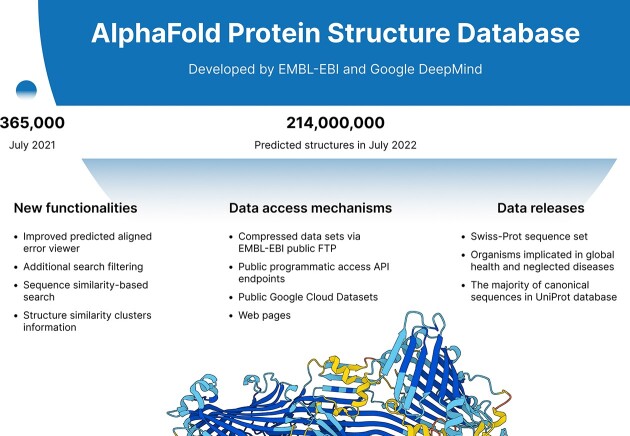
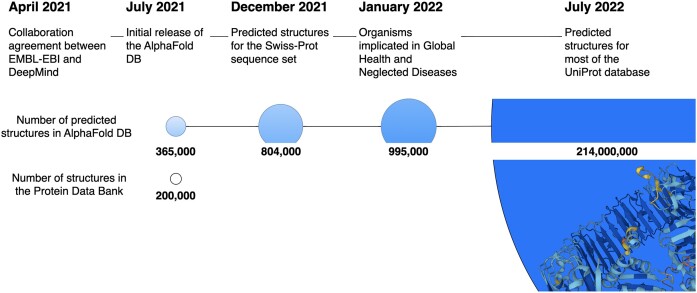
The AlphaFold Database Protein Structure Database (AlphaFold DB, https://alphafold.ebi.ac.uk) has significantly impacted structural biology by amassing over 214 million predicted protein structures, expanding from the initial 300k structures released in 2021. Enabled by the groundbreaking AlphaFold2 artificial intelligence (AI) system, the predictions archived in AlphaFold DB have been integrated into primary data resources such as PDB, UniProt, Ensembl, InterPro and MobiDB. Our manuscript details subsequent enhancements in data archiving, covering successive releases encompassing model organisms, global health proteomes, Swiss-Prot integration, and a host of curated protein datasets. We detail the data access mechanisms of AlphaFold DB, from direct file access via FTP to advanced queries using Google Cloud Public Datasets and the programmatic access endpoints of the database. We also discuss the improvements and services added since its initial release, including enhancements to the Predicted Aligned Error viewer, customisation options for the 3D viewer, and improvements in the search engine of AlphaFold DB.
Overview
CoChat Summary
TL;DR
AlphaFold DB has grown from ~300k to over 214 million predicted protein structures as of September 2023, with expanded access, search, and visualization features. This 2024 update describes data archiving, access mechanisms, integration with core resources, and new clustering/BLAST/PAE viewer capabilities.
Key findings
- AlphaFold DB expanded from approximately 300k structures in 2021 to over 214 million predicted protein structures as of September 2023; the initial July 2021 release housed over 360,000 structures for 20 model organism proteomes.
- Predictions are integrated into resources including PDB, UniProt, Ensembl, InterPro and MobiDB, and are accessible via FTP, Google Cloud Public Datasets (~23 TiB), API, and the website; PAE data is unavailable from EMBL-EBI public FTP.
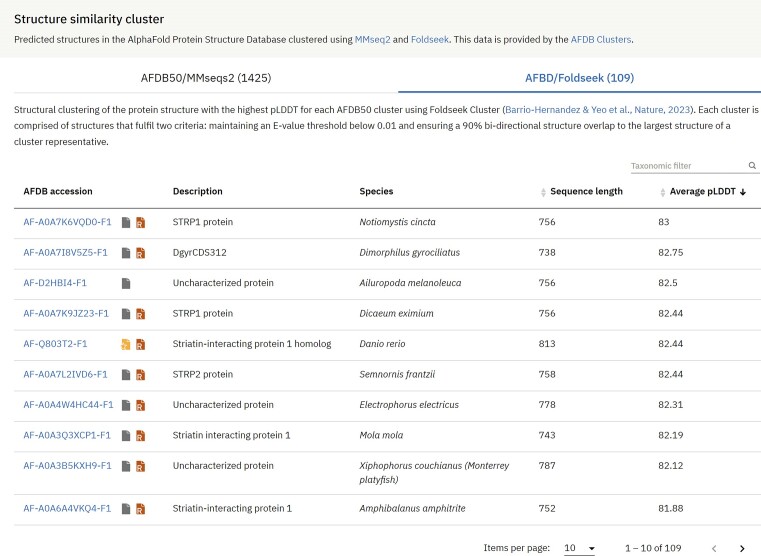
- Structure similarity clustering used MMseqs2 to cluster 214 million UniProtKB sequences into 52 million clusters, then Foldseek secondary clustering yielded 18.8 million clusters, finalizing 2.30 million robust clusters each with at least a pair of structures.
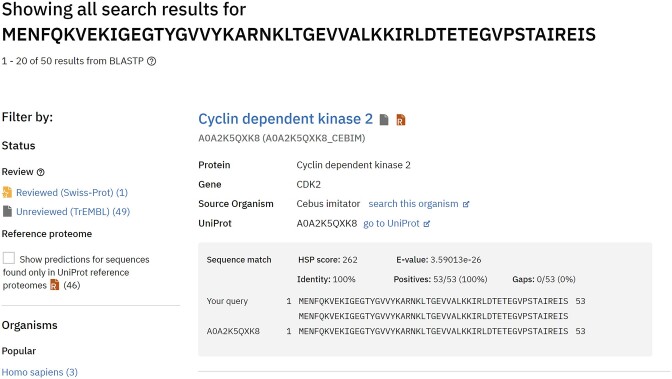
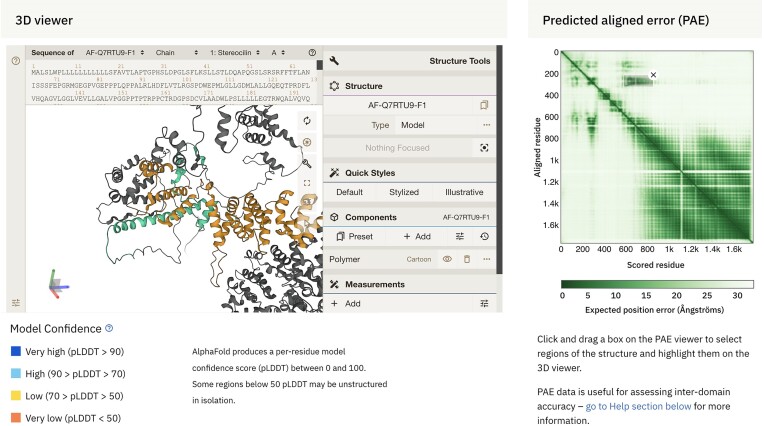
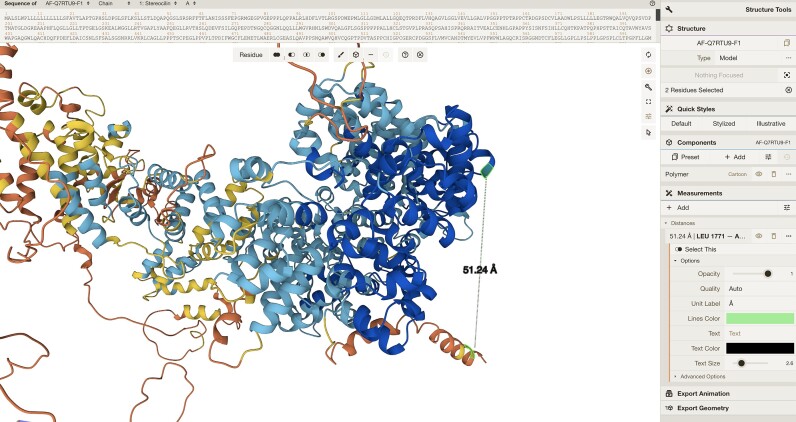
- New features include BLAST sequence similarity search, improved search filters for reviewed/unreviewed and reference proteome status, enhanced PAE viewer–Mol* interactivity, and a November 2022 update fixing a numerical bug that affected ~4% of total structure predictions.
Methods
- Descriptive database update/report with no primary experimental design; data generation is carried out by Google DeepMind, with predictions stored in PDB, mmCIF (modelCIF), and binaryCIF formats plus JSON metadata and confidence metrics pLDDT and PAE.
- Archiving uses successive releases from UniProt reference proteomes (e.g., 2021_02, 2021_04), Swiss-Prot, WHO global health proteomes, and MANE select; as of September 2023, EMBL-EBI FTP hosts TAR files for proteomes of 48 organisms.
- Access and analysis infrastructure includes FTP, Google Cloud Public Datasets, an API keyed on UniProt accessions, Apache-Solr search, BLAST on Google Cloud Platform, and Foldseek/MMseqs2 clustering.
Limitations
- Stated: sequences are not covered if they are less than 16 amino acids; >2700 aa for Swiss-Prot/proteome sequences or >1280 aa for other UniProt sequences; contain non-standard amino acids; are not in the UniProt ‘one sequence per gene’ FASTA file; or are viral proteins; these limitations are under discussion.
- Stated: some sequences may be outdated compared to UniProt due to less frequent AlphaFold DB releases; PAE data is unavailable from EMBL-EBI public FTP; full Google Cloud dataset download requires a Google account and can take roughly 2.5 days at 1 Gbps.
- Evident from the text: all archived structures are predicted models rather than experimental structures, and users must interpret pLDDT/PAE cautiously (e.g., pLDDT <50 likely disordered, 50–70 lower confidence); the database also currently lacks isoform and multimeric predicted structures, which are listed as future work.
Model-written summary. Check it against the paper before relying on it.
Integrity signals
Registry
Cites
Statistics
Figures

Verification
Claims the paper makes
11 Valid · 1 Not valid · 0 Not checked · 28 Own results and interpretations
Every source the paper cites for this claim was checked and supports it.
In the paper
“The new generation of predicted protein structure models has demonstrated remarkable accuracy, which could mitigate the continually widening gap between known protein sequences and experimentally determined protein structures (7).”
§ AlphaFold Protein Structure Database in 2024: providing structure coverage for over 214 million protein sequences > Introduction
What the sources say
- Supportedcites [7] Varadi M., Bordin N., Orengo C., Velankar S. The opportunities and challenges posed by the new generation of deep learning-based protein structure predictors. Curr. Opin. Struct. Biol. 2023; 79: 102543. 36807079 PMC7618866 source
The Introduction says prediction models made a major advance in accuracy and can match or sometimes surpass experimentally determined structures. It also describes a growing gap between known protein sequences and determined structures; the section on new challenges says predicted structures have greatly increased coverage of protein sequence space. These passages support both the accuracy claim and the proposed potential to narrow that gap (page numbers unavailable). (LLM, conf=0.93)
boosted- Asserted: passes — The authors put it forward as true.
- Checkable: passes — It can be checked against evidence.
- Load-bearing: passes — The paper’s conclusions depend on it.
- Based: passes — The paper gives a reason why it holds.
- Supported
Every source the paper cites for this claim was checked and supports it.
In the paper
“In response to frequent requests from the user community since the AlphaFold DB launch, we have made significant strides to implement a sequence-based similarity search feature. We have incorporated the Basic Local Alignment Search Tool (BLAST) (21) into our Google Cloud Platform infrastructure to achieve this.”
§ AlphaFold Protein Structure Database in 2024: providing structure coverage for over 214 million protein sequences > Implementation > Data access
What the sources say
- Supportedcites [21] Camacho C., Coulouris G., Avagyan V., Ma N., Papadopoulos J., Bealer K., Madden T.L. BLAST+: architecture and applications. BMC Bioinf. 2009; 10: 421. PMC2803857 20003500 source
The Background identifies BLAST as a sequence similarity search program that matches a query sequence against a database. In the citing sentence, the citation identifies the tool incorporated; the AlphaFold DB implementation is the citing authors’ own report, not a claim attributed to this source. (LLM, conf=0.91)
plainstates a cause- Asserted: passes — The authors put it forward as true.
- Checkable: passes — It can be checked against evidence.
- Load-bearing: unclear — It is unclear whether the paper’s conclusions depend on it.
- Based: passes — The paper gives a reason why it holds.
- Supported
Every source the paper cites for this claim was checked and supports it.
In the paper
“The impact of the predicted structures is further enhanced by their seamless integration into several core data resources, including PDBe-KB (17), UniProt (6), Ensembl (16), InterPro (15), Genecards (24) and MobiDB (25), among others.”
§ AlphaFold Protein Structure Database in 2024: providing structure coverage for over 214 million protein sequences > Conclusions and outlook
What the sources say
- Supportedcites [17] consortium P.D.B.-K.B. PDBe-KB: collaboratively defining the biological context of structural data. Nucleic Acids Res. 2022; 50: D534– D542. 34755867 PMC8728252 source
Citation (17) is attached specifically to PDBe-KB, rather than to the other resources in the sentence. The Introduction identifies PDBe-KB as a resource that integrates structural and functional annotations, supporting its identification here. (LLM, conf=0.90)
- Supportedcites [6] U.P. Consortium UniProt: the Universal Protein Knowledgebase in 2023. Nucleic Acids Res. 2023; 51: D523– D531. 36408920 PMC9825514 source
The citation is attached to UniProt in a list of resources, and the cited paper is a description of UniProt. Its Data integration and Interactive visualisations in entry pages sections state that UniProt incorporates AlphaFold-predicted structures into protein entries alongside other data; the supplied passages do not give page numbers. (LLM, conf=0.93)
- Supportedcites [16] Cunningham F., Allen J.E., Allen J., Alvarez-Jarreta J., Amode M.R., Armean I.M., Austine-Orimoloye O., Azov A.G., Barnes I., Bennett R. et al. Ensembl 2022. Nucleic Acids Res. 2022; 50: D988– D995. 34791404 PMC8728283 source
The citation identifies Ensembl as one of the resources in the list. In “Developing a new website” (page not provided), the paper says Ensembl’s Entity Viewer provides access to protein information, including 3D structures from PDBe. (LLM, conf=0.86)
plainstates a cause- Asserted: passes — The authors put it forward as true.
- Checkable: passes — It can be checked against evidence.
- Load-bearing: unclear — It is unclear whether the paper’s conclusions depend on it.
- Based: passes — The paper gives a reason why it holds.
- Supported
Every source the paper cites for this claim was checked and supports it.
In the paper
“Tackling this challenge, Steinegger et al. recently unveiled the Foldseek Cluster, a state-of-the-art structural-alignment-based clustering algorithm designed for vast datasets (22). They applied this novel method to the AlphaFold DB archive, making the derived structure similarity clusters available to the research community.”
§ AlphaFold Protein Structure Database in 2024: providing structure coverage for over 214 million protein sequences > Implementation > Data access
What the sources say
- Supportedcites [22] Barrio-Hernandez I., Yeo J., Jänes J., Mirdita M., Gilchrist C.L.M., Wein T., Varadi M., Velankar S., Beltrao P., Steinegger M. Clustering-predicted structures at the scale of the known protein universe. Nature. 2023; 622: 637– 645. 37704730 PMC10584675 source
The Abstract says the authors used Foldseek cluster to cluster the AlphaFold database. The Methods section (“Web server”) says they developed a server for users to explore the clusters, their members and related clusters, supporting the claim that the results were made available to researchers. (LLM, conf=0.93)
plainstates a cause- Asserted: passes — The authors put it forward as true.
- Checkable: passes — It can be checked against evidence.
- Load-bearing: passes — The paper’s conclusions depend on it.
- Based: passes — The paper gives a reason why it holds.
- Supported
- Probably not a substantial claim. 30
- It may state two separate claims as one. 15
- The quote only partly states this claim. 1
Claims other papers make about this one
Each is checked against this paper’s own text: does it say what the citing paper says it does?
The cited source says what the claim attributes to it.
In the citing paper
“houses over 200 million pre-run AF2 predictions”
From The power and pitfalls of AlphaFold2 for structure prediction beyond rigid globular proteins (2024) · cites this paper as [7]
Citations
Cites
Highly accurate protein structure prediction with AlphaFold
Jumper, J., Evans, R., Pritzel, A., Green, T., Figurnov, M., Ronneberger, O., Tunyasuvunakool, K., Bates, R., Žídek, A., Potapenko, A., et al. (2021) · Nature · doi:10.1038/s41586-021-03819-2 · Cited by 43,764
Self-citationBLAST+: architecture and applications
Camacho, C., Coulouris, G., Avagyan, V., Ma, N., Papadopoulos, J., Bealer, K., & Madden, T. L. (2009) · BMC Bioinformatics · doi:10.1186/1471-2105-10-421 · Cited by 22,074
UniProt: the Universal Protein Knowledgebase in 2023
The UniProt Consortium, Bateman, A., Martin, M.-J., Orchard, S., Magrane, M., Ahmad, S., Alpi, E., Bowler-Barnett, E. H., Britto, R., Bye-A-Jee, H., et al. (2023) · Nucleic Acids Research · doi:10.1093/nar/gkac1052 · Cited by 7,210
Evolutionary-scale prediction of atomic level protein structure with a language model
Lin, Z., Akin, H., Rao, R., Hie, B., Zhu, Z., Lu, W., Smetanin, N., Verkuil, R., Kabeli, O., Shmueli, Y., et al. (2022) · doi:10.1101/2022.07.20.500902 · Cited by 5,990 · cited 1×
“In the wake of the latest breakthroughs in prediction software, new databases such as the AlphaFold Protein Structure Database and the ESM Atlas ( 14 ) have emerged.”
MethodThe GeneCards suite: from gene data mining to disease genome sequence analyses
Stelzer, G., Rosen, N., Plaschkes, I., Zimmerman, S., Twik, M., Fishilevich, S., Stein, T. I., Nudel, R., Lieder, I., Mazor, Y., et al. (2016) · Current Protocols in Bioinformatics · doi:10.1002/cpbi.5 · Cited by 5,550 · cited 1×
“The impact of the predicted structures is further enhanced by their seamless integration into several core data resources, including PDBe-KB ( 17 ), UniProt ( 6 ), Ensembl ( 16 ), InterPro ( 15 ), Genecards ( 24 ) and MobiDB ( 25 ), among others.”
BackgroundAccurate prediction of protein structures and interactions using a 3-track network
Baek, M., DiMaio, F., Anishchenko, I., Dauparas, J., Ovchinnikov, S., Lee, G. R., Wang, J., Cong, Q., Kinch, L. N., Schaeffer, R. D., et al. (2021) · doi:10.1101/2021.06.14.448402 · Cited by 5,549
Paysan-Lafosse, T., Blum, M., Chuguransky, S., Grego, T., Pinto, B. L., Salazar, G. A., Bileschi, M. L., Bork, P., Bridge, A., Colwell, L., et al. (2023) · Nucleic Acids Research · doi:10.1093/nar/gkac993 · Cited by 2,399
Cunningham, F., Allen, J. E., Allen, J., Alvarez-Jarreta, J., Amode, M. R., Armean, I. M., Austine-Orimoloye, O., Azov, A. G., Barnes, I., Bennett, R., et al. (2022) · Nucleic Acids Research · doi:10.1093/nar/gkab1049 · Cited by 1,923
Mol* Viewer: modern web app for 3D visualization and analysis of large biomolecular structures
Sehnal, D., Bittrich, S., Deshpande, M., Svobodová, R., Berka, K., Bazgier, V., Velankar, S., Burley, S. K., Koča, J., & Rose, A. S. (2021) · Nucleic Acids Research · doi:10.1093/nar/gkab314 · Cited by 1,154 · cited 1×
“We improved the visualisation of non-consecutive regions and the interactivity between the PAE viewer and the 3D molecular graphics viewer, Mol* ( 23 ) (Figure 5 ).”
MethodSelf-citationMariani, V., Biasini, M., Barbato, A., & Schwede, T. (2013) · Bioinformatics · doi:10.1093/bioinformatics/btt473 · Cited by 1,138 · cited 1×
“AlphaFold yields a per-residue estimate of its confidence, known as pLDDT, ranging from 0 to 100, indicating the tool’s predicted score on the lDDT-C α metric ( 19 ).”
Method
Cited by
Items 701–800 of 2,174
Extensive cultivation of human gut phages revealing undescribed Bacteroidaceae phages
Liu, Z., Yang, Y., Mao, S., Wang, Z., Zhu, Q., Yuan, Y., & Xiang, Y. (2025) · Gut Microbes · doi:10.1080/19490976.2025.2597614 · Cited by 4
“The predicted structures were subsequently utilised to search for homologous structures or folds against the database AlphaFoldDB-UniProt50 91 with the programme Foldseek.”
InfluentialBojórquez-Armenta, Y. D. J., Sarmiento-López, L. G., Pozo, M. J., Castro-Martínez, C., & López‐Meyer, M. (2025) · Plants · doi:10.3390/plants14223458 · Cited by 5
Heritable Tissue‐Specific Gene Expression Associates With Chronic Wound Microbial Species
Omeir, K., Ancira, J., Gabrilska, R., Tipton, C., Miller, C., Noe, A., Subasinghe, K., Rowe, M., Phillips, N., Wolcott, J., et al. (2025) · Wound Repair and Regeneration · doi:10.1111/wrr.70055 · Cited by 3
Singh, G., Shreya, S., Yadav, S., & Akhter, Y. (2025) · World Journal of Microbiology and Biotechnology · doi:10.1007/s11274-025-04510-8 · Cited by 3
“As no crystal structure was available, the three-dimensional structure of Rv1258c was retrieved from AlphaFold Protein Structure Data - base (https://alphafold.ebi.ac.uk) (Varadi et al. 2024 ).”
A large‐scale evolutionary and structural analysis of CLC channels and transporters
Mishra, A., Díaz Vázquez, G., & Robertson, J. L. (2025) · Protein Science · doi:10.1002/pro.70389 · Cited by 3
Masum, M. H. U., & Ferdous, J. (2025) · In Silico Research in Biomedicine · doi:10.1016/j.insi.2025.100034 · Cited by 3
A Perspective on Artificial Intelligence for Molecular Pathologists
O’Leary, T. J., O'Leary, B. J., & O’Leary, D. P. (2025) · Journal of Molecular Diagnostics · doi:10.1016/j.jmoldx.2025.01.005 · Cited by 5
Hayden, A. N., Brandel-Ankrapp, K. L., Pietryk, E. W., Merlau, P. R., Vijayakumar, P., Leptich, E. J., Gaytan, E. S., Williams, M. I., Ni, C. W., Chao, H., et al. (2024) · PLoS Genetics · doi:10.1371/journal.pgen.1011443 · Cited by 9
Young, V., Dohai, B., Halder, H., Fernandez-Macgregor, J., van Heusden, N. S., Hitch, T. C. A., Weller, B., Hyden, P., Saha, D., Pieren, D. K. J., et al. (2026) · Nature Microbiology · doi:10.1038/s41564-025-02241-y · Cited by 8
USP37 prevents premature disassembly of stressed replisomes by TRAIP
Kochenova, O. V., D’Alessandro, G., Pilger, D., Schmid, E., Richards, S. L., Garcia, M. R., Jhujh, S. S., Voigt, A., Gupta, V., Carnie, C. J., et al. (2024) · doi:10.1101/2024.09.03.611025 · Cited by 3
Structure-guided design of a synthetic bile acid that inhibits Clostridioides difficile TcdB toxin
Miletic, S., Icho, S., Li, Z., Tam, J., Rose, E. C., Perkins, C. E., Nakhi, A., Yang, X., Hang, H. C., Rubinstein, J. L., et al. (2025) · Nature Microbiology · doi:10.1038/s41564-025-02179-1 · Cited by 8
Navarrete‐Mondragón, R. D. C., Cortés‐Benítez, F., Mendieta‐Wejebe, J. E., González‐Andrade, M., & Pérez‐Villanueva, J. (2024) · ChemMedChem · doi:10.1002/cmdc.202400452 · Cited by 3
Zuchowski, R., Schito, S., Mack, C., Wirtz, A., Bott, M. H., Polen, T., Noack, S., & Baumgart, M. (2025) · BMC Microbiology · doi:10.1186/s12866-025-03939-z · Cited by 3
“The protein chain color represents the model confidence from dark blue (very high), light blue (high) and yellow (low) to red (very low) [40, 41].”
Dynamic regulation of receptor-modulated endothelial NADPH oxidases
Waldeck‐Weiermair, M., Das, A. A., Covington, T. A., Meitzler, J. L., Doroshow, J. H., Duan, J., Fong, Y. W., Kaynert, J. T., Yadav, S., Dutta, T., et al. (2026) · Proceedings of the National Academy of Sciences · doi:10.1073/pnas.2531380123 · Cited by 3
Computational analysis of MYC gene variants: structural and functional impact of non-synonymous SNPs
Bhuyan, P., Bharali, V., Basumatary, S., Lego, A., Sarma, J., & Borbora, D. (2024) · Journal of Applied Genetics · doi:10.1007/s13353-024-00929-1 · Cited by 5
“The PDB file for the MAX protein was obtained from Alpha-Fold (Jumper et al. 2021; Varadi et al. 2024) [MAX ID AF-P61244-F1].”
Enhancing Challenging Target Screening via Multimodal Protein-Ligand Contrastive LearningPreprint
Wang, Z., Wang, Z., Yang, M., Pang, L., Nie, F., Liu, S., Gao, Z., Zhao, G., Ji, X., Huang, D., et al. (2024) · bioRxiv (Cold Spring Harbor Laboratory) · doi:10.1101/2024.08.22.609123 · Cited by 8
“…are four distinct encoders: frozen SaProt [26], frozen ESM2 [27], pretrained Uni-Mol [28] and pretrained b a d We constructed the MMBind dataset from publicly available resources, including the ChEMBL bioactivity database [29] and the AlphaFold protein structure database [30] as depicted in Fig.”
MethodHolland, R. A., & Crossthwaite, A. J. (2024) · Pest Management Science · doi:10.1002/ps.8462 · Cited by 3
The risk of pathogenicity and antibiotic resistance in deep-sea cold seep microorganisms
Zhang, T., Han, Y., Peng, Y., Deng, Z., Shi, W., Xu, X., Wu, Y., & Dong, X. (2025) · mSystems · doi:10.1128/msystems.01571-24 · Cited by 3
Kermut: Composite kernel regression for protein variant effectsPreprint
Groth, P. M., Kerrn, M. H., Olsen, L., Salomon, J., & Boomsma, W. (2024) · bioRxiv (Cold Spring Harbor Laboratory) · doi:10.1101/2024.05.28.596219 · Cited by 14
“Recently, much progress has been made in the field as a result of advances in machine learning-driven modeling [1–3], data availability [4, 5], and relevant benchmarks [6, 7].”
BackgroundStructure-Based Deep Learning Framework for Modeling Human–Gut Bacterial Protein Interactions
Kiouri, D. P., Batsis, G. C., & Chasapis, C. T. (2025) · Proteomes · doi:10.3390/proteomes13010010 · Cited by 3
“This similarity between the test and the validation outcomes suggests that the model e ff ectively captures the underlying pa tt erns within the data, minimizing over fi tt ing and validating its robustness in unseen scenarios.”
AlphaFold2 SLiM screen for LC3-LIR interactions in autophagy
(2024) · doi:10.1101/2024.09.06.611604 · Cited by 3
Dehydroabietylamine exerts antitumor effects by affecting nucleotide metabolism in gastric cancer
Ma, J., Zhao, J., Wu, Z., Tan, J., Xu, M., Ye, W., Zhong, M., Xiong, Y., Pan, G., Zhou, H., et al. (2024) · Carcinogenesis · doi:10.1093/carcin/bgae037 · Cited by 4
Evolutionary Analysis and Antiviral Drug Prediction of Mpox Virus
Lian, Z.-H., Yang, C., Qiu, Y., et al. (2024) · Microorganisms · doi:10.3390/microorganisms12112239 · Cited by 3
An in silico analysis of dicofol-induced neurotoxicity mechanisms in humans
Karakuş, F., & Kuzu, B. (2025) · Neurotoxicology and Teratology · doi:10.1016/j.ntt.2025.107447 · Cited by 4
Lee, J. W., Park, R., Jeon, S., Kim, S. H., Kwon, Y. W., Han, D., & Hong, S. W. (2025) · Biosensors · doi:10.3390/bios15100671 · Cited by 7
“Notably, four of these regions (denoted as C1–C4) are located within or adjacent to the catalytic cleft, where they are well-aligned with the zinc active site and the substrate-binding S1 ′ subsite [63,64].”
Fu, Y., Sun, Y., Zhang, S., Jia, Y., Zhang, J., Huang, L., Xu, Q., Zhang, Y., Chen, S., Wu, X., et al. (2025) · Bioorganic Chemistry · doi:10.1016/j.bioorg.2025.108485 · Cited by 3
Alcalde-Rey, I., Velasco, B., Alcalde, J., & Izquierdo, J. M. (2024) · Cells · doi:10.3390/cells13231961 · Cited by 3
“The 3D structures of the TIA1 and TIAR proteins were obtained from the AlphaFold database (https://alphafold.ebi.ac.uk/; accessed on 21 November 2024) [40,41].”
Yek, K. Q., Hodgson, E. R., Ang, C., Palmer, C. S., Frazier, A. E., Newton, H. J., & Stojanovski, D. (2025) · PLoS Biology · doi:10.1371/journal.pbio.3003261 · Cited by 4
“(B) AlphaFold [43] was used to predict the structure of Lpg1625, which was labeled with the RVxF motif and transmembrane domain (TMD) using ChimeraX [44].”
Wang, M., Arora, P., Kaplan, C. D., & Brow, D. A. (2025) · Genetics · doi:10.1093/genetics/iyaf225 · Cited by 3
Dżugan, M., Miłek, M., Ciszkowicz, E., Łyskowski, A., & Tomczyk, M. (2025) · Molecules · doi:10.3390/molecules30092036 · Cited by 5
“Models of the investigated molecular targets were obtained either from the PDB database [58] (https://www.ebi.ac.uk/pdbe/; access date: 25 March 2025) or AlphaFold database [59] (https://alphafold.ebi.ac.uk/; access date: 25 March 2025).”
Bonus, M., Greb, J., Majmudar, J. D., Boehm, M., Korczynska, M., Nazemi, A., Mathiowetz, A. M., & Gohlke, H. (2025) · SSRN Electronic Journal · doi:10.2139/ssrn.5098975 · Cited by 3
Lipin phosphatidic acid phosphatases: Structure, function, regulation, and disease association
Welcome, F. S., Elizaire, T. C. M., & Airola, M. V. (2025) · Advances in Biological Regulation · doi:10.1016/j.jbior.2025.101082 · Cited by 4
Waardenburg Syndrome Type 4 in Mongolian Children: Genetic and Clinical Characterization
Gombojav, B., Erdenechuluun, J., Batsaikhan, T., Danshiitsoodol, N., Makhbal, Z., Jargalmaa, M., Jargalkhuu, T., Lu, Y.-S., Lin, P., Hsu, J. S., et al. (2025) · International Journal of Molecular Sciences · doi:10.3390/ijms26136258 · Cited by 3
“…of the targeted deafness gene was visualized and analyzed in the AlphaFold Protein Structure Database (https://alphafold.ebi.ac.uk/ (accessed on 30 may 2025)) [62], which contains the AlphaMissense saturation mutagenesis heatmap used to visualize pathogenicity scores along the protein sequence.”
Eap, D., Ugro, M., Sherrier, T. W., Albetel, A., Lindahl, P. A., Riggs-Gelasco, P. J., & Outten, C. E. (2025) · Journal of the American Chemical Society · doi:10.1021/jacs.5c11899 · Cited by 3
Structural basis for cooperative ssDNA binding by bacteriophage protein filament P12
Träger, L., Degen, M., Pereira, J., Durairaj, J., Teixeira, R. D., Hiller, S., & Huguenin‐Dezot, N. (2025) · Nucleic Acids Research · doi:10.1093/nar/gkaf132 · Cited by 3
“…pre-computed Foldseek databases were carried out with the Foldseek API with default parameters using the 3Di mode: the AlphaFold database v4 [ 34 ] filtered to 50% sequence identity (afdb50 v4), the ESM Metagenomic Atlas [ 35 ] filtered to 30% sequence identity (mgnify_esm30 v1), and the PDB…”
Evaluation of binding activities of a putative lipoprotein LIC_13355 of Leptospira spp.
Silva, I. R. M., Takahashi, M., Teixeira, A. F., et al. (2024) · FEBS Open Bio · doi:10.1002/2211-5463.13942 · Cited by 3
“Tertiary structure was modeled using COLLABFOLD 2 software, based on ALPHAFOLD 2 prediction algorithm (https://colab.research. google.com/github/sokrypton/ColabFold/blob/main/Alpha Fold2.ipynb) [53 – 55].”
New components of the community based DNA-repair mechanism in Sulfolobales
Recalde, A., Wagner, A., Sivabalasarma, S., Yurmashava, A., Fehr, N. P., Thurm, R., Le, T. N., Köbler, C., Wassmer, B., Albers, S.-V., et al. (2024) · doi:10.1101/2024.09.27.615169 · Cited by 3
Charcot-Marie-Tooth disease type 1E: clinical natural history and molecular impact of PMP22 variants
Ward, K. S., Ptak, C. P., Pashkova, N., Grider, T., Peterson, T. A., Pareyson, D., Pisciotta, C., Saveri, P., Moroni, I., Laurá, M., et al. (2025) · Brain · doi:10.1093/brain/awaf219 · Cited by 8
Can Fusobacterium utilize nucleomodulins in the pathophysiology of CRC?
Anand, S., Korgaonkar, S., & Bose, C. (2025) · Frontiers in Cellular and Infection Microbiology · doi:10.3389/fcimb.2025.1644443 · Cited by 4
A novel free fatty acid receptor agonist improving metabolic health in Drosophila models
Brunetti, K., Catalani, E., Quondam, S. D., Romano, N., Ceci, M., Clerici, G., Gordin, M., Bianchini, G., Brandolini, L., Aramini, A., et al. (2025) · Pharmacological Research · doi:10.1016/j.phrs.2025.107769 · Cited by 3
The mitochondrial methylation potential gates mitoribosome assembly
Glasgow, R. I. C., Singh, V., Peña-Pérez, L., Wilhalm, A., Moedas, M. F., Moore, D., Rosenberger, F. A., Li, X., Atanassov, I., Saba, M., et al. (2024) · doi:10.1101/2024.11.15.623401 · Cited by 14
Mohanty, D., & Sharma, G. S. (2025) · International Journal of Biological Macromolecules · doi:10.1016/j.ijbiomac.2025.143672 · Cited by 4
Giustini, C., Bo, D. D., Storti, M., Vlierberghe, M. V., Baurain, D., Cardol, P., Zhang, Y., Fernie, A. R., Fitzpatrick, D., Aro, E., et al. (2025) · bioRxiv (Cold Spring Harbor Laboratory) · doi:10.1101/2025.02.14.638225 · Cited by 3
New components of the community-based DNA-repair mechanism in Sulfolobales
Recalde, A., Wagner, A., Sivabalasarma, S., Yurmashava, A., Fehr, N. P., Thurm, R., Le, T. N., Köebler, C., Wassmer, B., Albers, S.-V., et al. (2025) · microLife · doi:10.1093/femsml/uqaf002 · Cited by 3
“For DNA exc hange, cells wer e gr own to an OD of 0.4–0.5, spun down at 75 ◦ C for 20 min at 3000 × g , and resus-pended in warm Br oc k media without uracil to a theoretical OD of 0.7.”
InfluentialSNARE mimicry by the CD225 domain of IFITM3 enables regulation of homotypic late endosome fusion
Rahman, K., Wilt, I., Jolley, A. A., Chowdhury, B., Datta, S. A. K., & Compton, A. A. (2024) · doi:10.1101/2024.08.07.607021 · Cited by 12
Fernandes, N. P., Gomes, T., & Cordeiro, T. N. (2025) · bioRxiv (Cold Spring Harbor Laboratory) · doi:10.1101/2025.08.26.672300 · Cited by 3
“The emergence of AlphaFold has enabled accurate prediction of folded protein structures at the proteome scale (Jumper et al. 2021, Varadi et al. 2024).”
An Evidence-Grounded Research Assistant for Functional Genomics and Drug Target AssessmentPreprint
Sokolova, K., Kosenkov, D., Nallamotu, K., Vedula, S., Sokolov, D., Sapiro, G., & Troyanskaya, O. G. (2025) · bioRxiv (Cold Spring Harbor Laboratory) · doi:10.64898/2025.12.30.697073 · Cited by 9
“Respective protein structures are loaded from a local copy of the AlphaFold database 9,10 .”
Nine quick tips for trustworthy machine learning in the biomedical sciences
Oneto, L., & Chicco, D. (2025) · PLoS Computational Biology · doi:10.1371/journal.pcbi.1013624 · Cited by 6
“Applications range from the use of large language models for clinical diagnosis [3] to addressing the protein folding problem with advanced deep learning architectures [4].”
Deep contrastive learning enables genome-wide virtual screening
(2024) · doi:10.1101/2024.09.02.610777 · Cited by 66
Zhao, H., Pye, R., Walker, G., Tran, W., Simmonds, O., Tsitsa, I., Islam, S. A., Hanna, G., & David, A. (2025) · Journal of Molecular Biology · doi:10.1016/j.jmb.2025.169595 · Cited by 8
Lattice ultrasensitivity amplifies signals in E. coli without fine-tuningPreprint
Sherry, D. M., Graf, I. R., Bryant, S. J., et al. (2024) · bioRxiv (Cold Spring Harbor Laboratory) · doi:10.1101/2024.05.28.596300 · Cited by 3
Akiba, H., Ise, T., Satoh, R., Abe, Y., Tsumoto, K., Ohno, H., Kamada, H., & Nagata, S. (2025) · Antibody Therapeutics · doi:10.1093/abt/tbaf002 · Cited by 3
“High homology regions exist within CRD1-3 and CRD4-6, likely due to gene duplication (Fig.”
Activated CaMKIIδ translocates to the RyR nanodomain in cardiomyocytes
Bergan-Dahl, A., Carlson, C. R., Laasmaa, M., Subramanian, H., Basson, A., Li, J., Hasic, A., Lunde, M., Ugland, H. G., Manfra, O., et al. (2025) · Cardiovascular Research · doi:10.1093/cvr/cvaf187 · Cited by 5
“Using AlphaFold 37,38 and NGL viewer, 39,40 we found that the binding sites were separated by less than 10 nm: a distance that is shorter than the one observed for our NND shift in CaMKII δ ( Figure 1G and J ).”
Mohan, M., Marimuthu, M., Balasubramani, V., Alagar, M., & Muguntharajan, P. (2026) · Scientific Reports · doi:10.1038/s41598-026-40310-2 · Cited by 3
Wadhwa, V., Jamshidi, C., Stachowski, K., Bird, A. J., & Foster, M. P. (2025) · Protein Science · doi:10.1002/pro.70044 · Cited by 3
SubCELL: the landscape of subcellular compartment-specific molecular interactions
Zhang, Y., Jiang, W., Teng, L., Xu, H., Zhu, Y., Fang, K., Ren, X., Wang, S., Chen, Y., Zhou, Y., et al. (2024) · Nucleic Acids Research · doi:10.1093/nar/gkae863 · Cited by 5
Krishnakumar, H., Manikandan, J., Prabhu, D., & Jeyakanthan, J. (2024) · SAR and QSAR in environmental research · doi:10.1080/1062936x.2024.2443844 · Cited by 4
“Given that the 3D structure of SIK2 was not available in the RCSB Protein Data Bank (PDB) (https://www.rcsb.org/), AlphaFoldDB (https://alphafold.ebi.ac.uk) was utilized for structural information [21].”
Asad, M. A., Shorna, S. A., Mizan, M., et al. (2024) · International Electronic Conference on Processes (ECP) · doi:10.3390/engproc2024067014 · Cited by 3
“We predicted the three-dimensional structure of the chosen protein using the SWISS-MODEL [17] and AlphaFold [18].”
Methodvan Aalst, E. J., & Wylie, B. J. (2024) · Protein Science · doi:10.1002/pro.70013 · Cited by 5
Gao, S., Zeng, W., Li, D., et al. (2025) · Journal of Agricultural and Food Chemistry · doi:10.1021/acs.jafc.5c01215 · Cited by 3
Cipriani, B., Silva, H. L., & Brancolini, G. (2025) · Frontiers in Nanotechnology · doi:10.3389/fnano.2025.1603727 · Cited by 4
PTMVision: An Interactive Visualization Webserver for Post-translational Modifications of Proteins
Hackl, S. T., Jachmann, C., Paz, M. W., Harbig, T. A., Martens, L., & Nieselt, K. (2025) · Journal of Proteome Research · doi:10.1021/acs.jproteome.4c00679 · Cited by 5
StructMAn 2.0 Web: a web server for structural annotation of protein sequences and mutations
Yurtseven, A., Keller, S., Hirsch, P., Kalinina, O. V., & Greß, A. (2025) · Nucleic Acids Research · doi:10.1093/nar/gkaf381 · Cited by 4
“As outlined above, 3D structures of each protein are found by running MMseqs2 search [ 24 ] against PDB [ 23 ] and AlphaFoldDB [ 31 ].”
Ni, B., Shi, L., Zhao, L., Gao, L., Luo, L., Zhang, J., Xie, X., Zhu, Y., Yang, W. Y., Min, S., et al. (2025) · International Journal of Biological Sciences · doi:10.7150/ijbs.109973 · Cited by 3
“The structures of proteins SBSPON and HSPA5 were predicted using AlphaFold[28, 29].”
A LARGE-SCALE EVOLUTIONARY AND STRUCTURAL ANALYSIS OF CLC CHANNELS AND TRANSPORTERS
Mishra, A., Vázquez, G. D., & Robertson, J. L. (2025) · doi:10.1101/2025.07.07.663545 · Cited by 3
“AF2 structures were downloaded from the AlphaFold Protein Structure Database (Varadi et al., 2024) following the list of Uniprot IDs for the IPR001807 family of CLC proteins.”
Biswas, J., Ali, S. A., Malik, S., Nag, S., Mukherjee, P., & Saha, A. (2025) · PLoS Pathogens · doi:10.1371/journal.ppat.1013410 · Cited by 5
“The predicted structure of E2F1 and E2F2 were acquired using the AlphaFold Protein Structure Database (https://alpha-fold.ebi.ac.uk/) [82].”
Jantarawong, S., Khimmaktong, W., Swangphon, P., Lauterbach, N., Nanakorn, N., Panichayupakaranant, P., & Pengjam, Y. (2025) · Scientific Reports · doi:10.1038/s41598-025-04314-8 · Cited by 3
“The average predicted local distance difference test of the predicted structures of mouse and human NFI-A proteins in the AlphaFold database are 62.8 and 62.46 36,37 , respectively, indicating low confidence in the predicted structures.”
InfluentialInterplay of SLC33A1-dependent and -independent Golgi sialic acid O-acetylation in CASD1 catalysis
Albers, M., Bosse, L., Schröter, L., Junemann, A.-M. T., Rossdam, C., Hartmann, M., Grove, M., Litfin, T., Egger, A.-S., Kwiatkowski, M., et al. (2026) · Nature Communications · doi:10.1038/s41467-026-71333-y · Cited by 5
“The Protein Data Bank (PDB) coordinate fi les of the AF2 models of human CASD1 and Salmonella OafB were downloaded from the AlphaFold Protein Structure Database 69,70 with the accession AF-Q96PB1-F1 and AF-A0A0H2WM30-F1, respectively.”
Li, H., Li, R., Yu, H., et al. (2025) · PLoS ONE · doi:10.1371/journal.pone.0322880 · Cited by 3
“A prominent example was PstP, the sole PP2C phosphatase in M. tuberculosis , which functions as a transmembrane protein harboring a putative PASTA domain [73,74].”
Manapkyzy, D., Joldybayeva, B., Ishchenko, A. A., Matkarimov, B. T., Zharkov, D. O., Taipakova, S., & Saparbaev, M. K. (2024) · PLoS ONE · doi:10.1371/journal.pone.0304818 · Cited by 5
Mangu, V., Jenkins, K., Pratt, A. I., Boltz, K. A., Pazouki, L., Hui, A. Y., Mookkan, M., & Staub, J. M. (2025) · Plant Biotechnology Journal · doi:10.1111/pbi.70175 · Cited by 4
“AlphaFold (www.alphafold.com; Jumper et al ., 2021; Varadi et al ., 2024) structure prediction (Figure S2) suggests that G108 coordinates with Valine 232 (V232) to help maintain the structure of that ADP + and Pi nucleotide binding region required for production of ATP.”
Dave, P., Gandhi, A., & Dudhat, K. R. (2026) · Journal of Pharmaceutical Innovation · doi:10.1007/s12247-026-10634-7 · Cited by 5
“The active role of these advances enables scientists to create targeted ligands which serve as the basis for developing innovative therapeutic molecular compounds against different diseases [ 83, 84 ] (Fig.”
Das, S., Das, P., Saha, A., Ghosh, S., Thakur, S., & Saha, D. (2025) · Journal of Medical Entomology · doi:10.1093/jme/tjaf083 · Cited by 4
Web-based GTalign: bridging speed and accuracy in protein structure analysis
Dapkūnas, J., & Margelevičius, M. (2025) · Nucleic Acids Research · doi:10.1093/nar/gkaf398 · Cited by 4
“…searches across the following structure databases: RCSB PDB [ 20 ], SCOPe 40 [ 21 ], ECOD F70 [ 22 ], and proteins from 48 reference proteomes [ 3 ], UniProtKB / Swiss-Prot [ 23 ], and UniRef30 [ 24 ] (UniProtKB clustered at 30% sequence identity), with the last three datasets obtained from…”
Rocha, G. X., Oliveira, A. A. P., Esteves-Souza, A., Serpa, C., Chaves, O. A., & Echevarría, A. (2025) · Journal of Molecular Structure · doi:10.1016/j.molstruc.2025.145074 · Cited by 3
Unlocking the Transformative Power of Synthetic Biology
Amaan, A., Garg, P., & Prachi, S. (2024) · Archives of Biotechnology and Biomedicine · doi:10.29328/journal.abb.1001039 · Cited by 4
Chen, Z., Zhang, X., Yu, W., & Luo, Q. (2025) · bioRxiv (Cold Spring Harbor Laboratory) · doi:10.1101/2025.03.11.642719 · Cited by 5
“First, we extend the downstream tasks of structure alignment methods from homology detection to phylogeny reconstruction and function inference, given the availability of vast predicted full-length protein structures in AlphaFoldDB (11).”
InfluentialReyes-Vidal, I., Tepale-Ledo, I., Rivera, G., et al. (2025) · Cancers · doi:10.3390/cancers17172839 · Cited by 3
“Because complete X-ray crystallographic structures for Homo sapiens MMP-2 and N-cadherin are not available, we used models from the AlphaFold Protein Structure Database (AF-DB, EMBL-EBI; CC BY 4.0) [24].”
InfluentialWang, J., Yang, M., Zong, C. F., Li, Y., Verkhivker, G. M., Xiao, F., & Hu, G. (2025) · Journal of Chemical Information and Modeling · doi:10.1021/acs.jcim.5c01219 · Cited by 4
Najafi, N. N., Karbassian, R., Hajihassani, H., & Irani, M. A. (2025) · Journal of Molecular Modeling · doi:10.1007/s00894-025-06392-x · Cited by 4
Computational Bioprospecting of Enzymes
Xiang, R., Martinez-Sugrañes, M., Muñoz‐Tafalla, R., Floor, M., & Guallar, V. (2025) · Wiley Interdisciplinary Reviews Computational Molecular Science · doi:10.1002/wcms.70037 · Cited by 5
Ning, D., Wang, Y., Liu, Y., Wen, H., Wang, Z., & Liu, S. (2025) · ACS Nano · doi:10.1021/acsnano.5c02361 · Cited by 5
Interpretable prediction of zinc ion location in proteins with ZincSight
Mechtinger, G., Axel, G., Kolodny, R., & Ben‐Tal, N. (2025) · Protein Science · doi:10.1002/pro.70350 · Cited by 7
Shao, Y., & Liu, T. (2025) · Computational and Structural Biotechnology Journal · doi:10.1016/j.csbj.2025.03.043 · Cited by 3
Heat induced structural transitions of PA1 and PA2 albumins from pea
Li, R., Atıl, G. U., Pal, A., Jones, N. C., Sørensen, H. V., Hoffmann, S. V., Pedersen, J. S., & Corredig, M. (2026) · Food Hydrocolloids · doi:10.1016/j.foodhyd.2026.112498 · Cited by 3
(2025) · doi:10.1093/nar/gkaf1099 · Cited by 4
“AlphaFoldDB [ 7 ] highlights the value of interactive centralized structure repositories but lacks support for quaternary assemblies, leaving many predicted complexes scattered, unvalidated, and underutilized.”
Badonyi, M., & Marsh, J. A. (2025) · doi:10.1101/2025.03.13.642984 · Cited by 19
Case Report: Novel IL10RB variant causing very early onset-inflammatory bowel disease
Usman, Y., Ptak, C. P., Cohran, V. C., Nolan, B. E., Ahmed, A. S., & Khanolkar, A. (2025) · Frontiers in Immunology · doi:10.3389/fimmu.2025.1655475 · Cited by 3
Vesicle adaptors in malaria parasites show conservation and flexibility of protein sorting machinery
Cubillán-Marín, J., Fröhlke, U., Ramón-Zamorano, G., Mainye, S., Mesén-Ramírez, P., Farias, G. B., Höhn, K., Gilberger, T., Bártfai, R., & Spielmann, T. (2025) · The Journal of Cell Biology · doi:10.1083/jcb.202504062 · Cited by 6
Li, Y., Du, G., Chen, J., Lv, X., & Liu, L. (2026) · Biotechnology Advances · doi:10.1016/j.biotechadv.2026.108850 · Cited by 7
A novel RNA-binding activity of ECD contributes to U5 snRNP stability and pre-mRNA splicingPreprint
Raza, M., Rajan, A. R., Kalluchi, A., et al. (2025) · bioRxiv (Cold Spring Harbor Laboratory) · doi:10.1101/2025.01.24.634785 · Cited by 3
ActSeek: fast and accurate search algorithm of active sites in alphafold database
Castillo, S., & Ollila, O. H. S. (2025) · Bioinformatics · doi:10.1093/bioinformatics/btaf424 · Cited by 3
“In conclusion, ActSeek is expected to be more efficient when searching from large databases, such as the Alphafold database containing over 200 million structures (Varadi et al. 2024), than tools that require indexing.”
InfluentialBellaver, E. H., da Costa, I. M., Redin, E. E., Moroni, L. S., Cunico, L. P., Bourckhardt, L. E. H., Cécere, B. G. D. O., da Silva, A. S., & Kempka, A. P. (2025) · International Dairy Journal · doi:10.1016/j.idairyj.2025.106450 · Cited by 4
Exploring fern pathosystems and immune receptors to bridge gaps in plant immunity
Castel, B., Baker, M., Keller, J., Martinez, Y., Bonhomme, M., Delaux, P.-M., & Jacquet, C. (2025) · BMC Biology · doi:10.1186/s12915-025-02413-6 · Cited by 4
Auto-crosslinking sporesilk fibers promote endospore and Cry toxin clustering
Sleutel, M., Sogues, A., & Remaut, H. K. (2026) · Nature Communications · doi:10.1038/s41467-026-70495-z · Cited by 3
Expression and Clinical Significance of Cytochrome 1B1 in Bone Sarcomas
Al-zu’bi, B., Alshammari, F. O. F. O., Alqaisi, R. S., Jaradat, J. H., Herzallah, M., Ja’Awin, M., Satari, A. O., Al-saraireh, Y. M., & Hareedy, M. S. (2025) · Pharmaceuticals · doi:10.3390/ph18101559 · Cited by 2
Metagenomic mining reveals novel viral histones in dsDNA viruses
Liu, Y., Hou, Z., Hao, W., Cui, S., Wang, H., & Liu, Y. (2024) · doi:10.1101/2024.12.06.627149 · Cited by 5
AI-Empowered Molecular Editing Opens a New Horizon in Pesticide Discovery
Wang, W., Chen, Y., Gong, D.-H., Song, R., Pan, L., Wang, D., Bai, L., Kandegama, W., Bandaranayake, P. C. G., Lian, L., et al. (2025) · Journal of Agricultural and Food Chemistry · doi:10.1021/acs.jafc.5c02504 · Cited by 2
Kulichik, O. E., Zaytseva, A. K., Kostareva, A. A., et al. (2025) · International Journal of Molecular Sciences · doi:10.3390/ijms26020712 · Cited by 2
“The AlphaFold 3 (AF3) server [31] (https://golgi.sandbox.google.com/ was used to generate models of VSD I in the WT channel Nav1.”
Miyake, T., Ranaudo, A., Sacco, E., & Greco, C. (2025) · Proteins Structure Function and Bioinformatics · doi:10.1002/prot.70081 · Cited by 2
Metadata
- Authors
- Varadi, M., Bertoni, D., Magana, P., Paramval, U., Pidruchna, I., Radhakrishnan, M., Tsenkov, M., Nair, S., Mirdita, M., Yeo, J., Kovalevskiy, O., Tunyasuvunakool, K., Laydon, A., Žídek, A., Tomlinson, H., Hariharan, D., Abrahamson, J., Green, T., Jumper, J., Birney, E., Steinegger, M., Hassabis, D., & Velankar, S.
- Affiliations
- European Molecular Biology Laboratory, European Bioinformatics Institute , Hinxton, UK
- European Bioinformatics Institute (GB)
- Seoul National University (KR)
- Google DeepMind (United Kingdom) (GB)
- Corresponding author
- Hassabis, Demis
- Velankar, Sameer
- ORCID
- Venue
- Nucleic Acids Research
- Publisher
- Oxford University Press (OUP)
- Published
- 2023-11-02
- Volume
- 52
- Issue
- D1
- Pages
- D368-D375
- ISSN
- 0305-1048 (ISSN-L)
- 1362-4962
- PMC
- PMC10767828
- OpenAlex
- W4388464011
- Cited by
- 2,052
- References
- 29
- Citations by year
- 2026: 724 · 2025: 1015 · 2024: 307 · 2023: 5
- FWCI
- 181.98
- Type
- journal article
- Language
- en
- Open access
- gold
- doi.org
- Licence
- Locations
- Nucleic Acids Research (publishedVersion, cc-by)
- PubMed Central (publishedVersion, cc-by)
- PubMed (publishedVersion)
- Seoul National University Open Repository (Seoul National University) (submittedVersion)
- Funders
- Google DeepMind
- National Research Foundation of Korea (2019R1A6A1A10073437, 2020M3A9G7103933, 2021R1C1C102065, 2021M3A9I4021220, RS-2023-00250470)
- Samsung DS Research Fund
- Seoul National University
- Topics
- Life Sciences › Biochemistry, Genetics and Molecular Biology › Molecular Biology › Protein Structure and Dynamics
- Life Sciences › Biochemistry, Genetics and Molecular Biology › Structural Biology › Enzyme Structure and Function
- Life Sciences › Biochemistry, Genetics and Molecular Biology › Molecular Biology › Machine Learning in Bioinformatics
- Keywords
- predicted protein structures, AlphaFold2, protein structure prediction, protein sequence coverage, data archiving, database access, search engines
- MeSH terms
- Amino Acid Sequence, Artificial Intelligence, Proteins, Protein Structure, Secondary, Proteome, Databases, Protein, Search Engine
About these checks
Registry, retraction, Cites and statistics results are computed, not judged, with one exception: a printed reference that no index lists is read once by a model before it counts as a citation error. Claims are extracted by a model and kept only when their quote appears verbatim in the text; each cited source is then checked, with a model’s help, for whether it says what the claim relies on. Those verdicts can be wrong — read the claim’s quote and the cited source before relying on one.
The claim verdicts this report counts are experimental: their accuracy is not yet measured.
A language model drew the claims from the paper on 2026-10-10, under version 3 of the claim definition (model deepseek-v4.1-flash, prompt extract-v3).
A second model labelled each claim on 2026-10-10 (model jev-1.13-20260917, definition revision gold-guideline-v0.2).
Cited sources are checked with a language model’s help (gpt-6-sol).
Statistics and arithmetic are recomputed, not judged.
Confidence bands are shown only for fields calibrated on our annotated test set. None is calibrated yet, so no band is shown.
What counts as a claim ›How we measure confidence ›How we check this ›
Are you an author, or do you see a problem with this page? Request a review
Data sources
Bibliographic data: Semantic Scholar, OpenAlex, Crossref.
Contains information from the Semantic Scholar Academic Graph Datasets, made available under the ODC Attribution License (ODC-BY 1.0).
Semantic Scholar’s data is described in: Kinney, R., et al. (2023). The Semantic Scholar Open Data Platform. arXiv:2301.10140.
