

Gut microbiome and health: mechanistic insights
Open accessThe DOI matches its Crossref record; 196 of the 197 references it cites were found in a registry or an index.
Abstract
The gut microbiota is now considered as one of the key elements contributing to the regulation of host health. Virtually all our body sites are colonised by microbes suggesting different types of crosstalk with our organs. Because of the development of molecular tools and techniques (ie, metagenomic, metabolomic, lipidomic, metatranscriptomic), the complex interactions occurring between the host and the different microorganisms are progressively being deciphered. Nowadays, gut microbiota deviations are linked with many diseases including obesity, type 2 diabetes, hepatic steatosis, intestinal bowel diseases (IBDs) and several types of cancer. Thus, suggesting that various pathways involved in immunity, energy, lipid and glucose metabolism are affected. In this review, specific attention is given to provide a critical evaluation of the current understanding in this field. Numerous molecular mechanisms explaining how gut bacteria might be causally linked with the protection or the onset of diseases are discussed. We examine well-established metabolites (ie, short-chain fatty acids, bile acids, trimethylamine N-oxide) and extend this to more recently identified molecular actors (ie, endocannabinoids, bioactive lipids, phenolic-derived compounds, advanced glycation end products and enterosynes) and their specific receptors such as peroxisome proliferator-activated receptor alpha (PPARα) and gamma (PPARγ), aryl hydrocarbon receptor (AhR), and G protein-coupled receptors (ie, GPR41, GPR43, GPR119, Takeda G protein-coupled receptor 5). Altogether, understanding the complexity and the molecular aspects linking gut microbes to health will help to set the basis for novel therapies that are already being developed.
Overview
The claims and statistics of this paper haven’t been checked yet.
Free: it reads the open-access text and checks the first 5 claims that cite a source we can check. Create a free account to check every claim.
Integrity signals
Registry
Cites
Statistics
Figures
Verification
Claims the paper makes
The claims and statistics of this paper haven’t been checked yet.
Free: it reads the open-access text and checks the first 5 claims that cite a source we can check. Create a free account to check every claim.
Claims other papers make about this one
Each is checked against this paper’s own text: does it say what the citing paper says it does?
The source backs part of the claim, not all of it — or backs it for a different population, condition or comparison.
In the citing paper
“Fiber-rich, plant-based diets have the opposite effect, nurturing Bifidobacterium and Lactobacillus, increasing butyrate producers like Roseburia and Eubacterium rectale, and shielding against obesity and insulin resistance via SCFA signaling.15,70,81–83”
From Gut dysbiosis in oncology: a risk factor for immunoresistance (2026) · doi:10.1038/s41422-025-01212-6 · cites this paper as [81]
Experimental — accuracy not yet measuredThe source backs part of the claim, not all of it — or backs it for a different population, condition or comparison.
In the citing paper
“Akkermansia muciniphila is a Gram-negative homeostatic commensal bacteria that influences host metabolism to maintain glucose tolerance and intestinal barrier function.”
From Gut OncoMicrobiome Signatures (GOMS) as next-generation biomarkers for cancer immunotherapy (2023) · cites this paper as [102]
Experimental — accuracy not yet measuredThe source backs part of the claim, not all of it — or backs it for a different population, condition or comparison.
In the citing paper
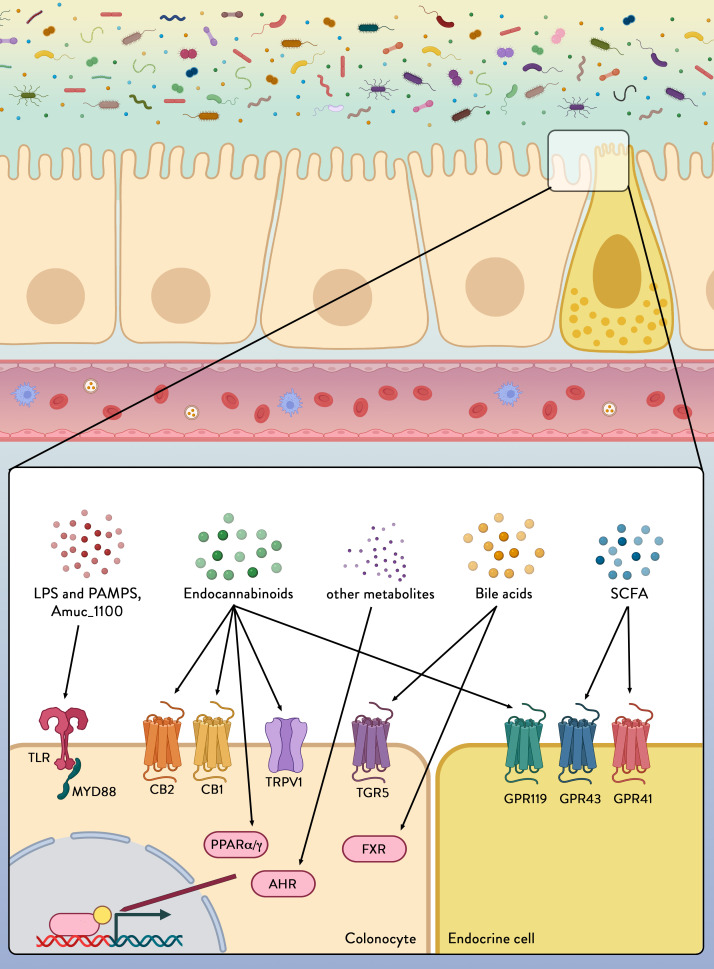
“The ECS and GM interact to regulate intestinal homeostasis resulting in relevant functional effects in the gut and CNS (238, 246, 248, 250).”
From Signalling cognition: The gut microbiota and hypothalamic-pituitary-adrenal axis (2023) · cites this paper as [250]
Experimental — accuracy not yet measuredThe cited source says what the claim attributes to it.
In the citing paper
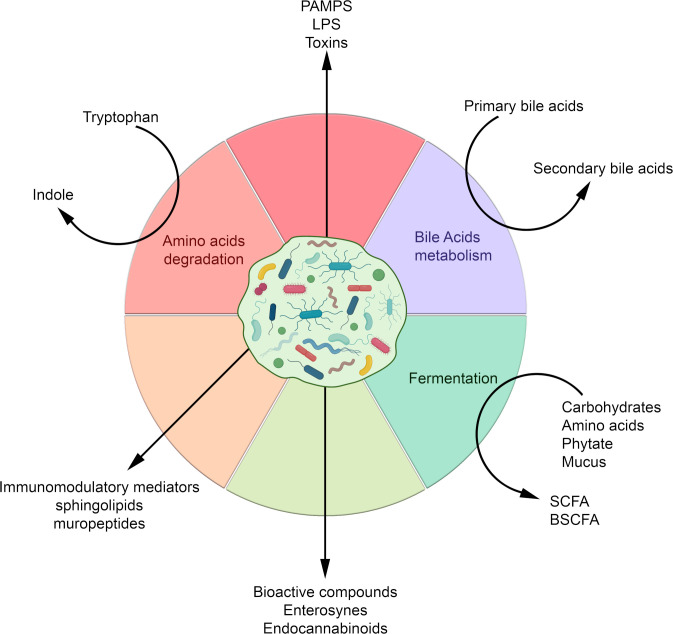
“The microbial fermentative activity of gut microbiota is vital for the production of SCFAs, including butyrate, acetate, and propionate, from non-digestible dietary fibers.271,273”
From Microbiota–gut–brain axis and its therapeutic applications in neurodegenerative diseases (2024) · cites this paper as [273]
The cited source says what the claim attributes to it.
In the citing paper
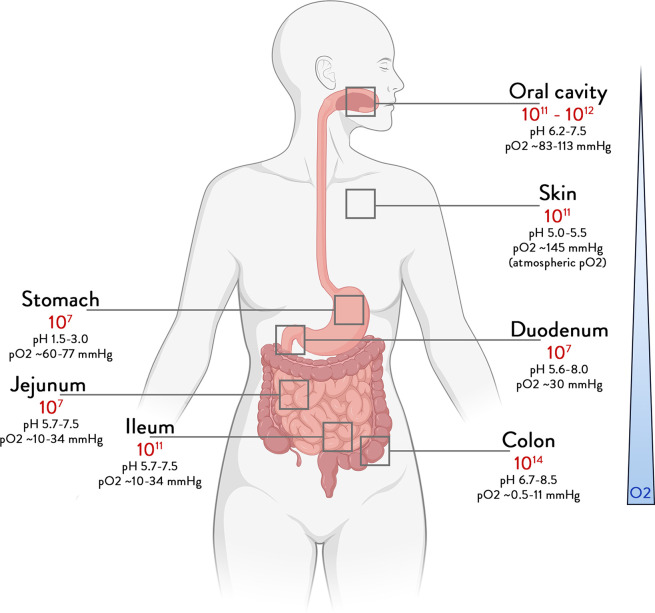
“The taxonomic composition of the gut microbiota changes throughout the gastrointestinal tract, according to nutrient availability, mucus structure, pH and oxygen availability [1–6].”
From Role of the gut microbiota in nutrient competition and protection against intestinal pathogen colonization (2023) · cites this paper as [2]
Self-check
Percentages, sums and reported differences re-computed from the paper’s own numbers.
The self-check needs the paper’s full text.
Citations
Cites
A human gut microbial gene catalogue established by metagenomic sequencing
MetaHIT Consortium, Qin, J., Li, R., Raes, J., Arumugam, M., Burgdorf, K. S., Manichanh, C., Nielsen, T., Pons, N., Levenez, F., et al. (2010) · Nature · doi:10.1038/nature08821 · Cited by 11,624
Defective LPS Signaling in C3H/HeJ and C57BL/10ScCr Mice: Mutations in Tlr4 Gene
Poltorak, A., He, X., Smirnova, I., Liu, M.-Y., Huffel, C. V., Du, X., Birdwell, D., Alejos, E., Silva, M., Galanos, C., et al. (1998) · Science · doi:10.1126/science.282.5396.2085 · Cited by 7,631
From Dietary Fiber to Host Physiology: Short-Chain Fatty Acids as Key Bacterial Metabolites
Koh, A., De Vadder, F., Kovatcheva-Datchary, P., & Bäckhed, F. (2016) · Cell · doi:10.1016/j.cell.2016.05.041 · Cited by 7,070
A metagenome-wide association study of gut microbiota in type 2 diabetes
Qin, J., Li, Y., Cai, Z., Li, S., Zhu, J., Zhang, F., Liang, S., Zhang, W., Guan, Y., Shen, D., et al. (2012) · Nature · doi:10.1038/nature11450 · Cited by 6,762
Metabolic Endotoxemia Initiates Obesity and Insulin Resistance
Cani, P. D., Amar, J., Iglesias, M. A., Poggi, M., Knauf, C., Bastelica, D., Neyrinck, A. M., Fava, F., Tuohy, K. M., Chabo, C., et al. (2007) · Diabetes · doi:10.2337/db06-1491 · Cited by 6,638 · cited 3×
“This is the case in metabolic endotoxaemia, in which high-fat diet and weight gain have been associated with a higher gut permeability and subsequent systemic (mild) elevation in circulating plasma LPS. 100 This causes a state of low-grade inflammation, which is a pathological feature of a range of chronic conditions…”
BackgroundInfluentialSelf-citationIsolation and Structure of a Brain Constituent That Binds to the Cannabinoid Receptor
Devane, W. A., Hanuš, L., Breuer, A., Pertwee, R. G., Stevenson, L. A., Griffin, G., Gibson, D., Mandelbaum, A., Etinger, A., & Mechoulam, R. (1992) · Science · doi:10.1126/science.1470919 · Cited by 5,633 · cited 1×
“113 The second key ligand identified was 2-arachidonoylglycerol (2-AG).”
BackgroundMolecular characterization of a peripheral receptor for cannabinoids
Munro, S., Thomas, K. L., & Abu-Shaar, M. (1993) · Nature · doi:10.1038/365061a0 · Cited by 5,092
Gut microbiota in human metabolic health and disease
Fan, Y., & Pedersen, O. (2021) · Nature Reviews Microbiology · doi:10.1038/s41579-020-0433-9 · Cited by 4,724
Succinate is an inflammatory signal that induces IL-1β through HIF-1α
Tannahill, G. M., Curtis, A. M., Adamik, J., Palsson-McDermott, E. M., McGettrick, A. F., Goel, G., Frezza, C., Bernard, N. J., Kelly, B., Foley, N. H., et al. (2013) · Nature · doi:10.1038/nature11986 · Cited by 4,176
Duodenal Infusion of Donor Feces for Recurrent Clostridium difficile
van Nood, E., Vrieze, A., Nieuwdorp, M., Fuentes, S., Zoetendal, E. G., de Vos, W. M., Visser, C. E., Kuijper, E. J., Bartelsman, J. F. W. M., Tijssen, J. G. P., et al. (2013) · New England Journal of Medicine · doi:10.1056/nejmoa1205037 · Cited by 3,708
Research works printed but not linked: 1
- 10.2337/diabetes · doi:10.2337/diabetes · Paper page
Cited by
Items 901–1,000 of 1,006
Effects of Habitual Dietary Change on the Gut Microbiota and Health of Silkworms
Wang, G., Ding, X., Yang, J., Ma, L., Sun, X., Zhu, R., Lu, R., Xiao, Z., Xing, Z., Liu, J., et al. (2024) · International Journal of Molecular Sciences · doi:10.3390/ijms25031722 · Cited by 13
Age and aging process alter the gut microbes
Zhanbo, Q., Jing, Z., Han, S., Wu, Y., Chu, J., Yu, X., Zhao, F., Liu, J., Wu, X., Wu, W., et al. (2024) · Aging · doi:10.18632/aging.205728 · Cited by 14
Cattero, V., Roussel, C., Lessard‐Lord, J., Roy, D., & Desjardins, Y. (2024) · Microbiome Research Reports · doi:10.20517/mrr.2024.17 · Cited by 12
Current research update on group B streptococcal infection related to obstetrics and gynecology
Liu, Y., & Ai, H. (2024) · Frontiers in Pharmacology · doi:10.3389/fphar.2024.1395673 · Cited by 17
“In addition, a research report has shown that the composition of gut microbiota can regulate immune response mechanisms (de Vos et al., 2022), such as anti-tumor activity, thereby producing interactions between microbiota and tumors.”
Bisphenol S exposure induces intestinal inflammation via altering gut microbiome
Li, S., Ma, X., Zhang, X., Bai, S., Li, X., Huang, Y., Yu, J., Fan, Y., Lu, C., Du, G., et al. (2024) · Food and Chemical Toxicology · doi:10.1016/j.fct.2024.114830 · Cited by 14
Teng, M., Sun, J., Zhao, L., Li, Y., Zhang, Z., Zhu, W., Zhang, Y., Xu, F., Xing, S., Zhao, X., et al. (2024) · Environment International · doi:10.1016/j.envint.2024.108851 · Cited by 14
Modulating the gut microbiome in non-small cell lung cancer: Challenges and opportunities
Lee, J. B., Huang, Y., Oya, Y., Nützinger, J., Ang, Y. L. E., Sooi, K. W. X., Cho, B. C., & Soo, R. A. (2024) · Lung Cancer · doi:10.1016/j.lungcan.2024.107862 · Cited by 13
Yin, Q., Ni, J., & Ying, J. (2024) · Immunity Inflammation and Disease · doi:10.1002/iid3.1263 · Cited by 13
Yeom, M., Ahn, S., Hahm, D., Jang, S., Jang, S. H., Park, S. H., Jang, J., Park, J., Oh, J.-Y., Lee, I.-S., et al. (2024) · Journal of Chinese Integrative Medicine · doi:10.1016/j.joim.2024.07.004 · Cited by 13
Nutraceuticals in the management of autonomic function and related disorders: A comprehensive review
da Costa, P. C. T., Freire, M. O. D. L., Coutinho, D. D. O., Godet, M., Magnani, M., Antunes, V. R., de Souza, E. L., Vidal, H., & Alves, J. L. D. B. (2024) · Pharmacological Research · doi:10.1016/j.phrs.2024.107368 · Cited by 12
Li, Y., Yue, X., Ren, X., Pang, Y., Wang, T., Huangfu, B., Mikhailovich, Z. A., Vasilievich, K. V., Zhang, M., Luan, Y., et al. (2024) · Journal of Dairy Science · doi:10.3168/jds.2024-25181 · Cited by 13
Trecarten, S. J., Liss, M. A., Hamilton‐Reeves, J. M., & DiGiovanni, J. (2025) · Frontiers in Immunology · doi:10.3389/fimmu.2024.1448116 · Cited by 13
Gut microbiome in non-alcoholic fatty liver disease
Mpountouridis, A., Tsigalou, C., Bezirtzoglou, I., Bezirtzoglou, E., & Stavropoulou, E. (2025) · Frontiers in Gastroenterology · doi:10.3389/fgstr.2024.1534431 · Cited by 15
“…on NAFLD mice induced by a high-fat/high-fructose diet plus intermittent hypoxia exposure, Lactobacillus rhamnosus GG has a protective effect on insulin resistance, glucose intolerance, hepatic injury and steatosis, and upregulates liver PPAR a signalling and increases butyrate faecal levels (120).”
Li, J., Xie, Z., Yang, L., Guo, K., & Zhou, Z. (2025) · Journal of Autoimmunity · doi:10.1016/j.jaut.2025.103371 · Cited by 13
Fan, Q., Gao, Y., Zhou, Y., Wu, J., Wang, H., Dong, Y., Gai, Z., Wu, Y., Fang, S., & Gu, S. (2025) · Foods · doi:10.3390/foods14040654 · Cited by 14
“These processes directly or indirectly affect the occurrence and development of gastrointestinal diseases [10].”
The Gut Microbiome and Migraine: Updates in Understanding
Zhang, N., Tran, S., & Moskatel, L. S. (2025) · Current Neurology and Neuroscience Reports · doi:10.1007/s11910-025-01408-8 · Cited by 12
Peng, L., Zeng, H., Wan, L., Yang, X., Bai, Q., Huang, J., & Liu, Z. (2025) · Food Research International · doi:10.1016/j.foodres.2025.116111 · Cited by 12
Kim, Y., Ki, M. S., Shin, M. H., Choi, J. S., Park, M. S., Kim, Y., Oh, C., & Lee, S. H. (2025) · Microbiological Research · doi:10.1016/j.micres.2025.128173 · Cited by 12
Effects of high-dose glucocorticoids on gut microbiota in the treatment of Graves’ ophthalmopathy
Su, X., Tian, Z., Fang, Y., Zhou, S., & Ma, S. (2025) · Microbiology Spectrum · doi:10.1128/spectrum.02467-24 · Cited by 13
Yamashita, T. (2025) · Journal of Cardiology · doi:10.1016/j.jjcc.2025.05.002 · Cited by 12
Sun, Y., Wu, J., Zan, J., Li, Z., Liu, L., & Ding, G. (2025) · Polymers · doi:10.3390/polym17111430 · Cited by 12
“The excessive accumulation of reactive oxygen and nitrogen species at the site of colonic inflammation can lead to epithelial barrier disruption and dysbiosis of the gut microbiota [57].”
Yin, J., Zhu, Y., Liu, R., Wang, W., Wang, Z., & Wang, J. (2025) · Frontiers in Immunology · doi:10.3389/fimmu.2025.1599956 · Cited by 14
“In NAFLD patients, dysregulation of gut microbiota and heightened intestinal permeability result in greater liver exposure to bacterial products, thereby triggering metabolic endotoxemia and disrupting gut-liver axis function (87).”
Gong, Q., Wang, B., Guo, M., Zhao, Y., Qu, X., Ma, C., Zhang, X., Cao, S., Mackay, C. R., Song, Y., et al. (2025) · Carbohydrate Polymers · doi:10.1016/j.carbpol.2025.124031 · Cited by 12
Reduced maternal SCFAs in GDM diminish GPR43 signaling and induce offspring CAKUT
Wang, H., Kang, T., & Li, W. (2025) · Communications Biology · doi:10.1038/s42003-025-08469-y · Cited by 12
“Furthermore, by signaling through Gpr43 , SCFAs contributetoenhancing intestinal barrierfunction, reducing theinvasionof external pathogens and harmful substances, thus safeguarding intestinal health 29 – 31 .”
Karl, J. P., Fagnant, H. S., Radcliffe, P. N., Wilson, M. A., Karis, A. J., Sayers, B., Wijeyesekera, A., Gibson, G. R., Lieberman, H. R., Giles, G. E., et al. (2025) · American Journal of Physiology-Regulatory, Integrative and Comparative Physiology · doi:10.1152/ajpregu.00109.2025 · Cited by 15
Wāng, Y. (2025) · Trends in Food Science & Technology · doi:10.1016/j.tifs.2025.105265 · Cited by 12
Deng, Z., Liu, M., Cao, K., Khalil, M. M., Guan, L. L., & Sun, L. (2025) · Science China Life Sciences · doi:10.1007/s11427-025-3063-5 · Cited by 12
“In the intestinal lumen, BAs are regarded as microbiota-derived signaling metabolites, given that their bioavailability and bioactivities are influenced by gut microbiota (de Vos et al., 2022; Funabashi et al., 2020).”
Hyperoxia as a driver of gut dysbiosis
Wu, H., Zeng, W., Dai, N., Gu, J., He, Y., Qin, H., Lin, L., Fu, X., Fu, B., & Xing, Z. (2025) · Frontiers in Microbiology · doi:10.3389/fmicb.2025.1675652 · Cited by 13
Sun, G., Wang, Z. B., Guo, X. Y., Sun, H., Teng, T., & Shi, B. (2025) · Microbiome · doi:10.1186/s40168-025-02317-1 · Cited by 12
“Imbalances within the mammalian gut ecosystem instigate the development of metabolic disorders such as fatty liver disease, obesity, and inflammatory bowel disease [5].”
Omondi, Z. N., & Caner, A. (2022) · Acta Parasitologica · doi:10.1007/s11686-022-00631-4 · Cited by 12
Liu, L., Lei, S., Lin, X., Ji, J., Wang, Y., Zheng, B., Zhang, Y., & Zeng, H. (2023) · International Journal of Biological Macromolecules · doi:10.1016/j.ijbiomac.2023.123553 · Cited by 12
Association between Intestinal Microecological Changes and Atherothrombosis
Zhuo, X., Luo, H., Lei, R., Lou, X., Bian, J., Guo, J., Luo, H., Zhang, X., Jiao, Q., & Gong, W. (2023) · Microorganisms · doi:10.3390/microorganisms11051223 · Cited by 13
“Furthermore, it has been demonstrated that gut microecology is indispensable in human immune regulation, metabolism, and food catabolism and metabolism [10].”
BackgroundChen, H., Li, S., Pan, B., Liu, K., Yu, H., Ma, C., Qi, H., Zhang, Y., Huang, X., Ouyang, D., et al. (2023) · Frontiers in Microbiology · doi:10.3389/fmicb.2023.1194401 · Cited by 13
“Several metabolomics investigations have elaborated on wide disturbances of metabolites related to intestinal flora dysbiosis in pneumonia (de Vos et al., 2022; Huo et al., 2022).”
BackgroundChen, J., Deng, L.-L., Xiao, X.-L., Long, S.-Y., Deng, Y., Peng, T., Xie, J., & Zhang, X. (2023) · Nutrients · doi:10.3390/nu15173707 · Cited by 12
Three-Dimensional Scaffolds for Intestinal Cell Culture: Fabrication, Utilization, and Prospects
Liu, T., Gu, J. L., Fu, C., & Su, L. (2024) · Tissue Engineering Part B Reviews · doi:10.1089/ten.teb.2023.0124 · Cited by 13
“3,4 14 For example, one of the pathogeneses of ulcerative colitis is the epithelial metabolic disorder caused by energy deficiency, then the imbalance of intestinal immunity, and the damage of epithelial barrier leading to the change of gut microbiota, promote the progress or alleviation of the…”
Melo, N. C. D. O., Cuevas‐Sierra, A., Arellano-García, L., Portillo, M. P., Milton‐Laskibar, I., & Martínez, J. A. (2023) · Journal of Functional Foods · doi:10.1016/j.jff.2023.105808 · Cited by 14
“The colonization and actions of bacterial populations may be closely associated with the health-disease conditions of their host (de Vos et al., 2022).”
Exercise and microbiome: From big data to therapy
Meng, D., Ai, S., Spanos, M., Shi, X., Li, G., Crețoiu, D., Zhou, Q., & Xiao, J. (2023) · Computational and Structural Biotechnology Journal · doi:10.1016/j.csbj.2023.10.034 · Cited by 13
“Therefore, maintaining a healthy microbiome and engaging in regular exercise are pivotal for maintaining optimal human health [47,48].”
BackgroundAkkermansia muciniphila derived tripeptide jams the gear of sepsis, inflammation and mortality
Cani, P. D., Hul, M. V., & Bachmann, R. (2023) · Gut · doi:10.1136/gutjnl-2023-331092 · Cited by 13
Self-citationNie, C., Zhao, Y., Wang, P., Wang, R., Li, Y., Wang, X., Fang, B., Wang, X., Zhan, J., Zhu, L., et al. (2023) · Journal of Functional Foods · doi:10.1016/j.jff.2023.105970 · Cited by 12
Zhang, X., Chen, Y., Lv, Z., Zhou, L., & Guo, Y. (2024) · Poultry Science · doi:10.1016/j.psj.2024.103581 · Cited by 13
Li, X., Wang, G. H., Fu, R., Zhu, X., Ren, P., Zhang, L., Ai, Q., Sun, Y., & Wang, Z. (2024) · Aquaculture · doi:10.1016/j.aquaculture.2024.741367 · Cited by 12
Dietary fibre optimisation in support of global health
Ramsteijn, A. S., & Louis, P. (2024) · Microbial Biotechnology · doi:10.1111/1751-7915.14542 · Cited by 13
“The microbiota ferments dietary fibre to several metabolites, including the short-chain fatty acids (SCFAs) acetate, propionate and butyrate, known to exert health-promoting effects on the host (de Vos et al., 2022).”
BackgroundZou, C., Xing, X., Li, S., Zheng, X., Zhao, J., & Liu, H. (2024) · Animals · doi:10.3390/ani14182670 · Cited by 12
Biospecimens in the HEALthy Brain and Child Development (HBCD) Study: Rationale and protocol
Sullivan, E. L., Bogdan, R., Bakhireva, L. N., Levitt, P. R., Jones, J., Sheldon, M., Croff, J. M., Thomason, M. E., Lo, J. O.-T., MacIntyre, L., et al. (2024) · Developmental Cognitive Neuroscience · doi:10.1016/j.dcn.2024.101451 · Cited by 12
Raghavan, K., Dedeepiya, V. D., Yamamoto, N., Ikewaki, N., Iwasaki, M., Dinassing, A., Senthilkumar, R., Preethy, S., & Abraham, S. J. (2025) · BMJ Nutrition Prevention & Health · doi:10.1136/bmjnph-2023-000776 · Cited by 12
“pullulans produced beta-glucans by regulating the gut dysbiosis has been reported pre-clinically as well as in clinical studies of multiple sclerosis, autism spectrum disorder, and metabolic syndrome [6,12,13], the beneficial effects in a rare genetic disease such as DMD have not yet been reported.”
Microbiota-mediated reactivation of triclosan oxidative metabolites in colon tissues
Zhang, H., Sanidad, K. Z., Zhang, J., Wang, G., Zhang, R., Hu, C., Lin, Y., Haggerty, T. D., Parsonnet, J., Zheng, Y., et al. (2022) · Journal of Hazardous Materials · doi:10.1016/j.jhazmat.2022.130509 · Cited by 12
Singh, N., Barthwal, R., Negi, A., Aggarwal, S., Kathuria, D., Kumar, V., & Paul, M. (2024) · International Journal of Food Science & Technology · doi:10.1111/ijfs.17041 · Cited by 14
Yadav, P., & Chauhan, N. S. (2024) · Biocell · doi:10.32604/biocell.2024.051318 · Cited by 12
“Exposure of plant phytochemicals to gut microbiota allows their metabolic transformation into different metabolites with improved bioavailability [127].”
BackgroundLiu, Y., Zhang, Y., Guo, C., Li, M., Wang, Y., & Zhang, L. (2024) · Frontiers in Cellular and Infection Microbiology · doi:10.3389/fcimb.2024.1402329 · Cited by 12
Qi, X., Luo, F., Zhang, Y., Wang, G., & Ling, F. (2024) · Fish & Shellfish Immunology · doi:10.1016/j.fsi.2024.109789 · Cited by 11
Wu, J., Shen, S., Cheng, H., Pan, H., Ye, X., Chen, S., & Chen, J. (2024) · Food Chemistry · doi:10.1016/j.foodchem.2024.141010 · Cited by 11
Possible application of Akkermansia muciniphila in stress management
Misera, A., Marlicz, W. M., Podkówka, A., Łoniewski, I., & Skonieczna‐Żydecka, K. (2024) · Microbiome Research Reports · doi:10.20517/mrr.2023.81 · Cited by 11
Shu, Z., Zhang, J., Zhou, Q., Peng, Y., Huang, Y., Zhou, Y., Zheng, J., Zhao, M., Hu, C., & Lan, S. (2024) · BMC Veterinary Research · doi:10.1186/s12917-024-04133-5 · Cited by 11
“The role of intestinal microbiota in host nutrition, growth, development, immunity, and health has been widely confirmed [1–3].”
BackgroundZeng, T., Cao, Y., Yin, J., Feng, P., Tian, Y., Sun, H., Gu, T., Zong, Y., Ma, X., Zhao, Z., et al. (2024) · Microbiology Spectrum · doi:10.1128/spectrum.00519-24 · Cited by 13
Xiao, L., Cheng, Y.-Q., Ma, W.-S., Zhu, W., Wu, J.-P., Meng, Y., Shi, L., Zhang, W. Y., Chen, L., Cheng, C., et al. (2024) · Phytomedicine · doi:10.1016/j.phymed.2024.156174 · Cited by 11
Unveiling the Gut-Disc Axis: How Microbiome Dysbiosis Accelerates Intervertebral Disc Degeneration
Sun, Y., Li, Z., Duan, J., Liu, E., Sun, F., Yang, L., Chen, L., & Yang, S. (2024) · Journal of Inflammation Research · doi:10.2147/jir.s487936 · Cited by 12
Han, Y.-H., Cui, X.-W., Li, Y., Chen, X., Zhang, H., Zhang, Y., Wang, S.-S., & Li, M. (2024) · International Journal of Biological Macromolecules · doi:10.1016/j.ijbiomac.2024.137522 · Cited by 11
Potential role of gut-related factors in the pathology of cartilage in osteoarthritis
Ning, P., Lin, S., Shi, Y., & Liu, T. (2025) · Frontiers in Nutrition · doi:10.3389/fnut.2024.1515806 · Cited by 11
“The human gut harbors a large and dynamic microbial population (11).”
Bednarska, N. G., & Haberg, A. K. (2025) · Microorganisms · doi:10.3390/microorganisms13010134 · Cited by 11
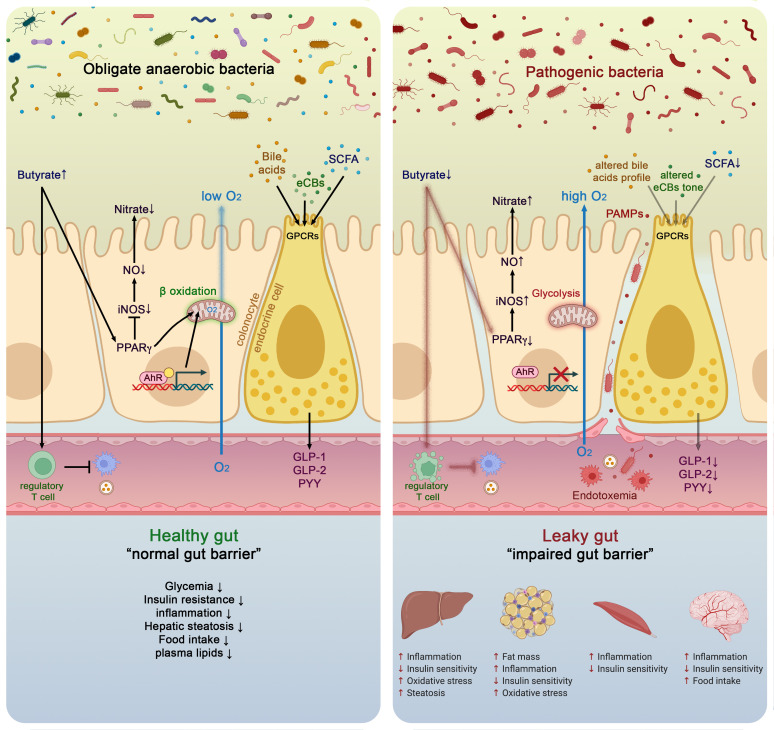
“This is in line with previous findings that butyrate content in the lumen is associated with lower Peroxisome proliferator-activated receptor gamma activity (it is a protein that regulates genes involved in energy metabolism), increased glycolysis and lower oxygen consumption [45].”
Lan, F., Wang, X., Zhou, Q., Li, X., Jin, J., Zhang, W., Wen, C., Wu, G., Li, G., Yan, Y., et al. (2025) · Microbiome · doi:10.1186/s40168-025-02054-5 · Cited by 12
“…low r 2 b values accounted for the largest proportion of total taxa (44.90% in chickens and 81.19% in humans), collectively validating the broad impact of the gut microbiota on host physiology [119, 120] and the limited influence of host genetics on the colonization of gut microbes [16, 17, 60].”
InfluentialZheng, J., Sun, T., Qin, T., Wu, Y., Zhang, W., Qiu, Y., & Chen, J. (2025) · Nutrients · doi:10.3390/nu17060975 · Cited by 11
PsycGM: a comprehensive database for associations between gut microbiota and psychiatric disorders
Wang, D., Gui, S., Pu, J., Zhong, X., Yan, L., Li, Z., Tao, X., Yang, D., Zhou, H., Qiao, R., et al. (2025) · Molecular Psychiatry · doi:10.1038/s41380-025-03000-5 · Cited by 11
He, Z., Xiong, H., Cai, Y., Chen, W., Shi, M., Liu, L., Wu, K., Deng, X., Deng, X., & Chen, T. (2025) · Microbiological Research · doi:10.1016/j.micres.2025.128154 · Cited by 11
Zhang, S., Zhao, R., Wang, R., Lu, Y., Xu, M., Lin, X., Lan, R., Zhang, S., Tang, H., Fan, Q., et al. (2025) · Nutrients · doi:10.3390/nu17091585 · Cited by 11
“Increasing evidence indicates that the gut microbiota and its metabolites are critically involved in modulating hepatic inflammation and oxidative damage [11–14].”
Chen, S., Teng, B., Zhang, W., Aweya, J. J., & Cheong, K. (2025) · eFood · doi:10.1002/efd2.70058 · Cited by 12
Zhao, L., Ma, J., Sun, Y. F., Yu, X., Lu, Y., Qian, H., Yan, R., & Zhang, Y. (2025) · Journal of Clinical Immunology · doi:10.1007/s10875-025-01885-z · Cited by 11
Liu, Z., Li, Z., Guo, Y., Li, Y., & Xuan, H. (2025) · Scientific Reports · doi:10.1038/s41598-025-01343-1 · Cited by 15
“In recent years, the gut microbiota has emerged as an important factor contributing to host health regulation 46 .”
Wang, J., & Kong, Z. (2025) · Plant Biotechnology Journal · doi:10.1111/pbi.70074 · Cited by 12
“The gut microbiota is one of the key factors regulating host health and has been implicated in treating a variety of diseases (De Vos et al ., 2022; Iatcu et al ., 2021; Nagpal et al ., 2018).”
Bisson, G., Comuzzi, C., FitzGerald, J. A., Mukherjee, A., Renoldi, N., Innocente, N., Beresford, T. P. J., Mathur, H., Cotter, P. D., & Marino, M. (2025) · Food & Function · doi:10.1039/d5fo01288k · Cited by 12
Wu, K., Yang, X. F., Zhang, T., Bai, Y., & Yan, M. (2025) · European journal of medical research · doi:10.1186/s40001-025-02824-9 · Cited by 11
“In recent years, researches in metabolic diseases and gut microbiota have made it clear that gut bacterial communities play an important role in the regulation of multiple aspects of metabolic disorders [164].”
Liu, Y., Hou, J., Qi, Z., Yang, L., Du, Z., Wu, Y., Song, Q., Li, X., Sun, J., Chen, P., et al. (2025) · BMC Psychology · doi:10.1186/s40359-025-03088-y · Cited by 11
The bacterial faecal microbiota shifts during the transition period in dairy cows
Arnalot, L., Pascal, G., Cauquil, L., Vanbergue, É., Foucras, G., & Zened, A. (2025) · Animal Microbiome · doi:10.1186/s42523-025-00443-7 · Cited by 11
Li, M., Guo, J., Meng, J., Wang, X., Pan, T., Zhao, D., Li, H., Gao, R., Wang, Y., Li, H., et al. (2025) · Journal of Agricultural and Food Chemistry · doi:10.1021/acs.jafc.5c03515 · Cited by 11
Shen, L., & Ji, H. (2025) · Food Chemistry · doi:10.1016/j.foodchem.2025.146006 · Cited by 13
Al‐Busafi, S. A., Alwassief, A., Madian, A., Atalla, H., Alboraie, M. A. A., Elbahrawy, A., & Eslam, M. (2025) · World Journal of Hepatology · doi:10.4254/wjh.v17.i8.108730 · Cited by 11
Zhu, J., Chen, Y., Han, Y., & Li, J. (2025) · PLoS ONE · doi:10.1371/journal.pone.0331303 · Cited by 11
“…6, 8, 9, 11, 18, 23), twenty-five flavonoids and glycosides (12–17, 22, 24, 26, 27, 30, 33, 34, 36–38, 40–44, 49, 53, 54), six alkaloids (7, 19, 25, 29, 32, 52), one terpenoid (35), eight coumarins and furanocoumarins (31, 39, 45, 46, 50, 51, 55, 57), two fatty acids and carboxylic acids (4, 28),…”
Piwchan, S., Aumpan, N., Chonprasertsuk, S., Pornthisarn, B., Siramolpiwat, S., Bhanthumkomol, P., Nunanan, P., Issariyakulkarn, N., Wongcha-um, A., Miftahussurur, M., et al. (2025) · Journal of Obesity & Metabolic Syndrome · doi:10.7570/jomes25014 · Cited by 11
“29 Targeting these microbes with an enema could yield benefits comparable to those provided through other routes, as indicated by positive outcomes observed in refractory infections of Clostridioides difficile and in critically ill patients when colonoscopy was not feasible.”
Zhang, L., Chen, X., Li, J., Hou, Q., Song, J., Fu, X., Liu, Y., Jin, B., Feng, Y., Zhang, W., et al. (2025) · International Journal of Biological Macromolecules · doi:10.1016/j.ijbiomac.2025.147728 · Cited by 14
Fernando, W. M. A. D. B., Abdulraheem, R. A., Kariyawasam, K. P., Samarasinghe, A. S., Fernando, W. M. K. T., Barnes, H., Robertson, M., Jayatunga, D. P. W., Silva, N. K. D., & Jayasena, V. (2025) · International Journal of Food Science · doi:10.1155/ijfo/7084868 · Cited by 13
“Major factors a ff ecting gut health include gut microbiome, gut barrier function, nutrient digestion and absorption, mucus layer, fecal pH, mucosal immune response and SCFA production [28].”
Intratumoral microbiome: the double-edged sword in remodeling cancer immunotherapy
Yan, D., Yu, Y., Liang, C., Cui, Z., Shi, L., Li, G., & Ren, C. (2026) · Molecular Cancer · doi:10.1186/s12943-025-02566-6 · Cited by 12
“(2) SCFAs, as key metabolites produced by anaerobic bacteria, can promote the differentiation of Tregs through the GPR43/41 signaling pathway and thereby inhibit the effector function of cytotoxic T cells [288–292].”
Wang, N., Qian, J., Wang, M., Li, L., Liao, W., Chen, R., Nie, H., Ge, R., Sun, F., & Yan, F. (2026) · International Journal of Oral Science · doi:10.1038/s41368-025-00415-2 · Cited by 13
“23,24 Micro-CT and H&E staining demonstrated pronounced differences in bone microstructure.”
Su, B., Cao, Y., Ma, L., & Huang, J. (2026) · Frontiers in Endocrinology · doi:10.3389/fendo.2026.1734041 · Cited by 12
“(43, 44).”
Zhu, L., Huang, L., Liu, S., Luo, S., Li, Y., Wang, Y., & Zong, X. (2026) · Cell Death and Differentiation · doi:10.1038/s41418-026-01708-7 · Cited by 13
“Short-chain fatty acids also regulate fat deposition both as substrates and signaling molecules [23 – 25].”
Gut microbiome dysbiosis in PCOS: from pathogenesis to microbiome-targeted therapies
Du, X., Su, H., Huang, Y., Liu, J., Li, Q., Yang, X., Tao, X., & Li, R. (2026) · Frontiers in Endocrinology · doi:10.3389/fendo.2026.1747766 · Cited by 12
Hu, J., Feng, S.-Y., Wu, L., He, S.-Y., Chen, X.-F., Li, G.-H., Min, Y., Xu, H.-L., Sun, Q., Xie, S., et al. (2026) · Journal of Advanced Research · doi:10.1016/j.jare.2026.04.065 · Cited by 11
Rob, F., Schierová, D., Stehlíková, Z., Kreisinger, J., Roubalová, R., Coufal, Š., Mihula, M., Jackova, Z., Kverka, M., Thon, T., et al. (2022) · PLoS ONE · doi:10.1371/journal.pone.0277576 · Cited by 12
Animal Age Affects the Gut Microbiota and Immune System in Captive Koalas ( Phascolarctos cinereus )
Chen, J., Lv, W., Zhang, X., Zhang, T., Dong, J., Wang, Z., Liu, T., Zhang, P., Pyne, M. J., Dong, G., et al. (2023) · Microbiology Spectrum · doi:10.1128/spectrum.04101-22 · Cited by 13
Intestinal response of Rana chensinensis larvae exposed to Cr and Pb, alone and in combination
Zhang, S., Chen, A., Deng, H., Jiang, L., Liu, X., & Chai, L. (2023) · Ecotoxicology and Environmental Safety · doi:10.1016/j.ecoenv.2023.114774 · Cited by 11
Zhang, X., Chen, Y., Pan, Y., Ma, X., Hu, G., Li, S., Deng, Y., Chen, Z., Chen, H., Wu, Y., et al. (2023) · Chinese Chemical Letters · doi:10.1016/j.cclet.2023.108378 · Cited by 11
Bagyánszki, M., & Bódi, N. (2023) · World Journal of Gastroenterology · doi:10.3748/wjg.v29.i18.2704 · Cited by 14
Zhou, J., Pi, N., Guo, Y., He, X., Wang, J., Luo, R., Wang, M., & Yu, H. (2023) · PLoS ONE · doi:10.1371/journal.pone.0287331 · Cited by 11
“Indole-3-ethanol is an important substance involved in amino acid metabolism and is closely related to tryptophan metabolism [33].”
BackgroundMoreno, L. O., Bagüés, A., Martínez, V., & Abalo, R. (2023) · Nutrients · doi:10.3390/nu15122775 · Cited by 11
Rathod, P., & Yadav, R. P. (2023) · Drug Delivery and Translational Research · doi:10.1007/s13346-023-01404-w · Cited by 12
“Any modulation in the composition or function of the gut microbiota may increase the chances of development of a number of disease conditions like gastrointestinal, inflammatory, metabolic, cardiovascular, respiratory, neurological, illnesses [5], and various types of cancer [6].”
Deng, X., Lin, B., Wang, F., Xu, P., & Wang, N. (2023) · Metabolites · doi:10.3390/metabo13080960 · Cited by 12
“Furthermore, primary BAs are modified in the intestine through the actions of bacteria, such as deconjugation via BSH activity [36].”
Jansma, J., Chatziioannou, A. C., Castricum, K., van Hemert, S., & Aidy, S. E. (2023) · mSystems · doi:10.1128/msystems.00332-23 · Cited by 11
“57 58 59 60 61 62 Introduction 63 In recent decades, there has been a growing interest in investigating the gut-microbiota and its 64 significant roles in maintaining human health [1, 2].”
BackgroundMicrobiota, Diet and Acute Leukaemia: Tips and Tricks on Their Possible Connections
Furci, F., Cicero, N., Allegra, A., & Gangemi, S. (2023) · Nutrients · doi:10.3390/nu15194253 · Cited by 12
“…after hematopoietic stem cell transplantation or chemotherapy may be impacted by gut microbiota make-up; in particular, the use of probiotics, prebiotics and changes in diet may reduce the incidence of side effects related to the leukaemia treatment, improving efficacy and prognosis [49,60].”
Ferreira, I. C. D. S., Menezes, R. D. P., de Jesus, T. A., Machado, I. C. D. B., Lopes, M. S. M., Costa, A. D., de Araújo, L. B., & Röder, D. V. D. D. B. (2023) · Journal of Infection and Public Health · doi:10.1016/j.jiph.2023.10.040 · Cited by 11
Willemsen, Y., Ou, Y., Belzer, C., Vásquez, A. A., Smidt, H., Beijers, R., & de Weerth, C. (2023) · Development and Psychopathology · doi:10.1017/s0954579423001402 · Cited by 12
Wu, E., Yang, Y., Zhao, J., Zheng, J., Wang, X., Shen, C., & Qiao, L. (2024) · Analytical Chemistry · doi:10.1021/acs.analchem.3c03255 · Cited by 12
Forsyth, C. B., Shaikh, M. W., Engen, P. A., Preuss, F., Naqib, A. D., Palmen, B. A., Green, S. J., Zhang, L., Bogin, Z. R., Lawrence, K. M., et al. (2024) · Frontiers in Aging · doi:10.3389/fragi.2024.1352299 · Cited by 12
“%) of the intestinal microbiome (de Vos et al., 2022).”
Metadata
- Authors
- de Vos, W. M., Tilg, H., Van Hul, M., & Cani, P. D.
- Affiliations
- Innsbruck Medical University (AT)
- Walloon Excellence in Lifesciences and Biotechnology (BE)
- Corresponding author
- Cani, Patrice D
- Venue
- Gut
- Publisher
- BMJ
- Published
- 2022-02-01
- Volume
- 71
- Issue
- 5
- Pages
- 1020-1032
- ISSN
- 0017-5749 (ISSN-L)
- 1468-3288
- PMC
- PMC8995832
- OpenAlex
- W4210377299
- Semantic Scholar
- 4ae21e2bf7bdb0f0ce75e04daf5ba3b945950726
- Cited by
- 2,388
- References
- 197
- Citations by year
- 2026: 464 · 2025: 686 · 2024: 660 · 2023: 427 · 2022: 148
- FWCI
- 51.02
- Type
- journal article
- Language
- en
- Open access
- hybrid
- doi.org
- Locations
- Gut (publishedVersion, cc-by)
- PubMed Central (publishedVersion, cc-by)
- PubMed (publishedVersion)
- Socio-Environmental Systems Modeling (acceptedVersion, cc-by)
- Digital Access to Libraries (submittedVersion, other-oa)
- Työväentutkimus Vuosikirja (submittedVersion)
- Data Archiving and Networked Services (DANS) (submittedVersion, cc-by)
- Funders
- Soehngen Institute of Anaerobic Microbiology ([024.002.002])
- Fonds De La Recherche Scientifique - FNRS (CDR-convention: J.0027.22, EOS: program no. 30770923, EOS: program no. 40007505, FNRS T.0030.21-P, WELBIO-CR-2017C-02E, WELBIO-CR-2019C-02R)
- Bundesministerium für Verkehr, Innovation und Technologie (R&D K-Centre (COMET program - Competence Centers f, VASCage (Centre for Promoting Vascular Health in t)
- Topics
- Life Sciences › Biochemistry, Genetics and Molecular Biology › Molecular Biology › Gut microbiota and health
- Health Sciences › Dentistry › Periodontics › Oral microbiology and periodontitis research
- Health Sciences › Medicine › Gastroenterology › Gastrointestinal motility and disorders
- Keywords
- gut microbiota, host-microbe interactions, short-chain fatty acids, bile acids, trimethylamine N-oxide, endocannabinoids, bioactive lipids, phenolic compounds, advanced glycation end products, aryl hydrocarbon receptor, G protein-coupled receptors, obesity, type 2 diabetes, hepatic steatosis, inflammatory bowel disease, cancer, host immunity
- MeSH terms
- Gastrointestinal Microbiome, Bacteria, Bile Acids and Salts, Diabetes Mellitus, Type 2, Fatty Acids, Volatile, Humans, Receptors, G-Protein-Coupled
About these checks
Registry, retraction, Cites and statistics results are computed, not judged, with one exception: a printed reference that no index lists is read once by a model before it counts as a citation error. Claims are extracted by a model and kept only when their quote appears verbatim in the text; each cited source is then checked, with a model’s help, for whether it says what the claim relies on. Those verdicts can be wrong — read the claim’s quote and the cited source before relying on one.
Statistics and arithmetic are recomputed, not judged.
Confidence bands are shown only for fields calibrated on our annotated test set. None is calibrated yet, so no band is shown.
What counts as a claim ›How we measure confidence ›How we check this ›
Are you an author, or do you see a problem with this page? Request a review
Data sources
Bibliographic data: Semantic Scholar, OpenAlex, Crossref.
Contains information from the Semantic Scholar Academic Graph Datasets, made available under the ODC Attribution License (ODC-BY 1.0).
Semantic Scholar’s data is described in: Kinney, R., et al. (2023). The Semantic Scholar Open Data Platform. arXiv:2301.10140.
