

Gut microbiome and health: mechanistic insights
Open accessThe DOI matches its Crossref record; 196 of the 197 references it cites were found in a registry or an index.
Abstract
The gut microbiota is now considered as one of the key elements contributing to the regulation of host health. Virtually all our body sites are colonised by microbes suggesting different types of crosstalk with our organs. Because of the development of molecular tools and techniques (ie, metagenomic, metabolomic, lipidomic, metatranscriptomic), the complex interactions occurring between the host and the different microorganisms are progressively being deciphered. Nowadays, gut microbiota deviations are linked with many diseases including obesity, type 2 diabetes, hepatic steatosis, intestinal bowel diseases (IBDs) and several types of cancer. Thus, suggesting that various pathways involved in immunity, energy, lipid and glucose metabolism are affected. In this review, specific attention is given to provide a critical evaluation of the current understanding in this field. Numerous molecular mechanisms explaining how gut bacteria might be causally linked with the protection or the onset of diseases are discussed. We examine well-established metabolites (ie, short-chain fatty acids, bile acids, trimethylamine N-oxide) and extend this to more recently identified molecular actors (ie, endocannabinoids, bioactive lipids, phenolic-derived compounds, advanced glycation end products and enterosynes) and their specific receptors such as peroxisome proliferator-activated receptor alpha (PPARα) and gamma (PPARγ), aryl hydrocarbon receptor (AhR), and G protein-coupled receptors (ie, GPR41, GPR43, GPR119, Takeda G protein-coupled receptor 5). Altogether, understanding the complexity and the molecular aspects linking gut microbes to health will help to set the basis for novel therapies that are already being developed.
Overview
The claims and statistics of this paper haven’t been checked yet.
Free: it reads the open-access text and checks the first 5 claims that cite a source we can check. Create a free account to check every claim.
Integrity signals
Registry
Cites
Statistics
Figures
Verification
Claims the paper makes
The claims and statistics of this paper haven’t been checked yet.
Free: it reads the open-access text and checks the first 5 claims that cite a source we can check. Create a free account to check every claim.
Claims other papers make about this one
Each is checked against this paper’s own text: does it say what the citing paper says it does?
The source backs part of the claim, not all of it — or backs it for a different population, condition or comparison.
In the citing paper
“Fiber-rich, plant-based diets have the opposite effect, nurturing Bifidobacterium and Lactobacillus, increasing butyrate producers like Roseburia and Eubacterium rectale, and shielding against obesity and insulin resistance via SCFA signaling.15,70,81–83”
From Gut dysbiosis in oncology: a risk factor for immunoresistance (2026) · doi:10.1038/s41422-025-01212-6 · cites this paper as [81]
Experimental — accuracy not yet measuredThe source backs part of the claim, not all of it — or backs it for a different population, condition or comparison.
In the citing paper
“Akkermansia muciniphila is a Gram-negative homeostatic commensal bacteria that influences host metabolism to maintain glucose tolerance and intestinal barrier function.”
From Gut OncoMicrobiome Signatures (GOMS) as next-generation biomarkers for cancer immunotherapy (2023) · cites this paper as [102]
Experimental — accuracy not yet measuredThe source backs part of the claim, not all of it — or backs it for a different population, condition or comparison.
In the citing paper
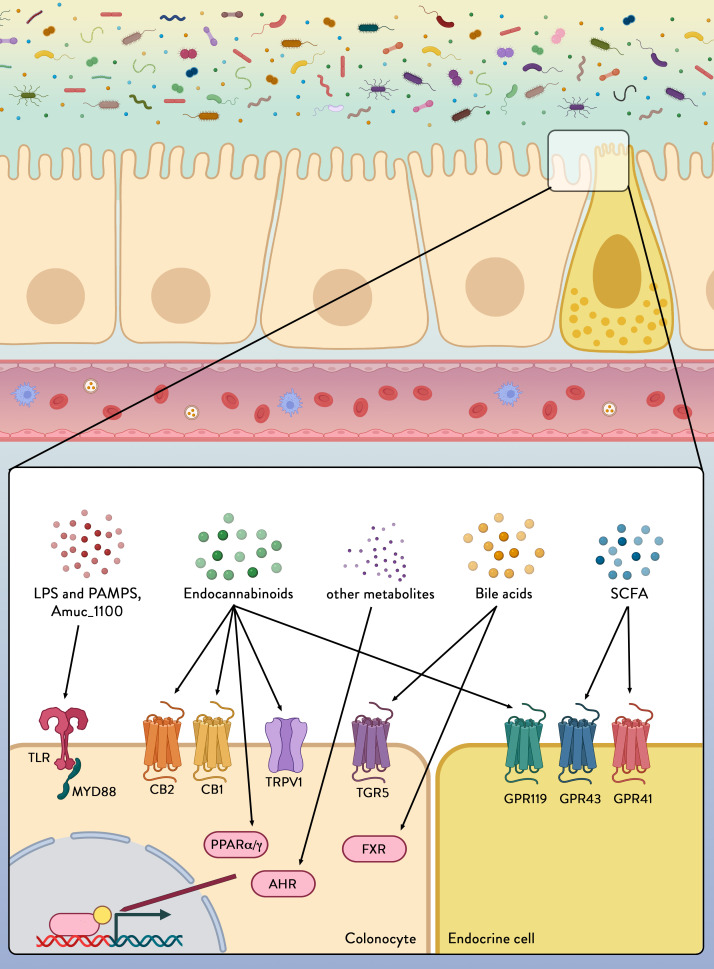
“The ECS and GM interact to regulate intestinal homeostasis resulting in relevant functional effects in the gut and CNS (238, 246, 248, 250).”
From Signalling cognition: The gut microbiota and hypothalamic-pituitary-adrenal axis (2023) · cites this paper as [250]
Experimental — accuracy not yet measuredThe cited source says what the claim attributes to it.
In the citing paper
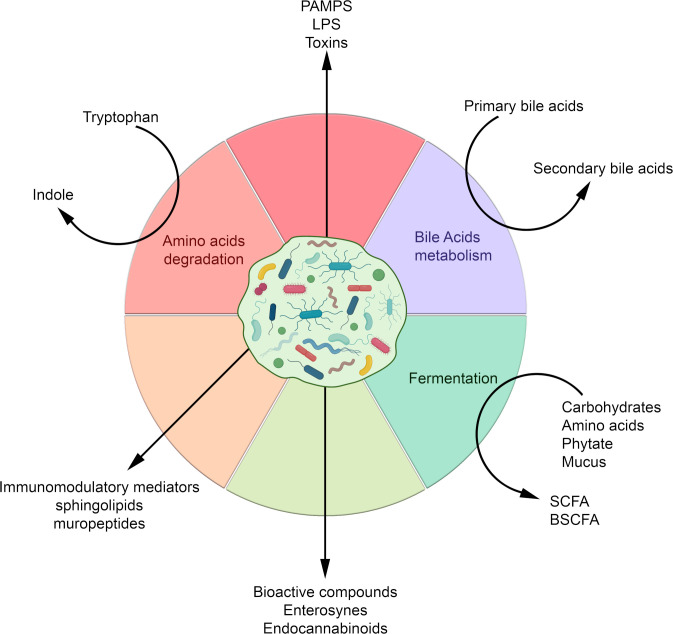
“The microbial fermentative activity of gut microbiota is vital for the production of SCFAs, including butyrate, acetate, and propionate, from non-digestible dietary fibers.271,273”
From Microbiota–gut–brain axis and its therapeutic applications in neurodegenerative diseases (2024) · cites this paper as [273]
The cited source says what the claim attributes to it.
In the citing paper
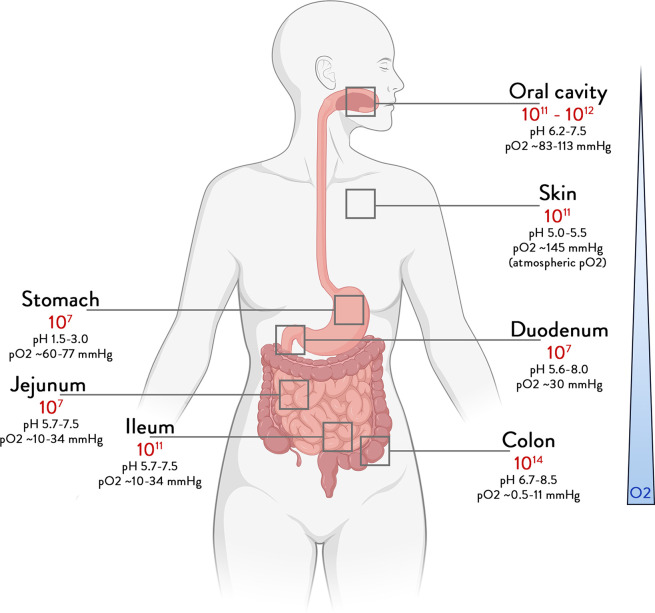
“The taxonomic composition of the gut microbiota changes throughout the gastrointestinal tract, according to nutrient availability, mucus structure, pH and oxygen availability [1–6].”
From Role of the gut microbiota in nutrient competition and protection against intestinal pathogen colonization (2023) · cites this paper as [2]
Self-check
Percentages, sums and reported differences re-computed from the paper’s own numbers.
The self-check needs the paper’s full text.
Citations
Cites
A human gut microbial gene catalogue established by metagenomic sequencing
MetaHIT Consortium, Qin, J., Li, R., Raes, J., Arumugam, M., Burgdorf, K. S., Manichanh, C., Nielsen, T., Pons, N., Levenez, F., et al. (2010) · Nature · doi:10.1038/nature08821 · Cited by 11,624
Defective LPS Signaling in C3H/HeJ and C57BL/10ScCr Mice: Mutations in Tlr4 Gene
Poltorak, A., He, X., Smirnova, I., Liu, M.-Y., Huffel, C. V., Du, X., Birdwell, D., Alejos, E., Silva, M., Galanos, C., et al. (1998) · Science · doi:10.1126/science.282.5396.2085 · Cited by 7,631
From Dietary Fiber to Host Physiology: Short-Chain Fatty Acids as Key Bacterial Metabolites
Koh, A., De Vadder, F., Kovatcheva-Datchary, P., & Bäckhed, F. (2016) · Cell · doi:10.1016/j.cell.2016.05.041 · Cited by 7,070
A metagenome-wide association study of gut microbiota in type 2 diabetes
Qin, J., Li, Y., Cai, Z., Li, S., Zhu, J., Zhang, F., Liang, S., Zhang, W., Guan, Y., Shen, D., et al. (2012) · Nature · doi:10.1038/nature11450 · Cited by 6,762
Metabolic Endotoxemia Initiates Obesity and Insulin Resistance
Cani, P. D., Amar, J., Iglesias, M. A., Poggi, M., Knauf, C., Bastelica, D., Neyrinck, A. M., Fava, F., Tuohy, K. M., Chabo, C., et al. (2007) · Diabetes · doi:10.2337/db06-1491 · Cited by 6,638 · cited 3×
“This is the case in metabolic endotoxaemia, in which high-fat diet and weight gain have been associated with a higher gut permeability and subsequent systemic (mild) elevation in circulating plasma LPS. 100 This causes a state of low-grade inflammation, which is a pathological feature of a range of chronic conditions…”
BackgroundInfluentialSelf-citationIsolation and Structure of a Brain Constituent That Binds to the Cannabinoid Receptor
Devane, W. A., Hanuš, L., Breuer, A., Pertwee, R. G., Stevenson, L. A., Griffin, G., Gibson, D., Mandelbaum, A., Etinger, A., & Mechoulam, R. (1992) · Science · doi:10.1126/science.1470919 · Cited by 5,633 · cited 1×
“113 The second key ligand identified was 2-arachidonoylglycerol (2-AG).”
BackgroundMolecular characterization of a peripheral receptor for cannabinoids
Munro, S., Thomas, K. L., & Abu-Shaar, M. (1993) · Nature · doi:10.1038/365061a0 · Cited by 5,092
Gut microbiota in human metabolic health and disease
Fan, Y., & Pedersen, O. (2021) · Nature Reviews Microbiology · doi:10.1038/s41579-020-0433-9 · Cited by 4,724
Succinate is an inflammatory signal that induces IL-1β through HIF-1α
Tannahill, G. M., Curtis, A. M., Adamik, J., Palsson-McDermott, E. M., McGettrick, A. F., Goel, G., Frezza, C., Bernard, N. J., Kelly, B., Foley, N. H., et al. (2013) · Nature · doi:10.1038/nature11986 · Cited by 4,176
Duodenal Infusion of Donor Feces for Recurrent Clostridium difficile
van Nood, E., Vrieze, A., Nieuwdorp, M., Fuentes, S., Zoetendal, E. G., de Vos, W. M., Visser, C. E., Kuijper, E. J., Bartelsman, J. F. W. M., Tijssen, J. G. P., et al. (2013) · New England Journal of Medicine · doi:10.1056/nejmoa1205037 · Cited by 3,708
Research works printed but not linked: 1
- 10.2337/diabetes · doi:10.2337/diabetes · Paper page
Cited by
Items 401–500 of 1,006
Skin and gut microbiota dysbiosis in autoimmune and inflammatory skin diseases
Baglama, Š. Š., & Trčko, K. (2022) · Acta Dermatovenerologica Alpina Pannonica et Adriatica · doi:10.15570/actaapa.2022.16 · Cited by 53
The Gut Microbiota Profile in Heart Failure Patients: A Systematic Review
Simadibrata, D. M., Auliani, S., Widyastuti, P. A., Wijaya, A. D., Amin, H. Z., Muliawan, H. S., Siswanto, B. B., & Marcellus Simadibrata, K. (2023) · Journal of Gastrointestinal and Liver Diseases · doi:10.15403/jgld-4779 · Cited by 31
“Subtle, short-term dietary changes unreported in self-reported questionnaires and underlying medical comorbidities or medication intake may be reflected in the gut microbiome, which could favor certain cardiovascular conditions [32].”
Oral nanomedicine biointeractions in the gastrointestinal tract in health and disease
Chen, C., Beloqui, A., & Xu, Y. (2023) · Advanced Drug Delivery Reviews · doi:10.1016/j.addr.2023.115117 · Cited by 31
Tarique, M., Ali, A. H., Kizhakkayil, J., Liu, S., Öz, F., Dertli, E., Kamal‐Eldin, A., & Ayyash, M. M. (2023) · Food Chemistry X · doi:10.1016/j.fochx.2023.101073 · Cited by 36
“The SCFAs production during fermentation is shown in Fig.”
BackgroundInfluentialChen, B., Zeng, G., Sun, L., & Jiang, C. (2024) · Science China Life Sciences · doi:10.1007/s11427-023-2446-y · Cited by 30
“…and metabolites that may be associated with the development and progression of human disease have been identified through the application of shotgun metagenomics in conjunction with metabolomics and proteomics approaches (de Vos et al., 2022; Lynch and Pedersen, 2016; Tuganbaev et al., 2022).”
Zhang, K.-X., Zhu, Y., Song, S., Bu, Q.-Y., You, X., Zou, H., & Zhao, G. (2024) · Molecules · doi:10.3390/molecules29051108 · Cited by 31
Wen, J., Feng, Y., Xue, L., Yuan, S., Chen, Q., Luo, A., Wang, S., & Zhang, J. (2024) · Gut Microbes · doi:10.1080/19490976.2024.2412381 · Cited by 30
Microbiota-Focused Dietary Approaches to Support Health: A Systematic Review
Hindle, V., Veasley, N. M., & Holscher, H. D. (2024) · Journal of Nutrition · doi:10.1016/j.tjnut.2024.10.043 · Cited by 31
“Nondigestible dietary components, such as fi ber, resistant starch, and prebiotics, are substrates for intestinal microorganisms [1], which results in microbial metabolite production [2] that may underpin bene fi cial physiologic responses to the diet [3].”
Huwart, S. J. P., Morales‐Puerto, N., & Everard, A. (2025) · Gut · doi:10.1136/gutjnl-2024-333397 · Cited by 31
Dong, L., Lou, W., Xu, C., & Wang, J. (2025) · Journal of Nanobiotechnology · doi:10.1186/s12951-025-03228-x · Cited by 30
Zhao, Y., Li, M., Wang, Y., Geng, R., Fang, J., Liu, Q., Kang, S., Zeng, W., Huang, K., & Tong, T. (2022) · Critical Reviews in Food Science and Nutrition · doi:10.1080/10408398.2022.2045895 · Cited by 31
Xiong, S., Sun, H., Lu, C., He, J., Wu, Z., Wang, Y., & Zheng, Q. (2022) · Biomedicine & Pharmacotherapy · doi:10.1016/j.biopha.2022.114073 · Cited by 29
He, C., Gao, H., Xin, S., Hua, R., Guo, X.-R., Han, Y., Shang, H., & Xu, J. (2023) · International Journal of Molecular Sciences · doi:10.3390/ijms24044227 · Cited by 31
“The homeostasis of the intestinal milieu and metabolic products of microorganisms have a critical mission in maintaining body health [4,5].”
BackgroundMisera, A., Łoniewski, I., Palma, J., Kulaszyńska, M., Czarnecka, W., Kaczmarczyk, M., Liśkiewicz, P., Samochowiec, J., & Skonieczna‐Żydecka, K. (2023) · Frontiers in Microbiology · doi:10.3389/fmicb.2023.1125022 · Cited by 30
Low-no-calorie sweeteners exert marked compound-specific impact on the human gut microbiota ex vivo
den Abbeele, P. V., Poppe, J., Deyaert, S., Laurie, I., Gravert, T. K. O., Abrahamsson, A., Baudot, A., Karnik, K., & Risso, D. S. (2023) · International Journal of Food Sciences and Nutrition · doi:10.1080/09637486.2023.2240037 · Cited by 33
Huang, T., Liang, X., Bao, H., Ma, G., Tang, X., Luo, H., & Xiao, X. (2024) · mSystems · doi:10.1128/msystems.01252-23 · Cited by 31
“The gut microbiome is the largest microbial community in the human body (5, 6).”
BackgroundXiao, Y., Wang, Y., Tong, B., Gu, Y., Zhou, X., Ning, Z. H., Xu, X., Yin, X., Kou, Y., Tan, Y. Q., et al. (2024) · Microbiology Spectrum · doi:10.1128/spectrum.01154-23 · Cited by 31
Gao, K.-X., Peng, X., Wang, J., Wang, Y., Pei, K., Meng, X.-L., Zhang, S.-S., Hu, M.-B., & Liu, Y. (2024) · International Journal of Biological Macromolecules · doi:10.1016/j.ijbiomac.2024.131391 · Cited by 32
Effects of antipsychotics on the gastrointestinal microbiota: A systematic review
Dias, M. F., Nogueira, Y. J. D. A., Romano‐Silva, M. A., & de Miranda, D. M. (2024) · Psychiatry Research · doi:10.1016/j.psychres.2024.115914 · Cited by 30
Ectopic colonization by oral bacteria as an emerging theme in health and disease
Hernández‐Cabanyero, C., & Vonaesch, P. (2024) · FEMS Microbiology Reviews · doi:10.1093/femsre/fuae012 · Cited by 29
“After the fecal micr obiota, acr oss all human-associated habitats, the oral microbiota is the second most abundant both in terms of total biomass (absolute number of micr oor ganisms) and in terms of variety of bacterial species (Wade 2013 , De Vos et al. 2022 ).”
BackgroundHuman Gut Microbiota in Cardiovascular Disease
Ronen, D., Rokach, Y., Abedat, S., Qadan, A., Daana, S., Amir, O., & Asleh, R. (2024) · Comprehensive physiology · doi:10.1002/cphy.c230012 · Cited by 33
Bian, D., Shi, Y.-X., Zhu, X.-R., Sun, X., Xu, X., Ding, L., Zhang, D.-Z., Liu, Q., Tang, B., & Zhu, B. (2024) · Aquaculture · doi:10.1016/j.aquaculture.2024.741331 · Cited by 29
Mechanistic insight of neurodegeneration due to micro/nano-plastic-induced gut dysbiosis
Ghosh, A., & Gorain, B. (2024) · Archives of Toxicology · doi:10.1007/s00204-024-03875-3 · Cited by 28
“It has also been associated with various neuropathological processes, including appetitive, psychosis/mental illness, depression, and anxiety/stress (Foster and McVey Neufeld 2013; Liu et al. 2020; De Vos et al. 2022; Varesi et al. 2022).”
González, A., Guerra‐Ojeda, S., Villa, M. A. C., Valls, A., Alegre, E., Quintero-Bernal, R., Martorell, P., Chenoll, E., Serna‐García, M., Mauricio, M. D., et al. (2024) · Foods · doi:10.3390/foods13213479 · Cited by 29
Huchzermeier, R., & van der Vorst, E. P. C. (2025) · Biochemical Pharmacology · doi:10.1016/j.bcp.2025.116785 · Cited by 29
Gut microbiota regulates exercise-induced hormetic modulation of cognitive function
Cintado, E., Muela, P., Rodriguez, L., Alcaide, I., Tezanos, P., Vlčková, K., Valderrama, B., Bastiaanssen, T. F. S., Rodríguez-Muñoz, M., CEBALLOS, M. L. D., et al. (2025) · EBioMedicine · doi:10.1016/j.ebiom.2025.105876 · Cited by 29
“10 These microorganisms play also a critical role in maintaining optimal gut function and overall body health 11 through their ability to produce and release a variety of neurotransmitters, essential vitamins and amino acids, and hormones from specialised enter-oendocrine cells distributed in the…”
Gut-lung immunometabolic crosstalk in sepsis: from microbiota to respiratory failure
Li, Q., Song, X.-C., Li, K., & Wang, J. (2025) · Frontiers in Medicine · doi:10.3389/fmed.2025.1685044 · Cited by 35
Advances in single-cell sequencing technology in microbiome research
Wu, Y., Jing, Z., Song, Y., Gao, X., Chu, J., & Han, S. (2023) · Genes & Diseases · doi:10.1016/j.gendis.2023.101129 · Cited by 32
“153 However, the efficacy of traditional probiotics is statistically insignificant, and the effects of probiotics vary from individual to individual.”
BackgroundZhao, X., Cai, P., Xiong, S., Wei, B., Du, T., Huang, T., Yu, Q., Xie, M., & Xiong, T. (2024) · Food Bioscience · doi:10.1016/j.fbio.2024.103699 · Cited by 29
Zhang, S., Tang, S., Liu, Z., Lv, H., Cai, X., Zhong, R., Chen, L., & Zhang, H. (2024) · Pharmacological Research · doi:10.1016/j.phrs.2024.107194 · Cited by 28
Roussel, C., Sola, M., Lessard‐Lord, J., Nallabelli, N., Généreux, P., Cavestri, C., Wallen, O. A., Villano, R., Raymond, F., Flamand, N., et al. (2024) · Gut Microbes · doi:10.1080/19490976.2024.2335879 · Cited by 28
Host–microbe interaction-mediated resistance to DSS-induced inflammatory enteritis in sheep
Yan, S., Du, R., Yao, W., Zhang, H., Xue, Y., Teligun, Li, Y., Bao, H., Zhao, Y., Cao, S., et al. (2024) · Microbiome · doi:10.1186/s40168-024-01932-8 · Cited by 29
“The microbial communities and their metabolites and components are not only necessary for immune homeostasis but also influence the susceptibility of the host to many immune-mediated diseases and disorders [5].”
BackgroundRecent Advances in the Nanoshells Approach for Encapsulation of Single Probiotics
Chen, C., & Zhu, Z. (2023) · Drug Design Development and Therapy · doi:10.2147/dddt.s419897 · Cited by 27
Aminu, S., Ascandari, A., Laamarti, M., Safdi, N. E. H., Allali, A. E., & Daoud, R. (2023) · Critical Reviews in Microbiology · doi:10.1080/1040841x.2023.2282447 · Cited by 28
“the microbiome in the gut is a complex system of organisms that are crucial to human health. imbalances in these organisms caused a variety of gastrointestinal diseases (de vos et al. 2022).”
Singh, G., McBain, A. J., McLaughlin, J. T., & Stamataki, N. S. (2024) · Nutrients · doi:10.3390/nu16020296 · Cited by 28
Zhou, L., Yin, X., Fang, B., He, J., Zhan, J., Zhang, X., & Wang, R. (2024) · Microorganisms · doi:10.3390/microorganisms12030493 · Cited by 28
Diddeniya, G., Ghaffari, M. H., Hernandez‐Sanabria, E., Guan, L. L., & Malmuthuge, N. (2024) · Journal of Dairy Science · doi:10.3168/jds.2024-24835 · Cited by 31
Jia, Y., Liu, Y., Wu, Y., Feng, C., Zhang, H., Ren, F., & Liu, H. (2024) · Food & Function · doi:10.1039/d4fo00585f · Cited by 29
Etlin, S. M., Rose, J. K., Bielski, L., Walter, C. E., Kleinman, A. S., & Mason, C. E. (2024) · Clinical Microbiology Reviews · doi:10.1128/cmr.00163-22 · Cited by 28
Gao, Y., Wang, K., Lin, Z., Cai, S., Peng, A., He, L., Qi, H., Jin, Z., & Qian, X. (2024) · Frontiers in Cellular and Infection Microbiology · doi:10.3389/fcimb.2024.1434687 · Cited by 27
Kumar, A. R., Nair, B., Kamath, A. J., Nath, L. R., Călina, D. C., & Sharifi‐Rad, J. (2024) · European journal of medical research · doi:10.1186/s40001-024-02072-3 · Cited by 29
Capsule robots for the monitoring, diagnosis, and treatment of intestinal diseases
Wei, X., Xi, P., Chen, M., Wen, Y., Wu, H., Wang, L., Zhu, Y., Ren, Y., & Gu, Z. (2024) · Materials Today Bio · doi:10.1016/j.mtbio.2024.101294 · Cited by 28
“Besides, increasing studies have identified that the intestine is connected with other organs and shapes our body all the time, affecting our health and aging conditions [1,5].”
BackgroundZeng, Z., Jiang, C., Deng, F., Zhang, L., Zhang, Q., Fang, Z., Hu, B., Chen, H., Wang, C., Wu, W., et al. (2025) · Food Chemistry · doi:10.1016/j.foodchem.2025.144289 · Cited by 30
New insights into gut microbiota–prostate cancer crosstalk
Laaraj, J., Lachance, G., Bergeron, A., Fradet, Y., Robitaille, K., & Fradet, V. (2025) · Trends in Molecular Medicine · doi:10.1016/j.molmed.2025.03.015 · Cited by 27
Plant-derived vesicle-like nanoparticles for immunomodulation: Mechanisms and applications
Wang, S., Zhang, Y., Zeng, Y., Luo, X., Chen, J., Deng, Q., Xiao, P., Lin, R., Chen, X., Ding, X., et al. (2025) · Bioactive Materials · doi:10.1016/j.bioactmat.2025.09.024 · Cited by 37
“However, dysbiosis can lead to the proliferation of pathogenic bacteria, which promotes an inflammatory response and disrupts the immune barrier [108].”
The Therapeutic Role of Exercise and Probiotics in Stressful Brain Conditions
Martínez‐Guardado, I., Arboleya, S., Pérez, F. J. G., Kaliszewska, A., Gueimonde, M., & Arias, N. (2022) · International Journal of Molecular Sciences · doi:10.3390/ijms23073610 · Cited by 27
Gill Jenkins, P. M. (2022) · Food & Nutrition Journal · doi:10.29011/2575-7091.100245 · Cited by 45
“Growing awareness of the importance of gut health and the gut microbiome is driving an increase in interest in probiotics and prebiotics that have the potential to improve not only gut health but also overall health, including immune health [1,2].”
de Freitas, P. L., Miranda, J. P. N., França, L. M., & Paes, A. M. D. A. (2022) · Nutrients · doi:10.3390/nu14173510 · Cited by 27
Sea cucumber-derived compounds for treatment of dyslipidemia: A review
Lin, P. C., Shen, N., Yin, F., & Guo, S. (2022) · Frontiers in Pharmacology · doi:10.3389/fphar.2022.1000315 · Cited by 27
Li, S., Guo, B., Dong, K., Huang, S., Wu, J., Zhou, H., Wu, K., Han, X., Liang, X., Pei, X., et al. (2023) · The Science of The Total Environment · doi:10.1016/j.scitotenv.2023.163577 · Cited by 27
Casto‐Rebollo, C., Argente, M. J., García, M. L., Pena, R. N., Blasco, A., & Ibáñez‐Escriche, N. (2023) · Microbiome · doi:10.1186/s40168-023-01580-4 · Cited by 33
“Microbiota composition is multifactorial, and different species could have different roles in health, according to the host genotype, diet, microbial interactions, and environmental factors, among others [12, 55].”
BackgroundXiao, R., Wang, L., Tian, P., Jin, X., Zhao, J., Zhang, H., Wang, G., & Zhu, M. (2023) · Nutrients · doi:10.3390/nu15143240 · Cited by 27
Hosseini, A., Barlow, G. M., Leite, G., Rashid, M. A., Parodi, G., Wang, J., Morales, W., Weitsman, S. R., Rezaie, A. R., Pimentel, M., et al. (2023) · iScience · doi:10.1016/j.isci.2023.108530 · Cited by 30
“21,22 Indeed, as recently noted by de Vos et al., one can live without a colon, but not without a small intestine.”
BackgroundYang, W., Schoeman, J. C., Di, X., Lamont, L., Harms, A. C., & Hankemeier, T. (2024) · Analytica Chimica Acta · doi:10.1016/j.aca.2024.342348 · Cited by 27
Bai, G., Xie, Y., Gao, X., Xiao, C., Yong, T., Huang, L., Cai, M., Liu, Y., Hu, H., & Chen, S. (2024) · International Journal of Biological Macromolecules · doi:10.1016/j.ijbiomac.2024.132143 · Cited by 32
Motei, D. E., Beteri, B., Hepsomali, P., Tzortzis, G., Vulevic, J., & Costabile, A. (2023) · Frontiers in Microbiology · doi:10.3389/fmicb.2023.1273861 · Cited by 28
“…predominately of anaerobic microorganisms, including thousands of bacterial species and millions of genes (Zoetendal et al., 2008) that play an important role in homeostatic mechanisms leading to the regulation of numerous physiological activities both in health and disease (de Vos et al., 2022).”
BackgroundInfluentialAging-Related Sarcopenia: Metabolic Characteristics and Therapeutic Strategies
Chen, Y., & Wu, J. (2024) · Aging and Disease · doi:10.14336/ad.2024.0407 · Cited by 27
Gut microbiota microbial metabolites in diabetic nephropathy patients: far to go
Yu, J., Chen, X., Zang, S.-G., Chen, X., Wu, Y.-Y., Wu, L., & Xuan, S. (2024) · Frontiers in Cellular and Infection Microbiology · doi:10.3389/fcimb.2024.1359432 · Cited by 28
Zhang, X., Yang, G., Jiang, S., Ji, B., Xie, W., Li, H., Sun, J., & Li, Y. (2024) · The Journals of Gerontology Series A · doi:10.1093/gerona/glae173 · Cited by 26
“Compared to other species, Firmicutes and Bacteroidales are closely associated with the production of short-chain fatty acids, and Eubacterium coprostanoligenes group is closely linked to cholesterol metabolism (28).”
BackgroundAction and immunomodulatory mechanisms, formulations, and safety concerns of probiotics
Ashaolu, T. J., Greff, B., & Varga, L. (2024) · Bioscience of Microbiota Food and Health · doi:10.12938/bmfh.2024-006 · Cited by 29
The Interplay of Nutrition, the Gut Microbiota and Immunity and Its Contribution to Human Disease
Dawson, S. L., Todd, E., & Ward, A. C. (2025) · Biomedicines · doi:10.3390/biomedicines13020329 · Cited by 28
“Constituents of the gut microbiota, including structural components and their nucleic acids, impact the host [8].”
Yadav, S., & Raj, R. G. (2025) · Neuroscience · doi:10.1016/j.neuroscience.2025.07.003 · Cited by 28
Wang, W., Yu, Y., Wang, R., Wang, Y., Ding, X., Lu, G., Chen, L., Liang, C., Zhang, S., Yi, B., et al. (2025) · Gut · doi:10.1136/gutjnl-2025-335230 · Cited by 28
Gronich, N., Geva‐Zatorsky, N., Herren, R., Kelly, L., Cohen, Z., Zhou, H., Chen, Y. H., Shah, K., Robinson‐Catala, T. A., Frisby, G., et al. (2025) · Clinical Pharmacology & Therapeutics · doi:10.1002/cpt.70066 · Cited by 26
Sun, J., Chen, J., Shen, Y., Yao, X., Sun, H., Chen, B., & Feng, J. (2025) · Frontiers in Pharmacology · doi:10.3389/fphar.2025.1689522 · Cited by 30
“Clinical evidence has revealed altered gut microbiome composition in diabetic patients (de Vos et al., 2022).”
Alqahtani, M. S. (2025) · Medicina · doi:10.3390/medicina61112017 · Cited by 26
Abot, A., Brochot, A., Pomié, N., Wemelle, E., Druart, C., Régnier, M., Delzenne, N. M., de Vos, W. M., Knauf, C., & Cani, P. D. (2022) · Metabolites · doi:10.3390/metabo12040301 · Cited by 29
Self-citationLee, J., Kim, K. S., Koh, H., Lee, D.-W., & Kang, N. J. (2022) · Current Developments in Nutrition · doi:10.1093/cdn/nzac110 · Cited by 26
“Dysbiosis of the gut microbiota might be related to inflammation and metabolic syndromes such as diabetes, obesity, inflammatory bowel disease (IBD), irritable bowel syndrome, autoimmune diseases, and cancer (4, 5).”
BackgroundBachmann, R., Hul, M. V., Baldin, P., Léonard, D., Delzenne, N. M., Belzer, C., Ouwerkerk, J. P., Repsilber, D., Rangel, I., Kartheuser, A. H., et al. (2022) · Cells · doi:10.3390/cells11172666 · Cited by 28
“muciniphila can exert its beneficial effects and affect host physiology [11].”
BackgroundSelf-citationActivation of NOD1 and NOD2 in the development of liver injury and cancer
Omaru, N., Watanabe, T., Kamata, K., Minaga, K., & Kudo, M. (2022) · Frontiers in Immunology · doi:10.3389/fimmu.2022.1004439 · Cited by 28
Wang, Y., Geng, R., Zhao, Y., Fang, J., Li, M., Kang, S., Huang, K., & Tong, T. (2023) · Critical Reviews in Food Science and Nutrition · doi:10.1080/10408398.2023.2177610 · Cited by 27
“In addition to known SCFAs receptors (such as GPR41, GPR43, and GPR109 expressed at the surface of the gut (de Vos et al. 2022), existing studies have demonstrated that some ORs, such as olfr78, are new receptors (Nishida et al. 2021; Pluznick et al. 2013).”
den Abbeele, P. V., Detzel, C. J., Rose, A., Deyaert, S., Baudot, A., & Warner, C. D. (2023) · Microorganisms · doi:10.3390/microorganisms11030659 · Cited by 28
The Gut-Peritoneum Axis in Peritoneal Dialysis and Peritoneal Fibrosis
Stepanova, N. (2023) · Kidney Medicine · doi:10.1016/j.xkme.2023.100645 · Cited by 26
“2 and relative abundances of certain bacterial taxa lead to dysbiosis in the gut, which plays an important role in numerous noncommunicable diseases, such as diabetes, cancer, brain disorders, cardiovascular, liver, lung, and kidney diseases.(25,27,28)”
BackgroundUniversal gut microbial relationships in the gut microbiome of wild baboons
Roche, K. E., Björk, J. R., Dasari, M. R., Grieneisen, L., Jansen, D., Gould, T. J., Gesquiere, L. R., Barreiro, L. B., Alberts, S. C., Blekhman, R., et al. (2023) · eLife · doi:10.7554/elife.83152 · Cited by 29
“These factors also shape microbiome composition (e.g. Reese et al., 2018 ; Firrman et al., 2022 ; de Vos et al., 2022 ), and can lead to shared abundance correlations between hosts even if hosts themselves differ.”
Unger, A. L., Astrup, A. V., Feeney, E. L., Holscher, H. D., Gerstein, D. E., Torres‐Gonzalez, M., & Brown, K. A. (2023) · Current Developments in Nutrition · doi:10.1016/j.cdnut.2023.100105 · Cited by 30
Li, J., Feng, S., Pi, Y., Jiang, X., Li, X., Zhou, Z., Liu, X., Wei, H., & Tao, S. (2023) · Journal of Nutrition · doi:10.1016/j.tjnut.2023.06.009 · Cited by 26
Erfanian, N., Safarpour, H., Tavakoli, T., Mahdiabadi, M. A., Nasseri, S., & Namaei, M. H. (2024) · Iranian Journal of Microbiology · doi:10.18502/ijm.v16i1.14873 · Cited by 33
Xin, Z., Xin, C., Huo, J., Liu, Q., Dong, H., Li, R., & Liu, Y. (2024) · Molecular Neurobiology · doi:10.1007/s12035-024-03988-x · Cited by 28
Lackner, S., Mahnert, A., Moissl‐Eichinger, C., Madl, T., Habisch, H., Meier‐Allard, N., Kumpitsch, C., Lahousen, T., Kohlhammer-Dohr, A., Mörkl, S., et al. (2024) · Microbiome · doi:10.1186/s40168-024-01774-4 · Cited by 27
Kallio, S., Jian, C., Korpela, K., Kukkonen, A. K., Salonen, A., Savilahti, E., Kuitunen, M., & de Vos, W. M. (2024) · Microbiology Spectrum · doi:10.1128/spectrum.04135-23 · Cited by 30
“Microbial metabolites including short chain fatty acids have been considered pivotal in main taining intestinal epithelial barrier function and mucosal immunity (7).”
BackgroundBeyond probiotics, uses of their next‐generation for poultry and humans: A review
Salahi, A., & El‐Ghany, W. A. A. (2024) · Journal of Animal Physiology and Animal Nutrition · doi:10.1111/jpn.13972 · Cited by 27
Microbiota and Resveratrol: How Are They Linked to Osteoporosis?
Meyer, C., Brockmueller, A., de Porras, V. R., & Shakibaei, M. (2024) · Cells · doi:10.3390/cells13131145 · Cited by 28
“…GM and their metabolites are further critical contributors to a physiological immune response through modulation of immunoglobulin A production [7] and regulatory T cell (Treg) activity [8], alterations in GM diversity and composition in conjunction with altered GM-derived metabolites are…”
BackgroundLiu, X., Chen, Q., Xu, S., Wu, J., Zhao, J., He, Z., Pan, A., & Wu, J. (2024) · Advanced Science · doi:10.1002/advs.202401695 · Cited by 33
Wang, Y., Chen, J., Ni, Y., Liu, Y., Xiang, G., Tse, M. A., Panagiotou, G., & Xu, A. (2024) · Gut Microbes · doi:10.1080/19490976.2024.2416928 · Cited by 26
Zhang, X., Yang, Y., Wen, M., Zhong, F., Shu, X., Xu, R., Xiong, P., Zhou, Z., He, X.-Y., Tang, X., et al. (2025) · Journal of Agricultural and Food Chemistry · doi:10.1021/acs.jafc.4c09602 · Cited by 26
Muñoz-López, C., Wong, A., Lewis, K., Bole, R., Vij, S. C., & Lundy, S. D. (2024) · Biology · doi:10.3390/biology13020080 · Cited by 30
“Further research will be needed to better illustrate how these molecular mechanisms may affect treatment options for men with varicocele-associated infertility and help rationally inform future treatment strategies.”
BackgroundEpithelial metabolism as a rheostat for intestinal inflammation and malignancy
Schwärzler, J., Mayr, L., Grabherr, F., Tilg, H., & Adolph, T. E. (2024) · Trends in Cell Biology · doi:10.1016/j.tcb.2024.01.004 · Cited by 25
Self-citationLi, H., Cheng, Y. T., Cui, L., Yang, Z., Wang, J., Zhang, Z., Chen, K., Zhao, C., He, N., & Li, S. (2024) · Biomaterials Research · doi:10.34133/bmr.0062 · Cited by 29
“The healthy human gut is a home to over 100 trillion viable microbes, rendering it a distinct ‘‘organ’’ of the host [26].”
BackgroundGamboa, J. A., Le, G. H., Wong, S., Alteza, E. A. I., Zachos, K. A., Teopiz, K. M., & McIntyre, R. S. (2024) · Journal of Affective Disorders · doi:10.1016/j.jad.2024.10.042 · Cited by 28
Gut microbiota-derived metabolites and chronic inflammatory diseases
Vargas, A., Robinson, B. L., Houston, K., Sangay, A. R. V., Saadeh, M., D’Souza, S. M., & Johnson, D. A. (2025) · Exploration of Medicine · doi:10.37349/emed.2025.1001275 · Cited by 28
Li, T., Chen, J., Xu, Y., Ji, W., Yang, S., & Wang, X. D. (2025) · Journal of Agricultural and Food Chemistry · doi:10.1021/acs.jafc.4c07965 · Cited by 26
Recent insights and advances in gut microbiota's influence on host antiviral immunity
Liu, Y., Yan, D., Chen, R., Zhang, Y., Wang, C., & Qian, G. (2025) · Frontiers in Microbiology · doi:10.3389/fmicb.2025.1536778 · Cited by 32
“The intestinal barrier is a complex and dynamic system composed of physical and chemical structures, appropriate permeability characteristics of intestinal epithelial cells (IECs) are crucial for their barrier function (de Vos et al., 2022).”
Genomics of host–microbiome interactions in humans
Ferretti, P., Johnson, K. E., Priya, S., & Blekhman, R. (2025) · Nature Reviews Genetics · doi:10.1038/s41576-025-00849-8 · Cited by 28
Aryl Hydrocarbon Receptor in Health and Disease
Li, H., Fan, Y., Liu, J., Dong, S., Wen, B., Zhang, Y., Wang, X., Duan, X., Hu, Y., Yan, Z., et al. (2025) · MedComm · doi:10.1002/mco2.70426 · Cited by 25
“Advancements in technology are progressively elucidating the intricate interactions between the host and the colonizing human flora [244].”
The gut microbiome and ageing trajectories: mechanisms and clinical implications
Ticinesi, A., Maggi, S., Nouvenne, A., Zuliani, G., & Franceschi, C. (2026) · Nature Reviews Endocrinology · doi:10.1038/s41574-026-01236-x · Cited by 29
Ramos-García, V., Ten‐Doménech, I., Moreno-Giménez, A., Campos-Berga, L., Llorca, A. P., Soláz-García, Á., Lara‐Cantón, I., Pinilla‐González, A., Gormáz, M., Vento, M., et al. (2022) · Clinica Chimica Acta · doi:10.1016/j.cca.2022.05.005 · Cited by 25
Oral Administration of Clostridium butyricum GKB7 Ameliorates Signs of Osteoarthritis in Rats
Chang, S. L., Lin, Y., Liu, S., Tsai, Y., Lin, S.-W., Chen, Y., Chen, C., Ko, C., Chen, H., Chen, W.-C., et al. (2022) · Cells · doi:10.3390/cells11142169 · Cited by 27
“The microbiota is involved in many important activities including host immune functioning, regulation of intestinal permeability, nutrient absorption, pathogen resistance, neurotransmitter synthesis and secretion, and metabolic homeostasis [10].”
BackgroundChemotherapy-associated oral microbiome changes in breast cancer patients
Klymiuk, I., Bilgilier, C., Mahnert, A., Prokesch, A., Heininger, C., Brandl, I., Sahbegovic, H., Singer, C. F., Fuereder, T., & Steininger, C. (2022) · Frontiers in Oncology · doi:10.3389/fonc.2022.949071 · Cited by 28
d’Oplinter, A. D. W., Verce, M., Huwart, S. J. P., Lessard‐Lord, J., Depommier, C., Hul, M. V., Desjardins, Y., Cani, P. D., & Everard, A. (2023) · Microbiome · doi:10.1186/s40168-023-01526-w · Cited by 25
Self-citationPanah, F. M., Lauridsen, C., Højberg, O., Jensen, H. E., & Nielsen, T. S. (2023) · BMC Microbiology · doi:10.1186/s12866-023-02874-1 · Cited by 27
“Changes in the gut microbiota composition is, to a large extent, a reflection of changes in the diet [14] and the health status of the host [15].”
Background
Metadata
- Authors
- de Vos, W. M., Tilg, H., Van Hul, M., & Cani, P. D.
- Affiliations
- Innsbruck Medical University (AT)
- Walloon Excellence in Lifesciences and Biotechnology (BE)
- Corresponding author
- Cani, Patrice D
- Venue
- Gut
- Publisher
- BMJ
- Published
- 2022-02-01
- Volume
- 71
- Issue
- 5
- Pages
- 1020-1032
- ISSN
- 0017-5749 (ISSN-L)
- 1468-3288
- PMC
- PMC8995832
- OpenAlex
- W4210377299
- Semantic Scholar
- 4ae21e2bf7bdb0f0ce75e04daf5ba3b945950726
- Cited by
- 2,388
- References
- 197
- Citations by year
- 2026: 464 · 2025: 686 · 2024: 660 · 2023: 427 · 2022: 148
- FWCI
- 51.02
- Type
- journal article
- Language
- en
- Open access
- hybrid
- doi.org
- Locations
- Gut (publishedVersion, cc-by)
- PubMed Central (publishedVersion, cc-by)
- PubMed (publishedVersion)
- Socio-Environmental Systems Modeling (acceptedVersion, cc-by)
- Digital Access to Libraries (submittedVersion, other-oa)
- Työväentutkimus Vuosikirja (submittedVersion)
- Data Archiving and Networked Services (DANS) (submittedVersion, cc-by)
- Funders
- Soehngen Institute of Anaerobic Microbiology ([024.002.002])
- Fonds De La Recherche Scientifique - FNRS (CDR-convention: J.0027.22, EOS: program no. 30770923, EOS: program no. 40007505, FNRS T.0030.21-P, WELBIO-CR-2017C-02E, WELBIO-CR-2019C-02R)
- Bundesministerium für Verkehr, Innovation und Technologie (R&D K-Centre (COMET program - Competence Centers f, VASCage (Centre for Promoting Vascular Health in t)
- Topics
- Life Sciences › Biochemistry, Genetics and Molecular Biology › Molecular Biology › Gut microbiota and health
- Health Sciences › Dentistry › Periodontics › Oral microbiology and periodontitis research
- Health Sciences › Medicine › Gastroenterology › Gastrointestinal motility and disorders
- Keywords
- gut microbiota, host-microbe interactions, short-chain fatty acids, bile acids, trimethylamine N-oxide, endocannabinoids, bioactive lipids, phenolic compounds, advanced glycation end products, aryl hydrocarbon receptor, G protein-coupled receptors, obesity, type 2 diabetes, hepatic steatosis, inflammatory bowel disease, cancer, host immunity
- MeSH terms
- Gastrointestinal Microbiome, Bacteria, Bile Acids and Salts, Diabetes Mellitus, Type 2, Fatty Acids, Volatile, Humans, Receptors, G-Protein-Coupled
About these checks
Registry, retraction, Cites and statistics results are computed, not judged, with one exception: a printed reference that no index lists is read once by a model before it counts as a citation error. Claims are extracted by a model and kept only when their quote appears verbatim in the text; each cited source is then checked, with a model’s help, for whether it says what the claim relies on. Those verdicts can be wrong — read the claim’s quote and the cited source before relying on one.
Statistics and arithmetic are recomputed, not judged.
Confidence bands are shown only for fields calibrated on our annotated test set. None is calibrated yet, so no band is shown.
What counts as a claim ›How we measure confidence ›How we check this ›
Are you an author, or do you see a problem with this page? Request a review
Data sources
Bibliographic data: Semantic Scholar, OpenAlex, Crossref.
Contains information from the Semantic Scholar Academic Graph Datasets, made available under the ODC Attribution License (ODC-BY 1.0).
Semantic Scholar’s data is described in: Kinney, R., et al. (2023). The Semantic Scholar Open Data Platform. arXiv:2301.10140.
