

Gut microbiome and health: mechanistic insights
Open accessThe DOI matches its Crossref record; 196 of the 197 references it cites were found in a registry or an index.
Abstract
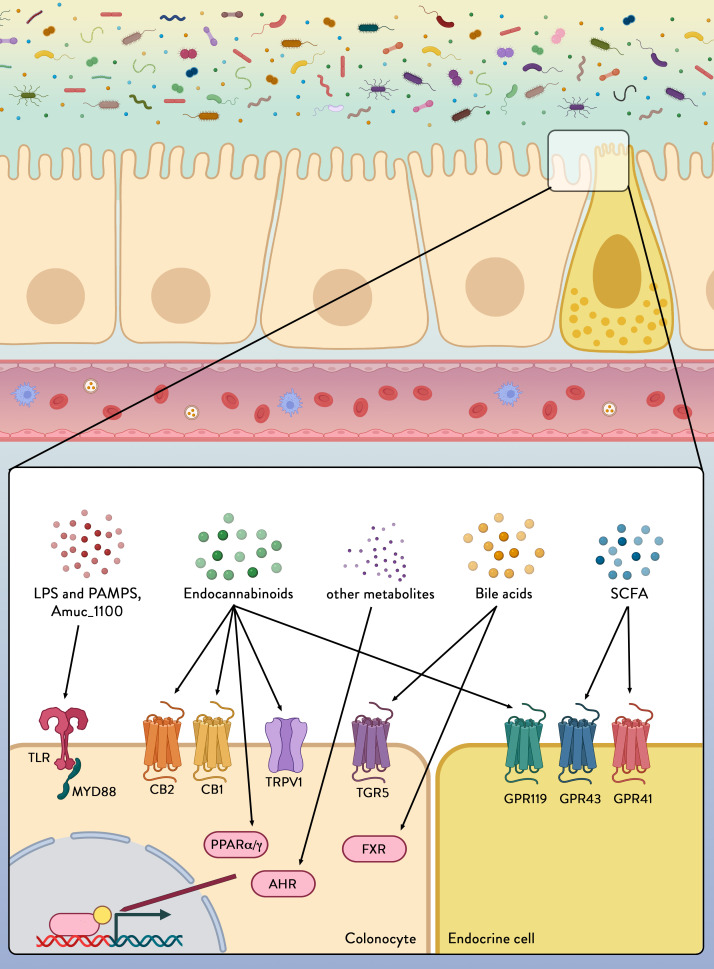
The gut microbiota is now considered as one of the key elements contributing to the regulation of host health. Virtually all our body sites are colonised by microbes suggesting different types of crosstalk with our organs. Because of the development of molecular tools and techniques (ie, metagenomic, metabolomic, lipidomic, metatranscriptomic), the complex interactions occurring between the host and the different microorganisms are progressively being deciphered. Nowadays, gut microbiota deviations are linked with many diseases including obesity, type 2 diabetes, hepatic steatosis, intestinal bowel diseases (IBDs) and several types of cancer. Thus, suggesting that various pathways involved in immunity, energy, lipid and glucose metabolism are affected. In this review, specific attention is given to provide a critical evaluation of the current understanding in this field. Numerous molecular mechanisms explaining how gut bacteria might be causally linked with the protection or the onset of diseases are discussed. We examine well-established metabolites (ie, short-chain fatty acids, bile acids, trimethylamine N-oxide) and extend this to more recently identified molecular actors (ie, endocannabinoids, bioactive lipids, phenolic-derived compounds, advanced glycation end products and enterosynes) and their specific receptors such as peroxisome proliferator-activated receptor alpha (PPARα) and gamma (PPARγ), aryl hydrocarbon receptor (AhR), and G protein-coupled receptors (ie, GPR41, GPR43, GPR119, Takeda G protein-coupled receptor 5). Altogether, understanding the complexity and the molecular aspects linking gut microbes to health will help to set the basis for novel therapies that are already being developed.
Overview
The claims and statistics of this paper haven’t been checked yet.
Free: it reads the open-access text and checks the first 5 claims that cite a source we can check. Create a free account to check every claim.
Integrity signals
Registry
Cites
Statistics
Figures
Verification
Claims the paper makes
The claims and statistics of this paper haven’t been checked yet.
Free: it reads the open-access text and checks the first 5 claims that cite a source we can check. Create a free account to check every claim.
Claims other papers make about this one
Each is checked against this paper’s own text: does it say what the citing paper says it does?
The source backs part of the claim, not all of it — or backs it for a different population, condition or comparison.
In the citing paper
“Fiber-rich, plant-based diets have the opposite effect, nurturing Bifidobacterium and Lactobacillus, increasing butyrate producers like Roseburia and Eubacterium rectale, and shielding against obesity and insulin resistance via SCFA signaling.15,70,81–83”
From Gut dysbiosis in oncology: a risk factor for immunoresistance (2026) · doi:10.1038/s41422-025-01212-6 · cites this paper as [81]
Experimental — accuracy not yet measuredThe source backs part of the claim, not all of it — or backs it for a different population, condition or comparison.
In the citing paper
“Akkermansia muciniphila is a Gram-negative homeostatic commensal bacteria that influences host metabolism to maintain glucose tolerance and intestinal barrier function.”
From Gut OncoMicrobiome Signatures (GOMS) as next-generation biomarkers for cancer immunotherapy (2023) · cites this paper as [102]
Experimental — accuracy not yet measuredThe source backs part of the claim, not all of it — or backs it for a different population, condition or comparison.
In the citing paper
“The ECS and GM interact to regulate intestinal homeostasis resulting in relevant functional effects in the gut and CNS (238, 246, 248, 250).”
From Signalling cognition: The gut microbiota and hypothalamic-pituitary-adrenal axis (2023) · cites this paper as [250]
Experimental — accuracy not yet measuredThe cited source says what the claim attributes to it.
In the citing paper
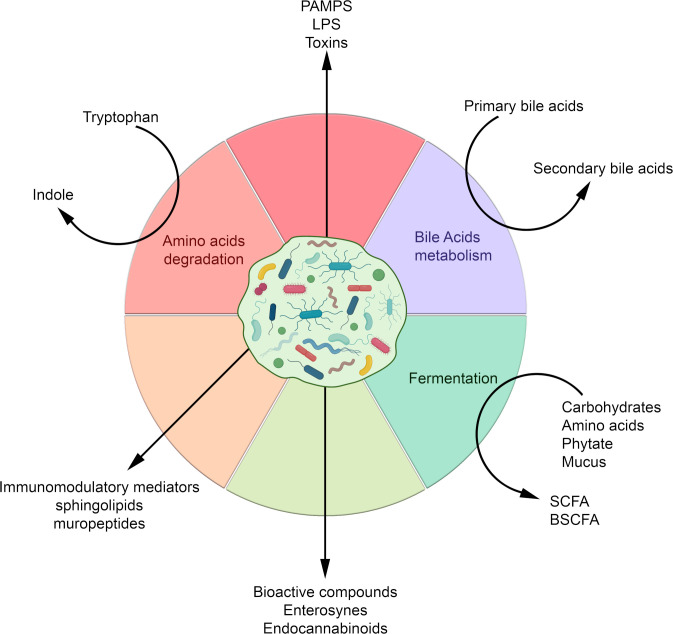
“The microbial fermentative activity of gut microbiota is vital for the production of SCFAs, including butyrate, acetate, and propionate, from non-digestible dietary fibers.271,273”
From Microbiota–gut–brain axis and its therapeutic applications in neurodegenerative diseases (2024) · cites this paper as [273]
The cited source says what the claim attributes to it.
In the citing paper
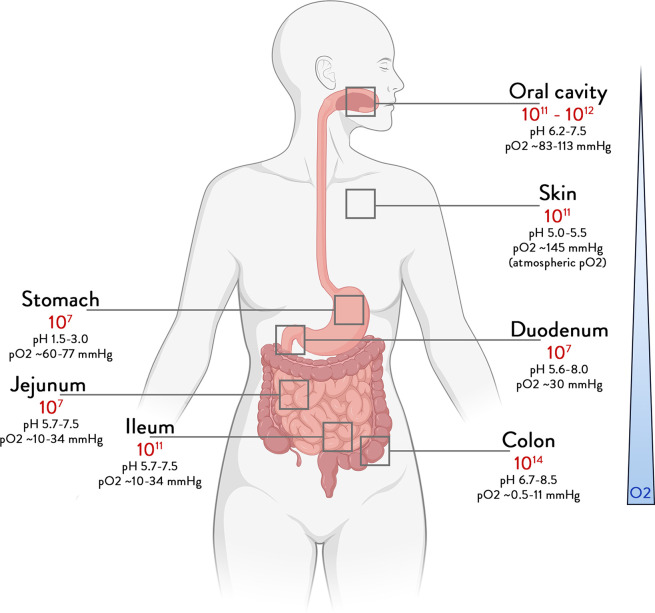
“The taxonomic composition of the gut microbiota changes throughout the gastrointestinal tract, according to nutrient availability, mucus structure, pH and oxygen availability [1–6].”
From Role of the gut microbiota in nutrient competition and protection against intestinal pathogen colonization (2023) · cites this paper as [2]
Self-check
Percentages, sums and reported differences re-computed from the paper’s own numbers.
The self-check needs the paper’s full text.
Citations
Cites
A human gut microbial gene catalogue established by metagenomic sequencing
MetaHIT Consortium, Qin, J., Li, R., Raes, J., Arumugam, M., Burgdorf, K. S., Manichanh, C., Nielsen, T., Pons, N., Levenez, F., et al. (2010) · Nature · doi:10.1038/nature08821 · Cited by 11,624
Defective LPS Signaling in C3H/HeJ and C57BL/10ScCr Mice: Mutations in Tlr4 Gene
Poltorak, A., He, X., Smirnova, I., Liu, M.-Y., Huffel, C. V., Du, X., Birdwell, D., Alejos, E., Silva, M., Galanos, C., et al. (1998) · Science · doi:10.1126/science.282.5396.2085 · Cited by 7,631
From Dietary Fiber to Host Physiology: Short-Chain Fatty Acids as Key Bacterial Metabolites
Koh, A., De Vadder, F., Kovatcheva-Datchary, P., & Bäckhed, F. (2016) · Cell · doi:10.1016/j.cell.2016.05.041 · Cited by 7,070
A metagenome-wide association study of gut microbiota in type 2 diabetes
Qin, J., Li, Y., Cai, Z., Li, S., Zhu, J., Zhang, F., Liang, S., Zhang, W., Guan, Y., Shen, D., et al. (2012) · Nature · doi:10.1038/nature11450 · Cited by 6,762
Metabolic Endotoxemia Initiates Obesity and Insulin Resistance
Cani, P. D., Amar, J., Iglesias, M. A., Poggi, M., Knauf, C., Bastelica, D., Neyrinck, A. M., Fava, F., Tuohy, K. M., Chabo, C., et al. (2007) · Diabetes · doi:10.2337/db06-1491 · Cited by 6,638 · cited 3×
“This is the case in metabolic endotoxaemia, in which high-fat diet and weight gain have been associated with a higher gut permeability and subsequent systemic (mild) elevation in circulating plasma LPS. 100 This causes a state of low-grade inflammation, which is a pathological feature of a range of chronic conditions…”
BackgroundInfluentialSelf-citationIsolation and Structure of a Brain Constituent That Binds to the Cannabinoid Receptor
Devane, W. A., Hanuš, L., Breuer, A., Pertwee, R. G., Stevenson, L. A., Griffin, G., Gibson, D., Mandelbaum, A., Etinger, A., & Mechoulam, R. (1992) · Science · doi:10.1126/science.1470919 · Cited by 5,633 · cited 1×
“113 The second key ligand identified was 2-arachidonoylglycerol (2-AG).”
BackgroundMolecular characterization of a peripheral receptor for cannabinoids
Munro, S., Thomas, K. L., & Abu-Shaar, M. (1993) · Nature · doi:10.1038/365061a0 · Cited by 5,092
Gut microbiota in human metabolic health and disease
Fan, Y., & Pedersen, O. (2021) · Nature Reviews Microbiology · doi:10.1038/s41579-020-0433-9 · Cited by 4,724
Succinate is an inflammatory signal that induces IL-1β through HIF-1α
Tannahill, G. M., Curtis, A. M., Adamik, J., Palsson-McDermott, E. M., McGettrick, A. F., Goel, G., Frezza, C., Bernard, N. J., Kelly, B., Foley, N. H., et al. (2013) · Nature · doi:10.1038/nature11986 · Cited by 4,176
Duodenal Infusion of Donor Feces for Recurrent Clostridium difficile
van Nood, E., Vrieze, A., Nieuwdorp, M., Fuentes, S., Zoetendal, E. G., de Vos, W. M., Visser, C. E., Kuijper, E. J., Bartelsman, J. F. W. M., Tijssen, J. G. P., et al. (2013) · New England Journal of Medicine · doi:10.1056/nejmoa1205037 · Cited by 3,708
Research works printed but not linked: 1
- 10.2337/diabetes · doi:10.2337/diabetes · Paper page
Cited by
Items 801–900 of 1,006
Zeng, H., Peng, L., Liu, C., Zhou, Y., Wan, L., Wen, S., Fang, W., Yang, X., Bai, Q., Zeng, J., et al. (2024) · Food Chemistry · doi:10.1016/j.foodchem.2024.141785 · Cited by 16
Biennier, S., Fontaine, M., Duquenoy, A., Schwintner, C., Dore, J. M., & Corvaïa, N. (2024) · Microorganisms · doi:10.3390/microorganisms12112256 · Cited by 15
The influence of ‘biotics’ on the gut microbiome of dogs and cats
Wilson, S. M., & Swanson, K. S. (2024) · Veterinary Record · doi:10.1002/vetr.4914 · Cited by 19
Munteanu, C., Galaction, A., Onose, G., Turnea, M. A., & Rotariu, M. (2025) · Pharmaceuticals · doi:10.3390/ph18030344 · Cited by 18
Wang, K., Tang, J., Shen, D., Li, Y., Nagaoka, K., & Li, C. (2025) · Toxics · doi:10.3390/toxics13050331 · Cited by 17
“BPA-induced upregulation of genes like PPAR-α , SREBP-1c , and SCD-1 , which regulate lipid synthesis and metabolism, could create a lipid-rich intestinal milieu that supports the growth of opportunistic microbial species while suppressing beneficial microbes [25].”
Chai, M., Zhu, Y., Chen, L., Zhang, S., Huang, Y., Zhang, M., & Jin, W. (2025) · Materials Today Bio · doi:10.1016/j.mtbio.2025.101902 · Cited by 21
“Alterations in gut microbiota, a critical component of the intestinal microecosystem, can lead to significant physiological changes and contribute to disease states [16].”
Muijsenberg, A., Canfora, E. E., & Blaak, E. E. (2025) · Nutrition Reviews · doi:10.1093/nutrit/nuaf088 · Cited by 16
Response of Intestinal Microbiota to the Variation in Diets in Grass Carp (Ctenopharyngodon idella)
Yang, G., Xiang, Y., Wang, S., Tao, Y., Xie, L., Bao, L., Shen, K., Li, J., Hu, B., Wen, C., et al. (2022) · Metabolites · doi:10.3390/metabo12111115 · Cited by 17
“The importance of intestinal microbiota in host health has been highlighted in recent decades, owing to its benefits to nutrient metabolism and immune maturation [4,34,35].”
BackgroundGeng, R., Fang, J., Kang, S., Huang, K., & Tong, T. (2023) · Environmental Pollution · doi:10.1016/j.envpol.2023.122035 · Cited by 16
Contributions of the early-life microbiome to childhood atopy and asthma development
Steininger, H. M., Anderson, J. M., & Lynch, S. V. (2023) · Seminars in Immunology · doi:10.1016/j.smim.2023.101795 · Cited by 15
Study of the Effect of Intestinal Microbes on Obesity: A Bibliometric Analysis
Su, Z., Tian, C., Wang, G., Guo, J., & Yang, X. (2023) · Nutrients · doi:10.3390/nu15143255 · Cited by 16
Targeting microbiota to alleviate the harm caused by sleep deprivation
Chen, H., Wang, C., Bai, J., Song, J., Bu, L., Ming, L., & Suo, H. (2023) · Microbiological Research · doi:10.1016/j.micres.2023.127467 · Cited by 17
A Scoping Review Evaluating the Current State of Gut Microbiota Research in Africa
Pheeha, S. M., Tamuzi, J. L., Chale-Matsau, B., Manda, S., & Nyasulu, P. S. (2023) · Microorganisms · doi:10.3390/microorganisms11082118 · Cited by 15
Intestinal microbiota: A bridge between intermittent fasting and tumors
Liu, J., Shao, N., Qiu, H., Zhao, J., Chen, C., Wan, J., He, Z., Zhao, X., & Xu, L. (2023) · Biomedicine & Pharmacotherapy · doi:10.1016/j.biopha.2023.115484 · Cited by 17
Liu, Y., Dai, C., Wang, C., Wang, J., Yan, W., Luo, M., Dong, J., Li, X., Liu, X., & Lan, Y. (2024) · Molecular Nutrition & Food Research · doi:10.1002/mnfr.202400090 · Cited by 16
Gut Microbiota and Lipid Metabolism: Impacts on Lamb Flavor Precursors
Chang, X. M., Xiang, H., Wu, S., Fan, L., Fang, Y., & Zhong, R. (2025) · Comprehensive Reviews in Food Science and Food Safety · doi:10.1111/1541-4337.70307 · Cited by 16
Blanco, J. R., del Campo, R., Ortiz, J. A., Olmos, M. L., & Carnero, A. (2025) · Cells · doi:10.3390/cells14221813 · Cited by 14
Ecology of the gut microbiota and colonization resistance: mechanisms and therapeutic implications
Liang, L., Yang, Z., & Fu, X. (2025) · FEMS Microbiology Ecology · doi:10.1093/femsec/fiaf124 · Cited by 15
Microbiome–mycotoxin interactions and probiotic strategies: implications for gut health and cancer
Mafe, A. N., & Büsselberg, D. (2026) · Frontiers in Nutrition · doi:10.3389/fnut.2026.1783295 · Cited by 14
The gut-derived metabolites as mediators of the effect of healthy nutrition on the brain
Leyrolle, Q., Prado-Perez, L., & Layé, S. (2023) · Frontiers in Nutrition · doi:10.3389/fnut.2023.1155533 · Cited by 14
“Indeed, the latter turns out to be not only influenced by diet but also to influence host’s health (18, 19).”
BackgroundKatsaounou, K., Yiannakou, D., Nikolaou, E., Brown, C., Vogazianos, P., Aristodimou, A., Chi, J., Costeas, P., Agapiou, A., Frangou, E., et al. (2023) · Metabolites · doi:10.3390/metabo13070819 · Cited by 14
The Human Body as an Ethanol-Producing Bioreactor—The Forensic Impacts
Šoša, I. (2023) · Fermentation · doi:10.3390/fermentation9080738 · Cited by 15
Enterococcus faecium C171: Modulating the Immune Response to Acute Lethal Viral Challenge
Mi, J., He, T., Hu, X., Wang, Z., Wang, T., Qi, X., Li, K., Gao, L. Q., Liu, C., Zhang, Y., et al. (2023) · International Journal of Antimicrobial Agents · doi:10.1016/j.ijantimicag.2023.106969 · Cited by 14
Deng, Z., Yin, X., Zhang, S., Fang, H., Gao, S., Liu, Y., Jiang, X., Song, G., Jiang, W., & Wang, L. (2023) · Journal of Hazardous Materials · doi:10.1016/j.jhazmat.2023.132863 · Cited by 15
Zheng, Y., Yang, K., Shen, J., Chen, X., He, C., & Xiao, P. (2023) · Foods · doi:10.3390/foods12244410 · Cited by 14
“The gut microbiota is a complex ecosystem consisting of various microflora that reside in the human gut, which plays a crucial role in digesting food, synthesizing essential vitamins, and regulating the function of the immune system [1].”
BackgroundKlebsiella aerogenes exacerbates colon tumorigenesis in the AOM/DSS-induced C57BL/6J mouse
Wang, X., Meng, M., Sun, J., Gao, W., Lin, C., & Yu, C. (2023) · Biochemical and Biophysical Research Communications · doi:10.1016/j.bbrc.2023.149410 · Cited by 14
Wu, W., Pan, Y., Zheng, T., Sun, H., Li, X., Zhu, H., Wang, Z., & Zhou, X. (2024) · Food & Function · doi:10.1039/d3fo04530g · Cited by 14
“42 Taken together, we concluded that the potential mechanism of limonin supplementation to alleviate HFD-induced intestinal barrier damage and dyslipidemia may be achieved through microbiota-induced ILC3 – IL22 – IL22R pathway.”
BackgroundThe effect of canagliflozin on gut microbiota and metabolites in type 2 diabetic mice
Zeng, L., Ma, J., Wei, T., Wang, H., Yang, G., Han, C., Zhu, T., Tian, H., & Zhang, M. (2024) · Genes & Genomics · doi:10.1007/s13258-024-01491-0 · Cited by 14
“SGLT2i has a significantly effect on lipid metabolism and reduces body weight (de Vos et al. 2022; Wu et al. 2021).”
Opportunities and challenges in phage therapy for cardiometabolic diseases
Wortelboer, K., & Herrema, H. (2024) · Trends in Endocrinology and Metabolism · doi:10.1016/j.tem.2024.03.007 · Cited by 14
Enhancing Growth and Gut Health in Squabs: The Impact of Fermented Mixed Feed
Xiao, C., Li, X., Ding, Z., Zhang, H., Lv, W., Yang, C., He, D., & Zhu, L. (2024) · Animals · doi:10.3390/ani14101411 · Cited by 14
“Evidence has indicated that the composition of gut microbiota and metabolic activity are influenced by gut morphology, while metabolites can act as signaling molecules for host physiological responses, influencing gut morphology and function [49,50].”
BackgroundO’Toole, P. W. (2024) · Microbial Biotechnology · doi:10.1111/1751-7915.14477 · Cited by 16
“However, as has been pointed out, there is a large gap between the number of studies describing microbiome alterations and the number of studies probing these alterations in clinical intervention trials (de Vos et al., 2022).”
BackgroundSong, M., Zhang, S., Zhang, Z., Guo, L., Liang, W., Li, C., & Wang, Z. (2024) · mSystems · doi:10.1128/msystems.00602-24 · Cited by 14
Hwang, C. H., Kim, S.-H., & Lee, C. H. (2024) · Journal of Microbiology and Biotechnology · doi:10.4014/jmb.2404.04009 · Cited by 15
Yu, J., Li, L., Tao, X., Chen, Y., & Dong, D. (2024) · Critical Reviews in Oncology/Hematology · doi:10.1016/j.critrevonc.2024.104480 · Cited by 14
Huang, Q., Xiao, Y., & Sun, P. (2024) · Animal nutrition · doi:10.1016/j.aninu.2024.08.003 · Cited by 14
Zou, S., Hu, R., Liang, S., Lu, T., Kang, D., & Li, D. (2024) · Ecotoxicology and Environmental Safety · doi:10.1016/j.ecoenv.2024.117117 · Cited by 14
Hassan-Casarez, C., Ryan, V., Shuster, B. M., Oliver, J. W. K., & Abbott, Z. D. (2024) · PLoS ONE · doi:10.1371/journal.pone.0312457 · Cited by 14
“The mechanisms underlying these relationships involve a complex interplay between host and microbial proteins and small molecules [10, 11].”
Modulation of gut microbiota in targeted cancer therapy: insights on the EGFR/VEGF/KRAS pathways
Gong, L., Yang, S., Huang, J., & Li, Y. (2024) · Cancer Biology and Medicine · doi:10.20892/j.issn.2095-3941.2024.0320 · Cited by 19
“In healthy individuals the gut microbiota landscape is predominantly characterized by Firmicutes , Proteobacteria , Bacteroidetes , Actinobacteria , and Verrucomicrobia , with Firmicutes and Bacteroidetes being the principal communities 8,9 .”
Shen, Q., Qi, X., Liu, Y., Yang, Z., Hu, C., Zhao, L. Q., Zhan, H., Bian, H., & Ma, Y. (2025) · International Journal of Biological Macromolecules · doi:10.1016/j.ijbiomac.2025.139968 · Cited by 14
Liu, L., Zhao, Y., Yang, W., Fan, Y., Han, L., Sheng, J., Tian, Y., & Gao, X. (2025) · International Journal of Molecular Sciences · doi:10.3390/ijms26052079 · Cited by 14
“Constipation is frequently accompanied by dysbiosis of the intestinal microbiota, which is typified by a decrease in the relative abundance of beneficial microbes (e.g., Bifidobacterium and Lactobacillus ) and a relative increase in pathogenic microbes [9].”
Deng, X., Li, H., Wu, A., He, J., Mao, X., Dai, Z., Tian, G., Cai, J., Tang, J., & Luo, Y. (2025) · Animals · doi:10.3390/ani15050710 · Cited by 16
Xiao, T., Huang, F., Guo, Z., Cheng, X., Duan, J., Dai, W., Yang, B., Zhang, Y., Tao, L., & Shen, X. (2025) · Journal of Agricultural and Food Chemistry · doi:10.1021/acs.jafc.5c00702 · Cited by 14
Liu, M., Han, M., Fu, Y., Zhang, D., Zhao, Y., Li, Q., Hu, H., Guo, H., Huang, L., Tan, C., et al. (2025) · Food & Function · doi:10.1039/d5fo01041a · Cited by 14
Liu, Y., Zhang, P., & Sun, H. (2025) · Frontiers in Psychiatry · doi:10.3389/fpsyt.2025.1588135 · Cited by 18
“The gut microbiota comprises trillions of microorganisms residing in the human intestine, including bacteria, archaea, fungi, viruses, protozoa, and other organisms, that exist in the human intestinal environment (67, 99).”
Carrillo, M. P., Vila‐Costa, M., & Barata, C. (2025) · Environmental Pollution · doi:10.1016/j.envpol.2025.126690 · Cited by 15
Neutrophils aggravate inflammatory lesions in intestinal organoids from necrotizing enterocolitis
Vincent, D., Heuer, K., Raluy, L. P., Hagens, J., Kolman, J. P., Bunders, M. J., Wesche, J., Knopf, J., i, M. H., Reinshagen, K., et al. (2025) · Frontiers in Immunology · doi:10.3389/fimmu.2025.1582526 · Cited by 14
The role of nucleoid-associated proteins in mediating responses to environmental changes
Ge, P., Rashid, F. M., & Dame, R. T. (2025) · Current Opinion in Microbiology · doi:10.1016/j.mib.2025.102628 · Cited by 14
Gut microbiome-specific nanoparticle-based therapeutics for liver diseases
Khurana, A., & Hartmann, P. (2025) · World Journal of Gastroenterology · doi:10.3748/wjg.v31.i27.109105 · Cited by 16
“The gut microbiome regulates normal digestion, immunity, and metabolism[25,26].”
Symphony of Digestion: Coordinated Host–Microbiome Enzymatic Interplay in Gut Ecosystem
Lushchak, V. I. (2025) · Biomolecules · doi:10.3390/biom15081151 · Cited by 15
“…repertoire of carbohydrate-active enzymes (CAZymes) not produced by the host, including glycoside hydrolases, polysaccharide lyases, and carbohydrate esterases that degrade a wide range of complex polysaccharides such as resistant starches, cellulose, pectins, and hemicelluloses [1,7,8,13,14].”
Innovative engineering approaches to model host-microbiome interactions in vitro
Azamar, K. M. M., Sudi, S. D., Mohammadalizadeh, Z., Coffin, C., Parker, I., & Porras, A. M. (2025) · Advanced Drug Delivery Reviews · doi:10.1016/j.addr.2025.115677 · Cited by 15
The gut microbiota shapes the human and murine breath volatilome
Hernandez-Leyva, A. J., Berna, A. Z., Bui, M. H., Yang, L., Rosen, A. L., Lint, M. A., Whiteside, S. A., Jaeger, N., McDonough, R. T., Joardar, N., et al. (2026) · Cell Metabolism · doi:10.1016/j.cmet.2025.12.013 · Cited by 15
Ge, W., Zhou, B.-G., Zhong, Y., Liu, S., Huang, J., Yuan, W.-Y., Xie, C., Liu, D., Wang, H.-Y., & Zuo, Z.-Y. (2022) · Evidence-based Complementary and Alternative Medicine · doi:10.1155/2022/6132289 · Cited by 14
Yang, S., Luo, J., Chen, Y., Wu, R., Liu, H., Zhou, Z., Akhtar, M. F., Xiao, Y., & Shi, D. (2022) · Frontiers in Microbiology · doi:10.3389/fmicb.2022.935884 · Cited by 15
Gut microbiota might influence the risk of rejection after liver transplantation
Salimov, U. R., Olegovich, S. I., Ковалев, А. А., Губанова, Т. Н., Федорук, А. М., Eugenievich, S. A., & Руммо, О. О. (2023) · Journal of Liver Transplantation · doi:10.1016/j.liver.2023.100140 · Cited by 14
The roles and mechanisms of gut microbiome and metabolome in patients with cerebral infarction
Qian, W., Wu, M., Qian, T.-T., Xie, C., Gao, Y., & Qian, S. (2023) · Frontiers in Cellular and Infection Microbiology · doi:10.3389/fcimb.2023.1112148 · Cited by 14
Chiba, M., & Morita, N. (2023) · Metabolites · doi:10.3390/metabo13030332 · Cited by 18
Yang, Y., Huang, Y., Wang, F., Tsai, M., Chen, C., & Lian, W. (2023) · Molecular Nutrition & Food Research · doi:10.1002/mnfr.202200348 · Cited by 15
MetaPep: A core peptide database for faster human gut metaproteomics database searches
Sun, Z., Ning, Z., Cheng, K., Duan, H., Wu, Q., Mayne, J., & Figeys, D. (2023) · Computational and Structural Biotechnology Journal · doi:10.1016/j.csbj.2023.08.025 · Cited by 20
“It is one of the most promising research areas for the development of new therapeutic approaches in the past two decades [1, 2].”
BackgroundWang, Y., Li, M., Guo, J., Kang, S., Huang, K., & Tong, T. (2023) · Food Frontiers · doi:10.1002/fft2.301 · Cited by 14
Uthra, K. T., Chitra, V., Narayanasamy, D., Devadoss, A., Kuehnel, M. F., Expósito, A. J., Nagarajan, S., Pitchaimuthu, S., & Pazhani, G. P. (2023) · Environmental Science Advances · doi:10.1039/d3va00084b · Cited by 21
The Relation of Diet and Health: You Are What You Eat
Lederer, A., & Huber, R. (2022) · International Journal of Environmental Research and Public Health · doi:10.3390/ijerph19137774 · Cited by 16
“The existence of these commensals is essential for the function of the immune system, for digesting foods and processing nutrients in a healthy human being [21,22].”
BackgroundImpact of Fermented Dairy on Gastrointestinal Health and Associated Biomarkers
Bui, G., & Marco, M. L. (2025) · Nutrition Reviews · doi:10.1093/nutrit/nuaf114 · Cited by 17
New insights into gut-liver axis in advanced liver diseases: A promising therapeutic target
Xing, Y., Ou, Y., Wang, Y., Hou, L., & Zhu, J. (2025) · Biochemical Pharmacology · doi:10.1016/j.bcp.2025.117284 · Cited by 13
Martínez-Ruiz, S., Badía, J., & Baldomà, L. (2025) · Nutrients · doi:10.3390/nu17193066 · Cited by 15
“Increasing evidence suggests that dysbiosis not only contributes to gastrointestinal disorders but also exerts pathophysiological effects on extraintestinal tissues [5,6].”
Ruy, C. C., dos Santos, T. W., Pereira, Q. C., & Ribeiro, M. L. (2025) · Nutrients · doi:10.3390/nu17233727 · Cited by 13
The oral-gut axis in chronic atrophic gastritis: current perspectives and integrated strategies
Zha, T., Ding, Y., Xu, X., Zhang, Y., Guo, J., Ge, H., & Xu, L. (2026) · Frontiers in Immunology · doi:10.3389/fimmu.2025.1699501 · Cited by 14
“Overall, the oral-gut axis offers novel targets like oral hygiene interventions combined with FMT, potentially reversing CAG progression by restoring microbial and metabolic balance to interrupt carcinogenic cascades (84).”
Understanding the human gut microbiome: from composition to disease association
Alali, M. A., & Shori, A. B. (2026) · Frontiers in Microbiomes · doi:10.3389/frmbi.2026.1717288 · Cited by 14
Zhang, X., Qi, Y., Zhang, Y., Deng, J., Chen, X., Li, R., Zhou, Q., & Fan, J. (2023) · Critical Reviews in Food Science and Nutrition · doi:10.1080/10408398.2023.2213770 · Cited by 18
“The importance of gut microbiota to human health has emerged as a popular study area, owing to it might exert some positive properties on the regulation of metabolic outcomes (Komaroff 2017, Zhao et al. 2018, de Vos et al. 2022).”
Wang, M., Chen, S., Zhong, C., Liu, L., Wang, G., Huang, X. S., Yang, X., Yang, H., & Li, L. (2024) · Life Sciences in Space Research · doi:10.1016/j.lssr.2024.01.002 · Cited by 14
Gut-immunity-joint axis: a new therapeutic target for gouty arthritis
Chen, P., Luo, Z., Lu, C., Jian, G., Qi, X., & Xiong, H. (2024) · Frontiers in Pharmacology · doi:10.3389/fphar.2024.1353615 · Cited by 13
Tang, J., Zhao, M., Miao, X., Chen, H., Zhao, B., Wang, Y., Guo, Y., Wang, T., Cheng, X., Ruan, H., et al. (2024) · Food & Function · doi:10.1039/d3fo03669c · Cited by 13
Wen, X., Wan, F., Zhong, R., Chen, L., & Zhang, H. (2024) · International Journal of Molecular Sciences · doi:10.3390/ijms25115590 · Cited by 13
“These SCFAs possess remarkable chemical properties and their impact on health has been extensively documented [12,15,16].”
BackgroundXie, B., Zhou, X., Luo, C., Fang, Y., Wang, Y., Wei, J., Cai, L., & Chen, T. (2024) · Journal of Cancer · doi:10.7150/jca.96448 · Cited by 14
“Multiple research studies have indicated that the microbiota in the digestive system has a significant impact on conditions such as inflammatory bowel disease, diabetes, Parkinson's disease and cancer [11-12].”
BackgroundBai, M., Huang, Z., Zheng, X., Hou, M., & Zhang, S. (2024) · Microorganisms · doi:10.3390/microorganisms12081654 · Cited by 13
Zhang, Y., Shen, W., Chen, Z., He, J., Feng, L., Wang, L., & Chen, S. (2024) · Journal of Gastroenterology · doi:10.1007/s00535-024-02138-3 · Cited by 13
“…series of metabolites and molecules, including well-established metabolites (i.e., SCFAs, bile acids, trimethylamine N-oxide) and some recently identified molecular actors (i.e., endocannabinoids, bioactive lipids, phenolic-derived compounds, advanced glycation end products, and enterosynes) [60].”
BackgroundSun, Y., Xing, Z., Liang, S., Miao, Z., Zhuo, L., Jiang, W., Zhao, H., Gao, H., Xie, Y., Zhou, Y., et al. (2024) · Molecular & Cellular Proteomics · doi:10.1016/j.mcpro.2024.100840 · Cited by 13
Effects of antibiotic and disinfectant exposure on the mouse gut microbiome and immune function
Xu, W.-B., Wang, Y.-F., Meng, S.-Y., Zhang, X., Wang, Y., & Liu, Z. (2024) · Microbiology Spectrum · doi:10.1128/spectrum.00611-24 · Cited by 13
Li, Y., Wang, H., He, X., Zhu, W., Bao, Y., Gao, X., Huang, W., Ge, X., Wei, W., Zhang, H., et al. (2024) · Chinese Medicine · doi:10.1186/s13020-024-01021-w · Cited by 14
Lu, M.-L., Yuan, G.-H., Rehemujiang, H., Li, C., Hu, L.-H., Duan, P., Zhang, L.-D., Diao, Q., Deng, K., & Xu, G.-S. (2024) · Frontiers in Microbiology · doi:10.3389/fmicb.2024.1425218 · Cited by 13
Roseburia intestinalis: A possible target for vascular calcification
Pan, X., Song, Y., Liang, Y., Feng, G., & Wang, Z. (2024) · Heliyon · doi:10.1016/j.heliyon.2024.e39865 · Cited by 13
Xiong, M. D., & Sun, W. (2024) · Medicine · doi:10.1097/md.0000000000040401 · Cited by 13
“[16] This symbiotic relationship between the intestinal microbiota and the host has been established since embryonic development through maternal–fetal interaction, earning the intestine the moniker “second brain” of the human body.”
BackgroundWang, L., Liang, Z., Chai, Z., Cong, W., Zhu, L., Guo, Z., Song, M., Ma, J., Guo, T., Zhang, W., et al. (2024) · Environmental Pollution · doi:10.1016/j.envpol.2024.125610 · Cited by 15
Augustijn, Q. J. J., Grefhorst, A., de Groen, P., Wortelboer, K., Seegers, J. F. M. L., Gül, I. S., Suenaert, P., Verheij, J., de Vos, W. M., Herrema, H., et al. (2025) · BMJ Open · doi:10.1136/bmjopen-2024-088290 · Cited by 13
“25 27–30 The gut microbiome strongly influences gut barrier function.”
Wei, Z., Jiang, S.-H., Qi, X.-Y., Cheng, Y.-M., Liu, Q., Hou, X.-Y., & He, J. (2025) · World Journal of Gastroenterology · doi:10.3748/wjg.v31.i12.103094 · Cited by 13
Bai, T., Guo, H., Wang, F., Kang, Y.-Y., Zhang, H., Dong, L., & Yang, Y. (2025) · Frontiers in Pharmacology · doi:10.3389/fphar.2025.1532590 · Cited by 14
Intestinal retentive delivery system for improved disease therapy
Wu, X., Wu, W., Jutaek, N., Rong, L., & Han, K. (2025) · Journal of Controlled Release · doi:10.1016/j.jconrel.2025.113903 · Cited by 15
Wan, M., Zhao, W., Cai, Y., He, Q., & Zeng, J. (2025) · American Journal of Translational Research · doi:10.62347/zwsr4476 · Cited by 13
Mohiuddin, M., Asghar, T., Hameed, H., Din, A. M., Siddique, A., Younas, S., Din, M. M. U., & Ara, R. (2025) · World Journal of Microbiology and Biotechnology · doi:10.1007/s11274-025-04632-z · Cited by 15
Hashemi, S., Rafati, A., Roohinejad, S., Yaghoobi, F., & Salehi, A. (2025) · International Wound Journal · doi:10.1111/iwj.70799 · Cited by 14
“Prebiotics, probiotics and postbiotics are all related to gut health and have different roles in the body [29].”
Possible Interactions between Malaria, Helminthiases and the Gut Microbiota: A Short Review
Mutoni, J. D., Coutelier, J., Rujeni, N., Mutesa, L., & Cani, P. D. (2022) · Microorganisms · doi:10.3390/microorganisms10040721 · Cited by 14
Self-citationWang, T., Xiao, Y., Hu, Z., Gu, J., Hua, R., Hai, Z., Chen, X., Zhang, J. V., Yu, Z., Wu, T., et al. (2022) · Frontiers in Cell and Developmental Biology · doi:10.3389/fcell.2022.862506 · Cited by 15
Jansma, J., Thome, N. U., Schwalbe, M., Chatziioannou, A. C., Elsayed, S. S., van Wezel, G. P., den Abbeele, P. V., van Hemert, S., & Aidy, S. E. (2023) · Gut Microbes · doi:10.1080/19490976.2023.2232506 · Cited by 13
Effect of microbiome group on immune checkpoint inhibitors in treatment of gastrointestinal tumors
Pei, B., Ma, X., Wu, N., Wang, C., & Yang, W. (2023) · Chinese Journal of Cancer Research · doi:10.21147/j.issn.1000-9604.2023.03.05 · Cited by 13
Nogal, A., Tettamanzi, F., Dong, Q., Louca, P., Visconti, A., Christiansen, C., Breuninger, T. A., Linseisen, J., Grallert, H., Wawro, N., et al. (2023) · Diabetes · doi:10.2337/db23-0170 · Cited by 14
“For instance, 5 g/day of fat are not absorbed and reach the colon (30).”
BackgroundZhou, G., Liang, X., He, X., Li, J., Tian, G., Liu, Y., Wang, X., Chen, Y., & Yang, Y. (2023) · Applied Microbiology and Biotechnology · doi:10.1007/s00253-023-12804-w · Cited by 14
“Microbiota in the colon is also implicated in chyme decomposition into SCFAs and some metabolites, which could provide energy and are channeled to the brain-gut axis (Lin et al. 2021; De Vos et al. 2022).”
BackgroundThe Role of the Gut Microbiome in Hematological Cancers
Hussein, N., Rajasuriar, R., Khan, A. M., Lim, Y. A. L., & Gan, G. G. (2023) · Molecular Cancer Research · doi:10.1158/1541-7786.mcr-23-0080 · Cited by 13
Metabolic changes before and after weaning in Dezhou donkey foals in relation to gut microbiota
Yang, Q., Liu, H., Jafari, H., Liu, B., Wang, Z., Su, J., Wang, F., Yang, G., Sun, M., Cheng, J. J., et al. (2024) · Frontiers in Microbiology · doi:10.3389/fmicb.2023.1306039 · Cited by 13
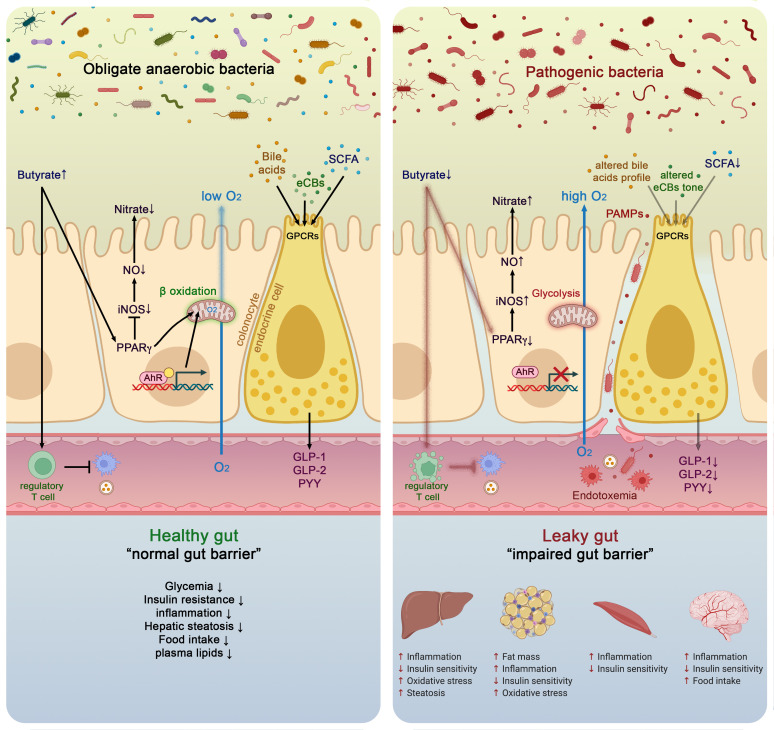
“Butyrate can stimulate immune cells, including colonic regulatory T cells, and improve the differentiation of lung epithelial cells, thus reducing the occurrence of intestinal inflammation (de Vos et al., 2022).”
BackgroundZhou, C., Duan, Y., Li, J., Fu, S., Bai, S., Zhuang, Y., Li, H., Zhou, Y., Shen, J., Zhou, R., et al. (2024) · Aquaculture · doi:10.1016/j.aquaculture.2024.741112 · Cited by 13
Shi, K., Li, L., Wang, Z., Chen, H., Chen, Z., & Fang, S. (2023) · Frontiers in Neuroscience · doi:10.3389/fnins.2022.1124315 · Cited by 13
Lapaquette, P., Terrat, S., Proukhnitzky, L., Martine, L., Gregoire, S., Buteau, B., Cabaret, S., Rieu, A., Bermúdez‐Humarán, L. G., Gabrielle, P., et al. (2024) · npj Biofilms and Microbiomes · doi:10.1038/s41522-023-00474-5 · Cited by 12
“…are inconsistent, an increased Firmicutes / Bacteroidetes ratio has been reported to modify the metabolic function of the gut microbiota, including the production of short chain fatty acids (SCFAs; e.g., acetate, propionate, and butyrate) that could be involved in body weight control 76 – 79 .”
Metadata
- Authors
- de Vos, W. M., Tilg, H., Van Hul, M., & Cani, P. D.
- Affiliations
- Innsbruck Medical University (AT)
- Walloon Excellence in Lifesciences and Biotechnology (BE)
- Corresponding author
- Cani, Patrice D
- Venue
- Gut
- Publisher
- BMJ
- Published
- 2022-02-01
- Volume
- 71
- Issue
- 5
- Pages
- 1020-1032
- ISSN
- 0017-5749 (ISSN-L)
- 1468-3288
- PMC
- PMC8995832
- OpenAlex
- W4210377299
- Semantic Scholar
- 4ae21e2bf7bdb0f0ce75e04daf5ba3b945950726
- Cited by
- 2,388
- References
- 197
- Citations by year
- 2026: 464 · 2025: 686 · 2024: 660 · 2023: 427 · 2022: 148
- FWCI
- 51.02
- Type
- journal article
- Language
- en
- Open access
- hybrid
- doi.org
- Locations
- Gut (publishedVersion, cc-by)
- PubMed Central (publishedVersion, cc-by)
- PubMed (publishedVersion)
- Socio-Environmental Systems Modeling (acceptedVersion, cc-by)
- Digital Access to Libraries (submittedVersion, other-oa)
- Työväentutkimus Vuosikirja (submittedVersion)
- Data Archiving and Networked Services (DANS) (submittedVersion, cc-by)
- Funders
- Soehngen Institute of Anaerobic Microbiology ([024.002.002])
- Fonds De La Recherche Scientifique - FNRS (CDR-convention: J.0027.22, EOS: program no. 30770923, EOS: program no. 40007505, FNRS T.0030.21-P, WELBIO-CR-2017C-02E, WELBIO-CR-2019C-02R)
- Bundesministerium für Verkehr, Innovation und Technologie (R&D K-Centre (COMET program - Competence Centers f, VASCage (Centre for Promoting Vascular Health in t)
- Topics
- Life Sciences › Biochemistry, Genetics and Molecular Biology › Molecular Biology › Gut microbiota and health
- Health Sciences › Dentistry › Periodontics › Oral microbiology and periodontitis research
- Health Sciences › Medicine › Gastroenterology › Gastrointestinal motility and disorders
- Keywords
- gut microbiota, host-microbe interactions, short-chain fatty acids, bile acids, trimethylamine N-oxide, endocannabinoids, bioactive lipids, phenolic compounds, advanced glycation end products, aryl hydrocarbon receptor, G protein-coupled receptors, obesity, type 2 diabetes, hepatic steatosis, inflammatory bowel disease, cancer, host immunity
- MeSH terms
- Gastrointestinal Microbiome, Bacteria, Bile Acids and Salts, Diabetes Mellitus, Type 2, Fatty Acids, Volatile, Humans, Receptors, G-Protein-Coupled
About these checks
Registry, retraction, Cites and statistics results are computed, not judged, with one exception: a printed reference that no index lists is read once by a model before it counts as a citation error. Claims are extracted by a model and kept only when their quote appears verbatim in the text; each cited source is then checked, with a model’s help, for whether it says what the claim relies on. Those verdicts can be wrong — read the claim’s quote and the cited source before relying on one.
Statistics and arithmetic are recomputed, not judged.
Confidence bands are shown only for fields calibrated on our annotated test set. None is calibrated yet, so no band is shown.
What counts as a claim ›How we measure confidence ›How we check this ›
Are you an author, or do you see a problem with this page? Request a review
Data sources
Bibliographic data: Semantic Scholar, OpenAlex, Crossref.
Contains information from the Semantic Scholar Academic Graph Datasets, made available under the ODC Attribution License (ODC-BY 1.0).
Semantic Scholar’s data is described in: Kinney, R., et al. (2023). The Semantic Scholar Open Data Platform. arXiv:2301.10140.
