

Gut microbiome and health: mechanistic insights
Open accessThe DOI matches its Crossref record; 196 of the 197 references it cites were found in a registry or an index.
Abstract
The gut microbiota is now considered as one of the key elements contributing to the regulation of host health. Virtually all our body sites are colonised by microbes suggesting different types of crosstalk with our organs. Because of the development of molecular tools and techniques (ie, metagenomic, metabolomic, lipidomic, metatranscriptomic), the complex interactions occurring between the host and the different microorganisms are progressively being deciphered. Nowadays, gut microbiota deviations are linked with many diseases including obesity, type 2 diabetes, hepatic steatosis, intestinal bowel diseases (IBDs) and several types of cancer. Thus, suggesting that various pathways involved in immunity, energy, lipid and glucose metabolism are affected. In this review, specific attention is given to provide a critical evaluation of the current understanding in this field. Numerous molecular mechanisms explaining how gut bacteria might be causally linked with the protection or the onset of diseases are discussed. We examine well-established metabolites (ie, short-chain fatty acids, bile acids, trimethylamine N-oxide) and extend this to more recently identified molecular actors (ie, endocannabinoids, bioactive lipids, phenolic-derived compounds, advanced glycation end products and enterosynes) and their specific receptors such as peroxisome proliferator-activated receptor alpha (PPARα) and gamma (PPARγ), aryl hydrocarbon receptor (AhR), and G protein-coupled receptors (ie, GPR41, GPR43, GPR119, Takeda G protein-coupled receptor 5). Altogether, understanding the complexity and the molecular aspects linking gut microbes to health will help to set the basis for novel therapies that are already being developed.
Overview
The claims and statistics of this paper haven’t been checked yet.
Free: it reads the open-access text and checks the first 5 claims that cite a source we can check. Create a free account to check every claim.
Integrity signals
Registry
Cites
Statistics
Figures
Verification
Claims the paper makes
The claims and statistics of this paper haven’t been checked yet.
Free: it reads the open-access text and checks the first 5 claims that cite a source we can check. Create a free account to check every claim.
Claims other papers make about this one
Each is checked against this paper’s own text: does it say what the citing paper says it does?
The source backs part of the claim, not all of it — or backs it for a different population, condition or comparison.
In the citing paper
“Fiber-rich, plant-based diets have the opposite effect, nurturing Bifidobacterium and Lactobacillus, increasing butyrate producers like Roseburia and Eubacterium rectale, and shielding against obesity and insulin resistance via SCFA signaling.15,70,81–83”
From Gut dysbiosis in oncology: a risk factor for immunoresistance (2026) · doi:10.1038/s41422-025-01212-6 · cites this paper as [81]
Experimental — accuracy not yet measuredThe source backs part of the claim, not all of it — or backs it for a different population, condition or comparison.
In the citing paper
“Akkermansia muciniphila is a Gram-negative homeostatic commensal bacteria that influences host metabolism to maintain glucose tolerance and intestinal barrier function.”
From Gut OncoMicrobiome Signatures (GOMS) as next-generation biomarkers for cancer immunotherapy (2023) · cites this paper as [102]
Experimental — accuracy not yet measuredThe source backs part of the claim, not all of it — or backs it for a different population, condition or comparison.
In the citing paper
“The ECS and GM interact to regulate intestinal homeostasis resulting in relevant functional effects in the gut and CNS (238, 246, 248, 250).”
From Signalling cognition: The gut microbiota and hypothalamic-pituitary-adrenal axis (2023) · cites this paper as [250]
Experimental — accuracy not yet measuredThe cited source says what the claim attributes to it.
In the citing paper
“The microbial fermentative activity of gut microbiota is vital for the production of SCFAs, including butyrate, acetate, and propionate, from non-digestible dietary fibers.271,273”
From Microbiota–gut–brain axis and its therapeutic applications in neurodegenerative diseases (2024) · cites this paper as [273]
The cited source says what the claim attributes to it.
In the citing paper
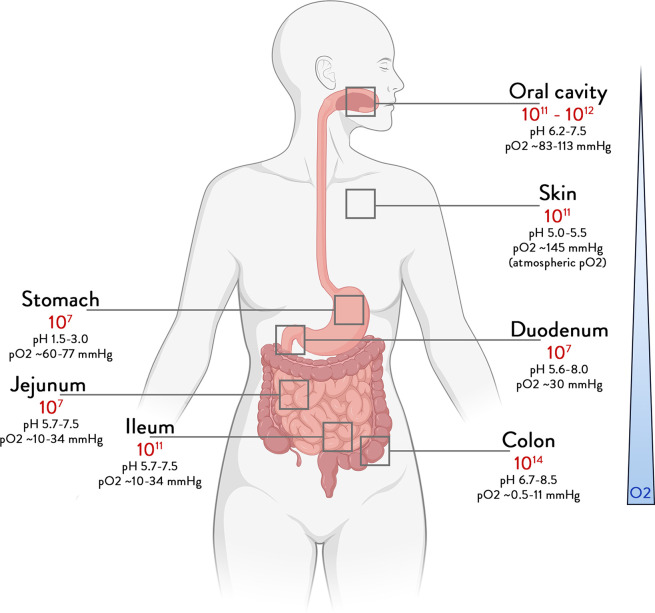
“The taxonomic composition of the gut microbiota changes throughout the gastrointestinal tract, according to nutrient availability, mucus structure, pH and oxygen availability [1–6].”
From Role of the gut microbiota in nutrient competition and protection against intestinal pathogen colonization (2023) · cites this paper as [2]
Self-check
Percentages, sums and reported differences re-computed from the paper’s own numbers.
The self-check needs the paper’s full text.
Citations
Cites
A human gut microbial gene catalogue established by metagenomic sequencing
MetaHIT Consortium, Qin, J., Li, R., Raes, J., Arumugam, M., Burgdorf, K. S., Manichanh, C., Nielsen, T., Pons, N., Levenez, F., et al. (2010) · Nature · doi:10.1038/nature08821 · Cited by 11,624
Defective LPS Signaling in C3H/HeJ and C57BL/10ScCr Mice: Mutations in Tlr4 Gene
Poltorak, A., He, X., Smirnova, I., Liu, M.-Y., Huffel, C. V., Du, X., Birdwell, D., Alejos, E., Silva, M., Galanos, C., et al. (1998) · Science · doi:10.1126/science.282.5396.2085 · Cited by 7,631
From Dietary Fiber to Host Physiology: Short-Chain Fatty Acids as Key Bacterial Metabolites
Koh, A., De Vadder, F., Kovatcheva-Datchary, P., & Bäckhed, F. (2016) · Cell · doi:10.1016/j.cell.2016.05.041 · Cited by 7,070
A metagenome-wide association study of gut microbiota in type 2 diabetes
Qin, J., Li, Y., Cai, Z., Li, S., Zhu, J., Zhang, F., Liang, S., Zhang, W., Guan, Y., Shen, D., et al. (2012) · Nature · doi:10.1038/nature11450 · Cited by 6,762
Metabolic Endotoxemia Initiates Obesity and Insulin Resistance
Cani, P. D., Amar, J., Iglesias, M. A., Poggi, M., Knauf, C., Bastelica, D., Neyrinck, A. M., Fava, F., Tuohy, K. M., Chabo, C., et al. (2007) · Diabetes · doi:10.2337/db06-1491 · Cited by 6,638 · cited 3×
“This is the case in metabolic endotoxaemia, in which high-fat diet and weight gain have been associated with a higher gut permeability and subsequent systemic (mild) elevation in circulating plasma LPS. 100 This causes a state of low-grade inflammation, which is a pathological feature of a range of chronic conditions…”
BackgroundInfluentialSelf-citationIsolation and Structure of a Brain Constituent That Binds to the Cannabinoid Receptor
Devane, W. A., Hanuš, L., Breuer, A., Pertwee, R. G., Stevenson, L. A., Griffin, G., Gibson, D., Mandelbaum, A., Etinger, A., & Mechoulam, R. (1992) · Science · doi:10.1126/science.1470919 · Cited by 5,633 · cited 1×
“113 The second key ligand identified was 2-arachidonoylglycerol (2-AG).”
BackgroundMolecular characterization of a peripheral receptor for cannabinoids
Munro, S., Thomas, K. L., & Abu-Shaar, M. (1993) · Nature · doi:10.1038/365061a0 · Cited by 5,092
Gut microbiota in human metabolic health and disease
Fan, Y., & Pedersen, O. (2021) · Nature Reviews Microbiology · doi:10.1038/s41579-020-0433-9 · Cited by 4,724
Succinate is an inflammatory signal that induces IL-1β through HIF-1α
Tannahill, G. M., Curtis, A. M., Adamik, J., Palsson-McDermott, E. M., McGettrick, A. F., Goel, G., Frezza, C., Bernard, N. J., Kelly, B., Foley, N. H., et al. (2013) · Nature · doi:10.1038/nature11986 · Cited by 4,176
Duodenal Infusion of Donor Feces for Recurrent Clostridium difficile
van Nood, E., Vrieze, A., Nieuwdorp, M., Fuentes, S., Zoetendal, E. G., de Vos, W. M., Visser, C. E., Kuijper, E. J., Bartelsman, J. F. W. M., Tijssen, J. G. P., et al. (2013) · New England Journal of Medicine · doi:10.1056/nejmoa1205037 · Cited by 3,708
The Human Intestinal Microbiome in Health and Disease
Lynch, S. V., & Pedersen, O. (2016) · New England Journal of Medicine · doi:10.1056/nejmra1600266 · Cited by 3,637
Multi-omics of the gut microbial ecosystem in inflammatory bowel diseases
Lloyd-Price, J., Arze, C., Ananthakrishnan, A. N., Schirmer, M., Avila-Pacheco, J., Poon, T. W., Andrews, E., Ajami, N. J., Bonham, K. S., Brislawn, C. J., et al. (2019) · Nature · doi:10.1038/s41586-019-1237-9 · Cited by 3,143
Gut metagenome in European women with normal, impaired and diabetic glucose control
Karlsson, F. H., Tremaroli, V., Nookaew, I., Bergström, G., Behre, C. J., Fagerberg, B., Nielsen, J., & Bäckhed, F. (2013) · Nature · doi:10.1038/nature12198 · Cited by 3,115
Formation of propionate and butyrate by the human colonic microbiota
Louis, P., & Flint, H. J. (2017) · Environmental Microbiology · doi:10.1111/1462-2920.13589 · Cited by 3,028
Mechoulam, R., Ben-Shabat, S., Hanus, L., Ligumsky, M., Kaminski, N. E., Schatz, A. R., Gopher, A., Almog, S., Martin, B. R., Compton, D. R., et al. (1995) · Biochemical Pharmacology · doi:10.1016/0006-2952(95)00109-d · Cited by 2,913
Vrieze, A., Van Nood, E., Holleman, F., Salojärvi, J., Kootte, R. S., Bartelsman, J. F. W. M., Dallinga–Thie, G. M., Ackermans, M. T., Serlie, M. J., Oozeer, R., et al. (2012) · Gastroenterology · doi:10.1053/j.gastro.2012.06.031 · Cited by 2,913
Bile salt biotransformations by human intestinal bacteria
Ridlon, J. M., Kang, D.-J., & Hylemon, P. B. (2006) · Journal of Lipid Research · doi:10.1194/jlr.r500013-jlr200 · Cited by 2,829 · cited 1×
“135 136 This results in the formation of secondary BAs such as deoxycholic acid, lithocholic acid and ursodeoxycholic acid (a secondary BA in humans, although a primary BA in rodents).”
BackgroundInternational Union of Pharmacology. XXVII. Classification of Cannabinoid Receptors
Howlett, A. C., Barth, F., Bonner, T. I., Cabral, G., Casellas, P., Devane, W. A., Felder, C. C., Herkenham, M., Mackie, K., Martin, B. R., et al. (2002) · Pharmacological Reviews · doi:10.1124/pr.54.2.161 · Cited by 2,819
Dysfunction of the intestinal microbiome in inflammatory bowel disease and treatment
Morgan, X. C., Tickle, T. L., Sokol, H., Gevers, D., Devaney, K. L., Ward, D. V., Reyes, J. A., Shah, S. A., LeLeiko, N., Snapper, S. B., et al. (2012) · Genome Biology · doi:10.1186/gb-2012-13-9-r79 · Cited by 2,713
Cani, P. D., Possemiers, S., Van de Wiele, T., Guiot, Y., Everard, A., Rottier, O., Geurts, L., Naslain, D., Neyrinck, A., Lambert, D. M., et al. (2009) · Gut · doi:10.1136/gut.2008.165886 · Cited by 2,518
Self-citationDetermination and characterization of a cannabinoid receptor in rat brain
Devane, W. A., Dysarz, F. A., Johnson, M. R., Melvin, L. S., & Howlett, A. C. (1988) · Molecular Pharmacology · doi:10.1016/s0026-895x(25)09876-1 · Cited by 2,443 · cited 1×
“127 This opens new exiting opportunities of exploring the microbiota to host interaction and offers several novel putative targets for therapy.”
BackgroundBrown, A. J., Goldsworthy, S. M., Barnes, A. A., Eilert, M. M., Tcheang, L., Daniels, D., Muir, A. I., Wigglesworth, M. J., Kinghorn, I., Fraser, N. J., et al. (2003) · Journal of Biological Chemistry · doi:10.1074/jbc.m211609200 · Cited by 2,409
Depommier, C., Everard, A., Druart, C., Plovier, H., Van Hul, M., Vieira-Silva, S., Falony, G., Raes, J., Maiter, D., Delzenne, N. M., et al. (2019) · Nature Medicine · doi:10.1038/s41591-019-0495-2 · Cited by 2,357
Self-citationShort-chain fatty acids in control of body weight and insulin sensitivity
Canfora, E. E., Jocken, J. W., & Blaak, E. E. (2015) · Nature Reviews Endocrinology · doi:10.1038/nrendo.2015.128 · Cited by 2,298
Plovier, H., Everard, A., Druart, C., Depommier, C., Van Hul, M., Geurts, L., Chilloux, J., Ottman, N., Duparc, T., Lichtenstein, L., et al. (2017) · Nature Medicine · doi:10.1038/nm.4236 · Cited by 2,204
Self-citationToll-like Receptors and the Control of Immunity
Fitzgerald, K. A., & Kagan, J. C. (2020) · Cell · doi:10.1016/j.cell.2020.02.041 · Cited by 2,168
An integrated catalog of reference genes in the human gut microbiome
MetaHIT Consortium, Li, J., Jia, H., Cai, X., Zhong, H., Feng, Q., Sunagawa, S., Arumugam, M., Kultima, J. R., Prifti, E., et al. (2014) · Nature Biotechnology · doi:10.1038/nbt.2942 · Cited by 2,164
Metabolic Syndrome and Altered Gut Microbiota in Mice Lacking Toll-Like Receptor 5
Vijay-Kumar, M., Aitken, J. D., Carvalho, F. A., Cullender, T. C., Mwangi, S., Srinivasan, S., Sitaraman, S. V., Knight, R., Ley, R. E., & Gewirtz, A. T. (2010) · Science · doi:10.1126/science.1179721 · Cited by 2,068
Are We Really Vastly Outnumbered? Revisiting the Ratio of Bacterial to Host Cells in Humans
Sender, R., Fuchs, S., & Milo, R. (2016) · Cell · doi:10.1016/j.cell.2016.01.013 · Cited by 2,050
The short-chain fatty acid acetate reduces appetite via a central homeostatic mechanism
Frost, G., Sleeth, M. L., Sahuri-Arisoylu, M., Lizarbe, B., Cerdan, S., Brody, L., Anastasovska, J., Ghourab, S., Hankir, M., Zhang, S., et al. (2014) · Nature Communications · doi:10.1038/ncomms4611 · Cited by 1,771
Le Poul, E., Loison, C., Struyf, S., Springael, J.-Y., Lannoy, V., Decobecq, M.-E., Brezillon, S., Dupriez, V., Vassart, G., Van Damme, J., et al. (2003) · Journal of Biological Chemistry · doi:10.1074/jbc.m301403200 · Cited by 1,651
Tumor Microbiome Diversity and Composition Influence Pancreatic Cancer Outcomes
Riquelme, E., Zhang, Y., Zhang, L., Montiel, M., Zoltan, M., Dong, W., Quesada, P., Sahin, I., Chandra, V., San Lucas, A., et al. (2019) · Cell · doi:10.1016/j.cell.2019.07.008 · Cited by 1,577
Lamas, B., Richard, M. L., Leducq, V., Pham, H.-P., Michel, M.-L., Da Costa, G., Bridonneau, C., Jegou, S., Hoffmann, T. W., Natividad, J. M., et al. (2016) · Nature Medicine · doi:10.1038/nm.4102 · Cited by 1,482
Human gut microbiome: Hopes, threats and promises
Cani, P. D. (2018) · Gut · doi:10.1136/gutjnl-2018-316723 · Cited by 1,386
Self-citationStrains, functions and dynamics in the expanded Human Microbiome Project
Lloyd-Price, J., Mahurkar, A., Rahnavard, G., Crabtree, J., Orvis, J., Hall, A. B., Brady, A., Creasy, H. H., McCracken, C., Giglio, M. G., et al. (2017) · Nature · doi:10.1038/nature23889 · Cited by 1,267
Homeostatic Immunity and the Microbiota
Belkaid, Y., & Harrison, O. J. (2017) · Immunity · doi:10.1016/j.immuni.2017.04.008 · Cited by 1,261
Pleiotropic Roles of Bile Acids in Metabolism
de Aguiar Vallim, T. Q., Tarling, E. J., & Edwards, P. A. (2013) · Cell Metabolism · doi:10.1016/j.cmet.2013.03.013 · Cited by 1,209
The first 1000 cultured species of the human gastrointestinal microbiota
Rajilić-Stojanović, M., & de Vos, W. M. (2014) · FEMS Microbiology Reviews · doi:10.1111/1574-6976.12075 · Cited by 1,182
Vitamin D Receptor As an Intestinal Bile Acid Sensor
Makishima, M., Lu, T. T., Xie, W., Whitfield, G. K., Domoto, H., Evans, R. M., Haussler, M. R., & Mangelsdorf, D. J. (2002) · Science · doi:10.1126/science.1070477 · Cited by 1,176
Wang, K., Liao, M., Zhou, N., Bao, L., Ma, K., Zheng, Z., Wang, Y., Liu, C., Wang, W., Wang, J., et al. (2019) · Cell Reports · doi:10.1016/j.celrep.2018.12.028 · Cited by 1,158
Loomba, R., Seguritan, V., Li, W., Long, T., Klitgord, N., Bhatt, A., Dulai, P. S., Caussy, C., Bettencourt, R., Highlander, S. K., et al. (2017) · Cell Metabolism · doi:10.1016/j.cmet.2017.04.001 · Cited by 1,123
Short chain fatty acids in human gut and metabolic health
Blaak, E. E., Canfora, E. E., Theis, S., Frost, G., Groen, A. K., Mithieux, G., Nauta, A., Scott, K., Stahl, B., van Harsselaar, J., et al. (2020) · Beneficial Microbes · doi:10.3920/bm2020.0057 · Cited by 1,103 · cited 1×
“Although this inflammatory response is required to eliminate the infection, excessive activation of TLRs can lead to disruption of immune homeostasis and the sustained pro-inflammatory cytokines and chemokine production can increase the risk of inflammatory diseases and autoimmune disorders.”
BackgroundConsequences of bile salt biotransformations by intestinal bacteria
Ridlon, J. M., Harris, S. C., Bhowmik, S., Kang, D.-J., & Hylemon, P. B. (2016) · Gut Microbes · doi:10.1080/19490976.2015.1127483 · Cited by 1,100
Jones, B. V., Begley, M., Hill, C., Gahan, C. G. M., & Marchesi, J. R. (2008) · Proceedings of the National Academy of Sciences · doi:10.1073/pnas.0804437105 · Cited by 1,098
Everard, A., Lazarevic, V., Derrien, M., Girard, M., Muccioli, G. G., Neyrinck, A. M., Possemiers, S., Van Holle, A., François, P., de Vos, W. M., et al. (2011) · Diabetes · doi:10.2337/db11-0227 · Cited by 1,076
Self-citationKootte, R. S., Levin, E., Salojärvi, J., Smits, L. P., Hartstra, A. V., Udayappan, S. D., Hermes, G., Bouter, K. E., Koopen, A. M., Holst, J. J., et al. (2017) · Cell Metabolism · doi:10.1016/j.cmet.2017.09.008 · Cited by 1,039
Cannabinoids and the expanded endocannabinoid system in neurological disorders
Cristino, L., Bisogno, T., & Di Marzo, V. (2020) · Nature Reviews Neurology · doi:10.1038/s41582-019-0284-z · Cited by 970
Psichas, A., Sleeth, M. L., Murphy, K. G., Brooks, L., Bewick, G. A., Hanyaloglu, A. C., Ghatei, M. A., Bloom, S. R., & Frost, G. (2015) · International Journal of Obesity · doi:10.1038/ijo.2014.153 · Cited by 886
Microbially Produced Imidazole Propionate Impairs Insulin Signaling through mTORC1
Koh, A., Molinaro, A., Ståhlman, M., Khan, M. T., Schmidt, C., Mannerås-Holm, L., Wu, H., Carreras, A., Jeong, H., Olofsson, L. E., et al. (2018) · Cell · doi:10.1016/j.cell.2018.09.055 · Cited by 824
The Intestinal Microbiota in Colorectal Cancer.
Tilg, H., Adolph, T. E., Gerner, R. R., & Moschen, A. R. (2018) · Cancer Cell · doi:10.1016/j.ccell.2018.03.004 · Cited by 777
Self-citationMicrobiota-Produced Succinate Improves Glucose Homeostasis via Intestinal Gluconeogenesis
De Vadder, F., Kovatcheva-Datchary, P., Zitoun, C., Duchampt, A., Bäckhed, F., & Mithieux, G. (2016) · Cell Metabolism · doi:10.1016/j.cmet.2016.06.013 · Cited by 754
Alterations of the dominant faecal bacterial groups in patients with Crohn's disease of the colon
Seksik, P., Rigottier-Gois, L., Gramet, G., Sutren, M., Pochart, P., Marteau, P., Jian, R., & Doré, J. (2003) · Gut · doi:10.1136/gut.52.2.237 · Cited by 753
Concentrations of Choline-Containing Compounds and Betaine in Common Foods
Zeisel, S. H., Mar, M.-H., Howe, J. C., & Holden, J. M. (2003) · The Journal of Nutrition · doi:10.1093/jn/133.5.1302 · Cited by 744
Function and Biogenesis of Lipopolysaccharides
Bertani, B., & Ruiz, N. (2018) · EcoSal Plus · doi:10.1128/ecosalplus.esp-0001-2018 · Cited by 742
Zoetendal, E. G., Raes, J., van den Bogert, B., Arumugam, M., Booijink, C. C. G. M., Troost, F. J., Bork, P., Wels, M., de Vos, W. M., & Kleerebezem, M. (2012) · The ISME Journal · doi:10.1038/ismej.2011.212 · Cited by 722
Microbial tryptophan metabolites regulate gut barrier function via the aryl hydrocarbon receptor
Scott, S. A., Fu, J., & Chang, P. V. (2020) · Proceedings of the National Academy of Sciences · doi:10.1073/pnas.2000047117 · Cited by 696
The endocannabinoid system links gut microbiota to adipogenesis
Muccioli, G. G., Naslain, D., Bäckhed, F., Reigstad, C. S., Lambert, D. M., Delzenne, N. M., & Cani, P. D. (2010) · Molecular Systems Biology · doi:10.1038/msb.2010.46 · Cited by 691 · cited 2×
“108 It began with the finding that the intestinal eCB system is altered during obesity and diabetes, with an increased abundance of AEA that triggers gut permeability via CB 1 - dependent mechanisms.”
BackgroundSelf-citationRole of gut microbiota-generated short-chain fatty acids in metabolic and cardiovascular health
Chambers, E. S., Preston, T., Frost, G., & Morrison, D. J. (2018) · Current Nutrition Reports · doi:10.1007/s13668-018-0248-8 · Cited by 691
High-throughput diversity and functionality analysis of the gastrointestinal tract microbiota
Zoetendal, E. G., Rajilić-Stojanović, M., & de Vos, W. M. (2008) · Gut · doi:10.1136/gut.2007.133603 · Cited by 673
Wang, X., & Gibson, G. R. (1993) · Journal of Applied Bacteriology · doi:10.1111/j.1365-2672.1993.tb02790.x · Cited by 663
Dysbiotic Proteobacteria expansion: a microbial signature of epithelial dysfunction
Litvak, Y., Byndloss, M. X., Tsolis, R. M., & Bäumler, A. J. (2017) · Current Opinion in Microbiology · doi:10.1016/j.mib.2017.07.003 · Cited by 658
Natividad, J. M., Agus, A., Planchais, J., Lamas, B., Jarry, A. C., Martin, R., Michel, M.-L., Chong-Nguyen, C., Roussel, R., Straube, M., et al. (2018) · Cell Metabolism · doi:10.1016/j.cmet.2018.07.001 · Cited by 642
Novel bile acid biosynthetic pathways are enriched in the microbiome of centenarians
Sato, Y., Atarashi, K., Plichta, D. R., Arai, Y., Sasajima, S., Kearney, S. M., Suda, W., Takeshita, K., Sasaki, T., Okamoto, S., et al. (2021) · Nature · doi:10.1038/s41586-021-03832-5 · Cited by 632
Recovery of ethanol-induced Akkermansia muciniphila depletion ameliorates alcoholic liver disease
Grander, C., Adolph, T. E., Wieser, V., Lowe, P., Wrzosek, L., Gyongyosi, B., Ward, D. V., Grabherr, F., Gerner, R. R., Pfister, A., et al. (2018) · Gut · doi:10.1136/gutjnl-2016-313432 · Cited by 618
Self-citationYoon, H. S., Cho, C. H., Yun, M. S., Jang, S. J., You, H. J., Kim, J.-H., Han, D., Cha, K. H., Moon, S. H., Lee, K., et al. (2021) · Nature Microbiology · doi:10.1038/s41564-021-00880-5 · Cited by 602
Nøhr, M. K., Pedersen, M. H., Gille, A., Egerod, K. L., Engelstoft, M. S., Husted, A. S., Sichlau, R. M., Grunddal, K. V., Seier Poulsen, S., Han, S., et al. (2013) · Endocrinology · doi:10.1210/en.2013-1142 · Cited by 578
Konstantinov, S. R., Smidt, H., de Vos, W. M., Bruijns, S. C. M., Singh, S. K., Valence, F., Molle, D., Lortal, S., Altermann, E., Klaenhammer, T. R., et al. (2008) · Proceedings of the National Academy of Sciences · doi:10.1073/pnas.0810305105 · Cited by 570
The Gut Microbiota in Prediabetes and Diabetes: A Population-Based Cross-Sectional Study
Wu, H., Tremaroli, V., Schmidt, C., Lundqvist, A., Olsson, L. M., Krämer, M., Gummesson, A., Perkins, R., Bergström, G., & Bäckhed, F. (2020) · Cell Metabolism · doi:10.1016/j.cmet.2020.06.011 · Cited by 528
Gut microbiome and liver diseases
Tilg, H., Cani, P. D., & Mayer, E. A. (2016) · Gut · doi:10.1136/gutjnl-2016-312729 · Cited by 525
Self-citationOttman, N., Reunanen, J., Meijerink, M., Pietilä, T. E., Kainulainen, V., Klievink, J., Huuskonen, L., Aalvink, S., Skurnik, M., Boeren, S., et al. (2017) · PLOS ONE · doi:10.1371/journal.pone.0173004 · Cited by 520
Trimethylamine N-oxide: the good, the bad and the unknown.
Velasquez, M., Ramezani, A., Manal, A., & Raj, D. (2016) · Toxins · doi:10.3390/toxins8110326 · Cited by 504
Commensal bacteria make GPCR ligands that mimic human signalling molecules
Cohen, L. J., Esterhazy, D., Kim, S.-H., Lemetre, C., Aguilar, R. R., Gordon, E. A., Pickard, A. J., Cross, J. R., Emiliano, A. B., Han, S. M., et al. (2017) · Nature · doi:10.1038/nature23874 · Cited by 500
New approaches and challenges to targeting the endocannabinoid system
Di Marzo, V. (2018) · Nature Reviews Drug Discovery · doi:10.1038/nrd.2018.115 · Cited by 480
Gut microbiome, liver immunology, and liver diseases
Wang, R., Tang, R., Li, B., Ma, X., Schnabl, B., & Tilg, H. (2021) · Cellular & Molecular Immunology · doi:10.1038/s41423-020-00592-6 · Cited by 466
Self-citationZhou, J., Martin, R. J., Tulley, R. T., Raggio, A. M., McCutcheon, K. L., Shen, L., Danna, S. C., Tripathy, S., Hegsted, M., & Keenan, M. J. (2008) · American Journal of Physiology-Endocrinology and Metabolism · doi:10.1152/ajpendo.90637.2008 · Cited by 460 · cited 1×
“59–61 63–65 69 However, the chemical structure of the fermentable fibres is directly related to the SCFA production profile since the quantity of butyrate, acetate or propionate generated will depend on the type of fibres.”
BackgroundLongitudinal Multi-omics Reveals Subset-Specific Mechanisms Underlying Irritable Bowel Syndrome
Mars, R. A. T., Yang, Y., Ward, T., Houtti, M., Priya, S., Lekatz, H. R., Tang, X., Sun, Z., Kalari, K. R., Korem, T., et al. (2020) · Cell · doi:10.1016/j.cell.2020.08.007 · Cited by 456
Beyond intestinal soap—bile acids in metabolic control
Kuipers, F., Bloks, V. W., & Groen, A. K. (2014) · Nature Reviews Endocrinology · doi:10.1038/nrendo.2014.60 · Cited by 454
Cani, P. D., Dewever, C., & Delzenne, N. M. (2004) · British Journal of Nutrition · doi:10.1079/bjn20041225 · Cited by 447 · cited 1×
“87 These can form trophic chains in the small intestine as well as the colon where a variety of bacteria produce lactate.”
BackgroundSelf-citationMicrobial modulation of cardiovascular disease
Brown, J. M., & Hazen, S. L. (2018) · Nature Reviews Microbiology · doi:10.1038/nrmicro.2017.149 · Cited by 440
Bile Acids as Metabolic Regulators and Nutrient Sensors
Chiang, J. Y. L., & Ferrell, J. M. (2019) · Annual Review of Nutrition · doi:10.1146/annurev-nutr-082018-124344 · Cited by 437
Deletion of TLR5 results in spontaneous colitis in mice
Vijay-Kumar, M., Sanders, C. J., Taylor, R. T., Kumar, A., Aitken, J. D., Sitaraman, S. V., Neish, A. S., Uematsu, S., Akira, S., Williams, I. R., et al. (2007) · Journal of Clinical Investigation · doi:10.1172/jci33084 · Cited by 420
Cani, P. D., Knauf, C., Iglesias, M. A., Drucker, D. J., Delzenne, N. M., & Burcelin, R. (2006) · Diabetes · doi:10.2337/db05-1360 · Cited by 405
Self-citationvan Baarlen, P., Troost, F. J., van Hemert, S., van der Meer, C., de Vos, W. M., de Groot, P. J., Hooiveld, G. J. E. J., Brummer, R.-J. M., & Kleerebezem, M. (2009) · Proceedings of the National Academy of Sciences · doi:10.1073/pnas.0809919106 · Cited by 385
Gut microbiota-mediated inflammation in obesity: a link with gastrointestinal cancer
Cani, P. D., & Jordan, B. F. (2018) · Nature Reviews Gastroenterology & Hepatology · doi:10.1038/s41575-018-0025-6 · Cited by 383
Self-citationOligofructose Promotes Satiety in Rats Fed a High‐Fat Diet: Involvement of Glucagon‐Like Peptide‐1
Cani, P. D., Neyrinck, A. M., Maton, N., & Delzenne, N. M. (2005) · Obesity Research · doi:10.1038/oby.2005.117 · Cited by 382
Self-citationO'Connell Motherway, M., Zomer, A., Leahy, S. C., Reunanen, J., Bottacini, F., Claesson, M. J., O'Brien, F., Flynn, K., Casey, P. G., Moreno Munoz, J. A., et al. (2011) · Proceedings of the National Academy of Sciences · doi:10.1073/pnas.1105380108 · Cited by 376
Wang, M., Ahrné, S., Jeppsson, B., & Molin, G. (2005) · FEMS Microbiology Ecology · doi:10.1016/j.femsec.2005.03.012 · Cited by 372
Endocannabinoids–at the crossroads between the gut microbiota and host metabolism
Cani, P. D., Plovier, H., Van Hul, M., Geurts, L., Delzenne, N. M., Druart, C., & Everard, A. (2016) · Nature Reviews Endocrinology · doi:10.1038/nrendo.2015.211 · Cited by 367
Self-citationEnterococcus peptidoglycan remodeling promotes checkpoint inhibitor cancer immunotherapy
Griffin, M. E., Espinosa, J., Becker, J. L., Luo, J.-D., Carroll, T. S., Jha, J. K., Fanger, G. R., & Hang, H. C. (2021) · Science · doi:10.1126/science.abc9113 · Cited by 366
Korpela, K., Helve, O., Kolho, K.-L., Saisto, T., Skogberg, K., Dikareva, E., Stefanovic, V., Salonen, A., Andersson, S., & de Vos, W. M. (2020) · Cell · doi:10.1016/j.cell.2020.08.047 · Cited by 359
Wagner, M., Halilbasic, E., Marschall, H., Zollner, G., Fickert, P., Langner, C., Zatloukal, K., Denk, H., & Trauner, M. (2005) · Hepatology · doi:10.1002/hep.20784 · Cited by 355
Phylogenetic Analysis of Dysbiosis in Ulcerative Colitis During Remission
Rajilić-Stojanović, M., Shanahan, F., Guarner, F., & de Vos, W. M. (2013) · Inflammatory Bowel Diseases · doi:10.1097/mib.0b013e31827fec6d · Cited by 355 · cited 1×
“In this context, succinate has been classically ignored because it was considered as being mainly a key intermediate in propionate synthesis.”
BackgroundBile acids in glucose metabolism and insulin signalling — mechanisms and research needs
Ahmad, T. R., & Haeusler, R. A. (2019) · Nature Reviews Endocrinology · doi:10.1038/s41574-019-0266-7 · Cited by 337
van Baarlen, P., Troost, F., van der Meer, C., Hooiveld, G., Boekschoten, M., Brummer, R. J. M., & Kleerebezem, M. (2011) · Proceedings of the National Academy of Sciences · doi:10.1073/pnas.1000079107 · Cited by 334
Neugent, M. L., Hulyalkar, N. V., Nguyen, V. H., Zimmern, P. E., & De Nisco, N. J. (2020) · mBio · doi:10.1128/mbio.00218-20 · Cited by 326
Geurts, L., Lazarevic, V., Derrien, M., Everard, A., Van Roye, M., Knauf, C., Valet, P., Girard, M., Muccioli, G. G., François, P., et al. (2011) · Frontiers in Microbiology · doi:10.3389/fmicb.2011.00149 · Cited by 325
Self-citationHigh temporal and inter‐individual variation detected in the human ileal microbiota
Booijink, C. C. G. M., El‐Aidy, S., Rajilić‐Stojanović, M., Heilig, H. G. H. J., Troost, F. J., Smidt, H., Kleerebezem, M., De Vos, W. M., & Zoetendal, E. G. (2010) · Environmental Microbiology · doi:10.1111/j.1462-2920.2010.02294.x · Cited by 324
Uberoi, A., Bartow-McKenney, C., Zheng, Q., Flowers, L., Campbell, A., Knight, S. A. B., Chan, N., Wei, M., Lovins, V., Bugayev, J., et al. (2021) · Cell Host & Microbe · doi:10.1016/j.chom.2021.05.011 · Cited by 324
Breton, J., Tennoune, N., Lucas, N., Francois, M., Legrand, R., Jacquemot, J., Goichon, A., Guérin, C., Peltier, J., Pestel-Caron, M., et al. (2016) · Cell Metabolism · doi:10.1016/j.cmet.2015.10.017 · Cited by 321
de Groot, P., Nikolic, T., Pellegrini, S., Sordi, V., Imangaliyev, S., Rampanelli, E., Hanssen, N., Attaye, I., Bakker, G., Duinkerken, G., et al. (2021) · Gut · doi:10.1136/gutjnl-2020-322630 · Cited by 316
Impact of inulin and oligofructose on gastrointestinal peptides
Delzenne, N. M., Cani, P. D., Daubioul, C., & Neyrinck, A. M. (2005) · British Journal of Nutrition · doi:10.1079/bjn20041342 · Cited by 313
Self-citationKnauf, C. (2005) · Journal of Clinical Investigation · doi:10.1172/jci25764 · Cited by 308
Self-citationGut microbiota-derived succinate: Friend or foe in human metabolic diseases?
Fernández-Veledo, S., & Vendrell, J. (2019) · Reviews in Endocrine and Metabolic Disorders · doi:10.1007/s11154-019-09513-z · Cited by 308
The Gut Microbiome Influences Host Endocrine Functions
Rastelli, M., Cani, P. D., & Knauf, C. (2019) · Endocrine Reviews · doi:10.1210/er.2018-00280 · Cited by 307
Self-citationEffects of Resistant Starch, A Non‐digestible Fermentable Fiber, on Reducing Body Fat
Keenan, M. J., Zhou, J., McCutcheon, K. L., Raggio, A. M., Bateman, H. G., Todd, E., Jones, C. K., Tulley, R. T., Melton, S., Martin, R. J., et al. (2006) · Obesity · doi:10.1038/oby.2006.176 · Cited by 302
The SCFA Receptor GPR43 and Energy Metabolism
Kimura, I., Inoue, D., Hirano, K., & Tsujimoto, G. (2014) · Frontiers in Endocrinology · doi:10.3389/fendo.2014.00085 · Cited by 296
Microbial recognition by Toll-like receptors
Takeda, K., & Akira, S. (2004) · Journal of Dermatological Science · doi:10.1016/j.jdermsci.2003.10.002 · Cited by 285
Dietary non-digestible carbohydrates promote L-cell differentiation in the proximal colon of rats
Cani, P. D., Hoste, S., Guiot, Y., & Delzenne, N. M. (2007) · British Journal of Nutrition · doi:10.1017/s0007114507691648 · Cited by 274
Self-citationProduction of butyrate from lysine and the Amadori product fructoselysine by a human gut commensal
Bui, T. P. N., Ritari, J., Boeren, S., de Waard, P., Plugge, C. M., & de Vos, W. M. (2015) · Nature Communications · doi:10.1038/ncomms10062 · Cited by 271
Molinaro, A., Bel Lassen, P., Henricsson, M., Wu, H., Adriouch, S., Belda, E., Chakaroun, R., Nielsen, T., Bergh, P.-O., Rouault, C., et al. (2020) · Nature Communications · doi:10.1038/s41467-020-19589-w · Cited by 271
Ottman, N., Davids, M., Suarez-Diez, M., Boeren, S., Schaap, P. J., Martins dos Santos, V. A. P., Smidt, H., Belzer, C., & de Vos, W. M. (2017) · Applied and Environmental Microbiology · doi:10.1128/aem.01014-17 · Cited by 269
Commensal Enterobacteriaceae Protect against Salmonella Colonization through Oxygen Competition
Litvak, Y., Mon, K. K. Z., Nguyen, H., Chanthavixay, G., Liou, M., Velazquez, E. M., Kutter, L., Alcantara, M. A., Byndloss, M. X., Tiffany, C. R., et al. (2019) · Cell Host & Microbe · doi:10.1016/j.chom.2018.12.003 · Cited by 269
Depommier, C., Van Hul, M., Everard, A., Delzenne, N. M., De Vos, W. M., & Cani, P. D. (2020) · Gut Microbes · doi:10.1080/19490976.2020.1737307 · Cited by 269
Self-citationThe microbiota in cirrhosis and its role in hepatic decompensation
Trebicka, J., Macnaughtan, J., Schnabl, B., Shawcross, D. L., & Bajaj, J. S. (2021) · Journal of Hepatology · doi:10.1016/j.jhep.2020.11.013 · Cited by 268
Quesniaux, V. J., Nicolle, D. M., Torres, D., Kremer, L., Guérardel, Y., Nigou, J., Puzo, G., Erard, F., & Ryffel, B. (2004) · The Journal of Immunology · doi:10.4049/jimmunol.172.7.4425 · Cited by 259
Fermentable carbohydrate stimulates FFAR2-dependent colonic PYY cell expansion to increase satiety
Brooks, L., Viardot, A., Tsakmaki, A., Stolarczyk, E., Howard, J. K., Cani, P. D., Everard, A., Sleeth, M. L., Psichas, A., Anastasovskaj, J., et al. (2017) · Molecular Metabolism · doi:10.1016/j.molmet.2016.10.011 · Cited by 258
Self-citationEverard, A., Geurts, L., Caesar, R., Van Hul, M., Matamoros, S., Duparc, T., Denis, R. G. P., Cochez, P., Pierard, F., Castel, J., et al. (2014) · Nature Communications · doi:10.1038/ncomms6648 · Cited by 237 · cited 1×
“107 Although many questions remain to be answered before we have a full understanding of how PAMS/DAMPS, PRRs, the microbiome and disease state interact, our growing understanding of this complex interplay is opening new therapeutic possibilities for inflammation-dependent disorders.”
Self-citationLe Roy, T., Moens de Hase, E., Van Hul, M., Paquot, A., Pelicaen, R., Régnier, M., Depommier, C., Druart, C., Everard, A., Maiter, D., et al. (2022) · Gut · doi:10.1136/gutjnl-2020-323778 · Cited by 226
Self-citationNuclear receptor PXR, transcriptional circuits and metabolic relevance
Ihunnah, C. A., Jiang, M., & Xie, W. (2011) · Biochimica et Biophysica Acta (BBA) - Molecular Basis of Disease · doi:10.1016/j.bbadis.2011.01.014 · Cited by 225
Bacteria-derived long chain fatty acid exhibits anti-inflammatory properties in colitis
Pujo, J., Petitfils, C., Le Faouder, P., Eeckhaut, V., Payros, G., Maurel, S., Perez-Berezo, T., Van Hul, M., Barreau, F., Blanpied, C., et al. (2021) · Gut · doi:10.1136/gutjnl-2020-321173 · Cited by 225
Self-citationBui, T. P. N., Mannerås-Holm, L., Puschmann, R., Wu, H., Troise, A. D., Nijsse, B., Boeren, S., Bäckhed, F., Fiedler, D., & deVos, W. M. (2021) · Nature Communications · doi:10.1038/s41467-021-25081-w · Cited by 220
From correlation to causality: the case of Subdoligranulum
Van Hul, M., Le Roy, T., Prifti, E., Dao, M. C., Paquot, A., Zucker, J.-D., Delzenne, N. M., Muccioli, G. G., Clément, K., & Cani, P. D. (2020) · Gut Microbes · doi:10.1080/19490976.2020.1849998 · Cited by 219
Self-citationIchinose, K., Maeshima, Y., Yamamoto, Y., Kinomura, M., Hirokoshi, K., Kitayama, H., Takazawa, Y., Sugiyama, H., Yamasaki, Y., Agata, N., et al. (2006) · Diabetes · doi:10.2337/db05-1367 · Cited by 215
Early life colonization of the human gut: microbes matter everywhere
Korpela, K., & de Vos, W. M. (2018) · Current Opinion in Microbiology · doi:10.1016/j.mib.2018.06.003 · Cited by 207
Wrzosek, L., Ciocan, D., Hugot, C., Spatz, M., Dupeux, M., Houron, C., Lievin-Le Moal, V., Puchois, V., Ferrere, G., Trainel, N., et al. (2021) · Gut · doi:10.1136/gutjnl-2020-321565 · Cited by 202
Fecal microbiota transplantation in human metabolic diseases: From a murky past to a bright future?
Hanssen, N. M. J., de Vos, W. M., & Nieuwdorp, M. (2021) · Cell Metabolism · doi:10.1016/j.cmet.2021.05.005 · Cited by 202
Qu, W., Yuan, X., Zhao, J., Zhang, Y., Hu, J., Wang, J., & Li, J. (2017) · Molecular Nutrition & Food Research · doi:10.1002/mnfr.201700118 · Cited by 195 · cited 1×
“175 Fructoselysine is an Amadori product formed from lysine and glucose that is one of the primary dietary AGEs.”
BackgroundFrost, F., Kacprowski, T., Rühlemann, M., Pietzner, M., Bang, C., Franke, A., Nauck, M., Völker, U., Völzke, H., Dörr, M., et al. (2021) · Gut · doi:10.1136/gutjnl-2020-322753 · Cited by 187
The aryl hydrocarbon receptor as a mediator of host-microbiota interplay
Dong, F., & Perdew, G. H. (2020) · Gut Microbes · doi:10.1080/19490976.2020.1859812 · Cited by 183
Lamas, B., Hernandez-Galan, L., Galipeau, H. J., Constante, M., Clarizio, A., Jury, J., Breyner, N. M., Caminero, A., Rueda, G., Hayes, C. L., et al. (2020) · Science Translational Medicine · doi:10.1126/scitranslmed.aba0624 · Cited by 179
Gut microbiome, endocrine control of gut barrier function and metabolic diseases
Régnier, M., Van Hul, M., Knauf, C., & Cani, P. D. (2021) · Journal of Endocrinology · doi:10.1530/joe-20-0473 · Cited by 179
Self-citationBiostructure of Fecal Microbiota in Healthy Subjects and Patients With Chronic Idiopathic Diarrhea
Swidsinski, A., Loening–Baucke, V., Verstraelen, H., Osowska, S., & Doerffel, Y. (2008) · Gastroenterology · doi:10.1053/j.gastro.2008.04.017 · Cited by 178
Metabolic endotoxemia is dictated by the type of lipopolysaccharide
Anhê, F. F., Barra, N. G., Cavallari, J. F., Henriksbo, B. D., & Schertzer, J. D. (2021) · Cell Reports · doi:10.1016/j.celrep.2021.109691 · Cited by 175
Wang, S. P., Rubio, L. A., Duncan, S. H., Donachie, G. E., Holtrop, G., Lo, G., Farquharson, F. M., Wagner, J., Parkhill, J., Louis, P., et al. (2020) · mSystems · doi:10.1128/msystems.00645-20 · Cited by 171
Daubioul, C. A., Taper, H. S., De Wispelaere, L. D., & Delzenne, N. M. (2000) · The Journal of Nutrition · doi:10.1093/jn/130.5.1314 · Cited by 170
Geurts, L., Everard, A., Van Hul, M., Essaghir, A., Duparc, T., Matamoros, S., Plovier, H., Castel, J., Denis, R. G. P., Bergiers, M., et al. (2015) · Nature Communications · doi:10.1038/ncomms7495 · Cited by 169
Self-citationLoomba, R., Seguritan, V., Li, W., Long, T., Klitgord, N., Bhatt, A., Dulai, P. S., Caussy, C., Bettencourt, R., Highlander, S. K., et al. (2019) · Cell Metabolism · doi:10.1016/j.cmet.2019.08.002 · Cited by 168
Leonard, M. M., Valitutti, F., Karathia, H., Pujolassos, M., Kenyon, V., Fanelli, B., Troisi, J., Subramanian, P., Camhi, S., Colucci, A., et al. (2021) · Proceedings of the National Academy of Sciences · doi:10.1073/pnas.2020322118 · Cited by 162
Pattern recognition receptors—Molecular orchestrators of inflammation in inflammatory bowel disease
Walsh, D., McCarthy, J., O’Driscoll, C., & Melgar, S. (2013) · Cytokine & Growth Factor Reviews · doi:10.1016/j.cytogfr.2012.09.003 · Cited by 160
Everard, A., Plovier, H., Rastelli, M., Van Hul, M., de Wouters d’Oplinter, A., Geurts, L., Druart, C., Robine, S., Delzenne, N. M., Muccioli, G. G., et al. (2019) · Nature Communications · doi:10.1038/s41467-018-08051-7 · Cited by 156
Self-citationManca, C., Boubertakh, B., Leblanc, N., Deschênes, T., Lacroix, S., Martin, C., Houde, A., Veilleux, A., Flamand, N., Muccioli, G. G., et al. (2020) · Journal of Lipid Research · doi:10.1194/jlr.ra119000424 · Cited by 152
Self-citationRadioisotopic determination of l-carnitine content in foods commonly eaten in Western countries
Demarquoy, J., Georges, B., Rigault, C., Royer, M.-C., Clairet, A., Soty, M., Lekounoungou, S., & Borgne, F. L. (2003) · Food Chemistry · doi:10.1016/j.foodchem.2003.09.023 · Cited by 148
Carrillo-Salinas, F. J., Anastasiou, M., Ngwenyama, N., Kaur, K., Tai, A., Smolgovsky, S. A., Jetton, D., Aronovitz, M., & Alcaide, P. (2020) · Gut Microbes · doi:10.1080/19490976.2020.1823801 · Cited by 143
Wiame, E., Delpierre, G., Collard, F., & Van Schaftingen, E. (2002) · Journal of Biological Chemistry · doi:10.1074/jbc.m200863200 · Cited by 140 · cited 1×
“50 189 Thanks to the numerous efforts and the advance in omics analysis, the scientific community is gradually moving towards personalised medicine and the micro-biome era is clearly an important part of the paradigm shift in the future of medicine and nutritional approaches.”
BackgroundLeite, G. G. S., Weitsman, S., Parodi, G., Celly, S., Sedighi, R., Sanchez, M., Morales, W., Villanueva-Millan, M. J., Barlow, G. M., Mathur, R., et al. (2020) · Digestive Diseases and Sciences · doi:10.1007/s10620-020-06173-x · Cited by 137
Shetty, S. A., Zuffa, S., Bui, T. P. N., Aalvink, S., Smidt, H., & De Vos, W. M. (2018) · International Journal of Systematic and Evolutionary Microbiology · doi:10.1099/ijsem.0.003041 · Cited by 129
Symbionts exploit complex signaling to educate the immune system
Erturk-Hasdemir, D., Oh, S. F., Okan, N. A., Stefanetti, G., Gazzaniga, F. S., Seeberger, P. H., Plevy, S. E., & Kasper, D. L. (2019) · Proceedings of the National Academy of Sciences · doi:10.1073/pnas.1915978116 · Cited by 129
Host immunomodulatory lipids created by symbionts from dietary amino acids
Oh, S. F., Praveena, T., Song, H., Yoo, J., Jung, D.-J., Ertürk-Hasdemir, D., Hwang, Y. S., Lee, C. C., Nours, J. L., Kim, H., et al. (2021) · Nature · doi:10.1038/s41586-021-04083-0 · Cited by 126
Shetty, S. A., Boeren, S. A., Bui, T. P. N., Smidt, H., & de Vos, W. M. (2020) · Environmental Microbiology · doi:10.1111/1462-2920.15269 · Cited by 121
Regulation of GPR119 receptor activity with endocannabinoid-like lipids
Syed, S. K., Bui, H. H., Beavers, L. S., Farb, T. B., Ficorilli, J., Chesterfield, A. K., Kuo, M.-S., Bokvist, K., Barrett, D. G., & Efanov, A. M. (2012) · American Journal of Physiology-Endocrinology and Metabolism · doi:10.1152/ajpendo.00269.2012 · Cited by 120
Seekatz, A. M., Schnizlein, M. K., Koenigsknecht, M. J., Baker, J. R., Hasler, W. L., Bleske, B. E., Young, V. B., & Sun, D. (2019) · mSphere · doi:10.1128/msphere.00126-19 · Cited by 112
Koay, Y. C., Chen, Y.-C., Wali, J. A., Luk, A. W. S., Li, M., Doma, H., Reimark, R., Zaldivia, M. T. K., Habtom, H. T., Franks, A. E., et al. (2021) · Cardiovascular Research · doi:10.1093/cvr/cvaa094 · Cited by 112
Gut Microbiota and Host Metabolism: From Proof of Concept to Therapeutic Intervention
Cani, P. D., Moens de Hase, E., & Van Hul, M. (2021) · Microorganisms · doi:10.3390/microorganisms9061302 · Cited by 112
Self-citationGilijamse, P. W., Hartstra, A. V., Levin, E., Wortelboer, K., Serlie, M. J., Ackermans, M. T., Herrema, H., Nederveen, A. J., Imangaliyev, S., Aalvink, S., et al. (2020) · npj Biofilms and Microbiomes · doi:10.1038/s41522-020-0127-0 · Cited by 109 · cited 2×
“32 88 Besides propionate and butyrate, the impact of succinate is also being investigated.”
BackgroundApelin targets gut contraction to control glucose metabolism via the brain
Fournel, A., Drougard, A., Duparc, T., Marlin, A., Brierley, S. M., Castro, J., Le-Gonidec, S., Masri, B., Colom, A., Lucas, A., et al. (2017) · Gut · doi:10.1136/gutjnl-2015-310230 · Cited by 103
Self-citationJejunum: The understudied meeting place of dietary lipids and the microbiota
Lema, I., Araújo, J. R., Rolhion, N., & Demignot, S. (2020) · Biochimie · doi:10.1016/j.biochi.2020.09.007 · Cited by 103
Barlow, J. T., Leite, G., Romano, A. E., Sedighi, R., Chang, C. Y.-Y., Celly, S., Rezaie, A. R., Mathur, R., Pimentel, M., & Ismagilov, R. F. (2021) · Microbiome · doi:10.1186/s40168-021-01162-2 · Cited by 99
Legrand, R., Lucas, N., Dominique, M., Azhar, S., Deroissart, C., Le Solliec, M.-A., Rondeaux, J., Nobis, S., Guérin, C., Léon, F., et al. (2020) · International Journal of Obesity · doi:10.1038/s41366-019-0515-9 · Cited by 98
Aziz, A. A., Kenney, L., Goulet, B., & Abdel‐Aal, E. M. (2009) · Journal of Nutrition · doi:10.3945/jn.109.110650 · Cited by 96
A newly identified protein from Akkermansia muciniphila stimulates GLP-1 secretion
Cani, P. D., & Knauf, C. (2021) · Cell Metabolism · doi:10.1016/j.cmet.2021.05.004 · Cited by 91
Self-citationBui, T. P. N., Troise, A. D., Nijsse, B., Roviello, G. N., Fogliano, V., & de Vos, W. M. (2020) · Journal of Functional Foods · doi:10.1016/j.jff.2020.103974 · Cited by 88
Troost, F. J., Van Baarlen, P., Lindsey, P., Kodde, A., De Vos, W. M., Kleerebezem, M., & Brummer, R.-J. M. (2008) · BMC Genomics · doi:10.1186/1471-2164-9-374 · Cited by 83
Meng, X., Zhang, J., Wu, H., Yu, D., & Fang, X. (2020) · International Journal of Molecular Sciences · doi:10.3390/ijms21093385 · Cited by 82
A Bifidobacterial pilus‐associated protein promotes colonic epithelial proliferation
O'Connell Motherway, M., Houston, A., O’Callaghan, G., Reunanen, J., O’Brien, F., O’Driscoll, T., Casey, P. G., de Vos, W. M., van Sinderen, D., & Shanahan, F. (2019) · Molecular Microbiology · doi:10.1111/mmi.14155 · Cited by 80
Probiotic Gut Microbiota Isolate Interacts with Dendritic Cells via Glycosylated Heterotrimeric Pili
Tytgat, H. L. P., van Teijlingen, N. H., Sullan, R. M. A., Douillard, F. P., Rasinkangas, P., Messing, M., Reunanen, J., Satokari, R. M., Vanderleyden, J., Dufrêne, Y. F., et al. (2016) · PLoS ONE · doi:10.1371/journal.pone.0151824 · Cited by 76
Wan, Y., Yuan, J., Li, J., Li, H., Yin, K., Wang, F., & Li, D. (2020) · Clinical Nutrition · doi:10.1016/j.clnu.2020.02.014 · Cited by 73
Depommier, C., Vitale, R. M., Iannotti, F. A., Silvestri, C., Flamand, N., Druart, C., Everard, A., Pelicaen, R., Maiter, D., Thissen, J.-P., et al. (2021) · Cells · doi:10.3390/cells10010185 · Cited by 73
Self-citationCannabinoid modulation of drug reward and the implications of marijuana legalization
Covey, D. P., Wenzel, J. M., & Cheer, J. F. (2015) · Brain Research · doi:10.1016/j.brainres.2014.11.034 · Cited by 72
Bui, T. P. N., Troise, A. D., Fogliano, V., & de Vos, W. M. (2019) · Journal of Agricultural and Food Chemistry · doi:10.1021/acs.jafc.9b02208 · Cited by 72
Sakellariou, S., Fragkou, P., Levidou, G., Gargalionis, A. N., Piperi, C., Dalagiorgou, G., Adamopoulos, C., Saetta, A. A., Agrogiannis, G. D., Theohari, I., et al. (2016) · BMC Cancer · doi:10.1186/s12885-016-2213-5 · Cited by 70 · cited 1×
“50 189 Thanks to the numerous efforts and the advance in omics analysis, the scientific community is gradually moving towards personalised medicine and the micro-biome era is clearly an important part of the paradigm shift in the future of medicine and nutritional approaches.”
BackgroundLin, Y.-H., Luck, H., Khan, S., Schneeberger, P. H. H., Tsai, S., Clemente-Casares, X., Lei, H., Leu, Y.-L., Chan, Y. T., Chen, H.-Y., et al. (2019) · International Journal of Obesity · doi:10.1038/s41366-019-0340-1 · Cited by 69
Longitudinal Multi-omics Reveals Subset-Specific Mechanisms Underlying Irritable Bowel Syndrome
Mars, R. A. T., Yang, Y., Ward, T., Houtti, M., Priya, S., Lekatz, H. R., Tang, X., Sun, Z., Kalari, K. R., Korem, T., et al. (2020) · Cell · doi:10.1016/j.cell.2020.10.040 · Cited by 68
Galanin enhances systemic glucose metabolism through enteric Nitric Oxide Synthase-expressed neurons
Abot, A., Lucas, A., Bautzova, T., Bessac, A., Fournel, A., Le-Gonidec, S., Valet, P., Moro, C., Cani, P. D., & Knauf, C. (2018) · Molecular Metabolism · doi:10.1016/j.molmet.2018.01.020 · Cited by 63
Self-citationDing, Z., Wang, W., Zhang, K., Ming, F., Yangdai, T., Xu, T., Shi, H., Bao, Y., Yao, H., Peng, H., et al. (2021) · Gut · doi:10.1136/gutjnl-2020-322465 · Cited by 60
Koopen, A., Witjes, J., Wortelboer, K., Majait, S., Prodan, A., Levin, E., Herrema, H., Winkelmeijer, M., Aalvink, S., Bergman, J. J. G. H. M., et al. (2022) · Gut · doi:10.1136/gutjnl-2020-323297 · Cited by 56 · cited 1×
“31 32 Although there is an evident vertical gradient in the gut, a horizontal gradient also exists and has been studied most extensively in the colon.”
BackgroundMediterranean diet, gut microbiota and health: when age and calories do not add up!
Cani, P. D., & Van Hul, M. (2020) · Gut · doi:10.1136/gutjnl-2020-320781 · Cited by 55
Self-citationKountz, D. J., Behrman, E. J., Zhang, L., & Krzycki, J. A. (2020) · Journal of Biological Chemistry · doi:10.1074/jbc.ra120.012934 · Cited by 55
Depommier, C., Everard, A., Druart, C., Maiter, D., Thissen, J.-P., Loumaye, A., Hermans, M. P., Delzenne, N. M., de Vos, W. M., & Cani, P. D. (2021) · Gut Microbes · doi:10.1080/19490976.2021.1994270 · Cited by 55
Self-citationAbot, A., Wemelle, E., Laurens, C., Paquot, A., Pomié, N., Carper, D., Bessac, A., Mas‐Orea, X., Fremez, C., Fontanié, M., et al. (2020) · Gut · doi:10.1136/gutjnl-2019-320230 · Cited by 54
Self-citationAbot, A., Cani, P. D., & Knauf, C. (2018) · Frontiers in Endocrinology · doi:10.3389/fendo.2018.00328 · Cited by 53
Self-citationThe Duodenum harbors a Broad Untapped Therapeutic Potential
van Baar, A. C. G., Nieuwdorp, M., Holleman, F., Soeters, M. R., Groen, A. K., & Bergman, J. J. G. H. M. (2018) · Gastroenterology · doi:10.1053/j.gastro.2018.02.010 · Cited by 51
Pancreas–Microbiota Cross Talk in Health and Disease
Adolph, T. E., Mayr, L., Grabherr, F., Schwärzler, J., & Tilg, H. (2019) · Annual Review of Nutrition · doi:10.1146/annurev-nutr-082018-124306 · Cited by 50
Self-citationKnauf, C., Abot, A., Wemelle, E., & Cani, P. D. (2020) · Neuroendocrinology · doi:10.1159/000500602 · Cited by 48
Self-citationShelton, C. D., & Byndloss, M. X. (2020) · Infection and Immunity · doi:10.1128/iai.00939-19 · Cited by 47
Liver tissue microbiome in NAFLD: next step in understanding the gut–liver axis?
Tilg, H., Burcelin, R., & Tremaroli, V. (2020) · Gut · doi:10.1136/gutjnl-2019-320490 · Cited by 43
Self-citationDefining gastrointestinal transit time using video capsule endoscopy: A study of healthy subjects
O’Grady, J., Murphy, C. L., Barry, L., Shanahan, F., & Buckley, M. (2020) · Endoscopy International Open · doi:10.1055/a-1073-7653 · Cited by 42
The Liver under the Spotlight: Bile Acids and Oxysterols as Pivotal Actors Controlling Metabolism
Lefort, C., & Cani, P. D. (2021) · Cells · doi:10.3390/cells10020400 · Cited by 42
Self-citationGeurts, L., Muccioli, G. G., Delzenne, N. M., & Cani, P. D. (2013) · PLoS ONE · doi:10.1371/journal.pone.0055963 · Cited by 41
Self-citationFeng, Y., Bui, T. P. N., Stams, A. J. M., Boeren, S. A., Sánchez‐Andrea, I., & de Vos, W. M. (2022) · Environmental Microbiology · doi:10.1111/1462-2920.15886 · Cited by 37
Picking, J. W., Behrman, E. J., Zhang, L., & Krzycki, J. A. (2019) · Journal of Biological Chemistry · doi:10.1074/jbc.ra119.009886 · Cited by 36
Hepatic NAPE-PLD Is a Key Regulator of Liver Lipid Metabolism
Lefort, C., Roumain, M., Hul, M. V., Rastelli, M., Manco, R., Leclercq, I. A., Delzenne, N. M., Marzo, V. D., Flamand, N., Luquet, S. H., et al. (2020) · Cells · doi:10.3390/cells9051247 · Cited by 35
Self-citationPeppa, Μ., & Mavroeidi, I. (2021) · Nutrients · doi:10.3390/nu13103467 · Cited by 32
Suriano, F., Manca, C., Flamand, N., Depommier, C., Hul, M. V., Delzenne, N. M., Silvestri, C., Cani, P. D., & Marzo, V. D. (2021) · Biochimica et Biophysica Acta (BBA) - Molecular and Cell Biology of Lipids · doi:10.1016/j.bbalip.2021.159056 · Cited by 31
Self-citationIntestinal NAPE-PLD contributes to short-term regulation of food intake via gut-to-brain axis
Rastelli, M., Hul, M. V., Terrasi, R., Lefort, C., Régnier, M., Beiroa, D., Delzenne, N. M., Everard, A., Nogueiras, R., Luquet, S. H., et al. (2020) · American Journal of Physiology-Endocrinology and Metabolism · doi:10.1152/ajpendo.00146.2020 · Cited by 17
Self-citationvan Trijp, M. P. H., Wilms, E., Ríos-Morales, M., Masclee, A., Brummer, R. J., Witteman, B. J. M., Troost, F. J., & Hooiveld, G. J. E. J. (2021) · American Journal of Clinical Nutrition · doi:10.1093/ajcn/nqab149 · Cited by 17
Do diet and microbes really ‘PREDICT’ cardiometabolic risks?
Cani, P. D., & Hul, M. V. (2021) · Nature Reviews Endocrinology · doi:10.1038/s41574-021-00480-7 · Cited by 12
Self-citation
Research works printed but not linked: 1
- 10.2337/diabetes · doi:10.2337/diabetes · Paper page
Cited by
Microbiota–gut–brain axis and its therapeutic applications in neurodegenerative diseases
Loh, J. S., Mak, W. Q., Tan, L. K. S., Ng, C. X., Chan, H. H., Yeow, S. H., Foo, J. B., Ong, Y. S., How, C. W., & Khaw, K. Y. (2024) · Signal Transduction and Targeted Therapy · doi:10.1038/s41392-024-01743-1 · Cited by 1,193
Akkermansia muciniphila: paradigm for next-generation beneficial microorganisms
Cani, P. D., Depommier, C., Derrien, M., Everard, A., & de Vos, W. M. (2022) · Nature Reviews Gastroenterology & Hepatology · doi:10.1038/s41575-022-00631-9 · Cited by 1,192
Self-citationProbiotics Mechanism of Action on Immune Cells and Beneficial Effects on Human Health
Mazziotta, C., Tognon, M., Martini, F., Torreggiani, E., & Rotondo, J. C. (2023) · Cells · doi:10.3390/cells12010184 · Cited by 889
Gut-liver axis: Pathophysiological concepts and clinical implications
Tilg, H., Adolph, T. E., & Trauner, M. (2022) · Cell Metabolism · doi:10.1016/j.cmet.2022.09.017 · Cited by 843
Self-citationTTD: Therapeutic Target Database describing target druggability information
Zhou, Y., Zhang, Y., Zhao, D., Yu, X., Shen, X., Zhou, Y., Wang, S., Qiu, Y., Chen, Y., & Zhu, F. (2024) · Nucleic Acids Research · doi:10.1093/nar/gkad751 · Cited by 645
“The regulation between microbiota and targeted agents is complex and bidirectional ( 41 ).”
Background
Metadata
- Authors
- de Vos, W. M., Tilg, H., Van Hul, M., & Cani, P. D.
- Affiliations
- Innsbruck Medical University (AT)
- Walloon Excellence in Lifesciences and Biotechnology (BE)
- Corresponding author
- Cani, Patrice D
- Venue
- Gut
- Publisher
- BMJ
- Published
- 2022-02-01
- Volume
- 71
- Issue
- 5
- Pages
- 1020-1032
- ISSN
- 0017-5749 (ISSN-L)
- 1468-3288
- PMC
- PMC8995832
- OpenAlex
- W4210377299
- Semantic Scholar
- 4ae21e2bf7bdb0f0ce75e04daf5ba3b945950726
- Cited by
- 2,388
- References
- 197
- Citations by year
- 2026: 464 · 2025: 686 · 2024: 660 · 2023: 427 · 2022: 148
- FWCI
- 51.02
- Type
- journal article
- Language
- en
- Open access
- hybrid
- doi.org
- Locations
- Gut (publishedVersion, cc-by)
- PubMed Central (publishedVersion, cc-by)
- PubMed (publishedVersion)
- Socio-Environmental Systems Modeling (acceptedVersion, cc-by)
- Digital Access to Libraries (submittedVersion, other-oa)
- Työväentutkimus Vuosikirja (submittedVersion)
- Data Archiving and Networked Services (DANS) (submittedVersion, cc-by)
- Funders
- Soehngen Institute of Anaerobic Microbiology ([024.002.002])
- Fonds De La Recherche Scientifique - FNRS (CDR-convention: J.0027.22, EOS: program no. 30770923, EOS: program no. 40007505, FNRS T.0030.21-P, WELBIO-CR-2017C-02E, WELBIO-CR-2019C-02R)
- Bundesministerium für Verkehr, Innovation und Technologie (R&D K-Centre (COMET program - Competence Centers f, VASCage (Centre for Promoting Vascular Health in t)
- Topics
- Life Sciences › Biochemistry, Genetics and Molecular Biology › Molecular Biology › Gut microbiota and health
- Health Sciences › Dentistry › Periodontics › Oral microbiology and periodontitis research
- Health Sciences › Medicine › Gastroenterology › Gastrointestinal motility and disorders
- Keywords
- gut microbiota, host-microbe interactions, short-chain fatty acids, bile acids, trimethylamine N-oxide, endocannabinoids, bioactive lipids, phenolic compounds, advanced glycation end products, aryl hydrocarbon receptor, G protein-coupled receptors, obesity, type 2 diabetes, hepatic steatosis, inflammatory bowel disease, cancer, host immunity
- MeSH terms
- Gastrointestinal Microbiome, Bacteria, Bile Acids and Salts, Diabetes Mellitus, Type 2, Fatty Acids, Volatile, Humans, Receptors, G-Protein-Coupled
About these checks
Registry, retraction, Cites and statistics results are computed, not judged, with one exception: a printed reference that no index lists is read once by a model before it counts as a citation error. Claims are extracted by a model and kept only when their quote appears verbatim in the text; each cited source is then checked, with a model’s help, for whether it says what the claim relies on. Those verdicts can be wrong — read the claim’s quote and the cited source before relying on one.
Statistics and arithmetic are recomputed, not judged.
Confidence bands are shown only for fields calibrated on our annotated test set. None is calibrated yet, so no band is shown.
What counts as a claim ›How we measure confidence ›How we check this ›
Are you an author, or do you see a problem with this page? Request a review
Data sources
Bibliographic data: Semantic Scholar, OpenAlex, Crossref.
Contains information from the Semantic Scholar Academic Graph Datasets, made available under the ODC Attribution License (ODC-BY 1.0).
Semantic Scholar’s data is described in: Kinney, R., et al. (2023). The Semantic Scholar Open Data Platform. arXiv:2301.10140.
