

Gut microbiome and health: mechanistic insights
Open accessThe DOI matches its Crossref record; 196 of the 197 references it cites were found in a registry or an index.
Abstract
The gut microbiota is now considered as one of the key elements contributing to the regulation of host health. Virtually all our body sites are colonised by microbes suggesting different types of crosstalk with our organs. Because of the development of molecular tools and techniques (ie, metagenomic, metabolomic, lipidomic, metatranscriptomic), the complex interactions occurring between the host and the different microorganisms are progressively being deciphered. Nowadays, gut microbiota deviations are linked with many diseases including obesity, type 2 diabetes, hepatic steatosis, intestinal bowel diseases (IBDs) and several types of cancer. Thus, suggesting that various pathways involved in immunity, energy, lipid and glucose metabolism are affected. In this review, specific attention is given to provide a critical evaluation of the current understanding in this field. Numerous molecular mechanisms explaining how gut bacteria might be causally linked with the protection or the onset of diseases are discussed. We examine well-established metabolites (ie, short-chain fatty acids, bile acids, trimethylamine N-oxide) and extend this to more recently identified molecular actors (ie, endocannabinoids, bioactive lipids, phenolic-derived compounds, advanced glycation end products and enterosynes) and their specific receptors such as peroxisome proliferator-activated receptor alpha (PPARα) and gamma (PPARγ), aryl hydrocarbon receptor (AhR), and G protein-coupled receptors (ie, GPR41, GPR43, GPR119, Takeda G protein-coupled receptor 5). Altogether, understanding the complexity and the molecular aspects linking gut microbes to health will help to set the basis for novel therapies that are already being developed.
Overview
The claims and statistics of this paper haven’t been checked yet.
Free: it reads the open-access text and checks the first 5 claims that cite a source we can check. Create a free account to check every claim.
Integrity signals
Registry
Cites
Statistics
Figures
Verification
Claims the paper makes
The claims and statistics of this paper haven’t been checked yet.
Free: it reads the open-access text and checks the first 5 claims that cite a source we can check. Create a free account to check every claim.
Claims other papers make about this one
Each is checked against this paper’s own text: does it say what the citing paper says it does?
The source backs part of the claim, not all of it — or backs it for a different population, condition or comparison.
In the citing paper
“Fiber-rich, plant-based diets have the opposite effect, nurturing Bifidobacterium and Lactobacillus, increasing butyrate producers like Roseburia and Eubacterium rectale, and shielding against obesity and insulin resistance via SCFA signaling.15,70,81–83”
From Gut dysbiosis in oncology: a risk factor for immunoresistance (2026) · doi:10.1038/s41422-025-01212-6 · cites this paper as [81]
Experimental — accuracy not yet measuredThe source backs part of the claim, not all of it — or backs it for a different population, condition or comparison.
In the citing paper
“Akkermansia muciniphila is a Gram-negative homeostatic commensal bacteria that influences host metabolism to maintain glucose tolerance and intestinal barrier function.”
From Gut OncoMicrobiome Signatures (GOMS) as next-generation biomarkers for cancer immunotherapy (2023) · cites this paper as [102]
Experimental — accuracy not yet measuredThe source backs part of the claim, not all of it — or backs it for a different population, condition or comparison.
In the citing paper
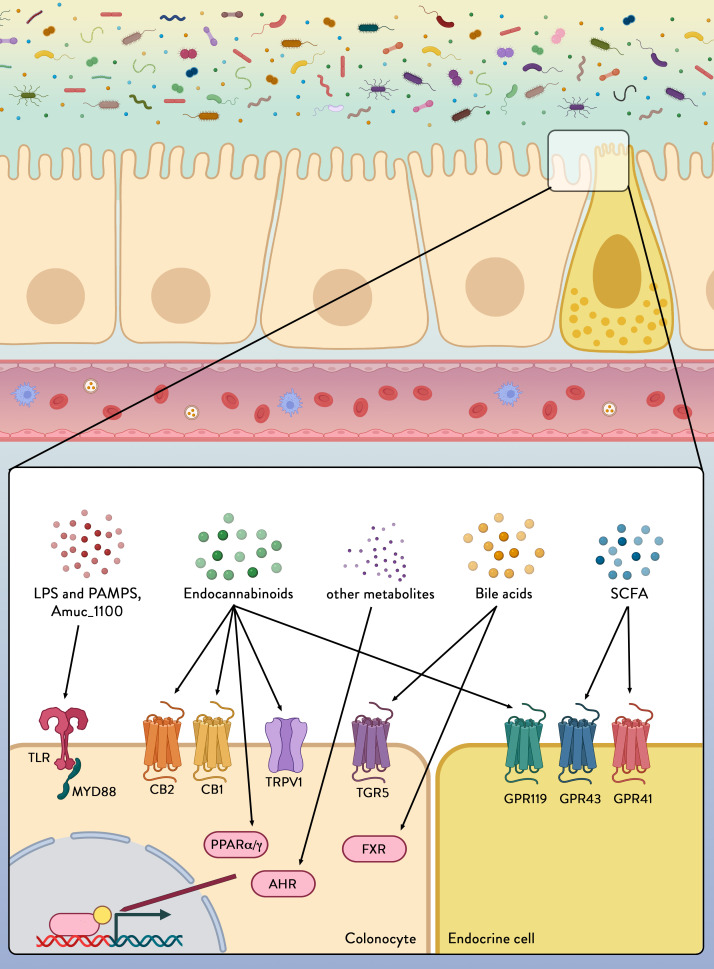
“The ECS and GM interact to regulate intestinal homeostasis resulting in relevant functional effects in the gut and CNS (238, 246, 248, 250).”
From Signalling cognition: The gut microbiota and hypothalamic-pituitary-adrenal axis (2023) · cites this paper as [250]
Experimental — accuracy not yet measuredThe cited source says what the claim attributes to it.
In the citing paper
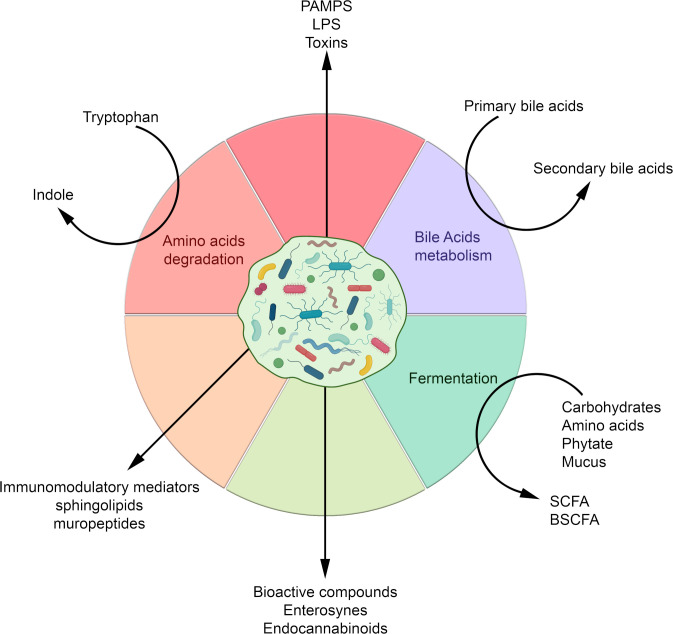
“The microbial fermentative activity of gut microbiota is vital for the production of SCFAs, including butyrate, acetate, and propionate, from non-digestible dietary fibers.271,273”
From Microbiota–gut–brain axis and its therapeutic applications in neurodegenerative diseases (2024) · cites this paper as [273]
The cited source says what the claim attributes to it.
In the citing paper
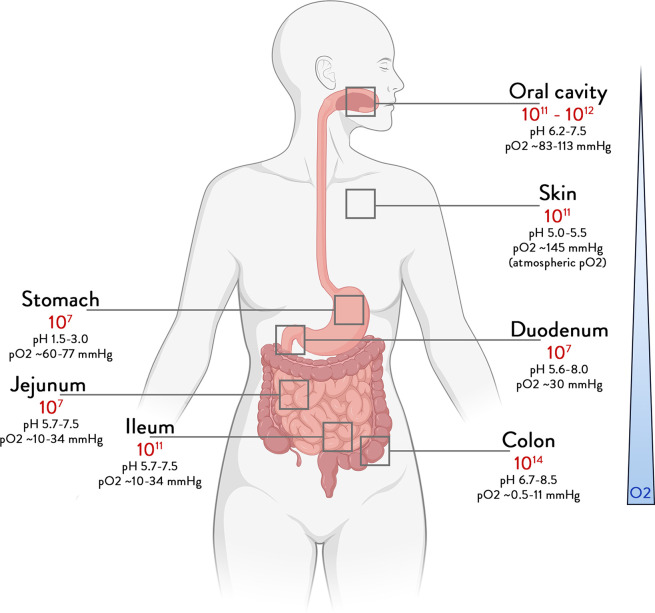
“The taxonomic composition of the gut microbiota changes throughout the gastrointestinal tract, according to nutrient availability, mucus structure, pH and oxygen availability [1–6].”
From Role of the gut microbiota in nutrient competition and protection against intestinal pathogen colonization (2023) · cites this paper as [2]
Self-check
Percentages, sums and reported differences re-computed from the paper’s own numbers.
The self-check needs the paper’s full text.
Citations
Cites
A human gut microbial gene catalogue established by metagenomic sequencing
MetaHIT Consortium, Qin, J., Li, R., Raes, J., Arumugam, M., Burgdorf, K. S., Manichanh, C., Nielsen, T., Pons, N., Levenez, F., et al. (2010) · Nature · doi:10.1038/nature08821 · Cited by 11,624
Defective LPS Signaling in C3H/HeJ and C57BL/10ScCr Mice: Mutations in Tlr4 Gene
Poltorak, A., He, X., Smirnova, I., Liu, M.-Y., Huffel, C. V., Du, X., Birdwell, D., Alejos, E., Silva, M., Galanos, C., et al. (1998) · Science · doi:10.1126/science.282.5396.2085 · Cited by 7,631
From Dietary Fiber to Host Physiology: Short-Chain Fatty Acids as Key Bacterial Metabolites
Koh, A., De Vadder, F., Kovatcheva-Datchary, P., & Bäckhed, F. (2016) · Cell · doi:10.1016/j.cell.2016.05.041 · Cited by 7,070
A metagenome-wide association study of gut microbiota in type 2 diabetes
Qin, J., Li, Y., Cai, Z., Li, S., Zhu, J., Zhang, F., Liang, S., Zhang, W., Guan, Y., Shen, D., et al. (2012) · Nature · doi:10.1038/nature11450 · Cited by 6,762
Metabolic Endotoxemia Initiates Obesity and Insulin Resistance
Cani, P. D., Amar, J., Iglesias, M. A., Poggi, M., Knauf, C., Bastelica, D., Neyrinck, A. M., Fava, F., Tuohy, K. M., Chabo, C., et al. (2007) · Diabetes · doi:10.2337/db06-1491 · Cited by 6,638 · cited 3×
“This is the case in metabolic endotoxaemia, in which high-fat diet and weight gain have been associated with a higher gut permeability and subsequent systemic (mild) elevation in circulating plasma LPS. 100 This causes a state of low-grade inflammation, which is a pathological feature of a range of chronic conditions…”
BackgroundInfluentialSelf-citationIsolation and Structure of a Brain Constituent That Binds to the Cannabinoid Receptor
Devane, W. A., Hanuš, L., Breuer, A., Pertwee, R. G., Stevenson, L. A., Griffin, G., Gibson, D., Mandelbaum, A., Etinger, A., & Mechoulam, R. (1992) · Science · doi:10.1126/science.1470919 · Cited by 5,633 · cited 1×
“113 The second key ligand identified was 2-arachidonoylglycerol (2-AG).”
BackgroundMolecular characterization of a peripheral receptor for cannabinoids
Munro, S., Thomas, K. L., & Abu-Shaar, M. (1993) · Nature · doi:10.1038/365061a0 · Cited by 5,092
Gut microbiota in human metabolic health and disease
Fan, Y., & Pedersen, O. (2021) · Nature Reviews Microbiology · doi:10.1038/s41579-020-0433-9 · Cited by 4,724
Succinate is an inflammatory signal that induces IL-1β through HIF-1α
Tannahill, G. M., Curtis, A. M., Adamik, J., Palsson-McDermott, E. M., McGettrick, A. F., Goel, G., Frezza, C., Bernard, N. J., Kelly, B., Foley, N. H., et al. (2013) · Nature · doi:10.1038/nature11986 · Cited by 4,176
Duodenal Infusion of Donor Feces for Recurrent Clostridium difficile
van Nood, E., Vrieze, A., Nieuwdorp, M., Fuentes, S., Zoetendal, E. G., de Vos, W. M., Visser, C. E., Kuijper, E. J., Bartelsman, J. F. W. M., Tijssen, J. G. P., et al. (2013) · New England Journal of Medicine · doi:10.1056/nejmoa1205037 · Cited by 3,708
Research works printed but not linked: 1
- 10.2337/diabetes · doi:10.2337/diabetes · Paper page
Cited by
Items 201–300 of 1,006
Wang, Z., Li, F., Liu, J., Luo, Y., Guo, H., Yang, Q., Xu, C., Ma, S., & Chen, H. (2022) · Frontiers in Immunology · doi:10.3389/fimmu.2022.913178 · Cited by 57
Simankowicz, P., & Stępniewska, J. (2025) · Journal of Clinical Medicine · doi:10.3390/jcm14082851 · Cited by 57
Wadan, A.-H. S., El‐Aziz, M. K. A., & Ellakwa, D. E. (2025) · Naunyn-Schmiedeberg s Archives of Pharmacology · doi:10.1007/s00210-025-04155-2 · Cited by 61
“Addressing these regulatory challenges will require collaborative efforts to streamline approval processes while maintaining rigorous safety standards (de Vos et al. 2022; Kurtz et al. 2019).”
From microbiome to metabolism: Bridging a two-decade translational gap
Hul, M. V., & Cani, P. D. (2025) · Cell Metabolism · doi:10.1016/j.cmet.2025.10.011 · Cited by 57
Self-citationSong, G., Gan, Q., Qi, W., Wang, Y., Xu, M., & Li, Y. (2023) · Nutrients · doi:10.3390/nu15030782 · Cited by 52
Unconventional immune cells in the gut mucosal barrier: regulation by symbiotic microbiota
Yoo, J., & Oh, S. F. (2023) · Experimental & Molecular Medicine · doi:10.1038/s12276-023-01088-9 · Cited by 55
Timmis, K. N., Hallsworth, J. E., McGenity, T. J., Armstrong, R., Colom, M. F., Karahan, Z. C., Chavarría, M., Bernal, P., Boyd, E. S., Ramos, J. L., et al. (2024) · Microbial Biotechnology · doi:10.1111/1751-7915.14456 · Cited by 60
“…the microbiome, providing all manner of essential goods and services to the human cells and the human providing nutrients and habitats for the microbiome (Dahl et al., 2020; de Vos et al., 2022; O'Toole & Max Paoli, 2023; Postler & Ghosh, 2017; Utter et al., 2020; van de Guchte et al., 2018).”
Backgroundde Oliveira, D. P., Todorov, S. D., & Fabi, J. P. (2024) · Nutrients · doi:10.3390/nu16213689 · Cited by 51
Deng, B., Lin, S., Wang, Y., Zhang, M., Shen, Y., Zhou, P., Shen, A., Wang, L., Ding, F. H., & Liu, J. (2024) · Advanced Materials · doi:10.1002/adma.202412783 · Cited by 52
Gut Microbiota: An Important Participant in Childhood Obesity
Luo, Y., Li, M., Luo, D., & Tang, B. (2024) · Advances in Nutrition · doi:10.1016/j.advnut.2024.100362 · Cited by 54
Rewiring the Brain Through the Gut: Insights into Microbiota–Nervous System Interactions
Săvulescu-Fiedler, I., Benea, S. N., Căruntu, C., Nancoff, A.-S., Homentcovschi, C., & Bucurica, S. (2025) · Current Issues in Molecular Biology · doi:10.3390/cimb47070489 · Cited by 52
Tissue-wide metabolomics reveals wide impact of gut microbiota on mice metabolite composition
Zarei, I., Koistinen, V., Kokla, M., Klåvus, A., Babu, A. F., Lehtonen, M., Auriola, S. O. K., & Hanhineva, K. (2022) · Scientific Reports · doi:10.1038/s41598-022-19327-w · Cited by 52
Diet Quality and the Fecal Microbiota in Adults in the American Gut Project
Baldeon, A. D., McDonald, D. T., González, A., Knight, R. D., & Holscher, H. D. (2023) · Journal of Nutrition · doi:10.1016/j.tjnut.2023.02.018 · Cited by 51
Zhang, X., He, X., Pan, D., Shi, L., Wu, Y., Yang, Y., Zhu, Y., Wang, Y., Wang, H., Pu, L., et al. (2023) · Journal of Hazardous Materials · doi:10.1016/j.jhazmat.2023.132800 · Cited by 54
The vast landscape of carbohydrate fermentation in prokaryotes
Hackmann, T. J. (2024) · FEMS Microbiology Reviews · doi:10.1093/femsre/fuae016 · Cited by 53
“Microbes in the gut form se v er al end pr oducts (Magnusdottir et al. 2017 , Heinken et al. 2023 ), and many have purported health benefits (Koh et al. 2016 , Kr autkr amer et al. 2021 , de Vos et al. 2022 ).”
Liu, Y., Liu, C., Deng, Y.-S., Chen, Y., Qiu, Q., Shang, X., Wang, C.-R., Han, L., Huang, L., Yang, Z., et al. (2024) · Food & medicine homology. · doi:10.26599/fmh.2025.9420034 · Cited by 59
Soybean isoflavones modulate gut microbiota to benefit the health weight and metabolism
Huang, L., Zheng, T., Hui, H., & Xie, G. (2022) · Frontiers in Cellular and Infection Microbiology · doi:10.3389/fcimb.2022.1004765 · Cited by 54
Ndongo, S., Armstrong, N., Raoult, D., & Fournier, P. (2022) · Scientific Reports · doi:10.1038/s41598-022-25873-0 · Cited by 50
Gut microbiota in heart failure and related interventions
Chen, A., Zhang, J., & Zhang, Y. (2023) · iMeta · doi:10.1002/imt2.125 · Cited by 50
Mo, X., Shen, L., Cheng, R., Wang, P., Lin, W. Y., Sun, Y., Wang, Q., Chen, J., Lin, S., Liao, Y., et al. (2023) · Journal of Cachexia Sarcopenia and Muscle · doi:10.1002/jcsm.13294 · Cited by 50
“Mucosal barrier and intestinal mechanical barrier are important components to maintain intestinal barrier integrity.(29) Goblet cells secrete a large amount of mucin, particularly, Muc-2, the most common mucin, to resist the damage of pathogenic bacteria and metabolites.”
BackgroundRecipient-independent, high-accuracy FMT-response prediction and optimization in mice and humans
Shtossel, O., Turjeman, S., Riumin, A., Goldberg, M. R., Elizur, A., Bekor, Y., Mor, H., Koren, O., & Louzoun, Y. (2023) · Microbiome · doi:10.1186/s40168-023-01623-w · Cited by 50
Gut microbiota regulates host melatonin production through epithelial cell MyD88
Liu, B., Fan, L., Wang, Y., Wang, H., Yan, Y., Chen, S., Hung, I., Liu, C., Wei, H., Ge, L., et al. (2024) · Gut Microbes · doi:10.1080/19490976.2024.2313769 · Cited by 50
“33 For instance, Klebsiella pneumoniae sequence type 258 (Kp ST258) induces host glutaminolysis and fatty acid oxidation, 34 Bifidobacterium longum_MG723 or Bifidobacterium bifidum_MG731 improves glucose homeostasis in diet-induced mice, 35 and Clostridium difficile promotes the production of…”
BackgroundSun, W., Zhang, Y., Guo, R., Sha, S., Chen, C., Ullah, H., Zhang, Y., Ma, J., You, W., Meng, J., et al. (2024) · npj Biofilms and Microbiomes · doi:10.1038/s41522-024-00567-9 · Cited by 51
Role of gut microbes in acute lung injury/acute respiratory distress syndrome
Ren, Z., Zheng, Z., & Feng, X. (2024) · Gut Microbes · doi:10.1080/19490976.2024.2440125 · Cited by 48
Zhang, L., Chen, N., Zhan, L., Bi, T., Zhou, W., Zhang, L., & Zhu, L. (2023) · Journal of Ethnopharmacology · doi:10.1016/j.jep.2023.116811 · Cited by 48
Yadav, H., Jaldhi, Bhardwaj, R., Anamika, A., Bakshi, A., Gupta, S., & Maurya, S. K. (2023) · Life Sciences · doi:10.1016/j.lfs.2023.122022 · Cited by 53
Fang, X., Feng, J., Zhu, X., Feng, D., & Zheng, L. (2024) · Molecular Therapy · doi:10.1016/j.ymthe.2024.02.021 · Cited by 51
Kuo, C., Wu, L., Chen, H., Yu, J. Q., & Wu, C. (2024) · Journal of Gastroenterology and Hepatology · doi:10.1111/jgh.16539 · Cited by 51
Roszkowska, P., Klimczak, E., Ostrycharz, E., Rączka, A., Wojciechowska‐Koszko, I., Dybus, A., Cheng, Y.-H., Yu, Y., Mazgaj, S., & Hukowska-Szematowicz, B. (2024) · Biomedicines · doi:10.3390/biomedicines12051030 · Cited by 50
Liu, X., Liu, H., Wu, X., Zhao, Z., Wang, S., Wang, H., & Qin, X. (2024) · Journal of Ethnopharmacology · doi:10.1016/j.jep.2024.118683 · Cited by 48
Yin, X., Song, X., Deng, W., BLAKE, N. W., Luo, X., & Meng, J. (2024) · Frontiers in Oncology · doi:10.3389/fonc.2024.1483454 · Cited by 50
Gut microbiome-gut brain axis-depression: interconnection
Patel, R. A., Panche, A. N., & Harke, S. N. (2024) · The World Journal of Biological Psychiatry · doi:10.1080/15622975.2024.2436854 · Cited by 49
“In the last 20 years, there has been a lot of improvement in the study of gut microbiota and health, progressing from early clinical observations to more mechanistic methods and establishing causal relationships (de Vos et al. 2022).”
Acute respiratory distress syndrome (ARDS): from mechanistic insights to therapeutic strategies
Xie, R., Tan, D., Liu, B., Xiao, G., Gong, F., Zhang, Q., Qi, L., Zheng, S., Yuan, Y., Yang, Z., et al. (2025) · MedComm · doi:10.1002/mco2.70074 · Cited by 54
Synthetic and Biogenic Materials for Oral Delivery of Biologics: From Bench to Bedside
Ding, S., Alexander, E., Liang, H., Kulchar, R. J., SINGH, R. K., Herzog, R. W., Daniell, H., & Leong, K. W. (2025) · Chemical Reviews · doi:10.1021/acs.chemrev.4c00482 · Cited by 51
Chen, K., Wang, H., Yang, Y., Tang, C., Sun, X., Zhou, J., Liu, S., Li, Q., Zhao, L., & Gao, Z. (2025) · Cell Communication and Signaling · doi:10.1186/s12964-025-02299-5 · Cited by 49
Advances in understanding the role of gut microbiota in fat deposition and lipid metabolism
Zhong, Y., Lei, Y., Jiang, S. H., Chen, D., Wang, X., Wang, K., Liao, T., Liao, R., Gan, M., Niu, L., et al. (2025) · Journal of Animal Science and Biotechnology/Journal of animal science and biotechnology · doi:10.1186/s40104-025-01284-9 · Cited by 51
Tuft cells mediate commensal remodeling of the small intestinal antimicrobial landscape
Fung, C., Fraser, L. M., Barrón, G. M., Gologorsky, M. B., Atkinson, S. N., Gerrick, E. R., Hayward, M., Ziegelbauer, J., Li, J. A., Nico, K. F., et al. (2023) · Proceedings of the National Academy of Sciences · doi:10.1073/pnas.2216908120 · Cited by 49
“At the same time, it contends with continuous interactions with numerous pathogenic and commensal microbes, where indigenous bacterial densities can reach as high as 10 7 to 10 8 cells per gram of contents in the distal SI or ileum (1, 2).”
Zhou, Y., Chu, Z., Luo, Y., Yang, F., Cao, F., Luo, F., & Lin, Q. (2023) · Foods · doi:10.3390/foods12163083 · Cited by 49
Watanabe, Y., Fujisaka, S., Morinaga, Y., Watanabe, S., Nawaz, A., Hatta, H., Kado, T., Nishimura, A., Bilal, M., Aslam, M. R., et al. (2023) · Molecular Metabolism · doi:10.1016/j.molmet.2023.101797 · Cited by 47
“One of the mechanisms of insulin resistance is metabolic endotoxemia, which is driven by elevated intestinal permeability[7].”
BackgroundGut bacteria exacerbates TNBS-induced colitis and kidney injury through oxidative stress
Sui, Y., Jiang, R., Niimi, M., Wang, X., Xu, Y., Zhang, Y., Shi, Z., Suda, M., Mao, Z., Fan, J., et al. (2024) · Redox Biology · doi:10.1016/j.redox.2024.103140 · Cited by 48
“Accumulating evidence indicates crosstalk between the host and gut microbiota contributes significantly to various disease states, including kidney disease [2,4 – 10].”
BackgroundImbalance in gut microbial interactions as a marker of health and disease
López, R. C., Bonachela, J. A., Dominguez-Bello, M. G., Manhart, M., Levin, S. A., Blaser, M. J., & Muñoz, M. A. (2026) · Science · doi:10.1126/science.ady1729 · Cited by 54
Van den Abbeele, P., Deyaert, S., Albers, R., Baudot, A., & Mercenier, A. (2023) · Nutrients · doi:10.3390/nu15092090 · Cited by 46
Tao, P., Ji, J., Wang, Q., Cui, M., Cao, M., & Xu, Y. (2022) · Frontiers in Immunology · doi:10.3389/fimmu.2022.1080456 · Cited by 47
Qu, L., Liu, F., Fang, Y., Wang, L., Chen, H., Yang, Q., Dong, H., Jin, L., Wu, W., & Sun, D. (2023) · Microbiology Spectrum · doi:10.1128/spectrum.00849-23 · Cited by 48
Wan, S., Wang, K., Huang, P., Guo, X., Liu, W., Li, Y., Zhang, J., Li, Z., Song, J., Yang, W., et al. (2024) · Nature Communications · doi:10.1038/s41467-024-47710-w · Cited by 47
Carbone, F., Després, J., Ioannidis, J. P. A., Neeland, I. J., Garruti, G., Busetto, L., Liberale, L., Ministrini, S., Vilahur, G., Schindler, T. H., et al. (2025) · European Journal of Clinical Investigation · doi:10.1111/eci.70059 · Cited by 57
The obesity–inflammation axis in psoriatic disease: mechanisms and therapeutic strategies
Haberman, R. H., Ogdie, A., Merola, J. F., Scher, J. U., & Eder, L. (2025) · Nature Reviews Rheumatology · doi:10.1038/s41584-025-01326-6 · Cited by 52
“These metabolites, particularly short-chain fatty acids (SCFAs) and bile acids, function as key mediators of gut–host communication 140 .”
Subramaniam, S., Elz, A., Wignall, A., Kamath, S., Ariaee, A., Hunter, A., Newblack, T., Wardill, H. R., Prestidge, C. A., & Joyce, P. (2023) · International Journal of Pharmaceutics · doi:10.1016/j.ijpharm.2023.123614 · Cited by 45
Liu, Z., Liu, M., Meng, J., Wang, L., & Chen, M. (2023) · Journal of Future Foods · doi:10.1016/j.jfutfo.2023.07.004 · Cited by 48
Zeng, C., Zhang, C., He, C., & Song, H. (2023) · BMC Genomics · doi:10.1186/s12864-023-09885-2 · Cited by 48
“Eubacterium has been identified as a producer of acetic acid and butyric acid [34].”
BackgroundZhang, Q., Guan, G., Liu, J., Hu, W., & Jin, P. (2024) · mBio · doi:10.1128/mbio.02943-23 · Cited by 45
Gut microbiota, microbiota‐derived metabolites, and graft‐versus‐host disease
Yue, X., Zhou, H., Wang, S., Chen, X., & Xiao, H. (2024) · Cancer Medicine · doi:10.1002/cam4.6799 · Cited by 46
“11”
BackgroundThe Evolution of Science and Regulation of Dietary Supplements: Past, Present, and Future
Coates, P. M., Bailey, R. L., Blumberg, J. B., El‐Sohemy, A., Floyd, Z. E., Goldenberg, J. Z., Shunney, A. G., Holscher, H. D., Nkrumah-Elie, Y. M., Rai, D., et al. (2024) · Journal of Nutrition · doi:10.1016/j.tjnut.2024.06.017 · Cited by 51
“Microbial metabolism of dietary fi ber can result in increased production of short-chain fatty acids [49] and may result in health effects [50].”
BackgroundYu, T., Luo, L., Xue, J., Tang, W., Wu, X., & Fan, Y. (2024) · Clinics and Research in Hepatology and Gastroenterology · doi:10.1016/j.clinre.2024.102458 · Cited by 50
Dysbiosis and extraintestinal cancers
He, R., Qi, P., Shu, L.-Z., Ding, Y., Zeng, P., Wen, G., Xiong, Y., & Deng, H. (2025) · Journal of Experimental & Clinical Cancer Research · doi:10.1186/s13046-025-03313-x · Cited by 49
De Sales-Millán, A., Aguirre-Garrido, J. F., González-Cervantes, R. M., & Velázquez-Aragón, J. A. (2023) · doi:10.20944/preprints202305.1223.v1 · Cited by 44
Dufour, C., Villa-Rodríguez, J. A., Furger, C., Lessard‐Lord, J., Gironde, C., Rigal, M., Badr, A., Desjardins, Y., & Guyonnet, D. (2022) · Antioxidants · doi:10.3390/antiox11081561 · Cited by 46
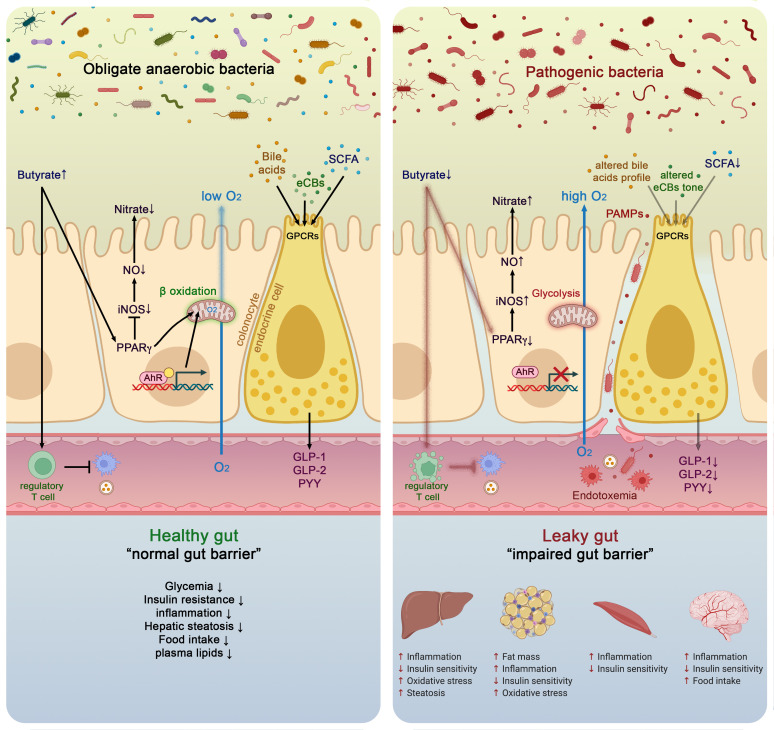
“This protective effect could help fight against intense oxidative stress in the gastrointestinal tract in the conditions of dysbiosis induced by a poor diet, resulting in higher O2 concentrations [46].”
BackgroundDeol, P., Ruegger, P. M., Logan, G. D., Shawki, A., Jiang, L., Mitchell, J., Yu, J., Piamthai, V., Radi, S. H., Hasnain, S., et al. (2023) · Gut Microbes · doi:10.1080/19490976.2023.2229945 · Cited by 45
Hou, J., Ma, A.-H., & Qin, Y. (2023) · Frontiers in Cellular and Infection Microbiology · doi:10.3389/fcimb.2023.1279172 · Cited by 47
“Reportedly, the AHR is highly expressed and highly activated in healthy intestinal epithelial cells (IECs) (de Vos et al., 2022) while lower levels of the AHR have been detected in IBD patients (Monteleone et al., 2011; Qiu and Zhou, 2013; Zhao et al., 2016).”
BackgroundInfluentialDesign of probiotic delivery systems for targeted release
Xu, C., Gantumur, M., Sun, J., Guo, J., Ma, J., Jiang, Z., Wang, W., Zhang, J., Ma, Y., Hou, J., et al. (2023) · Food Hydrocolloids · doi:10.1016/j.foodhyd.2023.109588 · Cited by 46
Xiao, L., Zuo, Z., & Zhao, F. (2023) · Genomics Proteomics & Bioinformatics · doi:10.1093/gpbjnl/qzad005 · Cited by 51
Influence of human gut microbiome on the healthy and the neurodegenerative aging
Borrego-Ruiz, A., & Borrego, J. J. (2024) · Experimental Gerontology · doi:10.1016/j.exger.2024.112497 · Cited by 48
Sanders, M. E., & Hill, C. (2025) · Cell Host & Microbe · doi:10.1016/j.chom.2025.04.017 · Cited by 45
Jung, J. H., Kim, S. E., Suk, K. T., & Kim, D. J. (2022) · Frontiers in Medicine · doi:10.3389/fmed.2022.913842 · Cited by 48
“To do this, they must have specific characteristics: (1) resistance to bile, hydrochloric acid, and pancreatic juice to reach the small bowel; (2) ability to tolerate stomach and duodenum conditions; (3) stimulation of the immune system; (4) improvement of intestinal function by adhering to and colonizing the intestin…”
BackgroundInfluentialGong, X., Geng, H., Yang, Y. K., Zhang, S., He, Z., Fan, Y., Yin, F., Zhang, Z., & Chen, G. (2023) · Metabolic Engineering · doi:10.1016/j.ymben.2023.09.008 · Cited by 44
Bamigbade, G. B., Subhash, A. J., al-Ramadi, B. K., Kamal‐Eldin, A., Gan, R., Liu, S., & Ayyash, M. M. (2024) · International Journal of Biological Macromolecules · doi:10.1016/j.ijbiomac.2024.130167 · Cited by 45
Past, present, and future of microbiome-based therapies
Manrique, P., Montero, I., Fernández-Gosende, M., Martínez, N., Hidalgo-Cantabrana, C., & Ríos-Covián, D. (2024) · Microbiome Research Reports · doi:10.20517/mrr.2023.80 · Cited by 51
Li, J., Zhao, J., Tian, C., Dong, L., Kang, Z., Wang, J., Zhao, S., Li, M., & Tong, X. (2024) · Nutrition & Metabolism · doi:10.1186/s12986-024-00829-5 · Cited by 44
From microbes to mind: germ-free models in neuropsychiatric research
Delgado‐Ocaña, S., & Cuesta, S. (2024) · mBio · doi:10.1128/mbio.02075-24 · Cited by 44
Chen, W., Zou, H., Xu, H., Cao, R., Zhang, H., Zhang, Y., & Zhao, J. (2024) · Frontiers in Microbiology · doi:10.3389/fmicb.2024.1478082 · Cited by 41
Nutraceutical Potential of Anthocyanins: A Comprehensive Treatise
Noman, A. M., Sultan, M. T., Maaz, M., Mazhar, A., Tariq, N., Imran, M., Hussain, M., Mujtaba, A., Abdelgawad, M. A., Mostafa, E. M., et al. (2025) · Food Science & Nutrition · doi:10.1002/fsn3.70164 · Cited by 45
Wu, H., Chen, J., Guo, S., Deng, J., Zhou, Z., Zhang, X., Qi, T., Yu, F., & Yang, Q. L. (2025) · Gut Microbes · doi:10.1080/19490976.2025.2500099 · Cited by 45
Seeking the Psilocybiome: Psychedelics meet the microbiota-gut-brain axis
Kelly, J. R., Clarke, G. A., Harkin, A., Corr, S. C., Galvin, S. D., Pradeep, V., Cryan, J. F., O’Keane, V., & Dinan, T. G. (2022) · International Journal of Clinical and Health Psychology · doi:10.1016/j.ijchp.2022.100349 · Cited by 45
So, D., Quigley, E. M. M., & Whelan, K. (2023) · Current Opinion in Gastroenterology · doi:10.1097/mog.0000000000000902 · Cited by 44
Isolation and Cultivation of Human Gut Microorganisms: A Review
Wan, X., Yang, Q., Wang, X., Bai, Y., & Liu, Z. (2023) · Microorganisms · doi:10.3390/microorganisms11041080 · Cited by 45
Reductase-Labile Peptidic Supramolecular Hydrogels Aided in Oral Delivery of Probiotics
Chen, J., Zhang, P., Wu, C., Yao, Q., Cha, R., & Gao, Y. (2023) · ACS Applied Materials & Interfaces · doi:10.1021/acsami.3c04408 · Cited by 42
The gut microbiome associates with phenotypic manifestations of post-acute COVID-19 syndrome
Su, Q., Lau, R. I., Liu, Q., Li, M. K. T., Mak, J. W. Y., Lu, W., Lau, I. S. F., Lau, L. H. S., Yeung, G. T. Y., Cheung, C. P., et al. (2024) · Cell Host & Microbe · doi:10.1016/j.chom.2024.04.005 · Cited by 44
A Review of the Mechanisms of Bacterial Colonization of the Mammal Gut
Lin, Q., Lin, S., Fan, Z., Liu, J., Ye, D., & Guo, P. (2024) · Microorganisms · doi:10.3390/microorganisms12051026 · Cited by 44
“For humans, these include Firmicutes (particularly the Ruminococcaceae and Lachnospiraceae families), Bacteroidetes, Actinobacteria, Proteobacteria, and Verrucomicrobia (such as Akkermansia ) [16].”
BackgroundFeng, J., Wang, Z., Huang, W., Zhao, X., Xu, L., Teng, C., & Li, Y. (2024) · Food Chemistry · doi:10.1016/j.foodchem.2024.141420 · Cited by 42
Glucoraphanin conversion into sulforaphane and related compounds by gut microbiota
Dmytriv, T. R., Lushchak, O. V., & Lushchak, V. I. (2025) · Frontiers in Physiology · doi:10.3389/fphys.2025.1497566 · Cited by 44
Kaltsas, A., Giannakodimos, I., Markou, E., Stavropoulos, M., Deligiannis, D., Kratiras, Z., & Chrisofos, M. (2025) · International Journal of Molecular Sciences · doi:10.3390/ijms26136211 · Cited by 43
Huang, Z., Li, Y., Park, H., Ho, M., Bhardwaj, K., Sugimura, N., Lee, H. W., Meng, H., Ebert, M. P., Chao, K., et al. (2023) · Gut Microbes · doi:10.1080/19490976.2023.2237645 · Cited by 41
Isobutyric acid enhances the anti-tumour effect of anti-PD-1 antibody
Murayama, M., Hosonuma, M., Kuramasu, A., Kobayashi, S., Sasaki, A., Baba, Y., Narikawa, Y., Toyoda, H., Isobe, J., Funayama, E., et al. (2024) · Scientific Reports · doi:10.1038/s41598-024-59677-1 · Cited by 41
“Intestinal bacteria break down undigested host products, such as dietary fibre, to produce short chain fatty acids (SCFAs), which significantly affect host immune function 13 .”
BackgroundThe Role of Microbiota-Derived Vitamins in Immune Homeostasis and Enhancing Cancer Immunotherapy
Gholami, H., Chmiel, J. A., Burton, J. P., & Vareki, S. M. (2023) · Cancers · doi:10.3390/cancers15041300 · Cited by 44
Contribution of the microbiome for better phenotyping of people living with obesity
Ciaula, A. D., Bonfrate, L., Khalil, M., Garruti, G., & Portincasa, P. (2023) · Reviews in Endocrine and Metabolic Disorders · doi:10.1007/s11154-023-09798-1 · Cited by 43
Probiotics: functional food ingredients with the potential to reduce hypertension
Chen, Z., Liang, W., Liang, J., Dou, J., Guo, F., Zhang, D., Xu, Z., & Wang, T. (2023) · Frontiers in Cellular and Infection Microbiology · doi:10.3389/fcimb.2023.1220877 · Cited by 47
Food processing: Legacy, significance and challenges
Knorr, D. (2023) · Trends in Food Science & Technology · doi:10.1016/j.tifs.2023.104270 · Cited by 44
Fucoxanthin Alleviates Dextran Sulfate Sodium-Induced Colitis and Gut Microbiota Dysbiosis in Mice
Yang, Y., Chen, C., Zheng, Y., Wu, Z., Zhou, M., Liu, X., Miyashita, K., Duan, D., & Du, L. (2024) · Journal of Agricultural and Food Chemistry · doi:10.1021/acs.jafc.3c08811 · Cited by 41
Exploring the Gut Microbiome’s Role in Inflammatory Bowel Disease: Insights and Interventions
Gyriki, D., Nikolaidis, C. G., Stavropoulou, E., Bezirtzoglou, I., Tsigalou, C., Vradelis, S., & Bezirtzoglou, E. (2024) · Journal of Personalized Medicine · doi:10.3390/jpm14050507 · Cited by 44
Li, Y., He, C., & Lü, N. (2024) · Chinese Medical Journal · doi:10.1097/cm9.0000000000003348 · Cited by 42
Yang, M., Xie, Q., Wang, J., Zha, A., Chen, J., Jiang, Q., Kang, M., Deng, Q., Yin, Y., & Tan, B. (2025) · Microbiome · doi:10.1186/s40168-024-02013-6 · Cited by 42
Engineered Probiotic-Based Biomaterials for Inflammatory Bowel Disease Treatment
Sang, G., Wang, B., Xie, Y., Chen, Y., & Yang, F. (2025) · Theranostics · doi:10.7150/thno.103983 · Cited by 42
Exploring and evaluating microbiome resilience in the gut
Zhou, H., Tang, L., Fenton, K. A., & Song, X. (2025) · FEMS Microbiology Ecology · doi:10.1093/femsec/fiaf046 · Cited by 46
“…homeostasis have been linked to a variety of health disorders and diseases, such as obesity, inflammatory bo w el disor ders (IBD), diabetes mellitus, hep-atic steatosis, metabolic liver disease, and se v er al types of cancers (Lloyd-Price et al. 2019 , Frost et al. 2021 , de Vos et al. 2022 ).”
Boulangé, C. L., Pedersen, H., Martin, F., Siegwald, L., Pallejá, A., Eklund, A. C., Jia, W. P., Zhang, H., Berger, B. W., Sprenger, N., et al. (2023) · International Journal of Molecular Sciences · doi:10.3390/ijms241411422 · Cited by 41
The gut microbiome dysbiosis and regulation by fecal microbiota transplantation: umbrella review
Zhang, X., Luo, X., Liang, T. G., Yue, P., Li, M., Liu, K., Zhu, D., Huang, C., Shi, Q., Yang, L., et al. (2023) · Frontiers in Microbiology · doi:10.3389/fmicb.2023.1286429 · Cited by 45
Purdel, C. N., Margina, D. M., Adam-Dima, I., & Ungurianu, A. (2023) · Nutrients · doi:10.3390/nu15235005 · Cited by 41
Zhang, Y., Jiang, H., Peng, X., Zhao, Y., Huang, X.-J., Yuan, K., Yang, Y., Du, Y., Ji, S., & Tang, D. (2025) · Phytomedicine · doi:10.1016/j.phymed.2025.156970 · Cited by 42
Chen, L., Li, C., Zhong, X., Lai, C., Zhang, B., Luo, Y. H., Guo, H., Liang, K., Fang, J., Zhu, X., et al. (2022) · Environment International · doi:10.1016/j.envint.2022.107660 · Cited by 42
Gut microbiota biofilms: From regulatory mechanisms to therapeutic targets
Buret, A. G., & Allain, T. (2023) · The Journal of Experimental Medicine · doi:10.1084/jem.20221743 · Cited by 41
The Role of Microbiota-Derived Metabolites in Colorectal Cancer
Duizer, C., & de Zoete, M. R. (2023) · International Journal of Molecular Sciences · doi:10.3390/ijms24098024 · Cited by 40
Metadata
- Authors
- de Vos, W. M., Tilg, H., Van Hul, M., & Cani, P. D.
- Affiliations
- Innsbruck Medical University (AT)
- Walloon Excellence in Lifesciences and Biotechnology (BE)
- Corresponding author
- Cani, Patrice D
- Venue
- Gut
- Publisher
- BMJ
- Published
- 2022-02-01
- Volume
- 71
- Issue
- 5
- Pages
- 1020-1032
- ISSN
- 0017-5749 (ISSN-L)
- 1468-3288
- PMC
- PMC8995832
- OpenAlex
- W4210377299
- Semantic Scholar
- 4ae21e2bf7bdb0f0ce75e04daf5ba3b945950726
- Cited by
- 2,388
- References
- 197
- Citations by year
- 2026: 464 · 2025: 686 · 2024: 660 · 2023: 427 · 2022: 148
- FWCI
- 51.02
- Type
- journal article
- Language
- en
- Open access
- hybrid
- doi.org
- Locations
- Gut (publishedVersion, cc-by)
- PubMed Central (publishedVersion, cc-by)
- PubMed (publishedVersion)
- Socio-Environmental Systems Modeling (acceptedVersion, cc-by)
- Digital Access to Libraries (submittedVersion, other-oa)
- Työväentutkimus Vuosikirja (submittedVersion)
- Data Archiving and Networked Services (DANS) (submittedVersion, cc-by)
- Funders
- Soehngen Institute of Anaerobic Microbiology ([024.002.002])
- Fonds De La Recherche Scientifique - FNRS (CDR-convention: J.0027.22, EOS: program no. 30770923, EOS: program no. 40007505, FNRS T.0030.21-P, WELBIO-CR-2017C-02E, WELBIO-CR-2019C-02R)
- Bundesministerium für Verkehr, Innovation und Technologie (R&D K-Centre (COMET program - Competence Centers f, VASCage (Centre for Promoting Vascular Health in t)
- Topics
- Life Sciences › Biochemistry, Genetics and Molecular Biology › Molecular Biology › Gut microbiota and health
- Health Sciences › Dentistry › Periodontics › Oral microbiology and periodontitis research
- Health Sciences › Medicine › Gastroenterology › Gastrointestinal motility and disorders
- Keywords
- gut microbiota, host-microbe interactions, short-chain fatty acids, bile acids, trimethylamine N-oxide, endocannabinoids, bioactive lipids, phenolic compounds, advanced glycation end products, aryl hydrocarbon receptor, G protein-coupled receptors, obesity, type 2 diabetes, hepatic steatosis, inflammatory bowel disease, cancer, host immunity
- MeSH terms
- Gastrointestinal Microbiome, Bacteria, Bile Acids and Salts, Diabetes Mellitus, Type 2, Fatty Acids, Volatile, Humans, Receptors, G-Protein-Coupled
About these checks
Registry, retraction, Cites and statistics results are computed, not judged, with one exception: a printed reference that no index lists is read once by a model before it counts as a citation error. Claims are extracted by a model and kept only when their quote appears verbatim in the text; each cited source is then checked, with a model’s help, for whether it says what the claim relies on. Those verdicts can be wrong — read the claim’s quote and the cited source before relying on one.
Statistics and arithmetic are recomputed, not judged.
Confidence bands are shown only for fields calibrated on our annotated test set. None is calibrated yet, so no band is shown.
What counts as a claim ›How we measure confidence ›How we check this ›
Are you an author, or do you see a problem with this page? Request a review
Data sources
Bibliographic data: Semantic Scholar, OpenAlex, Crossref.
Contains information from the Semantic Scholar Academic Graph Datasets, made available under the ODC Attribution License (ODC-BY 1.0).
Semantic Scholar’s data is described in: Kinney, R., et al. (2023). The Semantic Scholar Open Data Platform. arXiv:2301.10140.
