

Gut microbiome and health: mechanistic insights
Open accessThe DOI matches its Crossref record; 196 of the 197 references it cites were found in a registry or an index.
Abstract
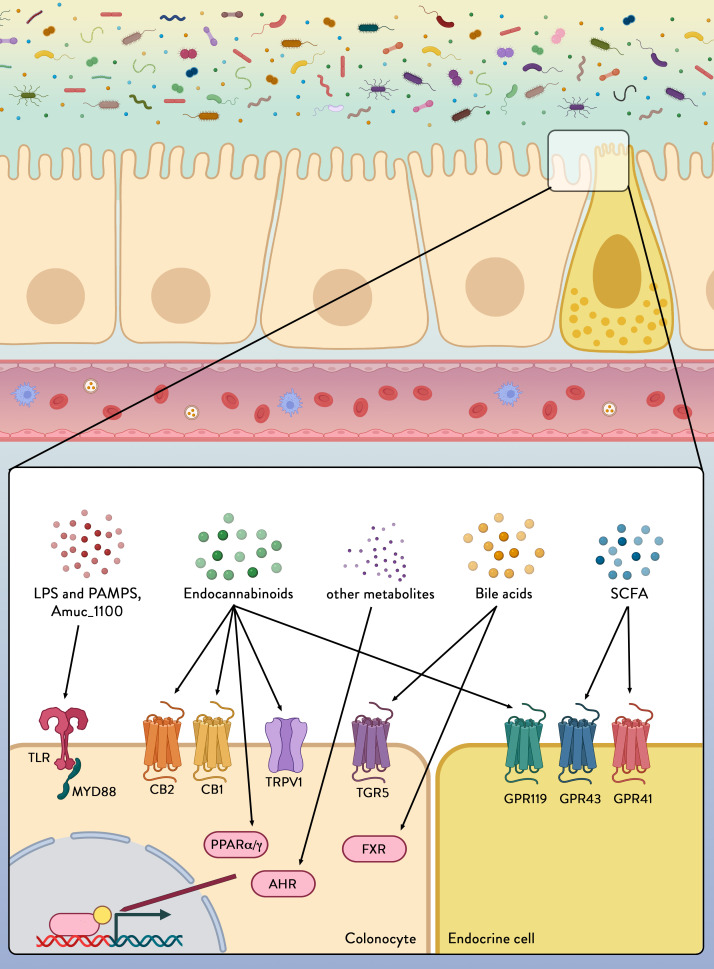
The gut microbiota is now considered as one of the key elements contributing to the regulation of host health. Virtually all our body sites are colonised by microbes suggesting different types of crosstalk with our organs. Because of the development of molecular tools and techniques (ie, metagenomic, metabolomic, lipidomic, metatranscriptomic), the complex interactions occurring between the host and the different microorganisms are progressively being deciphered. Nowadays, gut microbiota deviations are linked with many diseases including obesity, type 2 diabetes, hepatic steatosis, intestinal bowel diseases (IBDs) and several types of cancer. Thus, suggesting that various pathways involved in immunity, energy, lipid and glucose metabolism are affected. In this review, specific attention is given to provide a critical evaluation of the current understanding in this field. Numerous molecular mechanisms explaining how gut bacteria might be causally linked with the protection or the onset of diseases are discussed. We examine well-established metabolites (ie, short-chain fatty acids, bile acids, trimethylamine N-oxide) and extend this to more recently identified molecular actors (ie, endocannabinoids, bioactive lipids, phenolic-derived compounds, advanced glycation end products and enterosynes) and their specific receptors such as peroxisome proliferator-activated receptor alpha (PPARα) and gamma (PPARγ), aryl hydrocarbon receptor (AhR), and G protein-coupled receptors (ie, GPR41, GPR43, GPR119, Takeda G protein-coupled receptor 5). Altogether, understanding the complexity and the molecular aspects linking gut microbes to health will help to set the basis for novel therapies that are already being developed.
Overview
The claims and statistics of this paper haven’t been checked yet.
Free: it reads the open-access text and checks the first 5 claims that cite a source we can check. Create a free account to check every claim.
Integrity signals
Registry
Cites
Statistics
Figures
Verification
Claims the paper makes
The claims and statistics of this paper haven’t been checked yet.
Free: it reads the open-access text and checks the first 5 claims that cite a source we can check. Create a free account to check every claim.
Claims other papers make about this one
Each is checked against this paper’s own text: does it say what the citing paper says it does?
The source backs part of the claim, not all of it — or backs it for a different population, condition or comparison.
In the citing paper
“Fiber-rich, plant-based diets have the opposite effect, nurturing Bifidobacterium and Lactobacillus, increasing butyrate producers like Roseburia and Eubacterium rectale, and shielding against obesity and insulin resistance via SCFA signaling.15,70,81–83”
From Gut dysbiosis in oncology: a risk factor for immunoresistance (2026) · doi:10.1038/s41422-025-01212-6 · cites this paper as [81]
Experimental — accuracy not yet measuredThe source backs part of the claim, not all of it — or backs it for a different population, condition or comparison.
In the citing paper
“Akkermansia muciniphila is a Gram-negative homeostatic commensal bacteria that influences host metabolism to maintain glucose tolerance and intestinal barrier function.”
From Gut OncoMicrobiome Signatures (GOMS) as next-generation biomarkers for cancer immunotherapy (2023) · cites this paper as [102]
Experimental — accuracy not yet measuredThe source backs part of the claim, not all of it — or backs it for a different population, condition or comparison.
In the citing paper
“The ECS and GM interact to regulate intestinal homeostasis resulting in relevant functional effects in the gut and CNS (238, 246, 248, 250).”
From Signalling cognition: The gut microbiota and hypothalamic-pituitary-adrenal axis (2023) · cites this paper as [250]
Experimental — accuracy not yet measuredThe cited source says what the claim attributes to it.
In the citing paper
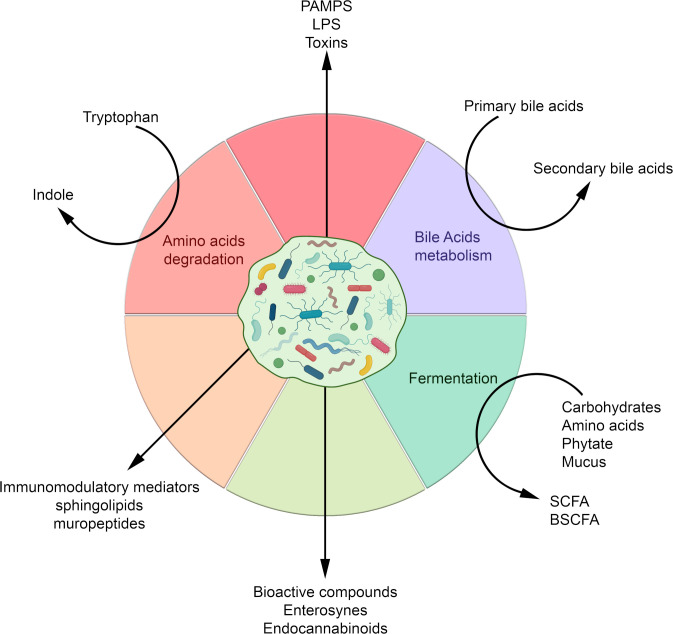
“The microbial fermentative activity of gut microbiota is vital for the production of SCFAs, including butyrate, acetate, and propionate, from non-digestible dietary fibers.271,273”
From Microbiota–gut–brain axis and its therapeutic applications in neurodegenerative diseases (2024) · cites this paper as [273]
The cited source says what the claim attributes to it.
In the citing paper
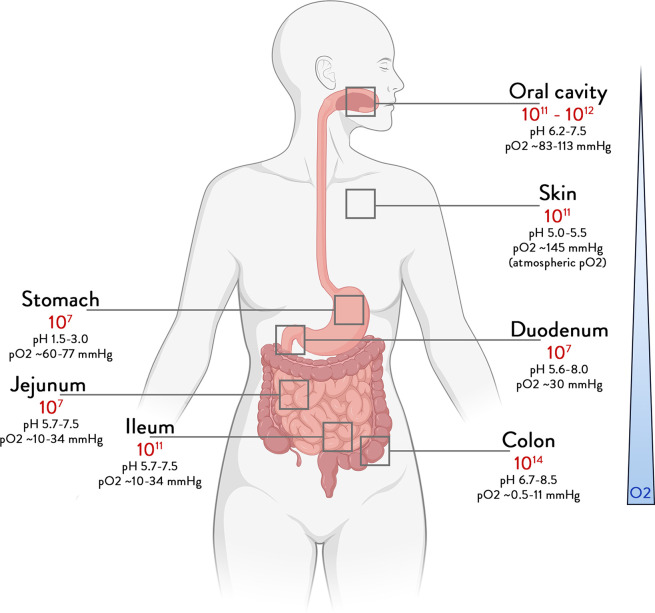
“The taxonomic composition of the gut microbiota changes throughout the gastrointestinal tract, according to nutrient availability, mucus structure, pH and oxygen availability [1–6].”
From Role of the gut microbiota in nutrient competition and protection against intestinal pathogen colonization (2023) · cites this paper as [2]
Self-check
Percentages, sums and reported differences re-computed from the paper’s own numbers.
The self-check needs the paper’s full text.
Citations
Cites
A human gut microbial gene catalogue established by metagenomic sequencing
MetaHIT Consortium, Qin, J., Li, R., Raes, J., Arumugam, M., Burgdorf, K. S., Manichanh, C., Nielsen, T., Pons, N., Levenez, F., et al. (2010) · Nature · doi:10.1038/nature08821 · Cited by 11,624
Defective LPS Signaling in C3H/HeJ and C57BL/10ScCr Mice: Mutations in Tlr4 Gene
Poltorak, A., He, X., Smirnova, I., Liu, M.-Y., Huffel, C. V., Du, X., Birdwell, D., Alejos, E., Silva, M., Galanos, C., et al. (1998) · Science · doi:10.1126/science.282.5396.2085 · Cited by 7,631
From Dietary Fiber to Host Physiology: Short-Chain Fatty Acids as Key Bacterial Metabolites
Koh, A., De Vadder, F., Kovatcheva-Datchary, P., & Bäckhed, F. (2016) · Cell · doi:10.1016/j.cell.2016.05.041 · Cited by 7,070
A metagenome-wide association study of gut microbiota in type 2 diabetes
Qin, J., Li, Y., Cai, Z., Li, S., Zhu, J., Zhang, F., Liang, S., Zhang, W., Guan, Y., Shen, D., et al. (2012) · Nature · doi:10.1038/nature11450 · Cited by 6,762
Metabolic Endotoxemia Initiates Obesity and Insulin Resistance
Cani, P. D., Amar, J., Iglesias, M. A., Poggi, M., Knauf, C., Bastelica, D., Neyrinck, A. M., Fava, F., Tuohy, K. M., Chabo, C., et al. (2007) · Diabetes · doi:10.2337/db06-1491 · Cited by 6,638 · cited 3×
“This is the case in metabolic endotoxaemia, in which high-fat diet and weight gain have been associated with a higher gut permeability and subsequent systemic (mild) elevation in circulating plasma LPS. 100 This causes a state of low-grade inflammation, which is a pathological feature of a range of chronic conditions…”
BackgroundInfluentialSelf-citationIsolation and Structure of a Brain Constituent That Binds to the Cannabinoid Receptor
Devane, W. A., Hanuš, L., Breuer, A., Pertwee, R. G., Stevenson, L. A., Griffin, G., Gibson, D., Mandelbaum, A., Etinger, A., & Mechoulam, R. (1992) · Science · doi:10.1126/science.1470919 · Cited by 5,633 · cited 1×
“113 The second key ligand identified was 2-arachidonoylglycerol (2-AG).”
BackgroundMolecular characterization of a peripheral receptor for cannabinoids
Munro, S., Thomas, K. L., & Abu-Shaar, M. (1993) · Nature · doi:10.1038/365061a0 · Cited by 5,092
Gut microbiota in human metabolic health and disease
Fan, Y., & Pedersen, O. (2021) · Nature Reviews Microbiology · doi:10.1038/s41579-020-0433-9 · Cited by 4,724
Succinate is an inflammatory signal that induces IL-1β through HIF-1α
Tannahill, G. M., Curtis, A. M., Adamik, J., Palsson-McDermott, E. M., McGettrick, A. F., Goel, G., Frezza, C., Bernard, N. J., Kelly, B., Foley, N. H., et al. (2013) · Nature · doi:10.1038/nature11986 · Cited by 4,176
Duodenal Infusion of Donor Feces for Recurrent Clostridium difficile
van Nood, E., Vrieze, A., Nieuwdorp, M., Fuentes, S., Zoetendal, E. G., de Vos, W. M., Visser, C. E., Kuijper, E. J., Bartelsman, J. F. W. M., Tijssen, J. G. P., et al. (2013) · New England Journal of Medicine · doi:10.1056/nejmoa1205037 · Cited by 3,708
Research works printed but not linked: 1
- 10.2337/diabetes · doi:10.2337/diabetes · Paper page
Cited by
Items 501–600 of 1,006
Dysregulated meta-organismal metabolism of aromatic amino acids in alcohol-associated liver disease
Mrdjen, M., Huang, E., Pathak, V., Bellar, A., Welch, N., Dasarathy, J., Streem, D. W., McClain, C. J., Mitchell, M. C., Radaeva, S., et al. (2023) · Hepatology Communications · doi:10.1097/hc9.0000000000000284 · Cited by 25
Intermittent Fasting on Neurologic Diseases: Potential Role of Gut Microbiota
Guo, M., Wang, X., Li, Y., Luo, A., Zhao, Y., Luo, X., & Li, S. (2023) · Nutrients · doi:10.3390/nu15234915 · Cited by 29
“Human GIT is home to a vast consortium of microorganisms, including bacteria, context of health and disease [10].”
BackgroundKe, Z., Huang, Y., Xu, J., Liu, Y., Zhang, Y., Wang, Y., Zhang, Y. Y., & Liu, Y. (2024) · Liver International · doi:10.1111/liv.15823 · Cited by 26
Olivares, M., Hernández-Calderón, P., Cárdenas-Brito, S., Liébana-García, R., Sanz, Y., & Benítez‐Páez, A. (2024) · Genome biology · doi:10.1186/s13059-024-03325-4 · Cited by 27
Sources, metabolism, health benefits and future development of saponins from plants
Wang, J., Tang, X., Liu, F., Mao, B., Zhang, Q., Zhao, J., Chen, W., & Cui, S. (2024) · Food Research International · doi:10.1016/j.foodres.2024.115226 · Cited by 29
Gut dysbiosis in oncology: a risk factor for immunoresistance
(2026) · doi:10.1038/s41422-025-01212-6 · Cited by 24
From Microbial Switches to Metabolic Sensors: Rewiring the Gut–Brain Kynurenine Circuit
Tanaka, M., & Vécsei, L. (2025) · doi:10.20944/preprints202506.0880.v1 · Cited by 24
Emerging chemophysiological diversity of gut microbiota metabolites
Lin, X., He, K., Gu, Z., & Zhao, X. (2024) · Trends in Pharmacological Sciences · doi:10.1016/j.tips.2024.07.006 · Cited by 26
Liu, X., Kang, W., Li, J., Li, X., Yang, P., Shi, M., Wang, Z., Wang, Y., Medina, A. I. V., Liu, D., et al. (2024) · Journal of Pineal Research · doi:10.1111/jpi.70005 · Cited by 27
“Intestinal flora is closely related to intestinal mucosal barrier function, immune regulation, liver diseases, and so forth [14].”
Liu, Q., Ruan, K., An, Z., Li, L., Ding, C., Xu, D., Yang, J., & Zhang, X. (2025) · International Journal of Biological Sciences · doi:10.7150/ijbs.108858 · Cited by 27
The frontier of health: Exploring therapeutic potentials of the microbiome
Abavisani, M., Foroushan, S. K., Kesharwani, P., & Sahebkar, A. (2025) · PharmaNutrition · doi:10.1016/j.phanu.2025.100435 · Cited by 24
Bioactive Polysaccharides Targeting Gut Microbiota to Modulate Host Health: A Gear Effect Theory
Sun, Y., Zhang, S., Yin, J., & Nie, S. (2025) · Food Frontiers · doi:10.1002/fft2.70048 · Cited by 25
Li, K., Wang, C., Li, J., Cao, H., Li, Q., Ge, L., Zhu, Y., Miao, Y., Chen, X., & Lin, C. (2025) · Food Chemistry · doi:10.1016/j.foodchem.2025.144976 · Cited by 28
Analyzing human gut microbiome data from global populations: challenges and resources
Arif, S. J., Graham, S. P., Abdill, R. J., & Blekhman, R. (2025) · Trends in Microbiology · doi:10.1016/j.tim.2025.05.008 · Cited by 27
Patricio-Martínez, A., Patricio, F., Macuil-Chapuli, E., Martínez-Juárez, E. Á., Flores-Díaz, S., Cedillo-Ramirez, M. L., & Limón, I. D. (2025) · Frontiers in Neuroscience · doi:10.3389/fnins.2025.1598011 · Cited by 28
“The intestinal microbiota is essential for various physiological processes, including nutrient absorption, fermentation, host metabolism, and vitamin synthesis (de Vos et al., 2022).”
Skin immune microenvironment in psoriasis: from bench to bedside
Yao, Y., Chen, L., Lv, Y., Tang, S.-L., Shen, W., Sun, H., & Zhong, H. (2025) · Frontiers in Immunology · doi:10.3389/fimmu.2025.1643418 · Cited by 29
“These include fecal microbiota transplantation to restore microbial equilibrium (132, 133), engineered microbes designed to enhance Treg cell populations (134), and precision delivery of anti-in fl ammatory metabolites via nanoparticle-loaded bacterial vesicles (135).”
A Comprehensive Review of the Triangular Relationship Among Diet, Gut Microbiota, and Aging
Ramasinghe, C., Bordiga, M., & Xu, B. (2025) · International Journal of Molecular Sciences · doi:10.3390/ijms26188785 · Cited by 26
Measuring biological age: Insights from omics studies
Kočar, E., Šket, R., Vasle, A. H., Avguštin, G., Benedik, E., Seljak, B. K., Simić, P., Martinko, A., Morrison, S. A., Sorić, M., et al. (2025) · Ageing Research Reviews · doi:10.1016/j.arr.2025.102988 · Cited by 27
Saleem, A., Ikram, A., Dikareva, E., Lahtinen, E., Matharu, D., Pajari, A., de Vos, W. M., Hasan, F., Salonen, A., & Jian, C. (2022) · Gut Microbes · doi:10.1080/19490976.2022.2142009 · Cited by 31
“We next assessed the molecular links between the gut microbiota and T2D, specifically butyrate as a major SCFA and PAMPs that have been suggested to be the cardinal microbial mediators in metabolic disorders.(1) Butyrate production capacity estimated by quantifying the butyryl-CoA:acetate CoA-transferase gene (respons…”
BackgroundInfluentialDeveloping Strategies to Help Bee Colony Resilience in Changing Environments
Dequenne, I., de Foy, J.-M. P., & Cani, P. D. (2022) · Animals · doi:10.3390/ani12233396 · Cited by 24
Self-citationBhattacharya, A., Majtorp, L., Birgersson, S., Wiemann, M., Sreenivas, K., Verbrugghe, P., Aken, O. V., van Niel, E. W. J., & Stålbrand, H. (2022) · Microorganisms · doi:10.3390/microorganisms10122496 · Cited by 24
Huo, R., Chen, Y., Li, J., Xu, Q.-G., Guo, J., Xu, H., You, Y., Zheng, C., & Chen, Y. (2023) · Current Oncology · doi:10.3390/curroncol30020141 · Cited by 25
Statistical modeling of gut microbiota for personalized health status monitoring
Zhu, J., Xie, H., Yang, Z., Chen, J., Yin, J., Tian, P., Wang, H., Zhao, J., Zhang, H., Lu, W., et al. (2023) · Microbiome · doi:10.1186/s40168-023-01614-x · Cited by 26
“After decadelong research, there is now a global consensus that these microbes are significant to human health [1], as they replace many functional aspects of the host, and any dysbiosis of microbiota could largely influence the host’s immune, metabolic, and even neurobehaviors [2].”
BackgroundZhang, H., Xiu, M., Li, H., Li, M., Xue, X., He, Y., Sun, W., Yuan, X., Liu, Z., Li, X., et al. (2023) · Ecotoxicology and Environmental Safety · doi:10.1016/j.ecoenv.2023.115587 · Cited by 24
de Hase, E. M., Neyrinck, A. M., Rodriguez, J., Cnop, M., Paquot, N., Thissen, J., Xu, Y., Beloqui, A., Bindels, L. B., Delzenne, N. M., et al. (2023) · Diabetologia · doi:10.1007/s00125-023-06032-0 · Cited by 25
“Among the various possible mediators, the gut microbiota is regarded as a pivotal factor influencing host physiology [2, 3].”
Self-citationHan, Y. Z., Zheng, H., Du, B. X., Zhang, Y., Zhu, X. Y., Li, J., Wang, Y., & Liu, W. J. (2023) · Journal of Diabetes Research · doi:10.1155/2023/8871677 · Cited by 25
Gastric Cancer: The Microbiome Beyond Helicobacter pylori
Mendes-Rocha, M., Pereira‐Marques, J., Ferreira, R. M., & Figueiredo, C. (2023) · Current topics in microbiology and immunology · doi:10.1007/978-3-031-47331-9_6 · Cited by 25
Deng, Y., Zhang, W., Yang, Z., Kong, Q., Liu, P., Liao, H., Cui, Z., & Tang, H. (2024) · Aquaculture Reports · doi:10.1016/j.aqrep.2024.101955 · Cited by 30
Guo, M., Fang, L., Chen, M., Shen, J., Tan, Z., & He, W. (2024) · Frontiers in Microbiology · doi:10.3389/fmicb.2024.1354823 · Cited by 27
Li, Y., Zhu, B., Chen, T., Chen, L., Wu, D., Wang, X., Li, D., Li, W., Sun, Y., & Hu, J. (2024) · Chemical Engineering Journal · doi:10.1016/j.cej.2024.152849 · Cited by 24
Ouwerkerk, J. P., Tytgat, H. L. P., Elzinga, J., Koehorst, J., Van den Abbeele, P., Henrissat, B., Gueimonde, M., Cani, P. D., Van de Wiele, T., Belzer, C., et al. (2022) · Microorganisms · doi:10.3390/microorganisms10081605 · Cited by 23
“Beyond the metabolism of food components, the microbiota also plays an indispensable role in stimulating the immune system, strengthening the epithelial barrier, inhibiting pathogen colonization and regulating many more key physiological processes [2,3].”
BackgroundSelf-citationGeroprotective potential of microbiome modulators in the Caenorhabditis elegans model
Miller, B. C., Mathai, M., Yadav, H., & Jain, S. (2023) · GeroScience · doi:10.1007/s11357-023-00901-7 · Cited by 24
Vijaya, A. K., Kuras, S., Šimoliūnas, E., Mingaila, J., Makovskytė, K., Buišas, R., Daliri, E. B., Meškys, R., Baltriukienė, D., & Burokas, A. (2024) · Brain Behavior and Immunity · doi:10.1016/j.bbi.2024.08.022 · Cited by 23
“Furthermore, the gut microbiota has also been shown to significantly influence microglia from birth to adulthood in terms of development, proliferation, maturation, and functionality (Agirman et al., 2021; De Vos et al., 2022).”
Zhao, L., Zheng, J., Gu, Y., Xu, X., Yu, J., Li, J., Yang, S., Chen, B., Du, J., & Dong, R. (2024) · Environmental Pollution · doi:10.1016/j.envpol.2024.124862 · Cited by 23
Hu, T., Zhu, Y. G., Zhou, X., ye, M., Wang, X., Lu, C., & Wang, Y. (2024) · Phytomedicine · doi:10.1016/j.phymed.2024.156049 · Cited by 24
Liu, C., Huang, X., Kong, J., Li, X., Wang, Y., Zhang, F., & Duan, J. (2024) · Ecotoxicology and Environmental Safety · doi:10.1016/j.ecoenv.2024.117441 · Cited by 23
Beneficial microbiome and diet interplay in early-onset colorectal cancer
Zhou, Z., Kleis, L., Depetris-Chauvin, A., Jaskulski, S., Damerell, V., Michels, K. B., Gigic, B., Nöthlings, U., & Panagiotou, G. (2024) · EMBO Molecular Medicine · doi:10.1038/s44321-024-00177-0 · Cited by 24
Čierniková, S., Ševčíková, A., Novisedláková, M., & Mego, M. (2024) · Cancers · doi:10.3390/cancers16244271 · Cited by 24
Yang, Y., Zhang, Y., Zhang, W., Lu, K., Wang, L., Liu, Y., Du, L., Yang, J., Guan, L., & Ma, H. (2025) · Journal of Agricultural and Food Chemistry · doi:10.1021/acs.jafc.4c12105 · Cited by 23
Zhang, F., Kamm, M. A., Wu, X., Kao, D. H., Borody, T. J., Chen, L. A., He, X., Fischer, M., Wong, S. H., Ng, S. C., et al. (2025) · Journal of Gastroenterology and Hepatology · doi:10.1111/jgh.16947 · Cited by 23
“The distribution and concentration of microbes in human organs varies widely, and the microbial cell mass culminates in the lower gut (10 14 ) since transit in the colon is over a dozen times longer than that in the small intestine (10 7 –10 11 ) [22].”
Ji, Z., Xie, W., Wu, H., & Yuan, B. (2025) · Journal of Agricultural and Food Chemistry · doi:10.1021/acs.jafc.5c02458 · Cited by 23
Dicks, L. M. T. (2025) · International Journal of Molecular Sciences · doi:10.3390/ijms26146744 · Cited by 26
“An increase in IL-22 levels prevented inflammation of the GIT [213,214].”
The role of gut microbiota in insulin resistance: recent progress
Ji, H., Su, S., Chen, M., Liu, S., Liu, S., & Guo, J. (2025) · Frontiers in Microbiology · doi:10.3389/fmicb.2025.1633029 · Cited by 24
“…hosts under healthy conditions, exerting profound influences through three primary mechanisms: regulation of nutrient metabolism, protection against pathogenic invasion, and modulation of immune cell signaling to maintain physiological homeostasis and enhance immune competence (de Vos et al., 2022).”
Muñoz, V. R., Moreau, F., Soto, M., Watanabe, Y., Pham, L. D., Zhong, J., Zimmerman, S., Brandão, B. B., Girdhar, K., Ávila-Pacheco, J., et al. (2025) · Cell Metabolism · doi:10.1016/j.cmet.2025.08.005 · Cited by 27
Gut microbiota: a new perspective for bioavailability of selenium and human health
Wang, X., Zhong, Y., Zhu, Z., Zhang, N., Chen, X., Wang, F., Wang, L., Chen, C., He, J., & Li, S. (2025) · npj Science of Food · doi:10.1038/s41538-025-00589-3 · Cited by 23
Yang, X., Yang, T., Zhang, Z., Zhang, Y., Mei, X., Gao, Y., Wang, N., Jiang, G., Xu, Y., Shen, Q., et al. (2025) · Nature Ecology & Evolution · doi:10.1038/s41559-025-02908-z · Cited by 25
“The host-associated microbiome functions as a critical defence line against invading pathogens 1,2 .”
Formation Mechanism and Nutritional Effects of Organic Acids in Fermented Foods: A Review
Li, Y., Zhang, L., Xu, X., Lin, S., Xie, J., & Li, J. (2025) · Journal of Food Science · doi:10.1111/1750-3841.70745 · Cited by 27
Gut microbiome and obesity care: Bridging dietary, surgical, and pharmacological interventions
Masi, D., Watanabe, M., & Clément, K. (2026) · Cell Reports Medicine · doi:10.1016/j.xcrm.2025.102573 · Cited by 25
“14,15 Pioneering studies in germ-free mice provided the first strong evidence that gut microbes influence adipose tissue accumulation and host metabolism directly, 16 highlighting their role in energy balance and inflammation, beyond caloric intake.”
Mucosa-associated bacteria and metabolites in inflammatory bowel disease: from inside to insight
Wang, X., He, L., Dong, Y., Qin, X., Zhang, H., Wang, B., Wang, S., & Cao, H. (2026) · npj Biofilms and Microbiomes · doi:10.1038/s41522-025-00887-4 · Cited by 26
Age-dependent effects of gut microbiota metabolites on brain resident macrophages
Hasavci, D., & Blank, T. (2022) · Frontiers in Cellular Neuroscience · doi:10.3389/fncel.2022.944526 · Cited by 24
The microbiome-product colibactin hits unique cellular targets mediating host–microbe interaction
Mousa, W. K. (2022) · Frontiers in Pharmacology · doi:10.3389/fphar.2022.958012 · Cited by 26
“…human microbiome, colorectal cancer, inflammation, colitis, DNA damage Introduction Trillions ofmicrobes reside in the human gut interacting with each other and the outcome of their interaction affects human health and diseases (Sharon et al., 2014; Dhanaraju and Rao 2022; de Vos et al., 2022).”
BackgroundXia, X., Xie, Y., Gong, Y., Zhan, M., He, Y., Liang, X., Jin, Y., Yang, Y., & Ding, W. (2022) · Life Sciences · doi:10.1016/j.lfs.2022.120961 · Cited by 24
Stachowska, E., Maciejewska, D., Palma, J., Mielko, K. A., Qasem, B., Kozłowska‐Petriczko, K., Ufnal, M., Sokolowska, K. E., Hawryłkowicz, V., Załęska, P., et al. (2022) · Nutrients · doi:10.3390/nu14245355 · Cited by 23
“, branched chain fatty acids (BCFA), pathogen-associated molecular patterns (PAMPs), lipopolysaccharides (LPS), ethanol) [7,12].”
BackgroundInfluentialZhao, R., Xia, D., Chen, Y., Kai, Z., Ruan, F., Xia, C., Gong, J., Wu, J., & Wang, X. (2023) · Cancer Medicine · doi:10.1002/cam4.6067 · Cited by 23
Lopez-Escalera, S., Lund, M. L., Hermes, G. D. A., Choi, B. S.-Y., Sakamoto, K., & Wellejus, A. (2023) · Nutrients · doi:10.3390/nu15102361 · Cited by 23
Gut Microbiota and Adipose Tissue Microenvironment Interactions in Obesity
Wang, C., Yi, Z., Ye, J., Shen, Z., Yang, F., & Zhu, S. (2023) · Metabolites · doi:10.3390/metabo13070821 · Cited by 26
A biological strategy for sulfide control in sewers: Removing sulfide by sulfur-oxidizing bacteria
Yuan, X., Sun, Y., Ni, D., Xie, Z., Zhang, Y., Miao, S., Wu, L., Xing, X., & Zuo, J. (2023) · Journal of Environmental Management · doi:10.1016/j.jenvman.2023.119237 · Cited by 23
Gut microbiome, metabolome and alopecia areata
Liu, Z., & Liu, X. (2023) · Frontiers in Microbiology · doi:10.3389/fmicb.2023.1281660 · Cited by 25
Zhu, M. P., Zeng, R., Wu, D., Li, Y., Chen, T., & Wang, A. (2023) · Environmental Research · doi:10.1016/j.envres.2023.117891 · Cited by 25
The next bastion to be conquered in immunotherapy: microsatellite stable colorectal cancer
Ding, K., Mou, P., Wang, Z., Liu, S., Liu, J., Lü, H., & Yu, G. (2023) · Frontiers in Immunology · doi:10.3389/fimmu.2023.1298524 · Cited by 25
“However, dysbiosis of the gut microbiota has been associated with various diseases and tumors (38).”
BackgroundLi, Z., Li, X., Shi, P., Li, P., Fu, Y., Tan, G., Zhou, J., Zeng, J., & Huang, P. (2024) · International Journal of Molecular Sciences · doi:10.3390/ijms25031429 · Cited by 24
Keitel, L., Miebach, K., Rummel, L., Yordanov, S., & Büchs, J. (2024) · Annals of Microbiology · doi:10.1186/s13213-023-01745-4 · Cited by 27
“With circa 10 7–14 organisms per milliliter of colonic contents, the gut microbiome is the largest share of bacteria in humans (Vos et al. 2022) and plays a crucial part in human health (Wilson et al. 2020).”
BackgroundHealth by design; optimising our urban environmental microbiomes for human health
Matthews, K. E., Cavagnaro, T. R., Weinstein, P., & Stanhope, J. (2024) · Environmental Research · doi:10.1016/j.envres.2024.119226 · Cited by 23
Effect of diet on the evolution of gut commensal bacteria
Đapa, T., & Xavier, K. B. (2024) · Gut Microbes · doi:10.1080/19490976.2024.2369337 · Cited by 24
“2,57 After the initial discovery, where microbiota from an obese mouse was transplanted into a lean mouse, which caused increase in weight gain in lean mice, 58 an elegant way to study this phenomenon emerged.”
BackgroundYuan, M., Zhang, Z., Liu, T., Hua, F., Liu, Y., & Chen, K. (2024) · Foods · doi:10.3390/foods13132157 · Cited by 23
“By regulating the balance of the gut microbiota, it is possible to maintain the stability of the gut environment, enhance intestinal barrier function, reduce gut inflammation levels, and help regulate energy metabolism and insulin sensitivity [7–9].”
BackgroundThe Brain, the Eating Plate, and the Gut Microbiome: Partners in Migraine Pathogenesis
Gazerani, P., Papetti, L., Dalkara, T., Cook, C. L., Webster, C., & Bai, J. (2024) · Nutrients · doi:10.3390/nu16142222 · Cited by 24
Sun, Y., Yao, J., Gao, R., Hao, J., Liu, Y., & Liu, S. (2025) · International Journal of Biological Macromolecules · doi:10.1016/j.ijbiomac.2025.139664 · Cited by 23
He, Y., Zhao, C., Su, N., Yang, W., Yang, H., Yuan, C., Zhang, N., Hu, X., & Fu, Y. (2024) · Cell Reports · doi:10.1016/j.celrep.2024.114585 · Cited by 24
Mo, X., Cheng, R., Shen, L., Liu, N., Sun, Y., Lin, S., Jiang, G., Li, X., Peng, X., Zhang, Y., et al. (2024) · International Journal of Biological Macromolecules · doi:10.1016/j.ijbiomac.2024.134939 · Cited by 26
Cheng, W., Pei, S., Wu, J., Wang, Y., Yang, Y.-W., Xiao, M., Chen, J., Wang, Y., Wu, L., & Huang, Z. (2025) · Acta Pharmacologica Sinica · doi:10.1038/s41401-025-01495-w · Cited by 22
“The impact of gut microbiota on lipid metabolism was extensively investigated [13].”
Assessing the safety of microbiome perturbations
Métris, A., Walker, A. W., Showering, A., Doolan, A., McBain, A. J., Ampatzoglou, A., Murphy, B., O’Neill, C. A., Shortt, C., Darby, E. M., et al. (2025) · Microbial Genomics · doi:10.1099/mgen.0.001405 · Cited by 26
“In adults, the gut microbiota composition is highly individualized, but with common dominant genera such as Bacteroides , Faecalibacterium , Ruminococcus and Blautia [51].”
Chen, Y., Jiang, S., Wang, H., Si, M., Wu, H., Liang, X., Yao, S., Zhang, Y., Wen, X., & Yang, J. (2025) · Advanced Science · doi:10.1002/advs.202502624 · Cited by 32
Deng, F., Yin, C., Luo, C., Xu, Y., Chen, Y., Zhong, R., Tang, S., Zhang, H., & Chen, L. (2025) · iMeta · doi:10.1002/imt2.70080 · Cited by 22
Carducci, B., Chen, Z. H., Campisi, S. C., & Miliku, K. (2025) · npj Metabolic Health and Disease · doi:10.1038/s44324-025-00082-1 · Cited by 30
“Recent research suggests the gut microbiome, a complex ecosystem of trillions of microbes residing in our gut, acts as a crucial link between DOHaD, adolescent health, and the development of CMDs later in life 61 .”
Zhou, A., Zhang, N., Dong, H., Huang, Y., & Xie, L. (2025) · Foods · doi:10.3390/foods14234108 · Cited by 22
“Numerous studies have shown that polysaccharides can have a positive influence on human wellness through the regulation of the gut flora and its metabolites [12–15].”
The Gut Microbiota: Emerging Evidence in Autoimmune and Inflammatory Diseases
Zeng, L., Yang, Q., Luo, Y., Luo, Y., & Sun, L. (2026) · Research · doi:10.34133/research.1097 · Cited by 27
“Activated symbiotic microbiota induce DCs to secrete IL-12, IL-15, and IFN, which act on NK cells to combat pathogens [ 243 ].”
Yue, W., & Han, F. (2022) · Food Chemistry X · doi:10.1016/j.fochx.2022.100501 · Cited by 25
Hughes, R., Pindus, D. M., Khan, N. A., Burd, N. A., & Holscher, H. D. (2022) · Medicine & Science in Sports & Exercise · doi:10.1249/mss.0000000000003096 · Cited by 24
“, short-chain fatty acids (SCFA) and branched-chain fatty acids (BCFA)) that influence host systems and metabolic pathways (16).”
BackgroundRen, S., Wang, C., Chen, A., Bai, Z., Tian, Y., & Lv, W. (2023) · Food & Function · doi:10.1039/d3fo00268c · Cited by 23
The Role of the Microbiome in the Pathogenesis and Treatment of Asthma
Logoń, K., Świrkosz, G., Nowak, M., Wrześniewska, M., Szczygieł, A., & Gomułka, K. (2023) · Biomedicines · doi:10.3390/biomedicines11061618 · Cited by 23
GPCR-mediated effects of fatty acids and bile acids on glucose homeostasis
Oteng, A., & Liu, L. (2023) · Frontiers in Endocrinology · doi:10.3389/fendo.2023.1206063 · Cited by 25
Rodenes-Gavidia, A., Lamelas, A., Bloor, S., Hobson, A. R., Treadway, S., Haworth, J. J., Vijayakumar, V., Naghibi, M., Day, R. O., & Chenoll, E. (2023) · Frontiers in Cellular and Infection Microbiology · doi:10.3389/fcimb.2023.1240267 · Cited by 24
“The human gut microbiota is a key mediator of host health and is known to affect many physiological processes, such as digestion, metabolism, immune function and inhibition of pathogen colonization (Endt et al., 2010; Belizário and Faintuch, 2018; Koradia et al., 2019; Lee and Chang, 2021; Vos et al., 2022).”
BackgroundBacteria-based drug delivery for treating non-oncological diseases
Cao, Z., Pang, Y., Pu, J., & Liu, J. (2024) · Journal of Controlled Release · doi:10.1016/j.jconrel.2024.01.020 · Cited by 25
Xu, C., Hao, M., Zai, X., Song, J., Huang, Y., Gui, S., & Chen, J. (2024) · Archives of Microbiology · doi:10.1007/s00203-024-03843-6 · Cited by 23
Watling, C. Z., Wojt, A., Florio, A. A., Butera, G., Albanes, D., Weinstein, S. J., Huang, W., Parisi, D., Zhang, X., Graubard, B. I., et al. (2024) · Hepatology · doi:10.1097/hep.0000000000000819 · Cited by 23
Advances in fecal microbiota transplantation for the treatment of diabetes mellitus
Zhang, J., Wang, H., Liu, Y., Shi, M., Zhang, M., Zhang, H., & Chen, J. (2024) · Frontiers in Cellular and Infection Microbiology · doi:10.3389/fcimb.2024.1370999 · Cited by 23
“…microbiota diversity in patients with diabetes is reduced, and the ratio of fi rmicutes to bacteroides is signi fi cantly reduced (Schloissnig et al., 2013; Zhang et al., 2021; Del Chierico et al., 2022; de Vos et al., 2022; Guo et al., 2022; Zhou et al., 2022; Crudele et al., 2023; Wu et al., 2023).”
BackgroundGe, J., Li, M., Yao, J., Guo, J., Li, X., Li, G., Han, X., Li, Z., Liu, M., & Zhao, J. (2024) · Phytomedicine · doi:10.1016/j.phymed.2024.155643 · Cited by 23
Microecological regulation in HCC therapy: Gut microbiome enhances ICI treatment
Liu, X., Li, S., Wang, L., & Ma, K. (2024) · Biochimica et Biophysica Acta (BBA) - Molecular Basis of Disease · doi:10.1016/j.bbadis.2024.167230 · Cited by 22
Olivo-Martínez, Y., Martínez-Ruiz, S., Cordero-Alday, C., Bosch, M., Badía, J., & Baldomà, L. (2024) · International Journal of Molecular Sciences · doi:10.3390/ijms25105338 · Cited by 25
Yang, J., He, Y., Ai, Q., Liu, C., Ruan, Q., & Shi, Y. (2024) · Journal of Inflammation Research · doi:10.2147/jir.s459496 · Cited by 22
Gorini, F., & Tonacci, A. (2024) · Nutrients · doi:10.3390/nu16111762 · Cited by 25
Role of gut microbiota and immune cells in metabolic-associated fatty liver disease: clinical impact
Alisi, A., McCaughan, G. W., & Grønbæk, H. (2024) · Hepatology International · doi:10.1007/s12072-024-10674-6 · Cited by 23
“This microbial community is mainly composed by bacteria but comprises also viruses, fungi, and other microorganisms, that collectively may influence numerous physiological processes of the host [13, 14].”
Effects of fermented unconventional protein feed on pig production in China
Sun, H., Jiang, Z., Chen, Z., Liu, G.-H., & Liu, Z. L. (2024) · Frontiers in Veterinary Science · doi:10.3389/fvets.2024.1446233 · Cited by 23
Gut microbiota in multiple sclerosis and animal models
Schumacher, S. M., Doyle, W. J., Hill, K., & Ochoa‐Repáraz, J. (2025) · The FEBS Journal · doi:10.1111/febs.17161 · Cited by 21
“Blautia stercoris and Christensenellacea catabacter ’s presence roughly tripled the relapse risk; both species were associated with anti-inflammatory responses and SCFA production [136,140,141].”
InfluentialRebaudioside D decreases adiposity and hepatic lipid accumulation in a mouse model of obesity
Morissette, A., d’Oplinter, A. D. W., André, D. M., Lavoie, M., Marcotte, B., Varin, T. V., Trottier, J., Pilon, G., Pelletier, M., Cani, P. D., et al. (2024) · Scientific Reports · doi:10.1038/s41598-024-53587-y · Cited by 21
Self-citationAdhikary, K., Sarkar, R., Maity, S., Banerjee, I., Chatterjee, P., Bhattacharya, K., Ahuja, D., Sinha, N. K., & Maiti, R. (2024) · Journal of Basic and Clinical Physiology and Pharmacology · doi:10.1515/jbcpp-2024-0043 · Cited by 21
Feng, Y., Zheng, H., Yin, C., Liang, D., Zhang, S., Chen, J., Mai, F., Lan, Z., Zhu, M., Mai, Z., et al. (2024) · Cell Reports Medicine · doi:10.1016/j.xcrm.2024.101678 · Cited by 21
Long, X., Zhang, F., Wang, L., & Wang, Z. (2024) · Frontiers in Microbiology · doi:10.3389/fmicb.2024.1494139 · Cited by 22
“Bile acids play roles as signaling molecules to regulate the digestion and absorption of cholesterol, triglycerides and fat-soluble vitamins (de Vos et al., 2022).”
Attaye, I., Bird, J. K., Nieuwdorp, M., Gül, S., Seegers, J. F. M. L., Morrison, S. C., Hofkens, S., Herrema, H., Bui, T. P. N., Puhlmann, M.-L., et al. (2025) · Gut Microbes · doi:10.1080/19490976.2025.2504115 · Cited by 22
Compositional and Metabolomic Shifts of the Gut Microbiome in Alcohol‐Related Liver Disease
Kuo, C., El-Omar, E. M., Kao, C., Lin, J., & Wu, C. (2025) · Journal of Gastroenterology and Hepatology · doi:10.1111/jgh.17038 · Cited by 21
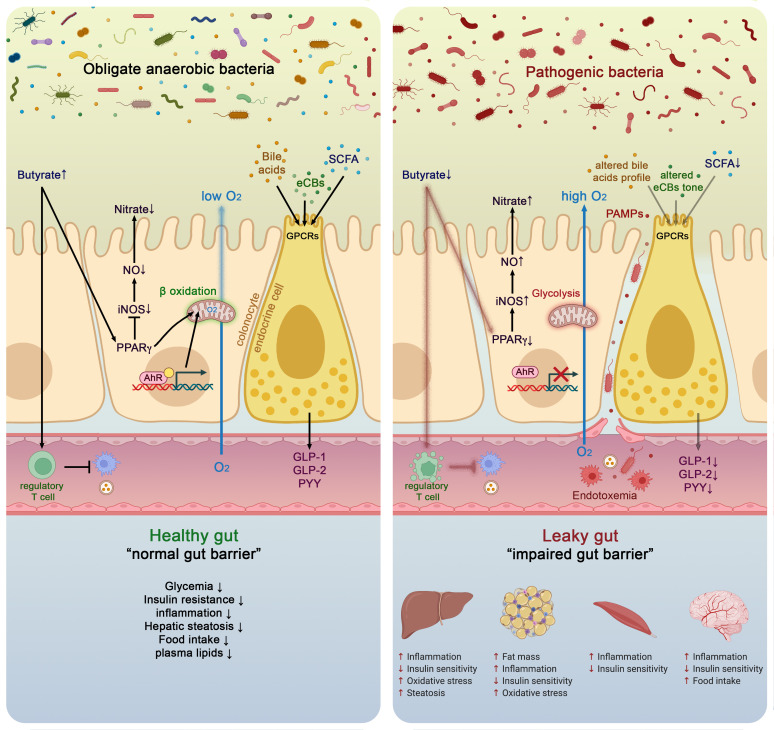
“In addition, SCFA acts as an exogenous ligand and activates nuclear receptor peroxisome proliferator-activated receptor gamma (PPAR-𝛾 ) in IECs, upregulating genes involved in mitochondrial 𝛽 - oxidation of fatty acids [65].”
Metadata
- Authors
- de Vos, W. M., Tilg, H., Van Hul, M., & Cani, P. D.
- Affiliations
- Innsbruck Medical University (AT)
- Walloon Excellence in Lifesciences and Biotechnology (BE)
- Corresponding author
- Cani, Patrice D
- Venue
- Gut
- Publisher
- BMJ
- Published
- 2022-02-01
- Volume
- 71
- Issue
- 5
- Pages
- 1020-1032
- ISSN
- 0017-5749 (ISSN-L)
- 1468-3288
- PMC
- PMC8995832
- OpenAlex
- W4210377299
- Semantic Scholar
- 4ae21e2bf7bdb0f0ce75e04daf5ba3b945950726
- Cited by
- 2,388
- References
- 197
- Citations by year
- 2026: 464 · 2025: 686 · 2024: 660 · 2023: 427 · 2022: 148
- FWCI
- 51.02
- Type
- journal article
- Language
- en
- Open access
- hybrid
- doi.org
- Locations
- Gut (publishedVersion, cc-by)
- PubMed Central (publishedVersion, cc-by)
- PubMed (publishedVersion)
- Socio-Environmental Systems Modeling (acceptedVersion, cc-by)
- Digital Access to Libraries (submittedVersion, other-oa)
- Työväentutkimus Vuosikirja (submittedVersion)
- Data Archiving and Networked Services (DANS) (submittedVersion, cc-by)
- Funders
- Soehngen Institute of Anaerobic Microbiology ([024.002.002])
- Fonds De La Recherche Scientifique - FNRS (CDR-convention: J.0027.22, EOS: program no. 30770923, EOS: program no. 40007505, FNRS T.0030.21-P, WELBIO-CR-2017C-02E, WELBIO-CR-2019C-02R)
- Bundesministerium für Verkehr, Innovation und Technologie (R&D K-Centre (COMET program - Competence Centers f, VASCage (Centre for Promoting Vascular Health in t)
- Topics
- Life Sciences › Biochemistry, Genetics and Molecular Biology › Molecular Biology › Gut microbiota and health
- Health Sciences › Dentistry › Periodontics › Oral microbiology and periodontitis research
- Health Sciences › Medicine › Gastroenterology › Gastrointestinal motility and disorders
- Keywords
- gut microbiota, host-microbe interactions, short-chain fatty acids, bile acids, trimethylamine N-oxide, endocannabinoids, bioactive lipids, phenolic compounds, advanced glycation end products, aryl hydrocarbon receptor, G protein-coupled receptors, obesity, type 2 diabetes, hepatic steatosis, inflammatory bowel disease, cancer, host immunity
- MeSH terms
- Gastrointestinal Microbiome, Bacteria, Bile Acids and Salts, Diabetes Mellitus, Type 2, Fatty Acids, Volatile, Humans, Receptors, G-Protein-Coupled
About these checks
Registry, retraction, Cites and statistics results are computed, not judged, with one exception: a printed reference that no index lists is read once by a model before it counts as a citation error. Claims are extracted by a model and kept only when their quote appears verbatim in the text; each cited source is then checked, with a model’s help, for whether it says what the claim relies on. Those verdicts can be wrong — read the claim’s quote and the cited source before relying on one.
Statistics and arithmetic are recomputed, not judged.
Confidence bands are shown only for fields calibrated on our annotated test set. None is calibrated yet, so no band is shown.
What counts as a claim ›How we measure confidence ›How we check this ›
Are you an author, or do you see a problem with this page? Request a review
Data sources
Bibliographic data: Semantic Scholar, OpenAlex, Crossref.
Contains information from the Semantic Scholar Academic Graph Datasets, made available under the ODC Attribution License (ODC-BY 1.0).
Semantic Scholar’s data is described in: Kinney, R., et al. (2023). The Semantic Scholar Open Data Platform. arXiv:2301.10140.
