

Gut microbiome and health: mechanistic insights
Open accessThe DOI matches its Crossref record; 196 of the 197 references it cites were found in a registry or an index.
Abstract
The gut microbiota is now considered as one of the key elements contributing to the regulation of host health. Virtually all our body sites are colonised by microbes suggesting different types of crosstalk with our organs. Because of the development of molecular tools and techniques (ie, metagenomic, metabolomic, lipidomic, metatranscriptomic), the complex interactions occurring between the host and the different microorganisms are progressively being deciphered. Nowadays, gut microbiota deviations are linked with many diseases including obesity, type 2 diabetes, hepatic steatosis, intestinal bowel diseases (IBDs) and several types of cancer. Thus, suggesting that various pathways involved in immunity, energy, lipid and glucose metabolism are affected. In this review, specific attention is given to provide a critical evaluation of the current understanding in this field. Numerous molecular mechanisms explaining how gut bacteria might be causally linked with the protection or the onset of diseases are discussed. We examine well-established metabolites (ie, short-chain fatty acids, bile acids, trimethylamine N-oxide) and extend this to more recently identified molecular actors (ie, endocannabinoids, bioactive lipids, phenolic-derived compounds, advanced glycation end products and enterosynes) and their specific receptors such as peroxisome proliferator-activated receptor alpha (PPARα) and gamma (PPARγ), aryl hydrocarbon receptor (AhR), and G protein-coupled receptors (ie, GPR41, GPR43, GPR119, Takeda G protein-coupled receptor 5). Altogether, understanding the complexity and the molecular aspects linking gut microbes to health will help to set the basis for novel therapies that are already being developed.
Overview
The claims and statistics of this paper haven’t been checked yet.
Free: it reads the open-access text and checks the first 5 claims that cite a source we can check. Create a free account to check every claim.
Integrity signals
Registry
Cites
Statistics
Figures
Verification
Claims the paper makes
The claims and statistics of this paper haven’t been checked yet.
Free: it reads the open-access text and checks the first 5 claims that cite a source we can check. Create a free account to check every claim.
Claims other papers make about this one
Each is checked against this paper’s own text: does it say what the citing paper says it does?
The source backs part of the claim, not all of it — or backs it for a different population, condition or comparison.
In the citing paper
“Fiber-rich, plant-based diets have the opposite effect, nurturing Bifidobacterium and Lactobacillus, increasing butyrate producers like Roseburia and Eubacterium rectale, and shielding against obesity and insulin resistance via SCFA signaling.15,70,81–83”
From Gut dysbiosis in oncology: a risk factor for immunoresistance (2026) · doi:10.1038/s41422-025-01212-6 · cites this paper as [81]
Experimental — accuracy not yet measuredThe source backs part of the claim, not all of it — or backs it for a different population, condition or comparison.
In the citing paper
“Akkermansia muciniphila is a Gram-negative homeostatic commensal bacteria that influences host metabolism to maintain glucose tolerance and intestinal barrier function.”
From Gut OncoMicrobiome Signatures (GOMS) as next-generation biomarkers for cancer immunotherapy (2023) · cites this paper as [102]
Experimental — accuracy not yet measuredThe source backs part of the claim, not all of it — or backs it for a different population, condition or comparison.
In the citing paper
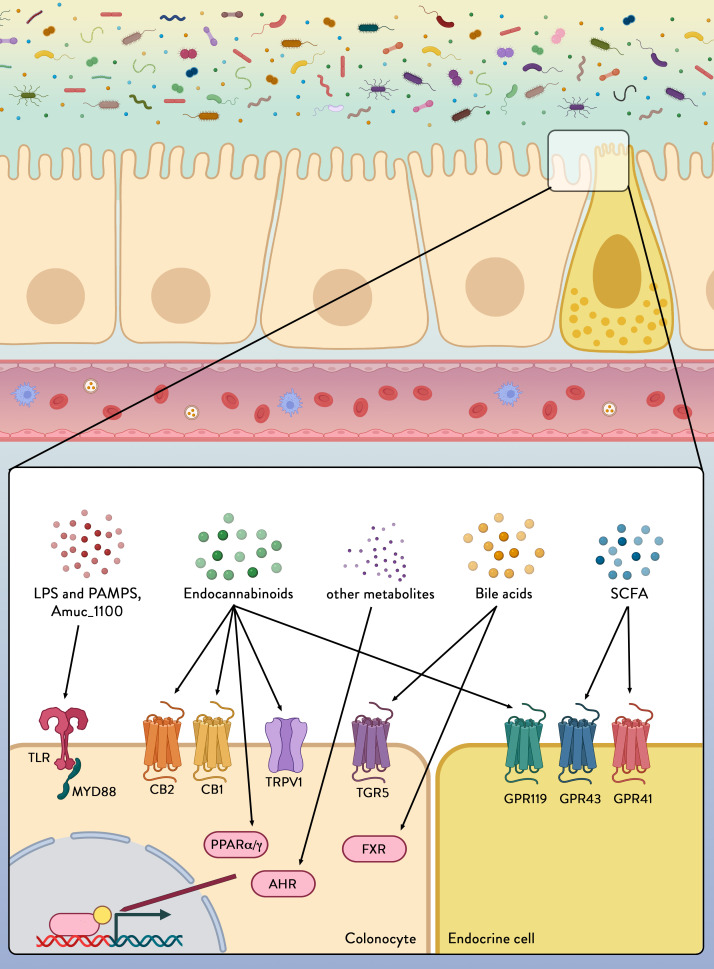
“The ECS and GM interact to regulate intestinal homeostasis resulting in relevant functional effects in the gut and CNS (238, 246, 248, 250).”
From Signalling cognition: The gut microbiota and hypothalamic-pituitary-adrenal axis (2023) · cites this paper as [250]
Experimental — accuracy not yet measuredThe cited source says what the claim attributes to it.
In the citing paper
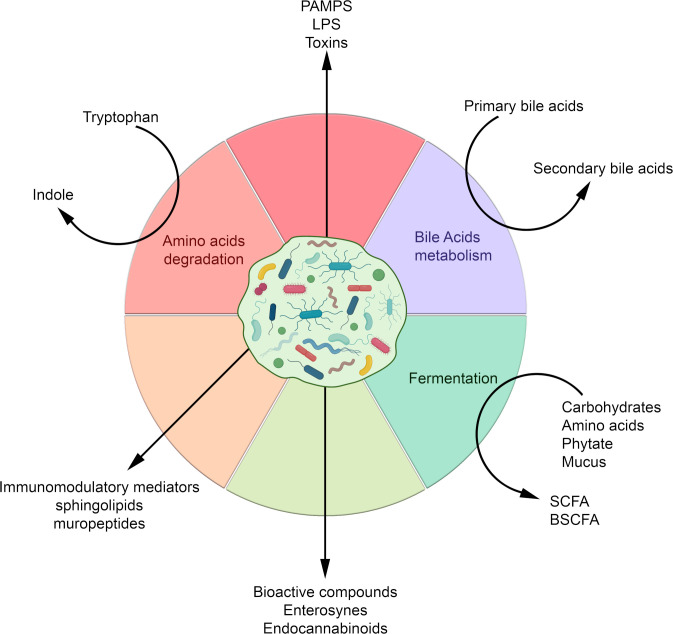
“The microbial fermentative activity of gut microbiota is vital for the production of SCFAs, including butyrate, acetate, and propionate, from non-digestible dietary fibers.271,273”
From Microbiota–gut–brain axis and its therapeutic applications in neurodegenerative diseases (2024) · cites this paper as [273]
The cited source says what the claim attributes to it.
In the citing paper
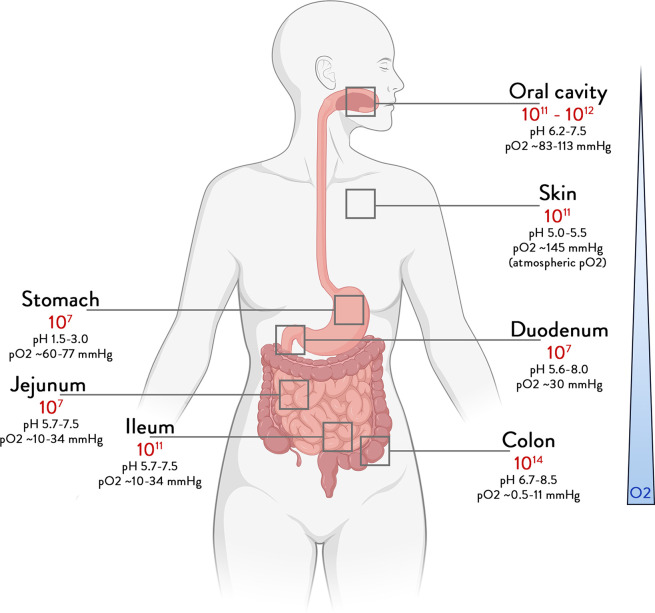
“The taxonomic composition of the gut microbiota changes throughout the gastrointestinal tract, according to nutrient availability, mucus structure, pH and oxygen availability [1–6].”
From Role of the gut microbiota in nutrient competition and protection against intestinal pathogen colonization (2023) · cites this paper as [2]
Self-check
Percentages, sums and reported differences re-computed from the paper’s own numbers.
The self-check needs the paper’s full text.
Citations
Cites
A human gut microbial gene catalogue established by metagenomic sequencing
MetaHIT Consortium, Qin, J., Li, R., Raes, J., Arumugam, M., Burgdorf, K. S., Manichanh, C., Nielsen, T., Pons, N., Levenez, F., et al. (2010) · Nature · doi:10.1038/nature08821 · Cited by 11,624
Defective LPS Signaling in C3H/HeJ and C57BL/10ScCr Mice: Mutations in Tlr4 Gene
Poltorak, A., He, X., Smirnova, I., Liu, M.-Y., Huffel, C. V., Du, X., Birdwell, D., Alejos, E., Silva, M., Galanos, C., et al. (1998) · Science · doi:10.1126/science.282.5396.2085 · Cited by 7,631
From Dietary Fiber to Host Physiology: Short-Chain Fatty Acids as Key Bacterial Metabolites
Koh, A., De Vadder, F., Kovatcheva-Datchary, P., & Bäckhed, F. (2016) · Cell · doi:10.1016/j.cell.2016.05.041 · Cited by 7,070
A metagenome-wide association study of gut microbiota in type 2 diabetes
Qin, J., Li, Y., Cai, Z., Li, S., Zhu, J., Zhang, F., Liang, S., Zhang, W., Guan, Y., Shen, D., et al. (2012) · Nature · doi:10.1038/nature11450 · Cited by 6,762
Metabolic Endotoxemia Initiates Obesity and Insulin Resistance
Cani, P. D., Amar, J., Iglesias, M. A., Poggi, M., Knauf, C., Bastelica, D., Neyrinck, A. M., Fava, F., Tuohy, K. M., Chabo, C., et al. (2007) · Diabetes · doi:10.2337/db06-1491 · Cited by 6,638 · cited 3×
“This is the case in metabolic endotoxaemia, in which high-fat diet and weight gain have been associated with a higher gut permeability and subsequent systemic (mild) elevation in circulating plasma LPS. 100 This causes a state of low-grade inflammation, which is a pathological feature of a range of chronic conditions…”
BackgroundInfluentialSelf-citationIsolation and Structure of a Brain Constituent That Binds to the Cannabinoid Receptor
Devane, W. A., Hanuš, L., Breuer, A., Pertwee, R. G., Stevenson, L. A., Griffin, G., Gibson, D., Mandelbaum, A., Etinger, A., & Mechoulam, R. (1992) · Science · doi:10.1126/science.1470919 · Cited by 5,633 · cited 1×
“113 The second key ligand identified was 2-arachidonoylglycerol (2-AG).”
BackgroundMolecular characterization of a peripheral receptor for cannabinoids
Munro, S., Thomas, K. L., & Abu-Shaar, M. (1993) · Nature · doi:10.1038/365061a0 · Cited by 5,092
Gut microbiota in human metabolic health and disease
Fan, Y., & Pedersen, O. (2021) · Nature Reviews Microbiology · doi:10.1038/s41579-020-0433-9 · Cited by 4,724
Succinate is an inflammatory signal that induces IL-1β through HIF-1α
Tannahill, G. M., Curtis, A. M., Adamik, J., Palsson-McDermott, E. M., McGettrick, A. F., Goel, G., Frezza, C., Bernard, N. J., Kelly, B., Foley, N. H., et al. (2013) · Nature · doi:10.1038/nature11986 · Cited by 4,176
Duodenal Infusion of Donor Feces for Recurrent Clostridium difficile
van Nood, E., Vrieze, A., Nieuwdorp, M., Fuentes, S., Zoetendal, E. G., de Vos, W. M., Visser, C. E., Kuijper, E. J., Bartelsman, J. F. W. M., Tijssen, J. G. P., et al. (2013) · New England Journal of Medicine · doi:10.1056/nejmoa1205037 · Cited by 3,708
Research works printed but not linked: 1
- 10.2337/diabetes · doi:10.2337/diabetes · Paper page
Cited by
Items 601–700 of 1,006
Ding, F.-F., Zhou, N.-N., Mao, Y.-J., Yang, J., Limbu, S. M., Galindo‐Villegas, J., Du, Z., & Zhang, M. (2025) · Microbiome · doi:10.1186/s40168-025-02172-0 · Cited by 22
“It has been considered that Ahr is an ubiquitously expressed ligand-activated transcription factor with multifaceted physiological functions [61].”
Chen, H., Li, W., Hu, W., Liu, J., Zhang, C., Wang, Y., Zhang, C., Zhang, X., Chen, S., Nie, Q., et al. (2025) · iMeta · doi:10.1002/imt2.70072 · Cited by 21
You, Y., Lu, H., Wang, D., Wang, B., Chen, Q., & Shi, Y. (2025) · Journal of Controlled Release · doi:10.1016/j.jconrel.2025.114252 · Cited by 21
He, P., Du, G., Qin, X., & Li, Z. (2023) · Life Sciences · doi:10.1016/j.lfs.2023.121619 · Cited by 21
Itano, A. A., Maslin, D., Ramani, K., Mehraei, G., Carpenter, N., Cormack, T. A., Saghari, M., Moerland, M., Troy, E. B., Caffry, W., et al. (2023) · Frontiers in Medicine · doi:10.3389/fmed.2023.1070433 · Cited by 21
Chen, T., Wang, C., Nie, C., Yuan, X., Tu, A., & Li, J. (2023) · Journal of Agricultural and Food Chemistry · doi:10.1021/acs.jafc.2c08814 · Cited by 25
Michaelis, L., Berg, L., & Maier, L. (2023) · Biological Psychiatry · doi:10.1016/j.biopsych.2023.06.004 · Cited by 22
“A similar shift in perspective is occurring in many other diseases, and the key role of the microbiome in various inflammatory, allergic, and metabolic diseases is becoming increasingly clear (13).”
Huang, C., Luo, Y., Zeng, B., Chen, Y., Liu, Y., Chen, W., Liao, X., Liu, Y., Wang, Y., & Wang, X. (2023) · The Journal of Nutritional Biochemistry · doi:10.1016/j.jnutbio.2023.109437 · Cited by 21
Gou, W., Wang, H., Tang, X., He, Y., Su, C., Zhang, J., Sun, T., Jiang, Z., Miao, Z., Fu, Y., et al. (2023) · BMC Medicine · doi:10.1186/s12916-023-03123-y · Cited by 21
Wang, N., Gao, X., Huo, Y., Li, Y., Cheng, F., & Zhang, Z. (2023) · Journal of the Science of Food and Agriculture · doi:10.1002/jsfa.13197 · Cited by 21
An Overview of the Influence of Breastfeeding on the Development of Inflammatory Bowel Disease
Bertin, B., Foligné, B., Ley, D., Lésage, J., Béghin, L., Morcel, J., Gottrand, F., & Hermann, E. (2023) · Nutrients · doi:10.3390/nu15245103 · Cited by 23
Yu, Y., Wu, L.-Y., Sun, X., Gu, Q., & Zhou, Q. (2024) · Frontiers in Cellular and Infection Microbiology · doi:10.3389/fcimb.2023.1320819 · Cited by 21
Zou, Y., Shi, Y., Liao, S., Li, E., Yang, Q., Chen, R., & Li, Q. (2024) · LWT · doi:10.1016/j.lwt.2024.115830 · Cited by 21
Romano, L., Napolitano, L., Crocetto, F., Sciorio, C., SIO, M. D., Miranda, A., Romano, M., & Priadko, K. (2024) · The Prostate · doi:10.1002/pros.24675 · Cited by 22
Zou, H., Li, Q., Liu, J., Wang, X., Gao, Q., Yang, Y., & Zhao, X. (2024) · Grassland Research · doi:10.1002/glr2.12075 · Cited by 21
Oral microbiome dysbiosis and gastrointestinal diseases: a narrative review
El-Ghannam, M., Hassanien, M. H., Ameen, Y. A., Turky, E. A., ELattar, G. M., Ray, A. A. E., & Eltalkawy, M. D. (2024) · Egyptian Liver Journal · doi:10.1186/s43066-024-00340-9 · Cited by 26
“…are swallowed daily with our food, their persistence and passage to the gut are affected by many factors including gastric acidity, bile acids production (BAs), digestive enzymes and antimicrobial proteins in the duodenum and beyond, intestinal architecture, peri-stalsis, and transit times [18].”
BackgroundCharacterization of the gut microbiota in polycystic ovary syndrome with dyslipidemia
Yang, T., Li, G., Xu, Y., He, X., Song, B., & Cao, Y. (2024) · BMC Microbiology · doi:10.1186/s12866-024-03329-x · Cited by 22
B, C. K. V., Huligere, S. S., Jayanthi, M. K., Goh, K. W., Desai, S. M., Kalabharthi, H. L., & Ramu, R. (2024) · International Journal of Microbiology · doi:10.1155/2024/2148676 · Cited by 22
“Numerous research works link variations in gastrointestinal microbiota with the development of diabetes [6, 7].”
BackgroundChen, M., Pan, P., Zhang, H., Li, R., Ren, D., & Jiang, B. (2024) · Food & Function · doi:10.1039/d4fo02316a · Cited by 22
Liu, J., Zhang, Z., Zhong, S., Zhang, X., Yang, J., Zhou, Q., Wang, D., Chang, X., & Wang, H. (2024) · The Science of The Total Environment · doi:10.1016/j.scitotenv.2024.175681 · Cited by 23
Wang, L., Zheng, W., Sun, Y., Ren, X., Yan, C., Song, S., & Ai, C. (2024) · International Journal of Biological Macromolecules · doi:10.1016/j.ijbiomac.2024.135309 · Cited by 23
The interplay between gut bacteria and targeted therapies: implications for future cancer treatments
He, J., Chen, Y., Zhao, H., & Li, Y. (2025) · Molecular Medicine · doi:10.1186/s10020-025-01108-6 · Cited by 21
Application of biomarkers in the diagnosis of kidney disease
Lu, Z., Ni, W., Wu, Y. S., Zhai, B., Zhao, Q., Zheng, T., Liu, Q., & Ding, D. (2025) · Frontiers in Medicine · doi:10.3389/fmed.2025.1560222 · Cited by 29
Chen, P., Zhang, M., Zhang, Y., Li, J., Wan, X., Lv, T., Chen, Y., Zhao, Z., Ma, Z., Zhu, Z., et al. (2023) · Frontiers in Cellular and Infection Microbiology · doi:10.3389/fcimb.2022.1017165 · Cited by 24
“Trpmetabolites are one of the most important endogenous AhR ligands (Ghiboub et al., 2020; Willem et al., 2022); and 4) Trp metabolism is known to regulate the intestinal barrier function and host immunity, and Trp metabolites/AhR signaling modulation are a therapeutic perspective in human diseases (Lamas et al.”
BackgroundDuan, J., Du, P., Jiang, T., Ma, X., Sun, J., Liang, J., Wang, J., & Liu, C. (2024) · Ecotoxicology and Environmental Safety · doi:10.1016/j.ecoenv.2024.116548 · Cited by 22
The ovarian cancer-associated microbiome contributes to the tumor’s inflammatory microenvironment
Zhang, M., Mo, J., Huang, W., Bao, Y., Luo, X., & Yuan, L. (2024) · Frontiers in Cellular and Infection Microbiology · doi:10.3389/fcimb.2024.1440742 · Cited by 22
“Metabolites such as short-chain fatty acids can regulate the production of cytokines chemokine ligand 20 (CCL20) and IL-8, suppressing in fl ammatory responses within the tumor (de Vos et al., 2022; Fu et al., 2023; Shibata et al., 2017).”
BackgroundJiang, M., Tao, X., Pang, Y., Qin, Z., Song, E., & Song, Y. (2024) · Journal of Hazardous Materials · doi:10.1016/j.jhazmat.2024.136416 · Cited by 20
Parodi, E. L., Novi, M., Bottino, P., Porta, E. L., Merlotti, G., Castello, L. M., Gotta, F., Rocchetti, A., & Quaglia, M. (2025) · Microorganisms · doi:10.3390/microorganisms13020445 · Cited by 21
Zünd, J. N., Caflisch, M., Mujezinovic, D., Plüss, S., Lacroix, C., & Pugin, B. (2025) · FEMS Microbiology Ecology · doi:10.1093/femsec/fiaf054 · Cited by 20
“The human gut harbors a dense and div erse micr obial ecosystem that plays a critical role in health and disease (De Vos et al. 2022 ).”
Akkermansia muciniphila in Metabolic Disease: Far from Perfect
Mierlan, O. L., Bușilă, C., Amariței, O., Elena, D., Răileanu, C.-R., Maftei, N.-M., Matei, M. N., & Gurău, G. (2025) · International Journal of Molecular Sciences · doi:10.3390/ijms262311602 · Cited by 20
“This ecosystem depends on a delicate balance to maintain dynamic symbiosis between microbial populations and the human host [9].”
Wang, W., Lü, F., Ge, F., Li, Z., Jingtian, Z., Yin, K., Xia, J., & Xue, M. (2022) · Frontiers in Microbiology · doi:10.3389/fmicb.2022.1029409 · Cited by 20
Gut microbiota in relation to frailty and clinical outcomes
D’Amico, F., Barone, M., Brigidi, P., & Turroni, S. (2023) · Current Opinion in Clinical Nutrition & Metabolic Care · doi:10.1097/mco.0000000000000926 · Cited by 26
Kumar, H. S., Wisner, A. S., Refsnider, J. M., Martyniuk, C. J., & Zubcevic, J. A. (2023) · Frontiers in Physiology · doi:10.3389/fphys.2023.1186645 · Cited by 20
Pharmacotherapies of NAFLD: updated opportunities based on metabolic intervention
Shao, Y., Chen, S., Liu, H., & Liu, J. (2023) · Nutrition & Metabolism · doi:10.1186/s12986-023-00748-x · Cited by 21
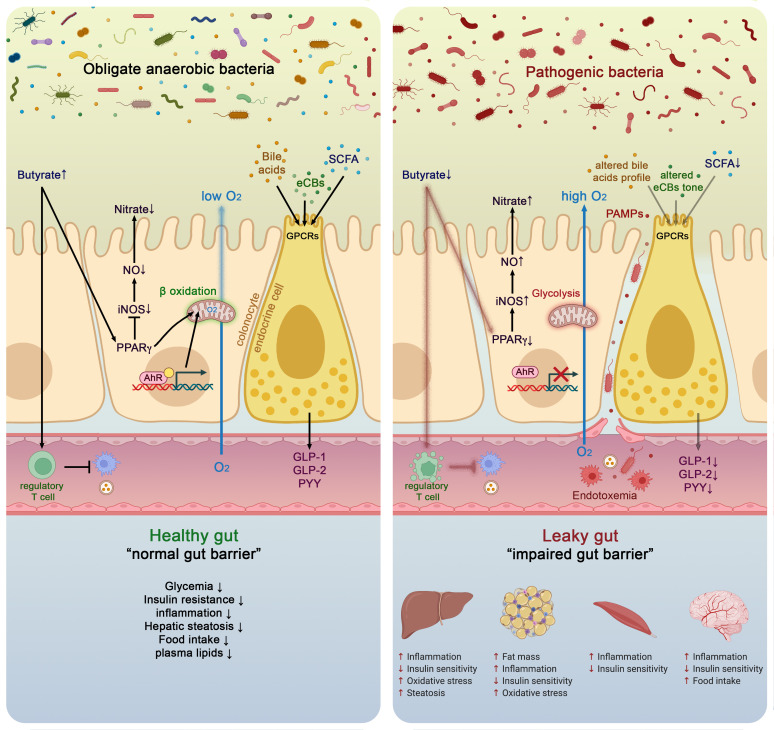
“On the other hand, butyrate can moderate inflammatory conditions by activating immune cells, such as regulatory T cells (Tregs) [107].”
BackgroundKiran, N. S., Yashaswini, C., & Chatterjee, A. (2023) · Life Sciences · doi:10.1016/j.lfs.2023.122311 · Cited by 20
Chen, S., Kang, J., Zhu, H., Han, Z., Wang, L., Wang, K., Liu, J., Wu, Y., He, P., Tu, Y., et al. (2023) · Food Bioscience · doi:10.1016/j.fbio.2023.103504 · Cited by 22
Microbial metabolites as modulators of host physiology
Joyce, S. A., & Clarke, D. J. (2024) · Advances in microbial physiology/Advances in Microbial Physiology · doi:10.1016/bs.ampbs.2023.12.001 · Cited by 24
Li, Y., Shi, C., Deng, J., Qiu, X., Zhang, S., Wang, H., Qin, X., He, Y., Cao, B., & Su, H. (2024) · Antioxidants · doi:10.3390/antiox13040412 · Cited by 20
“This collaborative action facilitates the degradation of polysaccharides and the production of lactic acid and butyric acid, which can be utilized by the liver and muscle tissues [57].”
BackgroundJiang, F.-Y., Yue, S., Tan, Y.-Y., Tang, N., Xu, Y., Zhang, B., Mao, Y.-J., Xue, Z., Lü, A., Liu, B., et al. (2024) · Nutrients · doi:10.3390/nu16111782 · Cited by 20
Dietary patterns interfere with gut microbiota to combat obesity
Lou, X., Li, P., Luo, X., Lei, Z., Liu, X., Liu, Y., Gao, L., Xu, W., & Liu, X. (2024) · Frontiers in Nutrition · doi:10.3389/fnut.2024.1387394 · Cited by 21
“Obesity is increasingly posing a significant threat to global health, increasing the risk of developing non-communicable diseases such as type 2 diabetes mellitus (T2DM), cardiovascular disease, some cancers, and other illnesses (3).”
BackgroundZheng, S.-X., Chen, J.-P., Liang, R.-S., Zhuang, B.-B., Wang, C., Zhang, G., Shi, S., & Chen, J. (2024) · International Journal of Biological Macromolecules · doi:10.1016/j.ijbiomac.2024.135326 · Cited by 20
Liu, S., Fu, J., Liao, Z.-Y., Liu, Y., He, J., He, L., Bai, J., Yang, J., Niu, S., & Guo, J. (2024) · Phytomedicine · doi:10.1016/j.phymed.2024.156117 · Cited by 21
The whole life journey and destination of microplastics: A review
You, T., Feng, X., & Xu, H. (2024) · Environmental Pollution · doi:10.1016/j.envpol.2024.125165 · Cited by 20
Canhada, S., Vigo, Á., Giatti, L., da Fonseca, M. D. J. M., Juvanhol, L. L., Cardoso, L. O., Monteiro, C. A., Schmidt, M. I., & Duncan, B. B. (2024) · Nutrients · doi:10.3390/nu16244291 · Cited by 21
“Among the potential mechanisms of action of these components are interference with cell signaling pathways involved in glucose homeostasis [32] and alterations in the gut microbiota and gut barrier function, which can lead to inflammation and metabolic changes [33,34].”
Liu, Y., Hu, Y., Ma, B., Wang, Z., & Wei, B. (2025) · Microbial Ecology · doi:10.1007/s00248-025-02529-w · Cited by 21
Gautier, T., Fahet, N., Tamanai‐Shacoori, Z., Oliviero, N., Blot, M., Sauvager, A., Burel, A., Gall‐David, S. L., Tomasi, S., Blat, S., et al. (2022) · Microorganisms · doi:10.3390/microorganisms10112263 · Cited by 21
Maternal Zearalenone Exposure Affects Gut Microbiota and Follicular Development in Suckled Offspring
Yan, J., Kong, L., Zhang, X., Yu, M., Zhu, K., Zhao, A., Shi, D., Sun, Y., Wang, J., Shen, W., et al. (2022) · Journal of Agricultural and Food Chemistry · doi:10.1021/acs.jafc.2c06457 · Cited by 20
Yang, Z., Du, C., Chang, Z., Yang, Y., & Hu, L. (2025) · Frontiers in Cellular and Infection Microbiology · doi:10.3389/fcimb.2025.1612223 · Cited by 19
Feng, Y., Wu, H., Feng, L., Zhang, R., Feng, X., Wang, W., Xu, H., & Fu, F. (2024) · Science of The Total Environment · doi:10.1016/j.scitotenv.2024.170130 · Cited by 19
B cell senescence promotes age‐related changes in oral microbiota
Mizuno, H., Kawamoto, S., Uemura, K., Park, J. H., Hori, N., Okumura, Y., Konishi, Y., & Hara, E. (2024) · Aging Cell · doi:10.1111/acel.14304 · Cited by 19
“…years, the role of commensal microbiota inhabiting various anatomical sites such as the oral cavity, nasal mucosa, and the intes - tinal tract has garnered significant attention due to its profound ef - fects on host physiology (J. L. Baker et al., 2024 ; de Vos et al., 2022; Konkel et al., 2019 ).”
Chen, S., Jiang, D., Zhuang, Q., Hou, X., Jia, X., Chen, J., Lin, H., Zhang, M., Tan, N., & Xiao, Y. (2024) · Journal of Translational Medicine · doi:10.1186/s12967-024-05878-1 · Cited by 19
Mao, J., Wei, Y., Ni, Z., Zhang, J., Zhu, J., & Wang, H. (2025) · Journal of Animal Science and Biotechnology/Journal of animal science and biotechnology · doi:10.1186/s40104-025-01169-x · Cited by 19
Yang, H., Zhang, X., Wu, J., Xiao, Y., Dai, L., Wang, G., Zhang, X., Hu, C., He, S., & Yuan, Z. (2025) · ACS Applied Materials & Interfaces · doi:10.1021/acsami.4c22004 · Cited by 20
The Impact of Diet on the Colonization of Beneficial Microbes from an Ecological Perspective
Chen, Z., Xiao, C., Zhang, J., Jian, S., Li, P., Lin, J., He, C., Chen, Z., Qi, Y., Shi, J., et al. (2025) · Journal of Agricultural and Food Chemistry · doi:10.1021/acs.jafc.5c02086 · Cited by 20
Han, R., Wang, Z., Li, Y., Ke, L., Li, X., Li, C., Tian, Z., & Liu, X. (2025) · Chinese Medical Journal · doi:10.1097/cm9.0000000000003603 · Cited by 22
Liu, C., Lai, P., Hu, J., Yin, S., Guo, S., Liu, D., Yu, J., Liang, D., Chen, G., Xing, M., et al. (2025) · Cancer Research · doi:10.1158/0008-5472.can-25-0879 · Cited by 21
“The gut microbiota, a sophisticated ecosystem, plays an indispensable role in preserving the health of the host and is strongly influenced by dietary factors (11, 12).”
The Gut-Brain Axis in Alzheimer’s Disease: Exploring Microbial Influences and Therapeutic Strategies
Mustafa, M. A., Vadia, N., Varma, P., Al‐Shaker, H., Mohanty, B., Dhyani, A., Kaur, I., Chauhan, A. S., & Garg, G. (2025) · Molecular Neurobiology · doi:10.1007/s12035-025-05474-4 · Cited by 19
Carlo, P. D., Serra, N., Alduina, R., Guarino, R., Craxì, A., Giammanco, A., Fasciana, T., Cascio, A., & Sergi, C. M. (2022) · Frontiers in Physiology · doi:10.3389/fphys.2022.888233 · Cited by 20
Tan, R., Jin, M., Chen, Z., Shao, Y., Song, Y., Yin, J., Wang, L., Chen, T., Lǐ, J., & Yang, D. (2022) · Gut Microbes · doi:10.1080/19490976.2022.2156764 · Cited by 19
“Therefore, many disease are associated with a dysregulated gut microbiome composition, metabolite disturbances, and active inflammation.(3) IBDs are inflammatory disorders of the intestine, which are associated with a disrupted gut microbial composition, as well as active inflammation and metabolite disturbances, incl…”
BackgroundPhage therapy in gut microbiome
Chen, X., Mendes, B. G., Alves, B. S., & Duan, Y. (2023) · Progress in molecular biology and translational science · doi:10.1016/bs.pmbts.2023.04.005 · Cited by 21
The human microbiome links to prostate cancer risk and treatment (Review)
Xia, B., Wang, J., Zhang, D., & Hu, X. (2023) · Oncology Reports · doi:10.3892/or.2023.8560 · Cited by 19
Yi, S., Zhang, C., Yin, P., Yu, L., Tian, F., Chen, W., & Zhai, Q. (2023) · Food & Function · doi:10.1039/d3fo02182c · Cited by 20
CAVALCANTI, S. A. D. Q., de Almeida, L. A., & Gasparotto, J. (2023) · Journal of Neuroimmunology · doi:10.1016/j.jneuroim.2023.578171 · Cited by 19
Absolute quantification of the microbiota spatial distribution in the murine large intestine
Jin, W.-Y., Guo, J., Zhang, M., Teng, L.-Z., Chao, Y., Sansonetti, P. J., & Gao, Y. (2023) · The Innovation Life · doi:10.59717/j.xinn-life.2023.100030 · Cited by 20
Programming of metabolic and autoimmune diseases in canine and feline: linkage to the gut microbiome
Ji, Y. S., Yang, Y., & Wu, Z. (2023) · Microbial Pathogenesis · doi:10.1016/j.micpath.2023.106436 · Cited by 20
Qu, Z., Tian, J., Sun, J., Shi, Y., Yu, J., Zhang, W., & Zhuang, C. (2024) · Food & Function · doi:10.1039/d3fo03914e · Cited by 21
Chen, D., Wang, A., Lv, J., Tang, C., Jin, C., Liu, J., Zeng, X., & Wang, L. (2023) · Food Chemistry X · doi:10.1016/j.fochx.2023.101058 · Cited by 19
Luque-García, L., Muxika-Legorburu, J., Mendia-Berasategui, O., Lertxundi, A., García‐Baquero, G., & Ibarluzea, J. M. (2023) · Environmental Research · doi:10.1016/j.envres.2023.118059 · Cited by 20
Yang, X., Wang, J., Cheng, J., Zhang, D., Huang, K., Zhang, Y., Li, X., Zhao, Y., Zhao, L., Xu, D., et al. (2024) · Frontiers in Microbiology · doi:10.3389/fmicb.2024.1348873 · Cited by 25
“It has the potential to regulate gastrointestinal physiology and pathophysiology (de Vos et al., 2022).”
BackgroundNutrient metabolism in regulating intestinal stem cell homeostasis
Shi, R., & Wang, B. (2024) · Cell Proliferation · doi:10.1111/cpr.13602 · Cited by 23
“110 As described above, secondary BAs, such as deoxycholic acid, modulate ISC function through its receptor TGR5.”
BackgroundShi, C., Chen, J., He, S., Zhang, Y., Zhang, Y., & Yu, L. (2024) · Frontiers in Nutrition · doi:10.3389/fnut.2024.1286593 · Cited by 20
“Currently, imbalances in the gut microbiota are associated with numerous ailments, such as overweight, type 2 diabetes, fatty liver disease, inflammatory bowel diseases (IBDs), and various forms of cancer (10–12).”
BackgroundZhou, S., Zhou, H., Jia, Q., Han, J., Zhang, Y., Li, Y., Zhang, M., & Cong, J. (2024) · International Journal of Biological Macromolecules · doi:10.1016/j.ijbiomac.2024.132362 · Cited by 19
Du, H., Cui, L., Zhao, X., Yu, Z., He, T., Zhang, B., Fan, X., Zhao, M., Zhu, R., Zhang, Z., et al. (2024) · Journal of Hazardous Materials · doi:10.1016/j.jhazmat.2024.134821 · Cited by 20
Fu, L. L., Huo, S., Lin, P., Wang, J., Zhao, J., You, Y., Nie, X., & Ding, S. (2024) · Acta Biomaterialia · doi:10.1016/j.actbio.2024.06.026 · Cited by 20
Ye, Y., Li, M., Chen, W., Wang, H., He, X., Liu, N., Guo, Z., & Zheng, C. (2024) · Pharmacological Research · doi:10.1016/j.phrs.2024.107301 · Cited by 19
Zheng, L., Li, B., Yuan, A., Bi, S., Puscher, H., Liu, C., Qiao, L., Qiao, Y., Wang, S., & Zhang, Y. (2024) · Journal of Ethnopharmacology · doi:10.1016/j.jep.2024.118662 · Cited by 21
Shi, J., Liu, Y., Zhang, Z., Zhong, X., Cao, Y., Ni, H., He, Q., Wang, Z., Liu, Y., Chen, Q., et al. (2024) · Journal of Ethnopharmacology · doi:10.1016/j.jep.2024.118700 · Cited by 22
Multifaceted paternal exposures before conception and their epigenetic impact on offspring
Wu, X., Zhang, W., Chen, H., & Weng, J. (2024) · Journal of Assisted Reproduction and Genetics · doi:10.1007/s10815-024-03243-1 · Cited by 20
“Environmental variables that disrupt the gut microbial population may affect cellular tissue physiological responses and pathology [161].”
Wicaksono, W. A., Akinyemi, O. E., Wassermann, B., Bickel, S., Suwanto, A., & Berg, G. (2024) · Food Research International · doi:10.1016/j.foodres.2024.115030 · Cited by 20
Rumyantsev, K. A., Polyakova, V., Sorokina, I. V., Feoktistova, P. S., Khatkov, I. E., Бодунова, Н. А., & Zhukova, L. (2024) · Life · doi:10.3390/life14101219 · Cited by 20
Gut Microbiota Alterations in Patients With Kawasaki Disease
Jena, P. K., Arditi, M., & Rivas, M. N. (2025) · Arteriosclerosis Thrombosis and Vascular Biology · doi:10.1161/atvbaha.124.321201 · Cited by 20
Huang, L., Wang, P., Liu, S., Deng, G., Qi, X., Sun, G., Gao, X., Zhang, L., Zhang, Y., Xiao, Y., et al. (2025) · iMeta · doi:10.1002/imt2.70007 · Cited by 20
Microbial dysbiosis in obstructive sleep apnea: a systematic review and meta-analysis
Guo, Y., Sun, S., Wang, Y., Chen, S., Kou, Z., Yuan, P., Han, W., & Yu, X. (2025) · Frontiers in Microbiology · doi:10.3389/fmicb.2025.1572637 · Cited by 21
Bacteroides- and Prevotella-enriched gut microbial clusters associate with metabolic risks
Bah, Y. R., Baba, K., Mustafa, D. N. A. B., Watanabe, S., Takeda, A., Yamashita, T., & Kasahara, K. (2025) · Gut Pathogens · doi:10.1186/s13099-025-00730-3 · Cited by 19
Wu, L., He, H., Liang, T., Du, G., Li, L., Zhong, H., Li, Y., Zhang, J., Chen, N., Jiang, T., et al. (2025) · npj Biofilms and Microbiomes · doi:10.1038/s41522-025-00812-9 · Cited by 20
REG/Reg family proteins: mediating gut microbiota homeostasis and implications in digestive diseases
Qi, Z., Pang, W., Zha, X., Liu, Y., Liu, S., Xiao, F., Wang, X., Zhou, J., Wang, W., & Liu, X. (2025) · Gut Microbes · doi:10.1080/19490976.2025.2568055 · Cited by 19
“15 Dysregulation of the gut microbiota has been linked to inflammatory bowel disease (IBD), colorectal cancer (CRC), and infectious diseases, 16–18 making the regenerating (REG/Reg) proteins as key effector molecules of the host antimicrobial defense system - a focal point of research.”
Marano, G., Sfratta, G., Marzo, E. M., Cozzo, G., Abate, F., Traversi, G., Mazza, O., Capristo, E., Gaetani, E., & Mazza, M. (2025) · Children · doi:10.3390/children12111561 · Cited by 21
The Role of the Gut Microbiome in Type 2 Diabetes Mellitus
Mashal, R., Al-Muhanna, A., Khader, S., Khudair, A. D., Khudair, A. D., & Butler, A. E. (2025) · International Journal of Molecular Sciences · doi:10.3390/ijms262311412 · Cited by 19
Dietary supplementation with resistant starch contributes to intestinal health
Wen, J.-J., Li, M., & Nie, S. (2023) · Current Opinion in Clinical Nutrition & Metabolic Care · doi:10.1097/mco.0000000000000939 · Cited by 18
Hu, Y., Li, M., Ding, L., Peng, C., Wu, Y., Liu, W., Zhao, D., Qin, L., Guo, X., Wu, L., et al. (2023) · Journal of Functional Foods · doi:10.1016/j.jff.2023.105622 · Cited by 19
Lactoferrin Alleviates Inflammation and Regulates Gut Microbiota Composition in H5N1-Infected Mice
Huang, Y., Zhang, P., Han, S., & He, H. (2023) · Nutrients · doi:10.3390/nu15153362 · Cited by 19
Xue, Y., Huang, X., Ou, Z., Wu, Y., Li, Q., Huang, X., Wen, M., Yang, Y., Situ, B., & Zheng, L. (2023) · Journal of Visualized Experiments · doi:10.3791/65574 · Cited by 19
Ren, Y., Tian, Y., Hou, M., Zhao, Y., Li, J., Aftab, U., Rousseau, X., Jiang, R., Kang, X., Tian, Y., et al. (2023) · Poultry Science · doi:10.1016/j.psj.2023.103094 · Cited by 18
Andreescu, M. (2023) · Cureus · doi:10.7759/cureus.50318 · Cited by 21
“Thanks to the advancements in molecular biology techniques, such as metagenomics, transcriptomics, and metabolomics, the composition of function of gut microbiota is becoming more clearer with each passing day [13].”
Spari, D., Zwicky, S. N., Yılmaz, B., Salm, L., Candinas, D., & Beldi, G. (2023) · Scientific Reports · doi:10.1038/s41598-023-49034-z · Cited by 18
“…intestinal antimicrobial peptides, (2) availability of bacterial nutrients such as short-chain fatty acids, glycans, nitrates, bile acids 29 or luminal as well as epithelial oxygen 28 , potentially contributing to the bloom of oxygen-consuming Proteobacteria at the expense of…”
BackgroundAtomic-Level Dissection of DC-SIGN Recognition of Bacteroides vulgatus LPS Epitopes
Nieto‐Fabregat, F., Zhu, Q., Vivès, C., Zhang, Y., Marseglia, A., Chiodo, F., Thépaut, M., Rai, D., Kulkarni, S. S., Lorenzo, F. D., et al. (2024) · JACS Au · doi:10.1021/jacsau.3c00748 · Cited by 18
High-throughput DNA extraction strategy for fecal microbiome studies
Isokääntä, H., Tomnikov, N., Vanhatalo, S., Munukka, E., Huovinen, P., Hakanen, A., & Kallonen, T. (2024) · Microbiology Spectrum · doi:10.1128/spectrum.02932-23 · Cited by 19
Zhang, W., Zhong, Y., Wang, Z., Tang, F., & Zheng, C. (2024) · Scientific Reports · doi:10.1038/s41598-024-67132-4 · Cited by 23
The key to intestinal health: a review and perspective on food additives
Wang, H., Bai, J., Miao, P., Wei, Y., Chen, X., Lan, H., Qing, Y., Zhao, M., Li, Y., Tang, R., et al. (2024) · Frontiers in Nutrition · doi:10.3389/fnut.2024.1420358 · Cited by 23
“Subsequently, the intestinal microbial community, essential for both human immunity and intestinal health, can be significantly altered by food additives (71).”
BackgroundZheng, M., Chao, X., Zheng, Y., Hong, T., Wu, W., Zhu, Y., Ni, H., & Jiang, Z. (2024) · International Journal of Biological Macromolecules · doi:10.1016/j.ijbiomac.2024.137545 · Cited by 19
Metadata
- Authors
- de Vos, W. M., Tilg, H., Van Hul, M., & Cani, P. D.
- Affiliations
- Innsbruck Medical University (AT)
- Walloon Excellence in Lifesciences and Biotechnology (BE)
- Corresponding author
- Cani, Patrice D
- Venue
- Gut
- Publisher
- BMJ
- Published
- 2022-02-01
- Volume
- 71
- Issue
- 5
- Pages
- 1020-1032
- ISSN
- 0017-5749 (ISSN-L)
- 1468-3288
- PMC
- PMC8995832
- OpenAlex
- W4210377299
- Semantic Scholar
- 4ae21e2bf7bdb0f0ce75e04daf5ba3b945950726
- Cited by
- 2,388
- References
- 197
- Citations by year
- 2026: 464 · 2025: 686 · 2024: 660 · 2023: 427 · 2022: 148
- FWCI
- 51.02
- Type
- journal article
- Language
- en
- Open access
- hybrid
- doi.org
- Locations
- Gut (publishedVersion, cc-by)
- PubMed Central (publishedVersion, cc-by)
- PubMed (publishedVersion)
- Socio-Environmental Systems Modeling (acceptedVersion, cc-by)
- Digital Access to Libraries (submittedVersion, other-oa)
- Työväentutkimus Vuosikirja (submittedVersion)
- Data Archiving and Networked Services (DANS) (submittedVersion, cc-by)
- Funders
- Soehngen Institute of Anaerobic Microbiology ([024.002.002])
- Fonds De La Recherche Scientifique - FNRS (CDR-convention: J.0027.22, EOS: program no. 30770923, EOS: program no. 40007505, FNRS T.0030.21-P, WELBIO-CR-2017C-02E, WELBIO-CR-2019C-02R)
- Bundesministerium für Verkehr, Innovation und Technologie (R&D K-Centre (COMET program - Competence Centers f, VASCage (Centre for Promoting Vascular Health in t)
- Topics
- Life Sciences › Biochemistry, Genetics and Molecular Biology › Molecular Biology › Gut microbiota and health
- Health Sciences › Dentistry › Periodontics › Oral microbiology and periodontitis research
- Health Sciences › Medicine › Gastroenterology › Gastrointestinal motility and disorders
- Keywords
- gut microbiota, host-microbe interactions, short-chain fatty acids, bile acids, trimethylamine N-oxide, endocannabinoids, bioactive lipids, phenolic compounds, advanced glycation end products, aryl hydrocarbon receptor, G protein-coupled receptors, obesity, type 2 diabetes, hepatic steatosis, inflammatory bowel disease, cancer, host immunity
- MeSH terms
- Gastrointestinal Microbiome, Bacteria, Bile Acids and Salts, Diabetes Mellitus, Type 2, Fatty Acids, Volatile, Humans, Receptors, G-Protein-Coupled
About these checks
Registry, retraction, Cites and statistics results are computed, not judged, with one exception: a printed reference that no index lists is read once by a model before it counts as a citation error. Claims are extracted by a model and kept only when their quote appears verbatim in the text; each cited source is then checked, with a model’s help, for whether it says what the claim relies on. Those verdicts can be wrong — read the claim’s quote and the cited source before relying on one.
Statistics and arithmetic are recomputed, not judged.
Confidence bands are shown only for fields calibrated on our annotated test set. None is calibrated yet, so no band is shown.
What counts as a claim ›How we measure confidence ›How we check this ›
Are you an author, or do you see a problem with this page? Request a review
Data sources
Bibliographic data: Semantic Scholar, OpenAlex, Crossref.
Contains information from the Semantic Scholar Academic Graph Datasets, made available under the ODC Attribution License (ODC-BY 1.0).
Semantic Scholar’s data is described in: Kinney, R., et al. (2023). The Semantic Scholar Open Data Platform. arXiv:2301.10140.
