

Gut microbiome and health: mechanistic insights
Open accessThe DOI matches its Crossref record; 196 of the 197 references it cites were found in a registry or an index.
Abstract
The gut microbiota is now considered as one of the key elements contributing to the regulation of host health. Virtually all our body sites are colonised by microbes suggesting different types of crosstalk with our organs. Because of the development of molecular tools and techniques (ie, metagenomic, metabolomic, lipidomic, metatranscriptomic), the complex interactions occurring between the host and the different microorganisms are progressively being deciphered. Nowadays, gut microbiota deviations are linked with many diseases including obesity, type 2 diabetes, hepatic steatosis, intestinal bowel diseases (IBDs) and several types of cancer. Thus, suggesting that various pathways involved in immunity, energy, lipid and glucose metabolism are affected. In this review, specific attention is given to provide a critical evaluation of the current understanding in this field. Numerous molecular mechanisms explaining how gut bacteria might be causally linked with the protection or the onset of diseases are discussed. We examine well-established metabolites (ie, short-chain fatty acids, bile acids, trimethylamine N-oxide) and extend this to more recently identified molecular actors (ie, endocannabinoids, bioactive lipids, phenolic-derived compounds, advanced glycation end products and enterosynes) and their specific receptors such as peroxisome proliferator-activated receptor alpha (PPARα) and gamma (PPARγ), aryl hydrocarbon receptor (AhR), and G protein-coupled receptors (ie, GPR41, GPR43, GPR119, Takeda G protein-coupled receptor 5). Altogether, understanding the complexity and the molecular aspects linking gut microbes to health will help to set the basis for novel therapies that are already being developed.
Overview
The claims and statistics of this paper haven’t been checked yet.
Free: it reads the open-access text and checks the first 5 claims that cite a source we can check. Create a free account to check every claim.
Integrity signals
Registry
Cites
Statistics
Figures
Verification
Claims the paper makes
The claims and statistics of this paper haven’t been checked yet.
Free: it reads the open-access text and checks the first 5 claims that cite a source we can check. Create a free account to check every claim.
Claims other papers make about this one
Each is checked against this paper’s own text: does it say what the citing paper says it does?
The source backs part of the claim, not all of it — or backs it for a different population, condition or comparison.
In the citing paper
“Fiber-rich, plant-based diets have the opposite effect, nurturing Bifidobacterium and Lactobacillus, increasing butyrate producers like Roseburia and Eubacterium rectale, and shielding against obesity and insulin resistance via SCFA signaling.15,70,81–83”
From Gut dysbiosis in oncology: a risk factor for immunoresistance (2026) · doi:10.1038/s41422-025-01212-6 · cites this paper as [81]
Experimental — accuracy not yet measuredThe source backs part of the claim, not all of it — or backs it for a different population, condition or comparison.
In the citing paper
“Akkermansia muciniphila is a Gram-negative homeostatic commensal bacteria that influences host metabolism to maintain glucose tolerance and intestinal barrier function.”
From Gut OncoMicrobiome Signatures (GOMS) as next-generation biomarkers for cancer immunotherapy (2023) · cites this paper as [102]
Experimental — accuracy not yet measuredThe source backs part of the claim, not all of it — or backs it for a different population, condition or comparison.
In the citing paper
“The ECS and GM interact to regulate intestinal homeostasis resulting in relevant functional effects in the gut and CNS (238, 246, 248, 250).”
From Signalling cognition: The gut microbiota and hypothalamic-pituitary-adrenal axis (2023) · cites this paper as [250]
Experimental — accuracy not yet measuredThe cited source says what the claim attributes to it.
In the citing paper
“The microbial fermentative activity of gut microbiota is vital for the production of SCFAs, including butyrate, acetate, and propionate, from non-digestible dietary fibers.271,273”
From Microbiota–gut–brain axis and its therapeutic applications in neurodegenerative diseases (2024) · cites this paper as [273]
The cited source says what the claim attributes to it.
In the citing paper
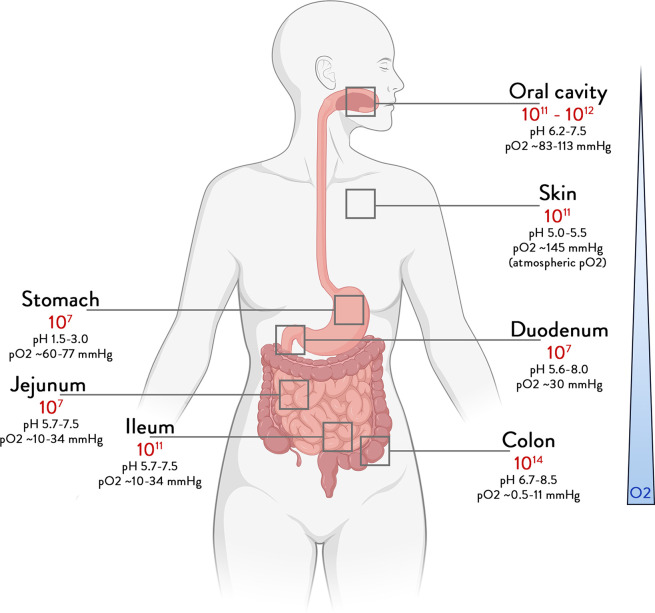
“The taxonomic composition of the gut microbiota changes throughout the gastrointestinal tract, according to nutrient availability, mucus structure, pH and oxygen availability [1–6].”
From Role of the gut microbiota in nutrient competition and protection against intestinal pathogen colonization (2023) · cites this paper as [2]
Self-check
Percentages, sums and reported differences re-computed from the paper’s own numbers.
The self-check needs the paper’s full text.
Citations
Cites
A human gut microbial gene catalogue established by metagenomic sequencing
MetaHIT Consortium, Qin, J., Li, R., Raes, J., Arumugam, M., Burgdorf, K. S., Manichanh, C., Nielsen, T., Pons, N., Levenez, F., et al. (2010) · Nature · doi:10.1038/nature08821 · Cited by 11,624
Defective LPS Signaling in C3H/HeJ and C57BL/10ScCr Mice: Mutations in Tlr4 Gene
Poltorak, A., He, X., Smirnova, I., Liu, M.-Y., Huffel, C. V., Du, X., Birdwell, D., Alejos, E., Silva, M., Galanos, C., et al. (1998) · Science · doi:10.1126/science.282.5396.2085 · Cited by 7,631
From Dietary Fiber to Host Physiology: Short-Chain Fatty Acids as Key Bacterial Metabolites
Koh, A., De Vadder, F., Kovatcheva-Datchary, P., & Bäckhed, F. (2016) · Cell · doi:10.1016/j.cell.2016.05.041 · Cited by 7,070
A metagenome-wide association study of gut microbiota in type 2 diabetes
Qin, J., Li, Y., Cai, Z., Li, S., Zhu, J., Zhang, F., Liang, S., Zhang, W., Guan, Y., Shen, D., et al. (2012) · Nature · doi:10.1038/nature11450 · Cited by 6,762
Metabolic Endotoxemia Initiates Obesity and Insulin Resistance
Cani, P. D., Amar, J., Iglesias, M. A., Poggi, M., Knauf, C., Bastelica, D., Neyrinck, A. M., Fava, F., Tuohy, K. M., Chabo, C., et al. (2007) · Diabetes · doi:10.2337/db06-1491 · Cited by 6,638 · cited 3×
“This is the case in metabolic endotoxaemia, in which high-fat diet and weight gain have been associated with a higher gut permeability and subsequent systemic (mild) elevation in circulating plasma LPS. 100 This causes a state of low-grade inflammation, which is a pathological feature of a range of chronic conditions…”
BackgroundInfluentialSelf-citationIsolation and Structure of a Brain Constituent That Binds to the Cannabinoid Receptor
Devane, W. A., Hanuš, L., Breuer, A., Pertwee, R. G., Stevenson, L. A., Griffin, G., Gibson, D., Mandelbaum, A., Etinger, A., & Mechoulam, R. (1992) · Science · doi:10.1126/science.1470919 · Cited by 5,633 · cited 1×
“113 The second key ligand identified was 2-arachidonoylglycerol (2-AG).”
BackgroundMolecular characterization of a peripheral receptor for cannabinoids
Munro, S., Thomas, K. L., & Abu-Shaar, M. (1993) · Nature · doi:10.1038/365061a0 · Cited by 5,092
Gut microbiota in human metabolic health and disease
Fan, Y., & Pedersen, O. (2021) · Nature Reviews Microbiology · doi:10.1038/s41579-020-0433-9 · Cited by 4,724
Succinate is an inflammatory signal that induces IL-1β through HIF-1α
Tannahill, G. M., Curtis, A. M., Adamik, J., Palsson-McDermott, E. M., McGettrick, A. F., Goel, G., Frezza, C., Bernard, N. J., Kelly, B., Foley, N. H., et al. (2013) · Nature · doi:10.1038/nature11986 · Cited by 4,176
Duodenal Infusion of Donor Feces for Recurrent Clostridium difficile
van Nood, E., Vrieze, A., Nieuwdorp, M., Fuentes, S., Zoetendal, E. G., de Vos, W. M., Visser, C. E., Kuijper, E. J., Bartelsman, J. F. W. M., Tijssen, J. G. P., et al. (2013) · New England Journal of Medicine · doi:10.1056/nejmoa1205037 · Cited by 3,708
Research works printed but not linked: 1
- 10.2337/diabetes · doi:10.2337/diabetes · Paper page
Cited by
Items 301–400 of 1,006
The Underrated Gut Microbiota Helminths, Bacteriophages, Fungi, and Archaea
García-Bonete, M.-J., Rajan, A., Suriano, F., & Layunta, E. (2023) · Life · doi:10.3390/life13081765 · Cited by 43
The Landscape and Perspectives of the Human Gut Metaproteomics
Sun, Z., Ning, Z., & Figeys, D. (2024) · Molecular & Cellular Proteomics · doi:10.1016/j.mcpro.2024.100763 · Cited by 37
Association Between Gut and Nasal Microbiota and Allergic Rhinitis: A Systematic Review
Hu, Y., Zhang, R., Li, J., Wang, H., Wang, M., Ren, Q., Fang, Y., & Tian, L. (2024) · Journal of Asthma and Allergy · doi:10.2147/jaa.s472632 · Cited by 43
“124 The metabolites produced by the gut microbiota may exert an effect on the immune status of the nasal mucosa, thereby influencing the composition and function of the nasal microbiome.”
Feng, J., Wang, Z., Zhao, X., Xu, L., Teng, C., Liu, S., Huang, W., & Li, Y. (2025) · Carbohydrate Polymers · doi:10.1016/j.carbpol.2025.123273 · Cited by 39
Gut microbiota in acute leukemia: Current evidence and future directions
Zhou, Y., Zhou, C., & Zhang, A. (2022) · Frontiers in Microbiology · doi:10.3389/fmicb.2022.1045497 · Cited by 41
Use of the Probiotic Bifidobacterium animalis subsp. lactis HN019 in Oral Diseases
Araújo, L. D. C., Furlaneto, F. A. C., da Silva, L. A. B., & Kapila, Y. L. (2022) · International Journal of Molecular Sciences · doi:10.3390/ijms23169334 · Cited by 44
“It has an excellent capacity to adhere to epithelial cells, a high tolerance for and ability to survive in a low pH environment, resistance to bile salts [4,27,50,51], and ability to modulate the immune response [4,27].”
BackgroundInfluentialRecent review on selected xenobiotics and their impacts on gut microbiome and metabolome
Jin, Y., Chi, J., LoMonaco, K., Boon, A., & Gu, H. (2023) · TrAC Trends in Analytical Chemistry · doi:10.1016/j.trac.2023.117155 · Cited by 39
Short-chain fatty acid – A critical interfering factor for allergic diseases
Liu, Y., Liu, J., Du, M., Hu, Y., Shi, R., Shi, Y., Zhang, S., Zhao, Y., & Lan, J. (2023) · Chemico-Biological Interactions · doi:10.1016/j.cbi.2023.110739 · Cited by 38
Xie, Y., Liu, C., Zhang, J., Li, B., Li, B., & Liu, S. (2023) · Journal of Colloid and Interface Science · doi:10.1016/j.jcis.2023.10.159 · Cited by 38
Sun, J., Chen, M., Hu, Z., Xu, N., Wang, W., Ping, Z., Zhu, J., Sun, D., Zhu, Z., Li, H., et al. (2024) · Nature Communications · doi:10.1038/s41467-024-50223-1 · Cited by 45
Surface nanocoating of bacteria as a versatile platform to develop living therapeutics
Cao, Z., & Liu, J. (2024) · Nature Protocols · doi:10.1038/s41596-024-01019-6 · Cited by 40
“Bacteria, accounting for more than 99% of the microbiome, are ubiquitous in and on the human body, including the skin, gastrointestinal tract, respiratory tract and genital tract and are essential to our health 4–6 .”
Zhu, J., Zhong, Z., Shi, L., Huang, L., Lin, C., He, Y., Xia, X., Zhang, T., Ding, W., & Yang, Y. (2024) · Gut Microbes · doi:10.1080/19490976.2024.2401939 · Cited by 40
Behler-Janbeck, F., Baranowsky, A., Yorgan, T. A., Jaeckstein, M. Y., Worthmann, A., Fuh, M. M., Gunasekaran, K., Tiegs, G., Amling, M., Schinke, T., et al. (2024) · Frontiers in Endocrinology · doi:10.3389/fendo.2024.1392418 · Cited by 39
“Furthermore, intake of fi ber-rich, non-digestible carbohydrates results in anaerobic fermentation and the production of SCFAs (24, 25), which can activate immune cells but also distant parenchymal cells by ligation of G protein-coupled receptors (26).”
Prebiotics and Gut Health: Mechanisms, Clinical Evidence, and Future Directions
Monteiro, C. R. A. V., Bogéa, E. G., Campos, C. D. L., Filho, J. L. P., Almeida, V. S. S., Vale, A. Á. M., de Azevedo-Santos, A. P. S., & Monteiro‐Neto, V. (2026) · Nutrients · doi:10.3390/nu18030372 · Cited by 41
“In recent years, there has been a surge in research exploring the potential of prebiotics to support and enhance gut health [1,9–11].”
InfluentialThe Association between Dysbiosis and Neurological Conditions Often Manifesting with Chronic Pain
Garvey, M. (2023) · Biomedicines · doi:10.3390/biomedicines11030748 · Cited by 41
Xie, N., Wang, Z., Shu, Q., Liang, X., Wang, J., Wu, K., Nie, Y., Shi, Y., Fan, D., fan, D., et al. (2023) · Nutrients · doi:10.3390/nu15132937 · Cited by 40
The interaction between intestinal microenvironment and stroke
Zhao, L., Xiao, J., Li, S., Guo, Y., Fu, R., Hua, S., Du, Y., & Xu, S. (2023) · CNS Neuroscience & Therapeutics · doi:10.1111/cns.14275 · Cited by 39
Wu, R., Wang, D., Cheng, L., Su, R. J., Li, B., Fan, C., Gao, C., & Wang, C. (2024) · Arthritis Research & Therapy · doi:10.1186/s13075-023-03260-y · Cited by 37
“The gut microbiota as the most critical component in the gut is important for balancing health and disease, and it is associated with autoimmune diseases including RA [25, 26].”
BackgroundGut microbiome-metabolites axis: A friend or foe to colorectal cancer progression
Wu, H., Ma, W., Wang, Y., Wang, Y., Sun, X., & Zheng, Q. (2024) · Biomedicine & Pharmacotherapy · doi:10.1016/j.biopha.2024.116410 · Cited by 37
Intestinal biofilms: pathophysiological relevance, host defense, and therapeutic opportunities
Jandl, B., Dighe, S. N., Gasché, C., Makristathis, A., & Muttenthaler, M. (2024) · Clinical Microbiology Reviews · doi:10.1128/cmr.00133-23 · Cited by 39
“Significant variations in the gut microbiota pose challenges in defining gut homeo stasis or dysbiosis solely based on the presence or absence of specific microbes (126, 127).”
Munteanu, C., Onose, G., Poştaru, M., Turnea, M. A., Rotariu, M., & Galaction, A. (2024) · Pharmaceuticals · doi:10.3390/ph17111480 · Cited by 38
“NAD + production can be optimized by restoring gut health, enhancing sirtuin-mediated neuroprotection [60].”
Liu, W., Wang, L., Ou, J., Peng, D., Zhang, Y., Chen, W., & Wang, Y. (2025) · International Journal of Molecular Sciences · doi:10.3390/ijms26083752 · Cited by 40
“…while reduced diversity has been linked to a range of diseases, including in fl ammatory bowel disease (IBD), obesity, and metabolic disorders [33]. dysfunction-associated liver disease HepG2 fatty liver cells, disrupting the structure and function of the intestinal barrier and exacerbating…”
Emerging Roles of Bile Acids in Neuroinflammation
Butcher, E. L., & Arthur, S. (2025) · International Journal of Molecular Sciences · doi:10.3390/ijms262311301 · Cited by 40
In vitro bioaccessibility of polyphenolic compounds: The effect of dissolved oxygen and bile
Nagar, E. E., Okun, Z., & Shpigelman, A. (2022) · Food Chemistry · doi:10.1016/j.foodchem.2022.134490 · Cited by 40
Gut microbiota and SCFAs improve the treatment efficacy of chemotherapy and immunotherapy in NSCLC
Yang, Y., Ye, M., Song, Y., Xing, W., Zhao, X., Li, Y., Shen, J., Zhou, J., Arikawa, K., Wu, S., et al. (2025) · npj Biofilms and Microbiomes · doi:10.1038/s41522-025-00785-9 · Cited by 36
“F Linear discriminant analysis effect size (LEfSe) analysis, with a Linear Discriminant Analysis (LDA) threshold of 4,identi fi eskeymicrobiotataxaenrichedineachgroup,visualizedascolorednodes.”
Ghorbani, Y., Schwenger, K. J. P., Sharma, D., Jung, H. J., Yadav, J., Xu, W., Lou, W. Y. W., Poutanen, S. M., Hota, S. S., Comelli, E. M., et al. (2022) · Diabetes Obesity and Metabolism · doi:10.1111/dom.14891 · Cited by 36
Yin, R., Wang, T., Dai, H., Han, J., Sun, J., Liu, N., Dong, W., Jin, Z., & Liu, H. (2023) · Protein & Cell · doi:10.1093/procel/pwad016 · Cited by 37
“LPS released into circulation are known as potent inflammation inducers activating TLR4 or inflammatory caspase (caspase-4/5/11)-mediated signaling pathway (Rathinam et al., 2019; de Vos et al., 2022).”
BackgroundHydrogel-encapsulation to enhance bacterial diagnosis of colon inflammation
Aghlara-Fotovat, S., Musteata, E., Doerfert, M., Baruch, M., Levitan, M., Tabor, J. J., & Veiseh, O. (2023) · Biomaterials · doi:10.1016/j.biomaterials.2023.122246 · Cited by 37
“Disruption of gut bacterial-host interactions are linked to obesity, type 2 diabetes, hepatic steatosis, inflammatory bowel disease (IBD), and several types of cancer [8,9].”
BackgroundNie, Q., Wan, X., Tao, H., Yang, Q., Zhao, X., Liu, H., Hu, J., Luo, Y., Shu, T., Geng, R., et al. (2023) · Frontiers in Cellular and Infection Microbiology · doi:10.3389/fcimb.2023.1261189 · Cited by 40
Liu, X., Wang, S., Wu, X., Zhao, Z., Chen, J., Li, M., & Qin, X. (2023) · Journal of Agricultural and Food Chemistry · doi:10.1021/acs.jafc.3c04063 · Cited by 37
Balancing the Oral–Gut–Brain Axis with Diet
Kerstens, R., Ng, Y. Z., Pettersson, S., & Jayaraman, A. (2024) · Nutrients · doi:10.3390/nu16183206 · Cited by 37
“The gut microbiota’s impact extends beyond the gastrointestinal tract, influencing multiple distant organs, such as the brain, and systemic processes through interactions with the intestinal mucosa and the immune system [5,6].”
BackgroundPan, H., Yang, S., Kulyar, M. F., Ma, H., Li, K., Zhang, L., Mo, Q., & Li, J. (2025) · Nutrients · doi:10.3390/nu17030452 · Cited by 37
Fecal microbiota transplantation: present and future
Cha, R. R., & Sonu, I. S. (2025) · Clinical Endoscopy · doi:10.5946/ce.2024.270 · Cited by 39
The solid tumor microenvironment and related targeting strategies: a concise review
Wang, Y., Zhou, H., Ju, S., Dong, X., & Zheng, C. (2025) · Frontiers in Immunology · doi:10.3389/fimmu.2025.1563858 · Cited by 220
“At present, the main strategies for targeting microorganisms include fecal microbial transplantation, targeting microorganisms using single strains or engineered synthetic strains, diet and probiotic regulation, antibiotics targeting a certain fl ora, and phage-based pathways (139, 149, 236).”
Translational strategies for oral delivery of faecal microbiota transplantation
Kamath, S., Bryant, R. V., Costello, S. P., Day, A. S., Forbes, B., Haifer, C., Hold, G. L., Kelly, C. R., Li, A., Pakuwal, E., et al. (2025) · Gut · doi:10.1136/gutjnl-2025-335077 · Cited by 38
Chinta, S., Sonali, L., Pavithra, R., Raj, M. P. D., Kanimozhi, N. V., & Sukumar, M. (2025) · Glycoscience & Therapy · doi:10.1016/j.glycos.2025.100004 · Cited by 40
Muhummed, A. M., Lanker, K. C., Yersin, S., Zinsstag, J., & Vonaesch, P. (2025) · Microbiome · doi:10.1186/s40168-025-02231-6 · Cited by 40
Age-Related NAFLD: The Use of Probiotics as a Supportive Therapeutic Intervention
Campagnoli, L. I. M., Marchesi, N., Vairetti, M., Pascale, A., Ferrigno, A., & Barbieri, A. (2022) · Cells · doi:10.3390/cells11182827 · Cited by 37
“All these important functions make the GM a fundamental system able to regulate the host’s health [1,2].”
BackgroundVolatile Markers for Cancer in Exhaled Breath—Could They Be the Signature of the Gut Microbiota?
Bhandari, M. P., Poļaka, I., Vangravs, R., Mežmale, L., Veliks, V., Kiršners, A., Mochalski, P., Dias‐Neto, E., & Leja, M. (2023) · Molecules · doi:10.3390/molecules28083488 · Cited by 38
Li, Y., Feng, Z., Wu, T., You, H., Wang, W., Liu, X., & Ding, L. (2023) · Molecular Nutrition & Food Research · doi:10.1002/mnfr.202300258 · Cited by 37
Wei, J., Liu, Q., Yuen, H.-Y., Lam, A. C.-H., Jiang, Y., Yang, Y., Liu, Y., Zhao, X., & Xiao, L. (2025) · Journal of Orthopaedic Translation · doi:10.1016/j.jot.2024.11.003 · Cited by 40
“When the permeability of the gut is compromised, certain bacterial components called pathogen associated molecular patterns (PAMPs), can enter the circulation to activate pattern recognition receptors (PRRs) of intestinal epithelial cells and bone cells (e.g., osteoclasts, osteoblasts) [94].”
Integrative systems biology approaches for analyzing microbiome dysbiosis and species interactions
Rehman, S. S. U., Nasar, M. I., Mesquita, C. S., Khodor, S. A., Notebaart, R. A., Ott, S., Mundra, S., Arasardanam, R. P., Muhammad, K., & Alam, M. T. (2025) · Briefings in Bioinformatics · doi:10.1093/bib/bbaf323 · Cited by 37
“Disruption of microbial diversity, on the other hand, can lead to a state of imbalance known as dysbiosis [7, 60].”
Microbiota-based therapies in oral health and disorders
Salah, A. N., Doghish, Y. A., Abbass, S. O., Mansour, R. M., Sayed, G. A., Elshami, N. H., Mageed, S. S. A., Mohammed, O. A., Abulsoud, A. I., Zaki, M. B., et al. (2025) · Folia Microbiologica · doi:10.1007/s12223-025-01324-x · Cited by 39
“It encompasses all microorganisms, including fungi, bacteria, and viruses, together with their genetic material, residing in a certain habitat, such as the human body (de Vos et al. 2022).”
Lu, S., Xu, S., Chen, L., Deng, Y., & Feng, J. (2022) · Antioxidants · doi:10.3390/antiox11091806 · Cited by 39
Hernández-Calderón, P., Wiedemann, L., & Benítez‐Páez, A. (2022) · Frontiers in Nutrition · doi:10.3389/fnut.2022.1006747 · Cited by 40
Xie, S., Zhang, R., Li, Z., Liu, C., Xiang, W., Lü, Q., Chen, Y., & Yu, Q. (2022) · Free Radical Biology and Medicine · doi:10.1016/j.freeradbiomed.2022.10.316 · Cited by 35
The gut microbiota links disease to human genome evolution
Quan, Y., Zhang, K., & Zhang, H. (2023) · Trends in Genetics · doi:10.1016/j.tig.2023.02.006 · Cited by 37
Biosensors for point-of-care testing and personalized monitoring of gastrointestinal microbiota
Ngashangva, L., & Chattopadhyay, S. (2023) · Frontiers in Microbiology · doi:10.3389/fmicb.2023.1114707 · Cited by 39
Targeting gut-liver axis by dietary lignans ameliorate obesity: evidences and mechanisms
Chu, Z., Hu, Z., Luo, Y., Zhou, Y., Yang, F., & Luo, F. (2023) · Critical Reviews in Food Science and Nutrition · doi:10.1080/10408398.2023.2272269 · Cited by 37
“The bacteria found in the digestive tracts of healthy animals may be classified into four broad categories: Bacteroidetes , Proteobacteria , Actinobacteria , and Firmicutes (Manor et al. 2020; Xiao et al. 2017; Ye et al. 2021; Zhao et al. 2015; de Vos et al. 2022).”
Cold exposure, gut microbiota and health implications: A narrative review
Zhou, E., Zhang, L., He, L., Xiao, Y., Zhang, K., & Luo, B. (2024) · The Science of The Total Environment · doi:10.1016/j.scitotenv.2024.170060 · Cited by 35
Immunomodulation and inflammation: Role of GLP-1R and GIPR expressing cells within the gut
Morrow, N. M., Morissette, A., & Mulvihill, E. E. (2024) · Peptides · doi:10.1016/j.peptides.2024.171200 · Cited by 34
“The interaction be-tween gut microbes, their metabolites, the immune system, and metabolic health has been extensively reviewed elsewhere [65 – 67].”
Liang, L., Su, X., Guan, Y., Wu, B., Zhang, X., & Nian, X. (2024) · iScience · doi:10.1016/j.isci.2024.109784 · Cited by 35
“44 This is consistent with the a -diversity and b -diversity bioinformatics analysis results.”
ResultQin, W., Li, J., Gao, N., Kong, X., Guo, L., Chen, Y., Huang, L., Chen, X., & Qi, F. (2024) · Molecular Cancer · doi:10.1186/s12943-024-02017-8 · Cited by 34
“Recent studies have shown that probiotics increase the production of short-chain fatty acids and effectively alleviate the symptoms of different diseases [3, 6, 15–17], indicating that the gut microbiota affects various diseases through common metabolites and pathways.”
ResultReal-world of Limosilactobacillus reuteri in mitigation of acute experimental colitis
Yue, N., Zhao, H., Hu, P., Zhang, Y., Tian, C., Chen, K., Mai, Z., Huang, L., Luo, Q., Wei, D., et al. (2025) · Journal of Nanobiotechnology · doi:10.1186/s12951-025-03158-8 · Cited by 35
Luo, S., Wang, Y., Kang, X., Liu, P., & Wang, G. (2022) · Microbial Pathogenesis · doi:10.1016/j.micpath.2022.105809 · Cited by 38
Ye, S., Wang, L., Li, S., Ding, Q., Wang, Y., Wan, X., Ji, X., Lou, Y., & Li, X. (2022) · Frontiers in Cellular and Infection Microbiology · doi:10.3389/fcimb.2022.1090889 · Cited by 36
Ju, Y., Liu, X., Ye, X., Dai, M., Fang, B., Shen, X., & Liu, L. (2023) · ACS Applied Nano Materials · doi:10.1021/acsanm.3c02097 · Cited by 34
Zhang, Y., Li, M., Pu, Z., Chi, X., & Yang, J. (2023) · Ecotoxicology and Environmental Safety · doi:10.1016/j.ecoenv.2023.115182 · Cited by 33
Wang, L., Lin, Z., Ali, M., Zhu, X., Zhang, Y., Li, S., Li, K., Kebzai, F., & Li, J. (2023) · Frontiers in Microbiology · doi:10.3389/fmicb.2023.1171074 · Cited by 42
Dietary (Poly)phenols and the Gut–Brain Axis in Ageing
Láng, L., McArthur, S., Lázár, A. S., Pourtau, L., Gaudout, D., Pontifex, M. G., Müller, M. M., & Vauzour, D. (2024) · Nutrients · doi:10.3390/nu16101500 · Cited by 34
“This interaction between gut microbes and metabolites of food-derived compounds appears to positively impact on human chronic diseases [20,21] and be a highly relevant modifier of brain physiopathology [22,23].”
BackgroundRong, X., Zhu, L., & Shu, Q. (2025) · Microbiology Spectrum · doi:10.1128/spectrum.03039-24 · Cited by 36
Emerging mitochondrial signaling mechanisms in cardio-oncology: beyond oxidative stress
Bikomeye, J. C., Terwoord, J. D., Santos, J. H., & Beyer, A. (2022) · American Journal of Physiology-Heart and Circulatory Physiology · doi:10.1152/ajpheart.00231.2022 · Cited by 35
Wortelboer, K., Koopen, A. M., Herrema, H., de Vos, W. M., Nieuwdorp, M., & Kemper, E. M. (2022) · Frontiers in Medicine · doi:10.3389/fmed.2022.1077275 · Cited by 38
Gut microbiota-targeted interventions: from conventional approaches to genetic engineering
Zuo, Z., & Zhao, F. (2023) · Science Bulletin · doi:10.1016/j.scib.2023.05.018 · Cited by 33
Olivo-Martínez, Y., Bosch, M., Badía, J., & Baldomà, L. (2023) · Nutrients · doi:10.3390/nu15112437 · Cited by 36
“In addition, high levels of circulating pro-inflammatory mediators and microbial products negatively impact the normal communication networks between the gut and its microbiota with distal organs [2].”
BackgroundPlant cell wall composition modulates the gut microbiota and metabolites in in-vitro fermentation
Xiong, W., Devkota, L., Flanagan, B. M., Gu, Z., Zhang, B., & Dhital, S. (2023) · Carbohydrate Polymers · doi:10.1016/j.carbpol.2023.121074 · Cited by 33
Microbiotoxicity: antibiotic usage and its unintended harm to the microbiome
Theodosiou, A. A., Jones, C. E., Read, R. C., & Bogaert, D. (2023) · Current Opinion in Infectious Diseases · doi:10.1097/qco.0000000000000945 · Cited by 36
Bacteriophages, gut bacteria, and microbial pathways interplay in cardiometabolic health
Kirk, D., Costeira, R., Visconti, A., Mirzaei, M. K., Deng, L., Valdes, A. M., & Menni, C. (2024) · Cell Reports · doi:10.1016/j.celrep.2024.113728 · Cited by 36
Emerging roles of the gut microbiota in cancer immunotherapy
Shi, Z., Li, H., Song, W., Zhou, Z., Li, Z., & Zhang, M. (2023) · Frontiers in Immunology · doi:10.3389/fimmu.2023.1139821 · Cited by 34
Zhang, P.-F., & Xie, D. (2024) · Frontiers in Immunology · doi:10.3389/fimmu.2024.1362133 · Cited by 39
“With the development and wide application of novel molecular technologies (such as 16S ribosomal RNA sequencing, metagenomics and metabolomics), a multitude of preclinical and clinical studies have been performed to explore intricate host-microbiota interactions over the last decade (21).”
BackgroundYan, F., Wang, X., Du, Y., Zhao, Z., Shi, L., Cao, T., Shen, Y., Sun, L., & Liu, X. (2024) · Journal of Agricultural and Food Chemistry · doi:10.1021/acs.jafc.4c08986 · Cited by 33
Shen, J., Liang, W., Zhao, R., Chen, Y., Liu, Y., Cheng, W., Chai, T., Zhang, Y., Chen, S., Liu, J., et al. (2025) · iMeta · doi:10.1002/imt2.272 · Cited by 34
From Microbial Switches to Metabolic Sensors: Rewiring the Gut–Brain Kynurenine Circuit
Tanaka, M., & Vécsei, L. (2025) · Biomedicines · doi:10.3390/biomedicines13082020 · Cited by 23
“The gut microbiota orchestrates KYN metabolic activity through a network of direct molecular interactions that go beyond metabolite secretion [107–109].”
InfluentialGut microbiome and metabolic health: mechanisms and precision interventions
Li, Z., Samui, S., Liu, J. S., Yang, Y., Liu, X., Chen, Q. W., Li, J. N., Gopinath, D., Luo, P., & Shan, D. (2026) · Gut Microbes · doi:10.1080/19490976.2026.2644677 · Cited by 38
“14,15,21 From a taxonomic standpoint, high α -diversity is widely considered a hallmark of microbial stability, enabling the community to maintain metabolic functions despite dietary or environmental fluctuations.”
InfluentialTherapeutic modulation of the liver immune microenvironment
Tilg, H., Adolph, T. E., & Tacke, F. (2023) · Hepatology · doi:10.1097/hep.0000000000000386 · Cited by 31
“[212] Our gut microbiota holds the potential to develop toward a more host-endangering composition with the generation of so-called pathobionts or evolution of protective species by controlling immune responses.”
BackgroundSelf-citationChapadgaonkar, S. S., Bajpai, S., & Godbole, M. S. (2023) · Cancer Reports · doi:10.1002/cnr2.1847 · Cited by 41
Age-associated changes in intestinal health biomarkers in dogs
Fernández-Pinteño, A., Pilla, R., Manteca, X., Suchodolski, J. S., Torre, C., & Salas, A. (2023) · Frontiers in Veterinary Science · doi:10.3389/fvets.2023.1213287 · Cited by 34
Haldar, S., Jadhav, S. R., Gulati, V., Beale, D. J., Balkrishna, A., Varshney, A., Palombo, E. A., Karpe, A. V., & Shah, R. (2023) · FEMS Microbiology Ecology · doi:10.1093/femsec/fiad103 · Cited by 36
“The persistence of microbes in the gut is influenced by the complex interplay of factors, including differences in physiological niches and downstream microbial colonization (de Vos et al. 2022 ).”
A Metabolite Perspective on the Involvement of the Gut Microbiota in Type 2 Diabetes
Fu, Y., Li, S., Xiao, Y., Liu, G., & Fang, J. Q. (2023) · International Journal of Molecular Sciences · doi:10.3390/ijms241914991 · Cited by 34
Moreira, M. D. S., & Aragão, G. F. (2022) · Amplla Editora eBooks · doi:10.51859/amplla.tea2232-1 · Cited by 31
The Gut–Brain Axis as a Therapeutic Target in Multiple Sclerosis
Bugă, A. M., Pădureanu, V., Riza, A., Oancea, C. N., Albu, C. V., & Nica, A. D. (2023) · Cells · doi:10.3390/cells12141872 · Cited by 34
Xiao, J., Guo, X., & Wang, Z. (2024) · Frontiers in Immunology · doi:10.3389/fimmu.2024.1385907 · Cited by 36
“SCFAs, particularly butyrate, serve as the main energy source for IEC, satisfying roughly 70% of colonic cells ’ energy needs through mitochondrial b -oxidation, with the distal colon relying more heavily on butyrate than the proximal section (51, 139, 140).”
BackgroundMicrobiota, natural products, and human health: exploring interactions for therapeutic insights
Qadri, H., Shah, A. H., Almilaibary, A., & Mir, M. A. (2024) · Frontiers in Cellular and Infection Microbiology · doi:10.3389/fcimb.2024.1371312 · Cited by 32
Xing, J.-H., Niu, T., Yu, T., Zou, B., Shi, C., Wang, Y., Fan, S., Li, M., Bao, M., Sun, Y., et al. (2025) · Microbiome · doi:10.1186/s40168-025-02078-x · Cited by 33
Zang, J., Lin, T., Xu, C., Lin, Y., Ma, K., Zhang, C., Rui, X., Gan, D., & Li, W. (2025) · Food Reviews International · doi:10.1080/87559129.2025.2524405 · Cited by 42
“[10,11] The stability and diversity of the gut microbiota significantly influence immune function, metabolic balance, and neurobehavioral health.”
From dysbiosis to longevity: a narrative review into the gut microbiome’s impact on aging
Tseng, C., & Wu, C. (2025) · Journal of Biomedical Science · doi:10.1186/s12929-025-01179-x · Cited by 32
Mount, S. W., Canfora, E. E., Jocken, J. W. E., Umanets, A., Hul, G. B. J., Coenjaerds, M. M. J., Laquidain, P. A., Adriaens, M. E., Holst, J. J., Jardon, K. M. C., et al. (2026) · Nature Medicine · doi:10.1038/s41591-026-04394-7 · Cited by 37
“The gut microbiota has emerged as a promising target due to its profound influence on energy metabolism, immune regulation and gut−brain signaling 15,16 .”
Chen, Q., Ren, D., Liu, L., Xu, J., Wu, Y. C., Yu, H., Liu, M., Zhang, Y., & Wang, T. (2022) · International Journal of Molecular Sciences · doi:10.3390/ijms232112863 · Cited by 32
Suriano, F., Vieira‐Silva, S., Falony, G., d’Oplinter, A. D. W., Paone, P., Delzenne, N. M., Everard, A., Raes, J., Hul, M. V., & Cani, P. D. (2022) · American Journal of Physiology-Endocrinology and Metabolism · doi:10.1152/ajpendo.00141.2022 · Cited by 33
Self-citationAhmad, F., Saha, P., Singh, V., Wahid, M., Mandal, R. K., Mishra, B. N., Fagoonee, S., & Haque, S. (2022) · Food Chemistry · doi:10.1016/j.foodchem.2022.135320 · Cited by 33
Gut Microbiome Composition in Patients with Chronic Urticaria: A Review of Current Evidence and Data
Krišto, M., Lugović‐Mihić, L., Muñoz, M., Rupnik, M., Mahnič, A., Ozretić, P., Jaganjac, M., Ćesić, D., & Kuna, M. (2023) · Life · doi:10.3390/life13010152 · Cited by 31
Boopathi, S., Meenatchi, R., Brindangnanam, P., Sudhakaran, G., Coumar, M. S., & Arockiaraj, J. (2023) · Aquaculture · doi:10.1016/j.aquaculture.2023.739829 · Cited by 32
Decoding the microbiome: advances in genetic manipulation for gut bacteria
Chen, Z., Jin, W., Hoover, A., Chao, Y., & Ma, Y. (2023) · Trends in Microbiology · doi:10.1016/j.tim.2023.05.007 · Cited by 32
de Hase, E. M., Petitfils, C., Alhouayek, M., Depommier, C., Faouder, P. L., Delzenne, N. M., Hul, M. V., Muccioli, G. G., Cénac, N., & Cani, P. D. (2023) · Journal of Lipid Research · doi:10.1016/j.jlr.2023.100437 · Cited by 33
Self-citationChen, D., Hagen, S. J., Boyce, M. J., & Zhao, C. (2023) · Journal of Neuroendocrinology · doi:10.1111/jne.13305 · Cited by 33
Singh, P., Meenatchi, R., Ahmed, Z., Thacharodi, A., Rohinth, M., Kumar, R. R., K, H. V. M., & Hassan, S. (2023) · Medicine in Microecology · doi:10.1016/j.medmic.2023.100096 · Cited by 33
Chronic Thromboembolic Pulmonary Hypertension: A Review of the Multifaceted Pathobiology
Ghani, H., & Pepke‐Żaba, J. (2023) · Biomedicines · doi:10.3390/biomedicines12010046 · Cited by 31
Liu, A., Wu, H., Dong, Z., Fan, Q., Huang, J., Jin, Z., Xiao, N., Liu, H., Li, Z., & Ming, L. (2024) · Carbohydrate Polymers · doi:10.1016/j.carbpol.2024.122442 · Cited by 31
Xu, M., Niu, H., Wu, L., Xing, M., Mo, Z., Chen, Z., Li, X., & Lou, X. (2024) · Metabolites · doi:10.3390/metabo14090504 · Cited by 30
Bernatek, M., Żukiewicz-Sobczak, W. A., Lachowicz, S., & Piątek, J. (2022) · Nutrients · doi:10.3390/nu14163323 · Cited by 35
“Cholylglycine hydrolase hydrolyzes bile salts and is a constitutive intracellular enzyme responsible for the hydrolysis of the amide bond between glycine or taurine and the steroid nucleus of bile acids [13].”
Background
Metadata
- Authors
- de Vos, W. M., Tilg, H., Van Hul, M., & Cani, P. D.
- Affiliations
- Innsbruck Medical University (AT)
- Walloon Excellence in Lifesciences and Biotechnology (BE)
- Corresponding author
- Cani, Patrice D
- Venue
- Gut
- Publisher
- BMJ
- Published
- 2022-02-01
- Volume
- 71
- Issue
- 5
- Pages
- 1020-1032
- ISSN
- 0017-5749 (ISSN-L)
- 1468-3288
- PMC
- PMC8995832
- OpenAlex
- W4210377299
- Semantic Scholar
- 4ae21e2bf7bdb0f0ce75e04daf5ba3b945950726
- Cited by
- 2,388
- References
- 197
- Citations by year
- 2026: 464 · 2025: 686 · 2024: 660 · 2023: 427 · 2022: 148
- FWCI
- 51.02
- Type
- journal article
- Language
- en
- Open access
- hybrid
- doi.org
- Locations
- Gut (publishedVersion, cc-by)
- PubMed Central (publishedVersion, cc-by)
- PubMed (publishedVersion)
- Socio-Environmental Systems Modeling (acceptedVersion, cc-by)
- Digital Access to Libraries (submittedVersion, other-oa)
- Työväentutkimus Vuosikirja (submittedVersion)
- Data Archiving and Networked Services (DANS) (submittedVersion, cc-by)
- Funders
- Soehngen Institute of Anaerobic Microbiology ([024.002.002])
- Fonds De La Recherche Scientifique - FNRS (CDR-convention: J.0027.22, EOS: program no. 30770923, EOS: program no. 40007505, FNRS T.0030.21-P, WELBIO-CR-2017C-02E, WELBIO-CR-2019C-02R)
- Bundesministerium für Verkehr, Innovation und Technologie (R&D K-Centre (COMET program - Competence Centers f, VASCage (Centre for Promoting Vascular Health in t)
- Topics
- Life Sciences › Biochemistry, Genetics and Molecular Biology › Molecular Biology › Gut microbiota and health
- Health Sciences › Dentistry › Periodontics › Oral microbiology and periodontitis research
- Health Sciences › Medicine › Gastroenterology › Gastrointestinal motility and disorders
- Keywords
- gut microbiota, host-microbe interactions, short-chain fatty acids, bile acids, trimethylamine N-oxide, endocannabinoids, bioactive lipids, phenolic compounds, advanced glycation end products, aryl hydrocarbon receptor, G protein-coupled receptors, obesity, type 2 diabetes, hepatic steatosis, inflammatory bowel disease, cancer, host immunity
- MeSH terms
- Gastrointestinal Microbiome, Bacteria, Bile Acids and Salts, Diabetes Mellitus, Type 2, Fatty Acids, Volatile, Humans, Receptors, G-Protein-Coupled
About these checks
Registry, retraction, Cites and statistics results are computed, not judged, with one exception: a printed reference that no index lists is read once by a model before it counts as a citation error. Claims are extracted by a model and kept only when their quote appears verbatim in the text; each cited source is then checked, with a model’s help, for whether it says what the claim relies on. Those verdicts can be wrong — read the claim’s quote and the cited source before relying on one.
Statistics and arithmetic are recomputed, not judged.
Confidence bands are shown only for fields calibrated on our annotated test set. None is calibrated yet, so no band is shown.
What counts as a claim ›How we measure confidence ›How we check this ›
Are you an author, or do you see a problem with this page? Request a review
Data sources
Bibliographic data: Semantic Scholar, OpenAlex, Crossref.
Contains information from the Semantic Scholar Academic Graph Datasets, made available under the ODC Attribution License (ODC-BY 1.0).
Semantic Scholar’s data is described in: Kinney, R., et al. (2023). The Semantic Scholar Open Data Platform. arXiv:2301.10140.
