

Gut microbiome and health: mechanistic insights
Open accessThe DOI matches its Crossref record; 196 of the 197 references it cites were found in a registry or an index.
Abstract
The gut microbiota is now considered as one of the key elements contributing to the regulation of host health. Virtually all our body sites are colonised by microbes suggesting different types of crosstalk with our organs. Because of the development of molecular tools and techniques (ie, metagenomic, metabolomic, lipidomic, metatranscriptomic), the complex interactions occurring between the host and the different microorganisms are progressively being deciphered. Nowadays, gut microbiota deviations are linked with many diseases including obesity, type 2 diabetes, hepatic steatosis, intestinal bowel diseases (IBDs) and several types of cancer. Thus, suggesting that various pathways involved in immunity, energy, lipid and glucose metabolism are affected. In this review, specific attention is given to provide a critical evaluation of the current understanding in this field. Numerous molecular mechanisms explaining how gut bacteria might be causally linked with the protection or the onset of diseases are discussed. We examine well-established metabolites (ie, short-chain fatty acids, bile acids, trimethylamine N-oxide) and extend this to more recently identified molecular actors (ie, endocannabinoids, bioactive lipids, phenolic-derived compounds, advanced glycation end products and enterosynes) and their specific receptors such as peroxisome proliferator-activated receptor alpha (PPARα) and gamma (PPARγ), aryl hydrocarbon receptor (AhR), and G protein-coupled receptors (ie, GPR41, GPR43, GPR119, Takeda G protein-coupled receptor 5). Altogether, understanding the complexity and the molecular aspects linking gut microbes to health will help to set the basis for novel therapies that are already being developed.
Overview
The claims and statistics of this paper haven’t been checked yet.
Free: it reads the open-access text and checks the first 5 claims that cite a source we can check. Create a free account to check every claim.
Integrity signals
Registry
Cites
Statistics
Figures
Verification
Claims the paper makes
The claims and statistics of this paper haven’t been checked yet.
Free: it reads the open-access text and checks the first 5 claims that cite a source we can check. Create a free account to check every claim.
Claims other papers make about this one
Each is checked against this paper’s own text: does it say what the citing paper says it does?
The source backs part of the claim, not all of it — or backs it for a different population, condition or comparison.
In the citing paper
“Fiber-rich, plant-based diets have the opposite effect, nurturing Bifidobacterium and Lactobacillus, increasing butyrate producers like Roseburia and Eubacterium rectale, and shielding against obesity and insulin resistance via SCFA signaling.15,70,81–83”
From Gut dysbiosis in oncology: a risk factor for immunoresistance (2026) · doi:10.1038/s41422-025-01212-6 · cites this paper as [81]
Experimental — accuracy not yet measuredThe source backs part of the claim, not all of it — or backs it for a different population, condition or comparison.
In the citing paper
“Akkermansia muciniphila is a Gram-negative homeostatic commensal bacteria that influences host metabolism to maintain glucose tolerance and intestinal barrier function.”
From Gut OncoMicrobiome Signatures (GOMS) as next-generation biomarkers for cancer immunotherapy (2023) · cites this paper as [102]
Experimental — accuracy not yet measuredThe source backs part of the claim, not all of it — or backs it for a different population, condition or comparison.
In the citing paper
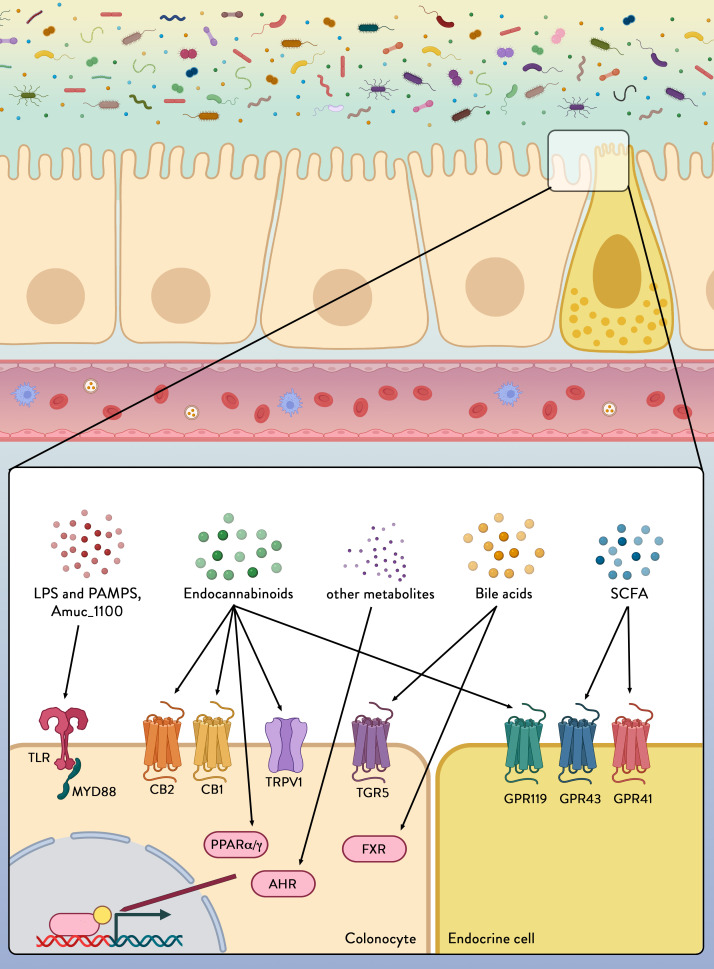
“The ECS and GM interact to regulate intestinal homeostasis resulting in relevant functional effects in the gut and CNS (238, 246, 248, 250).”
From Signalling cognition: The gut microbiota and hypothalamic-pituitary-adrenal axis (2023) · cites this paper as [250]
Experimental — accuracy not yet measuredThe cited source says what the claim attributes to it.
In the citing paper
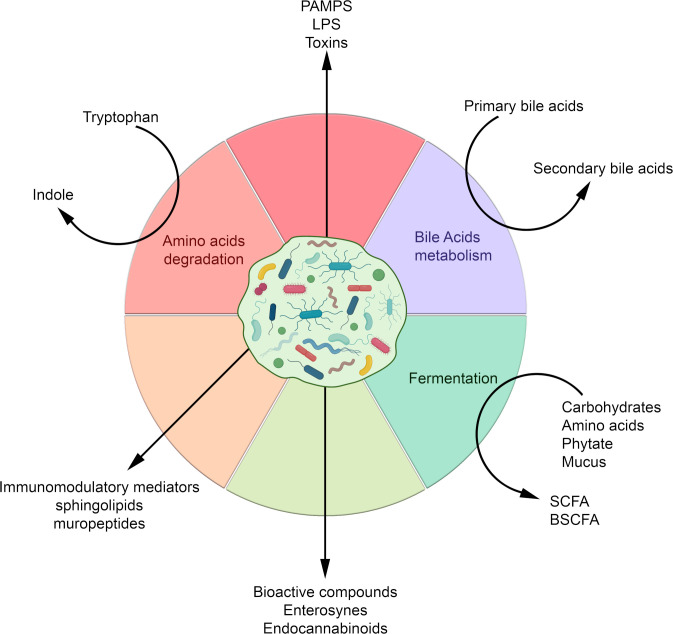
“The microbial fermentative activity of gut microbiota is vital for the production of SCFAs, including butyrate, acetate, and propionate, from non-digestible dietary fibers.271,273”
From Microbiota–gut–brain axis and its therapeutic applications in neurodegenerative diseases (2024) · cites this paper as [273]
The cited source says what the claim attributes to it.
In the citing paper
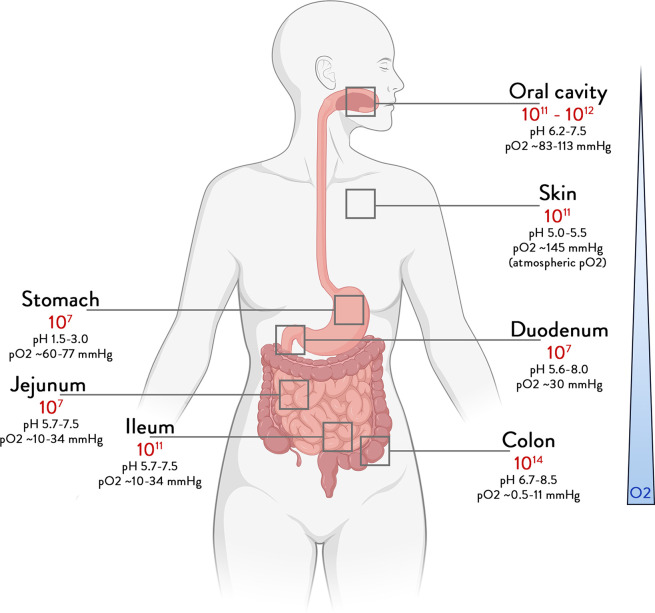
“The taxonomic composition of the gut microbiota changes throughout the gastrointestinal tract, according to nutrient availability, mucus structure, pH and oxygen availability [1–6].”
From Role of the gut microbiota in nutrient competition and protection against intestinal pathogen colonization (2023) · cites this paper as [2]
Self-check
Percentages, sums and reported differences re-computed from the paper’s own numbers.
The self-check needs the paper’s full text.
Citations
Cites
A human gut microbial gene catalogue established by metagenomic sequencing
MetaHIT Consortium, Qin, J., Li, R., Raes, J., Arumugam, M., Burgdorf, K. S., Manichanh, C., Nielsen, T., Pons, N., Levenez, F., et al. (2010) · Nature · doi:10.1038/nature08821 · Cited by 11,624
Defective LPS Signaling in C3H/HeJ and C57BL/10ScCr Mice: Mutations in Tlr4 Gene
Poltorak, A., He, X., Smirnova, I., Liu, M.-Y., Huffel, C. V., Du, X., Birdwell, D., Alejos, E., Silva, M., Galanos, C., et al. (1998) · Science · doi:10.1126/science.282.5396.2085 · Cited by 7,631
From Dietary Fiber to Host Physiology: Short-Chain Fatty Acids as Key Bacterial Metabolites
Koh, A., De Vadder, F., Kovatcheva-Datchary, P., & Bäckhed, F. (2016) · Cell · doi:10.1016/j.cell.2016.05.041 · Cited by 7,070
A metagenome-wide association study of gut microbiota in type 2 diabetes
Qin, J., Li, Y., Cai, Z., Li, S., Zhu, J., Zhang, F., Liang, S., Zhang, W., Guan, Y., Shen, D., et al. (2012) · Nature · doi:10.1038/nature11450 · Cited by 6,762
Metabolic Endotoxemia Initiates Obesity and Insulin Resistance
Cani, P. D., Amar, J., Iglesias, M. A., Poggi, M., Knauf, C., Bastelica, D., Neyrinck, A. M., Fava, F., Tuohy, K. M., Chabo, C., et al. (2007) · Diabetes · doi:10.2337/db06-1491 · Cited by 6,638 · cited 3×
“This is the case in metabolic endotoxaemia, in which high-fat diet and weight gain have been associated with a higher gut permeability and subsequent systemic (mild) elevation in circulating plasma LPS. 100 This causes a state of low-grade inflammation, which is a pathological feature of a range of chronic conditions…”
BackgroundInfluentialSelf-citationIsolation and Structure of a Brain Constituent That Binds to the Cannabinoid Receptor
Devane, W. A., Hanuš, L., Breuer, A., Pertwee, R. G., Stevenson, L. A., Griffin, G., Gibson, D., Mandelbaum, A., Etinger, A., & Mechoulam, R. (1992) · Science · doi:10.1126/science.1470919 · Cited by 5,633 · cited 1×
“113 The second key ligand identified was 2-arachidonoylglycerol (2-AG).”
BackgroundMolecular characterization of a peripheral receptor for cannabinoids
Munro, S., Thomas, K. L., & Abu-Shaar, M. (1993) · Nature · doi:10.1038/365061a0 · Cited by 5,092
Gut microbiota in human metabolic health and disease
Fan, Y., & Pedersen, O. (2021) · Nature Reviews Microbiology · doi:10.1038/s41579-020-0433-9 · Cited by 4,724
Succinate is an inflammatory signal that induces IL-1β through HIF-1α
Tannahill, G. M., Curtis, A. M., Adamik, J., Palsson-McDermott, E. M., McGettrick, A. F., Goel, G., Frezza, C., Bernard, N. J., Kelly, B., Foley, N. H., et al. (2013) · Nature · doi:10.1038/nature11986 · Cited by 4,176
Duodenal Infusion of Donor Feces for Recurrent Clostridium difficile
van Nood, E., Vrieze, A., Nieuwdorp, M., Fuentes, S., Zoetendal, E. G., de Vos, W. M., Visser, C. E., Kuijper, E. J., Bartelsman, J. F. W. M., Tijssen, J. G. P., et al. (2013) · New England Journal of Medicine · doi:10.1056/nejmoa1205037 · Cited by 3,708
Research works printed but not linked: 1
- 10.2337/diabetes · doi:10.2337/diabetes · Paper page
Cited by
Items 101–200 of 1,006
Homeostasis in the Gut Microbiota in Chronic Kidney Disease
Bhargava, S., Merckelbach, E., Noels, H., Vohra, A., & Jankowski, J. (2022) · Toxins · doi:10.3390/toxins14100648 · Cited by 91
“coli from the phylum Proteobacteria, Intestinimonas spp from the phylum Firmicutes and Cloacibacillus from the phylum Synergistota and potentially Oscillibacter spp from the phylum Firmicutes, respectively [85].”
BackgroundThe microbiota: a crucial mediator in gut homeostasis and colonization resistance
Chen, Y., Xiao, L., Zhou, M., & Zhang, H. (2024) · Frontiers in Microbiology · doi:10.3389/fmicb.2024.1417864 · Cited by 100
“Bacteria achieve the highest density, with an estimated more than 10 14 bacteria in the gut (de Vos et al., 2022).”
BackgroundPuhlmann, M.-L., & de Vos, W. M. (2022) · Frontiers in Immunology · doi:10.3389/fimmu.2022.954845 · Cited by 87
Modulation of the Gut Microbiota by Nutrition and Its Relationship to Epigenetics
Ferenc, K., Sokal-Dembowska, A., Helma, K., Motyka, E., Jarmakiewicz-Czaja, S., & Filip, R. (2024) · International Journal of Molecular Sciences · doi:10.3390/ijms25021228 · Cited by 85
Diabetes and its complications: molecular mechanisms, prevention and treatment
Zhao, L., Yuan, J., Yang, Q., Ma, J., Yang, F., Zou, Y., Liu, K., & Liu, F. (2026) · Signal Transduction and Targeted Therapy · doi:10.1038/s41392-025-02401-w · Cited by 80
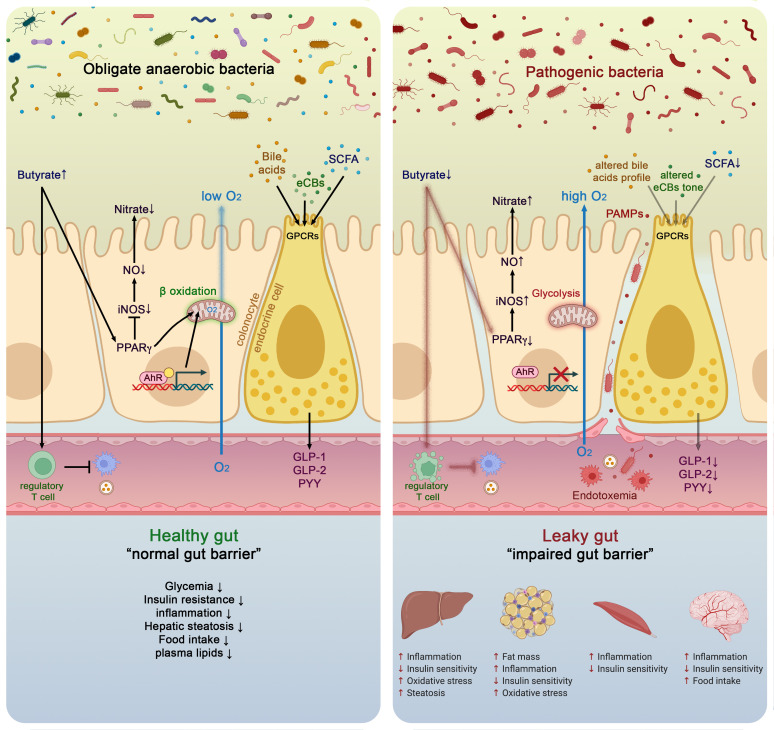
“210 211 – 213 However, short-chain fatty acids (SCFAs), including butyrate and propionate, derived from dietary fi ber fermentation 207,214 increase insulin sensitivity and energy metabolism by stimulating peptide YY and GLP-1 release and in fl uencing hepatic function.”
Targeting gut dysbiosis against inflammation and impaired autophagy in Duchenne muscular dystrophy
Kalkan, H., Pagano, E., Paris, D., Panza, E., Cuozzo, M., Moriello, C., Piscitelli, F., Abolghasemi, A., Gazzerro, E., Silvestri, C., et al. (2023) · EMBO Molecular Medicine · doi:10.15252/emmm.202216225 · Cited by 85
“Additionally, more recent evidence points to the endocannabinoid system as a key regulator in the communication between the gut microbiota and the host (Cani et al , 2016; de Vos et al , 2022).”
BackgroundCardiometabolic benefits of a non-industrialized-type diet are linked to gut microbiome modulation
Li, F., Armet, A. M., Korpela, K., Liu, J., Quevedo, R. M., Asnicar, F., Seethaler, B., Rusnak, T., Cole, J. L., Zhang, Z., et al. (2025) · Cell · doi:10.1016/j.cell.2024.12.034 · Cited by 88
Gut microbes in metabolic disturbances. Promising role for therapeutic manipulations?
Portincasa, P., Khalil, M., Graziani, A., Frühbeck, G., Baffy, G., Garruti, G., Ciaula, A. D., & Bonfrate, L. (2023) · European Journal of Internal Medicine · doi:10.1016/j.ejim.2023.10.002 · Cited by 87
Understanding how pre- and probiotics affect the gut microbiome and metabolic health
Bock, P. M., Martins, A. F., & Schaan, B. D. (2024) · American Journal of Physiology-Endocrinology and Metabolism · doi:10.1152/ajpendo.00054.2024 · Cited by 90
Nanomaterials: small particles show huge possibilities for cancer immunotherapy
Chen, Z., Yue, Z., Yang, K., & Li, S. (2022) · Journal of Nanobiotechnology · doi:10.1186/s12951-022-01692-3 · Cited by 80
The human gut microbiome of athletes: metagenomic and metabolic insights
Fontana, F., Longhi, G., Tarracchini, C., Mancabelli, L., Lugli, G. A., Alessandri, G., Turroni, F., Milani, C., & Ventura, M. (2023) · Microbiome · doi:10.1186/s40168-023-01470-9 · Cited by 83
Smoking-induced microbial dysbiosis in health and disease
Shapiro, H., Goldenberg, K., Ratiner, K., & Elinav, E. (2022) · Clinical Science · doi:10.1042/cs20220175 · Cited by 83
Gut Probiotics and Health of Dogs and Cats: Benefits, Applications, and Underlying Mechanisms
Yang, Q., & Wu, Z. (2023) · Microorganisms · doi:10.3390/microorganisms11102452 · Cited by 93
“…intestinal and host homeostasis via multifaceted mechanisms, such as defense against intestinal pathogens, provision of nutrients, facilitation of nutrient digestion and absorption, improvement in barrier function, stimulation of intestinal development, and modulation of the immune system [7–9].”
BackgroundTargeting the intestinal circadian clock by meal timing ameliorates gastrointestinal inflammation
Niu, Y., Heddes, M., Altaha, B., Birkner, M., Kleigrewe, K., Meng, C., Haller, D., & Kießling, S. (2024) · Cellular and Molecular Immunology · doi:10.1038/s41423-024-01189-z · Cited by 79
Pathogenesis of Hypertension in Metabolic Syndrome: The Role of Fructose and Salt
Soleimani, M., Barone, S., Luo, H., & Zahedi, K. A. (2023) · International Journal of Molecular Sciences · doi:10.3390/ijms24054294 · Cited by 85
Diverse plasmid systems and their ecology across human gut metagenomes revealed by PlasX and MobMess
Yu, M., Fogarty, E. C., & Eren, A. M. (2024) · Nature Microbiology · doi:10.1038/s41564-024-01610-3 · Cited by 77
Paone, P., Latousakis, D., Terrasi, R., Vertommen, D., Jian, C., Borlandelli, V., Suriano, F., Johansson, M., Puel, A., Bouzin, C., et al. (2024) · Gut · doi:10.1136/gutjnl-2023-330301 · Cited by 80
Self-citationYang, L., Chen, H., Kaziem, A. E., Miao, X., Huang, S.-Q., Cheng, D., Xu, H., & Zhang, Z. (2024) · ACS Nano · doi:10.1021/acsnano.4c03451 · Cited by 76
The potential role of mitochondria in the microbiota-gut-brain axis: Implications for brain health
Qiao, L., Yang, G., Wang, P., & Xu, C. (2024) · Pharmacological Research · doi:10.1016/j.phrs.2024.107434 · Cited by 78
Li, J., Glenn, A. J., Yang, Q., Ding, D., Zheng, L., Bao, W., Beasley, J. M., LeBlanc, E. S., Lo, K. K.-H., Manson, J. E., et al. (2022) · Diabetes Care · doi:10.2337/dc22-0368 · Cited by 83
Tunali, V., Arslan, N. Ç., Ermiş, B. H., Derviş Hakim, G., Gündoğdu, A., Hora, M., & Nalbantoğlu, Ö. U. (2024) · American Journal of Gastroenterology · doi:10.14309/ajg.0000000000002862 · Cited by 56
“By prioritizing microbiome diversity and health, we aimed to provide a more comprehensive and targeted therapeutic strategy for individuals with IBS, potentially yielding long-term bene fi ts beyond symptom relief (50,51).”
Inchingolo, F., Inchingolo, A. M., Latini, G., Ferrante, L., de Ruvo, E., Campanelli, M., Longo, M., Palermo, A., Inchingolo, A. D., & Dipalma, G. (2024) · Pathogens · doi:10.3390/pathogens13070533 · Cited by 88
“Further exploration is recommended to understand how specific bacterial by-products impact oxidative stress-related disorders in this vulnerable population [130–132].”
BackgroundFeng, B., Lu, J., Han, Y., Han, Y., Qiu, X., & Zeng, Z. (2024) · Medicine · doi:10.1097/md.0000000000039471 · Cited by 83
Chen, K., Wang, H., Yang, X., Tang, C., Hu, G., & Gao, Z. (2024) · Pharmacological Research · doi:10.1016/j.phrs.2024.107483 · Cited by 77
Tan, Y., Li, M., Kong, K., Xie, Y., Zeng, Z., Fang, Z., Li, C., Hu, B., Hu, X., Wang, C., et al. (2022) · Food Research International · doi:10.1016/j.foodres.2022.112255 · Cited by 74
Iqbal, M., Qian, Y., Tang, J., & Xiang, J. (2025) · Journal of Bacteriology · doi:10.1128/jb.00479-24 · Cited by 75
Han, B., Li, J., Li, S., Liú, Y., & Zhang, Z. (2022) · Journal of Hazardous Materials · doi:10.1016/j.jhazmat.2022.130082 · Cited by 71
Mingdong, W., Gao, X., Yongjun, Q., Mingshuai, W., & Hao, P. (2023) · BMC Cancer · doi:10.1186/s12885-023-11383-3 · Cited by 73
Gut microbes-muscle axis in muscle function and meat quality
He, Y., Hu, H., Liang, X., Liang, J., Li, F., & Zhou, X. (2025) · Science China Life Sciences · doi:10.1007/s11427-024-2885-4 · Cited by 83
Gut microbiota bridges the iron homeostasis and host health
Xiao, L., Tang, R., Wang, J., Wan, D., Yin, Y., & Xie, L. (2023) · Science China Life Sciences · doi:10.1007/s11427-022-2302-5 · Cited by 72
Wu, J., Wang, J., Lin, Z., Liu, C., Zhang, Y., Zhang, S., Zhou, M., Zhao, J., Liu, H., & Ma, X. (2022) · Food Chemistry · doi:10.1016/j.foodchem.2022.135014 · Cited by 72
Gut Microbiota Signature of Obese Adults Across Different Classifications
Hu, J., Guo, P., Mao, R., Ren, Z., Wen, J., Yang, Q., Tong, Y., Yu, J., Zhang, T., & Liu, Y. (2022) · Diabetes Metabolic Syndrome and Obesity · doi:10.2147/dmso.s387523 · Cited by 74
Flavonoids, gut microbiota, and host lipid metabolism
Zhou, M., Ma, J., Kang, M., Tang, W., Xia, S., Yin, J., & Yin, Y. (2023) · Engineering in Life Sciences · doi:10.1002/elsc.202300065 · Cited by 73
“This, in turn, helps maintain the integrity and barrier function of the intestinal mucosa and further promotes the colonization of probiotics [11, 143].”
BackgroundShi, Z., Li, M., Zhang, C., Li, H., Zhang, Y., Zhang, L., Li, X., Li, L., Wang, X., Fu, X., et al. (2024) · Gut · doi:10.1136/gutjnl-2024-333530 · Cited by 73
Paternal and induced gut microbiota seeding complement mother-to-infant transmission
Dubois, L., Valles‐Colomer, M., Ponsero, A. J., Helve, O., Andersson, S., Kolho, K.-L., Asnicar, F., Korpela, K., Salonen, A., Segata, N., et al. (2024) · Cell Host & Microbe · doi:10.1016/j.chom.2024.05.004 · Cited by 73
Kim, Y., Lim, J., & Oh, J. (2024) · Biomedicine & Pharmacotherapy · doi:10.1016/j.biopha.2024.117277 · Cited by 71
Yan, W., Zhang, K., Guo, J., & Xu, L. (2025) · Frontiers in Immunology · doi:10.3389/fimmu.2025.1595486 · Cited by 87
“In addition, BA can activate FXR in the gut and play an antibacterial role by inhibiting enterococcus and Clostridium dif fi cile , which has been mentioned in related studies (38, 39).”
Exploring the potential impact of probiotic use on drug metabolism and efficacy
Purdel, C. N., Ungurianu, A., Adam-Dima, I., & Margina, D. M. (2023) · Biomedicine & Pharmacotherapy · doi:10.1016/j.biopha.2023.114468 · Cited by 71
An Overview of Chronic Kidney Disease Pathophysiology: The Impact of Gut Dysbiosis and Oral Disease
Altamura, S., Pietropaoli, D., Lombardi, F., Pinto, R. D., & Ferri, C. (2023) · Biomedicines · doi:10.3390/biomedicines11113033 · Cited by 74
Mancabelli, L., Milani, C., Biase, R. D., Bocchio, F., Fontana, F., Lugli, G. A., Alessandri, G., Tarracchini, C., Viappiani, A., Conto, F. D., et al. (2024) · mSystems · doi:10.1128/msystems.01294-23 · Cited by 67
Gut-brain axis and neurodegeneration: mechanisms and therapeutic potentials
Park, K. J., & Gao, Y. (2024) · Frontiers in Neuroscience · doi:10.3389/fnins.2024.1481390 · Cited by 71
Biomarkers of ageing: Current state‐of‐art, challenges, and opportunities
Chen, R., Wang, Y., Zhang, S., Bulloch, G., Zhang, J., Liao, H., Shang, X., Clark, M., Peng, Q., Ge, Z., et al. (2023) · MedComm – Future Medicine · doi:10.1002/mef2.50 · Cited by 74
Role of the intestinal microbiota in contributing to weight disorders and associated comorbidities
Hul, M. V., Neyrinck, A. M., Everard, A., Abot, A., Bindels, L. B., Delzenne, N. M., Knauf, C., & Cani, P. D. (2024) · Clinical Microbiology Reviews · doi:10.1128/cmr.00045-23 · Cited by 72
Self-citationEmpirical antibiotic therapy for sepsis: save the anaerobic microbiota
Kullberg, R. F. J., Haak, B. W., Chanderraj, R., Prescott, H. C., Dickson, R. P., & Wiersinga, W. J. (2024) · The Lancet Respiratory Medicine · doi:10.1016/s2213-2600(24)00257-1 · Cited by 67
Wang, Q., Liang, J., Zou, Q., Wang, W., Yan, G., Guo, R., Yuan, T., Wang, Y., Liu, X., & Liu, Z. (2024) · Journal of Agricultural and Food Chemistry · doi:10.1021/acs.jafc.4c07716 · Cited by 66
Talapko, J., Včev, A., Meštrović, T., Pustijanac, E., Jukić, M., & Škrlec, I. (2022) · Microorganisms · doi:10.3390/microorganisms10122405 · Cited by 71
“As a result, it has become possible to pinpoint differences in healthy and diseased states [6,7].”
BackgroundAn overview of host‐derived molecules that interact with gut microbiota
Zhang, C., Liu, H., Sun, L., Wang, Y., Chen, X., Du, J., Sjöling, Å., Yao, J., & Wu, S. (2023) · iMeta · doi:10.1002/imt2.88 · Cited by 65
Zhu, J., & He, L. (2024) · Microorganisms · doi:10.3390/microorganisms12040642 · Cited by 65
Bermúdez‐Humarán, L. G., Chassaing, B., & Langella, P. (2024) · Microbial Cell Factories · doi:10.1186/s12934-024-02449-3 · Cited by 66
Zhu, Y., Huang, X., Deng, Z., Bai, T., Gao, B., Xu, C., Fu, J., Zhao, Y., Zhang, Y., Zhang, M., et al. (2024) · Journal of Nanobiotechnology · doi:10.1186/s12951-024-02802-z · Cited by 66
Bacterial extracellular vesicles at the interface of gut microbiota and immunity
Melo-Marques, I., Cardoso, S. M., & Empadinhas, N. (2024) · Gut Microbes · doi:10.1080/19490976.2024.2396494 · Cited by 67
Hu, X., Xu, X., Zeng, X., Jin, R., Wang, S., Jiang, H., Tang, Y., Chen, G., Wei, J., Chen, T., et al. (2023) · Gut Microbes · doi:10.1080/19490976.2023.2221093 · Cited by 65
Ashique, S., Mishra, N., Garg, A., Sibuh, B. Z., Taneja, P., Rai, G., Djearamane, S., Wong, L. S., Al‐Dayan, N., Roychoudhury, S., et al. (2023) · Frontiers in Nutrition · doi:10.3389/fnut.2023.1126579 · Cited by 66
Yoo, W., Shealy, N. G., Zieba, J. K., Torres, T. P., Baltagulov, M., Thomas, J., Shelton, C. D., McGovern, A. G., Foegeding, N. J., Olsan, E. E., et al. (2024) · Cell Host & Microbe · doi:10.1016/j.chom.2024.05.001 · Cited by 63
Gut Microbiota Serves as a Crucial Independent Biomarker in Inflammatory Bowel Disease (IBD)
Sharma, B., Agriantonis, G., Twelker, K., Ebelle, D., Kiernan, S., Siddiqui, M., Soni, A., Cheerasarn, S., Simon, W., Jiang, W., et al. (2025) · International Journal of Molecular Sciences · doi:10.3390/ijms26062503 · Cited by 65
Rwubuzizi, R., Kim, H., Holzapfel, W. H., & Todorov, S. D. (2023) · Heliyon · doi:10.1016/j.heliyon.2023.e15610 · Cited by 64
Bai, Y., Zhou, Y., Li, X., Zhang, R., Huang, F., Fan, B., Tong, L., Wang, F., & Zhang, M. (2023) · Food Chemistry · doi:10.1016/j.foodchem.2023.136225 · Cited by 64
Gut microbiota-derived LCA mediates the protective effect of PEDV infection in piglets
Xing, J.-H., Niu, T., Zou, B., Yang, G., Shi, C., Yan, Q.-S., Sun, M., Yu, T., Zhang, S., Feng, X.-Z., et al. (2024) · Microbiome · doi:10.1186/s40168-023-01734-4 · Cited by 65
The impact of adult neurogenesis on affective functions: of mice and men
Alonso, M., Petit, A., & Lledo, P. (2024) · Molecular Psychiatry · doi:10.1038/s41380-024-02504-w · Cited by 63
“…in fl uenced by several lifestyle factors such as birth mode (vaginal vs . cesarean section), diet composition, physical exercise, stress or aging [79], it is not clear whether lifestyle factors act directly on the process of hippocampal neurogenesis, or indirectly by changing the…”
BackgroundThe multiple benefits of bioactive polysaccharides: From the gut to overall health
Huang, R., Zhang, J., Xu, X., Sun, M., Xu, L., Kuang, H., Xu, C., & Guo, L. (2024) · Trends in Food Science & Technology · doi:10.1016/j.tifs.2024.104677 · Cited by 61
Gut microbiota metabolic reprogramming drives the development of metabolic diseases in the host
Wang, Y., Huang, B., Wei, X., Guan, Y., Li, L., Zheng, Y., & Sun, W. (2026) · Gut Microbes · doi:10.1080/19490976.2026.2644681 · Cited by 62
Clemente‐Suárez, V. J., Redondo-Flórez, L., Rubio-Zarapuz, A., Martín-Rodríguez, A., & Tornero-Aguilera, J. F. (2024) · Biomedicines · doi:10.3390/biomedicines12010221 · Cited by 65
Zhang, Z., Mocanu, V., Deehan, E. C., Hotte, N., Zhu, Y., Wei, S., Kao, D. H., Karmali, S., Birch, D. W., Walter, J., et al. (2024) · Gut Microbes · doi:10.1080/19490976.2024.2345134 · Cited by 59
“21 Thus, it is important to address interactions between recipient factors and microbial engraftment and how these features associate with FMT-induced metabolic benefits in patients with obesity and metabolic syndrome in order to fully maximize these types of therapies.”
BackgroundMao, X., Larsen, S. B., Zachariassen, L. F., Brunse, A., Adamberg, S., Castro-Mejía, J. L., Larsen, F., Adamberg, K., Nielsen, D. S., Hansen, A. K., et al. (2024) · Nature Communications · doi:10.1038/s41467-024-49152-w · Cited by 61
“It is increasingly recognized that a dysbiotic gut micro-biome (GM) plays a crucial role in the persistence of obesity 2,4 .”
Research on drug treatment and the novel signaling pathway of chronic atrophic gastritis
Jia, J., Zhao, H., Li, F., Zheng, Q., Wang, G., Li, D., & Liu, Y. (2024) · Biomedicine & Pharmacotherapy · doi:10.1016/j.biopha.2024.116912 · Cited by 62
Tumor microbiome: roles in tumor initiation, progression, and therapy
Zhang, S., Huang, J., Jiang, Z., Tong, H., Ma, X., & Liu, Y. (2025) · Molecular Biomedicine · doi:10.1186/s43556-025-00248-9 · Cited by 63
Gut microbes and food reward: From the gut to the brain
d’Oplinter, A. D. W., Huwart, S. J. P., Cani, P. D., & Everard, A. (2022) · Frontiers in Neuroscience · doi:10.3389/fnins.2022.947240 · Cited by 59
Self-citationLamichhane, G., Liu, J., Lee, S., Lee, D., Zhang, G., & Kim, Y. (2024) · Nutrients · doi:10.3390/nu16020240 · Cited by 62
Double-side role of short chain fatty acids on host health via the gut-organ axes
Gao, Y., Yao, Q., Meng, L., Wang, J., & Zheng, N. (2024) · Animal nutrition · doi:10.1016/j.aninu.2024.05.001 · Cited by 61
Pee, T. V., Nawrot, T. S., van Leeuwen, R., & Hogervorst, J. G. F. (2023) · The Science of The Total Environment · doi:10.1016/j.scitotenv.2023.162769 · Cited by 57
Dysbiosis of the gut microbiome in elderly patients with hepatocellular carcinoma
Zhang, W., Xu, X., Cai, L., & Cai, X. (2023) · Scientific Reports · doi:10.1038/s41598-023-34765-w · Cited by 57
Gut microbiota short-chain fatty acids and their impact on the host thyroid function and diseases
Mendoza-León, M. J., Mangalam, A. K., Regaldiz, A., González-Madrid, E., Rangel-Ramírez, M. A., Álvarez-Mardones, O., Vallejos, O. P., Méndez, C., Bueno, S. M., Melo-González, F., et al. (2023) · Frontiers in Endocrinology · doi:10.3389/fendo.2023.1192216 · Cited by 63
Respiratory diseases and gut microbiota: relevance, pathogenesis, and treatment
Sun, M., Lu, F., Yu, D., Wang, Y., Chen, P., & Liu, S. (2024) · Frontiers in Microbiology · doi:10.3389/fmicb.2024.1358597 · Cited by 61
Gharib, E., & Robichaud, G. A. (2024) · International Journal of Molecular Sciences · doi:10.3390/ijms25179463 · Cited by 65
Crosstalk between gut microbiotas and fatty acid metabolism in colorectal cancer
Zhang, H., Tian, Y., Xu, C., Chen, M., Xiang, Z., Gu, L., Xue, H., & Xu, Q. R. (2025) · Cell Death Discovery · doi:10.1038/s41420-025-02364-5 · Cited by 60
Zhang, X., Wang, Y., Qiyu, E., Naveed, M., Wang, X., Liu, Y., & Li, M. (2025) · Journal of Nanobiotechnology · doi:10.1186/s12951-025-03435-6 · Cited by 61
Fan, Y., Liu, Y., Shao, C., Jiang, C., Wu, L., Xiao, J., & Tang, L. (2025) · International Journal of Molecular Sciences · doi:10.3390/ijms26125486 · Cited by 62
Huang, Y., Xiaojun, L., Yu, S., Chen, R., & Chen, W.-Z. (2022) · ACS Synthetic Biology · doi:10.1021/acssynbio.2c00314 · Cited by 59
Gut Microbiome and Neurodevelopmental Disorders: A Link Yet to Be Disclosed
Iliodromiti, Z., Triantafyllou, A., Tsaousi, M., Pouliakis, A., Petropoulou, C., Sokou, R., Volaki, P., Boutsikou, Τ., & Iacovidou, N. M. (2023) · Microorganisms · doi:10.3390/microorganisms11020487 · Cited by 57
“These include bacteria, viruses, archaea, eukaryotes, and others that are present in the environment of the human intestine [9].”
BackgroundGut Microbiota and Derived Short-Chain Fatty Acids Are Linked to Evolution of Heart Failure Patients
Modrego, J., Ortega‐Hernández, A., Artaza, J. G., Restrepo-Córdoba, M. A., Bäuerl, C., Cortés-Macías, E., Sánchez-González, S., Esteban‐Fernández, A., Pérez‐Villacastín, J., Collado, M. C., et al. (2023) · International Journal of Molecular Sciences · doi:10.3390/ijms241813892 · Cited by 59
“New evidence shows that human gut microbiota are essential for maintaining host health [5].”
BackgroundThe gut microbiota-bile acid axis in cholestatic liver disease
Sun, D., Xie, C., Zhao, Y. M., Liao, J., Li, S., Zhang, Y., Wang, D., Hua, K., Gu, Y., Du, J., et al. (2024) · Molecular Medicine · doi:10.1186/s10020-024-00830-x · Cited by 61
The complex relationship between gut microbiota and Alzheimer’s disease: A systematic review
Zhou, X.-P., Sun, L.-B., Liu, W., Zhu, W.-M., Li, L.-C., Song, X., Xing, J.-P., & Gao, S. (2024) · Ageing Research Reviews · doi:10.1016/j.arr.2024.102637 · Cited by 57
The human microbiome in clinical translation: from bench to bedside
Bautista, J., Echeverría, C. E., Maldonado-Noboa, I., Ojeda-Mosquera, S., Hidalgo-Tinoco, C., & López-Cortés, A. (2025) · Frontiers in Microbiology · doi:10.3389/fmicb.2025.1632435 · Cited by 55
Depletion of Gut Microbiota Inhibits Hepatic Lipid Accumulation in High-Fat Diet-Fed Mice
Han, H. L., Wang, M., Zhong, R., Yi, B., Schroyen, M., & Zhang, H. (2022) · International Journal of Molecular Sciences · doi:10.3390/ijms23169350 · Cited by 58
Clostridioides difficile and Gut Microbiota: From Colonization to Infection and Treatment
Spigaglia, P. (2024) · Pathogens · doi:10.3390/pathogens13080646 · Cited by 60
“The components of a healthy gut microbiota form a stable community and their biochemical activities have a beneficial impact on the host, conferring resistance to non-native bacteria, developing the host immune system, and exerting important metabolic functions [33,34].”
BackgroundLinks between short-chain fatty acids and osteoarthritis from pathology to clinic via gut-joint axis
Han, J., Meng, X., Kong, H., Li, X., Chen, P., & Zhang, X. (2025) · Stem Cell Research & Therapy · doi:10.1186/s13287-025-04386-3 · Cited by 56
A Gut Feeling in Amyotrophic Lateral Sclerosis: Microbiome of Mice and Men
Martin, S., Battistini, C., & Sun, J. (2022) · Frontiers in Cellular and Infection Microbiology · doi:10.3389/fcimb.2022.839526 · Cited by 54
“Many factors are involved in the gut microbiota composition and function, including genetics, gender, age, geographic location, lifestyle, and diet (Ballan et al., 2020; de Vos et al., 2022).”
BackgroundInfluentialFulcher, J. A., Li, F., Tobin, N. H., Zabih, S., Elliott, J. E., Clark, J. L., D’Aquila, R. T., Mustanski, B. S., Kipke, M. D., SHOPTAW, S. J., et al. (2022) · EBioMedicine · doi:10.1016/j.ebiom.2022.104286 · Cited by 57
Yang, X., Zhang, Z., Shen, X., Xu, J., Weng, Y., Wang, W., & Xue, J. (2023) · Cellular Oncology · doi:10.1007/s13402-023-00831-8 · Cited by 55
“Numerous reports have shown that microbial metabolites such as short-chain fatty acids, which are carbohydrates produced during colonic fermentation, playing an important role in maintaining intestinal homeostasis and overall intestinal health [32, 33].”
Ang, W.-S., Law, J. W., Letchumanan, V., Hong, K., Wong, S. H., Mutalib, N. A., Chan, K., Lee, L., & Tan, L. T. (2023) · Foods · doi:10.3390/foods12132485 · Cited by 63
Qu, L., Li, Y., Liu, F., Fang, Y., He, J., Ma, J., Xu, T., Wang, L., Lei, P., Dong, H., et al. (2023) · Aging and Disease · doi:10.14336/ad.2023.0823-2 · Cited by 68
Liang, H. W., Tao, S., Wang, Y., Zhao, J., Yan, C., Wu, Y., Liu, N., & Qin, Y. (2024) · Frontiers in Nutrition · doi:10.3389/fnut.2024.1364739 · Cited by 56
“With raise public attention to intestinal health, intestine health has become a hot research topic in recent years (6).”
BackgroundMacrophages in graft-versus-host disease (GVHD): dual roles as therapeutic tools and targets
Raoufi, A., Samarkhazan, H. S., Nouri, S., Khaksari, M. N., Sourki, P. A., Sargazi-Aval, O., Baradaran, B., & Aghaei, M. (2025) · Clinical and Experimental Medicine · doi:10.1007/s10238-025-01588-0 · Cited by 54
“These bioactive metabolites can directly or indirectly affect host physiological functions, including host body growth, digestion and metabolism, and immune regulation [181].”
Probiotics for the treatment of hyperlipidemia: Focus on gut-liver axis and lipid metabolism
You, M. S., Zhou, L., Wu, F., Zhang, L., Zhu, S.-X., & Zhang, H. (2025) · Pharmacological Research · doi:10.1016/j.phrs.2025.107694 · Cited by 57
Probiotic-derived postbiotics: a perspective on next-generation therapeutics
Pattapulavar, V., Ramanujam, S., Kini, B., & Christopher, J. G. (2025) · Frontiers in Nutrition · doi:10.3389/fnut.2025.1624539 · Cited by 59
“Gut dysbiosis is characterized by disruptions in the composition and function of gut microbial communities—has been associated with a range of conditions, including colorectal cancer (CRC), inflammatory bowel diseases (IBDs), irritable bowel syndrome (IBS), and coeliac disease, among others (2, 3).”
Nakatsuji, T., Brinton, S. L., Cavagnero, K. J., O’Neill, A. M., Chen, Y., Dokoshi, T., Butcher, A. M., Osuoji, O. C., Shafiq, F., Espinoza, J. L., et al. (2023) · Cell Reports · doi:10.1016/j.celrep.2023.112494 · Cited by 58
Gut-liver axis: Pathophysiological concepts and medical perspective in chronic liver diseases
Rodrigues, S. G., der Merwe, V., Krag, A. A., & Wiest, R. (2024) · Seminars in Immunology · doi:10.1016/j.smim.2023.101859 · Cited by 58
Zhu, X., Zhang, C., Feng, S., He, R., & Zhang, S. (2024) · Clinical and Experimental Medicine · doi:10.1007/s10238-024-01304-4 · Cited by 59
Jain, H., Kumar, A., Almousa, S., Mishra, S., Langsten, K. L., Kim, S., Sharma, M., Su, Y., Singh, S., Kerr, B. A., et al. (2024) · Journal of Extracellular Vesicles · doi:10.1002/jev2.12474 · Cited by 56
“Moreover, seminal studies have demonstrated the crucial role of gut microbiome in influencing several disease conditions (Bull & Plummer, 2014; Clemente et al., 2012; de Vos et al., 2022; Hou et al., 2022; Li et al., 2008; Vijay & Valdes, 2022).”
BackgroundHuman microbiome acquisition and transmission
Heidrich, V., Valles‐Colomer, M., & Segata, N. (2025) · Nature Reviews Microbiology · doi:10.1038/s41579-025-01166-x · Cited by 56
“The relative abundance of human microbiome components and species is linked to various biological and environmental factors, such as diet 2 , disease 3 , host age 4 and air pollution 5 .”
Metadata
- Authors
- de Vos, W. M., Tilg, H., Van Hul, M., & Cani, P. D.
- Affiliations
- Innsbruck Medical University (AT)
- Walloon Excellence in Lifesciences and Biotechnology (BE)
- Corresponding author
- Cani, Patrice D
- Venue
- Gut
- Publisher
- BMJ
- Published
- 2022-02-01
- Volume
- 71
- Issue
- 5
- Pages
- 1020-1032
- ISSN
- 0017-5749 (ISSN-L)
- 1468-3288
- PMC
- PMC8995832
- OpenAlex
- W4210377299
- Semantic Scholar
- 4ae21e2bf7bdb0f0ce75e04daf5ba3b945950726
- Cited by
- 2,388
- References
- 197
- Citations by year
- 2026: 464 · 2025: 686 · 2024: 660 · 2023: 427 · 2022: 148
- FWCI
- 51.02
- Type
- journal article
- Language
- en
- Open access
- hybrid
- doi.org
- Locations
- Gut (publishedVersion, cc-by)
- PubMed Central (publishedVersion, cc-by)
- PubMed (publishedVersion)
- Socio-Environmental Systems Modeling (acceptedVersion, cc-by)
- Digital Access to Libraries (submittedVersion, other-oa)
- Työväentutkimus Vuosikirja (submittedVersion)
- Data Archiving and Networked Services (DANS) (submittedVersion, cc-by)
- Funders
- Soehngen Institute of Anaerobic Microbiology ([024.002.002])
- Fonds De La Recherche Scientifique - FNRS (CDR-convention: J.0027.22, EOS: program no. 30770923, EOS: program no. 40007505, FNRS T.0030.21-P, WELBIO-CR-2017C-02E, WELBIO-CR-2019C-02R)
- Bundesministerium für Verkehr, Innovation und Technologie (R&D K-Centre (COMET program - Competence Centers f, VASCage (Centre for Promoting Vascular Health in t)
- Topics
- Life Sciences › Biochemistry, Genetics and Molecular Biology › Molecular Biology › Gut microbiota and health
- Health Sciences › Dentistry › Periodontics › Oral microbiology and periodontitis research
- Health Sciences › Medicine › Gastroenterology › Gastrointestinal motility and disorders
- Keywords
- gut microbiota, host-microbe interactions, short-chain fatty acids, bile acids, trimethylamine N-oxide, endocannabinoids, bioactive lipids, phenolic compounds, advanced glycation end products, aryl hydrocarbon receptor, G protein-coupled receptors, obesity, type 2 diabetes, hepatic steatosis, inflammatory bowel disease, cancer, host immunity
- MeSH terms
- Gastrointestinal Microbiome, Bacteria, Bile Acids and Salts, Diabetes Mellitus, Type 2, Fatty Acids, Volatile, Humans, Receptors, G-Protein-Coupled
About these checks
Registry, retraction, Cites and statistics results are computed, not judged, with one exception: a printed reference that no index lists is read once by a model before it counts as a citation error. Claims are extracted by a model and kept only when their quote appears verbatim in the text; each cited source is then checked, with a model’s help, for whether it says what the claim relies on. Those verdicts can be wrong — read the claim’s quote and the cited source before relying on one.
Statistics and arithmetic are recomputed, not judged.
Confidence bands are shown only for fields calibrated on our annotated test set. None is calibrated yet, so no band is shown.
What counts as a claim ›How we measure confidence ›How we check this ›
Are you an author, or do you see a problem with this page? Request a review
Data sources
Bibliographic data: Semantic Scholar, OpenAlex, Crossref.
Contains information from the Semantic Scholar Academic Graph Datasets, made available under the ODC Attribution License (ODC-BY 1.0).
Semantic Scholar’s data is described in: Kinney, R., et al. (2023). The Semantic Scholar Open Data Platform. arXiv:2301.10140.
