

Gut microbiome and health: mechanistic insights
Open accessThe DOI matches its Crossref record; 196 of the 197 references it cites were found in a registry or an index.
Abstract
The gut microbiota is now considered as one of the key elements contributing to the regulation of host health. Virtually all our body sites are colonised by microbes suggesting different types of crosstalk with our organs. Because of the development of molecular tools and techniques (ie, metagenomic, metabolomic, lipidomic, metatranscriptomic), the complex interactions occurring between the host and the different microorganisms are progressively being deciphered. Nowadays, gut microbiota deviations are linked with many diseases including obesity, type 2 diabetes, hepatic steatosis, intestinal bowel diseases (IBDs) and several types of cancer. Thus, suggesting that various pathways involved in immunity, energy, lipid and glucose metabolism are affected. In this review, specific attention is given to provide a critical evaluation of the current understanding in this field. Numerous molecular mechanisms explaining how gut bacteria might be causally linked with the protection or the onset of diseases are discussed. We examine well-established metabolites (ie, short-chain fatty acids, bile acids, trimethylamine N-oxide) and extend this to more recently identified molecular actors (ie, endocannabinoids, bioactive lipids, phenolic-derived compounds, advanced glycation end products and enterosynes) and their specific receptors such as peroxisome proliferator-activated receptor alpha (PPARα) and gamma (PPARγ), aryl hydrocarbon receptor (AhR), and G protein-coupled receptors (ie, GPR41, GPR43, GPR119, Takeda G protein-coupled receptor 5). Altogether, understanding the complexity and the molecular aspects linking gut microbes to health will help to set the basis for novel therapies that are already being developed.
Overview
The claims and statistics of this paper haven’t been checked yet.
Free: it reads the open-access text and checks the first 5 claims that cite a source we can check. Create a free account to check every claim.
Integrity signals
Registry
Cites
Statistics
Figures
Verification
Claims the paper makes
The claims and statistics of this paper haven’t been checked yet.
Free: it reads the open-access text and checks the first 5 claims that cite a source we can check. Create a free account to check every claim.
Claims other papers make about this one
Each is checked against this paper’s own text: does it say what the citing paper says it does?
The source backs part of the claim, not all of it — or backs it for a different population, condition or comparison.
In the citing paper
“Fiber-rich, plant-based diets have the opposite effect, nurturing Bifidobacterium and Lactobacillus, increasing butyrate producers like Roseburia and Eubacterium rectale, and shielding against obesity and insulin resistance via SCFA signaling.15,70,81–83”
From Gut dysbiosis in oncology: a risk factor for immunoresistance (2026) · doi:10.1038/s41422-025-01212-6 · cites this paper as [81]
Experimental — accuracy not yet measuredThe source backs part of the claim, not all of it — or backs it for a different population, condition or comparison.
In the citing paper
“Akkermansia muciniphila is a Gram-negative homeostatic commensal bacteria that influences host metabolism to maintain glucose tolerance and intestinal barrier function.”
From Gut OncoMicrobiome Signatures (GOMS) as next-generation biomarkers for cancer immunotherapy (2023) · cites this paper as [102]
Experimental — accuracy not yet measuredThe source backs part of the claim, not all of it — or backs it for a different population, condition or comparison.
In the citing paper
“The ECS and GM interact to regulate intestinal homeostasis resulting in relevant functional effects in the gut and CNS (238, 246, 248, 250).”
From Signalling cognition: The gut microbiota and hypothalamic-pituitary-adrenal axis (2023) · cites this paper as [250]
Experimental — accuracy not yet measuredThe cited source says what the claim attributes to it.
In the citing paper
“The microbial fermentative activity of gut microbiota is vital for the production of SCFAs, including butyrate, acetate, and propionate, from non-digestible dietary fibers.271,273”
From Microbiota–gut–brain axis and its therapeutic applications in neurodegenerative diseases (2024) · cites this paper as [273]
The cited source says what the claim attributes to it.
In the citing paper
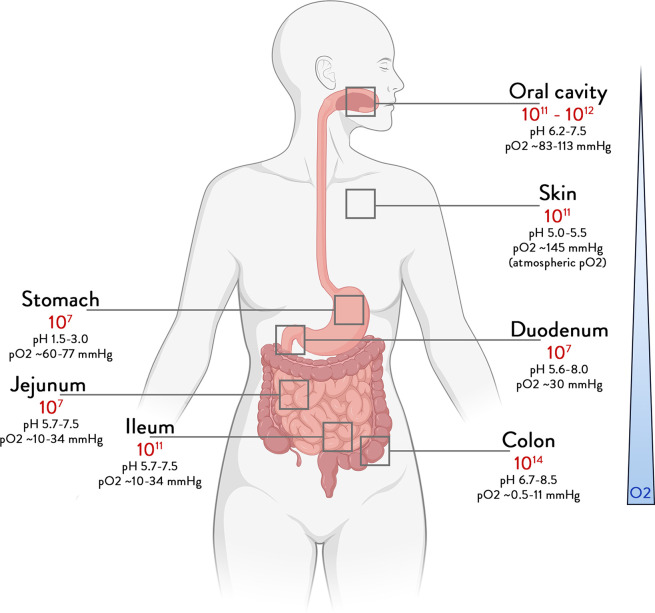
“The taxonomic composition of the gut microbiota changes throughout the gastrointestinal tract, according to nutrient availability, mucus structure, pH and oxygen availability [1–6].”
From Role of the gut microbiota in nutrient competition and protection against intestinal pathogen colonization (2023) · cites this paper as [2]
Self-check
Percentages, sums and reported differences re-computed from the paper’s own numbers.
The self-check needs the paper’s full text.
Citations
Cites
A human gut microbial gene catalogue established by metagenomic sequencing
MetaHIT Consortium, Qin, J., Li, R., Raes, J., Arumugam, M., Burgdorf, K. S., Manichanh, C., Nielsen, T., Pons, N., Levenez, F., et al. (2010) · Nature · doi:10.1038/nature08821 · Cited by 11,624
Defective LPS Signaling in C3H/HeJ and C57BL/10ScCr Mice: Mutations in Tlr4 Gene
Poltorak, A., He, X., Smirnova, I., Liu, M.-Y., Huffel, C. V., Du, X., Birdwell, D., Alejos, E., Silva, M., Galanos, C., et al. (1998) · Science · doi:10.1126/science.282.5396.2085 · Cited by 7,631
From Dietary Fiber to Host Physiology: Short-Chain Fatty Acids as Key Bacterial Metabolites
Koh, A., De Vadder, F., Kovatcheva-Datchary, P., & Bäckhed, F. (2016) · Cell · doi:10.1016/j.cell.2016.05.041 · Cited by 7,070
A metagenome-wide association study of gut microbiota in type 2 diabetes
Qin, J., Li, Y., Cai, Z., Li, S., Zhu, J., Zhang, F., Liang, S., Zhang, W., Guan, Y., Shen, D., et al. (2012) · Nature · doi:10.1038/nature11450 · Cited by 6,762
Metabolic Endotoxemia Initiates Obesity and Insulin Resistance
Cani, P. D., Amar, J., Iglesias, M. A., Poggi, M., Knauf, C., Bastelica, D., Neyrinck, A. M., Fava, F., Tuohy, K. M., Chabo, C., et al. (2007) · Diabetes · doi:10.2337/db06-1491 · Cited by 6,638 · cited 3×
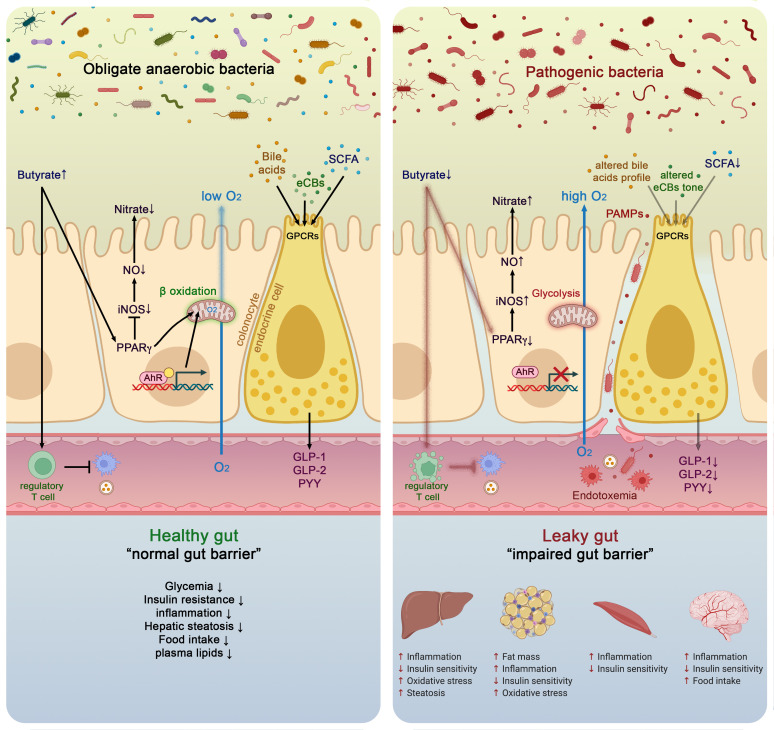
“This is the case in metabolic endotoxaemia, in which high-fat diet and weight gain have been associated with a higher gut permeability and subsequent systemic (mild) elevation in circulating plasma LPS. 100 This causes a state of low-grade inflammation, which is a pathological feature of a range of chronic conditions…”
BackgroundInfluentialSelf-citationIsolation and Structure of a Brain Constituent That Binds to the Cannabinoid Receptor
Devane, W. A., Hanuš, L., Breuer, A., Pertwee, R. G., Stevenson, L. A., Griffin, G., Gibson, D., Mandelbaum, A., Etinger, A., & Mechoulam, R. (1992) · Science · doi:10.1126/science.1470919 · Cited by 5,633 · cited 1×
“113 The second key ligand identified was 2-arachidonoylglycerol (2-AG).”
BackgroundMolecular characterization of a peripheral receptor for cannabinoids
Munro, S., Thomas, K. L., & Abu-Shaar, M. (1993) · Nature · doi:10.1038/365061a0 · Cited by 5,092
Gut microbiota in human metabolic health and disease
Fan, Y., & Pedersen, O. (2021) · Nature Reviews Microbiology · doi:10.1038/s41579-020-0433-9 · Cited by 4,724
Succinate is an inflammatory signal that induces IL-1β through HIF-1α
Tannahill, G. M., Curtis, A. M., Adamik, J., Palsson-McDermott, E. M., McGettrick, A. F., Goel, G., Frezza, C., Bernard, N. J., Kelly, B., Foley, N. H., et al. (2013) · Nature · doi:10.1038/nature11986 · Cited by 4,176
Duodenal Infusion of Donor Feces for Recurrent Clostridium difficile
van Nood, E., Vrieze, A., Nieuwdorp, M., Fuentes, S., Zoetendal, E. G., de Vos, W. M., Visser, C. E., Kuijper, E. J., Bartelsman, J. F. W. M., Tijssen, J. G. P., et al. (2013) · New England Journal of Medicine · doi:10.1056/nejmoa1205037 · Cited by 3,708
Research works printed but not linked: 1
- 10.2337/diabetes · doi:10.2337/diabetes · Paper page
Cited by
Items 701–800 of 1,006
Tian, W., Li, Y., Zhang, M., Xiao, H., Peng, Y., Song, M., Cao, Y., & Xiao, J. (2024) · Nano Today · doi:10.1016/j.nantod.2024.102602 · Cited by 19
Song, Y., Huang, H., Jia, K., Zou, S., Yang, Y. J., & Yi, M. (2025) · Journal of Hazardous Materials · doi:10.1016/j.jhazmat.2025.137296 · Cited by 18
Research progress of GLP-1RAs in the treatment of type 2 diabetes mellitus
He, X., Zhao, W., Li, P., Zhang, Y., Li, G., Su, H., Lu, B., & Pang, Z. (2025) · Frontiers in Pharmacology · doi:10.3389/fphar.2024.1483792 · Cited by 21
Gallic acid prevents obesity in mice on a high-fat diet via the gut microbiota-adipose tissue axis
Jian, S., Jian, X., Ye, L., Yang, K., Zhang, L., Xie, Y., Deng, J., Yin, Y., & Deng, B. (2025) · Current Research in Food Science · doi:10.1016/j.crfs.2025.101084 · Cited by 20
“…has underscored the pivotal function of gut microbiota in alleviating obesity and its accompanying metabolic abnormalities via multifaceted mechanisms (de Vos et al., 2022; Wang et al., 2024), while polyphenols have been shown to benefit gut microbiota dysbiosis induced by HFD (Liu et al., 2020).”
Sun, X., Chen, J., Huang, Y., Zhu, S., Wang, S., Xu, Z., Zhang, J., & Sun, W. (2022) · Frontiers in Pharmacology · doi:10.3389/fphar.2022.858881 · Cited by 20
Liu, H., Xu, J., Yeung, C., Chen, Q., & Li, J. (2023) · Frontiers in Microbiology · doi:10.3389/fmicb.2023.1096471 · Cited by 21
“These changes, also known as gut dysbiosis, lead to increased intestinal inflammation, impairments in intestinal barrier, and higher gut permeability (de Vos et al., 2022).”
BackgroundTen reasons gastroenterologists and hepatologists should be treating obesity
Camilleri, M., & El-Omar, E. M. (2023) · Gut · doi:10.1136/gutjnl-2023-329639 · Cited by 19
Hu, J., Tang, J., Zhang, X., Yang, K., Zhong, A., Yang, Q., Liu, Y., Li, Y., & Zhang, T. (2023) · Frontiers in Microbiology · doi:10.3389/fmicb.2023.1131694 · Cited by 22
Xia, C., Zhang, R., Jia, X., Dong, L., Ma, Q., Zhao, D. H., Lee, Y. K., Sun, Z., Huang, F., & Zhang, M. (2024) · Food Chemistry · doi:10.1016/j.foodchem.2024.138734 · Cited by 18
Tang, L., Zhang, S., Zhang, M., Wang, P., Liang, G., Gan, Z., & Gao, X. (2024) · Frontiers in Microbiology · doi:10.3389/fmicb.2024.1351295 · Cited by 18
“…cells, they play a significant role in maintaining microecological homeostasis of intestine and immune balance of host, and modulating gut pH value, and are “star” molecules which regarded as potential novel targets for ALI therapy (de Vos et al., 2022; Hou et al., 2022; Huang et al., 2022).”
BackgroundLipid metabolism: Novel approaches for managing idiopathic epilepsy
Wang, C., Zhai, J., Zhou, X., & Chen, Y. (2024) · Neuropeptides · doi:10.1016/j.npep.2024.102475 · Cited by 18
Shen, S., Liu, Y., Wang, N., Huang, Z., & Deng, G. (2025) · Frontiers in Microbiology · doi:10.3389/fmicb.2025.1621583 · Cited by 18
Tan, L., Li, Z., Wu, J., Liu, H., Yang, T., Wang, J., Liu, L., Geng, X., & Liu, J. (2025) · Journal of Agricultural and Food Chemistry · doi:10.1021/acs.jafc.5c04210 · Cited by 17
Jiang, T., Yang, X., Wu, B., Tao, R., Chen, R., Jin, L., Sun, D., & Weng, H. (2025) · Frontiers in Microbiology · doi:10.3389/fmicb.2025.1661211 · Cited by 19
Cho, K. H., & Kang, S. O. (2025) · Microorganisms · doi:10.3390/microorganisms13112515 · Cited by 21
“In mammals, SCFAs, including acetate, stimulate EECs to regulate GLP-1 release and insulin activity [134].”
Liu, C., Wang, X., Zhang, Z., Wang, W., Wang, T., Zhao, Y., Wang, M., & Chen, W. (2025) · Nucleic Acids Research · doi:10.1093/nar/gkaf1190 · Cited by 19
“The human gut microbiota plays a fundamental role in host physiology [ 1 –8 ], influencing immune function [ 9 , 10 ], metabolism [ 11 , 12 ], energy balance [ 13 , 14 ], and disease susceptibility [ 15 –17 ] across the lifespan.”
From global to local: rethinking the design of probiotic intervention strategies
Vonaesch, P., Garneau, J. R., & Domínguez-Bello, M. G. (2025) · Trends in Microbiology · doi:10.1016/j.tim.2025.11.009 · Cited by 19
Goya‐Jorge, E., Gonza, I., Bondue, P., Douny, C., Taminiau, B., Daube, G., Scippo, M., & Delcenserie, V. (2022) · Foods · doi:10.3390/foods11131946 · Cited by 18
Recent advances in diabetes and microbiota
Jia, W., & Panagiotou, G. (2022) · 中国科学通报:英文版 · doi:10.1016/j.scib.2022.07.027 · Cited by 19
Myths and misconceptions about childhood constipation
Rajindrajith, S., Devanarayana, N. M., Thapar, N., & Benninga, M. A. (2023) · European Journal of Pediatrics · doi:10.1007/s00431-023-04821-8 · Cited by 17
Karlov, D. S., Long, S. L., Zeng, X., Xu, F., Lal, K., Cao, L., Hayoun, K., Lin, J., Joyce, S. A., & Tikhonova, I. G. (2023) · Structure · doi:10.1016/j.str.2023.02.014 · Cited by 16
Sharifa, M., Ghosh, T., Daher, O. A., Bhusal, P., Alaameri, Y. A., Naz, J., Ekhator, C., Bellegarde, S. B., Bisharat, P., Vaghani, V., et al. (2023) · Cureus · doi:10.7759/cureus.47058 · Cited by 22
“Excessive ROS generation, which is frequently brought on by pathogenic bacteria, can harm intracellular signaling pathways and worsen inflammation in MS patients [39].”
BackgroundInfluentialMicic, Polovina, S. P., Micic, D., & Μacut, D. (2023) · Acta Endocrinologica (Bucharest) · doi:10.4183/aeb.2023.234 · Cited by 18
Gut microbiota-mediated IL-22 alleviates metabolic inflammation
Wang, K., Zhou, M., Si, H., & Ma, J. (2023) · Life Sciences · doi:10.1016/j.lfs.2023.122229 · Cited by 19
Yu, K., Song, Y., Wang, N., Yu, X., Sun, T. S., Yu, H., Ruan, Z., & Qiu, Y. (2024) · The Science of The Total Environment · doi:10.1016/j.scitotenv.2024.170546 · Cited by 17
Song, H., Lü, J., Chu, Q., Deng, R., & Shen, X. (2024) · Journal of the Science of Food and Agriculture · doi:10.1002/jsfa.13479 · Cited by 21
Designing function-specific minimal microbiomes from large microbial communities
Raghu, A. K., Palanikumar, I., & Raman, K. (2024) · npj Systems Biology and Applications · doi:10.1038/s41540-024-00373-1 · Cited by 17
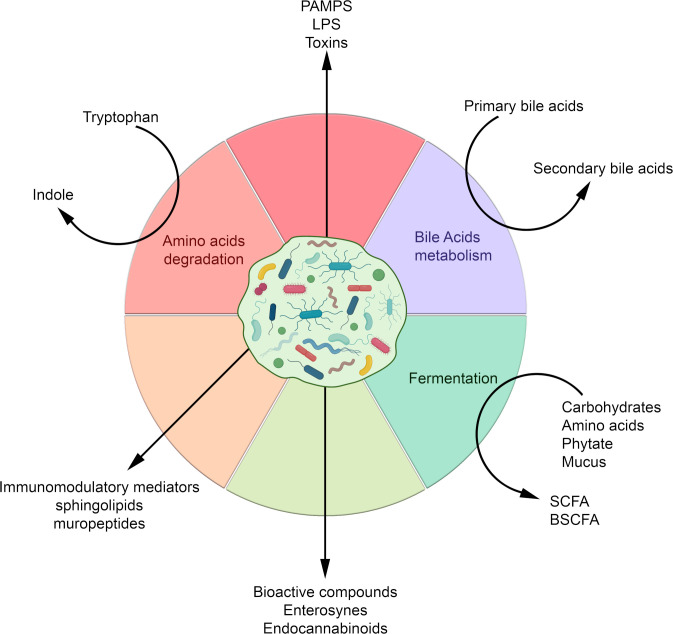
“The symbiotic association between humans and the gut microbiome is demonstrated through the role of microbiome-derived short-chain fatty acids (SCFA), bile acids and other small molecules in maintaining energy homeostasis and regulating gut barrier and inflammation [11].”
BackgroundChen, H., Zhang, L., Li, Y., Meng, X., Chi, Y., & Liu, M. (2024) · Aging and Disease · doi:10.14336/ad.2024.0538 · Cited by 21
“Different SCFAs are derived from different microbiota, in which acetic acid and propionic acid are dominantly metabolized from Bacteroidetes and butyric acid is predominantly metabolized from Firmicutes [57].”
Li, X., Xia, Y., Song, X., Xiong, Z., Ai, L., & Wang, G. (2024) · Critical Reviews in Food Science and Nutrition · doi:10.1080/10408398.2024.2387765 · Cited by 22
“Numerous reviews have focused solely on the role of gut microbiota in probiotics for diabetes (Tao et al. 2020; Lau et al. 2021; de Vos et al. 2022).”
Wen, X., Wan, F., Wu, Y., Liu, Y., Zhong, R., Chen, L., & Zhang, H. (2024) · Journal of Animal Science · doi:10.1093/jas/skae233 · Cited by 18
Liu, H., Ma, X., Yang, X., Xiao, S., Ouyang, S., Hu, Z., Zhou, Z., & Jiang, Z. (2024) · International Journal of Medical Microbiology · doi:10.1016/j.ijmm.2024.151642 · Cited by 17
Dietary therapy to halt the progression of diabetes to diabetic kidney disease
Hu, H., Ding, G., & Liang, W. (2025) · Food & Function · doi:10.1039/d4fo06011c · Cited by 19
Wang, J., Bao, S., An, Q., Li, C., & Feng, J. (2025) · Frontiers in Immunology · doi:10.3389/fimmu.2025.1544012 · Cited by 18
Ocular surface microbiome: Influences of physiological, environmental, and lifestyle factors
Rizzuto, V., Settino, M., Stroffolini, G., Covello, G., Vanags, J., Naccarato, M., Montanari, R., Rocha‐de‐Lossada, C., Mazzotta, C. G., Forestiero, A., et al. (2025) · Computers in Biology and Medicine · doi:10.1016/j.compbiomed.2025.110046 · Cited by 18
Adaptations in gut Bacteroidales facilitate stable co-existence with their lytic bacteriophages
Cortés‐Martín, A., Buttimer, C., Maier, J. L., Tobin, C. A., Draper, L. A., Ross, R. P., Kleiner, M., Hill, C., & Shkoporov, A. N. (2025) · Gut Microbes · doi:10.1080/19490976.2025.2507775 · Cited by 18
Big Data in Gastroenterology Research
Alizadeh, M. A., Moura, N. S., Schledwitz, A., Patil, S. A., Ravel, J., & Raufman, J. (2023) · International Journal of Molecular Sciences · doi:10.3390/ijms24032458 · Cited by 17
Digestive System Diseases, Genetic Risk, and Incident Dementia: A Prospective Cohort Study
Yuan, S., Dan, L., Zhang, Y., Wu, J., Zhao, J., Kivipelto, M., Chen, J., Ludvigsson, J. F., Li, X., & Larsson, S. C. (2023) · American Journal of Preventive Medicine · doi:10.1016/j.amepre.2023.10.017 · Cited by 18
Pei, W., Li, M., Wu, J., Huang, M., Sun, B., Liang, H., & Wu, Z. (2023) · Journal of Agricultural and Food Chemistry · doi:10.1021/acs.jafc.3c05666 · Cited by 17
Wu, H., Li, Y., Jiang, Y., Li, X., Wang, S., Zhao, C., Yang, X., Chang, B., Yang, J., & Qiao, J. (2025) · Frontiers in Microbiology · doi:10.3389/fmicb.2024.1488656 · Cited by 16
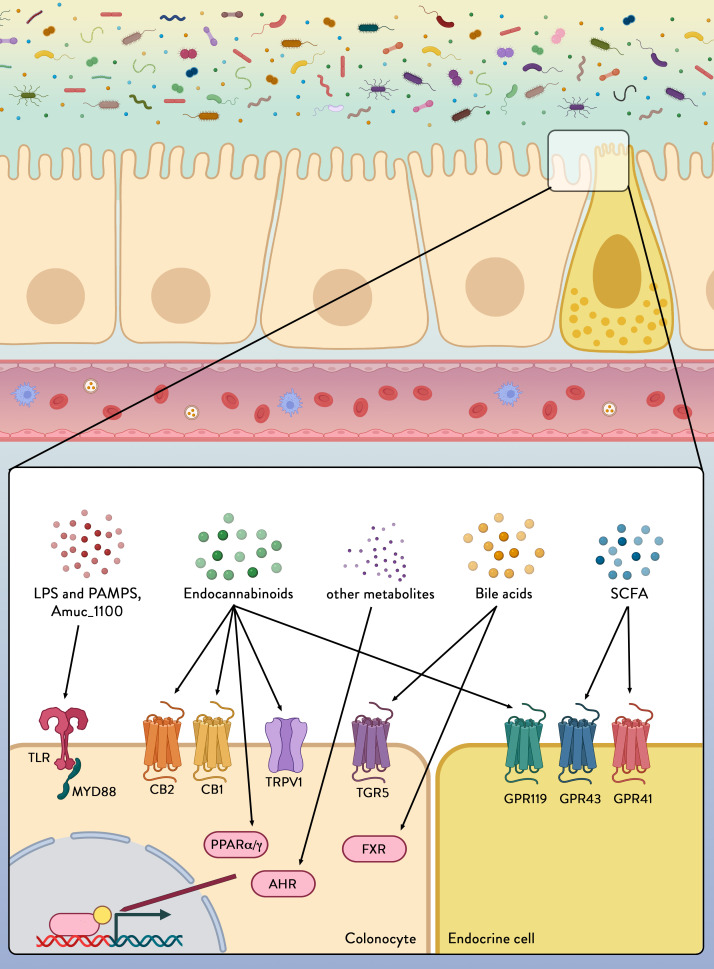
“This research not only represents a significant advancement in the application of ML but (AhR), and G-protein-coupled receptors (GPR41, GPR43, GPR119, TGR5), thereby influencing host metabolism (de Vos et al., 2022; Bai et al., 2020).”
Duan, M., Che, L., Wu, X., Quek, S. Y., Zhang, B., Lin, H., & He, N. (2025) · Carbohydrate Polymers · doi:10.1016/j.carbpol.2025.123566 · Cited by 17
Dietary Fiber as Prebiotics: A Mitigation Strategy for Metabolic Diseases
Gao, X., Hu, S., Liu, Y., Alwis, S. A. S. S. D., Yu, Y., Li, Z., Wang, Z., & Liu, J. (2025) · Foods · doi:10.3390/foods14152670 · Cited by 18
“DF reduces blood cholesterol levels by promoting BA metabolism through adsorption of BAs via hydrophobic interactions, and generation of SCFAs that activate G-protein-coupled receptors (GPCRs) in intestinal epithelial cells to enhance BA excretion [45,46].”
A review of short-Chain fatty acids in gut and skin: Possible implications in skin aging
Nambidi, S., Sennie, N. S., Kondaveeti, S. B., Banerjee, A., Pathak, S., & Duttaroy, A. K. (2025) · Journal of Functional Foods · doi:10.1016/j.jff.2025.107010 · Cited by 16
Nanoencapsulation of Biotics: Feasibility to Enhance Stability and Delivery for Improved Gut Health
da Silva, P. B. V., Rosales, T. K. O., & Fabi, J. P. (2025) · Pharmaceutics · doi:10.3390/pharmaceutics17091180 · Cited by 19
Aging and the microbiome: implications for health and disease
Gao, W., Lee, H.-Y., & Min, K. (2026) · BMB Reports · doi:10.5483/bmbrep.2025-0152 · Cited by 16
Shao-Yu, Y., Niu, D., Chen, J., Li, W.-Y., Wang, X., Meng, Q.-W., Song, W.-J., Yang, Y., Wang, H., Li, R., et al. (2025) · Gut Microbes · doi:10.1080/19490976.2025.2582944 · Cited by 17
Microbial network signatures of early colonizers in infants with eczema
Huang, L., Pan, G., Feng, Y., Fan, Z., Ma, K., Wang, R., Wang, G., Huang, G., Huang, S., Hou, Y., et al. (2023) · iMeta · doi:10.1002/imt2.90 · Cited by 18
Current Viewpoint on Female Urogenital Microbiome—The Cause or the Consequence?
Čeprnja, M., Hadžić, E., Oros, D., Melvan, E., Starčević, A., & Žučko, J. (2023) · Microorganisms · doi:10.3390/microorganisms11051207 · Cited by 19
Klimkaitė, L., Liveikis, T., Kaspute, G., Armalytė, J., & Aldonytė, R. (2023) · Future Microbiology · doi:10.2217/fmb-2022-0258 · Cited by 16
Zhang, C., Cao, Z., Lei, H., Chen, C., Du, R., Song, Y., Zhang, C., Zhou, J., Lu, Y., Huang, L., et al. (2023) · Biomedicine & Pharmacotherapy · doi:10.1016/j.biopha.2023.115273 · Cited by 16
Shi, Y., Zhang, G., Ma, C., Xu, J., Xu, K., Zhang, W., Wu, J., & Xu, L. (2023) · BMC Medical Informatics and Decision Making · doi:10.1186/s12911-023-02253-w · Cited by 16
Pan, X., Liu, P., Zhang, Y.-J., Zhang, H.-K., Wei, H., Jiang, J., Hui-yan, Shang, E., Li, W.-W., Wang, Y., et al. (2023) · International Journal of Biological Macromolecules · doi:10.1016/j.ijbiomac.2023.126930 · Cited by 19
Feng, S., Liu, Y., Xu, J., Fan, J., Li, J., Wu, Z., Sun, Y., & Xiong, W. (2023) · Nutrients · doi:10.3390/nu15194198 · Cited by 16
“Moreover, Lactobacillus can regulate intestinal microecology by controlling specific functions of the mucosal immune system through the mucosal immune system or epithelial cells [32,33].”
BackgroundMartínez-Ruiz, S., Sáez‐Fuertes, L., Casanova-Crespo, S., Rodríguez-Lagunas, M. J., Pérez-Cano, F. J., Badía, J., & Baldomà, L. (2023) · Nutrients · doi:10.3390/nu15214701 · Cited by 17
“The gut microbiota is considered an essential organ that establishes multidirectional communication with other host organs through several routes including endocrine, immunological, metabolic, and neural pathways [2].”
BackgroundAdvances in the study of the effects of gut microflora on microglia in Alzheimer’s disease
Wu, J.-J., & Wei, Z. (2023) · Frontiers in Molecular Neuroscience · doi:10.3389/fnmol.2023.1295916 · Cited by 18
Complexity of human death: its physiological, transcriptomic, and microbiological implications
Javan, G. T., Singh, K., Finley, S. J., Green, R. L., & Sen, C. K. (2024) · Frontiers in Microbiology · doi:10.3389/fmicb.2023.1345633 · Cited by 17
Cancer and Autoimmune Diseases as Two Sides of Chronic Inflammation and the Method of Therapy
Rogovskii, V. (2024) · Current Cancer Drug Targets · doi:10.2174/0115680096282480240105071638 · Cited by 18
Xia, M., Hua, Z., Zhao, Y., Zhang, G., Hou, X., Yang, G., Liu, S., & Fang, Y. (2024) · Journal of Agricultural and Food Chemistry · doi:10.1021/acs.jafc.3c09734 · Cited by 17
Lu, X., Yang, R., Chen, Y., & Chen, D. (2024) · iScience · doi:10.1016/j.isci.2024.109174 · Cited by 16
“56 The small intestine maintains a high intracellular oxygen concentration, and the main use of oxygen or nitrate as electron acceptors drives the microbial community to becomposed mainly of facultativeanaerobicbacteria and aerobicbacteria, suchas Streptococcus , Lactobacillus , and Enterobacterium…”
BackgroundChristensenella minuta interacts with multiple gut bacteria
Xu, C., Jiang, H., Feng, L., Jiang, M.-Z., Wang, Y., & Liu, S. (2024) · Frontiers in Microbiology · doi:10.3389/fmicb.2024.1301073 · Cited by 21
“The gastrointestinal microbiomes (GMs), as a complex microbial community, are tightly associated with the host health and diseases (Lagier et al., 2018; Dominguez-Bello et al., 2019; de Vos et al., 2022).”
BackgroundHe, Y., Qi, A., Gu, Y., Zhang, C., Wang, Y., Yang, W., Bi, L., Gong, Y., Jiao, L., & Xu, L. (2024) · Integrative Cancer Therapies · doi:10.1177/15347354241237973 · Cited by 16
Choi, S. I., Kim, N., Choi, Y., Nam, R. H., Jang, J. Y., & Cho, S. (2024) · Journal of Neurogastroenterology and Motility · doi:10.5056/jnm23096 · Cited by 16
Liu, H., Wei, M., Tan, B., Dong, X., & Xie, S. (2024) · Animals · doi:10.3390/ani14081239 · Cited by 17
He, Z., Xiong, H., Liu, L., Li, Q., Wu, K., Deng, X., Yang, L., Xiao, Q., & Deng, X. (2024) · Annals of Surgical Oncology · doi:10.1245/s10434-024-16125-8 · Cited by 18
Phenolic compounds in dietary target the regulation of gut microbiota: Role in health and disease
Zhang, Q., Xu, Y., Bukvički, D., Peng, Y., Li, F., Zhang, Q., Yan, J., Lin, S., Liu, S., & Qin, W. (2024) · Food Bioscience · doi:10.1016/j.fbio.2024.105107 · Cited by 22
Dietary legumes and gut microbiome: a comprehensive review
Özdemir, A., & Büyüktuncer, Z. (2024) · Critical Reviews in Food Science and Nutrition · doi:10.1080/10408398.2024.2434725 · Cited by 17
“The gut microbiome has recently become one of the most researched areas due to its critical role in maintaining over-all health and its intricate link to various physiological processes (Manor et al. 2020, Singhvi et al. 2020, de Vos et al. 2022).”
Jia, L., Wang, R., Huang, Z., Sun, N., Sun, H., Wang, H., Lu, F., & Liu, Y. (2024) · International Journal of Food Sciences and Nutrition · doi:10.1080/09637486.2024.2437469 · Cited by 16
“The gut microbiota, a complex eco-system of bacteria and other microorganisms, has emerged as a potential factor in maintaining gut health and regulating host metabolism (Fan and Pedersen 2021; De Vos et al. 2022).”
Discovery of a Gut Bacterial Pathway for Ergothioneine Catabolism
Feng, C., Yan, Q., Li, X., Zhao, H., Huang, H., & Zhang, X. (2024) · Journal of the American Chemical Society · doi:10.1021/jacs.4c09350 · Cited by 16
Mo, Y., He, X., Cui, H., Cheng, Y., Zhou, M., Cui, X., & Zhang, T. (2025) · Journal of Ethnopharmacology · doi:10.1016/j.jep.2024.119306 · Cited by 17
Functional modulation of the human gut microbiome by bacteria vehicled by cheese
Milani, C., Longhi, G., Alessandri, G., Fontana, F., Viglioli, M., Tarracchini, C., Mancabelli, L., Lugli, G. A., Petraro, S., Argentini, C., et al. (2025) · Applied and Environmental Microbiology · doi:10.1128/aem.00180-25 · Cited by 17
Xie, G., Deng, N., Zheng, T., Peng, X., Zhang, S., & Tan, Z. (2022) · Frontiers in Cellular and Infection Microbiology · doi:10.3389/fcimb.2022.945263 · Cited by 17
“Furthermore, BAs play a pivotal role in regulating glucose, lipid, and energy metabolism, as well as affect gastrointestinal motility and the secretion of water electrolytes and mucus in the intestine (Wei et al., 2020; de Vos et al., 2022).”
BackgroundZhang, Y., Jia, X.-B., Liu, Y.-C., Yu, W., Si, Y., & Guo, S. (2022) · Frontiers in Nutrition · doi:10.3389/fnut.2022.971581 · Cited by 26
Ouyang, Y., Yuan, M.-D., Yang, Z.-M., Min, Z., Jin, Y., & Tian, Z. (2022) · Metabolites · doi:10.3390/metabo12111076 · Cited by 16
“short chain fatty acid mediates crosstalk between gut microbes and host metabolism [9].”
BackgroundThe Leap of Inulin Fructans from Food Industry to Medical Application
Zhou, X., Wang, S., Xu, C., Li, J., Liu, H., He, L., Zhong, S., & Li, K. (2023) · Chemistry & Biodiversity · doi:10.1002/cbdv.202201126 · Cited by 15
Pirozzi, C., Opallo, N., Coretti, L., Lama, A., Annunziata, C., Comella, F., Melini, S., Buommino, E., Mollica, M. P., Aviello, G., et al. (2023) · Biomedicine & Pharmacotherapy · doi:10.1016/j.biopha.2023.114860 · Cited by 17
Leleiwi, I., Rodríguez-Ramos, J. A., Shaffer, M., Sabag-Daigle, A., Kokkinias, K., Flynn, R. M., Daly, R. A., Kop, L. F. M., Solden, L., Ahmer, B. M. M., et al. (2023) · Microbiome · doi:10.1186/s40168-023-01529-7 · Cited by 19
“Similar inflammation-associated changes in commensal gut ecology are observed in patients with Crohn’s disease, irritable bowel disease, and metabolic syndrome [4, 8].”
BackgroundCela, L., Brindisi, G., Gravina, A., Pastore, F., Semeraro, A., Bringheli, I., Marchetti, L., Morelli, R., Cinicola, B. L., Capponi, M., et al. (2023) · International Journal of Molecular Sciences · doi:10.3390/ijms24129781 · Cited by 19
Cui, L., He, N., Yu, S., Pang, H., Zhang, Z., Wang, J., Hao, J., & Li, S. (2023) · Molecules · doi:10.3390/molecules28134984 · Cited by 16
Granata, L., Gildawie, K. R., Ismail, N., Brenhouse, H. C., & Kopec, A. M. (2022) · Developmental Cognitive Neuroscience · doi:10.1016/j.dcn.2022.101143 · Cited by 15
Xie, Q., Yang, M., Duanmu, Q., Kang, M., Wang, J., & Tan, B. (2025) · Scientific Reports · doi:10.1038/s41598-025-87105-5 · Cited by 15
Enhanced metagenomic strategies for elucidating the complexities of gut microbiota: a review
Li, X., & Lu, H. (2025) · Frontiers in Microbiology · doi:10.3389/fmicb.2025.1626002 · Cited by 21
Gao, Y., Zhu, A., Li, J., Liu, H., Li, X., & Zhang, H. (2025) · Microbial Biotechnology · doi:10.1111/1751-7915.70227 · Cited by 15
Esterases From Bifidobacteria Exhibit the Conversion of Albiflorin in Gut Microbiota
Peng, R., Han, P., Fu, J., Zhang, Z., Ma, S., Pan, L., Xia, Y., Yu, H., Xu, H., Liu, C., et al. (2022) · Frontiers in Microbiology · doi:10.3389/fmicb.2022.880118 · Cited by 15
Suriano, F., Manca, C., Flamand, N., Hul, M. V., Delzenne, N. M., Silvestri, C., Cani, P. D., & Marzo, V. D. (2023) · Cells · doi:10.3390/cells12030411 · Cited by 16
“Both human and animal studies have underlined the importance of the microorganisms living in our gastrointestinal (GI) tract, collectively referred to as the gut microbiota, in the protection or the onset of many diseases including obesity, type 2 diabetes and intestinal disorders [3,4].”
BackgroundSelf-citationReview of the Health Benefits of Cereals and Pseudocereals on Human Gut Microbiota
Zeyneb, H., Al‐Dalali, S., Pei, H., & Cao, X. (2023) · Food and Bioprocess Technology · doi:10.1007/s11947-023-03069-2 · Cited by 16
“The gut microbiota is one of the indices of human health (De Vos et al., 2022).”
BackgroundSantos, S. J. D., Shukla, I., Hill, J. E., Money, D., The Maternal Microbiome Legacy Project Team, Money, D., Hill, J. E., Joseph, K. S. J., van Schalkwyk, J. E., Albert, A., et al. (2023) · Microbiology Spectrum · doi:10.1128/spectrum.00614-23 · Cited by 16
Yang, X., Zhu, A., Li, X., He, S., Zhu, Y., Wen, A., Qin, L., & Zeng, H. (2023) · Food & Function · doi:10.1039/d3fo04117d · Cited by 15
Mathieu, E., Lejard, V., Ezzine, C., Govindin, P., Morat, A., Giat, M., Lapaque, N., Dore, J. M., & Blottière, H. M. (2023) · International Journal of Molecular Sciences · doi:10.3390/ijms242417630 · Cited by 15
Environmental Impact Associated with Oil and Grease and Their Emerging Mitigation Strategies
Murtaza, B., Rahman, M. S., Xu, C. C., Zhu, T., & Qin, W. (2024) · Waste and Biomass Valorization · doi:10.1007/s12649-024-02425-3 · Cited by 15
“Furthermore, depending on the type of FA, the presence of double bonds and the length of the carbon chain, microbial lipases may exhibit significant typo-selectivity [3, 59].”
Aragón, A., Jurado, R., Jara, J., Rodríguez, J. M., & Orgaz, B. (2024) · Nutrients · doi:10.3390/nu16060861 · Cited by 16
Oladele, P. O., Ngo, J., Chang, T., & Johnson, T. A. (2024) · Microbiology Spectrum · doi:10.1128/spectrum.04084-23 · Cited by 16
Hybrid Hydrogel-Magnet Actuated Capsule for Automatic Gut Microbiome Sampling
Lai, Y. P., Lee, T., Sieben, D., Gauthier, L., Nam, J., & Diller, E. (2024) · IEEE Transactions on Biomedical Engineering · doi:10.1109/tbme.2024.3401681 · Cited by 16
“T HE human gut microbiome is composed of a vast and diverse microbial population that live in symbiosis [1].”
BackgroundCaffeine: a potential mechanism for anti-obesity
Wang, M., Guo, W. Y., & Chen, J. (2024) · Purinergic Signalling · doi:10.1007/s11302-024-10022-1 · Cited by 16
Mast cells and the gut-liver Axis: Implications for liver disease progression and therapy
Nair, B., Kamath, A. J., Tergaonkar, V., Sethi, G., & Nath, L. R. (2024) · Life Sciences · doi:10.1016/j.lfs.2024.122818 · Cited by 15
Ling, C.-W., Deng, K., Yang, Y., Lin, H.-R., Liu, C.-Y., Li, B.-Y., Hu, W., Liang, X., Zhao, H., Tang, X.-Y., et al. (2024) · EBioMedicine · doi:10.1016/j.ebiom.2024.105209 · Cited by 15
Integrating functional metagenomics to decipher microbiome–immune interactions
Sardar, P., Almeida, A., & Pedicord, V. A. (2024) · Immunology and Cell Biology · doi:10.1111/imcb.12798 · Cited by 16
Li, R., Liu, Z., Huang, W., Guo, Y., Xie, C., Wu, H., Liu, J., Hong, X., Wang, X., Huang, J., et al. (2024) · Cellular and Molecular Gastroenterology and Hepatology · doi:10.1016/j.jcmgh.2024.101379 · Cited by 15
“12,13 In our previous studies, the gut microbiota metabolites 1-phenyl-1,2-propanedione and 3,4-dihydroxyphenylpropionic acid were found to modulate liver injury caused by acetaminophen and ischemia/reperfusion, respectively.”
BackgroundYang, X. C., Ren, R., Lang, X., Li, X., Qin, L., & Zeng, H. (2024) · Food Bioscience · doi:10.1016/j.fbio.2024.104715 · Cited by 15
Zhang, X., Wu, Y., Fu, X., He, S., Shi, L., Xu, H., Shi, X., Yang, Y., Zhu, Y., Wang, Y., et al. (2024) · Toxics · doi:10.3390/toxics12080531 · Cited by 16
Senina, A. M., Markelova, M., Khusnutdinova, D. R., Siniagina, M., Kupriyanova, O. V., Synbulatova, G. E., Kayumov, A. R., Boulygina, E. A., & Grigoryeva, T. V. (2024) · Microorganisms · doi:10.3390/microorganisms12081712 · Cited by 15
Recent advancements in targeting the immune system to treat hypertension
Muralitharan, R. R., Marques, F. Z., & O’Donnell, J. A. (2024) · European Journal of Pharmacology · doi:10.1016/j.ejphar.2024.177008 · Cited by 16
Metadata
- Authors
- de Vos, W. M., Tilg, H., Van Hul, M., & Cani, P. D.
- Affiliations
- Innsbruck Medical University (AT)
- Walloon Excellence in Lifesciences and Biotechnology (BE)
- Corresponding author
- Cani, Patrice D
- Venue
- Gut
- Publisher
- BMJ
- Published
- 2022-02-01
- Volume
- 71
- Issue
- 5
- Pages
- 1020-1032
- ISSN
- 0017-5749 (ISSN-L)
- 1468-3288
- PMC
- PMC8995832
- OpenAlex
- W4210377299
- Semantic Scholar
- 4ae21e2bf7bdb0f0ce75e04daf5ba3b945950726
- Cited by
- 2,388
- References
- 197
- Citations by year
- 2026: 464 · 2025: 686 · 2024: 660 · 2023: 427 · 2022: 148
- FWCI
- 51.02
- Type
- journal article
- Language
- en
- Open access
- hybrid
- doi.org
- Locations
- Gut (publishedVersion, cc-by)
- PubMed Central (publishedVersion, cc-by)
- PubMed (publishedVersion)
- Socio-Environmental Systems Modeling (acceptedVersion, cc-by)
- Digital Access to Libraries (submittedVersion, other-oa)
- Työväentutkimus Vuosikirja (submittedVersion)
- Data Archiving and Networked Services (DANS) (submittedVersion, cc-by)
- Funders
- Soehngen Institute of Anaerobic Microbiology ([024.002.002])
- Fonds De La Recherche Scientifique - FNRS (CDR-convention: J.0027.22, EOS: program no. 30770923, EOS: program no. 40007505, FNRS T.0030.21-P, WELBIO-CR-2017C-02E, WELBIO-CR-2019C-02R)
- Bundesministerium für Verkehr, Innovation und Technologie (R&D K-Centre (COMET program - Competence Centers f, VASCage (Centre for Promoting Vascular Health in t)
- Topics
- Life Sciences › Biochemistry, Genetics and Molecular Biology › Molecular Biology › Gut microbiota and health
- Health Sciences › Dentistry › Periodontics › Oral microbiology and periodontitis research
- Health Sciences › Medicine › Gastroenterology › Gastrointestinal motility and disorders
- Keywords
- gut microbiota, host-microbe interactions, short-chain fatty acids, bile acids, trimethylamine N-oxide, endocannabinoids, bioactive lipids, phenolic compounds, advanced glycation end products, aryl hydrocarbon receptor, G protein-coupled receptors, obesity, type 2 diabetes, hepatic steatosis, inflammatory bowel disease, cancer, host immunity
- MeSH terms
- Gastrointestinal Microbiome, Bacteria, Bile Acids and Salts, Diabetes Mellitus, Type 2, Fatty Acids, Volatile, Humans, Receptors, G-Protein-Coupled
About these checks
Registry, retraction, Cites and statistics results are computed, not judged, with one exception: a printed reference that no index lists is read once by a model before it counts as a citation error. Claims are extracted by a model and kept only when their quote appears verbatim in the text; each cited source is then checked, with a model’s help, for whether it says what the claim relies on. Those verdicts can be wrong — read the claim’s quote and the cited source before relying on one.
Statistics and arithmetic are recomputed, not judged.
Confidence bands are shown only for fields calibrated on our annotated test set. None is calibrated yet, so no band is shown.
What counts as a claim ›How we measure confidence ›How we check this ›
Are you an author, or do you see a problem with this page? Request a review
Data sources
Bibliographic data: Semantic Scholar, OpenAlex, Crossref.
Contains information from the Semantic Scholar Academic Graph Datasets, made available under the ODC Attribution License (ODC-BY 1.0).
Semantic Scholar’s data is described in: Kinney, R., et al. (2023). The Semantic Scholar Open Data Platform. arXiv:2301.10140.
