

Gut microbiome and health: mechanistic insights
Open accessThe DOI matches its Crossref record; 196 of the 197 references it cites were found in a registry or an index.
Abstract
The gut microbiota is now considered as one of the key elements contributing to the regulation of host health. Virtually all our body sites are colonised by microbes suggesting different types of crosstalk with our organs. Because of the development of molecular tools and techniques (ie, metagenomic, metabolomic, lipidomic, metatranscriptomic), the complex interactions occurring between the host and the different microorganisms are progressively being deciphered. Nowadays, gut microbiota deviations are linked with many diseases including obesity, type 2 diabetes, hepatic steatosis, intestinal bowel diseases (IBDs) and several types of cancer. Thus, suggesting that various pathways involved in immunity, energy, lipid and glucose metabolism are affected. In this review, specific attention is given to provide a critical evaluation of the current understanding in this field. Numerous molecular mechanisms explaining how gut bacteria might be causally linked with the protection or the onset of diseases are discussed. We examine well-established metabolites (ie, short-chain fatty acids, bile acids, trimethylamine N-oxide) and extend this to more recently identified molecular actors (ie, endocannabinoids, bioactive lipids, phenolic-derived compounds, advanced glycation end products and enterosynes) and their specific receptors such as peroxisome proliferator-activated receptor alpha (PPARα) and gamma (PPARγ), aryl hydrocarbon receptor (AhR), and G protein-coupled receptors (ie, GPR41, GPR43, GPR119, Takeda G protein-coupled receptor 5). Altogether, understanding the complexity and the molecular aspects linking gut microbes to health will help to set the basis for novel therapies that are already being developed.
Overview
The claims and statistics of this paper haven’t been checked yet.
Free: it reads the open-access text and checks the first 5 claims that cite a source we can check. Create a free account to check every claim.
Integrity signals
Registry
Cites
Statistics
Figures
Verification
Claims the paper makes
The claims and statistics of this paper haven’t been checked yet.
Free: it reads the open-access text and checks the first 5 claims that cite a source we can check. Create a free account to check every claim.
Claims other papers make about this one
Each is checked against this paper’s own text: does it say what the citing paper says it does?
The source backs part of the claim, not all of it — or backs it for a different population, condition or comparison.
In the citing paper
“Fiber-rich, plant-based diets have the opposite effect, nurturing Bifidobacterium and Lactobacillus, increasing butyrate producers like Roseburia and Eubacterium rectale, and shielding against obesity and insulin resistance via SCFA signaling.15,70,81–83”
From Gut dysbiosis in oncology: a risk factor for immunoresistance (2026) · doi:10.1038/s41422-025-01212-6 · cites this paper as [81]
Experimental — accuracy not yet measuredThe source backs part of the claim, not all of it — or backs it for a different population, condition or comparison.
In the citing paper
“Akkermansia muciniphila is a Gram-negative homeostatic commensal bacteria that influences host metabolism to maintain glucose tolerance and intestinal barrier function.”
From Gut OncoMicrobiome Signatures (GOMS) as next-generation biomarkers for cancer immunotherapy (2023) · cites this paper as [102]
Experimental — accuracy not yet measuredThe source backs part of the claim, not all of it — or backs it for a different population, condition or comparison.
In the citing paper
“The ECS and GM interact to regulate intestinal homeostasis resulting in relevant functional effects in the gut and CNS (238, 246, 248, 250).”
From Signalling cognition: The gut microbiota and hypothalamic-pituitary-adrenal axis (2023) · cites this paper as [250]
Experimental — accuracy not yet measuredThe cited source says what the claim attributes to it.
In the citing paper
“The microbial fermentative activity of gut microbiota is vital for the production of SCFAs, including butyrate, acetate, and propionate, from non-digestible dietary fibers.271,273”
From Microbiota–gut–brain axis and its therapeutic applications in neurodegenerative diseases (2024) · cites this paper as [273]
The cited source says what the claim attributes to it.
In the citing paper
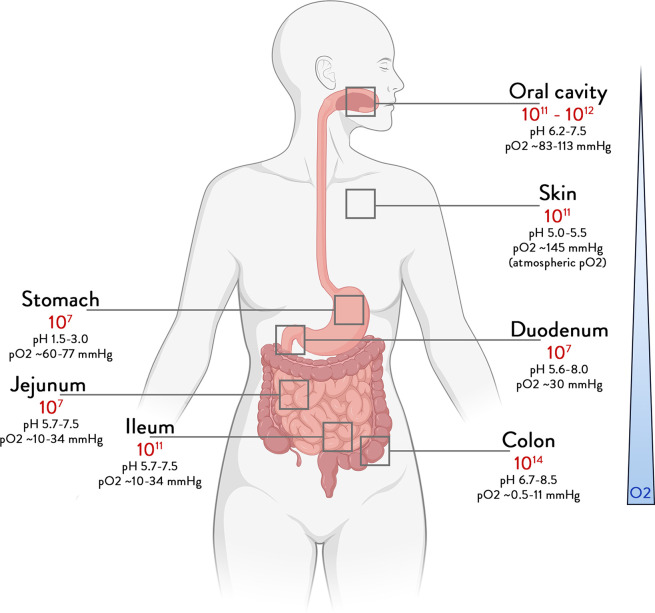
“The taxonomic composition of the gut microbiota changes throughout the gastrointestinal tract, according to nutrient availability, mucus structure, pH and oxygen availability [1–6].”
From Role of the gut microbiota in nutrient competition and protection against intestinal pathogen colonization (2023) · cites this paper as [2]
Self-check
Percentages, sums and reported differences re-computed from the paper’s own numbers.
The self-check needs the paper’s full text.
Citations
Cites
A human gut microbial gene catalogue established by metagenomic sequencing
MetaHIT Consortium, Qin, J., Li, R., Raes, J., Arumugam, M., Burgdorf, K. S., Manichanh, C., Nielsen, T., Pons, N., Levenez, F., et al. (2010) · Nature · doi:10.1038/nature08821 · Cited by 11,624
Defective LPS Signaling in C3H/HeJ and C57BL/10ScCr Mice: Mutations in Tlr4 Gene
Poltorak, A., He, X., Smirnova, I., Liu, M.-Y., Huffel, C. V., Du, X., Birdwell, D., Alejos, E., Silva, M., Galanos, C., et al. (1998) · Science · doi:10.1126/science.282.5396.2085 · Cited by 7,631
From Dietary Fiber to Host Physiology: Short-Chain Fatty Acids as Key Bacterial Metabolites
Koh, A., De Vadder, F., Kovatcheva-Datchary, P., & Bäckhed, F. (2016) · Cell · doi:10.1016/j.cell.2016.05.041 · Cited by 7,070
A metagenome-wide association study of gut microbiota in type 2 diabetes
Qin, J., Li, Y., Cai, Z., Li, S., Zhu, J., Zhang, F., Liang, S., Zhang, W., Guan, Y., Shen, D., et al. (2012) · Nature · doi:10.1038/nature11450 · Cited by 6,762
Metabolic Endotoxemia Initiates Obesity and Insulin Resistance
Cani, P. D., Amar, J., Iglesias, M. A., Poggi, M., Knauf, C., Bastelica, D., Neyrinck, A. M., Fava, F., Tuohy, K. M., Chabo, C., et al. (2007) · Diabetes · doi:10.2337/db06-1491 · Cited by 6,638 · cited 3×
“This is the case in metabolic endotoxaemia, in which high-fat diet and weight gain have been associated with a higher gut permeability and subsequent systemic (mild) elevation in circulating plasma LPS. 100 This causes a state of low-grade inflammation, which is a pathological feature of a range of chronic conditions…”
BackgroundInfluentialSelf-citationIsolation and Structure of a Brain Constituent That Binds to the Cannabinoid Receptor
Devane, W. A., Hanuš, L., Breuer, A., Pertwee, R. G., Stevenson, L. A., Griffin, G., Gibson, D., Mandelbaum, A., Etinger, A., & Mechoulam, R. (1992) · Science · doi:10.1126/science.1470919 · Cited by 5,633 · cited 1×
“113 The second key ligand identified was 2-arachidonoylglycerol (2-AG).”
BackgroundMolecular characterization of a peripheral receptor for cannabinoids
Munro, S., Thomas, K. L., & Abu-Shaar, M. (1993) · Nature · doi:10.1038/365061a0 · Cited by 5,092
Gut microbiota in human metabolic health and disease
Fan, Y., & Pedersen, O. (2021) · Nature Reviews Microbiology · doi:10.1038/s41579-020-0433-9 · Cited by 4,724
Succinate is an inflammatory signal that induces IL-1β through HIF-1α
Tannahill, G. M., Curtis, A. M., Adamik, J., Palsson-McDermott, E. M., McGettrick, A. F., Goel, G., Frezza, C., Bernard, N. J., Kelly, B., Foley, N. H., et al. (2013) · Nature · doi:10.1038/nature11986 · Cited by 4,176
Duodenal Infusion of Donor Feces for Recurrent Clostridium difficile
van Nood, E., Vrieze, A., Nieuwdorp, M., Fuentes, S., Zoetendal, E. G., de Vos, W. M., Visser, C. E., Kuijper, E. J., Bartelsman, J. F. W. M., Tijssen, J. G. P., et al. (2013) · New England Journal of Medicine · doi:10.1056/nejmoa1205037 · Cited by 3,708
Research works printed but not linked: 1
- 10.2337/diabetes · doi:10.2337/diabetes · Paper page
Cited by
Microbiota–gut–brain axis and its therapeutic applications in neurodegenerative diseases
Loh, J. S., Mak, W. Q., Tan, L. K. S., Ng, C. X., Chan, H. H., Yeow, S. H., Foo, J. B., Ong, Y. S., How, C. W., & Khaw, K. Y. (2024) · Signal Transduction and Targeted Therapy · doi:10.1038/s41392-024-01743-1 · Cited by 1,193
Akkermansia muciniphila: paradigm for next-generation beneficial microorganisms
Cani, P. D., Depommier, C., Derrien, M., Everard, A., & de Vos, W. M. (2022) · Nature Reviews Gastroenterology & Hepatology · doi:10.1038/s41575-022-00631-9 · Cited by 1,192
Self-citationProbiotics Mechanism of Action on Immune Cells and Beneficial Effects on Human Health
Mazziotta, C., Tognon, M., Martini, F., Torreggiani, E., & Rotondo, J. C. (2023) · Cells · doi:10.3390/cells12010184 · Cited by 889
Gut-liver axis: Pathophysiological concepts and clinical implications
Tilg, H., Adolph, T. E., & Trauner, M. (2022) · Cell Metabolism · doi:10.1016/j.cmet.2022.09.017 · Cited by 843
Self-citationTTD: Therapeutic Target Database describing target druggability information
Zhou, Y., Zhang, Y., Zhao, D., Yu, X., Shen, X., Zhou, Y., Wang, S., Qiu, Y., Chen, Y., & Zhu, F. (2024) · Nucleic Acids Research · doi:10.1093/nar/gkad751 · Cited by 645
“The regulation between microbiota and targeted agents is complex and bidirectional ( 41 ).”
BackgroundThe intestinal barrier: a pivotal role in health, inflammation, and cancer
Neurath, M. F., Artis, D., & Becker, C. (2025) · The Lancet Gastroenterology & Hepatology · doi:10.1016/s2468-1253(24)00390-x · Cited by 487
Emerging issues in probiotic safety: 2023 perspectives
Merenstein, D., Pot, B., Leyer, G., Ouwehand, A. C., Preidis, G. A., Elkins, C. A., Hill, C., Lewis, Z. T., Shane, A. L., Zmora, N., et al. (2023) · Gut Microbes · doi:10.1080/19490976.2023.2185034 · Cited by 481
“25 Such profiling may have a role in explaining or to a certain degree, predicting, the capacity of probiotics to confer beneficial effects on specific hosts.(25) These microbiome profiling studies are only occasionally performed in probiotic research.”
BackgroundZhang, Q., Zhao, Q., Li, T., Lu, L., Wang, F., Zhang, H., Liu, Z., Ma, H., Zhu, Q., Wang, J., et al. (2023) · Cell Metabolism · doi:10.1016/j.cmet.2023.04.015 · Cited by 457
Signalling cognition: The gut microbiota and hypothalamic-pituitary-adrenal axis
Rusch, J. A., Layden, B. T., & Dugas, L. R. (2023) · Frontiers in Endocrinology · doi:10.3389/fendo.2023.1130689 · Cited by 415
What defines a healthy gut microbiome?
Van Hul, M., Cani, P. D., Petitfils, C., De Vos, W. M., Tilg, H., & El-Omar, E. M. (2024) · Gut · doi:10.1136/gutjnl-2024-333378 · Cited by 369
Self-citationThe gut microbiota in obesity and weight management: microbes as friends or foe?
Van Hul, M., & Cani, P. D. (2023) · Nature Reviews Endocrinology · doi:10.1038/s41574-022-00794-0 · Cited by 318
Self-citationNey, L.-M., Wipplinger, M., Grossmann, M., Engert, N., Wegner, V. D., & Mosig, A. S. (2023) · Open Biology · doi:10.1098/rsob.230014 · Cited by 315
Gut liver brain axis in diseases: the implications for therapeutic interventions
Yan, M., Man, S., Sun, B., Ma, L., Guo, L., Huang, L., & Gao, W. (2023) · Signal Transduction and Targeted Therapy · doi:10.1038/s41392-023-01673-4 · Cited by 287
Inter-organ crosstalk during development and progression of type 2 diabetes mellitus
Xourafa, G., Korbmacher, M., & Roden, M. (2024) · Nature Reviews Endocrinology · doi:10.1038/s41574-023-00898-1 · Cited by 274
“SCFA derived from metabolism of non-digestible carbohydrates by the microbiota, mostly propionate and butyrate but also succinate and acetate, exert several metabolic effects 182,198 .”
BackgroundGut microbial beta-glucuronidase: a vital regulator in female estrogen metabolism
Hu, S., Ding, Q., Zhang, W., Kang, M., Ma, J., & Zhao, L. (2023) · Gut Microbes · doi:10.1080/19490976.2023.2236749 · Cited by 274
Ma, Z., Zuo, T., Frey, N., & Rangrez, A. Y. (2024) · Signal Transduction and Targeted Therapy · doi:10.1038/s41392-024-01946-6 · Cited by 259
The neurobiology of irritable bowel syndrome
Mayer, E. A., Ryu, H. J., & Bhatt, R. R. (2023) · Molecular Psychiatry · doi:10.1038/s41380-023-01972-w · Cited by 257
“The gut microbiome The term gut microbiome refers to the 40 trillion microbial organisms (bacteria, fungi, and archae) and their millions of genes that live throughout the gastrointestinal tract, from the oral cavity to the rectum, with the highest concentration and diversity in the large bowel [73].”
BackgroundRethinking healthy eating in light of the gut microbiome
Armet, A. M., Deehan, E. C., O’Sullivan, A. F., Mota, J. F., Field, C. J., Prado, C. M., Lucey, A. J., & Walter, J. (2022) · Cell Host & Microbe · doi:10.1016/j.chom.2022.04.016 · Cited by 252
A core microbiome signature as an indicator of health
Wu, G., Xu, T., Zhao, N., Lam, Y. Y., Ding, X., Wei, D., Fan, J., Shi, Y., Li, X., Li, M., et al. (2024) · Cell · doi:10.1016/j.cell.2024.09.019 · Cited by 250
Metabolic reprogramming and therapeutic resistance in primary and metastatic breast cancer
Liu, S., Zhang, X., Wang, W., Li, X., Sun, X., Zhao, Y., Wang, Q., Li, Y., Hu, F., & Ren, H. (2024) · Molecular Cancer · doi:10.1186/s12943-024-02165-x · Cited by 246
Zeng, X., Zou, Y., Zheng, J., Qiu, S., Liu, L., & Wei, C. (2023) · Microbiological Research · doi:10.1016/j.micres.2023.127414 · Cited by 242
Theodosiou, A. A., & Read, R. C. (2023) · Journal of Infection · doi:10.1016/j.jinf.2023.07.006 · Cited by 237
“45 However, inherent features of microbiome datasets can make such research computationally demanding, including their high-dimensional, compositional, heterogeneous, and sparse nature.”
The influence of Akkermansia muciniphila on intestinal barrier function
Mo, C., Lou, X., Xue, J., Shi, Z., Zhao, Y., Wang, F., & Chen, G. (2024) · Gut Pathogens · doi:10.1186/s13099-024-00635-7 · Cited by 226
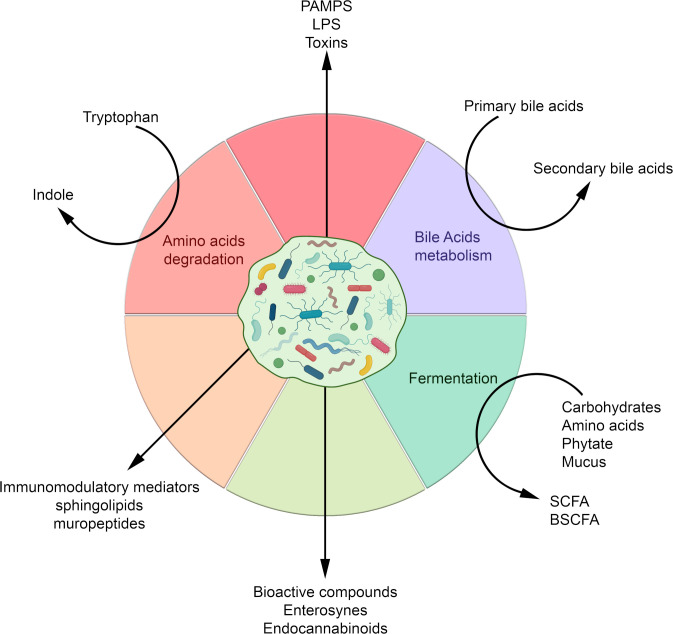
“These include by-products of bacterial metabolism, such as short-chain fatty acids (SCFAs) and bile acids (BAs), among others, as well as complex macromolecules essential for bacterial integrity, such as peptidoglycan and lipopolysaccharide (LPS) [50].”
BackgroundThe Influence of Gut Microbiota on Oxidative Stress and the Immune System
Kunst, C., Schmid, S., Michalski, M., Tümen, D., Buttenschön, J., Müller, M., & Gülow, K. (2023) · Biomedicines · doi:10.3390/biomedicines11051388 · Cited by 213
Sasso, J. M., Ammar, R. M., Tenchov, R., Lemmel, S., Kelber, O., Grieswelle, M., & Zhou, Q. A. (2023) · ACS Chemical Neuroscience · doi:10.1021/acschemneuro.3c00127 · Cited by 204
Advances in molecular pathology and therapy of non-small cell lung cancer
Huang, Q., Li, Y., Huang, Y., Wu, J., Bao, W., Xue, C., Li, X., Dong, S., Dong, Z., & Hu, S. (2025) · Signal Transduction and Targeted Therapy · doi:10.1038/s41392-025-02243-6 · Cited by 197
Gut microbiota in overweight and obesity: crosstalk with adipose tissue
Cani, P. D., & Van Hul, M. (2024) · Nature Reviews Gastroenterology & Hepatology · doi:10.1038/s41575-023-00867-z · Cited by 194
“Additionally, the gut microbiota has emerged as a key player in regulating host metabolism and energy balance, and its modulation through targeted approaches might hold promise for the treatment of overweight and obesity 3,4 .”
InfluentialSelf-citationBioactive compounds for human and planetary health
Kussmann, M., Cunha, D. H. A., & Berciano, S. (2023) · Frontiers in Nutrition · doi:10.3389/fnut.2023.1193848 · Cited by 210
Gut microbiota bridges dietary nutrients and host immunity
Fan, L., Xia, Y., Wang, Y., Han, D., Liu, Y., Li, J., Fu, J., Wang, L., Gan, Z., Liu, B., et al. (2023) · Science China Life Sciences · doi:10.1007/s11427-023-2346-1 · Cited by 189
“Notably, the gut microbiota is composed of distinct microbial populations, affecting most aspects of host physiological processes, especially host metabolism and immunity (de Vos et al., 2022).”
BackgroundVictoria Obayomi, O., Folakemi Olaniran, A., & Olugbemiga Owa, S. (2024) · Journal of Functional Foods · doi:10.1016/j.jff.2024.106337 · Cited by 184
Targeting the gut microbiota and its metabolites for type 2 diabetes mellitus
Wu, J., Yang, K., Fan, H., Wei, M., & Xiong, Q. (2023) · Frontiers in Endocrinology · doi:10.3389/fendo.2023.1114424 · Cited by 203
Critical role of the gut microbiota in immune responses and cancer immunotherapy
Li, Z., Xiong, W., Liang, Z., Wang, J., Zeng, Z., Kołat, D., Li, X., Zhou, D., Xu, X., & Zhao, L. (2024) · Journal of Hematology & Oncology · doi:10.1186/s13045-024-01541-w · Cited by 176
Longevity of centenarians is reflected by the gut microbiome with youth-associated signatures
Pang, S., Chen, X., Lu, Z., Meng, L., Huang, Y., Yu, X., Huang, L., Ye, P., Chen, X., Liang, J., et al. (2023) · Nature Aging · doi:10.1038/s43587-023-00389-y · Cited by 173
Microbial transmission, colonisation and succession: from pregnancy to infancy
Xiao, L., & Zhao, F. (2023) · Gut · doi:10.1136/gutjnl-2022-328970 · Cited by 173
Portincasa, P., Khalil, M., Mahdi, L., Perniola, V., Idone, V., Graziani, A., Baffy, G., & Ciaula, A. D. (2024) · International Journal of Molecular Sciences · doi:10.3390/ijms25115640 · Cited by 183
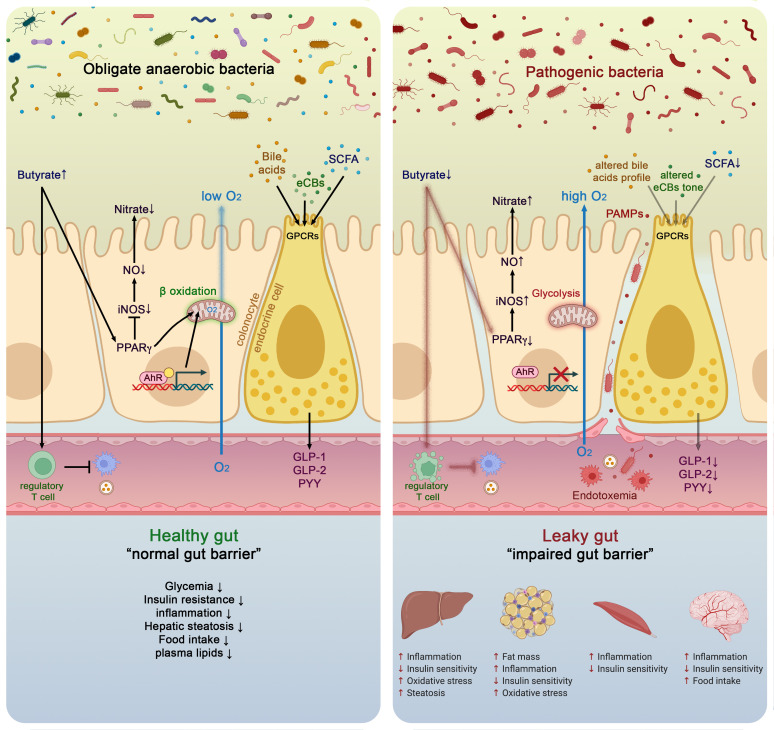
“Butyrate can mitigate inflammatory conditions by activating immune cells, specifically regulatory T cells (Tregs) [191].”
BackgroundThe exposome and liver disease - how environmental factors affect liver health
Barouki, R., Samson, M., Blanc, E. B., Colombo, M., Zucman-Rossi, J., Lazaridis, K. N., Miller, G. W., & Coumoul, X. (2023) · Journal of Hepatology · doi:10.1016/j.jhep.2023.02.034 · Cited by 171
Fu, Y., Lyu, J., & Wang, S. (2023) · Frontiers in Immunology · doi:10.3389/fimmu.2023.1277102 · Cited by 167
Neuromicrobiology, an emerging neurometabolic facet of the gut microbiome?
Miri, S., Yeo, J., Abubaker, S., & Hammami, R. (2023) · Frontiers in Microbiology · doi:10.3389/fmicb.2023.1098412 · Cited by 164
Lu, S., Zhao, Q., Guan, Y., Sun, Z., Li, W., Guo, S., & Zhang, A. (2024) · Biomedicine & Pharmacotherapy · doi:10.1016/j.biopha.2024.117207 · Cited by 159
Paternal microbiome perturbations impact offspring fitness
Argaw-Denboba, A., Schmidt, T., Giacomo, M. D., Ranjan, B., Devendran, S., Mastrorilli, E., Lloyd, C. T., Pugliese, D., Paribeni, V., Dabin, J., et al. (2024) · Nature · doi:10.1038/s41586-024-07336-w · Cited by 163
Bile Acids, Intestinal Barrier Dysfunction, and Related Diseases
Shi, L., Jin, L., & Huang, W. (2023) · Cells · doi:10.3390/cells12141888 · Cited by 161
Gut bacteria-driven homovanillic acid alleviates depression by modulating synaptic integrity
Zhao, M., Ren, Z., Zhao, A., Tang, Y., Kuang, J., Li, M., Chen, T., Wang, S., Wang, J., Zhang, H., et al. (2024) · Cell Metabolism · doi:10.1016/j.cmet.2024.03.010 · Cited by 153
Exercise Induces Tissue-Specific Adaptations to Enhance Cardiometabolic Health
Ashcroft, S. P., Stocks, B., Egan, B., & Zierath, J. R. (2024) · Cell Metabolism · doi:10.1016/j.cmet.2023.12.008 · Cited by 149
Diet fuelling inflammatory bowel diseases: preclinical and clinical concepts
Adolph, T. E., & Zhang, J. (2022) · Gut · doi:10.1136/gutjnl-2021-326575 · Cited by 162
Nabavi-Rad, A., Sadeghi, A., Aghdaei, H. A., Yadegar, A., Smith, S. M., & Zali, M. R. (2022) · Gut Microbes · doi:10.1080/19490976.2022.2108655 · Cited by 156
The role of gut microbiota in intestinal disease: from an oxidative stress perspective
Sun, Y., Wang, X., Li, L., Zhong, C., Zhang, Y., Yang, X., Li, M., & Yang, C. (2024) · Frontiers in Microbiology · doi:10.3389/fmicb.2024.1328324 · Cited by 180
Assessing the nutritional quality of Pleurotus ostreatus (oyster mushroom)
Effiong, M. E., Umeokwochi, C. P., Afolabi, I. S., & Chinedu, S. N. (2024) · Frontiers in Nutrition · doi:10.3389/fnut.2023.1279208 · Cited by 172
Fackelmann, G., Manghi, P., Carlino, N., Heidrich, V., Piccinno, G., Ricci, L., Piperni, E., Arrè, A., Bakker, E., Creedon, A. C., et al. (2025) · Nature Microbiology · doi:10.1038/s41564-024-01870-z · Cited by 142
“For example, the breakdown of certain animal proteins is linked to the synthesis of gut microbial trimethylamine (TMA), which is oxidized in the liver to trimethylamine N-oxide (TMAO) 6 .”
InfluentialGut OncoMicrobiome Signatures (GOMS) as next-generation biomarkers for cancer immunotherapy
Thomas, A. M., Fidelle, M., Routy, B., Kroemer, G., Wargo, J. A., Segata, N., & Zitvogel, L. (2023) · Nature Reviews Clinical Oncology · doi:10.1038/s41571-023-00785-8 · Cited by 141
Sustainable plant-based ingredients as wheat flour substitutes in bread making
Wang, Y., & Jian, C. (2022) · npj Science of Food · doi:10.1038/s41538-022-00163-1 · Cited by 151
Gut microbiota controlling radiation-induced enteritis and intestinal regeneration
Moraitis, I., Guiu, J., & Rubert, J. (2023) · Trends in Endocrinology and Metabolism · doi:10.1016/j.tem.2023.05.006 · Cited by 140
“The importance of gut microbiota in health and disease is a growing interest [34,35], and many therapeutic strategies to restore the balance of the intestinal ecosystem have been implemented [36,37].”
BackgroundInternational consensus statement on microbiome testing in clinical practice
Porcari, S., Mullish, B. H., Asnicar, F., Ng, S. C., Zhao, L., Hansen, R., O’Toole, P. W., Raes, J., Hold, G. L., Putignani, L., et al. (2024) · The Lancet. Gastroenterology & hepatology · doi:10.1016/s2468-1253(24)00311-x · Cited by 147
Self-citationThe gut microbiome and cancer: from tumorigenesis to therapy
Nobels, A., van Marcke, C., Jordan, B. F., Hul, M. V., & Cani, P. D. (2025) · Nature Metabolism · doi:10.1038/s42255-025-01287-w · Cited by 137
“The gut microbiota composition and functionality exhibit considerable interindividual variability, influenced by factors such as diet, genetics, age, lifestyle, environment and medication 3,6 .”
InfluentialSelf-citationHabibullah, M., Jemmieh, K., Ouda, A., Haider, M. Z., Malki, M. I., & Elzouki, A.-N. Y. (2024) · Frontiers in Medicine · doi:10.3389/fmed.2024.1291501 · Cited by 138
Paone, P., Suriano, F., Jian, C., Korpela, K., Delzenne, N. M., Hul, M. V., Salonen, A., & Cani, P. D. (2022) · Gut Microbes · doi:10.1080/19490976.2022.2152307 · Cited by 136
“It has been observed that during obesity and metabolic disorders the gut microbiota composition is different and this is associated with gut barrier dysfunction.(3,4) Among the components of the gut barrier, the mucus layer is critical and hence has raised more attention in recent years.”
BackgroundSelf-citationDiet, microbiota, and the mucus layer: The guardians of our health
Suriano, F., Nyström, E. E. L., Sergi, D., & Gustafsson, J. K. (2022) · Frontiers in Immunology · doi:10.3389/fimmu.2022.953196 · Cited by 136
Regulation of bile acids and their receptor FXR in metabolic diseases
Li, Y., Wang, L., Qing, Y., Luo, L., & Xiong, Y. (2024) · Frontiers in Nutrition · doi:10.3389/fnut.2024.1447878 · Cited by 125
GLP-1 and GLP-2 Orchestrate Intestine Integrity, Gut Microbiota, and Immune System Crosstalk
Abdalqadir, N., & Adeli, K. (2022) · Microorganisms · doi:10.3390/microorganisms10102061 · Cited by 119
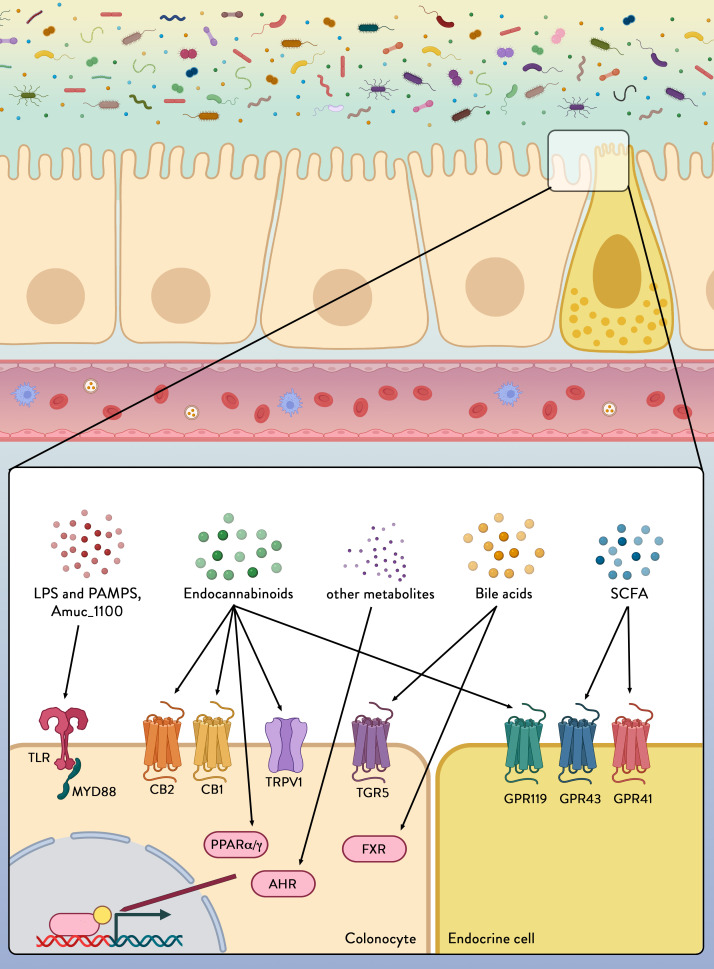
“The gut microbiota is crucial in the regulation of many different aspects of metabolic disease, especially through the production of a myriad of metabolites and their interactions with receptors on host cells, which can activate or inhibit signalling pathways [20,27].”
BackgroundXu, Z., Dong, M., Yin, S., Dong, J., Zhang, M., Tian, R., Min, W., Zeng, L. J., Qiao, H., & Chen, J. (2023) · Advanced Drug Delivery Reviews · doi:10.1016/j.addr.2023.114764 · Cited by 131
Cao, X., Tao, S., Wang, W., Wu, S., Hong, Y., Wang, X., Ma, Y., Qian, H., & Zha, Z. (2024) · Nature Communications · doi:10.1038/s41467-024-52722-7 · Cited by 119
Cardiometabolic health, diet and the gut microbiome: a meta-omics perspective
Valles-Colomer, M., Menni, C., Berry, S. E., Valdes, A. M., Spector, T. D., & Segata, N. (2023) · Nature Medicine · doi:10.1038/s41591-023-02260-4 · Cited by 114
The metabolic, protective, and immune functions of Akkermansia muciniphila
Ghotaslou, R., Nabizadeh, E., Memar, M. Y., Law, W. M. H., Ozma, M. A., Abdi, M., Yekani, M., Kadkhoda, H., Hosseinpour, R., Bafadam, S., et al. (2022) · Microbiological Research · doi:10.1016/j.micres.2022.127245 · Cited by 115
Hu, L., Feng, X., Lan, Y., Zhang, J., Nie, P., & Xu, H. (2024) · Journal of Hazardous Materials · doi:10.1016/j.jhazmat.2024.133587 · Cited by 120
Small intestinal microbiota: from taxonomic composition to metabolism
Yersin, S., & Vonaesch, P. (2024) · Trends in Microbiology · doi:10.1016/j.tim.2024.02.013 · Cited by 120
Emerging role of gut microbiota in autoimmune diseases
Wang, X., Yuan, W., Yang, C., Wang, Z., Zhang, J., Xu, D., Sun, X., & Sun, W. (2024) · Frontiers in Immunology · doi:10.3389/fimmu.2024.1365554 · Cited by 132
The amyotrophic lateral sclerosis exposome: recent advances and future directions
Goutman, S. A., Savelieff, M. G., Jang, D., Hur, J., & Feldman, E. L. (2023) · Nature Reviews Neurology · doi:10.1038/s41582-023-00867-2 · Cited by 115
Bajo-Fernández, M., Souza-Silva, É. A., Barbas, C., Rey-Stolle, F., & García, A. (2024) · Frontiers in Molecular Biosciences · doi:10.3389/fmolb.2023.1295955 · Cited by 130
A systematic review on gut microbiota in type 2 diabetes mellitus
Chong, S., Lin, M., Chong, D., Jensen, S. O., & Lau, N. S. (2025) · Frontiers in Endocrinology · doi:10.3389/fendo.2024.1486793 · Cited by 127
Gut microbiota development across the lifespan: Disease links and health‐promoting interventions
Schoultz, I., Claesson, M. J., Domínguez-Bello, M. G., Hållenius, F. F., Konturek, P. C., Korpela, K., Laursen, M. F., Penders, J., Roager, H. M., Vatanen, T., et al. (2025) · Journal of Internal Medicine · doi:10.1111/joim.20089 · Cited by 116
“Although substantial progress has been made in deciphering the broad strokes of gut microbiota development, numerous unknowns persist [13–16].”
In vitro human gut microbiota fermentation models: opportunities, challenges, and pitfalls
Isenring, J., Bircher, L., Geirnaert, A., & Lacroix, C. (2023) · Microbiome Research Reports · doi:10.20517/mrr.2022.15 · Cited by 121
A review of healthy role of dietary fiber in modulating chronic diseases
Li, M., & Ma, S. (2024) · Food Research International · doi:10.1016/j.foodres.2024.114682 · Cited by 110
Ma, L., Tao, S., Song, T., Lyu, W., Li, Y., Wang, W., Shen, Q., Ni, Y., Zhu, J., Zhao, J., et al. (2024) · iMeta · doi:10.1002/imt2.160 · Cited by 109
Fu, Y., Zhao, X., Wang, L., Li, K., Jiang, N., Zhang, S., Wang, R., Zhao, Y., & Yang, W. M. (2024) · Advanced Materials · doi:10.1002/adma.202309972 · Cited by 112
Keung, W.-S., Zhang, W.-H., Luo, H.-Y., Chan, K.-C., Chan, Y.-M., & Xu, J. (2025) · Carbohydrate Polymers · doi:10.1016/j.carbpol.2024.123209 · Cited by 109
Horrocks, V., King, O. G., Yip, A. Y. G., Marques, I. M., & McDonald, J. A. K. (2023) · Microbiology · doi:10.1099/mic.0.001377 · Cited by 104
Wang, Z., Liu, J., Li, F., Luo, Y., Ge, P., Zhang, Y., Wen, H., Yang, Q., Ma, S., & Chen, H. (2022) · Pharmacological Research · doi:10.1016/j.phrs.2022.106321 · Cited by 107
Gut Microbiota, an Additional Hallmark of Human Aging and Neurodegeneration
Molinero, N., Antón‐Fernández, A., Hernández, F., Ávila, J., Bartolomé, B., & Moreno-Arribas, M. V. (2023) · Neuroscience · doi:10.1016/j.neuroscience.2023.02.014 · Cited by 110
Gut Microbial-Derived Short Chain Fatty Acids: Impact on Adipose Tissue Physiology
May, K. S., & den Hartigh, L. J. (2023) · Nutrients · doi:10.3390/nu15020272 · Cited by 95
Inulin diet uncovers complex diet-microbiota-immune cell interactions remodeling the gut epithelium
Corrêa, R. O., Castro, P. R., Fachi, J. L., Nirello, V. D., El-Sahhar, S., Imada, S., Pereira, G. V., Pral, L. P., Araújo, N. V. P., Fernandes, M. F., et al. (2023) · Microbiome · doi:10.1186/s40168-023-01520-2 · Cited by 106
Yang, K., Li, G., Li, Q., Wang, W., Zhao, X. X., Shao, N., Qiu, H., Liu, J., Xu, L., & Zhao, J. (2025) · Cell & Bioscience · doi:10.1186/s13578-025-01385-y · Cited by 108
“From the intestinal mucosal surface to the intestinal lumen, differences in physicochemical parameters—such as oxygen concentration, mucus concentration and redox potential—create a horizontal gradient between mucosa-associated microbiota (MAM) and lumen-associated microbiota (LAM) [5, 6](Fig.”
Chemical reaction-mediated covalent localization of bacteria
Luo, H., Chen, Y., Kuang, X., Wang, X., Yang, F., Cao, Z., Wang, L., Lin, S., Wu, F. Q., & Liu, J. (2022) · Nature Communications · doi:10.1038/s41467-022-35579-6 · Cited by 101
Impacts of maternal microbiota and microbial metabolites on fetal intestine, brain, and placenta
Husso, A., Pessa‐Morikawa, T., Koistinen, V., Kärkkäinen, O. K., Kwon, H. N., Lahti, L., Iivanainen, A., Hanhineva, K., & Niku, M. (2023) · BMC Biology · doi:10.1186/s12915-023-01709-9 · Cited by 102
Kobayashi, T., Iwaki, M., Nakajima, A., Nogami, A., & Yoneda, M. (2022) · International Journal of Molecular Sciences · doi:10.3390/ijms231911689 · Cited by 101
Spotlight on the Mechanism of Action of Semaglutide
Papakonstantinou, I. P., Tsioufis, K. P., & Katsi, V. K. (2024) · Current Issues in Molecular Biology · doi:10.3390/cimb46120872 · Cited by 102
Potential roles of gut microbes in biotransformation of natural products: An overview
Zhao, Y., Zhong, X., Yan, J., Sun, C., Zhao, X., & Wang, X. (2022) · Frontiers in Microbiology · doi:10.3389/fmicb.2022.956378 · Cited by 107
Xie, S., Zhang, R., Li, Z., Liu, C., Chen, Y., & Yu, Q. (2022) · Environmental Research · doi:10.1016/j.envres.2022.114861 · Cited by 96
Zhang, K.-K., Chen, L., Yang, J.-Z., Liu, J., Li, J.-H., Liu, Y., Li, X., Chen, L., Hsu, C., Zeng, J., et al. (2023) · Acta Pharmaceutica Sinica B · doi:10.1016/j.apsb.2023.09.010 · Cited by 94
“Additionally, SCFAs have emerged with the capacity of improving the intestinal mucosal barrier 62 .”
BackgroundGut microbiota facilitate chronic spontaneous urticaria
Zhu, L., Jian, X., Zhou, B., Liu, R., Muñoz, M., Sun, W., Xie, L., Chen, X., Peng, C., Maurer, M., et al. (2024) · Nature Communications · doi:10.1038/s41467-023-44373-x · Cited by 97
Bai, X., Duan, Z., Deng, J., Zhang, Z., Fu, R., Zhu, C., & Fan, D. (2024) · Journal of Advanced Research · doi:10.1016/j.jare.2024.06.028 · Cited by 94
Human Gut Microbiome: A Connecting Organ Between Nutrition, Metabolism, and Health
Valencia, S., Zuluaga, M., Pérez, M. C. F., Montoya-Quintero, K. F., Candamil-Cortés, M. S., & Robledo, S. (2025) · International Journal of Molecular Sciences · doi:10.3390/ijms26094112 · Cited by 108
Ultra-Processed Food Consumption and Increased Risk of Metabolic Syndrome in Adults: The ELSA-Brasil
Canhada, S. L., Vigo, Á., Luft, V. C., Levy, R. B., Alvim Matos, S. M., del Carmen Molina, M., Giatti, L., Barreto, S., Duncan, B. B., & Schmidt, M. I. (2023) · Diabetes Care · doi:10.2337/dc22-1505 · Cited by 65
A systematic review of microbiome-derived biomarkers for early colorectal cancer detection
Zwezerijnen-Jiwa, F. H., Sivov, H., Paizs, P., Zafeiropoulou, K., & Kinross, J. K. (2022) · Neoplasia · doi:10.1016/j.neo.2022.100868 · Cited by 94
Health Benefits of Coffee Consumption for Cancer and Other Diseases and Mechanisms of Action
Safe, S. H., Kothari, J., Hailemariam, A., Upadhyay, S., Davidson, L. A., & Chapkin, R. S. (2023) · International Journal of Molecular Sciences · doi:10.3390/ijms24032706 · Cited by 100
The functional roles of short chain fatty acids as postbiotics in human gut: future perspectives
Ragavan, M. L., & Hemalatha, S. (2023) · Food Science and Biotechnology · doi:10.1007/s10068-023-01414-x · Cited by 90
“Numerous studies revealed the strong relationship between metabolism and immunological responses of SCFAs (de Vos et al., 2022; Yonezawa et al., 2013).”
Probiotics as modulators of gut-brain axis for cognitive development
Kumar, A., Sivamaruthi, B. S., Dey, S., Kumar, Y., Malviya, R., Prajapati, B. G., & Chaiyasut, C. (2024) · Frontiers in Pharmacology · doi:10.3389/fphar.2024.1348297 · Cited by 99
Rodríguez-Daza, M.-C., & de Vos, W. M. (2022) · International Journal of Molecular Sciences · doi:10.3390/ijms24010045 · Cited by 98
Wu, J., Singleton, S. S., Bhuiyan, U., Krammer, L., & Mazumder, R. (2024) · Frontiers in Molecular Biosciences · doi:10.3389/fmolb.2023.1337373 · Cited by 97
Zuffa, S., Schimmel, P., Gonzalez-Santana, A., Belzer, C., Knol, J., Bölte, S., Falck‐Ytter, T., Forssberg, H., Swann, J. R., & Heijtz, R. D. (2023) · Translational Psychiatry · doi:10.1038/s41398-023-02556-6 · Cited by 93
Zhu, J., Sun, C., Li, M., Hu, G., Zhao, X., & Chen, W. (2023) · Gut · doi:10.1136/gutjnl-2023-330168 · Cited by 93
“16 A study, based on sequencing of the 16S rRNA gene, took three independent cohorts from the Netherlands to investigate the in fl uence of PPI use on the gut microbiome and thus found PPI use is associated with decreased bacterial richness and 20% of the identi fi ed bacteria in the gut showed signi…”
MethodFilippis, F. D., Valentino, V., Sequino, G., Borriello, G., Riccardi, M. G., Pierri, B., Cerino, P., Pizzolante, A., Pasolli, E., Esposito, M., et al. (2024) · Nature Communications · doi:10.1038/s41467-024-48739-7 · Cited by 92
Metadata
- Authors
- de Vos, W. M., Tilg, H., Van Hul, M., & Cani, P. D.
- Affiliations
- Innsbruck Medical University (AT)
- Walloon Excellence in Lifesciences and Biotechnology (BE)
- Corresponding author
- Cani, Patrice D
- Venue
- Gut
- Publisher
- BMJ
- Published
- 2022-02-01
- Volume
- 71
- Issue
- 5
- Pages
- 1020-1032
- ISSN
- 0017-5749 (ISSN-L)
- 1468-3288
- PMC
- PMC8995832
- OpenAlex
- W4210377299
- Semantic Scholar
- 4ae21e2bf7bdb0f0ce75e04daf5ba3b945950726
- Cited by
- 2,388
- References
- 197
- Citations by year
- 2026: 464 · 2025: 686 · 2024: 660 · 2023: 427 · 2022: 148
- FWCI
- 51.02
- Type
- journal article
- Language
- en
- Open access
- hybrid
- doi.org
- Locations
- Gut (publishedVersion, cc-by)
- PubMed Central (publishedVersion, cc-by)
- PubMed (publishedVersion)
- Socio-Environmental Systems Modeling (acceptedVersion, cc-by)
- Digital Access to Libraries (submittedVersion, other-oa)
- Työväentutkimus Vuosikirja (submittedVersion)
- Data Archiving and Networked Services (DANS) (submittedVersion, cc-by)
- Funders
- Soehngen Institute of Anaerobic Microbiology ([024.002.002])
- Fonds De La Recherche Scientifique - FNRS (CDR-convention: J.0027.22, EOS: program no. 30770923, EOS: program no. 40007505, FNRS T.0030.21-P, WELBIO-CR-2017C-02E, WELBIO-CR-2019C-02R)
- Bundesministerium für Verkehr, Innovation und Technologie (R&D K-Centre (COMET program - Competence Centers f, VASCage (Centre for Promoting Vascular Health in t)
- Topics
- Life Sciences › Biochemistry, Genetics and Molecular Biology › Molecular Biology › Gut microbiota and health
- Health Sciences › Dentistry › Periodontics › Oral microbiology and periodontitis research
- Health Sciences › Medicine › Gastroenterology › Gastrointestinal motility and disorders
- Keywords
- gut microbiota, host-microbe interactions, short-chain fatty acids, bile acids, trimethylamine N-oxide, endocannabinoids, bioactive lipids, phenolic compounds, advanced glycation end products, aryl hydrocarbon receptor, G protein-coupled receptors, obesity, type 2 diabetes, hepatic steatosis, inflammatory bowel disease, cancer, host immunity
- MeSH terms
- Gastrointestinal Microbiome, Bacteria, Bile Acids and Salts, Diabetes Mellitus, Type 2, Fatty Acids, Volatile, Humans, Receptors, G-Protein-Coupled
About these checks
Registry, retraction, Cites and statistics results are computed, not judged, with one exception: a printed reference that no index lists is read once by a model before it counts as a citation error. Claims are extracted by a model and kept only when their quote appears verbatim in the text; each cited source is then checked, with a model’s help, for whether it says what the claim relies on. Those verdicts can be wrong — read the claim’s quote and the cited source before relying on one.
Statistics and arithmetic are recomputed, not judged.
Confidence bands are shown only for fields calibrated on our annotated test set. None is calibrated yet, so no band is shown.
What counts as a claim ›How we measure confidence ›How we check this ›
Are you an author, or do you see a problem with this page? Request a review
Data sources
Bibliographic data: Semantic Scholar, OpenAlex, Crossref.
Contains information from the Semantic Scholar Academic Graph Datasets, made available under the ODC Attribution License (ODC-BY 1.0).
Semantic Scholar’s data is described in: Kinney, R., et al. (2023). The Semantic Scholar Open Data Platform. arXiv:2301.10140.
