

The Warwick-Edinburgh Mental Well-being Scale (WEMWBS): development and UK validation
Open accessThe DOI matches its Crossref record; 30 of the 36 references it cites were found in a registry or an index; none of the 2 sources its claims cite is checked for support yet.
Abstract
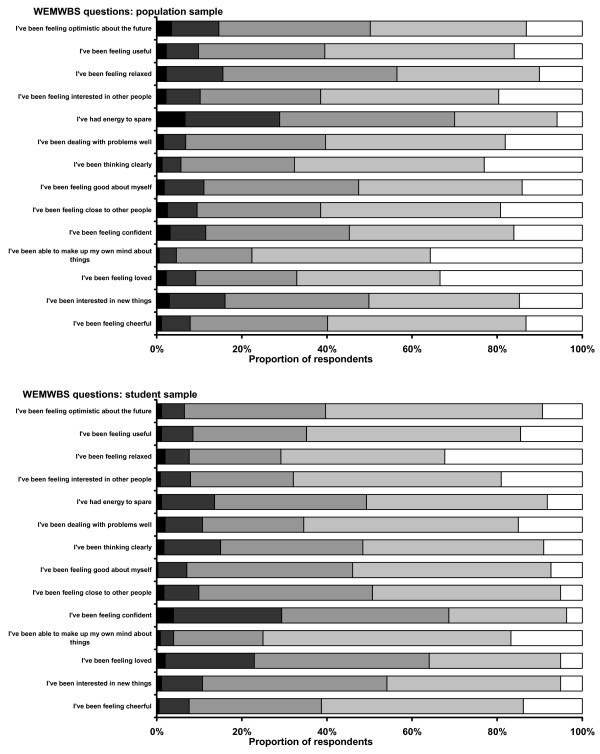
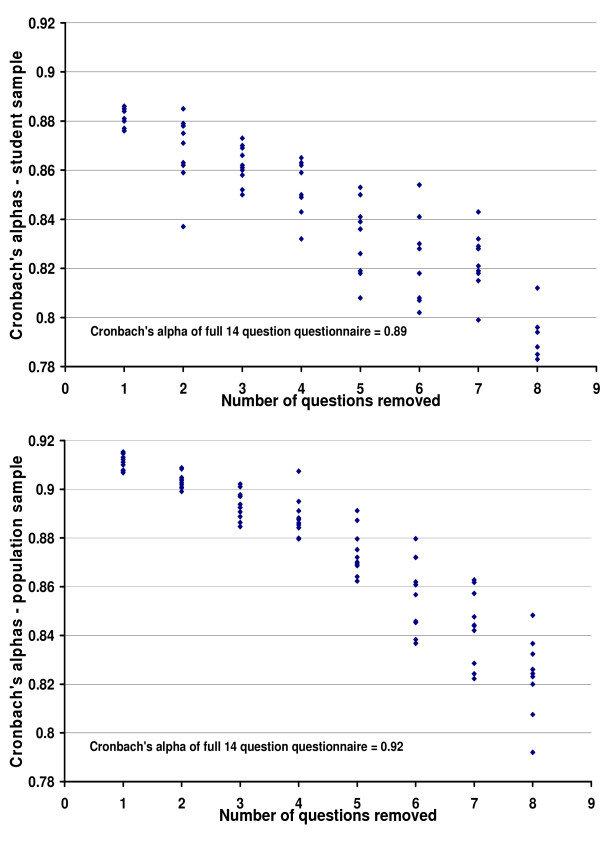
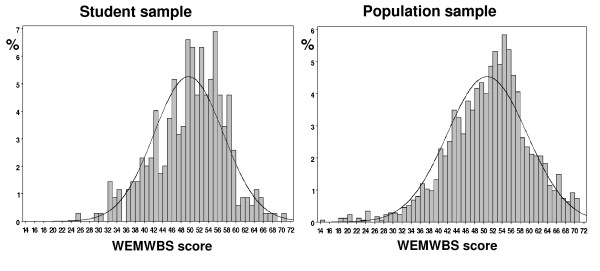
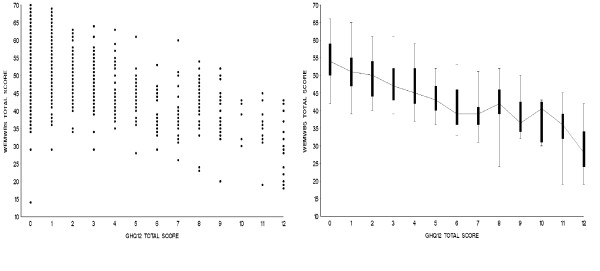
Background: There is increasing international interest in the concept of mental well-being and its contribution to all aspects of human life. Demand for instruments to monitor mental well-being at a population level and evaluate mental health promotion initiatives is growing. This article describes the development and validation of a new scale, comprised only of positively worded items relating to different aspects of positive mental health: the Warwick-Edinburgh Mental Well-Being Scale (WEMWBS). Methods: WEMWBS was developed by an expert panel drawing on current academic literature, qualitative research with focus groups, and psychometric testing of an existing scale. It was validated on a student and representative population sample. Content validity was assessed by reviewing the frequency of complete responses and the distribution of responses to each item. Confirmatory factor analysis was used to test the hypothesis that the scale measured a single construct. Internal consistency was assessed using Cronbach's alpha. Criterion validity was explored in terms of correlations between WEMWBS and other scales and by testing whether the scale discriminated between population groups in line with pre-specified hypotheses. Test-retest reliability was assessed at one week using intra-class correlation coefficients. Susceptibility to bias was measured using the Balanced Inventory of Desired Responding. Results: WEMWBS showed good content validity. Confirmatory factor analysis supported the single factor hypothesis. A Cronbach's alpha score of 0.89 (student sample) and 0.91 (population sample) suggests some item redundancy in the scale. WEMWBS showed high correlations with other mental health and well-being scales and lower correlations with scales measuring overall health. Its distribution was near normal and the scale did not show ceiling effects in a population sample. It discriminated between population groups in a way that is largely consistent with the results of other population surveys. Test-retest reliability at one week was high (0.83). Social desirability bias was lower or similar to that of other comparable scales. Conclusion: WEMWBS is a measure of mental well-being focusing entirely on positive aspects of mental health. As a short and psychometrically robust scale, with no ceiling effects in a population sample, it offers promise as a tool for monitoring mental well-being at a population level. Whilst WEMWBS should appeal to those evaluating mental health promotion initiatives, it is important that the scale's sensitivity to change is established before it is recommended in this context.
Overview
CoChat Summary
## TL;DR
WEMWBS is a new 14-item, all-positive mental well-being scale developed in the UK and validated in a student sample and two representative Scottish population datasets. It showed strong psychometric performance, including a single-factor structure, Cronbach’s alpha of 0.89–0.91, test-retest reliability of 0.83, and no ceiling effects in the population sample.
## Key findings
- The final WEMWBS had 14 items covering hedonic and eudaimonic well-being, including positive affect, relationships, and positive functioning.
- Confirmatory factor analysis supported a single-factor structure: in the population sample GFI = 0.91, AGFI = 0.87, RMSEA = 0.0502; in the student sample GFI = 0.93, AGFI = 0.89, RMSEA = 0.0551.
- Internal consistency was high: Cronbach’s alpha = 0.89 in the student sample and 0.91 in the population sample; test-retest reliability at one week was 0.83.
- Criterion validity was supported by correlations in the expected directions, including r = 0.77 with WHO-5, 0.74 with SPWB, 0.73 with SDHS and SWLS, 0.71 with PANAS-PA, -0.54 with PANAS-NA, and -0.53 with GHQ-12 in the population sample.
- The population sample showed no ceiling effects; median WEMWBS scores were 50 in the student sample and 51 in the population sample.
## Methods
- Scale development used an expert panel, nine focus groups (3 in England, 6 in Scotland; 56 participants total), and psychometric testing of the existing Affectometer 2.
- Validation used two samples: a student sample of 354 students from Warwick and Edinburgh universities, and a population sample combining 1749 respondents from two Scottish surveys.
- Analyses included content review, confirmatory factor analysis, Cronbach’s alpha, item-total correlations, Spearman correlations with other scales, Jonckheere/Wilcoxon/Kruskal-Wallis tests for group differences, test-retest ICCs, and assessment of social desirability bias with the BIDR.
## Limitations
- The paper states that sensitivity to change had not yet been established, and recommends further research before WEMWBS is used to evaluate mental health promotion interventions.
- The paper states that test-retest reliability was assessed only in the student sample and only over one week; it calls for replication in a population sample and over a longer interval.
- Evident from the text: the population sample could not test all eight validation scales used in the student sample because of space constraints, so some criterion-validity evidence is based only on the student sample.
Model-written summary. Check it against the paper before relying on it.
Integrity signals
Registry
Cites
Statistics
Figures
Verification
Claims the paper makes
0 Valid · 0 Not valid · 2 Not checked · 52 Own results and interpretations
A result the paper reports from its own data — it cites no other source for it, so there is none to check. The quote shows it is in the paper.
In the paper
“WEMWBS showed good content validity.”
- Also stated in: § Discussion · hedged
“The scale appears to have good content validity: response rates were high in both samples, although lower in the population sample than in the student sample.”
§ The Warwick-Edinburgh Mental Well-being Scale (WEMWBS): development and UK validation > Abstract > Results
hedged- Asserted: passes — The authors put it forward as true.
- Checkable: passes — It can be checked against evidence.
- Load-bearing: unclear — It is unclear whether the paper’s conclusions depend on it.
- Based: passes — The paper gives a reason why it holds.
- Also stated in: § Discussion · hedged
A result the paper reports from its own data — it cites no other source for it, so there is none to check. The quote shows it is in the paper.
In the paper
“A moderate negative correlation was observed between WEMWBS and the PANAS-NA (r = -0.54, p < 0.01) (Table 2).”
§ The Warwick-Edinburgh Mental Well-being Scale (WEMWBS): development and UK validation > Results > Criterion validity
plainstates an association- Asserted: passes — The authors put it forward as true.
- Checkable: passes — It can be checked against evidence.
- Load-bearing: passes — The paper’s conclusions depend on it.
- Based: passes — The paper gives a reason why it holds.
A result the paper reports from its own data — it cites no other source for it, so there is none to check. The quote shows it is in the paper.
In the paper
“In the student sample, overall health, as represented by the EQ-5D VAS, showed a low to moderate significant correlation (r = 0.43, p < 0.01), as hypothesised (Table 2).”
§ The Warwick-Edinburgh Mental Well-being Scale (WEMWBS): development and UK validation > Results > Criterion validity
plainstates an association- Asserted: passes — The authors put it forward as true.
- Checkable: passes — It can be checked against evidence.
- Load-bearing: unclear — It is unclear whether the paper’s conclusions depend on it.
- Based: passes — The paper gives a reason why it holds.
A result the paper reports from its own data — it cites no other source for it, so there is none to check. The quote shows it is in the paper.
In the paper
“Confirmatory factor analysis supported the single factor hypothesis.”
- Also stated in: § Construct validity · plain
“From these results, both samples showed verification of the pre-hypothesised one-factor scale structure.”
§ The Warwick-Edinburgh Mental Well-being Scale (WEMWBS): development and UK validation > Abstract > Results
plainstates an associationn = 1,749- Asserted: passes — The authors put it forward as true.
- Checkable: passes — It can be checked against evidence.
- Load-bearing: passes — The paper’s conclusions depend on it.
- Based: passes — The paper gives a reason why it holds.
- Also stated in: § Construct validity · plain
A result the paper reports from its own data — it cites no other source for it, so there is none to check. The quote shows it is in the paper.
In the paper
“The two life satisfaction scales showed higher than anticipated correlations with WEWMBS (SWLS r = 0.73, p < 0.01, GLS 0.53, p < 0.01) (Table 2).”
§ The Warwick-Edinburgh Mental Well-being Scale (WEMWBS): development and UK validation > Results > Criterion validity
plainstates an association- Asserted: passes — The authors put it forward as true.
- Checkable: passes — It can be checked against evidence.
- Load-bearing: unclear — It is unclear whether the paper’s conclusions depend on it.
- Based: passes — The paper gives a reason why it holds.
22 more claims
Create a free account to see all 54 claims and to verify the 2 references still open.
- It may state two separate claims as one. 21
- Probably not a substantial claim. 8
Claims other papers make about this one
Each is checked against this paper’s own text: does it say what the citing paper says it does?
The cited source doesn’t support the claim as written.
In the citing paper
“the Warwick-Edinburgh Mental Wellbeing Scale43,44 would be most useful to include as a main outcome, given that it showed greater sensitivity to change than the other measures examined.”
From Feasibility of RESTORE: An online Acceptance and Commitment Therapy intervention to improve palliative care staff wellbeing. (2023) · cites this paper as [44]
Checked by a reasoning model — may be wrong.
Experimental — accuracy not yet measuredThe source backs part of the claim, not all of it — or backs it for a different population, condition or comparison.
In the citing paper
“All participants filled out the European Quality of Life-5 Dimensions (EQ-5D-5L) (an online questionnaire on sociodemographic characteristics) and the Short-Warwick-Edinburgh Mental Well-being Scale (SWEMWBS) [20,21].”
From Long-term Weight Loss in a Primary Care-Anchored eHealth Lifestyle Coaching Program: Randomized Controlled Trial (2022) · cites this paper as [21]
Experimental — accuracy not yet measuredThe source backs part of the claim, not all of it — or backs it for a different population, condition or comparison.
In the citing paper
“They also found that over a quarter (27.4%) scored in the low wellbeing range on the Short Warwick–Edinburgh Mental Wellbeing Scale (SWEMWBS; Tennant et al., 2007).”
From Content Moderator Mental Health and Associations with Coping Styles: Replication and Extension of Previous Studies (2025) · cites this paper as Tennant et al., 2007
Experimental — accuracy not yet measuredThe source backs part of the claim, not all of it — or backs it for a different population, condition or comparison.
In the citing paper
“During baseline, the average Wellbeing scores of ~ 43 demonstrate that the level of wellbeing of this sample is somewhat below the average and median of 51 of the norm group (student population; Tennant et al., 2007).”
From Group cognitive behavioral therapy for reducing procrastination in college students: a randomized controlled trial (2026) · cites this paper as Tennant et al., 2007
Experimental — accuracy not yet measuredThe source backs part of the claim, not all of it — or backs it for a different population, condition or comparison.
In the citing paper
“Internal consistency was acceptable in the present study (α = .75).”
From An internet-delivered acceptance and commitment therapy program for anxious affect, depression, and wellbeing: A randomized, parallel, two-group, waitlist-controlled trial in a Middle Eastern sample of college students (2024) · cites this paper as [41]
Experimental — accuracy not yet measured
20 more claims about this paper
Create a free account to see every claim other papers make about this one.
Citations
Cites
Hu, L., & Bentler, P. M. (1999) · Structural Equation Modeling A Multidisciplinary Journal · doi:10.1080/10705519909540118 · Cited by 108,788 · cited 1×
“06 level [33], thus indicating only a small amount of unexplained variance or residual.”
BackgroundDevelopment and validation of brief measures of positive and negative affect: The PANAS scales.
Watson, D., Clark, L. A., & Tellegen, A. (1988) · Journal of Personality and Social Psychology · doi:10.1037/0022-3514.54.6.1063 · Cited by 32,433 · cited 1×
“The commonly-used twenty-item PANAS scale [14] describes affective-emotional aspects of well-being and is comprised of two dimensions: positive and negative affect (PANAS-PA and PANAS-NA) which are reported as distinct and independent concepts.”
MethodThe satisfaction with life scale
Diener, E., Emmons, R. A., Larsen, R. J., & Griffin, S. (1985) · Journal of Personality Assessment · doi:10.1207/s15327752jpa4901_13 · Cited by 31,768
Comparative fit indexes in structural models.
Bentler, P. M. (1990) · Psychological Bulletin · doi:10.1037/0033-2909.107.2.238 · Cited by 25,266 · cited 1×
“The goodness of fit index (GFI) and adjusted goodness of fit index (AGFI), based on a correction for degrees of freedom, were assessed with their desired levels being > 0.9 and > 0.8 respectively [ 31 ,32].”
MethodInfluentialSignificance tests and goodness of fit in the analysis of covariance structures.
Bentler, P. M., & Bonett, D. G. (1980) · Psychological Bulletin · doi:10.1037//0033-2909.88.3.588 · Cited by 19,023 · cited 1×
“05, indicates a significant amount of actual covariance between measures that was unexplained by the models [34].”
BackgroundOn Happiness and Human Potentials: A Review of Research on Hedonic and Eudaimonic Well-Being
Ryan, R. M., & Deci, E. L. (2001) · Annual Review of Psychology · doi:10.1146/annurev.psych.52.1.141 · Cited by 11,567 · cited 1×
“It is a complex construct, covering both affect and psychological functioning with two distinct perspectives:- the hedonic perspective, which focuses on the subjective experience of happiness and life satisfaction, and the eudaimonic perspective, focusing on psychological functioning and self realisation [3].”
BackgroundThe structure of psychological well-being revisited.
Ryff, C. D., & Keyes, C. L. M. (1995) · Journal of Personality and Social Psychology · doi:10.1037//0022-3514.69.4.719 · Cited by 10,285 · cited 8×
“Also as hypothesised, scales measuring components of affect or well-being all showed significant high correlations with WEMWBS: (PANAS-PA r = 0.71, p 0.01, SPWB r = 0.74, p 0.01, SDHS r = 0.73, p 0.01, WHO-5 0.77, p 0.01) (Table 2).”
ResultInfluential(1988) · NFER-Nelson eBooks · Cited by 5,560
Development and validation of a measure of emotional intelligence
Schutte, N. S., Malouff, J. M., Hall, L. E., Haggerty, D. J., Cooper, J. T., Golden, C. J., & Dornheim, L. (1998) · Personality and Individual Differences · doi:10.1016/s0191-8869(98)00001-4 · Cited by 3,856 · cited 5×
“As hypothesised, the EIS showed a low to moderate correlation with WEMWBS (r = 0.48, p 0.01) (Table 2).”
InfluentialThe Validity of Two Versions of the GHQ in the WHO Study of Mental Illness in General Health Care
GOLDBERG, D. P., GATER, R., SARTORIUS, N., USTUN, T. B., PICCINELLI, M., GUREJE, O., & RUTTER, C. (1997) · Psychological Medicine · doi:10.1017/s0033291796004242 · Cited by 3,657 · cited 1×
“01) using a Likert score, which persisted when a dichotomous scoring method, (with the four GHQ response categories being scored 0,0,1,1 [37]) was used (p < 0.”
Method
Research works printed but not linked: 8
- World Health Organisation: Strengthening mental health promotion. Geneva; World Health Organisation; 2001.
- Linley PA, Joseph S, (Eds.): Positive psychology in practice. Hoboken, NJ: Wiley; 2004.
- Bech P: Measuring the dimensions of psychological general well-being by the WHO-5. QoL Newsletter 2004, 32: 15–16.
- Stewart-Brown S: Measuring parts most measures do not reach: a necessity for evaluation in mental health promotion. J Mental Health Promotion 2002, 1: 4–9.
- Tennant R, Fishwick R, Platt S, Joseph S, Stewart-Brown S: Monitoring positive mental health in Scotland: validating the Affectometer 2 scale and developing the Warwick-Edinburgh Mental Well-being Scale for the UK. Edinburgh, NHS Health Scotland; 2006.
- Singleton HLG, (Ed): Better or worse: a longitudinal study of adults living in private households in Great Britain. London: The Stationery Office; 2003.
- Braunholtz S, Davidson S, Myant K, O'Connor R: Well? What do you think? (2006) The third national Scottish survey of public attitudes to mental health, mental wellbeing and mental health problems. Scottish Executive: Edinburgh; 2007.
- Nunnally JC: Psychometric Theory. 2nd edition. McGraw-Hill, London; 1978.
Cited by
Flourishing Across Europe: Application of a New Conceptual Framework for Defining Well-Being
Huppert, F. A., & So, T. T. C. (2013) · Social Indicators Research · doi:10.1007/s11205-011-9966-7 · Cited by 1,864
“Our conceptual framework is more in keeping with the approaches of Keyes (2002), Seligman (2002, 2011), Tennant et al. (2007), and the recent work of Diener et al. (2010a, b), all of which incorporate both hedonic and eudaimonic aspects of wellbeing.”
ResultEpidemic of COVID-19 in China and associated psychological problems.
Ahmed, M. Z., Ahmed, O., Aibao, Z., Hanbin, S., Siyu, L., & Ahmad, A. (2020) · Asian Journal of Psychiatry · doi:10.1016/j.ajp.2020.102092 · Cited by 1,390
“In the present study, all participants completed an online questionnaire that included the Beck Anxiety Inventory (BAI: Beck and Steer, 1993; Chinese version: Che et al., 2006) , the Beck Depression Inventory -II (BDI-II: Beck et al., 1996; Chinese version: Wang et al., 2011) , the Alcohol Use Disorder Identification…”
BackgroundStewart-Brown, S., Tennant, A., Tennant, R., Platt, S., Parkinson, J., & Weich, S. (2009) · Health and Quality of Life Outcomes · doi:10.1186/1477-7525-7-15 · Cited by 1,251
Self-citationMental Health Smartphone Apps: Review and Evidence-Based Recommendations for Future Developments
Bakker, D., Kazantzis, N., Rickwood, D., & Rickard, N. (2016) · JMIR Mental Health · doi:10.2196/mental.4984 · Cited by 886
Przybylski, A. K., & Weinstein, N. (2017) · Psychological Science · doi:10.1177/0956797616678438 · Cited by 890
“A series of regression models tested how weekday and weekend engagement with digital screens was related to mental well-being, assessed with the Warwick-Edinburgh Mental Well-Being Scale.”
BackgroundMethodInfluentialWell-being is more than happiness and life satisfaction: a multidimensional analysis of 21 countries
Ruggeri, K., Garcia-Garzon, E., Maguire, Á., Matz, S., & Huppert, F. A. (2020) · Health and Quality of Life Outcomes · doi:10.1186/s12955-020-01423-y · Cited by 844
“These include the Warwick-Edinburgh Mental Well-Being Scale [44] and the Flourishing Scale [11].”
MethodCoronavirus conspiracy beliefs, mistrust, and compliance with government guidelines in England
Freeman, D., Waite, F., Rosebrock, L., Petit, A., Causier, C., East, A., Jenner, L., Teale, A.-L., Carr, L., Mulhall, S., et al. (2022) · Psychological Medicine · doi:10.1017/s0033291720001890 · Cited by 714
“Warwick−Edinburgh mental well-being scale (WEMWBS) (Tennant et al., 2007) The WEMWBS is a 14-item scale assessing psychological wellbeing over the past fortnight.”
BackgroundMethodWood, L., Hooper, P., Foster, S., & Bull, F. (2017) · Health & Place · doi:10.1016/j.healthplace.2017.09.002 · Cited by 651
Freeman, D., Sheaves, B., Goodwin, G. M., Yu, L.-M., Nickless, A., Harrison, P. J., Emsley, R., Luik, A. I., Foster, R. G., Wadekar, V., et al. (2017) · The Lancet Psychiatry · doi:10.1016/s2215-0366(17)30328-0 · Cited by 652
Linton, M.-J., Dieppe, P., & Medina-Lara, A. (2016) · BMJ Open · doi:10.1136/bmjopen-2015-010641 · Cited by 638
Arnold, D. T., Hamilton, F. W., Milne, A., Morley, A. J., Viner, J., Attwood, M., Noel, A., Gunning, S., Hatrick, J., Hamilton, S., et al. (2021) · Thorax · doi:10.1136/thoraxjnl-2020-216086 · Cited by 627
Ng Fat, L., Scholes, S., Boniface, S., Mindell, J., & Stewart-Brown, S. (2017) · Quality of Life Research · doi:10.1007/s11136-016-1454-8 · Cited by 548
“Similar moderate correlations were found between SWEMWBS and GHQ12 and EQ-VAS, as had been previously demonstrated for WEMWBS [9].”
BackgroundMethodResultInfluentialSelf-citationSatici, B., Saricali, M., Satici, S. A., & Griffiths, M. D. (2022) · International Journal of Mental Health and Addiction · doi:10.1007/s11469-020-00305-0 · Cited by 580
Twenge, J. M., & Martin, G. N. (2020) · Journal of Adolescence · doi:10.1016/j.adolescence.2019.12.018 · Cited by 582
Barbayannis, G., Bandari, M., Zheng, X., Baquerizo, H., Pecor, K. W., & Ming, X. (2022) · Frontiers in Psychology · doi:10.3389/fpsyg.2022.886344 · Cited by 555
“Positive mental health is an understudied but important area that helps paint a more comprehensive picture of overall mental health (Tennant et al., 2007; Margraf et al., 2020).”
BackgroundMethodInfluentialMartela, F., & Sheldon, K. M. (2019) · Review of General Psychology · doi:10.1177/1089268019880886 · Cited by 534
“…is about competence, autonomy, engagement, and meaning and purpose, whereas the Warwick– Edinburgh Mental Well-being approach measures psychological functioning using the elements of: energy, clear thinking, self-acceptance, personal development, competence and autonomy (Tennant et al., 2007).”
BackgroundMethodThe development of compassionate engagement and action scales for self and others
Gilbert, P., Catarino, F., Duarte, C., Matos, M., Kolts, R., Stubbs, J., Ceresatto, L., Duarte, J., Pinto-Gouveia, J., & Basran, J. (2017) · Journal of Compassionate Health Care · doi:10.1186/s40639-017-0033-3 · Cited by 527
Clarke, A., Friede, T., Putz, R., Ashdown, J., Martin, S., Blake, A., Adi, Y., Parkinson, J., Flynn, P., Platt, S., et al. (2011) · BMC Public Health · doi:10.1186/1471-2458-11-487 · Cited by 493
“Discussion WEMWBS is a population measure of mental wellbeing, validated for use in adults aged 16 years and over in the UK [20,21].”
BackgroundMethodInfluentialSelf-citationDevelopment and validation of the camouflaging autistic traits questionnaire (CAT-Q)
Hull, L., Mandy, W., Lai, M.-C., Baron-Cohen, S., Allison, C., Smith, P., & Petrides, K. V. (2019) · Journal of Autism and Developmental Disorders · doi:10.1007/s10803-018-3792-6 · Cited by 496
Mindfulness on-the-go: Effects of a mindfulness meditation app on work stress and well-being
Bostock, S., Crosswell, A. D., Prather, A. A., & Steptoe, A. (2019) · Journal of Occupational Health Psychology · doi:10.1037/ocp0000118 · Cited by 465
“Psychological well-being was assessed with the Warwick Edinburgh Mental Well-being Scale (Tennant et al., 2007).”
The relationship between greenspace and the mental wellbeing of adults: a systematic review
Houlden, V., Weich, S., Porto de Albuquerque, J., Jarvis, S., & Rees, K. (2018) · PLOS ONE · doi:10.1371/journal.pone.0203000 · Cited by 471
“new things”, and “close to others” [81]; there is also a reduced 7-item version, known as”
BackgroundSelf-citationMeasuring Well-Being: A Review of Instruments
Cooke, P. J., Melchert, T. P., & Connor, K. (2016) · The Counseling Psychologist · doi:10.1177/0011000016633507 · Cited by 468
Espie, C. A., Emsley, R., Kyle, S. D., Gordon, C., Drake, C. L., Siriwardena, A. N., Cape, J., Ong, J. C., Sheaves, B., Foster, R., et al. (2019) · JAMA Psychiatry · doi:10.1001/jamapsychiatry.2018.2745 · Cited by 466
Longitudinal associations between cyberbullying involvement and adolescent mental health
Fahy, A. E., Stansfeld, S. A., Smuk, M., Smith, N. R., Cummins, S., & Clark, C. (2016) · Journal of Adolescent Health · doi:10.1016/j.jadohealth.2016.06.006 · Cited by 457
“Baseline: .80 (n ¼ 2,079) Follow-up: .84 (n ¼ 2,325) Mental well-being Warwick-Edinburgh Mental Well-Being ScaledWEMWBS [19] 14 items covering aspects of hedonic and eudaimonic subjective well-being; five response categories: 1dnone of the time 2drarely 3dsome of the time 4doften 5dall of the time Total scores range f…”
MethodMitchell, R. (2013) · Social Science & Medicine · doi:10.1016/j.socscimed.2012.04.012 · Cited by 439
“WEMWBS is a comparatively new measure designed to capture positive mental wellbeing (Tennant et al., 2007).”
BackgroundEffectiveness of the Mindfulness in Schools Programme: non-randomised controlled feasibility study
Kuyken, W., Weare, K., Ukoumunne, O. C., Vicary, R., Motton, N., Burnett, R., Cullen, C., Hennelly, S., & Huppert, F. (2013) · British Journal of Psychiatry · doi:10.1192/bjp.bp.113.126649 · Cited by 427
Media Use Is Linked to Lower Psychological Well-Being: Evidence from Three Datasets
Twenge, J. M., & Campbell, W. K. (2019) · Psychiatric Quarterly · doi:10.1007/s11126-019-09630-7 · Cited by 429
Psychological impact of COVID-19 lockdown: An online survey from India
Grover, S., Sahoo, S., Mehra, A., Avasthi, A., Tripathi, A., Subramanyan, A., Pattojoshi, A., Rao, G., Saha, G., Mishra, K., et al. (2020) · Indian Journal of Psychiatry · doi:10.4103/psychiatry.indianjpsychiatry_427_20 · Cited by 414
“The mean Warwick-Edinburgh Mental Well-being Scale (WEMWBS) score for the study participants was 43.92 (SD - 8.79).”
MethodInfluentialNon-clinical community interventions: a systematised review of social prescribing schemes
Chatterjee, H. J., Camic, P. M., Lockyer, B., & Thomson, L. J. M. (2018) · Arts & Health · doi:10.1080/17533015.2017.1334002 · Cited by 404
“Over half of the Arts on Prescription studies used qualitative analysis of interview material and under half employed measures such as WEBWMS; only one of these carried out inferential statistic tests and the remainder used descriptive statistics such as percentage change.”
BackgroundMethodInfluentialPredicting responses to psychedelics: a prospective study
Haijen, E. C. H. M., Kaelen, M., Roseman, L., Timmermann, C., Kettner, H., Russ, S., Nutt, D., Daws, R. E., Hampshire, A. D. G., Lorenz, R., et al. (2018) · Frontiers in Pharmacology · doi:10.3389/fphar.2018.00897 · Cited by 417
Emotional breakthrough and psychedelics: Validation of the Emotional Breakthrough Inventory
Roseman, L., Haijen, E., Idialu-Ikato, K., Kaelen, M., Watts, R., & Carhart-Harris, R. (2019) · Journal of Psychopharmacology · doi:10.1177/0269881119855974 · Cited by 413
“The WEMWBS (Tennant et al., 2007) was designed to measure the psychological well-being of a population.”
BackgroundMethodIs teachers' mental health and wellbeing associated with students' mental health and wellbeing?
Harding, S., Morris, R., Gunnell, D., Ford, T., Hollingworth, W., Tilling, K., Evans, R., Bell, S., Grey, J., Brockman, R., et al. (2019) · Journal of Affective Disorders · doi:10.1016/j.jad.2018.08.080 · Cited by 400
“Student wellbeing : The Warwick Edinburgh Mental Wellbeing Scale (WEMWBS) (27) to measure wellbeing.”
InfluentialPsychological interventions to foster resilience in healthcare professionals
Kunzler, A. M., Helmreich, I., Chmitorz, A., König, J., Binder, H., Wessa, M., & Lieb, K. (2020) · Cochrane Database of Systematic Reviews · doi:10.1002/14651858.cd012527.pub2 · Cited by 390
Huppert, F. A., & Johnson, D. M. (2010) · The Journal of Positive Psychology · doi:10.1080/17439761003794148 · Cited by 391
Semlyen, J., King, M., Varney, J., & Hagger-Johnson, G. (2016) · BMC Psychiatry · doi:10.1186/s12888-016-0767-z · Cited by 383
“Both instruments have been validated for the detection of clinically significant symptoms of mental disorder [7, 26, 30, 31].”
BackgroundMethodInfluentialParedes, M. R., Apaolaza, V., Fernandez-Robin, C., Hartmann, P., & Yañez-Martinez, D. (2021) · Personality and Individual Differences · doi:10.1016/j.paid.2020.110455 · Cited by 383
“Mental well-being is necessary for society's effective functioning (Tennant et al., 2007).”
Malinowski, P., & Lim, H. J. (2015) · Mindfulness · doi:10.1007/s12671-015-0388-5 · Cited by 360
“The WEMWBS has been designed as a one-dimensional scale (Tennant et al. 2007).”
InfluentialSocial capital as a resource for mental well-being in older people: A systematic review
Nyqvist, F., Forsman, A. K., Giuntoli, G., & Cattan, M. (2013) · Aging & Mental Health · doi:10.1080/13607863.2012.742490 · Cited by 353
“Our review clearly shows that there is no study that have investigated the relationship between social capital and measures, specifically designed to assess positive mental health such as The Warwick– Edinburgh Mental Well-being Scale (WEMBS; Tennant et al., 2007) and the Mental Health Continuum Questionnaire (MHC; Ke…”
BackgroundMethodSavage, M. J., James, R., Magistro, D., Donaldson, J., Healy, L. C., Nevill, M., & Hennis, P. J. (2020) · Mental Health and Physical Activity · doi:10.1016/j.mhpa.2020.100357 · Cited by 366
Downar, J., Geraci, J., Salomons, T. V., Dunlop, K., Wheeler, S., McAndrews, M. P., Bakker, N., Blumberger, D. M., Daskalakis, Z. J., Kennedy, S. H., et al. (2014) · Biological Psychiatry · doi:10.1016/j.biopsych.2013.10.026 · Cited by 337
“No individual items on HAMD-17, Quality of Life Enjoyment and Satisfaction Questionnaire, or Warwick-Edinburgh Mental Well-Being Scale significantly predicted outcome.”
MethodDigital detox: An effective solution in the smartphone era? A systematic literature review
Radtke, T., Apel, T., Schenkel, K., Keller, J., & von Lindern, E. (2022) · Mobile Media & Communication · doi:10.1177/20501579211028647 · Cited by 342
“A study by Brown and Kuss (2020) investigated mental well-being using the Warwick-Edinburgh MWB Scale (WEMWBS; Tennant et al., 2007).”
MethodKidger, J., Brockman, R., Tilling, K., Campbell, R., Ford, T., Araya, R., King, M., & Gunnell, D. (2016) · Journal of Affective Disorders · doi:10.1016/j.jad.2015.11.054 · Cited by 330
“Wellbeing was measured using the Warwick Edinburgh Mental Wellbeing Scale (WEMWBS) (Tennant et al., 2007): possible scores range from 14 to 70, where a higher score signi fi es greater wellbeing.”
InfluentialMindfulness-based interventions with youth: A comprehensive meta-analysis of group-design studies
Klingbeil, D. A., Renshaw, T. L., Willenbrink, J. B., Copek, R. A., Chan, K. T., Haddock, A., Yassine, J., & Clifton, J. (2017) · Journal of School Psychology · doi:10.1016/j.jsp.2017.03.006 · Cited by 312
Multivariate genome-wide analyses of the well-being spectrum
BIOS consortium, Baselmans, B. M. L., Social Science Genetic Association Consortium, Jansen, R., Ip, H. F., van Dongen, J., Abdellaoui, A., van de Weijer, M. P., Bao, Y., Smart, M., et al. (2019) · Nature Genetics · doi:10.1038/s41588-018-0320-8 · Cited by 320
Evans, S., Alkan, E., Bhangoo, J. K., Tenenbaum, H., & Ng-Knight, T. (2021) · Psychiatry Research · doi:10.1016/j.psychres.2021.113819 · Cited by 306
“Mental wellbeing was evaluated using the short (7-item) form of the Warwick Edinburgh Mental Well-being scale (WEMWBS) which has high test-retest reliability (r = 0.83) (Tennant et al., 2007).”
MethodInfluentialRisk and protective factors for mental health in elite athletes: a scoping review
Kuettel, A., & Larsen, C. H. (2020) · International Review of Sport and Exercise Psychology · doi:10.1080/1750984x.2019.1689574 · Cited by 311
“Hence, current views on MH and well-being have shifted the focus from a negative conceptualization of MH as the absence of mental illness to definitions that encompass positive aspects and include the level of functioning of individuals (Tennant et al., 2007; Uphill, Sly, & Swain, 2016).”
BackgroundHaving a Lot of a Good Thing: Multiple Important Group Memberships as a Source of Self-Esteem
Jetten, J., Branscombe, N. R., Haslam, S. A., Haslam, C., Cruwys, T., Jones, J. M., Cui, L., Dingle, G., Liu, J., Murphy, S., et al. (2015) · PLOS ONE · doi:10.1371/journal.pone.0124609 · Cited by 308
Hetrick, S. E., Cox, G. R., Witt, K. G., Bir, J. J., & Merry, S. N. (2016) · Cochrane Database of Systematic Reviews · doi:10.1002/14651858.cd003380.pub4 · Cited by 290
Przybylski, A. K., & Weinstein, N. (2019) · Child Development · doi:10.1111/cdev.13007 · Cited by 300
van Harmelen, A.-L., Kievit, R. A., Ioannidis, K., Neufeld, S., Jones, P. B., Bullmore, E., Dolan, R., The NSPN Consortium, Fonagy, P., & Goodyer, I. (2017) · Psychological Medicine · doi:10.1017/s0033291717000836 · Cited by 284
“Mental wellbeing: the Warwick-Edinburgh Mental Well Being Scale (WEMWBS) (Tennant et al. 2007).”
MethodFreeman, D., Dunn, G., Startup, H., Pugh, K., Cordwell, J., Mander, H., Černis, E., Wingham, G., Shirvell, K., & Kingdon, D. (2015) · The Lancet Psychiatry · doi:10.1016/s2215-0366(15)00039-5 · Cited by 295
Soysa, C. K., & Wilcomb, C. J. (2015) · Mindfulness · doi:10.1007/s12671-013-0247-1 · Cited by 291
“The Warwick–Edinburgh Mental Well-being Scale (Tennant et al., 2007) contains 14 items that are scored on a five-point scale, ranging from 1=strongly disagree to 5=strongly agree.”
BackgroundPsychological well-being and psychological distress: is it necessary to measure both?
Winefield, H. R., Gill, T. K., Taylor, A. W., & Pilkington, R. M. (2012) · Psychology of Well-Being: Theory, Research and Practice · doi:10.1186/2211-1522-2-3 · Cited by 291
Rolland, B., Haesebaert, F., Zante, E., Benyamina, A., Haesebaert, J., & Franck, N. (2020) · JMIR Public Health and Surveillance · doi:10.2196/19630 · Cited by 287
Kuyken, W., Ball, S., Crane, C., Ganguli, P., Jones, B., Montero-Marin, J., Nuthall, E., Raja, A., Taylor, L., Tudor, K., et al. (2022) · Evidence Based Mental Health · doi:10.1136/ebmental-2021-300396 · Cited by 285
“Warwick-Edinburgh Mental Well-being Scale (WEMWBS; Tennant et al., 2007)”
MethodKeetharuth, A. D., Brazier, J., Connell, J., Bjorner, J. B., Carlton, J., Taylor Buck, E., Ricketts, T., McKendrick, K., Browne, J., Croudace, T., et al. (2018) · The British Journal of Psychiatry · doi:10.1192/bjp.2017.10 · Cited by 264
Using wellbeing for public policy: Theory, measurement, and recommendations
Adler, A., & Seligman, M. E. P. (2016) · International Journal of Wellbeing · doi:10.5502/ijw.v6i1.429 · Cited by 277
Hervás, G., & Vázquez, C. (2013) · Health and Quality of Life Outcomes · doi:10.1186/1477-7525-11-66 · Cited by 274
Maheswaran, H., Weich, S., Powell, J., & Stewart-Brown, S. (2012) · Health and Quality of Life Outcomes · doi:10.1186/1477-7525-10-156 · Cited by 265
“WEMWBS is a valid, reliable and acceptable measure [13], which we have demonstrated, is responsive to change in a wide variety of settings from the community settings, to schools, and psychiatric hospitals, making it suitable for use in evaluation of interventions at group and individual level.”
BackgroundMethodResultInfluentialSelf-citationUnderstanding Camouflaging as a Response to Autism-Related Stigma: A Social Identity Theory Approach
Perry, E., Mandy, W., Hull, L., & Cage, E. (2022) · Journal of Autism and Developmental Disorders · doi:10.1007/s10803-021-04987-w · Cited by 274
Impact of health risk perception on avoidance of international travel in the wake of a pandemic
Chua, B.-L., Al-Ansi, A., Lee, M. J., & Han, H. (2021) · Current Issues in Tourism · doi:10.1080/13683500.2020.1829570 · Cited by 265
“Mental wellbeing is a complex concept involving affective and psychological functioning (Tennant et al., 2007).”
BackgroundPsychedelics and connectedness
Carhart-Harris, R. L., Erritzoe, D., Haijen, E., Kaelen, M., & Watts, R. (2018) · Psychopharmacology · doi:10.1007/s00213-017-4701-y · Cited by 265
Dickens, L. R. (2017) · Basic and Applied Social Psychology · doi:10.1080/01973533.2017.1323638 · Cited by 258
Steffens, N. K., LaRue, C. J., Haslam, C., Walter, Z. C., Cruwys, T., Munt, K. A., Haslam, S. A., Jetten, J., & Tarrant, M. (2021) · Health Psychology Review · doi:10.1080/17437199.2019.1669481 · Cited by 259
“…(Centers for Disease Control and Prevention, 2000); LESC = Life Effectiveness Self-Concept Subscale (Richards, Ellis, & Neil, 2002); SDQ-III-SF = Self-Description Questionnaire III – Short Form (Marsh & O’Neill, 1984); WEMWBS =Warwick-Edinburgh Mental Wellbeing Scale (Tennant et al., 2007).”
BackgroundStephenson, T., Pinto Pereira, S. M., Shafran, R., de Stavola, B. L., Rojas, N., McOwat, K., Simmons, R., Zavala, M., O'Mahoney, L., Chalder, T., et al. (2022) · The Lancet Child & Adolescent Health · doi:10.1016/s2352-4642(22)00022-0 · Cited by 257
“The questionnaire will be resent at 6, 12, and 24 months after testing.”
Stochl, J., Jones, P. B., & Croudace, T. J. (2012) · BMC Medical Research Methodology · doi:10.1186/1471-2288-12-74 · Cited by 250
“Elsewhere, items from this scale have been subjected to parametric IRT analysis (using the Rasch model) [37,38].”
MethodLiving in a cold and damp home: frameworks for understanding impacts on mental well-being
Liddell, C., & Guiney, C. (2015) · Public Health · doi:10.1016/j.puhe.2014.11.007 · Cited by 258
“7.(22) Internationally, most studies confirm this”
Digital well-being theory and research
Büchi, M. (2024) · New Media & Society · doi:10.1177/14614448211056851 · Cited by 277
Is Psychological Well-Being Linked to the Consumption of Fruit and Vegetables?
Blanchflower, D. G., Oswald, A. J., & Stewart-Brown, S. (2013) · Social Indicators Research · doi:10.1007/s11205-012-0173-y · Cited by 247
Self-citationHuang, F., Wang, Y., & Zhang, H. (2024) · European Journal of Education · doi:10.1111/ejed.12770 · Cited by 243
The impact of COVID-19 on the lives and mental health of Australian adolescents
Li, S. H., Beames, J. R., Newby, J. M., Maston, K., Christensen, H., & Werner-Seidler, A. (2022) · European Child & Adolescent Psychiatry · doi:10.1007/s00787-021-01790-x · Cited by 242
“The seven-item Warwick Edinburgh Mental Well-Being Scale—short form (SWEMWS; [36]) assessed mental wellbeing over the past 2 weeks and has validated for use in young people [37].”
MethodLiving the good life: A meta-analysis of authenticity, well-being and engagement
Sutton, A. (2020) · Personality and Individual Differences · doi:10.1016/j.paid.2019.109645 · Cited by 240
Gorczynski, P., Sims-schouten, W., Hill, D., & Wilson, J. C. (2017) · The Journal of Mental Health Training, Education and Practice · doi:10.1108/jmhtep-05-2016-0027 · Cited by 238
“Scores for the WEMWBS (Cronbach’s alpha of .89 to .91 in student and general population samples, respectively) and good test-retest reliability (r=.83) (Tennant et al., 2007).”
BackgroundMethodDerakhshan, A., Dewaele, J.-M., & Azari Noughabi, M. (2022) · System · doi:10.1016/j.system.2022.102890 · Cited by 239
A randomised controlled trial of a self-guided internet intervention promoting well-being
Mitchell, J., Stanimirovic, R., Klein, B., & Vella-Brodrick, D. (2009) · Computers in Human Behavior · doi:10.1016/j.chb.2009.02.003 · Cited by 226
“The theory and measurement of well-being is a rapidly developing area and a number of brief, but valid and reliable population level measures that combine SWB and PWB are now becoming available, such as the Warwick–Edinburgh Mental Well-being Scales (Tennant et al., 2007).”
MethodBakker, D., & Rickard, N. (2018) · Journal of Affective Disorders · doi:10.1016/j.jad.2017.11.016 · Cited by 231
The Human–Nature Relationship and Its Impact on Health: A Critical Review
Seymour, V. (2016) · Frontiers in Public Health · doi:10.3389/fpubh.2016.00260 · Cited by 234
Assessment of positive functioning in clinical psychology: Theoretical and practical issues
Joseph, S., & Wood, A. (2010) · Clinical Psychology Review · doi:10.1016/j.cpr.2010.01.002 · Cited by 225
Self-citationKoushede, V., Lasgaard, M., Hinrichsen, C., Meilstrup, C., Nielsen, L., Rayce, S. B., Torres-Sahli, M., Gudmundsdottir, D. G., Stewart-Brown, S., & Santini, Z. I. (2019) · Psychiatry Research · doi:10.1016/j.psychres.2018.12.003 · Cited by 207
Self-citationSharp, C., & Rutherford, L. (2014) · SAGE Publications Ltd eBooks · doi:10.4135/978144627305013501440 · Cited by 214
Branley-Bell, D., & Talbot, C. V. (2020) · Journal of Eating Disorders · doi:10.1186/s40337-020-00319-y · Cited by 221
“The 7-item Short Warwick-Edinburgh Mental Wellbeing Scale (SWEMWBS: [14, 15]) was used to measure emotional and functioning aspects of mental wellbeing.”
Freeman, D., Waite, F., Startup, H., Myers, E., Lister, R., McInerney, J., Harvey, A. G., Geddes, J., Zaiwalla, Z., Luengo-Fernandez, R., et al. (2015) · The Lancet Psychiatry · doi:10.1016/s2215-0366(15)00314-4 · Cited by 219
Psychedelics alter metaphysical beliefs
Timmermann, C., Kettner, H., Letheby, C., Roseman, L., Rosas, F. E., & Carhart-Harris, R. L. (2021) · Scientific Reports · doi:10.1038/s41598-021-01209-2 · Cited by 218
Promoting Well-Being: The Contribution of Emotional Intelligence
Di Fabio, A., & Kenny, M. E. (2016) · Frontiers in Psychology · doi:10.3389/fpsyg.2016.01182 · Cited by 215
“The current results are also consistent with prior research that has found self-report measures of EI to be associated with eudaimonic well-being (Tennant et al., 2007; Raina and Bakhshi, 2013), indicating that self-ratings of one’s EI are related to the self-ratings of one’s life as meaningful and…”
BackgroundResultKettner, H., Rosas, F. E., Timmermann, C., Kärtner, L., Carhart-Harris, R. L., & Roseman, L. (2021) · Frontiers in Pharmacology · doi:10.3389/fphar.2021.623985 · Cited by 221
“Additionally, two-sided pairwise t-tests were conducted for SCS and WEMWBS to assess significance of changes from baseline to the key endpoint at 4 weeks postretreat.”
MethodInfluentialGillard, S., Gibson, S. L., Holley, J., & Lucock, M. (2015) · Epidemiology and Psychiatric Sciences · doi:10.1017/s2045796014000407 · Cited by 192
“(STA2SU01) Engaging with mental health services and the community”
Beaumont, E., Durkin, M., Hollins Martin, C. J., & Carson, J. (2016) · Midwifery · doi:10.1016/j.midw.2015.11.002 · Cited by 212
“validated for use in UK populations (Tennant et al., 2009).”
MethodInfluentialGilchrist, K., Brown, C., & Montarzino, A. (2015) · Landscape and Urban Planning · doi:10.1016/j.landurbplan.2015.02.004 · Cited by 212
A core outcome set for aphasia treatment research: The ROMA consensus statement
Wallace, S. J., Worrall, L., Rose, T., Le Dorze, G., Breitenstein, C., Hilari, K., Babbitt, E., Bose, A., Brady, M., Cherney, L. R., et al. (2019) · International Journal of Stroke · doi:10.1177/1747493018806200 · Cited by 205
“E m o ti o n al w el lb ei n g Communication Confidence Rating Scale for Aphasia (CCRSA) (16) Hospital Anxiety and Depression Scale (HADS) (17) Montgomery-Asberg Depression Rating Scale (MADRS) (18) Geriatric Depression Scale (GDS) 15 item / 30 item (19, 20) Warwick and Edinburgh mental well-being scale (21)…”
MethodA randomized controlled trial of three smartphone apps for enhancing public mental health
Bakker, D., Kazantzis, N., Rickwood, D., & Rickard, N. (2018) · Behaviour Research and Therapy · doi:10.1016/j.brat.2018.08.003 · Cited by 176
A Mixed-Methods Pilot Study of Perinatal Risk and Resilience During COVID-19
Farewell, C. V., Jewell, J., Walls, J., & Leiferman, J. A. (2020) · Journal of Primary Care & Community Health · doi:10.1177/2150132720944074 · Cited by 196
Addressing the Determinants of Positive Mental Health: Concepts, Evidence and Practice
Barry, M. M. (2009) · International Journal of Mental Health Promotion · doi:10.1080/14623730.2009.9721788 · Cited by 199
“They include improved emotional and social functioning, positive health behaviours and improved academic performance (Durlak & Wells, 1997; Lister-Sharp et al, 1999; Harden et al , 2001; Wells et al , 2001, 2003; Tennant et al , 2007b; Payton et al , 2008).”
InfluentialFancourt, D., Williamon, A., Carvalho, L. A., Steptoe, A., Dow, R., & Lewis, I. (2016) · ecancermedicalscience · doi:10.3332/ecancer.2016.631 · Cited by 201
Public mental health: the time is ripe for translation of evidence into practice
Wahlbeck, K. (2015) · World Psychiatry · doi:10.1002/wps.20178 · Cited by 195
“Standardized measures of wellbeing have been used in population-based surveys (15,16), and there”
MethodLiddle, I., & Carter, G. F. A. (2015) · Educational Psychology in Practice · doi:10.1080/02667363.2015.1008409 · Cited by 196
“Tennant et al. (2007) have termed SWB and PWB as mental well-being (MWB).”
BackgroundMethodInfluentialLearning to make music in older adulthood: A mixed-methods exploration of impacts on wellbeing
Perkins, R., & Williamon, A. (2014) · Psychology of Music · doi:10.1177/0305735613483668 · Cited by 194
Howarth, M., Brettle, A., Hardman, M., & Maden, M. (2020) · BMJ Open · doi:10.1136/bmjopen-2020-036923 · Cited by 198
“Commonly reported data collection methods included validated tools such as the Warwick-Edinburgh Mental Well-being Scale 103 or New Economic Foundation’s Five Ways to Well-being, 104 which offer observational subjective data as opposed to direct causality.”
Experiences of ageism and the mental health of older adults
Lyons, A., Alba, B., Heywood, W., Fileborn, B., Minichiello, V., Barrett, C., Hinchliff, S., Malta, S., & Dow, B. (2018) · Aging & Mental Health · doi:10.1080/13607863.2017.1364347 · Cited by 191
“Positive mental health The Warwick–Edinburgh Mental Well-being Scale (WEMWBS) was used to measure positive mental health (Tennant et al., 2007), that is, the degree to which participants were thriving or flourishing in their lives.”
BackgroundMethodInfluentialHaver, A., Akerjordet, K., Caputi, P., Furunes, T., & Magee, C. (2015) · Scandinavian Journal of Public Health · doi:10.1177/1403494815588862 · Cited by 182
“[6] Tennant r, Hiller L, Fishwick r, et al.”
BackgroundResultInfluentialSelf-blinding citizen science to explore psychedelic microdosing
Szigeti, B., Kartner, L., Blemings, A., Rosas, F., Feilding, A., Nutt, D. J., Carhart-Harris, R. L., & Erritzoe, D. (2021) · eLife · doi:10.7554/elife.62878 · Cited by 192
Metadata
- Authors
- Tennant, R., Hiller, L., Fishwick, R., Platt, S., Joseph, S., Weich, S., Parkinson, J., Secker, J., & Stewart-Brown, S.
- Affiliations
- University of Warwick (GB)
- University of Edinburgh (GB)
- University of Nottingham (GB)
- National Health Service Scotland (GB)
- Anglia Ruskin University (GB)
- Corresponding author
- Stewart-Brown, Sarah
- Venue
- Health and Quality of Life Outcomes
- Published
- 2007-11-27
- Volume
- 5
- Issue
- 1
- Pages
- 63-63
- ISSN
- 1477-7525 (ISSN-L)
- PMC
- PMC2222612
- OpenAlex
- W2123552131
- Cited by
- 5,031
- References
- 36
- Citations by year
- 2026: 489 · 2025: 663 · 2024: 612 · 2023: 522 · 2022: 574 · 2021: 525 · 2020: 365 · 2019: 282 · 2018: 222 · 2017: 187 · 2016: 159 · 2015: 136 · 2014: 85 · 2013: 82 · 2012: 58
- FWCI
- 17.46
- Type
- journal article
- Language
- en
- Open access
- gold
- doi.org
- Licence
- cc-by
- Locations
- Health and Quality of Life Outcomes (publishedVersion, cc-by)
- PubMed Central (publishedVersion, cc-by)
- PubMed (publishedVersion)
- White Rose Research Online (University of Leeds, The University of Sheffield, University of York) (acceptedVersion)
- Warwick Research Archive Portal (University of Warwick) (acceptedVersion)
- Anglia Ruskin Research Online (Anglia Ruskin University) (submittedVersion)
- Open Scholarship Institutional Repository (Washington University in St. Louis) (submittedVersion)
- DOAJ (DOAJ: Directory of Open Access Journals) (submittedVersion)
- Figshare (submittedVersion, cc-by)
- Edinburgh Research Explorer (University of Edinburgh) (submittedVersion, cc-by)
- Funders
- NHS Health Scotland
- University of Stirling
- Topics
- Social Sciences › Psychology › Social Psychology › Psychological Well-being and Life Satisfaction
- Social Sciences › Decision Sciences › Management Science and Operations Research › Psychometric Methodologies and Testing
- Health Sciences › Nursing › Research and Theory › Health Education and Validation
- Keywords
- Warwick-Edinburgh Mental Well-being Scale, psychological well-being, positive mental health, scale development, psychometric validation, content validity, test-retest reliability, social desirability bias, mental health promotion, student population
- MeSH terms
- Adult, Aged, Factor Analysis, Statistical, Female, United Kingdom, Health Status, Humans, Mental Health, Middle Aged, Personal Satisfaction, Psychometrics, Surveys and Questionnaires, Socioeconomic Factors, Students, Translations, Focus Groups
About these checks
Registry, retraction, Cites and statistics results are computed, not judged, with one exception: a printed reference that no index lists is read once by a model before it counts as a citation error. Claims are extracted by a model and kept only when their quote appears verbatim in the text; each cited source is then checked, with a model’s help, for whether it says what the claim relies on. Those verdicts can be wrong — read the claim’s quote and the cited source before relying on one.
A language model drew the claims from the paper on 2026-10-11, under version 3 of the claim definition (model deepseek-v4.1-flash, prompt extract-v3).
A second model labelled each claim on 2026-10-11 (model jev-1.13-20260917, definition revision gold-guideline-v0.2).
Statistics and arithmetic are recomputed, not judged.
Confidence bands are shown only for fields calibrated on our annotated test set. None is calibrated yet, so no band is shown.
What counts as a claim ›How we measure confidence ›How we check this ›
Are you an author, or do you see a problem with this page? Request a review
Data sources
Bibliographic data: Semantic Scholar, OpenAlex, Crossref.
Contains information from the Semantic Scholar Academic Graph Datasets, made available under the ODC Attribution License (ODC-BY 1.0).
Semantic Scholar’s data is described in: Kinney, R., et al. (2023). The Semantic Scholar Open Data Platform. arXiv:2301.10140.
