

The DOI matches its Crossref record; 50 of the 51 references it cites were found in a registry or an index.
Co-occurrence of anaerobic bacteria in colorectal carcinomas
Open accessAbstract
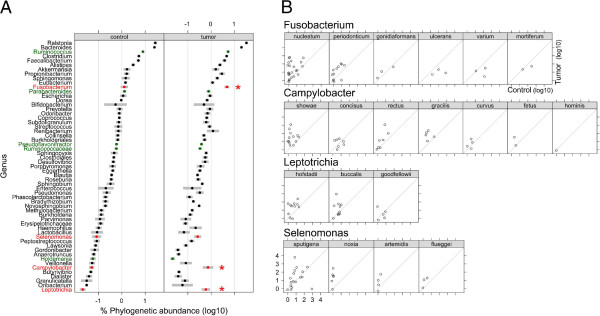
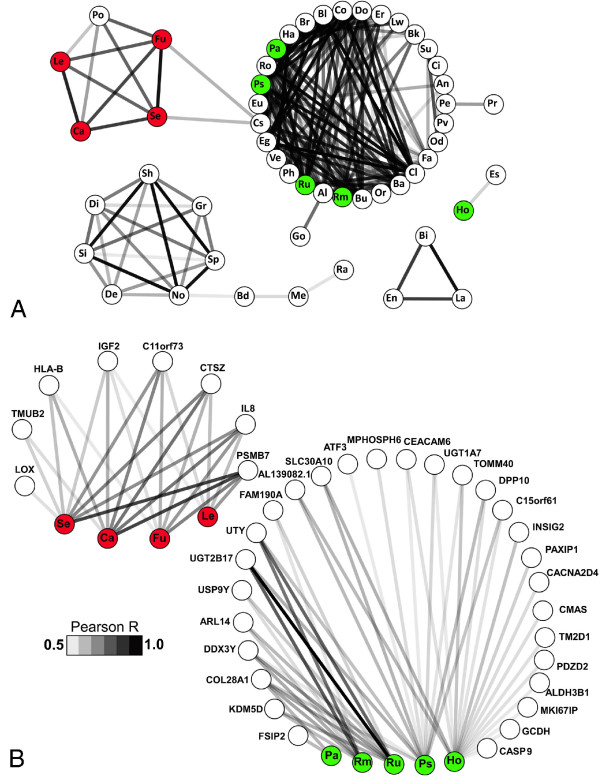
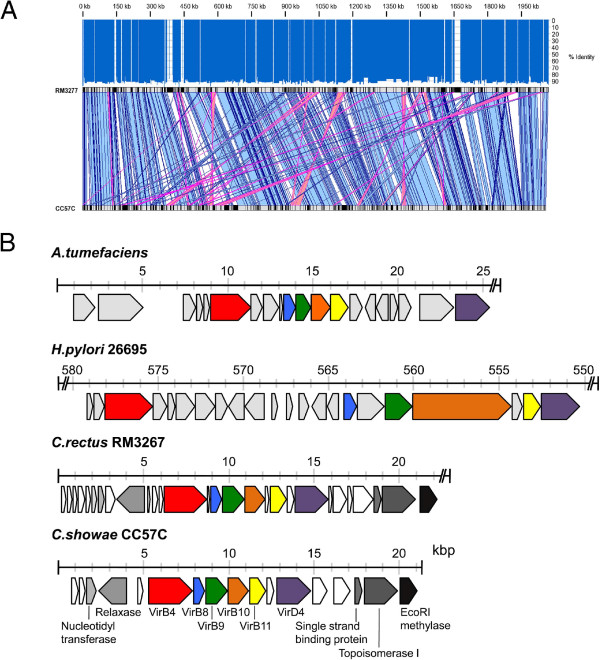
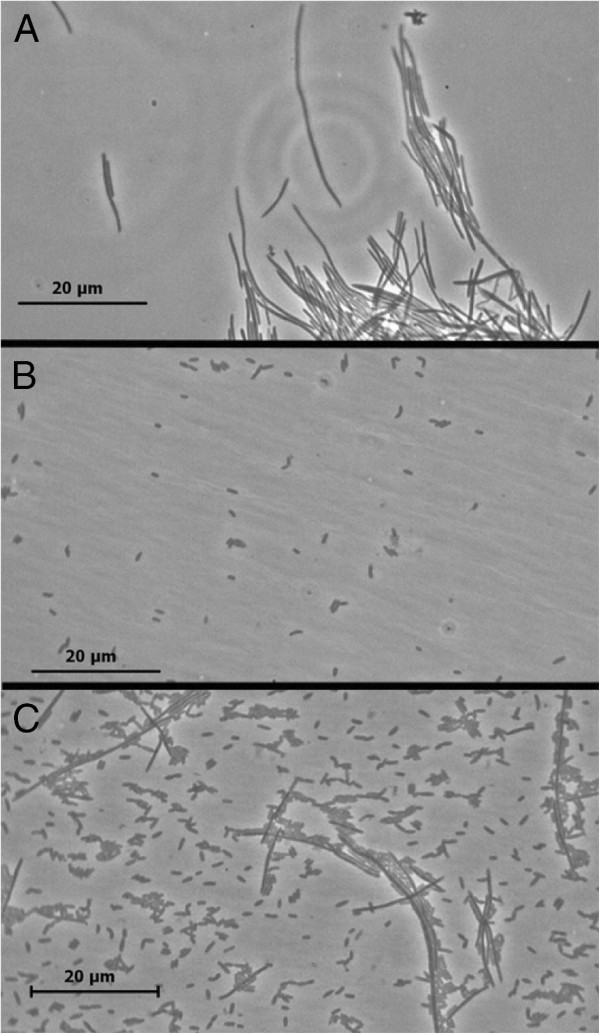
Background: Numerous cancers have been linked to microorganisms. Given that colorectal cancer is a leading cause of cancer deaths and the colon is continuously exposed to a high diversity of microbes, the relationship between gut mucosal microbiome and colorectal cancer needs to be explored. Metagenomic studies have shown an association between Fusobacterium species and colorectal carcinoma. Here, we have extended these studies with deeper sequencing of a much larger number (n = 130) of colorectal carcinoma and matched normal control tissues. We analyzed these data using co-occurrence networks in order to identify microbe-microbe and host-microbe associations specific to tumors. Results: We confirmed tumor over-representation of Fusobacterium species and observed significant co-occurrence within individual tumors of Fusobacterium, Leptotrichia and Campylobacter species. This polymicrobial signature was associated with over-expression of numerous host genes, including the gene encoding the pro-inflammatory chemokine Interleukin-8. The tumor-associated bacteria we have identified are all Gram-negative anaerobes, recognized previously as constituents of the oral microbiome, which are capable of causing infection. We isolated a novel strain of Campylobacter showae from a colorectal tumor specimen. This strain is substantially diverged from a previously sequenced oral Campylobacter showae isolate, carries potential virulence genes, and aggregates with a previously isolated tumor strain of Fusobacterium nucleatum. Conclusions: A polymicrobial signature of Gram-negative anaerobic bacteria is associated with colorectal carcinoma tissue.
Overview
The claims and statistics of this paper haven’t been checked yet.
Run the check — free, no account needed. It reads the open-access text and checks the sources it cites.
Integrity signals
Registry
Cites
Statistics
Figures
Verification
Claims the paper makes
The claims and statistics of this paper haven’t been checked yet.
Run the check — free, no account needed. It reads the open-access text and checks the sources it cites.
Claims other papers make about this one
Each is checked against this paper’s own text: does it say what the citing paper says it does?
In the citing paper
“CRCs have an increased enrichment of opportunistic pathogens and polymicrobial Gram-negative anaerobic bacteria91”
From The gut microbiota and host health: a new clinical frontier (2016) · cites this paper as [91]
Self-check
Percentages, sums and reported differences re-computed from the paper’s own numbers.
The self-check needs the paper’s full text.
Citations
Cites
Basic local alignment search tool
Altschul, S. F., Gish, W., Miller, W., Myers, E. W., & Lipman, D. J. (1990) · Journal of Molecular Biology · doi:10.1006/jmbi.1990.9999 · Cited by 98,669
Fast and accurate short read alignment with Burrows-Wheeler transform
Li, H., & Durbin, R. (2009) · Bioinformatics · doi:10.1093/bioinformatics/btp324 · Cited by 58,607
Fast and accurate long-read alignment with Burrows-Wheeler transform.
Li, H., & Durbin, R. (2010) · Bioinformatics · doi:10.1093/bioinformatics/btp698 · Cited by 12,063
A human gut microbial gene catalogue established by metagenomic sequencing
MetaHIT Consortium, Qin, J., Li, R., Raes, J., Arumugam, M., Burgdorf, K. S., Manichanh, C., Nielsen, T., Pons, N., Levenez, F., et al. (2010) · Nature · doi:10.1038/nature08821 · Cited by 11,624
Velvet: Algorithms for de novo short read assembly using de Bruijn graphsPreprint
Zerbino, D. R., & Birney, E. (2008) · Genome Research · doi:10.1101/gr.074492.107 · Cited by 9,587
Finishing the euchromatic sequence of the human genome
International Human Genome Sequencing Consortium (2004) · Nature · doi:10.1038/nature03001 · Cited by 4,971
Clonal Integration of a Polyomavirus in Human Merkel Cell Carcinoma
Feng, H., Shuda, M., Chang, Y., & Moore, P. S. (2008) · Science · doi:10.1126/science.1152586 · Cited by 3,208
The global health burden of infection‐associated cancers in the year 2002
Parkin, D. M. (2006) · International Journal of Cancer · doi:10.1002/ijc.21731 · Cited by 2,932
Integration of biological networks and gene expression data using Cytoscape
Cline, M. S., Smoot, M., Cerami, E., Kuchinsky, A., Landys, N., Workman, C., Christmas, R., Avila-Campilo, I., Creech, M., Gross, B., et al. (2007) · Nature Protocols · doi:10.1038/nprot.2007.324 · Cited by 2,507
The NIH Human Microbiome ProjectPreprint
The NIH HMP Working Group, Peterson, J. L., Garges, S., Giovanni, M. Y., McInnes, P., Wang, L., Schloss, J. A., Bonazzi, V. R., McEwen, J. E., Wetterstrand, K. A., et al. (2009) · Genome Research · doi:10.1101/gr.096651.109 · Cited by 2,168
Cited by
Sorted by citations
The gut microbiota, bacterial metabolites and colorectal cancer
Louis, P., Hold, G. L., & Flint, H. J. (2014) · Nature Reviews Microbiology · doi:10.1038/nrmicro3344 · Cited by 2,925
The gut microbiota and host health: a new clinical frontier
Marchesi, J. R., Adams, D. H., Fava, F., Hermes, G. D. A., Hirschfield, G. M., Hold, G., Quraishi, M. N., Kinross, J., Smidt, H., Tuohy, K. M., et al. (2016) · Gut · doi:10.1136/gutjnl-2015-309990 · Cited by 2,302
“For example, CRCs have an increased enrichment of opportunistic pathogens and polymicrobial Gram-negative anaerobic bacteria 91 but it is not yet clear whether these opportunistic pathogens merely bene fi t from the CRC microenvironment or in fl uence disease progression.”
BackgroundGlobal Epidemiology of Campylobacter Infection
Kaakoush, N. O., Castaño‐Rodríguez, N., Mitchell, H. M., & Man, S. M. (2015) · Clinical Microbiology Reviews · doi:10.1128/cmr.00006-15 · Cited by 1,542
Garrett, W. S. (2015) · Science · doi:10.1126/science.aaa4972 · Cited by 1,404
Potential of fecal microbiota for early-stage detection of colorectal cancer
Zeller, G., Tap, J., Voigt, A. Y., Sunagawa, S., Kultima, J. R., Costea, P. I., Amiot, A., Böhm, J., Brunetti, F., Habermann, N., et al. (2014) · Molecular Systems Biology · doi:10.15252/msb.20145645 · Cited by 1,375
Gut microbiota in colorectal cancer: mechanisms of action and clinical applications
Wong, S. H., & Yu, J. (2019) · Nature Reviews Gastroenterology & Hepatology · doi:10.1038/s41575-019-0209-8 · Cited by 1,392
The microbiome, cancer, and cancer therapy
Helmink, B. A., Khan, M. A. W., Hermann, A., Gopalakrishnan, V., & Wargo, J. A. (2019) · Nature Medicine · doi:10.1038/s41591-019-0377-7 · Cited by 1,200
Fusobacterium nucleatum — symbiont, opportunist and oncobacterium
Brennan, C. A., & Garrett, W. S. (2019) · Nature Reviews Microbiology · doi:10.1038/s41579-018-0129-6 · Cited by 1,205
Fusobacterium nucleatum: a commensal-turned pathogen
Han, Y. W. (2015) · Current Opinion in Microbiology · doi:10.1016/j.mib.2014.11.013 · Cited by 869
Association between periodontal pathogens and systemic disease
Bui, F. Q., Almeida-da-Silva, C. L. C., Huynh, B. C., Trinh, A., Liu, J., Woodward, J., Asadi, H., & Ojcius, D. M. (2019) · Biomedical Journal · doi:10.1016/j.bj.2018.12.001 · Cited by 882
Microbes, Microbiota, and Colon Cancer
Sears, C. L., & Garrett, W. S. (2014) · Cell Host & Microbe · doi:10.1016/j.chom.2014.02.007 · Cited by 853
Tumour-associated and non-tumour-associated microbiota in colorectal cancer
Flemer, B., Lynch, D. B., Brown, J. M. R., Jeffery, I. B., Ryan, F. J., Claesson, M. J., O'Riordain, M., Shanahan, F., & O'Toole, P. W. (2017) · Gut · doi:10.1136/gutjnl-2015-309595 · Cited by 804
Gut microbiota in colorectal cancer development and therapy
Wong, C. C., & Yu, J. (2023) · Nature Reviews Clinical Oncology · doi:10.1038/s41571-023-00766-x · Cited by 779
Gut mucosal microbiome across stages of colorectal carcinogenesis
Nakatsu, G., Li, X., Zhou, H., Sheng, J., Wong, S. H., Wu, W. K. K., Ng, S. C., Tsoi, H., Dong, Y., Zhang, N., et al. (2015) · Nature Communications · doi:10.1038/ncomms9727 · Cited by 701
Nutrients, foods, and colorectal cancer prevention
Song, M., Garrett, W. S., & Chan, A. T. (2015) · Gastroenterology · doi:10.1053/j.gastro.2014.12.035 · Cited by 700
The oral microbiota in colorectal cancer is distinctive and predictive
Flemer, B., Warren, R. D., Barrett, M. P., Cisek, K., Das, A., Jeffery, I. B., Hurley, E., O‘Riordain, M., Shanahan, F., & O‘Toole, P. W. (2018) · Gut · doi:10.1136/gutjnl-2017-314814 · Cited by 646
Self-citationNeo-antigens predicted by tumor genome meta-analysis correlate with increased patient survivalPreprint
Brown, S. D., Warren, R. M., Gibb, E. A., Martin, S. D., Spinelli, J. J., Nelson, B. H., & Holt, R. A. (2014) · Genome Research · doi:10.1101/gr.165985.113 · Cited by 601
Self-citationGut Microbiota, Inflammation, and Colorectal Cancer
Brennan, C. A., & Garrett, W. S. (2016) · Annual Review of Microbiology · doi:10.1146/annurev-micro-102215-095513 · Cited by 586
He, Z., Gharaibeh, R. Z., Newsome, R. C., Pope, J. L., Dougherty, M. W., Tomkovich, S., Pons, B., Mirey, G., Vignard, J., Hendrixson, D. R., et al. (2019) · Gut · doi:10.1136/gutjnl-2018-317200 · Cited by 409
Fusobacterium nucleatum, a key pathogenic factor and microbial biomarker for colorectal cancer
Wang, N., & Fang, J. (2022) · Trends in Microbiology · doi:10.1016/j.tim.2022.08.010 · Cited by 405
Matson, V., Chervin, C. S., & Gajewski, T. F. (2021) · Gastroenterology · doi:10.1053/j.gastro.2020.11.041 · Cited by 385
Baxter, N. T., Ruffin, M. T., Rogers, M. A. M., & Schloss, P. D. (2016) · Genome Medicine · doi:10.1186/s13073-016-0290-3 · Cited by 354
Drewes, J. L., White, J. R., Dejea, C. M., Fathi, P., Iyadorai, T., Vadivelu, J., Roslani, A. C., Wick, E. C., Mongodin, E. F., Loke, M. F., et al. (2017) · npj Biofilms and Microbiomes · doi:10.1038/s41522-017-0040-3 · Cited by 335
Bacteria in cancer initiation, promotion and progression
Tekle, G. E., & Garrett, W. S. (2023) · Nature reviews. Cancer · doi:10.1038/s41568-023-00594-2 · Cited by 361
The gut microbial metabolite formate exacerbates colorectal cancer progression
Ternes, D., Tsenkova, M., Pozdeev, V. I., Meyers, M., Koncina, E., Atatri, S., Schmitz, M., Karta, J., Schmoetten, M., Heinken, A., et al. (2022) · Nature Metabolism · doi:10.1038/s42255-022-00558-0 · Cited by 339
Mehta, R. S., Nishihara, R., Cao, Y., Song, M., Mima, K., Qian, Z. R., Nowak, J. A., Kosumi, K., Hamada, T., Masugi, Y., et al. (2017) · JAMA Oncology · doi:10.1001/jamaoncol.2016.6374 · Cited by 325
Lifestyle and dietary environmental factors in colorectal cancer susceptibility
Murphy, N., Moreno, V. R., Hughes, D. J., Vodicka, L., Vodička, P., Aglago, E. K., Gunter, M. J., & Jenab, M. (2019) · Molecular Aspects of Medicine · doi:10.1016/j.mam.2019.06.005 · Cited by 335
The Human Microbiome and Cancer
Rajagopala, S. V., Vashee, S., Oldfield, L. M., Suzuki, Y., Venter, J. C., Telenti, A., & Nelson, K. E. (2017) · Cancer Prevention Research · doi:10.1158/1940-6207.capr-16-0249 · Cited by 327
Dohlman, A. B., Mendoza, D. A., Ding, S., Gao, M. C., Dressman, H. K., Iliev, I. D., Lipkin, S. M., & Shen, X. (2021) · Cell Host & Microbe · doi:10.1016/j.chom.2020.12.001 · Cited by 287
Gastrointestinal biofilms in health and disease
Motta, J., Wallace, J. L., Buret, A. G., Deraison, C., & Vergnolle, N. (2021) · Nature Reviews Gastroenterology & Hepatology · doi:10.1038/s41575-020-00397-y · Cited by 291
Fusobacterium nucleatum and colorectal cancer: A review
Shang, F.-M., & Liu, H.-L. (2018) · World Journal of Gastrointestinal Oncology · doi:10.4251/wjgo.v10.i3.71 · Cited by 258
The NF-κB Signaling Pathway, the Microbiota, and Gastrointestinal Tumorigenesis: Recent Advances
Peng, C., Ouyang, Y., Lü, N., & Li, N. (2020) · Frontiers in Immunology · doi:10.3389/fimmu.2020.01387 · Cited by 266
Gut microbiota, inflammation and colorectal cancer
Sun, J., & Kato, I. (2016) · Genes & Diseases · doi:10.1016/j.gendis.2016.03.004 · Cited by 257
Microbiome in Colorectal Cancer: How to Get from Meta-omics to Mechanism?
Ternes, D., Karta, J., Tsenkova, M., Wilmes, P., Haan, S., & Letellier, E. (2020) · Trends in Microbiology · doi:10.1016/j.tim.2020.01.001 · Cited by 267
McHardy, I. H., Li, X., Tong, M., Ruegger, P., Jacobs, J., Borneman, J., Anton, P., & Braun, J. (2013) · Microbiome · doi:10.1186/2049-2618-1-26 · Cited by 234
Oral Bacteria and Intestinal Dysbiosis in Colorectal Cancer
Koliarakis, I., Messaritakis, I., Νikolouzakis, Τ. Κ., Hamilos, G., Souglakos, J., & Tsiaoussis, J. (2019) · International Journal of Molecular Sciences · doi:10.3390/ijms20174146 · Cited by 255
Mancabelli, L., Milani, C., Lugli, G. A., Turroni, F., Cocconi, D., van Sinderen, D., & Ventura, M. (2017) · FEMS Microbiology Ecology · doi:10.1093/femsec/fix153 · Cited by 247
Virulence genes are a signature of the microbiome in the colorectal tumor microenvironment
Burns, M. B., Lynch, J., Starr, T. K., Knights, D., & Blekhman, R. (2015) · Genome Medicine · doi:10.1186/s13073-015-0177-8 · Cited by 231
Enrichment of oral microbiota in early cystic precursors to invasive pancreatic cancer
Gaiser, R. A., Halimi, A., Alkharaan, H., Lu, L., Davanian, H., Healy, K., Hugerth, L. W., Ateeb, Z., Valente, R., Fernández Moro, C., et al. (2019) · Gut · doi:10.1136/gutjnl-2018-317458 · Cited by 227
Comparative In silico Analysis of Butyrate Production Pathways in Gut Commensals and Pathogens
Anand, S., Kaur, H., & Mande, S. S. (2016) · Frontiers in Microbiology · doi:10.3389/fmicb.2016.01945 · Cited by 225
Race-dependent association of sulfidogenic bacteria with colorectal cancer
Yazici, C., Wolf, P. G., Kim, H., Cross, T.-W. L., Vermillion, K., Carroll, T., Augustus, G. J., Mutlu, E., Tussing-Humphreys, L., Braunschweig, C., et al. (2017) · Gut · doi:10.1136/gutjnl-2016-313321 · Cited by 215
Mucosal microbiota of intestinal polyps reveals putative biomarkers of colorectal cancer
Mangifesta, M., Mancabelli, L., Milani, C., Gaiani, F., de’Angelis, N., de’Angelis, G. L., van Sinderen, D., Ventura, M., & Turroni, F. (2018) · Scientific Reports · doi:10.1038/s41598-018-32413-2 · Cited by 217
Chronic Inflammation as a Link between Periodontitis and Carcinogenesis
Hoare, A., Soto, C., Rojas-Celis, V., & Bravo, D. (2019) · Mediators of Inflammation · doi:10.1155/2019/1029857 · Cited by 219
The gastrointestinal microbiota and colorectal cancer
Keku, T. O., Dulal, S., Deveaux, A. E., Jovov, B., & Han, X. (2014) · American Journal of Physiology-Gastrointestinal and Liver Physiology · doi:10.1152/ajpgi.00360.2012 · Cited by 207
Bhuyan, R., Bhuyan, S. K., Mohanty, J. N., Das, S., Juliana, N., & Juliana, I. F. (2022) · Biomedicines · doi:10.3390/biomedicines10102659 · Cited by 232
Characterization of the salivary microbiome in patients with pancreatic cancer
Torres, P. J., Fletcher, E. M., Gibbons, S. M., Bouvet, M., Doran, K. S., & Kelley, S. T. (2015) · PeerJ · doi:10.7717/peerj.1373 · Cited by 205
Effect of probiotics and gut microbiota on anti-cancer drugs: Mechanistic perspectives
Badgeley, A., Anwar, H., Modi, K., Murphy, P., & Lakshmikuttyamma, A. (2020) · Biochimica et Biophysica Acta (BBA) - Reviews on Cancer · doi:10.1016/j.bbcan.2020.188494 · Cited by 207
Fusobacterium nucleatum and cancer
Alon‐Maimon, T., Mandelboim, O., & Bachrach, G. (2022) · Periodontology 2000 · doi:10.1111/prd.12426 · Cited by 203
Microbiota’s role in health and diseases
El-Sayed, A., Aleya, L., & Kamel, M. S. (2021) · Environmental Science and Pollution Research · doi:10.1007/s11356-021-14593-z · Cited by 212
Mismatch Repair and Colon Cancer: Mechanisms and Therapies Explored
Li, S. K. H., & Martín, A. (2016) · Trends in Molecular Medicine · doi:10.1016/j.molmed.2016.02.003 · Cited by 199
Goodman, B., & Gardner, H. (2018) · The Journal of Pathology · doi:10.1002/path.5047 · Cited by 187
Amer, A., Galvin, S., Healy, C. M., & Moran, G. P. (2017) · Frontiers in Microbiology · doi:10.3389/fmicb.2017.02391 · Cited by 160
Lin, D., Yang, L. Y., Wen, L., Lu, H., Chen, Q., & Wang, Z. (2021) · Mucosal Immunology · doi:10.1038/s41385-021-00413-7 · Cited by 197
Chen, Y., Peng, Y., Yu, J., Chen, T., Wu, Y., Shi, L., Li, Q., Wu, J., & Fu, X. (2017) · Oncotarget · doi:10.18632/oncotarget.15992 · Cited by 185
Fusobacterium nucleatum and colorectal cancer: A mechanistic overview
Goradel, N. H., Heidarzadeh, S., Jahangiri, S., Farhood, B., Mortezaee, K., Khanlarkhani, N., & Negahdari, B. (2018) · Journal of Cellular Physiology · doi:10.1002/jcp.27250 · Cited by 179
Systematic review: gastric microbiota in health and disease
Rajilić-Stojanović, M. D., Figueiredo, C., Smet, A., Hansen, R., Kupčinskas, J., Rokkas, T., Andersen, L. P., Machado, J. C., Ianiro, G., Gasbarrini, A., et al. (2020) · Alimentary Pharmacology & Therapeutics · doi:10.1111/apt.15650 · Cited by 176
Association of Fusobacterium nucleatum infection with colorectal cancer in Chinese patients
Li, Y.-Y., Ge, Q.-X., Cao, J., Zhou, Y.-J., Du, Y.-L., Shen, B., Wan, Y.-J. Y., & Nie, Y.-Q. (2016) · World Journal of Gastroenterology · doi:10.3748/wjg.v22.i11.3227 · Cited by 175
Thomas, A. M., Jesus, E. C., Lopes, A., Aguiar, S., Begnami, M. D., Rocha, R. M., Carpinetti, P. A., Camargo, A. A., Hoffmann, C., Freitas, H. C., et al. (2016) · Frontiers in Cellular and Infection Microbiology · doi:10.3389/fcimb.2016.00179 · Cited by 136
Ye, X., Wang, R., Bhattacharya, R., Boulbés, D. R., Fan, F., Xia, L., Adoni, H., Ajami, N. J., Wong, M. C., Smith, D. P., et al. (2017) · Cancer Prevention Research · doi:10.1158/1940-6207.capr-16-0178 · Cited by 163
Saffarian, A., Mulet, C., Regnault, B., Amiot, A., Nhieu, J. T. V., Ravel, J., Sobhani, I., Sansonetti, P. J., & Pédron, T. (2019) · mBio · doi:10.1128/mbio.01315-19 · Cited by 167
Gut Microbiota in Colorectal Cancer: Biological Role and Therapeutic Opportunities
Pandey, H., Tang, D. W. T., Wong, S. H., & Lal, D. (2023) · Cancers · doi:10.3390/cancers15030866 · Cited by 171
Leptotrichia species in human infections II
Eribe, E. R. K., & Olsen, I. (2017) · Journal of Oral Microbiology · doi:10.1080/20002297.2017.1368848 · Cited by 158
Bacterial Biofilms in Colorectal Cancer Initiation and Progression
Li, S., Konstantinov, S. R., Smits, R., & Peppelenbosch, M. P. (2016) · Trends in Molecular Medicine · doi:10.1016/j.molmed.2016.11.004 · Cited by 160
Metabolic and Community Synergy of Oral Bacteria in Colorectal Cancer
Flynn, K. J., Baxter, N. T., & Schloss, P. D. (2016) · mSphere · doi:10.1128/msphere.00102-16 · Cited by 156
Role of gut microbiota in the pathogenesis of colorectal cancer; a review article.
Jahani‐Sherafat, S., Alebouyeh, M., Moghim, S., Amoli, H. A., & Ghasemian-Safaei, H. (2018) · Europe PMC (PubMed Central) · Cited by 143
Current understanding of the intratumoral microbiome in various tumors
Chen, X., Chu, Q., Zheng, Q., Yuan, X. H., Su, Y., Bao, Z., Lu, J., & Li, L. (2023) · Cell Reports Medicine · doi:10.1016/j.xcrm.2022.100884 · Cited by 140
Fusobacterium and Colorectal Cancer
Zhou, Z., Chen, J., Yao, H., & Hu, H. (2018) · Frontiers in Oncology · doi:10.3389/fonc.2018.00371 · Cited by 140
Fusobacterium and Enterobacteriaceae: Important players for CRC?
Allen‐Vercoe, E., & Jobin, C. (2014) · Immunology Letters · doi:10.1016/j.imlet.2014.05.014 · Cited by 137
Self-citationMicrobiome in cancer: Role in carcinogenesis and impact in therapeutic strategies
Rahman, M. M., Islam, M. R., Shohag, S., Ahasan, M. T., Sarkar, N., Khan, H., Hasan, A. M., Cavalu, S. D., & Rauf, A. (2022) · Biomedicine & Pharmacotherapy · doi:10.1016/j.biopha.2022.112898 · Cited by 133
Allali, I., Delgado, S., Marrón, P. I., Astudillo, A., Yeh, J. J., Ghazal, H., Amzazi, S., Keku, T. O., & Azcárate-Peril, M. A. (2015) · Gut Microbes · doi:10.1080/19490976.2015.1039223 · Cited by 127
Montalban‐Arques, A., & Scharl, M. M. (2019) · EBioMedicine · doi:10.1016/j.ebiom.2019.09.050 · Cited by 118
Russo, E., Bacci, G., Chiellini, C., Fagorzi, C., Niccolai, E., Taddei, A., Ricci, F., Ringressi, M. N., Borrelli, R., Melli, F., et al. (2018) · Frontiers in Microbiology · doi:10.3389/fmicb.2017.02699 · Cited by 115
Tumorigenic bacteria in colorectal cancer: mechanisms and treatments
Li, S., Liu, J., Zheng, X., Ren, L., Yang, Y., Li, W., Fu, W., Wang, J., & Du, G. (2021) · Cancer Biology and Medicine · doi:10.20892/j.issn.2095-3941.2020.0651 · Cited by 116
Malesza, I. J., Bartkowiak-Wieczorek, J., Winkler-Galicki, J., Nowicka, A., Dzięciołowska, D., Błaszczyk, M., Gajniak, P., Słowińska, K., Niepolski, L., Walkowiak, J., et al. (2022) · Nutrients · doi:10.3390/nu14173478 · Cited by 118
Mouradov, D., Greenfield, P. A., Li, S., In, E.-J., Storey, C., Sakthianandeswaren, A., Georgeson, P., Buchanan, D. D., Ward, R. L., Hawkins, N. J., et al. (2023) · Gastroenterology · doi:10.1053/j.gastro.2023.03.205 · Cited by 105
Featured Gut Microbiomes Associated With the Progression of Chronic Hepatitis B Disease
Chen, Z., Xie, Y., Zhou, F., Zhang, B., Wu, J., Yang, L., Xu, S., Stedtfeld, R. D., Chen, Q., Liu, J., et al. (2020) · Frontiers in Microbiology · doi:10.3389/fmicb.2020.00383 · Cited by 100
Integrative Analysis of Fecal Metagenomics and Metabolomics in Colorectal Cancer
Clos‐Garcia, M., García‐Etxebarria, K., Alonso, C., Iruarrizaga‐Lejarreta, M., D’Amato, M., Crespo, A., Iglesias, Á., Cubiella, J., Bujanda, L., & Falcón‐Pérez, J. M. (2020) · Cancers · doi:10.2139/ssrn.3520024 · Cited by 99
Yamazaki, K. (2023) · Japanese Dental Science Review · doi:10.1016/j.jdsr.2023.08.003 · Cited by 105
Profiling tissue-resident T cell repertoires by RNA sequencing
Brown, S. D., Raeburn, L. A., & Holt, R. A. (2015) · Genome Medicine · doi:10.1186/s13073-015-0248-x · Cited by 97
Self-citationThe impact of the intestinal microbiota in therapeutic responses against cancer
Goubet, A., Daillère, R., Routy, B., Derosa, L., Roberti, P. M., & Zitvogel, L. (2018) · Comptes Rendus Biologies · doi:10.1016/j.crvi.2018.03.004 · Cited by 94
Advances in tests for colorectal cancer screening and diagnosis
Chan, S. C. H., & Liang, Q. (2022) · Expert Review of Molecular Diagnostics · doi:10.1080/14737159.2022.2065197 · Cited by 86
Lo, C., Wu, D., Jao, S., Wu, C., Lin, C., Chuang, C.-H., Lin, Y.-B., Chen, C.-H., Chen, Y.-T., Chen, J., et al. (2022) · Journal of Biomedical Science · doi:10.1186/s12929-022-00869-0 · Cited by 89
Association or Causation? Exploring the Oral Microbiome and Cancer Links
Teles, F., Alawi, F., CASTILHO, R. M., & Wang, Y. (2020) · Journal of Dental Research · doi:10.1177/0022034520945242 · Cited by 90
Burns, M. B., Montassier, E., Abrahante, J. E., Priya, S., Niccum, D. E., Khoruts, A., Starr, T. K., Knights, D., & Blekhman, R. (2018) · PLoS Genetics · doi:10.1371/journal.pgen.1007376 · Cited by 87
The Role of Microbiota in Gastrointestinal Cancer and Cancer Treatment: Chance or Curse?
Smet, A., Kupčinskas, J., Link, A., Hold, G. L., & Bornschein, J. (2021) · Cellular and Molecular Gastroenterology and Hepatology · doi:10.1016/j.jcmgh.2021.08.013 · Cited by 87
Lin, A., Xiong, M., Jiang, A., Huang, L., Wong, H. Z. H., Feng, S., Zhang, C., Yu, H., Chen, L., Chi, H., et al. (2025) · iMeta · doi:10.1002/imt2.70070 · Cited by 99
Bile Acids, Their Receptors, and the Gut Microbiota
Poland, J. C., & Flynn, C. R. (2021) · Physiology · doi:10.1152/physiol.00028.2020 · Cited by 93
The Human Microbiome in Relation to Cancer Risk: A Systematic Review of Epidemiologic Studies
Huybrechts, I., Zouiouich, S., Loobuyck, A., Vandenbulcke, Z., Vogtmann, E., Pisanu, S., Iguacel, I., Scalbert, A., Indave, I., Smelov, V., et al. (2020) · Cancer Epidemiology, Biomarkers & Prevention · doi:10.1158/1055-9965.epi-20-0288 · Cited by 80
Prelude to oral microbes and chronic diseases: past, present and future
Atanasova, K. R., & Yilmaz, Ö. (2015) · Microbes and Infection · doi:10.1016/j.micinf.2015.03.007 · Cited by 78
COGNIZER: A Framework for Functional Annotation of Metagenomic Datasets
Bose, T., Haque, M. M., Reddy, C. V. S. K., & Mande, S. S. (2015) · PLoS ONE · doi:10.1371/journal.pone.0142102 · Cited by 75
Zhang, Z., Yang, J., Feng, Q., Chen, B., Li, M., Liang, C., Li, M. K., Li, Z., Xu, Q., Zhang, L., et al. (2019) · Frontiers in Microbiology · doi:10.3389/fmicb.2019.01439 · Cited by 76
Fusobacterium’s link to colorectal neoplasia sequenced: A systematic review and future insights
Hussan, H., Clinton, S. K., Roberts, K., & Bailey, M. T. (2017) · World Journal of Gastroenterology · doi:10.3748/wjg.v23.i48.8626 · Cited by 76
Gastrointestinal Microbiota and Colon Cancer
Hold, G. L. (2016) · Digestive Diseases · doi:10.1159/000443358 · Cited by 75
Fusobacterium nucleatum – Friend or foe?
Stokowa‐Sołtys, K., Wojtkowiak, K., & Jagiełło, K. (2021) · Journal of Inorganic Biochemistry · doi:10.1016/j.jinorgbio.2021.111586 · Cited by 78
Association between Fusobacterium nucleatum and colorectal cancer: Progress and future directions
Zhang, S., Cai, S., & Ma, Y. (2018) · Journal of Cancer · doi:10.7150/jca.24048 · Cited by 77
Microbiota and Cancer: The Emerging Beneficial Role of Bifidobacteria in Cancer Immunotherapy
Longhi, G., van Sinderen, D., Ventura, M., & Turroni, F. (2020) · Frontiers in Microbiology · doi:10.3389/fmicb.2020.575072 · Cited by 72
The Role of the Microbiome in the Etiopathogenesis of Colon Cancer
Tekle, G. E., Andreeva, N., & Garrett, W. S. (2024) · Annual Review of Physiology · doi:10.1146/annurev-physiol-042022-025619 · Cited by 78
Senthakumaran, T., Moen, A. E. F., Tannæs, T. M., Endres, A., Brackmann, S. A., Rounge, T. B., Bemanian, V., & Tunsjø, H. S. (2023) · European Journal of Clinical Microbiology & Infectious Diseases · doi:10.1007/s10096-023-04551-7 · Cited by 73
Bacterial community structure alterations within the colorectal cancer gut microbiome
Loftus, M. G., Hassouneh, S. A.-D., & Yooseph, S. (2021) · BMC Microbiology · doi:10.1186/s12866-021-02153-x · Cited by 69
Alterations of circulating bacterial DNA in colorectal cancer and adenoma: A proof-of-concept study
Xiao, Q., Lu, W., Kong, X., Shao, Y. W., Hu, Y., Wang, A., Bao, H., Cao, R., Liu, K., Wang, X., et al. (2020) · Cancer Letters · doi:10.1016/j.canlet.2020.11.030 · Cited by 70
Metadata
- Authors
- Warren, R. L., Freeman, D. J., Pleasance, S., Watson, P., Moore, R. A., Cochrane, K., Allen-Vercoe, E., & Holt, R. A.
- Affiliations
- BC Cancer Agency (CA)
- University of Guelph (CA)
- Corresponding author
- Holt, Robert A
- Venue
- Microbiome
- Published
- 2013-05-15
- Volume
- 1
- Issue
- 1
- Pages
- 16-16
- ISSN
- 2049-2618 (ISSN-L)
- PMC
- PMC3971631
- OpenAlex
- W2122131141
- Cited by
- 348
- References
- 50
- Citations by year
- 2026: 18 · 2025: 24 · 2024: 30 · 2023: 28 · 2022: 37 · 2021: 35 · 2020: 39 · 2019: 33 · 2018: 26 · 2017: 20 · 2016: 27 · 2015: 21 · 2014: 8 · 2013: 1
- FWCI
- 8.52
- Type
- journal article
- Language
- en
- Open access
- gold
- doi.org
- Licence
- cc-by
- Locations
- Microbiome (publishedVersion, cc-by)
- Europe PMC (PubMed Central) (publishedVersion, cc-by)
- PubMed Central (publishedVersion, cc-by)
- PubMed (publishedVersion)
- Summit (Simon Fraser University) (submittedVersion, cc-by)
- Funders
- Genome British Columbia (SOF128)
- Canadian Institutes of Health Research
- Topics
- Life Sciences › Biochemistry, Genetics and Molecular Biology › Molecular Biology › Gut microbiota and health
- Health Sciences › Dentistry › Periodontics › Oral microbiology and periodontitis research
- Health Sciences › Medicine › Infectious Diseases › Clostridium difficile and Clostridium perfringens research
- Keywords
- colorectal cancer, anaerobic bacteria, Fusobacterium, Campylobacter showae, Leptotrichia, host-microbe interactions, co-occurrence networks, interleukin-8, Gram-negative bacteria, gut microbiota, Fusobacterium nucleatum, virulence genes, oral microbiota
About these checks
Registry, retraction, Cites and statistics results are computed, not judged, with one exception: a printed reference that no index lists is read once by a model before it counts as a citation error. Claims are extracted by a model and kept only when their quote appears verbatim in the text; each cited source is then checked, with a model’s help, for whether it says what the claim relies on. Those verdicts can be wrong — read the claim’s quote and the cited source before relying on one.
Statistics and arithmetic are recomputed, not judged.
Confidence bands are shown only for fields calibrated on our annotated test set. None is calibrated yet, so no band is shown.
What counts as a claim ›How we measure confidence ›How we check this ›
Are you an author, or do you see a problem with this page? Request a review
