

“Long-term stability of stimulating spiral nerve cuff electrodes on human peripheral nerves”
Open accessThe DOI matches its Crossref record; 48 of the 49 references it cites were found in a registry or an index.
Abstract
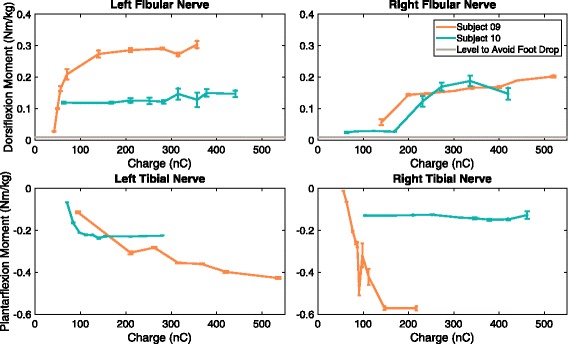
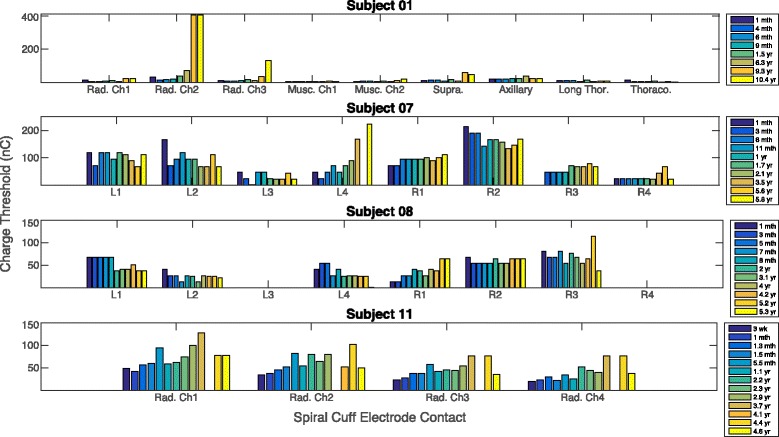
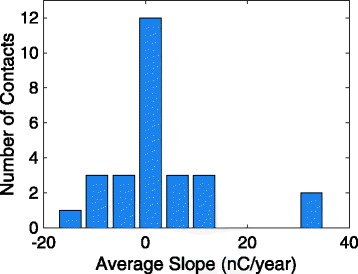
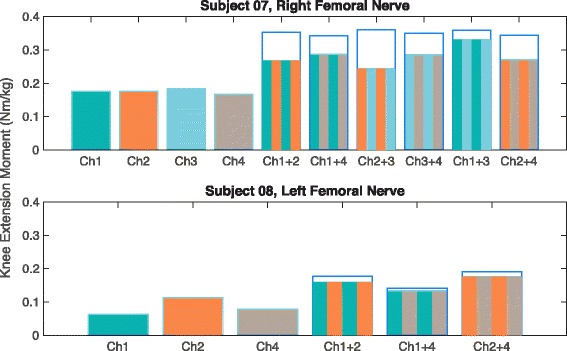
BACKGROUND: Electrical stimulation of the peripheral nerves has been shown to be effective in restoring sensory and motor functions in the lower and upper extremities. This neural stimulation can be applied via non-penetrating spiral nerve cuff electrodes, though minimal information has been published regarding their long-term performance for multiple years after implantation. METHODS: Since 2005, 14 human volunteers with cervical or thoracic spinal cord injuries, or upper limb amputation, were chronically implanted with a total of 50 spiral nerve cuff electrodes on 10 different nerves (mean time post-implant 6.7 ± 3.1 years). The primary outcome measures utilized in this study were muscle recruitment curves, charge thresholds, and percent overlap of recruited motor unit populations. RESULTS: In the eight recipients still actively involved in research studies, 44/45 of the spiral contacts were still functional. In four participants regularly studied over the course of 1 month to 10.4 years, the charge thresholds of the majority of individual contacts remained stable over time. The four participants with spiral cuffs on their femoral nerves were all able to generate sufficient moment to keep the knees locked during standing after 2-4.5 years. The dorsiflexion moment produced by all four fibular nerve cuffs in the active participants exceeded the value required to prevent foot drop, but no tibial nerve cuffs were able to meet the plantarflexion moment that occurs during push-off at a normal walking speed. The selectivity of two multi-contact spiral cuffs was examined and both were still highly selective for different motor unit populations for up to 6.3 years after implantation. CONCLUSIONS: The spiral nerve cuffs examined remain functional in motor and sensory neuroprostheses for 2-11 years after implantation. They exhibit stable charge thresholds, clinically relevant recruitment properties, and functional muscle selectivity. Non-penetrating spiral nerve cuff electrodes appear to be a suitable option for long-term clinical use on human peripheral nerves in implanted neuroprostheses.
Overview
The claims and statistics of this paper haven’t been checked yet.
Free: it reads the open-access text and checks the first 5 claims that cite a source we can check. Create a free account to check every claim.
Integrity signals
Registry
Cites
Statistics
Figures
Verification
Claims the paper makes
The claims and statistics of this paper haven’t been checked yet.
Free: it reads the open-access text and checks the first 5 claims that cite a source we can check. Create a free account to check every claim.
Claims other papers make about this one
Each is checked against this paper’s own text: does it say what the citing paper says it does?
The source backs part of the claim, not all of it — or backs it for a different population, condition or comparison.
In the citing paper
“In an 11-year clinical study which analyzed the results of spiral cuff electrode implantation in 14 different patients. The electrodes were functional, selective, and free of serious adverse events after 11 years of follow up [176].”
From Interfaces with the peripheral nervous system for the control of a neuroprosthetic limb: a review (2020) · cites this paper as [176]
Experimental — accuracy not yet measuredThe source backs part of the claim, not all of it — or backs it for a different population, condition or comparison.
In the citing paper
“At present, extraneural electrodes have shown superior long-term stability in comparison to intraneural electrodes.”
From Safety of long-term electrical peripheral nerve stimulation: review of the state of the art (2019) · cites this paper as [26]
Experimental — accuracy not yet measuredThe source backs part of the claim, not all of it — or backs it for a different population, condition or comparison.
In the citing paper
“Presently, with regards to long-term human implantations, extraneural electrodes still emerge as the most favorable choice for clinical applications [26, 37].”
From Safety of long-term electrical peripheral nerve stimulation: review of the state of the art (2019) · cites this paper as [26]
Experimental — accuracy not yet measuredThe source backs part of the claim, not all of it — or backs it for a different population, condition or comparison.
In the citing paper
“and up to 11 years stimulating motor and sensory nerves in a feedback controlled application [26]”
From Safety of long-term electrical peripheral nerve stimulation: review of the state of the art (2019) · cites this paper as [26]
Experimental — accuracy not yet measuredThe cited source says what the claim attributes to it.
In the citing paper
“Christie et al. showed that a large numbers of cuff electrodes chronically implanted on human peripheral nerves can be stable and work up to 10.4 years (duration of study) (Christie et al., 2017).”
From Update on Peripheral Nerve Electrodes for Closed-Loop Neuroprosthetics (2018) · cites this paper as Christie et al., 2017
1 more claim about this paper
Create a free account to see every claim other papers make about this one.
Self-check
Percentages, sums and reported differences re-computed from the paper’s own numbers.
The self-check needs the paper’s full text.
Citations
Cites
Gait Analysis: Normal and Pathological Function
(1992) · JAMA: The Journal of the American Medical Association · doi:10.1001/jama.1992.03490220101046 · Cited by 3,875
The biomechanics and motor control of human gait : normal, elderly and pathological
Winter, D. A. (1991) · University of Waterloo Press eBooks · Cited by 1,428
The biomechanics and motor control of human gait: Normal, elderly, and pathological
Brand, R. A. (1992) · Journal of Biomechanics · doi:10.1016/0021-9290(92)90236-t · Cited by 1,103
A neural interface provides long-term stable natural touch perception
Tan, D. W., Schiefer, M. A., Keith, M. W., Anderson, J. R., Tyler, J., & Tyler, D. J. (2014) · Science Translational Medicine · doi:10.1126/scitranslmed.3008669 · Cited by 751 · cited 3×
“For those with amputations, a spiral cuff elicited tactile sensations referred to the missing limb of the user [30, 31].”
BackgroundMethodSelf-citationEffect of sensory discrimination training on cortical reorganisation and phantom limb pain
Flor, H., Denke, C., Schaefer, M., & Grüsser, S. (2001) · The Lancet · doi:10.1016/s0140-6736(00)04890-x · Cited by 560 · cited 1×
“The implantation of a permanent sensory restoration system could reduce phantom limb pain [20], enhance prosthesis embodiment [21], and improve performance of grasping tasks [22].”
BackgroundA model of safe levels for electrical stimulation
Shannon, R. V. (1992) · IEEE Transactions on Biomedical Engineering · doi:10.1109/10.126616 · Cited by 526 · cited 3×
“Pulse width and amplitude were limited such that the charge stayed within safe limits [38].”
BackgroundInfluentialOrtiz-Catalan, M., Håkansson, B., & Brånemark, R. (2014) · Science Translational Medicine · doi:10.1126/scitranslmed.3008933 · Cited by 484 · cited 1×
“For those with amputations, a spiral cuff elicited tactile sensations referred to the missing limb of the user [30, 31].”
BackgroundA spiral nerve cuff electrode for peripheral nerve stimulation
Naples, G. G., Mortimer, J. T., Scheiner, A., & Sweeney, J. D. (1988) · IEEE Transactions on Biomedical Engineering · doi:10.1109/10.8670 · Cited by 415 · cited 1×
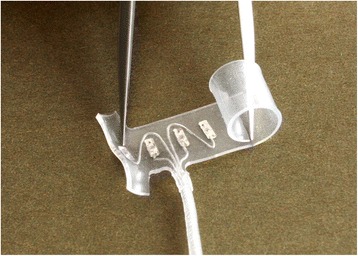
“One type of NCE is called a “spiral,” which consists of a self-curling polymer sheath that wraps around the nerve twice to create a circular transverse cross section [23] (Fig.”
BackgroundVeraart, C., Raftopoulos, C., Mortimer, J. T., Delbeke, J., Pins, D., Michaux, G., Vanlierde, A., Parrini, S., & Wanet-Defalque, M.-C. (1998) · Brain Research · doi:10.1016/s0006-8993(98)00977-9 · Cited by 405 · cited 1×
“Spiral cuff electrodes were then chronically implanted on the upper extremity nerves [11, 29–31], lower extremity nerves [4], and optic nerve of human participants [32].”
BackgroundFunctionally selective peripheral nerve stimulation with a flat interface nerve electrode
Tyler, D. J., & Durand, D. M. (2002) · IEEE Transactions on Neural Systems and Rehabilitation Engineering · doi:10.1109/tnsre.2002.806840 · Cited by 398 · cited 1×
“It would also be valuable to analyze data from other types of nonpenetrating nerve cuff electrodes, such as the FINE (flat interface nerve electrode) [47].”
BackgroundSelf-citation
Research works printed but not linked: 1
- Naples GG An implantable spiral cuff electrode for electrical stimulation of peripheral nerve 1987
Cited by
Foreign Body Reaction to Implanted Biomaterials and Its Impact in Nerve Neuroprosthetics
Carnicer-Lombarte, A., Chen, S.-T., Malliaras, G. G., & Barone, D. G. (2021) · Frontiers in Bioengineering and Biotechnology · doi:10.3389/fbioe.2021.622524 · Cited by 454
“Commons Attribution License: (A) (Christie et al., 2017), (B) (Elyahoodayan et al.”
Piech, D. K., Johnson, B. C., Shen, K., Ghanbari, M. M., Li, K. Y., Neely, R. M., Kay, J. E., Carmena, J. M., Maharbiz, M. M., & Muller, R. (2020) · Nature Biomedical Engineering · doi:10.1038/s41551-020-0518-9 · Cited by 442
Safety of long-term electrical peripheral nerve stimulation: review of the state of the art
Günter, C., Delbeke, J., & Ortiz-Catalan, M. (2019) · Journal of NeuroEngineering and Rehabilitation · doi:10.1186/s12984-018-0474-8 · Cited by 198
Yang, T., Kim, J. R., Jin, H., Gil, H., Koo, J., & Kim, H. J. (2021) · Advanced Functional Materials · doi:10.1002/adfm.202008831 · Cited by 178
A review for the peripheral nerve interface designer
Larson, C. E., & Meng, E. (2020) · Journal of Neuroscience Methods · doi:10.1016/j.jneumeth.2019.108523 · Cited by 133
Adaptive self-healing electronic epineurium for chronic bidirectional neural interfaces
Song, K.-I., Seo, H., Seong, D., Kim, S., Yu, K. J., Kim, Y.-C., Kim, J., Kwon, S. J., Han, H.-S., Youn, I., et al. (2020) · Nature Communications · doi:10.1038/s41467-020-18025-3 · Cited by 120
Interfaces with the peripheral nervous system for the control of a neuroprosthetic limb: a review
Yildiz, K. A., Shin, A. Y., & Kaufman, K. R. (2020) · Journal of NeuroEngineering and Rehabilitation · doi:10.1186/s12984-020-00667-5 · Cited by 113
Thin film multi-electrode softening cuffs for selective neuromodulation
González-González, M. A., Kanneganti, A., Joshi-Imre, A., Hernandez-Reynoso, A. G., Bendale, G., Modi, R., Ecker, M., Khurram, A., Cogan, S. F., Voit, W. E., et al. (2018) · Scientific Reports · doi:10.1038/s41598-018-34566-6 · Cited by 97
Technological Advances in Prosthesis Design and Rehabilitation Following Upper Extremity Limb Loss
Bates, T. J., Fergason, J. R., & Pierrie, S. N. (2020) · Current Reviews in Musculoskeletal Medicine · doi:10.1007/s12178-020-09656-6 · Cited by 95
Peripheral Nerve Stimulation: A Review of Techniques and Clinical Efficacy
Kaye, A. D., Ridgell, S., Alpaugh, E. S., Mouhaffel, A., Kaye, A. J., Cornett, E. M., Chami, A. A., Shah, R., Dixon, B. M., Viswanath, O., et al. (2021) · Pain and Therapy · doi:10.1007/s40122-021-00298-1 · Cited by 94
Update on Peripheral Nerve Electrodes for Closed-Loop Neuroprosthetics
Rijnbeek, E. H., Eleveld, N., & Olthuis, W. (2018) · Frontiers in Neuroscience · doi:10.3389/fnins.2018.00350 · Cited by 91
A highly integrated bionic hand with neural control and feedback for use in daily life
Ortiz-Catalan, M., Zbinden, J., Millenaar, J., D’Accolti, D., Controzzi, M., Clemente, F., Cappello, L., Earley, E. J., Mastinu, E., Kolankowska, J., et al. (2023) · Science Robotics · doi:10.1126/scirobotics.adf7360 · Cited by 105
Schofield, J. S., Shell, C. E., Beckler, D. T., Thumser, Z. C., & Marasco, P. D. (2020) · Frontiers in Neuroscience · doi:10.3389/fnins.2020.00120 · Cited by 68
Charkhkar, H., Christie, B. P., & Triolo, R. J. (2020) · Scientific Reports · doi:10.1038/s41598-020-63936-2 · Cited by 78
Self-citationMotor-commands decoding using peripheral nerve signals: a review
Hong, K.-S., Aziz, N., & Ghafoor, U. (2018) · Journal of Neural Engineering · doi:10.1088/1741-2552/aab383 · Cited by 63
Compliant peripheral nerve interfaces.
Paggi, V., Akouissi, O., Micera, S., & Lacour, S. P. (2021) · Journal of Neural Engineering · doi:10.1088/1741-2552/abcdbe · Cited by 60
“[211] Christie B P, Freeberg M, Memberg W D, Pinault G J C,”
BackgroundCutrone, A., & Micera, S. (2019) · Advanced Healthcare Materials · doi:10.1002/adhm.201801345 · Cited by 60
A shape-memory and spiral light-emitting device for precise multisite stimulation of nerve bundles
Zheng, H., Zhang, Z., Jiang, S., Yan, B., Shi, X., Xie, Y., Huang, X., Yu, Z., Liu, H., Weng, S., et al. (2019) · Nature Communications · doi:10.1038/s41467-019-10418-3 · Cited by 58
Conformal Fixation Strategies and Bioadhesives for Soft Bioelectronics
Park, J., Kim, H. W., Lim, S., Yi, H., Wu, Z., Kwon, I. G., Yeo, W., Song, E., & Yu, K. J. (2024) · Advanced Functional Materials · doi:10.1002/adfm.202313728 · Cited by 63
Carnicer‐Lombarte, A., Boys, A. J., Güemes, A., Gurke, J., Velasco‐Bosom, S., Hilton, S., Barone, D. G., & Malliaras, G. G. (2024) · Nature Communications · doi:10.1038/s41467-024-51988-1 · Cited by 60
“The use of robust thick-fi lm fabricated designs has enabled whole-nerve stimulation in cuffs lasting years 52 and the more fragile, microfabricated penetrating nerve interfaces have also been used for stimulation in humans for periods of months 53 .”
Selective peripheral nerve recordings from nerve cuff electrodes using convolutional neural networks
Koh, R. G. L., Balas, M., Nachman, A., & Zariffa, J. (2020) · Journal of Neural Engineering · doi:10.1088/1741-2552/ab4ac4 · Cited by 52
“Peripheral neural interfaces based on nerve cuff electrodes have demonstrated the desirable long-term stability needed for clinical application in humans for recording [20, 21] and stimulation [1, 2, 22], but they typically suffer from lower signal-to-noise ratio (SNR) than their intraneural counterparts (e.”
Herring, E. Z., Graczyk, E. L., Memberg, W. D., Adams, R., Baca-Vaca, G. F., Hutchison, B. C., Krall, J. T., Alexander, B. J., Conlan, E. C., Alfaro, K. E., et al. (2023) · Neurosurgery · doi:10.1227/neu.0000000000002769 · Cited by 49
“Multi-contact cuffs can selectively activate different fascicles within a nerve 26,31,32 and thereby selectively recruit one or more muscles innervated by a given nerve.”
BackgroundMethodSelf-citationCobo, A. M., Larson, C. E., Scholten, K., Miranda, J. A., Elyahoodayan, S., Song, D., Pikov, V., & Meng, E. (2019) · Journal of Microelectromechanical Systems · doi:10.1109/jmems.2018.2881908 · Cited by 43
“Due to the low-risk of tissue damage or irritation, extraneural designs are favored for long-term (chronic, 2-11 years) applications [17], [18], but the limitations in signal fidelity and nerve selectivity preclude fine motor control required for prostheses.”
BackgroundImplantation of electronic visual prosthesis for blindness restoration
Jang, J., Kim, H., Song, Y. M., & Park, J. (2019) · Optical Materials Express · doi:10.1364/ome.9.003878 · Cited by 44
Masteller, A. M., Sankar, S., Kim, H., Ding, K., Liu, X., & All, A. H. (2020) · Annals of Biomedical Engineering · doi:10.1007/s10439-020-02678-8 · Cited by 46
Koh, R. G. L., Nachman, A., & Zariffa, J. (2019) · Scientific Reports · doi:10.1038/s41598-019-47450-8 · Cited by 41
Ortiz-Catalan, M., Wessberg, J., Mastinu, E., Naber, A., & Brånemark, R. (2019) · IEEE Transactions on Medical Robotics and Bionics · doi:10.1109/tmrb.2019.2931758 · Cited by 41
“[1] used flat interface nerve electrodes (FINE) [16], we utilized spiral cuff electrodes [17].”
MethodOvercoming failure: improving acceptance and success of implanted neural interfaces
Dalrymple, A. N., Jones, S. T., Fallon, J. B., Shepherd, R. K., & Weber, D. J. (2025) · Bioelectronic Medicine · doi:10.1186/s42234-025-00168-7 · Cited by 44
“…et al. 2010) Peripheral nerve stimulation (penetrating) Years (Čvančara et al. 2023; George et al. 2020) Peripheral nerve stimulation (cuff) Years (Christie et al. 2017; Fisher et al. 2009) Functional electrical stimulation Years (Kobetic et al. 1999; Triolo et al. 2018, 2012) Sacral stimulation…”
Upper limb prostheses: bridging the sensory gap
Roche, A. D., Bailey, Z., Gonzalez, M. A., Vu, P. P., Chestek, C. A., Gates, D. H., Kemp, S. W. P., Cederna, P. S., Ortiz-Catalan, M., & Aszmann, O. C. (2023) · Journal of Hand Surgery (European Volume) · doi:10.1177/17531934221131756 · Cited by 34
“Cuff electrodes are currently the most used neural interface and have shown long-term biostability for over a decade (Christie et al., 2017).”
BackgroundA soft, scalable and adaptable multi-contact cuff electrode for targeted peripheral nerve modulation
Paggi, V., Fallegger, F., Serex, L., Rizzo, O., Galan, K., Giannotti, A., Furfaro, I., Zinno, C., Bernini, F., Micera, S., et al. (2024) · Bioelectronic Medicine · doi:10.1186/s42234-023-00137-y · Cited by 35
“While these designs have proven sufficiently effective in long-term implantations (Christie et al. 2017), they still have important limitations.”
BackgroundBionic Intrafascicular Interfaces for Recording and Stimulating Peripheral Nerve Fibers
Jung, R., Abbas, J. J., Kuntaegowdanahalli, S. S., & Thota, A. K. (2017) · Bioelectronics in Medicine · doi:10.2217/bem-2017-0009 · Cited by 32
Eiber, C. D., Payne, S. C., Biscola, N. P., Havton, L. A., Keast, J. R., Osborne, P. B., & Fallon, J. B. (2021) · Journal of Neural Engineering · doi:10.1088/1741-2552/ac36e2 · Cited by 29
“Growth of a fibrous tissue encapsulation layer around the implant likely dominates changes in threshold observed in the first 8 weeks post-implant (Grill and Mortimer 1998, Christie et al 2017, Payne et al 2018).”
BackgroundHuang, H., Hargrove, L. J., Ortiz-Catalan, M., & Sensinger, J. W. (2024) · Annual Review of Biomedical Engineering · doi:10.1146/annurev-bioeng-110222-095816 · Cited by 42
Assessing the quality of supplementary sensory feedback using the crossmodal congruency task
Blustein, D. H., Wilson, A. W., & Sensinger, J. W. (2018) · Scientific Reports · doi:10.1038/s41598-018-24560-3 · Cited by 32
Strategies for neural control of prosthetic limbs: from electrode interfacing to 3D printing
Ngan, C., Kapsa, R. M. I., & Choong, P. (2019) · Materials · doi:10.3390/ma12121927 · Cited by 26
Chronic nerve health following implantation of femoral nerve cuff electrodes
Freeberg, M. J., Pinault, G. C. J., Tyler, D. J., Triolo, R. J., & Ansari, R. (2020) · Journal of NeuroEngineering and Rehabilitation · doi:10.1186/s12984-020-00720-3 · Cited by 23
“While penetrating electrodes offer the potential of higher selectivity [27–29], non-penetrating nerve cuff electrodes (NCEs) on nerves in the upper [2, 4, 5, 30] and lower [3, 26, 31–35] extremities have been operational and stable for more than 11 years postimplantation [31] in terms of stimulation threshold and”
BackgroundSelf-citationThe mechanisms of electrical neuromodulation
Balbinot, G. C., Milosevic, M., Morshead, C. M., Iwasa, S. N., Zariffa, J., Milosevic, L., Valiante, T. A., Hoffer, J. A., & Popović, M. R. (2024) · The Journal of Physiology · doi:10.1113/jp286205 · Cited by 32
Real-time actuation of a dielectric elastomer actuator neuroprosthesis for facial paralysis
Konstantinidi, S., Imholz, C., Martinez, T., Benouhiba, A., Walter, A., Civet, Y., Lindenblatt, N., & Perriard, Y. (2023) · Smart Materials in Medicine · doi:10.1016/j.smaim.2023.06.003 · Cited by 26
Plantar somatosensory restoration enhances gait, speed perception, and motor adaptation
Kim, D., Triolo, R. J., & Charkhkar, H. (2023) · Science Robotics · doi:10.1126/scirobotics.adf8997 · Cited by 27
Self-citationArmstrong, K. L., Lombardo, L. M., Foglyano, K. M., Audu, M. L., & Triolo, R. J. (2018) · Journal of NeuroEngineering and Rehabilitation · doi:10.1186/s12984-018-0362-2 · Cited by 21
“Spiral nerve cuff electrodes [45] were also installed on the femoral nerves were in all subjects to activate the quadriceps.”
BackgroundSelf-citationCharkhkar, H., Christie, B. P., Pinault, G. J., Tyler, D. J., & Triolo, R. J. (2019) · Journal of Neuroscience Methods · doi:10.1016/j.jneumeth.2019.108414 · Cited by 19
Self-citationA Muscle-First, Electromechanical Hybrid Gait Restoration System in People With Spinal Cord Injury
Nandor, M. J., Kobetic, R., Audu, M. L., Triolo, R. J., & Quinn, R. D. (2021) · Frontiers in Robotics and AI · doi:10.3389/frobt.2021.645588 · Cited by 17
Self-citationClinical Applications and Future Translation of Somatosensory Neuroprostheses
Graczyk, E. L., Hutchison, B. C., Valle, G. D., Bjånes, D. A., Gates, D. H., Raspopović, S., & Gaunt, R. A. (2024) · Journal of Neuroscience · doi:10.1523/jneurosci.1237-24.2024 · Cited by 20
Electrochemical modulation enhances the selectivity of peripheral neurostimulation in vivo
Flavin, M. T., Paul, M. A., Lim, A. S., Lissandrello, C. A., Ajemian, R., Lin, S. J., & Han, J. (2022) · Proceedings of the National Academy of Sciences · doi:10.1073/pnas.2117764119 · Cited by 15
de Seta, V., & Romeni, S. (2025) · Frontiers in Neuroscience · doi:10.3389/fnins.2025.1569148 · Cited by 20
Karczewski, A. M., Dingle, A. M., & Poore, S. O. (2021) · Frontiers in Neurorobotics · doi:10.3389/fnbot.2021.711028 · Cited by 13
Gelenitis, K., Foglyano, K. M., Lombardo, L. M., & Triolo, R. J. (2021) · Journal of NeuroEngineering and Rehabilitation · doi:10.1186/s12984-021-00912-5 · Cited by 11
“The other participant (P01) had bilateral spiral cuff electrodes [35] around the proximal femoral nerves and epimysial electrodes sutured near the motor point of each vastus lateralis (VL).”
BackgroundSelf-citationPellot-Cestero, J. E., Herring, E. Z., Graczyk, E. L., Memberg, W. D., Kirsch, R. F., Ajiboye, A. B., & Miller, J. P. (2023) · Neurosurgery · doi:10.1227/neu.0000000000002561 · Cited by 12
“20,21 The earliest applications of peripheral nerve stimulation for functional restoration involved treatment of foot drop in hemiplegic individuals using activation of foot dorsi fl exors by stimulation of the peroneal nerve through implanted single-contact electrodes during appropriate phases of…”
MethodSelf-citationSabetian, P., Sadat-Nejad, Y., & Yoo, P. B. (2021) · Scientific Reports · doi:10.1038/s41598-021-89624-3 · Cited by 11
“(4) transection of VN proximal and distal to electrode.”
BackgroundMethodThermoformed Parylene‐C Cuff Electrodes for Small Nerve Interfacing
Zurita, F., Freko, S., Hiendlmeier, L., Duca, F. D., Groll, T., Seelbach, O., Steiger, K., & Wolfrum, B. L. (2023) · Advanced NanoBiomed Research · doi:10.1002/anbr.202300102 · Cited by 12
Extra-neural signals from severed nerves enable intrinsic hand movements in transhumeral amputations
Ahkami, B., Mastinu, E., Earley, E. J., & Ortiz-Catalan, M. (2022) · Scientific Reports · doi:10.1038/s41598-022-13363-2 · Cited by 10
Taghlabi, K. M., Cruz-Garza, J. G., Hassan, T., Potnis, O., Bhenderu, L. S. S., Guerrero, J. R., Whitehead, R. E., Wu, Y. C., Luan, L., Xie, C., et al. (2024) · Journal of Neural Engineering · doi:10.1088/1741-2552/ad200f · Cited by 9
“Although difficulties with at-home usage and the effects of muscle deconditioning are clear, the long-term stability and dependability of non-penetrating spiral nerve cuff electrodes, as reviewed in one of the investigations [172], imply potential therapeutic implications.”
BackgroundMethodInfluentialA feasibility study on AI-controlled closed-loop electrical stimulation implants
Eickhoff, S., García-Agúndez, A., Haidar, D., Zaidat, B., Adjei-Mosi, M., Li, P., & Eickhoff, C. (2023) · Scientific Reports · doi:10.1038/s41598-023-36384-x · Cited by 12
“Although those existing systems have demonstrated successful and reliable stimulation performance over several years of implantation 2–4 , the degree of invasiveness of placing those large devices as well as the risk of electrode lead breakage represent major challenges to ES implantation in…”
BackgroundSammut, S., Koh, R. G. L., & Zariffa, J. (2021) · Sensors · doi:10.3390/s21020506 · Cited by 9
“to be safe for long-term or chronic implantation in both animals [15–21] and humans [6,22].”
BackgroundDirected stimulation with interfascicular interfaces for peripheral nerve stimulation
Koppaka, S., Hess-Dunning, A., & Tyler, D. J. (2021) · Journal of Neural Engineering · doi:10.1088/1741-2552/ac33e8 · Cited by 7
“These interfaces have been used clinically for fascicleselective stimulation [13, 14].”
MethodSelf-citationXie, Y., Qin, P., Guo, T., Abed, A. A., Lovell, N. H., & Tsai, D. (2023) · Journal of Neural Engineering · doi:10.1088/1741-2552/aced20 · Cited by 8
W:Ti Flexible Transversal Electrode Array for Peripheral Nerve Stimulation: A Feasibility Study
Silveira, C. R. A., Brunton, E., Escobedo‐Cousin, E., Gupta, G., Whittaker, R. G., O'Neill, A. G., & Nazarpour, K. (2020) · IEEE Transactions on Neural Systems and Rehabilitation Engineering · doi:10.1109/tnsre.2020.3014812 · Cited by 7
A rat model for assessing the long-term safety and performance of peripheral nerve electrode arrays
Shafer, B., Welle, C. G., & Vasudevan, S. (2019) · Journal of Neuroscience Methods · doi:10.1016/j.jneumeth.2019.108437 · Cited by 7
Petros, E., Miller, M., Dunning, J. L., Pinault, G. C. J., Tyler, D. J., Triolo, R. J., & Charkhkar, H. (2025) · Journal of Neural Engineering · doi:10.1088/1741-2552/ada829 · Cited by 8
Self-citationClassification of Sensory Neural Signals through Deep Learning Methods
Vasta, E., Coviello, A., Spagnolini, U., & Magarini, M. (2023) · IEEE EUROCON - International Conference on Computer as a Tool (EUROCON) · doi:10.1109/eurocon56442.2023.10199055 · Cited by 6
“The main problems are the low Signal to Noise Ratio (SNR), the biocompatibility of the acquisition system and the poor surgical accessibility of the nerve [11-13].”
BackgroundNeuroskeletal Effects of Chronic Bioelectric Nerve Stimulation in Health and Diabetes
Beeve, A. T., Shen, I. R., Zhang, X., Magee, K. L., Yan, Y., MacEwan, M. R., & Scheller, E. L. (2021) · Frontiers in Neuroscience · doi:10.3389/fnins.2021.632768 · Cited by 4
“More sophisticated designs for chronic neural implants, including helical or spiral cuff electrodes, have demonstrated improved flexibility and reduced activation of inflammatory responses (Christie et al., 2017; Günter et al., 2019).”
BackgroundClinical Basis for Creating an Osseointegrated Neural Interface
Karczewski, A. M., Zeng, W., Stratchko, L. M., Bachus, K. N., Poore, S. O., & Dingle, A. M. (2022) · Frontiers in Neuroscience · doi:10.3389/fnins.2022.828593 · Cited by 5
Jawad, T., Koh, R. G. L., & Zariffa, J. (2023) · BioMedical Engineering OnLine · doi:10.1186/s12938-023-01181-0 · Cited by 5
“Extraneural, intraneural, and regenerative electrode arrays have all demonstrated capabilities for selective recording [4, 11, 12], but extraneural electrodes occasion the least amount of damage to the neural tissue and have been used for long-term implantations in humans [13].”
BackgroundDeveloping Conductive Materials for Peripheral Nerve Interfaces
Zhang, H., Lü, L., Wang, Y., & Zhao, Y. (2025) · Small Methods · doi:10.1002/smtd.202501219 · Cited by 5
A comparison of extraneural approaches for selective recording in the peripheral nervous system
Koh, R. G. L., Jabban, L., Fukushi, M., Adeyinka, I. C., Zariffa, J., & Metcalfe, B. (2022) · Annual International Conference of the IEEE Engineering in Medicine and Biology Society (EMBC) · doi:10.1109/embc48229.2022.9871727 · Cited by 3
Shu, Y., Yang, S., Li, P., Gou, S., Cheng, Y., Jia, Q., & Du, Z. J. (2024) · Frontiers in Bioengineering and Biotechnology · doi:10.3389/fbioe.2024.1476447 · Cited by 4
Sammut, S., Koh, R. G. L., & Zariffa, J. (2020) · Annual International Conference of the IEEE Engineering in Medicine and Biology Society (EMBC) · doi:10.1109/embc44109.2020.9176736 · Cited by 2
“Nerve cuffs are attractive due to their long history of use, efficacy for human applications [6] and the fact that they have been shown to be safe for longterm or chronic implantation [7].”
BackgroundBono, F. D., Rapeaux, A., Demarchi, D., & Constandinou, T. G. (2021) · Annual International Conference of the IEEE Engineering in Medicine and Biology Society (EMBC) · doi:10.1109/embc46164.2021.9629677 · Cited by 2
“Cuff electrodes have been proven to be stable in-vivo for over 10 years in the body, therefore they are the most suitable for chronic applications [2].”
BackgroundSomatosensory Neuromodulation with a Focus Towards Clinical Systems
Graczyk, E. L., & Tyler, D. J. (2022) · Handbook of Neuroengineering · doi:10.1007/978-981-15-2848-4_92-1 · Cited by 2
Self-citationVisual Neuroprostheses for Impaired Human Nervous System: State‐of‐the‐Art and Future Outlook
Mahadiuzzaman, A. S. M., Hoque, M. E., Alam, S., Chawdhury, Z. T., Hasan, M., & Rashid, A. B. (2024) · International Journal of Cell Biology · doi:10.1155/ijcb/2651763 · Cited by 5
Beyond Amputation: Functional Restoration after Upper-Extremity Limb Loss
Bricker, J. T., Bagdady, K. R., Janes, L. E., Souza, J. M., Dumanian, G. A., & Ko, J. H. (2025) · Journal of Hand Surgery Global Online · doi:10.1016/j.jhsg.2025.01.008 · Cited by 2
“40 e 42 RPNI provides another modality for bidirectional control that allows for indirect nerve stimulation given the muscle graft layer.”
Innovations in Amputee Care in the United States: Access, Ethics, and Equity
Cain, J. J., Earley, E. J., Potter, B. K., Grover, P., Thomas, P., Stark, G. E., & White, A. (2025) · Prosthesis · doi:10.3390/prosthesis7060153 · Cited by 2
“For example, spiral cuff electrodes which wrap around the nerve have demonstrated long-term stability of several years [49], however their design limits the ability to selectively stimulate individual axons to generate targeted sensations [50].”
Neural electrodes for long-term tissue interfaces
del Valle, J., Rodríguez‐Meana, B., & Navarro, X. (2021) · Elsevier eBooks · doi:10.1016/b978-0-12-822828-9.00009-5 · Cited by 2
Discrimination of Neural Sources using Spatiotemporal Signatures in Nerve Cuff Electrode Recordings
Koh, R. G. L. (2019) · TSpace (University of Toronto) · Cited by 2
Kim, D., Triolo, R. J., & Charkhkar, H. (2023) · medRxiv · doi:10.1101/2023.05.30.23290267 · Cited by 2
Self-citationImplanted Pulse Generators in Lower Extremity Neuroprostheses: A 25-Year Review
Leapo, L., Miller, M. E., Hoyen, H. A., Pinault, G. C. J., & Triolo, R. J. (2024) · Neuromodulation Technology at the Neural Interface · doi:10.1016/j.neurom.2024.03.007 · Cited by 1
Self-citationKim, J., & Seo, J.-M. (2025) · Biomedical Engineering Letters · doi:10.1007/s13534-025-00513-4 · Cited by 2
“In the reported human case, the implant comprised three platinum wire electrodes (≈ 50 µm diameter) From a device standpoint demonstrated in [ 75], spiral cuffs are prized for long-term mechanical stability and nerve viability, and they serve as a platform for multi-contact, current-steered…”
Coste, C., Guiho, T., Ferreira, F. A., Bailly, F., Degeorge, B., Geffrier, A., Andreu, D., Teissier, J., Guiraud, D., & Fattal, C. (2026) · Journal of NeuroEngineering and Rehabilitation · doi:10.1186/s12984-025-01857-9 · Cited by 3
“Christie et al. [13] followed the same strategy, also employing the IST-12 system in 12 people with cervical or thoracic spinal cord injuries.”
Sammut, S., Koh, R. G. L., & Zariffa, J. (2020) · Asilomar Conference on Signals, Systems and Computers (ACSSC) · doi:10.1109/ieeeconf51394.2020.9443545 · Cited by 1
“Such a scenario could occur for example as the result of specific channel lead wire breakage, a phenomenon that has been reported and caused a number of issues in previous research [6], [12], [13].”
BackgroundResultSomatosensory Neuromodulation with a Focus Towards Clinical Systems
Graczyk, E. L., & Tyler, D. J. (2023) · Handbook of Neuroengineering · doi:10.1007/978-981-16-5540-1_92 · Cited by 1
Self-citationAvdeew, Y., Bergé-Laval, V., Rolle, V. L., Dieuset, G., Moreau, D., Kergoat, L., Martin, B., Bernard, C., Gestreau, C., & Hernandez, A. I. (2021) · Sensors · doi:10.3390/s21165594 · Cited by 4
“Extraneural electrodes are more commonly used in clinical practice [13,15].”
BackgroundDirectionally Sensitive Low-noise Neural Recording Using Tetrapolar Nerve Cuff Electrode
Sabetian, P. (2020) · TSpace (University of Toronto) · Cited by 2
Lamas-Figueira, S., González-González, Y., & Carrera, I. D. C. (2019) · Archivos de Neurociencias · doi:10.31157/an.v24i3.181
Camossi, F., Crotti, S., Bono, F. D., & Federici, B. (2021) · International IEEE/EMBS Conference on Neural Engineering · doi:10.1109/ner49283.2021.9441200
“and functionally stable over 10 years [10].”
BackgroundKang, T. (2021) · E3S Web of Conferences · doi:10.1051/e3sconf/202127101029
“Nevertheless, the factors influencing the features of the EMG are not always negative at all [2].”
BackgroundClassification of Individual Finger Flexions Using Ultrasound Radiofrequency Signals
Fernandes, A. J. (2020) · Carleton University's Institutional Repository (MacOdrum Library, Carleton University) · doi:10.22215/etd/2020-14237
Invasive Neural Integration and Clinical Translation
Glass, C., & TUFFAHA, S. H. (2022) · Handbook of Neuroengineering · doi:10.1007/978-981-15-2848-4_131-1
Invasive Neural Integration and Clinical Translation
Glass, C., & TUFFAHA, S. H. (2023) · Handbook of Neuroengineering · doi:10.1007/978-981-16-5540-1_131
On the Use of Subdermal Electrical Stimulation for Restoration of Sensory Feedback
Dong, J. C. (2020) · VBN Forskningsportal (Aalborg Universitet) · doi:10.54337/aau533906290
Introduction and comparison of stimulation techniques applied to sensate prosthetics
Qiu, X. (2023) · International Conference on Modern Medicine and Global Health (ICMMGH) · doi:10.1117/12.2692049
“Professor Christie and his team have set up a closed-loop tracking task in which the participants used a joystick to accurately steer a straightforward dynamic system along a predetermined reference trajectory[12].”
BackgroundLei, G., Pang, Z., Chen, Y., Zhu, S., Wang, X., Liu, Y., Wang, H., Shen, Y., & Xu, W. (2025) · European Journal of Neuroscience · doi:10.1111/ejn.70208 · Cited by 1
Bhat, P., Memberg, W. D., Hutchison, B. C., Spilker, B., Bose, R., Foli, C., Ketting-Olivier, A., Taylor, D. M., Kirsch, R. F., Herring, E., et al. (2025) · medRxiv · doi:10.1101/2025.09.09.25335042
“In contrast, PNS delivered via implanted neural interfaces has demonstrated long-term stability in clinical trials and has restored sensation to people with upper and lower limb amputation for more than a decade 14–22 .”
Self-citationLee, S., Yi, D., Choi, E. J., Lukito, V., Kim, J.-H., Koh, R. G. L., Ha, S., Chang, I., & Je, M. (2025) · IEEE International Conference on Artificial Intelligence Circuits and Systems (AICAS) · doi:10.1109/aicas64808.2025.11173134
“Multi-contact nerve cuffs for PNS interface have been proposed to improve recording selectivity, offering a more refined approach for capturing the compound action potentials (CAPs) associated with different neural pathways [5], [6].”
Paggi, V., Fallegger, F., Serex, L., Rizzo, O., Galan, K., Giannotti, A., Furfaro, I., Zinno, C., Bernini, F., Micera, S., et al. (2024) · Figshare · doi:10.6084/m9.figshare.25216803
Arefeen, A., Foglyano, K. M., Lombardo, L. M., Audu, M. L., & Triolo, R. J. (2026) · Journal of NeuroEngineering and Rehabilitation · doi:10.1186/s12984-026-01974-z
“For this study, nerve cuff electrodes [28] around the femoral nerves ( 0 .”
Self-citationQuantitative performance comparison of peripheral nerve implants over five months post-implantationPreprint
Tsai, D., Qin, P., Xie, Y., Lovell, N. H., & Guo, T. (2026) · Research Square · doi:10.21203/rs.3.rs-10110637/v1
Metadata
- Authors
- Christie, B. P., Freeberg, M., Memberg, W. D., Pinault, G. J. C., Hoyen, H. A., Tyler, D. J., & Triolo, R. J.
- Affiliations
- Louis Stokes Cleveland VA Medical Center (US)
- Case Western Reserve University (US)
- MetroHealth Medical Center (US)
- Corresponding author
- Christie, Breanne P.
- ORCID
- Venue
- Journal of NeuroEngineering and Rehabilitation
- Published
- 2017-07-11
- Volume
- 14
- Issue
- 1
- Pages
- 70-70
- ISSN
- 1743-0003 (ISSN-L)
- PMC
- PMC5504677
- OpenAlex
- W2735779463
- Cited by
- 97
- References
- 49
- Citations by year
- 2026: 3 · 2025: 10 · 2024: 11 · 2023: 15 · 2022: 6 · 2021: 17 · 2020: 14 · 2019: 13 · 2018: 6 · 2017: 2
- FWCI
- 4.68
- Type
- journal article
- Language
- en
- Open access
- gold
- doi.org
- Licence
- cc-by
- creativecommons.org/licenses/by/4.0/ (tdm)
- creativecommons.org/licenses/by/4.0/ (vor)
- Locations
- Journal of NeuroEngineering and Rehabilitation (publishedVersion, cc-by)
- PubMed Central (publishedVersion, cc-by)
- PubMed (publishedVersion)
- DOAJ (DOAJ: Directory of Open Access Journals) (submittedVersion)
- Funders
- National Institute of Biomedical Imaging and Bioengineering (R01 EB001889)
- U.S. Department of Veterans Affairs (I01 RX001039, I01 RX00133401)
- National Institute of Neurological Disorders and Stroke (N01-NS-1-2333, N01-NS-5-2365)
- Topics
- Life Sciences › Neuroscience › Cellular and Molecular Neuroscience › Neuroscience and Neural Engineering
- Physical Sciences › Engineering › Biomedical Engineering › Muscle activation and electromyography studies
- Health Sciences › Medicine › Anesthesiology and Pain Medicine › Pain Management and Treatment
- Keywords
- peripheral nerve stimulation, long-term electrode stability, muscle recruitment, neural prostheses, spinal cord injury, upper limb amputation, femoral nerve, peroneal nerve, tibial nerve, knee locking, foot drop, chronic implantation
- MeSH terms
- Electrodes, Implanted, Electric Stimulation Therapy, Femoral Nerve, Follow-Up Studies, Foot, Humans, Motor Neurons, Peripheral Nervous System Diseases, Peripheral Nerves, Recruitment, Neurophysiological, Tibial Nerve, Treatment Outcome, Muscle Fibers, Skeletal, Gait Disorders, Neurologic, Neural Prostheses
About these checks
Registry, retraction, Cites and statistics results are computed, not judged, with one exception: a printed reference that no index lists is read once by a model before it counts as a citation error. Claims are extracted by a model and kept only when their quote appears verbatim in the text; each cited source is then checked, with a model’s help, for whether it says what the claim relies on. Those verdicts can be wrong — read the claim’s quote and the cited source before relying on one.
Statistics and arithmetic are recomputed, not judged.
Confidence bands are shown only for fields calibrated on our annotated test set. None is calibrated yet, so no band is shown.
What counts as a claim ›How we measure confidence ›How we check this ›
Are you an author, or do you see a problem with this page? Request a review
Data sources
Bibliographic data: Semantic Scholar, OpenAlex, Crossref.
Contains information from the Semantic Scholar Academic Graph Datasets, made available under the ODC Attribution License (ODC-BY 1.0).
Semantic Scholar’s data is described in: Kinney, R., et al. (2023). The Semantic Scholar Open Data Platform. arXiv:2301.10140.
