

“Long-term stability of stimulating spiral nerve cuff electrodes on human peripheral nerves”
Open accessThe DOI matches its Crossref record; 48 of the 49 references it cites were found in a registry or an index.
Abstract
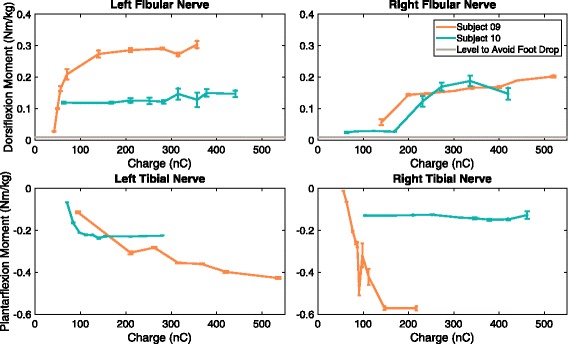
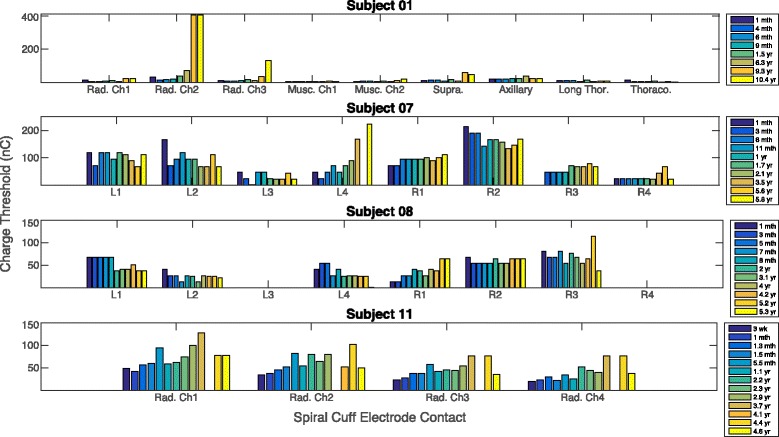
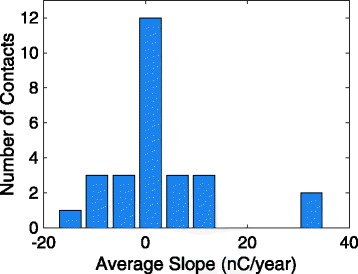
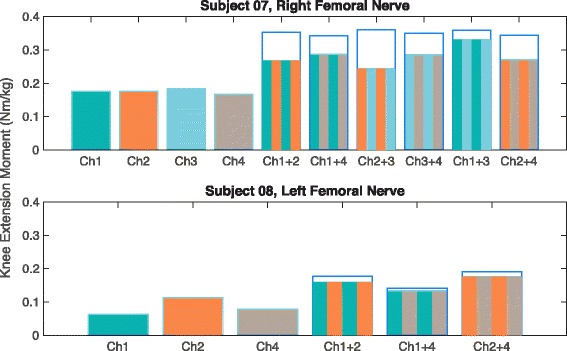
BACKGROUND: Electrical stimulation of the peripheral nerves has been shown to be effective in restoring sensory and motor functions in the lower and upper extremities. This neural stimulation can be applied via non-penetrating spiral nerve cuff electrodes, though minimal information has been published regarding their long-term performance for multiple years after implantation. METHODS: Since 2005, 14 human volunteers with cervical or thoracic spinal cord injuries, or upper limb amputation, were chronically implanted with a total of 50 spiral nerve cuff electrodes on 10 different nerves (mean time post-implant 6.7 ± 3.1 years). The primary outcome measures utilized in this study were muscle recruitment curves, charge thresholds, and percent overlap of recruited motor unit populations. RESULTS: In the eight recipients still actively involved in research studies, 44/45 of the spiral contacts were still functional. In four participants regularly studied over the course of 1 month to 10.4 years, the charge thresholds of the majority of individual contacts remained stable over time. The four participants with spiral cuffs on their femoral nerves were all able to generate sufficient moment to keep the knees locked during standing after 2-4.5 years. The dorsiflexion moment produced by all four fibular nerve cuffs in the active participants exceeded the value required to prevent foot drop, but no tibial nerve cuffs were able to meet the plantarflexion moment that occurs during push-off at a normal walking speed. The selectivity of two multi-contact spiral cuffs was examined and both were still highly selective for different motor unit populations for up to 6.3 years after implantation. CONCLUSIONS: The spiral nerve cuffs examined remain functional in motor and sensory neuroprostheses for 2-11 years after implantation. They exhibit stable charge thresholds, clinically relevant recruitment properties, and functional muscle selectivity. Non-penetrating spiral nerve cuff electrodes appear to be a suitable option for long-term clinical use on human peripheral nerves in implanted neuroprostheses.
Overview
The claims and statistics of this paper haven’t been checked yet.
Free: it reads the open-access text and checks the first 5 claims that cite a source we can check. Create a free account to check every claim.
Integrity signals
Registry
Cites
Statistics
Figures
Verification
Claims the paper makes
The claims and statistics of this paper haven’t been checked yet.
Free: it reads the open-access text and checks the first 5 claims that cite a source we can check. Create a free account to check every claim.
Claims other papers make about this one
Each is checked against this paper’s own text: does it say what the citing paper says it does?
The source backs part of the claim, not all of it — or backs it for a different population, condition or comparison.
In the citing paper
“In an 11-year clinical study which analyzed the results of spiral cuff electrode implantation in 14 different patients. The electrodes were functional, selective, and free of serious adverse events after 11 years of follow up [176].”
From Interfaces with the peripheral nervous system for the control of a neuroprosthetic limb: a review (2020) · cites this paper as [176]
Experimental — accuracy not yet measuredThe source backs part of the claim, not all of it — or backs it for a different population, condition or comparison.
In the citing paper
“At present, extraneural electrodes have shown superior long-term stability in comparison to intraneural electrodes.”
From Safety of long-term electrical peripheral nerve stimulation: review of the state of the art (2019) · cites this paper as [26]
Experimental — accuracy not yet measuredThe source backs part of the claim, not all of it — or backs it for a different population, condition or comparison.
In the citing paper
“Presently, with regards to long-term human implantations, extraneural electrodes still emerge as the most favorable choice for clinical applications [26, 37].”
From Safety of long-term electrical peripheral nerve stimulation: review of the state of the art (2019) · cites this paper as [26]
Experimental — accuracy not yet measuredThe source backs part of the claim, not all of it — or backs it for a different population, condition or comparison.
In the citing paper
“and up to 11 years stimulating motor and sensory nerves in a feedback controlled application [26]”
From Safety of long-term electrical peripheral nerve stimulation: review of the state of the art (2019) · cites this paper as [26]
Experimental — accuracy not yet measuredThe cited source says what the claim attributes to it.
In the citing paper
“Christie et al. showed that a large numbers of cuff electrodes chronically implanted on human peripheral nerves can be stable and work up to 10.4 years (duration of study) (Christie et al., 2017).”
From Update on Peripheral Nerve Electrodes for Closed-Loop Neuroprosthetics (2018) · cites this paper as Christie et al., 2017
1 more claim about this paper
Create a free account to see every claim other papers make about this one.
Self-check
Percentages, sums and reported differences re-computed from the paper’s own numbers.
The self-check needs the paper’s full text.
Citations
Cites
Gait Analysis: Normal and Pathological Function
(1992) · JAMA: The Journal of the American Medical Association · doi:10.1001/jama.1992.03490220101046 · Cited by 3,875
The biomechanics and motor control of human gait : normal, elderly and pathological
Winter, D. A. (1991) · University of Waterloo Press eBooks · Cited by 1,428
The biomechanics and motor control of human gait: Normal, elderly, and pathological
Brand, R. A. (1992) · Journal of Biomechanics · doi:10.1016/0021-9290(92)90236-t · Cited by 1,103
A neural interface provides long-term stable natural touch perception
Tan, D. W., Schiefer, M. A., Keith, M. W., Anderson, J. R., Tyler, J., & Tyler, D. J. (2014) · Science Translational Medicine · doi:10.1126/scitranslmed.3008669 · Cited by 751 · cited 3×
“For those with amputations, a spiral cuff elicited tactile sensations referred to the missing limb of the user [30, 31].”
BackgroundMethodSelf-citationEffect of sensory discrimination training on cortical reorganisation and phantom limb pain
Flor, H., Denke, C., Schaefer, M., & Grüsser, S. (2001) · The Lancet · doi:10.1016/s0140-6736(00)04890-x · Cited by 560 · cited 1×
“The implantation of a permanent sensory restoration system could reduce phantom limb pain [20], enhance prosthesis embodiment [21], and improve performance of grasping tasks [22].”
BackgroundA model of safe levels for electrical stimulation
Shannon, R. V. (1992) · IEEE Transactions on Biomedical Engineering · doi:10.1109/10.126616 · Cited by 526 · cited 3×
“Pulse width and amplitude were limited such that the charge stayed within safe limits [38].”
BackgroundInfluentialOrtiz-Catalan, M., Håkansson, B., & Brånemark, R. (2014) · Science Translational Medicine · doi:10.1126/scitranslmed.3008933 · Cited by 484 · cited 1×
“For those with amputations, a spiral cuff elicited tactile sensations referred to the missing limb of the user [30, 31].”
BackgroundA spiral nerve cuff electrode for peripheral nerve stimulation
Naples, G. G., Mortimer, J. T., Scheiner, A., & Sweeney, J. D. (1988) · IEEE Transactions on Biomedical Engineering · doi:10.1109/10.8670 · Cited by 415 · cited 1×
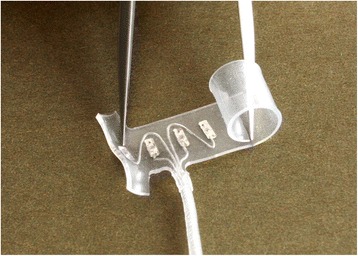
“One type of NCE is called a “spiral,” which consists of a self-curling polymer sheath that wraps around the nerve twice to create a circular transverse cross section [23] (Fig.”
BackgroundVeraart, C., Raftopoulos, C., Mortimer, J. T., Delbeke, J., Pins, D., Michaux, G., Vanlierde, A., Parrini, S., & Wanet-Defalque, M.-C. (1998) · Brain Research · doi:10.1016/s0006-8993(98)00977-9 · Cited by 405 · cited 1×
“Spiral cuff electrodes were then chronically implanted on the upper extremity nerves [11, 29–31], lower extremity nerves [4], and optic nerve of human participants [32].”
BackgroundFunctionally selective peripheral nerve stimulation with a flat interface nerve electrode
Tyler, D. J., & Durand, D. M. (2002) · IEEE Transactions on Neural Systems and Rehabilitation Engineering · doi:10.1109/tnsre.2002.806840 · Cited by 398 · cited 1×
“It would also be valuable to analyze data from other types of nonpenetrating nerve cuff electrodes, such as the FINE (flat interface nerve electrode) [47].”
BackgroundSelf-citationRobotic touch shifts perception of embodiment to a prosthesis in targeted reinnervation amputees
Marasco, P. D., Kim, K., Colgate, J. E., Peshkin, M. A., & Kuiken, T. A. (2011) · Brain · doi:10.1093/brain/awq361 · Cited by 335 · cited 1×
“The implantation of a permanent sensory restoration system could reduce phantom limb pain [20], enhance prosthesis embodiment [21], and improve performance of grasping tasks [22].”
BackgroundPeckham, P. H., Keith, M. W., Kilgore, K. L., Grill, J. H., Wuolle, K. S., Thrope, G. B., Gorman, P., Hobby, J., Mulcahey, M. J., Carroll, S., et al. (2001) · Archives of Physical Medicine and Rehabilitation · doi:10.1053/apmr.2001.25910 · Cited by 319
Bélanger, M., Stein, R. B., Wheeler, G. D., Gordon, T., & Leduc, B. (2000) · Archives of Physical Medicine and Rehabilitation · doi:10.1053/apmr.2000.7170 · Cited by 318
Yamaguchi, G. T., & Zajac, F. E. (1990) · IEEE Transactions on Biomedical Engineering · doi:10.1109/10.58599 · Cited by 275 · cited 9×
“All four monopolar fibular nerve cuffs were able to produce a dorsiflexion moment greater than 0.01 Nm/kg, the level needed to prevent foot drop [42].”
BackgroundInfluentialSnyder-Mackler, L., Delitto, A., Stralka, S. W., & Bailey, S. L. (1994) · Physical Therapy · doi:10.1093/ptj/74.10.901 · Cited by 271
Smith, B., Tang, Z., Johnson, M. W., Pourmehdi, S., Gazdik, M. M., Buckett, J. R., & Peckham, P. H. (1998) · IEEE Transactions on Biomedical Engineering · doi:10.1109/10.664202 · Cited by 270 · cited 7×
“Each cuff electrode was connected to an implanted stimulator–telemeter (IST) developed at Case Western Reserve University [36, 37].”
MethodInfluentialGriffin, L., Decker, M. J., Hwang, J. Y., Wang, B., Kitchen, K., Ding, Z., & Ivy, J. L. (2009) · Journal of Electromyography and Kinesiology · doi:10.1016/j.jelekin.2008.03.002 · Cited by 237 · cited 1×
“Motor neuroprostheses can also have physiological benefits, such as improvements in muscular strength [12–14], motor control [14], lean muscle mass [15], motor and sensory ability [15], bone mineral density [16], and physiological responses after exercise tests [17, 18].”
BackgroundMohr, T., Pødenphant, J., Biering–Sørensen, F., Galbo, H., Thamsborg, G., & Kjær, M. (1997) · Calcified Tissue International · doi:10.1007/s002239900286 · Cited by 218 · cited 1×
“Motor neuroprostheses can also have physiological benefits, such as improvements in muscular strength [12–14], motor control [14], lean muscle mass [15], motor and sensory ability [15], bone mineral density [16], and physiological responses after exercise tests [17, 18].”
BackgroundWuolle, K. S., Van Doren, C. L., Thrope, G. B., Keith, M. W., & Peckham, P. H. (1994) · The Journal of Hand Surgery · doi:10.1016/0363-5023(94)90008-6 · Cited by 198
Muscle selection and walking performance of multichannel FES systems for ambulation in paraplegia
Kobetic, R., Triolo, R. J., & Marsolais, E. B. (1997) · IEEE Transactions on Rehabilitation Engineering · doi:10.1109/86.559346 · Cited by 185 · cited 1×
“Additionally, walking speed with neural stimulation is reported to be slower than normal [45, 46] and therefore strong plantarflexion may not be essential in today’s lower extremity neural prostheses.”
BackgroundSelf-citationTan, D. W., Schiefer, M. A., Keith, M. W., Anderson, J. R., & Tyler, D. J. (2015) · Journal of Neural Engineering · doi:10.1088/1741-2560/12/2/026002 · Cited by 175 · cited 3×
“The acute stabilization in the months directly after implantation is discussed in more detail elsewhere for these participants [4, 29, 33, 39].”
BackgroundMethodSelf-citationClosed-loop control in prosthetic systems: Historical perspective
Childress, D. S. (1980) · Annals of Biomedical Engineering · doi:10.1007/bf02363433 · Cited by 158 · cited 1×
“Currently, prosthesis users rely on visual feedback, auditory feedback [19], and/or interactions between the residual limb and the prosthesis socket.”
BackgroundKobetic, R., Sharma, M., Triolo, R. J., Uhlir, J. P., Bieri, C., Wibowo, M., Polando, G., Marsolais, E. B., Davis, J. A., & Ferguson, K. A. (1999) · IEEE Transactions on Rehabilitation Engineering · doi:10.1109/86.808942 · Cited by 155
Self-citationVibro- and Electrotactile User Feedback on Hand Opening for Myoelectric Forearm Prostheses
Witteveen, H. J. B., Droog, E. A., Rietman, J. S., & Veltink, P. H. (2012) · IEEE Transactions on Biomedical Engineering · doi:10.1109/tbme.2012.2200678 · Cited by 150 · cited 1×
“The implantation of a permanent sensory restoration system could reduce phantom limb pain [20], enhance prosthesis embodiment [21], and improve performance of grasping tasks [22].”
BackgroundPolasek, K. H., Hoyen, H. A., Keith, M. W., Kirsch, R. F., & Tyler, D. J. (2009) · IEEE Transactions on Neural Systems and Rehabilitation Engineering · doi:10.1109/tnsre.2009.2032603 · Cited by 142 · cited 1×
“The acute stabilization in the months directly after implantation is discussed in more detail elsewhere for these participants [4, 29, 33, 39].”
BackgroundSelf-citationImplanted Neuroprosthesis for Restoring Arm and Hand Function in People With High Level Tetraplegia
Memberg, W. D., Polasek, K. H., Hart, R. L., Bryden, A. M., Kilgore, K. L., Nemunaitis, G. A., Hoyen, H. A., Keith, M. W., & Kirsch, R. F. (2014) · Archives of Physical Medicine and Rehabilitation · doi:10.1016/j.apmr.2014.01.028 · Cited by 137
Self-citationQuantification of recruitment properties of multiple contact cuff electrodes
Grill, W. M., & Mortimer, J. T. (1996) · IEEE Transactions on Rehabilitation Engineering · doi:10.1109/86.506402 · Cited by 136 · cited 1×
“Spiral cuffs implanted on the cat sciatic nerve were able to selectively activate individual motor nerve fascicles in two acute studies [25, 26] and chronically in one 34-week study [27].”
BackgroundHooker, S. P., Figoni, S. F., Rodgers, M. M., Glaser, R. M., Mathews, T., Suryaprasad, A. G., & Gupta, S. C. (1992) · PubMed · Cited by 124
A single-interval adjustment-matrix (SIAM) procedure for unbiased adaptive testing
Kaernbach, C. (1990) · The Journal of the Acoustical Society of America · doi:10.1121/1.399985 · Cited by 122 · cited 2×
“For Subject 11, charge threshold was determined by performing an unbiased adaptive procedure called “single-interval adjustment matrix” (SIAM) [30, 39, 40].”
MethodFerrante, S., Pedrocchi, A., Ferrigno, G., & Molteni, F. (2008) · PubMed · Cited by 120
Human nerve stimulation thresholds and selectivity using a multi-contact nerve cuff electrode
Polasek, K. H., Hoyen, H. A., Keith, M. W., & Tyler, D. J. (2007) · IEEE Transactions on Neural Systems and Rehabilitation Engineering · doi:10.1109/tnsre.2007.891383 · Cited by 111 · cited 1×
“Spiral cuffs were then tested intraoperatively in the upper extremity nerves of 21 human participants [28].”
BackgroundSelf-citationTarler, M. D., & Mortimer, J. T. (2004) · IEEE Transactions on Neural Systems and Rehabilitation Engineering · doi:10.1109/tnsre.2004.828415 · Cited by 110 · cited 1×
“Spiral cuffs implanted on the cat sciatic nerve were able to selectively activate individual motor nerve fascicles in two acute studies [25, 26] and chronically in one 34-week study [27].”
BackgroundGrill, W. M., & Mortimer, J. T. (1998) · IEEE Transactions on Rehabilitation Engineering · doi:10.1109/86.736150 · Cited by 103 · cited 1×
“Spiral cuffs implanted on the cat sciatic nerve were able to selectively activate individual motor nerve fascicles in two acute studies [25, 26] and chronically in one 34-week study [27].”
BackgroundImplanted stimulators for restoration of function in spinal cord injury
Bhadra, N., Kilgore, K. L., & Peckham, P. H. (2001) · Medical Engineering & Physics · doi:10.1016/s1350-4533(01)00012-1 · Cited by 92 · cited 7×
“Each cuff electrode was connected to an implanted stimulator–telemeter (IST) developed at Case Western Reserve University [36, 37].”
MethodInfluentialStanding After Spinal Cord Injury With Four-Contact Nerve-Cuff Electrodes for Quadriceps Stimulation
Fisher, L. E., Miller, M. E., Bailey, S. N., Davis Jr., J. A., Anderson, J. S., Rhode, L., Tyler, D. J., & Triolo, R. J. (2008) · IEEE Transactions on Neural Systems and Rehabilitation Engineering · doi:10.1109/tnsre.2008.2003390 · Cited by 90 · cited 2×
“The stimulation remains on for as long as participants are able to stand, which can be up to 13 min [33] depending on their muscle strength.”
BackgroundSelf-citationWalking after incomplete spinal cord injury using an implanted FES system: A case report
Hardin, E., Kobetic, R., Murray, L., Corado-Ahmed, M., Pinault, G., Sakai, J., Nogan Bailey, S., Ho, C., & Triolo, R. J. (2007) · The Journal of Rehabilitation Research and Development · doi:10.1682/jrrd.2007.03.0333 · Cited by 90
Self-citationFisher, L. E., Tyler, D. J., Anderson, J. S., & Triolo, R. J. (2009) · Journal of Neural Engineering · doi:10.1088/1741-2560/6/4/046010 · Cited by 89 · cited 2×
“Spiral cuff electrodes were then chronically implanted on the upper extremity nerves [11, 29–31], lower extremity nerves [4], and optic nerve of human participants [32].”
BackgroundSelf-citationTriolo, R. J., Bailey, S. N., Miller, M. E., Rohde, L. M., Anderson, J. S., Davis, J. A., Abbas, J. J., DiPonio, L., Forrest, G. P., Gater, D. R., et al. (2012) · Archives of Physical Medicine and Rehabilitation · doi:10.1016/j.apmr.2012.01.001 · Cited by 72 · cited 1×
“All participants except for Subject 11 can use their systems at home and their daily use varies [6].”
BackgroundSelf-citationPhysiologic Responses of Paraplegics and Quadriplegics to Passive and Active Leg Cycle Ergometry
Figoni, S. F., Rodgers, M. M., Glaser, R. M., Hooker, S. P., Feghri, P. D., Ezenwa, B. N., Mathews, T., Suryaprasad, A. G., & Gupta, S. C. (1990) · The Journal of The American Paraplegia Society · doi:10.1080/01952307.1990.11735814 · Cited by 68 · cited 1×
“Motor neuroprostheses can also have physiological benefits, such as improvements in muscular strength [12–14], motor control [14], lean muscle mass [15], motor and sensory ability [15], bone mineral density [16], and physiological responses after exercise tests [17, 18].”
BackgroundJohnston, T. E., Betz, R. R., Smith, B. T., & Mulcahey, M. J. (2003) · Spinal Cord · doi:10.1038/sj.sc.3101392 · Cited by 53
Optimization of selective stimulation parameters for multi-contact electrodes
Fisher, L. E., Tyler, D. J., & Triolo, R. J. (2013) · Journal of NeuroEngineering and Rehabilitation · doi:10.1186/1743-0003-10-25 · Cited by 45 · cited 4×
“To assess whether multi-contact cuffs remain selective for independent populations of motor units for multiple years post-implantation, we measured the percent overlap of the recruited motor unit populations [35].”
BackgroundMethodResultInfluentialSelf-citationGrasp synthesis for upper-extremity FNS: Part 1 Automated method for synthesising the stimulus map
Kilgore, K. L., & Peckham, P. H. (1993) · Medical & Biological Engineering & Computing · doi:10.1007/bf02441809 · Cited by 40
Nogan Bailey, S., Hardin, E. C., Kobetic, R., Boggs, L. M., Pinault, G., & Triolo, R. J. (2010) · The Journal of Rehabilitation Research and Development · doi:10.1682/jrrd.2009.03.0034 · Cited by 39
Self-citationKilgore, K. L., & Peckham, P. H. (1993) · Medical & Biological Engineering & Computing · doi:10.1007/bf02441810 · Cited by 35
Kagaya, H., Sharma, M., Kobetic, R., & Marsolais, E. B. (1998) · American Journal of Physical Medicine & Rehabilitation · doi:10.1097/00002060-199801000-00009 · Cited by 24 · cited 1×
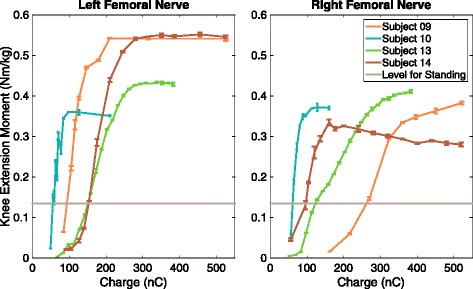
“keep the knees locked during standing [41], demonstrating that the devices remain functional for at least 2– 4.”
BackgroundLombardo, L. M., Bailey, S. N., Foglyano, K. M., Miller, M. E., Pinault, G. C. J., & Triolo, R. J. (2014) · Journal of Spinal Cord Medicine · doi:10.1179/2045772314y.0000000262 · Cited by 10
Self-citationEMG-based Control for a C5/C6 Spinal Cord Injury Upper Extremity Neuroprosthesis
Hincapie, J. G., & Kirsch, R. F. (2007) · Conference proceedings · doi:10.1109/iembs.2007.4352819 · Cited by 10
Improving Neuroprosthesis-Assisted Standing with Nerve-Based Stimulating Electrodes
Fisher, L. E. (2012) · OhioLink ETD Center (Ohio Library and Information Network) · Cited by 5
Research works printed but not linked: 1
- Naples GG An implantable spiral cuff electrode for electrical stimulation of peripheral nerve 1987
Cited by
Foreign Body Reaction to Implanted Biomaterials and Its Impact in Nerve Neuroprosthetics
Carnicer-Lombarte, A., Chen, S.-T., Malliaras, G. G., & Barone, D. G. (2021) · Frontiers in Bioengineering and Biotechnology · doi:10.3389/fbioe.2021.622524 · Cited by 454
“Commons Attribution License: (A) (Christie et al., 2017), (B) (Elyahoodayan et al.”
Piech, D. K., Johnson, B. C., Shen, K., Ghanbari, M. M., Li, K. Y., Neely, R. M., Kay, J. E., Carmena, J. M., Maharbiz, M. M., & Muller, R. (2020) · Nature Biomedical Engineering · doi:10.1038/s41551-020-0518-9 · Cited by 442
Safety of long-term electrical peripheral nerve stimulation: review of the state of the art
Günter, C., Delbeke, J., & Ortiz-Catalan, M. (2019) · Journal of NeuroEngineering and Rehabilitation · doi:10.1186/s12984-018-0474-8 · Cited by 198
Yang, T., Kim, J. R., Jin, H., Gil, H., Koo, J., & Kim, H. J. (2021) · Advanced Functional Materials · doi:10.1002/adfm.202008831 · Cited by 178
A review for the peripheral nerve interface designer
Larson, C. E., & Meng, E. (2020) · Journal of Neuroscience Methods · doi:10.1016/j.jneumeth.2019.108523 · Cited by 133
Metadata
- Authors
- Christie, B. P., Freeberg, M., Memberg, W. D., Pinault, G. J. C., Hoyen, H. A., Tyler, D. J., & Triolo, R. J.
- Affiliations
- Louis Stokes Cleveland VA Medical Center (US)
- Case Western Reserve University (US)
- MetroHealth Medical Center (US)
- Corresponding author
- Christie, Breanne P.
- ORCID
- Venue
- Journal of NeuroEngineering and Rehabilitation
- Published
- 2017-07-11
- Volume
- 14
- Issue
- 1
- Pages
- 70-70
- ISSN
- 1743-0003 (ISSN-L)
- PMC
- PMC5504677
- OpenAlex
- W2735779463
- Cited by
- 97
- References
- 49
- Citations by year
- 2026: 3 · 2025: 10 · 2024: 11 · 2023: 15 · 2022: 6 · 2021: 17 · 2020: 14 · 2019: 13 · 2018: 6 · 2017: 2
- FWCI
- 4.68
- Type
- journal article
- Language
- en
- Open access
- gold
- doi.org
- Licence
- cc-by
- creativecommons.org/licenses/by/4.0/ (tdm)
- creativecommons.org/licenses/by/4.0/ (vor)
- Locations
- Journal of NeuroEngineering and Rehabilitation (publishedVersion, cc-by)
- PubMed Central (publishedVersion, cc-by)
- PubMed (publishedVersion)
- DOAJ (DOAJ: Directory of Open Access Journals) (submittedVersion)
- Funders
- National Institute of Biomedical Imaging and Bioengineering (R01 EB001889)
- U.S. Department of Veterans Affairs (I01 RX001039, I01 RX00133401)
- National Institute of Neurological Disorders and Stroke (N01-NS-1-2333, N01-NS-5-2365)
- Topics
- Life Sciences › Neuroscience › Cellular and Molecular Neuroscience › Neuroscience and Neural Engineering
- Physical Sciences › Engineering › Biomedical Engineering › Muscle activation and electromyography studies
- Health Sciences › Medicine › Anesthesiology and Pain Medicine › Pain Management and Treatment
- Keywords
- peripheral nerve stimulation, long-term electrode stability, muscle recruitment, neural prostheses, spinal cord injury, upper limb amputation, femoral nerve, peroneal nerve, tibial nerve, knee locking, foot drop, chronic implantation
- MeSH terms
- Electrodes, Implanted, Electric Stimulation Therapy, Femoral Nerve, Follow-Up Studies, Foot, Humans, Motor Neurons, Peripheral Nervous System Diseases, Peripheral Nerves, Recruitment, Neurophysiological, Tibial Nerve, Treatment Outcome, Muscle Fibers, Skeletal, Gait Disorders, Neurologic, Neural Prostheses
About these checks
Registry, retraction, Cites and statistics results are computed, not judged, with one exception: a printed reference that no index lists is read once by a model before it counts as a citation error. Claims are extracted by a model and kept only when their quote appears verbatim in the text; each cited source is then checked, with a model’s help, for whether it says what the claim relies on. Those verdicts can be wrong — read the claim’s quote and the cited source before relying on one.
Statistics and arithmetic are recomputed, not judged.
Confidence bands are shown only for fields calibrated on our annotated test set. None is calibrated yet, so no band is shown.
What counts as a claim ›How we measure confidence ›How we check this ›
Are you an author, or do you see a problem with this page? Request a review
Data sources
Bibliographic data: Semantic Scholar, OpenAlex, Crossref.
Contains information from the Semantic Scholar Academic Graph Datasets, made available under the ODC Attribution License (ODC-BY 1.0).
Semantic Scholar’s data is described in: Kinney, R., et al. (2023). The Semantic Scholar Open Data Platform. arXiv:2301.10140.
