

Prevalence of stress, anxiety, depression among the general population during the COVID-19 pandemic: a systematic review and meta-analysis
Open accessThe DOI matches its Crossref record; 58 of the 58 references it cites were found in a registry or an index.
Abstract
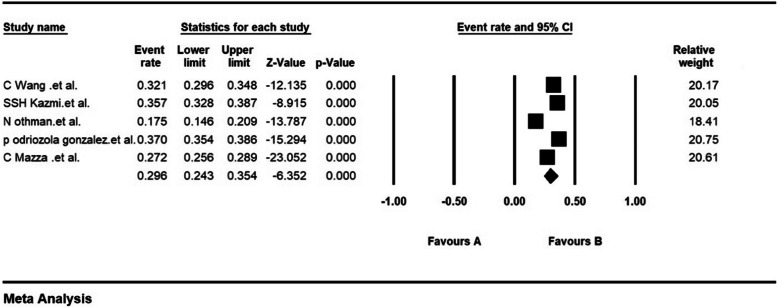
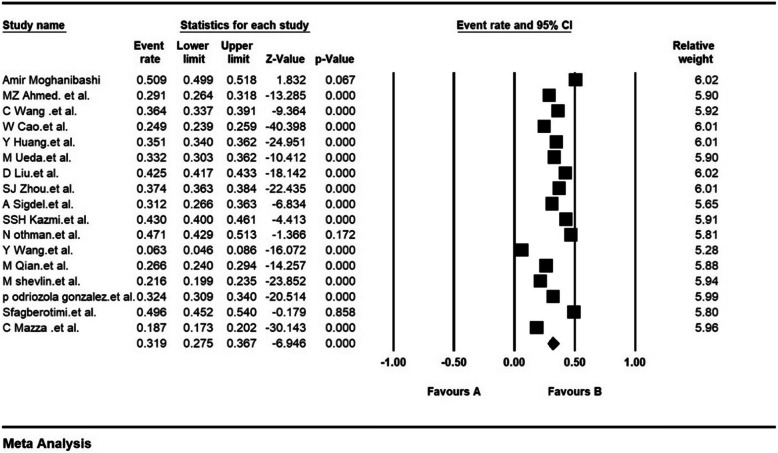
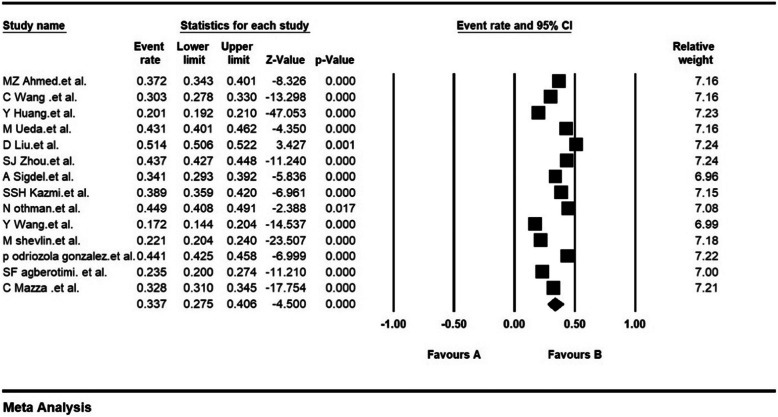
Background: The COVID-19 pandemic has had a significant impact on public mental health. Therefore, monitoring and oversight of the population mental health during crises such as a panedmic is an immediate priority. The aim of this study is to analyze the existing research works and findings in relation to the prevalence of stress, anxiety and depression in the general population during the COVID-19 pandemic. Method: In this systematic review and meta-analysis, articles that have focused on stress and anxiety prevalence among the general population during the COVID-19 pandemic were searched in the Science Direct, Embase, Scopus, PubMed, Web of Science (ISI) and Google Scholar databases, without a lower time limit and until May 2020. In order to perform a meta-analysis of the collected studies, the random effects model was used, and the heterogeneity of studies was investigated using the I 2 index. Moreover. data analysis was conducted using the Comprehensive Meta-Analysis (CMA) software. Results: The prevalence of stress in 5 studies with a total sample size of 9074 is obtained as 29.6% (95% confidence limit: 24.3–35.4), the prevalence of anxiety in 17 studies with a sample size of 63,439 as 31.9% (95% confidence interval: 27.5–36.7), and the prevalence of depression in 14 studies with a sample size of 44,531 people as 33.7% (95% confidence interval: 27.5–40.6). Conclusion: COVID-19 not only causes physical health concerns but also results in a number of psychological disorders. The spread of the new coronavirus can impact the mental health of people in different communities. Thus, it is essential to preserve the mental health of individuals and to develop psychological interventions that can improve the mental health of vulnerable groups during the COVID-19 pandemic.
Overview
The claims and statistics of this paper haven’t been checked yet.
Free: it reads the open-access text and checks the first 5 claims that cite a source we can check. Create a free account to check every claim.
Integrity signals
Registry
Cites
Statistics
Figures
Verification
Claims the paper makes
The claims and statistics of this paper haven’t been checked yet.
Free: it reads the open-access text and checks the first 5 claims that cite a source we can check. Create a free account to check every claim.
Claims other papers make about this one
Each is checked against this paper’s own text: does it say what the citing paper says it does?
The cited source doesn’t support the claim as written.
In the citing paper
“The prevalence was also lower than the estimated prevalence of depression, anxiety, and stress in the general population at 29.6%, 33.7%, and 31.9%, respectively [9].”
From Seroprevalence of COVID-19 and Psychological Distress among Front Liners at the Universiti Malaysia Sabah Campus during the Third Wave of COVID-19 (2022) · cites this paper as [9]
Checked by a reasoning model — may be wrong.
Experimental — accuracy not yet measuredThe source backs part of the claim, not all of it — or backs it for a different population, condition or comparison.
In the citing paper
“The COVID-19 pandemic has been associated with significantly higher levels of distress in the general population and people with persistent pain (Salari et al., 2020;Vindegaard & Benros, 2020;Yu al., 2021).”
From Acceptance and Commitment Therapy for women living with Vulvodynia: A single-case experimental design study of a treatment delivered online (2022) · cites this paper as Salari et al., 2020
Experimental — accuracy not yet measuredThe source backs part of the claim, not all of it — or backs it for a different population, condition or comparison.
In the citing paper
“Moreover, anxiety and stress are more likely to be feelings of worry and insecurity caused by negative events, whereas depression is more likely to be influenced by multiple factors, including biomedical factors, which could be difficult to change with short-term psychological interventions (60, 61).”
From Mindfulness-based online intervention on mental health among undergraduate nursing students during coronavirus disease 2019 pandemic in Beijing, China: A randomized controlled trial (2022) · cites this paper as [61]
Experimental — accuracy not yet measuredThe source backs part of the claim, not all of it — or backs it for a different population, condition or comparison.
In the citing paper
“the prevalence of somatic symptoms (56%), anxiety (36%), and depression (46%) in this sample were high compared to other studies done during the COVID-19 pandemic (Ran et al., 2020; Salari et al., 2020; Xiong et al., 2020).”
From Does the practice of mindfulness reduce somatic symptoms and COVID-19-related anxiety? A community-based survey (2022) · cites this paper as Salari et al., 2020
Experimental — accuracy not yet measuredThe cited source says what the claim attributes to it.
In the citing paper
“Greater fear and uncertainty can manifest in elevated levels of mental distress symptoms — anxiety, stress, depression — as confirmed by recently released COVID-19 studies”
From Anxiety Sensitivity Mediates Relations Between Mental Distress Symptoms and Medical Care Utilization During COVID-19 Pandemic. (2021) · cites this paper as Salari et al., 2020
3 more claims about this paper
Create a free account to see every claim other papers make about this one.
Self-check
Percentages, sums and reported differences re-computed from the paper’s own numbers.
The self-check needs the paper’s full text.
Citations
Cites
Chen, N., Zhou, M., Dong, X., Qu, J., Gong, F., Han, Y., Qiu, Y., Wang, J., Liu, Y., Wei, Y., et al. (2020) · The Lancet · doi:10.1016/s0140-6736(20)30211-7 · Cited by 21,415 · cited 1×
“Men with a history of underlying diseases are more likely to be infected with the virus and would experience worse outcomes [6].”
BackgroundThe Psychological Impact of Quarantine and How to Reduce It: Rapid Review of the Evidence
Brooks, S. K., Webster, R. K., Smith, L. E., Woodland, L., Wessely, S., Greenberg, N., & Rubin, G. J. (2020) · doi:10.2139/ssrn.3532534 · Cited by 16,394
The psychological impact of quarantine and how to reduce it: Rapid review of the evidence
Brooks, S. K., Webster, R. K., Smith, L. E., Woodland, L., Wessely, S., Greenberg, N., & Rubin, G. J. (2020) · The Lancet · doi:10.1016/s0140-6736(20)30460-8 · Cited by 16,378 · cited 1×
“Recent evidence suggests that people who are kept in isolation and quarantine experience significant levels of anxiety, anger, confusion, and stress [12].”
BackgroundWang, C., Pan, R., Wan, X., Tan, Y., Xu, L., Ho, C. S., & Ho, R. C. (2020) · International Journal of Environmental Research and Public Health · doi:10.3390/ijerph17051729 · Cited by 9,923 · cited 3×
“In addition, anxiety levels are significantly higher in people with at least one family member, relative, or a friend with the COVID-19 disease [21, 24, 42].”
BackgroundA novel coronavirus outbreak of global health concern
Wang, C., Horby, P. W., Hayden, F. G., & Gao, G. F. (2020) · The Lancet · doi:10.1016/s0140-6736(20)30185-9 · Cited by 7,700
First case of 2019 novel coronavirus in the United States
Holshue, M. L., DeBolt, C., Lindquist, S., Lofy, K. H., Wiesman, J., Bruce, H., Spitters, C., Ericson, K., Wilkerson, S., Tural, A., et al. (2020) · New England Journal of Medicine · doi:10.1056/nejmoa2001191 · Cited by 6,030 · cited 1×
“Severe cases of the disease can lead to heart, and respiratory failure, acute respiratory syndrome, or even death [7].”
BackgroundThe psychological impact of the COVID-19 epidemic on college students in China
Cao, W., Fang, Z., Hou, G., Han, M., Xu, X., Dong, J., & Zheng, J. (2020) · Psychiatry Research · doi:10.1016/j.psychres.2020.112934 · Cited by 5,843 · cited 2×
“In addition, anxiety levels are significantly higher in people with at least one family member, relative, or a friend with the COVID-19 disease [21, 24, 42].”
BackgroundHolmes, E. A., O'Connor, R. C., Perry, V. H., Tracey, I., Wessely, S., Arseneault, L., Ballard, C., Christensen, H., Cohen Silver, R., Everall, I., et al. (2020) · The Lancet Psychiatry · doi:10.1016/s2215-0366(20)30168-1 · Cited by 5,715
Presumed Asymptomatic Carrier Transmission of COVID-19
Bai, Y., Yao, L., Wei, T., Tian, F., Jin, D.-Y., Chen, L., & Wang, M. (2020) · JAMA · doi:10.1001/jama.2020.2565 · Cited by 4,498 · cited 1×
“In December 2019, in the city of Wuhan, China, unusual cases of patients with pneumonia caused by the new Coronavirus (COVID-19) were reported [1], and the spread of the virus swiftly became a global health threat [2].”
BackgroundHuang, Y., & Zhao, N. (2020) · Psychiatry Research · doi:10.1016/j.psychres.2020.112954 · Cited by 3,736 · cited 2×
“affected by redundancies and business closures [21, 22, 25].”
Background
Research works printed but not linked: 2
- Hahad O, Gilan D, Daiber A, Münzel T. Public Mental Health as One of the Key Factors in Dealing with COVID-19. Germany: Gesundheitswesen (Bundesverband der Arzte des Offentlichen Gesundheitsdienstes); 2020.
- World Health O. Mental health and psychosocial considerations during the COVID-19 outbreak, 18 March 2020. Geneva: World Health Organization; 2020. Contract No.: WHO/2019-nCoV/MentalHealth/2020.1.
Cited by
Items 101–200 of 1,028
Gori, A., Topino, E., & Fabio, A. D. (2020) · PLoS ONE · doi:10.1371/journal.pone.0242402 · Cited by 142
Rossi, R., Jannini, T. B., Socci, V., Pacitti, F., & Lorenzo, G. D. (2021) · Frontiers in Psychiatry · doi:10.3389/fpsyt.2021.635832 · Cited by 114
Stress and Anxiety Levels in Pregnant and Post-Partum Women during the COVID-19 Pandemic
Stepowicz, A., Wencka, B., Bieńkiewicz, J., Horzelski, W., & Grzesiak, M. (2020) · International Journal of Environmental Research and Public Health · doi:10.3390/ijerph17249450 · Cited by 143
COVID-19-related stigma and its sociodemographic correlates: a comparative study
Yuan, Y., Zhao, Y.-J., Zhang, Q.-E., Zhang, L., Cheung, T. C. C., Jackson, T., Jiang, G.-Q., & Xiang, Y. (2021) · Globalization and Health · doi:10.1186/s12992-021-00705-4 · Cited by 139
Rodrigues, N. G., Han, C. Q. Y., Su, Y., Klainin‐Yobas, P., & Wu, X. V. (2022) · Journal of Advanced Nursing · doi:10.1111/jan.15063 · Cited by 112
Lu, X., & Lin, Z. (2021) · Frontiers in Psychology · doi:10.3389/fpsyg.2021.759974 · Cited by 154
Zhang, Z., Wang, T., Kuang, J., Herold, F., Ludyga, S., Li, J., Hall, D. L., Taylor, A., Healy, S., Yeung, A. S., et al. (2022) · International Journal of Clinical and Health Psychology · doi:10.1016/j.ijchp.2022.100312 · Cited by 112
de Miquel, C., Domènech‐Abella, J., Félez-Nóbrega, M., Cristóbal-Narváez, P., Mortier, P., Vilagut, G., Alonso, J., Olaya, B., & Haro, J. M. (2022) · International Journal of Environmental Research and Public Health · doi:10.3390/ijerph19063158 · Cited by 143
De Sousa, R. A. L., Improta-Caria, A. C., Aras-Júnior, R., de Oliveira, E. M., Soci, Ú. P. R., & Cassilhas, R. C. (2021) · Neurological Sciences · doi:10.1007/s10072-021-05082-9 · Cited by 109
Nanosensors: Recent perspectives on attainments and future promise of downstream applications
Adam, T., & Gopinath, S. C. B. (2022) · Process Biochemistry · doi:10.1016/j.procbio.2022.03.024 · Cited by 121
Prati, G. (2021) · Anxiety, Stress, & Coping · doi:10.1080/10615806.2020.1861253 · Cited by 108
Richter, D., Riedel-Heller, S. G., & Zürcher, S. J. (2021) · Epidemiology and Psychiatric Sciences · doi:10.1017/s2045796021000160 · Cited by 123
Arslan, G., Yıldırım, M., & Aytaç, M. (2022) · Death Studies · doi:10.1080/07481187.2020.1824204 · Cited by 106
Czeisler, M. É., Wiley, J. F., Facer-Childs, E. R., Robbins, R., Weaver, M. D., Barger, L. K., Czeisler, C. A., Howard, M. E., & Rajaratnam, S. M. W. (2021) · Journal of Psychiatric Research · doi:10.1016/j.jpsychires.2021.05.080 · Cited by 107
The Influence of Personality, Resilience, and Alexithymia on Mental Health During COVID-19 Pandemic
Osimo, S. A., Aiello, M., Gentili, C., Ionta, S., & Cecchetto, C. (2021) · Frontiers in Psychology · doi:10.3389/fpsyg.2021.630751 · Cited by 106
Duplaga, M., & Grysztar, M. (2021) · Healthcare · doi:10.3390/healthcare9010043 · Cited by 106
“[12] showed that during the COVID-19 pandemic, stress was experienced by nearly 30%, anxiety by 32% and depression by 34% of the general population.”
BackgroundA Cross-Cultural Exploratory Study of Health Behaviors and Wellbeing During COVID-19
Ruiz, M. C., Devonport, T. J., Chen‐Wilson, J., Nicholls, W., Cagas, J. Y., Fernández‐Montalvo, J., Choi, Y., & Robazza, C. (2021) · Frontiers in Psychology · doi:10.3389/fpsyg.2020.608216 · Cited by 123
Salari, N., Khodayari, Y., Far, A. H., Zarei, H., Rasoulpoor, S., Akbari, H., & Mohammadi, M. (2022) · BioPsychoSocial Medicine · doi:10.1186/s13030-022-00250-5 · Cited by 128
Self-citationAyubi, E., Bashirian, S., & Khazaei, S. (2021) · Journal of Gastrointestinal Cancer · doi:10.1007/s12029-021-00643-9 · Cited by 103
Savolainen, I., Oksa, R., Savela, N., Celuch, M., & Oksanen, A. (2021) · International Journal of Environmental Research and Public Health · doi:10.3390/ijerph18020794 · Cited by 136
Associations between periods of COVID-19 quarantine and mental health in Canada
Daly, Z., Slemon, A., Richardson, C. G., Salway, T., McAuliffe, C., Gadermann, A. M., Thomson, K. C., Hirani, S., & Jenkins, E. K. (2021) · Psychiatry Research · doi:10.1016/j.psychres.2020.113631 · Cited by 102
“In the context of COVID-19, the prevalence of psychological distress, depression, anxiety, and post-traumatic stress symptoms among the general population has been found to be significantly higher compared to pre-pandemic levels (Authors, 2020; McGinty et al., 2020; Salari et al., 2020; Twenge and Joiner, 2020; Xiong…”
van Vuren, E. J., Steyn, S. F., Brink, C. B., Möller, M., Viljoen, F. P., & Harvey, B. H. (2021) · Biomedicine & Pharmacotherapy · doi:10.1016/j.biopha.2020.111200 · Cited by 111
Usher, E. L., Golding, J. M., Han, J., Griffiths, C. S., McGavran, M. B., Brown, C. S., & Sheehan, E. A. (2024) · Scholarship of Teaching and Learning in Psychology · doi:10.1037/stl0000256 · Cited by 140
Mao, K., Zhang, W., Wang, D. B., Li, A., Jiao, R., Zhu, Y., Wu, B., Zheng, T., Qian, L., Lyu, W., et al. (2023) · IEEE Transactions on Affective Computing · doi:10.1109/taffc.2022.3154332 · Cited by 98
Banati, P., Jones, N., & Youssef, S. (2020) · The European Journal of Development Research · doi:10.1057/s41287-020-00325-5 · Cited by 100
For the Greater Good? The Devastating Ripple Effects of the Covid-19 Crisis
Schippers, M. C. (2020) · Frontiers in Psychology · doi:10.3389/fpsyg.2020.577740 · Cited by 117
Solé, B., Verdolini, N., Amoretti, S., Montejo, L., Rosa, A. R., Hogg, B., García‐Rizo, C., Mezquida, G., Bernardo, M., Martínez‐Arán, A., et al. (2020) · Journal of Affective Disorders · doi:10.1016/j.jad.2020.11.099 · Cited by 113
Sun, F., Zhu, J., Tao, H., Ma, Y., & Jin, W. (2020) · Journal of Psychosomatic Obstetrics & Gynecology · doi:10.1080/0167482x.2020.1857360 · Cited by 120
Is Vitamin D Important in Anxiety or Depression? What Is the Truth?
Akpınar, Ş., & Karadağ, M. G. (2022) · Current Nutrition Reports · doi:10.1007/s13668-022-00441-0 · Cited by 130
Waters, L., Cameron, K., Nelson-Coffey, S. K., Crone, D. L., Kern, M. L., Lomas, T., Oades, L., Owens, R. L., Pawelski, J. O., Rashid, T., et al. (2022) · The Journal of Positive Psychology · doi:10.1080/17439760.2021.1940251 · Cited by 98
“population including high levels of anxiety, depression, psychological distress, sleep disorders, and posttraumatic stress disorder (PTSD; Brooks et al., 2020; Fiorillo & Gorwood, 2020; Salari et al., 2020; Shi et al., 2020; Van Agteren et al., 2020).”
BackgroundZavlis, O., Butter, S., Bennett, K. M., Hartman, T. K., Hyland, P., Mason, L., McBride, O., Murphy, J., Miller, J. G., Levita, L., et al. (2021) · Psychological Medicine · doi:10.1017/s0033291721000635 · Cited by 117
Yeates, E. O., Grigorian, A., Barrios, C., Schellenberg, M. A., Owattanapanich, N., Barmparas, G., Margulies, D. R., Juillard, C. J., Garber, K. D., Cryer, H., et al. (2020) · The Journal of Trauma: Injury, Infection, and Critical Care · doi:10.1097/ta.0000000000003068 · Cited by 106
Kumarpillai, G., Thanawala, S., Venkateswarlu, S., Rao, T. S. S., Thamatam, V. B., & Chauhan, S. (2021) · Evidence-based Complementary and Alternative Medicine · doi:10.1155/2021/8254344 · Cited by 132
Kreutz, R., Dobrowolski, P., Prejbisz, A., Algharably, E. A. E.-H., Bilo, G., Creutzig, F., Grassi, G., Kotsis, V., Lovic, D., Lurbe, E., et al. (2021) · Journal of Hypertension · doi:10.1097/hjh.0000000000002770 · Cited by 95
Tareke, S. A., Lelisho, M. E., Hassen, S. S., Seid, A. A., Jemal, S. S., Teshale, B. M., Wotale, T. W., & Pandey, B. K. (2022) · Journal of Racial and Ethnic Health Disparities · doi:10.1007/s40615-021-01195-1 · Cited by 103
Ibar, C., Fortuna, F., González, D., Jamardo, J., Jacobsen, D., Pugliese, L. J., Giraudo, L., Ceres, V., Mendoza, C., Repetto, E. M., et al. (2021) · Psychoneuroendocrinology · doi:10.1016/j.psyneuen.2021.105213 · Cited by 113
Gual-Montolio, P., Jaén, I., Martínez-Borba, V., Castilla, D., & Suso-Ribera, C. (2022) · International Journal of Environmental Research and Public Health · doi:10.3390/ijerph19137737 · Cited by 93
“As if the above were not enough, the current coronavirus pandemic has further evidenced the importance of mental health, as well as the risk of its inefficient management for countries and individuals [24–26].”
BackgroundWitarto, B. S., Visuddho, V., Witarto, A. P., Bestari, D., Sawitri, B., Melapi, T. A. S., & Wungu, C. D. K. (2022) · PLOS ONE · doi:10.1371/journal.pone.0274177 · Cited by 89
Chang, Y., Chien, C., & Shen, L.-F. (2020) · Personality and Individual Differences · doi:10.1016/j.paid.2020.110508 · Cited by 125
Mautong, H., Gallardo-Rumbea, J. A., Alvarado-Villa, G. E., Fernández-Cadena, J. C., Andrade-Molina, D., Orellana-Román, C. E., & Cherrez-Ojeda, I. (2021) · BMC Psychiatry · doi:10.1186/s12888-021-03214-1 · Cited by 92
Death Anxiety Associated With Coronavirus (COVID-19) Disease: A Systematic Review and Meta-Analysis
Özgüç, S., Kaplan Serin, E., & Tanriverdi, D. (2024) · OMEGA - Journal of Death and Dying · doi:10.1177/00302228211050503 · Cited by 92
Salari, N., Heidarian, P., Hassanabadi, M., Babajani, F., Abdoli, N., Aminian, M., & Mohammadi, M. (2024) · Journal of Prevention · doi:10.1007/s10935-024-00789-9 · Cited by 90
“The methodological quality of studies was evaluated using the 6-item Strengthening the Reporting of Observational Studies in Epidemiology (STROBE) checklist, a common tool in review articles (Salari et al., 2020).”
Self-citationBlix, I., Birkeland, M. S., & Thoresen, S. (2021) · BMC Public Health · doi:10.1186/s12889-021-10927-1 · Cited by 90
Han, X., Hou, C., Yang, H., Chen, W., Ying, Z., Sun, Y., Qu, Y., Qu, Y., Yang, L., Valdimarsdóttir, U. A., et al. (2021) · Molecular Psychiatry · doi:10.1038/s41380-021-01170-6 · Cited by 98
Awada, M., Becerik-Gerber, B., White, E., Hoque, S., O’Neill, Z. D., Pedrielli, G., Wen, J., & Wu, T. (2021) · Building and Environment · doi:10.1016/j.buildenv.2021.108440 · Cited by 119
Early Psychological Impact of the COVID-19 Pandemic in Brazil: A National Survey
Campos, J. Á. D. B., Martins, B. G., Campos, L. A., Marôco, J. P., Saadiq, R. A., & Ruano, R. (2020) · Journal of Clinical Medicine · doi:10.3390/jcm9092976 · Cited by 114
Navarro-Tapia, E., Almeida-Toledano, L., Sebastiani, G., Serra-Delgado, M., García-Algar, Ó., & Andreu-Fernández, V. (2021) · International Journal of Molecular Sciences · doi:10.3390/ijms22052351 · Cited by 88
Cheng, C., Wang, H.-Y., & Ebrahimi, O. V. (2021) · Frontiers in Psychiatry · doi:10.3389/fpsyt.2021.626197 · Cited by 100
Assessing the Psychological Impacts of COVID-19 in Undergraduate Medical Students
Guo, A. A., Crum, M., & Fowler, L. A. (2021) · International Journal of Environmental Research and Public Health · doi:10.3390/ijerph18062952 · Cited by 100
Depression diagnosis by deep learning using EEG signals: A systematic review
Safayari, A., & Bolhasani, H. (2021) · Medicine in Novel Technology and Devices · doi:10.1016/j.medntd.2021.100102 · Cited by 105
Burnatowska, E., Surma, S., & Olszanecka‐Glinianowicz, M. (2022) · Nutrients · doi:10.3390/nu14193989 · Cited by 174
Skalski‐Bednarz, S. B., Uram, P., Dobrakowski, P. P., & Kwiatkowska, A. (2020) · Personality and Individual Differences · doi:10.1016/j.paid.2020.110540 · Cited by 96
Liu, C., Pan, W., Li, L., Li, B., Ren, Y., & Ma, X. (2021) · Journal of Psychosomatic Research · doi:10.1016/j.jpsychores.2021.110516 · Cited by 87
Talsma, K., Robertson, K., Thomas, C., & Norris, K. (2021) · Frontiers in Psychology · doi:10.3389/fpsyg.2021.643408 · Cited by 124
Skalski-Bednarz, S. B., Uram, P., Dobrakowski, P., & Kwiatkowska, A. (2020) · doi:10.31234/osf.io/28tnw · Cited by 86
Brailovskaia, J., Cosci, F., Mansueto, G., & Margraf, J. (2021) · Journal of Affective Disorders Reports · doi:10.1016/j.jadr.2020.100067 · Cited by 84
Brunoni, A. R., Suen, P. J. C., Bacchi, P. S., Razza, L. B., Klein, I., dos Santos, L. A., Santos, I. S., Valiengo, L. D. C. L., Neto, J. G., Moreno, M., et al. (2021) · Psychological Medicine · doi:10.1017/s0033291721001719 · Cited by 105
Carlson, E. J., Wilson, J., Baltazar, M., Duman, D., Peltola, H., Toiviainen, P., & Saarikallio, S. H. (2021) · Frontiers in Psychology · doi:10.3389/fpsyg.2021.647756 · Cited by 113
Haller, E., Ļubenko, J., Presti, G., Squatrito, V., Constantinou, M., Nicolaou, C., Papacostas, S., Aydın, G., Chong, Y. Y., Chien, W. T., et al. (2022) · Frontiers in Psychology · doi:10.3389/fpsyg.2021.775032 · Cited by 103
Digital training for building resilience: systematic review, meta-analysis, and meta-regression
Ang, W. H. D., Chew, H. S. J., Dong, J., Yi, H., Mahendren, R., & Lau, Y. (2022) · Stress and Health · doi:10.1002/smi.3154 · Cited by 83
Effect of Forest Therapy on Depression and Anxiety: A Systematic Review and Meta-Analysis
Yeon, P., Jeon, J. Y., Jung, M.-S., Min, G.-M., Kim, G.-Y., Han, K.-M., Shin, M., Jo, S.-H., Kim, J.-G., & Shin, W.-S. (2021) · International Journal of Environmental Research and Public Health · doi:10.3390/ijerph182312685 · Cited by 113
Blahopoulou, J., Ortiz-Bonnín, S., Montañez-Juan, M., Espinosa, G. T., & Buades, E. G. (2022) · Current Psychology · doi:10.1007/s12144-022-02873-x · Cited by 126
Levkovich, I., & Elyoseph, Z. (2023) · Family Medicine and Community Health · doi:10.1136/fmch-2023-002391 · Cited by 83
Rentscher, K. E., Zhou, X., Small, B. J., Cohen, H. J., Dilawari, A. A., Patel, S. K., Bethea, T. N., Dyk, K. V., Nakamura, Z. M., Ahn, J., et al. (2021) · Cancer · doi:10.1002/cncr.33687 · Cited by 95
Gabarrell‐Pascuet, A., García‐Mieres, H., Giné-Vázquez, I., Moneta, M. V., Koyanagi, A., Haro, J. M., & Domènech‐Abella, J. (2023) · International Journal of Environmental Research and Public Health · doi:10.3390/ijerph20042765 · Cited by 108
Hubbard, G., den Daas, C., Johnston, M., & Dixon, D. L. (2021) · International Journal of Behavioral Medicine · doi:10.1007/s12529-021-09967-z · Cited by 102
Beutel, M. E., Hettich, N., Ernst, M., Schmutzer, G., Tibubos, A. N., & Brähler, E. (2021) · Scientific Reports · doi:10.1038/s41598-021-94434-8 · Cited by 99
She, Z., Li, D., Zhang, W., Zhou, N., Xi, J., & Ju, K. (2021) · International Journal of Environmental Research and Public Health · doi:10.3390/ijerph18168312 · Cited by 100
RADWAN, E. S., Radwan, A., Radwan, W., & Pandey, D. (2021) · BMC Psychology · doi:10.1186/s40359-021-00688-2 · Cited by 100
Dragovic, M., Pascu, V., Hall, T., Ingram, J., & Waters, F. (2020) · Australasian Psychiatry · doi:10.1177/1039856220960673 · Cited by 80
Hargreaves, E. A., Lee, C., Jenkins, M., Calverley, J. R., Hodge, K. P., & Mackenzie, S. H. (2021) · Frontiers in Psychology · doi:10.3389/fpsyg.2021.642954 · Cited by 86
Eisenbeck, N., Carreno, D. F., & Pérez-Escobar, J. A. (2021) · Frontiers in Psychology · doi:10.3389/fpsyg.2021.648383 · Cited by 80
Hajek, A., Sabat, I., Neumann‐Böhme, S., Schreyögg, J., Barros, P. P., Stargardt, T., & König, H. (2021) · Journal of Affective Disorders · doi:10.1016/j.jad.2021.12.029 · Cited by 103
Blasco‐Belled, A., Tejada‐Gallardo, C., Fatsini-Prats, M., & Alsinet, C. (2022) · Current Psychology · doi:10.1007/s12144-022-02913-6 · Cited by 102
Kogan, L. R., Currin-McCulloch, J., Bussolari, C., Packman, W., & Erdman, P. (2021) · Animals · doi:10.3390/ani11072084 · Cited by 79
Jin, X., Li, J., Song, W., & Zhao, T. (2020) · Frontiers in Public Health · doi:10.3389/fpubh.2020.617166 · Cited by 86
COVID-19, de novo seizures, and epilepsy: a systematic review
Asadi‐Pooya, A. A., Simani, L., Shahisavandi, M., & Barzegar, Z. (2020) · Neurological Sciences · doi:10.1007/s10072-020-04932-2 · Cited by 81
Epilepsy and COVID-19: Updated evidence and narrative review
Kuroda, N. (2021) · Epilepsy & Behavior · doi:10.1016/j.yebeh.2021.107785 · Cited by 86
Krampe, H., Danbolt, L. J., Haver, A., Stålsett, G., & Schnell, T. (2021) · BMC Psychiatry · doi:10.1186/s12888-021-03418-5 · Cited by 101
Impact of Stress on Menstrual Cyclicity During the Coronavirus Disease 2019 Pandemic: A Survey Study
Ozimek, N., Velez, K. M., Anvari, H., Butler, L., Goldman, K. N., & Woitowich, N. C. (2021) · Journal of Women s Health · doi:10.1089/jwh.2021.0158 · Cited by 110
Zhang, S. X., Chen, R. Z., Xu, W., Yin, A., Dong, R. K., Chen, B. Z., Delios, A. Y., Miller, S., McIntyre, R. S., Ye, W., et al. (2022) · International Journal of Environmental Research and Public Health · doi:10.3390/ijerph19021018 · Cited by 78
Takmaz, T., Gündoğmuş, İ., Ökten, S. B., & Gündüz, A. (2021) · Journal of obstetrics and gynaecology research · doi:10.1111/jog.14900 · Cited by 102
Meta-analytic evidence of depression and anxiety in Eastern Europe during the COVID-19 pandemic
Zhang, S. X., Miller, S., Xu, W., Yin, A., Chen, B. Z., Delios, A., Dong, R. K., Chen, R. Z., McIntyre, R. S., Wan, X., et al. (2022) · European Journal of Psychotraumatology · doi:10.1080/20008198.2021.2000132 · Cited by 95
Factors Affecting Vaccine Attitudes Influenced by the COVID-19 Pandemic
Altman, J. D., Miner, D. S., Lee, A. A., Asay, A. E., Nielson, B. U., Rose, A. M., Hinton, K., & Poole, B. D. (2023) · Vaccines · doi:10.3390/vaccines11030516 · Cited by 82
Généreux, M., Schlüter, P. J., Hung, K. K. C., Wong, C. S., Mok, C. P. Y., O’Sullivan, T. L., David, M. D., Carignan, M.-È., Blouin-Genest, G., Champagne-Poirier, O., et al. (2020) · International Journal of Environmental Research and Public Health · doi:10.3390/ijerph17228390 · Cited by 90
Tian, Q., Hu, T., Ge, Q.-Q., Zhou, X.-N., Li, J., Jiang, C., & Wang, W. (2021) · BMC Psychiatry · doi:10.1186/s12888-021-03385-x · Cited by 89
Biber, J. E., Ranes, B. M., Lawrence, S., Malpani, V., Trinh, T. T., Cyders, A., English, S., Staub, C. L. H., McCausland, K. L., Kosinski, M. R., et al. (2022) · Journal of Patient-Reported Outcomes · doi:10.1186/s41687-022-00467-6 · Cited by 93
Hettich, N., Entringer, T. M., Kroeger, H., Schmidt, P. S., Tibubos, A. N., Brähler, E., & Beutel, M. E. (2022) · Social Psychiatry and Psychiatric Epidemiology · doi:10.1007/s00127-022-02311-0 · Cited by 85
Machine Learning Techniques for Sentiment Analysis of COVID-19-Related Twitter Data
Braig, N., Benz, A., Voth, S., Breitenbach, J., & Buettner, R. (2023) · IEEE Access · doi:10.1109/access.2023.3242234 · Cited by 112
Slemon, A., Richardson, C. G., Goodyear, T., Salway, T. J., Gadermann, A., Oliffe, J. L., Knight, R., Dhari, S., & Jenkins, E. (2021) · Psychiatry Research · doi:10.1016/j.psychres.2021.114327 · Cited by 94
Lamy, E., Viegas, C., da Rocha, A. M. C. N., Lucas, M. R., Tavares, S., Silva, F. C. E., Guedes, D., Laureati, M., Zian, Z., Machado, A. S., et al. (2022) · Food Quality and Preference · doi:10.1016/j.foodqual.2022.104559 · Cited by 91
Landi, G., Pakenham, K. I., Crocetti, E., Tossani, E., & Grandi, S. (2022) · Journal of Affective Disorders · doi:10.1016/j.jad.2022.03.067 · Cited by 74
Ghazanfarpour, M., Bahrami, F., Fakari, F. R., Ashrafinia, F., Babakhanian, M., Dordeh, M., & Abdi, F. (2021) · Journal of Psychosomatic Obstetrics & Gynecology · doi:10.1080/0167482x.2021.1929162 · Cited by 83
Zajacova, A., Jehn, A., Stackhouse, M., Choi, K. H., Denice, P. A., Haan, M., & Ramos, H. (2020) · SSM - Population Health · doi:10.1016/j.ssmph.2020.100704 · Cited by 89
Dettmann, L. M., Adams, S. H., & Taylor, G. M. J. (2022) · British Journal of Clinical Psychology · doi:10.1111/bjc.12360 · Cited by 128
Zhou, X., Tao, X., Zhang, L., Yang, Q.-K., Li, Z.-J., Dai, L., Ya, L., Zhu, G., Wu, Z.-F., Yang, H., et al. (2024) · Journal of Affective Disorders · doi:10.1016/j.jad.2024.02.024 · Cited by 82
Impact of COVID-19 on Dementia Caregivers and Factors Associated With their Anxiety Symptoms
Hwang, Y., Connell, L. M., Rajpara, A. R., & Hodgson, N. A. (2021) · American Journal of Alzheimer's Disease & Other Dementias® · doi:10.1177/15333175211008768 · Cited by 70
Ye, B., Zhou, X., Im, H., Liu, M., Wang, X. Q., & Yang, Q. (2020) · Frontiers in Public Health · doi:10.3389/fpubh.2020.560983 · Cited by 83
Vujcic, I. S., Safiye, T., Milikić, B., Popović, E., Dubljanin, D., Dubljanin, E., Dubljanin, J., & Čabarkapa, M. (2021) · International Journal of Environmental Research and Public Health · doi:10.3390/ijerph18041957 · Cited by 79
Friend Support and Internalizing Symptoms in Early Adolescence During COVID‐19
Bernasco, E. L., Nelemans, S. A., der Graaff, J. V., & Branje, S. (2021) · Journal of Research on Adolescence · doi:10.1111/jora.12662 · Cited by 89
Metadata
- Authors
- Salari, N., Hosseinian-Far, A., Jalali, R., Vaisi-Raygani, A., Rasoulpoor, S., Mohammadi, M., Rasoulpoor, S., & Khaledi-Paveh, B.
- Affiliations
- Kermanshah University of Medical Sciences (IR)
- Corresponding author
- Rasoulpoor, Shna
- Mohammadi, Masoud
- Rasoulpoor, Shabnam
- Venue
- Globalization and Health
- Published
- 2020-07-06
- Volume
- 16
- Issue
- 1
- Pages
- 57-57
- ISSN
- 1744-8603 (ISSN-L)
- PMC
- PMC7338126
- OpenAlex
- W3039647217
- Semantic Scholar
- 20448e72ff52f2cc04fb73697cfc03af06f266ed
- Cited by
- 3,560
- References
- 54
- Citations by year
- 2026: 94 · 2025: 235 · 2024: 365 · 2023: 665 · 2022: 1037 · 2021: 1019 · 2020: 141
- FWCI
- 56.19
- Type
- journal article
- Language
- en
- Open access
- gold
- doi.org
- Licence
- cc-by
- creativecommons.org/licenses/by/4.0 (tdm)
- creativecommons.org/licenses/by/4.0 (vor)
- Locations
- Globalization and Health (publishedVersion, cc-by)
- PubMed Central (publishedVersion, cc-by)
- PubMed (publishedVersion)
- NECTAR - Northampton Electronic Collection of Thesis and Research (University of Northampton) (acceptedVersion)
- DOAJ (DOAJ: Directory of Open Access Journals) (submittedVersion, cc-by-sa)
- Funders
- Kermanshah University of Medical Sciences
- Student Research Committee, Tabriz University of Medical Sciences
- Topics
- Social Sciences › Psychology › Clinical Psychology › COVID-19 and Mental Health
- Health Sciences › Medicine › Public Health, Environmental and Occupational Health › Maternal Mental Health During Pregnancy and Postpartum
- Health Sciences › Medicine › Psychiatry and Mental health › Mental Health Treatment and Access
- Keywords
- COVID-19 pandemic, stress, anxiety, depression, prevalence, general population, mental health, mental illness
- MeSH terms
- COVID-19, Anxiety, Asia, Depression, Europe, Humans, Pneumonia, Viral, Stress, Psychological, Prevalence, Coronavirus Infections, Pandemics
About these checks
Registry, retraction, Cites and statistics results are computed, not judged, with one exception: a printed reference that no index lists is read once by a model before it counts as a citation error. Claims are extracted by a model and kept only when their quote appears verbatim in the text; each cited source is then checked, with a model’s help, for whether it says what the claim relies on. Those verdicts can be wrong — read the claim’s quote and the cited source before relying on one.
Statistics and arithmetic are recomputed, not judged.
Confidence bands are shown only for fields calibrated on our annotated test set. None is calibrated yet, so no band is shown.
What counts as a claim ›How we measure confidence ›How we check this ›
Are you an author, or do you see a problem with this page? Request a review
Data sources
Bibliographic data: Semantic Scholar, OpenAlex, Crossref.
Contains information from the Semantic Scholar Academic Graph Datasets, made available under the ODC Attribution License (ODC-BY 1.0).
Semantic Scholar’s data is described in: Kinney, R., et al. (2023). The Semantic Scholar Open Data Platform. arXiv:2301.10140.
