

Prevalence of stress, anxiety, depression among the general population during the COVID-19 pandemic: a systematic review and meta-analysis
Open accessThe DOI matches its Crossref record; 58 of the 58 references it cites were found in a registry or an index.
Abstract
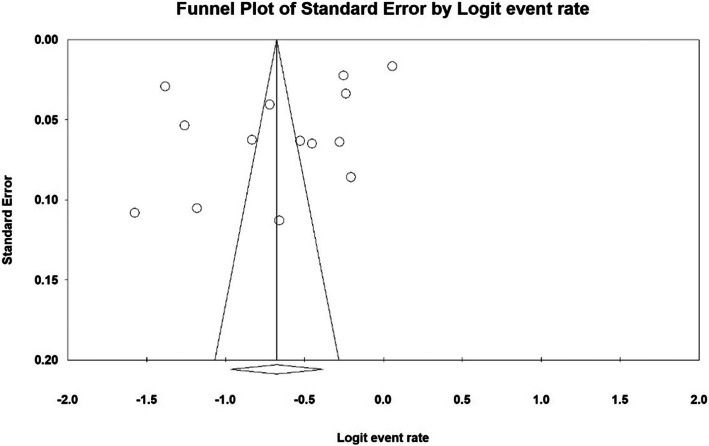
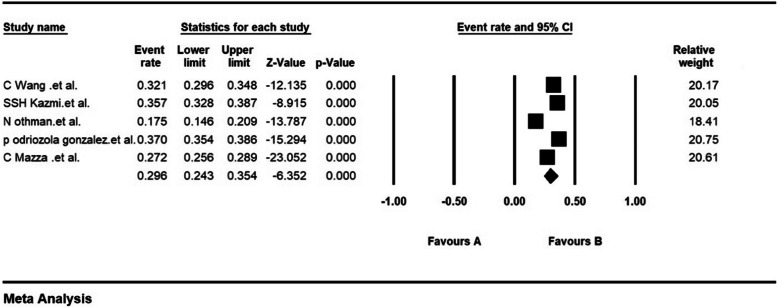
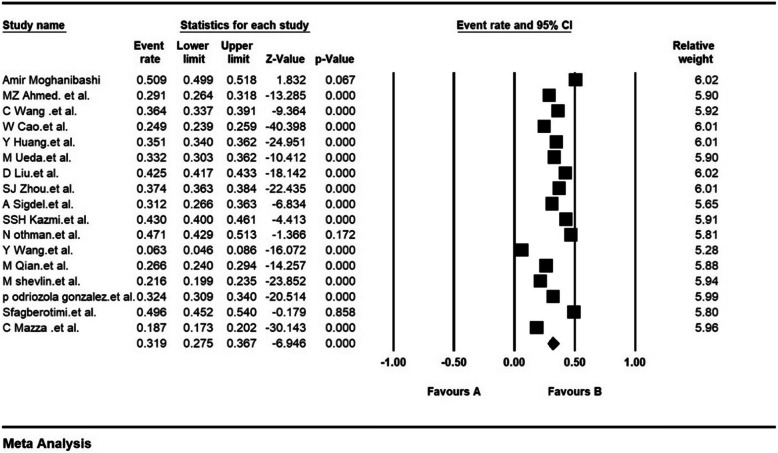
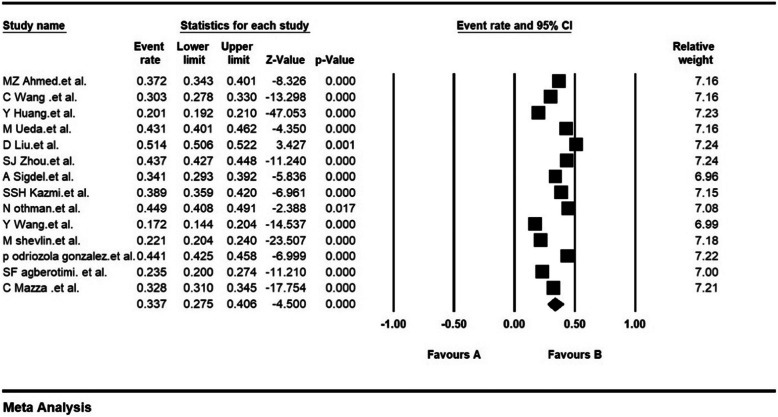
Background: The COVID-19 pandemic has had a significant impact on public mental health. Therefore, monitoring and oversight of the population mental health during crises such as a panedmic is an immediate priority. The aim of this study is to analyze the existing research works and findings in relation to the prevalence of stress, anxiety and depression in the general population during the COVID-19 pandemic. Method: In this systematic review and meta-analysis, articles that have focused on stress and anxiety prevalence among the general population during the COVID-19 pandemic were searched in the Science Direct, Embase, Scopus, PubMed, Web of Science (ISI) and Google Scholar databases, without a lower time limit and until May 2020. In order to perform a meta-analysis of the collected studies, the random effects model was used, and the heterogeneity of studies was investigated using the I 2 index. Moreover. data analysis was conducted using the Comprehensive Meta-Analysis (CMA) software. Results: The prevalence of stress in 5 studies with a total sample size of 9074 is obtained as 29.6% (95% confidence limit: 24.3–35.4), the prevalence of anxiety in 17 studies with a sample size of 63,439 as 31.9% (95% confidence interval: 27.5–36.7), and the prevalence of depression in 14 studies with a sample size of 44,531 people as 33.7% (95% confidence interval: 27.5–40.6). Conclusion: COVID-19 not only causes physical health concerns but also results in a number of psychological disorders. The spread of the new coronavirus can impact the mental health of people in different communities. Thus, it is essential to preserve the mental health of individuals and to develop psychological interventions that can improve the mental health of vulnerable groups during the COVID-19 pandemic.
Overview
The claims and statistics of this paper haven’t been checked yet.
Free: it reads the open-access text and checks the first 5 claims that cite a source we can check. Create a free account to check every claim.
Integrity signals
Registry
Cites
Statistics
Figures
Verification
Claims the paper makes
The claims and statistics of this paper haven’t been checked yet.
Free: it reads the open-access text and checks the first 5 claims that cite a source we can check. Create a free account to check every claim.
Claims other papers make about this one
Each is checked against this paper’s own text: does it say what the citing paper says it does?
The cited source doesn’t support the claim as written.
In the citing paper
“The prevalence was also lower than the estimated prevalence of depression, anxiety, and stress in the general population at 29.6%, 33.7%, and 31.9%, respectively [9].”
From Seroprevalence of COVID-19 and Psychological Distress among Front Liners at the Universiti Malaysia Sabah Campus during the Third Wave of COVID-19 (2022) · cites this paper as [9]
Checked by a reasoning model — may be wrong.
Experimental — accuracy not yet measuredThe source backs part of the claim, not all of it — or backs it for a different population, condition or comparison.
In the citing paper
“The COVID-19 pandemic has been associated with significantly higher levels of distress in the general population and people with persistent pain (Salari et al., 2020;Vindegaard & Benros, 2020;Yu al., 2021).”
From Acceptance and Commitment Therapy for women living with Vulvodynia: A single-case experimental design study of a treatment delivered online (2022) · cites this paper as Salari et al., 2020
Experimental — accuracy not yet measuredThe source backs part of the claim, not all of it — or backs it for a different population, condition or comparison.
In the citing paper
“Moreover, anxiety and stress are more likely to be feelings of worry and insecurity caused by negative events, whereas depression is more likely to be influenced by multiple factors, including biomedical factors, which could be difficult to change with short-term psychological interventions (60, 61).”
From Mindfulness-based online intervention on mental health among undergraduate nursing students during coronavirus disease 2019 pandemic in Beijing, China: A randomized controlled trial (2022) · cites this paper as [61]
Experimental — accuracy not yet measuredThe source backs part of the claim, not all of it — or backs it for a different population, condition or comparison.
In the citing paper
“the prevalence of somatic symptoms (56%), anxiety (36%), and depression (46%) in this sample were high compared to other studies done during the COVID-19 pandemic (Ran et al., 2020; Salari et al., 2020; Xiong et al., 2020).”
From Does the practice of mindfulness reduce somatic symptoms and COVID-19-related anxiety? A community-based survey (2022) · cites this paper as Salari et al., 2020
Experimental — accuracy not yet measuredThe cited source says what the claim attributes to it.
In the citing paper
“Greater fear and uncertainty can manifest in elevated levels of mental distress symptoms — anxiety, stress, depression — as confirmed by recently released COVID-19 studies”
From Anxiety Sensitivity Mediates Relations Between Mental Distress Symptoms and Medical Care Utilization During COVID-19 Pandemic. (2021) · cites this paper as Salari et al., 2020
3 more claims about this paper
Create a free account to see every claim other papers make about this one.
Self-check
Percentages, sums and reported differences re-computed from the paper’s own numbers.
The self-check needs the paper’s full text.
Citations
Cites
Chen, N., Zhou, M., Dong, X., Qu, J., Gong, F., Han, Y., Qiu, Y., Wang, J., Liu, Y., Wei, Y., et al. (2020) · The Lancet · doi:10.1016/s0140-6736(20)30211-7 · Cited by 21,415 · cited 1×
“Men with a history of underlying diseases are more likely to be infected with the virus and would experience worse outcomes [6].”
BackgroundThe Psychological Impact of Quarantine and How to Reduce It: Rapid Review of the Evidence
Brooks, S. K., Webster, R. K., Smith, L. E., Woodland, L., Wessely, S., Greenberg, N., & Rubin, G. J. (2020) · doi:10.2139/ssrn.3532534 · Cited by 16,394
The psychological impact of quarantine and how to reduce it: Rapid review of the evidence
Brooks, S. K., Webster, R. K., Smith, L. E., Woodland, L., Wessely, S., Greenberg, N., & Rubin, G. J. (2020) · The Lancet · doi:10.1016/s0140-6736(20)30460-8 · Cited by 16,378 · cited 1×
“Recent evidence suggests that people who are kept in isolation and quarantine experience significant levels of anxiety, anger, confusion, and stress [12].”
BackgroundWang, C., Pan, R., Wan, X., Tan, Y., Xu, L., Ho, C. S., & Ho, R. C. (2020) · International Journal of Environmental Research and Public Health · doi:10.3390/ijerph17051729 · Cited by 9,923 · cited 3×
“In addition, anxiety levels are significantly higher in people with at least one family member, relative, or a friend with the COVID-19 disease [21, 24, 42].”
BackgroundA novel coronavirus outbreak of global health concern
Wang, C., Horby, P. W., Hayden, F. G., & Gao, G. F. (2020) · The Lancet · doi:10.1016/s0140-6736(20)30185-9 · Cited by 7,700
First case of 2019 novel coronavirus in the United States
Holshue, M. L., DeBolt, C., Lindquist, S., Lofy, K. H., Wiesman, J., Bruce, H., Spitters, C., Ericson, K., Wilkerson, S., Tural, A., et al. (2020) · New England Journal of Medicine · doi:10.1056/nejmoa2001191 · Cited by 6,030 · cited 1×
“Severe cases of the disease can lead to heart, and respiratory failure, acute respiratory syndrome, or even death [7].”
BackgroundThe psychological impact of the COVID-19 epidemic on college students in China
Cao, W., Fang, Z., Hou, G., Han, M., Xu, X., Dong, J., & Zheng, J. (2020) · Psychiatry Research · doi:10.1016/j.psychres.2020.112934 · Cited by 5,843 · cited 2×
“In addition, anxiety levels are significantly higher in people with at least one family member, relative, or a friend with the COVID-19 disease [21, 24, 42].”
BackgroundHolmes, E. A., O'Connor, R. C., Perry, V. H., Tracey, I., Wessely, S., Arseneault, L., Ballard, C., Christensen, H., Cohen Silver, R., Everall, I., et al. (2020) · The Lancet Psychiatry · doi:10.1016/s2215-0366(20)30168-1 · Cited by 5,715
Presumed Asymptomatic Carrier Transmission of COVID-19
Bai, Y., Yao, L., Wei, T., Tian, F., Jin, D.-Y., Chen, L., & Wang, M. (2020) · JAMA · doi:10.1001/jama.2020.2565 · Cited by 4,498 · cited 1×
“In December 2019, in the city of Wuhan, China, unusual cases of patients with pneumonia caused by the new Coronavirus (COVID-19) were reported [1], and the spread of the virus swiftly became a global health threat [2].”
BackgroundHuang, Y., & Zhao, N. (2020) · Psychiatry Research · doi:10.1016/j.psychres.2020.112954 · Cited by 3,736 · cited 2×
“affected by redundancies and business closures [21, 22, 25].”
Background
Research works printed but not linked: 2
- Hahad O, Gilan D, Daiber A, Münzel T. Public Mental Health as One of the Key Factors in Dealing with COVID-19. Germany: Gesundheitswesen (Bundesverband der Arzte des Offentlichen Gesundheitsdienstes); 2020.
- World Health O. Mental health and psychosocial considerations during the COVID-19 outbreak, 18 March 2020. Geneva: World Health Organization; 2020. Contract No.: WHO/2019-nCoV/MentalHealth/2020.1.
Cited by
Items 401–500 of 1,028
Juchnowicz, D., Baj, J., Forma, A., Karakuła, K. H., Sitarz, R., Bogucki, J., & Karakuła‐Juchnowicz, H. (2021) · Journal of Clinical Medicine · doi:10.3390/jcm10050944 · Cited by 43
Petersen, M. W., Dantoft, T. M., Jensen, J. S., Pedersen, H. F., Frostholm, L., Benros, M. E., Carstensen, T. B. W., Ørnbøl, E., & Fink, P. (2021) · BMC Public Health · doi:10.1186/s12889-021-11472-7 · Cited by 42
Validation of a COVID-19 mental health and wellness survey questionnaire
Tantawi, M. E., Foláyan, M. O., Nguyen, A. L., Aly, N. M., Ezechi, O., Uzochukwu, B. S. C., Alaba, O. A., & Brown, B. J. (2022) · BMC Public Health · doi:10.1186/s12889-022-13825-2 · Cited by 41
Bland, A. R., Barraclough, M. L., Trender, W. R., Mehta, M. A., Hellyer, P. J., Hampshire, A., Penner, I., Elliott, R., & Harenwall, S. (2024) · Scientific Reports · doi:10.1038/s41598-024-62050-x · Cited by 55
“Stress, in particular, is a symptom which is highly prevalent in Post-COVID individuals 28 but is also recognised as heightened across the general population in response to the COVID-19 pandemic 29 .”
BackgroundAl-Garni, A. M., Shati, A. A., Almonawar, N. A. A., Alamri, G. M. A., Alasmre, L. A., Saad, T. N., Alshehri, F. M., Hammouda, E. A., & Ghazy, R. M. (2025) · BMC Public Health · doi:10.1186/s12889-025-21277-7 · Cited by 61
Measuring COVID-19 Related Anxiety in Parents: Psychometric Comparison of Four Different Inventories
Kubb, C., & Foran, H. M. (2020) · JMIR Mental Health · doi:10.2196/24507 · Cited by 47
Bonsaksen, T., Schoultz, M., Thygesen, H., Ruffolo, M. C., Price, D., Leung, J., & Geirdal, A. Ø. (2021) · International Journal of Environmental Research and Public Health · doi:10.3390/ijerph18062841 · Cited by 43
Lockdown Effects on Healthy Cognitive Aging During the COVID-19 Pandemic: A Longitudinal Study
Amanzio, M., Canessa, N., Bartoli, M., Cipriani, G. E., Palermo, S., & Cappa, S. F. (2021) · Frontiers in Psychology · doi:10.3389/fpsyg.2021.685180 · Cited by 44
Kolenik, T., & Gams, M. (2021) · Electronics · doi:10.3390/electronics10111250 · Cited by 59
Longitudinal study on prenatal depression and anxiety during the COVID-19 pandemic
López‐Morales, H., del Valle, M. V., Andrés, M. L., Trudo, R. G., Juric, L. C., & Urquijo, S. (2021) · Archives of Women s Mental Health · doi:10.1007/s00737-021-01152-1 · Cited by 42
van den Berg, Y. H. M., Burk, W. J., Cillessen, A. H. N., & Roelofs, K. (2021) · Emerging Adulthood · doi:10.1177/21676968211039979 · Cited by 54
Prevalence, associated factors and perinatal outcomes of antepartum depression in Ibadan Nigeria
Adeoye, I. A., Sogbesan, A., & Esan, O. (2022) · BMC Pregnancy and Childbirth · doi:10.1186/s12884-022-04549-7 · Cited by 51
Chalhoub, Z., Koubeissy, H., Fares, Y., & Abou-Abbas, L. (2022) · PLOS ONE · doi:10.1371/journal.pone.0270567 · Cited by 39
“A wide range of psychological outcomes has been observed during this pandemic such as emotional distress, depression, stress, mood swings, irritability, insomnia, attention deficit hyperactivity disorder, post-traumatic stress, and anger [4, 6].”
BackgroundHedley, D., Hayward, S. M., Denney, K., Uljarević, M., Bury, S., Sahin, E., Brown, C. M., Clapperton, A., Dissanayake, C., Robinson, J., et al. (2021) · Autism Research · doi:10.1002/aur.2614 · Cited by 38
“The COVID-19 viral pandemic has dramatically impacted the world’s population (Moynihan et al., 2021; Salari et al., 2020; Viner et al., 2020), including significant negative impacts on mental health (Brooks et al., 2020; Cooke et al., 2020; O’Connor et al., 2021; Ramiz et al., 2021).”
BackgroundCorrado, D. D., Muzii, B., Magnano, P., Coco, M., Paglia, R. L., & Maldonato, M. N. (2022) · Healthcare · doi:10.3390/healthcare10061091 · Cited by 51
Obeïd, S., Hemade, A., Malaeb, D. N., Sakr, F., Dabbous, M., Xu, J., Ying, Y., Jiang, C., Meng, R., Fekih‐Romdhane, F., et al. (2024) · BMC Psychiatry · doi:10.1186/s12888-024-05978-8 · Cited by 53
“These findings are consistent with a prior study indicating a depression prevalence of 34.44% in the Southeast Asian context [67], as well as recent meta-analytic studies by Bueno-Notivol et al. [68] and Salari et al. [69].”
ResultInfluentialMakhashvili, N., Javakhishvili, J. D., Sturua, L., Pilauri, K., Fuhr, D. C., & Roberts, B. (2020) · Globalization and Health · doi:10.1186/s12992-020-00641-9 · Cited by 43
Modelling the effect of the COVID-19 pandemic on violent discipline against children
Fabbri, C., Bhatia, A., Petzold, M., Jugder, M., Guedes, A. C., Cappa, C., & Devries, K. M. (2020) · Child Abuse & Neglect · doi:10.1016/j.chiabu.2020.104897 · Cited by 50
Ghafari, R., Mirghafourvand, M., Rouhi, M., & Tabrizi, S. O. (2021) · BMC Psychology · doi:10.1186/s40359-021-00589-4 · Cited by 55
Sigre‐Leirós, V., Billieux, J., Möhr, C., Maurage, P., King, D. L., Schimmenti, A., & Flayelle, M. (2023) · Psychology of Popular Media · doi:10.1037/ppm0000390 · Cited by 63
Torres‐Marín, J., Navarro‐Carrillo, G., Eid, M., & Carretero‐Dios, H. (2022) · Journal of Happiness Studies · doi:10.1007/s10902-022-00500-x · Cited by 49
Günebakan, Ö., & Acar, M. (2022) · Irish Journal of Medical Science (1971 -) · doi:10.1007/s11845-022-02985-0 · Cited by 55
García-Espinosa, P., Ortiz-Jiménez, X. A., Botello-Hernández, E., Samaniego, R. A., Leija-Herrera, J., & Góngora‐Rivera, F. (2021) · Revista Colombiana de Psiquiatría · doi:10.1016/j.rcp.2021.04.008 · Cited by 44
Kamberi, F., Sinaj, E., Jaho, J., Subashi, B., Sinanaj, G., Jaupaj, K., Stramarko, Y., Arapi, P., Dine, L., Gurguri, A., et al. (2021) · Clinical Epidemiology and Global Health · doi:10.1016/j.cegh.2021.100824 · Cited by 44
Brimson, J. M., Prasanth, M. I., Malar, D. S., Brimson, S., Thitilertdecha, P., & Tencomnao, T. (2021) · Expert Opinion on Therapeutic Targets · doi:10.1080/14728222.2021.1952987 · Cited by 37
Pollard, A. E., & Rogge, R. D. (2022) · Archives of Sexual Behavior · doi:10.1007/s10508-021-02208-0 · Cited by 45
LGBTQ+ Students’ Peer Victimization and Mental Health before and during the COVID-19 Pandemic
Gill, E. K., & McQuillan, M. T. (2022) · International Journal of Environmental Research and Public Health · doi:10.3390/ijerph191811537 · Cited by 47
Saravanan, P., Nisar, T., Zhang, Q., Masud, F. N., & Sasangohar, F. (2023) · Frontiers in Psychiatry · doi:10.3389/fpsyt.2023.1129268 · Cited by 64
Alalalmeh, S. O., Hegazi, O. E., Shahwan, M. J., Hassan, N., Alnuaimi, G. R. H., Alaila, R. F. F., Jairoun, A. A., Hamdi, Y. T., Abdullah, M. T., Abdullah, R. M., et al. (2024) · Saudi Pharmaceutical Journal · doi:10.1016/j.jsps.2024.101987 · Cited by 63
Anxiety in Frontline and Non-Frontline Healthcare Providers in Kelantan, Malaysia
Norhayati, M. N., Yusof, R. C., & Azman, M. Y. (2021) · International Journal of Environmental Research and Public Health · doi:10.3390/ijerph18030861 · Cited by 43
Casagrande, M., Forte, G., Tambelli, R., & Favieri, F. (2021) · Nature and Science of Sleep · doi:10.2147/nss.s285854 · Cited by 43
Villarreal‐Zegarra, D., Copez-Lonzoy, A. J. E., Vilela-Estrada, A. L., & Huarcaya-Victoria, J. (2021) · BMC Psychiatry · doi:10.1186/s12888-021-03456-z · Cited by 53
Tsai, J., Elbogen, E. B., Huang, M., North, C. S., & Pietrzak, R. H. (2021) · Journal of Affective Disorders · doi:10.1016/j.jad.2021.03.085 · Cited by 40
Investigating the potential mechanisms of depression induced-by COVID-19 infection in patients
Mohammadkhanizadeh, A., & Nikbakht, F. (2021) · Journal of Clinical Neuroscience · doi:10.1016/j.jocn.2021.07.023 · Cited by 41
Psychosocial impact of COVID-19 pandemic on Malaysian families: a cross-sectional study
Zainudeen, Z. T., Hamid, I. J. A., Azizuddin, M. N. A., Bakar, F. F. A., Sany, S. B., Zolkepli, I. A., & Mangantig, E. (2021) · BMJ Open · doi:10.1136/bmjopen-2021-050523 · Cited by 40
Júnior, A. E. D. S., Macêna, M. D. L., de Oliveira, A. D. S., Praxedes, D. R. S., Pureza, I. R. D. O. M., Florêncio, T. M. D. M. T., Gearhardt, A. N., & Bueno, N. B. (2022) · Eating and Weight Disorders - Studies on Anorexia Bulimia and Obesity · doi:10.1007/s40519-021-01344-9 · Cited by 47
SARS-CoV-2-Mediated Neuropathogenesis, Deterioration of Hippocampal Neurogenesis and Dementia
Radhakrishnan, R. K., & Kandasamy, M. (2022) · American Journal of Alzheimer s Disease & Other Dementias® · doi:10.1177/15333175221078418 · Cited by 40
Possible oxytocin-related biomarkers in anxiety and mood disorders
Yoon, S., & Kim, Y. (2022) · Progress in Neuro-Psychopharmacology and Biological Psychiatry · doi:10.1016/j.pnpbp.2022.110531 · Cited by 43
Uncertainty and psychological distress during COVID-19: What about protective factors?
Salah, A. B., DeAngelis, B. N., & Al’Absi, M. (2022) · Current Psychology · doi:10.1007/s12144-022-03244-2 · Cited by 50
Chen, J., Song, J., Dai, L., Post, S. R., & Qin, Z. (2022) · Journal of Medical Virology · doi:10.1002/jmv.27994 · Cited by 37
Mental health and wellbeing of seafaring personnel during COVID-19: Scoping review
Brooks, S. K., & Greenberg, N. L. (2022) · Journal of Occupational Health · doi:10.1002/1348-9585.12361 · Cited by 50
Miluna, S., Melderis, R., Briuka, L., Skadins, I., Broks, R., Kroica, J., & Rostoka, D. (2022) · Dentistry Journal · doi:10.3390/dj10080154 · Cited by 37
“Moreover, the COVID-19 pandemic has had a significant negative impact on people’s lifestyles [4].”
BackgroundMarciano, L., Viswanath, K., Morese, R., & Camerini, A.-L. (2022) · Frontiers in Psychiatry · doi:10.3389/fpsyt.2022.981881 · Cited by 36
Dubois-Comtois, K., Suffren, S., St-Laurent, D., Milot, T., & Lemelin, J.-P. (2021) · Journal of Developmental & Behavioral Pediatrics · doi:10.1097/dbp.0000000000000935 · Cited by 36
Cai, G., Lin, Y., Lu, Y., He, F., Morita, K., Yamamoto, T., Aoyagi, K., Taguri, T., Hu, Z., Alias, H., et al. (2021) · Journal of Psychiatric Research · doi:10.1016/j.jpsychires.2021.02.008 · Cited by 44
Prevalence and Factors for Anxiety during the COVID-19 Pandemic among College Students in China
Guan, J., Wu, C., Wei, D., Xu, Q., Wang, J., Lin, H., Wang, C., & Mao, Z. (2021) · International Journal of Environmental Research and Public Health · doi:10.3390/ijerph18094974 · Cited by 41
Kaviani, M., Nikooyeh, B., Etesam, F., Behnagh, S. J., Kangarani, H. M., Arefi, M., Yaghmaei, P., & Neyestani, T. R. (2022) · BMC Psychiatry · doi:10.1186/s12888-022-04305-3 · Cited by 50
Xiao, X., Xiao, J., Yao, J., Chen, Y., Saligan, L. N., Renynolds, N. R., & Wang, H. (2020) · Neuropsychiatric Disease and Treatment · doi:10.2147/ndt.s277231 · Cited by 47
Kim, S., Park, I.-H., Kim, M., Park, A., Jhon, M., Kim, J., Kang, H., Ryu, S., Lee, J., & Kim, J. (2021) · BMC Psychiatry · doi:10.1186/s12888-021-03449-y · Cited by 45
SAMUELS, J. F., Holingue, C., Nestadt, P. S., Bienvenu, O. J., Phan, P., & Nestadt, G. (2021) · Journal of Psychiatric Research · doi:10.1016/j.jpsychires.2021.03.064 · Cited by 41
Skalski‐Bednarz, S. B., Konaszewski, K., Dobrakowski, P. P., Surżykiewicz, J., & Lee, S. A. (2021) · Current Psychology · doi:10.1007/s12144-021-01731-6 · Cited by 45
The Intersection of Parkinson’s Disease, Viral Infections, and COVID-19
Rosen, B., Kurtishi, A., Vazquez-Jimenez, G. R., & Møller, S. G. (2021) · Molecular Neurobiology · doi:10.1007/s12035-021-02408-8 · Cited by 41
Ilari, B. S., Cho, E., Li, J., & Bautista, A. (2021) · Journal of Child and Family Studies · doi:10.1007/s10826-021-02171-3 · Cited by 46
Relationships among adult playfulness, stress, and coping during the COVID-19 pandemic
Clifford, C., Paulk, E., Lin, Q., Cadwallader, J., Lubbers, K., & Frazier, L. D. (2022) · Current Psychology · doi:10.1007/s12144-022-02870-0 · Cited by 50
Tan, J., Li, X., Zhu, Y., Sullivan, M. A., Deng, B., Zhai, X., & Lu, Y. (2022) · Frontiers in Pharmacology · doi:10.3389/fphar.2022.828595 · Cited by 42
Knowledge and Practice Related to COVID-19 and Mental Health among Adults in Sub-Saharan Africa
Workneh, F., Wang, D., Millogo, O., Worku, A., Chukwu, A. U., Lankoandé, B., Assefa, N., Hemler, E. C., Korte, M. L., Soura, A., et al. (2021) · American Journal of Tropical Medicine and Hygiene · doi:10.4269/ajtmh.21-0219 · Cited by 38
Yüce, G. E., & Muz, G. (2021) · Çukurova medical journal (Online)/Çukurova medical journal · doi:10.17826/cumj.794585 · Cited by 57
Nguyen, N. P. T., Le, D. D., Colebunders, R., Fodjo, J. N. S., Trung, T. Đ., & Vo, T. V. (2021) · International Journal of Environmental Research and Public Health · doi:10.3390/ijerph18147378 · Cited by 37
Culture Related Factors May Shape Coping During Pandemics
Shekriladze, I., Javakhishvili, N., & Chkhaidze, N. (2021) · Frontiers in Psychology · doi:10.3389/fpsyg.2021.634078 · Cited by 45
Mougharbel, F., Sampasa‐Kanyinga, H., Heidinger, B. A., Corace, K., Hamilton, H. A., & Goldfield, G. S. (2021) · Frontiers in Public Health · doi:10.3389/fpubh.2021.680028 · Cited by 43
Abreu, L., Koebach, A., Díaz, Ó., Carleial, S., Hoeffler, A., Stojetz, W., Freudenreich, H., Justino, P., & Brück, T. (2021) · Frontiers in Psychology · doi:10.3389/fpsyg.2021.689396 · Cited by 48
Hüttel, A., & Balderjahn, I. (2021) · Journal of Consumer Affairs · doi:10.1111/joca.12419 · Cited by 41
Barros, C. E. C., & Sacau, A. (2021) · International Journal of Environmental Research and Public Health · doi:10.3390/ijerph182412935 · Cited by 49
The impact of COVID-19 and control measures on public health in Thailand, 2020
Yorsaeng, R., Suntronwong, N., Thongpan, I., Chuchaona, W., Lestari, F. B., Pasittungkul, S., Puenpa, J., Atsawawaranunt, K., Sharma, C., Sudhinaraset, N., et al. (2022) · PeerJ · doi:10.7717/peerj.12960 · Cited by 39
Minelli, A., Silva, R. C., Barlati, S., Vezzoli, M., Carletto, S., Isabello, C., Bortolomasi, M., Nibbio, G., Lisoni, J., Menesello, V., et al. (2022) · Brain Sciences · doi:10.3390/brainsci12030408 · Cited by 41
PTSD is not the emblematic disorder of the COVID-19 pandemic; adjustment disorder is
Brunet, A., Rivest‐Beauregard, M., Lonergan, M. H., Cipolletta, S., Rasmussen, A., Meng, X., Jaafari, N., Romero, S. A., Superka, J. E., Brown, A., et al. (2022) · BMC Psychiatry · doi:10.1186/s12888-022-03903-5 · Cited by 37
Pala, A. N., Chuang, J. C., Chien, A., Krauth, D. M., Leitner, S. A., Okoye, N. M., Costello, S., Rodriguez, R. M., Sheira, L. A., Solomon, G. M., et al. (2022) · PLoS ONE · doi:10.1371/journal.pone.0276861 · Cited by 40
Bochicchio, V., Mezzalira, S., Maldonato, N. M., Cantone, E., & Scandurra, C. (2022) · Journal of Affective Disorders · doi:10.1016/j.jad.2022.12.049 · Cited by 43
Abdelghani, M., Hamed, M. G., Said, A., & Fouad, E. A. (2021) · Diabetology International · doi:10.1007/s13340-021-00511-8 · Cited by 43
Shigemoto, Y. (2022) · Psychological Trauma Theory Research Practice and Policy · doi:10.1037/tra0001061 · Cited by 41
Nearchou, F., & Douglas, E. (2021) · International Journal of Environmental Research and Public Health · doi:10.3390/ijerph18168485 · Cited by 41
Ojalehto, H. J., Abramowitz, J. S., Hellberg, S. N., Butcher, M. W., & Buchholz, J. L. (2021) · Journal of Anxiety Disorders · doi:10.1016/j.janxdis.2021.102460 · Cited by 39
The impact of perceived crisis severity on intention to use voluntary proximity tracing applications
Trkman, M., Popovič, A., & Trkman, P. (2021) · International Journal of Information Management · doi:10.1016/j.ijinfomgt.2021.102395 · Cited by 40
Radiographer Perspectives on current occurrence and management of claustrophobia in MRI
Hudson, D. M., Heales, C. J., & Vine, S. J. (2021) · Radiography · doi:10.1016/j.radi.2021.09.008 · Cited by 43
Women's Substance Use and Mental Health During the COVID-19 Pandemic
Devoto, A., Himelein-Wachowiak, M., Liu, T., & Curtis, B. L. (2022) · Women s Health Issues · doi:10.1016/j.whi.2022.01.004 · Cited by 36
Kolenik, T. (2022) · Internet of things · doi:10.1007/978-3-030-91181-2_7 · Cited by 60
Micillo, L., Rioux, P.-A., Mendoza-Durán, E., Kübel, S. L., Cellini, N., van Wassenhove, V., Grondin, S., & Mioni, G. (2022) · PLoS ONE · doi:10.1371/journal.pone.0269396 · Cited by 46
Weitzel, E. C., Löbner, M., Röhr, S., Pabst, A., Reininghaus, U., & Riedel-Heller, S. G. (2021) · International Journal of Environmental Research and Public Health · doi:10.3390/ijerph18137173 · Cited by 42
Chaby, L., Benamara, A., Pino, M., Prigent, E., Ravenet, B., Martin, J., Vanderstichel, H., Becerril-Ortega, R., Rigaud, A., & Chétouani, M. (2022) · Frontiers in Virtual Reality · doi:10.3389/frvir.2022.827312 · Cited by 50
Lebel, R. D., Yang, X., Parker, S. K., & Kamran-Morley, D. (2023) · Journal of Applied Psychology · doi:10.1037/apl0001063 · Cited by 40
Laddu, D., Biggs, E., Kaar, J. L., Khadanga, S., Alman, R., & Arena, R. A. (2022) · Progress in Cardiovascular Diseases · doi:10.1016/j.pcad.2022.11.017 · Cited by 39
Marciano, H., Kimhi, S., Eshel, Y., & Adini, B. B. (2024) · Israel Journal of Health Policy Research · doi:10.1186/s13584-024-00642-8 · Cited by 38
“For instance, Salari et al. [49] conducted a literature review and meta-analysis, revealing a high prevalence of anxiety and depression symptoms during the COVID-19 pandemic, with over 30% of the populations surveyed reporting such symptoms.”
BackgroundRichardson, C. G., Slemon, A., Gadermann, A., McAuliffe, C., Thomson, K., Daly, Z., Salway, T. J., Currie, L. M., David, A., & Jenkins, E. (2020) · Journal of Medical Internet Research · doi:10.2196/24868 · Cited by 37
Sherman, C. E., Arthur, D., & Thomas, J. (2021) · Journal of Islamic marketing · doi:10.1108/jima-09-2020-0309 · Cited by 47
Mehrsafar, A. H., Zadeh, A. M., Sánchez, J. C. J., & Gazerani, P. (2021) · Psychoneuroendocrinology · doi:10.1016/j.psyneuen.2021.105269 · Cited by 44
Marmet, S., Wicki, M., Gmel, G. E., Gachoud, C., Daeppen, J., Bertholet, N., & Studer, J. (2021) · PLoS ONE · doi:10.1371/journal.pone.0255050 · Cited by 36
Moroń, M., Yıldırım, M., Jach, Ł., Nowakowska, J., & Atłas, K. (2021) · Current Psychology · doi:10.1007/s12144-021-02543-4 · Cited by 39
Fatalism in the Early Days of the COVID-19 Pandemic: Implications for Mitigation and Mental Health
Hayes, J., & Clerk, L. (2021) · Frontiers in Psychology · doi:10.3389/fpsyg.2021.560092 · Cited by 37
Lim, T. S. H., Tan, M. Y., Aishworiya, R., Kang, Y. Q., Koh, M. Y., Shen, L., & Chong, S. C. (2021) · Journal of Autism and Developmental Disorders · doi:10.1007/s10803-021-05180-9 · Cited by 37
de Souza, K. C., Mendes, T. B., Gomes, T. H. S., da Silva, A. A., Nali, L. H. D. S., Bachi, A. L. L., Rossi, F. E., Gil, S. D. S., França, C. N., & Neves, L. M. (2021) · Frontiers in Psychiatry · doi:10.3389/fpsyt.2021.804967 · Cited by 50
The Global Impact of the COVID-19 Pandemic on Individuals' and Couples' Sexuality
Eleuteri, S., Alessi, F., Petruccelli, F., & Saladino, V. (2022) · Frontiers in Psychology · doi:10.3389/fpsyg.2021.798260 · Cited by 39
Berdejo‐Espinola, V., Zahnow, R., Suárez‐Castro, A. F., Rhodes, J. R., & Fuller, R. A. (2022) · Frontiers in Ecology and Evolution · doi:10.3389/fevo.2022.804443 · Cited by 36
Impact of COVID-19 on School Populations and Associated Factors: A Systematic Review
Sakti, A. M. T., Ajis, S. Z. M., Azlan, A. A., Kim, H. J., Wong, E., & Mohamad, E. M. W. (2022) · International Journal of Environmental Research and Public Health · doi:10.3390/ijerph19074024 · Cited by 49
Griffiths, D., Sheehan, L. R., Petrie, D., van Vreden, C., Whiteford, P., & Collie, A. (2022) · PLoS ONE · doi:10.1371/journal.pone.0266650 · Cited by 37
Fear of COVID ‐19, stress and depression: A meta‐analytic test of the mediating role of anxiety
Çıkrıkçı, Ö., Çıkrıkçı, N., & Griffiths, M. D. (2022) · Psychology and Psychotherapy Theory Research and Practice · doi:10.1111/papt.12406 · Cited by 42
Fountoulakis, K. Ν., Karakatsoulis, G. N., Abraham, S., Adorjan, K., Ahmed, H. U., Alarcón, R. D., Arai, K., Salihu, A., Berk, M., Bjedov, S., et al. (2022) · Psychiatry Research · doi:10.1016/j.psychres.2022.114702 · Cited by 37
Velichkovsky, B. B., Razvaliaeva, A. Y., Khlebnikova, A. A., Manukyan, P. A., & Kasatkin, V. N. (2023) · Acta Psychologica · doi:10.1016/j.actpsy.2023.103838 · Cited by 42
Bonilla-Sierra, P., Manrique-G, A., Hidalgo-Andrade, P., & Ruisoto, P. (2021) · Frontiers in Psychology · doi:10.3389/fpsyg.2021.729171 · Cited by 32
Lifestyle, course of COVID-19, and risk of Long-COVID in non-hospitalized patients
Pływaczewska, M., Chudzik, M., Babicki, M., Kapusta, J., & Jankowski, P. (2022) · Frontiers in Medicine · doi:10.3389/fmed.2022.1036556 · Cited by 37
Bitar, Z., Elias, M.-B., Malaeb, D. N., Hallit, S. R., & Obeïd, S. (2023) · BMC Psychology · doi:10.1186/s40359-023-01091-9 · Cited by 51
Metadata
- Authors
- Salari, N., Hosseinian-Far, A., Jalali, R., Vaisi-Raygani, A., Rasoulpoor, S., Mohammadi, M., Rasoulpoor, S., & Khaledi-Paveh, B.
- Affiliations
- Kermanshah University of Medical Sciences (IR)
- Corresponding author
- Rasoulpoor, Shna
- Mohammadi, Masoud
- Rasoulpoor, Shabnam
- Venue
- Globalization and Health
- Published
- 2020-07-06
- Volume
- 16
- Issue
- 1
- Pages
- 57-57
- ISSN
- 1744-8603 (ISSN-L)
- PMC
- PMC7338126
- OpenAlex
- W3039647217
- Semantic Scholar
- 20448e72ff52f2cc04fb73697cfc03af06f266ed
- Cited by
- 3,560
- References
- 54
- Citations by year
- 2026: 94 · 2025: 235 · 2024: 365 · 2023: 665 · 2022: 1037 · 2021: 1019 · 2020: 141
- FWCI
- 56.19
- Type
- journal article
- Language
- en
- Open access
- gold
- doi.org
- Licence
- cc-by
- creativecommons.org/licenses/by/4.0 (tdm)
- creativecommons.org/licenses/by/4.0 (vor)
- Locations
- Globalization and Health (publishedVersion, cc-by)
- PubMed Central (publishedVersion, cc-by)
- PubMed (publishedVersion)
- NECTAR - Northampton Electronic Collection of Thesis and Research (University of Northampton) (acceptedVersion)
- DOAJ (DOAJ: Directory of Open Access Journals) (submittedVersion, cc-by-sa)
- Funders
- Kermanshah University of Medical Sciences
- Student Research Committee, Tabriz University of Medical Sciences
- Topics
- Social Sciences › Psychology › Clinical Psychology › COVID-19 and Mental Health
- Health Sciences › Medicine › Public Health, Environmental and Occupational Health › Maternal Mental Health During Pregnancy and Postpartum
- Health Sciences › Medicine › Psychiatry and Mental health › Mental Health Treatment and Access
- Keywords
- COVID-19 pandemic, stress, anxiety, depression, prevalence, general population, mental health, mental illness
- MeSH terms
- COVID-19, Anxiety, Asia, Depression, Europe, Humans, Pneumonia, Viral, Stress, Psychological, Prevalence, Coronavirus Infections, Pandemics
About these checks
Registry, retraction, Cites and statistics results are computed, not judged, with one exception: a printed reference that no index lists is read once by a model before it counts as a citation error. Claims are extracted by a model and kept only when their quote appears verbatim in the text; each cited source is then checked, with a model’s help, for whether it says what the claim relies on. Those verdicts can be wrong — read the claim’s quote and the cited source before relying on one.
Statistics and arithmetic are recomputed, not judged.
Confidence bands are shown only for fields calibrated on our annotated test set. None is calibrated yet, so no band is shown.
What counts as a claim ›How we measure confidence ›How we check this ›
Are you an author, or do you see a problem with this page? Request a review
Data sources
Bibliographic data: Semantic Scholar, OpenAlex, Crossref.
Contains information from the Semantic Scholar Academic Graph Datasets, made available under the ODC Attribution License (ODC-BY 1.0).
Semantic Scholar’s data is described in: Kinney, R., et al. (2023). The Semantic Scholar Open Data Platform. arXiv:2301.10140.
