

Prevalence of stress, anxiety, depression among the general population during the COVID-19 pandemic: a systematic review and meta-analysis
Open accessThe DOI matches its Crossref record; 58 of the 58 references it cites were found in a registry or an index.
Abstract
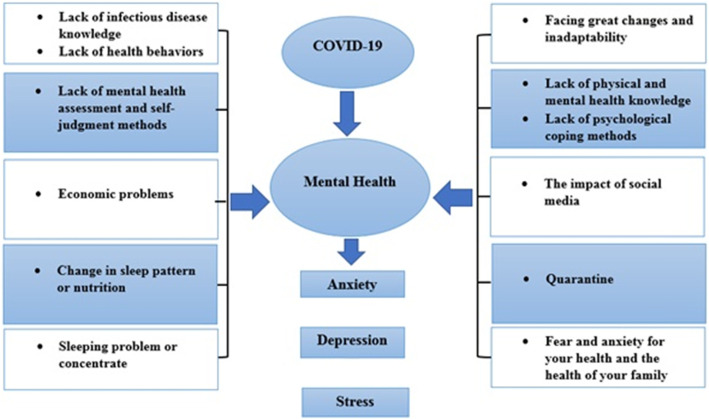
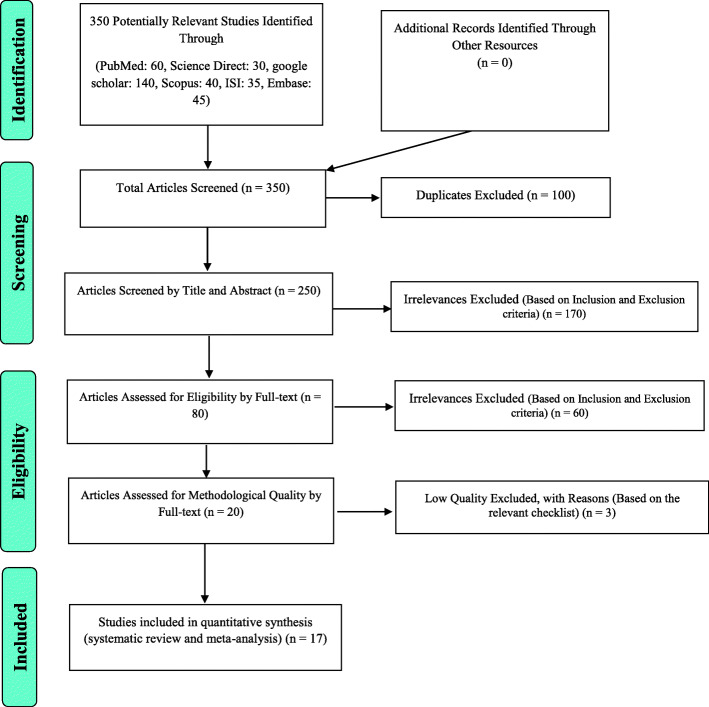
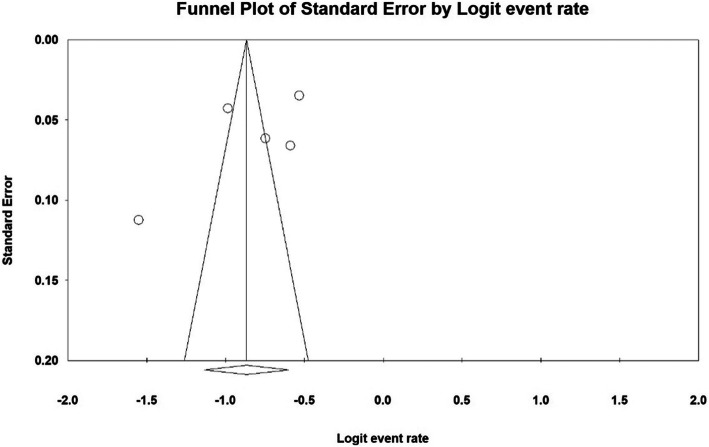
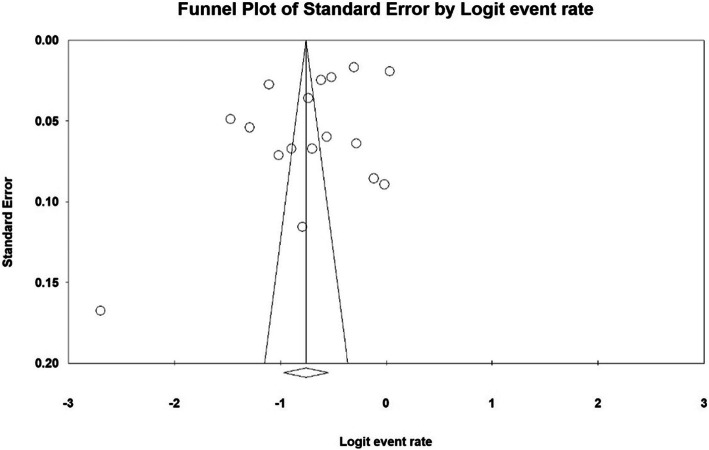
Background: The COVID-19 pandemic has had a significant impact on public mental health. Therefore, monitoring and oversight of the population mental health during crises such as a panedmic is an immediate priority. The aim of this study is to analyze the existing research works and findings in relation to the prevalence of stress, anxiety and depression in the general population during the COVID-19 pandemic. Method: In this systematic review and meta-analysis, articles that have focused on stress and anxiety prevalence among the general population during the COVID-19 pandemic were searched in the Science Direct, Embase, Scopus, PubMed, Web of Science (ISI) and Google Scholar databases, without a lower time limit and until May 2020. In order to perform a meta-analysis of the collected studies, the random effects model was used, and the heterogeneity of studies was investigated using the I 2 index. Moreover. data analysis was conducted using the Comprehensive Meta-Analysis (CMA) software. Results: The prevalence of stress in 5 studies with a total sample size of 9074 is obtained as 29.6% (95% confidence limit: 24.3–35.4), the prevalence of anxiety in 17 studies with a sample size of 63,439 as 31.9% (95% confidence interval: 27.5–36.7), and the prevalence of depression in 14 studies with a sample size of 44,531 people as 33.7% (95% confidence interval: 27.5–40.6). Conclusion: COVID-19 not only causes physical health concerns but also results in a number of psychological disorders. The spread of the new coronavirus can impact the mental health of people in different communities. Thus, it is essential to preserve the mental health of individuals and to develop psychological interventions that can improve the mental health of vulnerable groups during the COVID-19 pandemic.
Overview
The claims and statistics of this paper haven’t been checked yet.
Free: it reads the open-access text and checks the first 5 claims that cite a source we can check. Create a free account to check every claim.
Integrity signals
Registry
Cites
Statistics
Figures
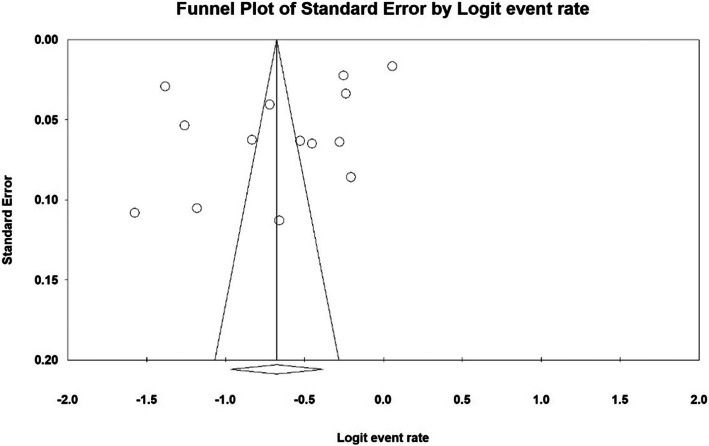
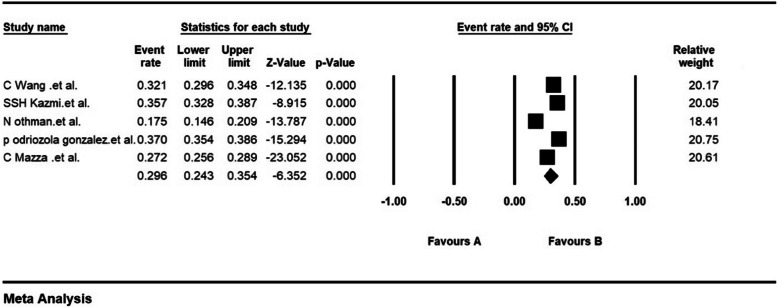
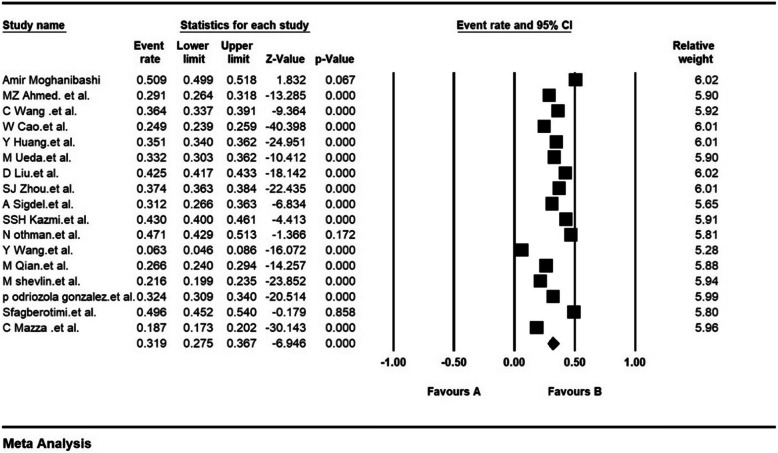
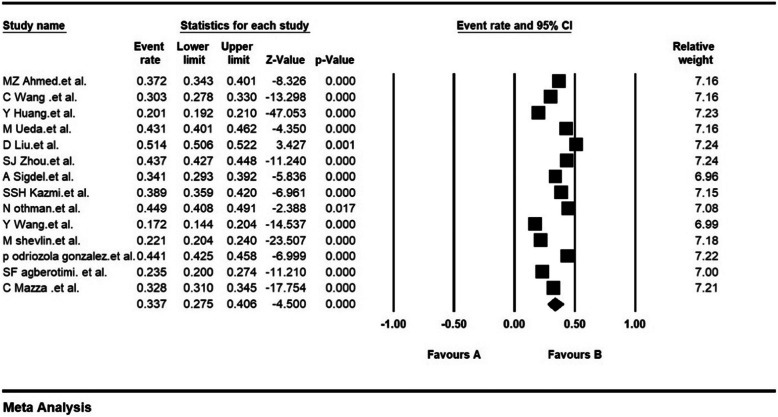
Verification
Claims the paper makes
The claims and statistics of this paper haven’t been checked yet.
Free: it reads the open-access text and checks the first 5 claims that cite a source we can check. Create a free account to check every claim.
Claims other papers make about this one
Each is checked against this paper’s own text: does it say what the citing paper says it does?
The cited source doesn’t support the claim as written.
In the citing paper
“The prevalence was also lower than the estimated prevalence of depression, anxiety, and stress in the general population at 29.6%, 33.7%, and 31.9%, respectively [9].”
From Seroprevalence of COVID-19 and Psychological Distress among Front Liners at the Universiti Malaysia Sabah Campus during the Third Wave of COVID-19 (2022) · cites this paper as [9]
Checked by a reasoning model — may be wrong.
Experimental — accuracy not yet measuredThe source backs part of the claim, not all of it — or backs it for a different population, condition or comparison.
In the citing paper
“The COVID-19 pandemic has been associated with significantly higher levels of distress in the general population and people with persistent pain (Salari et al., 2020;Vindegaard & Benros, 2020;Yu al., 2021).”
From Acceptance and Commitment Therapy for women living with Vulvodynia: A single-case experimental design study of a treatment delivered online (2022) · cites this paper as Salari et al., 2020
Experimental — accuracy not yet measuredThe source backs part of the claim, not all of it — or backs it for a different population, condition or comparison.
In the citing paper
“Moreover, anxiety and stress are more likely to be feelings of worry and insecurity caused by negative events, whereas depression is more likely to be influenced by multiple factors, including biomedical factors, which could be difficult to change with short-term psychological interventions (60, 61).”
From Mindfulness-based online intervention on mental health among undergraduate nursing students during coronavirus disease 2019 pandemic in Beijing, China: A randomized controlled trial (2022) · cites this paper as [61]
Experimental — accuracy not yet measuredThe source backs part of the claim, not all of it — or backs it for a different population, condition or comparison.
In the citing paper
“the prevalence of somatic symptoms (56%), anxiety (36%), and depression (46%) in this sample were high compared to other studies done during the COVID-19 pandemic (Ran et al., 2020; Salari et al., 2020; Xiong et al., 2020).”
From Does the practice of mindfulness reduce somatic symptoms and COVID-19-related anxiety? A community-based survey (2022) · cites this paper as Salari et al., 2020
Experimental — accuracy not yet measuredThe cited source says what the claim attributes to it.
In the citing paper
“Greater fear and uncertainty can manifest in elevated levels of mental distress symptoms — anxiety, stress, depression — as confirmed by recently released COVID-19 studies”
From Anxiety Sensitivity Mediates Relations Between Mental Distress Symptoms and Medical Care Utilization During COVID-19 Pandemic. (2021) · cites this paper as Salari et al., 2020
3 more claims about this paper
Create a free account to see every claim other papers make about this one.
Self-check
Percentages, sums and reported differences re-computed from the paper’s own numbers.
The self-check needs the paper’s full text.
Citations
Cites
Chen, N., Zhou, M., Dong, X., Qu, J., Gong, F., Han, Y., Qiu, Y., Wang, J., Liu, Y., Wei, Y., et al. (2020) · The Lancet · doi:10.1016/s0140-6736(20)30211-7 · Cited by 21,415 · cited 1×
“Men with a history of underlying diseases are more likely to be infected with the virus and would experience worse outcomes [6].”
BackgroundThe Psychological Impact of Quarantine and How to Reduce It: Rapid Review of the Evidence
Brooks, S. K., Webster, R. K., Smith, L. E., Woodland, L., Wessely, S., Greenberg, N., & Rubin, G. J. (2020) · doi:10.2139/ssrn.3532534 · Cited by 16,394
The psychological impact of quarantine and how to reduce it: Rapid review of the evidence
Brooks, S. K., Webster, R. K., Smith, L. E., Woodland, L., Wessely, S., Greenberg, N., & Rubin, G. J. (2020) · The Lancet · doi:10.1016/s0140-6736(20)30460-8 · Cited by 16,378 · cited 1×
“Recent evidence suggests that people who are kept in isolation and quarantine experience significant levels of anxiety, anger, confusion, and stress [12].”
BackgroundWang, C., Pan, R., Wan, X., Tan, Y., Xu, L., Ho, C. S., & Ho, R. C. (2020) · International Journal of Environmental Research and Public Health · doi:10.3390/ijerph17051729 · Cited by 9,923 · cited 3×
“In addition, anxiety levels are significantly higher in people with at least one family member, relative, or a friend with the COVID-19 disease [21, 24, 42].”
BackgroundA novel coronavirus outbreak of global health concern
Wang, C., Horby, P. W., Hayden, F. G., & Gao, G. F. (2020) · The Lancet · doi:10.1016/s0140-6736(20)30185-9 · Cited by 7,700
First case of 2019 novel coronavirus in the United States
Holshue, M. L., DeBolt, C., Lindquist, S., Lofy, K. H., Wiesman, J., Bruce, H., Spitters, C., Ericson, K., Wilkerson, S., Tural, A., et al. (2020) · New England Journal of Medicine · doi:10.1056/nejmoa2001191 · Cited by 6,030 · cited 1×
“Severe cases of the disease can lead to heart, and respiratory failure, acute respiratory syndrome, or even death [7].”
BackgroundThe psychological impact of the COVID-19 epidemic on college students in China
Cao, W., Fang, Z., Hou, G., Han, M., Xu, X., Dong, J., & Zheng, J. (2020) · Psychiatry Research · doi:10.1016/j.psychres.2020.112934 · Cited by 5,843 · cited 2×
“In addition, anxiety levels are significantly higher in people with at least one family member, relative, or a friend with the COVID-19 disease [21, 24, 42].”
BackgroundHolmes, E. A., O'Connor, R. C., Perry, V. H., Tracey, I., Wessely, S., Arseneault, L., Ballard, C., Christensen, H., Cohen Silver, R., Everall, I., et al. (2020) · The Lancet Psychiatry · doi:10.1016/s2215-0366(20)30168-1 · Cited by 5,715
Presumed Asymptomatic Carrier Transmission of COVID-19
Bai, Y., Yao, L., Wei, T., Tian, F., Jin, D.-Y., Chen, L., & Wang, M. (2020) · JAMA · doi:10.1001/jama.2020.2565 · Cited by 4,498 · cited 1×
“In December 2019, in the city of Wuhan, China, unusual cases of patients with pneumonia caused by the new Coronavirus (COVID-19) were reported [1], and the spread of the virus swiftly became a global health threat [2].”
BackgroundHuang, Y., & Zhao, N. (2020) · Psychiatry Research · doi:10.1016/j.psychres.2020.112954 · Cited by 3,736 · cited 2×
“affected by redundancies and business closures [21, 22, 25].”
Background
Research works printed but not linked: 2
- Hahad O, Gilan D, Daiber A, Münzel T. Public Mental Health as One of the Key Factors in Dealing with COVID-19. Germany: Gesundheitswesen (Bundesverband der Arzte des Offentlichen Gesundheitsdienstes); 2020.
- World Health O. Mental health and psychosocial considerations during the COVID-19 outbreak, 18 March 2020. Geneva: World Health Organization; 2020. Contract No.: WHO/2019-nCoV/MentalHealth/2020.1.
Cited by
Items 201–300 of 1,028
Niu, G., Shi, X.-H., Yao, L.-S., Yang, W., Jin, S., & Xu, L. (2022) · Current Psychology · doi:10.1007/s12144-022-03318-1 · Cited by 100
The emotional impact of the COVID-19 pandemic on individuals with progressive multiple sclerosis
Chiaravalloti, N. D., Amato, M. P., Brichetto, G., Chataway, J., Dalgas, U., DeLuca, J., Meza, C., Moore, N. B., Feys, P., Filippi, M., et al. (2020) · Journal of Neurology · doi:10.1007/s00415-020-10160-7 · Cited by 83
Predictors of emotional distress during the COVID-19 pandemic; a Croatian study
Margetić, B., Peraica, T., Stojanović, K., & Ivanec, D. (2021) · Personality and Individual Differences · doi:10.1016/j.paid.2021.110691 · Cited by 71
COVID-19 Lockdown and Mental Health in a Sample Population in Spain: The Role of Self-Compassion
Gutiérrez-Hernández, M. E., Fanjul, L. F., Díaz, A., Reyes-Hurtado, P., Herrera-Rodríguez, J. F., Enjuto-Castellanos, M. D. P., & Castro, W. P. (2021) · International Journal of Environmental Research and Public Health · doi:10.3390/ijerph18042103 · Cited by 86
Adibi, A., Golitaleb, M., Farahi-Ashtiani, I., Pirani, D., Yousefi, K., Jamshidbeigi, Y., & Sahebi, A. (2021) · Frontiers in Psychiatry · doi:10.3389/fpsyt.2021.658846 · Cited by 77
Pappa, S., Chen, J., Barnett, J., Chang, A., Dong, R. K., Xu, W., Yin, A., Chen, B. Z., Delios, A., Chen, R. Z., et al. (2021) · Psychiatry and Clinical Neurosciences · doi:10.1111/pcn.13306 · Cited by 89
Gender Inequality and Mental Health During the COVID-19 Pandemic
Borrescio-Higa, F., & Valenzuela, P. (2021) · International Journal of Public Health · doi:10.3389/ijph.2021.1604220 · Cited by 88
McCombie, C., Austin, A., Dalton, B., Lawrence, V., & Schmidt, U. (2020) · Frontiers in Psychiatry · doi:10.3389/fpsyt.2020.589225 · Cited by 70
Ernstsen, L., & Havnen, A. (2020) · Sleep Medicine · doi:10.1016/j.sleep.2020.08.030 · Cited by 81
Hudson, D. M., Heales, C. J., & Meertens, R. M. (2022) · Radiography · doi:10.1016/j.radi.2022.02.010 · Cited by 86
Xu, T., & Wang, H. Y. (2023) · Frontiers in Psychology · doi:10.3389/fpsyg.2022.1103925 · Cited by 108
Zhao, Y.-J., Jin, Y., Rao, W.-W., Li, W., Zhao, N., Cheung, T., Ng, C. H., Wang, Y.-Y., Zhang, Q.-E., & Xiang, Y.-T. (2021) · Journal of Affective Disorders · doi:10.1016/j.jad.2021.03.016 · Cited by 69
Huo, M. (2021) · Journal of Hospitality and Tourism Management · doi:10.1016/j.jhtm.2021.06.007 · Cited by 90
Li, K., Walczak‐Kozłowska, T., Lipowski, M., Li, J., Krokosz, D., Su, Y., Yu, H., & Fan, H. (2022) · BMC Sports Science Medicine and Rehabilitation · doi:10.1186/s13102-022-00493-3 · Cited by 75
Abdalla, S. M., Ettman, C. K., Cohen, G. H., & Galea, S. (2021) · BMJ Open · doi:10.1136/bmjopen-2020-044125 · Cited by 68
Siddiqui, I., Aurelio, M. G., Gupta, A. K., Blythe, J., & Khanji, M. Y. (2021) · Clinical Medicine · doi:10.7861/clinmed.2020-0502 · Cited by 80
Post-traumatic stress, growth, and depreciation during the COVID-19 pandemic: evidence from Turkey
Ikizer, G., Karanci, A. N., Gul, E., & Dilekler, I. (2021) · European Journal of Psychotraumatology · doi:10.1080/20008198.2021.1872966 · Cited by 68
Rajkumar, R. P. (2021) · Public Health in Practice · doi:10.1016/j.puhip.2021.100143 · Cited by 81
Canale, N., Marino, C., Lenzi, M., Vieno, A., Griffiths, M. D., Gaboardi, M., Giraldo, M., Cervone, C., & Santinello, M. (2021) · Journal of Happiness Studies · doi:10.1007/s10902-021-00421-1 · Cited by 95
Hoffart, A., Johnson, S. U., & Ebrahimi, O. V. (2021) · Journal of Affective Disorders · doi:10.1016/j.jad.2021.07.019 · Cited by 77
Probiotics for the treatment of depression and its comorbidities: A systemic review
Gao, J., Zhao, N., Cheng, Y., Lei, W., Wang, Y., Liu, X., Zheng, N., Shao, L., Chen, X., Sun, Y., et al. (2023) · Frontiers in Cellular and Infection Microbiology · doi:10.3389/fcimb.2023.1167116 · Cited by 87
“Recently, the current COVID-19 pandemic has led to a great increase in depression, with an increase of nearly 53 million cases globally, 27.6% above the pre-pandemic levels (Salari et al., 2020).”
BackgroundInfluentialAnxiety and depression in patients with advanced cancer during the COVID-19 pandemic
Obispo, B., Cruz‐Castellanos, P., Jiménez‐Fonseca, P., Rogado, J., Hernández, R., Trujillo, O. A. C., Asensio-Martínez, E., González-Moya, M., Carmona‐Bayonas, A., & Calderón, C. (2022) · Supportive Care in Cancer · doi:10.1007/s00520-021-06789-3 · Cited by 81
Long COVID Neuropsychological Deficits after Severe, Moderate, or Mild Infection
Voruz, P., Allali, G., Benzakour, L., Nuber‐Champier, A., Thomasson, M., de Alcântara, I. J., Pierce, J. E., Lalive, P. H., Lövblad, K., Braillard, O., et al. (2022) · Clinical and Translational Neuroscience · doi:10.3390/ctn6020009 · Cited by 79
Tee, C., Salido, E. O., Reyes, P. W. C., Ho, R., & Tee, M. L. (2020) · Open Access Rheumatology Research and Reviews · doi:10.2147/oarrr.s269889 · Cited by 75
Okely, J. A., Corley, J., Welstead, M., Taylor, A. M., Page, D., Skarabela, B., Redmond, P., Cox, S. R., & Russ, T. C. (2020) · International Journal of Environmental Research and Public Health · doi:10.3390/ijerph18010210 · Cited by 66
Bőthe, B., Vaillancourt‐Morel, M., Dion, J., Paquette, M., Massé-Pfister, M., Tóth‐Király, I., & Bergeron, S. (2022) · Archives of Sexual Behavior · doi:10.1007/s10508-021-02282-4 · Cited by 84
The Molecular Basis of Resilience: A Narrative Review
Ryan, M., & Ryznar, R. (2022) · Frontiers in Psychiatry · doi:10.3389/fpsyt.2022.856998 · Cited by 65
Exploring the impact of the COVID-19 pandemic on the mental health of first responders
Vujanovic, A. A., Lebeaut, A., & Leonard, S. J. (2021) · Cognitive Behaviour Therapy · doi:10.1080/16506073.2021.1874506 · Cited by 82
Mental health inequalities increase as a function of COVID-19 pandemic severity levels
Maffly‐Kipp, J., Eisenbeck, N., Carreno, D. F., & Hicks, J. A. (2021) · Social Science & Medicine · doi:10.1016/j.socscimed.2021.114275 · Cited by 76
Rogowska, A. M., Ochnik, D., Kuśnierz, C., Chilicka, K., Jakubiak, M., Paradowska, M., Głazowska, L., Bojarski, D., Fijołek, J., Podolak, M., et al. (2021) · BMC Psychiatry · doi:10.1186/s12888-021-03615-2 · Cited by 74
Adherence to the EAT-Lancet diet and incident depression and anxiety
Lu, X., Wu, L., Shao, L., Fan, Y., Pei, Y., Lu, X., Borné, Y., & Ke, C. (2024) · Nature Communications · doi:10.1038/s41467-024-49653-8 · Cited by 83
Bhushan, D., Kotz, K. J., McCall, J., Wirtz, S., Gilgoff, R., Dube, S. R., Powers, C., Olson-Morgan, J., Galeste, M., Patterson, K., et al. (2020) · doi:10.48019/peam8812 · Cited by 121
Fuller, J. A., Hakim, A. J., Victory, K. R., Date, K., Lynch, M., Dahl, B. A., Henao, O. L., & CDC COVID-19 Response Team (2021) · MMWR Morbidity and Mortality Weekly Report · doi:10.15585/mmwr.mm7002e4 · Cited by 67
Long, D., Haagsma, J. A., Janssen, M. F., Yfantopoulos, J., Lubetkin, E. I., & Bonsel, G. J. (2021) · SSM - Population Health · doi:10.1016/j.ssmph.2021.100913 · Cited by 72
Ebrahimi, O. V., Burger, J., Hoffart, A., & Johnson, S. U. (2021) · BMC Medicine · doi:10.1186/s12916-021-02179-y · Cited by 57
Effects of the COVID-19 lockdown on mental health in a UK student sample
Catling, J. C., Bayley, A., Begum, Z. A., Wardzinski, C., & Wood, A. (2022) · BMC Psychology · doi:10.1186/s40359-022-00732-9 · Cited by 80
Han, Y., Yuan, K., Wang, Z., Liu, W., Lu, Z.-A., Liu, L., Shi, L., Yan, W., Yuan, J., Li, J., et al. (2021) · Translational Psychiatry · doi:10.1038/s41398-021-01629-8 · Cited by 75
Najjuka, S. M., Chekwech, G., Olum, R., Ashaba, S., & Kaggwa, M. M. (2020) · African Health Sciences · doi:10.4314/ahs.v21i4.6 · Cited by 70
Jones, R., Mougouei, D., & Evans, S. L. (2021) · Human Behavior and Emerging Technologies · doi:10.1002/hbe2.304 · Cited by 62
Cheng, C., Lau, Y.-C., & Luk, J. W. (2020) · Journal of Medical Internet Research · doi:10.2196/22740 · Cited by 62
Ismail, L. C., Mohamad, M. N., Bataineh, M. F., Ajab, A., Marzouqi, A. M. A., Jarrar, A. H., Jamous, D. O. A., Ali, H. I., Sabbah, H. A., Hasan, H. A., et al. (2021) · Frontiers in Psychiatry · doi:10.3389/fpsyt.2021.633230 · Cited by 75
Dogan-Sander, E., Kohls, E., Baldofski, S., & Rummel‐Kluge, C. (2021) · Frontiers in Psychiatry · doi:10.3389/fpsyt.2021.790974 · Cited by 79
Grelle, K., Shrestha, N. R., Ximenes, M. C., Perrotte, J. K., Cordaro, M., Deason, R. G., & Howard, K. J. (2023) · Journal of Adult Development · doi:10.1007/s10804-023-09442-x · Cited by 106
Chen, S., Huang, W., Zhang, M., Song, Y. H., Zhao, C., Sun, H., Wang, Y., Wang, J., Sun, Y., Zhou, L., et al. (2024) · EClinicalMedicine · doi:10.1016/j.eclinm.2024.103014 · Cited by 79
“14 – 17 Next, we analyzed adversely affected by the pandemic.”
Liang, W., Duan, Y., Shang, B., Hu, C., Baker, J. S., Lin, Z., He, J., & Wang, Y. (2021) · International Journal of Environmental Research and Public Health · doi:10.3390/ijerph18041853 · Cited by 60
Singh, R. K., Bajpai, R. C., & Kaswan, P. (2021) · Clinical Epidemiology and Global Health · doi:10.1016/j.cegh.2021.100737 · Cited by 67
Prasad, T. R., Dhadwal, A. S., Kumar, P., & Sainaba, P. (2022) · Multimedia Tools and Applications · doi:10.1007/s11042-022-12315-2 · Cited by 73
Ali, A., Siddiqui, A. A., Arshad, M. S., Iqbal, F., & Arif, T. B. (2021) · Annales Médico-psychologiques revue psychiatrique · doi:10.1016/j.amp.2021.02.004 · Cited by 74
Koohsari, M. J., Nakaya, T., McCormack, G. R., Shibata, A., Ishii, K., & Oka, K. (2021) · JMIR Public Health and Surveillance · doi:10.2196/26293 · Cited by 70
Lindau, S. T., Makelarski, J. A., Boyd, K., Doyle, K., Haider, S., Kumar, S., Lee, N. K., Pinkerton, E. A., Tobin, M., Vu, M., et al. (2021) · Journal of Women s Health · doi:10.1089/jwh.2020.8879 · Cited by 66
Peng, X., Menhas, R., Dai, J., & Younas, M. S. (2022) · Psychology Research and Behavior Management · doi:10.2147/prbm.s369020 · Cited by 69
McLafferty, M., Brown, N., Hugh, R. M., Ward, C., Stevenson, A., McBride, L., Brady, J., Bjourson, A. J., O’Neill, S. M., Walsh, C. P., et al. (2021) · Psychiatry Research Communications · doi:10.1016/j.psycom.2021.100012 · Cited by 75
Mental Health during the Second Wave of the COVID-19 Pandemic—Polish Studies
Chodkiewicz, J., Miniszewska, J., Krajewska, E., & Biliński, P. (2021) · International Journal of Environmental Research and Public Health · doi:10.3390/ijerph18073423 · Cited by 58
The microbiota-gut-brain axis in stress and depression
Tan, H.-E. (2023) · Frontiers in Neuroscience · doi:10.3389/fnins.2023.1151478 · Cited by 72
“, 2008 financial crisis, 2019 coronavirus pandemic) are linked to an increase in mental disorders including depression at a population scale (Burgard et al., 2009; Mucci et al., 2016; Forbes and Krueger, 2019; Salari et al., 2020; World Health Organization, 2022).”
BackgroundMoya, A., Serneels, P. M., Desrosiers, A., Reyes, V., Torres, M. J., & Lieberman, A. F. (2020) · The Lancet Global Health · doi:10.1016/s2214-109x(21)00217-5 · Cited by 60
Loose, T., Wittmann, M., & Vásquez‐Echeverría, A. (2021) · Time & Society · doi:10.1177/0961463x211027420 · Cited by 70
Tong, J., Zhang, J., Zhu, N., Pei, Y., Liu, W., Yu, W., Hu, C., & Sun, X. (2023) · Frontiers in Psychology · doi:10.3389/fpsyg.2022.1096857 · Cited by 76
Obsessive–compulsive symptoms and information seeking during the Covid-19 pandemic
Loosen, A. M., Skvortsova, V., & Hauser, T. U. (2021) · Translational Psychiatry · doi:10.1038/s41398-021-01410-x · Cited by 56
Geçer, E., & Yıldırım, M. (2021) · Journal of Family Issues · doi:10.1177/0192513x211044489 · Cited by 71
McAllister, M. J., Costigan, P. A., Davies, J. P., & Diesbourg, T. L. (2022) · Applied Ergonomics · doi:10.1016/j.apergo.2022.103749 · Cited by 81
Anxiety and Depression: What Do We Know of Neuropeptides?
Kupcová, I., Danišovič, Ľ., Grgac, I., & Harsányi, Š. (2022) · Behavioral Sciences · doi:10.3390/bs12080262 · Cited by 71
Shrestha, R., Siwakoti, S., Singh, S., & Shrestha, A. P. (2021) · PLOS ONE · doi:10.1371/journal.pone.0250706 · Cited by 55
Castellini, G., Rossi, E., Cassioli, E., Sanfilippo, G., Innocenti, M., Gironi, V., Silvestri, C., Voller, F., & Ricca, V. (2021) · Journal of Psychosomatic Research · doi:10.1016/j.jpsychores.2020.110328 · Cited by 55
Büssing, A., Recchia, D. R., Dienberg, T., Surżykiewicz, J., & Baumann, K. (2021) · Frontiers in Psychiatry · doi:10.3389/fpsyt.2021.642716 · Cited by 77
Khoury, J. E., Atkinson, L. R., Bennett, T. A., Jack, S. M., & González, A. (2021) · Archives of Women s Mental Health · doi:10.1007/s00737-021-01135-2 · Cited by 61
Bork‐Hüffer, T., Kulcar, V., Brielmair, F., Markl, A., Immer, D. M., Juen, B. H., Walter, M. H., & Kaufmann, K. (2021) · Sustainability · doi:10.3390/su13147595 · Cited by 70
Curtis, D. S., Rigolon, A., Schmalz, D. L., & Brown, B. B. (2021) · Environment and Behavior · doi:10.1177/00139165211031199 · Cited by 63
Circulating metabolites modulated by diet are associated with depression
van der Spek, A., Stewart, I. D., Kühnel, B., Pietzner, M., Alshehri, T., Gauß, K. F., Hysi, P. G., MahmoudianDehkordi, S., Heinken, A., Luik, A. I., et al. (2023) · Molecular Psychiatry · doi:10.1038/s41380-023-02180-2 · Cited by 74
“A sharp increase in the prevalence of depression worldwide (33.7%; con fi dence interval 27.5 – 40.6) has been observed during the recent COVID-19 pandemic [2].”
BackgroundInfluentialDepression, anxiety, and stress symptoms in pregnant women before and during the COVID-19 pandemic
Mei, H., Li, N., Li, J., Zhang, D., Cao, Z., Zhou, Y., Cao, J., & Zhou, A. (2021) · Journal of Psychosomatic Research · doi:10.1016/j.jpsychores.2021.110586 · Cited by 66
Biron, C., Karanika‐Murray, M., Ivers, H., Salvoni, S., & Fernet, C. (2021) · Frontiers in Psychology · doi:10.3389/fpsyg.2021.734245 · Cited by 78
Dragano, N., Reuter, M., & Berger, K. (2022) · Deutsches Ärzteblatt international · doi:10.3238/arztebl.m2022.0133 · Cited by 78
Fatima, H., Oyetunji, T. P., Mishra, S., Sinha, K., Olorunsogbon, O. F., Akande, S., Srinivasan, & Kar, S. K. (2020) · International Journal of Social Psychiatry · doi:10.1177/0020764020984511 · Cited by 67
Intolerance of uncertainty and reactions to the COVID-19 pandemic
Bavolar, J., Kacmar, P., Hricova, M., Schrötter, J., Kovacova-Holevova, B., Köverova, M., & Raczova, B. (2023) · The Journal of General Psychology · doi:10.1080/00221309.2021.1922346 · Cited by 54
Galanis, P., Vraka, I. S., Siskou, O. C., Konstantakopoulou, O., Katsiroumpa, A., & Καϊτελίδου, Δ. (2021) · medRxiv · doi:10.1101/2021.07.28.21261261 · Cited by 58
Kaptan, S. K., Özen‐Dursun, B., Knowles, M., Husain, N., & Varese, F. (2021) · Clinical Psychology & Psychotherapy · doi:10.1002/cpp.2549 · Cited by 94
Anxiety, anhedonia and food consumption during the COVID-19 quarantine in Chile
Landaeta‐Díaz, L., González-Medina, G., & Durán‐Agüero, S. (2021) · Appetite · doi:10.1016/j.appet.2021.105259 · Cited by 59
Increases in Anxiety and Depression During COVID-19: A Large Longitudinal Study From China
Wu, S., Zhang, K., Parks‐Stamm, E. J., Hu, Z., Ji, Y., & Cui, X. (2021) · Frontiers in Psychology · doi:10.3389/fpsyg.2021.706601 · Cited by 69
Kukreti, S., Ahorsu, D. K., Strong, C., Chen, I., Lin, C., Ko, N., Griffiths, M. D., Chen, Y., Kuo, Y., & Pakpour, A. H. (2021) · Healthcare · doi:10.3390/healthcare9101288 · Cited by 66
Alzahrani, F., Alshahrani, N. Z., Sabah, A. A., Zarbah, A., Sabah, S. A., & Mamun, M. A. (2022) · PsyCh Journal · doi:10.1002/pchj.516 · Cited by 60
Amorim, D., Brito, I. D. S., Caseiro, A., Figueiredo, J. P., Pinto, A., Macedo, I., & Machado, J. P. (2022) · Complementary Therapies in Clinical Practice · doi:10.1016/j.ctcp.2022.101541 · Cited by 68
Keller, A., Groot, J., Matta, J., Bu, F., Aarbaoui, T. E., Melchior, M., Fancourt, D. E., Zins, M., Goldberg, M., Andersen, A. N., et al. (2022) · Scientific Reports · doi:10.1038/s41598-022-09316-4 · Cited by 65
Piehler, L., Thalemann, R., Lehmann, C., Thee, S. A., Roehmel, J. F., Syunyaeva, Z., Stahl, M., Mall, M. A., & Graeber, S. Y. (2023) · Frontiers in Pharmacology · doi:10.3389/fphar.2023.1179208 · Cited by 59
Smith, S. J., Lopresti, A. L., & Fairchild, T. J. (2023) · Journal of Psychopharmacology · doi:10.1177/02698811231200023 · Cited by 77
“It has become more prevalent in recent years, with almost one in three people experiencing some degree of stress or anxiety (Salari et al., 2020).”
BackgroundBrouzos, A., Vassilopoulos, S. P., Baourda, V. C., Tassi, C., Stavrou, V., Moschou, K., & Brouzou, K. O. (2023) · Current Psychology · doi:10.1007/s12144-021-01613-x · Cited by 53
Wąsowicz, G., Mizak, S., Krawiec, J., & Białaszek, W. (2021) · Frontiers in Psychology · doi:10.3389/fpsyg.2021.647975 · Cited by 52
Psychological distress among Italians during the 2019 coronavirus disease (COVID-19) quarantine
Bonati, M., Campi, R., Zanetti, M., Cartabia, M., Scarpellini, F., Clavenna, A., & Segre, G. (2021) · BMC Psychiatry · doi:10.1186/s12888-020-03027-8 · Cited by 52
A Scoping Review on the Medical and Recreational Use of Cannabis During the COVID-19 Pandemic
Chong, W. W.-Y., Acar, Z. I., West, M. L., & Wong, F. (2022) · Cannabis and Cannabinoid Research · doi:10.1089/can.2021.0054 · Cited by 59
Mendoza, N. B., Frondozo, C. E., Dizon, J. I. W. T., & Buenconsejo, J. U. (2022) · Current Psychology · doi:10.1007/s12144-022-02833-5 · Cited by 58
Elevated wildlife-vehicle collision rates during the COVID-19 pandemic
Abraham, J. O., & Mumma, M. A. (2021) · Scientific Reports · doi:10.1038/s41598-021-99233-9 · Cited by 66
Risks and rewards of conscientiousness during the COVID-19 pandemic.
Venkatesh, V., Ganster, D. C., Schuetz, S. W., & Sykes, T. A. (2021) · Journal of Applied Psychology · doi:10.1037/apl0000919 · Cited by 66
Fenollar-Cortés, J., Jiménez, Ó., Ruiz‐García, A., & Resurrección, D. M. (2021) · Frontiers in Psychology · doi:10.3389/fpsyg.2021.682860 · Cited by 59
Dietary Habits and Lifestyle During Coronavirus Pandemic Lockdown: Experience From Lebanon
Ismail, L. C., Hashim, M. S., Mohamad, M. N., Hassan, H. F., Ajab, A., Stojanovska, L., Jarrar, A. H., Hasan, H. A., Jamous, D. O. A., Saleh, S. T., et al. (2021) · Frontiers in Nutrition · doi:10.3389/fnut.2021.730425 · Cited by 58
Chao, A. M., Wadden, T. A., Clark, J. M., Hayden, K. M., Howard, M. J., Johnson, K., Laferrère, B., McCaffery, J. M., Wing, R. R., Yanovski, S. Z., et al. (2021) · Diabetes Care · doi:10.2337/dc21-1179 · Cited by 60
Gao, H., Chen, X., Gao, H., & Yu, B. (2022) · Frontiers in Psychology · doi:10.3389/fpsyg.2022.881294 · Cited by 95
Moriarty, T. A., Bourbeau, K., Fontana, F. E., McNamara, S. W. T., & da Silva, M. P. (2021) · International Journal of Environmental Research and Public Health · doi:10.3390/ijerph18094752 · Cited by 64
Impact of Media-Based Negative and Positive Age Stereotypes on Older Individuals’ Mental Health
Levy, B. R., Chang, E., Lowe, S. R., Provolo, N., & Slade, M. D. (2021) · The Journals of Gerontology Series B · doi:10.1093/geronb/gbab085 · Cited by 63
Silang, K. A., Sohal, P. R., Bright, K. S., Leason, J., Roos, L., Lebel, C., Giesbrecht, G. F., & Tomfohr-Madsen, L. M. (2022) · JMIR Mental Health · doi:10.2196/31116 · Cited by 50
Necho, M., Birkie, M., Gelaye, H., Beyene, A., Belete, A., & Tsehay, M. (2020) · PLoS ONE · doi:10.1371/journal.pone.0244530 · Cited by 54
Seitz, K. I., Bertsch, K., & Herpertz, S. C. (2021) · Journal of Traumatic Stress · doi:10.1002/jts.22660 · Cited by 58
Nexus between COVID-19 and periodontal disease
Sukumar, K., & Tadepalli, A. (2021) · Journal of International Medical Research · doi:10.1177/03000605211002695 · Cited by 65
Metadata
- Authors
- Salari, N., Hosseinian-Far, A., Jalali, R., Vaisi-Raygani, A., Rasoulpoor, S., Mohammadi, M., Rasoulpoor, S., & Khaledi-Paveh, B.
- Affiliations
- Kermanshah University of Medical Sciences (IR)
- Corresponding author
- Rasoulpoor, Shna
- Mohammadi, Masoud
- Rasoulpoor, Shabnam
- Venue
- Globalization and Health
- Published
- 2020-07-06
- Volume
- 16
- Issue
- 1
- Pages
- 57-57
- ISSN
- 1744-8603 (ISSN-L)
- PMC
- PMC7338126
- OpenAlex
- W3039647217
- Semantic Scholar
- 20448e72ff52f2cc04fb73697cfc03af06f266ed
- Cited by
- 3,560
- References
- 54
- Citations by year
- 2026: 94 · 2025: 235 · 2024: 365 · 2023: 665 · 2022: 1037 · 2021: 1019 · 2020: 141
- FWCI
- 56.19
- Type
- journal article
- Language
- en
- Open access
- gold
- doi.org
- Licence
- cc-by
- creativecommons.org/licenses/by/4.0 (tdm)
- creativecommons.org/licenses/by/4.0 (vor)
- Locations
- Globalization and Health (publishedVersion, cc-by)
- PubMed Central (publishedVersion, cc-by)
- PubMed (publishedVersion)
- NECTAR - Northampton Electronic Collection of Thesis and Research (University of Northampton) (acceptedVersion)
- DOAJ (DOAJ: Directory of Open Access Journals) (submittedVersion, cc-by-sa)
- Funders
- Kermanshah University of Medical Sciences
- Student Research Committee, Tabriz University of Medical Sciences
- Topics
- Social Sciences › Psychology › Clinical Psychology › COVID-19 and Mental Health
- Health Sciences › Medicine › Public Health, Environmental and Occupational Health › Maternal Mental Health During Pregnancy and Postpartum
- Health Sciences › Medicine › Psychiatry and Mental health › Mental Health Treatment and Access
- Keywords
- COVID-19 pandemic, stress, anxiety, depression, prevalence, general population, mental health, mental illness
- MeSH terms
- COVID-19, Anxiety, Asia, Depression, Europe, Humans, Pneumonia, Viral, Stress, Psychological, Prevalence, Coronavirus Infections, Pandemics
About these checks
Registry, retraction, Cites and statistics results are computed, not judged, with one exception: a printed reference that no index lists is read once by a model before it counts as a citation error. Claims are extracted by a model and kept only when their quote appears verbatim in the text; each cited source is then checked, with a model’s help, for whether it says what the claim relies on. Those verdicts can be wrong — read the claim’s quote and the cited source before relying on one.
Statistics and arithmetic are recomputed, not judged.
Confidence bands are shown only for fields calibrated on our annotated test set. None is calibrated yet, so no band is shown.
What counts as a claim ›How we measure confidence ›How we check this ›
Are you an author, or do you see a problem with this page? Request a review
Data sources
Bibliographic data: Semantic Scholar, OpenAlex, Crossref.
Contains information from the Semantic Scholar Academic Graph Datasets, made available under the ODC Attribution License (ODC-BY 1.0).
Semantic Scholar’s data is described in: Kinney, R., et al. (2023). The Semantic Scholar Open Data Platform. arXiv:2301.10140.
