

Targeting PP2A in cancer: an underrated option
Open accessThe DOI matches its Crossref record; 287 of the 287 references it cites were found in a registry or an index; 8 of the 162 sources its claims cite were checked for support.
Abstract
Protein phosphatase 2A plays a central role in modulating multiple signaling pathways, including PI3K, EGFR, Myc, WNT, JAK/STAT, RAS/MAPK, and NF-κB, which are frequently dysregulated in cancer. Although PP2A is broadly considered a tumor suppressor due to its frequent functional loss in tumors, its biological role is highly context-dependent and varies across cancer types and stages. The activity of the heterotrimeric PP2A complex is tightly controlled by the precise assembly and composition of the scaffolding (A), catalytic (C), and variable regulatory (B) subunits, with the latter exhibiting tissue- and developmental stage-specific patterns, thus allowing PP2A to exert context-dependent effects on signaling networks. In many cancers, PP2A dysregulation arises from mutations in subunit genes, post-translational modifications, or disrupted expression, leading to impaired holoenzyme formation and loss of activity. PP2A dysfunctionality often promotes the aberrant activation of pathways, including mTOR, and the enhanced phosphorylation of own and downstream targets, such as S6 kinase, facilitating tumor growth and progression. In this review, we discuss the mechanisms of PP2A dysregulation in cancer and highlight PP2A restoration as a promising therapeutic approach.
Overview
CoChat Summary
## TL;DR
This review argues that PP2A is a context-dependent cancer target: it can act as a tumor suppressor in many settings, but some PP2A complexes or regulatory states can also support oncogenic signaling. It highlights PP2A modulators already in preclinical/clinical study and makes a special case for the brain-enriched subunit PPP2R2C/B55γ as a potential biomarker and therapeutic handle.
## Key findings
- PP2A is described as a major serine/threonine phosphatase that dephosphorylates over 300 substrates and is involved in more than 90 distinct holoenzyme assembly combinations.
- In glioma/GBM, restoration of PPP2R2C/B55γ inhibited colony formation and suppressed proliferation in both in vitro and in vivo models; B55γ overexpression also decreased S6 kinase (S6K) phosphorylation.
- In mouse models, Aα mutations or loss of B′ subunits promoted tumors: E64D/+, del5-6/+, and del5-6/E64D mice showed an approximately 50% increased lung cancer rate after benzopyrene exposure versus wild-type mice; B56δ KO animals developed malignant lymphomas and up to 60% of the oldest mice developed HCC.
- The review notes therapeutic candidates and reported effects including LB-100 potentiating CAR-T efficacy in GBM via mTORC1 activation, and DBK-061/DBK-1154 (as named in the text) reducing intracranial tumor growth and increasing survival in GBM mouse models.
## Methods
- Narrative review/overview of the PP2A literature, with a historical section, structural summary, and disease-by-disease discussion across cancers and selected neurodevelopmental disorders.
- Synthesizes published evidence from in vitro experiments, mouse knockout/knock-in models, preclinical studies, and clinical studies/trials; no new patient cohort or original experimental dataset is presented in the text provided.
- Main analysis is qualitative and mechanistic, organizing findings around PP2A structure, dysregulation, therapeutic modulation, PPP2R2C/B55γ, splice variants, biomarkers, and tumor microenvironment effects.
## Limitations
- The paper explicitly notes that the functional significance of B55γ/PPP2R2C, including its transcriptional variants and protein isoforms, is incompletely understood, and that there is little direct evidence linking specific PPP2R2C splice variants to treatment-resistant GBM or prostate cancer.
- It states that specificity and delivery efficiency remain major obstacles when targeting splicing events or abnormal RNA species at the post-transcriptional level.
- Evident from the text: this is a review, so conclusions depend on heterogeneous prior studies rather than a single standardized dataset, and many claims are context-dependent across cancer types and model systems.
Model-written summary. Check it against the paper before relying on it.
Integrity signals
Registry
Cites
Statistics
Figures
Verification
Claims the paper makes
7 Valid · 0 Not valid · 98 Not checked · 13 Own results and interpretations
The cited sources support only part of this claim — read each source’s verdict below.
In the paper
“More importantly, knockout (KO) studies in mice have revealed that the homozygous deletion of PPP2R1A and PPP2CA is embryonically lethal [ 36 – 38 ].”
What the sources say
- Partly supportedcites [36] Ruediger R, Ruiz J, Walter G. Human cancer-associated mutations in the Aα subunit of protein phosphatase 2A increase lung cancer incidence in Aα knock-in and knockout mice. Mol Cell Biol. 2011;31:3832–44. https://doi.org/10.1128/MCB.05744-11. sourceExperimental — accuracy not yet measured
The Results section (“Requirement of Aα for embryonic development”) reports that mice homozygous for the Aα knockout allele produced no surviving pups and that development was blocked before E10.5. This supports embryonic lethality for PPP2R1A, but the cited paper does not report a PPP2CA knockout or establish its embryonic lethality. (LLM, conf=0.88)
- Not checked yetcites [37] Gu P, Qi X, Zhou Y, Wang Y, Gao X. Generation of Ppp2Ca and Ppp2Cb conditional null alleles in mouse. Genesis. 2012;50:429–36. https://doi.org/10.1002/dvg.20815. source
- Partly supportedcites [38] Götz J, Probst A, Ehler E, Hemmings B, Kues W. Delayed embryonic lethality in mice lacking protein phosphatase 2A catalytic subunit Calpha. Proc Natl Acad Sci U S A. 1998;95:12370–5. https://doi.org/10.1073/pnas.95.21.12370. sourceExperimental — accuracy not yet measured
The Results and Discussion report that no homozygous Cα-null mice were found among more than 350 offspring, supporting embryonic lethality for the PP2A Cα gene (PPP2CA). This paper does not report a PPP2R1A knockout or a combined deletion of the two genes. (LLM, conf=0.88)
boostedstates a cause- Asserted: passes — The authors put it forward as true.
- Checkable: passes — It can be checked against evidence.
- Load-bearing: unclear — It is unclear whether the paper’s conclusions depend on it.
- Based: passes — The paper gives a reason why it holds.
- Partly supported
Every source the paper cites for this claim was checked and supports it.
In the paper
“Clinically relevant examples include HER2 splice variants (lacking exon 16) that confer resistance to trastuzumab [ 256 ].”
What the sources say
- Supportedcites [256] Mitra D, Brumlik MJ, Okamgba SU, Zhu Y, Duplessis TT, Parvani JG, et al. An oncogenic isoform of HER2 associated with locally disseminated breast cancer and trastuzumab resistance. Mol Cancer Ther. 2009;8:2152–62. https://doi.org/10.1158/1535-7163.MCT-09-0295. source
The HER2Δ16 Is a Tumor-Specific HER2 Oncogenic Isoform section identifies HER2Δ16 as a splice isoform with an exon 16 deletion. The Introduction reports that tumor cell lines expressing HER2Δ16 resist trastuzumab. The paper presents this as a preclinical finding, not a clinically verified treatment response. (LLM, conf=0.92)
plainstates a cause- Asserted: passes — The authors put it forward as true.
- Checkable: passes — It can be checked against evidence.
- Load-bearing: unclear — It is unclear whether the paper’s conclusions depend on it.
- Based: passes — The paper gives a reason why it holds.
- Supported
Every source the paper cites for this claim was checked and supports it.
In the paper
“and the oncoprotein CIP2A blocks PP2A-B56α to stabilize c-MYC in HNC [ 195 ].”
What the sources say
- Supportedcites [195] Junttila MR, Puustinen P, Niemelä M, Ahola R, Arnold H, Böttzauw T, et al. CIP2A inhibits PP2A in human malignancies. Cell. 2007;130:51–62. https://doi.org/10.1016/j.cell.2007.04.044. source
The Results state that B56α is required to recruit PP2A to c-Myc and that CIP2A inhibits c-Myc-associated PP2A activity. In HNSCC cell lines, CIP2A depletion increased that activity and reduced c-Myc protein levels. The claim is supported as inhibition of PP2A activity, rather than a block of PP2A recruitment. (LLM, conf=0.88)
plainstates a cause- Asserted: passes — The authors put it forward as true.
- Checkable: passes — It can be checked against evidence.
- Load-bearing: unclear — It is unclear whether the paper’s conclusions depend on it.
- Based: passes — The paper gives a reason why it holds.
- Supported
A conclusion the paper draws from its own results — it cites no other source for it, so there is none to check. The quote shows it is in the paper.
In the paper
“Considering the substantial involvement of PP2A in cell cycle regulation, tumor development, and various neurodevelopmental disorders, PP2A has emerged as a promising target for therapeutic approaches in cancer research.”
plain- Asserted: passes — The authors put it forward as true.
- Checkable: passes — It can be checked against evidence.
- Load-bearing: passes — The paper’s conclusions depend on it.
- Based: passes — The paper gives a reason why it holds.
- Rests on an assumption not shown here.
In the paper
“The structural diversity underpins their substrate and context specificity, enabling the selective recognition and dephosphorylation of a wide array of target proteins in different physiological settings using a limited and cost-efficient modular system [ 9 ].”
What the sources say
- Not checked yetcites [9] Wlodarchak N, Xing Y. Pp2a as a master regulator of the cell cycle. Crit Rev Biochem Mol Biol. 2016;51:162–84. https://doi.org/10.3109/10409238.2016.1143913. source
plainstates a cause- Asserted: passes — The authors put it forward as true.
- Checkable: passes — It can be checked against evidence.
- Load-bearing: unclear — It is unclear whether the paper’s conclusions depend on it.
- Based: passes — The paper gives a reason why it holds.
44 more claims
Create a free account to see all 118 claims and to verify the 154 references still open.
- Probably not a substantial claim. 24
- It may state two separate claims as one. 57
Self-check
Percentages, sums and reported differences re-computed from the paper’s own numbers.
Each contradiction between two passages listed here was confirmed by an independent check.
Rated minor: it would not touch a result — a value no result rests on, a p-value that stays on the same side of the significance level, or a conflict that is clerical, resolved elsewhere in the paper, or outside its own findings.
In the paper
“reduced expression of both scaffold (PP2A-Aα and PP2A-Bα) and regulatory (PP2A-B′α) subunits.”
“This core enzyme combines with a variable regulatory B subunit (PP2A-B) to complete the holoenzyme”
Rated minor: it would not touch a result — a value no result rests on, a p-value that stays on the same side of the significance level, or a conflict that is clerical, resolved elsewhere in the paper, or outside its own findings.
In the paper
“One notable mutation is P179R”
“arginine (R) is replaced by proline (P) at residue 179.”
Rated minor: it would not touch a result — a value no result rests on, a p-value that stays on the same side of the significance level, or a conflict that is clerical, resolved elsewhere in the paper, or outside its own findings.
In the paper
“this downregulation improves glucose homeostasis (favoring gluconeogenesis) by suppressing S6K phosphorylation.”
“Conversely, PPP2R2C overexpression led to decreased S6 kinase (S6K) phosphorylation”
Citations
Cites
The genomic and transcriptomic architecture of 2,000 breast tumours reveals novel subgroups
METABRIC Group, Curtis, C., Shah, S. P., Chin, S.-F., Turashvili, G., Rueda, O. M., Dunning, M. J., Speed, D., Lynch, A. G., Samarajiwa, S., et al. (2012) · Nature · doi:10.1038/nature10983 · Cited by 6,097 · cited 1×
“Moreover, aberrant expression alongside mutation and deletion of PP2A has been commonly observed across several cancer types, such as prostate, breast, AML, and primary plasma leukemia [77, 262, 263].”
The metabolism of tumors in the body
Warburg, O., Wind, F., & Negelein, E. (1927) · Journal of General Physiology · doi:10.1085/jgp.8.6.519 · Cited by 4,416 · cited 1×
“The dysregulation of glucose metabolism is one of the main targets of GMB and other cancers, which base their survival mainly on glycolysis as their primary method of energy derivation, a process known as the Warburg effect [248].”
GENCODE reference annotation for the human and mouse genomes
Frankish, A., Diekhans, M., Ferreira, A.-M., Johnson, R., Jungreis, I., Loveland, J., Mudge, J. M., Sisu, C., Wright, J., Armstrong, J., et al. (2019) · Nucleic Acids Research · doi:10.1093/nar/gky955 · Cited by 3,040 · cited 1×
“%) produce multiple isoforms [253], creating significant challenges for precision medicine.”
Oral Fingolimod or Intramuscular Interferon for Relapsing Multiple Sclerosis
Cohen, J. A., Barkhof, F., Comi, G., Hartung, H.-P., Khatri, B. O., Montalban, X., Pelletier, J., Capra, R., Gallo, P., Izquierdo, G., et al. (2010) · New England Journal of Medicine · doi:10.1056/nejmoa0907839 · Cited by 2,204 · cited 1×
“…activates PP2A-A, and requires intact/unmutated B55α [215–218] OSU-2 S Mantle cell lymphoma NSCLC [219, 220] Interactions with the immune system [221] Inhibits the SET–PP2A binding [222] MP07-66 CLL [216] Under investigation Disrupts the SET–PP2A complex [216] TGI1002 Chronic myeloid leukemia…”
Bialojan, C., & Takai, A. (1988) · Biochemical Journal · doi:10.1042/bj2560283 · Cited by 1,691 · cited 1×
“The key breakthrough was the discovery of okadaic acid, the first potent inhibitor of PP2A [15].”
Alternative splicing as a regulator of development and tissue identity
Baralle, F. E., & Giudice, J. (2017) · Nature Reviews Molecular Cell Biology · doi:10.1038/nrm.2017.27 · Cited by 1,333 · cited 1×
“Studies have revealed that these networks work in a coordinated manner to control tissue and organ development, playing a crucial role in various human developmental processes [252].”
Sotillo, E., Barrett, D. M., Black, K. L., Bagashev, A., Oldridge, D., Wu, G., Sussman, R., Lanauze, C., Ruella, M., Gazzara, M. R., et al. (2015) · Cancer Discovery · doi:10.1158/2159-8290.cd-15-1020 · Cited by 1,254 · cited 1×
“Similar escape mechanisms have been documented in advanced immunotherapies, particularly CAR-T treatments targeting EGFRvIII in GBM or CD19 in B-cell leukemia [257].”
Transcriptional Addiction in Cancer
Bradner, J. E., Hnisz, D., & Young, R. A. (2017) · Cell · doi:10.1016/j.cell.2016.12.013 · Cited by 1,194 · cited 1×
“In cancer, malignant cells frequently dysregulate this system by altering subunit expression patterns, creating pro-tumorigenic holoenzyme configurations that drive oncogenic signaling and confer therapeutic resistance [243].”
Somatic activation of the K-ras oncogene causes early onset lung cancer in mice
Johnson, L., Mercer, K., Greenbaum, D., Bronson, R. T., Crowley, D., Tuveson, D. A., & Jacks, T. (2001) · Nature · doi:10.1038/35074129 · Cited by 1,179 · cited 1×
“Furthermore, Aα-KI models were crossed with transgenic mice ubiquitously expressing the mutated KRAS G12D allele [175].”
The hypoxic tumour microenvironment
Petrova, V., Annicchiarico-Petruzzelli, M., Melino, G., & Amelio, I. (2018) · Oncogenesis · doi:10.1038/s41389-017-0011-9 · Cited by 1,019 · cited 1×
“Therefore, cancer cells are prone to modifying their location environment conditions to promote pH imbalance or a hypoxic state that supports their survival [270, 271].”
The MYC oncogene — the grand orchestrator of cancer growth and immune evasion
Dhanasekaran, R., Deutzmann, A., Mahauad-Fernandez, W. D., Hansen, A. S., Gouw, A. M., & Felsher, D. W. (2022) · Nature Reviews Clinical Oncology · doi:10.1038/s41571-021-00549-2 · Cited by 986 · cited 1×
“Furthermore, PP2A regulates c-MYC by dephosphorylating key residues, with PP2A-B55α targeting S62 to stabilize c-MYC and PP2A-B56α targeting T58 to promote its degradation, thus regulating tumor growth [186–188].”
Conti, E., Uy, M., Leighton, L., Blobel, G., & Kuriyan, J. (1998) · Cell · doi:10.1016/s0092-8674(00)81419-1 · Cited by 783
Burgess, A., Vigneron, S., Brioudes, E., Labbé, J.-C., Lorca, T., & Castro, A. (2010) · Proceedings of the National Academy of Sciences · doi:10.1073/pnas.0914191107 · Cited by 680
CIP2A inhibits PP2A in human malignancies
Junttila, M. R., Puustinen, P., Niemelä, M., Ahola, R., Arnold, H., Böttzauw, T., Ala-aho, R., Nielsen, C., Ivaska, J., Taya, Y., et al. (2007) · Cell · doi:10.1016/j.cell.2007.04.044 · Cited by 677 · cited 2×
“Among the inhibitors, SET directly [193] binds to the PP2A-C subunit, blocking its activity [194], while CIP2A interferes with the dephosphorylation of critical oncogenic targets, including c-MYC and Akt [195], thereby stabilizing malignant pathways.”
Role of Telomeres and Telomerase in Aging and Cancer
Shay, J. W. (2016) · Cancer Discovery · doi:10.1158/2159-8290.cd-16-0062 · Cited by 668 · cited 1×
“Notably, most malignancies aim to maintain a sufficient length of telomeres in order to enhance their duplication rate and survival [266].”
From Promiscuity to Precision: Protein Phosphatases Get a Makeover
Virshup, D. M., & Shenolikar, S. (2009) · Molecular Cell · doi:10.1016/j.molcel.2009.02.015 · Cited by 641
Regulation of protein serine-threonine phosphatase type-2A by tyrosine phosphorylation
Chen, J., Martin, B. L., & Brautigan, D. L. (1992) · Science · doi:10.1126/science.1325671 · Cited by 601 · cited 1×
“…complex inhibits this process by preventing polyubiquitination [89, 90] ∎ Signal transduction [21] Aberrant modifications: ∎ Phosphorylation of PP2A-C at Y307 by Src family kinase-dependent signaling inhibits its catalytic activity, prevents methylation, and thus inhibits the binding of B55 [91].”
The challenge of drug resistance in cancer treatment: a current overview
Nikolaou, M., Pavlopoulou, A., Georgakilas, A. G., & Kyrodimos, E. (2018) · Clinical & Experimental Metastasis · doi:10.1007/s10585-018-9903-0 · Cited by 600 · cited 1×
“This resistance is often driven by genetic and epigenetic alterations, TME interactions, and cellular plasticity [245].”
Okadaic acid: an additional non-phorbol-12-tetradecanoate-13-acetate-type tumor promoter.
Suganuma, M., Fujiki, H., Suguri, H., Yoshizawa, S., Hirota, M., Nakayasu, M., Ojika, M., Wakamatsu, K., Yamada, K., & Sugimura, T. (1988) · Proceedings of the National Academy of Sciences · doi:10.1073/pnas.85.6.1768 · Cited by 597 · cited 1×
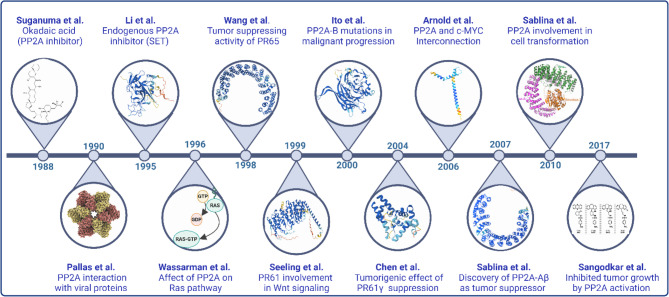
“This pivotal study provided new insights into the role of PP2A inhibition in tumor progression [16, 17].”
Novel protein serine/threonine phosphatases: Variety is the spice of life
Cohen, P. T. W. (1997) · Trends in Biochemical Sciences · doi:10.1016/s0968-0004(97)01060-8 · Cited by 505 · cited 1×
“These conflicting findings can likely be attributed to the multitasking nature of PP2A and its subunit composition, exhibiting diverse gene loci and functional roles [22, 23].”
Montalto, F. I., & De Amicis, F. (2020) · Cells · doi:10.3390/cells9122648 · Cited by 496 · cited 1×
“For instance, suppressed B55α disrupts cell–cycle proteins such as Cyclin D1, promoting metastasis in breast and lung cancers [282], while overexpressed B56γ paradoxically inactivates PP2A in T-cell leukemia [283].”
Phosphatase: PP2A structural importance, regulation and its aberrant expression in cancer
Seshacharyulu, P., Pandey, P., Datta, K., & Batra, S. K. (2013) · Cancer Letters · doi:10.1016/j.canlet.2013.02.036 · Cited by 481 · cited 1×
“Contrary to the A and C subunits, the PP2A-B subunit exists in four subfamilies (Table 1) and is encoded by 15 genes, resulting in at least 26 different transcripts and splice variants [40, 52].”
Arsham, A. M., Howell, J. J., & Simon, M. C. (2003) · Journal of Biological Chemistry · doi:10.1074/jbc.m212770200 · Cited by 463 · cited 1×
“Although hypoxia-induced suppression of the mammalian target of rapamycin (mTOR) substrate phosphorylation occurs independently of PP2A in HEK293 cells [273], this transformed embryonic kidney cell line may not fully recapitulate PP2A’s functional significance in neoplastic cells.”
Crystal structure of a protein phosphatase 2A heterotrimeric holoenzyme
Cho, U. S., & Xu, W. (2007) · Nature · doi:10.1038/nature05351 · Cited by 459
Role of tumor microenvironment in cancer progression and therapeutic strategy
Wang, Q., Shao, X., Zhang, Y., Zhu, M., Wang, F. X. C., Mu, J., Li, J., Yao, H., & Chen, K. (2023) · Cancer Medicine · doi:10.1002/cam4.5698 · Cited by 442
Groves, M. R., Hanlon, N., Turowski, P., Hemmings, B. A., & Barford, D. (1999) · Cell · doi:10.1016/s0092-8674(00)80963-0 · Cited by 442 · cited 1×
“Structural studies have shown that these 15 h form an elongated, L-shaped structure [30].”
Greatwall Phosphorylates an Inhibitor of Protein Phosphatase 2Α That Is Essential for Mitosis
Mochida, S., Maslen, S. L., Skehel, M., & Hunt, T. (2010) · Science · doi:10.1126/science.1195689 · Cited by 425 · cited 1×
“…interacts with B56α and B56γ, preventing their assembly into the holoenzyme [95, 96] ∎ α-endosulfine interacts with B55δ, impeding its activity [97] Viral Infections ∎ Small t-antigen of simian virus 40 (SV40) interacts with the A subunit, altering PP2A activity [98, 99] and thus affecting…”
Regulation of β-Catenin Signaling by the B56 Subunit of Protein Phosphatase 2A
Seeling, J. M., Miller, J. R., Gil, R., Moon, R. T., White, R., & Virshup, D. M. (1999) · Science · doi:10.1126/science.283.5410.2089 · Cited by 420
Crystal Structure of a β-Catenin/Tcf Complex
Graham, T. A., Weaver, C., Mao, F., Kimelman, D., & Xu, W. (2000) · Cell · doi:10.1016/s0092-8674(00)00192-6 · Cited by 405
Stefani, C., Miricescu, D., Stanescu-Spinu, I.-I., Nica, R. I., Greabu, M., Totan, A. R., & Jinga, M. (2021) · International Journal of Molecular Sciences · doi:10.3390/ijms221910260 · Cited by 402 · cited 1×
“This results in the sustained activation of kinases, such as Akt and MAPK, driving tumor growth in melanoma, GBM, and CRC [114, 278–280].”
Protein phosphatase 2A: a target for anticancer therapy
Perrotti, D., & Neviani, P. (2013) · The Lancet Oncology · doi:10.1016/s1470-2045(12)70558-2 · Cited by 400 · cited 3×
“Restoring PP2A activity (e.g., with FTY720 in leukemia) can counteract cancer, while transient PP2A inhibition (e.g., LB100 in GBM) may sensitize tumors to therapy [180].”
InfluentialPP2A holoenzyme assembly: In cauda venenum (the sting is in the tail)
Janssens, V., Longin, S., & Goris, J. (2008) · Trends in Biochemical Sciences · doi:10.1016/j.tibs.2007.12.004 · Cited by 390
PP2A as a master regulator of the cell cycle
Wlodarchak, N., & Xing, Y. (2016) · Critical Reviews in Biochemistry and Molecular Biology · doi:10.3109/10409238.2016.1143913 · Cited by 371
Alterations of the PPP2R1B Gene in Human Lung and Colon Cancer
Wang, S. S., Esplin, E. D., Li, J. L., Huang, L., Gazdar, A., Minna, J., & Evans, G. A. (1998) · Science · doi:10.1126/science.282.5387.284 · Cited by 363 · cited 2×
“…melanoma tumors [80] Loss of heterozygosity in: ∎ PPP2R1B led to the generation of a dysfunctional protein incapable of binding to the C subunit [81] ∎ PPP2R2A resulted in reduced mRNA expression in lung cancer [82, 83] ∎ Exon deletion in PPP2R1B was linked to the emergence of loss-of-function…”
Goudreault, M., D'Ambrosio, L. M., Kean, M. J., Mullin, M. J., Larsen, B. G., Sanchez, A., Chaudhry, S., Chen, G. I., Sicheri, F., Nesvizhskii, A. I., et al. (2009) · Molecular & Cellular Proteomics · doi:10.1074/mcp.m800266-mcp200 · Cited by 359 · cited 1×
“…Interaction with PP2A-A and PP2A-C ∎ Mediating dephosphorylation in cellular processes ∎ Interaction with kinases to form large signaling complexes [50, 51] assembly, substrate recognition by specific B subunit members may regulate the dynamic aspects of holoenzyme assembly, stability, or subunit…”
Ceramide Induces Bcl2 Dephosphorylation via a Mechanism Involving Mitochondrial PP2A
Ruvolo, P. P., Deng, X., Ito, T., Carr, B. K., & May, W. S. (1999) · Journal of Biological Chemistry · doi:10.1074/jbc.274.29.20296 · Cited by 338 · cited 1×
“PP2A has been observed to exhibit compartment-specific functions, with cytoplasmic PP2A regulating cell growth and survival [189] and mitochondrial membrane-associated PP2A promoting apoptosis [190].”
Structure of protein phosphatase 2A core enzyme bound to tumor-inducing toxins
Xing, Y., Xu, Y., Chen, Y., Jeffrey, P. D., Chao, Y., Lin, Z., Li, Z., Strack, S., Stock, J. B., & Shi, Y. (2006) · Cell · doi:10.1016/j.cell.2006.09.025 · Cited by 334 · cited 1×
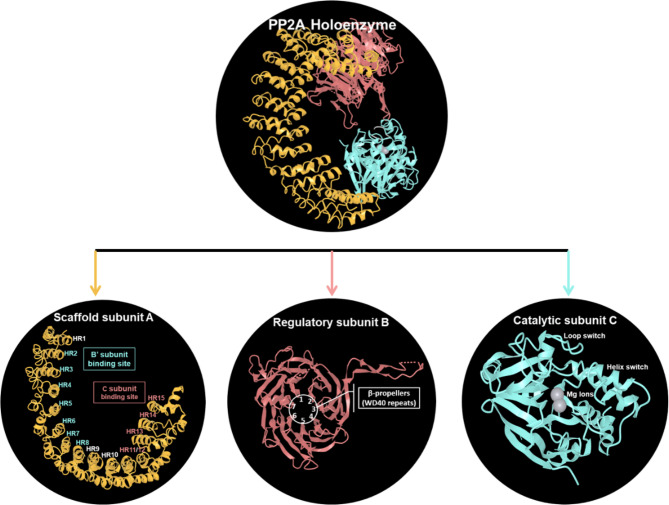
“The C subunit binds to the conserved ridge of HR 11–15 [31], while the B ′ regulatory subunit interacts with the ridge of HR 2–8 (Fig.”
WD40 Repeat Proteins: Signalling Scaffold with Diverse Functions
Jain, B. P., & Pandey, S. (2018) · The Protein Journal · doi:10.1007/s10930-018-9785-7 · Cited by 313 · cited 1×
“The B family shares a typical motif of six β-propeller (WD40) repeats, which is a sequence of 44–60 amino acids (aa), mediating cellular localization, and substrate recognition by providing a platform for protein–protein or protein–DNA interactions [39].”
Trockenbacher, A., Suckow, V., Foerster, J., Winter, J., Krauß, S., Ropers, H.-H., Schneider, R., & Schweiger, S. (2001) · Nature Genetics · doi:10.1038/ng762 · Cited by 294 · cited 2×
“MID1, an E3 Ligase, regulates PP2A-C ubiquitination, and together with Alpha4, it forms a trimeric complex Mid1-Alpha4-PP2A-C, which inhibits PP2A degradation [89, 90].”
Mechanisms of Resistance and Current Treatment Options for Glioblastoma Multiforme (GBM)
Yalamarty, S. S. K., Filipczak, N., Li, X., Subhan, M. A., Parveen, F., Ataide, J. A., Rajmalani, B. A., & Torchilin, V. P. (2023) · Cancers · doi:10.3390/cancers15072116 · Cited by 293 · cited 1×
“This heterogeneity is driven by diverse genetic mutations, clonal evolution, and the presence of cancer stem cells (CSCs), which are particularly adept at surviving therapy and driving tumor recurrence [246].”
Structure of a Protein Phosphatase 2A Holoenzyme: Insights into B55-Mediated Tau Dephosphorylation
Xu, Y., Chen, Y., Zhang, P., Jeffrey, P. D., & Shi, Y. (2008) · Molecular Cell · doi:10.1016/j.molcel.2008.08.006 · Cited by 284 · cited 2×
“2) [27].”
A Conserved Motif Provides Binding Specificity to the PP2A-B56 Phosphatase
Hertz, E. P. T., Kruse, T., Davey, N. E., López-Méndez, B., Sigurðsson, J. O., Montoya, G., Olsen, J. V., & Nilsson, J. (2016) · Molecular Cell · doi:10.1016/j.molcel.2016.06.024 · Cited by 282 · cited 3×
“For instance, the LxxIxE motif in substrates binds to a conserved groove in the B56 subunits, with phosphorylation enhancing binding affinity [61].”
Actions of PP2A on the MAP kinase pathway and apoptosis are mediated by distinct regulatory subunits
Silverstein, A. M., Barrow, C. A., Davis, A. J., & Mumby, M. C. (2002) · Proceedings of the National Academy of Sciences · doi:10.1073/pnas.072071699 · Cited by 276 · cited 1×
“The functionality of PP2A is to regulate key signaling pathways, including WNT, mTOR, and MAP kinase, by dephosphorylating over 300 distinct substrates, such as c-MYC, p53, and β-catenin, thereby modulating their activity and stability [7–11].”
Kelly, L. M., Barila, G., Liu, P., Evdokimova, V. N., Trivedi, S., Panebianco, F., Gandhi, M., Carty, S. E., Hodak, S. P., Luo, J., et al. (2014) · Proceedings of the National Academy of Sciences · doi:10.1073/pnas.1321937111 · Cited by 271 · cited 2×
“PPP2R3C (B’’γ) PPP2R6A (Strn) Mesothelioma [132] Papillary thyroid cancer (TCGA) [133] Papillary renal cell carcinoma (TCGA) STRN-ALK fusion [133] STRN-driven ALK activation promoted cell proliferation independently of thyroid stimulating hormone, caused oncogenic transformation and induced tumors…”
Wang, Y., Bernhardy, A. J., Cruz, C., Krais, J. J., Nacson, J., Nicolas, E., Peri, S., van der Gulden, H., van der Heijden, I., O'Brien, S. W., et al. (2016) · Cancer Research · doi:10.1158/0008-5472.can-16-0186 · Cited by 269 · cited 1×
“In addition, splicing variants of genes such as p53 [258], BRCA1 [259], and MET [260] have been shown to alter cellular functions in ways that either promote or suppress cancer.”
Therapeutic advances of targeting receptor tyrosine kinases in cancer
Tomuleasa, C., Tigu, A.-B., Munteanu, R., Moldovan, C.-S., Kegyes, D., Onaciu, A., Gulei, D., Ghiaur, G., Einsele, H., & Croce, C. M. (2024) · Signal Transduction and Targeted Therapy · doi:10.1038/s41392-024-01899-w · Cited by 260 · cited 1×
“While receptor tyrosine kinases have gained remarkably clinical attention in physiology and cancer therapy [14], suitability as a tumor target is also becoming increasingly apparent for the more abundant serine-/threonine-spe-cific kinases.”
Arnold, H. K., & Sears, R. C. (2006) · Molecular and Cellular Biology · doi:10.1128/mcb.26.7.2832-2844.2006 · Cited by 251 · cited 1×
“The dephosphorylation of c-MYC at T58 by PP2A-B56α [187] and at S62 by PP2A-B55α [188] represents a critical regulatory switch, with the former promoting tumor-suppressive degradation and the latter enabling tumorigenic stabilization and transcriptional activation.”
Hemmings, B. A., Adams-Pearson, C., Maurer, F., Mueller, P., Goris, J., Merlevede, W., Hofsteenge, J., & Stone, S. R. (1990) · Biochemistry · doi:10.1021/bi00465a002 · Cited by 243 · cited 4×
“Created in h t t p s : / / w w w . n c b i . n l m . n i h . g o v / S t r u c t u r e / i c n 3 d (Access on 23.04.2025) is present in higher concentrations in the testis [29, 34], Cα is mainly found in the plasma membrane, and Cβ is located in the cytoplasm and nucleus [35].”
InfluentialWnt and PI3K/Akt/mTOR Survival Pathways as Therapeutic Targets in Glioblastoma
Barzegar Behrooz, A., Talaie, Z., Jusheghani, F., Łos, M. J., Klonisch, T., & Ghavami, S. (2022) · International Journal of Molecular Sciences · doi:10.3390/ijms23031353 · Cited by 240 · cited 1×
“This results in the sustained activation of kinases, such as Akt and MAPK, driving tumor growth in melanoma, GBM, and CRC [114, 278–280].”
Phosphatase PP2A is requisite for the function of regulatory T cells
Apostolidis, S. A., Rodríguez-Rodríguez, N., Suárez-Fueyo, A., Dioufa, N., Ozcan, E., Crispín, J. C., Tsokos, M. G., & Tsokos, G. C. (2016) · Nature Immunology · doi:10.1038/ni.3390 · Cited by 238 · cited 1×
“…variant; *: stop codon ) [36] Weight loss and death on day 6 Aα cKO (O) [138] ↑ Aneuploidy Subfertility Chromosome segregation Aα cKO (T-cells) [139] ↑ Autoimmunity ↑ Effector immune response ↑ mTORC1 Aα cKO (B-cells) [140] ↓ B cell survival Impaired redirection of glycolysis to PPP Aα…”
Formate assay in body fluids: Application in methanol poisoning
Makar, A. B., McMartin, K. E., Palese, M., & Tephly, T. R. (1975) · Biochemical Medicine · doi:10.1016/0006-2944(75)90147-7 · Cited by 237 · cited 1×
“Moreover, aberrant expression alongside mutation and deletion of PP2A has been commonly observed across several cancer types, such as prostate, breast, AML, and primary plasma leukemia [77, 262, 263].”
Targeting the MAPK pathway in melanoma: Why some approaches succeed and other fail
Inamdar, G. S., Madhunapantula, S. V., & Robertson, G. P. (2010) · Biochemical Pharmacology · doi:10.1016/j.bcp.2010.04.029 · Cited by 225
Delayed embryonic lethality in mice lacking protein phosphatase 2A catalytic subunit Cα
Götz, J., Probst, A., Ehler, E., Hemmings, B., & Kues, W. (1998) · Proceedings of the National Academy of Sciences · doi:10.1073/pnas.95.21.12370 · Cited by 220 · cited 2×
“…of glycolysis to PPP Aα transgene (M) [141] Cardiomyopathy PPP2R1B (U/ES/S) Aβ [142] Male infertility Meiotic arrest in spermatocytes Cα KO [38] Lethal (embryo) No mesoderm formation Cα cKO (G) [37] Lethal Cα cKO (O) [143] Female infertility Chromosomal misalignment Impaired AurK B/C…”
Calin, G. A., di Iasio, M. G., Caprini, E., Vorechovsky, I., Natali, P. G., Sozzi, G., Croce, C. M., Barbanti-Brodano, G., Russo, G., & Negrini, M. (2000) · Oncogene · doi:10.1038/sj.onc.1203389 · Cited by 219
Structural mechanism of demethylation and inactivation of protein phosphatase 2A
Xing, Y., Li, Z., Chen, Y., Stock, J. B., Jeffrey, P. D., & Shi, Y. (2008) · Cell · doi:10.1016/j.cell.2008.02.041 · Cited by 206 · cited 1×
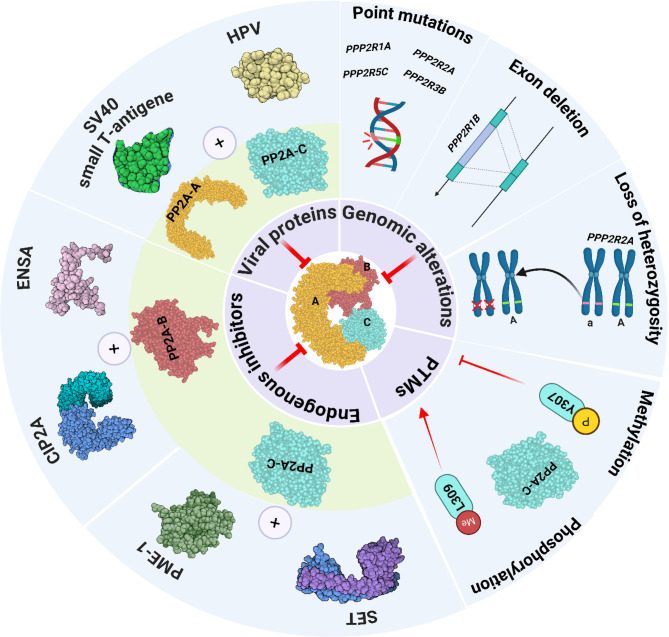
“…oncogene [92] ∎ PP2A methylesterase 1 (PME-1) directly binds to the active site of the C subunit, demethyl-ating L309 and thereby inactivating PP2A [93, 94] ∎ CIP2A interacts with B56α and B56γ, preventing their assembly into the holoenzyme [95, 96] ∎ α-endosulfine interacts with B55δ, impeding…”
Mitra, D., Brumlik, M. J., Okamgba, S. U., Zhu, Y., Duplessis, T. T., Parvani, J. G., Lesko, S. M., Brogi, E., & Jones, F. E. (2009) · Molecular Cancer Therapeutics · doi:10.1158/1535-7163.mct-09-0295 · Cited by 204 · cited 1×
“Clinically relevant examples include HER2 splice variants (lacking exon 16) that confer resistance to trastuzumab [256].”
Kins, S., Crameri, A., Evans, D. R. H., Hemmings, B. A., Nitsch, R. M., & Götz, J. (2001) · Journal of Biological Chemistry · doi:10.1074/jbc.m102621200 · Cited by 203 · cited 1×
“Cα cKO (E) [151] Smaller animals ↓ Akt and Wnt signaling Cα transgene (CNS) [152, 153] Tau aggregation ↑ p-Tau ↑ ERK and JNK Cα transgene (Os) [154] Larger mice ↑ Bone formation ↑ Adipogenesis ↑ PPARγ ↑ CBPα ↑ Adipogenesis Cα transgene (CNS) [155, 156] Tangles ↓ CNS development ↑ p-Tau ↑ p-Vimentin…”
Celastrol: A Review of Useful Strategies Overcoming its Limitation in Anticancer Application
Shi, J., Li, J., Xu, Z., Chen, L., Luo, R., Zhang, C., Gao, F., Zhang, J., & Fu, C. (2020) · Frontiers in Pharmacology · doi:10.3389/fphar.2020.558741 · Cited by 199
Moreno, C. S., Park, S., Nelson, K., Ashby, D., Hubalek, F., Lane, W. S., & Pallas, D. C. (2000) · Journal of Biological Chemistry · doi:10.1074/jbc.275.8.5257 · Cited by 194
Structure and Function of the PP2A-Shugoshin Interaction
Xu, Z., Cetin, B., Anger, M., Cho, U. S., Helmhart, W., Nasmyth, K., & Xu, W. (2009) · Molecular Cell · doi:10.1016/j.molcel.2009.06.031 · Cited by 194 · cited 1×
“By contrast, nuclear PP2A has been demonstrated to modulate chromosome stability and chromatid segregation [191, 192].”
Role of serine/threonine protein phosphatase 2A in cancer
Schönthal, A. H. (2001) · Cancer Letters · doi:10.1016/s0304-3835(01)00561-4 · Cited by 186 · cited 1×
“The disruption of this balance, particularly through the dominance of hyperactive kinases, profoundly distorts growth regulatory networks [181].”
Targeting c-MYC by antagonizing PP2A inhibitors in breast cancer
Janghorban, M., Farrell, A. S., Allen-Petersen, B. L., Pelz, C., Daniel, C. J., Oddo, J., Langer, E. M., Christensen, D. J., & Sears, R. C. (2014) · Proceedings of the National Academy of Sciences · doi:10.1073/pnas.1317630111 · Cited by 186 · cited 1×
“…demethyl-ating L309 and thereby inactivating PP2A [93, 94] ∎ CIP2A interacts with B56α and B56γ, preventing their assembly into the holoenzyme [95, 96] ∎ α-endosulfine interacts with B55δ, impeding its activity [97] Viral Infections ∎ Small t-antigen of simian virus 40 (SV40) interacts with the A…”
Longin, S., Zwaenepoel, K., Louis, J. V., Dilworth, S., Goris, J., & Janssens, V. (2007) · Journal of Biological Chemistry · doi:10.1074/jbc.m704059200 · Cited by 184 · cited 1×
“…Modifications ∎ Holoenzyme assembly - Methylation of PP2A-C at L309 by LCMT-1 increases the AC dimer binding affinity to certain B55/B56 subunits [85–87] - Phosphorylation of PP2A-C at T304 by CDK1-cyclin B disrupts holoenzyme formation by inhibiting the binding of B55 [88] - Ubiquitination of…”
Possible Biological and Clinical Applications of Phenothiazines
Varga, B., Csonka, Á., Csonka, A., Molnar, J. A., Amaral, L., & Spengler, G. (2017) · Anticancer Research · doi:10.21873/anticanres.12045 · Cited by 182 · cited 1×
“…[224] No clinical trial Inhibits the PME-1-PP2A-A–PP2A-B interaction [224] PP2A-inhibiting drugs targeting specific PP2A subunits SMAPs PDAC [225, 226] No clinical trial Binds to A subunit, inhibiting PP2A assembly with B56α [107] LB-100 Resistant HER2-positive breast cancer CRC [227] Adverse…”
PI3K and Akt as molecular targets for cancer therapy: current clinical outcomes
Pal, I., & Mandal, M. (2012) · Acta Pharmacologica Sinica · doi:10.1038/aps.2012.72 · Cited by 179 · cited 1×
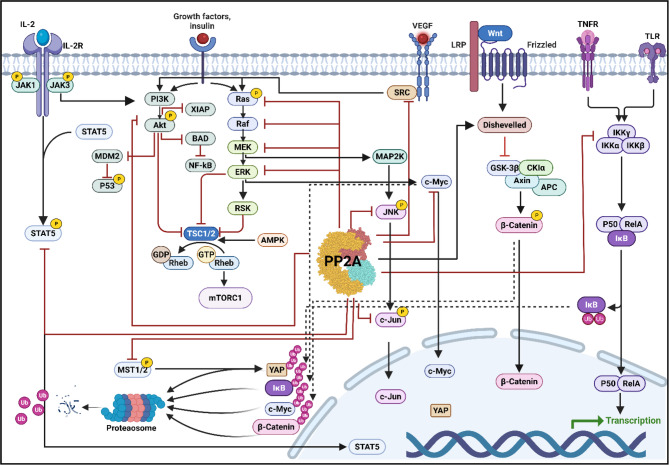
“PP2A dephosphorylates Akt at critical residues, thereby limiting its kinase activity [183] and functioning as an antagonist of ERK [184].”
Selective PP2A enhancement through biased heterotrimer stabilization
Leonard, D., Huang, W., Izadmehr, S., O’Connor, C. M., Wiredja, D. D., Wang, Z., Zaware, N., Chen, Y., Schlatzer, D. M., Kiselar, J., et al. (2020) · Cell · doi:10.1016/j.cell.2020.03.038 · Cited by 176 · cited 4×
“These mutations are mainly recurrent, pathogenic, and frequently observed at the interface of the binding sites between the A and B subunits [107].”
InfluentialPredictive Markers in Breast and Other Cancers: A Review
Duffy, M. J. (2005) · Clinical Chemistry · doi:10.1373/clinchem.2004.046227 · Cited by 174 · cited 1×
“While some individuals may benefit dramatically from a given treatment, others may experience only its side effects without therapeutic gain [261].”
Targeting SET/I2PP2A oncoprotein functions as a multi-pathway strategy for cancer therapy
Switzer, C. H., Cheng, R. Y. S., Vitek, T. M., Christensen, D. J., Wink, D. A., & Vitek, M. P. (2011) · Oncogene · doi:10.1038/onc.2010.622 · Cited by 171
Ruediger, R., Pham, H. T., & Walter, G. (2001) · Oncogene · doi:10.1038/sj.onc.1204059 · Cited by 171 · cited 2×
“Consistent with previous in vitro studies in which Aα mutations fully disrupt B subunit binding [115], Aα knock-in mice (E64D/+) showed a maximum tumorigenic effect similar to mice with deletions of exons 5 and 6 in the Aα allele, with an additional halving of the entire holoenzyme [115].”
Molecular cloning of cDNAs encoding two isoforms of the catalytic subunit of protein phosphatase 2A
Stone, S. R., Hofsteenge, J., & Hemmings, B. A. (1987) · Biochemistry · doi:10.1021/bi00397a003 · Cited by 168 · cited 1×
“The paralogs of PP2A-A (Aα and Aβ) and PP2A-C (Cα and Cβ) share 87% and 98% sequence identity, respectively [29, 32].”
CIP2A mediates effects of bortezomib on phospho-Akt and apoptosis in hepatocellular carcinoma cells
Chen, K.-F., Liu, C.-Y., Lin, Y.-C., Yu, H.-C., Liu, T.-H., Hou, D.-R., Chen, P.-J., & Cheng, A.-L. (2010) · Oncogene · doi:10.1038/onc.2010.357 · Cited by 164
A truncated isoform of the PP2A B56 subunit promotes cell motility through paxillin phosphorylation
Ito, A., Kataoka, T. R., Watanabe, M., Nishiyama, K., Mazaki, Y., Sabe, H., Kitamura, Y., & Nojima, H. (2000) · The EMBO Journal · doi:10.1093/emboj/19.4.562 · Cited by 159 · cited 1×
“…to these genes tends to arise from dysregulated expression, CNV, or indirect mechanisms that alter holoenzyme composition or targeting [114, 125–129] PPP2R5C (B’γ) Lung adenocarcinoma [23] F395C [23] The B56γ-p53 interaction was disrupted, leading to the loss of tumor suppressive function [23].”
Alberts, A. S., Thorburn, A. M., Shenolikar, S., Mumby, M. C., & Feramisco, J. R. (1993) · Proceedings of the National Academy of Sciences · doi:10.1073/pnas.90.2.388 · Cited by 158 · cited 1×
“4) [104, 178, 179].”
Pim, D., Massimi, P., Dilworth, S. M., & Banks, L. (2005) · Oncogene · doi:10.1038/sj.onc.1208935 · Cited by 156 · cited 1×
“…transformation [99] ∎ The binding of human papilloma virus E7 to the C subunit prevents holoenzyme formation, thereby promoting cell proliferation [100] example, PPP2R1A mutations have been observed in several cancer entities, including uterine serous carcinoma (USC) and uterine carcinosarcoma…”
Kins, S., Kurosinski, P., Nitsch, R. M., & Götz, J. (2003) · The American Journal of Pathology · doi:10.1016/s0002-9440(10)63444-x · Cited by 155 · cited 1×
“Cα cKO (E) [151] Smaller animals ↓ Akt and Wnt signaling Cα transgene (CNS) [152, 153] Tau aggregation ↑ p-Tau ↑ ERK and JNK Cα transgene (Os) [154] Larger mice ↑ Bone formation ↑ Adipogenesis ↑ PPARγ ↑ CBPα ↑ Adipogenesis Cα transgene (CNS) [155, 156] Tangles ↓ CNS development ↑ p-Tau ↑ p-Vimentin…”
Ruvolo, P. P., Clark, W., Mumby, M., Gao, F., & May, W. S. (2002) · Journal of Biological Chemistry · doi:10.1074/jbc.m201830200 · Cited by 153 · cited 1×
“By contrast, nuclear PP2A has been demonstrated to modulate chromosome stability and chromatid segregation [191, 192].”
PP2A inhibition is a druggable MEK inhibitor resistance mechanism in KRAS-mutant lung cancer cells
Kauko, O., O’Connor, C. M., Kulesskiy, E., Sangodkar, J., Aakula, A., Izadmehr, S., Yetukuri, L., Yadav, B., Padzik, A., Laajala, T. D., et al. (2018) · Science Translational Medicine · doi:10.1126/scitranslmed.aaq1093 · Cited by 149 · cited 1×
“These findings position DT-061 as a promising therapeutic candidate for both MYC-and KRAS-driven malignancies, with mechanistic versatility across different cancer types [239].”
Tan, J. Y., Lee, P. L., Li, Z., Jiang, X., Lim, Y. C., Hooi, S. C., & Yu, Q. (2010) · Cancer Cell · doi:10.1016/j.ccr.2010.10.021 · Cited by 149 · cited 1×
“Promoter hypermethylation in CRC resulted in loss of tumor suppressor activity [124].”
Expanding the PP2A Interactome by Defining a B56-Specific SLiM
Wang, X., Bajaj, R., Bollen, M., Peti, W., & Page, R. (2016) · Structure · doi:10.1016/j.str.2016.09.010 · Cited by 149 · cited 2×
“Furthermore, several studies have reported the identification of short linear motifs (SLiMs), such as LxxIxE [61] and LSPIxE [62].”
Tang, Y., Fang, G., Guo, F., Zhang, H., Chen, X., An, L., Chen, M., Zhou, L., Wang, W., Ye, T., et al. (2020) · Cancer Cell · doi:10.1016/j.ccell.2020.05.019 · Cited by 147 · cited 1×
“PP2A also plays a role in the tumor progression of gastric cancer, in which STRN3 inactivates mammalian Hippo kinases MST 1/2 through dephosphorylation [135].”
Liu, Q., Zhao, X., Frissora, F., Ma, Y., Santhanam, R., Jarjoura, D., Lehman, A., Perrotti, D., Chen, C.-S., Dalton, J. T., et al. (2008) · Blood · doi:10.1182/blood-2006-10-053884 · Cited by 146 · cited 1×
“…CIP2A degradation [211] TD-19 NSCLC [212] No clinical trial Induces apoptosis through CIP2A/PP2A/p-AKT pathway [212] FTY720 AML [213] CLL [214] Inhibits SET–PP2A binding [213]; activates protein kinase C, inhibits PP2A by phosphorylation of PP2A-C T307, activates PP2A-A, and requires…”
The structural basis for tight control of PP2A methylation and function by LCMT-1
Stanevich, V., Jiang, L., Satyshur, K. A., Li, Y., Jeffrey, P. D., Li, Z., Menden, P., Semmelhack, M. F., & Xing, Y. (2011) · Molecular Cell · doi:10.1016/j.molcel.2010.12.030 · Cited by 142 · cited 1×
“…∎ Holoenzyme assembly - Methylation of PP2A-C at L309 by LCMT-1 increases the AC dimer binding affinity to certain B55/B56 subunits [85–87] - Phosphorylation of PP2A-C at T304 by CDK1-cyclin B disrupts holoenzyme formation by inhibiting the binding of B55 [88] - Ubiquitination of…”
Targeting PP2A in cancer: Combination therapies
Mazhar, S., Taylor, S. E., Sangodkar, J., & Narla, G. (2018) · Biochimica et Biophysica Acta (BBA) - Molecular Cell Research · doi:10.1016/j.bbamcr.2018.08.020 · Cited by 137 · cited 2×
“3) [101–103].”
Bortezomib in cancer therapy: Mechanisms, side effects, and future proteasome inhibitors
Sogbein, O., Paul, P., Umar, M., Châari, A., Batuman, V., & Upadhyay, R. (2024) · Life Sciences · doi:10.1016/j.lfs.2024.123125 · Cited by 136
Ogris, E., Gibson, D. M., & Pallas, D. C. (1997) · Oncogene · doi:10.1038/sj.onc.1201259 · Cited by 134 · cited 1×
“Initial studies have pointed to the reversible methylation of a specific residue (L309) at the C-terminal tail of the catalytic subunit [63–65].”
Xiao, G., Chan, L. N., Klemm, L., Braas, D., Chen, Z., Geng, H., Zhang, Q. C., Aghajanirefah, A., Cosgun, K. N., Sadras, T., et al. (2018) · Cell · doi:10.1016/j.cell.2018.02.048 · Cited by 129 · cited 1×
“…[138] ↑ Aneuploidy Subfertility Chromosome segregation Aα cKO (T-cells) [139] ↑ Autoimmunity ↑ Effector immune response ↑ mTORC1 Aα cKO (B-cells) [140] ↓ B cell survival Impaired redirection of glycolysis to PPP Aα transgene (M) [141] Cardiomyopathy PPP2R1B (U/ES/S) Aβ [142] Male infertility…”
Long, L., Deng, Y., Yao, F., Guan, D., Feng, Y., Jiang, H., Li, X., Hu, P., Lu, X., Wang, H., et al. (2014) · Immunity · doi:10.1016/j.immuni.2014.01.015 · Cited by 127 · cited 1×
“…Cα cKO (G) [144] Male infertility Cα cKO (H.C.) [145] Lethal ↓ Fetal liver erythropoiesis ↑ Apoptosis ↓ p-STAT5 Impaired Bclx signaling Cα cKO (Ma) [146] ↑ Antiviral response ↑ Type I IFN signaling Cα cKO (H) [147] ↑ Glycogen storage ↑ Insulin sensitivity ↑ Akt Cα cKO (H) [148] ↓ Liver injury…”
Kalev, P., Simicek, M., Vazquez, I., Munck, S., Chen, L., Soin, T., Danda, N., Chen, W., & Sablina, A. (2012) · Cancer Research · doi:10.1158/0008-5472.can-12-1667 · Cited by 127 · cited 1×
“…the generation of a dysfunctional protein incapable of binding to the C subunit [81] ∎ PPP2R2A resulted in reduced mRNA expression in lung cancer [82, 83] ∎ Exon deletion in PPP2R1B was linked to the emergence of loss-of-function (LOF) variants in breast [84] and lung cancer [81]…”
Overexpression of the catalytic subunit of protein phosphatase 2A impairs cardiac function
Gergs, U., Boknik, P., Buchwalow, I., Fabritz, L., Matus, M., Justus, I., Hanske, G., Schmitz, W., & Neumann, J. (2004) · Journal of Biological Chemistry · doi:10.1074/jbc.m405770200 · Cited by 125 · cited 1×
“…↑ Adipogenesis ↑ PPARγ ↑ CBPα ↑ Adipogenesis Cα transgene (CNS) [155, 156] Tangles ↓ CNS development ↑ p-Tau ↑ p-Vimentin ↑ Akt/p-Akt Cα ↑ transgene (C) [157] Hypertrophy ↓ PLN and eEF2 phosphorylation Cα ↑ transgene (C) [158] Cardiomyopathy ↓ Akt/GSK3β/β-catenin Cα ↑ transgene (T-cells) [159, 160]”
Haesen, D., Abbasi Asbagh, L., Derua, R., Hubert, A., Schrauwen, S., Hoorne, Y., Amant, F., Waelkens, E., Sablina, A., & Janssens, V. (2016) · Cancer Research · doi:10.1158/0008-5472.can-15-3342 · Cited by 124 · cited 3×
“…carcinoma (TCGA) P179R, R183W Stomach adenocarcinoma (TCGA) R182W, R183Q Uterine endometrial Carcinoma (serous carcinoma and carcinosarcoma) [76] P179L/R/T, R182W, R183W/Q, S256F/Y, W257C/G/L/S/, R258H, R418W [76] PPP2R1B (Aβ) Breast cancer [120] Lung cancer [120] G90D [120] Biochemical…”
InfluentialStructural Basis of PP2A Inhibition by Small t Antigen
Cho, U. S., Morrone, S., Sablina, A. A., Arroyo, J. D., Hahn, W. C., & Xu, W. (2007) · PLoS Biology · doi:10.1371/journal.pbio.0050202 · Cited by 124 · cited 2×
“…of simian virus 40 (SV40) interacts with the A subunit, altering PP2A activity [98, 99] and thus affecting genes involved in cell transformation [99] ∎ The binding of human papilloma virus E7 to the C subunit prevents holoenzyme formation, thereby promoting cell proliferation [100] example,…”
Cristóbal, I., Manso, R., Rincón, R., Caramés, C., Senin, C., Borrero, A., Martínez-Useros, J., Rodriguez, M., Zazo, S., Aguilera, O., et al. (2014) · Molecular Cancer Therapeutics · doi:10.1158/1535-7163.mct-13-0150 · Cited by 123
CIP2A is a target of bortezomib in human triple negative breast cancer cells
Tseng, L.-M., Liu, C.-Y., Chang, K.-C., Chu, P.-Y., Shiau, C.-W., & Chen, K.-F. (2012) · Breast Cancer Research · doi:10.1186/bcr3175 · Cited by 122
LB100, a small molecule inhibitor of PP2A with potent chemo- and radio-sensitizing potential
Hong, C. S., Ho, W., Zhang, C., Yang, C., Elder, J. B., & Zhuang, Z. (2015) · Cancer Biology & Therapy · doi:10.1080/15384047.2015.1040961 · Cited by 119 · cited 1×
“…HER2-positive breast cancer CRC [227] Adverse splicing events [228] Binds to the C subunit and disrupts/impairs the holoenzyme conformation [229] Preclinical studies have demonstrated that LB-100-medi-ated PP2A inhibition potentiates CAR-T cell efficacy in GBM through mTORC1 pathway…”
SV40 small T antigen and PP2A phosphatase in cell transformation
Sablina, A. A., & Hahn, W. C. (2008) · Cancer and Metastasis Reviews · doi:10.1007/s10555-008-9116-0 · Cited by 117 · cited 1×
“Viral proteins, such as SV40 small t antigen, hijack PP2A-Aα to dysregulate Wnt signaling [287], and the oncoprotein CIP2A blocks PP2A-B56α to stabilize c-MYC in HNC [195].”
Louis, J. V., Martens, E., Borghgraef, P., Lambrecht, C., Sents, W., Longin, S., Zwaenepoel, K., Pijnenborg, R., Landrieu, I., Lippens, G., et al. (2011) · Proceedings of the National Academy of Sciences · doi:10.1073/pnas.1018777108 · Cited by 112
Non-genomic mechanisms of protein phosphatase 2A (PP2A) regulation in cancer
Kauko, O., & Westermarck, J. (2018) · The International Journal of Biochemistry & Cell Biology · doi:10.1016/j.biocel.2018.01.005 · Cited by 111 · cited 2×
“Under certain conditions, PP2A may also facilitate tumorigenesis [18, 19], particularly derived from studies with endogenous inhibitors, such as CIP2A (cancerous inhibitor of PP2A) and SET (SET nuclear proto-oncogene) [4, 20], or non-genomic inhibition [21].”
Oaks, J. J., Santhanam, R., Walker, C. J., Roof, S., Harb, J. G., Ferenchak, G., Eisfeld, A.-K., Van Brocklyn, J. R., Briesewitz, R., Saddoughi, S. A., et al. (2013) · Blood · doi:10.1182/blood-2013-03-492181 · Cited by 110 · cited 3×
“By reactivating PP2A, FTY720 has the potential to counteract tumor growth in malignancies [113, 235] such as GBM [237].”
Zhang, W., Yang, J., Liu, Y., Chen, X., Yu, T., Jia, J., & Liu, C. (2009) · Journal of Biological Chemistry · doi:10.1074/jbc.m109.013698 · Cited by 110
Management of Diarrhea Induced by Epidermal Growth Factor Receptor Tyrosine Kinase Inhibitors
Hirsh, V., Blais, N., Burkes, R. L., Verma, S., & Croitoru, K. (2014) · Current Oncology · doi:10.3747/co.21.2241 · Cited by 107
Liu, Z., Ma, L., Wen, Z.-S., Hu, Z., Wu, F.-Q., Li, W., Liu, J., & Zhou, G.-B. (2014) · Carcinogenesis · doi:10.1093/carcin/bgt395 · Cited by 105 · cited 1×
“…CIP2A, promoting its interaction with Hsp70-interacting protein (CHIP), triggering ubiquitination and leading to subsequent CIP2A degradation [211] TD-19 NSCLC [212] No clinical trial Induces apoptosis through CIP2A/PP2A/p-AKT pathway [212] FTY720 AML [213] CLL [214] Inhibits SET–PP2A…”
Epigenetic analysis of childhood acute lymphoblastic leukemia
Dunwell, T. L., Hesson, L. B., Pavlova, T. V., Zabarovska, V. I., Kashuba, V. I., Catchpoole, D. R., Chiaramonte, R., Brini, A. T., Griffiths, M. H., Maher, E. R., et al. (2009) · Epigenetics · doi:10.4161/epi.4.3.8752 · Cited by 104 · cited 1×
“Childhood acute lymphoblastic leukemia [130] DNA methylation [130] Hypermethylation of the PPP2R3A promoter led to its inactivation, blocking PP2A holo-enzyme assembly [130].”
Tissue‐specific expression of mRNAs encoding α‐ and β‐catalytic subunits of protein phosphatase 2A
Khew-Goodall, Y., & Hemmings, B. A. (1988) · FEBS Letters · doi:10.1016/0014-5793(88)80493-9 · Cited by 102
Tau hyperphosphorylation correlates with reduced methylation of protein phosphatase 2A
Zhou, X.-W., Gustafsson, J.-Å., Tanila, H., Bjorkdahl, C., Liu, R., Winblad, B., & Pei, J.-J. (2008) · Neurobiology of Disease · doi:10.1016/j.nbd.2008.05.013 · Cited by 101 · cited 1×
“Overactive PP2A hyperdephos-phorylates tau and other synaptic proteins, contributing to Alzheimer’s neurofibrillary tangles and autism-related synaptic pruning defects [281].”
Baumgartner, U., Berger, F., Hashemi Gheinani, A., Burgener, S. S., Monastyrskaya, K., & Vassella, E. (2018) · Molecular Cancer · doi:10.1186/s12943-018-0781-5 · Cited by 101 · cited 1×
“…to these genes tends to arise from dysregulated expression, CNV, or indirect mechanisms that alter holoenzyme composition or targeting [114, 125–129] PPP2R5C (B’γ) Lung adenocarcinoma [23] F395C [23] The B56γ-p53 interaction was disrupted, leading to the loss of tumor suppressive function…”
Prognostic role of CIP2A expression in serous ovarian cancer
Böckelman, C., Lassus, H., Hemmes, A., Leminen, A., Westermarck, J., Haglund, C., Bützow, R., & Ristimäki, A. (2011) · British Journal of Cancer · doi:10.1038/bjc.2011.346 · Cited by 100 · cited 1×
“In many cancers, particularly those driven by hyperactive kinase signaling, such as NSCLC [241], SOC [242], AML [102], and breast cancer [6], PP2A predominantly functions as a tumor suppressor.”
Ruediger, R., Ruiz, J., & Walter, G. (2011) · Molecular and Cellular Biology · doi:10.1128/mcb.05744-11 · Cited by 98 · cited 3×
“Guidelines for the nomenclature-del: deletion; fs: frameshift; splice: RNA splicing/splice variant; *: stop codon ) [36] Weight loss and death on day 6 Aα cKO (O) [138] ↑ Aneuploidy Subfertility Chromosome segregation Aα cKO (T-cells) [139] ↑ Autoimmunity ↑ Effector immune response ↑ mTORC1 Aα cKO…”
FTY720 induces ferroptosis and autophagy via PP2A/AMPK pathway in multiple myeloma cells
Zhong, Y., Tian, F., Ma, H., Wang, H., Yang, W., Liu, Z., & Liao, A. (2020) · Life Sciences · doi:10.1016/j.lfs.2020.118077 · Cited by 98 · cited 4×
“This resulted in the reduced expression of phosphorylated eEF2, consequently triggering myeloma cell death [235].”
InfluentialKruse, T., Gnosa, S. P., Nasa, I., Garvanska, D. H., Hein, J. B., Nguyen, H., Samsøe‐Petersen, J., Lopez‐Mendez, B., Hertz, E. P. T., Schwarz, J., et al. (2020) · The EMBO Journal · doi:10.15252/embj.2019103695 · Cited by 97 · cited 1×
“The mechanism of how the individual regulatory B subunits identify the AC dimer for assembling into the holoenzyme remains partially understood [33, 59, 60].”
Oncoprotein CIP2A is stabilized via interaction with tumor suppressor PP2A/B56
Wang, J., Okkeri, J., Pavic, K., Wang, Z., Kauko, O., Halonen, T., Sarek, G., Ojala, P. M., Rao, Z., Xu, W., et al. (2017) · The EMBO Reports · doi:10.15252/embr.201642788 · Cited by 95 · cited 1×
“…demethyl-ating L309 and thereby inactivating PP2A [93, 94] ∎ CIP2A interacts with B56α and B56γ, preventing their assembly into the holoenzyme [95, 96] ∎ α-endosulfine interacts with B55δ, impeding its activity [97] Viral Infections ∎ Small t-antigen of simian virus 40 (SV40) interacts with…”
ZHOU, J., PHAM, H. T., RUEDIGER, R., & WALTER, G. (2003) · Biochemical Journal · doi:10.1042/bj20021244 · Cited by 95 · cited 2×
“Created in h t t p s : / / w w w . n c b i . n l m . n i h . g o v / S t r u c t u r e / i c n 3 d (Access on 23.04.2025) is present in higher concentrations in the testis [29, 34], Cα is mainly found in the plasma membrane, and Cβ is located in the cytoplasm and nucleus [35].”
InfluentialHo, W. S., Wang, H., Maggio, D., Kovach, J. S., Zhang, Q., Song, Q., Marincola, F. M., Heiss, J. D., Gilbert, M. R., Lu, R., et al. (2018) · Nature Communications · doi:10.1038/s41467-018-04425-z · Cited by 93 · cited 1×
“In addition, recent studies have identified PP2A as a negative regulator of CD8 + T-cell effector functions in GBM, in which it suppresses T-cell receptor (TCR) signaling by dephosphorylating key activation nodes [250].”
PP2A holoenzymes, substrate specificity driving cellular functions and deregulation in cancer
(2019) · Advances in Cancer Research · doi:10.1016/bs.acr.2019.03.009 · Cited by 93 · cited 2×
“The Aα-paralog is 10-fold more abundant than the Aβ-paralog [29] and is ubiq-uitously expressed [33].”
Kalla, C., Scheuermann, M. O., Kube, I., Schlotter, M., Mertens, D., Döhner, H., Stilgenbauer, S., & Lichter, P. (2007) · European Journal of Cancer · doi:10.1016/j.ejca.2007.02.005 · Cited by 93 · cited 1×
“Furthermore, premature translation termination might occur due to the exon 3 deletion (del), leading to truncated proteins that lack essential interaction domains [134].”
Protein phosphatase 2A enables expression of interleukin 17 (IL-17) through chromatin remodeling
Apostolidis, S. A., Rauen, T., Hedrich, C. M., Tsokos, G. C., & Crispín, J. C. (2013) · Journal of Biological Chemistry · doi:10.1074/jbc.m113.483743 · Cited by 91 · cited 1×
“…↑ Adipogenesis ↑ PPARγ ↑ CBPα ↑ Adipogenesis Cα transgene (CNS) [155, 156] Tangles ↓ CNS development ↑ p-Tau ↑ p-Vimentin ↑ Akt/p-Akt Cα ↑ transgene (C) [157] Hypertrophy ↓ PLN and eEF2 phosphorylation Cα ↑ transgene (C) [158] Cardiomyopathy ↓ Akt/GSK3β/β-catenin Cα ↑ transgene (T-cells) [159, 160]”
Control of mitotic exit by PP2A regulation of Cdc25C and Cdk1
Forester, C. M., Maddox, J., Louis, J. V., Goris, J., & Virshup, D. M. (2007) · Proceedings of the National Academy of Sciences · doi:10.1073/pnas.0709879104 · Cited by 91 · cited 1×
“PP2A has been observed to exhibit compartment-specific functions, with cytoplasmic PP2A regulating cell growth and survival [189] and mitochondrial membrane-associated PP2A promoting apoptosis [190].”
Protein phosphatase 2A is required for the initiation of chromosomal DNA replication
Lin, X.-H., Walter, J., Scheidtmann, K., Ohst, K., Newport, J., & Walter, G. (1998) · Proceedings of the National Academy of Sciences · doi:10.1073/pnas.95.25.14693 · Cited by 90 · cited 1×
“PP2A constitutes about 1% of all cellular proteins and represents more than 70% of neuronal phosphatases, underscoring its important role in general and in the nervous system in particular [6, 12, 13].”
Determinants for Substrate Specificity of Protein Phosphatase 2A
Slupe, A. M., Merrill, R. A., & Strack, S. (2011) · Enzyme Research · doi:10.4061/2011/398751 · Cited by 90
Dephosphorylation of Carma1 by PP2A negatively regulates T‐cell activation
Eitelhuber, A. C., Warth, S. C., Schimmack, G., Düwel, M., Hadian, K., Demski, K., Beisker, W., Shinohara, H., Kurosaki, T., Heissmeyer, V., et al. (2010) · The EMBO Journal · doi:10.1038/emboj.2010.331 · Cited by 90 · cited 1×
“Notably, several studies have demonstrated that PP2A is involved in CD4 + T-cell activation and differentiation [284, 285].”
Ruvolo, P. P., Qui, Y. H., Coombes, K. R., Zhang, N., Ruvolo, V. R., Borthakur, G., Konopleva, M., Andreeff, M., & Kornblau, S. M. (2011) · Leukemia · doi:10.1038/leu.2011.146 · Cited by 89 · cited 2×
“In addition, the dysregulation of PP2A in acute myeloid leukemia (AML) was associated with reduced B55α transcript levels compared with normal CD34 ⁺ cells [102].”
Janssens, V., Jordens, J., Stevens, I., Van Hoof, C., Martens, E., De Smedt, H., Engelborghs, Y., Waelkens, E., & Goris, J. (2003) · Journal of Biological Chemistry · doi:10.1074/jbc.m211717200 · Cited by 89
Allen-Petersen, B. L., Risom, T., Feng, Z., Wang, Z., Jenny, Z. P., Thoma, M. C., Pelz, K. R., Morton, J. P., Sansom, O. J., Lopez, C. D., et al. (2019) · Cancer Research · doi:10.1158/0008-5472.can-18-0717 · Cited by 85 · cited 1×
“…models [224] No clinical trial Inhibits the PME-1-PP2A-A–PP2A-B interaction [224] PP2A-inhibiting drugs targeting specific PP2A subunits SMAPs PDAC [225, 226] No clinical trial Binds to A subunit, inhibiting PP2A assembly with B56α [107] LB-100 Resistant HER2-positive breast cancer CRC [227]…”
Protein Phosphatase 2A in the Regulation of Wnt Signaling, Stem Cells, and Cancer
Thompson, J. J., & Williams, C. S. (2018) · Genes · doi:10.3390/genes9030121 · Cited by 83
D’Arcy, B. M., Swingle, M. R., Papke, C. M., Abney, K. A., Bouska, E. S., Prakash, A., & Honkanen, R. E. (2019) · Molecular Cancer Therapeutics · doi:10.1158/1535-7163.mct-17-1143 · Cited by 81 · cited 1×
“…PDAC [225, 226] No clinical trial Binds to A subunit, inhibiting PP2A assembly with B56α [107] LB-100 Resistant HER2-positive breast cancer CRC [227] Adverse splicing events [228] Binds to the C subunit and disrupts/impairs the holoenzyme conformation [229] Preclinical studies have…”
Cristóbal, I., Rincón, R., Manso, R., Caramés, C., Zazo, S., Madoz-Gúrpide, J., Rojo, F., & García-Foncillas, J. (2015) · Clinical Cancer Research · doi:10.1158/1078-0432.ccr-14-0724 · Cited by 78 · cited 2×
“3) [101–103].”
Protein phosphatase 2A – structure, function and role in neurodevelopmental disorders
Sandal, P., Jong, C. J., Merrill, R. A., Song, J., & Strack, S. (2021) · Journal of Cell Science · doi:10.1242/jcs.248187 · Cited by 76 · cited 2×
“Contrary to the A and C subunits, the PP2A-B subunit exists in four subfamilies (Table 1) and is encoded by 15 genes, resulting in at least 26 different transcripts and splice variants [40, 52].”
Hofstetter, C. P., Burkhardt, J., Shin, B. J., Gursel, D. B., Mubita, L. L., Gorrepati, R., Brennan, C., Holland, E. C., & Boockvar, J. A. (2012) · PLoS ONE · doi:10.1371/journal.pone.0030059 · Cited by 74 · cited 1×
“Recent studies have suggested that PP2A-mediated cell cycle arrest in GBM-CSCs occurs through the putative dephosphorylation of polo-like kinase 1, while the concomitant activation of DNA repair mechanisms promotes CSC survival during growth arrest [272].”
The basic biology of PP2A in hematologic cells and malignancies
Haesen, D., Sents, W., Lemaire, K., Hoorne, Y., & Janssens, V. (2014) · Frontiers in Oncology · doi:10.3389/fonc.2014.00347 · Cited by 73 · cited 1×
“4) [104, 178, 179].”
Structure of the Ca2+-dependent PP2A heterotrimer and insights into Cdc6 dephosphorylation
Wlodarchak, N., Guo, F., Satyshur, K. A., Jiang, L., Jeffrey, P. D., Sun, T., Stanevich, V., Mumby, M. C., & Xing, Y. (2013) · Cell Research · doi:10.1038/cr.2013.77 · Cited by 72
Reactivating PP2A by FTY720 as a Novel therapy for AML with C‐KIT tyrosine kinase domain mutation
Yang, Y., Huang, Q., Lu, Y., Li, X., & Huang, S. (2012) · Journal of Cellular Biochemistry · doi:10.1002/jcb.24003 · Cited by 70 · cited 1×
“…[213]; activates protein kinase C, inhibits PP2A by phosphorylation of PP2A-C T307, activates PP2A-A, and requires intact/unmutated B55α [215–218] OSU-2 S Mantle cell lymphoma NSCLC [219, 220] Interactions with the immune system [221] Inhibits the SET–PP2A binding [222] MP07-66 CLL [216]…”
Hein, A. L., Seshacharyulu, P., Rachagani, S., Sheinin, Y. M., Ouellette, M. M., Ponnusamy, M. P., Mumby, M. C., Batra, S. K., & Yan, Y. (2016) · Cancer Research · doi:10.1158/0008-5472.can-15-2119 · Cited by 66 · cited 1×
“…functions in lung cancer [78] Upregulation of PPP2R2A (PR55α) was observed in pancreatic ductal adenocarcinoma (PDAC) independent of mutation [79] Downregulation of PPP2R3B , linked to X chromosome inactivation, was associated with tumorigenesis in females with breast, ovarian, and melanoma…”
Role of protein phosphatases in the cancer microenvironment
Ruvolo, P. P. (2018) · Biochimica et Biophysica Acta (BBA) - Molecular Cell Research · doi:10.1016/j.bbamcr.2018.07.006 · Cited by 66 · cited 1×
“The roles of PP2A and other protein phosphatases in the context of cancer microenvironments were thoroughly reviewed by Ruvolo in 2019 [275].”
Cheng, Y., Liu, W., Kim, S.-T., Sun, J., Lu, L., Sun, J., Zheng, S. L., Isaacs, W. B., & Xu, J. (2011) · Cancer Genetics · doi:10.1016/j.cancergen.2011.05.002 · Cited by 64 · cited 2×
“Moreover, aberrant expression alongside mutation and deletion of PP2A has been commonly observed across several cancer types, such as prostate, breast, AML, and primary plasma leukemia [77, 262, 263].”
Crispín, J. C., Apostolidis, S. A., Rosetti, F., Keszei, M., Wang, N., Terhorst, C., Mayadas, T. N., & Tsokos, G. C. (2012) · The Journal of Immunology · doi:10.4049/jimmunol.1200143 · Cited by 64 · cited 1×
“…↑ Adipogenesis ↑ PPARγ ↑ CBPα ↑ Adipogenesis Cα transgene (CNS) [155, 156] Tangles ↓ CNS development ↑ p-Tau ↑ p-Vimentin ↑ Akt/p-Akt Cα ↑ transgene (C) [157] Hypertrophy ↓ PLN and eEF2 phosphorylation Cα ↑ transgene (C) [158] Cardiomyopathy ↓ Akt/GSK3β/β-catenin Cα ↑ transgene (T-cells) [159, 160]”
Wanigasooriya, K., Tyler, R., Barros-Silva, J. D., Sinha, Y., Ismail, T., & Beggs, A. D. (2020) · Cancers · doi:10.3390/cancers12051278 · Cited by 64 · cited 1×
“Moreover, reduced PP2A activity due to PPP2R2C dysfunction hyperactivates survival pathways, such as PI3K/ AKT and MAPK/ERK, further enabling cancer cells to evade apoptosis and enhance survival therapeutic stress [249].”
Taylor, S. E., O'Connor, C. M., Wang, Z., Shen, G., Song, H., Leonard, D., Sangodkar, J., LaVasseur, C., Avril, S., Waggoner, S., et al. (2019) · Cancer Research · doi:10.1158/0008-5472.can-19-0218 · Cited by 59 · cited 2×
“Under certain conditions, PP2A may also facilitate tumorigenesis [18, 19], particularly derived from studies with endogenous inhibitors, such as CIP2A (cancerous inhibitor of PP2A) and SET (SET nuclear proto-oncogene) [4, 20], or non-genomic inhibition [21].”
PP2A-Mediated Anticancer Therapy
Chen, W., Wang, Z., Jiang, C., & Ding, Y. (2013) · Gastroenterology Research and Practice · doi:10.1155/2013/675429 · Cited by 57 · cited 1×
“For instance, when PP2A is inhibited or mutated, particularly in its structural subunit PP2A-Aα (e.g., E64D, R418W mutations) or regulatory subunits, such as B55α/B56γ, cells lose critical control over survival and proliferation signals [137, 277].”
Etet, P. F. S., Vecchio, L., & Kamdje, A. H. N. (2012) · Cellular Signalling · doi:10.1016/j.cellsig.2012.03.008 · Cited by 57 · cited 1×
“Outside this niche, they often undergo spontaneous cell death due to the activation of apoptotic pathways, for example, in chronic lymphoblastic leukemia [269].”
Fan, Y.-L., Chen, L., Wang, J., Yao, Q., & Wan, J.-Q. (2013) · FEBS Letters · doi:10.1016/j.febslet.2013.09.029 · Cited by 56 · cited 6×
“…with an increase in prostate cancer cell proliferation, particularly in resistant cases to androgen ligand depletion, suggesting that PPP2R2C plays a suppressive role in GBM and prostate carcinogenesis, indicating its potential as a therapeutic target in the management of these diseases [10].”
InfluentialFunctions of B56-containing PP2As in major developmental and cancer signaling pathways
Yang, J., & Phiel, C. (2010) · Life Sciences · doi:10.1016/j.lfs.2010.10.003 · Cited by 56
Nicholls, R. E., Sontag, J.-M., Zhang, H., Staniszewski, A., Yan, S., Kim, C. Y., Yim, M., Woodruff, C. M., Arning, E., Wasek, B., et al. (2016) · Proceedings of the National Academy of Sciences · doi:10.1073/pnas.1521018113 · Cited by 56 · cited 1×
“Furthermore, dual-function proteins, such as LCMT-1 and PME-1, modulate PP2A activity through methylation [199] and demethylation [94] of the C sub-unit, depending on the cellular microenvironment.”
A Dynamic Equilibrium between CDKs and PP2A Modulates Phosphorylation of pRB, p107 and p130
Garriga, J., Jayaraman, A. L., Limón, A., Jayadeva, G., Sotillo, E., Truongcao, M., Patsialou, A., Wadzinski, B. E., & Grana, X. (2004) · Cell Cycle · doi:10.4161/cc.3.10.1183 · Cited by 55
Zonta, F., Pagano, M. A., Trentin, L., Tibaldi, E. V., Frezzato, F., Trimarco, V., Facco, M., Zagotto, G., Pavan, V., Ribaudo, G., et al. (2015) · Blood · doi:10.1182/blood-2014-12-619155 · Cited by 54 · cited 2×
“…[215–218] OSU-2 S Mantle cell lymphoma NSCLC [219, 220] Interactions with the immune system [221] Inhibits the SET–PP2A binding [222] MP07-66 CLL [216] Under investigation Disrupts the SET–PP2A complex [216] TGI1002 Chronic myeloid leukemia (CML) [223] No clinical trial Inhibits the SET–PP2A…”
Ho, W. S., Sizdahkhani, S., Hao, S., Song, H., Seldomridge, A. N., Tandle, A. T., Maric, D., Kramp, T. R., Lu, R. O., Heiss, J. D., et al. (2017) · Cancer Letters · doi:10.1016/j.canlet.2017.11.035 · Cited by 54 · cited 1×
“Small molecules, such as FTY720 and LB-100, offer the first therapeutic possibilities as modulators of PP2A in cancer treatment [5, 24–26].”
Targeting Hypoxia in the Leukemia Microenvironment
Benito, J., Zeng, Z., Konopleva, M. Y., & Wilson, W. R. (2013) · International Journal of Hematologic Oncology · doi:10.2217/ijh.13.32 · Cited by 54 · cited 1×
“Therefore, cancer cells are prone to modifying their location environment conditions to promote pH imbalance or a hypoxic state that supports their survival [270, 271].”
Hu, P., Yu, L., Zhang, M., Zheng, L., Zhao, Y., Fu, Q., & Zhao, S. (2000) · Genomics · doi:10.1006/geno.2000.6219 · Cited by 53 · cited 1×
“For instance, B55γ, B55β, and B56ε are predominantly expressed in the brain [55] and have been associated with brain tumors, neurodegenerative diseases [56, 57], and intellectual disabilities [58].”
Protein phosphatase 2A regulatory subunit B56α limits phosphatase activity in the heart
Little, S. C., Curran, J., Makara, M. A., Kline, C. F., Ho, H.-T., Xu, Z., Wu, X., Polina, I., Musa, H., Meadows, A. M., et al. (2015) · Science Signaling · doi:10.1126/scisignal.aaa5876 · Cited by 53
Hein, A. L., Brandquist, N. D., Ouellette, C. Y., Seshacharyulu, P., Enke, C. A., Ouellette, M. M., Batra, S. K., & Yan, Y. (2019) · Oncogenesis · doi:10.1038/s41389-019-0172-9 · Cited by 53 · cited 1×
“Under certain conditions, PP2A may also facilitate tumorigenesis [18, 19], particularly derived from studies with endogenous inhibitors, such as CIP2A (cancerous inhibitor of PP2A) and SET (SET nuclear proto-oncogene) [4, 20], or non-genomic inhibition [21].”
Kirchhefer, U., Brekle, C., Eskandar, J., Isensee, G., Kučerová, D., Müller, F. U., Pinet, F., Schulte, J. S., Seidl, M. D., & Boknik, P. (2014) · Journal of Biological Chemistry · doi:10.1074/jbc.m114.598938 · Cited by 52
Side-Effects of Long-Term Administration of Erlotinib in Patients with Non-small Cell Lung Cancer
Becker‐Commissaris, A., van Wijk, A. W., Smit, E. F., & Postmus, P. E. (2010) · Journal of Thoracic Oncology · doi:10.1097/jto.0b013e3181e981d9 · Cited by 52
Generation of Ppp2Ca and Ppp2Cb conditional null alleles in mouse
Gu, P., Qi, X., Zhou, Y., Wang, Y., & Gao, X. (2012) · genesis · doi:10.1002/dvg.20815 · Cited by 51 · cited 2×
“Impaired chromatin remodeling PPP2CB (U/ES/S/E) Cβ cKO (G) [37] Cβ cKO (O) [143] PPP2R2A (ES/S/E) B55α ↓ (H.M.) [161] B55α ↓ (H.M.) plus IR-KO [161] ↓ Insulin sensitivity Type 2 diabetes ↓ Akt/p-Akt signaling ↓ Akt/p-Akt signaling Table 4 Mouse model studies of PP2A subunit mutations across cancer…”
Variants in striatin gene are associated with salt-sensitive blood pressure in mice and humans
Garza, A. E., Rariy, C. M., Sun, B., Williams, J. S., Lasky-Su, J., Baudrand, R., Yao, T., Moize, B., Hafiz, W. M., Romero, J. R., et al. (2015) · Hypertension · doi:10.1161/hypertensionaha.114.04233 · Cited by 51
Loss of protein phosphatase 2A regulatory subunit B56δ promotes spontaneous tumorigenesis in vivo
Lambrecht, C., Libbrecht, L., Sagaert, X., Pauwels, P., Hoorne, Y., Crowther, J., Louis, J. V., Sents, W., Sablina, A., & Janssens, V (2018) · Oncogene · doi:10.1038/onc.2017.350 · Cited by 50 · cited 1×
“Furthermore, the reduction of certain B’56 subunits increased likelihood of spontaneous tumors, for example, in the complete KO of the B’56δ subunit [169] or in the homozygous and heterozygous hypomorphic alleles of PTPA [177].”
FTY720 impairs CD8 T-cell function independently of the sphingosine-1-phosphate pathway
Ntranos, A., Hall, O. J., Robinson, D. P., Grishkan, I. V., Schott, J. T., Tosi, D. M., Klein, S. L., Calabresi, P. A., & Gocke, A. R. (2014) · Journal of Neuroimmunology · doi:10.1016/j.jneuroim.2014.03.007 · Cited by 50 · cited 1×
“Moreover, FTY720 acts as an immunosuppressant and is applied in the treatment of multiple sclerosis and cancer research [235, 238].”
Targeting PP2A for cancer therapeutic modulation
Ronk, H., Rosenblum, J. S., Kung, T., & Zhuang, Z. (2022) · Cancer Biology and Medicine · doi:10.20892/j.issn.2095-3941.2022.0330 · Cited by 50
Shouse, G. P., Nobumori, Y., & Liu, X. (2010) · Oncogene · doi:10.1038/onc.2010.161 · Cited by 49 · cited 2×
“…to these genes tends to arise from dysregulated expression, CNV, or indirect mechanisms that alter holoenzyme composition or targeting [114, 125–129] PPP2R5C (B’γ) Lung adenocarcinoma [23] F395C [23] The B56γ-p53 interaction was disrupted, leading to the loss of tumor suppressive function [23].”
Xu, P., Xu, X., Huang, Q., Zhang, Z., & Zhang, Y. (2011) · Medical Oncology · doi:10.1007/s12032-011-0053-3 · Cited by 49 · cited 1×
“In many cancers, particularly those driven by hyperactive kinase signaling, such as NSCLC [241], SOC [242], AML [102], and breast cancer [6], PP2A predominantly functions as a tumor suppressor.”
Guo, Y., Wu, H., Wiesmüller, L., & Chen, M. (2024) · Cell Death and Disease · doi:10.1038/s41419-024-06783-7 · Cited by 49 · cited 1×
“In addition, splicing variants of genes such as p53 [258], BRCA1 [259], and MET [260] have been shown to alter cellular functions in ways that either promote or suppress cancer.”
Inhibition of PP2A with LB-100 Enhances Efficacy of CAR-T Cell Therapy Against Glioblastoma
Cui, J., Wang, H., Medina, R., Zhang, Q., Xu, C., Indig, I. H., Zhou, J., Song, Q., Dmitriev, P., Sun, M., et al. (2020) · Cancers · doi:10.3390/cancers12010139 · Cited by 49 · cited 4×
“…breast cancer CRC [227] Adverse splicing events [228] Binds to the C subunit and disrupts/impairs the holoenzyme conformation [229] Preclinical studies have demonstrated that LB-100-medi-ated PP2A inhibition potentiates CAR-T cell efficacy in GBM through mTORC1 pathway activation [24].”
InfluentialInactivation of PP2A by a recurrent mutation drives resistance to MEK inhibitors
O’Connor, C. M., Leonard, D., Wiredja, D., Avelar, R. A., Wang, Z., Schlatzer, D., Bryson, B., Tokala, E., Taylor, S. E., Upadhyay, A., et al. (2020) · Oncogene · doi:10.1038/s41388-019-1012-2 · Cited by 48 · cited 3×
“In particular, the E64D/+ heterozygote mutation and heterozygote deletions of exons [116] Colon adenocarcinoma [116] Lung adenocarcinoma [116] Ovarian clear-cell carcinoma [117] R183W [116, 117] These hotspot LOF mutations in HR5 and HR7 disrupt interactions with PP2A-C [118], B55, and B56 subunits…”
PPP2R1B gene alterations inhibit interaction of PP2A-Aβ and PP2A-C proteins in colorectal cancers
Tamaki, M., Goi, T., Hirono, Y., Katayama, K., & Yamaguchi, A. (2004) · Oncology Reports · doi:10.3892/or.11.3.655 · Cited by 48 · cited 1×
“Colon adenocarcinoma [121] I338F, R430S, S457F, A469T, W489C (TCGA) Deletions or point mutations within aa 412–601 impeded the interaction between PP2A-Aβ and PP2A-C [121].”
LeNoue-Newton, M., Watkins, G. R., Zou, P., Germane, K. L., McCorvey, L. R., Wadzinski, B. E., & Spiller, B. W. (2011) · Journal of Biological Chemistry · doi:10.1074/jbc.m111.222414 · Cited by 48 · cited 2×
“MID1, an E3 Ligase, regulates PP2A-C ubiquitination, and together with Alpha4, it forms a trimeric complex Mid1-Alpha4-PP2A-C, which inhibits PP2A degradation [89, 90].”
Scaffold Subunit Aalpha of PP2A Is Essential for Female Meiosis and Fertility in Mice1
Hu, M.-W., Wang, Z.-B., Jiang, Z.-Z., Qi, S.-T., Huang, L., Liang, Q.-X., Schatten, H., & Sun, Q.-Y. (2014) · Biology of Reproduction · doi:10.1095/biolreprod.114.120220 · Cited by 48
Liu, L., & Eisenman, R. N. (2012) · Genes & Cancer · doi:10.1177/1947601912448067 · Cited by 47 · cited 1×
“A previously described negative feedback mechanism between B56δ and c-MYC [176] may explain these findings.”
Chen, C., Shi, Z., Zhang, W., Chen, M., He, F., Zhang, Z., Wang, Y., Feng, M., Wang, W., Zhao, Y., et al. (2014) · Journal of Biological Chemistry · doi:10.1074/jbc.m113.529297 · Cited by 47 · cited 1×
“…with PP2A-A and PP2A-C ∎ Mediating dephosphorylation in cellular processes ∎ Interaction with kinases to form large signaling complexes [50, 51] assembly, substrate recognition by specific B subunit members may regulate the dynamic aspects of holoenzyme assembly, stability, or subunit…”
Dilated cardiomyopathy in transgenic mice expressing a mutant A subunit of protein phosphatase 2A
Brewis, N., Ohst, K., Fields, K., Rapacciuolo, A., Chou, D., Bloor, C., Dillmann, W., Rockman, H., & Walter, G. (2000) · American Journal of Physiology-Heart and Circulatory Physiology · doi:10.1152/ajpheart.2000.279.3.h1307 · Cited by 46 · cited 1×
“…↑ Effector immune response ↑ mTORC1 Aα cKO (B-cells) [140] ↓ B cell survival Impaired redirection of glycolysis to PPP Aα transgene (M) [141] Cardiomyopathy PPP2R1B (U/ES/S) Aβ [142] Male infertility Meiotic arrest in spermatocytes Cα KO [38] Lethal (embryo) No mesoderm formation Cα…”
Davis, A. J., Yan, Z., Martinez, B., & Mumby, M. C. (2008) · Journal of Biological Chemistry · doi:10.1074/jbc.m710313200 · Cited by 45
Eichhorn, P. J. A., Creyghton, M. P., Wilhelmsen, K., van Dam, H., & Bernards, R. (2007) · PLoS Genetics · doi:10.1371/journal.pgen.0030218 · Cited by 45
Wee1 and Cdc25 are controlled by conserved PP2A-dependent mechanisms in fission yeast
Lucena, R., Alcaide-Gavilán, M., Anastasia, S. D., & Kellogg, D. R. (2017) · Cell Cycle · doi:10.1080/15384101.2017.1281476 · Cited by 45
Yu, H.-C., Hou, D.-R., Liu, C.-Y., Lin, C.-S., Shiau, C.-W., Cheng, A.-L., & Chen, K.-F. (2013) · PLoS ONE · doi:10.1371/journal.pone.0055705 · Cited by 45 · cited 1×
“Bortezomib also inhibits tumor growth through the induction of autophagy in HCC through the CIP2A-PP2A-AKT-4EBP1 pathway [196].”
Celastrol: A Promising Agent Fighting against Cardiovascular Diseases
Li, Z., Zhang, J., Duan, X., Zhao, G., & Zhang, M. (2022) · Antioxidants · doi:10.3390/antiox11081597 · Cited by 45
Goswami, S., Mani, R., Nunes, J. J., Chiang, C., Zapolnik, K., Hu, E. Y., Frissora, F. W., Mo, X., Walker, L. A., Yan, P. S., et al. (2021) · Blood · doi:10.1182/blood.2020010344 · Cited by 44
Baldacchino, S., Saliba, C., Petroni, V., Fenech, A. G., Borg, N., & Grech, G. (2014) · EPMA Journal · doi:10.1186/1878-5085-5-3 · Cited by 44 · cited 1×
“PP2A is a crucial member of the tumor suppressor family, and its alteration has been linked to various human malignancies, such as breast [1, 2], oral [3], brain [4], and colorectal cancers (CRC) [5].”
Mani, R. S., Mao, Y., Frissora, F. W., Chiang, C.-L., Wang, J. J., Zhao, Y., Wu, Y., Yu, B., Yan, R., Mo, X. M., et al. (2014) · Leukemia · doi:10.1038/leu.2014.199 · Cited by 44
PPP2R5C couples hepatic glucose and lipid homeostasis
Cheng, Y.-S., Seibert, O., Klöting, N., Dietrich, A., Straßburger, K., Fernández-Veledo, S., Vendrell, J. J., Zorzano, A., Blüher, M., Herzig, S., et al. (2015) · PLoS Genetics · doi:10.1371/journal.pgen.1005561 · Cited by 43
Liu, C.-Y., Shiau, C.-W., Kuo, H.-Y., Huang, H.-P., Chen, M.-H., Tzeng, C.-H., & Chen, K.-F. (2013) · Haematologica · doi:10.3324/haematol.2011.050187 · Cited by 43
Creason, A., Haan, D., Dang, K., Chiotti, K., Inkman, M. J., Lamb, A. E., Yu, T. V., Hu, Y., Norman, T., Buchanan, A., et al. (2021) · Cell Systems · doi:10.1016/j.cels.2021.05.021 · Cited by 43 · cited 2×
“Among the inhibitors, SET directly [193] binds to the PP2A-C subunit, blocking its activity [194], while CIP2A interferes with the dephosphorylation of critical oncogenic targets, including c-MYC and Akt [195], thereby stabilizing malignant pathways.”
Biased holoenzyme assembly of protein phosphatase 2A (PP2A): From cancer to small molecules
Haanen, T. J., O’Connor, C. M., & Narla, G. (2022) · Journal of Biological Chemistry · doi:10.1016/j.jbc.2022.102656 · Cited by 42 · cited 3×
“Initial studies have pointed to the reversible methylation of a specific residue (L309) at the C-terminal tail of the catalytic subunit [63–65].”
PP2A-B56α controls oncogene-induced senescence in normal and tumor human melanocytic cells
Mannava, S., Omilian, A. R., Wawrzyniak, J. A., Fink, E. E., Zhuang, D., Miecznikowski, J. C., Marshall, J. R., Soengas, M. S., Sears, R. C., Morrison, C. D., et al. (2012) · Oncogene · doi:10.1038/onc.2011.339 · Cited by 42 · cited 4×
“…relevance to these genes tends to arise from dysregulated expression, CNV, or indirect mechanisms that alter holoenzyme composition or targeting [114, 125–129] PPP2R5C (B’γ) Lung adenocarcinoma [23] F395C [23] The B56γ-p53 interaction was disrupted, leading to the loss of tumor suppressive…”
InfluentialPP2A Inactivation Mediated by PPP2R4 Haploinsufficiency Promotes Cancer Development
Sents, W., Meeusen, B., Kalev, P., Radaelli, E., Sagaert, X., Miermans, E., Haesen, D., Lambrecht, C., Dewerchin, M., Carmeliet, P., et al. (2017) · Cancer Research · doi:10.1158/0008-5472.can-16-2911 · Cited by 42 · cited 2×
“Furthermore, the reduction of certain B’56 subunits increased likelihood of spontaneous tumors, for example, in the complete KO of the B’56δ subunit [169] or in the homozygous and heterozygous hypomorphic alleles of PTPA [177].”
Vicente, C., Arriazu, E., Martínez‐Balsalobre, E., Peris, I., Marcotegui, N., Ramírez, P. G., Pippa, R., Rabal, O., Oyarzábal, J., Guruceaga, E., et al. (2019) · Cancer Letters · doi:10.1016/j.canlet.2019.10.007 · Cited by 42 · cited 2×
“…to subsequent CIP2A degradation [211] TD-19 NSCLC [212] No clinical trial Induces apoptosis through CIP2A/PP2A/p-AKT pathway [212] FTY720 AML [213] CLL [214] Inhibits SET–PP2A binding [213]; activates protein kinase C, inhibits PP2A by phosphorylation of PP2A-C T307, activates PP2A-A, and…”
Mateer, S. C., Fedorov, S. A., & Mumby, M. C. (1998) · Journal of Biological Chemistry · doi:10.1074/jbc.273.52.35339 · Cited by 41 · cited 1×
“…B55δ, impeding its activity [97] Viral Infections ∎ Small t-antigen of simian virus 40 (SV40) interacts with the A subunit, altering PP2A activity [98, 99] and thus affecting genes involved in cell transformation [99] ∎ The binding of human papilloma virus E7 to the C subunit prevents holoenzyme…”
Esplin, E. D., Ramos, P., Martinez, B., Tomlinson, G. E., Mumby, M. C., & Evans, G. A. (2006) · Genes, Chromosomes and Cancer · doi:10.1002/gcc.20284 · Cited by 40 · cited 1×
“…Uterine endometrial Carcinoma (serous carcinoma and carcinosarcoma) [76] P179L/R/T, R182W, R183W/Q, S256F/Y, W257C/G/L/S/, R258H, R418W [76] PPP2R1B (Aβ) Breast cancer [120] Lung cancer [120] G90D [120] Biochemical defect in the Aβ protein disrupted the interaction with the B56γ subunit [120].”
Breuer, R., Becker, M. S., Brechmann, M., Mock, T., Arnold, R., & Krammer, P. H. (2014) · Journal of Biological Chemistry · doi:10.1074/jbc.m113.533547 · Cited by 40 · cited 1×
“By modulating IKK activity, PP2A facilitates the nuclear translocation of NF-κB, driving toward the transcriptional upregulation of key inflammatory mediators, such as IL-2 and IFN gamma [286].”
Substrate-specific reduction of PP2A activity exaggerates tau pathology
Deters, N., Ittner, L. M., & Götz, J. (2009) · Biochemical and Biophysical Research Communications · doi:10.1016/j.bbrc.2008.12.140 · Cited by 39 · cited 1×
“…↑ p-Tau ↑ ERK and JNK Cα transgene (Os) [154] Larger mice ↑ Bone formation ↑ Adipogenesis ↑ PPARγ ↑ CBPα ↑ Adipogenesis Cα transgene (CNS) [155, 156] Tangles ↓ CNS development ↑ p-Tau ↑ p-Vimentin ↑ Akt/p-Akt Cα ↑ transgene (C) [157] Hypertrophy ↓ PLN and eEF2 phosphorylation Cα ↑ transgene…”
Merisaari, J., Denisova, O. V., Doroszko, M., Joncour, V. L., Johansson, P., Leenders, W. P. J., Kastrinsky, D. B., Zaware, N., Narla, G., Laakkonen, P., et al. (2020) · Brain Communications · doi:10.1093/braincomms/fcaa002 · Cited by 39 · cited 1×
“Notably, the oral administration of DBK-1154 in mouse models resulted in a substantial reduction in intracranial tumor growth and significantly increased survival rates [240].”
Lu, J., Zhuang, Z., Song, D. K., Mehta, G. U., Ikejiri, B. L., Mushlin, H. M., Park, D. M., & Lonser, R. R. (2009) · Journal of neurosurgery · doi:10.3171/2009.11.jns091272 · Cited by 39 · cited 1×
“One of the most promising candidates for the inhibition of PP2A is LB100, a synthetic small molecule [230].”
Hoehn, M., Zhang, Y., Xu, J., Gergs, U., Boknik, P., Werdan, K., Neumann, J., & Ebelt, H. (2015) · International Journal of Cardiology · doi:10.1016/j.ijcard.2015.01.087 · Cited by 38 · cited 1×
“…↑ Adipogenesis ↑ PPARγ ↑ CBPα ↑ Adipogenesis Cα transgene (CNS) [155, 156] Tangles ↓ CNS development ↑ p-Tau ↑ p-Vimentin ↑ Akt/p-Akt Cα ↑ transgene (C) [157] Hypertrophy ↓ PLN and eEF2 phosphorylation Cα ↑ transgene (C) [158] Cardiomyopathy ↓ Akt/GSK3β/β-catenin Cα ↑ transgene (T-cells) [159, 160]”
Altered phosphorylation of cytoskeletal proteins in mutant protein phosphatase 2A transgenic mice
Schild, A., Ittner, L. M., & Götz, J. (2006) · Biochemical and Biophysical Research Communications · doi:10.1016/j.bbrc.2006.03.066 · Cited by 38 · cited 1×
“…↑ p-Tau ↑ ERK and JNK Cα transgene (Os) [154] Larger mice ↑ Bone formation ↑ Adipogenesis ↑ PPARγ ↑ CBPα ↑ Adipogenesis Cα transgene (CNS) [155, 156] Tangles ↓ CNS development ↑ p-Tau ↑ p-Vimentin ↑ Akt/p-Akt Cα ↑ transgene (C) [157] Hypertrophy ↓ PLN and eEF2 phosphorylation Cα ↑…”
PPP2R1A mutations portend improved survival after cancer immunotherapy
Dai, Y., Knisely, A. T., Yano, M., Dang, M., Hinchcliff, E., Lee, S., Welp, A. M., Chelvanambi, M., Lastrapes, M. J., Liu, H., et al. (2025) · Nature · doi:10.1038/s41586-025-09203-8 · Cited by 38 · cited 1×
“…deletions of exons [116] Colon adenocarcinoma [116] Lung adenocarcinoma [116] Ovarian clear-cell carcinoma [117] R183W [116, 117] These hotspot LOF mutations in HR5 and HR7 disrupt interactions with PP2A-C [118], B55, and B56 subunits [116, 118, 119], impairing the PP2A holoenzyme assembly [119].”
Yabe, R., Miura, A., Usui, T., Mudrak, I., Ogris, E., Ohama, T., & Sato, K. (2015) · PLOS ONE · doi:10.1371/journal.pone.0145226 · Cited by 37 · cited 2×
“…[92] ∎ PP2A methylesterase 1 (PME-1) directly binds to the active site of the C subunit, demethyl-ating L309 and thereby inactivating PP2A [93, 94] ∎ CIP2A interacts with B56α and B56γ, preventing their assembly into the holoenzyme [95, 96] ∎ α-endosulfine interacts with B55δ, impeding its…”
Walter, G., & Ruediger, R. (2012) · Cell Cycle · doi:10.4161/cc.11.3.19057 · Cited by 37 · cited 2×
“For instance, when PP2A is inhibited or mutated, particularly in its structural subunit PP2A-Aα (e.g., E64D, R418W mutations) or regulatory subunits, such as B55α/B56γ, cells lose critical control over survival and proliferation signals [137, 277].”
Molecular Programming of Tumor-Infiltrating CD8+ T Cells and IL15 Resistance
Doedens, A. L., Rubinstein, M. P., Gross, E. T. E., Best, J. A., Craig, D., Baker, M. K., Cole, D. J., Bui, J. D., & Goldrath, A. W. (2016) · Cancer Immunology Research · doi:10.1158/2326-6066.cir-15-0178 · Cited by 37 · cited 1×
“Notably, enrichment of the PP2A regulatory subunit PPP2R2C , together with other phosphatases, has been observed in PyMT tumor-infiltrating CD8 + T-cells, suggesting a broader mechanism of phosphatase-medi-ated immunosuppression [251].”
PTPA variants and impaired PP2A activity in early-onset parkinsonism with intellectual disability
Fevga, C., Tesson, C., Mascaro, A. C., Courtin, T., van Coller, R., Sakka, S., Ferraro, F., Farhat, N., Bardien, S., Damak, M., et al. (2022) · Brain · doi:10.1093/brain/awac326 · Cited by 36 · cited 1×
“Ceramide disrupts inhibitory complexes (e.g., PP2A-SET) [197], while PTPA binds to PME-1 to promote the catalytic reactivation of PP2A [198].”
Jeong, A. L., Han, S., Lee, S., Su Park, J., Lu, Y., Yu, S., Li, J., Chun, K.-H., Mills, G. B., & Yang, Y. (2016) · Scientific Reports · doi:10.1038/srep27391 · Cited by 35 · cited 1×
“…deletions of exons [116] Colon adenocarcinoma [116] Lung adenocarcinoma [116] Ovarian clear-cell carcinoma [117] R183W [116, 117] These hotspot LOF mutations in HR5 and HR7 disrupt interactions with PP2A-C [118], B55, and B56 subunits [116, 118, 119], impairing the PP2A holoenzyme assembly [119].”
Goldsworthy, M., Bai, Y., Li, C.-M., Ge, H., Lamas, E., Hilton, H., Esapa, C. T., Baker, D., Baron, W., Juan, T., et al. (2016) · Diabetes · doi:10.2337/db15-1276 · Cited by 35
Wu, S., Zhang, H., Fouladdel, S., Li, H., Keller, E. T., Wicha, M. S., Omenn, G. S., Azizi, E., & Guan, Y. (2020) · Computational and Structural Biotechnology Journal · doi:10.1016/j.csbj.2020.03.005 · Cited by 35 · cited 1×
“Individual cancer cells can express different isoform profiles [255], creating a reservoir of potential resistance mechanisms under therapeutic pressure.”
Otani, Y., Sur, H. P., Rachaiah, G., Namagiri, S., Chowdhury, A. K., Lewis, C. T., Shimizu, T., Gangaplara, A., Wang, X., Vézina, A., et al. (2021) · Neuro-Oncology · doi:10.1093/neuonc/noab014 · Cited by 35
PPP2R2C, a gene disrupted in autosomal dominant intellectual disability
Backx, L., Vermeesch, J. R., Pijkels, E., de Ravel, T. J. L., Seuntjens, E., & Esch, H. V. (2010) · European Journal of Medical Genetics · doi:10.1016/j.ejmg.2010.06.006 · Cited by 35 · cited 1×
“For instance, B55γ, B55β, and B56ε are predominantly expressed in the brain [55] and have been associated with brain tumors, neurodegenerative diseases [56, 57], and intellectual disabilities [58].”
The protein phosphatase 2A B56γ regulatory subunit is required for heart development
Varadkar, P., Despres, D., Kraman, M., Lozier, J., Phadke, A., Nagaraju, K., & Mccright, B. (2014) · Developmental Dynamics · doi:10.1002/dvdy.24111 · Cited by 34 · cited 1×
“For ∎ Embryonic, organ, and/or tissue development [75] Mutations in: ∎ PPP2R1A impaired holoenzyme formation by disrupting the binding of the regulatory B’ subunits in lung, breast, and endometrial carcinomas [76] ∎ PPP2R2A reduced tumor-suppressive functions in prostate [77], ovarian, and breast…”
Cited by
Balancing the Edge: Phosphatases as Homeostatic Buffers of Oncogenic Kinase Signaling in Cancer
Ehm, P. A. H. (2026) · Kinases and Phosphatases · doi:10.3390/kinasesphosphatases4010004 · Cited by 2
Decreased PP2A expression and activity represent a therapeutic target for plexiform neurofibroma
Yue, M., Wang, Y., Gu, J., Zhang, C., Chen, Y., Gao, A., Choi, K., Wu, Z., Wang, Z., Pundavela, J., et al. (2026) · Acta Neuropathologica Communications · doi:10.1186/s40478-026-02315-w · Cited by 1
“The specific B subunit with which PP2A associates determines its signaling specificity and, in a context-dependent manner, its pro-or anti-tumorigenic function [21].”
Yang, P., Huang, W., Li, Q., Tu, Z., Ren, W., Shu, X., Chu, T., & Shu, P. (2026) · Journal of Inflammation Research · doi:10.2147/jir.s568022 · Cited by 1
Murr, J., Schneider, C., Duan, N., Köse, H., Rajamani, A., He, X., Buchloh, J., Hintze, C., Naik, A., Goeke, D., et al. (2026) · MedComm · doi:10.1002/mco2.70794
“Nonetheless, accumulating evidence indicates that the documented tumor-promoting functions of PP2A [ 13, 15 ] are pharmacologically exploitable targets in cancer cells.”
Targeting MYC-Driven Cancers: From Oncogenic Addiction to Therapeutic Vulnerability
Sainero‐Alcolado, L., Lama, D., Alzrigat, M., & Arsenian‐Henriksson, M. (2026) · BioDrugs · doi:10.1007/s40259-026-00798-6
“As PP2A regulates MYC dephosphorylation, a step necessary for its proteasomal degradation, pharmacologic activators of PP2A have been explored as indirect MYC inhibitors [197].”
Metadata
- Authors
- Sarais, F., Krempien, F., Koehn, C., Brewing, L., Classen, C. F., Walter, M., & Shokraie, O.
- Affiliations
- Universitätsmedizin Rostock (DE)
- Corresponding author
- Shokraie, Olia
- Venue
- Journal of Experimental & Clinical Cancer Research
- Published
- 2025-10-27
- Volume
- 44
- Issue
- 1
- Pages
- 295-295
- ISSN
- 0392-9078 (ISSN-L)
- 1756-9966
- PMC
- PMC12557939
- OpenAlex
- W4415571081
- Cited by
- 8
- References
- 287
- Citations by year
- 2026: 8
- FWCI
- 0.71
- Type
- journal article
- Language
- en
- Open access
- gold
- doi.org
- Licence
- cc-by
- creativecommons.org/licenses/by/4.0 (tdm)
- creativecommons.org/licenses/by/4.0 (vor)
- Locations
- Journal of Experimental & Clinical Cancer Research (publishedVersion, cc-by)
- Europe PMC (PubMed Central) (publishedVersion, cc-by)
- PubMed (publishedVersion)
- DOAJ (DOAJ: Directory of Open Access Journals) (submittedVersion, cc-by-sa)
- Funders
- Universitätsmedizin Rostock
- Topics
- Life Sciences › Biochemistry, Genetics and Molecular Biology › Molecular Biology › Protein Tyrosine Phosphatases
- Life Sciences › Biochemistry, Genetics and Molecular Biology › Molecular Biology › PI3K/AKT/mTOR signaling in cancer
- Life Sciences › Biochemistry, Genetics and Molecular Biology › Molecular Biology › Protein Kinase Regulation and GTPase Signaling
- Keywords
- protein phosphatase 2A, PI3K signaling, mTOR signaling, tumor suppressor function, signaling pathway dysregulation
- MeSH terms
- Animals, Humans, Neoplasms, Signal Transduction, Gene Expression Regulation, Neoplastic, Protein Phosphatase 2, Molecular Targeted Therapy
About these checks
Registry, retraction, Cites and statistics results are computed, not judged, with one exception: a printed reference that no index lists is read once by a model before it counts as a citation error. Claims are extracted by a model and kept only when their quote appears verbatim in the text; each cited source is then checked, with a model’s help, for whether it says what the claim relies on. Those verdicts can be wrong — read the claim’s quote and the cited source before relying on one.
The claim verdicts this report counts are experimental: their accuracy is not yet measured.
A language model drew the claims from the paper on 2026-10-11, under version 3 of the claim definition (model deepseek-v4.1-flash, prompt extract-v3).
A second model labelled each claim on 2026-10-11 (model jev-1.13-20260917, definition revision gold-guideline-v0.2).
Cited sources are checked with a language model’s help (gpt-6-sol).
Statistics and arithmetic are recomputed, not judged.
Confidence bands are shown only for fields calibrated on our annotated test set. None is calibrated yet, so no band is shown.
What counts as a claim ›How we measure confidence ›How we check this ›
Are you an author, or do you see a problem with this page? Request a review
Data sources
Bibliographic data: Semantic Scholar, OpenAlex, Crossref.
Contains information from the Semantic Scholar Academic Graph Datasets, made available under the ODC Attribution License (ODC-BY 1.0).
Semantic Scholar’s data is described in: Kinney, R., et al. (2023). The Semantic Scholar Open Data Platform. arXiv:2301.10140.
