

A scoping literature review of the associations between highly visual social media use and eating disorders and disordered eating: a changing landscape
Open accessPublished version of a preprint
The DOI matches its Crossref record; 88 of the 88 references it cites were found in a registry or an index.
Abstract
Background: Although the etiology of eating disorders (ED) and disorder eating (DE) is multifactorial, exposure to highly visual social media (HVSM) may be an important contributor to the onset or worsening of DE and ED symptoms. We aim to understand HVSM use, ED, and DE with a particular focus on gender differences, as well as details of engagement on “selfies” in adolescents and young adults (AYA) through a scoping review of the literature. Methods: We conducted a literature search in Psycho ED, PubMed, MEDLINE of articles, including participants with DE/ED and users of HVSM, focused on AYA. Studies in which the study population did not include AYA, the SM platforms used did not include HVSM platforms, and the methodology to assess ED/HVSM use was not robust were excluded. Results: We found a strong relationship between HVSM and ED and DE with existing gender differences related to the nature of engagement and preference of content. The literature also shows effects of the specific mechanisms of use of these platforms involving “selfie” preparation and posting. Existing research is limited and consists of mostly cross-sectional studies with no uniform methodology and with participant populations that are not well-defined. Conclusions: The use of unregulated and profit-driven SM platforms can increase risk for ED. To use these HVSM platforms for positive influence, there is a need to have more transparency, and involvement of clinicians, researchers, and educators. Public significance: Due to HVSM’s popularity among the AYA population, it is important to identify its effects on the development of DE and ED, as well as recognize any gender differences. Clinicians, parents, and other adults working with youth should be aware of HVSM’s impact on DE/ED, as described in this review.
Overview
The claims and statistics of this paper haven’t been checked yet.
Free: it reads the open-access text and checks the first 5 claims that cite a source we can check. Create a free account to check every claim.
Integrity signals
Registry
Cites
Statistics
Figures
Verification
Claims the paper makes
The claims and statistics of this paper haven’t been checked yet.
Free: it reads the open-access text and checks the first 5 claims that cite a source we can check. Create a free account to check every claim.
Claims other papers make about this one
Each is checked against this paper’s own text: does it say what the citing paper says it does?
The source backs part of the claim, not all of it — or backs it for a different population, condition or comparison.
In the citing paper
“This finding is consistent results of the literature review, which examined the relationship between Internet use, body image and eating issues (Rodgers & Melioli, 2016) and found certain online content on social media that endorses specific body shapes or extreme behaviors to be strongly associated with appearance concerns (Sharma & Vidal, 2023).”
From Relation Between Social Media Use and Body Image Concerns and Disordered Eating in Adolescence: A Systematic Review and Meta-Analysis (2026) · cites this paper as Sharma & Vidal, 2023
Experimental — accuracy not yet measuredThe cited source says what the claim attributes to it.
In the citing paper
“It was noted that the relationship between photobased social media use and disordered eating is complex (Sharma & Vidal, 2023) and a dynamic interplay between individual predisposing factors, social use, and, thus that real-world and virtual environmental factors may combine to influence the development and exacerbation of ED behaviors.”
From Relation Between Social Media Use and Body Image Concerns and Disordered Eating in Adolescence: A Systematic Review and Meta-Analysis (2026) · cites this paper as Sharma & Vidal, 2023
The cited source says what the claim attributes to it.
In the citing paper
“It was noted that the relationship between photobased social media use and disordered eating is complex (Sharma & Vidal, 2023) and a dynamic interplay between individual predisposing factors, social use, and, thus that real-world and virtual environmental factors may combine to influence the development and exacerbation of ED behaviors.”
From Relation Between Social Media Use and Body Image Concerns and Disordered Eating in Adolescence: A Systematic Review and Meta-Analysis (2026) · cites this paper as Sharma & Vidal, 2023
Self-check
Percentages, sums and reported differences re-computed from the paper’s own numbers.
The self-check needs the paper’s full text.
Citations
Cites
Preferred Reporting Items for Systematic Reviews and Meta-Analyses: the PRISMA statement
Moher, D., Liberati, A., Tetzlaff, J., Altman, D. G., & for the PRISMA Group (2009) · BMJ · doi:10.1136/bmj.b2535 · Cited by 83,823
Preferred Reporting Items for Systematic Reviews and Meta-Analyses: The PRISMA Statement
Moher, D., Liberati, A., Tetzlaff, J., Altman, D. G., & The PRISMA Group (2009) · PLoS Medicine · doi:10.1371/journal.pmed.1000097 · Cited by 64,042 · cited 1×
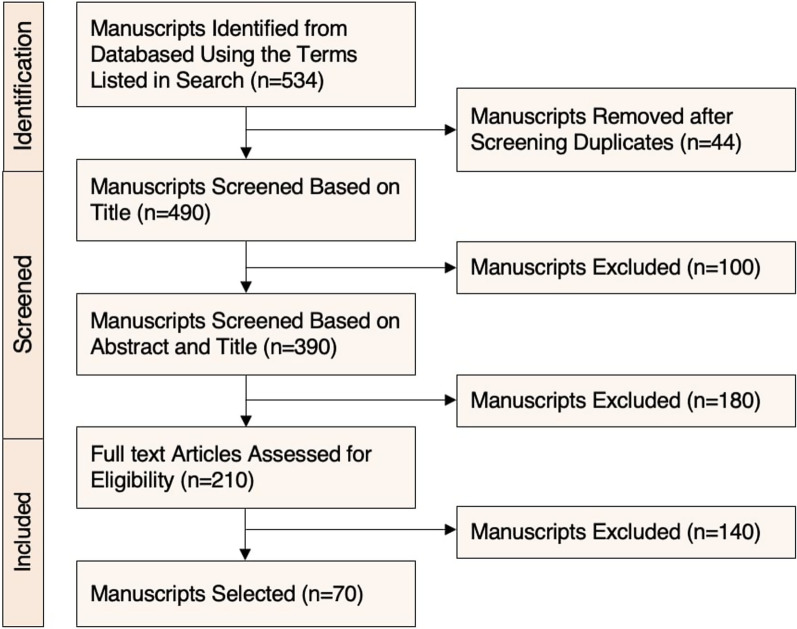
“In compliance with the PRISMA like guidelines, a flow-chart was used to provide a general overview of the article selection process [29].”
Wang, G., Ma, R., Qiao, G., Wada, K., Aizawa, Y., & Satoh, T. (2015) · Integrative Medicine International · doi:10.1159/000368408 · Cited by 18,657
Holland, G., & Tiggemann, M. (2016) · Body Image · doi:10.1016/j.bodyim.2016.02.008 · Cited by 1,395 · cited 2×
“There is robust evidence regarding the negative effects of HVSM on body image, depression, social comparison, and DE [28].”
BackgroundMethodMaturation of the adolescent brain
Sharma, S., Arain, Mathur, Rais, Nel, Sandhu, Haque, & Johal (2013) · Neuropsychiatric Disease and Treatment · doi:10.2147/ndt.s39776 · Cited by 1,249 · cited 1×
“Simultaneously, the critical developmental period of adolescence [3] is characterized by an increased focus on body image, which is linked to both self and social worth, and is influenced by body weight and shape [4].”
BackgroundWomen and weight a normative discontent
Rodin, J., Silberstein, L. R., & Moore, R. S. (1985) · Cited by 1,048
Treasure, J., Duarte, T. A., & Schmidt, U. (2020) · The Lancet · doi:10.1016/s0140-6736(20)30059-3 · Cited by 1,026
Social Media and Body Image Concerns: Current Research and Future Directions
Fardouly, J., & Vartanian, L. R. (2016) · Current Opinion in Psychology · doi:10.1016/j.copsyc.2015.09.005 · Cited by 801 · cited 1×
“However, current research recognizes the increasing role of appearance-based engagement on SM platforms [30] and the complex interactions with body image and body satisfaction [31].”
BackgroundNetGirls: The Internet, Facebook, and body image concern in adolescent girls
Tiggemann, M., & Slater, A. (2013) · International Journal of Eating Disorders · doi:10.1002/eat.22141 · Cited by 741 · cited 2×
“While many friends are linked to body image concerns and dieting, neuroimaging studies highlight the rewarding nature of likes, influencing self-presentation and affecting self-esteem [60].”
Background“Exercise to be fit, not skinny,”: the effect of fitspiration imagery on women's body image
Tiggemann, M., & Zaccardo, M. (2015) · Body Image · doi:10.1016/j.bodyim.2015.06.003 · Cited by 737
‘Strong is the new skinny’: A content analysis of #fitspiration images on Instagram
Tiggemann, M., & Zaccardo, M. (2018) · Journal of Health Psychology · doi:10.1177/1359105316639436 · Cited by 594 · cited 1×
“…e p e r f e c t i o n i s m s i g n i fi c a n t l y m e d i - a t e s t h e r e l a t i o n s h i p b e t w ee n I n s t a g r a m a dd i c t i o n a n d b o d y e s t ee m , w i t h g e n d e r d i ff e r e n c e s been shown to positively correlate with body image concerns [60] and dieting [61].”
BackgroundA meta-analytic review of the relationship between social media use and body image disturbance
Saiphoo, A. N., & Vahedi, Z. (2019) · Computers in Human Behavior · doi:10.1016/j.chb.2019.07.028 · Cited by 539 · cited 2×
“Early work on SM and ED focused primarily on the association between overall time spent on SM platforms and causal factors for ED, such as worsened body image, body dissatisfaction, and lower self-esteem [18].”
BackgroundEpidemiology, course, and outcome of eating disorders
Smink, F. R. E., van Hoeken, D., & Hoek, H. W. (2013) · Current Opinion in Psychiatry · doi:10.1097/yco.0b013e328365a24f · Cited by 507 · cited 1×
“In their lifetime, 13% of adolescent girls and women experience a clinical or subclinical ED [7], and 60% actively try to lose weight despite being within the normal weight range.”
BackgroundSampasa-Kanyinga, H., & Lewis, R. F. (2015) · Cyberpsychology, Behavior, and Social Networking · doi:10.1089/cyber.2015.0055 · Cited by 424
Picture Perfect: The Direct Effect of Manipulated Instagram Photos on Body Image in Adolescent Girls
Kleemans, M., Daalmans, S., Carbaat, I., & Anschütz, D. (2018) · Media Psychology · doi:10.1080/15213269.2016.1257392 · Cited by 421 · cited 2×
“Adolescents high in trait social comparison may be especially vulnerable to the deleterious effects of viewing others’ photos on body image and satisfaction [57].”
BackgroundSocial Media and Body Image: Recent Trends and Future Directions
Vandenbosch, L., Fardouly, J., & Tiggemann, M. (2022) · Current Opinion in Psychology · doi:10.1016/j.copsyc.2021.12.002 · Cited by 403 · cited 1×
“Across genders, a mal-adaptive focus on body image [9, 10] may cause body dissatisfaction, which has been identified as the most powerful predictor and risk factor for the development of DE [11].”
BackgroundInstagram use is linked to increased symptoms of orthorexia nervosa.
Turner, P. G., & Lefevre, C. E. (2017) · Eating and Weight Disorders - Studies on Anorexia, Bulimia and Obesity · doi:10.1007/s40519-017-0364-2 · Cited by 380 · cited 1×
“HVSM influences overvaluation of weight and shape, fear of weight gain, and preoccupation with weight and shape, contributing to core ED psychopathology [20, 23].”
BackgroundSelfie posting behaviors are associated with narcissism among men.
Sorokowski, P., Sorokowska, A., Oleszkiewicz, A., Frackowiak, T., Huk, A., & Pisanski, K. (2015) · Personality and Individual Differences · doi:10.1016/j.paid.2015.05.004 · Cited by 376
Women and weight: a normative discontent.
Rodin, J., Silberstein, L. R., & Striegel-Moore, R. (1984) · PubMed · Cited by 339
Looks and Lies: The Role of Physical Attractiveness in Online Dating Self-Presentation and Deception
Toma, C. L., & Hancock, J. T. (2010) · Communication Research · doi:10.1177/0093650209356437 · Cited by 331 · cited 1×
“In preparation to posting selfies, users typically engage in photo investment and photo manipulation [48], i.e. using filters [49].”
Why we post selfies: Understanding motivations for posting pictures of oneself
Sung, Y., Lee, J.-A., Kim, E., & Choi, S. M. (2016) · Personality and Individual Differences · doi:10.1016/j.paid.2016.03.032 · Cited by 312 · cited 1×
“Selfie posting is a social behavior related to attention-seeking, communication, and entertainment motivations [53].”
Background“Selfie” harm: Effects on mood and body image in young women
Mills, J. S., Musto, S., Williams, L., & Tiggemann, M. (2018) · Body Image · doi:10.1016/j.bodyim.2018.08.007 · Cited by 297
Rodgers, R. F., Slater, A., Gordon, C. S., McLean, S. A., Jarman, H. K., & Paxton, S. J. (2020) · Journal of Youth and Adolescence · doi:10.1007/s10964-019-01190-0 · Cited by 296 · cited 2×
“The use of HVSM has been associated with body image concerns and disordered eating (DE) behaviors [2].”
BackgroundSocial Comparison as the Thief of Joy: Emotional Consequences of Viewing Strangers’ Instagram Posts
de Vries, D. A., Möller, A. M., Wieringa, M. S., Eigenraam, A. W., & Hamelink, K. (2018) · Media Psychology · doi:10.1080/15213269.2016.1267647 · Cited by 274 · cited 3×
“Longitudinal evidence suggests that HVSM use is generally associated with more appearancerelated peer comments on adolescents’ SM posts [62].”
BackgroundResultDo age and gender differences exist in selfie-related behaviours?
Dhir, A., Pallesen, S., Torsheim, T., & Andreassen, C. S. (2016) · Computers in Human Behavior · doi:10.1016/j.chb.2016.05.053 · Cited by 270 · cited 1×
“D h i r ( 2016 ) [ 36 ]”
The relationship between social media use and disordered eating in young adolescents.
Wilksch, S. M., O'Shea, A., Ho, P., Byrne, S., & Wade, T. D. (2020) · International Journal of Eating Disorders · doi:10.1002/eat.23198 · Cited by 267 · cited 1×
“In the case of females, because the advertised female body is unat-tainable for most women, their discouragement, captured through negative body image and decreased body satisfaction, and goal to achieve the ideal body type may lead them to practice DE to bridge the gap [67].”
BackgroundSocial Media Use and Adolescents' Self-Esteem: Heading for a Person-Specific Media Effects Paradigm
Valkenburg, P., Beyens, I., Pouwels, J. L., van Driel, I. I., & Keijsers, L. (2021) · Journal of Communication · doi:10.1093/joc/jqaa039 · Cited by 258 · cited 2×
“Peer comments, whether positive or negative, exert diverse effects on adolescents’ self-esteem, self-objectification, and mood [64, 65].”
Background#Me: narcissism and its facets as predictors of selfie-posting frequency.
Weiser, E. B. (2015) · Personality and Individual Differences · doi:10.1016/j.paid.2015.07.007 · Cited by 258
Mingoia, J., Hutchinson, A. D., Wilson, C., & Gleaves, D. H. (2017) · Frontiers in Psychology · doi:10.3389/fpsyg.2017.01351 · Cited by 253 · cited 1×
“This practice’s effect on ED causal factors is mixed [17].”
BackgroundThe Association between Social Media Use and Eating Concerns among US Young Adults
Sidani, J. E., Shensa, A., Hoffman, B., Hanmer, J., & Primack, B. A. (2016) · Journal of the Academy of Nutrition and Dietetics · doi:10.1016/j.jand.2016.03.021 · Cited by 228 · cited 2×
“Furthermore, literature indicates that higher levels of HVSM engagement, both in terms of frequency and volume, have been associated with an increased likelihood of experiencing eating-related concerns, such as DE, among adolescents [33].”
Backgroundde Valle, M. K., Gallego-García, M., Williamson, P., & Wade, T. D. (2021) · Body Image · doi:10.1016/j.bodyim.2021.10.001 · Cited by 221 · cited 1×
“Across genders, a maladaptive focus on body image [9, 10] may cause body dissatisfaction, which has been identified as the most powerful predictor and risk factor for the development of DE [11].”
BackgroundLonergan, A. R., Bussey, K., Mond, J., Brown, O., Griffiths, S., Murray, S. B., & Mitchison, D. (2019) · Body Image · doi:10.1016/j.bodyim.2018.12.001 · Cited by 209 · cited 1×
“Despite similar overall online time, those with ED allocate more time to content centered around eating, weight, and body image on HVSM platforms compared to control counterparts [22, 39, 40].”
BackgroundEating disorders in adolescent boys and young men: an update
Nagata, J. M., Ganson, K. T., & Murray, S. B. (2020) · Current Opinion in Pediatrics · doi:10.1097/mop.0000000000000911 · Cited by 197 · cited 1×
“Males may have a higher drive for muscularity, which in extreme cases may lead to muscle dysmorphic disorder [8].”
BackgroundPedalino, F., & Camerini, A.-L. (2022) · International Journal of Environmental Research and Public Health · doi:10.3390/ijerph19031543 · Cited by 197 · cited 1×
“Upward comparison is a mediator of body dissatisfaction in females [34].”
BackgroundTamplin, N. C., McLean, S. A., & Paxton, S. J. (2018) · Body Image · doi:10.1016/j.bodyim.2018.05.003 · Cited by 194 · cited 2×
“This trend is accompanied by findings revealing that body dissatisfaction is associated with not only the extent of time spent on HVSM across genders but also with specific online behaviors, such as social comparisons and upward social comparisons with female peers [37, 38].”
BackgroundPini, S., Abelli, M., Carpita, B., Dell'Osso, L., Castellini, G., Carmassi, C., & Ricca, V. (2016) · Neuropsychiatric Disease and Treatment · doi:10.2147/ndt.s108912 · Cited by 183 · cited 2×
“Eating behavior associations with the female gender date back to the Middle Ages when fasting was associated with holiness, and have evolved with societal changes to a focus less on religion and more on body self-presentation [4].”
BackgroundTIGGEMANN, M., GARDINER, M., & SLATER, A. (2000) · Journal of Adolescence · doi:10.1006/jado.2000.0350 · Cited by 174 · cited 1×
“For example, in an Australian study with 67 girls focusing on the importance of body-image, many participants would prefer to be size 10 than get straight A’s [13].”
BackgroundEngeln, R., Loach, R., Imundo, M. N., & Zola, A. (2020) · Body Image · doi:10.1016/j.bodyim.2020.04.007 · Cited by 171 · cited 1×
“However, current research recognizes the increasing role of appearance-based engagement on SM platforms [30] and the complex interactions with body image and body satisfaction [31].”
BackgroundSelfies and personality: Who posts self-portrait photographs?
Sorokowska, A., Oleszkiewicz, A., Frackowiak, T., Pisanski, K., Chmiel, A., & Sorokowski, P. (2016) · Personality and Individual Differences · doi:10.1016/j.paid.2015.10.037 · Cited by 169 · cited 1×
“Engagement on HVSM platforms through uploading visual media can transform contemporary everyday life into a “more photographic” life presented as a ‘selfie,’ which refers to a photograph of oneself that is typically shared through SM [14].”
BackgroundSaunders, J. F., & Eaton, A. A. (2018) · Cyberpsychology Behavior and Social Networking · doi:10.1089/cyber.2017.0713 · Cited by 169 · cited 1×
“…consumer, or prosumer (producer and consumer) promotes social comparison, the internalization of thin/muscular ideal, and the aim to adopt an observer’s perspective of their bodies and to habitually monitor themselves [16– 19], contributing to the development and maintenance of DE and ED [20, 21].”
BackgroundThe Appearance-Related Social Media Consciousness Scale: Development and validation with adolescents
Choukas-Bradley, S., Nesi, J., Widman, L., & Galla, B. M. (2020) · Body Image · doi:10.1016/j.bodyim.2020.02.017 · Cited by 160 · cited 1×
“Photo investment and manipulation Current evidence suggests that photo-centered activity, rather than total time spent on HVSM relates to adolescents’ body image disturbances [47].”
BackgroundScully, M., Swords, L., & Nixon, E. (2023) · Irish Journal of Psychological Medicine · doi:10.1017/ipm.2020.93 · Cited by 156 · cited 2×
“Research findings indicate that a substantial percentage of individuals aged 18 to 24 engage in taking selfies with a majority actively sharing these images multiple times daily [68].”
BackgroundChang, L., Li, P., Loh, R. S. M., & Chua, T. H. H. (2019) · Body Image · doi:10.1016/j.bodyim.2019.03.005 · Cited by 151
McComb, S. E., & Mills, J. S. (2021) · Body Image · doi:10.1016/j.bodyim.2021.03.012 · Cited by 140 · cited 1×
“This loop is driven by increased body surveillance and heightened awareness towards perceived flaws and imperfections [51].”
BackgroundFatt, S. J., Fardouly, J., & Rapee, R. M. (2019) · New Media & Society · doi:10.1177/1461444818821064 · Cited by 136 · cited 2×
“This trend is accompanied by findings revealing that body dissatisfaction is associated with not only the extent of time spent on HVSM across genders but also with specific online behaviors, such as social comparisons and upward social comparisons with female peers [37, 38].”
BackgroundWhen media become the mirror: a meta-analysis on media and body image
Huang, Q., Peng, W., & Ahn, S. (2021) · Media Psychology · doi:10.1080/15213269.2020.1737545 · Cited by 136 · cited 2×
“Across genders, a maladaptive focus on body image [9, 10] may cause body dissatisfaction, which has been identified as the most powerful predictor and risk factor for the development of DE [11].”
BackgroundAn exploratory study of ‘selfitis' and the development of the Selfitis Behavior Scale
Balakrishnan, J., & Griffiths, M. D. (2018) · International Journal of Mental Health and Addiction · doi:10.1007/s11469-017-9844-x · Cited by 134 · cited 2×
“Research suggests a positive relationship between selfie posting and increased self-confidence in the short term [55].”
BackgroundSanzari, C. M., Gorrell, S., Anderson, L. M., Reilly, E. E., Niemiec, M. A., Orloff, N. C., Anderson, D. A., & Hormes, J. M. (2023) · Eating Behaviors · doi:10.1016/j.eatbeh.2023.101722 · Cited by 129 · cited 1×
“This confluence of adolescence and HVSM use can influence the prevalence and management of eating disorders (ED) and DE, especially among girls [5].”
BackgroundMahon, C., & Hevey, D. (2021) · Frontiers in Psychology · doi:10.3389/fpsyg.2021.626763 · Cited by 119 · cited 3×
“Yet, males show interest in content by athletes and bodybuilders, particularly fitspira-tion, which appears to shift their health concerns towards appearance [43, 44].”
BackgroundCulbert, K. M., Breedlove, S. M., Burt, S. A., & Klump, K. L. (2008) · Archives of General Psychiatry · doi:10.1001/archgenpsychiatry.2007.47 · Cited by 117
The effects of puberty on genetic risk for disordered eating: evidence for a sex difference
Klump, K. L., Culbert, K. M., Slane, J. D., Burt, S. A., Sisk, C. L., & Nigg, J. T. (2012) · Psychological Medicine · doi:10.1017/s0033291711001541 · Cited by 113 · cited 1×
“Furthermore, increase in testosterone, characteristic of pubertal development in males, seems to be a protective factor against DE [25–27].”
BackgroundRodgers, R. F. (2016) · Adolescent Research Review · doi:10.1007/s40894-015-0017-5 · Cited by 112 · cited 1×
“Introduction Since its advent, social media (SM) use has increased exponentially among adolescents [1].”
BackgroundWang, Y., Xie, X., Fardouly, J., Vartanian, L. R., & Lei, L. (2021) · New Media & Society · doi:10.1177/1461444819894346 · Cited by 108 · cited 1×
“Additionally, selfie posting and self-objectification are bidirectional, in that selfie posting may precede or result from appearance dissatisfaction [54].”
BackgroundBody image dissatisfaction, physical activity and screen-time in Spanish adolescents
Añez, E., Fornieles-Deu, A., Fauquet-Ars, J., López-Guimerà, G., Puntí-Vidal, J., & Sánchez-Carracedo, D. (2018) · Journal of Health Psychology · doi:10.1177/1359105316664134 · Cited by 104
(2015) · International journal of communication · Cited by 77
Berne, S., Frisén, A., & Kling, J. (2014) · Body Image · doi:10.1016/j.bodyim.2014.08.006 · Cited by 75 · cited 2×
“However, negative appearance related comments may be linked to adolescent females’ lower self-esteem and depression and to males’ tendency to act out [64].”
BackgroundTiggemann, M. (2022) · Body Image · doi:10.1016/j.bodyim.2022.02.012 · Cited by 74 · cited 1×
“In preparation to posting selfies, users typically engage in photo investment and photo manipulation [48], i.e. using filters [49].”
Barron, A. M., Krumrei-Mancuso, E. J., & Harriger, J. A. (2021) · Body Image · doi:10.1016/j.bodyim.2021.01.003 · Cited by 72
Sorokowski, P., Sorokowska, A., Frackowiak, T., Karwowski, M., Rusicka, I., & Oleszkiewicz, A. (2016) · Computers in Human Behavior · doi:10.1016/j.chb.2016.02.033 · Cited by 72
Culbert, K. M., Breedlove, S. M., Sisk, C. L., Burt, S. A., & Klump, K. L. (2013) · Journal of Abnormal Psychology · doi:10.1037/a0031791 · Cited by 65
Murray, M., Maras, D., & Goldfield, G. S. (2016) · Cyberpsychology Behavior and Social Networking · doi:10.1089/cyber.2016.0384 · Cited by 65 · cited 1×
“Weight and appearance-related esteem mediate the relationship between excessive time on SM and restrained eating across genders, and appearance-related esteem mediates the relationship between excessive time on SM and emotional eating for females [32].”
BackgroundThe Relationship Between SNS Usage and Disordered Eating Behaviors: A Meta-Analysis
Zhang, J., Wang, Y., Li, Q., & Wu, C. (2021) · Frontiers in Psychology · doi:10.3389/fpsyg.2021.641919 · Cited by 65 · cited 2×
“As the research shows, extensive HVSM use contributes to risk factors of DE/ED, such as worsened body image and lowered body satisfaction, leading to DE and orthorexia nervosa, which refers to an obsession with healthy eating, which may evolve into ED [21].”
BackgroundVendemia, M. A., & DeAndrea, D. C. (2021) · Body Image · doi:10.1016/j.bodyim.2021.01.011 · Cited by 64 · cited 3×
“Adolescents are also highly attuned to quantifiable metrics of peer approval in the form of likes, comments, friends, and followers [59].”
BackgroundInfluentialTerán, L., Yan, K., & Aubrey, J. S. (2020) · Journal of Children and Media · doi:10.1080/17482798.2019.1697319 · Cited by 61 · cited 1×
“Research signals to a “feedback loop” with photo investment, meaning that photo-editing is a consequence of body dissatisfaction, and body dissatisfaction further reinforces the behavior of editing [50].”
BackgroundEstrogen Receptor 1 Gene (ESR1) is Associated with Restrictive Anorexia Nervosa
Versini, A., Ramoz, N., Strat, Y. L., Scherag, S., Ehrlich, S., Boni, C., Hinney, A., Hebebrand, J., Romo, L., Guelfi, J., et al. (2010) · Neuropsychopharmacology · doi:10.1038/npp.2010.49 · Cited by 59
Posting edited photos of the self: Increasing eating disorder risk or harmless behavior?
Wick, M. R., & Keel, P. K. (2020) · International Journal of Eating Disorders · doi:10.1002/eat.23263 · Cited by 59
Face Yourself(ie): Investigating selfie-behavior in females with severe eating disorder symptoms
Yellowlees, R., Dingemans, A. E., Veldhuis, J., & de Vaate, N. A. J. D. B. (2019) · Computers in Human Behavior · doi:10.1016/j.chb.2019.07.018 · Cited by 57 · cited 1×
“Though there is complex relationship of selfie posting with body image and ED, offline selfies (taking selfies that are not shared), known as body-checking, is related to greater ED symptom severity in most research [56].”
BackgroundZimmer-Gembeck, M. J., Hawes, T., & Pariz, J. (2021) · Psychology of Popular Media · doi:10.1037/ppm0000277 · Cited by 56 · cited 3×
“Photo-centered activities on HVSM, rather than mere time spent, appear to be associated to adolescents’ body image disturbances [58].”
BackgroundInfluentialMaes, C., & Vandenbosch, L. (2022) · Body Image · doi:10.1016/j.bodyim.2022.04.015 · Cited by 55
Young People’s Experiences of Engaging With Fitspiration on Instagram: Gendered Perspective
Mayoh, J., & Jones, I. (2021) · Journal of Medical Internet Research · doi:10.2196/17811 · Cited by 52 · cited 2×
“Yet, males show interest in content by athletes and bodybuilders, particularly fitspiration, which appears to shift their health concerns towards appearance [43, 44].”
BackgroundSantarossa, S., Lacasse, J., Larocque, J., & Woodruff, S. J. (2018) · Eating and Weight Disorders - Studies on Anorexia Bulimia and Obesity · doi:10.1007/s40519-018-0594-y · Cited by 51 · cited 2×
“The engagement with content either as a producer, consumer, or prosumer (producer and consumer) promotes social comparison, the internalization of thin/muscular ideal, and the aim to adopt an observer’s perspective of their bodies and to habitually monitor themselves [16– 19], contributing to the development and maint…”
BackgroundSimon, P. D., Cu, S. M. O., Jesus, K. E. M. D., Go, N. T. S., Lim, K. T. F., & Say, C. L. C. (2021) · Personality and Individual Differences · doi:10.1016/j.paid.2021.111346 · Cited by 48
Saunders, J. F., Eaton, A. A., & Aguilar, S. R. (2020) · Computers in Human Behavior · doi:10.1016/j.chb.2020.106420 · Cited by 45 · cited 1×
“HVSM is used ubiquitously as a ready and primary source of information on food, exercise, and beauty standards with unprecedented access to advertisements and posts from peers, celebrities, and SM influencers [15], as well as personalized ad content.”
BackgroundAssociation Among Internet Usage, Body Image and Eating Behaviors of Secondary School Students.
(2017) · Europe PMC (PubMed Central) · doi:10.11919/j.issn.1002-0829.216092 · Cited by 44
Social media use and body image issues among adolescents in a vulnerable Louisiana community
Sagrera, C. E., Magner, J., Temple, J., Lawrence, R., Magner, T. J., Avila-Quintero, V. J., McPherson, P., Alderman, L. L., Bhuiyan, M. A. N., Patterson, J. C., et al. (2022) · Frontiers in Psychiatry · doi:10.3389/fpsyt.2022.1001336 · Cited by 42
McLean, S. A., Paxton, S. J., Wertheim, E. H., & Masters, J. (2015) · Journal of Eating Disorders · doi:10.1186/2050-2974-3-s1-o21 · Cited by 41 · cited 1×
“While prior studies have found a positive relationship between photo investment and manipulation and the development of ED causal factors, such as body dissatisfaction [52], a few studies did not find a significant association between photo manipulation and body dissatisfaction [62, 63].”
ResultThe associations between photo-editing and body concerns among females: A systematic review
McGovern, O., Collins, R., & Dunne, S. (2022) · Body Image · doi:10.1016/j.bodyim.2022.10.013 · Cited by 41 · cited 2×
“…(n = 10) of the included studies found an association between photo-editing and body-image, 4 reported mixed results, and 3 highlighted indirect associations between photo-editing and body-image concerns that were influenced by several constructs, including rumination and self-objectification [19].”
Backgroundde Valle, M. K., & Wade, T. D. (2022) · International Journal of Eating Disorders · doi:10.1002/eat.23756 · Cited by 40 · cited 2×
“However, there is also potential of HVSM to be used as a therapeutic tool for treatment of DE/ED as shown in a feasibility study, which tested the efficacy of an intervention focused on appearance-related social media use on young adults, who are at heightened risk of developing an ED [69].”
BackgroundBachner‐Melman, R., Zontag-Oren, E., Zohar, A. H., & Sher, H. (2018) · Frontiers in Psychology · doi:10.3389/fpsyg.2018.02128 · Cited by 35
Duan, C., Lian, S.-L., Li, Y., Niu, G., & Sun, X. (2022) · Behavioral Sciences · doi:10.3390/bs12080280 · Cited by 34 · cited 2×
“Filtered photo activity is positively associated with body dissatisfaction, and thin ideal internalization may mediate this relationship [22].”
BackgroundArigo, D., Brown, M. M., & DiBisceglie, S. (2021) · PubMed Central · doi:10.1093/tbm/ibab016 · Cited by 30 · cited 2×
“In this context, self-compassion messaging demonstrated its capacity to yield positive outcomes primarily among females, while images devoid of associated text emerged as the optimal choice for promoting positive outcomes among males [35].”
BackgroundRodgers, R. F., Campagna, J., Attawala, R., Richard, C., Kakfa, C., & Rizzo, C. J. (2019) · Eating and Weight Disorders - Studies on Anorexia Bulimia and Obesity · doi:10.1007/s40519-019-00754-0 · Cited by 26
Hrafnkelsdóttir, S. M., Brychta, R. J., Rögnvaldsdóttir, V., Chen, K. Y., Jóhannsson, E., Guðmundsdóttir, S. L., & Arngrímsson, S. Á. (2022) · International Journal of Environmental Research and Public Health · doi:10.3390/ijerph19031308 · Cited by 23
Cingel, D. P., & Olsen, M. K. (2018) · Journal of Broadcasting & Electronic Media · doi:10.1080/08838151.2018.1451860 · Cited by 18 · cited 2×
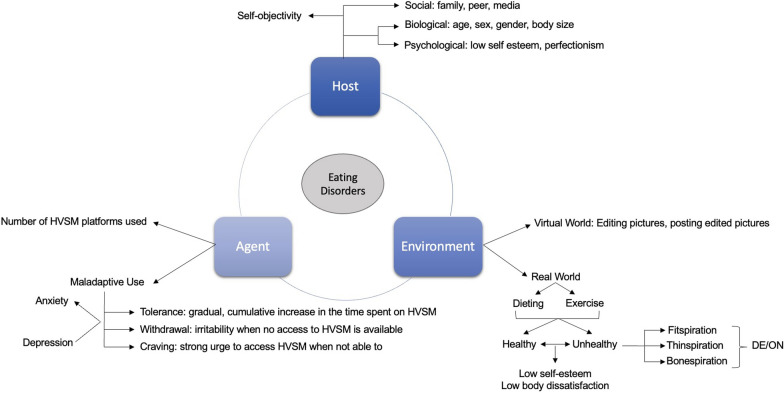
“…the individual predisposing factors and the development of ED may be linked to HVSM use, namely the number of HVSM platforms used and their maladaptive use, because HVSM use is linked to the development of recognized causal factors for ED, such as low self-esteem and body dissatisfaction [66].”
BackgroundSchettino, G., Fabbricatore, R., & Caso, D. (2022) · Psychology of Popular Media · doi:10.1037/ppm0000417 · Cited by 18
“Get out of my selfie!” Narcissism, gender, and motives for self-photography among emerging adults.
Koterba, E. A., Ponti, F., & Ligman, K. M. (2020) · Psychology of Popular Media · doi:10.1037/ppm0000272 · Cited by 17 · cited 1×
“On the other hand, research on male responses to HVSM content indicates that cognitive strategies, like critical evaluation and positive reframing are employed to navigate negative influences and choose positive content [42].”
BackgroundPredictors of Disordered Eating in Young Males
Doumit, R., Kharma, J. A., Sánchez‐Ruiz, M., & Zeeni, N. (2017) · Community Mental Health Journal · doi:10.1007/s10597-017-0163-2 · Cited by 13 · cited 1×
“Furthermore, increase in testosterone, characteristic of pubertal development in males, seems to be a protective factor against DE [25–27].”
BackgroundDoes Objectification on Social Media Cost Young Men?
Daniels, E. A. (2018) · Emerging Adulthood · doi:10.1177/2167696818804051 · Cited by 13 · cited 1×
“Despite similar overall online time, those with ED allocate more time to content centered around eating, weight, and body image on HVSM platforms compared to control counterparts [22, 39, 40].”
Background
Cited by
Effects of Social Media Use on Youth and Adolescent Mental Health: A Scoping Review of Reviews
Agyapong-Opoku, N., Agyapong-Opoku, F., & Greenshaw, A. J. (2025) · Behavioral Sciences · doi:10.3390/bs15050574 · Cited by 84
“Four of the twenty-five studies reviewed by McCrory et al. (2020) suggested a null relationship between social media use and mental health among young people.”
Xiang, K., & Kong, F. (2024) · Appetite · doi:10.1016/j.appet.2024.107360 · Cited by 31
Ganson, K. T., Testa, A. M., Rodgers, R. F., & Nagata, J. M. (2025) · Body Image · doi:10.1016/j.bodyim.2025.101903 · Cited by 21
The associations between social comparison on social media and young adults’ mental health
Le Blanc-Brillon, J., Fortin, J.-S., Lafrance, L., & Hétu, S. (2025) · Frontiers in Psychology · doi:10.3389/fpsyg.2025.1597241 · Cited by 16
Prevention of eating disorders: 2023 in review
Levine, M. P. (2024) · Eating Disorders · doi:10.1080/10640266.2024.2345995 · Cited by 10
Metadata
- Authors
- Sharma, A., & Vidal, C.
- Affiliations
- Johns Hopkins University (US)
- Corresponding author
- Sharma, Ashley
- Venue
- Journal of Eating Disorders
- Published
- 2023-09-26
- Volume
- 11
- Issue
- 1
- Pages
- 170-170
- ISSN
- 2050-2974 (ISSN-L)
- PMC
- PMC10521472
- OpenAlex
- W4387059293
- Semantic Scholar
- a75011e04b49c84b6bff98dec1c4d55620232c4b
- Cited by
- 53
- References
- 88
- Citations by year
- 2026: 21 · 2025: 24 · 2024: 8
- FWCI
- 2.68
- Type
- journal article
- Language
- en
- Open access
- gold
- doi.org
- Licence
- cc-by
- creativecommons.org/licenses/by/4.0 (tdm)
- creativecommons.org/licenses/by/4.0 (vor)
- Locations
- Journal of Eating Disorders (publishedVersion, cc-by)
- Research Square (acceptedVersion, cc-by)
- PubMed Central (publishedVersion, cc-by)
- PubMed (publishedVersion)
- DOAJ (DOAJ: Directory of Open Access Journals) (submittedVersion, cc-by-sa)
- Funders
- National Institute on Drug Abuse (K12DA000357)
- Topics
- Social Sciences › Psychology › Clinical Psychology › Eating Disorders and Behaviors
- Social Sciences › Sociology and Political Science › Impact of Technology on Adolescents
- Social Sciences › Psychology › Clinical Psychology › Body Image and Dysmorphia Studies
- Keywords
- eating disorders, disordered eating, adolescents and young adults, gender differences, selfies, social media use, platform transparency, youth mental health
About these checks
Registry, retraction, Cites and statistics results are computed, not judged, with one exception: a printed reference that no index lists is read once by a model before it counts as a citation error. Claims are extracted by a model and kept only when their quote appears verbatim in the text; each cited source is then checked, with a model’s help, for whether it says what the claim relies on. Those verdicts can be wrong — read the claim’s quote and the cited source before relying on one.
Statistics and arithmetic are recomputed, not judged.
Confidence bands are shown only for fields calibrated on our annotated test set. None is calibrated yet, so no band is shown.
What counts as a claim ›How we measure confidence ›How we check this ›
Are you an author, or do you see a problem with this page? Request a review
Data sources
Bibliographic data: Semantic Scholar, OpenAlex, Crossref.
Contains information from the Semantic Scholar Academic Graph Datasets, made available under the ODC Attribution License (ODC-BY 1.0).
Semantic Scholar’s data is described in: Kinney, R., et al. (2023). The Semantic Scholar Open Data Platform. arXiv:2301.10140.
