

The DOI matches its Crossref record; 240 of the 249 references it cites were found in a registry or an index; none of the 156 sources its claims cite is checked for support yet.
Muscle–Organ Crosstalk: The Emerging Roles of Myokines
Open accessAbstract
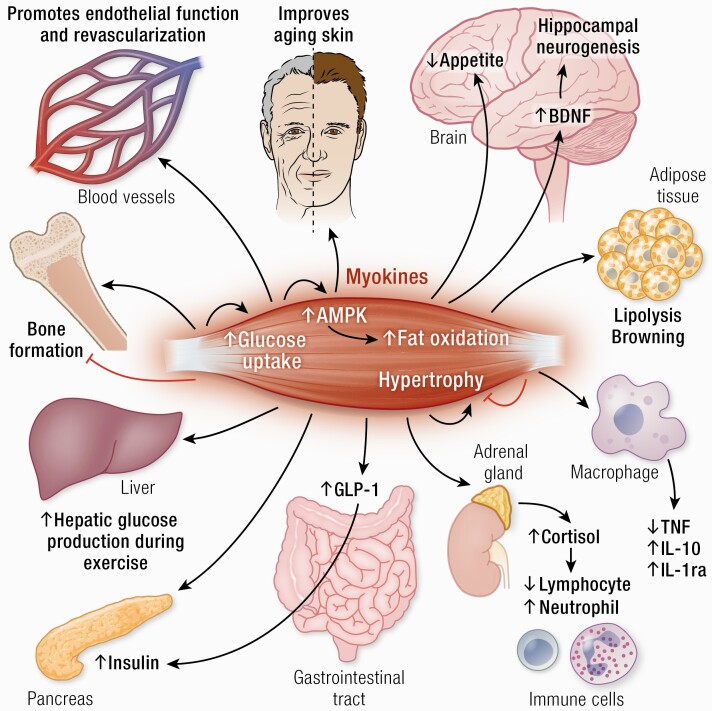
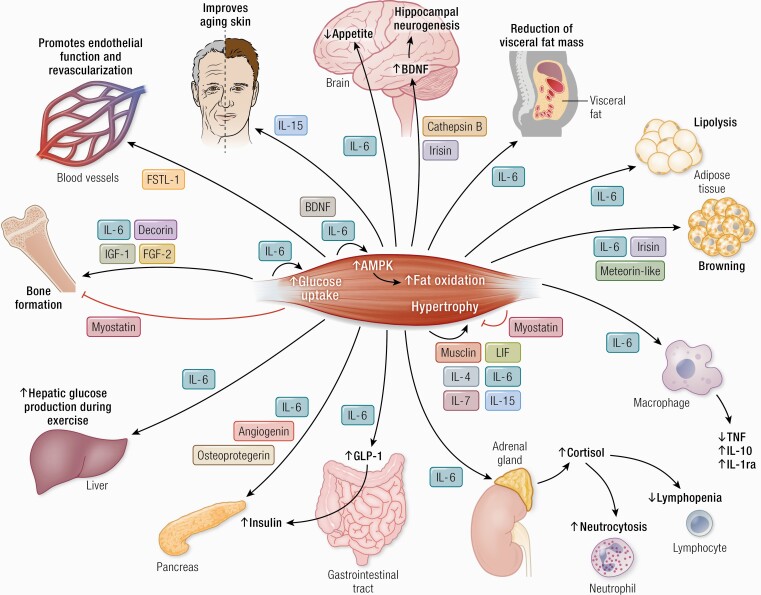
Physical activity decreases the risk of a network of diseases, and exercise may be prescribed as medicine for lifestyle-related disorders such as type 2 diabetes, dementia, cardiovascular diseases, and cancer. During the past couple of decades, it has been apparent that skeletal muscle works as an endocrine organ, which can produce and secrete hundreds of myokines that exert their effects in either autocrine, paracrine, or endocrine manners. Recent advances show that skeletal muscle produces myokines in response to exercise, which allow for crosstalk between the muscle and other organs, including brain, adipose tissue, bone, liver, gut, pancreas, vascular bed, and skin, as well as communication within the muscle itself. Although only few myokines have been allocated to a specific function in humans, it has been identified that the biological roles of myokines include effects on, for example, cognition, lipid and glucose metabolism, browning of white fat, bone formation, endothelial cell function, hypertrophy, skin structure, and tumor growth. This suggests that myokines may be useful biomarkers for monitoring exercise prescription for people with, for example, cancer, diabetes, or neurodegenerative diseases.
Overview
AI snapshot
Written from the paper’s full text.
TL;DR
Skeletal muscle acts as an endocrine organ, releasing myokines in response to exercise that mediate crosstalk with brain, adipose tissue, bone, liver, gut, pancreas, vascular bed, skin, immune system, and tumors. This review updates myokine biology, emphasizing IL-6 and the potential for myokines as exercise biomarkers and therapeutic targets, while noting that specific human functions remain defined for only a small fraction of myokines.
Key findings
- Myokines are defined as cytokines and other peptides produced, expressed, and released by muscle fibers that exert autocrine, paracrine, or endocrine effects; more than 650 myokines have been identified, but biological function has been described for only 5% of known myokines.
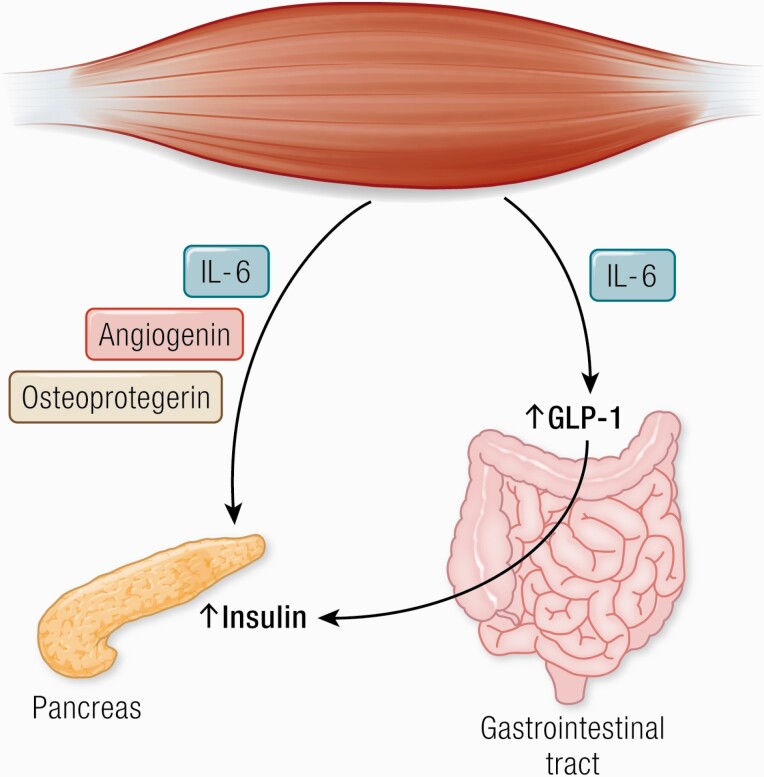
- IL-6 is a central exercise-induced myokine: it mediates anti-inflammatory effects by increasing IL-1ra and IL-10 and inhibiting endotoxin-induced TNF, delays gastric emptying, stimulates GLP-1 and insulin secretion, contributes to hepatic glucose output during exercise, and in a 12-week randomized controlled trial in abdominally obese humans, IL-6 receptor blockade abolished exercise-induced reduction in visceral adipose tissue mass.
- Muscle–organ crosstalk includes brain effects via cathepsin B and irisin, which may cross the blood–brain barrier and stimulate BDNF; aerobic exercise training for 3 months increased hippocampal volume by 12% in healthy individuals and by 16% in patients with schizophrenia.
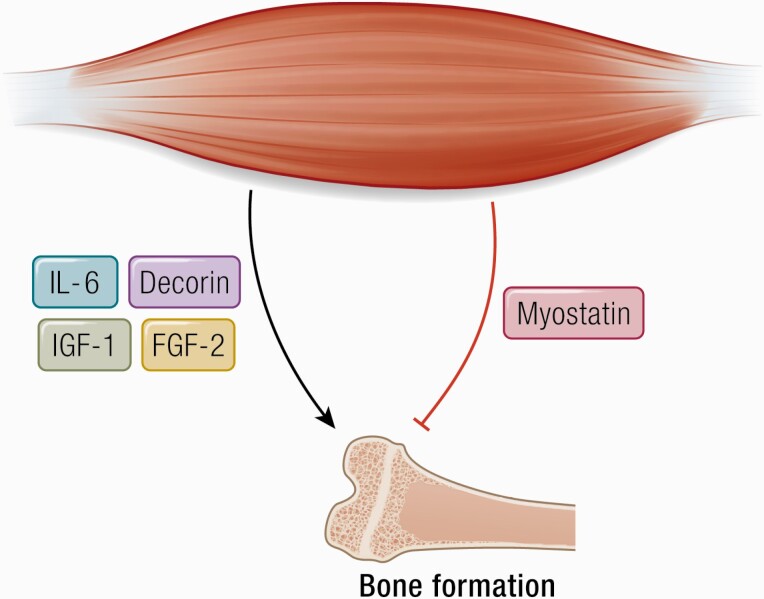
- Other reported roles include browning of white adipose tissue (irisin, meteorin-like, IL-6), bone regulation (decorin, IL-6, IGF-1, FGF-2 positively; myostatin negatively), skin aging via IL-15, endothelial/revascularization effects via FSTL1, and anticancer effects in mice, where running reduced tumor volume and incidence across 6 tumor models via natural killer cell mobilization and IL-6-dependent redistribution.
Methods
- Narrative review/update of recent advances in the myokine field; no systematic review protocol, meta-analysis, or primary data collection is described.
- Synthesizes preclinical and human literature across multiple organs, including cited human infusion studies, exercise trials, and a randomized controlled trial of abdominally obese humans receiving tocilizumab or placebo with aerobic exercise or no exercise for 12 weeks.
- Main analysis is qualitative synthesis of published findings; no statistical analysis or formal evidence grading is reported.
Limitations
- The paper states that biological function has been described for only 5% of known myokines; many browning findings are largely restricted to rodents and have not been consistently demonstrated in humans; the exercise-induced rise in plasma irisin in humans is controversial, partly due to unspecific commercial ELISA kits; whether cathepsin B mediates enhanced cognitive function in humans is unknown; the role of meteorin-like in humans remains to be identified; and it remains to be shown that physiological exercise-released IL-6 concentrations have browning effects.
- Evident from the text: as a narrative review, it lacks a systematic search strategy, explicit inclusion criteria, risk-of-bias assessment, and quantitative synthesis, and many mechanistic conclusions rely on animal or preclinical models.
Model-written summary. Check it against the paper before relying on it.
Integrity signals
Registry
Cites
Statistics
Figures
Verification
Claims the paper makes
92 Not checked yet · 10 Own interpretation · 4 No basis given
In the paper
“Exercise prior to endotoxin totally blunted the increase in circulating levels of TNF‐α that was observed during a resting situation.”
§ Muscle–Organ Crosstalk: The Emerging Roles of Myokines > Muscle–Immune Inflammation Crosstalk > The anti-inflammatory effects of exercise
What the sources say
- Not checked yetcites [113] Starkie, 2003, Exercise and IL-6 infusion inhibit endotoxin-induced TNF-alpha production in humans, FASEB J. source
plaindirect- Asserted: passes — The authors put it forward as true.
- Checkable: passes — It can be checked against evidence.
- Load-bearing: passes — The paper’s conclusions depend on it.
- Based: passes — The paper gives a reason why it holds.
In the paper
“It was therefore expected that an infusion of rhIL-6 prior to endotoxin administration would also blunt the TNF‐α response in humans and this was in fact what was found (113).”
§ Muscle–Organ Crosstalk: The Emerging Roles of Myokines > Muscle–Immune Inflammation Crosstalk > The anti-inflammatory effects of exercise
What the sources say
- Not checked yetcites [113] Starkie, 2003, Exercise and IL-6 infusion inhibit endotoxin-induced TNF-alpha production in humans, FASEB J. source
plaindirect- Asserted: passes — The authors put it forward as true.
- Checkable: passes — It can be checked against evidence.
- Load-bearing: passes — The paper’s conclusions depend on it.
- Based: passes — The paper gives a reason why it holds.
In the paper
“Our finding in 2000 that skeletal muscle produced and released interleukin-6 (IL-6) into the circulation (5)”
§ Muscle–Organ Crosstalk: The Emerging Roles of Myokines > Abstract
What the sources say
- Not checked yetcites [5] Steensberg, 2000, Production of interleukin-6 in contracting human skeletal muscles can account for the exercise-induced increase in plasma interleukin-6, J Physiol. source
plaindirect- Asserted: passes — The authors put it forward as true.
- Checkable: passes — It can be checked against evidence.
- Load-bearing: passes — The paper’s conclusions depend on it.
- Based: passes — The paper gives a reason why it holds.
In the paper
“research during the subsequent years, demonstrating that IL-6 has multiple metabolic effects in other parts of the body (6)”
§ Muscle–Organ Crosstalk: The Emerging Roles of Myokines > Abstract
What the sources say
- Not checked yetcites [6] Pedersen, 2008, Muscle as an endocrine organ: focus on muscle-derived interleukin-6, Physiol Rev. source
boosteddirect- Asserted: passes — The authors put it forward as true.
- Checkable: passes — It can be checked against evidence.
- Load-bearing: passes — The paper’s conclusions depend on it.
- Based: passes — The paper gives a reason why it holds.
In the paper
“Thus, it was obvious that 1 or several humoral factors had to be released from contracting muscles to the blood (3).”
§ Muscle–Organ Crosstalk: The Emerging Roles of Myokines > Abstract
What the sources say
- Not checked yetcites [3] Goldstein, 1961, Humoral nature of hypoglycemia in muscular activity, Am J Physiol. source
boosteddirect- Asserted: passes — The authors put it forward as true.
- Checkable: passes — It can be checked against evidence.
- Load-bearing: passes — The paper’s conclusions depend on it.
- Based: passes — The paper gives a reason why it holds.
None of the sources cited for this claim have been checked yet.
In the paper
“It was clear that signaling pathways from exercising skeletal muscle to other organs were not solely mediated via the nervous system, since electrical stimulation of paralyzed muscles in patients with no efferent or afferent nerve impulses induced the same types of physiological changes as were found in healthy human beings (1, 2).”
§ Muscle–Organ Crosstalk: The Emerging Roles of Myokines > Abstract
What the sources say
- Not checked yetcites [1] Kjaer, 1996, Hormonal and metabolic responses to electrically induced cycling during epidural anesthesia in humans, J Appl Physiol (1985). source
- Not checked yetcites [2] Mohr, 1997, Long-term adaptation to electrically induced cycle training in severe spinal cord injured individuals, Spinal Cord. source
boosteddirect- Asserted: passes — The authors put it forward as true.
- Checkable: passes — It can be checked against evidence.
- Load-bearing: passes — The paper’s conclusions depend on it.
- Based: passes — The paper gives a reason why it holds.
None of the sources cited for this claim have been checked yet.
In the paper
“During the past couple of decades, it has been apparent that skeletal muscle works as an endocrine organ, which can produce and secrete hundreds of myokines that exert their effects in either autocrine, paracrine, or endocrine manners.”
§ Muscle–Organ Crosstalk: The Emerging Roles of Myokines > Abstract
What the sources say
- Not checked yetcites [5] Steensberg, 2000, Production of interleukin-6 in contracting human skeletal muscles can account for the exercise-induced increase in plasma interleukin-6, J Physiol. source
- Not checked yetcites [6] Pedersen, 2008, Muscle as an endocrine organ: focus on muscle-derived interleukin-6, Physiol Rev. source
plaindirect- Asserted: passes — The authors put it forward as true.
- Checkable: passes — It can be checked against evidence.
- Load-bearing: passes — The paper’s conclusions depend on it.
- Based: passes — The paper gives a reason why it holds.
In the paper
“Although the myokine IL-6 is mostly recognized for its regulatory effects in lipid and glucose metabolism, IL-6 also plays important roles in myogenesis.”
§ Muscle–Organ Crosstalk: The Emerging Roles of Myokines > Muscle–Muscle Crosstalk > Myogenesis
What the sources say
- Not checked yetcites [49] Serrano, 2008, Interleukin-6 is an essential regulator of satellite cell-mediated skeletal muscle hypertrophy, Cell Metab. source
plaincorrelational- Asserted: passes — The authors put it forward as true.
- Checkable: passes — It can be checked against evidence.
- Load-bearing: unclear — It is unclear whether the paper’s conclusions depend on it.
- Based: passes — The paper gives a reason why it holds.
None of the sources cited for this claim have been checked yet.
In the paper
“Myokines are also involved in muscle proliferation, differentiation, and regeneration independent of exercise (39, 40).”
§ Muscle–Organ Crosstalk: The Emerging Roles of Myokines > Abstract
What the sources say
plaincorrelational- Asserted: passes — The authors put it forward as true.
- Checkable: passes — It can be checked against evidence.
- Load-bearing: unclear — It is unclear whether the paper’s conclusions depend on it.
- Based: passes — The paper gives a reason why it holds.
In the paper
“Physical inactivity is associated with high circulating basal levels of IL-6 in humans (55).”
§ Muscle–Organ Crosstalk: The Emerging Roles of Myokines > Muscle–Muscle Crosstalk > Metabolic actions
What the sources say
- Not checked yetcites [55] Fischer, 2006, Interleukin-6 in acute exercise and training: what is the biological relevance?, Exerc Immunol Rev.
plaincorrelational- Asserted: passes — The authors put it forward as true.
- Checkable: passes — It can be checked against evidence.
- Load-bearing: unclear — It is unclear whether the paper’s conclusions depend on it.
- Based: passes — The paper gives a reason why it holds.
- It may state two separate claims as one. 36
- Probably not a substantial claim. 3
In the paper
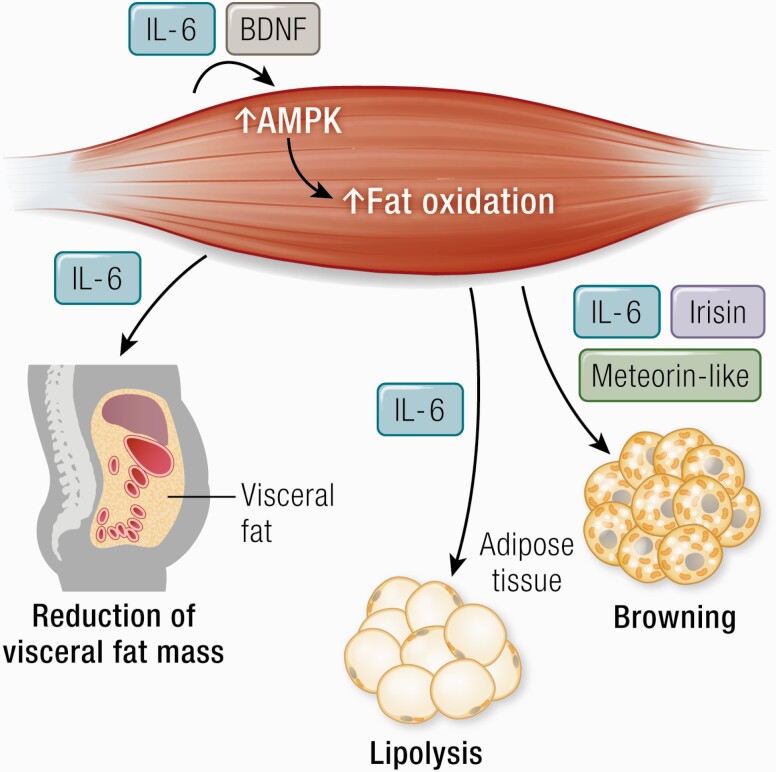
“The myokine IL-6 mediates the exercise-associated anti-inflammatory effects both acutely with each bout of exercise and as a consequence of training adaptation, including reduction in abdominal adiposity.”
§ Muscle–Organ Crosstalk: The Emerging Roles of Myokines > Abstract
What the sources say
- Not checked yetcites [136] Wedell-Neergaard, 2019, Exercise-induced changes in visceral adipose tissue mass are regulated by IL-6 signaling: a randomized controlled trial, Cell Metab. source
plaindirect- Asserted: passes — The authors put it forward as true.
- Checkable: passes — It can be checked against evidence.
- Load-bearing: passes — The paper’s conclusions depend on it.
- Based: passes — The paper gives a reason why it holds.
It may state two separate claims as one.
A conclusion the paper draws from its own results — it cites no other source for it, so there is none to check. The quote shows it is in the paper.
In the paper
“Myokines can be useful biomarkers for monitoring the type and amount of exercise that are required for the prescription of exercise for people with, for example, cancer, diabetes, or neurodegenerative diseases”
§ Muscle–Organ Crosstalk: The Emerging Roles of Myokines > Abstract
plaincorrelational- Asserted: passes — The authors put it forward as true.
- Checkable: passes — It can be checked against evidence.
- Load-bearing: passes — The paper’s conclusions depend on it.
- Based: fails — The paper may give no reason why it holds.
Probably not a substantial claim. The paper may give no reason why it holds.
None of the sources cited for this claim have been checked yet.
In the paper
“identified IL-6 as an exercise factor and skeletal muscle as a secretory organ with endocrine functions.”
§ Muscle–Organ Crosstalk: The Emerging Roles of Myokines > Abstract
What the sources say
- Not checked yetcites [5] Steensberg, 2000, Production of interleukin-6 in contracting human skeletal muscles can account for the exercise-induced increase in plasma interleukin-6, J Physiol. source
- Not checked yetcites [6] Pedersen, 2008, Muscle as an endocrine organ: focus on muscle-derived interleukin-6, Physiol Rev. source
plain- Asserted: passes — The authors put it forward as true.
- Checkable: passes — It can be checked against evidence.
- Load-bearing: passes — The paper’s conclusions depend on it.
- Based: passes — The paper gives a reason why it holds.
It may state two separate claims as one.
None of the sources cited for this claim have been checked yet.
In the paper
“Myokines mediate communication between muscle and other organs, including brain, adipose tissue, bone, liver, gut, pancreas, vascular bed, and skin, as well as within the muscle itself”
- Also stated in: § Abstract · plain
“During exercise, myokines signal within the muscle and mediate muscle–organ crosstalk to the brain, adipose tissue, bone, liver, gut, pancreas, vascular bed, and skin (7, 29, 30).”
§ Muscle–Organ Crosstalk: The Emerging Roles of Myokines > Abstract
What the sources say
- Not checked yetcites [7] Pedersen, 2012, Muscles, exercise and obesity: skeletal muscle as a secretory organ, Nat Rev Endocrinol. source
- Not checked yetcites [29] Benatti, 2015, Exercise as an anti-inflammatory therapy for rheumatic diseases-myokine regulation, Nat Rev Rheumatol. source
- Not checked yetcites [30] Pedersen, 2019, Physical activity and muscle-brain crosstalk, Nat Rev Endocrinol. source
plaindirect- Asserted: passes — The authors put it forward as true.
- Checkable: passes — It can be checked against evidence.
- Load-bearing: passes — The paper’s conclusions depend on it.
- Based: passes — The paper gives a reason why it holds.
It may state two separate claims as one.
- Also stated in: § Abstract · plain
The paper states this without a source or data behind it here, so there is nothing to check it against. The quote shows it is in the paper.
In the paper
“Myokines exert their effects on, for example, cognition, lipid and glucose metabolism, browning of white fat, bone formation, endothelial cell function, hypertrophy, skin structure, and tumor growth”
§ Muscle–Organ Crosstalk: The Emerging Roles of Myokines > Abstract
plaindirect- Asserted: passes — The authors put it forward as true.
- Checkable: passes — It can be checked against evidence.
- Load-bearing: passes — The paper’s conclusions depend on it.
- Based: unclear — It is unclear why the paper says it holds.
It may state two separate claims as one.
In the paper
“identifying more than 650 myokines (38).”
§ Muscle–Organ Crosstalk: The Emerging Roles of Myokines > Abstract
What the sources say
- Not checked yetcites [38] Khan, 2019, Myokines: discovery challenges and therapeutic impediments, J Pak Med Assoc.
plain- Asserted: passes — The authors put it forward as true.
- Checkable: passes — It can be checked against evidence.
- Load-bearing: fails — The paper’s conclusions may not depend on it.
- Based: passes — The paper gives a reason why it holds.
Probably not a substantial claim. The paper’s conclusions may not depend on it.
None of the sources cited for this claim have been checked yet.
In the paper
“During exercise, myokines signal within the muscle and mediate muscle–organ crosstalk to the brain, adipose tissue, bone, liver, gut, pancreas, vascular bed, and skin (7, 29, 30).”
§ Muscle–Organ Crosstalk: The Emerging Roles of Myokines > Abstract
What the sources say
- Not checked yetcites [7] Pedersen, 2012, Muscles, exercise and obesity: skeletal muscle as a secretory organ, Nat Rev Endocrinol. source
- Not checked yetcites [29] Benatti, 2015, Exercise as an anti-inflammatory therapy for rheumatic diseases-myokine regulation, Nat Rev Rheumatol. source
- Not checked yetcites [30] Pedersen, 2019, Physical activity and muscle-brain crosstalk, Nat Rev Endocrinol. source
plaindirect- Asserted: passes — The authors put it forward as true.
- Checkable: passes — It can be checked against evidence.
- Load-bearing: passes — The paper’s conclusions depend on it.
- Based: passes — The paper gives a reason why it holds.
It may state two separate claims as one.
In the paper
“Myostatin is a member of the transforming growth factor β (TGF-β) superfamily and negatively regulates myogenesis in an autocrine manner (43).”
§ Muscle–Organ Crosstalk: The Emerging Roles of Myokines > Muscle–Muscle Crosstalk > Myogenesis
What the sources say
- Not checked yetcites [43] McPherron, 1997, Regulation of skeletal muscle mass in mice by a new TGF-beta superfamily member, Nature. source
plaindirect- Asserted: passes — The authors put it forward as true.
- Checkable: passes — It can be checked against evidence.
- Load-bearing: unclear — It is unclear whether the paper’s conclusions depend on it.
- Based: passes — The paper gives a reason why it holds.
It may state two separate claims as one.
None of the sources cited for this claim have been checked yet.
In the paper
“LIF protein has been shown to be secreted from human cultured myotubes; when electrically stimulated (50) LIF stimulates satellite cell proliferation (51).”
§ Muscle–Organ Crosstalk: The Emerging Roles of Myokines > Muscle–Muscle Crosstalk > Myogenesis
What the sources say
- Not checked yetcites [50] Broholm, 2008, Exercise induces expression of leukaemia inhibitory factor in human skeletal muscle, J Physiol. source
- Not checked yetcites [51] Broholm, 2010, Leukaemia inhibitory factor–an exercise-induced myokine, Exerc Immunol Rev.
plaindirect- Asserted: passes — The authors put it forward as true.
- Checkable: passes — It can be checked against evidence.
- Load-bearing: unclear — It is unclear whether the paper’s conclusions depend on it.
- Based: passes — The paper gives a reason why it holds.
It may state two separate claims as one.
In the paper
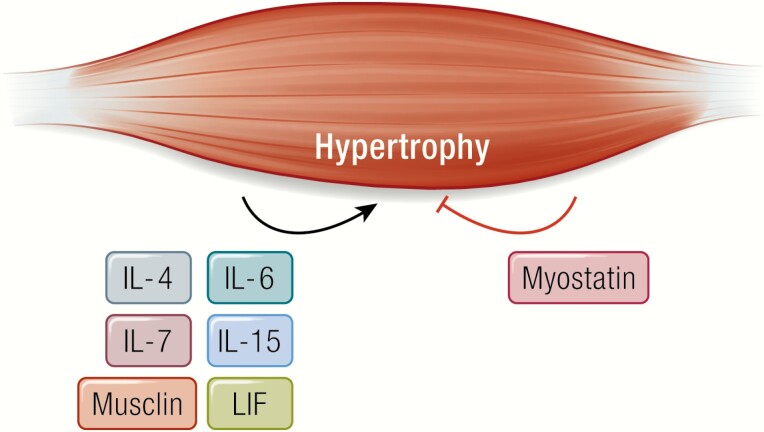
“Some myokines exert their effect within skeletal muscle itself and are involved in the regulation of muscle mass (14) (Fig. 1).”
§ Muscle–Organ Crosstalk: The Emerging Roles of Myokines > Muscle–Muscle Crosstalk > Myogenesis
What the sources say
- Not checked yetcites [14] Lee, 2019, Role of myokines in regulating skeletal muscle mass and function, Front Physiol. source
plaindirect- Asserted: passes — The authors put it forward as true.
- Checkable: passes — It can be checked against evidence.
- Load-bearing: unclear — It is unclear whether the paper’s conclusions depend on it.
- Based: passes — The paper gives a reason why it holds.
It may state two separate claims as one.
In the paper
“It is well documented that IL-6 increases both basal glucose uptake and glucose transporter GLUT4 translocation (58).”
§ Muscle–Organ Crosstalk: The Emerging Roles of Myokines > Muscle–Muscle Crosstalk > Metabolic actions
What the sources say
- Not checked yetcites [58] Carey, 2006, Interleukin-6 increases insulin-stimulated glucose disposal in humans and glucose uptake and fatty acid oxidation in vitro via AMP-activated protein kinase, Diabetes. source
boosteddirect- Asserted: passes — The authors put it forward as true.
- Checkable: passes — It can be checked against evidence.
- Load-bearing: unclear — It is unclear whether the paper’s conclusions depend on it.
- Based: passes — The paper gives a reason why it holds.
It may state two separate claims as one.
None of the sources cited for this claim have been checked yet.
In the paper
“Massive muscle hypertrophy is seen in myostatin knockout mice, cattle, sheep, and dogs (43-45) that demonstrate an increase in fiber cross-sectional area and in fiber number.”
§ Muscle–Organ Crosstalk: The Emerging Roles of Myokines > Muscle–Muscle Crosstalk > Myogenesis
What the sources say
- Not checked yetcites [43] McPherron, 1997, Regulation of skeletal muscle mass in mice by a new TGF-beta superfamily member, Nature. source
- Not checked yetcites [44] Mosher, 2007, A mutation in the myostatin gene increases muscle mass and enhances racing performance in heterozygote dogs, PLoS Genet. source
- Not checked yetcites [45] Grobet, 1997, A deletion in the bovine myostatin gene causes the double-muscled phenotype in cattle, Nat Genet. source
boostedcorrelational- Asserted: passes — The authors put it forward as true.
- Checkable: passes — It can be checked against evidence.
- Load-bearing: unclear — It is unclear whether the paper’s conclusions depend on it.
- Based: passes — The paper gives a reason why it holds.
It may state two separate claims as one.
In the paper
“In contrast, the muscular expression of the IL-6 receptor (IL-6R) is elevated in trained human muscle (57), suggesting that muscular sensitivity to IL-6 is increased by training adaptation.”
§ Muscle–Organ Crosstalk: The Emerging Roles of Myokines > Muscle–Muscle Crosstalk > Metabolic actions
What the sources say
- Not checked yetcites [57] Keller, 2005, Effect of exercise, training, and glycogen availability on IL-6 receptor expression in human skeletal muscle, J Appl Physiol (1985). source
hedgeddirect- Asserted: passes — The authors put it forward as true.
- Checkable: passes — It can be checked against evidence.
- Load-bearing: unclear — It is unclear whether the paper’s conclusions depend on it.
- Based: passes — The paper gives a reason why it holds.
It may state two separate claims as one.
The paper states this without a source or data behind it here, so there is nothing to check it against. The quote shows it is in the paper.
In the paper
“Musclin, LIF, IL-4, IL-6, IL-7, and IL-15 promote muscle hypertrophy. Myostatin inhibits muscle hypertrophy.”
§ Muscle–Organ Crosstalk: The Emerging Roles of Myokines > Muscle–Muscle Crosstalk > Myogenesis
plaindirect- Asserted: passes — The authors put it forward as true.
- Checkable: passes — It can be checked against evidence.
- Load-bearing: unclear — It is unclear whether the paper’s conclusions depend on it.
- Based: passes — The paper gives a reason why it holds.
It may state two separate claims as one.
In the paper
“Decorin has been identified as a myokine that is regulated by exercise and acts as an antagonist to myostatin (46).”
§ Muscle–Organ Crosstalk: The Emerging Roles of Myokines > Muscle–Muscle Crosstalk > Myogenesis
What the sources say
- Not checked yetcites [46] Kanzleiter, 2014, The myokine decorin is regulated by contraction and involved in muscle hypertrophy, Biochem Biophys Res Commun. source
plaindirect- Asserted: passes — The authors put it forward as true.
- Checkable: passes — It can be checked against evidence.
- Load-bearing: unclear — It is unclear whether the paper’s conclusions depend on it.
- Based: passes — The paper gives a reason why it holds.
It may state two separate claims as one.
In the paper
“Genetic loss of IL-6 impaired muscle hypertrophy in vivo, whereas myotube-produced IL-6 stimulated muscle cell proliferation in a paracrine fashion (49).”
§ Muscle–Organ Crosstalk: The Emerging Roles of Myokines > Muscle–Muscle Crosstalk > Myogenesis
What the sources say
- Not checked yetcites [49] Serrano, 2008, Interleukin-6 is an essential regulator of satellite cell-mediated skeletal muscle hypertrophy, Cell Metab. source
plaindirect- Asserted: passes — The authors put it forward as true.
- Checkable: passes — It can be checked against evidence.
- Load-bearing: passes — The paper’s conclusions depend on it.
- Based: passes — The paper gives a reason why it holds.
It may state two separate claims as one.
None of the sources cited for this claim have been checked yet.
In the paper
“Circulating levels of decorin are increased in response to exercise in humans (46), whereas exercise training reduces the levels of myostatin within muscles and blood (47, 48).”
§ Muscle–Organ Crosstalk: The Emerging Roles of Myokines > Muscle–Muscle Crosstalk > Myogenesis
What the sources say
- Not checked yetcites [46] Kanzleiter, 2014, The myokine decorin is regulated by contraction and involved in muscle hypertrophy, Biochem Biophys Res Commun. source
- Not checked yetcites [47] Saremi, 2010, Effects of oral creatine and resistance training on serum myostatin and GASP-1, Mol Cell Endocrinol. source
- Not checked yetcites [48] Hittel, 2010, Myostatin decreases with aerobic exercise and associates with insulin resistance, Med Sci Sports Exerc. source
plaindirect- Asserted: passes — The authors put it forward as true.
- Checkable: passes — It can be checked against evidence.
- Load-bearing: unclear — It is unclear whether the paper’s conclusions depend on it.
- Based: passes — The paper gives a reason why it holds.
It may state two separate claims as one.
In the paper
“Brain-derived neurotrophic factor (BDNF) is also expressed in human skeletal muscles, but BDNF is not released into the circulation and does not work in an endocrine way.”
§ Muscle–Organ Crosstalk: The Emerging Roles of Myokines > Muscle–Muscle Crosstalk > Metabolic actions
What the sources say
- Not checked yetcites [63] Matthews, 2009, Brain-derived neurotrophic factor is produced by skeletal muscle cells in response to contraction and enhances fat oxidation via activation of AMP-activated protein kinase, Diabetologia. source
plain- Asserted: passes — The authors put it forward as true.
- Checkable: passes — It can be checked against evidence.
- Load-bearing: unclear — It is unclear whether the paper’s conclusions depend on it.
- Based: passes — The paper gives a reason why it holds.
It may state two separate claims as one.
None of the sources cited for this claim have been checked yet.
In the paper
“Physical activity and exercise training decrease the risk of dementia (69-71) and appear to play a role in the treatment of this disease (72).”
§ Muscle–Organ Crosstalk: The Emerging Roles of Myokines > Muscle–Brain Crosstalk
What the sources say
- Not checked yetcites [69] Aarsland, 2010, Is physical activity a potential preventive factor for vascular dementia? A systematic review, Aging Ment Health. source
- Not checked yetcites [70] Williams, 2010, Preventing Alzheimer’s disease and cognitive decline, Evid Rep Technol Assess (Full Rep).
- Not checked yetcites [71] Santos-Lozano, 2016, Physical activity and Alzheimer disease: a protective association, Mayo Clin Proc. source
- Not checked yetcites [72] Pedersen, 2015, Exercise as medicine - evidence for prescribing exercise as therapy in 26 different chronic diseases, Scand J Med Sci Sports. source
hedgeddirect- Asserted: passes — The authors put it forward as true.
- Checkable: passes — It can be checked against evidence.
- Load-bearing: unclear — It is unclear whether the paper’s conclusions depend on it.
- Based: passes — The paper gives a reason why it holds.
It may state two separate claims as one.
None of the sources cited for this claim have been checked yet.
In the paper
“Studies in rodents (81) and humans (82) have shown that exercise increases hippocampus volume and the blood flow to this part of the brain (81).”
§ Muscle–Organ Crosstalk: The Emerging Roles of Myokines > Muscle–Brain Crosstalk
What the sources say
plaindirect- Asserted: passes — The authors put it forward as true.
- Checkable: passes — It can be checked against evidence.
- Load-bearing: unclear — It is unclear whether the paper’s conclusions depend on it.
- Based: passes — The paper gives a reason why it holds.
It may state two separate claims as one.
None of the sources cited for this claim have been checked yet.
In the paper
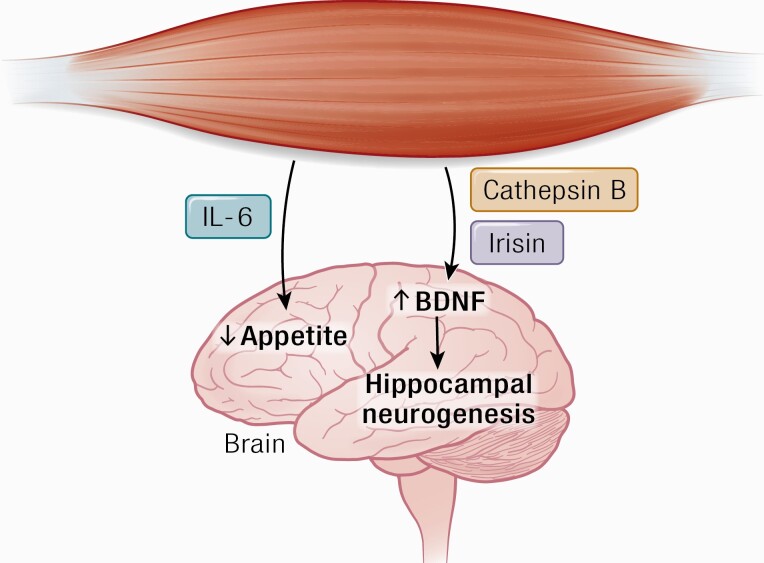
“The finding that muscle contraction is sensed by the brain suggests that peripheral factors induced by exercise may be involved in direct crosstalk between working muscle and brain function (7, 29, 30, 83) (Fig. 2).”
§ Muscle–Organ Crosstalk: The Emerging Roles of Myokines > Muscle–Brain Crosstalk
What the sources say
- Not checked yetcites [7] Pedersen, 2012, Muscles, exercise and obesity: skeletal muscle as a secretory organ, Nat Rev Endocrinol. source
- Not checked yetcites [29] Benatti, 2015, Exercise as an anti-inflammatory therapy for rheumatic diseases-myokine regulation, Nat Rev Rheumatol. source
- Not checked yetcites [30] Pedersen, 2019, Physical activity and muscle-brain crosstalk, Nat Rev Endocrinol. source
- Not checked yetcites [83] Leardini-Tristao, 2019, Beneficial effect of exercise on cognitive function during peripheral arterial disease: potential involvement of myokines and microglial anti-inflammatory phenotype enhancement, J Clin Med. source
hedgedconditional- Asserted: passes — The authors put it forward as true.
- Checkable: passes — It can be checked against evidence.
- Load-bearing: passes — The paper’s conclusions depend on it.
- Based: passes — The paper gives a reason why it holds.
It may state two separate claims as one.
None of the sources cited for this claim have been checked yet.
In the paper
“In particular, exercise has been shown to influence neurogenesis in the dentate gyrus (67, 68) and to increase synapse plasticity (67, 68).”
§ Muscle–Organ Crosstalk: The Emerging Roles of Myokines > Muscle–Brain Crosstalk
What the sources say
- Not checked yetcites [67] Cotman, 2007, Exercise builds brain health: key roles of growth factor cascades and inflammation, Trends Neurosci. source
- Not checked yetcites [68] Mattson, 2012, Energy intake and exercise as determinants of brain health and vulnerability to injury and disease, Cell Metab. source
plaindirect- Asserted: passes — The authors put it forward as true.
- Checkable: passes — It can be checked against evidence.
- Load-bearing: unclear — It is unclear whether the paper’s conclusions depend on it.
- Based: passes — The paper gives a reason why it holds.
It may state two separate claims as one.
None of the sources cited for this claim have been checked yet.
In the paper
“Carbohydrate ingestion during exercise blunted the exercise-induced IL-6 response, the increase in lymphocyte number as well as the cortisol (204, 205).”
§ Muscle–Organ Crosstalk: The Emerging Roles of Myokines > Muscle–Immune Inflammation Crosstalk > Lymphocyte and neutrophil trafficking
What the sources say
- Not checked yetcites [204] Nieman, 1997, Carbohydrate supplementation affects blood granulocyte and monocyte trafficking but not function after 2.5 h or running, Am J Clin Nutr. source
- Not checked yetcites [205] Nehlsen-Cannarella, 1997, Carbohydrate and the cytokine response to 2.5 h of running, J Appl Physiol (1985). source
plaindirect- Asserted: passes — The authors put it forward as true.
- Checkable: passes — It can be checked against evidence.
- Load-bearing: unclear — It is unclear whether the paper’s conclusions depend on it.
- Based: passes — The paper gives a reason why it holds.
It may state two separate claims as one.
None of the sources cited for this claim have been checked yet.
In the paper
“Following long-duration exercise of high intensity, the concentration of lymphocytes falls below pre-exercise values whereas the neutrophil number continues to increase (202, 203).”
§ Muscle–Organ Crosstalk: The Emerging Roles of Myokines > Muscle–Immune Inflammation Crosstalk > Lymphocyte and neutrophil trafficking
What the sources say
plaindirect- Asserted: passes — The authors put it forward as true.
- Checkable: passes — It can be checked against evidence.
- Load-bearing: unclear — It is unclear whether the paper’s conclusions depend on it.
- Based: passes — The paper gives a reason why it holds.
It may state two separate claims as one.
The paper states this without a source or data behind it here, so there is nothing to check it against. The quote shows it is in the paper.
In the paper
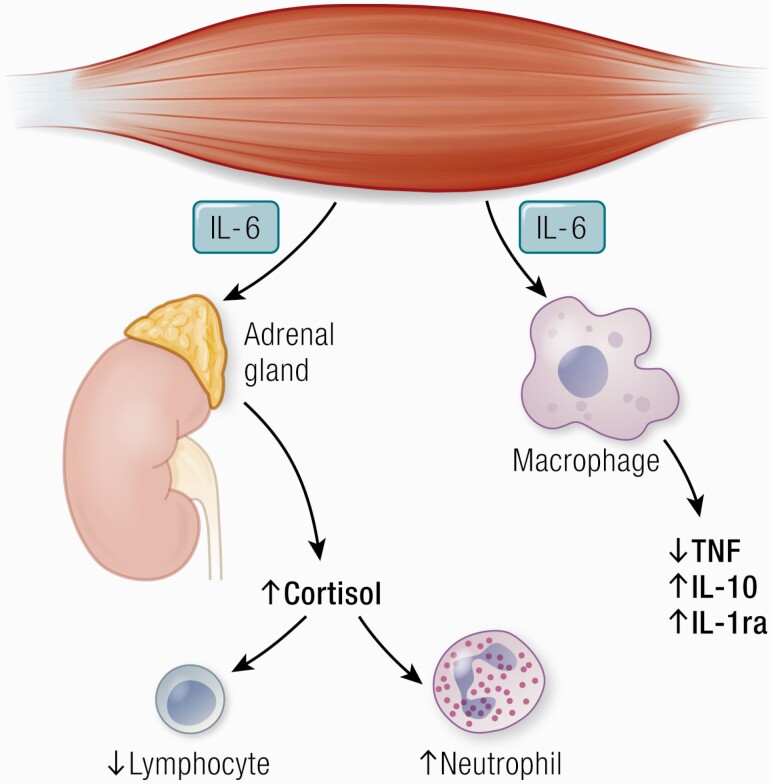
“IL-6 stimulates cortisol production and thereby induces neutrocytosis and lymphopenia.”
§ Muscle–Organ Crosstalk: The Emerging Roles of Myokines > Muscle–Immune Inflammation Crosstalk
plaindirect- Asserted: passes — The authors put it forward as true.
- Checkable: passes — It can be checked against evidence.
- Load-bearing: unclear — It is unclear whether the paper’s conclusions depend on it.
- Based: unclear — It is unclear why the paper says it holds.
It may state two separate claims as one.
In the paper
“Moreover, antioxidant supplementation totally inhibited the release of IL-6 from exercising human muscle as well as the exercise-induced increase in systemic levels of cortisol (206).”
§ Muscle–Organ Crosstalk: The Emerging Roles of Myokines > Muscle–Immune Inflammation Crosstalk > Lymphocyte and neutrophil trafficking
What the sources say
- Not checked yetcites [206] Fischer, 2004, Supplementation with vitamins C and E inhibits the release of interleukin-6 from contracting human skeletal muscle, J Physiol. source
plaindirect- Asserted: passes — The authors put it forward as true.
- Checkable: passes — It can be checked against evidence.
- Load-bearing: passes — The paper’s conclusions depend on it.
- Based: passes — The paper gives a reason why it holds.
It may state two separate claims as one.
The paper states this without a source or data behind it here, so there is nothing to check it against. The quote shows it is in the paper.
In the paper
“IL-6 has anti-inflammatory effects as it inhibits TNF production and stimulates the production of IL-1ra and IL-10.”
§ Muscle–Organ Crosstalk: The Emerging Roles of Myokines > Muscle–Immune Inflammation Crosstalk
plaindirect- Asserted: passes — The authors put it forward as true.
- Checkable: passes — It can be checked against evidence.
- Load-bearing: passes — The paper’s conclusions depend on it.
- Based: unclear — It is unclear why the paper says it holds.
It may state two separate claims as one.
In the paper
“The infusion of IL-6 to mimic the effects of exercise led to an increase in cortisol and, consequently, a decrease in the lymphocyte number accompanied by an increase in neutrophil number (112).”
§ Muscle–Organ Crosstalk: The Emerging Roles of Myokines > Muscle–Immune Inflammation Crosstalk > Lymphocyte and neutrophil trafficking
What the sources say
- Not checked yetcites [112] Steensberg, 2003, IL-6 enhances plasma IL-1ra, IL-10, and cortisol in humans, Am J Physiol Endocrinol Metab. source
plaindirect- Asserted: passes — The authors put it forward as true.
- Checkable: passes — It can be checked against evidence.
- Load-bearing: passes — The paper’s conclusions depend on it.
- Based: passes — The paper gives a reason why it holds.
It may state two separate claims as one.
- Rests on an assumption: IL-6 infusion mimics the effects of exercise.
None of the sources cited for this claim have been checked yet.
In the paper
“FSTL1 has been shown to possess cardioprotective effects, promoting endothelial cell function and thereby revascularization in animal models of cardiac injury through a mechanism that includes nitric oxide synthase (194, 195).”
§ Muscle–Organ Crosstalk: The Emerging Roles of Myokines > Muscle–Vascular Bed Crosstalk
What the sources say
- Not checked yetcites [194] Ouchi, 2008, Follistatin-like 1, a secreted muscle protein, promotes endothelial cell function and revascularization in ischemic tissue through a nitric-oxide synthase-dependent mechanism, J Biol Chem. source
- Not checked yetcites [195] Oshima, 2008, Follistatin-like 1 is an Akt-regulated cardioprotective factor that is secreted by the heart, Circulation. source
plaindirect- Asserted: passes — The authors put it forward as true.
- Checkable: passes — It can be checked against evidence.
- Load-bearing: unclear — It is unclear whether the paper’s conclusions depend on it.
- Based: passes — The paper gives a reason why it holds.
It may state two separate claims as one.
A conclusion the paper draws from its own results — it cites no other source for it, so there is none to check. The quote shows it is in the paper.
In the paper
“The acute exercise effect on lymphocytes and neutrophils is mediated by adrenaline, but the post-exercise reduction in lymphocyte number and the continuous increase in neutrophil number are mediated by both adrenaline and cortisol.”
§ Muscle–Organ Crosstalk: The Emerging Roles of Myokines > Muscle–Immune Inflammation Crosstalk > Lymphocyte and neutrophil trafficking
plaindirect- Asserted: passes — The authors put it forward as true.
- Checkable: passes — It can be checked against evidence.
- Load-bearing: passes — The paper’s conclusions depend on it.
- Based: passes — The paper gives a reason why it holds.
It may state two separate claims as one.
A conclusion the paper draws from its own results — it cites no other source for it, so there is none to check. The quote shows it is in the paper.
In the paper
“Lack of exercise provokes accumulation of more visceral fat and thereby further enhances inflammation and hence a network of chronic diseases.”
§ Muscle–Organ Crosstalk: The Emerging Roles of Myokines > Muscle–Immune Inflammation Crosstalk > The anti-inflammatory effects of exercise
plaindirect- Asserted: passes — The authors put it forward as true.
- Checkable: passes — It can be checked against evidence.
- Load-bearing: passes — The paper’s conclusions depend on it.
- Based: passes — The paper gives a reason why it holds.
It may state two separate claims as one.
A conclusion the paper draws from its own results — it cites no other source for it, so there is none to check. The quote shows it is in the paper.
In the paper
“It is obvious, that many cancers are accompanied by systemic low-grade chronic inflammation and that such inflammation may drive tumor progression.”
§ Muscle–Organ Crosstalk: The Emerging Roles of Myokines > Muscle–Cancer Crosstalk
hedgedconditional- Asserted: passes — The authors put it forward as true.
- Checkable: passes — It can be checked against evidence.
- Load-bearing: passes — The paper’s conclusions depend on it.
- Based: unclear — It is unclear why the paper says it holds.
It may state two separate claims as one.
In the paper
“Using a mouse model with conditional expression of the Il6 gene, it was found that IL6 derived from adipocytes increased, while IL6 derived from myeloid cells and muscle suppressed, macrophage infiltration of adipose tissue.”
§ Muscle–Organ Crosstalk: The Emerging Roles of Myokines > Muscle–Immune Inflammation Crosstalk > The anti-inflammatory effects of exercise
What the sources say
- Not checked yetcites [215] Han, 2020, Regulation of adipose tissue inflammation by interleukin 6, Proc Natl Acad Sci U S A. source
plaindirect- Asserted: passes — The authors put it forward as true.
- Checkable: passes — It can be checked against evidence.
- Load-bearing: passes — The paper’s conclusions depend on it.
- Based: passes — The paper gives a reason why it holds.
It may state two separate claims as one.
A conclusion the paper draws from its own results — it cites no other source for it, so there is none to check. The quote shows it is in the paper.
In the paper
“In humans, exercise training can induce anti-inflammatory effects both acutely with each bout of exercise and via long-term training adaptation including reduction in abdominal adiposity.”
§ Muscle–Organ Crosstalk: The Emerging Roles of Myokines > Muscle–Immune Inflammation Crosstalk > The anti-inflammatory effects of exercise
plaindirect- Asserted: passes — The authors put it forward as true.
- Checkable: passes — It can be checked against evidence.
- Load-bearing: passes — The paper’s conclusions depend on it.
- Based: passes — The paper gives a reason why it holds.
It may state two separate claims as one.
A conclusion the paper draws from its own results — it cites no other source for it, so there is none to check. The quote shows it is in the paper.
In the paper
“Accumulation of visceral fat, which is more inflamed than subcutaneous fat, leads to chronic systemic inflammation that predisposes to atherosclerosis, elevated blood lipids, insulin resistance, neurodegeneration, muscle waste, and anemia, factors that are likely to lead to decreased physical activity.”
§ Muscle–Organ Crosstalk: The Emerging Roles of Myokines > Muscle–Immune Inflammation Crosstalk > The anti-inflammatory effects of exercise
hedgeddirect- Asserted: passes — The authors put it forward as true.
- Checkable: passes — It can be checked against evidence.
- Load-bearing: passes — The paper’s conclusions depend on it.
- Based: passes — The paper gives a reason why it holds.
It may state two separate claims as one.
None of the sources cited for this claim have been checked yet.
In the paper
“Exercise training will lead to a decrease in visceral and cardiac fat mass (136, 138, 221) and hence a decrease in circulating inflammatory molecules via a mechanism that involves exercise-induced increase in IL-6 (136), as described above.”
§ Muscle–Organ Crosstalk: The Emerging Roles of Myokines > Muscle–Immune Inflammation Crosstalk > The anti-inflammatory effects of exercise
What the sources say
- Not checked yetcites [136] Wedell-Neergaard, 2019, Exercise-induced changes in visceral adipose tissue mass are regulated by IL-6 signaling: a randomized controlled trial, Cell Metab. source
- Not checked yetcites [138] Christensen, 2019, Aerobic exercise induces cardiac fat loss and alters cardiac muscle mass through an interleukin-6 receptor-dependent mechanism: cardiac analysis of a double-blind randomized controlled clinical trial in abdominally obese humans, Circulation. source
- Not checked yetcites [221] Christensen, 2019, Effect of aerobic and resistance exercise on cardiac adipose tissues: secondary analyses from a randomized clinical trial, JAMA Cardiol. source
plaindirect- Asserted: passes — The authors put it forward as true.
- Checkable: passes — It can be checked against evidence.
- Load-bearing: passes — The paper’s conclusions depend on it.
- Based: passes — The paper gives a reason why it holds.
It may state two separate claims as one.
None of the sources cited for this claim have been checked yet.
In the paper
“Lack of physical activity is associated with a large network of diseases, including type 2 diabetes, cardiovascular diseases, cancer, dementia, and osteoporosis (72, 121)”
§ Muscle–Organ Crosstalk: The Emerging Roles of Myokines > Myokines and Other “Kines”: Adipokines, Hepatokines, and Batokines
What the sources say
- Not checked yetcites [72] Pedersen, 2015, Exercise as medicine - evidence for prescribing exercise as therapy in 26 different chronic diseases, Scand J Med Sci Sports. source
- Not checked yetcites [121] Pedersen, 2019, The physiology of optimizing health with a focus on exercise as medicine, Annu Rev Physiol. source
plaincorrelational- Asserted: passes — The authors put it forward as true.
- Checkable: passes — It can be checked against evidence.
- Load-bearing: fails — The paper’s conclusions may not depend on it.
- Based: passes — The paper gives a reason why it holds.
Probably not a substantial claim. The paper’s conclusions may not depend on it.
In the paper
“These hepatokines increase in the circulation after muscle work and appear to be involved in mediating some of the metabolic effects of exercise.”
§ Muscle–Organ Crosstalk: The Emerging Roles of Myokines > Myokines and Other “Kines”: Adipokines, Hepatokines, and Batokines
What the sources say
- Not checked yetcites [232] Weigert, 2019, Hepatokines-a novel group of exercise factors, Pflugers Arch. source
hedgeddirect- Asserted: passes — The authors put it forward as true.
- Checkable: passes — It can be checked against evidence.
- Load-bearing: unclear — It is unclear whether the paper’s conclusions depend on it.
- Based: passes — The paper gives a reason why it holds.
It may state two separate claims as one.
In the paper
“Hepatokines include FGF-21, follistatin, angiopoietin-like protein 4, heat shock protein 72, and IGF binding protein, which are all released from the liver during or immediately after an exercise bout (232).”
§ Muscle–Organ Crosstalk: The Emerging Roles of Myokines > Myokines and Other “Kines”: Adipokines, Hepatokines, and Batokines
What the sources say
- Not checked yetcites [232] Weigert, 2019, Hepatokines-a novel group of exercise factors, Pflugers Arch. source
plaindirect- Asserted: passes — The authors put it forward as true.
- Checkable: passes — It can be checked against evidence.
- Load-bearing: unclear — It is unclear whether the paper’s conclusions depend on it.
- Based: passes — The paper gives a reason why it holds.
It may state two separate claims as one.
The paper relies on this without support.
Recombinant human IL-6 infused to mimic exercise-induced plasma IL-6 levels has the same physiological effects as endogenous muscle-derived IL-6 during exercise.
“Healthy young males underwent 2 hours of bicycle exercise on 3 separate occasions at (1) a relatively high intensity; (2) a low intensity, and (3) a low intensity + infusion of IL-6 to mimic the plasma levels of IL-6 observed during high-intensity exercise.”
The paper relies on this without support.
IL-6 receptor blockade with tocilizumab specifically isolates IL-6's role in exercise-induced visceral fat loss.
“Abdominally obese humans were randomized to tocilizumab (IL-6 receptor antibody) or placebo during an intervention of 12 weeks with either aerobic exercise or no exercise (136, 137).”
“However, this effect was abolished by IL-6 receptor blockade (136).”
The paper relies on this without support.
IL-6 infusion mimics the effects of exercise.
“The infusion of IL-6 to mimic the effects of exercise led to an increase in cortisol and, consequently, a decrease in the lymphocyte number accompanied by an increase in neutrophil number (112).”
Claims other papers make about this one
Each is checked against this paper’s own text: does it say what the citing paper says it does?
The cited source says what the claim attributes to it.
In the citing paper
“Skeletal muscle also functions as an endocrine organ.”
From Strategies for minimizing muscle loss during use of incretin‐mimetic drugs for treatment of obesity (2025) · cites this paper as [109]
The cited source says what the claim attributes to it.
In the citing paper
“Though human research on this topic is limited, preclinical studies suggest that loss of muscle mass or function can detrimentally affect numerous physiological systems.”
From Strategies for minimizing muscle loss during use of incretin‐mimetic drugs for treatment of obesity (2025) · cites this paper as [109]
The cited source says what the claim attributes to it.
In the citing paper
“Muscle contraction during exercise triggers the release of numerous autocrine, paracrine, and endocrine mediators collectively known as myokines.”
From Strategies for minimizing muscle loss during use of incretin‐mimetic drugs for treatment of obesity (2025) · cites this paper as [109]
The cited source says what the claim attributes to it.
In the citing paper
“skeletal muscle also functions as an autocrine, endocrine, and paracrine tissue, especially during physical exercise, via the secretion of myokines [35].”
From Exercise-Induced Muscle–Fat Crosstalk: Molecular Mediators and Their Pharmacological Modulation for the Maintenance of Metabolic Flexibility in Aging (2025) · cites this paper as [35]
In the citing paper
“Dysregulation in myokine secretion can arise in the pathogenesis of age-related conditions, such as sarcopenia [104,105].”
From Exerkines and Sarcopenia: Unveiling the Mechanism Behind Exercise-Induced Mitochondrial Homeostasis (2025) · cites this paper as [105]
Self-check
Percentages, sums and reported differences re-computed from the paper’s own numbers.
Each contradiction between two passages listed here was confirmed by an independent check.
Rated minor: it would not touch a result — a value no result rests on, a p-value that stays on the same side of the significance level, or a conflict that is clerical, resolved elsewhere in the paper, or outside its own findings.
In the paper
§ Muscle–Organ Crosstalk: The Emerging Roles of Myokines > Muscle–Gut Crosstalk
“A classic study by Ellingsgaard et al. (108) elegantly showed that acute elevations in IL-6 stimulates GLP-1 secretion from both intestinal L‐cells and pancreatic β‐cells, leading to improved secretion of insulin.”
§ Muscle–Organ Crosstalk: The Emerging Roles of Myokines > References
“108. Ellingsgaard H, Hauselmann I, Schuler B, et al. Interleukin-6 enhances insulin secretion by increasing glucagon-like peptide-1 secretion from L cells and alpha cells. Nat Med. 2011; 17(11): 1481- 1489. 22037645 PMC4286294”
Rated minor: it would not touch a result — a value no result rests on, a p-value that stays on the same side of the significance level, or a conflict that is clerical, resolved elsewhere in the paper, or outside its own findings.
In the paper
§ Muscle–Organ Crosstalk: The Emerging Roles of Myokines > Muscle–Brain Crosstalk
“Figure: Figure 2. Cathepsin B and irisin cross the blood–brain barrier and stimulate BDNF production, which leads to hippocampal neurogenesis. IL-6 stimulates appetite.”
§ Muscle–Organ Crosstalk: The Emerging Roles of Myokines > Muscle–Brain Crosstalk > Appetite
“Thus, it is likely that muscle-derived IL-6, elicited by exercise of long duration and high intensity, may inhibit appetite.”
Rated minor: it would not touch a result — a value no result rests on, a p-value that stays on the same side of the significance level, or a conflict that is clerical, resolved elsewhere in the paper, or outside its own findings.
In the paper
§ Muscle–Organ Crosstalk: The Emerging Roles of Myokines > Muscle–Bone Crosstalk
“myostatin reduces osteoclast formation and bone destruction in a TNF-α transgenic mouse model of rheumatoid arthritis (162).”
§ Muscle–Organ Crosstalk: The Emerging Roles of Myokines > Muscle–Bone Crosstalk
“Thus, whereas myostatin is a negative regulator of bone, it is a positive regulator of bone resorption.”
Citations
Cites
Positional cloning of the mouse obese gene and its human homologue
Zhang, Y., Proenca, R., Maffei, M., Barone, M., Leopold, L., & Friedman, J. M. (1994) · Nature · doi:10.1038/372425a0 · Cited by 13,419
Exercise training increases size of hippocampus and improves memory
Erickson, K. I., Voss, M. W., Prakash, R. S., Basak, C., Szabo, A., Chaddock, L., Kim, J. S., Heo, S., Alves, H., White, S. M., et al. (2011) · Proceedings of the National Academy of Sciences · doi:10.1073/pnas.1015950108 · Cited by 4,855 · cited 1×
“Studies in rodents (81) and humans (82) have shown that exercise increases hippocampus volume and the blood flow to this part of the brain (81).”
BackgroundA PGC1-α-dependent myokine that drives brown-fat-like development of white fat and thermogenesis
Boström, P., Wu, J., Jedrychowski, M. P., Korde, A., Ye, L., Lo, J. C., Rasbach, K. A., Boström, E. A., Choi, J. H., Long, J. Z., et al. (2012) · Nature · doi:10.1038/nature10777 · Cited by 4,810
Regulation of skeletal muscle mass in mice by a new TGF-p superfamily member
McPherron, A. C., Lawler, A. M., & Lee, S.-J. (1997) · Nature · doi:10.1038/387083a0 · Cited by 4,013
Type 2 diabetes as an inflammatory disease
Donath, M. Y., & Shoelson, S. E. (2011) · Nature Reviews Immunology · doi:10.1038/nri2925 · Cited by 3,737 · cited 1×
“Whereas TNF-α may inhibit β‐cell function indirectly, IL‐1β has been identified as a direct key player in β‐cell damage (183-189), although IL-1β inhibition with canakinumab did not reduce the incidence of diabetes (190).”
BackgroundExercise as medicine - evidence for prescribing exercise as therapy in 26 different chronic diseases
Pedersen, B. K., & Saltin, B. (2015) · Scandinavian Journal of Medicine & Science in Sports · doi:10.1111/sms.12581 · Cited by 3,514 · cited 2×
“Physical activity and exercise training decrease the risk of dementia (69-71) and appear to play a role in the treatment of this disease (72).”
BackgroundSelf-citationThe anti-inflammatory effect of exercise
Petersen, A. M. W., & Pedersen, B. K. (2005) · Journal of Applied Physiology · doi:10.1152/japplphysiol.00164.2004 · Cited by 3,100 · cited 1×
“The anti-inflammatory effects of exercise Physical inactivity is associated with low-grade chronic inflammation, not least when a physical inactive lifestyle is associated with obesity (29, 142, 144, 145, 207-210).”
BackgroundSelf-citationMuscles, exercise and obesity: skeletal muscle as a secretory organ
Pedersen, B. K., & Febbraio, M. A. (2012) · Nature Reviews Endocrinology · doi:10.1038/nrendo.2012.49 · Cited by 2,909 · cited 6×
“The role of myokines has previously been reviewed (7, 11-37), identifying more than 650 myokines (38).”
BackgroundInfluentialSelf-citationKahn, B. B., Alquier, T., Carling, D., & Hardie, D. G. (2005) · Cell Metabolism · doi:10.1016/j.cmet.2004.12.003 · Cited by 2,799 · cited 1×
“Several other studies have described that IL-6 can increase intramyocellular (58-60) or whole body (61) fatty acid oxidation via AMPK activation (58, 62).”
BackgroundExercise: a behavioral intervention to enhance brain health and plasticity
Cotman, C. (2002) · Trends in Neurosciences · doi:10.1016/s0166-2236(02)02143-4 · Cited by 2,739 · cited 1×
“Other studies have shown that an active lifestyle is associated with learning and memory (74), executive functions (75), language and reaction time (76), academic achievement in children, and intelligence in adolescents (77).”
Background
Cited by
Sorted by citations
Items 101–200 of 1,000
The Gut Microbiome: a New Frontier in Musculoskeletal Research
Li, R., Boer, C. G., Oei, L., & Medina‐Gómez, C. (2021) · Current Osteoporosis Reports · doi:10.1007/s11914-021-00675-x · Cited by 52
“, cytokines and other peptides released by muscle fibers) can influence cognition, lipid and glucose metabolism, browning of white fat, bone formation, endothelial cell function, muscle hypertrophy, skin structure, and tumor growth [2].”
BackgroundIrisin: An unveiled bridge between physical exercise and a healthy brain
Sadier, N. S., Hajjar, F. E., Sabouri, A. A. K. A., Abbas, L. A., Siomava, N., Almutary, A. G., & Tambuwala, M. M. (2024) · Life Sciences · doi:10.1016/j.lfs.2023.122393 · Cited by 49
Chen, M., Li, Y., Zhai, Z., Wang, H., Lin, Y., Chang, F., Ge, S., Sun, X., Wei, W., Wang, D., et al. (2025) · Bone Research · doi:10.1038/s41413-024-00381-1 · Cited by 59
“46,47 Global biological processes, including metabolism, in fl ammation, and aging, strongly impact the stability of these tissues.”
Ru, Q., Li, Y., Zhang, F., Chen, L., Wu, Y., Min, J., & Wang, F. (2025) · Bone Research · doi:10.1038/s41413-024-00398-6 · Cited by 62
“2,237 For example, interleukin 6 (IL-6) was the fi rst myokine to be identi fi ed, and a growing body of evidence highlights its critical roles in metabolizing fatty acids and glucose in muscles and other organs following exercise.”
Physiopathology of Lifestyle Interventions in Non-Alcoholic Fatty Liver Disease (NAFLD)
Carneros, D., López‐Lluch, G., & Bustos, M. (2020) · Nutrients · doi:10.3390/nu12113472 · Cited by 48
“Physical activity induces a complex system of communication between muscle and liver [119,120].”
BackgroundDarragh, I. A. J., O’Driscoll, L., & Egan, B. (2021) · Frontiers in Physiology · doi:10.3389/fphys.2021.738333 · Cited by 48
Mou, K., Chan, S. M. H., & Vlahos, R. (2024) · Pharmacology & Therapeutics · doi:10.1016/j.pharmthera.2024.108635 · Cited by 53
Irisin: A promising treatment for neurodegenerative diseases
Qi, J., Yang, L.-K., Wang, X., Wang, M., Li, X., Feng, B., Wu, Y., Zhang, K., & Liu, S. (2022) · Neuroscience · doi:10.1016/j.neuroscience.2022.07.018 · Cited by 45
Cancer cachexia: molecular basis and therapeutic advances
Tan, Y., Xue, R., Pan, Y., he, Z., Hu, X., Li, Y., Li, K., Zhang, X., Bian, X.-W., & Wang, B. (2026) · Signal Transduction and Targeted Therapy · doi:10.1038/s41392-025-02331-7 · Cited by 57
Muscle-Bone Crosstalk in Chronic Obstructive Pulmonary Disease
Zhang, L., & Sun, Y. (2021) · Frontiers in Endocrinology · doi:10.3389/fendo.2021.724911 · Cited by 42
Zamboni, M. M., Mazzali, G., Brunelli, A., Saatchi, T., Urbani, S., Giani, A., Rossi, A. P., Zoico, E., & Fantin, F. (2022) · Cells · doi:10.3390/cells11213361 · Cited by 47
“It is now believed that every stage of the myogenic process involves regulation by myokines, many of which contribute to myogenic regulation at different stages, from satellite cell proliferation to differentiation and cell survival [49,53].”
BackgroundThe role of exercise in obesity-related cancers: Current evidence and biological mechanisms
Larson, E. A., Dalamaga, Μ., & Magkos, F. (2023) · Seminars in Cancer Biology · doi:10.1016/j.semcancer.2023.02.008 · Cited by 43
Role of myokines and osteokines in cancer cachexia
Pin, F., Bonewald, L. F., & Bonetto, A. (2021) · Experimental Biology and Medicine · doi:10.1177/15353702211009213 · Cited by 45
“IL-6 plays an important role in the immune and acute phase responses.59 The role of IL-6 as a myokine was first described by Pedersen and collaborators by showing evidence that IL-6 is a product of the skeletal muscle contraction, and that its levels are regulated by duration and intensity of the contraction.60 On thi…”
BackgroundTero-Vescan, A., Degens, H., Matsakas, A., Ștefănescu, R., Ősz, B. E., & Slevin, M. (2025) · Pharmaceuticals · doi:10.3390/ph18081222 · Cited by 44
“Moreover, in addition to its role in locomotion, skeletal muscle also functions as an autocrine, endocrine, and paracrine tissue, especially during physical exercise, via the secretion of myokines [35].”
RANKL Blockade Reduces Cachexia and Bone Loss Induced by Non-Metastatic Ovarian Cancer in Mice
Pin, F., Jones, A. J., Huot, J. R., Narasimhan, A., Zimmers, T. A., Bonewald, L. F., & Bonetto, A. (2020) · Journal of Bone and Mineral Research · doi:10.1002/jbmr.4480 · Cited by 42
“to their endocrine function, myokines also exert paracrine and autocrine regulatory effects.((9)) Similarly, Waning and colleagues have shown that release of transforming growth factor (TGF) β”
BackgroundQin, M., Xing, L., Wu, J., Wen, S., Luo, J., Jiajie, S., Chen, T., Fan, Y., Zhu, J., Yang, L., et al. (2023) · International Journal of Molecular Sciences · doi:10.3390/ijms24054561 · Cited by 44
“There is increasing evidence that exosomes released by myogenic cells can transport their proteins, mRNAs, and miRNAs to recipient cells and regulate myocyte function in an autocrine or paracrine manner [13].”
BackgroundModern Perspective of Lactate Metabolism
Vavricka, J., Brož, P., Follprecht, D., Novák, J., & Kroužecký, A. (2024) · Physiological Research · doi:10.33549/physiolres.935331 · Cited by 50
Wang, Y., Liu, Y., Zhang, S., Li, N., Xing, C., Wang, C., Wang, J., Wei, M., Yang, G., & Yuan, L. (2023) · Aging and Disease · doi:10.14336/ad.2022.1131 · Cited by 47
Shah, U. A., Ballinger, T. J., Bhandari, R., Dieli-Conwright, C. M., Guertin, K. A., Hibler, E. A., Kalam, F., Lohmann, A. E., & Ippolito, J. E. (2023) · JNCI Monographs · doi:10.1093/jncimonographs/lgad001 · Cited by 45
Exercise, mitochondrial dysfunction and inflammasomes in skeletal muscle
Slavin, M. B., Khemraj, P., & Hood, D. A. (2023) · Biomedical Journal · doi:10.1016/j.bj.2023.100636 · Cited by 44
Huang, K., Upadhyay, G. K., Ahn, Y., Sakakura, M., Pagan‐Diaz, G. J., Cho, Y., Weiss, A. C., Huang, C., Mitchell, J. W., Li, J., et al. (2024) · Proceedings of the National Academy of Sciences · doi:10.1073/pnas.2313590121 · Cited by 42
The multifactorial effect of obesity on the effectiveness and outcomes of cancer therapies
Lysaght, J., & Conroy, M. J. (2024) · Nature Reviews Endocrinology · doi:10.1038/s41574-024-01032-5 · Cited by 45
“Skeletal muscle is the largest organ in the body and is now recognized as an endocrine and immune modulatory organ that secretes cytokines and other peptides (myokines) that have local and systemic actions 117 .”
Myokines in treatment-naïve patients with cancer-associated cachexia
de Castro, G. S., Lima, J. D. C. C., Simoes, E., Orsso, C. E., Xiao, J., Gama, L. R., Gomes, S. P., Gonçalves, D. C., Costa, R., Radloff, K., et al. (2020) · Clinical Nutrition · doi:10.1016/j.clnu.2020.10.050 · Cited by 40
Irisin enhances longevity by boosting SIRT1, AMPK, autophagy and telomerase
Sánchez, B., Muñoz-Pinto, M. F., & Cano, M. (2023) · Expert Reviews in Molecular Medicine · doi:10.1017/erm.2022.41 · Cited by 38
“18).”
Infection and chronic disease activate a systemic brain-muscle signaling axis
Yang, S., Tian, M., Dai, Y., Wang, R., Yamada, S., Feng, S., Wang, Y., Chhangani, D., Ou, T., Li, W., et al. (2024) · Science Immunology · doi:10.1126/sciimmunol.adm7908 · Cited by 58
“The Upd3 ortholog IL-6 was the first myokine to be characterized ( 81 ), so we asked whether the brain-muscle signaling axis could induce myokine expression in skeletal muscle.”
BackgroundMuscle-Derived Cytokines Reduce Growth, Viability and Migratory Activity of Pancreatic Cancer Cells
Schwappacher, R., Dieterich, W., Reljic, D., Pilarsky, C. P., Mukhopadhyay, D., Chang, D. K.-F., Biankin, A. V., Siebler, J., Herrmann, H. J., Neurath, M. F., et al. (2021) · Cancers · doi:10.3390/cancers13153820 · Cited by 39
“The opposite actions of IL6 seem to be due to a switch of IL6 signalling from a canonical mode, which occurs in myeloid cells, to a trans-signalling mode, which can be found in adipocytes and muscle cells; an increased expression of the ADAM10/17 metalloprotease promotes the trans-signalling via the soluble IL6 recept…”
BackgroundInfluentialRole of the Myokine Irisin on Bone Homeostasis: Review of the Current Evidence
Kornel, A., Hartogh, D. J. D., Klentrou, P., & Tsiani, E. (2021) · International Journal of Molecular Sciences · doi:10.3390/ijms22179136 · Cited by 41
Genetic variation of putative myokine signaling is dominated by biological sex and sex hormones
Vélez, L. M., Van, C., Moore, T. M., Zhou, Z., Johnson, C., Hevener, A. L., & Seldin, M. M. (2022) · eLife · doi:10.7554/elife.76887 · Cited by 37
The effects of peripheral hormone responses to exercise on adult hippocampal neurogenesis
Kraemer, R. R., & Kraemer, B. R. (2023) · Frontiers in Endocrinology · doi:10.3389/fendo.2023.1202349 · Cited by 43
“…207), and exercise has been shown to increase hippocampal FNDC5 levels and upregulate the expression of BDNF. Additionally, knockdown of FNDC5 has been reported to reduce central BDNF expression (208), while adenoviral mediated irisin expression increases BDNF in hippocampal cultures (207, 209).”
BackgroundVicente, B. M., Quaresma, M. V. L. D. S., de Melo, C. M., & Ribeiro, S. M. L. (2020) · Clinical Nutrition ESPEN · doi:10.1016/j.clnesp.2020.10.003 · Cited by 39
Han, Y., Black, S. M., Gong, Z., Chen, Z., Ko, J., Zhou, Z., Xia, T., Fang, D., Yang, D., Gu, D., et al. (2021) · Journal of Hepatology · doi:10.1016/j.jhep.2021.10.017 · Cited by 37
The Diversity of Skeletal Muscle Fiber TypesPreprint
Schiaffino, S., Chemello, F., & Reggiani, C. (2024) · Cold Spring Harbor Perspectives in Biology · doi:10.1101/cshperspect.a041477 · Cited by 54
Energy metabolism and frailty: The potential role of exercise-induced myokines – A narrative review
Barros, D. G. M., Marques, E. A., Magalhães, J., & Carvalho, J. (2022) · Ageing Research Reviews · doi:10.1016/j.arr.2022.101780 · Cited by 41
“For this review, we selected myokines based on (1) being produced and secreted in the skeletal muscle and (2) having a role in energy metabolism or skeletal muscle remodelling, as this organ is highly affected in frail individuals, after searching high-quality recent reviews about myokines (Chow et al., 2022; Lee and…”
InfluentialInterorgan communication networks in the kidney–lung axis
Komaru, Y., Bai, Y. Z., Kreisel, D., & Herrlich, A. (2023) · Nature Reviews Nephrology · doi:10.1038/s41581-023-00760-7 · Cited by 42
Acute effect of exercise intensity on circulating FGF-21, FSTL-1, cathepsin B, and BDNF in young men
Ji, M., Cho, C., & Lee, S. (2023) · Journal of Exercise Science & Fitness · doi:10.1016/j.jesf.2023.11.002 · Cited by 36
“44 Another interesting finding of this study was increased both cathepsin B and BDNF in HIIE.”
BackgroundInter-organ communication is a critical machinery to regulate metabolism and aging
Tokizane, K., & Imai, S. (2024) · Trends in Endocrinology and Metabolism · doi:10.1016/j.tem.2024.11.013 · Cited by 43
“Myostatin is involved in the regulation of insulin sensitivity, glucose use, and bone formation [30].”
Shero, J. A., Lindholm, M. E., Sandri, M. F., & Stanford, K. I. (2025) · Circulation Research · doi:10.1161/circresaha.124.325614 · Cited by 45
Andonian, B. J., Johannemann, A. S., Hubal, M. J., POBER, D. M., Koss, A., Kraus, W. E., Bartlett, D. B., & Huffman, K. M. (2021) · Arthritis Research & Therapy · doi:10.1186/s13075-021-02570-3 · Cited by 45
Cognitive and Physical Intervention in Metals’ Dysfunction and Neurodegeneration
Jopowicz, A., Wiśniowska, J., & Tarnacka, B. (2022) · Brain Sciences · doi:10.3390/brainsci12030345 · Cited by 37
“Muscles have been shown to secrete myokines that contribute to the regulation of hippocampal function [36,37].”
BackgroundEffects of the FNDC5/Irisin on Elderly Dementia and Cognitive Impairment
Peng, J., & Wu, J. (2022) · Frontiers in Aging Neuroscience · doi:10.3389/fnagi.2022.863901 · Cited by 42
Current risks factors and emerging biomarkers for bone stress injuries in military personnel
Greeves, J. P., Beck, B. R., Nindl, B. C., & O’Leary, T. J. (2023) · Journal of science and medicine in sport · doi:10.1016/j.jsams.2023.04.006 · Cited by 37
Protein Appetite at the Interface between Nutrient Sensing and Physiological Homeostasis
Khan, M. S. H., Spann, R. A., Münzberg, H., Yu, S., Albaugh, V. L., He, Y., Berthoud, H., & Morrison, C. D. (2021) · Nutrients · doi:10.3390/nu13114103 · Cited by 35
“Skeletal muscle mass is sensitive to dietary protein content, and skeletal muscle secretes a wide variety of endocrine hormones, myokines, and metabolites that could act on the brain [138].”
BackgroundCho, Y., Chang, Y., Ryu, S., Jung, H. S., Kim, C., Oh, H., Kim, M. K., Sohn, W., Shin, H. C., Wild, S. H., et al. (2022) · Hepatology Communications · doi:10.1002/hep4.1975 · Cited by 36
Ning, K., Wang, Z., & Zhang, X. (2022) · Frontiers in Aging Neuroscience · doi:10.3389/fnagi.2022.934406 · Cited by 35
“Myokines are involved in regulating metabolic processes and achieving coordination between skeletal muscle and organs (Trayhurn et al., 2011; Pedersen and Hojman, 2012; Severinsen and Pedersen, 2020).”
BackgroundVitamin D, exercise, and immune health in athletes: A narrative review
Crescioli, C. (2022) · Frontiers in Immunology · doi:10.3389/fimmu.2022.954994 · Cited by 42
Khalafi, M., Maleki, A. H., Symonds, M. E., Sakhaei, M. H., Rosenkranz, S. K., Ehsanifar, M., Korivi, M., & Liu, Y. (2024) · Frontiers in Immunology · doi:10.3389/fimmu.2023.1288537 · Cited by 37
Improving brain health via the central executive network
Bigliassi, M., Cabral, D. F., & Evans, A. C. (2025) · The Journal of Physiology · doi:10.1113/jp287099 · Cited by 37
Physical Exercise Restrains Cancer Progression through Muscle-Derived Factors
Papadopetraki, Α., Maridaki, M. D., Zagouri, F., Dimopoulos, M. A., Koutsilieris, M., & Philippou, Α. (2022) · Cancers · doi:10.3390/cancers14081892 · Cited by 36
“Indeed, low levels of musclin have been observed in atrophying skeletal myotubes and in plasma and muscles of cancer-bearing mice, while the electroporation of musclin-encoding plasmids nullified muscle atrophy manifestations in renal cancer-bearing mice [6,70].”
BackgroundWong, C. J. K., Tai, Y. K., Yap, J. L. Y., Fong, C. H. H., Loo, L. S. W., Kukumberg, M., Fröhlich, J., Zhang, S., Li, J., Wang, J., et al. (2022) · Biomaterials · doi:10.1016/j.biomaterials.2022.121658 · Cited by 37
“In response to energy metabolism, such as that required to initiate and sustain exercise, muscle upregulates the production and release of blood-borne soluble factors, collectively known as myokines [1,2,6,7].”
BackgroundMao, Y., Jin, Z., Yang, J., Xu, D., Zhao, L., Kiram, A., Yin, Y., Zhou, D., Sun, Z., Xiao, L., et al. (2024) · Science Translational Medicine · doi:10.1126/scitranslmed.adk9811 · Cited by 36
Exercise as a tool to mitigate metabolic disease
Esteves, J. V. D. C., & Stanford, K. I. (2024) · American Journal of Physiology-Cell Physiology · doi:10.1152/ajpcell.00144.2024 · Cited by 39
Muraca, M., & Cappariello, A. (2020) · International Journal of Molecular Sciences · doi:10.3390/ijms21228682 · Cited by 35
“Moreover, muscle secretes a set of molecules, known as myokines, directly affecting bone metabolism, such as irisin, myostatin, and insulin-like growth factor-1 [29].”
BackgroundNew insight of obesity-associated NAFLD: Dysregulated “crosstalk” between multi-organ and the liver?
Wang, Y., Wu, L.-L., Qi, X.-Y., Wang, Y.-Y., Liao, Z., Liu, J., & Xiao, X. (2022) · Genes & Diseases · doi:10.1016/j.gendis.2021.12.013 · Cited by 36
The emerging neuroprotective roles of exerkines in Alzheimer’s disease
Rody, T., Amorim, J. A. D., & Felice, F. G. D. (2022) · Frontiers in Aging Neuroscience · doi:10.3389/fnagi.2022.965190 · Cited by 37
“As well as a knockdown of FNDC5 reduced the central BDNF expression (Severinsen and Pedersen, 2020).”
BackgroundThe role of exerkines on brain mitochondria: a mini-review
Heo, J., Noble, E. E., & Call, J. A. (2022) · Journal of Applied Physiology · doi:10.1152/japplphysiol.00565.2022 · Cited by 37
Pelczyńska, M., Miller‐Kasprzak, E., Piątkowski, M., Mazurek, R., Klause, M., Suchecka, A., Bucoń, M., & Bogdański, P. (2023) · Antioxidants · doi:10.3390/antiox12122046 · Cited by 37
Recent Advances of Exosomes Derived from Skeletal Muscle and Crosstalk with Other Tissues
Luo, J., Pu, Q., & Wu, X. (2024) · International Journal of Molecular Sciences · doi:10.3390/ijms252010877 · Cited by 31
“Over the past two decades, skeletal muscle has gradually been recognized as a secretory organ that releases various humoral factors known as myokines, which regulate the homeostasis and adaptation of peripheral organs, thus influencing overall body homeostasis [3,4].”
BackgroundExercise-driven cellular autophagy: A bridge to systematic wellness
Zhou, X.-H., Luo, Y., & Yao, X. (2025) · Journal of Advanced Research · doi:10.1016/j.jare.2024.12.036 · Cited by 35
Lau, P., Vico, L., & Rittweger, J. (2022) · Biomedicines · doi:10.3390/biomedicines10020342 · Cited by 32
“It stimulates bone formation in vivo [138] and exerts multiple biological functions [148].”
BackgroundHu, K., Edelen, E. D., Zhuo, W., Khan, A. A., Orbegoso, J., Greenfield, L., Rahi, B., Griffin, M. J., Ilich, J. Z., & Kelly, O. J. (2023) · Metabolites · doi:10.3390/metabo13101056 · Cited by 34
“Myostatin, a myokine, is a negative modulator of muscle mass; therefore, knockout animals have greatly elevated muscle mass [58].”
BackgroundInter-organ communication during tissue regeneration
Sun, F., & Poss, K. D. (2023) · Development · doi:10.1242/dev.202166 · Cited by 30
Sui, H., Dou, J., Shi, B., & Cheng, X. (2024) · Frontiers in Physiology · doi:10.3389/fphys.2024.1349253 · Cited by 33
“These muscle secretory factors that are produced, expressed and released by muscle fi bers and exert either autocrine, paracrine or endocrine effects are classi fi ed as myokines (Severinsen and Pedersen, 2020), making skeletal muscle more than just a component in our locomotor system.”
BackgroundThe bidirectional associations between sarcopenia-related traits and cognitive performance
Lu, C., Liu, W., Cang, X., Sun, X., Wang, X., Wang, C., & Xu, F. (2024) · Scientific Reports · doi:10.1038/s41598-024-58416-w · Cited by 34
“Physical activity has also been shown to drive enhanced expression of hippocampus BDNF, a cerebral region central to learning and memory 40 .”
BackgroundCellular interactions and microenvironment dynamics in skeletal muscle regeneration and disease
Rodríguez, C., Timóteo-Ferreira, F., Minchiotti, G., Brunelli, S., & Guardiola, O. (2024) · Frontiers in Cell and Developmental Biology · doi:10.3389/fcell.2024.1385399 · Cited by 36
“Additionally, myo fi bers release enzymes and myokines such as C-C chemokine ligand 2 (CCL2), Tumor Necrosis Factor-α (TNF-α ), and Interleukin-6 (IL-6), in fl uencing muscle regeneration by activating MuSCs in response to damage (Severinsen and Pedersen, 2020; Bivona III et al., 2021).”
BackgroundMansoor, M. A., Ibrahim, A., Hamide, A., Tran, T., Candreva, E., & Baltaji, J. (2025) · Physiologia · doi:10.3390/physiologia5020013 · Cited by 38
“Personalized approaches based on neurodegenerative risk factors and genetic determinants may optimize preventive benefits, particularly when integrated with complementary lifestyle interventions.”
Myokines: Crosstalk and Consequences on Liver Physiopathology
Dumond, A., Potier, J.-B., Pinget, M., & Bouzakri, K. (2023) · Nutrients · doi:10.3390/nu15071729 · Cited by 30
“These cytokines have been described as new crucial components of inter-organ crosstalk and whole-body homeostasis, especially concerning metabolic diseases [20,21], impacting physiological processes include insulin sensitivity [22], aging [23], glucose and lipid metabolism [24] and pancreatic beta cell function [25,26…”
BackgroundRevisiting skeletal myopathy and exercise training in heart failure: Emerging role of myokines
Ramírez‐Vélez, R., González, A., García‐Hermoso, A., Latasa, I., Izquierdo, M., & Dı́ez, J. (2022) · Metabolism · doi:10.1016/j.metabol.2022.155348 · Cited by 32
Hamaguchi, H., Dohi, K., Sakai, T., et al. (2022) · Biochemical and Biophysical Research Communications · doi:10.1016/j.bbrc.2022.11.085 · Cited by 28
Cai, X., Hu, J., Wang, M., Wen, W., Wang, J., Yang, W., Dang, Y., Luo, Q., Hong, J., & Li, N. (2023) · Aging · doi:10.18632/aging.204587 · Cited by 29
“Myocytes perform endocrine functions by secreting cardiovascular-beneficial myokines [64].”
Advances in the research on myokine-driven regulation of bone metabolism
Shao, M., Wang, Q., Lv, Q., Zhang, Y., Gao, G., & Lu, S. (2023) · Heliyon · doi:10.1016/j.heliyon.2023.e22547 · Cited by 35
“…exercise, muscle fiber cells express and release over 3000 cytokines and polypeptide molecules, known as “ myokines, ” which act on the skeletal muscle itself and mediate communication between muscles, liver, bones, and other organs, as well as regulate the metabolism of tissues and organs [11].”
BackgroundLong-Term Obesity and Biological Aging in Young Adults
Correa‐Burrows, P., Burrows, R. A., Cecilia Albala, B., Sepúlveda, C., Salech, F., Troncoso, R., Bunout, D. C., & González-Billault, C. E. (2025) · JAMA Network Open · doi:10.1001/jamanetworkopen.2025.20011 · Cited by 33
Faron, A., Opheys, N. S., Nowak, S., Sprinkart, A. M., Isaak, A., Theis, M., Mesropyan, N., Endler, C., Sirokay, J. D., Pieper, C. C., et al. (2021) · Diagnostics · doi:10.3390/diagnostics11122314 · Cited by 29
“Moreover, skeletal muscle tissue also secretes myokines, which, among several other processes, also seem to modulate the immune system [19].”
BackgroundNew principles, the benefits, and practices for fostering a physically active lifestyle
Rozanski, A. (2023) · Progress in Cardiovascular Diseases · doi:10.1016/j.pcad.2023.04.002 · Cited by 32
Venugobal, S., Tai, Y. K., Goh, J., Teh, S. W., Wong, C. J. K., Goh, I., Maier, A. B., Kennedy, B. K., & Franco‐Obregón, A. (2023) · Aging · doi:10.18632/aging.204597 · Cited by 29
“The muscle secretome is comprised of a myriad of regenerative, metabolic, anti-inflammatory, and immunity-boosting factors that are released into the systemic circulation either individually [35, 36] or vesicle-encapsulated [37–39].”
BackgroundLi, G., Lu, Y., Shao, L., Wu, L., Qiao, Y., Ding, Y., & Ke, C. (2023) · BMC Geriatrics · doi:10.1186/s12877-023-03953-8 · Cited by 28
“Prior evidence indicates that the release of myokines from skeletal muscle preserves or augments vascular function [5], and low HGS or muscle strength could warn of cardiovascular risk markers such as circumference, fat mass and high-sensitivity C-reactive protein [6].”
BackgroundBeckerman, M., Harel, C., Michael, I., Klip, A., Bilan, P. J., Gallagher, E. J., LeRoith, D., Lewis, E. C., Karnieli, E., & Levenberg, S. (2021) · Science Advances · doi:10.1126/sciadv.abg3947 · Cited by 28
The Aging Athlete: Paradigm of Healthy Aging
Gries, K. J., & Trappe, S. W. (2022) · International Journal of Sports Medicine · doi:10.1055/a-1761-8481 · Cited by 33
“Along with metabolic communication to adipose tissue and liver, myokines appear to influence brain, bone, gastrointestinal tract, pancreas, and several other organs that may have significant implications for age-related diseases including Alzheimer’s, basal inflammation, diabetes, among many others [158].”
BackgroundKim, H. J., Kim, Y. J., & Seong, J. K. (2022) · The Journal of Physiology · doi:10.1113/jp282999 · Cited by 31
“Moreover, previous studies have also reported that an increase in IL-6 promotes UCP1 expression, and a decrease in MCP-1 promotes browning of adipocytes (Laurens et al., 2020; Rajasekaran et al., 2019; Severinsen & Pedersen, 2020).”
Backgroundder Stede, T. V., Spaas, J., de Jager, S., Brandt, J. D., Hansen, C. C., Stautemas, J., Vercammen, B., Baere, S. D., Croubels, S., Assche, C. V., et al. (2023) · Acta Physiologica · doi:10.1111/apha.14020 · Cited by 27
Mitochondrial Functionality in Inflammatory Pathology-Modulatory Role of Physical Activity
Casuso, R. A., & Huertas, J. R. (2021) · Life · doi:10.3390/life11010061 · Cited by 28
“While the main studied one remains IL-6, other myokines have been described to affect bone, liver, adipose tissue, brain and muscle function, among others (see Sverinsen and Pedersen [30] for a detailed updated review).”
BackgroundGulej, R., Patai, R., Ungvari, A., Kállai, A., Tarantini, S., Yabluchanskiy, A., Huffman, D. M., Conboy, M. J., Conboy, I. M., Mika Kivimaki, B., et al. (2025) · GeroScience · doi:10.1007/s11357-025-01657-y · Cited by 29
From dysbiosis to longevity: a narrative review into the gut microbiome’s impact on aging
Tseng, C., & Wu, C. (2025) · Journal of Biomedical Science · doi:10.1186/s12929-025-01179-x · Cited by 31
The Therapeutic Role of Exercise and Probiotics in Stressful Brain Conditions
Martínez‐Guardado, I., Arboleya, S., Pérez, F. J. G., Kaliszewska, A., Gueimonde, M., & Arias, N. (2022) · International Journal of Molecular Sciences · doi:10.3390/ijms23073610 · Cited by 27
The molecular signaling of exercise and obesity in the microbiota-gut-brain axis
Ribeiro, F. M., Silva, M. A., Lyssa, V., Marques, G., Lima, H. K., Franco, O. L., & Petriz, B. A. (2022) · Frontiers in Endocrinology · doi:10.3389/fendo.2022.927170 · Cited by 26
Liphardt, A., Fernandez‐Gonzalo, R., Albracht, K., Rittweger, J., & Vico, L. (2023) · npj Microgravity · doi:10.1038/s41526-023-00258-3 · Cited by 26
Zheng, L., Rao, Z., Wu, J., Ma, X., Jiang, Z., & Xiao, W. (2024) · International Journal of Molecular Sciences · doi:10.3390/ijms252212416 · Cited by 25
Whelan, S. A., Hendricks, N. P., Dwight, Z., Fu, Q., Moradian, A., Eyk, J. E. V., & Mockus, S. M. (2023) · Analytical Chemistry · doi:10.1021/acs.analchem.3c01189 · Cited by 24
Song, W., Feng, Y., Gong, Z., & Tian, C. (2022) · Frontiers in Nutrition · doi:10.3389/fnut.2022.748000 · Cited by 23
Kim, S., Park, D., LEE, S.-H., Kwak, H., & Kang, J. (2023) · Medicine & Science in Sports & Exercise · doi:10.1249/mss.0000000000003136 · Cited by 25
Myofiber Baf60c controls muscle regeneration by modulating Dkk3-mediated paracrine signaling
Xu, J., Li, X., Chen, W., Zhang, Z., Zhou, Y., Gou, Y., Lv, C.-A., Lu, J., Qiu, X., Ma, S., et al. (2023) · The Journal of Experimental Medicine · doi:10.1084/jem.20221123 · Cited by 26
“As an important endocrine organ, muscle regulates systemic metabolic homeostasis mainly via myokine-mediated interorgan crosstalk (Severinsen and Pedersen, 2020).”
Jheng, J.-R., Bai, Y., Noda, K., Huot, J. R., Cook, T. G., Fisher, A. J., Chen, Y.-Y., Goncharov, D. A., Goncharova, E. A., Simon, M. A. M., et al. (2024) · Circulation · doi:10.1161/circulationaha.124.068624 · Cited by 26
“…organs, exerting their effects on glucose and lipid metabolism, endothelial function, tumor growth, bone formation, hypertrophy, appetite, etc. 67 Mitochondria, too, communicate with other organelles within the cell and distant tissues through mitochondrial-derived peptides, mitokines, when…”
Blume, G. R., & Royes, L. F. F. (2024) · Life Sciences · doi:10.1016/j.lfs.2024.122799 · Cited by 27
Kdm2a inhibition in skeletal muscle improves metabolic flexibility in obesity
Wang, Y., Xie, H., Liu, Q., Wang, N., Luo, X., Sun, F., Zhu, J., Dong, R., Wang, Y., Gao, J. L., et al. (2025) · Nature Metabolism · doi:10.1038/s42255-024-01210-9 · Cited by 28
Shimomura, M., Horii, N., Fujie, S. J., Inoue, K., Hasegawa, N., Iemitsu, K., Uchida, M., & Iemitsu, M. (2021) · Physiological Reports · doi:10.14814/phy2.14823 · Cited by 24
“It is well known that the muscle- derived secretory factor “myokine” regulates energy metabolism homeostasis by releasing a variety of bioactive factors (Severinsen & Pedersen, 2020).”
BackgroundWang, L., Lavier, J., Hua, W., Wang, Y., Gong, L., Hao, W., Wang, J., Pellegrin, M., Millet, G. P., & Zhang, Y. (2021) · Antioxidants · doi:10.3390/antiox10070992 · Cited by 26
“Myokines may be useful biomarkers for monitoring exercise prescription [38].”
BackgroundLumican, an Exerkine, Protects against Skeletal Muscle Loss
Cho, H. J., Lee, Y., Kim, D. A., Moon, S. A., Lee, S. E., Lee, S. H., & Koh, J. (2022) · International Journal of Molecular Sciences · doi:10.3390/ijms231710031 · Cited by 24
“In 2003, Perderson first proposed the concept of myokines, which were defined as cytokines and peptides produced and released by muscle fibers, exerting either autocrine, paracrine, or endocrine effects [34,35].”
BackgroundLow skeletal muscle mass predicts treatment response in oncology: a meta-analysis
Surov, A., Strobel, A., Borggrefe, J., & Wienke, A. (2023) · European Radiology · doi:10.1007/s00330-023-09524-0 · Cited by 24
Cancer cachexia: Focus on cachexia factors and inter-organ communication
Wang, Y., Dong, Z.-K., An, Z., & Jin, W. (2023) · Chinese Medical Journal · doi:10.1097/cm9.0000000000002846 · Cited by 27
“[28] Myokine receptors are present in various organs and tissues, such as muscle, fat, bone, heart, immune cells, and brain.”
BackgroundLudovico, A. D., Bella, S. L., Ciarelli, F., Chiarelli, F., Breda, L., & Mohn, A. (2024) · Journal of Ultrasound · doi:10.1007/s40477-024-00917-5 · Cited by 27
“Skeletal muscle tissue showed a pro-an anti-inflammatory role, with implication from childhood to adulthood [10].”
BackgroundHuerta, L. D. J., Marco-Alacid, C., Grande, C., & Andrés, C. V. (2024) · Nutrients · doi:10.3390/nu16162717 · Cited by 28
“It is known that skeletal muscle releases myokines, which are biologically active signaling molecules and peptides with paracrine and endocrine activity involved in the metabolic homeostasis of other tissues in the body [12,13].”
Background
Metadata
- Authors
- Severinsen, M. C. K., & Pedersen, B. K.
- Affiliations
- University of Copenhagen (DK)
- Corresponding author
- Pedersen, Bente Klarlund
- Venue
- Endocrine Reviews
- Publisher
- The Endocrine Society
- Published
- 2020-05-11
- Volume
- 41
- Issue
- 4
- Pages
- 594-609
- ISSN
- 0163-769X (ISSN-L)
- 1945-7189
- PMC
- PMC7288608
- OpenAlex
- W3024249113
- Semantic Scholar
- e9cdafc34025c5fb05281385f410991c40c566f0
- Cited by
- 1,226
- References
- 249
- Citations by year
- 2026: 280 · 2025: 274 · 2024: 235 · 2023: 191 · 2022: 138 · 2021: 92 · 2020: 15
- FWCI
- 13.32
- Type
- journal article
- Language
- en
- Open access
- hybrid
- doi.org
- Licence
- Locations
- Endocrine Reviews (publishedVersion, cc-by)
- PubMed Central (publishedVersion, cc-by)
- PubMed (publishedVersion)
- Research at the University of Copenhagen (University of Copenhagen) (publishedVersion, cc-by)
- Funders
- TrygFonden
- Topics
- Health Sciences › Medicine › Physiology (medical) › Exercise and Physiological Responses
- Life Sciences › Biochemistry, Genetics and Molecular Biology › Molecular Biology › Muscle Physiology and Disorders
- Health Sciences › Medicine › Endocrinology, Diabetes and Metabolism › Adipokines, Inflammation, and Metabolic Diseases
- Keywords
- myokines, skeletal muscle endocrine function, physical activity, paracrine signaling, autocrine signaling, hormone signaling, type 2 diabetes, glucose metabolism, lipid metabolism, white adipose tissue browning, bone formation, endothelial function, muscle hypertrophy, skin anatomy, tumor growth, exercise medicine, exercise biomarkers, neurodegenerative diseases
- MeSH terms
- Brain, Diabetes Mellitus, Humans, Neoplasms, Exercise, Cytokines, Muscle, Skeletal, Neurodegenerative Diseases, Muscle Cells
About these checks
Registry, retraction, Cites and statistics results are computed, not judged, with one exception: a printed reference that no index lists is read once by a model before it counts as a citation error. Claims are extracted by a model and kept only when their quote appears verbatim in the text; each cited source is then checked, with a model’s help, for whether it says what the claim relies on. Those verdicts can be wrong — read the claim’s quote and the cited source before relying on one.
A language model drew the claims from the paper on 2026-10-09, under version 3 of the claim definition (model deepseek-v4.1-flash, prompt extract-v3).
A second model labelled each claim on 2026-10-09 (model jev-1.13-20260917, definition revision gold-guideline-v0.2).
Statistics and arithmetic are recomputed, not judged.
Confidence bands are shown only for fields calibrated on our annotated test set. None is calibrated yet, so no band is shown.
What counts as a claim ›How we measure confidence ›How we check this ›
Are you an author, or do you see a problem with this page? Request a review
