

The DOI matches its Crossref record; 98 of the 98 references it cites were found in a registry or an index.
YAP1 Exerts Its Transcriptional Control via TEAD-Mediated Activation of Enhancers
Open accessAbstract
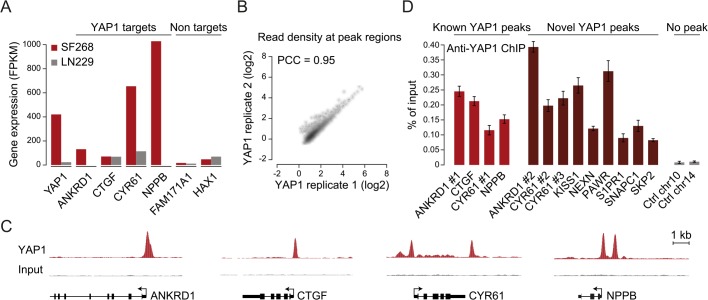
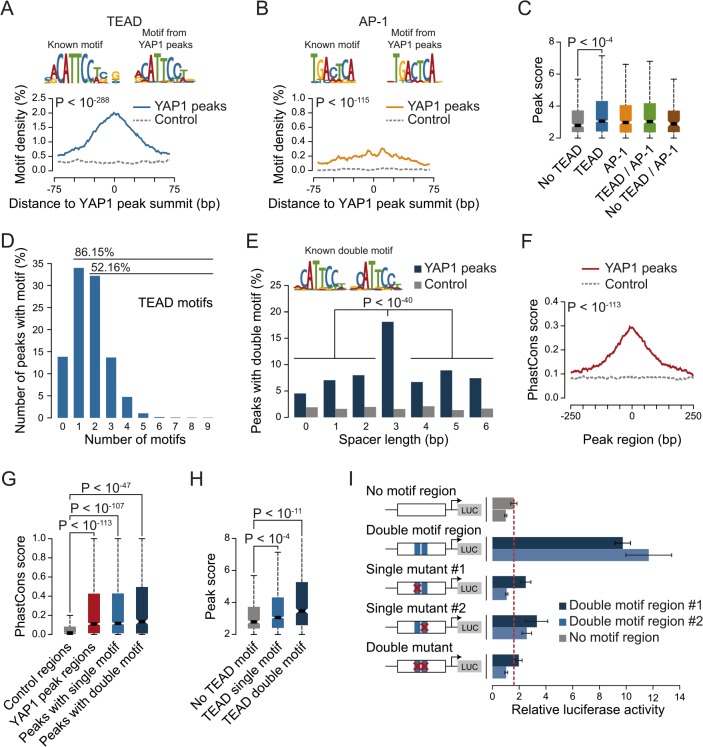
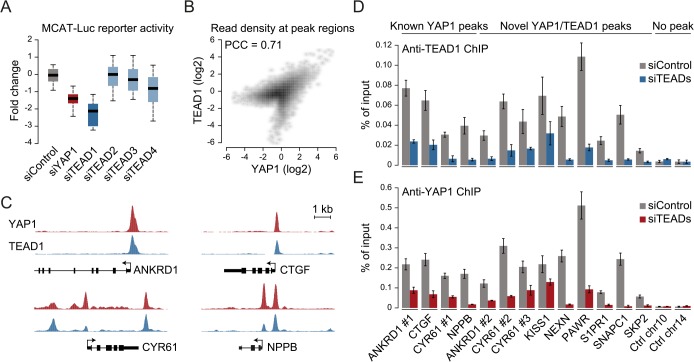
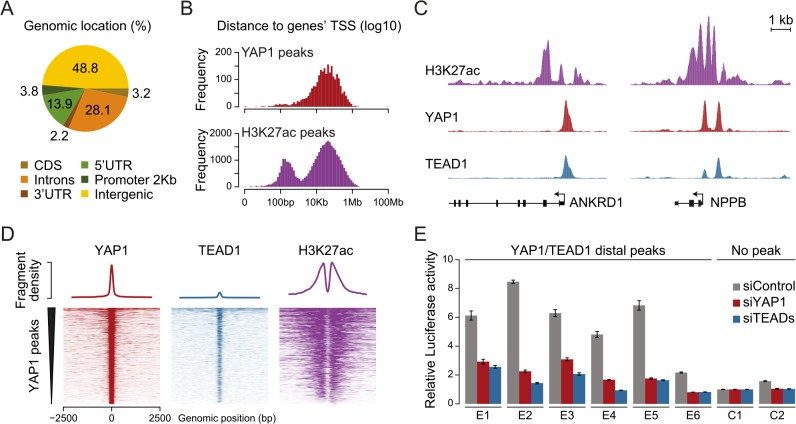
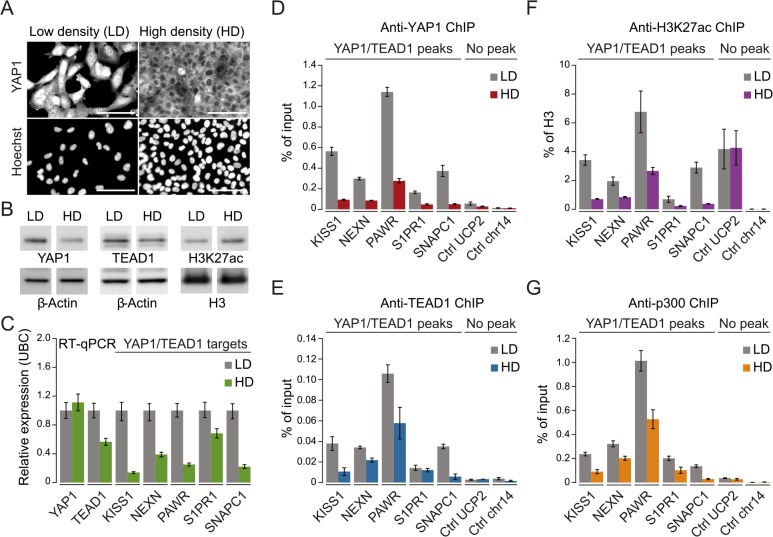
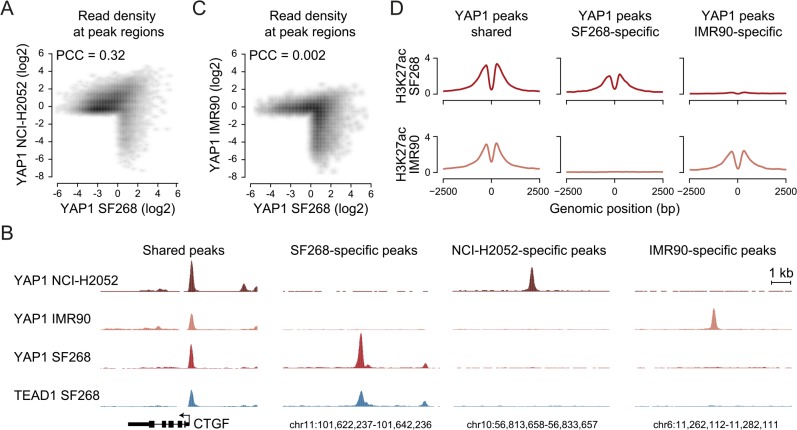
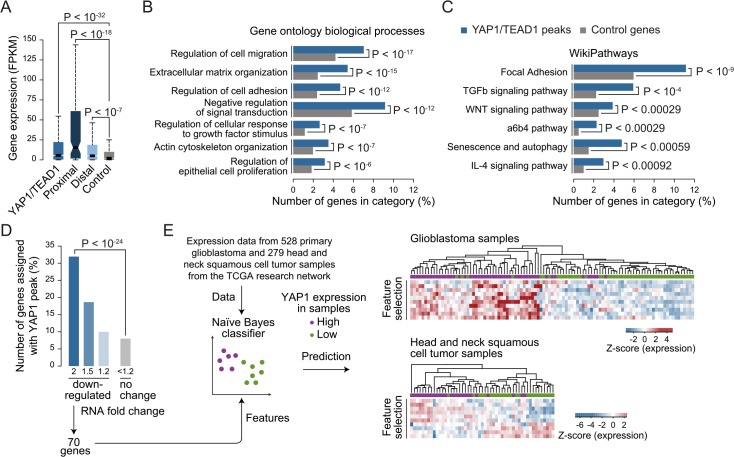
YAP1 is a major effector of the Hippo pathway and a well-established oncogene. Elevated YAP1 activity due to mutations in Hippo pathway components or YAP1 amplification is observed in several types of human cancers. Here we investigated its genomic binding landscape in YAP1-activated cancer cells, as well as in non-transformed cells. We demonstrate that TEAD transcription factors mediate YAP1 chromatin-binding genome-wide, further explaining their dominant role as primary mediators of YAP1-transcriptional activity. Moreover, we show that YAP1 largely exerts its transcriptional control via distal enhancers that are marked by H3K27 acetylation and that YAP1 is necessary for this chromatin mark at bound enhancers and the activity of the associated genes. This work establishes YAP1-mediated transcriptional regulation at distal enhancers and provides an expanded set of target genes resulting in a fundamental source to study YAP1 function in a normal and cancer setting.
Overview
The claims and statistics of this paper haven’t been checked yet.
Run the check — free, no account needed. It reads the open-access text and checks the sources it cites.
Integrity signals
Registry
Cites
Statistics
Figures
Verification
Claims the paper makes
The claims and statistics of this paper haven’t been checked yet.
Run the check — free, no account needed. It reads the open-access text and checks the sources it cites.
Claims other papers make about this one
Each is checked against this paper’s own text: does it say what the citing paper says it does?
The source backs part of the claim, not all of it — or backs it for a different population, condition or comparison.
In the citing paper
“ChIP-seq and deepsequencing studies in cancer and normal cells showed that several YAP-binding regions also show a consensus motif for AP-1 transcriptional factors suggesting that YAP/TEAD and AP-1 cooperatively regulate target genes representing a cross-talk between YAP and JNK signalling (74,75).”
From A Tumour-Specific Molecular Network Promotes Tumour Growth in Drosophila by Enforcing a JNK-YKI Feedforward Loop (2023) · cites this paper as [74]
Experimental — accuracy not yet measuredThe cited source says what the claim attributes to it.
In the citing paper
“Third, YAP/TEAD bind distal regulatory elements to regulate transcription of target genes (73-75).”
From A Tumour-Specific Molecular Network Promotes Tumour Growth in Drosophila by Enforcing a JNK-YKI Feedforward Loop (2023) · cites this paper as [74]
The cited source says what the claim attributes to it.
In the citing paper
“Consistently, published ChIP-seq datasets34,38,39 reveal a similar phenomenon in human cancer cell lines (Figure S7F).”
From HBO1 functions as an epigenetic barrier to hepatocyte plasticity and reprogramming during liver injury (2025) · cites this paper as [38]
Self-check
Percentages, sums and reported differences re-computed from the paper’s own numbers.
The self-check needs the paper’s full text.
Citations
Cites
Gene Ontology: tool for the unification of biology
Ashburner, M., Ball, C. A., Blake, J. A., Botstein, D., Butler, H., Cherry, J. M., Davis, A. P., Dolinski, K., Dwight, S. S., Eppig, J. T., et al. (2000) · Nature Genetics · doi:10.1038/75556 · Cited by 43,206
Ultrafast and memory-efficient alignment of short DNA sequences to the human genome.
Langmead, B., Trapnell, C., Pop, M., & Salzberg, S. L. (2009) · Genome Biology · doi:10.1186/gb-2009-10-3-r25 · Cited by 21,849
Model-based Analysis of ChIP-Seq (MACS)
Zhang, Y., Liu, T., Meyer, C. A., Eeckhoute, J., Johnson, D. S., Bernstein, B. E., Nusbaum, C., Myers, R. M., Brown, M., Li, W., et al. (2008) · Genome Biology · doi:10.1186/gb-2008-9-9-r137 · Cited by 18,386
Cerami, E., Gao, J., Dogrusoz, U., Gross, B. E., Sumer, S. O., Aksoy, B. A., Jacobsen, A., Byrne, C. J., Heuer, M. L., Larsson, E., et al. (2012) · Cancer Discovery · doi:10.1158/2159-8290.cd-12-0095 · Cited by 17,455
Differential expression analysis for sequence count data
Anders, S., & Huber, W. (2010) · Genome Biology · doi:10.1186/gb-2010-11-10-r106 · Cited by 15,581
Trapnell, C., Williams, B. A., Pertea, G., Mortazavi, A., Kwan, G., van Baren, M. J., Salzberg, S. L., Wold, B. J., & Pachter, L. (2010) · Nature Biotechnology · doi:10.1038/nbt.1621 · Cited by 15,556
Integrative Analysis of Complex Cancer Genomics and Clinical Profiles Using the cBioPortal
Gao, J., Aksoy, B. A., Dogrusoz, U., Dresdner, G., Gross, B., Sumer, S. O., Sun, Y., Jacobsen, A., Sinha, R., Larsson, E., et al. (2013) · Science Signaling · doi:10.1126/scisignal.2004088 · Cited by 15,160
The Human Genome Browser at UCSC
Kent, W. J., Sugnet, C. W., Furey, T. S., Roskin, K. M., Pringle, T. H., Zahler, A. M., & Haussler, A. D. (2002) · Genome Research · doi:10.1101/gr.229102 · Cited by 10,400
Histone H3K27ac separates active from poised enhancers and predicts developmental state
Creyghton, M. P., Cheng, A. W., Welstead, G. G., Kooistra, T., Carey, B. W., Steine, E. J., Hanna, J., Lodato, M. A., Frampton, G. M., Sharp, P. A., et al. (2010) · Proceedings of the National Academy of Sciences · doi:10.1073/pnas.1016071107 · Cited by 4,302
Evolutionarily conserved elements in vertebrate, insect, worm, and yeast genomes
Siepel, A., Bejerano, G., Pedersen, J. S., Hinrichs, A. S., Hou, M., Rosenbloom, K., Clawson, H., Spieth, J., Hillier, L. W., Richards, S., et al. (2005) · Genome Research · doi:10.1101/gr.3715005 · Cited by 3,971 · cited 1×
“We calculated the conservation rate of regions using the PhastCons 46 way placental mammals [94].”
Method
Cited by
Sorted by citations
Hippo pathway in organ size control, tissue homeostasis, and cancer
Yu, F.-X., Zhao, B., & Guan, K.-L. (2015) · Cell · doi:10.1016/j.cell.2015.10.044 · Cited by 2,206
YAP/TAZ at the Roots of Cancer
Zanconato, F., Cordenonsi, M., & Piccolo, S. (2016) · Cancer Cell · doi:10.1016/j.ccell.2016.05.005 · Cited by 1,970
Mechanisms of Hippo pathway regulation
Meng, Z., Moroishi, T., & Guan, K.-L. (2016) · Genes & Development · doi:10.1101/gad.274027.115 · Cited by 1,667
Mechanobiology of YAP and TAZ in physiology and disease
Panciera, T., Azzolin, L., Cordenonsi, M., & Piccolo, S. (2017) · Nature Reviews Molecular Cell Biology · doi:10.1038/nrm.2017.87 · Cited by 1,461
The Hippo Pathway: Biology and Pathophysiology
Ma, S., Meng, Z., Chen, R., & Guan, K.-L. (2019) · Annual Review of Biochemistry · doi:10.1146/annurev-biochem-013118-111829 · Cited by 1,387
YAP/TAZ upstream signals and downstream responses
Totaro, A., Panciera, T., & Piccolo, S. (2018) · Nature Cell Biology · doi:10.1038/s41556-018-0142-z · Cited by 1,086
Hippo–YAP/TAZ signalling in organ regeneration and regenerative medicine
Moya, I. M., & Halder, G. (2019) · Nature Reviews Molecular Cell Biology · doi:10.1038/s41580-018-0086-y · Cited by 981
Long noncoding RNA MALAT1 suppresses breast cancer metastasis
Kim, J., Piao, H.-L., Kim, B., Yao, F., Han, Z., Wang, Y., Xiao, Z., Siverly, A. N., Lawhon, S. E., Ton, B. N., et al. (2018) · Nature Genetics · doi:10.1038/s41588-018-0252-3 · Cited by 767
Self-organization and symmetry breaking in intestinal organoid development
Serra, D., Mayr, U., Boni, A., Lukonin, I., Rempfler, M., Challet Meylan, L., Stadler, M. B., Strnad, P., Papasaikas, P., Vischi, D., et al. (2019) · Nature · doi:10.1038/s41586-019-1146-y · Cited by 561
Self-citationComprehensive Molecular Characterization of the Hippo Signaling Pathway in Cancer
Wang, Y., Xu, X., Maglic, D., Dill, M. T., Mojumdar, K., Ng, P. K.-S., Jeong, K. J., Tsang, Y. H., Moreno, D., Bhavana, V. H., et al. (2018) · Cell Reports · doi:10.1016/j.celrep.2018.10.001 · Cited by 500
The Hippo Signaling Network and Its Biological Functions
Misra, J. R., & Irvine, K. D. (2018) · Annual Review of Genetics · doi:10.1146/annurev-genet-120417-031621 · Cited by 514
YAP/TAZ Signaling and Resistance to Cancer Therapy
Nguyen, C. D. K., & Yi, C. (2019) · Trends in Cancer · doi:10.1016/j.trecan.2019.02.010 · Cited by 437
The Hippo Pathway Effector TAZ Regulates Ferroptosis in Renal Cell Carcinoma
Yang, W., Ding, C. C., Sun, T., Rupprecht, G., Lin, C., Hsu, D. S., & Chi, J. (2019) · Cell Reports · doi:10.1016/j.celrep.2019.07.107 · Cited by 459
Role of YAP/TAZ in cell-matrix adhesion-mediated signalling and mechanotransduction
Dupont, S. (2016) · Experimental Cell Research · doi:10.1016/j.yexcr.2015.10.034 · Cited by 449
YAP and TAZ: a signalling hub of the tumour microenvironment
Zanconato, F., Cordenonsi, M., & Piccolo, S. (2019) · Nature reviews. Cancer · doi:10.1038/s41568-019-0168-y · Cited by 388
YAP/TAZ functions and their regulation at a glance
Pocaterra, A., Romani, P., & Dupont, S. (2020) · Journal of Cell Science · doi:10.1242/jcs.230425 · Cited by 389
YAP/TAZ activity in stromal cells prevents ageing by controlling cGAS–STING
Sladitschek, H. L., Guarnieri, A., Brumana, G., Zanconato, F., Battilana, G., Xiccato, R. L., Panciera, T., Forcato, M., Bicciato, S., Guzzardo, V., et al. (2022) · Nature · doi:10.1038/s41586-022-04924-6 · Cited by 354
Symbiotic Macrophage-Glioma Cell Interactions Reveal Synthetic Lethality in PTEN-Null Glioma
Chen, P., Zhao, D., Li, J., Liang, X., Li, J., Chang, A. H., Henry, V. K., Lan, Z., Spring, D. J., Rao, G., et al. (2019) · Cancer Cell · doi:10.1016/j.ccell.2019.05.003 · Cited by 344
Contact inhibition controls cell survival and proliferation via YAP/TAZ-autophagy axis
Tanasa, M. P., Renna, M., Park, S. J., Menzies, F. M., Ricketts, T., Füllgrabe, J., Ashkenazi, A., Frake, R. A., Carnicer‐Lombarte, A., Bento, C. F., et al. (2018) · Nature Communications · doi:10.1038/s41467-018-05388-x · Cited by 338
Transcriptional addiction in cancer cells is mediated by YAP/TAZ through BRD4
Zanconato, F., Battilana, G., Forcato, M., Filippi, L., Azzolin, L., Manfrin, A., Quaranta, E. G., Biagio, D. D., Sigismondo, G., Guzzardo, V., et al. (2018) · Nature Medicine · doi:10.1038/s41591-018-0158-8 · Cited by 314
Yang, W., Huang, Z., Wu, J., Ding, C. C., Murphy, S. K., & Chi, J. (2019) · Molecular Cancer Research · doi:10.1158/1541-7786.mcr-19-0691 · Cited by 303
Xu, M., Zhang, D., Luo, R., Wu, Y., Zhou, H., Kong, L., Bi, R., & Yao, Y. (2017) · Alzheimer s & Dementia · doi:10.1016/j.jalz.2017.08.012 · Cited by 296
YAP/TAZ link cell mechanics to Notch signalling to control epidermal stem cell fate
Totaro, A., Castellan, M., Battilana, G., Zanconato, F., Azzolin, L., Giulitti, S., Cordenonsi, M., & Piccolo, S. (2017) · Nature Communications · doi:10.1038/ncomms15206 · Cited by 299
YAP Partially Reprograms Chromatin Accessibility to Directly Induce Adult Cardiogenesis In Vivo
Monroe, T. O., Hill, M. C., Morikawa, Y., Leach, J. P., Heallen, T., Cao, S., Krijger, P. H. L., de Laat, W., Wehrens, X. H. T., Rodney, G. G., et al. (2019) · Developmental Cell · doi:10.1016/j.devcel.2019.01.017 · Cited by 289
Pitx2 promotes heart repair by activating the antioxidant response after cardiac injury
Tao, G., Kahr, P. C., Morikawa, Y., Zhang, M., Rahmani, M., Heallen, T. R., Li, L., Sun, Z. Q., Olson, E. N., Amendt, B. A., et al. (2016) · Nature · doi:10.1038/nature17959 · Cited by 284
Pepe-Mooney, B. J., Dill, M. T., Alemany, A., Ordovas-Montanes, J., Matsushita, Y., Rao, A., Sen, A., Miyazaki, M., Anakk, S., Dawson, P. A., et al. (2019) · Cell Stem Cell · doi:10.1016/j.stem.2019.04.004 · Cited by 266
Fluid shear stress activates YAP1 to promote cancer cell motility
Lee, H. J., Diaz, M. F., Price, K. M., Ozuna, J. A., Zhang, S., Sevick-Muraca, E. M., Hagan, J. P., & Wenzel, P. L. (2017) · Nature Communications · doi:10.1038/ncomms14122 · Cited by 269
Regulation of TEAD Transcription Factors in Cancer Biology
Huh, H., Kim, D., Jeong, H.-S., & Park, H. (2019) · Cells · doi:10.3390/cells8060600 · Cited by 259
Interferon-γ induces tumor resistance to anti-PD-1 immunotherapy by promoting YAP phase separation
Yu, M., Peng, Z., Qin, M., Liu, Y., Wang, J., Zhang, C., Lin, J., Dong, T., Wang, L., Li, S., et al. (2021) · Molecular Cell · doi:10.1016/j.molcel.2021.01.010 · Cited by 250
Mechanosignalling via integrins directs fate decisions of pancreatic progenitors
Mamidi, A., Prawiro, C., Seymour, P. A., de Lichtenberg, K. H., Jackson, A., Serup, P., & Semb, H. (2018) · Nature · doi:10.1038/s41586-018-0762-2 · Cited by 226
A combat with the YAP/TAZ-TEAD oncoproteins for cancer therapy
Pobbati, A. V., & Hong, W. (2020) · Theranostics · doi:10.7150/thno.40889 · Cited by 230
Insights into recent findings and clinical application of YAP and TAZ in cancer
Franklin, J. M., Wu, Z., & Guan, K.-L. (2023) · Nature Reviews Cancer · doi:10.1038/s41568-023-00579-1 · Cited by 213
YAP/TAZ as therapeutic targets in cancer
Zanconato, F., Battilana, G., Cordenonsi, M., & Piccolo, S. (2016) · Current Opinion in Pharmacology · doi:10.1016/j.coph.2016.05.002 · Cited by 219
Tang, Y., Feinberg, T. Y., Keller, E. T., Li, X.-Y., & Weiss, S. J. (2016) · Nature Cell Biology · doi:10.1038/ncb3394 · Cited by 208
Foster, C. T., Gualdrini, F., & Treisman, R. (2017) · Genes & Development · doi:10.1101/gad.304501.117 · Cited by 202
YAP signaling induces PIEZO1 to promote oral squamous cell carcinoma cell proliferation
Hasegawa, K., Fujii, S., Matsumoto, S., Tajiri, Y., Kikuchi, A., & Kiyoshima, T. (2020) · The Journal of Pathology · doi:10.1002/path.5553 · Cited by 200
Pearson, J. D., Huang, K., Pacal, M., McCurdy, S. R., Lü, S., Aubry, A., Yu, T., Wadosky, K. M., Zhang, L., Wang, T., et al. (2021) · Cancer Cell · doi:10.1016/j.ccell.2021.06.016 · Cited by 178
Chapeau, E. A., Sansregret, L., Galli, G. G., Chêne, P., Wartmann, M., Mourikis, T. P., Jaaks, P., Baltschukat, S., Barbosa, I. A. M., Bauer, D., et al. (2024) · Nature Cancer · doi:10.1038/s43018-024-00754-9 · Cited by 168
Self-citationChen, Y.-A., Lu, C.-Y., Cheng, T., Pan, S., Chen, H., & Chang, N. (2019) · Frontiers in Oncology · doi:10.3389/fonc.2019.00060 · Cited by 160
YAP1 and its fusion proteins in cancer initiation, progression and therapeutic resistance
Szulzewsky, F., Holland, E. C., & Vasioukhin, V. I. (2021) · Developmental Biology · doi:10.1016/j.ydbio.2020.12.018 · Cited by 155
Friend or foe? The elusive role of hepatic stellate cells in liver cancer
Cogliati, B., Yashaswini, C. N., Wang, S., Sia, D., & Friedman, S. L. (2023) · Nature Reviews Gastroenterology & Hepatology · doi:10.1038/s41575-023-00821-z · Cited by 159
Ma, S., Tang, T. T.-L., Probst, G. D., Konradi, A. W., Jin, C., Li, F., Gutkind, J. S., Fu, X., & Guan, K. (2022) · Nature Communications · doi:10.1038/s41467-022-28691-0 · Cited by 154
Moreno-Vicente, R., Pavón, D. M., Martín-Padura, I., Català-Montoro, M., Díez-Sánchez, A., Quílez-Álvarez, A., López, J. A., Sánchez‐Álvarez, M., Vázquez, J., Strippoli, R., et al. (2018) · Cell Reports · doi:10.1016/j.celrep.2018.10.024 · Cited by 151
Pampari, A., Shcherbina, A., Kvon, E. Z., Kosicki, M., Nair, S., Kundu, S., Kathiria, A. S., Risca, V. I., Kuningas, K., Alasoo, K., et al. (2024) · bioRxiv (Cold Spring Harbor Laboratory) · doi:10.1101/2024.12.25.630221 · Cited by 183
Vigneswaran, K., Boyd, N., Oh, S.-Y., Lallani, S. B., Boucher, A. B., Neill, S. G., Olson, J. J., & Read, R. D. (2020) · Clinical Cancer Research · doi:10.1158/1078-0432.ccr-20-0018 · Cited by 133
NUAK2 is a critical YAP target in liver cancer
Yuan, W.-C., Pepe-Mooney, B. J., Galli, G. G., Dill, M. T., Huang, H., Hao, M., Wang, Y., Liang, H., Calogero, R., & Camargo, F. D. (2018) · Nature Communications · doi:10.1038/s41467-018-07394-5 · Cited by 129
Arginine is an epigenetic regulator targeting TEAD4 to modulate OXPHOS in prostate cancer cells
Chen, C., Hsu, S.-C., Chung, T.-Y., Chu, C.-Y., Wang, H.-J., Hsiao, P., Yeh, S.-D., Ann, D. K., Yen, Y., & Kung, H.-J. (2021) · Nature Communications · doi:10.1038/s41467-021-22652-9 · Cited by 119
Multidrug efflux transporter ABCG2: expression and regulation
Kukal, S., Guin, D., Rawat, C., Bora, S., Mishra, M., Sharma, P., Paul, P. R., Kanojia, N., Grewal, G. K., Kukreti, S., et al. (2021) · Cellular and Molecular Life Sciences · doi:10.1007/s00018-021-03901-y · Cited by 123
YAP and TAZ modulate cell phenotype in a subset of small cell lung cancer
Horie, M., Saito, A., Ohshima, M., Suzuki, H. I., & Nagase, T. (2016) · Cancer Science · doi:10.1111/cas.13078 · Cited by 117
The Hippo Pathway Prevents YAP/TAZ-Driven Hypertranscription and Controls Neural Progenitor Number
Lavado, A., Park, J. Y., Paré, J., Finkelstein, D., Pan, H., Xu, B., Fan, Y., Kumar, R. P., Neale, G. A. M., Kwak, Y. D., et al. (2018) · Developmental Cell · doi:10.1016/j.devcel.2018.09.021 · Cited by 119
Tang, Y., & Weiss, S. J. (2017) · Cell Cycle · doi:10.1080/15384101.2017.1280643 · Cited by 114
Najafova, Z., Tirado-Magallanes, R., Subramaniam, M., Hossan, T., Schmídt, G., Nagarajan, S., Baumgart, S. J., Mishra, V. K., Bedi, U., Hesse, E., et al. (2016) · Nucleic Acids Research · doi:10.1093/nar/gkw826 · Cited by 116
Allosteric Inhibitors of SHP2 with Therapeutic Potential for Cancer Treatment
Xie, J., Si, X., Gu, S., Wang, M., Shen, J. H., Li, H., Shen, J. H., Li, D., Fang, Y., Liu, C., et al. (2017) · Journal of Medicinal Chemistry · doi:10.1021/acs.jmedchem.7b01520 · Cited by 114
Wang, L., Zhang, Z., Yu, X., Huang, X., Liu, Z., Chai, Y., Yang, L., Wang, Q., Li, M., Zhao, J. H., et al. (2018) · Oncogene · doi:10.1038/s41388-018-0476-9 · Cited by 110
Pajtler, K. W., Wei, Y., Okonechnikov, K., Silva, P. B. G., Vouri, M., Zhang, L., Brabetz, S., Sieber, L., Gulley, M., Mauermann, M., et al. (2019) · Nature Communications · doi:10.1038/s41467-019-11884-5 · Cited by 108
Walko, G., Woodhouse, S., Pisco, A. O., Rognoni, E., Liakath‐Ali, K., Lichtenberger, B. M., Mishra, A., Telerman, S. B., Viswanathan, P., Logtenberg, M. E. W., et al. (2017) · Nature Communications · doi:10.1038/ncomms14744 · Cited by 105
Edwards, D. N., Ngwa, V. M., Wang, S., Shiuan, E. F., Brantley‐Sieders, D. M., Kim, L. C., Reynolds, A. B., & Chen, J. (2017) · Science Signaling · doi:10.1126/scisignal.aan4667 · Cited by 109
Conserved NPPB + Border Zone Switches From MEF2- to AP-1–Driven Gene Program
van Duijvenboden, K., de Bakker, D. E. M., Man, J. C. K., Janssen, R., Günthel, M., Hill, M. C., Hooijkaas, I. B., van der Made, I., van der Kraak, P. H., Vink, A., et al. (2019) · Circulation · doi:10.1161/circulationaha.118.038944 · Cited by 102
Chiara, G. D., Gervasoni, F., Fakiola, M., Godano, C., D’Oria, C., Azzolin, L., Bonnal, R. J. P., Moreni, G., Drufuca, L., Rossetti, G., et al. (2021) · Nature Communications · doi:10.1038/s41467-021-22544-y · Cited by 104
Ruivo, C. F., Bastos, N., Adem, B., Batista, I. A., Durães, C., Melo, C. A., Castaldo, S. A., Campos-Laborie, F. J., Moutinho-Ribeiro, P., Morão, B., et al. (2022) · Gut · doi:10.1136/gutjnl-2021-324994 · Cited by 102
The Roles of YAP/TAZ and the Hippo Pathway in Healthy and Diseased Skin
Rognoni, E., & Walko, G. (2019) · Cells · doi:10.3390/cells8050411 · Cited by 106
Role of YAP/TAZ transcriptional regulators in resistance to anti-cancer therapies
Kim, M. H., & Kim, J. (2016) · Cellular and Molecular Life Sciences · doi:10.1007/s00018-016-2412-x · Cited by 102
A Potential Role of YAP/TAZ in the Interplay Between Metastasis and Metabolic Alterations
Yamaguchi, H., & Taouk, G. M. (2020) · Frontiers in Oncology · doi:10.3389/fonc.2020.00928 · Cited by 106
The Hippo Pathway Effector YAP Promotes Ferroptosis via the E3 Ligase SKP2
Yang, W., Lin, C., Wu, J., Chao, P.-Y., Chen, K., Chen, P., & Chi, J. (2021) · Molecular Cancer Research · doi:10.1158/1541-7786.mcr-20-0534 · Cited by 102
A Hippo and Fibroblast Growth Factor Receptor Autocrine Pathway in Cholangiocarcinoma
Ilyas, S. I., Yamada, D., Hirsova, P., Bronk, S. F., Werneburg, N. W., Krishnan, A., Salim, W., Zhang, L. N., Trushina, E. V., Truty, M. J., et al. (2016) · Journal of Biological Chemistry · doi:10.1074/jbc.m115.698472 · Cited by 94
Analysis of chromatin accessibility uncovers TEAD1 as a regulator of migration in human glioblastoma
Tomé-García, J., Erfani, P., Nudelman, G., Tsankov, A. M., Katsyv, I., Tejero, R., Zhang, B., Walsh, M. J., Friedel, R. H., Zaslavsky, E., et al. (2018) · Nature Communications · doi:10.1038/s41467-018-06258-2 · Cited by 91
Greuter, T., Yaqoob, U., Gan, C., Jalan-Sakrikar, N., Kostallari, E., Lu, J., Gao, J., Sun, L., Liu, M., Sehrawat, T. S., et al. (2022) · Journal of Hepatology · doi:10.1016/j.jhep.2022.03.029 · Cited by 92
Wu, B.-K., Mei, S.-C., Chen, E. H., Zheng, Y., & Pan, D. (2022) · Nature Genetics · doi:10.1038/s41588-022-01119-7 · Cited by 91
ENO1 promotes liver carcinogenesis through YAP1-dependent arachidonic acid metabolism
Sun, L., Suo, C., Zhang, T., Shen, S., Gu, X., Qiu, S., Zhang, P., Wei, H., Ma, W., Yan, R., et al. (2023) · Nature Chemical Biology · doi:10.1038/s41589-023-01391-6 · Cited by 94
Endothelial YAP/TAZ Signaling in Angiogenesis and Tumor Vasculature
Hooglugt, A., van der Stoel, M. M., Boon, R. A., & Huveneers, S. (2021) · Frontiers in Oncology · doi:10.3389/fonc.2020.612802 · Cited by 82
Ma, F., Tsou, P., Gharaee‐Kermani, M., Plazyo, O., Xing, X., Kirma, J., Wasikowski, R., Hile, G. A., Harms, P. W., Jiang, Y., et al. (2024) · Nature Communications · doi:10.1038/s41467-023-44645-6 · Cited by 85
Transcriptional integration of mitogenic and mechanical signals by Myc and YAPPreprint
Croci, O., Fazio, S., Biagioni, F., Donato, E., Cagánová, M., Curti, L., Doni, M., Sberna, S., Aldeghi, D., Biancotto, C., et al. (2017) · Genes & Development · doi:10.1101/gad.301184.117 · Cited by 90
Mechanical control of nuclear import by Importin-7 is regulated by its dominant cargo YAP
García-García, M., Sánchez-Perales, S., Jarabo, P., Calvo, E., Huyton, T., Fu, L., Ng, S. C., Sotodosos-Alonso, L., Vázquez, J., Casas‐Tintó, S., et al. (2022) · Nature Communications · doi:10.1038/s41467-022-28693-y · Cited by 87
TRPS1 shapes YAP/TEAD-dependent transcription in breast cancer cells
Elster, D., Tollot, M., Schlegelmilch, K., Ori, A., Rosenwald, A., Sahai, E. A., & von Eyß, B. (2018) · Nature Communications · doi:10.1038/s41467-018-05370-7 · Cited by 88
Targeting the Hippo Signaling Pathway for Tissue Regeneration and Cancer Therapy
Juan, W. C., & Hong, W. (2016) · Genes · doi:10.3390/genes7090055 · Cited by 88
Deng, Y., Wu, L. M. N., Bai, S., Zhao, C., Wang, H., Wang, J., Xu, L., Sakabe, M., Zhou, W., Xin, M., et al. (2017) · Nature Communications · doi:10.1038/ncomms15161 · Cited by 86
The Hippo Pathway in Prostate Cancer
Salem, O., & Hansen, C. G. (2019) · Cells · doi:10.3390/cells8040370 · Cited by 89
Co-occurring Mutations of Tumor Suppressor Genes, LATS2 and NF2 , in Malignant Pleural Mesothelioma
Tranchant, R., Quetel, L., Tallet, A., Meiller, C., Renier, A., de Koning, L., de Reyniès, A., Pimpec‐Barthes, F. L., Zucman‐Rossi, J., Jaurand, M., et al. (2016) · Clinical Cancer Research · doi:10.1158/1078-0432.ccr-16-1971 · Cited by 83
miR-590-5p suppresses hepatocellular carcinoma chemoresistance by targeting YAP1 expression
Chen, M., Wu, L., Tu, J., Zhao, Z., Fan, X., Mao, J., Weng, Q., Wu, X., Huang, L., Xu, M., et al. (2018) · EBioMedicine · doi:10.1016/j.ebiom.2018.08.010 · Cited by 83
Nie, M., Chen, N., Pang, H., Jiang, T., Jiang, W., Tian, P., Yao, L., Chen, Y., DeBerardinis, R. J., Li, W., et al. (2022) · Journal of Clinical Investigation · doi:10.1172/jci160152 · Cited by 83
CellOracle: Dissecting cell identity via network inference and in silico gene perturbation
Kamimoto, K., Hoffmann, C. M., & Morris, S. A. (2020) · doi:10.1101/2020.02.17.947416 · Cited by 81
Szulzewsky, F., Arora, S., Hoellerbauer, P., King, C., Nathan, E., Chan, M., Cimino, P. J., Ozawa, T., Kawauchi, D., Pajtler, K. W., et al. (2020) · Genes & Development · doi:10.1101/gad.338681.120 · Cited by 82
Tsuji, T., Ozasa, H., Aoki, W., Aburaya, S., Funazo, T. Y., Furugaki, K., Yoshimura, Y., Yamazoe, M., Ajimizu, H., Yasuda, Y., et al. (2020) · Nature Communications · doi:10.1038/s41467-019-13771-5 · Cited by 79
The YAP-TEAD complex promotes senescent cell survival by lowering endoplasmic reticulum stress
Anerillas, C., Mazan-Mamczarz, K., Herman, A. B., Munk, R., Lam, K.-W. G., Calvo-Rubio, M., Garrido, A., Tsitsipatis, D., Martindale, J. L., Altés, G., et al. (2023) · Nature Aging · doi:10.1038/s43587-023-00480-4 · Cited by 76
The Hippo Pathway as a Driver of Select Human Cancers
Kulkarni, A., Chang, M. T., Vissers, J. H. A., Dey, A., & Harvey, K. F. (2020) · Trends in cancer · doi:10.1016/j.trecan.2020.04.004 · Cited by 77
YAP-Mediated Recruitment of YY1 and EZH2 Represses Transcription of Key Cell-Cycle Regulators
Hoxha, S., Shepard, A., Troutman, S. A., Diao, H., Doherty, J. R., Janiszewska, M., Witwicki, R. M., Pipkin, M. E., Ja, W. W., Kareta, M. S., et al. (2020) · Cancer Research · doi:10.1158/0008-5472.can-19-2415 · Cited by 76
Mechanical cue‐induced YAP instructs Skp2‐dependent cell cycle exit and oncogenic signaling
Jang, W., Kim, T., Koo, J. S., Kim, S. K., & Lim, D. (2017) · The EMBO Journal · doi:10.15252/embj.201696089 · Cited by 76
YAP‐TEAD signaling promotes basal cell carcinoma development via a c‐JUN/AP1 axis
Maglic, D., Schlegelmilch, K., Dost, A. F. M., Panero, R., Dill, M. T., Calogero, R., & Camargo, F. D. (2018) · The EMBO Journal · doi:10.15252/embj.201798642 · Cited by 75
The Hippo pathway modulates resistance to BET proteins inhibitors in lung cancer cells
Gobbi, G., Donati, B., Do Valle, I. F., Reggiani, F., Torricelli, F., Remondini, D., Castellani, G., Ambrosetti, D. C., Ciarrocchi, A., & Sancisi, V. (2019) · Oncogene · doi:10.1038/s41388-019-0924-1 · Cited by 69
Dedifferentiation and neuronal repression define familial Alzheimer’s disease
Caldwell, A. B., Liu, Q., Schroth, G. P., Galasko, D. R., Yuan, S. H., Wagner, S. L., & Subramaniam, S. (2020) · Science Advances · doi:10.1126/sciadv.aba5933 · Cited by 69
Epithelial Yap/Taz are required for functional alveolar regeneration following acute lung injury
DiGiovanni, G. T., Han, W., Sherrill, T. P., Taylor, C. J., Nichols, D. S., Geis, N. M., Singha, U. K., Calvi, C. L., McCall, A. S., Dixon, M. M., et al. (2023) · JCI Insight · doi:10.1172/jci.insight.173374 · Cited by 75
Human Papillomavirus 16 E6 Upregulates APOBEC3B via the TEAD Transcription Factor
Mori, S., Takeuchi, T., Ishii, Y., Yugawa, T., Kiyono, T., Nishina, H., & Kukimoto, I. (2017) · Journal of Virology · doi:10.1128/jvi.02413-16 · Cited by 75
Covalent disruptor of YAP-TEAD association suppresses defective Hippo signaling
Fan, M., Lu, W., Che, J., Kwiatkowski, N. P., Gao, Y., Seo, H.-S., Ficarro, S. B., Gokhale, P. C., Liu, Y., Geffken, E. A., et al. (2022) · eLife · doi:10.7554/elife.78810 · Cited by 68
Mechanosensation to inflammation: Roles for YAP/TAZ in innate immune cells
Meli, V. S., Veerasubramanian, P. K., Downing, T. L., Wang, W., & Liu, W. F. (2023) · Science Signaling · doi:10.1126/scisignal.adc9656 · Cited by 77
The Myb-MuvB Complex Is Required for YAP-Dependent Transcription of Mitotic Genes
Pattschull, G., Walz, S., Gründl, M., Schwab, M., Rühl, E., Baluapuri, A., Vranesic, A. C., Kneitz, S., Wolf, E., Ade, C. P., et al. (2019) · Cell Reports · doi:10.1016/j.celrep.2019.05.071 · Cited by 68
Zhou, Y., Shan, T., Ding, W., Hua, Z., Shen, Y., Lu, Z., Chen, B., & Dai, T. (2017) · Journal of Cellular Physiology · doi:10.1002/jcp.26357 · Cited by 65
Linking Extracellular Matrix Agrin to the Hippo Pathway in Liver Cancer and Beyond
Chakraborty, S., & Hong, W. (2018) · Cancers · doi:10.3390/cancers10020045 · Cited by 65
Sun, X., Ren, Z., Cun, Y., Zhao, C., Huang, X., Zhou, J., Hu, R., Su, X., Ji, L., Li, P., et al. (2020) · Nucleic Acids Research · doi:10.1093/nar/gkaa482 · Cited by 63
Targeting the Hippo pathway in cancer
Harvey, K. F., & Tang, T. T.-L. (2025) · Nature Reviews Drug Discovery · doi:10.1038/s41573-025-01234-0 · Cited by 68
A Novel Notch–YAP Circuit Drives Stemness and Tumorigenesis in Embryonal Rhabdomyosarcoma
Slemmons, K. K., Crose, L. E. S., Riedel, S., Sushnitha, M., Belyea, B., & Linardic, C. M. (2017) · Molecular Cancer Research · doi:10.1158/1541-7786.mcr-17-0004 · Cited by 62
Metadata
- Authors
- Stein, C., Bardet, A. F., Roma, G., Bergling, S., Clay, I., Ruchti, A., Agarinis, C., Schmelzle, T., Bouwmeester, T., Schübeler, D., & Bauer, A.
- Affiliations
- Novartis (Switzerland) (CH)
- Friedrich Miescher Institute (CH)
- University of Basel (CH)
- Corresponding author
- Schübeler, Dirk
- Bauer, Andreas
- ORCID
- Venue
- PLOS Genetics
- Publisher
- Public Library of Science (PLoS)
- Published
- 2015-08-21
- Volume
- 11
- Issue
- 8
- Pages
- e1005465
- ISSN
- 1553-7390 (ISSN-L)
- 1553-7404
- PMC
- PMC4546604
- OpenAlex
- W1539804860
- Cited by
- 414
- References
- 98
- Citations by year
- 2026: 26 · 2025: 26 · 2024: 53 · 2023: 52 · 2022: 42 · 2021: 52 · 2020: 42 · 2019: 38 · 2018: 33 · 2017: 29 · 2016: 17 · 2015: 2
- FWCI
- 14.36
- Type
- journal article
- Language
- en
- Open access
- gold
- doi.org
- Licence
- Locations
- PLoS Genetics (publishedVersion, cc-by)
- Europe PMC (PubMed Central) (publishedVersion, cc-by)
- PubMed Central (publishedVersion, cc-by)
- PubMed (publishedVersion)
- DOAJ (DOAJ: Directory of Open Access Journals) (submittedVersion, cc-by-sa)
- Figshare (submittedVersion, cc-by)
- Funders
- European Commission (282510, 257082)
- SystemsX.ch
- FP7 Health (HEALTH-2010-257082, 282510)
- Topics
- Life Sciences › Biochemistry, Genetics and Molecular Biology › Cell Biology › Hippo pathway signaling and YAP/TAZ
- Life Sciences › Biochemistry, Genetics and Molecular Biology › Molecular Biology › Genomics and Chromatin Dynamics
- Life Sciences › Biochemistry, Genetics and Molecular Biology › Cancer Research › Cancer-related molecular mechanisms research
- Keywords
- YAP, TEAD transcription factors, Hippo signaling pathway, enhancer activation, distal enhancers, H3K27 acetylation, chromatin binding, transcriptional regulation, oncogenes, cancer
- MeSH terms
- YAP-Signaling Proteins, TEA Domain Transcription Factors, Acetylation, Base Sequence, Binding Sites, DNA-Binding Proteins, Enhancer Elements, Genetic, Histones, Humans, Nuclear Proteins, Phosphoproteins, Protein Binding, Protein Processing, Post-Translational, Transcription Factors, Transcriptional Activation, Consensus Sequence, Cell Line, Tumor, Adaptor Proteins, Signal Transducing, Transcriptome
About these checks
Registry, retraction, Cites and statistics results are computed, not judged, with one exception: a printed reference that no index lists is read once by a model before it counts as a citation error. Claims are extracted by a model and kept only when their quote appears verbatim in the text; each cited source is then checked, with a model’s help, for whether it says what the claim relies on. Those verdicts can be wrong — read the claim’s quote and the cited source before relying on one.
Statistics and arithmetic are recomputed, not judged.
Confidence bands are shown only for fields calibrated on our annotated test set. None is calibrated yet, so no band is shown.
What counts as a claim ›How we measure confidence ›How we check this ›
Are you an author, or do you see a problem with this page? Request a review
