

The DOI matches its Crossref record; 36 of the 36 references it cites were found in a registry or an index.
Prevalence of Autism Spectrum Disorder Among Children Aged 8 Years — Autism and Developmental Disabilities Monitoring Network, 11 Sites, United States, 2016
Open accessAbstract
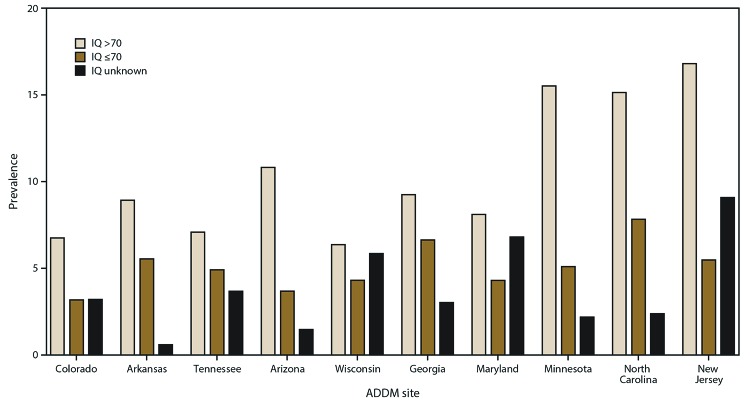
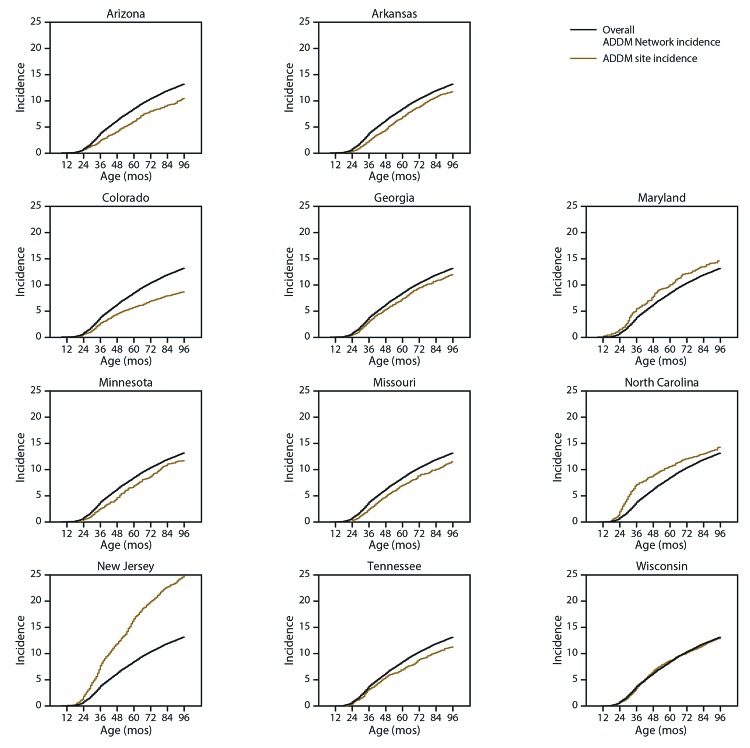
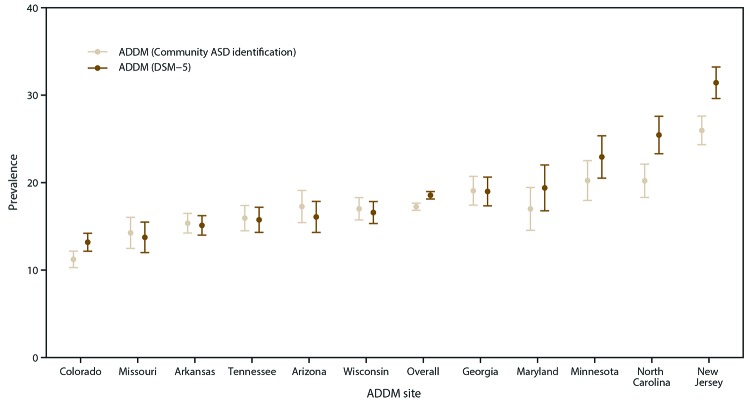
PROBLEM/CONDITION: Autism spectrum disorder (ASD). PERIOD COVERED: 2016. DESCRIPTION OF SYSTEM: The Autism and Developmental Disabilities Monitoring (ADDM) Network is an active surveillance program that provides estimates of the prevalence of ASD among children aged 8 years whose parents or guardians live in 11 ADDM Network sites in the United States (Arizona, Arkansas, Colorado, Georgia, Maryland, Minnesota, Missouri, New Jersey, North Carolina, Tennessee, and Wisconsin). Surveillance is conducted in two phases. The first phase involves review and abstraction of comprehensive evaluations that were completed by medical and educational service providers in the community. In the second phase, experienced clinicians who systematically review all abstracted information determine ASD case status. The case definition is based on ASD criteria described in the Diagnostic and Statistical Manual of Mental Disorders, Fifth Edition. RESULTS: For 2016, across all 11 sites, ASD prevalence was 18.5 per 1,000 (one in 54) children aged 8 years, and ASD was 4.3 times as prevalent among boys as among girls. ASD prevalence varied by site, ranging from 13.1 (Colorado) to 31.4 (New Jersey). Prevalence estimates were approximately identical for non-Hispanic white (white), non-Hispanic black (black), and Asian/Pacific Islander children (18.5, 18.3, and 17.9, respectively) but lower for Hispanic children (15.4). Among children with ASD for whom data on intellectual or cognitive functioning were available, 33% were classified as having intellectual disability (intelligence quotient [IQ] ≤70); this percentage was higher among girls than boys (39% versus 32%) and among black and Hispanic than white children (47%, 36%, and 27%, respectively) [corrected]. Black children with ASD were less likely to have a first evaluation by age 36 months than were white children with ASD (40% versus 45%). The overall median age at earliest known ASD diagnosis (51 months) was similar by sex and racial and ethnic groups; however, black children with IQ ≤70 had a later median age at ASD diagnosis than white children with IQ ≤70 (48 months versus 42 months). INTERPRETATION: The prevalence of ASD varied considerably across sites and was higher than previous estimates since 2014. Although no overall difference in ASD prevalence between black and white children aged 8 years was observed, the disparities for black children persisted in early evaluation and diagnosis of ASD. Hispanic children also continue to be identified as having ASD less frequently than white or black children. PUBLIC HEALTH ACTION: These findings highlight the variability in the evaluation and detection of ASD across communities and between sociodemographic groups. Continued efforts are needed for early and equitable identification of ASD and timely enrollment in services.
Overview
The claims and statistics of this paper haven’t been checked yet.
Run the check — free, no account needed. It reads the open-access text and checks the sources it cites.
Integrity signals
Registry
Cites
Statistics
Figures
Verification
Claims the paper makes
The claims and statistics of this paper haven’t been checked yet.
Run the check — free, no account needed. It reads the open-access text and checks the sources it cites.
Claims other papers make about this one
Each is checked against this paper’s own text: does it say what the citing paper says it does?
The source backs part of the claim, not all of it — or backs it for a different population, condition or comparison.
In the citing paper
“The U.S. reports a consistent pattern of increased ASD prevalence among higher socioeconomic status (SES) families (Baio et al. 2018; Durkin et al. 2010, 2017; Maenner et al. 2020; Pedersen et al. 2012), while European countries report increased prevalence among lower SES families (Delobel-Ayoub et al. 2015; Emerson 2012; Rai et al. 2012).”
From The Diagnosis of Autism: From Kanner to DSM-III to DSM-5 and Beyond (2021) · cites this paper as Maenner et al. 2020
Experimental — accuracy not yet measuredThe source backs part of the claim, not all of it — or backs it for a different population, condition or comparison.
In the citing paper
“In the U.S., African American, Hispanic, and Asian children are more likely to receive a diagnosis at a later age than Caucasian children (Maenner et al. 2020; Mandell et al. 2009; Palmer et al. 2010).”
From The Diagnosis of Autism: From Kanner to DSM-III to DSM-5 and Beyond (2021) · cites this paper as Maenner et al. 2020
Experimental — accuracy not yet measuredThe source backs part of the claim, not all of it — or backs it for a different population, condition or comparison.
In the citing paper
“While prevalence of ASD likely does not differ across racial and ethnic groups (Fombonne 2003; Maenner et al. 2020), the average age of diagnosis continues to differentiate these groups.”
From The Diagnosis of Autism: From Kanner to DSM-III to DSM-5 and Beyond (2021) · cites this paper as Maenner et al. 2020
Experimental — accuracy not yet measuredThe source backs part of the claim, not all of it — or backs it for a different population, condition or comparison.
In the citing paper
“Lastly, while the percentage of children diagnosed with ASD and intellectual disability is higher among African American and Hispanic children compared to Caucasian children in the U.S., African American and Hispanic children are nevertheless diagnosed at a later age on average than Caucasian children (Maenner et al. 2020).”
From The Diagnosis of Autism: From Kanner to DSM-III to DSM-5 and Beyond (2021) · cites this paper as Maenner et al. 2020
Experimental — accuracy not yet measuredThe source backs part of the claim, not all of it — or backs it for a different population, condition or comparison.
In the citing paper
“If consistent with the rate of ID in ASD cases in the United States or the United Kingdom, it would be approximately 40% over this diagnostic period.20”
From The female protective effect against autism spectrum disorder (2022) · cites this paper as [20]
Experimental — accuracy not yet measured
The source backs part of the claim, not all of it — or backs it for a different population, condition or comparison.
In the citing paper
“Surveillance among children aged 4 years in 2016 (8) indicated similar prevalence among children of different racial and ethnic groups, consistent with trends among children aged 8 years (9).”
From Early Identification of Autism Spectrum Disorder Among Children Aged 4 Years — Autism and Developmental Disabilities Monitoring Network, 11 Sites, United States, 2018 (2021) · cites this paper as [9]
Experimental — accuracy not yet measuredThe source backs part of the claim, not all of it — or backs it for a different population, condition or comparison.
In the citing paper
“however, diagnosis typically occurs later in Europe (3.5 years), USA (4 years), and Canada (6 years), exposing an opportunity to decrease the age at diagnosis and accelerate access to specialized healthcare.”
From Tackling healthcare access barriers for individuals with autism from diagnosis to adulthood (2022) · cites this paper as [58]
Experimental — accuracy not yet measuredThe cited source says what the claim attributes to it.
In the citing paper
“ASD is ~4 times more prevalent in boys than in girls (16, 31).”
From Where Sex Meets Gender: How Sex and Gender Come Together to Cause Sex Differences in Mental Illness (2022) · cites this paper as [16]
In the citing paper
“and 1.85% (CI95%: 1.80–1.91%) in children aged eight year old (26).”
From Prevalence of Autism Spectrum Disorder and Co-morbidities in Children and Adolescents: A Systematic Literature Review (2021) · cites this paper as [26]
In the citing paper
“In the US, Christensen et al. (15) and Maenner et al. (26) assessed the prevalence of ID in ASD children aged 4y and 8y respectively based on the ADDM network and reported rates of 46.10% and 33.00%.”
From Prevalence of Autism Spectrum Disorder and Co-morbidities in Children and Adolescents: A Systematic Literature Review (2021) · cites this paper as [26]
In the citing paper
“The estimated prevalence of ASD has increased over 30-fold over the last four decades,18 primarily due to diagnostic expansion.19,20”
From The female protective effect against autism spectrum disorder (2022) · cites this paper as [20]
In the citing paper
“Members of previous generations, particularly those able to live independently as adults, were far less likely to receive an ASD diagnosis in childhood than children born as of writing.19,20”
From The female protective effect against autism spectrum disorder (2022) · cites this paper as [20]
In the citing paper
“For example, females are on average diagnosed later than males.20”
From The female protective effect against autism spectrum disorder (2022) · cites this paper as [20]
In the citing paper
“The sex ratio is one example of how differences in identification of children without intellectual disability can affect patterns observed at older ages, with a higher ratio of boys to girls at age 8 years than at age 4 years, consistent with previous reports (8,9).”
In the citing paper
“In surveillance year 2018, ASD prevalence among Black children was higher than among White children at five of 11 sites and overall, the opposite of the pattern before surveillance year 2016 among children aged 8 years (9,17).”
In the citing paper
“Children with co-occurring intellectual disability are more likely to be identified earlier than children without intellectual disability, as indicated by an earlier median age at identification among this group (11) as well as the consistently higher proportion of children with intellectual disability at age 4 years (8,13) than at age 8 years (9,11,17).”
Self-check
Percentages, sums and reported differences re-computed from the paper’s own numbers.
The self-check needs the paper’s full text.
Citations
Cites
Diagnostic and Statistical Manual of Mental Disorders
American Psychiatric Association (2013) · doi:10.1176/appi.books.9780890425596 · Cited by 116,369
Baio, J., Wiggins, L., Christensen, D. L., Maenner, M. J., Daniels, J., Warren, Z., Kurzius-Spencer, M., Zahorodny, W., Robinson, C., Rosenberg, et al. (2018) · MMWR. Surveillance Summaries · doi:10.15585/mmwr.ss6706a1 · Cited by 6,078 · cited 5×
“8 per 1,000 (one in 59) children aged 8 years in 2014 (3).”
BackgroundMethodInfluentialSelf-citationDawson, G., Rogers, S., Munson, J., Smith, M., Winter, J., Greenson, J., Donaldson, A., & Varley, J. (2010) · Pediatrics · doi:10.1542/peds.2009-0958 · Cited by 2,835
Identification and Evaluation of Children With Autism Spectrum Disorders
Johnson, C. P., Myers, S. M., & and the Council on Children With Disabilities (2007) · Pediatrics · doi:10.1542/peds.2007-2361 · Cited by 2,011
Christensen, D. L., Baio, J., Braun, K. V. N., Bilder, D., Charles, J., Constantino, J. N., Daniels, J., Durkin, M. S., Fitzgerald, R. T., Kurzius-Spencer, M., et al. (2016) · MMWR. Surveillance Summaries · doi:10.15585/mmwr.ss6503a1 · Cited by 1,964
Self-citationNaarden Braun, K. V., Lopez, M., White, T., et al. (2023) · Carolina Digital Repository (University of North Carolina at Chapel Hill) · doi:10.17615/y3kk-5x30 · Cited by 1,381
Self-citationPrevalence of Autism in a US Metropolitan Area
Yeargin-Allsopp, M., Rice, C., Karapurkar, T., Doernberg, N., Boyle, C., & Murphy, C. (2003) · JAMA · doi:10.1001/jama.289.1.49 · Cited by 1,248 · cited 3×
“The ADDM Network uses a multiple-source, records-based surveillance methodology developed by CDC’s Metropolitan Atlanta Developmental Disabilities Surveillance Program (2,24).”
BackgroundMethodInfluentialPrevalence and Trends of Developmental Disabilities among Children in the United States: 2009–2017
Zablotsky, B., Black, L. I., Maenner, M. J., Schieve, L. A., Danielson, M. L., Bitsko, R. H., Blumberg, S. J., Kogan, M. D., & Boyle, C. A. (2019) · Pediatrics · doi:10.1542/peds.2019-0811 · Cited by 1,217 · cited 1×
“The 2016 NSCH and the 2015–2017 NHIS both estimated ASD prevalence at 25 per 1,000 children aged 3–17 years (13,29).”
BackgroundSelf-citation
Cited by
Sorted by citations
Items 701–800 of 1,017
Wang, M., Doenyas, C., Wan, J., Zeng, S., Cai, C., Zhou, J., Liu, Y., Yin, Z., & Zhou, W. (2020) · Computational and Structural Biotechnology Journal · doi:10.1016/j.csbj.2020.12.012 · Cited by 35
“%) of 8-year-old children in the US [1], and 0.29% of 6 to 12-year-old children in China [2].”
BackgroundInfluentialGevarter, C., Najar, A. M., Flake, J., Tapia-Alvidrez, F., & Lucero, A. (2021) · Journal of Developmental and Physical Disabilities · doi:10.1007/s10882-021-09794-w · Cited by 34
“…author information available on the last page of the article Autism spectrum disorder (ASD) is a developmental disability, characterized by deficits in social communication and the presence of repetitive or restrictive behaviors, that is estimated to effect 1 in 54 children (Maenner et al., 2020).”
BackgroundDeckmann, I., Santos‐Terra, J., Fontes‐Dutra, M., Rockenbach, M. K., Bauer‐Negrini, G., Schwingel, G. B., Riesgo, R. D. S., Bambini-Júnior, V., & Gottfried, C. (2021) · International Journal of Developmental Neuroscience · doi:10.1002/jdn.10137 · Cited by 36
“…a highly prevalent neurodevelopmental disorder characterized by (1) deficits in communication and social interaction and (2) the presence of repetitive behaviors and restricted interests/activities (APA, 2013), affecting 1:54 children up to 8 years old in the United States (Maenner et al., 2020).”
BackgroundLizé, M., Monfort, C., Rouget, F., Limon, G., Durand, G., Tillaut, H., & Chevrier, C. (2022) · Environmental Research · doi:10.1016/j.envres.2022.113348 · Cited by 34
“9%) had a score above 15, which is in line with a worldwide prevalence of autism, around 2% (Elsabbagh et al. 2012; Maenner et al. 2020).”
BackgroundAutism Spectrum Disorder Diagnoses: A Comparison of Countries with Different Income Levels
de Matos, M. B., Bara, T. D. S., & Cordeiro, M. L. (2022) · Clinical Epidemiology · doi:10.2147/clep.s373186 · Cited by 37
“ASD diagnosis rates have risen rapidly in recent decades, with 1 in 44 children being diagnosed with ASD as of 2018 in the United States (US).(3,4) The heightened awareness of ASD is mainly a feature of high-income countries, where epidemiological data are widely available.”
BackgroundDevelopment of a low-cost tactile sleeve for autism intervention
Tang, F., McMahan, R. P., & Allen, T. T. (2014) · IEEE International Workshop on Haptic Audio visual Environments and Games · doi:10.1109/have.2014.6954328 · Cited by 37
Dickstein-Fischer, L., & Fischer, G. S. (2014) · Annual International Conference of the IEEE Engineering in Medicine and Biology Society (EMBC) · doi:10.1109/embc.2014.6943710 · Cited by 34
Relating ASD symptoms to well-being: moving across different construct levels
Deserno, M. K., Borsboom, D., Begeer, S., & Geurts, H. M. (2017) · Psychological Medicine · doi:10.1017/s0033291717002616 · Cited by 34
The social patterning of autism diagnoses reversed in California between 1992 and 2018.
Winter, A. S., Fountain, C., Cheslack-Postava, K., & Bearman, P. S. (2020) · Proceedings of the National Academy of Sciences · doi:10.1073/pnas.2015762117 · Cited by 33
“5 per 1,000 children aged 8 y in 2016 (7).”
BackgroundMethodInfluentialCanals-Sans, J., Esteban-Figuerola, P., Morales-Hidalgo, P., & Arija, V. (2022) · Journal of Autism and Developmental Disorders · doi:10.1007/s10803-021-04928-7 · Cited by 33
Altered Cytokine and BDNF Levels in Individuals with Autism Spectrum Disorders
Han, Y. M. Y., Yau, S., Chan, M. M. Y., Wong, C. K., & Chan, A. S.-Y. (2022) · Brain Sciences · doi:10.3390/brainsci12040460 · Cited by 35
“The prevalence of ASD is high, with recent statistics of 1 in 54 individuals being reported, making ASD one of the most prevalent of all childhood developmental disorders [1].”
BackgroundAnalysis of methionine synthase (rs1805087) gene polymorphism in autism patients in Northern Iran
Haghiri, R., Mashayekhi, F., Bidabadi, E., & Salehi, Z. (2016) · Acta Neurobiologiae Experimentalis · doi:10.21307/ane-2017-030 · Cited by 33
The Childhood Autism Spectrum Test (CAST): Spanish adaptation and validation
Morales‐Hidalgo, P., Castellví, J. R., Vigil‐Colet, A., & Canals, J. (2017) · Autism Research · doi:10.1002/aur.1793 · Cited by 33
Congenital Abnormalities of the Male Reproductive System and Risk of Autism Spectrum Disorders
Rotem, R. S., Chodick, G., Davidovitch, M., Hauser, R. B., Coull, B. A., & Weisskopf, M. G. (2017) · American Journal of Epidemiology · doi:10.1093/aje/kwx367 · Cited by 34
Elliott, S., Marshall, D. C., Morley, K., Uphoff, E., Kumar, M., & Meader, N. (2021) · Cochrane Database of Systematic Reviews · doi:10.1002/14651858.cd013173.pub2 · Cited by 40
Martin, T., Dixon, R., Verenikina, I., & Costley, D. (2019) · International Journal of Inclusive Education · doi:10.1080/13603116.2019.1568597 · Cited by 28
Healthcare Costs of Pediatric Autism Spectrum Disorder in the United States, 2003–2015
Zuvekas, S. H., Grosse, S. D., Lavelle, T. A., Maenner, M. J., Dietz, P. M., & Ji, X. (2020) · Journal of Autism and Developmental Disorders · doi:10.1007/s10803-020-04704-z · Cited by 44
Self-citationWallace, D. M., Herbert, J. L., Tyler, D. B., & McGee-Hassrick, E. (2020) · Policing A Journal of Policy and Practice · doi:10.1093/police/paaa059 · Cited by 41
Toward Novel Tools for Autism Identification: Fusing Computational and Clinical Expertise
Corona, L. L., Wagner, L., Wade, J. W., Weitlauf, A. S., Hine, J. F., Nicholson, A. G., Stone, C., Vehorn, A. C., & Warren, Z. E. (2021) · Journal of Autism and Developmental Disorders · doi:10.1007/s10803-020-04857-x · Cited by 33
Self-citationUpadhyay, J., Patra, J., Tiwari, N., Salankar, N., Ansari, M. N., & Ahmad, W. (2021) · Cells · doi:10.3390/cells10040958 · Cited by 36
Wetherby, A. M., Guthrie, W., Hooker, J. L., Delehanty, A. D., Day, T. N., Woods, J. J., Pierce, K., Manwaring, S. S., Thurm, A. E., Ozonoff, S. J., et al. (2021) · Autism · doi:10.1177/13623613211012526 · Cited by 33
“Yet, the median age of diagnosis in the U.S. has hovered at 4–5 years for more than a decade (Maenner et al., 2020).”
LeGrand, K. J., Weil, L. W., Lord, C., & Luyster, R. (2021) · Journal of Speech Language and Hearing Research · doi:10.1044/2021_jslhr-20-00544 · Cited by 37
Aranbarri, A., Stahmer, A. C., Talbott, M. R., Miller, M. E., Drahota, A., Pellecchia, M., Barber, A. B., Griffith, E. M., Morgan, E. H., & Rogers, S. J. (2021) · Frontiers in Psychiatry · doi:10.3389/fpsyt.2021.786138 · Cited by 35
D’Urso, G., Toscano, E., Sanges, V., Sauvaget, A., Sheffer, C. E., Riccio, M. P., Ferrucci, R., Iasevoli, F., Priori, A., Bravaccio, C., et al. (2021) · Journal of Clinical Medicine · doi:10.3390/jcm11010143 · Cited by 34
“Autism spectrum disorder (ASD) is a complex neurodevelopmental disorder, the prevalence of which has increased significantly in the past 20 years [1].”
BackgroundLi, F., Wu, D., Ren, F., Shen, L., Xue, M., Yu, J., Zhang, L., Tang, Y., Liu, X., Tao, M., et al. (2022) · Frontiers in Psychiatry · doi:10.3389/fpsyt.2022.806149 · Cited by 33
Smith, J. R., Hopkins, C. E., Xiong, J., Luccarelli, J., Shultz, E. K. B., & Vandekar, S. (2022) · Journal of Autism and Developmental Disorders · doi:10.1007/s10803-022-05868-6 · Cited by 32
“…Association, 2013) The Centers for Disease Control estimates that 31–50% of individuals with ASD meet criteria for ASD+ID. (Christensen, 2019; Maenner, 2020) However, studies have found that only 6% of participants in ASD research have ASD+ID; (Russell et al., 2019) with rates of inclusion…”
Frye, R. E. (2014) · Drug Healthcare and Patient Safety · doi:10.2147/dhps.s39595 · Cited by 36
Stronach, S. T., & Wetherby, A. M. (2017) · American Journal of Speech-Language Pathology · doi:10.1044/2016_ajslp-15-0089 · Cited by 36
Lewis, M. L., Kesler, M., Candy, S., Rho, J. M., & Pittman, Q. J. (2018) · Epilepsia · doi:10.1111/epi.14440 · Cited by 32
A mixed methods study of autistic adults' mental health therapy experiences
Mazurek, M. O., Pappagianopoulos, J., Brunt, S., Sadikova, E., Nevill, R., Menezes, M., & Harkins, C. (2023) · Clinical Psychology & Psychotherapy · doi:10.1002/cpp.2835 · Cited by 33
Subtyping Autism Spectrum Disorder Via Joint Modeling of Clinical and Connectomic Profiles
Reardon, A. M., Li, K., Langley, J. A., & Hu, X. P. (2021) · Brain Connectivity · doi:10.1089/brain.2020.0997 · Cited by 32
“…is variation in cognitive impairments implicated in the disorder; ASD is comorbid with intellectual disabilities 50–80% of the time (Simonoff et al., 2008), whereas * 44% of individuals with ASD have Intelligence Quotient (IQ) scores in the average to above average range (Maenner et al., 2020).”
McLay, L., France, K. G., Blampied, N., Hunter, J. E., van Deurs, J. R., Woodford, E., Gibbs, R., & Lang, R. (2021) · Journal of Autism and Developmental Disorders · doi:10.1007/s10803-021-05116-3 · Cited by 19
Key, A. P. F., Yan, Y., Metelko, M., Chang, C. E., Kang, H., Pilkington, J., & Corbett, B. A. (2022) · Frontiers in Human Neuroscience · doi:10.3389/fnhum.2021.790085 · Cited by 32
Exploring the Lived Experiences of Fathers of Children on the Autism Spectrum: A Narrative Inquiry
Camilleri, L. J. (2022) · SAGE Open · doi:10.1177/21582440221089927 · Cited by 35
“A recent study from the United States indicates that autism has an estimated prevalence rate of 1 in 54 (Maenner et al., 2020).”
BackgroundInhibiting proBDNF to mature BDNF conversion leads to ASD-like phenotypes in vivo
Yang, F., You, H., Mizui, T., Ishikawa, Y., Takao, K., Miyakawa, T., Li, X., Bai, T., Xia, K., Zhang, L., et al. (2024) · Molecular Psychiatry · doi:10.1038/s41380-024-02595-5 · Cited by 38
“%) of autistic children have intellectual disability, according to the US CDC (2020) [83].”
Wen, Y., & Herbert, M. R. (2017) · Medical Hypotheses · doi:10.1016/j.mehy.2017.05.004 · Cited by 33
Prevalencia de los trastornos del espectro autista: revisión de datos
Marín, F. A., Alonso-Esteban, Y., & Iturralde, S. M. (2016) · Siglo Cero: Revista Española sobre Discapacidad Intelectual · doi:10.14201/scero2016474726 · Cited by 51
Health Needs and College Readiness in Autistic Students: The Freshman Survey Results
Fernandes, P., Haley, M., Eagan, K., Shattuck, P. T., & Kuo, A. A. (2021) · Journal of Autism and Developmental Disorders · doi:10.1007/s10803-020-04814-8 · Cited by 32
Trajectories of Dysregulation in Children with Autism Spectrum Disorder
Greenlee, J. L., Stelter, C. R., Piro‐Gambetti, B., & Hartley, S. L. (2021) · Journal of Clinical Child & Adolescent Psychology · doi:10.1080/15374416.2021.1907752 · Cited by 37
“…heterogeneous neurodevelopmental disorder characterized by impairments in social-communication and restricted and repetitive behaviors that emerges early in life and persists across the lifespan, affecting 1 in 54 children in the U.S. (American Psychiatric Association, 2013; Maenner et al., 2020).”
BackgroundRossignol, D. A., & Frye, R. E. (2021) · Journal of Personalized Medicine · doi:10.3390/jpm11060488 · Cited by 35
“ASD affects approximately 2% of children in the United States [1].”
BackgroundDuvall, S. W., Armstrong, K., Shahabuddin, A., Grantz, C. J., FEIN, D. A., & Lord, C. (2021) · The Clinical Neuropsychologist · doi:10.1080/13854046.2021.1921276 · Cited by 38
“The current prevalence of Autism Spectrum Disorder (ASD) in the United States is approximately 1 in 54 (Maenner et al., 2020) with similarly high rates seen internationally.”
Kozlova, E. V., Valdez, M. C., Denys, M. E., Bishay, A. E., Krum, J. M., Rabbani, K. M., Carrillo, V., Gonzalez, G. M., Lampel, G., Tran, J. D., et al. (2021) · Archives of Toxicology · doi:10.1007/s00204-021-03163-4 · Cited by 31
Autism screening at 18 months of age: a comparison of the Q-CHAT-10 and M-CHAT screeners
STURNER, R. A., Howard, B. J., Bergmann, P. E., Attar, S. M., Stewart, L., Bet, K., Allison, C. L., & Baron‐Cohen, S. (2022) · Molecular Autism · doi:10.1186/s13229-021-00480-4 · Cited by 32
Rice, C. E., Carpenter, L. A., Morrier, M. J., Lord, C., DiRienzo, M., Boan, A. D., Skowyra, C., Fusco, A., Baio, J., Esler, A., et al. (2022) · Journal of Autism and Developmental Disorders · doi:10.1007/s10803-021-05377-y · Cited by 32
Self-citationEffects of Parental Involvement in Robot-Assisted Autism Therapy
Amirova, A., Rakhymbayeva, N., Zhanatkyzy, A., Telisheva, Z., & Sandygulova, A. (2022) · Journal of Autism and Developmental Disorders · doi:10.1007/s10803-022-05429-x · Cited by 36
Karlsson, H., Sjöqvist, H., Brynge, M., Gardner, R. M., & Dalman, C. (2022) · Journal of Neurodevelopmental Disorders · doi:10.1186/s11689-022-09422-4 · Cited by 36
“Intellectual disability (ID, IQ <70) is diagnosed in around 1/3 of those diagnosed with ASD [5].”
BackgroundPatterns of math and reading achievement in children and adolescents with autism spectrum disorder
Bullen, J. C., Zajic, M. C., McIntyre, N. S., Solari, E. J., & Mundy, P. C. (2022) · Research in Autism · doi:10.1016/j.rasd.2022.101933 · Cited by 42
Abu-Akel, A. M., Wood, S. J., Upthegrove, R., Chisholm, K., Lin, A. P., Hansen, P., Gillespie, S. M., Apperly, I. A., & Montag, C. (2022) · Molecular Psychiatry · doi:10.1038/s41380-022-01543-5 · Cited by 34
“5% of individuals during the course of their lifetime [2, 3].”
BackgroundRubenstein, E., Ehrenthal, D. B., Mallinson, D. C., Bishop, L., Kuo, H.-H., & Durkin, M. S. (2020) · PLoS ONE · doi:10.1371/journal.pone.0241298 · Cited by 32
Self-citationSmall fiber pathology in autism and clinical implications
Chien, Y.-L., Chao, C.-C., Wu, S.-W., Hsueh, H.-W., Chiu, Y.-N., Tsai, W.-C., Gau, S. S.-F., & Hsieh, S.-T. (2020) · Neurology · doi:10.1212/wnl.0000000000010932 · Cited by 30
Association Between Celiac Disease and Autism Spectrum Disorder: A Systematic Review
Quan, J., Panaccione, N., Jeong, J., Underwood, F. E., Coward, S., Windsor, J. W., Ronksley, P. E., Gidrewicz, D., deBruyn, J., Turner, J. M., et al. (2021) · Journal of Pediatric Gastroenterology and Nutrition · doi:10.1097/mpg.0000000000003051 · Cited by 32
“The Autism and Developmental Disabilities Monitoring Network, however, reported the prevalence of ASD to have increased in the USA from 1 in 150 children (2000–2002) to 1 in 54 (2016) (7).”
BackgroundMind–Language = ? The significance of non‐verbal autism
Hinzen, W., Slušná, D., Schroeder, K., Sevilla, G., & Borrellas, E. V. (2019) · Mind & Language · doi:10.1111/mila.12257 · Cited by 35
John, B. S., Hickey, E., Kastern, E., Russell, C., Russell, T., Mathy, A., Peterson, B., Wigington, D., Pellien, C., Caudill, A., et al. (2022) · International Journal for Equity in Health · doi:10.1186/s12939-022-01730-4 · Cited by 35
“Population level estimates of autistic individuals without intellectual disability are approximately 67% [29], highlighting likely selection bias against intellectual disability even within disability specific research.”
Miranda, A., Berenguer, C., Baixauli, I., & Miranda, B. R. (2023) · Research in Autism · doi:10.1016/j.rasd.2023.102143 · Cited by 32
Kaplan, Z. B., Pearce, E. N., Lee, S. Y., Shin, H., & Schmidt, R. J. (2023) · Thyroid · doi:10.1089/thy.2023.0391 · Cited by 34
“72 Globally, the average age of diagnosis among children 10 years or younger is estimated to be 43.2 months (range 30.9– 74.7 months).”
InfluentialChen, Y., Xi, Z., Saunders, R., Simmons, D., Totsika, V., & Mandy, W. (2024) · Clinical Psychology Review · doi:10.1016/j.cpr.2024.102516 · Cited by 43
Wen, L., & Wu, Z. (2025) · Scientific Reports · doi:10.1038/s41598-025-05393-3 · Cited by 31
Balch, J. W., & Ray, D. C. (2015) · Journal of Counseling & Development · doi:10.1002/jcad.12041 · Cited by 35
Wilkinson, M. K., Wang, R., van der Kouwe, A. J. W., & Takahashi, E. (2016) · Brain and Behavior · doi:10.1002/brb3.483 · Cited by 31
Connectome-scale group-wise consistent resting-state network analysis in autism spectrum disorder
Zhao, Y., Chen, H., Li, Y., Lv, J., Jiang, X., Ge, F., Zhang, T., Zhang, S., Ge, B., Lyu, C., et al. (2016) · NeuroImage Clinical · doi:10.1016/j.nicl.2016.06.004 · Cited by 32
The Autism Speaks Autism Treatment Network Registry Data: Opportunities for Investigators
Murray, D. S., Fedele, A., Shui, A. M., & Coury, D. L. (2016) · PEDIATRICS · doi:10.1542/peds.2015-2851e · Cited by 32
The singular nature of auditory and visual scene analysis in autism
Lin, I.-F., Shirama, A., Kato, N., & Kashino, M. (2017) · Philosophical Transactions of the Royal Society B Biological Sciences · doi:10.1098/rstb.2016.0115 · Cited by 30
Rollins, P. R., Froy, A. M. D., Campbell, M., & Hoffman, R. T. (2020) · Journal of Autism and Developmental Disorders · doi:10.1007/s10803-020-04672-4 · Cited by 35
Zuckerman, K. E., Chavez, A. E., Wilson, L., Unger, K., Reuland, C. H. P., Ramsey, K., King, M., Scholz, J., & Fombonne, E. J. (2020) · Autism · doi:10.1177/1362361320957461 · Cited by 31
Salcedo‐Arellano, M. J., Cabal-Herrera, A. M., Punatar, R., Clark, C. J., Romney, C. A., & Hagerman, R. J. (2020) · Neurotherapeutics · doi:10.1007/s13311-020-00968-6 · Cited by 32
Amodeo, D. A., Oliver, B. L., Pahua, A. E., Hitchcock, K., Bykowski, A., Tice, D. L., Musleh, A., & Ryan, B. C. (2020) · Pharmacology Biochemistry and Behavior · doi:10.1016/j.pbb.2020.173076 · Cited by 29
Benedetto, L., Cucinotta, F., Maggio, R., Germanò, E., Raco, R. D., Alquino, A., Impallomeni, C., Siracusano, R., Vetri, L., Roccella, M., et al. (2021) · Brain Sciences · doi:10.3390/brainsci11010037 · Cited by 32
Shin, S., Santi, A., & Huang, S. (2021) · Molecular Brain · doi:10.1186/s13041-021-00731-8 · Cited by 35
Pickard, K. E., Mellman, H., Frost, K. M., Reaven, J., & Ingersoll, B. R. (2021) · Journal of Autism and Developmental Disorders · doi:10.1007/s10803-021-04882-4 · Cited by 31
Nachman, B. R., McDermott, C. T., & Cox, B. E. (2021) · Journal of Autism and Developmental Disorders · doi:10.1007/s10803-021-04958-1 · Cited by 31
Siller, M., Morgan, L., Wedderburn, Q., Fuhrmeister, S., & Rudrabhatla, A. (2021) · Frontiers in Psychiatry · doi:10.3389/fpsyt.2021.754648 · Cited by 31
“2 out of 1,000 children have a documented clinical ASD diagnosis (28).”
BackgroundZhao, F., Zhang, X., Thung, K., Mao, N., Lee, S., & Shen, D. G. (2021) · IEEE Transactions on Biomedical Engineering · doi:10.1109/tbme.2021.3122813 · Cited by 34
Keehn, R. M., Enneking, B. A., James, C., Tang, Q., Rouse, M. L., Hines, E. N., Raches, C. M., & Etling, A. (2021) · Journal of Developmental & Behavioral Pediatrics · doi:10.1097/dbp.0000000000001043 · Cited by 32
“Families of children with neurodevelopmental disabilities, including autism spectrum disorder (ASD), face significant challenges in accessing diagnostic evaluation services, often waiting months to years between the time of first developmental concern and diagnosis.(1) Diagnostic delays and disparities are further exa…”
BackgroundÖzdemir, S., Bülbül, I. A., Kök, İ., & Özdemi̇r, S. (2022) · International Journal of Psychophysiology · doi:10.1016/j.ijpsycho.2022.01.004 · Cited by 34
Che, X., Hornig, M., Bresnahan, M., Stoltenberg, C., Magnus, P. M., Surén, P., Mjaaland, S., Reichborn-Kjennerud, T., Susser, E., & Lipkin, W. I. (2022) · Molecular Psychiatry · doi:10.1038/s41380-021-01415-4 · Cited by 33
“The Autism and Developmental Disabilities Monitoring Network, comprising 11 sites in the United States, reported a prevalence of 1 in 54 in 2016 [4].”
Piras, C., Mussap, M., Noto, A., Giacomo, A. D., Cristofori, F., Spada, M., Fanos, V., Atzori, L., & Francavilla, R. (2022) · Metabolites · doi:10.3390/metabo12020104 · Cited by 32
Clairmont, C. D., Wang, J., Tariq, S., Sherman, H. T., Zhao, M., & Kong, X. (2022) · Frontiers in Neuroscience · doi:10.3389/fnins.2021.812946 · Cited by 31
“…diagnosis has been steadily rising for decades; as of the most recent report in 2016, 1 in 54 children will be diagnosed with ASD by the age of 8 (Maenner, 2020), and, between 2002 and 2004, the average age of ASD diagnosis in Medicaid-enrolled children was not until 64.9 months (Mandell et al.,…”
BackgroundInfluentialChiappori, F., Cupaioli, F. A., Consiglio, A., Nanni, N. D., Mosca, E., Licciulli, F., & Mezzelani, A. (2022) · Nutrients · doi:10.3390/nu14071340 · Cited by 32
“ASD manifests during the first years of age, and in the last decades, its prevalence has continued to increase, reaching the frequency of one in 54 children aged eight years in the USA in the 2016 [4].”
BackgroundFeng, X.-W., Hadizadeh, M., & Cheong, J. P. G. (2022) · International Journal of Environmental Research and Public Health · doi:10.3390/ijerph19127278 · Cited by 32
“These data refreshed the 54/1 released in 2020 [4], showing an annual growth rate of 0.”
BackgroundLi, B., Xu, Y., Pang, D., Zhao, Q., Zhang, L., Li, M., Li, W., Duan, G., & Zhu, C. (2022) · Frontiers in Molecular Neuroscience · doi:10.3389/fnmol.2022.947513 · Cited by 41
Multi-sensory interactive interior design for enhancing skills in children with autism
Habbak, A. L. Z., & Khodeir, L. (2022) · Ain Shams Engineering Journal · doi:10.1016/j.asej.2022.102039 · Cited by 31
Havlicek, J. R., Bilaver, L., & Beldon, M. A. (2015) · Children and Youth Services Review · doi:10.1016/j.childyouth.2015.11.025 · Cited by 35
Heifert, T. A., Susi, A., Hisle-Gorman, E. J., Erdie-Lalena, C. R., Gorman, G. H., Min, S. B., & Nylund, C. M. (2016) · Journal of Pediatric Gastroenterology and Nutrition · doi:10.1097/mpg.0000000000001282 · Cited by 31
Perspectives from the ASD community on police interactions: Challenges & recommendations
Salerno‐Ferraro, A. C., & Schuller, R. A. (2020) · Research in Developmental Disabilities · doi:10.1016/j.ridd.2020.103732 · Cited by 30
Autism Spectrum Disorder Detection Using Facial Images and Deep Convolutional Neural Networks
Gaddala, L. K., Kodepogu, K. R., Surekha, Y., Tejaswi, M., Ameesha, K., Kollapalli, L. S., Kotha, S., & Manjeti, V. B. (2023) · Revue d intelligence artificielle · doi:10.18280/ria.370329 · Cited by 30
Dückert, S., Gewohn, P., König, H., Schöttle, D., Konnopka, A., Rahlff, P., Vogeley, K. T., Schulz, H., David, N., & Peth, J. (2023) · Review Journal of Autism and Developmental Disorders · doi:10.1007/s40489-023-00414-1 · Cited by 33
“One-third to one-half of individuals with ASD have an accompanying intellectual disability (ID; Maenner et al., 2020; Postorino et al., 2016).”
Rare genetic brain disorders with overlapping neurological and psychiatric phenotypes
Peall, K. J., Owen, M. J., & Hall, J. (2023) · Nature Reviews Neurology · doi:10.1038/s41582-023-00896-x · Cited by 33
Schmidt, R. J., Schroeder, D. I., Crary-Dooley, F. K., Barkoski, J. M., Tancredi, D. J., Walker, C. K., Ozonoff, S. J., Hertz‐Picciotto, I., & LaSalle, J. M. (2016) · Current Zoology · doi:10.1093/eep/dvw024 · Cited by 31
The Toddler Autism Symptom Inventory: Use in diagnostic evaluations of toddlers
Coulter, K. L., Barton, M. L., Boorstein, H., Cordeaux, C., Dumont-Mathieu, T. M., Haisley, L. D., Herlihy, L. E., Jashar, D. T., Robins, D. L., Stone, W. L., et al. (2021) · Autism · doi:10.1177/13623613211021699 · Cited by 30
Morphofunctional Alterations of the Hypothalamus and Social Behavior in Autism Spectrum Disorders
Carìa, A., Ciringione, L., & de Falco, S. (2020) · Brain Sciences · doi:10.3390/brainsci10070435 · Cited by 31
“Autism spectrum disorders (ASD) are neurodevelopmental disorders with complex and diversified pathogenesis characterized by dramatic impairment of social communication, social interaction and empathy with an estimated prevalence in the general population ranging from 1 in 100 to 1 in 54 children [1].”
BackgroundCarlisle, G. K., Johnson, R. A., Wang, Z., Bibbo, J. L., Cheak‐Zamora, N., & Lyons, L. A. (2020) · Journal of Pediatric Nursing · doi:10.1016/j.pedn.2020.11.011 · Cited by 30
Voliovitch, Y., Leventhal, J. M., Fenick, A. M., Gupta, A. R., Feinberg, E., Hickey, E. J., Shabanova, V., & Weitzman, C. C. (2021) · Journal of Autism and Developmental Disorders · doi:10.1007/s10803-020-04804-w · Cited by 30
The Gut-Brain Axis in Autism Spectrum Disorder: A Focus on the Metalloproteases ADAM10 and ADAM17
Zheng, Y., Verhoeff, T. A., Perez‐Pardo, P., Garssen, J., & Kraneveld, A. D. (2020) · International Journal of Molecular Sciences · doi:10.3390/ijms22010118 · Cited by 33
Autism and General Developmental Screening Practices Among Primary Care Providers
Mazurek, M. O., Kuhlthau, K., Parker, R. A., Chan, J., & Sohl, K. (2021) · Journal of Developmental & Behavioral Pediatrics · doi:10.1097/dbp.0000000000000909 · Cited by 30
“Autism spectrum disorder (ASD) prevalence has increased dramatically in the United States, with 1 in 54 children currently identified as having ASD.1 Children with ASD experience significant developmental challenges and have critical needs for early intervention and services to maximize their learning potential and ou…”
BackgroundInfluentialHealth Status of Adults with Autism Spectrum Disorder
Forde, J., Bonilla, P. M., Mannion, A., Coyne, R., Haverty, R., & Leader, G. (2021) · Review Journal of Autism and Developmental Disorders · doi:10.1007/s40489-021-00267-6
“Sleep The most recent estimate suggests that 1 in 54 children in the USA alone is diagnosed with autism spectrum disorder (ASD; Maenner et al., 2020).”
BackgroundIdiom and proverb processing in autism: a systematic review and meta-analysis
Morsanyi, K., & Stamenković, D. (2021) · Journal of Cultural Cognitive Science · doi:10.1007/s41809-021-00079-4 · Cited by 33
“Autism is a neurodevelopmental disorder, which, according to some current estimates (Maenner et al. 2020), affects about 1 in 54 people.”
BackgroundTomaszewski, B. R., Savage, M., & Hume, K. (2021) · Journal of Intellectual Disabilities · doi:10.1177/17446295211033467 · Cited by 33
Gallardo-Carrasco, M. C., Jiménez‐Barbero, J. A., Bravo, M. D. M. P., Martín-Castillo, D., & Sánchez-Muñoz, M. (2021) · Journal of Autism and Developmental Disorders · doi:10.1007/s10803-021-05335-8 · Cited by 34
Brister, D., Werner, B. A., Gideon, G., McCarty, P. J., Lane, A. L., Burrows, B. T., McLees, S. E., Adelson, P. D., Arango, J. I., Marsh, W. L., Jr., et al. (2022) · Metabolites · doi:10.3390/metabo12050371 · Cited by 30
“For example, the most recent Center for Disease Control and Prevention estimation is that autism spectrum disorder (ASD) affects approximately 2% of children in the United States, with the prevalence continuing to increase [1].”
BackgroundShenouda, J., Barrett, E. S., Davidow, A. L., Sidwell, K., Halperin, W., Silenzio, V., & Zahorodny, W. M. (2022) · Archives of Pediatrics and Adolescent Medicine · doi:10.1001/jamapediatrics.2022.2366 · Cited by 30
Self-citation
Metadata
- Authors
- Maenner, M. J., Shaw, K. A., Baio, J., EdS1, Washington, A., Patrick, M., DiRienzo, M., Christensen, D. L., Wiggins, L. D., Pettygrove, S., Andrews, J. G., Lopez, M., Hudson, A., Baroud, T., Schwenk, Y., White, T., Rosenberg, C. R., Lee, L.-C., Harrington, R. A., Huston, M., Hewitt, A., PhD-7, Esler, A., Hall-Lande, J., Poynter, J. N., Hallas-Muchow, L., Constantino, J. N., Fitzgerald, R. T., Zahorodny, W., Shenouda, J., Daniels, J. L., Warren, Z., Vehorn, A., Salinas, A., Durkin, M. S., & Dietz, P. M.
- Affiliations
- Centers for Disease Control and Prevention (US)
- University of North Carolina at Chapel Hill (US)
- University of Arizona (US)
- University of Arkansas for Medical Sciences (US)
- Colorado Department of Public Health and Environment (US)
- Johns Hopkins University (US)
- University of Minnesota (US)
- Washington University in St. Louis (US)
- Rutgers New Jersey Medical School (US)
- University of Wisconsin–Madison (US)
- Corresponding author
- Maenner, Matthew J.
- ORCID
- Maenner, Matthew J.
- Shaw, Kelly A.
- Washington, Anita
- Patrick, Mary
- DiRienzo, Monica
- Wiggins, Lisa D.
- Pettygrove, Sydney
- Andrews, Jennifer G.
- Lopez, Maya
- Rosenberg, Cordelia Robinson
- Lee, Li-Ching
- Esler, Amy
- Poynter, Jenny N.
- Constantino, John N.
- Fitzgerald, Robert T.
- Zahorodny, Walter
- Shenouda, Josephine
- Daniels, Julie L.
- Warren, Zachary
- Durkin, Maureen S.
- Dietz, Patricia M.
- Venue
- MMWR. Surveillance Summaries
- Published
- 2020-03-27
- Volume
- 69
- Issue
- 4
- Pages
- 1-12
- ISSN
- 1545-8636 (ISSN-L)
- 1546-0738
- PMC
- PMC7119644
- OpenAlex
- W3027179734
- Semantic Scholar
- ddeb34dc450a7cdc9fd11cdb896b266be9fa1f05
- Cited by
- 3,780
- References
- 34
- Citations by year
- 2026: 107 · 2025: 199 · 2024: 335 · 2023: 473 · 2022: 732 · 2021: 904 · 2020: 393
- FWCI
- 336.19
- Type
- journal article
- Language
- en
- Open access
- diamond
- doi.org
- Licence
- public-domain
- Locations
- MMWR Surveillance Summaries (publishedVersion, public-domain)
- PubMed Central (publishedVersion, cc-by)
- PubMed (publishedVersion)
- UA Campus Repository (The University of Arizona) (acceptedVersion, public-domain)
- Funders
- Centers for Disease Control and Prevention
- Topics
- Life Sciences › Neuroscience › Cognitive Neuroscience › Autism Spectrum Disorder Research
- Health Sciences › Medicine › Psychiatry and Mental health › Child Nutrition and Feeding Issues
- Social Sciences › Psychology › Clinical Psychology › Family and Disability Support Research
- Keywords
- autism spectrum disorder, autism prevalence, sex differences, racial and ethnic disparities, intellectual disability, age at diagnosis, autism epidemiology, Black children, Hispanic children, white children, regional variation in prevalence, United States states and territories
- MeSH terms
- Autism Spectrum Disorder, Child, Female, Humans, Male, Population Surveillance, United States, Prevalence, Diagnostic and Statistical Manual of Mental Disorders
About these checks
Registry, retraction, Cites and statistics results are computed, not judged, with one exception: a printed reference that no index lists is read once by a model before it counts as a citation error. Claims are extracted by a model and kept only when their quote appears verbatim in the text; each cited source is then checked, with a model’s help, for whether it says what the claim relies on. Those verdicts can be wrong — read the claim’s quote and the cited source before relying on one.
Statistics and arithmetic are recomputed, not judged.
Confidence bands are shown only for fields calibrated on our annotated test set. None is calibrated yet, so no band is shown.
What counts as a claim ›How we measure confidence ›How we check this ›
Are you an author, or do you see a problem with this page? Request a review
