

A lifespan view of anxiety disorders
Open accessThe DOI matches its Crossref record, with a small difference in title or year; 230 of the 230 references it cites were found in a registry or an index.
Abstract
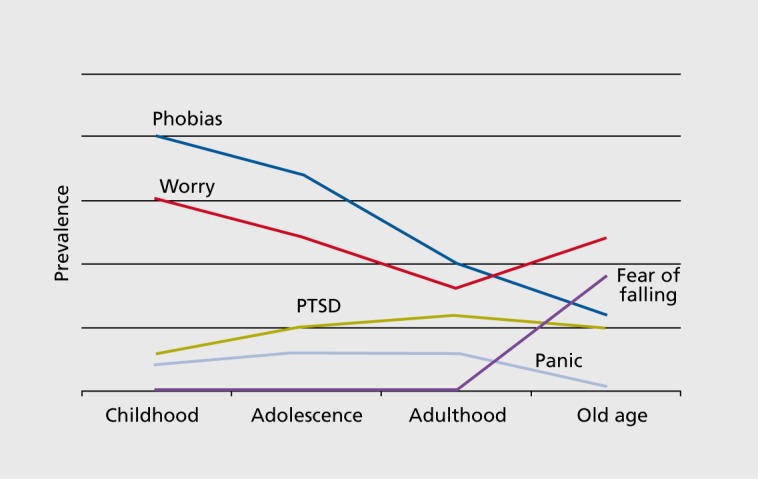
Neurodevelopmental changes over the lifespan, from childhood through adulthood into old age, have important implications for the onset, presentation, course, and treatment of anxiety disorders. This article presents data on anxiety disorders as they appear in older adults, as compared with earlier in life. In this article, we focus on aging-related changes in the epidemiology, presentation, and treatment of anxiety disorders. Also, this article describes some of the gaps and limitations in our understanding and suggests research directions that may elucidate the mechanisms of anxiety disorder development later in life. Finally we describe optimal management of anxiety disorders across the lifespan, in "eight simple steps" for practitioners.
Overview
The claims and statistics of this paper haven’t been checked yet.
Free: it reads the open-access text and checks the first 5 claims that cite a source we can check. Create a free account to check every claim.
Integrity signals
Registry
Cites
Statistics
Figures
Verification
Claims the paper makes
The claims and statistics of this paper haven’t been checked yet.
Free: it reads the open-access text and checks the first 5 claims that cite a source we can check. Create a free account to check every claim.
Claims other papers make about this one
Each is checked against this paper’s own text: does it say what the citing paper says it does?
The source backs part of the claim, not all of it — or backs it for a different population, condition or comparison.
In the citing paper
“However, preliminary results indicate that ACT can be beneficial for treating anxiety problems in older adults, particularly suitable for this population's characteristics (2, 15, 17).”
From Is acceptance and commitment therapy helpful in reducing anxiety symptomatology in people aged 65 or over? A systematic review (2022) · cites this paper as [2]
Experimental — accuracy not yet measuredThe cited source says what the claim attributes to it.
In the citing paper
“Anxiety is recognized as a major health issue and is quite prevalent among older adults.”
From Benefits from one session of deep and slow breathing on vagal tone and anxiety in young and older adults (2021) · cites this paper as [14]
The cited source says what the claim attributes to it.
In the citing paper
“Anxiety-related mental health problems in older adults are among the most persistent, prevalent and impactful (1–3).”
From Is acceptance and commitment therapy helpful in reducing anxiety symptomatology in people aged 65 or over? A systematic review (2022) · cites this paper as [2]
The cited source says what the claim attributes to it.
In the citing paper
“there appears to be a bidirectional association between anxiety and disability (2, 6)”
From Is acceptance and commitment therapy helpful in reducing anxiety symptomatology in people aged 65 or over? A systematic review (2022) · cites this paper as [2]
The check wasn’t confident either way, so it gives no verdict — never disputed.
In the citing paper
“more recent research exploring ACT in older adults suggests that ACT contributes more significantly to alleviating anxious symptoms than traditional cognitive-behavioral techniques (2, 15, 16).”
From Is acceptance and commitment therapy helpful in reducing anxiety symptomatology in people aged 65 or over? A systematic review (2022) · cites this paper as [2]
Experimental — accuracy not yet measured
1 more claim about this paper
Create a free account to see every claim other papers make about this one.
Self-check
Percentages, sums and reported differences re-computed from the paper’s own numbers.
The self-check needs the paper’s full text.
Citations
Cites
The benefits of being present: Mindfulness and its role in psychological well-being
Brown, K. W., & Ryan, R. M. (2003) · Journal of Personality and Social Psychology · doi:10.1037/0022-3514.84.4.822 · Cited by 13,448
The assessment of anxiety states by rating
HAMILTON, M. (1959) · British Journal of Medical Psychology · doi:10.1111/j.2044-8341.1959.tb00467.x · Cited by 11,455
Sapolsky, R. M., Romero, L. M., & Munck, A. U. (2000) · Endocrine Reviews · doi:10.1210/edrv.21.1.0389 · Cited by 7,541
Sapolsky, R. M. (2000) · Endocrine Reviews · doi:10.1210/er.21.1.55 · Cited by 7,533
Using Self-Report Assessment Methods to Explore Facets of Mindfulness
Baer, R. A., Smith, G. T., Hopkins, J., Krietemeyer, J., & Toney, L. (2006) · Assessment · doi:10.1177/1073191105283504 · Cited by 7,511
Protective and Damaging Effects of Stress Mediators
McEwen, B. S. (1998) · New England Journal of Medicine · doi:10.1056/nejm199801153380307 · Cited by 6,733 · cited 1×
“The aging brain is less able to downregulate the HPA axis(51-56) and is more vulnerable to physiological insults.(57,58) As a result, in older adults, chronic anxiety can cause HPA axis hyperactivity,(59-64) with deleterious effects on memory and executive function.”
Ecological momentary assessment
Shiffman, S., Stone, A. A., & Hufford, M. R. (2008) · Annual Review of Clinical Psychology · doi:10.1146/annurev.clinpsy.3.022806.091415 · Cited by 6,454
The effect of mindfulness based therapy on anxiety and depression: A meta analytic review
Hofmann, S. G., Sawyer, A. T., Witt, A. A., & Oh, D. (2010) · Journal of Consulting and Clinical Psychology · doi:10.1037/a0018555 · Cited by 3,846
The empirical status of cognitive-behavioral therapy: A review of meta-analyses
Butler, A. C., Chapman, J. E., Forman, E. M., & Beck, A. T. (2006) · Clinical Psychology Review · doi:10.1016/j.cpr.2005.07.003 · Cited by 3,215
Accelerated telomere shortening in response to life stress
Epel, E. S., Blackburn, E. H., Lin, J., Dhabhar, F. S., Adler, N. E., Morrow, J. D., & Cawthon, R. M. (2004) · Proceedings of the National Academy of Sciences · doi:10.1073/pnas.0407162101 · Cited by 3,002
Assessment of Mindfulness by Self-Report: The Kentucky Inventory of Mindfulness Skills
Baer, R. A., Smith, G. T., & Allen, K. B. (2004) · Assessment · doi:10.1177/1073191104268029 · Cited by 2,298
Hays, R. D., Bjorner, J. B., Revicki, D. A., Spritzer, K. L., & Cella, D. (2009) · Quality of Life Research · doi:10.1007/s11136-009-9496-9 · Cited by 1,957
Effectiveness of a meditation-based stress reduction program in the treatment of anxiety disorders
(1992) · American Journal of Psychiatry · doi:10.1176/ajp.149.7.936 · Cited by 1,941
McEwen, B. S. (2008) · European Journal of Pharmacology · doi:10.1016/j.ejphar.2007.11.071 · Cited by 1,864 · cited 1×
“Some of these changes appear to be reversible.(69,82) For example, memory and hippocampal volumes in depression and anxiety disorders appear to be dynamic, increasing with successful treatment,(75,83,84) including in the elderly.”
Disruption of Large-Scale Brain Systems in Advanced Aging
Andrews-Hanna, J. R., Snyder, A. Z., Vincent, J. L., Lustig, C., Head, D., Raichle, M. E., & Buckner, R. L. (2007) · Neuron · doi:10.1016/j.neuron.2007.10.038 · Cited by 1,592 · cited 1×
“This process could be exaggerated in elderly persons, in whom aging and neurodegenerative changes may lead to reduced functional connectivity.(24,25) Late-onset anxiety may thus be conceptualized as a consequence of neurobiological changes in aging involving pathways which are suspects in the onset and chronicity of a…”
The default mode network and self-referential processes in depression
Sheline, Y. I., Barch, D. M., Price, J. L., Rundle, M. M., Vaishnavi, S. N., Snyder, A. Z., Mintun, M. A., Wang, S., Coalson, R. S., & Raichle, M. E. (2009) · Proceedings of the National Academy of Sciences · doi:10.1073/pnas.0812686106 · Cited by 1,480
Measuring mindfulness—The Freiburg Mindfulness Inventory (FMI)
Walach, H., Buchheld, N., Buttenmüller, V., Kleinknecht, N., & Schmidt, S. (2006) · Personality and Individual Differences · doi:10.1016/j.paid.2005.11.025 · Cited by 1,475
Lupien, S. J., Maheu, F., Tu, M., Fiocco, A., & Schramek, T. E. (2007) · Brain and Cognition · doi:10.1016/j.bandc.2007.02.007 · Cited by 1,474 · cited 1×
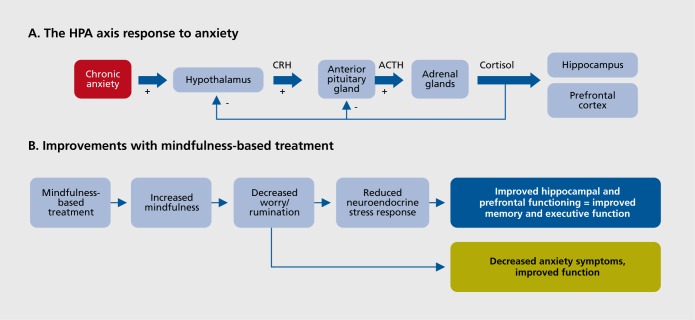
“Chronic psychological distress in older adults results in impairments in cognition(46-49) and it is thought that a key mechanism for this relationship involves changes in the hypothalamic-pituitary-adrenal (HPA) axis.(50) The HPA axis is a neuroendocrine mediator of stress and its central nervous system (CNS) effects…”
The Toronto Mindfulness Scale: Development and validation
Lau, M. A., Bishop, S. R., Segal, Z. V., Buis, T., Anderson, N. D., Carlson, L., Shapiro, S., Carmody, J., Abbey, S., & Devins, G. (2006) · Journal of Clinical Psychology · doi:10.1002/jclp.20326 · Cited by 1,456
Jain, S., Shapiro, S. L., Swanick, S., Roesch, S. C., Mills, P. J., Bell, I., & Schwartz, G. E. R. (2007) · Annals of Behavioral Medicine · doi:10.1207/s15324796abm3301_2 · Cited by 1,300
Goldin, P. R., & Gross, J. J. (2010) · Emotion · doi:10.1037/a0018441 · Cited by 1,242
Sheline, Y. I., Price, J. L., Yan, Z., & Mintun, M. A. (2010) · Proceedings of the National Academy of Sciences · doi:10.1073/pnas.1000446107 · Cited by 1,196
Untreated Depression and Hippocampal Volume Loss
Sheline, Y. I., Gado, M. H., & Kraemer, H. C. (2003) · American Journal of Psychiatry · doi:10.1176/appi.ajp.160.8.1516 · Cited by 1,180
Miller, J. J., Fletcher, K., & Kabat-Zinn, J. (1995) · General Hospital Psychiatry · doi:10.1016/0163-8343(95)00025-m · Cited by 1,131
Urry, H. L., van Reekum, C. M., Johnstone, T., Kalin, N. H., Thurow, M. E., Schaefer, H. S., Jackson, C. A., Frye, C. J., Greischar, L. L., Alexander, A. L., et al. (2006) · The Journal of Neuroscience · doi:10.1523/jneurosci.3215-05.2006 · Cited by 1,056
Barlow, D. H., Gorman, J. M., Shear, M. K., & Woods, S. W. (2000) · JAMA · doi:10.1001/jama.283.19.2529 · Cited by 953
Effects of gender and age on the levels and circadian rhythmicity of plasma cortisol
Van Cauter, E. (1996) · Journal of Clinical Endocrinology & Metabolism · doi:10.1210/jc.81.7.2468 · Cited by 951
The Assessment of Present-Moment Awareness and Acceptance: The Philadelphia Mindfulness Scale
Cardaciotto, L., Herbert, J. D., Forman, E. M., Moitra, E., & Farrow, V. (2008) · Assessment · doi:10.1177/1073191107311467 · Cited by 940
Capturing momentary, self-report data: A proposal for reporting guidelines
Stone, A. A., & Shiffman, S. (2002) · Annals of Behavioral Medicine · doi:10.1207/s15324796abm2403_09 · Cited by 807
Developing constructs for psychopathology research: Research domain criteria
Sanislow, C. A., Pine, D. S., Quinn, K. J., Kozak, M. J., Garvey, M. A., Heinssen, R. K., Wang, P. S.-E., & Cuthbert, B. N. (2010) · Journal of Abnormal Psychology · doi:10.1037/a0020909 · Cited by 793
What Do We Really Know About Mindfulness-Based Stress Reduction?
Bishop, S. R. (2002) · Psychosomatic Medicine · doi:10.1097/00006842-200201000-00010 · Cited by 748
Anxiety disorders in older adults: a comprehensive review
Wolitzky-Taylor, K. B., Castriotta, N., Lenze, E. J., Stanley, M. A., & Craske, M. G. (2010) · Depression and Anxiety · doi:10.1002/da.20653 · Cited by 726
Self-citationCultivating mindfulness: effects on well‐being
Shapiro, S. L., Oman, D., Thoresen, C. E., Plante, T. G., & Flinders, T. (2008) · Journal of Clinical Psychology · doi:10.1002/jclp.20491 · Cited by 699
The nature of worry in generalized anxiety disorder: A predominance of thought activity
Borkovec, T. D., & Inz, J. (1990) · Behaviour Research and Therapy · doi:10.1016/0005-7967(90)90027-g · Cited by 634
Strategies for analyzing ecological momentary assessment data.
Schwartz, J. E., & Stone, A. A. (1998) · Health Psychology · doi:10.1037//0278-6133.17.1.6 · Cited by 632
Glucocorticoids increase amyloid-β and tau pathology in a mouse model of alzheimer’s disease
Green, K. N., Billings, L. M., Roozendaal, B., McGaugh, J. L., & LaFerla, F. M. (2006) · The Journal of Neuroscience · doi:10.1523/jneurosci.2797-06.2006 · Cited by 623
Risk factors for anxiety and depression in the elderly: A review
Vink, D., Aartsen, M. J., & Schoevers, R. A. (2008) · Journal of Affective Disorders · doi:10.1016/j.jad.2007.06.005 · Cited by 609
Sheline, Y. I., Raichle, M. E., Snyder, A. Z., Morris, J. C., Head, D., Wang, S., & Mintun, M. A. (2010) · Biological Psychiatry · doi:10.1016/j.biopsych.2009.08.024 · Cited by 597 · cited 2×
“Recent studies demonstrate that putative neuroimaging markers for rumination(131,132) increase with aging.(25,133-136) Worry and rumination are associated with HPA axis hyperactivity in late-life mental disorders; for example, we found that excessive worry robustly predicted cortisol levels in late-life generalized an…”
Cognitive Inflexibility Among Ruminators and Nonruminators
Davis, R. N., & Nolen-Hoeksema, S. (2000) · Cognitive Therapy and Research · doi:10.1023/a:1005591412406 · Cited by 581
Ramel1, W., Goldin, P. R., Carmona, P. E., & McQuaid, J. R. (2004) · Cognitive Therapy and Research · doi:10.1023/b:cotr.0000045557.15923.96 · Cited by 580
Basal cortisol levels and cognitive deficits in human aging
Lupien, S., Lecours, A., Lussier, I., Schwartz, G., Nair, N., & Meaney, M. (1994) · The Journal of Neuroscience · doi:10.1523/jneurosci.14-05-02893.1994 · Cited by 566 · cited 1×
“As a result, in older adults, chronic anxiety can cause HPA axis hyperactivity,(59-64) with deleterious effects on memory and executive function.(48,53,61,65-75) The putative mechanism is an effect of high cortisol on brain structures (eg, hippocampus and prefrontal cortex) involved in neurocognition(76,77): Chronical…”
Raskind, M. A., Peskind, E. R., Hoff, D. J., Hart, K. L., Holmes, H. A., Warren, D., Shofer, J., O’Connell, J., Taylor, F., Gross, C., et al. (2007) · Biological Psychiatry · doi:10.1016/j.biopsych.2006.06.032 · Cited by 552
Miller, G. E., Chen, E., Sze, J., Marin, T., Arevalo, J. M. G., Doll, R., Ma, R., & Cole, S. W. (2008) · Biological Psychiatry · doi:10.1016/j.biopsych.2008.03.017 · Cited by 552
Trull, T. J., & Ebner-Priemer, U. W. (2009) · Psychological Assessment · doi:10.1037/a0017653 · Cited by 550
Decreased memory performance in healthy humans induced by stress-level cortisol treatment
Newcomer, J. W. (1999) · Archives of General Psychiatry · doi:10.1001/archpsyc.56.6.527 · Cited by 546
Ecological momentary assessment of mood disorders and mood dysregulation
Ebner-Priemer, U. W., & Trull, T. J. (2009) · Psychological Assessment · doi:10.1037/a0017075 · Cited by 530
Age-related alterations in default mode network: Impact on working memory performance
Sambataro, F., Murty, V. P., Callicott, J. H., Tan, H.-Y., Das, S., Weinberger, D. R., & Mattay, V. S. (2010) · Neurobiology of Aging · doi:10.1016/j.neurobiolaging.2008.05.022 · Cited by 517
Simon, N. M., Smoller, J. W., McNamara, K. L., Maser, R. S., Zalta, A. K., Pollack, M. H., Nierenberg, A. A., Fava, M., & Wong, K.-K. (2006) · Biological Psychiatry · doi:10.1016/j.biopsych.2006.02.004 · Cited by 516
On measuring mindfulness in psychosomatic and psychological research
Grossman, P. (2008) · Journal of Psychosomatic Research · doi:10.1016/j.jpsychores.2008.02.001 · Cited by 514
The prevalence of anxiety in older adults: Methodological issues and a review of the literature
Bryant, C., Jackson, H., & Ames, D. (2008) · Journal of Affective Disorders · doi:10.1016/j.jad.2007.11.008 · Cited by 511 · cited 2×
“The difficulty of retrospective evaluation of age of onset of mental disorders is a limitation to this assertion,(6) as is the difficulty of detecting late-onset anxiety disorders using standardized assessment tools that were developed for young adults..(2) Additionally, fear of falling (FOF) is a common and uniquely…”
Vermetten, E., Vythilingam, M., Southwick, S. M., Charney, D. S., & Bremner, J. D. (2003) · Biological Psychiatry · doi:10.1016/s0006-3223(03)00634-6 · Cited by 487
Hippocampal volume, memory, and cortisol status in major depressive disorder: Effects of treatment
Vythilingam, M., Vermetten, E., Anderson, G. M., Luckenbaugh, D., Anderson, E. R., Snow, J., Staib, L. H., Charney, D. S., & Bremner, J. D. (2004) · Biological Psychiatry · doi:10.1016/j.biopsych.2004.04.002 · Cited by 477
Insel, T. R. (2009) · Archives of General Psychiatry · doi:10.1001/archgenpsychiatry.2008.540 · Cited by 459 · cited 1×
“Such research would be consistent with the National Institute of Mental Health’s vision of “pre-emptive” and “personalized” mechanistic-based novel intervention development.(31)”
Delayed-Onset Posttraumatic Stress Disorder: A Systematic Review of the Evidence
Andrews, B., Brewin, C. R., Philpott, R., & Stewart, L. (2007) · American Journal of Psychiatry · doi:10.1176/appi.ajp.2007.06091491 · Cited by 444
Predictors of progression from mild cognitive impairment to Alzheimer disease
Palmer, K., Berger, A. K., Monastero, R., Winblad, B., Bäckman, L., & Fratiglioni, L. (2007) · Neurology · doi:10.1212/01.wnl.0000260968.92345.3f · Cited by 438
Fear of Falling among the Community-Dwelling Elderly
Howland, J., Peterson, E. W., Levin, W. C., Fried, L., Pordon, D., & Bak, S. (1993) · Journal of Aging and Health · doi:10.1177/089826439300500205 · Cited by 435
Severe Mental Illness and Risk of Cardiovascular Disease
Newcomer, J. W., & Hennekens, C. H. (2007) · JAMA · doi:10.1001/jama.298.15.1794 · Cited by 433
Plasma Cortisol and Progression of Dementia in Subjects With Alzheimer-Type Dementia
Csernansky, J. G., Dong, H., Fagan, A. M., Wang, L., Xiong, C., Holtzman, D. M., & Morris, J. C. (2006) · American Journal of Psychiatry · doi:10.1176/ajp.2006.163.12.2164 · Cited by 426
Plasma Cortisol and Progression of Dementia in Subjects With Alzheimer-Type Dementia
Csernansky, J. G., Dong, H., Fagan, A. M., Wang, L., Xiong, C., Holtzman, D. M., & Morris, J. C. (2006) · American Journal of Psychiatry · doi:10.1176/appi.ajp.163.12.2164 · Cited by 426
Chronic Stress-induced Hippocampal Vulnerability: The Glucocorticoid Vulnerability Hypothesis
Conrad, C. D. (2008) · Reviews in the Neurosciences · doi:10.1515/revneuro.2008.19.6.395 · Cited by 425
Wolkowitz, O. M., Mellon, S. H., Epel, E. S., Lin, J., Dhabhar, F. S., Su, Y., Reus, V. I., Rosser, R., Burke, H. M., Kupferman, E., et al. (2011) · PLoS ONE · doi:10.1371/journal.pone.0017837 · Cited by 421
A meta-analytic review of the effects of acute cortisol administration on human memory
Het, S., Ramlow, G., & Wolf, O. T. (2005) · Psychoneuroendocrinology · doi:10.1016/j.psyneuen.2005.03.005 · Cited by 414
O'Brien, J. T. (2004) · American Journal of Psychiatry · doi:10.1176/appi.ajp.161.11.2081 · Cited by 409
Epidemiology and comorbidity of anxiety disorders in the elderly
(1994) · American Journal of Psychiatry · doi:10.1176/ajp.151.5.640 · Cited by 396
Interventions to Reduce Fear of Falling in Community‐Living Older People: A Systematic Review
Zijlstra, G. A. R., Van Haastregt, J. C. M., Van Rossum, E., Van Eijk, J. T. M., Yardley, L., & Kempen, G. I. J. M. (2007) · Journal of the American Geriatrics Society · doi:10.1111/j.1532-5415.2007.01148.x · Cited by 378
Depression-Related Variation in Brain Morphology Over 3 Years: Effects of Stress?
Frodl, T. S., Koutsouleris, N., Bottlender, R., Born, C., Jäger, M., Scupin, I., Reiser, M., Möller, H.-J., & Meisenzahl, E. M. (2008) · Archives of General Psychiatry · doi:10.1001/archpsyc.65.10.1156 · Cited by 359
Gum, A. M., King-Kallimanis, B., & Kohn, R. (2009) · The American Journal of Geriatric Psychiatry · doi:10.1097/jgp.0b013e3181ad4f5a · Cited by 357
Inhibition Versus Switching Deficits in Different Forms of Rumination
Whitmer, A. J., & Banich, M. T. (2007) · Psychological Science · doi:10.1111/j.1467-9280.2007.01936.x · Cited by 356
Lupien, S. J., Gaudreau, S., Tchiteya, B. M., Maheu, F., Sharma, S., Nair, N. P. V., Hauger, R. L., McEwen, B. S., & Meaney, M. J. (1997) · The Journal of Clinical Endocrinology & Metabolism · doi:10.1210/jcem.82.7.4075 · Cited by 349
McNally, R. J. (2007) · Clinical Psychology Review · doi:10.1016/j.cpr.2007.01.003 · Cited by 348
Pruessner, J. C., Dedovic, K., Pruessner, M., Lord, C., Buss, C., Collins, L., Dagher, A., & Lupien, S. J. (2010) · Psychoneuroendocrinology · doi:10.1016/j.psyneuen.2009.02.016 · Cited by 333
Raskin, J., Wiltse, C. G., Siegal, A., Sheikh, J., Xu, J., Dinkel, J. J., Rotz, B. T., & Mohs, R. C. (2007) · American Journal of Psychiatry · doi:10.1176/ajp.2007.164.6.900 · Cited by 329
Diem, S. J. (2007) · Archives of Internal Medicine · doi:10.1001/archinte.167.12.1240 · Cited by 326
Inflammatory markers in late-life depression: Results from a population-based study
Bremmer, M. A., Beekman, A. T. F., Deeg, D. J. H., Penninx, B. W. J. H., Dik, M. G., Hack, C. E., & Hoogendijk, W. J. G. (2008) · Journal of Affective Disorders · doi:10.1016/j.jad.2007.07.002 · Cited by 326
Stepped-Care Prevention of Anxiety and Depression in Late Life: A Randomized Controlled Trial
van't Veer-Tazelaar, P. J., van Marwijk, H. W. J., van Oppen, P., van Hout, H. P. J., van der Horst, H. E., Cuijpers, P., Smit, F., & Beekman, A. T. F. (2009) · Archives of General Psychiatry · doi:10.1001/archgenpsychiatry.2008.555 · Cited by 321
Paterniti, S., Dufouil, C., & Alpérovitch, A. (2002) · Journal of Clinical Psychopharmacology · doi:10.1097/00004714-200206000-00009 · Cited by 313
Modularity in the design and application of therapeutic interventions
Chorpita, B. F., Daleiden, E. L., & Weisz, J. R. (2005) · Applied and Preventive Psychology · doi:10.1016/j.appsy.2005.05.002 · Cited by 295
A detailed examination of cytokine abnormalities in Major Depressive Disorder
Simon, N. M., McNamara, K., Chow, C. W., Maser, R. S., Papakostas, G. I., Pollack, M. H., Nierenberg, A. A., Fava, M., & Wong, K. K. (2008) · European Neuropsychopharmacology · doi:10.1016/j.euroneuro.2007.06.004 · Cited by 286 · cited 1×
“Late-life depression is associated with immune activation, so this relationship might also be true in late-life anxiety.(91,92,93) Cardiovascular disease is the main cause of premature mortality in mental illness,(94) and some research has elucidated mechanisms between anxiety in elderly and cardivascular disease—insu…”
Lupien, S. J., Nair, N. P. V., Briére, S., Maheu, F., Tu, M. T., Lemay, Μ., McEwen, B. S., & Meaney, M. J. (1999) · Reviews in the Neurosciences · doi:10.1515/revneuro.1999.10.2.117 · Cited by 283
Psychotherapy with Older Adults
Knight, B. (2004) · Sage eBooks · doi:10.4135/9781452204574 · Cited by 278
Neumeister, A., Wood, S., Bonne, O., Nugent, A. C., Luckenbaugh, D. A., Young, T., Bain, E. E., Charney, D. S., & Drevets, W. C. (2005) · Biological Psychiatry · doi:10.1016/j.biopsych.2005.01.016 · Cited by 277
Associations of Salivary Cortisol With Cognitive Function in the Baltimore Memory Study
Lee, B. K., Glass, T. A., McAtee, M. J., Wand, G. S., Bandeen-Roche, K., Bolla, K. I., & Schwartz, B. S. (2007) · Archives of General Psychiatry · doi:10.1001/archpsyc.64.7.810 · Cited by 272
Deyo, M., Wilson, K. A., Ong, J., & Koopman, C. (2009) · EXPLORE · doi:10.1016/j.explore.2009.06.005 · Cited by 265
Schoevers, R. A., Beekman, A. T. F., Deeg, D. J. H., Jonker, C., & Tilburg, W. V. (2003) · International Journal of Geriatric Psychiatry · doi:10.1002/gps.1001 · Cited by 265
Kern, S., Oakes, T. R., Stone, C. K., McAuliff, E. M., Kirschbaum, C., & Davidson, R. J. (2008) · Psychoneuroendocrinology · doi:10.1016/j.psyneuen.2008.01.010 · Cited by 261
Caregiving Behavior Is Associated With Decreased Mortality Risk
Brown, S. L., Smith, D. M., Schulz, R., Kabeto, M. U., Ubel, P. A., Poulin, M., Yi, J., Kim, C., & Langa, K. M. (2009) · Psychological Science · doi:10.1111/j.1467-9280.2009.02323.x · Cited by 260
Porensky, E. K., Dew, M. A., Karp, J. F., Skidmore, E., Rollman, B. L., Shear, M. K., & Lenze, E. J. (2009) · The American Journal of Geriatric Psychiatry · doi:10.1097/jgp.0b013e31819b87b2 · Cited by 255 · cited 1×
“Additionally, significant quality of life impairment and increased burden of health care cost has been noted in GAD in older adults, on a par with that seen in late-life depression.(41,42) Perhaps more uniquely in older adults, data suggest that chronic pathological anxiety is toxic to brain health.”
Self-citationGenomic counter-stress changes induced by the relaxation response
Dusek, J. A., Otu, H. H., Wohlhueter, A. L., Bhasin, M., Zerbini, L. F., Joseph, M. G., Benson, H., & Libermann, T. A. (2008) · PLoS ONE · doi:10.1371/journal.pone.0002576 · Cited by 248
Landi, F., Onder, G., Cesari, M., Barillaro, C., Russo, A., Bernabei, R., & on Behalf of the Silver Network Home Care Study Group (2005) · The Journals of Gerontology Series A: Biological Sciences and Medical Sciences · doi:10.1093/gerona/60.5.622 · Cited by 248
Stanley, M. A., Wilson, N. L., Novy, D. M., Rhoades, H. M., Wagener, P. D., Greisinger, A. J., Cully, J. A., & Kunik, M. E. (2009) · JAMA · doi:10.1001/jama.2009.458 · Cited by 247
Cognitive-behavioral treatment of late-life generalized anxiety disorder
Stanley, M. A., Beck, J. G., Novy, D. M., Averill, P. M., Swann, A. C., Diefenbach, G. J., & Hopko, D. R. (2003) · Journal of Consulting and Clinical Psychology · doi:10.1037/0022-006x.71.2.309 · Cited by 247
Deuschle, M., Gotthardt, U., Schweiger, U., Weber, B., Körner, A., Schmider, J., Standhardt, H., Lammers, C.-H., & Heuser, I. (1997) · Life Sciences · doi:10.1016/s0024-3205(97)00926-0 · Cited by 235
Application of genome-wide expression analysis to human health and disease
Cobb, J. P., Mindrinos, M. N., Miller-Graziano, C., Calvano, S. E., Baker, H. V., Xiao, W., Laudanski, K., Brownstein, B. H., Elson, C. M., Hayden, D. L., et al. (2005) · Proceedings of the National Academy of Sciences · doi:10.1073/pnas.0409768102 · Cited by 235
Martens, E. J., de Jonge, P., Na, B., Cohen, B. E., Lett, H., & Whooley, M. A. (2010) · Archives of General Psychiatry · doi:10.1001/archgenpsychiatry.2010.74 · Cited by 234
Cortisol as a marker for improvement in mindfulness-based stress reduction
Matousek, R. H., Dobkin, P. L., & Pruessner, J. (2010) · Complementary Therapies in Clinical Practice · doi:10.1016/j.ctcp.2009.06.004 · Cited by 233
Nelson, J. C., Delucchi, K., & Schneider, L. S. (2008) · The American Journal of Geriatric Psychiatry · doi:10.1097/01.jgp.0000308883.64832.ed · Cited by 230
Neural systems underlying approach and avoidance in anxiety disorders
Robin L., A., & Martin, P. P. (2010) · Dialogues in Clinical Neuroscience · doi:10.31887/dcns.2010.12.4/raupperle · Cited by 227 · cited 1×
“We conceptualize pathological anxiety as potentially due to a functional disconnect between amygdala (and possibly insula) and frontal areas (including anterior cingulate cortex, dorsolateral and ventromedial prefrontal cortex), impairing natural fear extinction and thus converting fears or worries into chronic pathol…”
Acceptance and Mindfulness-Based Approaches to Anxiety
(2005) · Series in Anxiety and Related Disorders · doi:10.1007/b136521 · Cited by 226
Mantella, R. C., Butters, M. A., Amico, J. A., Mazumdar, S., Rollman, B. L., Begley, A. E., Reynolds, C. F., & Lenze, E. J. (2008) · Psychoneuroendocrinology · doi:10.1016/j.psyneuen.2008.03.002 · Cited by 222 · cited 2×
“We found that older adults with GAD had HPA axis hyperactivity, with 40% to 60% higher cortisol levels than comparisons.(61,86) We also found a neuroendocrine effect of treatment: subjects who received escitalopram had a 12% to 15% reduction in peak and total cortisol with escitalopram (vs no change with placebo).”
Self-citationFoa, E. B., Franklin, M. E., & Moser, J. (2002) · Biological Psychiatry · doi:10.1016/s0006-3223(02)01552-4 · Cited by 219
Kang, J.-E., Cirrito, J. R., Dong, H., Csernansky, J. G., & Holtzman, D. M. (2007) · Proceedings of the National Academy of Sciences · doi:10.1073/pnas.0700148104 · Cited by 219
Anxiety and depression as risk factors for mortality after coronary artery bypass surgery
Tully, P. J., Baker, R. A., & Knight, J. L. (2008) · Journal of Psychosomatic Research · doi:10.1016/j.jpsychores.2007.09.007 · Cited by 211
Inflammatory Proteins and Depression in the Elderly
Tiemeier, H., Hofman, A., van Tuijl, H. R., Kiliaan, A. J., Meijer, J., & Breteler, M. M. B. (2003) · Epidemiology · doi:10.1097/00001648-200301000-00025 · Cited by 206
Use of ecological momentary assessment in mood disorders research
Wenze, S. J., & Miller, I. W. (2010) · Clinical Psychology Review · doi:10.1016/j.cpr.2010.06.007 · Cited by 205
Treatment of generalized anxiety disorder in older adults.
Wetherell, J. L., Gatz, M., & Craske, M. G. (2003) · Journal of Consulting and Clinical Psychology · doi:10.1037//0022-006x.71.1.31 · Cited by 201
Self-citationMajor Depression in Late Life Is Associated with Both Hypo- and Hypercortisolemia
Bremmer, M. A., Deeg, D. J. H., Beekman, A. T. F., Penninx, B. W. J. H., Lips, P., & Hoogendijk, W. J. G. (2007) · Biological Psychiatry · doi:10.1016/j.biopsych.2006.11.033 · Cited by 200
Sinoff, G., & Werner, P. (2003) · International Journal of Geriatric Psychiatry · doi:10.1002/gps.1004 · Cited by 199
Miller, G. E., & Chen, E. (2006) · Proceedings of the National Academy of Sciences · doi:10.1073/pnas.0506312103 · Cited by 199
Escitalopram effects on insula and amygdala BOLD activation during emotional processing
Arce, E., Simmons, A. N., Lovero, K. L., Stein, M. B., & Paulus, M. P. (2008) · Psychopharmacology · doi:10.1007/s00213-007-1004-8 · Cited by 198
Adverse Stress, Hippocampal Networks, and Alzheimer’s Disease
Rothman, S. M., & Mattson, M. P. (2010) · NeuroMolecular Medicine · doi:10.1007/s12017-009-8107-9 · Cited by 198
Andreescu, C., Lenze, E. J., Dew, M. A., Begley, A. E., Mulsant, B. H., Dombrovski, A. Y., Pollock, B. G., Stack, J., Miller, M. D., & Reynolds, C. F. (2007) · British Journal of Psychiatry · doi:10.1192/bjp.bp.106.027169 · Cited by 196
Self-citationGoldin, P., Ramel, W., & Gross, J. (2009) · Journal of Cognitive Psychotherapy · doi:10.1891/0889-8391.23.3.242 · Cited by 193
Baer, R. A., Walsh, E. C., & Lykins, E. L. B. (2008) · Springer eBooks · doi:10.1007/978-0-387-09593-6_10 · Cited by 189
Collins, R. L., Kashdan, T. B., & Gollnisch, G. (2003) · Experimental and Clinical Psychopharmacology · doi:10.1037/1064-1297.11.1.73 · Cited by 185
The Influence of Anxiety on the Progression of Disability
Brenes, G. A., Guralnik, J. M., Williamson, J. D., Fried, L. P., Simpson, C., Simonsick, E. M., & Penninx, B. W. J. H. (2005) · Journal of the American Geriatrics Society · doi:10.1111/j.1532-5415.2005.53007.x · Cited by 177
Chronic Stress- and Sex-Specific Neuromorphological and Functional Changes in Limbic Structures
McLaughlin, K. J., Baran, S. E., & Conrad, C. D. (2009) · Molecular Neurobiology · doi:10.1007/s12035-009-8079-7 · Cited by 174
Acierno, R., Ruggiero, K. J., Kilpatrick, D. G., Resnick, H. S., & Galea, S. (2006) · The American Journal of Geriatric Psychiatry · doi:10.1097/01.jgp.0000221327.97904.b0 · Cited by 174
Residual symptoms and recurrence during maintenance treatment of late-life depression
Dombrovski, A. Y., Mulsant, B. H., Houck, P. R., Mazumdar, S., Lenze, E. J., Andreescu, C., Cyranowski, J. M., & Reynolds, C. F. (2007) · Journal of Affective Disorders · doi:10.1016/j.jad.2007.01.020 · Cited by 173
Self-citationTata, D. A., & Anderson, B. J. (2010) · Physiology & Behavior · doi:10.1016/j.physbeh.2009.09.008 · Cited by 173 · cited 1×
“consequent synaptic and morphological changes in these structures.(69,80,81) Some of these changes appear to be reversible.”
Quality of life in geriatric generalized anxiety disorder: a preliminary investigation
Loebach Wetherell, J., Thorp, S. R., Patterson, T. L., Golshan, S., Jeste, D. V., & Gatz, M. (2004) · Journal of Psychiatric Research · doi:10.1016/j.jpsychires.2003.09.003 · Cited by 170 · cited 1×
“Additionally, significant quality of life impairment and increased burden of health care cost has been noted in GAD in older adults, on a par with that seen in late-life depression.(41,42) Perhaps more uniquely in older adults, data suggest that chronic pathological anxiety is toxic to brain health.”
Ecological momentary assessment in aging research: A critical review
Cain, A. E., Depp, C. A., & Jeste, D. V. (2009) · Journal of Psychiatric Research · doi:10.1016/j.jpsychires.2009.01.014 · Cited by 164
Salivary cortisol and memory function in human aging
Li, G., Cherrier, M. M., Tsuang, D. W., Petrie, E. C., Colasurdo, E. A., Craft, S., Schellenberg, G. D., Peskind, E. R., Raskind, M. A., & Wilkinson, C. W. (2005) · Neurobiology of Aging · doi:10.1016/j.neurobiolaging.2005.09.031 · Cited by 161
Trollor, J. N., Anderson, T. M., Sachdev, P. S., Brodaty, H., & Andrews, G. (2007) · The American Journal of Geriatric Psychiatry · doi:10.1097/jgp.0b013e3180590ba9 · Cited by 161
A longitudinal analysis of anxiety and depressive symptoms.
Wetherell, J. L., Gatz, M., & Pedersen, N. L. (2001) · Psychology and Aging · doi:10.1037//0882-7974.16.2.187 · Cited by 161
Self-citationKatz, I. R., Reynolds, C. F., Alexopoulos, G. S., & Hackett, D. (2002) · Journal of the American Geriatrics Society · doi:10.1046/j.1532-5415.2002.50003.x · Cited by 158
Affective Correlates of Fear of Falling in Elderly Persons
Gagnon, N., Flint, A. J., Naglie, G., & Devins, G. M. (2005) · The American Journal of Geriatric Psychiatry · doi:10.1097/00019442-200501000-00003 · Cited by 158
Cairney, J., Corna, L., Veldhuizen, S., Herrmann, N., & Streiner, D. L. (2008) · American Journal of Geriatric Psychiatry · doi:10.1097/01.jgp.0000300627.93523.c8 · Cited by 154
Barrowclough, C., King, P., Colville, J., Russell, E., Burns, A. S., & Tarrier, N. (2001) · Journal of Consulting and Clinical Psychology · doi:10.1037//0022-006x.69.5.756 · Cited by 149
Lenze, E. J., Mantella, R. C., Shi, P., Goate, A. M., Nowotny, P., Butters, M. A., Andreescu, C., Thompson, P. A., & Rollman, B. L. (2011) · The American Journal of Geriatric Psychiatry · doi:10.1097/jgp.0b013e3181ec806c · Cited by 147
Self-citationComorbid anxiety disorder in late life depression: association with memory decline over four years
DeLuca, A. K., Lenze, E. J., Mulsant, B. H., Butters, M. A., Karp, J. F., Dew, M. A., Pollock, B. G., Shear, M. K., Houck, P. R., & Reynolds, C. F. (2005) · International Journal of Geriatric Psychiatry · doi:10.1002/gps.1366 · Cited by 146
Self-citationHippocampal atrophy in major depression: a result of depression-induced neurotoxicity?
Sheline, Y. I. (1996) · PubMed · Cited by 137
Schuurmans, J., Comijs, H. C., Beekman, A. T. F., de Beurs, E., Deeg, D. J. H., Emmelkamp, P. M. G., & van Dyck, R. (2005) · Acta Psychiatrica Scandinavica · doi:10.1111/j.1600-0447.2005.00531.x · Cited by 136
Meta-analysis comparing different behavioral treatments for late-life anxiety
Thorp, S. R., Ayers, C. R., Nuevo, R., Stoddard, J. A., Sorrell, J. T., & Wetherell, J. L. (2009) · The American Journal of Geriatric Psychiatry · doi:10.1097/jgp.0b013e31818b3f7e · Cited by 134
Self-citationPrevalence of Anxiety Disorders in Men and Women With Established Coronary Heart Disease
Todaro, J. F., Shen, B.-J., Raffa, S. D., Tilkemeier, P. L., & Niaura, R. (2007) · Journal of Cardiopulmonary Rehabilitation and Prevention · doi:10.1097/01.hcr.0000265036.24157.e7 · Cited by 133
Anxiety and the risk of death in older men and women
van Hout, H. P. J., Beekman, A. T. F., De Beurs, E., Comijs, H., Van Marwijk, H., De Haan, M., Van Tilburg, W., & Deeg, D. J. H. (2004) · British Journal of Psychiatry · doi:10.1192/bjp.185.5.399 · Cited by 132
Lenze, E. J., Mulsant, B. H., Mohlman, J., Shear, M. K., Dew, M. A., Schulz, R., Miller, M. D., Tracey, B., & Reynolds, C. F. (2005) · The American Journal of Geriatric Psychiatry · doi:10.1097/00019442-200501000-00011 · Cited by 132 · cited 6×
“The few longitudinal studies that have been carried out in older adults with anxiety suggest that they tend to be persistent in this age group.32 Anxious older adults in epidemiological and treatmentseeking samples retrospectively report an average duration of 20 years or more, at least in the case of GAD.13,14,33,34…”
InfluentialSelf-citationBenzodiazepine Use and Physical Disability in Community‐Dwelling Older Adults
Gray, S. L., LaCroix, A. Z., Hanlon, J. T., Penninx, B. W. J. H., Blough, D. K., Leveille, S. G., Artz, M. B., Guralnik, J. M., & Buchner, D. M. (2006) · Journal of the American Geriatrics Society · doi:10.1111/j.1532-5415.2005.00571.x · Cited by 131
Weiland, N. G., Orchinik, M., & Tanapat, P. (1997) · Neuroscience · doi:10.1016/s0306-4522(96)00619-7 · Cited by 131
Efficacy and safety of pregabalin in elderly people with generalised anxiety disorder
Montgomery, S., Chatamra, K., Pauer, L., Whalen, E., & Baldinetti, F. (2008) · British Journal of Psychiatry · doi:10.1192/bjp.bp.107.037788 · Cited by 131
Anxious Depression in Elderly Patients: Response to Antidepressant Treatment
Flint, A. J., & Rifat, S. L. (1997) · American Journal of Geriatric Psychiatry · doi:10.1097/00019442-199700520-00003 · Cited by 129
The Effects of Prolonged Stress and APOE Genotype on Memory and Cortisol in Older Adults
Peavy, G. M., Lange, K. L., Salmon, D. P., Patterson, T. L., Goldman, S., Gamst, A. C., Mills, P. J., Khandrika, S., & Galasko, D. R. (2007) · Biological Psychiatry · doi:10.1016/j.biopsych.2007.03.013 · Cited by 128
Paroxetine-Induced Hyponatremia in Older Adults: A 12-Week Prospective Study
Fabian, T. J., Amico, J. A., Kroboth, P. D., Mulsant, B. H., Corey, S. E., Begley, A. E., Bensasi, S. G., Weber, E., Dew, M. A., Reynolds III, C. F., et al. (2004) · Archives of Internal Medicine · doi:10.1001/archinte.164.3.327 · Cited by 127
Pinquart, M., & Duberstein, P. R. (2007) · The American Journal of Geriatric Psychiatry · doi:10.1097/jgp.0b013e31806841c8 · Cited by 126
The state of mental health in old‐age across the ‘old’ European Union – a systematic review
Riedel‐Heller, S. G., Busse, A., & Angermeyer, M. C. (2006) · Acta Psychiatrica Scandinavica · doi:10.1111/j.1600-0447.2005.00632.x · Cited by 125
Selective Serotonin Reuptake Inhibitors and Risk of Upper GI Bleeding: Confusion or Confounding?
Yuan, Y., Tsoi, K., & Hunt, R. H. (2006) · The American Journal of Medicine · doi:10.1016/j.amjmed.2005.11.006 · Cited by 125
Anxiety, depression and disability across the lifespan
Brenes, G. A., Penninx, B. W. J. H., Judd, P. H., Rockwell, E., Sewell, D. D., & Wetherell, J. L. (2008) · Aging & Mental Health · doi:10.1080/13607860601124115 · Cited by 125
Self-citationRaoux, N., Benoit, O., Dantchev, N., Denise, P., Franc, B., Alliale, J.-F., & Widlöcher, D. (1994) · Psychiatry Research · doi:10.1016/0165-1781(94)90122-8 · Cited by 124
Teresi, J. A., Ocepek‐Welikson, K., Kleinman, M., Eimicke, J. P., Crane, P. K., Jones, R. N., Lai, J., Choi, S. W., Hays, R. D., Reeve, B. B., et al. (2009) · PubMed · Cited by 121
Lenze, E. J., Mulsant, B. H., Shear, M. K., Dew, M. A., Miller, M. D., Pollock, B. G., Houck, P., Tracey, B., & Reynolds, C. F. (2005) · American Journal of Psychiatry · doi:10.1176/appi.ajp.162.1.146 · Cited by 121
Self-citationThe Association Between Serum Cortisol and Cognitive Decline in Older Persons
Comijs, H. C., Gerritsen, L., Penninx, B. W. J. H., Bremmer, M. A., Deeg, D. J. H., & Geerlings, M. I. (2009) · American Journal of Geriatric Psychiatry · doi:10.1097/jgp.0b013e3181b970ae · Cited by 114
Butters, M. A., Bhalla, R. K., Andreescu, C., Wetherell, J. L., Mantella, R., Begley, A. E., & Lenze, E. J. (2011) · British Journal of Psychiatry · doi:10.1192/bjp.bp.110.090217 · Cited by 114
Self-citationWestra, H. A., & Stewart, S. H. (1998) · Clinical Psychology Review · doi:10.1016/s0272-7358(97)00084-6 · Cited by 109
Aging and Panic Disorder: Phenomenology, Comorbidity, and Risk Factors
Sheikh, J. I., Swales, P. J., Carlson, E. B., & Lindley, S. E. (2004) · American Journal of Geriatric Psychiatry · doi:10.1097/00019442-200401000-00013 · Cited by 109
Age at onset of generalized anxiety disorder in older adults
Le Roux, H., Gatz, M., & Wetherell, J. L. (2005) · The American Journal of Geriatric Psychiatry · doi:10.1097/00019442-200501000-00005 · Cited by 104
Self-citationSequential Treatment of Mood and Anxiety Disorders
Fava, G. A., Ruini, C., & Rafanelli, C. (2005) · The Journal of Clinical Psychiatry · doi:10.4088/jcp.v66n1108 · Cited by 103
Schuurmans, J., Comijs, H., Emmelkamp, P. M. G., Gundy, C. M. M., Weijnen, I., van den Hout, M., & van Dyck, R. (2006) · The American Journal of Geriatric Psychiatry · doi:10.1097/01.jgp.0000196629.19634.00 · Cited by 102
Pihlajamäki, M., & Sperling, R. A. (2009) · Behavioural Neurology · doi:10.1155/2009/276384 · Cited by 102
Ravdin, L. (2010) · Clinical Interventions in Aging · doi:10.2147/cia.s9088 · Cited by 102
Chaudieu, I., Beluche, I., Norton, J. L., Boulenger, J., Ritchie, K. A., & Ancelin, M. (2007) · Journal of Affective Disorders · doi:10.1016/j.jad.2007.07.025 · Cited by 96
Fiocco, A. J., Wan, N., Weekes, N., Pim, H., & Lupien, S. J. (2006) · Stress · doi:10.1080/10253890600965674 · Cited by 94
Increased mindfulness – The active component of the mindfulness-based stress reduction program?
Dobkin, P. L., & Zhao, Q. (2011) · Complementary Therapies in Clinical Practice · doi:10.1016/j.ctcp.2010.03.002 · Cited by 94
Chung, M. Y., Min, K. H., Jun, Y. J., Kim, S. S., Kim, W. C., & Jun, E. M. (2004) · Human Psychopharmacology: Clinical and Experimental · doi:10.1002/hup.615 · Cited by 92
Effects of glucocorticoids on declarative memory function in major depression
Bremner, J. D., Vythilingam, M., Vermetten, E. H. G. J. M., Anderson, G. M., Newcomer, J. W., & Charney, D. S. (2004) · Biological Psychiatry · doi:10.1016/j.biopsych.2003.10.020 · Cited by 91
Neuroendocrine Correlates of the Aging Brain in Humans
Ferrari, E., Magri, F., Dori, D., Migliorati, G., Nescis, T., Molla, G., Fioravanti, M., & Solerte, S. B. (1995) · Neuroendocrinology · doi:10.1159/000126869 · Cited by 90
Pihlajamaki, M. M., & Sperling, R. A. (2009) · PubMed · doi:10.3233/ben-2009-0231 · Cited by 90
A prospective study of diurnal cortisol and cognitive function in community-dwelling elderly people
Beluche, I., Carrière, I., Ritchie, K., & Ancelin, M. L. (2010) · Psychological Medicine · doi:10.1017/s0033291709991103 · Cited by 89
Fear of Falling and Related Activity Restriction Among Middle-Aged African Americans
Wilson, M.-M. G., Miller, D. K., Andresen, E. M., Malmstrom, T. K., Miller, J. P., & Wolinsky, F. D. (2005) · The Journals of Gerontology Series A · doi:10.1093/gerona/60.3.355 · Cited by 85
HETTEMA, J. M., KUHN, J. W., PRESCOTT, C. A., & KENDLER, K. S. (2006) · Psychological Medicine · doi:10.1017/s0033291706007367 · Cited by 84
Executive Function Deficits, Rumination and Late-Onset Depressive Symptoms in Older Adults
von Hippel, W., Vasey, M. W., Gonda, T., & Stern, T. (2006) · Cognitive Therapy and Research · doi:10.1007/s10608-006-9034-9 · Cited by 82
Modular psychotherapy for anxiety in older primary care patients
Wetherell, J. L., Ayers, C. R., Sorrell, J. T., Thorp, S. R., Nuevo, R., Belding, W., Gray, E., Stanley, M. A., Areán, P. A., Donohue, M., et al. (2009) · The American Journal of Geriatric Psychiatry · doi:10.1097/jgp.0b013e3181a31fb5 · Cited by 78
Self-citationIntegration of Religion Into Cognitive-behavioral Therapy for Geriatric Anxiety and Depression
Paukert, A. L., Phillips, L., Cully, J. A., Loboprabhu, S. M., Lomax, J. W., & Stanley, M. A. (2009) · Journal of Psychiatric Practice · doi:10.1097/01.pra.0000348363.88676.4d · Cited by 77
Impact of Symptoms of Generalized Anxiety Disorder on the Course of Late-Life Depression
Steffens, D. C., & McQuoid, D. R. (2005) · American Journal of Geriatric Psychiatry · doi:10.1097/00019442-200501000-00007 · Cited by 77
Two-year outcome of elderly patients with anxious depression
Flint, A. J., & Rifat, S. L. (1997) · Psychiatry Research · doi:10.1016/s0165-1781(96)02964-2 · Cited by 76
Sibille, E. L., Su, J., Leman, S., Guisquet, A. M. L., Ibargüen-Vargas, Y., Joeyen-Waldorf, J., Glorioso, C. A., Tseng, G. C., Pezzone, M. A., Hen, R., et al. (2007) · Molecular Psychiatry · doi:10.1038/sj.mp.4001990 · Cited by 74
Comparative phenomenology of early-onset versus late-onset panic attacks: a pilot survey
(1991) · American Journal of Psychiatry · doi:10.1176/ajp.148.9.1231 · Cited by 70
The structure and health correlates of trait repetitive thought in older adults
Segerstrom, S. C., Roach, A. R., Evans, D. R., Schipper, L. J., & Darville, A. K. (2010) · Psychology and Aging · doi:10.1037/a0019456 · Cited by 68
Cognitive-behavioral therapy for late-life generalized anxiety disorder: who gets better?
Wetherell, J. L., Hopko, D. R., Diefenbach, G. J., Averill, P. M., Beck, J. G., Craske, M. G., Gatz, M., Novy, D. M., & Stanley, M. A. (2005) · Behavior Therapy · doi:10.1016/s0005-7894(05)80063-2 · Cited by 67
Self-citationMackenzie, C. S., Wiprzycka, U. J., Hasher, L., & Goldstein, D. (2009) · The Journals of Gerontology: Series B · doi:10.1093/geronb/gbp076 · Cited by 66
Target groups for the prevention of late-life anxiety
Smit, F., Comijs, H., Schoevers, R., Cuijpers, P., Deeg, D., & Beekman, A. (2007) · British Journal of Psychiatry · doi:10.1192/bjp.bp.106.023127 · Cited by 65 · cited 1×
“One option is to conduct a preventive intervention study for late-life anxiety disorders.(28) A preventive intervention study could enroll subjects with one or more of these risk factors, probably those with subsyndromal depressive or Figure 1.”
Benítez, C. I. P., Smith, K. W., Vasile, R. G., Rende, R., Edelen, M. O., & Keller, M. B. (2007) · American Journal of Geriatric Psychiatry · doi:10.1097/jgp.0b013e31815aff5c · Cited by 63
Delayed Onset of Posttraumatic Stress Disorder Among Male Combat Veterans: A Case Series
Ruzich, M., Looi, J. C., & Robertson, M. D. (2005) · American Journal of Geriatric Psychiatry · doi:10.1097/00019442-200505000-00013 · Cited by 62
Age at Onset of Generalized Anxiety Disorder in Older Adults
Chou, K.-L. (2009) · The American Journal of Geriatric Psychiatry · doi:10.1097/jgp.0b013e31818f3a93 · Cited by 61
Prevention of Anxiety Disorders
Lau, E. X., & Rapee, R. M. (2011) · Current Psychiatry Reports · doi:10.1007/s11920-011-0199-x · Cited by 59
Meeks, T. W., & Wetherell, J. L. (2007) · The Journal of Clinical Psychiatry · doi:10.4088/jcp.v68n1001 · Cited by 58
Self-citationCrowe, S. F., Matthews, C., & Walkenhorst, E. (2007) · Australian Psychologist · doi:10.1080/00050060601089462 · Cited by 57
Davidson, J., Allgulander, C., Pollack, M. H., Hartford, J., Erickson, J. S., Russell, J. M., Perahia, D., Wohlreich, M. M., Carlson, J., & Raskin, J. (2008) · Human Psychopharmacology: Clinical and Experimental · doi:10.1002/hup.949 · Cited by 57
Lenze, E. J., & Wetherell, J. L. (2009) · International Journal of Geriatric Psychiatry · doi:10.1002/gps.2074 · Cited by 57
Self-citationAnxiety and depression in old age: challenges in recognition and diagnosis
Bryant, C. (2010) · International Psychogeriatrics · doi:10.1017/s1041610209991785 · Cited by 57
24-Hour motor activity after treatment with imipramine or fluvoxamine in major depressive disorder
Volkers, A. (2002) · European Neuropsychopharmacology · doi:10.1016/s0924-977x(02)00019-6 · Cited by 56
Allgulander, C., & Lavori, P. W. (1993) · Comprehensive Psychiatry · doi:10.1016/0010-440x(93)90014-u · Cited by 56
Worsening of Post-Traumatic Stress Disorder Symptoms with Cognitive Decline: Case Series
Mittal, D., Torres, R., Abashidze, A., & Jimerson, N. (2001) · Journal of Geriatric Psychiatry and Neurology · doi:10.1177/089198870101400105 · Cited by 55
Stanley, M. A., Diefenbach, G. J., & Hopko, D. R. (2004) · Behavior Modification · doi:10.1177/0145445503259259 · Cited by 54
Psychological Interventions for Late-Life Anxiety: A Review and Early Lessons From the CALM Study
Wetherell, J. L., Sorrell, J. T., Thorp, S. R., & Patterson, T. L. (2005) · Journal of Geriatric Psychiatry and Neurology · doi:10.1177/0891988705276058 · Cited by 54
Self-citationKimura, M., Tateno, A., & Robinson, R. G. (2003) · American Journal of Geriatric Psychiatry · doi:10.1097/00019442-200305000-00009 · Cited by 49
Complementary and Alternative Medicine Use by Older Australians
Zhang, A. L., Xue, C. C., Lin, V. K., & Story, D. (2007) · Annals of the New York Academy of Sciences · doi:10.1196/annals.1396.032 · Cited by 49
Persistence of abnormal cortisol levels in elderly persons after recovery from major depression
Beluche, I., Chaudieu, I., Norton, J., Carrière, I., Boulenger, J.-P., Ritchie, K., & Ancelin, M. L. (2009) · Journal of Psychiatric Research · doi:10.1016/j.jpsychires.2008.10.011 · Cited by 49
Narita, K., Murata, T., Hamada, T., Kosaka, H., Sudo, S., Mizukami, K., Yoshida, H., & Wada, Y. (2008) · Psychoneuroendocrinology · doi:10.1016/j.psyneuen.2007.11.013 · Cited by 47
Samuelsson, G., McCamish-Svensson, C., Hagberg, B., Sundström, G., & Dehlin, O. (2005) · Aging & Mental Health · doi:10.1080/13607860500193591 · Cited by 47
Predictors of complementary and alternative medicine use among older Mexican Americans
Loera, J. A., Ortiz, C. A. R., & Kuo, Y. (2007) · Complementary Therapies in Clinical Practice · doi:10.1016/j.ctcp.2007.03.002 · Cited by 47
Motor Activity and Daily Variation of Symptom Intensity in Depressed Patients
Lemke, M. R., Broderick, A., Zeitelberger, M., & Hartmann, W. (1997) · Neuropsychobiology · doi:10.1159/000119362 · Cited by 45
Research works printed but not linked: 5
- Mohlman J. Bryant C. Lenze EJ. et al. Improving recognition of late life anxiety disorders in DSM-V: observations and recommendations of the Advisory Committee to the Lifespan Disorders Work Group. Int J Geriatr Psychiatry. In press. PMC4048716 21773996
- Blazer D. George KL. Hughes D. The epidemiology of anxiety disorders: an age comparison. In: Salzman C LB, ed. Anxiety in the Elderly: Treatment and Research. New York, NY: Springer. 1991 17 30
- Slater CH. Bick D. Quality of Life Research: An International Journal of Quality of Life Aspects of Treatment, Care and Rehabilitation. JAMA. 1994 271 1377
- Kamarck TW. Shiftman S. Wethington E. Contrada RJ. Baum A. Measuring Psychosocial Stress Using Ecological Momentary Assessment Methods. New York, NY: Springer Publishing Co; 2011
- Goldin PR. Gross JJ. Effects of mindfulness-based stress reduction (MBSR) on emotion regulation in social anxiety disorder. Emotion. 2010 10 83 91 20141305 PMC4203918 · DOI · Paper page
Cited by
Djukanovic, I., Carlsson, J., & Årestedt, K. (2017) · Health and Quality of Life Outcomes · doi:10.1186/s12955-017-0759-9 · Cited by 326
“Also anxiety in this age group can lead to considerable distress and functional impairment [4].”
Impact of COVID-19 outbreak on nurses’ mental health: A prospective cohort study
Sampaio, F., Sequeira, C., & Teixeira, L. (2021) · Environmental Research · doi:10.1016/j.envres.2020.110620 · Cited by 214
“For instance, the anxiety disorders change from childhood through adulthood into old age, not because of the time by itself, but as a result of the neurodevelopmental changes over the lifespan (Lenze and Wetherell, 2011).”
Lenze, E. J., Hickman, S., Hershey, T., Wendleton, L., Ly, K., Dixon, D., Doré, P., & Wetherell, J. L. (2014) · International Journal of Geriatric Psychiatry · doi:10.1002/gps.4086 · Cited by 207
Self-citationGambin, M., Sękowski, M., Woźniak-Prus, M., Wnuk, A., Oleksy, T., Cudo, A., Hansen, K., Huflejt-Łukasik, M., Kubicka, K., Łyś, A. E., et al. (2021) · Comprehensive Psychiatry · doi:10.1016/j.comppsych.2020.152222 · Cited by 202
Anxiety and Depression from Adolescence to Old Age in Autism Spectrum Disorder
Uljarević, M., Hedley, D., Rose-Foley, K., Magiati, I., Cai, R. Y., Dissanayake, C., Richdale, A., & Trollor, J. (2020) · Journal of Autism and Developmental Disorders · doi:10.1007/s10803-019-04084-z · Cited by 160
Metadata
- Authors
- Lenze, E. J., & Wetherell, J. L.
- Affiliations
- Washington University in St. Louis (US)
- University of California San Diego (US)
- Corresponding author
- Lenze, Eric J.
- Venue
- Dialogues in Clinical Neuroscience
- Publisher
- Informa UK Limited
- Published
- 2011-12-31
- Volume
- 13
- Issue
- 4
- Pages
- 381-399
- ISSN
- 1294-8322 (ISSN-L)
- 1958-5969
- PMC
- PMC3263387
- OpenAlex
- W4296300777
- Cited by
- 227
- References
- 214
- Citations by year
- 2026: 9 · 2025: 15 · 2024: 20 · 2023: 20 · 2022: 13 · 2021: 22 · 2020: 25 · 2019: 17 · 2018: 16 · 2017: 24 · 2016: 15 · 2015: 10 · 2014: 10 · 2013: 9 · 2012: 1
- FWCI
- 8.24
- Type
- journal article
- Language
- en
- Open access
- diamond
- doi.org
- Licence
- Locations
- Dialogues in Clinical Neuroscience (publishedVersion, cc-by-nc-nd)
- PubMed Central (publishedVersion, cc-by-nc-nd)
- PubMed (publishedVersion)
- PubMed
- Funders
- National Institute of Mental Health (R34MH080151, R34MH086668, R01MH083648)
- Topics
- Social Sciences › Psychology › Experimental and Cognitive Psychology › Anxiety, Depression, Psychometrics, Treatment, Cognitive Processes
- Social Sciences › Psychology › Clinical Psychology › Child and Adolescent Psychosocial and Emotional Development
- Health Sciences › Medicine › Psychiatry and Mental health › Mental Health Treatment and Access
- Keywords
- anxiety disorders, aging, lifespan development, older adults, brain development, anxiety disorder treatment
- MeSH terms
- Aged, Aging, Anxiety Disorders, Humans, Psychotherapy, Anti-Anxiety Agents, Prevalence
About these checks
Registry, retraction, Cites and statistics results are computed, not judged, with one exception: a printed reference that no index lists is read once by a model before it counts as a citation error. Claims are extracted by a model and kept only when their quote appears verbatim in the text; each cited source is then checked, with a model’s help, for whether it says what the claim relies on. Those verdicts can be wrong — read the claim’s quote and the cited source before relying on one.
Statistics and arithmetic are recomputed, not judged.
Confidence bands are shown only for fields calibrated on our annotated test set. None is calibrated yet, so no band is shown.
What counts as a claim ›How we measure confidence ›How we check this ›
Are you an author, or do you see a problem with this page? Request a review
Data sources
Bibliographic data: Semantic Scholar, OpenAlex, Crossref.
Contains information from the Semantic Scholar Academic Graph Datasets, made available under the ODC Attribution License (ODC-BY 1.0).
Semantic Scholar’s data is described in: Kinney, R., et al. (2023). The Semantic Scholar Open Data Platform. arXiv:2301.10140.
