

Revolutionizing Disease Modeling: The Emergence of Organoids in Cellular Systems
Open accessThe DOI matches its Crossref record; 300 of the 300 references it cites were found in a registry or an index.
Abstract
Cellular models have created opportunities to explore the characteristics of human diseases through well-established protocols, while avoiding the ethical restrictions associated with post-mortem studies and the costs associated with researching animal models. The capability of cell reprogramming, such as induced pluripotent stem cells (iPSCs) technology, solved the complications associated with human embryonic stem cells (hESC) usage. Moreover, iPSCs made significant contributions for human medicine, such as in diagnosis, therapeutic and regenerative medicine. The two-dimensional (2D) models allowed for monolayer cellular culture in vitro; however, they were surpassed by the three-dimensional (3D) cell culture system. The 3D cell culture provides higher cell-cell contact and a multi-layered cell culture, which more closely respects cellular morphology and polarity. It is more tightly able to resemble conditions in vivo and a closer approach to the architecture of human tissues, such as human organoids. Organoids are 3D cellular structures that mimic the architecture and function of native tissues. They are generated in vitro from stem cells or differentiated cells, such as epithelial or neural cells, and are used to study organ development, disease modeling, and drug discovery. Organoids have become a powerful tool for understanding the cellular and molecular mechanisms underlying human physiology, providing new insights into the pathogenesis of cancer, metabolic diseases, and brain disorders. Although organoid technology is up-and-coming, it also has some limitations that require improvements.
Overview
The claims and statistics of this paper haven’t been checked yet.
Free: it reads the open-access text and checks the first 5 claims that cite a source we can check. Create a free account to check every claim.
Integrity signals
Registry
Cites
Statistics
Figures
Verification
Claims the paper makes
The claims and statistics of this paper haven’t been checked yet.
Free: it reads the open-access text and checks the first 5 claims that cite a source we can check. Create a free account to check every claim.
Claims other papers make about this one
Each is checked against this paper’s own text: does it say what the citing paper says it does?
The source backs part of the claim, not all of it — or backs it for a different population, condition or comparison.
In the citing paper
“To overcome these limitations, integrating primary cells into three-dimensional scaffolds, organoid systems, or dynamic co-culture platforms has been shown to enhance the preservation of tissue-specific architecture and functional responses, creating hybrid models that more faithfully recapitulate in vivo physiology”
From Primary cell cultures versus immortalized cell lines: critical comparative insights into biological fidelity and translational applications (2026) · cites this paper as Silva-Pedrosa et al. 2023
Experimental — accuracy not yet measured
Self-check
Percentages, sums and reported differences re-computed from the paper’s own numbers.
The self-check needs the paper’s full text.
Citations
Cites
Takahashi, K., & Yamanaka, S. (2006) · Cell · doi:10.1016/j.cell.2006.07.024 · Cited by 26,673 · cited 1×
“The ability to obtain an embryonic-like pluripotent state from differentiated murine fibroblasts using transcription factors changed the paradigm of the stem cell biology field [8].”
BackgroundInduction of Pluripotent Stem Cells from Adult Human Fibroblasts by Defined Factors
Takahashi, K., Tanabe, K., Ohnuki, M., Narita, M., Ichisaka, T., Tomoda, K., & Yamanaka, S. (2007) · Cell · doi:10.1016/j.cell.2007.11.019 · Cited by 20,221
Embryonic Stem Cell Lines Derived from Human Blastocysts
Thomson, J. A., Itskovitz-Eldor, J., Shapiro, S. S., Waknitz, M. A., Swiergiel, J. J., Marshall, V. S., & Jones, J. M. (1998) · Science · doi:10.1126/science.282.5391.1145 · Cited by 15,926
Cerebral organoids model human brain development and microcephaly
Lancaster, M. A., Renner, M., Martin, C.-A., Wenzel, D., Bicknell, L. S., Hurles, M. E., Homfray, T., Penninger, J. M., Jackson, A. P., & Knoblich, J. A. (2013) · Nature · doi:10.1038/nature12517 · Cited by 5,372
Organogenesis in a dish: Modeling development and disease using organoid technologies
Lancaster, M. A., & Knoblich, J. A. (2014) · Science · doi:10.1126/science.1247125 · Cited by 2,931
Brain-Region-Specific Organoids Using Mini-bioreactors for Modeling ZIKV Exposure
Qian, X., Nguyen, H. N., Song, M. M., Hadiono, C., Ogden, S. C., Hammack, C., Yao, B., Hamersky, G. R., Jacob, F., Zhong, C., et al. (2016) · Cell · doi:10.1016/j.cell.2016.04.032 · Cited by 2,127 · cited 3×
“Additionally, it is possible to generate specific brain regions in cerebral organoids, such as the forebrain, midbrain, hippocampus, prefrontal cortex, cerebellum, and occipital lobe, which allows for the study and modeling of neurological disorders [7,146].”
BackgroundInfluentialGeneration of cerebral organoids from human pluripotent stem cells
Lancaster, M. A., & Knoblich, J. A. (2014) · Nature Protocols · doi:10.1038/nprot.2014.158 · Cited by 1,823
Is it time to start transitioning from 2D to 3D cell culture?
Jensen, C., & Teng, Y. (2020) · Frontiers in Molecular Biosciences · doi:10.3389/fmolb.2020.00033 · Cited by 1,640 · cited 5×
“It is a potential new model for pre-clinical stage research, providing relevant information about other types of diseases, and could contribute to the use of fewer animal models [87,125,126].”
BackgroundInfluentialFunctional cortical neurons and astrocytes from human pluripotent stem cells in 3D culture
Paşca, A. M., Sloan, S. A., Clarke, L. E., Tian, Y., Makinson, C. D., Huber, N., Kim, C. H., Park, J.-Y., O'Rourke, N. A., Nguyen, K. D., et al. (2015) · Nature Methods · doi:10.1038/nmeth.3415 · Cited by 1,609
Induced pluripotent stem cell technology: a decade of progress.
Shi, Y., Inoue, H., Wu, J. C., & Yamanaka, S. (2017) · Nature Reviews Drug Discovery · doi:10.1038/nrd.2016.245 · Cited by 1,525
Three-dimensional in vitro cell culture models in drug discovery and drug repositioning
Langhans, S. A. (2018) · Frontiers in Pharmacology · doi:10.3389/fphar.2018.00006 · Cited by 1,522 · cited 3×
“They allow soluble factors such as cytokines and growth factors to move through the tissue-like gel [87,100].”
BackgroundInfluentialThree-dimensional bioprinting of thick vascularized tissues
Kolesky, D. B., Homan, K. A., Skylar-Scott, M. A., & Lewis, J. A. (2016) · Proceedings of the National Academy of Sciences · doi:10.1073/pnas.1521342113 · Cited by 1,492
Human primary liver cancer–derived organoid cultures for disease modeling and drug screening
Broutier, L., Mastrogiovanni, G., Verstegen, M. M., Francies, H. E., Gavarró, L. M., Bradshaw, C. R., Allen, G. E., Arnes-Benito, R., Sidorova, O., Gaspersz, M. P., et al. (2017) · Nature Medicine · doi:10.1038/nm.4438 · Cited by 1,471
Modelling schizophrenia using human induced pluripotent stem cells
Brennand, K. J., Simone, A., Jou, J., Gelboin-Burkhart, C., Tran, N., Sangar, S., Li, Y., Mu, Y., Chen, G., Yu, D., et al. (2011) · Nature · doi:10.1038/nature09915 · Cited by 1,375
The Brazilian Zika virus strain causes birth defects in experimental models
Cugola, F. R., Fernandes, I. R., Russo, F. B., Freitas, B. C., Dias, J. L. M., Guimarães, K. P., Benazzato, C., Almeida, N., Pignatari, G. C., Romero, S., et al. (2016) · Nature · doi:10.1038/nature18296 · Cited by 1,326
An in vivo model of functional and vascularized human brain organoids
Mansour, A. A., Gonçalves, J. T., Bloyd, C. W., Li, H., Fernandes, S., Quang, D., Johnston, S., Parylak, S. L., Jin, X., & Gage, F. H. (2018) · Nature Biotechnology · doi:10.1038/nbt.4127 · Cited by 1,211
Hofer, M., & Lutolf, M. P. (2021) · Nature Reviews Materials · doi:10.1038/s41578-021-00279-y · Cited by 1,184
Zika virus impairs growth in human neurospheres and brain organoids
Garcez, P. P., Loiola, E. C., Madeiro da Costa, R., Higa, L. M., Trindade, P., Delvecchio, R., Nascimento, J. M., Brindeiro, R., Tanuri, A., & Rehen, S. K. (2016) · Science · doi:10.1126/science.aaf6116 · Cited by 1,184
Human cerebral organoids recapitulate gene expression programs of fetal neocortex development
Camp, J. G., Badsha, F., Florio, M., Kanton, S., Gerber, T., Wilsch-Bräuninger, M., Lewitus, E., Sykes, A., Hevers, W., Lancaster, M., et al. (2015) · Proceedings of the National Academy of Sciences · doi:10.1073/pnas.1520760112 · Cited by 1,130
The promise of induced pluripotent stem cells in research and therapy
Robinton, D. A., & Daley, G. Q. (2012) · Nature · doi:10.1038/nature10761 · Cited by 1,111
Zhao, Z., Chen, X., Dowbaj, A. M., Sljukic, A., Bratlie, K., Lin, L., Fong, E. L. S., Balachander, G. M., Chen, Z., Soragni, A., et al. (2022) · Nature Reviews Methods Primers · doi:10.1038/s43586-022-00174-y · Cited by 1,082
Neuroinvasion of SARS-CoV-2 in human and mouse brain
Song, E., Zhang, C., Israelow, B., Lu-Culligan, A., Prado, A. V., Skriabine, S., Lu, P., Weizman, O.-E., Liu, F., Dai, Y., et al. (2020) · doi:10.1101/2020.06.25.169946 · Cited by 1,064
Engineering of human brain organoids with a functional vascular-like system
Cakir, B., Xiang, Y., Tanaka, Y., Kural, M. H., Parent, M., Kang, Y.-J., Chapeton, K., Patterson, B., Yuan, Y., He, C.-S., et al. (2019) · Nature Methods · doi:10.1038/s41592-019-0586-5 · Cited by 942
Cancer modeling meets human organoid technology
Tuveson, D., & Clevers, H. (2019) · Science · doi:10.1126/science.aaw6985 · Cited by 935
Three-dimensional culture systems in cancer research: Focus on tumor spheroid model
Nath, S., & Devi, G. R. (2016) · Pharmacology & Therapeutics · doi:10.1016/j.pharmthera.2016.03.013 · Cited by 919
Ethical and Safety Issues of Stem Cell-Based Therapy
Volarevic, V., Markovic, B. S., Gazdic, M., Volarevic, A., Jovicic, N., Arsenijevic, N., Armstrong, L., Djonov, V., Lako, M., & Stojkovic, M. (2018) · International Journal of Medical Sciences · doi:10.7150/ijms.21666 · Cited by 876 · cited 1×
“This breakthrough was a significant step forward in the field of stem cell research, as it provided a way to generate patient-specific pluripotent cells without the need for embryos, which had been a major ethical concern in the field [26,27].”
BackgroundPark, S. E., Georgescu, A., & Huh, D. (2019) · Science · doi:10.1126/science.aaw7894 · Cited by 847
Disease modeling in stem cell-derived 3D organoid systems
Dutta, D., Heo, I., & Clevers, H. (2017) · Trends in Molecular Medicine · doi:10.1016/j.molmed.2017.02.007 · Cited by 838 · cited 1×
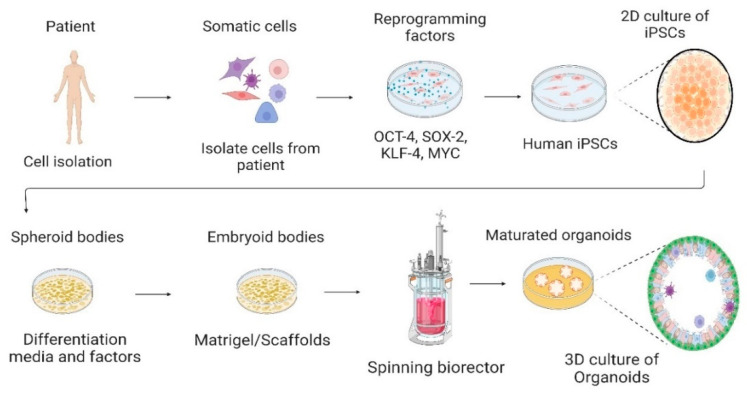
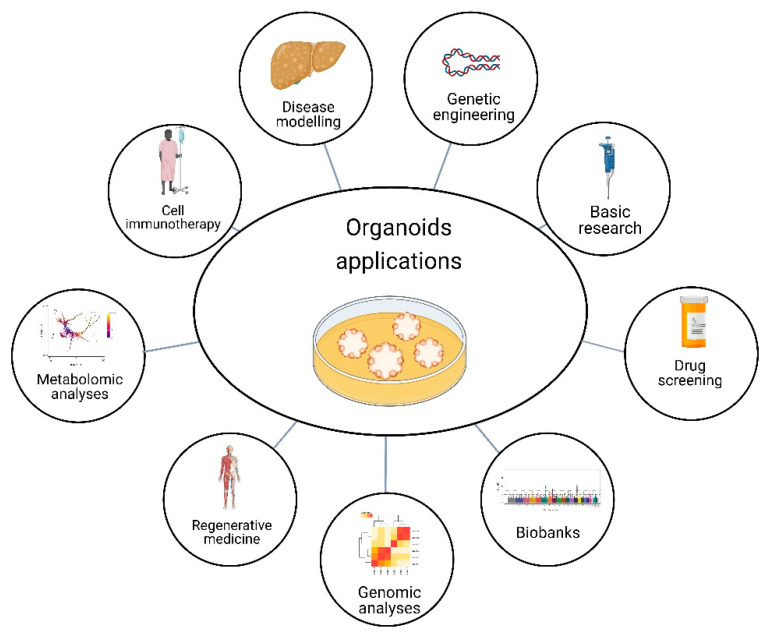
“Furthermore, through molecular technologies, such as the lentiviral expression system and CRISPR/CAS9, it is possible to manipulate the genome of organoids, allowing for disease replication and targeted gene therapy [23,76,132,133] (Figure 1).”
BackgroundPatient-derived lung cancer organoids as in vitro cancer models for therapeutic screening
Kim, M., Mun, H., Sung, C. O., Cho, E. J., Jeon, H.-J., Chun, S.-M., Jung, D. J., Shin, T. H., Jeong, G. S., Kim, D. K., et al. (2019) · Nature Communications · doi:10.1038/s41467-019-11867-6 · Cited by 812
Human blood vessel organoids as a model of diabetic vasculopathy
Wimmer, R. A., Leopoldi, A., Aichinger, M., Wick, N., Hantusch, B., Novatchkova, M., Taubenschmid, J., Hämmerle, M., Esk, C., Bagley, J. A., et al. (2019) · Nature · doi:10.1038/s41586-018-0858-8 · Cited by 803
Guided self-organization and cortical plate formation in human brain organoids
Lancaster, M. A., Corsini, N. S., Wolfinger, S., Gustafson, E. H., Phillips, A. W., Burkard, T. R., Otani, T., Livesey, F. J., & Knoblich, J. A. (2017) · Nature Biotechnology · doi:10.1038/nbt.3906 · Cited by 783
Dang, J., Tiwari, S. K., Lichinchi, G., Qin, Y., Patil, V. S., Eroshkin, A. M., & Rana, T. M. (2016) · Cell Stem Cell · doi:10.1016/j.stem.2016.04.014 · Cited by 731
Self-Organization of Polarized Cerebellar Tissue in 3D Culture of Human Pluripotent Stem Cells
Muguruma, K., Nishiyama, A., Kawakami, H., Hashimoto, K., & Sasai, Y. (2015) · Cell Reports · doi:10.1016/j.celrep.2014.12.051 · Cited by 692
Induced pluripotent stem cells in disease modelling and drug discovery
Rowe, R. G., & Daley, G. Q. (2019) · Nature Reviews Genetics · doi:10.1038/s41576-019-0100-z · Cited by 670 · cited 1×
“This can help to avoid immune rejection of the transplanted cells [31]; • Disease modeling: iPSCs can be used to create models of specific diseases, which can aid in the understanding of the disease and the development of new treatments [18]; • Drug development: iPSCs can be used to test the safety and efficacy of new…”
ResultEstablishment of patient-derived cancer organoids for drug-screening applications
Driehuis, E., Kretzschmar, K., & Clevers, H. (2020) · Nature Protocols · doi:10.1038/s41596-020-0379-4 · Cited by 654
Cerebral organoids at the air-liquid interface generate diverse nerve tracts with functional output
Giandomenico, S. L., Mierau, S. B., Gibbons, G. M., Wenger, L. M. D., Masullo, L., Sit, T., Sutcliffe, M., Boulanger, J., Tripodi, M., Derivery, E., et al. (2019) · Nature Neuroscience · doi:10.1038/s41593-019-0350-2 · Cited by 651
Xu, M., Lee, E. M., Wen, Z., Cheng, Y., Huang, W.-K., Qian, X., TCW, J., Kouznetsova, J., Ogden, S. C., Hammack, C., et al. (2016) · Nature Medicine · doi:10.1038/nm.4184 · Cited by 641
3D bioprinting of tissues and organs for regenerative medicine
Vijayavenkataraman, S., Yan, W.-C., Lu, W. F., Wang, C.-H., & Fuh, J. Y. H. (2018) · Advanced Drug Delivery Reviews · doi:10.1016/j.addr.2018.07.004 · Cited by 630
Microglia innately develop within cerebral organoids
Ormel, P. R., Vieira de Sá, R., van Bodegraven, E. J., Karst, H., Harschnitz, O., Sneeboer, M. A. M., Johansen, L. E., van Dijk, R. E., Scheefhals, N., Berdenis van Berlekom, A., et al. (2018) · Nature Communications · doi:10.1038/s41467-018-06684-2 · Cited by 623
Stem Cells Applications in Regenerative Medicine and Disease Therapeutics
Mahla, R. S. (2016) · International Journal of Cell Biology · doi:10.1155/2016/6940283 · Cited by 604
Generation of Functional Human 3D Cortico-Motor Assembloids
Andersen, J., Revah, O., Miura, Y., Thom, N., Amin, N. D., Kelley, K. W., Singh, M., Chen, X., Thete, M. V., Walczak, E. M., et al. (2020) · Cell · doi:10.1016/j.cell.2020.11.017 · Cited by 593
Pluripotent stem cells in disease modelling and drug discovery
Avior, Y., Sagi, I., & Benvenisty, N. (2016) · Nature Reviews Molecular Cell Biology · doi:10.1038/nrm.2015.27 · Cited by 592
Pellegrini, L., Albecka, A., Mallery, D. L., Kellner, M. J., Paul, D., Carter, A. P., James, L. C., & Lancaster, M. A. (2020) · Cell Stem Cell · doi:10.1016/j.stem.2020.10.001 · Cited by 552
Lewis-Israeli, Y. R., Wasserman, A. H., Gabalski, M. A., Volmert, B. D., Ming, Y., Ball, K. A., Yang, W., Zou, J., Ni, G., Pajares, N., et al. (2021) · Nature Communications · doi:10.1038/s41467-021-25329-5 · Cited by 536
SARS‐CoV‐2 targets neurons of 3D human brain organoids
Ramani, A., Müller, L., Ostermann, P. N., Gabriel, E., Abida‐Islam, P., Müller‐Schiffmann, A., Mariappan, A., Goureau, O., Gruell, H., Walker, A., et al. (2020) · The EMBO Journal · doi:10.15252/embj.2020106230 · Cited by 518
Reliability of human cortical organoid generation
Yoon, S.-J., Elahi, L. S., Pașca, A. M., Marton, R. M., Gordon, A., Revah, O., Miura, Y., Walczak, E. M., Holdgate, G. M., Fan, H. C., et al. (2019) · Nature Methods · doi:10.1038/s41592-018-0255-0 · Cited by 507
Boretto, M., Maenhoudt, N., Luo, X., Hennes, A., Boeckx, B., Bui, B., Heremans, R., Perneel, L., Kobayashi, H., Van Zundert, I., et al. (2019) · Nature Cell Biology · doi:10.1038/s41556-019-0360-z · Cited by 503
Scaffolding Strategies for Tissue Engineering and Regenerative Medicine Applications
Pina, S., Ribeiro, V. P., Marques, C. F., Maia, F. R., Silva, T. H., Reis, R. L., & Oliveira, J. M. (2019) · Materials · doi:10.3390/ma12111824 · Cited by 493
Modeling Alzheimer’s disease with iPSC-derived brain cells
Penney, J., Ralvenius, W. T., & Tsai, L.-H. (2020) · Molecular Psychiatry · doi:10.1038/s41380-019-0468-3 · Cited by 471
Pancreatic cancer organoids recapitulate disease and allow personalized drug screening
Driehuis, E., van Hoeck, A., Moore, K., Kolders, S., Francies, H. E., Gulersonmez, M. C., Stigter, E. C. A., Burgering, B., Geurts, V., Gracanin, A., et al. (2019) · Proceedings of the National Academy of Sciences · doi:10.1073/pnas.1911273116 · Cited by 459
Jacob, F., Pather, S. R., Huang, W.-K., Zhang, F., Wong, S. Z. H., Zhou, H., Cubitt, B., Fan, W., Chen, C. Z., Xu, M., et al. (2020) · Cell Stem Cell · doi:10.1016/j.stem.2020.09.016 · Cited by 438
Induction of Expansion and Folding in Human Cerebral Organoids
Li, Y., Muffat, J., Omer, A., Bosch, I., Lancaster, M. A., Sur, M., Gehrke, L., Knoblich, J. A., & Jaenisch, R. (2017) · Cell Stem Cell · doi:10.1016/j.stem.2016.11.017 · Cited by 436
The promise of human induced pluripotent stem cells for research and therapy
Nishikawa, S.-I., Goldstein, R. A., & Nierras, C. R. (2008) · Nature Reviews Molecular Cell Biology · doi:10.1038/nrm2466 · Cited by 421 · cited 1×
“Human iPSCs can be obtained from different somatic tissue cell types and can be differentiated into any specialized cell type in the human body through specific factors that control cell fate [9,10].”
BackgroundOrganoid Models of Tumor Immunology
Yuki, K., Cheng, N., Nakano, M., & Kuo, C. J. (2020) · Trends in Immunology · doi:10.1016/j.it.2020.06.010 · Cited by 402
Modelling Cryptosporidium infection in human small intestinal and lung organoids
Heo, I., Dutta, D., Schaefer, D. A., Iakobachvili, N., Artegiani, B., Sachs, N., Boonekamp, K. E., Bowden, G., Hendrickx, A. P. A., Willems, R. J. L., et al. (2018) · Nature Microbiology · doi:10.1038/s41564-018-0177-8 · Cited by 389
Comparison of 2D and 3D cell culture models for cell growth, gene expression and drug resistance
Fontoura, J. C., Viezzer, C., dos Santos, F. G., Ligabue, R. A., Weinlich, R., Puga, R. D., Antonow, D., Severino, P., & Bonorino, C. (2020) · Materials Science and Engineering: C · doi:10.1016/j.msec.2019.110264 · Cited by 388 · cited 1×
“of one cell type in a mono-culture system [76,90,94–97], leading to artificial behavior of cells, such as altered proliferation and differentiation, and reduced cellular interaction compared to in vivo conditions [98,99].”
BackgroundDisease modelling in human organoids
Lancaster, M. A., & Huch, M. (2019) · Disease Models & Mechanisms · doi:10.1242/dmm.039347 · Cited by 377
Cerebral Organoids Recapitulate Epigenomic Signatures of the Human Fetal Brain
Luo, C., Lancaster, M. A., Castanon, R., Nery, J. R., Knoblich, J. A., & Ecker, J. R. (2016) · Cell Reports · doi:10.1016/j.celrep.2016.12.001 · Cited by 370
Induced Pluripotent Stem Cells and Their Use in Human Models of Disease and Development
Karagiannis, P., Takahashi, K., Saito, M., Yoshida, Y., Okita, K., Watanabe, A., Inoue, H., Yamashita, J. K., Todani, M., Nakagawa, M., et al. (2019) · Physiological Reviews · doi:10.1152/physrev.00039.2017 · Cited by 368
Baxter, M., Withey, S., Harrison, S., Segeritz, C.-P., Zhang, F., Atkinson-Dell, R., Rowe, C., Gerrard, D. T., Sison-Young, R., Jenkins, R., et al. (2015) · Journal of Hepatology · doi:10.1016/j.jhep.2014.10.016 · Cited by 348
Three‑dimensional cell culture: A powerful tool in tumor research and drug discovery (Review)
Lv, D., Hu, Z., Lu, L., Lu, H., & Xu, X. (2017) · Oncology Letters · doi:10.3892/ol.2017.7134 · Cited by 337
Human gastric cancer modelling using organoids
Seidlitz, T., Merker, S. R., Rothe, A., Zakrzewski, F., von Neubeck, C., Grützmann, K., Sommer, U., Schweitzer, C., Schölch, S., Uhlemann, H., et al. (2019) · Gut · doi:10.1136/gutjnl-2017-314549 · Cited by 328
Dishing out mini-brains: Current progress and future prospects in brain organoid research
Kelava, I., & Lancaster, M. A. (2016) · Developmental Biology · doi:10.1016/j.ydbio.2016.06.037 · Cited by 310
The promises and challenges of human brain organoids as models of neuropsychiatric disease
Quadrato, G., Brown, J., & Arlotta, P. (2016) · Nature Medicine · doi:10.1038/nm.4214 · Cited by 304
Mutational drivers of cancer cell migration and invasion
Novikov, N. M., Zolotaryova, S. Y., Gautreau, A. M., & Denisov, E. V. (2021) · British Journal of Cancer · doi:10.1038/s41416-020-01149-0 · Cited by 302
Moradi, S., Mahdizadeh, H., Šarić, T., Kim, J., Harati, J., Shahsavarani, H., Greber, B., & Moore, J. B. (2019) · Stem Cell Research & Therapy · doi:10.1186/s13287-019-1455-y · Cited by 287 · cited 2×
“Continued research and development in iPSC technology will be critical to address these challenges and to enable the safe and effective use of iPSC-derived cells in clinical applications, as well as to address the ethical concerns surrounding their use [30].”
BackgroundGiandomenico, S. L., Sutcliffe, M., & Lancaster, M. A. (2021) · Nature Protocols · doi:10.1038/s41596-020-00433-w · Cited by 282
Human Pluripotent Stem Cell-Derived Organoids as Models of Liver Disease
Ramli, M. N. B., Lim, Y. S., Koe, C. T., Demircioglu, D., Tng, W., Gonzales, K. A. U., Tan, C. P., Szczerbinska, I., Liang, H., Soe, E. L., et al. (2020) · Gastroenterology · doi:10.1053/j.gastro.2020.06.010 · Cited by 278
Wörsdörfer, P., Dalda, N., Kern, A., Krüger, S., Wagner, N., Kwok, C. K., Henke, E., & Ergün, S. (2019) · Scientific Reports · doi:10.1038/s41598-019-52204-7 · Cited by 272
Forbester, J. L., Goulding, D., Vallier, L., Hannan, N., Hale, C., Pickard, D., Mukhopadhyay, S., & Dougan, G. (2015) · Infection and Immunity · doi:10.1128/iai.00161-15 · Cited by 270
A 3D human neural cell culture system for modeling Alzheimer's disease
Kim, Y. H., Choi, S. H., D'Avanzo, C., Hebisch, M., Sliwinski, C., Bylykbashi, E., Washicosky, K. J., Klee, J. B., Brüstle, O., Tanzi, R. E., et al. (2015) · Nature Protocols · doi:10.1038/nprot.2015.065 · Cited by 269
Modeling human diseases with induced pluripotent stem cells: from 2D to 3D and beyond
Liu, C., Oikonomopoulos, A., Sayed, N., & Wu, J. C. (2018) · Development · doi:10.1242/dev.156166 · Cited by 267
Generation of hepatobiliary organoids from human induced pluripotent stem cells
Wu, F., Wu, D., Ren, Y., Huang, Y., Feng, B., Zhao, N., Zhang, T., Chen, X., Chen, S., & Xu, A. (2019) · Journal of Hepatology · doi:10.1016/j.jhep.2018.12.028 · Cited by 261
Schlaermann, P., Toelle, B., Berger, H., Schmidt, S. C., Glanemann, M., Ordemann, J., Bartfeld, S., Mollenkopf, H. J., & Meyer, T. F. (2016) · Gut · doi:10.1136/gutjnl-2014-307949 · Cited by 248
Finkbeiner, S. R., Hill, D. R., Altheim, C. H., Dedhia, P. H., Taylor, M. J., Tsai, Y.-H., Chin, A. M., Mahe, M. M., Watson, C. L., Freeman, J. J., et al. (2015) · Stem Cell Reports · doi:10.1016/j.stemcr.2015.04.010 · Cited by 247
Human hepatic organoids for the analysis of human genetic diseases
Guan, Y., Xu, D., Garfin, P. M., Ehmer, U., Hurwitz, M., Enns, G., Michie, S., Wu, M., Zheng, M., Nishimura, T., et al. (2017) · JCI Insight · doi:10.1172/jci.insight.94954 · Cited by 243
Ghatak, S., Dolatabadi, N., Trudler, D., Zhang, X., Wu, Y., Mohata, M., Ambasudhan, R., Talantova, M., & Lipton, S. A. (2019) · eLife · doi:10.7554/elife.50333 · Cited by 227
Application of Cancer Organoid Model for Drug Screening and Personalized Therapy
Kondo, J., & Inoue, M. (2019) · Cells · doi:10.3390/cells8050470 · Cited by 224
Michels, B. E., Mosa, M. H., Streibl, B. I., Zhan, T., Menche, C., Abou-El-Ardat, K., Darvishi, T., Członka, E., Wagner, S., Winter, J., et al. (2020) · Cell Stem Cell · doi:10.1016/j.stem.2020.04.003 · Cited by 222
Organoids and organs-on-chips: Insights into human gut-microbe interactions
Puschhof, J., Pleguezuelos-Manzano, C., & Clevers, H. (2021) · Cell Host & Microbe · doi:10.1016/j.chom.2021.04.002 · Cited by 219
Paik, D. T., Chandy, M., & Wu, J. C. (2020) · Pharmacological Reviews · doi:10.1124/pr.116.013003 · Cited by 216 · cited 1×
“This can help to avoid immune rejection of the transplanted cells [31]; • Disease modeling: iPSCs can be used to create models of specific diseases, which can aid in the understanding of the disease and the development of new treatments [18]; • Drug development: iPSCs can be used to test the safety and efficacy of new…”
ResultVascularization and Engraftment of Transplanted Human Cerebral Organoids in Mouse Cortex
Daviaud, N., Friedel, R. H., & Zou, H. (2018) · eneuro · doi:10.1523/eneuro.0219-18.2018 · Cited by 215
Bal-Price, A. (2018) · ALTEX · doi:10.14573/altex.1712081 · Cited by 207
Technologies for deriving primary tumor cells for use in personalized cancer therapy
Mitra, A., Mishra, L., & Li, S. (2013) · Trends in Biotechnology · doi:10.1016/j.tibtech.2013.03.006 · Cited by 193
Lee, C.-T., Bendriem, R. M., Wu, W. W., & Shen, R.-F. (2017) · Journal of Biomedical Science · doi:10.1186/s12929-017-0362-8 · Cited by 192
Xu, H., Jiao, Y., Qin, S., Zhao, W., Chu, Q., & Wu, K. (2018) · Experimental Hematology & Oncology · doi:10.1186/s40164-018-0122-9 · Cited by 186
Disease Modeling Using 3D Organoids Derived from Human Induced Pluripotent Stem Cells
Ho, B., Pek, N., & Soh, B.-S. (2018) · International Journal of Molecular Sciences · doi:10.3390/ijms19040936 · Cited by 182
Model of Patient-Specific Immune-Enhanced Organoids for Immunotherapy Screening: Feasibility Study
Votanopoulos, K. I., Forsythe, S., Sivakumar, H., Mazzocchi, A., Aleman, J., Miller, L., Levine, E., Triozzi, P., & Skardal, A. (2020) · Annals of Surgical Oncology · doi:10.1245/s10434-019-08143-8 · Cited by 177
3D printing of tissue engineering scaffolds: a focus on vascular regeneration
Wang, P., Sun, Y., Shi, X., Shen, H., Ning, H., & Liu, H. (2021) · Bio-Design and Manufacturing · doi:10.1007/s42242-020-00109-0 · Cited by 176
An organoid-based organ-repurposing approach to treat short bowel syndrome
Sugimoto, S., Kobayashi, E., Fujii, M., Ohta, Y., Arai, K., Matano, M., Ishikawa, K., Miyamoto, K., Toshimitsu, K., Takahashi, S., et al. (2021) · Nature · doi:10.1038/s41586-021-03247-2 · Cited by 175
Lo, Y.-H., Kolahi, K. S., Du, Y., Chang, C.-Y., Krokhotin, A., Nair, A., Sobba, W. D., Karlsson, K., Jones, S. J., Longacre, T. A., et al. (2021) · Cancer Discovery · doi:10.1158/2159-8290.cd-20-1109 · Cited by 174
Modeling Neurological Diseases With Human Brain Organoids
Wang, H. (2018) · Frontiers in Synaptic Neuroscience · doi:10.3389/fnsyn.2018.00015 · Cited by 173
Autophagy and Stem Cells: Self-Eating for Self-Renewal
Chang, N. C. (2020) · Frontiers in Cell and Developmental Biology · doi:10.3389/fcell.2020.00138 · Cited by 170
Neonatal herpes simplex virus infections
Pinninti, S. G., & Kimberlin, D. W. (2018) · Seminars in Perinatology · doi:10.1053/j.semperi.2018.02.004 · Cited by 166
Maloney, E., Clark, C., Sivakumar, H., Yoo, K., Aleman, J., Rajan, S. A. P., Forsythe, S., Mazzocchi, A., Laxton, A. W., Tatter, S. B., et al. (2020) · Micromachines · doi:10.3390/mi11020208 · Cited by 161
3D Bioprinting of Vascularized Tissues for in vitro and in vivo Applications
Chen, E. P., Toksoy, Z., Davis, B. A., & Geibel, J. P. (2021) · Frontiers in Bioengineering and Biotechnology · doi:10.3389/fbioe.2021.664188 · Cited by 161
Grassi, L., Alfonsi, R., Francescangeli, F., Signore, M., De Angelis, M. L., Addario, A., Costantini, M., Flex, E., Ciolfi, A., Pizzi, S., et al. (2019) · Cell Death & Disease · doi:10.1038/s41419-019-1453-0 · Cited by 160
Krenn, V., Bosone, C., Burkard, T. R., Spanier, J., Kalinke, U., Calistri, A., Salata, C., Rilo Christoff, R., Pestana Garcez, P., Mirazimi, A., et al. (2021) · Cell Stem Cell · doi:10.1016/j.stem.2021.03.004 · Cited by 159
Karve, S. S., Pradhan, S., Ward, D. V., & Weiss, A. A. (2017) · PLOS ONE · doi:10.1371/journal.pone.0178966 · Cited by 157
Vascularization of Human Brain Organoids
Matsui, T. K., Tsuru, Y., Hasegawa, K., & Kuwako, K.-I. (2021) · Stem Cells · doi:10.1002/stem.3368 · Cited by 157
Logan, S., Arzua, T., Canfield, S. G., Seminary, E. R., Sison, S. L., Ebert, A. D., & Bai, X. (2019) · Comprehensive physiology · doi:10.1002/cphy.c180025 · Cited by 154
Three-dimensional liver-derived extracellular matrix hydrogel promotes liver organoids function
Saheli, M., Sepantafar, M., Pournasr, B., Farzaneh, Z., Vosough, M., Piryaei, A., & Baharvand, H. (2018) · Journal of Cellular Biochemistry · doi:10.1002/jcb.26622 · Cited by 148
Arber, C., Toombs, J., Lovejoy, C., Ryan, N. S., Paterson, R. W., Willumsen, N., Gkanatsiou, E., Portelius, E., Blennow, K., Heslegrave, A., et al. (2020) · Molecular Psychiatry · doi:10.1038/s41380-019-0410-8 · Cited by 148 · cited 1×
“A study demonstrated an increased Aβ42:40 percentage of generated cortical neurons from AD patients-iPSC lines compared with control neurons of non-AD iPSCs and different signatures for Aβ43, Aβ38, Aβ fragments in 2D and 3D cultures [56].”
BackgroundBal-Price, A., Pistollato, F., Sachana, M., Bopp, S. K., Munn, S., & Worth, A. (2018) · Toxicology and Applied Pharmacology · doi:10.1016/j.taap.2018.02.008 · Cited by 148
Induced Pluripotent Stem Cells for Regenerative Medicine
Hirschi, K. K., Li, S., & Roy, K. (2014) · Annual Review of Biomedical Engineering · doi:10.1146/annurev-bioeng-071813-105108 · Cited by 148
Patient-Derived Organoids for Precision Cancer Immunotherapy
Grönholm, M., Feodoroff, M., Antignani, G., Martins, B., Hamdan, F., & Cerullo, V. (2021) · Cancer Research · doi:10.1158/0008-5472.can-20-4026 · Cited by 146
Poetsch, M. S., Strano, A., & Guan, K. (2022) · Stem Cells · doi:10.1093/stmcls/sxac020 · Cited by 144
Applications of Human Brain Organoids to Clinical Problems
Chen, H. I., Song, H., & Ming, G. (2019) · Developmental Dynamics · doi:10.1002/dvdy.24662 · Cited by 141
Chandrasekaran, A., Avci, H. X., Ochałek, A., Rösingh, L., Molnár, K., László, L., Bellák, T., Téglási, A., Pesti, K., Mike, A., et al. (2017) · Stem Cell Research · doi:10.1016/j.scr.2017.10.010 · Cited by 141
Modeling Human Digestive Diseases With CRISPR-Cas9–Modified Organoids
Fujii, M., Clevers, H., & Sato, T. (2019) · Gastroenterology · doi:10.1053/j.gastro.2018.11.048 · Cited by 140
Organoids as host models for infection biology – a review of methods
Aguilar, C., da Silva, M. A., Saraiva, M., Neyazi, M., Olsson, I. A. S., & Bartfeld, S. (2021) · Experimental & Molecular Medicine · doi:10.1038/s12276-021-00629-4 · Cited by 140
Use of human induced pluripotent stem cell–derived cardiomyocytes to assess drug cardiotoxicity
Sharma, A., McKeithan, W. L., Serrano, R., Kitani, T., Burridge, P. W., del Álamo, J. C., Mercola, M., & Wu, J. C. (2018) · Nature Protocols · doi:10.1038/s41596-018-0076-8 · Cited by 139 · cited 1×
“Additionally, iPSCs can be used to generate patient-specific organoids, which are miniaturized versions of organs that can be used to study the development and progression of diseases [48,49].”
BackgroundiPSC-Derived Hepatocytes as a Platform for Disease Modeling and Drug Discovery
Corbett, J. L., & Duncan, S. A. (2019) · Frontiers in Medicine · doi:10.3389/fmed.2019.00265 · Cited by 138 · cited 1×
“Proof-of-concept studies revealed the efficacy of these cells in drug development, highthroughput drug screening, and modeling liver diseases and viral and parasitic infections, such as malaria [44,45].”
BackgroundOrganoid based personalized medicine: from bench to bedside
Li, Y., Tang, P., Cai, S., Peng, J., & Hua, G. (2020) · Cell Regeneration · doi:10.1186/s13619-020-00059-z · Cited by 136
Stem cells as therapy for heart disease: iPSCs, ESCs, CSCs, and skeletal myoblasts
Rikhtegar, R., Pezeshkian, M., Dolati, S., Safaie, N., Rad, A. A., Mahdipour, M., Nouri, M., Jodati, A., & Yousefi, M. (2018) · Biomedicine & Pharmacotherapy · doi:10.1016/j.biopha.2018.10.065 · Cited by 135
3D culture models of Alzheimer’s disease: a road map to a “cure-in-a-dish”
Choi, S. H., Kim, Y. H., Quinti, L., Tanzi, R. E., & Kim, D. Y. (2016) · Molecular Neurodegeneration · doi:10.1186/s13024-016-0139-7 · Cited by 132
Li, X., Ootani, A., & Kuo, C. J. (2016) · Methods in molecular biology · doi:10.1007/978-1-4939-3603-8_4 · Cited by 131
Mabry, K. M., Payne, S. Z., & Anseth, K. S. (2016) · Biomaterials · doi:10.1016/j.biomaterials.2015.09.035 · Cited by 124
Research Progress, Challenges, and Breakthroughs of Organoids as Disease Models
Huang, Y., Huang, Z., Tang, Z., Chen, Y., Huang, M., Liu, H., Huang, W., Ye, Q., & Jia, B. (2021) · Frontiers in Cell and Developmental Biology · doi:10.3389/fcell.2021.740574 · Cited by 124
Evaluating Shigella flexneri Pathogenesis in the Human Enteroid Model
Ranganathan, S., Doucet, M., Grassel, C. L., Delaine-Elias, B., Zachos, N. C., & Barry, E. M. (2019) · Infection and Immunity · doi:10.1128/iai.00740-18 · Cited by 121
Advancing Intestinal Organoid Technology Toward Regenerative Medicine
Nakamura, T., & Sato, T. (2018) · Cellular and Molecular Gastroenterology and Hepatology · doi:10.1016/j.jcmgh.2017.10.006 · Cited by 120
Sürün, D., Schneider, A., Mircetic, J., Neumann, K., Lansing, F., Paszkowski-Rogacz, M., Hänchen, V., Lee-Kirsch, M. A., & Buchholz, F. (2020) · Genes · doi:10.3390/genes11050511 · Cited by 120
Fumagalli, A., Suijkerbuijk, S. J. E., Begthel, H., Beerling, E., Oost, K. C., Snippert, H. J. G., van Rheenen, J., & Drost, J. (2018) · Nature Protocols · doi:10.1038/nprot.2017.137 · Cited by 119
D’Aiuto, L., Bloom, D. C., Naciri, J. N., Smith, A. D., Edwards, T. G., McClain, L. L., Callio, J., Jessup, M., Wood, J. A., Chowdari, K. V., et al. (2019) · Journal of Virology · doi:10.1128/jvi.00111-19 · Cited by 119
Davoudi, Z., Peroutka‐Bigus, N., Bellaire, B., Wannemuehler, M., Barrett, T. A., Narasimhan, B., & Wang, Q. (2018) · Journal of Biomedical Materials Research Part A · doi:10.1002/jbm.a.36305 · Cited by 118
Fan, Y., Tajima, A., Goh, S. K., Geng, X., Gualtierotti, G., Grupillo, M., Coppola, A., Bertera, S., Rudert, W. A., Banerjee, I., et al. (2015) · Molecular Therapy · doi:10.1038/mt.2015.77 · Cited by 118
Probing human brain evolution and development in organoids
Giandomenico, S. L., & Lancaster, M. A. (2017) · Current Opinion in Cell Biology · doi:10.1016/j.ceb.2017.01.001 · Cited by 118
Variability of human pluripotent stem cell lines
Ortmann, D., & Vallier, L. (2017) · Current Opinion in Genetics & Development · doi:10.1016/j.gde.2017.07.004 · Cited by 117
Chen, H. J., Miller, P., & Shuler, M. L. (2018) · Lab on a Chip · doi:10.1039/c8lc00111a · Cited by 117
Hu, C., & Li, L. (2015) · Protein & Cell · doi:10.1007/s13238-015-0180-2 · Cited by 116 · cited 1×
“Moreover, generating cells from patients with specific genetic backgrounds to study genotype-phenotype relationships may in the future avoid the need for organ donation [42,43].”
BackgroundPotential Clinical Applications of Stem Cells in Regenerative Medicine
Suman, S., Domingues, A., Ratajczak, J., & Ratajczak, M. Z. (2019) · Advances in experimental medicine and biology · doi:10.1007/978-3-030-31206-0_1 · Cited by 115
dos Reis, R. S., Sant, S., Keeney, H., Wagner, M. C. E., & Ayyavoo, V. (2020) · Scientific Reports · doi:10.1038/s41598-020-72214-0 · Cited by 110
Hirt, C., Booij, T. H., Grob, L., Simmler, P., Toussaint, N. C., Keller, D., Taube, D., Ludwig, V., Goryachkin, A., Pauli, C., et al. (2022) · Cell Genomics · doi:10.1016/j.xgen.2022.100095 · Cited by 110
Human Organoids for Predictive Toxicology Research and Drug Development
Matsui, T., & Shinozawa, T. (2021) · Frontiers in Genetics · doi:10.3389/fgene.2021.767621 · Cited by 109
Modeling Human Cytomegalovirus-Induced Microcephaly in Human iPSC-Derived Brain Organoids
Sun, G., Chiuppesi, F., Chen, X., Wang, C., Tian, E., Nguyen, J., Kha, M., Trinh, D., Zhang, H., Marchetto, M. C., et al. (2020) · Cell Reports Medicine · doi:10.1016/j.xcrm.2020.100002 · Cited by 109
Kessler, M., Hoffmann, K., Fritsche, K., Brinkmann, V., Mollenkopf, H.-J., Thieck, O., Teixeira da Costa, A. R., Braicu, E. I., Sehouli, J., Mangler, M., et al. (2019) · Nature Communications · doi:10.1038/s41467-019-09144-7 · Cited by 109
Beers, J., Linask, K. L., Chen, J. A., Siniscalchi, L. I., Lin, Y., Zheng, W., Rao, M., & Chen, G. (2015) · Scientific Reports · doi:10.1038/srep11319 · Cited by 107
Silva, I. B. B., Kimura, C. H., Colantoni, V. P., & Sogayar, M. C. (2022) · Stem Cell Research & Therapy · doi:10.1186/s13287-022-02977-y · Cited by 107 · cited 1×
“Similarly, iPSCs can be differentiated into insulin-producing cells, which can be used to treat patients with diabetes [40,41].”
BackgroundSporadic Creutzfeldt-Jakob disease prion infection of human cerebral organoids
Groveman, B. R., Foliaki, S. T., Orru, C. D., Zanusso, G., Carroll, J. A., Race, B., & Haigh, C. L. (2019) · Acta Neuropathologica Communications · doi:10.1186/s40478-019-0742-2 · Cited by 106
Direct cell reprogramming for tissue engineering and regenerative medicine
Grath, A., & Dai, G. (2019) · Journal of Biological Engineering · doi:10.1186/s13036-019-0144-9 · Cited by 106
Rouhani, F. J., Zou, X., Danecek, P., Badja, C., Amarante, T. D., Koh, G., Wu, Q., Memari, Y., Durbin, R., Martincorena, I., et al. (2022) · Nature Genetics · doi:10.1038/s41588-022-01147-3 · Cited by 105
Muguruma, M., Teraoka, S., Miyahara, K., Ueda, A., Asaoka, M., Okazaki, M., Kawate, T., Kuroda, M., Miyagi, Y., & Ishikawa, T. (2020) · Biochemical and Biophysical Research Communications · doi:10.1016/j.bbrc.2020.08.075 · Cited by 105 · cited 1×
“Cell culture is the process of growing cells in a controlled environment outside of their natural setting; the two main types of cell culture systems are 2D and 3D [83].”
BackgroundEpigenetic aberrations in human pluripotent stem cells
Bar, S., & Benvenisty, N. (2019) · The EMBO Journal · doi:10.15252/embj.2018101033 · Cited by 105
Purwada, A., & Singh, A. (2017) · Nature Protocols · doi:10.1038/nprot.2016.157 · Cited by 105
Glioblastoma Organoids: Pre-Clinical Applications and Challenges in the Context of Immunotherapy
Klein, E., Hau, A.-C., Oudin, A., Golebiewska, A., & Niclou, S. P. (2020) · Frontiers in Oncology · doi:10.3389/fonc.2020.604121 · Cited by 100
Günther, C., Ruder, B., Stolzer, I., Dorner, H., He, G.-W., Chiriac, M. T., Aden, K., Strigli, A., Bittel, M., Zeissig, S., et al. (2019) · Gastroenterology · doi:10.1053/j.gastro.2019.07.031 · Cited by 95
Prospects for 3D bioprinting of organoids
Rawal, P., Tripathi, D. M., Ramakrishna, S., & Kaur, S. (2021) · Bio-Design and Manufacturing · doi:10.1007/s42242-020-00124-1 · Cited by 92
Cardiac organoid — a promising perspective of preclinical model
Zhao, D., Lei, W., & Hu, S. (2021) · Stem Cell Research & Therapy · doi:10.1186/s13287-021-02340-7 · Cited by 91
Induced pluripotent stem cells for neural drug discovery
Farkhondeh, A., Li, R., Gorshkov, K., Chen, K. G., Might, M., Rodems, S., Lo, D. C., & Zheng, W. (2019) · Drug Discovery Today · doi:10.1016/j.drudis.2019.01.007 · Cited by 91 · cited 2×
“The iPSCs differentiation and their use as in vitro model of neurodegenerative disorders, such as Parkinson’s disease (PD), enables a better understanding of neuronal cell death and contributes to the development of drug discovery [47,54].”
BackgroundSARS-CoV-2 infection and replication in human gastric organoids
Giobbe, G. G., Bonfante, F., Jones, B. C., Gagliano, O., Luni, C., Zambaiti, E., Perin, S., Laterza, C., Busslinger, G. A., Stuart, H. T., et al. (2021) · Nature Communications · doi:10.1038/s41467-021-26762-2 · Cited by 91
Organoid and Enteroid Modeling of Salmonella Infection
Yin, Y., & Zhou, D. (2018) · Frontiers in Cellular and Infection Microbiology · doi:10.3389/fcimb.2018.00102 · Cited by 90
A 3D bioprinter platform for mechanistic analysis of tumoroids and chimeric mammary organoids
Reid, J. A., Palmer, X.-L., Mollica, P. A., Northam, N., Sachs, P. C., & Bruno, R. D. (2019) · Scientific Reports · doi:10.1038/s41598-019-43922-z · Cited by 89
Tanimizu, N., Ichinohe, N., Sasaki, Y., Itoh, T., Sudo, R., Yamaguchi, T., Katsuda, T., Ninomiya, T., Tokino, T., Ochiya, T., et al. (2021) · Nature Communications · doi:10.1038/s41467-021-23575-1 · Cited by 89
Organoid Models for Infectious Disease
Blutt, S. E., & Estes, M. K. (2021) · Annual Review of Medicine · doi:10.1146/annurev-med-042320-023055 · Cited by 88
Organoids and organ chips in ophthalmology
Manafi, N., Shokri, F., Achberger, K., Hirayama, M., Mohammadi, M. H., Noorizadeh, F., Hong, J., Liebau, S., Tsuji, T., Quinn, P. M. J., et al. (2020) · The Ocular Surface · doi:10.1016/j.jtos.2020.11.004 · Cited by 87
Modeling psychiatric disorders with patient-derived iPSCs
Wen, Z., Christian, K. M., Song, H., & Ming, G.-L. (2016) · Current Opinion in Neurobiology · doi:10.1016/j.conb.2015.11.003 · Cited by 84
High-Throughput and Cost-Effective Characterization of Induced Pluripotent Stem Cells
D'Antonio, M., Woodruff, G., Nathanson, J. L., D'Antonio-Chronowska, A., Arias, A., Matsui, H., Williams, R., Herrera, C., Reyna, S. M., Yeo, G. W., et al. (2017) · Stem Cell Reports · doi:10.1016/j.stemcr.2017.03.011 · Cited by 77
Human Cytomegalovirus Compromises Development of Cerebral Organoids
Brown, R. M., Rana, P. S. J. B., Jaeger, H. K., O’Dowd, J. M., Balemba, O. B., & Fortunato, E. A. (2019) · Journal of Virology · doi:10.1128/jvi.00957-19 · Cited by 77
Esser, L. K., Branchi, V., Leonardelli, S., Pelusi, N., Simon, A. G., Klümper, N., Ellinger, J., Hauser, S., Gonzalez-Carmona, M. A., Ritter, M., et al. (2020) · Frontiers in Oncology · doi:10.3389/fonc.2020.01775 · Cited by 75
Clevers, H. (2020) · Nature Reviews Molecular Cell Biology · doi:10.1038/s41580-020-0258-4 · Cited by 75
Wu, Y.-Y., Chiu, F.-L., Yeh, C.-S., & Kuo, H.-C. (2019) · Open Biology · doi:10.1098/rsob.180177 · Cited by 75
Organoid-based regenerative medicine for inflammatory bowel disease
Okamoto, R., Shimizu, H., Suzuki, K., Kawamoto, A., Takahashi, J., Kawai, M., Nagata, S., Hiraguri, Y., Takeoka, S., Sugihara, H. Y., et al. (2020) · Regenerative Therapy · doi:10.1016/j.reth.2019.11.004 · Cited by 75
Forsythe, S. D., Erali, R. A., Sasikumar, S., Laney, P., Shelkey, E., D'Agostino, R., Miller, L. D., Shen, P., Levine, E. A., Soker, S., et al. (2021) · Clinical Cancer Research · doi:10.1158/1078-0432.ccr-21-0982 · Cited by 75
Organoid Technology: Current Standing and Future Perspectives
Shariati, L., Esmaeili, Y., Javanmard, S. H., Bidram, E., & Amini, A. (2021) · Stem Cells · doi:10.1002/stem.3379 · Cited by 73 · cited 2×
“As a result, diagnostic and therapeutic strategies can be improved, and therapeutic screening at a higher performance level [22].”
BackgroundBi, J., Newtson, A. M., Zhang, Y., Devor, E. J., Samuelson, M. I., Thiel, K. W., & Leslie, K. K. (2021) · Cancers · doi:10.3390/cancers13122901 · Cited by 72
Organoid technologies meet genome engineering
Nie, J., & Hashino, E. (2017) · EMBO Reports · doi:10.15252/embr.201643732 · Cited by 72
Overcoming kidney organoid challenges for regenerative medicine
Geuens, T., van Blitterswijk, C., & LaPointe, V. L. S. (2020) · npj Regenerative Medicine · doi:10.1038/s41536-020-0093-4 · Cited by 72
Drug screening model meets cancer organoid technology
Liu, C., Qin, T., Huang, Y., Li, Y., Chen, G., & Sun, C. (2020) · Translational Oncology · doi:10.1016/j.tranon.2020.100840 · Cited by 71
Towards Advanced iPSC-based Drug Development for Neurodegenerative Disease
Pasteuning-Vuhman, S., de Jongh, R., Timmers, A., & Pasterkamp, R. J. (2021) · Trends in Molecular Medicine · doi:10.1016/j.molmed.2020.09.013 · Cited by 70
Generation of caudal-type serotonin neurons and hindbrain-fate organoids from hPSCs
Valiulahi, P., Vidyawan, V., Puspita, L., Oh, Y., Juwono, V. B., Sittipo, P., Friedlander, G., Yahalomi, D., Sohn, J., Lee, Y. K., et al. (2021) · Stem Cell Reports · doi:10.1016/j.stemcr.2021.06.006 · Cited by 70
Ponz‐Sarvisé, M., Corbo, V., Tiriac, H., Engle, D. D., Frese, K. K., Oni, T. E., Hwang, C., Öhlund, D., Chio, I. I. C., Baker, L. A., et al. (2019) · Clinical Cancer Research · doi:10.1158/1078-0432.ccr-19-1398 · Cited by 70
Shabbirahmed, A. M., Sekar, R., Gomez, L. A., Sekhar, M. R., Hiruthyaswamy, S. P., Basavegowda, N., & Somu, P. (2023) · Biomimetics · doi:10.3390/biomimetics8010016 · Cited by 70
Strategies for genetic manipulation of adult stem cell-derived organoids
Menche, C., & Farin, H. F. (2021) · Experimental & Molecular Medicine · doi:10.1038/s12276-021-00609-8 · Cited by 69
The Science and Ethics of Induced Pluripotency: What Will Become of Embryonic Stem Cells?
Zacharias, D. G., Nelson, T. J., Mueller, P. S., & Hook, C. C. (2011) · Mayo Clinic Proceedings · doi:10.4065/mcp.2011.0054 · Cited by 69 · cited 1×
“This breakthrough was a significant step forward in the field of stem cell research, as it provided a way to generate patient-specific pluripotent cells without the need for embryos, which had been a major ethical concern in the field [26,27].”
BackgroundGenetic engineering in organoids
Teriyapirom, I., Batista-Rocha, A. S., & Koo, B.-K. (2021) · Journal of Molecular Medicine · doi:10.1007/s00109-020-02029-z · Cited by 68
Generation of Cortical Brain Organoid with Vascularization by Assembling with Vascular Spheroid
Kook, M. G., Lee, S., Shin, N., Kong, D., Kim, D., Kim, M., Kang, H. K., Choi, S. W., & Kang, K. (2022) · International Journal of Stem Cells · doi:10.15283/ijsc21157 · Cited by 68
Stem cell-derived liver cells for drug testing and disease modeling.
Davidson, M. D., Ware, B. R., & Khetani, S. R. (2015) · PubMed · Cited by 67
Organoids to study immune functions, immunological diseases and immunotherapy
Ye, W., Luo, C., Li, C., Huang, J., & Liu, F. (2020) · Cancer Letters · doi:10.1016/j.canlet.2020.02.027 · Cited by 67
3D Tumor Spheroid and Organoid to Model Tumor Microenvironment for Cancer Immunotherapy
Zhu, Y., Kang, E., Wilson, M., Basso, T., Chen, E., Yu, Y., & Li, Y.-R. (2022) · Organoids · doi:10.3390/organoids1020012 · Cited by 67
Non-Viral Methods For Generating Integration-Free, Induced Pluripotent Stem Cells
Deng, X., Wang, H., Wang, T., Fang, X.-T., Zou, L., Li, Z., & Liu, C.-B. (2015) · Current Stem Cell Research & Therapy · doi:10.2174/1574888x09666140923101914 · Cited by 67 · cited 1×
“Additionally, the number of reprogramming factors required were reduced, making the process more efficient and cost-effective [28,29].”
BackgroundBordoni, M., Rey, F., Fantini, V., Pansarasa, O., Giulio, A. M. D., Carelli, S., & Cereda, C. (2018) · International Journal of Molecular Sciences · doi:10.3390/ijms19123972 · Cited by 67
Differential antiviral immunity to Japanese encephalitis virus in developing cortical organoids
Zhang, B., He, Y., Xu, Y., Mo, F., Mi, T., Shen, Q. S., Li, C., Li, Y., Liu, J., Wu, Y., et al. (2018) · Cell Death and Disease · doi:10.1038/s41419-018-0763-y · Cited by 67
Intestinal Organoids as a Tool for Inflammatory Bowel Disease Research
Angus, H. C. K., Butt, A. G., Schultz, M., & Kemp, R. A. (2020) · Frontiers in Medicine · doi:10.3389/fmed.2019.00334 · Cited by 66
Utility of iPSC-Derived Cells for Disease Modeling, Drug Development, and Cell Therapy
Nicholson, M. W., Ting, C.-Y., Chan, D. Z. H., Cheng, Y.-C., Lee, Y.-C., Hsu, C.-C., Huang, C.-Y., & Hsieh, P. C. H. (2022) · Cells · doi:10.3390/cells11111853 · Cited by 65 · cited 1×
“This can greatly accelerate the drug development process and ultimately lead to new treatments for patients [46,47].”
BackgroundCharacterization of HIV-1 Infection in Microglia-Containing Human Cerebral Organoids
Gumbs, S. B. H., Berdenis van Berlekom, A., Kübler, R., Schipper, P. J., Gharu, L., Boks, M. P., Ormel, P. R., Wensing, A. M. J., de Witte, L. D., & Nijhuis, M. (2022) · Viruses · doi:10.3390/v14040829 · Cited by 65
Organoid technology for brain and therapeutics research
Wang, Z., Wang, S., Xu, T., Miao, Z., Su, D., & Miao, C. (2017) · CNS Neuroscience & Therapeutics · doi:10.1111/cns.12754 · Cited by 65 · cited 2×
“Hence, the organoids technology is valuable for studying human disorders, although there are restrictions that must be overcome, such as low homogeneity and high costs [21,145].”
BackgroundCloning humans? Biological, ethical, and social considerations
Ayala, F. J. (2015) · Proceedings of the National Academy of Sciences · doi:10.1073/pnas.1501798112 · Cited by 64 · cited 1×
“There is also potential for the use of iPSCs in controversial areas, such as human cloning or the creation of genetically modified organisms [61,62].”
BackgroundTurinetto, V., Orlando, L., & Giachino, C. (2017) · International Journal of Molecular Sciences · doi:10.3390/ijms18091952 · Cited by 64
Spheroid Culture Differentially Affects Cancer Cell Sensitivity to Drugs in Melanoma and RCC Models
Filipiak-Duliban, A., Brodaczewska, K. K., Kajdasz, A., & Kiéda, C. (2022) · International Journal of Molecular Sciences · doi:10.3390/ijms23031166 · Cited by 64
Greater genetic diversity is needed in human pluripotent stem cell models
Ghosh, S. D., Nehme, R., & Barrett, L. E. (2022) · Nature Communications · doi:10.1038/s41467-022-34940-z · Cited by 61 · cited 1×
“Moreover, there are concerns about the limitation of genetic diversity, which jeopardizes equity and can impede the acceleration of biological discoveries [60].”
BackgroundVaricella-Zoster Virus Infection of Differentiated Human Neural Stem Cells
Pugazhenthi, S., Nair, S., Velmurugan, K., Liang, Q., Mahalingam, R., Cohrs, R. J., Nagel, M. A., & Gilden, D. (2011) · Journal of Virology · doi:10.1128/jvi.00445-11 · Cited by 61
Using iPS Cells toward the Understanding of Parkinson’s Disease
Torrent, R., De Angelis Rigotti, F., Dell'Era, P., Memo, M., Raya, A., & Consiglio, A. (2015) · Journal of Clinical Medicine · doi:10.3390/jcm4040548 · Cited by 60 · cited 1×
“iPSC derived from PD and differentiated into dopaminergic neurons revealed disease-related cell phenotypes, such as impaired mitochondrial function, increased oxidative stress, increased apoptosis, and an accumulation of α-synuclein, providing more insights into PD pathophysiology [51,55].”
BackgroundKidney organoids in translational medicine: Disease modeling and regenerative medicine
Miyoshi, T., Hiratsuka, K., Saiz, E. G., & Morizane, R. (2019) · Developmental Dynamics · doi:10.1002/dvdy.22 · Cited by 60
Carrillo-Cocom, L. M., Genel-Rey, T., Araíz-Hernández, D., López-Pacheco, F., López-Meza, J., Rocha-Pizaña, M. R., Ramírez-Medrano, A., & Alvarez, M. M. (2015) · Cytotechnology · doi:10.1007/s10616-014-9720-5 · Cited by 59
Li, S., Yang, K.-F., Chen, X., Zhu, X., Zhou, H., Li, P., Chen, Y., Jiang, Y., Li, T., Qin, X., et al. (2021) · Biofabrication · doi:10.1088/1758-5090/ac1ea8 · Cited by 59
How induced pluripotent stem cells are redefining personalized medicine
Ferreira, L. M. R., & Mostajo-Radji, M. A. (2013) · Gene · doi:10.1016/j.gene.2013.02.037 · Cited by 59 · cited 1×
“Additionally, iPSCs can be used to generate patient-specific organoids, which are miniaturized versions of organs that can be used to study the development and progression of diseases [48,49].”
BackgroundHou, Q., Jia, J., Lin, J., Zhu, L., Xie, S., Yu, Q., & Li, Y. (2022) · Cell Reports · doi:10.1016/j.celrep.2022.111416 · Cited by 59
Harbuzariu, A., Pitts, S., Cespedes, J. C., Harp, K. O., Nti, A., Shaw, A., Liu, M., & Stiles, J. K. (2019) · Scientific Reports · doi:10.1038/s41598-019-55631-8 · Cited by 58
Chien, Y., Hsiao, Y.-J., Chou, S.-J., Lin, T.-Y., Yarmishyn, A. A., Lai, W.-Y., Lee, M.-S., Lin, Y.-Y., Lin, T.-W., Hwang, D.-K., et al. (2022) · Journal of Nanobiotechnology · doi:10.1186/s12951-022-01717-x · Cited by 57
Massively parallel techniques for cataloguing the regulome of the human brain
Townsley, K. G., Brennand, K., & Huckins, L. M. (2020) · Nature Neuroscience · doi:10.1038/s41593-020-00740-1 · Cited by 55
Research works printed but not linked: 1
- Padmalayam I. Suto M.J. 3D Cell Cultures: Mimicking In Vivo Tissues for Improved Predictability in Drug Discovery Annu. Rep. Med. Chem. 2012 47 367 378
Cited by
Heinzelmann, E., Piraino, F., Costa, M., Roch, A., Norkin, M. N., Garnier, V., Homicskó, K., & Brandenberg, N. (2024) · Current Research in Toxicology · doi:10.1016/j.crtox.2024.100197 · Cited by 115
Standardization and consensus in the development and application of bone organoids
Jian, W., Chen, X., Li, R., Wang, S., Geng, Z., Shi, Z., Jing, Y., Xu, K., Wei, Y., Wang, G., et al. (2024) · Theranostics · doi:10.7150/thno.105840 · Cited by 79
Biomimetic Materials to Fabricate Artificial Cells
Peng, H., Zhao, M., Liu, X., Tong, T., Zhang, W., Gong, C., Chowdhury, R., & Wang, Q. (2024) · Chemical Reviews · doi:10.1021/acs.chemrev.4c00241 · Cited by 51
Jusop, A. S., Thanaskody, K., Tye, G. J., Dass, S. A., Wan Kamarul Zaman, W. S., & Nordin, F. (2023) · Frontiers in Molecular Neuroscience · doi:10.3389/fnmol.2023.1173433 · Cited by 39
Mahieu, L., Moll, L. V., Vooght, L. D., Delputte, P., & Cos, P. (2024) · FEMS Microbiology Reviews · doi:10.1093/femsre/fuae007 · Cited by 48
“Physiological responses in organoids can be similar to those seen in human organs, giving these models high translational value (Kim et al. 2020 , Silv a-Pedr osa et al. 2023 ).”
Result
Metadata
- Authors
- Silva-Pedrosa, R., Salgado, A. J., & Ferreira, P. E.
- Affiliations
- University of Minho (PT)
- Corresponding author
- Silva-Pedrosa, Rita
- Venue
- Cells
- Publisher
- MDPI AG
- Published
- 2023-03-18
- Volume
- 12
- Issue
- 6
- Pages
- 930
- ISSN
- 2073-4409 (ISSN-L)
- PMC
- PMC10047824
- OpenAlex
- W4327952359
- Cited by
- 84
- References
- 296
- Citations by year
- 2026: 23 · 2025: 35 · 2024: 21 · 2023: 5
- FWCI
- 2.22
- Type
- journal article
- Language
- en
- Open access
- gold
- doi.org
- Licence
- Locations
- Cells (publishedVersion, cc-by)
- PubMed Central (publishedVersion, cc-by)
- PubMed (publishedVersion)
- Portuguese National Funding Agency for Science, Research and Technology (RCAAP Project by FCT) (submittedVersion, other-oa)
- DOAJ (DOAJ: Directory of Open Access Journals) (submittedVersion, cc-by-sa)
- Funders
- Foundation for Science and Technology (FCT) (SFRH/BD/131540/2017, COVID/BD/152416/2022, UMINHO/BIM-CNCG/2022/143, PTDC/SAU-PAR/2766/2021)
- Topics
- Life Sciences › Biochemistry, Genetics and Molecular Biology › Molecular Biology › Pluripotent Stem Cells Research
- Physical Sciences › Engineering › Biomedical Engineering › 3D Printing in Biomedical Research
- Health Sciences › Medicine › Oncology › Cancer Cells and Metastasis
- Keywords
- organoids, disease modeling, induced pluripotent stem cells, 3D cell culture, 2D cell culture, stem cell reprogramming, organogenesis, drug discovery, carcinogenesis, metabolic disorders, brain disorders, regenerative medicine
- MeSH terms
- Animals, Cell Differentiation, Humans, Neurons, Organoids, Cell Culture Techniques, Induced Pluripotent Stem Cells
About these checks
Registry, retraction, Cites and statistics results are computed, not judged, with one exception: a printed reference that no index lists is read once by a model before it counts as a citation error. Claims are extracted by a model and kept only when their quote appears verbatim in the text; each cited source is then checked, with a model’s help, for whether it says what the claim relies on. Those verdicts can be wrong — read the claim’s quote and the cited source before relying on one.
Statistics and arithmetic are recomputed, not judged.
Confidence bands are shown only for fields calibrated on our annotated test set. None is calibrated yet, so no band is shown.
What counts as a claim ›How we measure confidence ›How we check this ›
Are you an author, or do you see a problem with this page? Request a review
Data sources
Bibliographic data: Semantic Scholar, OpenAlex, Crossref.
Contains information from the Semantic Scholar Academic Graph Datasets, made available under the ODC Attribution License (ODC-BY 1.0).
Semantic Scholar’s data is described in: Kinney, R., et al. (2023). The Semantic Scholar Open Data Platform. arXiv:2301.10140.
