

The DOI matches its Crossref record; 106 of the 106 references it cites were found in a registry or an index; 5 of the 75 sources its claims cite were checked for support.
Probiotics Regulate Gut Microbiota: An Effective Method to Improve Immunity
Open accessAbstract
Probiotics are beneficial active microorganisms that colonize the human intestines and change the composition of the flora in particular parts of the host. Recently, the use of probiotics to regulate intestinal flora to improve host immunity has received widespread attention. Recent evidence has shown that probiotics play significant roles in gut microbiota composition, which can inhibit the colonization of pathogenic bacteria in the intestine, help the host build a healthy intestinal mucosa protective layer, and enhance the host immune system. Based on the close relationship between the gut microbiota and human immunity, it has become an extremely effective way to improve human immunity by regulating the gut microbiome with probiotics. In this review, we discussed the influence of probiotics on the gut microbiota and human immunity, and the relationship between immunity, probiotics, gut microbiota, and life quality. We further emphasized the regulation of gut microflora through probiotics, thereby enhancing human immunity and improving people’s lives.
Overview
AI snapshot
Written from the paper’s full text.
TL;DR
This narrative review argues that probiotics regulate gut microbiota composition and thereby improve host immunity through barrier maintenance, pathogen inhibition, and immune modulation. It also links gut microbiota and probiotics to obesity, sleep, and skin conditions as examples of immunity-related quality-of-life outcomes.
Key findings
- Probiotics can shift gut microbiota composition: in obese animals, probiotic treatment decreased Firmicutes and increased Actinobacteria, and probiotic-treated mice showed increased beneficial bacteria such as Oscillibacter and Prevotella and increased short-chain fatty acid concentrations.
- Probiotics support the epithelial barrier and inhibit pathogens: examples include *L. plantarum* BMCM12 extracellular proteins weakening pathogen adhesion, VSL#3 or *L. rhamnosus* GG maintaining epithelial barrier integrity, probiotic *E. coli* Nissle 1917 secreting DegP to inhibit enterohemorrhagic *E. coli*, and *Bacillus* isolates inhibiting *S. aureus* colonization via Agr signaling interference.
- Gut microbiota is required for normal immune development: germ-free mice had significantly lower ovalbumin-specific antibody titers than untreated controls, absent mucous layer, altered IgA secretion, and defective gut-associated lymphoid tissue development.
- The review reports links between immunity, sleep, and microbiota: after influenza vaccination, subjects sleeping 8 h/day had twice the influenza virus-specific antibody concentration measured 10 days after vaccination compared with subjects sleeping 4 h/day; sleep fragmentation decreased gut microbiota diversity, while *Lactobacillus casei* strain Shirota improved sleep duration and quality.
Methods
- Narrative review of existing literature on probiotics, gut microbiota, and immunity; no primary experiments or systematic review protocol are described.
- Synthesizes animal and human studies, including germ-free mouse models, probiotic supplementation trials, vaccination studies, and disease examples such as allergy, colorectal cancer, depression, obesity, sleep, and skin disorders.
- Main analysis is qualitative: mechanisms and disease associations are discussed without meta-analysis or quantitative pooling.
Limitations
- The paper does not state limitations.
- Evident from the text: as a narrative review, it lacks systematic search and inclusion criteria, risk-of-bias assessment, and meta-analysis.
- Many cited findings come from animal models or associative human studies, and the review does not report primary sample sizes or effect estimates for most claims.
Model-written summary. Check it against the paper before relying on it.
Integrity signals
Registry
Cites
Statistics
Figures
Verification
Claims the paper makes
70 Not checked yet · 13 Own interpretation · 9 No basis given · 3 Supported · 1 Partly supported · 1 Own result · accuracy not yet measured
Every source the paper cites for this claim was checked and supports it.
In the paper
“In recent years, studies have shown that sleep is closely related to the diversity of the intestinal flora.”
§ Probiotics Regulate Gut Microbiota: An Effective Method to Improve Immunity > 4. Probiotics, Gut Microbiome, Immunity and People’s Life > 4.2. The Relationship between Immunity and Sleep and the Effect of Gut Microbiome on Sleep
What the sources say
- Supportedcites [90] Smith, R.P., Easson, C., Lyle, S.M., Kapoor, R., Donnelly, C.P., Davidson, E.J., Parikh, E., Lopez, J.V., and Tartar, J.L. (2019). Gut microbiome diversity is associated with sleep physiology in humans. PLoS ONE, 14. source
The Discussion reports that gut microbiome diversity was positively correlated with sleep efficiency and total sleep time, and negatively correlated with sleep fragmentation. This supports the citing sentence’s broad statement that sleep is related to intestinal flora diversity. (LLM, conf=0.93)
plaincorrelational- Asserted: passes — The authors put it forward as true.
- Checkable: passes — It can be checked against evidence.
- Load-bearing: unclear — It is unclear whether the paper’s conclusions depend on it.
- Based: passes — The paper gives a reason why it holds.
- Supported
The paper states this without a source or data behind it here, so there is nothing to check it against. The quote shows it is in the paper.
In the paper
“which can inhibit the colonization of pathogenic bacteria in the intestine”
§ Probiotics Regulate Gut Microbiota: An Effective Method to Improve Immunity > Abstract
plaindirect- Asserted: passes — The authors put it forward as true.
- Checkable: passes — It can be checked against evidence.
- Load-bearing: passes — The paper’s conclusions depend on it.
- Based: unclear — It is unclear why the paper says it holds.
The paper states this without a source or data behind it here, so there is nothing to check it against. The quote shows it is in the paper.
In the paper
“and enhance the host immune system”
§ Probiotics Regulate Gut Microbiota: An Effective Method to Improve Immunity > Abstract
plaindirect- Asserted: passes — The authors put it forward as true.
- Checkable: passes — It can be checked against evidence.
- Load-bearing: passes — The paper’s conclusions depend on it.
- Based: passes — The paper gives a reason why it holds.
A conclusion the paper draws from its own results — it cites no other source for it, so there is none to check. The quote shows it is in the paper.
In the paper
“Based on the close relationship between the gut microbiota and human immunity, it has become an extremely effective way to improve human immunity by regulating the gut microbiome with probiotics.”
- Also stated in: § 1. Introduction · plain
“using probiotics to regulate intestinal bacteria has become an effective way to improve immunity”
§ Probiotics Regulate Gut Microbiota: An Effective Method to Improve Immunity > Abstract
boosteddirect- Asserted: passes — The authors put it forward as true.
- Checkable: passes — It can be checked against evidence.
- Load-bearing: passes — The paper’s conclusions depend on it.
- Based: unclear — It is unclear why the paper says it holds.
- Rests on an assumption: Findings from animal models and in vitro studies about probiotics, gut microbiota, and immunity can be extrapolated to humans.
- Rests on an assumption: Effects of specific probiotic strains studied can be generalized to probiotics as a class.
- Also stated in: § 1. Introduction · plain
The paper states this without a source or data behind it here, so there is nothing to check it against. The quote shows it is in the paper.
In the paper
“Recent evidence has shown that probiotics play significant roles in gut microbiota composition”
§ Probiotics Regulate Gut Microbiota: An Effective Method to Improve Immunity > Abstract
plaindirect- Asserted: passes — The authors put it forward as true.
- Checkable: passes — It can be checked against evidence.
- Load-bearing: passes — The paper’s conclusions depend on it.
- Based: passes — The paper gives a reason why it holds.
In the paper
“a large number of studies have proven that probiotics play an essential role in maintaining human health.”
§ Probiotics Regulate Gut Microbiota: An Effective Method to Improve Immunity > 1. Introduction
What the sources say
- Not checked yetcites [3] Patra, 2018, Benefaction of probiotics for human health: A review, J. Food Drug Anal. source
boosteddirect- Asserted: passes — The authors put it forward as true.
- Checkable: passes — It can be checked against evidence.
- Load-bearing: passes — The paper’s conclusions depend on it.
- Based: passes — The paper gives a reason why it holds.
The paper states this without a source or data behind it here, so there is nothing to check it against. The quote shows it is in the paper.
In the paper
“help the host build a healthy intestinal mucosa protective layer”
§ Probiotics Regulate Gut Microbiota: An Effective Method to Improve Immunity > Abstract
plaindirect- Asserted: passes — The authors put it forward as true.
- Checkable: passes — It can be checked against evidence.
- Load-bearing: passes — The paper’s conclusions depend on it.
- Based: unclear — It is unclear why the paper says it holds.
The paper states this without a source or data behind it here, so there is nothing to check it against. The quote shows it is in the paper.
In the paper
“it has been demonstrated that the gut microbes primarily modulate the internal host environment.”
§ Probiotics Regulate Gut Microbiota: An Effective Method to Improve Immunity > 1. Introduction
boosteddirect- Asserted: passes — The authors put it forward as true.
- Checkable: passes — It can be checked against evidence.
- Load-bearing: passes — The paper’s conclusions depend on it.
- Based: passes — The paper gives a reason why it holds.
None of the sources cited for this claim have been checked yet.
In the paper
“previous research works demonstrated that probiotics could reduce intestinal permeability to protect the human gut.”
§ Probiotics Regulate Gut Microbiota: An Effective Method to Improve Immunity > 2. The Mechanisms of Probiotics to Exert Their Beneficial Effects > 2.2. Maintenance of the Epithelial Barrier
hedgedconditional- Asserted: passes — The authors put it forward as true.
- Checkable: passes — It can be checked against evidence.
- Load-bearing: passes — The paper’s conclusions depend on it.
- Based: passes — The paper gives a reason why it holds.
None of the sources cited for this claim have been checked yet.
In the paper
“Studies have shown that gut microbiota is closely related to innate immunity and adaptive immunity.”
§ Probiotics Regulate Gut Microbiota: An Effective Method to Improve Immunity > 1. Introduction
plaincorrelational- Asserted: passes — The authors put it forward as true.
- Checkable: passes — It can be checked against evidence.
- Load-bearing: passes — The paper’s conclusions depend on it.
- Based: passes — The paper gives a reason why it holds.
- Probably not a substantial claim. 4
- It may state two separate claims as one. 17
Every source the paper cites for this claim was checked and supports it.
In the paper
“probiotics can also have an anti-cancer, anti-obesity, and anti-diabetes effect [3].”
§ Probiotics Regulate Gut Microbiota: An Effective Method to Improve Immunity > 1. Introduction
What the sources say
- Supportedcites [3] Patra, 2018, Benefaction of probiotics for human health: A review, J. Food Drug Anal. source
Section 3.6 reports that probiotic strains suppressed colorectal cancer cells and showed anti-proliferative activity in vitro. The review calls this anti-cancer potential, while cautioning that it has not yet been proven in vivo or in clinical trials. (LLM, conf=0.91)
plainconditional- Asserted: passes — The authors put it forward as true.
- Checkable: passes — It can be checked against evidence.
- Load-bearing: fails — The paper’s conclusions may not depend on it.
- Based: passes — The paper gives a reason why it holds.
Probably not a substantial claim. The paper’s conclusions may not depend on it.
- Supported
The cited sources support only part of this claim — read each source’s verdict below.
In the paper
“Probiotics can increase the number of macrophages and dendritic cells (DCs) in lamina propria and enhance their function in the intestine for a period of time.”
§ Probiotics Regulate Gut Microbiota: An Effective Method to Improve Immunity > 2. The Mechanisms of Probiotics to Exert Their Beneficial Effects > 2.4. The Modulation and Proper Maturation of the Immune System
What the sources say
- Supportedcites [23] Cazorla, 2019, Beneficial effects of probiotic consumption on the immune system, Ann. Nutr. Metab. source
The Conclusion states that probiotic bacteria remain in the intestinal lumen for 72 hours, long enough to increase macrophages and dendritic cells in the lamina propria and enhance their function. This supports the claim’s qualified reference to an effect over a period of time. No page number is supplied in our copy. (LLM, conf=0.94)
- Not checked yetcites [40] Rinaldi, 2018, Gut microbiota and probiotics: Novel immune system modulators in myasthenia gravis?, Ann. N. Y. Acad. Sci. source
- Partly supportedcites [41] Frei, 2015, Prebiotics, probiotics, synbiotics, and the immune system: Experimental data and clinical evidence, Curr. Opin. Gastroenterol. sourceExperimental — accuracy not yet measured
The Dendritic cells section (page unavailable) reports that certain probiotics alter dendritic-cell activity in the intestinal lamina propria. It also discusses effects on intestinal macrophage function, but attributes those effects to butyrate rather than probiotics. The passages do not report an increase in the number of either cell type or establish how long the effects last. (LLM, conf=0.86)
- Not checked yetcites [42] Shi, 2017, Interaction between the gut microbiome and mucosal immune system, Mil. Med. Res.
plaindirect- Asserted: passes — The authors put it forward as true.
- Checkable: passes — It can be checked against evidence.
- Load-bearing: passes — The paper’s conclusions depend on it.
- Based: passes — The paper gives a reason why it holds.
It may state two separate claims as one.
- Supported
Every source the paper cites for this claim was checked and supports it.
In the paper
“In general, the intestinal microbiome is closely related to host immunity and plays an important role in the immune system [47].”
§ Probiotics Regulate Gut Microbiota: An Effective Method to Improve Immunity > 3. Effect of Gut Microbiome on Immunity > 3.1. The Role of Gut Microbiome in the Immune System
What the sources say
- Supportedcites [47] Wu, 2012, The role of gut microbiota in immune homeostasis and autoimmunity, Gut Microbes source
The Introduction says the gut microbiota regulates the immune system and describes an “intimate interplay” between the microbiota and host immunity. The “Gut Microbiota and Immune Homeostasis” section further says microbial signals are critical to immune-system development, supporting the cited general statement. (LLM, conf=0.94)
plaincorrelational- Asserted: passes — The authors put it forward as true.
- Checkable: passes — It can be checked against evidence.
- Load-bearing: passes — The paper’s conclusions depend on it.
- Based: passes — The paper gives a reason why it holds.
It may state two separate claims as one.
- Supported
In the paper
“Probiotics mainly exist in the human intestines and can play a beneficial role in the host by maintaining the balance of intestinal microbes [2].”
§ Probiotics Regulate Gut Microbiota: An Effective Method to Improve Immunity > 1. Introduction
What the sources say
- Not checked yetcites [2] Stavrou, 2017, Gut microbiome, surgical complications and probiotics, Ann. Gastroenterol.
plaindirect- Asserted: passes — The authors put it forward as true.
- Checkable: passes — It can be checked against evidence.
- Load-bearing: passes — The paper’s conclusions depend on it.
- Based: passes — The paper gives a reason why it holds.
It may state two separate claims as one.
In the paper
“probiotics can also have an anti-cancer, anti-obesity, and anti-diabetes effect [3].”
§ Probiotics Regulate Gut Microbiota: An Effective Method to Improve Immunity > 1. Introduction
What the sources say
- Not checked yetcites [3] Patra, 2018, Benefaction of probiotics for human health: A review, J. Food Drug Anal. source
plainconditional- Asserted: passes — The authors put it forward as true.
- Checkable: passes — It can be checked against evidence.
- Load-bearing: fails — The paper’s conclusions may not depend on it.
- Based: passes — The paper gives a reason why it holds.
Probably not a substantial claim. The paper’s conclusions may not depend on it.
In the paper
“and reach other organs, acting on antigen-presenting cells, and reducing inflammation in related diseases [5].”
§ Probiotics Regulate Gut Microbiota: An Effective Method to Improve Immunity > 1. Introduction
What the sources say
- Not checked yetcites [5] Rooks, 2016, Gut microbiota, metabolites and host immunity, Nat. Rev. Immunol. source
plaindirect- Asserted: passes — The authors put it forward as true.
- Checkable: passes — It can be checked against evidence.
- Load-bearing: passes — The paper’s conclusions depend on it.
- Based: passes — The paper gives a reason why it holds.
It may state two separate claims as one.
None of the sources cited for this claim have been checked yet.
In the paper
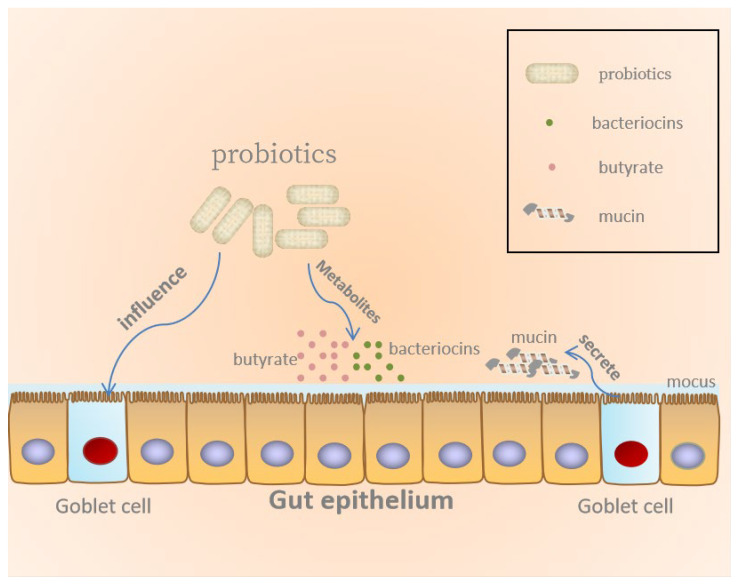
“There is substantial evidence that probiotics can strengthen the intestinal barrier, regulate mucosal immune function, and produce metabolites beneficial to the host to maintain health, as illustrated in Figure 1 [22,23].”
§ Probiotics Regulate Gut Microbiota: An Effective Method to Improve Immunity > 2. The Mechanisms of Probiotics to Exert Their Beneficial Effects > 2.2. Maintenance of the Epithelial Barrier
What the sources say
boosteddirect- Asserted: passes — The authors put it forward as true.
- Checkable: passes — It can be checked against evidence.
- Load-bearing: passes — The paper’s conclusions depend on it.
- Based: passes — The paper gives a reason why it holds.
It may state two separate claims as one.
In the paper
“probiotics can also have an anti-cancer, anti-obesity, and anti-diabetes effect [3].”
§ Probiotics Regulate Gut Microbiota: An Effective Method to Improve Immunity > 1. Introduction
What the sources say
- Not checked yetcites [3] Patra, 2018, Benefaction of probiotics for human health: A review, J. Food Drug Anal. source
plainconditional- Asserted: passes — The authors put it forward as true.
- Checkable: passes — It can be checked against evidence.
- Load-bearing: fails — The paper’s conclusions may not depend on it.
- Based: passes — The paper gives a reason why it holds.
Probably not a substantial claim. The paper’s conclusions may not depend on it.
In the paper
“Treatment with probiotics can reverse intestinal flora dysbiosis and treat inflammatory responses in mice.”
§ Probiotics Regulate Gut Microbiota: An Effective Method to Improve Immunity > 2. The Mechanisms of Probiotics to Exert Their Beneficial Effects > 2.1. Regulation of Intestinal Flora by Probiotics
What the sources say
- Not checked yetcites [16] Bagarolli, 2017, Probiotics modulate gut microbiota and improve insulin sensitivity in DIO mice, J. Nutr. Biochem. source
plaindirect- Asserted: passes — The authors put it forward as true.
- Checkable: passes — It can be checked against evidence.
- Load-bearing: passes — The paper’s conclusions depend on it.
- Based: passes — The paper gives a reason why it holds.
It may state two separate claims as one.
In the paper
“The study found that specific species of bacteria may affect both the risk of colorectal cancer and the growth of existing tumors [66].”
§ Probiotics Regulate Gut Microbiota: An Effective Method to Improve Immunity > 3. Effect of Gut Microbiome on Immunity > 3.2. Gut Microbiome, Food Allergy, Cancer and Depression
What the sources say
- Not checked yetcites [66] Wieczorska, 2020, The role of the gut microbiome in colorectal cancer: Where are we? Where are we going?, Clin. Colorectal. Cancer source
hedgedconditional- Asserted: passes — The authors put it forward as true.
- Checkable: passes — It can be checked against evidence.
- Load-bearing: unclear — It is unclear whether the paper’s conclusions depend on it.
- Based: passes — The paper gives a reason why it holds.
It may state two separate claims as one.
None of the sources cited for this claim have been checked yet.
In the paper
“several research findings have shown that probiotics can affect the CNS by regulating the intestinal flora and preventing mental diseases through the gut–brain axis [71,72,73].”
§ Probiotics Regulate Gut Microbiota: An Effective Method to Improve Immunity > 3. Effect of Gut Microbiome on Immunity > 3.2. Gut Microbiome, Food Allergy, Cancer and Depression
What the sources say
- Not checked yetcites [71] Osadchiy, 2019, The gut-brain axis and the microbiome: Mechanisms and clinical implications, Clin. Gastroenterol. Hepatol. source
- Not checked yetcites [72] Morkl, 2020, Probiotics and the microbiota-gut-brain axis: Focus on psychiatry, Curr. Nutr. Rep. source
- Not checked yetcites [73] Kim, 2018, Mind-altering with the gut: Modulation of the gut-brain axis with probiotics, J. Microbiol. source
plaindirect- Asserted: passes — The authors put it forward as true.
- Checkable: passes — It can be checked against evidence.
- Load-bearing: passes — The paper’s conclusions depend on it.
- Based: passes — The paper gives a reason why it holds.
It may state two separate claims as one.
- Rests on an assumption: Findings from animal models and in vitro studies about probiotics, gut microbiota, and immunity can be extrapolated to humans.
A conclusion the paper draws from its own results — it cites no other source for it, so there is none to check. The quote shows it is in the paper.
In the paper
“Intestinal flora can prevent local inflammation of adipose tissue by preventing obesity and enhancing immunity.”
§ Probiotics Regulate Gut Microbiota: An Effective Method to Improve Immunity > 4. Probiotics, Gut Microbiome, Immunity and People’s Life > 4.1. The Role of Gut Microbiome in Obesity and Local Inflammation of Adipose Tissue
plaindirect- Asserted: passes — The authors put it forward as true.
- Checkable: passes — It can be checked against evidence.
- Load-bearing: passes — The paper’s conclusions depend on it.
- Based: unclear — It is unclear why the paper says it holds.
It may state two separate claims as one.
- Rests on an assumption: Findings from animal models and in vitro studies about probiotics, gut microbiota, and immunity can be extrapolated to humans.
The paper states this without a source or data behind it here, so there is nothing to check it against. The quote shows it is in the paper.
In the paper
“Recently, it has been proven that these beneficial microorganisms in the intestine can enhance immunity, and the improvement of immunity helps prevent the occurrence of depression.”
§ Probiotics Regulate Gut Microbiota: An Effective Method to Improve Immunity > 3. Effect of Gut Microbiome on Immunity > 3.2. Gut Microbiome, Food Allergy, Cancer and Depression
boosteddirect- Asserted: passes — The authors put it forward as true.
- Checkable: passes — It can be checked against evidence.
- Load-bearing: passes — The paper’s conclusions depend on it.
- Based: passes — The paper gives a reason why it holds.
It may state two separate claims as one.
- Rests on an assumption: Findings from animal models and in vitro studies about probiotics, gut microbiota, and immunity can be extrapolated to humans.
In the paper
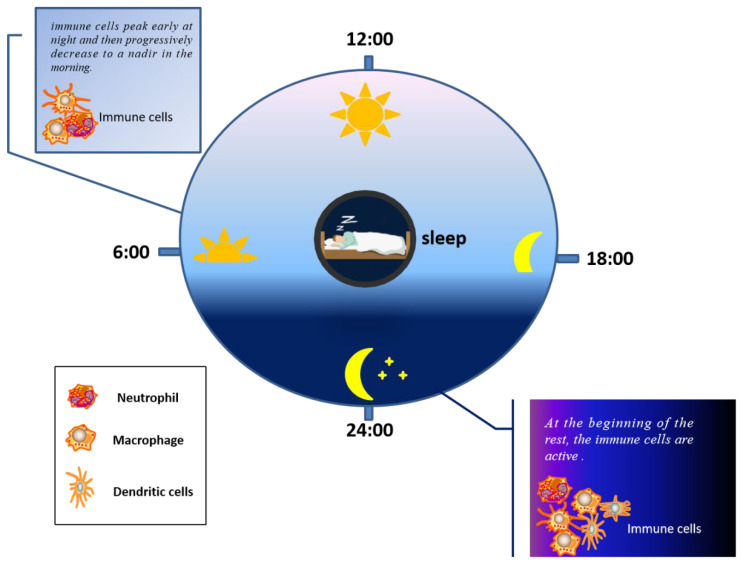
“Smith et al. [90] demonstrated that the diversity of the gut microbiota would decrease because of sleep fragmentation, but increase due to good sleep quality and enough sleep time.”
§ Probiotics Regulate Gut Microbiota: An Effective Method to Improve Immunity > 4. Probiotics, Gut Microbiome, Immunity and People’s Life > 4.2. The Relationship between Immunity and Sleep and the Effect of Gut Microbiome on Sleep
What the sources say
- Not checked yetcites [90] Smith, R.P., Easson, C., Lyle, S.M., Kapoor, R., Donnelly, C.P., Davidson, E.J., Parikh, E., Lopez, J.V., and Tartar, J.L. (2019). Gut microbiome diversity is associated with sleep physiology in humans. PLoS ONE, 14. source
boosteddirect- Asserted: passes — The authors put it forward as true.
- Checkable: passes — It can be checked against evidence.
- Load-bearing: unclear — It is unclear whether the paper’s conclusions depend on it.
- Based: passes — The paper gives a reason why it holds.
It may state two separate claims as one.
A conclusion the paper draws from its own results — it cites no other source for it, so there is none to check. The quote shows it is in the paper.
In the paper
“We can take some measures, such as adjusting our daily diet or taking probiotics to purposefully regulate the composition of our intestinal microorganisms, to enhance immunity and, ultimately, improve the quality of our sleep.”
§ Probiotics Regulate Gut Microbiota: An Effective Method to Improve Immunity > 4. Probiotics, Gut Microbiome, Immunity and People’s Life > 4.2. The Relationship between Immunity and Sleep and the Effect of Gut Microbiome on Sleep
plaindirect- Asserted: passes — The authors put it forward as true.
- Checkable: passes — It can be checked against evidence.
- Load-bearing: passes — The paper’s conclusions depend on it.
- Based: unclear — It is unclear why the paper says it holds.
It may state two separate claims as one.
In the paper
“short-term sleep control has little effect on intestinal microbial diversity, but intestinal microbial diversity can have a long-term impact on sleep quality.”
§ Probiotics Regulate Gut Microbiota: An Effective Method to Improve Immunity > 4. Probiotics, Gut Microbiome, Immunity and People’s Life > 4.2. The Relationship between Immunity and Sleep and the Effect of Gut Microbiome on Sleep
What the sources say
- Not checked yetcites [90] Smith, R.P., Easson, C., Lyle, S.M., Kapoor, R., Donnelly, C.P., Davidson, E.J., Parikh, E., Lopez, J.V., and Tartar, J.L. (2019). Gut microbiome diversity is associated with sleep physiology in humans. PLoS ONE, 14. source
plaindirect- Asserted: passes — The authors put it forward as true.
- Checkable: passes — It can be checked against evidence.
- Load-bearing: unclear — It is unclear whether the paper’s conclusions depend on it.
- Based: passes — The paper gives a reason why it holds.
It may state two separate claims as one.
In the paper
“the gut flora of patients with psoriasis was severely dysregulated, the diversity of certain bacterial taxa reduced, and the abundance altered.”
§ Probiotics Regulate Gut Microbiota: An Effective Method to Improve Immunity > 4. Probiotics, Gut Microbiome, Immunity and People’s Life > 4.3. The Relationship between Intestinal Flora and Skin and the Use of Probiotics to Improve Skin Quality
What the sources say
- Not checked yetcites [100] Gomez, 2019, Gut microbiota dysbiosis in a cohort of patients with psoriasis, Br. J. Dermatol. source
plaincorrelational- Asserted: passes — The authors put it forward as true.
- Checkable: passes — It can be checked against evidence.
- Load-bearing: passes — The paper’s conclusions depend on it.
- Based: passes — The paper gives a reason why it holds.
It may state two separate claims as one.
In the paper
“The number of Firmicutes and Actinobacteria in the gut microbiota of patients with psoriasis increased significantly, but Proteobacteria and Bacteroides decreased.”
§ Probiotics Regulate Gut Microbiota: An Effective Method to Improve Immunity > 4. Probiotics, Gut Microbiome, Immunity and People’s Life > 4.3. The Relationship between Intestinal Flora and Skin and the Use of Probiotics to Improve Skin Quality
What the sources say
- Not checked yetcites [100] Gomez, 2019, Gut microbiota dysbiosis in a cohort of patients with psoriasis, Br. J. Dermatol. source
plaincorrelational- Asserted: passes — The authors put it forward as true.
- Checkable: passes — It can be checked against evidence.
- Load-bearing: passes — The paper’s conclusions depend on it.
- Based: passes — The paper gives a reason why it holds.
It may state two separate claims as one.
A conclusion the paper draws from its own results — it cites no other source for it, so there is none to check. The quote shows it is in the paper.
In the paper
“Probiotics can improve host immunity by maintaining the epithelial barrier, inhibiting pathogens from adhering to the intestinal surface, and modulating and properly maturing the immune system.”
§ Probiotics Regulate Gut Microbiota: An Effective Method to Improve Immunity > 5. Conclusions
plaindirect- Asserted: passes — The authors put it forward as true.
- Checkable: passes — It can be checked against evidence.
- Load-bearing: passes — The paper’s conclusions depend on it.
- Based: fails — The paper may give no reason why it holds.
Probably not a substantial claim. The paper may give no reason why it holds. It may state two separate claims as one.
A conclusion the paper draws from its own results — it cites no other source for it, so there is none to check. The quote shows it is in the paper.
In the paper
“probiotics can regulate the composition of intestinal flora and enhance immunity.”
§ Probiotics Regulate Gut Microbiota: An Effective Method to Improve Immunity > 5. Conclusions
plaindirect- Asserted: passes — The authors put it forward as true.
- Checkable: passes — It can be checked against evidence.
- Load-bearing: passes — The paper’s conclusions depend on it.
- Based: unclear — It is unclear why the paper says it holds.
It may state two separate claims as one.
The paper relies on this without support.
Findings from animal models and in vitro studies about probiotics, gut microbiota, and immunity can be extrapolated to humans.
“Based on the close relationship between the gut microbiota and human immunity, it has become an extremely effective way to improve human immunity by regulating the gut microbiome with probiotics.”
The paper relies on this without support.
Effects of specific probiotic strains studied can be generalized to probiotics as a class.
“In general, probiotics are considered to be dietary factors that can influence the human gut microbiota and also have a regulatory effect on the composition and structure of the intestinal flora.”
Claims other papers make about this one
Each is checked against this paper’s own text: does it say what the citing paper says it does?
The source backs part of the claim, not all of it — or backs it for a different population, condition or comparison.
In the citing paper
“Successful gut microbiota modulation relies on colonizing viable probiotic bacteria in the intestine.6”
From Gut microbiota drives structural variation of exogenous probiotics to enhance colonization (2025) · cites this paper as [6]
Experimental — accuracy not yet measuredThe source backs part of the claim, not all of it — or backs it for a different population, condition or comparison.
In the citing paper
“The gut flora mediates three pathways connected to the pathogenesis of obesity and diabetes: low-grade inflammation, raised blood levels of lipopolysaccharides (endotoxemia), and increased energy harvest.”
From A critical review on diabetes mellitus type 1 and type 2 management approaches: from lifestyle modification to current and novel targets and therapeutic agents. (2024) · cites this paper as [112]
Experimental — accuracy not yet measured
Self-check
Percentages, sums and reported differences re-computed from the paper’s own numbers.
Each contradiction between two passages listed here was confirmed by an independent check.
Rated minor: it would not touch a result — a value no result rests on, a p-value that stays on the same side of the significance level, or a conflict that is clerical, resolved elsewhere in the paper, or outside its own findings.
In the paper
§ Probiotics Regulate Gut Microbiota: An Effective Method to Improve Immunity > 4. Probiotics, Gut Microbiome, Immunity and People’s Life > 4.3. The Relationship between Intestinal Flora and Skin and the Use of Probiotics to Improve Skin Quality
“The same results were obtained in the research carried out by Scher et al. [101].”
§ Probiotics Regulate Gut Microbiota: An Effective Method to Improve Immunity > References
“101. Myers B. Brownstone N. Reddy V. Chan S. Thibodeaux Q. Truong A. Bhutani T. Chang H.W. Liao W. The gut microbiome in psoriasis and psoriatic arthritis”
Rated minor: it would not touch a result — a value no result rests on, a p-value that stays on the same side of the significance level, or a conflict that is clerical, resolved elsewhere in the paper, or outside its own findings.
In the paper
§ Probiotics Regulate Gut Microbiota: An Effective Method to Improve Immunity > 4. Probiotics, Gut Microbiome, Immunity and People’s Life > 4.3. The Relationship between Intestinal Flora and Skin and the Use of Probiotics to Improve Skin Quality
“Masallat et al. [102] found that the prevalence of psoriasis was negatively correlated with the concentration of actinomycetes by the Psoriasis Activity and Severity Index (PASI) score.”
§ Probiotics Regulate Gut Microbiota: An Effective Method to Improve Immunity > References
“102. Yan D. Issa N. Afifi L. Jeon C. Chang H.W. Liao W. The role of the skin and gut microbiome in psoriatic disease”
Rated minor: it would not touch a result — a value no result rests on, a p-value that stays on the same side of the significance level, or a conflict that is clerical, resolved elsewhere in the paper, or outside its own findings.
In the paper
§ Probiotics Regulate Gut Microbiota: An Effective Method to Improve Immunity > 4. Probiotics, Gut Microbiome, Immunity and People’s Life > 4.3. The Relationship between Intestinal Flora and Skin and the Use of Probiotics to Improve Skin Quality
“The number of Firmicutes and Actinobacteria in the gut microbiota of patients with psoriasis increased significantly, but Proteobacteria and Bacteroides decreased. The same results were obtained in the research carried out by Scher et al. [101].”
§ Probiotics Regulate Gut Microbiota: An Effective Method to Improve Immunity > 4. Probiotics, Gut Microbiome, Immunity and People’s Life > 4.3. The Relationship between Intestinal Flora and Skin and the Use of Probiotics to Improve Skin Quality
“The study found that the abundance of Actinobacteria in the gut of patients with psoriasis was less than that of healthy controls.”
Rated minor: it would not touch a result — a value no result rests on, a p-value that stays on the same side of the significance level, or a conflict that is clerical, resolved elsewhere in the paper, or outside its own findings.
In the paper
§ Probiotics Regulate Gut Microbiota: An Effective Method to Improve Immunity > 2. The Mechanisms of Probiotics to Exert Their Beneficial Effects > 2.2. Maintenance of the Epithelial Barrier
“For example, Caballero-Franco et al. [26] showed that probiotics can prompt goblet cells to produce mucin to inhibit pathogen adherence.”
§ Probiotics Regulate Gut Microbiota: An Effective Method to Improve Immunity > References
“26. Monteagudo-Mera A. Rastall R.A. Gibson G.R. Charalampopoulos D. Chatzifragkou A. Adhesion mechanisms mediated by probiotics and prebiotics and their potential impact on human health”
Citations
Cites
Gut microbiota, metabolites and host immunity
Rooks, M. G., & Garrett, W. S. (2016) · Nature reviews. Immunology · doi:10.1038/nri.2016.42 · Cited by 3,409
The Role of Short-Chain Fatty Acids From Gut Microbiota in Gut-Brain Communication
Silva, Y. P., Bernardi, A., & Frozza, R. L. (2020) · Frontiers in Endocrinology · doi:10.3389/fendo.2020.00025 · Cited by 3,043 · cited 1×
“Today, SCFAs can enhance immunity [18] and act as a chemical signal for brain–gut communication [19].”
BackgroundBurks, A. W., James, J. M., & Eigenmann, P. (1951) · Cited by 2,573
Role of the gut microbiota in immunity and inflammatory disease
Kamada, N., Seo, S.-U., Chen, G. Y., & Núñez, G. (2013) · Nature reviews. Immunology · doi:10.1038/nri3430 · Cited by 2,256
The role of gut microbiota in immune homeostasis and autoimmunity
Wu, H.-J., & Wu, E. (2012) · Gut Microbes · doi:10.4161/gmic.19320 · Cited by 1,426
The Influence of the Gut Microbiome on Cancer, Immunity, and Cancer Immunotherapy
Gopalakrishnan, V., Helmink, B. A., Spencer, C. N., Reuben, A., & Wargo, J. A. (2018) · Cancer Cell · doi:10.1016/j.ccell.2018.03.015 · Cited by 1,392 · cited 3×
“Overall, the role of the gut microbiota in shaping the complete immune system has become indisputable [10].”
BackgroundDiet, gut microbiota and immune responses
Maslowski, K. M., & Mackay, C. R. (2011) · Nature Immunology · doi:10.1038/ni0111-5 · Cited by 1,261 · cited 2×
“Second, the composition and products of intestinal microorganisms have a great influence on the immune response [3,4].”
BackgroundThe microbiome, cancer, and cancer therapy
Helmink, B. A., Khan, M. A. W., Hermann, A., Gopalakrishnan, V., & Wargo, J. A. (2019) · Nature Medicine · doi:10.1038/s41591-019-0377-7 · Cited by 1,200
Besedovsky, L., Lange, T., & Born, J. (2012) · Pflügers Archiv - European Journal of Physiology · doi:10.1007/s00424-011-1044-0 · Cited by 1,153
Gut Microbiota and Immune System Interactions
Yoo, J. Y., Groer, M. E., Dutra, S. V. O., Sarkar, A., & McSkimming, D. I. (2020) · Microorganisms · doi:10.3390/microorganisms8101587 · Cited by 1,110
Cited by
Sorted by citations
Probiotics Mechanism of Action on Immune Cells and Beneficial Effects on Human Health
Mazziotta, C., Tognon, M., Martini, F., Torreggiani, E., & Rotondo, J. C. (2023) · Cells · doi:10.3390/cells12010184 · Cited by 889
The promotion mechanism of prebiotics for probiotics: A review
You, S., Ma, Y., Yan, B., Pei, W., Wu, Q., Ding, C., & Huang, C. (2022) · Frontiers in Nutrition · doi:10.3389/fnut.2022.1000517 · Cited by 320
Gut microbiota: A new insight into lung diseases
Ma, P.-J., Wang, M., & Wang, Y. (2022) · Biomedicine & Pharmacotherapy · doi:10.1016/j.biopha.2022.113810 · Cited by 171
Petrariu, O.-A., Barbu, I. C., Niculescu, A.-G., Constantin, M., Grigore, G. A., Cristian, R.-E., Mihăescu, G., & Vrâncianu, C. O. (2024) · Frontiers in Microbiology · doi:10.3389/fmicb.2023.1296447 · Cited by 155
Microbial consortia of biological products: Do they have a future?
Nunes, P. S. O., Lacerda-Junior, G. V., Mascarin, G. M., Guimarães, R. A., Medeiros, F. H. V., Arthurs, S., & Bettiol, W. (2024) · Biological Control · doi:10.1016/j.biocontrol.2024.105439 · Cited by 140
Xu, L., Zhang, Y., Li, X., Li, C., Hu, H., Hu, J., Liu, M., Yang, Q. Z., Gu, P., Li, J., et al. (2025) · iMeta · doi:10.1002/imt2.270 · Cited by 143
Unraveling the Gut Microbiota: Implications for Precision Nutrition and Personalized Medicine
Abeltino, A., Hatem, D., Serantoni, C., Riente, A., Giulio, M. M. D., Spirito, M. D., Maio, F. D., & Maulucci, G. (2024) · Nutrients · doi:10.3390/nu16223806 · Cited by 121
Fu, Y., He, Y., Xiang, K., Zhao, C., He, Z., Qiu, M., Hu, X., & Zhang, N. (2022) · Microorganisms · doi:10.3390/microorganisms10081495 · Cited by 98
Mechanistic insights into the role of probiotics in modulating immune cells in ulcerative colitis
Guo, N., & Lv, L. (2023) · Immunity Inflammation and Disease · doi:10.1002/iid3.1045 · Cited by 92
Mind, Mood and Microbiota—Gut–Brain Axis in Psychiatric Disorders
Toader, C., Dobrin, N., Costea, D., Glavan, L.-A., Covache-Busuioc, R.-A., Dumitrascu, D.-I., Bratu, B.-G., Costin, H. P., & Ciurea, A. V. (2024) · International Journal of Molecular Sciences · doi:10.3390/ijms25063340 · Cited by 93
Krzyżek, P., Marinacci, B., Vitale, I., & Grande, R. (2023) · Pharmaceutics · doi:10.3390/pharmaceutics15020522 · Cited by 91
Probiotics in inflammatory bowel disease: microbial modulation and therapeutic prospects
Vallejos, O. P., Bueno, S. M., & Kalergis, A. M. (2025) · Trends in Molecular Medicine · doi:10.1016/j.molmed.2024.12.005 · Cited by 91
Fekete, M., Lehoczki, A., Major, D., Fazekas‐Pongor, V., Csípő, T., Tarantini, S., Csizmadia, Z., & Varga, J. T. (2024) · Nutrients · doi:10.3390/nu16060789 · Cited by 94
Probiotics for Neurodegenerative Diseases: A Systemic Review
Ojha, S., Patil, N., Jain, M., Kole, C., & Kaushik, P. (2023) · Microorganisms · doi:10.3390/microorganisms11041083 · Cited by 80
Harnessing bacteria for tumor therapy: Current advances and challenges
Guo, L., Ding, J., & Zhou, W. (2023) · Chinese Chemical Letters · doi:10.1016/j.cclet.2023.108557 · Cited by 69
Asghari, K. M., Dolatkhah, N., Ayromlou, H., Mirnasiri, F., Dadfar, T., & Hashemian, M. (2023) · Scientific Reports · doi:10.1038/s41598-023-46047-6 · Cited by 67
Probiotic Functions in Fermented Foods: Anti-Viral, Immunomodulatory, and Anti-Cancer Benefits
Pyo, Y., Kwon, K. H., & Jung, Y. J. (2024) · Foods · doi:10.3390/foods13152386 · Cited by 66
Modulating the Microbiome for Crohn’s Disease Treatment
Gowen, R., Gamal, A., Martino, L. D., McCormick, T. S., & Ghannoum, M. A. (2023) · Gastroenterology · doi:10.1053/j.gastro.2023.01.017 · Cited by 70
Functional Food in Relation to Gastroesophageal Reflux Disease (GERD)
Herdiana, Y. (2023) · Nutrients · doi:10.3390/nu15163583 · Cited by 77
Shen, X., Xie, A., Li, Z., Jiang, C., Wu, J., Li, M., & Yue, X. (2024) · Foods · doi:10.3390/foods13010151 · Cited by 67
Progress in Probiotic Science: Prospects of Functional Probiotic‐Based Foods and Beverages
Manan, M. A. (2025) · International Journal of Food Science · doi:10.1155/ijfo/5567567 · Cited by 76
Aly, S. M., ElBanna, N. I., & Fathi, M. (2023) · Aquaculture International · doi:10.1007/s10499-023-01229-x · Cited by 72
Tegegne, B. A., Adugna, A., Yenet, A., Yihunie Belay, W., Yibeltal, Y., Dagne, A., Hibstu Teffera, Z., Amare, G. A., Abebaw, D., Tewabe, H., et al. (2024) · Frontiers in Endocrinology · doi:10.3389/fendo.2024.1440456 · Cited by 61
Probiotic potentials of lactic acid bacteria isolated from Egyptian fermented food
Tawab, F. I. A., kadr, M. H. A. E., Sultan, A. M., Hamed, E. O., El-Zayat, A. S., & Ahmed, M. N. (2023) · Scientific Reports · doi:10.1038/s41598-023-43752-0 · Cited by 65
van Dorst, J. M., Tam, R. Y., & Ooi, C. Y. (2022) · Nutrients · doi:10.3390/nu14030480 · Cited by 65
Probiotic Incorporation into Yogurt and Various Novel Yogurt-Based Products
Olson, D. W., & Aryana, K. J. (2022) · Applied Sciences · doi:10.3390/app122412607 · Cited by 65
Ma, T., Yang, N., Xie, Y., Li, Y., Xiao, Q., Li, Q., Jin, H., Zheng, L., Sun, Z., Zuo, K., et al. (2023) · Pharmacological Research · doi:10.1016/j.phrs.2023.106755 · Cited by 66
Mafe, A. N., Edo, G. I., Akpoghelie, P. O., Gaaz, T. S., Yousif, E., Zainulabdeen, K., Isoje, E. F., Igbuku, U. A., Opiti, R. A., Garba, Y., et al. (2025) · Probiotics and Antimicrobial Proteins · doi:10.1007/s12602-025-10452-2 · Cited by 64
Bermúdez‐Humarán, L. G., Chassaing, B., & Langella, P. (2024) · Microbial Cell Factories · doi:10.1186/s12934-024-02449-3 · Cited by 61
Shang, Z., Pai, L., & Patil, S. (2024) · Frontiers in Nutrition · doi:10.3389/fnut.2024.1395664 · Cited by 57
Revisiting the intestinal microbiome and its role in Diarrhea and constipation
Iancu, M. A., Profir, M., Roşu, O. A., Ionescu, R. F., Cretoiu, S. M., & Gaspar, B. S. (2023) · Microorganisms · doi:10.3390/microorganisms11092177 · Cited by 53
“Despite the wide range of medical treatments available for various diseases, the research for complementary therapies with probiotics has been encouraged by the capacity of probiotics to regulate the gut microbial composition and improve its functions [116].”
Calcagnile, M., Tredici, S. M., & Alifano, P. (2024) · Heliyon · doi:10.1016/j.heliyon.2024.e40892 · Cited by 63
Patani, A., Balram, D., Yadav, V. K., Lian, K.-Y., Patel, A., & Sahoo, D. K. (2023) · Frontiers in Endocrinology · doi:10.3389/fendo.2023.1271521 · Cited by 58
Gut-liver axis: Pathophysiological concepts and medical perspective in chronic liver diseases
Rodrigues, S. G., der Merwe, V., Krag, A. A., & Wiest, R. (2024) · Seminars in Immunology · doi:10.1016/j.smim.2023.101859 · Cited by 51
Oral delivery of probiotics using single‐cell encapsulation
Han, J., McClements, D. J., Liu, X., & Liu, F. (2024) · Comprehensive Reviews in Food Science and Food Safety · doi:10.1111/1541-4337.13322 · Cited by 51
Immunomodulatory role of oral microbiota in inflammatory diseases and allergic conditions
Moreno, C. M., Boeree, E., Freitas, C. M. T., & Weber, K. S. (2023) · Frontiers in Allergy · doi:10.3389/falgy.2023.1067483 · Cited by 53
The role of probiotics in personalized therapeutics: Advances in gut microbe-driven interventions
Manan, M. A. (2025) · The Microbe · doi:10.1016/j.microb.2025.100497 · Cited by 64
Chuang, A. W., Mateos‐Hernández, L., Maître, A., Rego, R. O. M., Šíma, R., Porcelli, S., Rakotobé, S., Foucault‐Simonin, A., Moutailler, S., Palinauskas, V., et al. (2023) · Microbiome · doi:10.1186/s40168-023-01599-7 · Cited by 47
Gharib, E., & Robichaud, G. A. (2024) · International Journal of Molecular Sciences · doi:10.3390/ijms25179463 · Cited by 55
Mechanism of Iron Ion Homeostasis in Intestinal Immunity and Gut Microbiota Remodeling
Bao, H., Wang, Y., Xiong, H., Xia, Y., Cui, Z., & Liu, L. (2024) · International Journal of Molecular Sciences · doi:10.3390/ijms25020727 · Cited by 48
Kurhaluk, N., Kamiński, P., Bilski, R., Kołodziejska, R., Woźniak, A., & Ткаченко, Г. М. (2025) · International Journal of Molecular Sciences · doi:10.3390/ijms26083658 · Cited by 50
Stefano, M. D., Santonocito, S., Polizzi, A., Mauceri, R., Troiano, G., Giudice, A. L., Romano, A., Mascitti, M., & Isola, G. (2023) · International Journal of Molecular Sciences · doi:10.3390/ijms24021084 · Cited by 45
Memon, H., Abdulla, F., Reljic, T., Alnuaimi, S., Serdarević, F., Velija-Ašimi, Z., Kumar, A., & Semiz, S. (2023) · Diabetes Research and Clinical Practice · doi:10.1016/j.diabres.2023.110806 · Cited by 43
NLRP3 and Gut Microbiota Homeostasis: Progress in Research
Pan, H., Jian, Y., Wang, F., Yu, S., Guo, J., Kan, J., & Guo, W. (2022) · Cells · doi:10.3390/cells11233758 · Cited by 40
The Gut Microbiome and Colorectal Cancer: An Integrative Review of the Underlying Mechanisms
Karam, F., Deghel, Y. E., Iratni, R., Dakroub, A. H., & Eid, A. H. (2025) · Cell Biochemistry and Biophysics · doi:10.1007/s12013-025-01683-9 · Cited by 46
Pan, I., & Umapathy, S. (2024) · Heliyon · doi:10.1016/j.heliyon.2024.e32004 · Cited by 41
Lee, J., Jo, J., Wan, J., Seo, H., Han, S.-W., Shin, Y.-J., & Kim, D. H. (2024) · Foods · doi:10.3390/foods13142301 · Cited by 45
Yi, C., Huang, S., Zhang, W., Guo, L., Xia, T., Huang, F., Yan, Y., Li, H., & Yu, B. (2024) · Microbial Pathogenesis · doi:10.1016/j.micpath.2024.107231 · Cited by 41
Systematic Review of Probiotics and Their Potential for Developing Functional Nondairy Foods
Alemán, R. S., & Yadav, A. (2023) · Applied Microbiology · doi:10.3390/applmicrobiol4010004 · Cited by 41
Climate-smart livestock nutrition in semi-arid Southern African agricultural systems
Fushai, F., Chitura, T., & Oke, O. E. (2025) · Frontiers in Veterinary Science · doi:10.3389/fvets.2025.1507152 · Cited by 38
Potential Ability of Probiotics in the Prevention and Treatment of Colorectal Cancer
Zhao, J., Liao, Y., Wei, C., Ma, Y., Wang, F., Chen, Y., Zhao, B., Ji, H., Wang, D., & Tang, D. (2023) · Clinical Medicine Insights Oncology · doi:10.1177/11795549231188225 · Cited by 44
New insights into methods to measure biological age: a literature review
Mathur, A., Taurin, S., & Alshammary, S. (2024) · Frontiers in Aging · doi:10.3389/fragi.2024.1395649 · Cited by 46
Zhu, Y. G., Xiao, M., Kang, T., He, Y., Zhang, J., Zhao, Y., & Xiao, X. (2025) · Foods · doi:10.3390/foods14132358 · Cited by 39
Bu, Y., Liu, Y., Liu, Y., Cao, J., Zhang, Z., & Yi, H. (2023) · Nutrients · doi:10.3390/nu15163518 · Cited by 38
Pan, Z., Wu, N., & Jin, C. (2023) · Canadian Journal of Infectious Diseases and Medical Microbiology · doi:10.1155/2023/3080969 · Cited by 36
Gut-brain axis and Alzheimer's disease: Therapeutic interventions and strategies
Singh, H., Chopra, C., Singh, H., Malgotra, V., Wani, A. K., Dhanjal, D. S., Sharma, I., Nepovimová, E., Alomar, S. Y., Singh, R., et al. (2023) · Journal of Functional Foods · doi:10.1016/j.jff.2023.105915 · Cited by 43
Ding, Q., Luo, Y., Wu, H., Tao, J., Zhang, Y., Yin, G., Qian, K., Chen, Y., Mei, L., Cheng, Z., et al. (2025) · Science China Chemistry · doi:10.1007/s11426-025-2889-2 · Cited by 34
Clerbaux, L., Filipovska, J., Muñoz, A., Petrillo, M., Coecke, S., Amorim, M. J., & Grenga, L. (2022) · Journal of Clinical Medicine · doi:10.3390/jcm11185400 · Cited by 36
The Maternal Microbiome and Gestational Diabetes Mellitus: Cause and Effect
Dias, S. C., Pheiffer, C., & Adam, S. (2023) · Microorganisms · doi:10.3390/microorganisms11092217 · Cited by 35
Mousa, W. K., Mousa, S., Ghemrawi, R., Obaid, D. E. E., Sarfraz, M., Chehadeh, F., & Husband, S. (2023) · International Journal of Molecular Sciences · doi:10.3390/ijms241813783 · Cited by 36
Sempach, L., Doll, J. P. K., Limbach, V., Marzetta, F., Schaub, A.-C., Schneider, E., Kettelhack, C., Mählmann, L., Schweinfurth, N., Ibberson, M. R., et al. (2024) · Translational Psychiatry · doi:10.1038/s41398-024-03030-7 · Cited by 33
Role of milk glycome in prevention, treatment, and recovery of COVID-19
Kaplan, M., Şahutoğlu, A. S., Sarıtaş, S., Duman, H., Arslan, A., Pekdemir, B., & Karav, S. (2022) · Frontiers in Nutrition · doi:10.3389/fnut.2022.1033779 · Cited by 31
Lu, J., Jin, X., Yang, S., Li, Y., Wang, X., & Wu, M. (2022) · Frontiers in Microbiology · doi:10.3389/fmicb.2022.1034537 · Cited by 33
Self-citationBacillus subtilis Simultaneously Detoxified Aflatoxin B1 and Zearalenone
Wu, J., Wang, Z., An, W., Gao, B., Li, C., Han, B., Tao, H., Wang, J., Wang, X., & Li, H. (2024) · Applied Sciences · doi:10.3390/app14041589 · Cited by 30
Self-citationFalzone, L., Lavoro, A., Candido, S., Salmeri, M., Zanghì, A., & Libra, M. (2024) · Gut Microbes · doi:10.1080/19490976.2024.2397874 · Cited by 31
Anti-oxidative activity of probiotics; focused on cardiovascular disease, cancer, aging, and obesity
Kavyani, B., Ahmadi, S., Nabizadeh, E., & Abdi, M. (2024) · Microbial Pathogenesis · doi:10.1016/j.micpath.2024.107001 · Cited by 31
Supplementation of microencapsulated probiotics modulates gut health and intestinal microbiota
Gyawali, I., Zhou, G., Xu, G., Li, G., Wang, Y., Zeng, Y., Li, J., Zhou, J., Zhu, C., Shu, G., et al. (2023) · Food Science & Nutrition · doi:10.1002/fsn3.3414 · Cited by 35
Sahoo, D., Rodriguez, E., Nguyen, K. T., & Chintapula, U. K. (2025) · ACS Applied Bio Materials · doi:10.1021/acsabm.5c00959 · Cited by 31
Complex probiotics alleviate ampicillin-induced antibiotic-associated diarrhea in mice
Li, W., Zhang, S., Wang, Y., Bian, H., Yu, S., Huang, L., & Ma, W. (2023) · Frontiers in Microbiology · doi:10.3389/fmicb.2023.1156058 · Cited by 28
Gurung, B., Stricklin, M. L., & Wang, S. (2024) · Metabolites · doi:10.3390/metabo14010074 · Cited by 28
del Amo‐Mateos, E., Pérez, R., Merino, A., Lucas, S., Cubero, M. T. G., & Coca, M. (2024) · Food Hydrocolloids · doi:10.1016/j.foodhyd.2024.109955 · Cited by 27
Sochacka, K., Kotowska, A., & Lachowicz, S. (2024) · Nutrients · doi:10.3390/nu16071039 · Cited by 34
Shen, H., Fang, Y., Tsai, W.-H., Chou, C.-H., Huang, M., Yeh, Y., Wu, J., Huang, C., Wang, B., & Chang, W. (2024) · Probiotics and Antimicrobial Proteins · doi:10.1007/s12602-024-10300-9 · Cited by 30
Dysbiosis and Alzheimer’s disease: role of probiotics, prebiotics and synbiotics
Thakkar, A., Vora, A., Kaur, G., & Akhtar, J. (2023) · Naunyn-Schmiedeberg s Archives of Pharmacology · doi:10.1007/s00210-023-02554-x · Cited by 30
da Silva, J. Y. P., do Nascimento, H. M. A., de Albuquerque, T. M. R., Sampaio, K. B., Lima, M. D. S., Monteiro, M. C., Leite, I. B., da Silva, E. F., do Nascimento, Y. M., da Silva, M. S., et al. (2023) · Probiotics and Antimicrobial Proteins · doi:10.1007/s12602-023-10134-x · Cited by 27
Utilization of diverse probiotics to create human health promoting fatty acids: A review
He, K., Cheng, H., McClements, D. J., Xu, Z., Meng, M., Zou, Y., Chen, G., & Chen, L. (2024) · Food Chemistry · doi:10.1016/j.foodchem.2024.140180 · Cited by 27
Ma, J., Wang, J., Wan, Y., Wang, S., & Jiang, C. (2024) · Journal of Ethnopharmacology · doi:10.1016/j.jep.2024.118815 · Cited by 28
Microbiome-Based Interventions for Food Safety and Environmental Health
Simon, B. O., Nnaji, N. D., Anumudu, C. K., Aleke, J. C., Ekwueme, C. T., Uhegwu, C. C., Ihenetu, F. C., Obioha, P., Ifedinezi, O. V., Ezechukwu, P. S., et al. (2025) · Applied Sciences · doi:10.3390/app15095219 · Cited by 26
Heidari, H., & Lawrence, D. A. (2024) · Journal of Toxicology and Environmental Health Part B · doi:10.1080/10937404.2024.2378406 · Cited by 28
Meng, L., Xu, M., Xing, Y., Chen, C., Jiang, J., & Xu, X. (2022) · International Journal of Molecular Sciences · doi:10.3390/ijms231911008 · Cited by 27
Wagh, S. K., Lammers, K. M., Padul, M. V., Rodríguez‐Herrera, A., & Dodero, V. I. (2022) · International Journal of Molecular Sciences · doi:10.3390/ijms231911748 · Cited by 25
Zhou, L., Abouelezz, K., Momenah, M. A., Bajaber, M. A., Baazaoui, N., Taha, T. F., Awad, A. E., Alamoudi, S. A., Beyari, E. A., Alanazi, Y. F., et al. (2023) · Poultry Science · doi:10.1016/j.psj.2023.103239 · Cited by 33
Bibliometric analysis of intestinal microbiota and lung diseases
Sun, W., Zhou, T., Ding, P., Guo, L., Zhou, X., & Long, K. (2024) · Frontiers in Cellular and Infection Microbiology · doi:10.3389/fcimb.2024.1347110 · Cited by 26
Shakoor, M. U., Tareen, F. K., Rehman, Z., Saghir, K. A., Ashraf, W., Anjum, S. M. M., Ahmad, T., Alqahtani, F., & Imran, I. (2024) · CNS Neuroscience & Therapeutics · doi:10.1111/cns.70078 · Cited by 23
Computational Metagenomics: State of the Art
Pita-Galeana, M. A., Ruhle, M., López-Vázquez, L., de Anda‐Jáuregui, G., & Lemus, E. H. (2025) · International Journal of Molecular Sciences · doi:10.3390/ijms26189206 · Cited by 28
Gut microbiome engineering with probiotics: current trends and future directions
Duhan, P., Gupta, B., Ahmed, M. M. M., & Bansal, P. (2025) · Discover Applied Sciences · doi:10.1007/s42452-025-07622-w · Cited by 26
Effect of Probiotics on Host-Microbiota in Bacterial Infections
Rueda‐Robles, A., Rodríguez‐Lara, A., Meyers, M. S., Sáez‐Lara, M. J., & Álvarez‐Mercado, A. I. (2022) · Pathogens · doi:10.3390/pathogens11090986 · Cited by 26
Lavanya, M., Namasivayam, S. K. R., Priyanka, S., & Abiraamavalli, T. (2024) · 3 Biotech · doi:10.1007/s13205-024-04158-5 · Cited by 24
Efficacy of probiotics in the treatment of allergic diseases: a meta-analysis
Zhang, X., Fenglin, X., Zhao, Y., & Li, C. (2025) · Frontiers in Nutrition · doi:10.3389/fnut.2025.1502390 · Cited by 23
Self-citationHwang, D., Chong, E. G., Li, Y., Li, Y., & Roh, K. (2025) · Frontiers in Endocrinology · doi:10.3389/fendo.2025.1553655 · Cited by 29
Luo, Y., Zhang, Y., Yang, Y., Wu, S., Zhao, J., Li, Y., Kang, X., Li, Z., Chen, J., Shen, X. P., et al. (2023) · Journal of Dairy Science · doi:10.3168/jds.2023-23367 · Cited by 24
Suissa, R., Olender, T., Malitsky, S., Golani, O., Turjeman, S., Koren, O., Meijler, M. M., & Kolodkin‐Gal, I. (2023) · npj Biofilms and Microbiomes · doi:10.1038/s41522-023-00431-2 · Cited by 25
Lu, X., Cheng, G., Wang, P., Wang, X., Dong, Z., Mu, Q.-J., Yu, J., Jiang, Z., Xiao, J., Feng, H., et al. (2024) · Aquaculture · doi:10.1016/j.aquaculture.2024.740661 · Cited by 22
Self-citationTian, C., Wang, L., Liu, M., Liu, J., Qiu, M., & Chen, Y. (2024) · Microorganisms · doi:10.3390/microorganisms12040795 · Cited by 22
D’Amico, V., Lopalco, A., Iacobazzi, R. M., Vacca, M., Siragusa, S., Angelis, M. D., Lopedota, A. A., & Denora, N. (2024) · International Journal of Pharmaceutics · doi:10.1016/j.ijpharm.2024.124223 · Cited by 22
Intestinal Microbiota Interventions to Enhance Athletic Performance—A Review
Patel, B. K., Patel, K. H., Lee, C. N., & Moochhala, S. (2024) · International Journal of Molecular Sciences · doi:10.3390/ijms251810076 · Cited by 30
Yang, H., Yang, L., Ma, Y., Li, J., Li, J., Huo, Z., Yang, P., & Zhang, C. (2024) · Foods · doi:10.3390/foods13121851 · Cited by 21
Kaewarsar, E., Chaiyasut, C., Lailerd, N., Makhamrueang, N., Peerajan, S., & Sirilun, S. (2023) · Foods · doi:10.3390/foods12203847 · Cited by 24
An Updated Review on Probiotic Production and Applications
Venkatesh, G. P., Gouthami, K., Syed, K., & Reddy, V. D. (2024) · Gastroenterology Insights · doi:10.3390/gastroent15010016 · Cited by 27
Dahiya, P., Kumari, S., Behl, M., Kashyap, A., Kumari, D., Thakur, K., Devi, M., Kumari, N., Kaushik, N., Walia, A., et al. (2024) · Probiotics and Antimicrobial Proteins · doi:10.1007/s12602-024-10281-9 · Cited by 21
Metadata
- Authors
- Wang, X., Zhang, P., & Zhang, X.
- Affiliations
- Department of Food Science and Engineering, Ningbo University, Ningbo 315211, China
- Xinyang Normal University (CN)
- Ningbo University (CN)
- Corresponding author
- Zhang, Peng
- Zhang, Xin
- Venue
- Molecules
- Publisher
- MDPI AG
- Published
- 2021-10-08
- Volume
- 26
- Issue
- 19
- Pages
- 6076
- ISSN
- 1420-3049 (ISSN-L)
- PMC
- PMC8512487
- OpenAlex
- W3204396902
- Semantic Scholar
- 2528d2ab806835eaa8f011b3a7fea6704fc9ab8e
- Cited by
- 529
- References
- 106
- Citations by year
- 2026: 87 · 2025: 170 · 2024: 162 · 2023: 75 · 2022: 35
- FWCI
- 6.36
- Type
- journal article
- Language
- en
- Open access
- gold
- doi.org
- Licence
- Locations
- Molecules (publishedVersion, cc-by)
- PubMed Central (publishedVersion, cc-by)
- PubMed (publishedVersion)
- DOAJ (DOAJ: Directory of Open Access Journals) (submittedVersion, cc-by-sa)
- Funders
- the Key Research and development program of Zhejiang Province (2018C02023)
- Topics
- Life Sciences › Agricultural and Biological Sciences › Food Science › Probiotics and Fermented Foods
- Life Sciences › Biochemistry, Genetics and Molecular Biology › Molecular Biology › Gut microbiota and health
- Life Sciences › Agricultural and Biological Sciences › Animal Science and Zoology › Animal Nutrition and Physiology
- Keywords
- probiotics, gut microbiota, host immunity, quality of life
- MeSH terms
- Gastrointestinal Microbiome, Bacteria, Humans, Immune System, Probiotics
About these checks
Registry, retraction, Cites and statistics results are computed, not judged, with one exception: a printed reference that no index lists is read once by a model before it counts as a citation error. Claims are extracted by a model and kept only when their quote appears verbatim in the text; each cited source is then checked, with a model’s help, for whether it says what the claim relies on. Those verdicts can be wrong — read the claim’s quote and the cited source before relying on one.
A language model drew the claims from the paper on 2026-10-09, under version 3 of the claim definition (model deepseek-v4.1-flash, prompt extract-v3).
A second model labelled each claim on 2026-10-09 (model jev-1.13-20260917, definition revision gold-guideline-v0.2).
Cited sources are checked with a language model’s help (gpt-6-sol).
Statistics and arithmetic are recomputed, not judged.
Confidence bands are shown only for fields calibrated on our annotated test set. None is calibrated yet, so no band is shown.
What counts as a claim ›How we measure confidence ›How we check this ›
Are you an author, or do you see a problem with this page? Request a review
