

Rate of force development: physiological and methodological considerations
Open accessThe DOI matches its Crossref record; 203 of the 204 references it cites were found in a registry or an index; 49 of the 274 sources its claims cite were checked for support.
Abstract
The evaluation of rate of force development during rapid contractions has recently become quite popular for characterising explosive strength of athletes, elderly individuals and patients. The main aims of this narrative review are to describe the neuromuscular determinants of rate of force development and to discuss various methodological considerations inherent to its evaluation for research and clinical purposes. Rate of force development (1) seems to be mainly determined by the capacity to produce maximal voluntary activation in the early phase of an explosive contraction (first 50-75 ms), particularly as a result of increased motor unit discharge rate; (2) can be improved by both explosive-type and heavy-resistance strength training in different subject populations, mainly through an improvement in rapid muscle activation; (3) is quite difficult to evaluate in a valid and reliable way. Therefore, we provide evidence-based practical recommendations for rational quantification of rate of force development in both laboratory and clinical settings.
Overview
CoChat Summary
TL;DR
This narrative review argues that early-phase rate of force development (RFD) is driven mainly by rapid neural activation, especially motor unit discharge rate in the first 50–75 ms. It also emphasizes that RFD is useful but methodologically difficult to measure reliably, so careful standardized procedures are essential.
Key findings
- RFD is “mainly determined” by maximal voluntary activation in the early phase of an explosive contraction, especially the first 50–75 ms, largely via increased motor unit discharge rate.
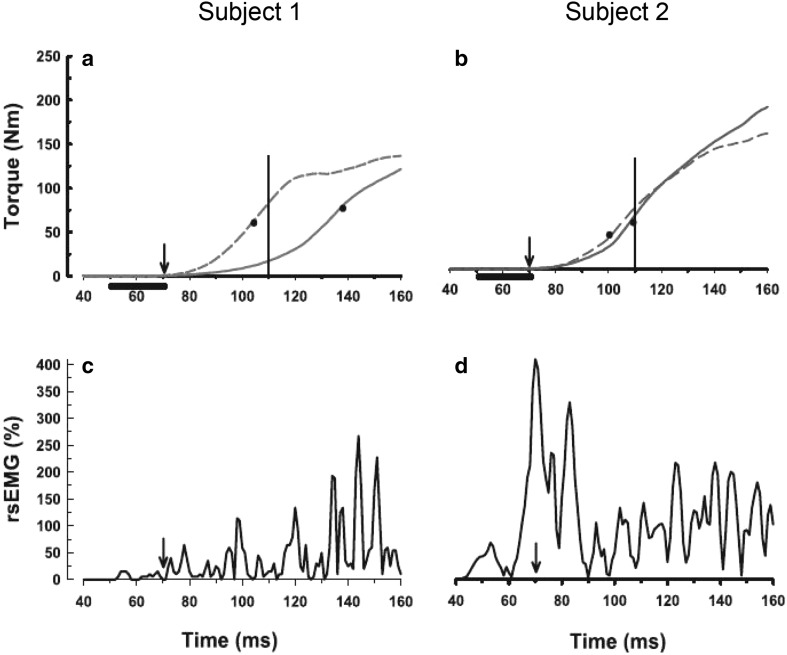
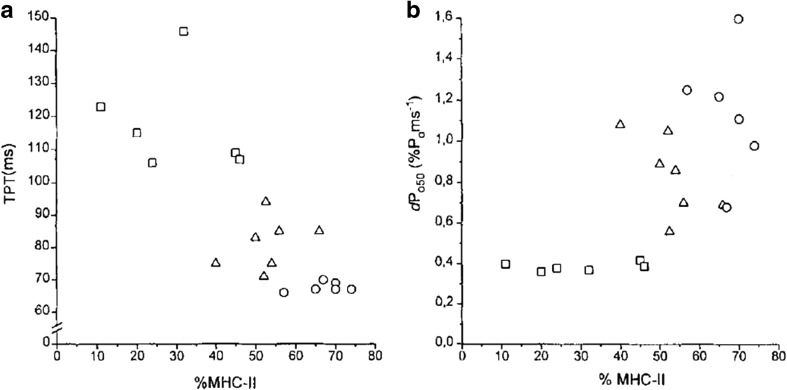
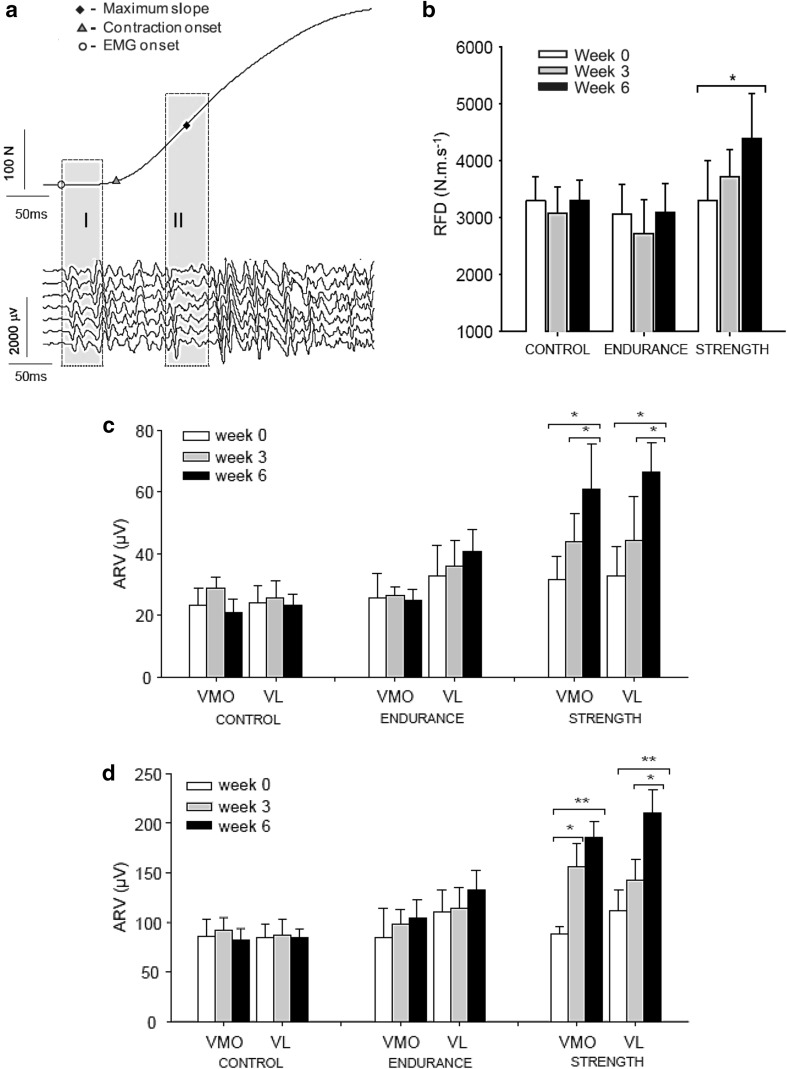
- Training can improve RFD through both explosive-type and heavy-resistance strength training, mainly by improving rapid muscle activation; one example given is 33% higher RFD after 6 weeks of lower-limb strength training, with 80–100% increases in EMG activity.
- In older adults, RFD and motor unit discharge rate are reduced: in one cited comparison, adults aged 71–84 years showed 48% slower RFD and 27% lower MU discharge rate than young adults (~20 years).
- The review reports reliability challenges: RFD is less reliable than MVC force, with within-subject CVs reported as 12.8–16.6% for force over 0–50 ms, 4.5–5.3% for 0–100 ms, and 4.5–5.1% for 0–150 ms.
Methods
- Narrative review of the physiological determinants of RFD and methodological issues in its assessment; no original sample was studied.
- The paper synthesizes prior experimental, training, aging, and modeling studies across young adults, older adults, athletes, and clinical populations as cited in the text.
- Main analysis is qualitative synthesis of literature, with practical recommendations for measuring isometric RFD and interpreting early- and late-phase force-time measures.
Limitations
- The paper states that RFD is “quite difficult to evaluate in a valid and reliable way,” especially in the early phase of contraction, and that methodological rigor is required.
- It also notes that the review is focused on isometric RFD; dynamic contractions are discussed only as an additional consideration, so the evidence base is narrower than all possible RFD contexts.
- Evident from the text: this is a narrative review, so conclusions are not based on a systematic meta-analysis or new primary data (not stated as a limitation by the authors, but evident from the article type).
Model-written summary. Check it against the paper before relying on it.
Integrity signals
Registry
Cites
Statistics
Figures
Verification
Claims the paper makes
41 Valid · 5 Not valid · 124 Not checked · 73 Own results and interpretations
The cited sources support only part of this claim — read each source’s verdict below.
In the paper
“Rate of force development (1) seems to be mainly determined by the capacity to produce maximal voluntary activation in the early phase of an explosive contraction (first 50–75 ms), particularly as a result of increased motor unit discharge rate;”
- Also stated in: § Neural determinants · boosted
“Together these experimental and simulated studies underscore the critical role of maximal MU discharge rate on the ability to rapidly develop force at the onset of a ballistic voluntary contraction.”
§ Rate of force development: physiological and methodological considerations > Abstract
What the sources say
- Partly supportedcites Desmedt and Godaux 1977 matched to “Ballistic contractions in man: characteristic recruitment pattern of single motor units of the tibialis anterior muscle.” (1977) sourceExperimental — accuracy not yet measured
Split into 2 atoms — 1 confirmed, 1 partially supported, 0 disputed, 0 misattributed, 0 unverifiable. Expand the claim to see per-atom verdicts.
- Partly supportedcites Van Cutsem et al. 1998 matched to “Changes in single motor unit behaviour contribute to the increase in contraction speed after dynamic training in humans” (1998) sourceExperimental — accuracy not yet measured
Split into 2 atoms — 0 confirmed, 2 partially supported, 0 disputed, 0 misattributed, 0 unverifiable. Expand the claim to see per-atom verdicts.
- Partly supportedcites Duchateau and Baudry 2014 matched to “Maximal discharge rate of motor units determines the maximal rate of force development during ballistic contractions in human” (2014) sourceExperimental — accuracy not yet measured
Split into 2 atoms — 1 confirmed, 1 partially supported, 0 disputed, 0 misattributed, 0 unverifiable. Expand the claim to see per-atom verdicts.
boostedstates a possible cause- Asserted: passes — The authors put it forward as true.
- Checkable: passes — It can be checked against evidence.
- Load-bearing: passes — The paper’s conclusions depend on it.
- Based: passes — The paper gives a reason why it holds.
- Also stated in: § Neural determinants · boosted
The sources with a verdict support this claim; the rest weren’t checked yet, have no full text we could read, or their verdicts aren’t rated yet.
In the paper
“potentially governed by different physiological mechanisms (see, e.g., Andersen and Aagaard 2006; Van Cutsem et al. 1998)”
§ Rate of force development: physiological and methodological considerations > Introduction
What the sources say
- Not checked — no full text of the sourcecites Andersen and Aagaard 2006 matched to “Influence of maximal muscle strength and intrinsic muscle contractile properties on contractile rate of force development” (2006) source
- Supportedcites Van Cutsem et al. 1998 matched to “Changes in single motor unit behaviour contribute to the increase in contraction speed after dynamic training in humans” (1998) source
The Results (page unavailable) report changes in both maximal voluntary contraction torque and the rate of tension development after dynamic training. The Discussion (page unavailable) links increased strength to greater EMG activity and links faster ballistic contractions specifically to earlier motor-unit activation and higher firing frequencies. This supports the hedged claim that the two measures may depend on different physiological mechanisms. (LLM, conf=0.86)
hedgedstates a possible cause- Asserted: passes — The authors put it forward as true.
- Checkable: passes — It can be checked against evidence.
- Load-bearing: passes — The paper’s conclusions depend on it.
- Based: passes — The paper gives a reason why it holds.
The cited sources support only part of this claim — read each source’s verdict below.
In the paper
“more sensitive to detect acute and chronic changes in neuromuscular function (see, e.g., Angelozzi et al. 2012; Crameri et al. 2007; Jenkins et al. 2014b; Penailillo et al. 2015)”
§ Rate of force development: physiological and methodological considerations > Introduction
What the sources say
- Could not verifycites Angelozzi et al. 2012 matched to “Rate of Force Development as an Adjunctive Outcome Measure for Return-to-Sport Decisions After Anterior Cruciate Ligament Reconstruction” (2012) sourceExperimental — accuracy not yet measured
Two searches of Angelozzi et al. (2012) returned no full-text snippets, so its support for the comparison could not be checked directly. A systematic review by Lomborg and colleagues says previous studies argued that rate of force development is more sensitive to acute or chronic neuromuscular adaptations than maximal force (score 0.506), but the retrieved passage does not identify Angelozzi et al. as one of those studies. The review is therefore not sufficient to confirm this attribution, and it is not evidence of misattribution. (LLM, conf=0.62)
- Partly supportedcites Crameri et al. 2007 matched to “Myofibre damage in human skeletal muscle: effects of electrical stimulation versus voluntary contraction” (2007) sourceExperimental — accuracy not yet measured
The Force data and Discussion report that rapid force characteristics declined more than maximal contraction strength after eccentric exercise, supporting greater sensitivity to acute changes in this setting. The paper does not establish that rate of force development is more sensitive to chronic changes in neuromuscular function. Page numbers were not supplied for these passages. (LLM, conf=0.88)
- Not checked — no full text of the sourcecites Jenkins et al. 2014b matched to “The Rate of Torque Development: A Unique, Non-invasive Indicator of Eccentric-induced Muscle Damage?” (2014) source
plainstates an association- Asserted: passes — The authors put it forward as true.
- Checkable: passes — It can be checked against evidence.
- Load-bearing: passes — The paper’s conclusions depend on it.
- Based: passes — The paper gives a reason why it holds.
- Could not verify
The cited sources support only part of this claim — read each source’s verdict below.
In the paper
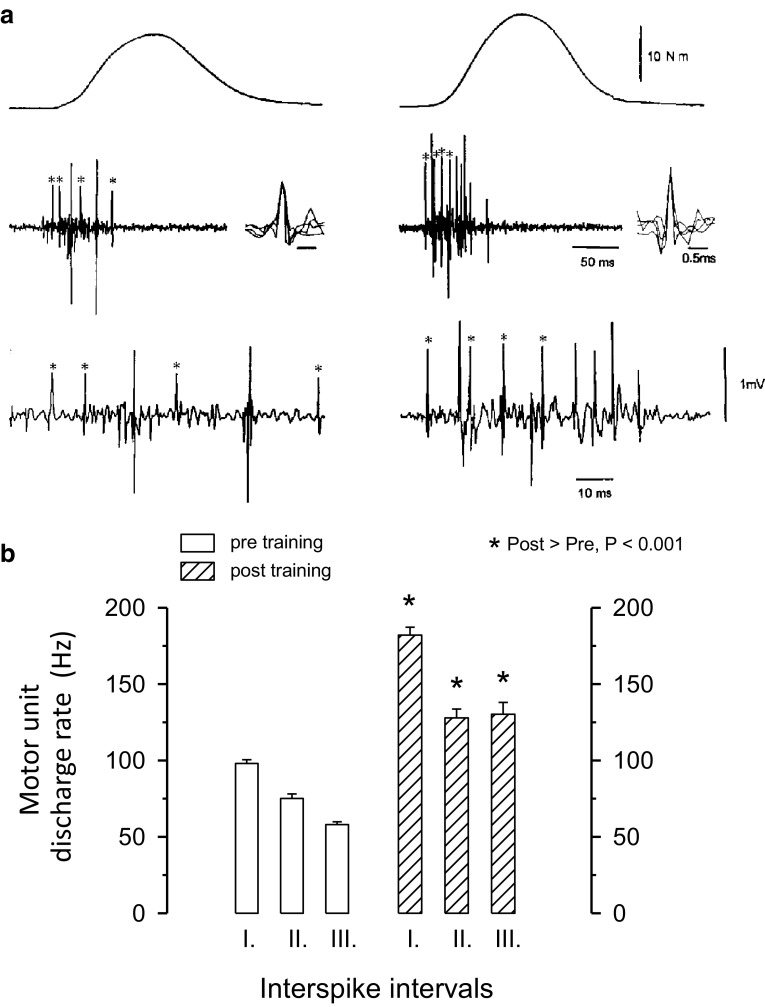
“During such rapid actions, the activated MUs discharge only a few times (~1–6) (Van Cutsem and Duchateau 2005; Van Cutsem et al. 1998).”
§ Rate of force development: physiological and methodological considerations > Physiological considerations: the underlying mechanisms > Neural determinants
What the sources say
- Not checked — no full text of the sourcecites Van Cutsem and Duchateau 2005 matched to “Preceding muscle activity influences motor unit discharge and rate of torque development during ballistic contractions in humans” (2005) source
- Partly supportedcites Van Cutsem et al. 1998 matched to “Changes in single motor unit behaviour contribute to the increase in contraction speed after dynamic training in humans” (1998) sourceExperimental — accuracy not yet measured
The Results section says that few motor units fired more than four times before training during ballistic contractions, supporting the point that they discharge only a few times. It does not establish the stated approximate range of 1–6 discharges or apply that count to the post-training contractions. (LLM, conf=0.84)
plain- Asserted: passes — The authors put it forward as true.
- Checkable: passes — It can be checked against evidence.
- Load-bearing: passes — The paper’s conclusions depend on it.
- Based: passes — The paper gives a reason why it holds.
The cited sources support only part of this claim — read each source’s verdict below.
In the paper
“as compared to pure maximal voluntary contraction (MVC) strength, RFD seems to be (1) better related to most performances of both sport-specific and functional daily tasks (see, e.g., Maffiuletti et al. 2010; Tillin et al. 2013a)”
§ Rate of force development: physiological and methodological considerations > Introduction
What the sources say
- Partly supportedcites Maffiuletti et al. 2010 matched to “Asymmetry in Quadriceps Rate of Force Development as a Functional Outcome Measure in TKA” (2010) sourceExperimental — accuracy not yet measured
The Results and Discussion report that, in patients after total knee arthroplasty, quadriceps RFD asymmetry correlated with self-reported daily knee function whereas MVC strength asymmetry did not. The paper does not establish that RFD is better related to most task performances, or address sport-specific performance; the claim extends beyond its findings. (LLM, conf=0.88)
- Not checked — no full text of the sourcecites Tillin et al. 2013a matched to “Explosive force production during isometric squats correlates with athletic performance in rugby union players” (2013) source
hedgedstates an association- Asserted: passes — The authors put it forward as true.
- Checkable: passes — It can be checked against evidence.
- Load-bearing: passes — The paper’s conclusions depend on it.
- Based: passes — The paper gives a reason why it holds.
- Partly supported
176 more claims · 27 with their cited sources checked
Create a free account to see all 243 claims and every source verdict.
- It may state two separate claims as one. 55
- Probably not a substantial claim. 9
Claims other papers make about this one
Each is checked against this paper’s own text: does it say what the citing paper says it does?
The cited source says what the claim attributes to it.
In the citing paper
“Adaptations to HVPT may have been attenuated by a lack of task-speci fi c practice to maximise rate of force development. 108”
From High-velocity power training has similar effects to traditional resistance training for functional performance in older adults: a systematic review (2023) · cites this paper as [108]
In the citing paper
“Prior to MVC assessment, subjects will complete two submaximal warm-up contractions at approximately 50% and 80% of perceived maximal effort, separated by 30 s of rest, to minimise variability and enhance measurement accuracy [28].”
From Ageing, Sex Differences, and REDs Risk in Endurance Runners: An Integrated Cross-Sectional Study Protocol (2026) · cites this paper as [28]
In the citing paper
“it is known that improvement in RFD is determined by neuromuscular adaptations, muscle size and tendon stiffness [134] and isometric efforts of 1–5 s have been suggested to generate such neuromuscular adaptations [17].”
From Effect of Strength Training Programs in Middle- and Long-Distance Runners’ Economy at Different Running Speeds: A Systematic Review with Meta-analysis (2024) · cites this paper as [134]
Citations
Cites
Calcium's Role in Mechanotransduction during Muscle Development
Benavides Damm, T., & Egli, M. (2014) · Cellular Physiology and Biochemistry · doi:10.1159/000356667 · Cited by 14,502
Biomechanics and motor control of human movement
(1990) · Choice Reviews Online · doi:10.5860/choice.28-2135 · Cited by 8,451
Biomechanics and Motor Control of Human Movement
Winter, D. A. (2009) · Wiley eBooks · doi:10.1002/9780470549148 · Cited by 6,066
Fiber Types in Mammalian Skeletal Muscles
Schiaffino, S., & Reggiani, C. (2011) · Physiological Reviews · doi:10.1152/physrev.00031.2010 · Cited by 3,022 · cited 1×
“Finally, type II fibres have a 200– 300 % greater Na+ channel density, and therefore might be better able to conduct high rates of excitatory potentials resulting from high discharge rates (Schiaffino and Reggiani 2011).”
BackgroundData on the distribution of fibre types in thirty-six human muscles
Johnson, M. A., Polgar, J., Weightman, D., & Appleton, D. (1973) · Journal of the Neurological Sciences · doi:10.1016/0022-510x(73)90023-3 · Cited by 2,200 · cited 4×
“For example, vastus lateralis, vastus medialis and vastus intermedius contain ~50 % type I fibres (Johnson et al. 1973; Luden et al. 2008; Taylor et al. 1997) whilst soleus contains 75 % and gastrocnemius 45–75 % type I fibres (Dahmane et al. 2005; Edgerton et al. 1975; Johnson et al. 1973; Luden…”
BackgroundInfluentialDynamic properties of mammalian skeletal muscles.
Close, R. I. (1972) · Physiological Reviews · doi:10.1152/physrev.1972.52.1.129 · Cited by 1,890 · cited 1×
“…II fibres having a greater total Ca2+ release per action potential (Baylor and Hollingworth 1988) and faster time constants of Ca2+ currents (e.g., Close 1972), as well as fast myosin, troponin and tropomyosin isoforms (Schiaffino and Reggiani 1996) and thus faster cross-bridge cycling rates…”
BackgroundAagaard, P., Simonsen, E. B., Andersen, J. L., Magnusson, P., & Dyhre-Poulsen, P. (2002) · Journal of Applied Physiology · doi:10.1152/japplphysiol.00283.2002 · Cited by 1,844
Self-citationMolecular diversity of myofibrillar proteins: gene regulation and functional significance
Schiaffino, S., & Reggiani, C. (1996) · Physiological Reviews · doi:10.1152/physrev.1996.76.2.371 · Cited by 1,545
Folland, J. P., & Williams, A. G. (2007) · Sports Medicine · doi:10.2165/00007256-200737020-00004 · Cited by 1,347
Self-citationMechanisms of Anterior Cruciate Ligament Injury in Basketball: Video Analysis of 39 Cases
Krosshaug, T., Nakamae, A., Boden, B. P., Engebretsen, L., Smith, G., Slauterbeck, J. R., Hewett, T. E., & Bahr, R. (2007) · The American Journal of Sports Medicine · doi:10.1177/0363546506293899 · Cited by 1,212
Reorganization and plasticity in the adult brain during learning of motor skills
Doyon, J., & Benali, H. (2005) · Current Opinion in Neurobiology · doi:10.1016/j.conb.2005.03.004 · Cited by 1,028
Models of recruitment and rate coding organization in motor-unit pools.
Fuglevand, A. J., Winter, D. A., & Patla, A. E. (1993) · Journal of Neurophysiology · doi:10.1152/jn.1993.70.6.2470 · Cited by 988 · cited 1×
“For that purpose, mechanical properties of MUs obtained using the spike-triggered averaging method recorded in the tibialis anterior (Van Cutsem et al. 1997) were inserted into the model developed by Fuglevand et al. (1993).”
MethodFrey, S., Rauf Mir, A., & Lucas, M. (1999) · Journal of Renal Nutrition · doi:10.1016/s1051-2276(99)90003-1 · Cited by 805
Early consolidation in human primary motor cortex
Muellbacher, W., Ziemann, U., Wissel, J., Dang, N., Kofler, M., Facchini, S., Boroojerdi, B., Poewe, W., & Hallett, M. (2002) · Nature · doi:10.1038/nature712 · Cited by 803 · cited 4×
“In agreement with other experiments (Hinder et al. 2011; Lee et al. 2010; Muellbacher et al. 2002; Rogasch et al. 2009), this observation indicates that the motor cortex is implicated in motor learning and that the rapid improvement in such high-speed actions depends on short-term changes at the…”
BackgroundResultInfluentialKraemer, W. J., Patton, J. F., Gordon, S. E., Harman, E. A., Deschenes, M. R., Reynolds, K., Newton, R. U., Triplett, N. T., & Dziados, J. E. (1995) · Journal of Applied Physiology · doi:10.1152/jappl.1995.78.3.976 · Cited by 782 · cited 2×
“It is well established that the content of myosin heavy chain IIX isoforms in human skeletal muscle is markedly reduced (50–90 %) along with a corresponding upregulation in myosin heavy chain IIA isoforms in response to prolonged heavy-resistance strength training protocols (Andersen and Aagaard 2000; Andersen et al.…”
BackgroundVan Cutsem, M., Duchateau, J., & Hainaut, K. (1998) · The Journal of Physiology · doi:10.1111/j.1469-7793.1998.295by.x · Cited by 777
Self-citationHÄKKINEN, K., ALÉN, M., & KOMI, P. V. (1985) · Acta Physiologica Scandinavica · doi:10.1111/j.1748-1716.1985.tb07759.x · Cited by 766
Narici, M. V., Roi, G. S., Landoni, L., Minetti, A. E., & Cerretelli, P. (1989) · European Journal of Applied Physiology and Occupational Physiology · doi:10.1007/bf02388334 · Cited by 748
Aagaard, P., Andersen, J. L., Dyhre‐Poulsen, P., Leffers, A., Wagner, A., Magnusson, S. P., Halkjær‐Kristensen, J., & Simonsen, E. B. (2001) · The Journal of Physiology · doi:10.1111/j.1469-7793.2001.t01-1-00613.x · Cited by 733 · cited 4×
“…area and/or volume appear to be a highly robust finding following heavy-resistance strength training in both young, old and very old adults (Aagaard et al. 2001; Esmarck et al. 2001; Hakkinen et al. 1998; Harridge et al. 1999; Holm et al. 2008; Narici et al. 1989; Suetta et al. 2004; Vikne…”
BackgroundInfluentialSelf-citationBehaviour of human motor units in different muscles during linearly varying contractions
de Luca, C. J., LeFever, R. S., McCue, M. P., & Xenakis, A. P. (1982) · The Journal of Physiology · doi:10.1113/jphysiol.1982.sp014293 · Cited by 719
Neural adaptation to resistance training: changes in evoked V-wave and H-reflex responses
Aagaard, P., Simonsen, E. B., Andersen, J. L., Magnusson, P., & Dyhre-Poulsen, P. (2002) · Journal of Applied Physiology · doi:10.1152/japplphysiol.01185.2001 · Cited by 661
Self-citationAndersen, L. L., & Aagaard, P. (2006) · European Journal of Applied Physiology · doi:10.1007/s00421-005-0070-z · Cited by 657 · cited 15×
“…contraction onset in a sigmoidal manner (Andersen and Aagaard 2006; Folland et al. 2014), e.g., MVC strength explained 18, 29, 57 and 78 % of the variance in voluntary RFD recorded over the first 10, 50, 100 and 200 ms, respectively, of a rapid voluntary contraction (Andersen and Aagaard 2006).”
BackgroundMethodInfluentialSelf-citationThe relation between force and velocity in human muscle
Wilkie, D. R. (1949) · The Journal of Physiology · doi:10.1113/jphysiol.1949.sp004437 · Cited by 632 · cited 6×
“2014) (see “Musculotendinous stiffness”) and that increased in-series compliance of the muscle–tendon unit leads to decreased RFD (Wilkie 1949).”
BackgroundInfluentialKukulka, C. G., & Clamann, H. P. (1981) · Brain Research · doi:10.1016/0006-8993(81)90266-3 · Cited by 583
Reliability of measurements of muscle strength and voluntary activation using twitch interpolation
Allen, G. M., Gandevia, S. C., & McKenzie, D. K. (1995) · Muscle & Nerve · doi:10.1002/mus.880180605 · Cited by 572
Bottinelli, R., Canepari, M., Pellegrino, M. A., & Reggiani, C. (1996) · The Journal of Physiology · doi:10.1113/jphysiol.1996.sp021617 · Cited by 565
Desmedt, J. E., & Godaux, E. (1977) · The Journal of Physiology · doi:10.1113/jphysiol.1977.sp011689 · Cited by 558
Esmarck, B., Andersen, J. L., Olsen, S., Richter, E. A., Mizuno, M., & Kjær, M. (2001) · The Journal of Physiology · doi:10.1111/j.1469-7793.2001.00301.x · Cited by 540 · cited 2×
“…and/or volume appear to be a highly robust finding following heavy-resistance strength training in both young, old and very old adults (Aagaard et al. 2001; Esmarck et al. 2001; Hakkinen et al. 1998; Harridge et al. 1999; Holm et al. 2008; Narici et al. 1989; Suetta et al. 2004; Vikne et al. 2006).”
BackgroundBojsen-Møller, J., Magnusson, S. P., Rasmussen, L. R., Kjaer, M., & Aagaard, P. (2005) · Journal of Applied Physiology · doi:10.1152/japplphysiol.01305.2004 · Cited by 532
Self-citationNeuromuscular adaptations during concurrent strength and endurance training versus strength training
Häkkinen, K., Alen, M., Kraemer, W. J., Gorostiaga, E., Izquierdo, M., Rusko, H., Mikkola, J., Häkkinen, A., Valkeinen, H., Kaarakainen, E., et al. (2003) · European Journal of Applied Physiology · doi:10.1007/s00421-002-0751-9 · Cited by 527 · cited 1×
“…the latter evaluated by EMG analysis, have been consistently observed following weeks to months of strength training (Aagaard et al. 2002a; Hakkinen et al. 1985, 2001a, 2003; Schmidtbleicher and Buehrle 1987; Tillin and Folland 2014) (for illustrative data obtained in a representative…”
BackgroundMuscle Fibre Type Populations of Human Leg Muscles
Edgerton, V. R., Smith, J. L., & Simpson, D. R. (1975) · The Histochemical Journal · doi:10.1007/bf01003594 · Cited by 494 · cited 2×
“1997) whilst soleus contains 75 % and gastrocnemius 45–75 % type I fibres (Dahmane et al. 2005; Edgerton et al. 1975; Johnson et al. 1973; Luden et al. 2008).”
BackgroundFIBER ARCHITECTURE AND MUSCLE FUNCTION
Gans, C. (1982) · Exercise and Sport Sciences Reviews · doi:10.1249/00003677-198201000-00006 · Cited by 491
Effect of strength training on human patella tendon mechanical properties of older individuals
Reeves, N. D., Maganaris, C. N., & Narici, M. V. (2003) · The Journal of Physiology · doi:10.1111/j..2003.t01-1-00971.x · Cited by 484
Effect of strength training on human patella tendon mechanical properties of older individuals
Reeves, N. D., Maganaris, C. N., & Narici, M. V. (2003) · The Journal of Physiology · doi:10.1113/jphysiol.2002.035576 · Cited by 484
Training-Induced Changes in Neural Function
Aagaard, P. (2003) · Exercise and Sport Sciences Reviews · doi:10.1097/00003677-200304000-00002 · Cited by 480
Self-citationPostactivation potentiation, fiber type, and twitch contraction time in human knee extensor muscles
Hamada, T., Sale, D. G., MacDougall, J. D., & Tarnopolsky, M. A. (2000) · Journal of Applied Physiology · doi:10.1152/jappl.2000.88.6.2131 · Cited by 452 · cited 2×
“…correlated with the increase in light chain phosphate content (r2 = 0.94 and 0.92, respectively), and increases in RFD after similar electrical stimulation protocols (and presumably similar increases in phosphorylation) have been observed in humans (Baudry and Duchateau 2007; Hamada et al. 2000).”
BackgroundInfluentialRole of the human motor cortex in rapid motor learning
Muellbacher, W., Ziemann, U., Boroojerdi, B., Cohen, L., & Hallett, M. (2001) · Experimental Brain Research · doi:10.1007/s002210000614 · Cited by 452
Hakkinen, K., Newton, R. U., Gordon, S. E., McCormick, M., Volek, J. S., Nindl, B. C., Gotshalk, L. A., Campbell, W. W., Evans, W. J., Hakkinen, A., et al. (1998) · The Journals of Gerontology Series A: Biological Sciences and Medical Sciences · doi:10.1093/gerona/53a.6.b415 · Cited by 423 · cited 2×
“…and/or volume appear to be a highly robust finding following heavy-resistance strength training in both young, old and very old adults (Aagaard et al. 2001; Esmarck et al. 2001; Hakkinen et al. 1998; Harridge et al. 1999; Holm et al. 2008; Narici et al. 1989; Suetta et al. 2004; Vikne et al. 2006).”
BackgroundHeckman, C. J., & Enoka, R. M. (2012) · Comprehensive Physiology · doi:10.1002/cphy.c100087 · Cited by 414 · cited 2×
“…RFD cannot be explained completely on the basis of differences in muscle activation rates, and MVC force is strongly associated with late-phase RFD (Andersen and Aagaard 2006) so factors such as muscle size and architecture as well as others that influence muscle strength might also influence RFD.”
BackgroundNuzzo, J. L., McBride, J. M., Cormie, P., & McCaulley, G. O. (2008) · Journal of Strength and Conditioning Research · doi:10.1519/jsc.0b013e31816d5eda · Cited by 407
The effect of activation history on tension production by individual muscle units
Burke, R. E., Rudomin, P., & Zajac, F. E. (1976) · Brain Research · doi:10.1016/0006-8993(76)90031-7 · Cited by 406 · cited 1×
“The presence of doublet discharges at the onset of muscle contraction is known to result in a marked increase in contractile force production, and in particular leads to large increases in RFD (Binder-Macleod and Kesar 2005; Burke et al. 1976; Moritani and Yoshitake 1998).”
BackgroundMuscle Strength Testing: Use of Normalisation for Body Size
Jaric, S. (2002) · Sports Medicine · doi:10.2165/00007256-200232100-00002 · Cited by 406
Whole-muscle and single-fibre contractile properties and myosin heavy chain isoforms in humans
Harridge, S. D. R., Bottinelli, R., Canepari, M., Pellegrino, M. A., Reggiani, C., Esbjörnsson, M., & Saltin, B. (1996) · Pflügers Archiv - European Journal of Physiology · doi:10.1007/s004240050215 · Cited by 402 · cited 3×
“…3 are consistent with the moderate-to-strong correlations observed between RFD measured during twitch and voluntary contractions (Andersen and Aagaard 2006; Folland et al. 2014), given that twitch contractile properties are strongly influenced by muscle fibre type (e.g., Harridge et al. 1996).”
BackgroundMethodResultLocus coeruleus and regulation of behavioral flexibility and attention
(2000) · Progress in Brain Research · doi:10.1016/s0079-6123(00)26013-5 · Cited by 400
Effects of aging on human skeletal muscle after immobilization and retraining
Suetta, C., Hvid, L. G., Justesen, L., Christensen, U., Neergaard, K., Simonsen, L., Ortenblad, N., Magnusson, S. P., Kjaer, M., & Aagaard, P. (2009) · Journal of Applied Physiology · doi:10.1152/japplphysiol.00290.2009 · Cited by 400 · cited 2×
“As a consequence (although other factors such as type II myofibre atrophy contribute as well), maximal RFD is substantially reduced in old versus young adults (Barry et al. 2005; Clarkson et al. 1981; Hakkinen et al. 1998; Hvid et al. 2010; Izquierdo et al. 1999; Klass et al. 2008; Korhonen et al. 2006; Suetta et al.…”
BackgroundSelf-citationSpector, S. A., Gardiner, P. F., Zernicke, R. F., Roy, R. R., & Edgerton, V. R. (1980) · Journal of Neurophysiology · doi:10.1152/jn.1980.44.5.951 · Cited by 397 · cited 4×
“…twitch contractions, where the effects of fibre length and rotation on force rise are minimal (due to little changes in fibre length or angle) (Spector et al. 1980), the net impulse (i.e., force–time integral) developed by a parallel-fibered muscle is greater than that of a pennate muscle…”
BackgroundInfluentialVariable gearing in pennate muscles
Azizi, E., Brainerd, E. L., & Roberts, T. J. (2008) · Proceedings of the National Academy of Sciences · doi:10.1073/pnas.0709212105 · Cited by 396
Jensen, J. L., Marstrand, P. C. D., & Nielsen, J. B. (2005) · Journal of Applied Physiology · doi:10.1152/japplphysiol.01408.2004 · Cited by 390 · cited 2×
“…through learning, and even simple movements performed with muscles that only span a single joint can be improved substantially after a limited number of repetitions in a single practice session (Hinder et al. 2011; Jensen et al. 2005; Lee et al. 2010; Muellbacher et al. 2002; Rogasch et al. 2009).”
BackgroundDecoding the neural drive to muscles from the surface electromyogram
Farina, D., Holobar, A., Merletti, R., & Enoka, R. M. (2010) · Clinical Neurophysiology · doi:10.1016/j.clinph.2009.10.040 · Cited by 383 · cited 2×
“Despite some technical limitations (Farina et al. 2010), muscle activation is often assessed non-invasively by the use of surface electromyography.”
BackgroundRegion specific patellar tendon hypertrophy in humans following resistance training
Kongsgaard, M., Reitelseder, S., Pedersen, T. G., Holm, L., Aagaard, P., Kjaer, M., & Magnusson, S. P. (2007) · Acta Physiologica · doi:10.1111/j.1748-1716.2007.01714.x · Cited by 377
Self-citationSkeletal muscle design to meet functional demands
Lieber, R. L., & Ward, S. R. (2011) · Philosophical Transactions of the Royal Society B: Biological Sciences · doi:10.1098/rstb.2010.0316 · Cited by 377 · cited 2×
“2009) and it is well known that muscles developing high RFD during human movement, such as soleus and gastrocnemius during running and jumping, possess short muscle fibres (Lieber and Ward 2011).”
BackgroundMaximal and explosive force production capacity and balance performance in men of different ages
Izquierdo, M., Aguado, X., Gonzalez, R., L�pez, J. L., & H�kkinen, K. (1999) · European Journal of Applied Physiology · doi:10.1007/s004210050504 · Cited by 373
Häkkinen, K., Pakarinen, A., Kraemer, W. J., Häkkinen, A., Valkeinen, H., & Alen, M. (2001) · Journal of Applied Physiology · doi:10.1152/jappl.2001.91.2.569 · Cited by 367
Larsson, L., Li, X., & Frontera, W. R. (1997) · American Journal of Physiology-Cell Physiology · doi:10.1152/ajpcell.1997.272.2.c638 · Cited by 367
Arampatzis, A., Karamanidis, K., & Albracht, K. (2007) · Journal of Experimental Biology · doi:10.1242/jeb.003814 · Cited by 354 · cited 2×
“In addition, substantial increases (+15–25 %) in tendon stiffness have been reported for the patellar and Achilles tendons in response to prolonged periods of strength training in both young and old individuals (Arampatzis et al. 2007; Duclay et al. 2009; Kongsgaard et al. 2007; Reeves et al. 2003; Waugh et al. 2014;…”
BackgroundHäkkinen, K., Kraemer, W. J., Newton, R. U., & Alen, M. (2001) · Acta Physiologica Scandinavica · doi:10.1046/j.1365-201x.2001.00781.x · Cited by 351
Motor unit firing rates and contractile properties in tibialis anterior of young and old men
Connelly, D. M., Rice, C. L., Roos, M. R., & Vandervoort, A. A. (1999) · Journal of Applied Physiology · doi:10.1152/jappl.1999.87.2.843 · Cited by 340 · cited 1×
“In the case of untrained individuals, maximal MU discharge rates recorded during MVC efforts are reduced in old compared to young adults (Christie and Kamen 2010; Connelly et al. 1999; Kamen and Knight 2004; Klass et al. 2008).”
BackgroundMuscle hypertrophy and fast fiber type conversions in heavy resistance-trained women.
Staron, R. S., Malicky, E. S., Leonardi, M. J., Falkel, J. E., Hagerman, F. C., & Dudley, G. A. (1990) · European Journal of Applied Physiology and Occupational Physiology · doi:10.1007/bf00572189 · Cited by 328 · cited 2×
“While non-selective myofibre hypertrophy likely contributes to increased RFD by increasing MVC strength, preferential type II hypertrophy (Aagaard et al. 2001; Hakkinen et al. 2001b; Staron et al. 1990; Suetta et al. 2008) is expected to increase RFD to an even greater extent given the higher intrinsic RFD of type II…”
BackgroundHuman capacity for explosive force production: Neural and contractile determinants
Folland, J. P., Buckthorpe, M. W., & Hannah, R. (2014) · Scandinavian Journal of Medicine & Science in Sports · doi:10.1111/sms.12131 · Cited by 327 · cited 21×
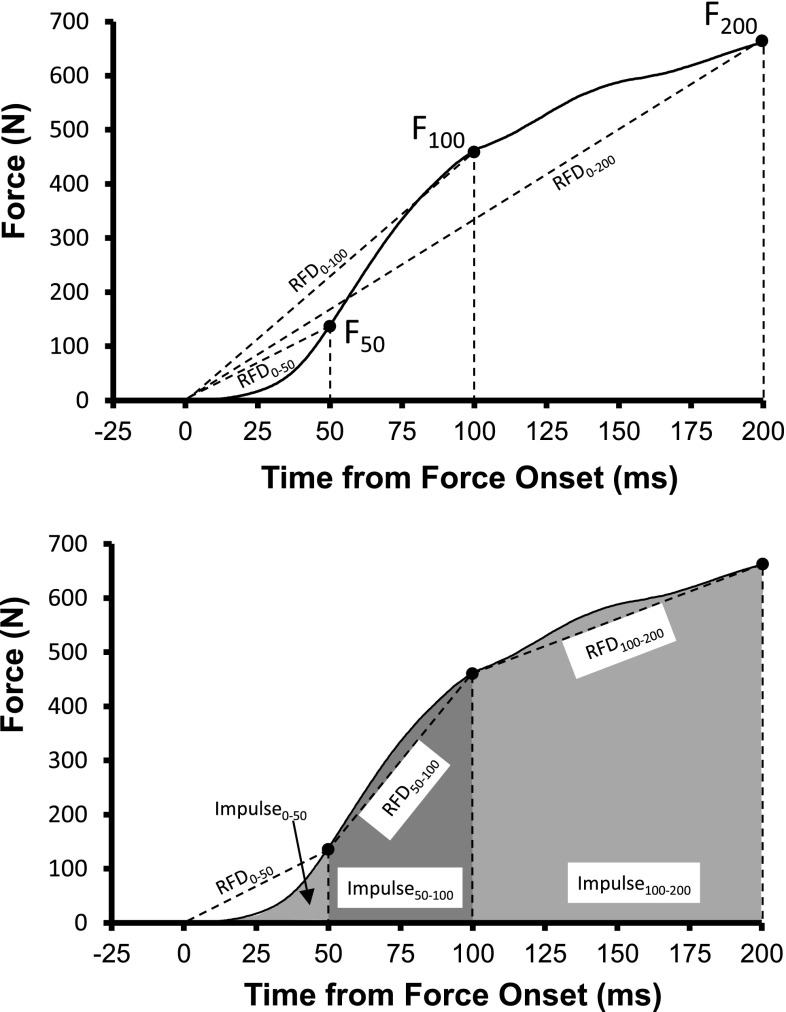
“8a), or consecutive periods, e.g., RFD/impulse from 50 to 100 ms 1 3 relative to onset (Folland et al. 2014; Penailillo et al. 2015) (Fig.”
BackgroundMethodResultInfluentialSelf-citationSuetta, C., Aagaard, P., Rosted, A., Jakobsen, A. K., Duus, B., Kjaer, M., & Magnusson, S. P. (2004) · Journal of Applied Physiology · doi:10.1152/japplphysiol.01307.2003 · Cited by 326 · cited 4×
“…and/or volume appear to be a highly robust finding following heavy-resistance strength training in both young, old and very old adults (Aagaard et al. 2001; Esmarck et al. 2001; Hakkinen et al. 1998; Harridge et al. 1999; Holm et al. 2008; Narici et al. 1989; Suetta et al. 2004; Vikne et al. 2006).”
BackgroundInfluentialSelf-citationKlass, M., Baudry, S., & Duchateau, J. (2008) · Journal of Applied Physiology · doi:10.1152/japplphysiol.00550.2007 · Cited by 323 · cited 17×
“1 3 results are consistent with previous studies indicating a role for neural factors at the onset (<75 ms) of a rapid contraction (Aagaard et al. 2002a; de Ruiter et al. 2004; Del Balso and Cafarelli 2007; Klass et al. 2008; Van Cutsem et al. 1998).”
BackgroundResultInfluentialSelf-citationKnee extensor strength, activation, and size in very elderly people following strength training
Harridge, S. D. R., Kryger, A., & Stensgaard, A. (1999) · Muscle & Nerve · doi:10.1002/(sici)1097-4598(199907)22:7<831::aid-mus4>3.0.co;2-3 · Cited by 322
Crameri, R. M., Aagaard, P., Qvortrup, K., Langberg, H., Olesen, J., & Kjær, M. (2007) · The Journal of Physiology · doi:10.1113/jphysiol.2007.128827 · Cited by 319 · cited 2×
“2013a), (2) more sensitive to detect acute and chronic changes in neuromuscular function (see, e.g., Angelozzi et al. 2012; Crameri et al. 2007; Jenkins et al. 2014b; Penailillo et al. 2015) and (3) potentially governed by different physiological mechanisms (see, e.”
BackgroundSelf-citationTraining-Related Adaptations in Motor Unit Discharge Rate in Young and Older Adults
Kamen, G., & Knight, C. A. (2004) · The Journals of Gerontology Series A: Biological Sciences and Medical Sciences · doi:10.1093/gerona/59.12.1334 · Cited by 312 · cited 6×
“In the case of untrained individuals, maximal MU discharge rates recorded during MVC efforts are reduced in old compared to young adults (Christie and Kamen 2010; Connelly et al. 1999; Kamen and Knight 2004; Klass et al. 2008).”
BackgroundInfluentialSingle muscle fibre contractile properties in young and old men and women
Trappe, S., Gallagher, P., Harber, M., Carrithers, J., Fluckey, J., & Trappe, T. (2003) · The Journal of Physiology · doi:10.1113/jphysiol.2003.044966 · Cited by 305
Aging, muscle fiber type, and contractile function in sprint-trained athletes
Korhonen, M. T., Cristea, A., Alén, M., Häkkinen, K., Sipilä, S., Mero, A., Viitasalo, J. T., Larsson, L., & Suominen, H. (2006) · Journal of Applied Physiology · doi:10.1152/japplphysiol.00299.2006 · Cited by 302
Contraction Times and Fibre Types in Intact Human Muscle
Buchthal, F., & Schmalbruch, H. (1970) · Acta Physiologica Scandinavica · doi:10.1111/j.1748-1716.1970.tb04744.x · Cited by 301 · cited 2×
“Although caution is required when deducing the functional significance of differences in single fibre properties (see Enoka and Duchateau 2015), fibre type is often considered a major factor influencing muscular RFD based on the observation that the rate of tension development is faster in type II than type I fibres (…”
BackgroundGenetic determinism of fiber type proportion in human skeletal muscle
Simoneau, J., & Bouchard, C. (1995) · The FASEB Journal · doi:10.1096/fasebj.9.11.7649409 · Cited by 297 · cited 2×
“Despite fibre type proportion having a substantial genetic basis (~50 %) (Simoneau and Bouchard 1995), it is also characterised by a high degree of adaptability (cf.”
BackgroundHÄKKUKINEN, K., KOMI, P. V., & ALÉN, M. (1985) · Acta Physiologica Scandinavica · doi:10.1111/j.1748-1716.1985.tb07760.x · Cited by 295 · cited 2×
“Andersen and Aagaard 2000), and changes in fibre type have been linked to changes in RFD in the early rise in force (Hakkinen et al. 1985).”
BackgroundMoss, B. M., Refsnes, P. E., Abildgaard, A., Nicolaysen, K., & Jensen, J. (1997) · European Journal of Applied Physiology · doi:10.1007/s004210050147 · Cited by 294 · cited 2×
“…of RFD adaptation, increasing overall anatomical muscle size (cross-sectional area or volume) with training represents an effective means to increase RFD, since maximal contractile force capacity (and thereby RFD) is strongly governed by the macroscopic size of the muscle (Moss et al. 1997).”
BackgroundNeuromuscular Performance of Explosive Power Athletes versus Untrained Individuals
TILLIN, N. A., JIMENEZ-REYES, P., PAIN, M. T. G., & FOLLAND, J. P. (2010) · Medicine & Science in Sports & Exercise · doi:10.1249/mss.0b013e3181be9c7e · Cited by 284 · cited 22×
“Early-phase (first 25–50 ms) RFD appears important for performance (de Ruiter et al. 2006; Tillin et al. 2010) and injury avoidance (Domire et al. 2011; Krosshaug et al. 2007), yet can be small, e.g., 2–12 % of MVC force (Tillin et al. 2012a).”
BackgroundMethodResultInfluentialSelf-citationEarly and late rate of force development: differential adaptive responses to resistance training?
Andersen, L. L., Andersen, J. L., Zebis, M. K., & Aagaard, P. (2010) · Scandinavian Journal of Medicine & Science in Sports · doi:10.1111/j.1600-0838.2009.00933.x · Cited by 282
Self-citationReliability of Computerized Surface Electromyography for Determining the Onset of Muscle Activity
Di Fabio, R. P. (1987) · Physical Therapy · doi:10.1093/ptj/67.1.43 · Cited by 278 · cited 1×
“Within the wider scientific literature on detecting signal onsets manual/visual approaches are generally considered as the gold standard/reference for validation of other approaches, i.e., automated detection methods (Di Fabio 1987; Soda et al. 2010; Uliam Kuriki et al. 2011).”
BackgroundFura‐2 calcium transients in frog skeletal muscle fibres.
Baylor, S. M., & Hollingworth, S. (1988) · The Journal of Physiology · doi:10.1113/jphysiol.1988.sp017244 · Cited by 274 · cited 2×
“This phenomenon is related to type II fibres having a greater total Ca2+ release per action potential (Baylor and Hollingworth 1988) and faster time constants of Ca2+ currents (e.g., Close 1972), as well as fast myosin, troponin and tropomyosin isoforms (Schiaffino and Reggiani 1996) and thus…”
BackgroundSpatial fiber type distribution in normal human muscle
Dahmane, R., Djordjevič, S., Šimunič, B., & Valenčič, V. (2005) · Journal of Biomechanics · doi:10.1016/j.jbiomech.2004.10.020 · Cited by 270
Seynnes, O. R., Erskine, R. M., Maganaris, C. N., Longo, S., Simoneau, E. M., Grosset, J. F., & Narici, M. V. (2009) · Journal of Applied Physiology · doi:10.1152/japplphysiol.00213.2009 · Cited by 268
Caserotti, P., Aagaard, P., Buttrup Larsen, J., & Puggaard, L. (2008) · Scandinavian Journal of Medicine & Science in Sports · doi:10.1111/j.1600-0838.2007.00732.x · Cited by 254 · cited 4×
“1998), old to very old individuals (Caserotti et al. 2008), and frail elderly patients recovering from elective hip replacement surgery (Suetta et al.”
BackgroundInfluentialSelf-citationDel Balso, C., & Cafarelli, E. (2007) · Journal of Applied Physiology · doi:10.1152/japplphysiol.00477.2006 · Cited by 252
Tillin, N. A., Pain, M. T. G., & Folland, J. (2013) · Journal of Sports Sciences · doi:10.1080/02640414.2012.720704 · Cited by 249 · cited 8×
“…muscle is capable of producing (>10 maximum isometric forces per second) (de Ruiter et al. 1999); (2) to accurately identify contraction onset (Tillin et al. 2013b); (3) to synchronise the force signal with EMG, which has a Nyquist limit of ≥1 kHz (Konrad 2006); (4) to accurately measure…”
BackgroundMethodResultInfluentialSelf-citationBaylor, S. M., & Hollingworth, S. (2003) · The Journal of Physiology · doi:10.1113/jphysiol.2003.041608 · Cited by 243
Isometric or dynamic training: differential effects on mechanical properties of a human muscle
Duchateau, J., & Hainaut, K. (1984) · Journal of Applied Physiology · doi:10.1152/jappl.1984.56.2.296 · Cited by 239
Self-citationHuman motor unit recordings: Origins and insight into the integrated motor system
Duchateau, J., & Enoka, R. M. (2011) · Brain Research · doi:10.1016/j.brainres.2011.06.011 · Cited by 238
Self-citationNeural Adaptation to Strength Training
Sale, D. G. (2003) · Strength and Power in Sport · doi:10.1002/9780470757215.ch15 · Cited by 234
de Ruiter, C. J., Kooistra, R. D., Paalman, M. I., & de Haan, A. (2004) · Journal of Applied Physiology · doi:10.1152/japplphysiol.00230.2004 · Cited by 222
Holm, L., Reitelseder, S., Pedersen, T. G., Doessing, S., Petersen, S. G., Flyvbjerg, A., Andersen, J. L., Aagaard, P., & Kjaer, M. (2008) · Journal of Applied Physiology · doi:10.1152/japplphysiol.90538.2008 · Cited by 218
Self-citationObjective motor response onset detection in surface myoelectric signals
Staude, G., & Wolf, W. (1999) · Medical Engineering & Physics · doi:10.1016/s1350-4533(99)00067-3 · Cited by 217
Effect of Strength Training on EMG of Human Skeletal Muscle
Thorstensson, A., Karlsson, J., Viitasalo, J. H. T., Luhtanen, P., & Komi, P. V. (1976) · Acta Physiologica Scandinavica · doi:10.1111/j.1748-1716.1976.tb00241.x · Cited by 217
KAWAMORI, N., ROSSI, S. J., JUSTICE, B. D., HAFF, E. E., PISTILLI, E. E., OʼBRYANT, H. S., STONE, M. H., & HAFF, G. G. (2006) · Journal of Strength and Conditioning Research · doi:10.1519/00124278-200608000-00005 · Cited by 211
Muscle mechanics: adaptations with exercise-training.
Fitts, R. H., & Widrick, J. J. (1996) · PubMed · Cited by 209
Maximal voluntary force and rate of force development in humans - importance of instruction
Sahaly, R., Vandewalle, H., Driss, T., & Monod, H. (2001) · European Journal of Applied Physiology · doi:10.1007/s004210100451 · Cited by 204 · cited 3×
“Very similar results were observed during both isometric elbow flexion and leg press exercises by Sahaly et al. (2001), who reported 20–46 % improvements in peak RFD when participants were instructed to push “fast” compared with “hard and fast” (see also Duchateau and Baudry 2014).”
BackgroundResultAngelozzi, M., Madama, M., Corsica, C., Calvisi, V., Properzi, G., McCaw, S. T., & Cacchio, A. (2012) · Journal of Orthopaedic & Sports Physical Therapy · doi:10.2519/jospt.2012.3780 · Cited by 203 · cited 1×
“…e.g., Maffiuletti et al. 2010; Tillin et al. 2013a), (2) more sensitive to detect acute and chronic changes in neuromuscular function (see, e.g., Angelozzi et al. 2012; Crameri et al. 2007; Jenkins et al. 2014b; Penailillo et al. 2015) and (3) potentially governed by different physiological…”
BackgroundSpecific contributions of various muscle fibre types to human muscle performance: an in vitro study
Bottinelli, R., Pellegrino, M. A., Canepari, M., Rossi, R., & Reggiani, C. (1999) · Journal of Electromyography and Kinesiology · doi:10.1016/s1050-6411(98)00040-6 · Cited by 201
Buller, A. J., & Lewis, D. M. (1965) · The Journal of Physiology · doi:10.1113/jphysiol.1965.sp007554 · Cited by 196
Hvid, L., Aagaard, P., Justesen, L., Bayer, M. L., Andersen, J. L., Ørtenblad, N., Kjaer, M., & Suetta, C. (2010) · Journal of Applied Physiology · doi:10.1152/japplphysiol.00637.2010 · Cited by 195
Self-citationLee, M., Hinder, M. R., Gandevia, S. C., & Carroll, T. J. (2010) · The Journal of Physiology · doi:10.1113/jphysiol.2009.183855 · Cited by 190 · cited 5×
“For example, Lee and colleagues (Lee et al. 2010) reported that multiple sets (each consisting of ten repetitions) of index finger abductions performed as fast as possible increased peak abduction acceleration by 64 and 93 % after 150 and 300 repetitions, respectively.”
BackgroundResultInfluentialAdaptations in maximal motor unit discharge rate to strength training in young and older adults
Patten, C., Kamen, G., & Rowland, D. M. (2001) · Muscle & Nerve · doi:10.1002/mus.1038 · Cited by 188
Rogasch, N. C., Dartnall, T. J., Cirillo, J., Nordstrom, M. A., & Semmler, J. G. (2009) · Journal of Applied Physiology · doi:10.1152/japplphysiol.00443.2009 · Cited by 188
Suetta, C., Andersen, J. L., Dalgas, U., Berget, J., Koskinen, S., Aagaard, P., Magnusson, S. P., & Kjaer, M. (2008) · Journal of Applied Physiology · doi:10.1152/japplphysiol.01354.2007 · Cited by 184 · cited 2×
“…to increased RFD by increasing MVC strength, preferential type II hypertrophy (Aagaard et al. 2001; Hakkinen et al. 2001b; Staron et al. 1990; Suetta et al. 2008) is expected to increase RFD to an even greater extent given the higher intrinsic RFD of type II versus type I fibres (Metzger and…”
BackgroundSelf-citationBallistic contractions in fast or slow human muscles; discharge patterns of single motor units
Desmedt, J. E., & Godaux, E. (1978) · The Journal of Physiology · doi:10.1113/jphysiol.1978.sp012566 · Cited by 178 · cited 4×
“…to the different proportion of slow and fast motor neurones between individuals and their respective intrinsic capacity to discharge at high rates (Desmedt and Godaux 1978), intra- and inter-individual variations in the level of these neuromodulatory inputs might influence the response of spinal…”
BackgroundInfluentialVila-Chã, C., Falla, D., & Farina, D. (2010) · Journal of Applied Physiology · doi:10.1152/japplphysiol.01213.2009 · Cited by 178 · cited 2×
“…% higher RFD values were recorded in the knee extensors by Vila-Chã and co-workers following 6 weeks of lower-limb strength training (leg press, leg extension, and leg curl; 60–85 % 1-repetition maximum loads), which was accompanied by 80–100 % increases in EMG activity (Vila-Cha et al. 2010) (Fig.”
BackgroundLuff, A. R., & Atwood, H. L. (1971) · The Journal of Cell Biology · doi:10.1083/jcb.51.2.369 · Cited by 174 · cited 2×
“Second, type II fibres have a greater Ca2+ release per action potential (Baylor and Hollingworth 2003), resulting from a 200 % greater ryanodine receptor content, larger number of junctional t-tubular segments (FranziniArmstrong 2007) and greater total sarcoplasmic reticulum development (Luff and Atwood 1971; Schiaffi…”
Backgroundde Ruiter, C. J., Jones, D. A., Sargeant, A. J., & de Haan, A. (1999) · Experimental Physiology · doi:10.1111/j.1469-445x.1999.01895.x · Cited by 174 · cited 1×
“…several reasons: (1) to accurately measure the high RFD that human skeletal muscle is capable of producing (>10 maximum isometric forces per second) (de Ruiter et al. 1999); (2) to accurately identify contraction onset (Tillin et al. 2013b); (3) to synchronise the force signal with EMG, which has…”
BackgroundBuckthorpe, M. W., Hannah, R., Pain, T. G., & Folland, J. P. (2012) · Muscle & Nerve · doi:10.1002/mus.23322 · Cited by 168 · cited 6×
“1 % (0–150 ms) (Buckthorpe et al. 2012; Tillin et al. 2011), and other studies have found notably lower reliability (Jenkins et al.”
BackgroundMethodInfluentialSelf-citationRate of force development as a measure of muscle damage
Peñailillo, L., Blazevich, A. J., Numazawa, H., & Nosaka, K. (2014) · Scandinavian Journal of Medicine and Science in Sports · doi:10.1111/sms.12241 · Cited by 167
Self-citationControl of support limb muscles in recovery after tripping in young and older subjects
Pijnappels, M., Bobbert, M. F., & van Dieën, J. H. (2005) · Experimental Brain Research · doi:10.1007/s00221-004-2014-y · Cited by 167
Enoka, R. M., & Duchateau, J. (2015) · Journal of Applied Physiology · doi:10.1152/japplphysiol.00280.2015 · Cited by 166
Self-citationNitrate Supplementation Enhances the Contractile Properties of Human Skeletal Muscle
HAIDER, G., & FOLLAND, J. P. (2014) · Medicine & Science in Sports & Exercise · doi:10.1249/mss.0000000000000351 · Cited by 166 · cited 4×
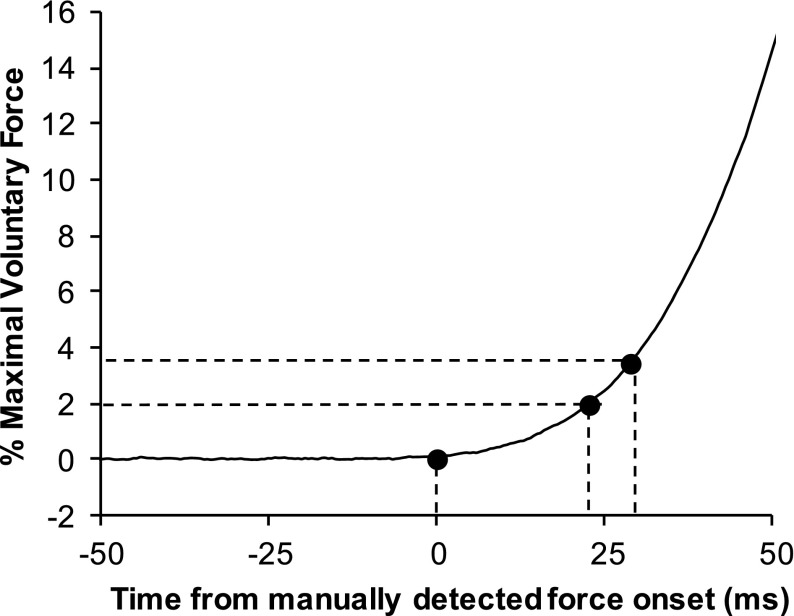
“5 % MVC are not achieved until >25 ms after contraction onset (Haider and Folland 2014; Hannah et al. 2012) (Fig.”
BackgroundMethodInfluentialSelf-citationSchiaffino, S., & Margreth, A. (1969) · The Journal of Cell Biology · doi:10.1083/jcb.41.3.855 · Cited by 163
Physiological Significance of Myosin Phosphorylation in Skeletal Muscle
Grange, R. W., Vandenboom, R., & Houston, M. E. (1993) · Canadian Journal of Applied Physiology · doi:10.1139/h93-020 · Cited by 162
Effects of Increased Loading on In Vivo Tendon Properties: A Systematic Review
WIESINGER, H.-P., KÖSTERS, A., MÜLLER, E., & SEYNNES, O. R. (2015) · Medicine & Science in Sports & Exercise · doi:10.1249/mss.0000000000000603 · Cited by 158 · cited 2×
“Therefore, there is a need for a strict methodological approach to maximise reliability and to collect worthwhile data.”
BackgroundElectromechanical delay revisited using very high frame rate ultrasound
Nordez, A., Gallot, T., Catheline, S., Guével, A., Cornu, C., & Hug, F. (2009) · Journal of Applied Physiology · doi:10.1152/japplphysiol.00221.2009 · Cited by 153 · cited 2×
“, milliseconds for Achilles tendon) (DeWall et al. 2014; Nordez et al. 2009), considerably large changes in stiffness might be needed with training or disuse to significantly impact RFD.”
BackgroundContractile function of single muscle fibers after hindlimb suspension
Gardetto, P. R., Schluter, J. M., & Fitts, R. H. (1989) · Journal of Applied Physiology · doi:10.1152/jappl.1989.66.6.2739 · Cited by 152
Baudry, S., & Duchateau, J. (2007) · Journal of Applied Physiology · doi:10.1152/japplphysiol.01254.2006 · Cited by 150
Self-citationThe Motoneurone and its Muscle Fibres
Kernell, D. (2006) · doi:10.1093/acprof:oso/9780198526551.001.0001 · Cited by 149
Calcium-Sensitive Cross-Bridge Transitions in Mammalian Fast and Slow Skeletal Muscle Fibers
Metzger, J. M., & Moss, R. L. (1990) · Science · doi:10.1126/science.2309121 · Cited by 148 · cited 5×
“Third, the rate of crossbridge formation is Ca2+ dependent, being 3–8 times faster in type II than type I fibres and with the difference increasing with increases in Ca2+ concentration (Metzger and Moss 1990).”
BackgroundInfluentialDuclay, J., Martin, A., Duclay, A., Cometti, G., & Pousson, M. (2009) · Muscle & Nerve · doi:10.1002/mus.21297 · Cited by 147 · cited 2×
“In addition, substantial increases (+15–25 %) in tendon stiffness have been reported for the patellar and Achilles tendons in response to prolonged periods of strength training in both young and old individuals (Arampatzis et al. 2007; Duclay et al. 2009; Kongsgaard et al. 2007; Reeves et al. 2003; Waugh et al. 2014;…”
BackgroundRepetitive doublets in human flexor carpi radialis muscle.
Bawa, P., & Calancie, B. (1983) · The Journal of Physiology · doi:10.1113/jphysiol.1983.sp014707 · Cited by 145 · cited 2×
“…observed during a contraction realized with a slow and progressive (ramp-like) increase in force, a rapid/ballistic contraction is characterised by a highly synchronised burst of activity at the onset of the action (Bawa and Calancie 1983; Desmedt and Godaux 1977; Van Cutsem et al. 1998).”
BackgroundGRUBER, M., GRUBER, S. B. H., TAUBE, W., SCHUBERT, M., BECK, S. C., & GOLLHOFER, A. (2007) · Journal of Strength and Conditioning Research · doi:10.1519/00124278-200702000-00049 · Cited by 145
Tillin, N. A., & Folland, J. P. (2014) · European Journal of Applied Physiology · doi:10.1007/s00421-013-2781-x · Cited by 140
Self-citationSerotonin Affects Movement Gain Control in the Spinal Cord
Wei, K., Glaser, J. I., Deng, L., Thompson, C. K., Stevenson, I. H., Wang, Q., Hornby, T. G., Heckman, C. J., & Kording, K. P. (2014) · Journal of Neuroscience · doi:10.1523/jneurosci.1855-14.2014 · Cited by 135 · cited 1×
“Furthermore, changes in the activity of the serotonergic system appear to modulate the responsiveness of the motor neurones (Wei et al. 2014).”
BackgroundMuscle Mechanics: Adaptations with Exercise-Training
FITTS, R. H., & WIDRICK, J. J. (1996) · Exercise and Sport Sciences Reviews · doi:10.1249/00003677-199600240-00016 · Cited by 135
The contribution of muscle hypertrophy to strength changes following resistance training
Erskine, R. M., Fletcher, G., & Folland, J. P. (2014) · European Journal of Applied Physiology · doi:10.1007/s00421-014-2855-4 · Cited by 129
Self-citationAsymmetry in Quadriceps Rate of Force Development as a Functional Outcome Measure in TKA
Maffiuletti, N. A., Bizzini, M., Widler, K., & Munzinger, U. (2010) · Clinical Orthopaedics & Related Research · doi:10.1007/s11999-009-0978-4 · Cited by 128 · cited 1×
“…contraction (MVC) strength, RFD seems to be (1) better related to most performances of both sport-specific and functional daily tasks (see, e.g., Maffiuletti et al. 2010; Tillin et al. 2013a), (2) more sensitive to detect acute and chronic changes in neuromuscular function (see, e.g., Angelozzi…”
BackgroundSelf-citationMetabolic and Vascular Limb Differences Affected by Exercise, Gender, Age, and Disease
RICHARDSON, R. S., SECHER, N. H., TSCHAKOVSKY, M. E., PROCTOR, D. N., & WRAY, D. W. (2006) · Medicine & Science in Sports & Exercise · doi:10.1249/01.mss.0000229568.17284.ab · Cited by 127
Cutsem, M. V., Feiereisen, P., Duchateau, J., & Hainaut, K. (1997) · Canadian Journal of Applied Physiology · doi:10.1139/h97-038 · Cited by 127
Self-citationFast Unilateral Isometric Knee Extension Torque Development and Bilateral Jump Height
DE RUITER, C. J., VAN LEEUWEN, D., HEIJBLOM, A., BOBBERT, M. F., & DE HAAN, A. (2006) · Medicine & Science in Sports & Exercise · doi:10.1249/01.mss.0000227644.14102.50 · Cited by 124 · cited 4×
“6), which has produced low thresholds when used with custom-built dynamometers (~1 N or 0.5 Nm) (de Ruiter et al. 2004, 2006).”
BackgroundMethodInfluentialChristie, A., & Kamen, G. (2010) · Muscle & Nerve · doi:10.1002/mus.21539 · Cited by 123
Get Aroused and Be Stronger: Emotional Facilitation of Physical Effort in the Human Brain
Schmidt, L., Cléry-Melin, M.-L., Lafargue, G., Valabrègue, R., Fossati, P., Dubois, B., & Pessiglione, M. (2009) · The Journal of Neuroscience · doi:10.1523/jneurosci.1951-09.2009 · Cited by 123 · cited 1×
“It is well accepted that arousal can further influence the neural command sent to the muscles, thereby modulating physical performance (Jokela and Hanin 1999), muscle strength (Schmidt et al. 2009) and possibly RFD.”
BackgroundJokela, M., & Hanin, Y. L. (1999) · Journal of Sports Sciences · doi:10.1080/026404199365434 · Cited by 123 · cited 2×
“It is well accepted that arousal can further influence the neural command sent to the muscles, thereby modulating physical performance (Jokela and Hanin 1999), muscle strength (Schmidt et al.”
BackgroundMuscle fiber angle, segment bulging and architectural gear ratio in segmented musculature
Brainerd, E. L., & Azizi, E. (2005) · Journal of Experimental Biology · doi:10.1242/jeb.01770 · Cited by 121 · cited 2×
“, gearing effects) (Azizi et al. 2008; Brainerd and Azizi 2005), which increases origin-to-insertion muscle shortening speed (Gans 1982) and possibly the rate of”
BackgroundShort‐term training for explosive strength causes neural and mechanical adaptations
Tillin, N. A., Pain, M. T. G., & Folland, J. P. (2012) · Experimental Physiology · doi:10.1113/expphysiol.2011.063040 · Cited by 120 · cited 6×
“Early-phase (first 25–50 ms) RFD appears important for performance (de Ruiter et al. 2006; Tillin et al. 2010) and injury avoidance (Domire et al. 2011; Krosshaug et al. 2007), yet can be small, e.g., 2–12 % of MVC force (Tillin et al. 2012a).”
BackgroundMethodInfluentialSelf-citationBemben, M. G., Clasey, J. L., & Massey, B. H. (1990) · Research Quarterly for Exercise and Sport · doi:10.1080/02701367.1990.10607484 · Cited by 119
Allometric scaling of strength measurements to body size
Folland, J. P., Cauley, T. M. M., & Williams, A. G. (2008) · European Journal of Applied Physiology · doi:10.1007/s00421-007-0654-x · Cited by 119
Self-citationMuscle strength testing: evaluation of tests of explosive force production
Mirkov, D. M., Nedeljkovic, A., Milanovic, S., & Jaric, S. (2004) · European Journal of Applied Physiology · doi:10.1007/s00421-003-0946-8 · Cited by 118 · cited 6×
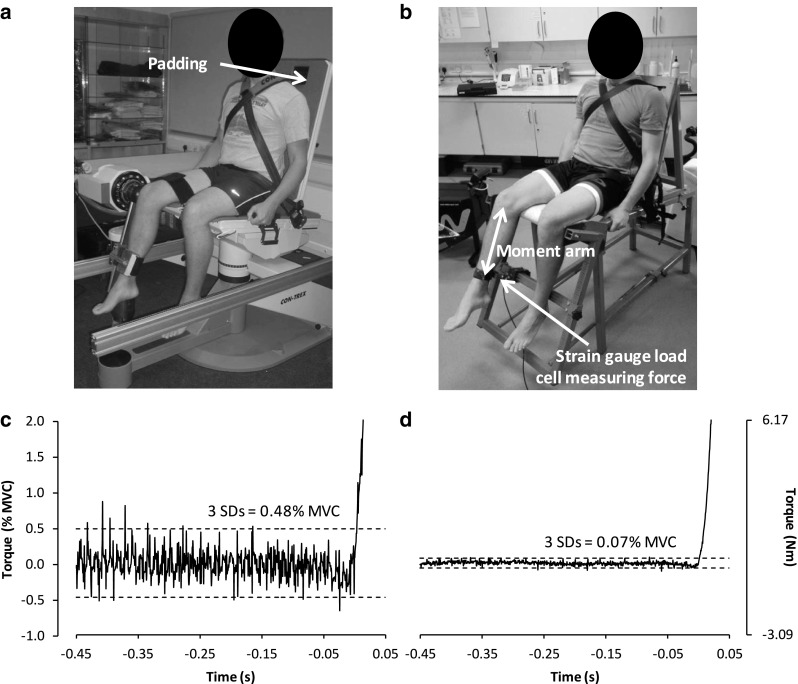
“2013), or a custom-built dynamometer incorporating a linear strain gauge load cell measuring force (Hannah et al. 2014; Mirkov et al. 2004; Tillin et al. 2010).”
BackgroundMethodInfluentialDuchateau, J., & Baudry, S. (2014) · Frontiers in Human Neuroscience · doi:10.3389/fnhum.2014.00234 · Cited by 117 · cited 4×
“This phenomenon was supported by the modelling results of Duchateau and Baudry (2014), who found that an increase in discharge rate up to 100–200 Hz augmented RFD of all MUs in a pool but that further increases in discharge rate preferentially influenced only the faster units (see “Association…”
BackgroundMethodResultInfluentialSelf-citationEnhanced sarcoplasmic reticulum Ca2+release following intermittent sprint training
Ørtenblad, N., Lunde, P. K., Levin, K., Andersen, J. L., & Pedersen, P. K. (2000) · American Journal of Physiology-Regulatory, Integrative and Comparative Physiology · doi:10.1152/ajpregu.2000.279.1.r152 · Cited by 114
Changes in the elastic properties of tendon structures following 20 days bed-rest in humans
Kubo, K., Akima, H., Kouzaki, M., Ito, M., Kawakami, Y., Kanehisa, H., & Fukunaga, T. (2000) · European Journal of Applied Physiology · doi:10.1007/s004210000309 · Cited by 113
Tillin, N. A., Pain, M. T. G., & Folland, J. P. (2011) · Muscle & Nerve · doi:10.1002/mus.21885 · Cited by 112
Self-citationER-Mitochondria Communication. How Privileged?
Franzini-Armstrong, C. (2007) · Physiology · doi:10.1152/physiol.00017.2007 · Cited by 109
Neural Adaptations with Chronic Activity Patterns in Able-Bodied Humans
Duchateau, J., & Enoka, R. M. (2002) · American Journal of Physical Medicine & Rehabilitation · doi:10.1097/00002060-200211001-00004 · Cited by 109 · cited 2×
“In addition to a suboptimal output from the primary motor cortex, part of this submaximal performance can be due to an ineffective activation pattern of the agonist and antagonist/synergist muscles involved in the task (Duchateau and Enoka 2002; Geertsen et al. 2008, 2011).”
BackgroundSelf-citationThreshold for force potentiation associated with skeletal myosin phosphorylation
Vandenboom, R., Grange, R. W., & Houston, M. E. (1993) · American Journal of Physiology-Cell Physiology · doi:10.1152/ajpcell.1993.265.6.c1456 · Cited by 108 · cited 2×
“If the rate of force transmission is influenced by tissue stiffness then changes in (active) muscular stiffness should theoretically impact RFD.”
BackgroundResultReliability of techniques to assess human neuromuscular function in vivo
Clark, B. C., Cook, S. B., & Ploutz-Snyder, L. L. (2007) · Journal of Electromyography and Kinesiology · doi:10.1016/j.jelekin.2005.11.008 · Cited by 107 · cited 1×
“2004) and plantar flexors (Clark et al. 2007) as well as in isometric multi-joint movements such as the static squat (Tillin et al.”
BackgroundWaugh, C. M., Korff, T., Fath, F., & Blazevich, A. J. (2014) · Journal of Applied Physiology · doi:10.1152/japplphysiol.00325.2014 · Cited by 106 · cited 4×
“In addition, substantial increases (+15–25 %) in tendon stiffness have been reported for the patellar and Achilles tendons in response to prolonged periods of strength training in both young and old individuals (Arampatzis et al. 2007; Duclay et al. 2009; Kongsgaard et al. 2007; Reeves et al. 2003; Waugh et al. 2014;…”
BackgroundResultInfluentialSelf-citationBarry, B. K., Warman, G. E., & Carson, R. G. (2005) · Experimental Brain Research · doi:10.1007/s00221-004-2127-3 · Cited by 105 · cited 7×
“If using distinct contractions to measure RFD (i.e., separate from those used to measure MVC force), we recommend keeping the explosive (“fast and hard”) contractions short (0.5–1.5 s) (Barry et al. 2005; Bellumori et al. 2011; Tillin et al. 2010; Van Cutsem et al. 1998).”
BackgroundMethodInfluentialDuchateau, J., & Hainaut, K. (1986) · Journal of Muscle Research and Cell Motility · doi:10.1007/bf01756198 · Cited by 105
Self-citationSpatial variations in Achilles tendon shear wave speed
DeWall, R. J., Slane, L. C., Lee, K. S., & Thelen, D. G. (2014) · Journal of Biomechanics · doi:10.1016/j.jbiomech.2014.05.008 · Cited by 105 · cited 2×
“, milliseconds for Achilles tendon) (DeWall et al. 2014; Nordez et al. 2009), considerably large changes in stiffness might be needed with training or disuse to significantly impact RFD.”
BackgroundBlazevich, A. J., Horne, S., Cannavan, D., Coleman, D. R., & Aagaard, P. (2008) · Muscle & Nerve · doi:10.1002/mus.21021 · Cited by 104 · cited 4×
“…al. (2010) 1 3 Balso and Cafarelli 2007; Klass et al. 2008) as well as between the training-induced increases in these parameters (Andersen et al. 2009; Blazevich et al. 2008) support that a causative relationship exists between the traininginduced gains in muscle activation and RFD, respectively.”
BackgroundInfluentialSelf-citationTillin, N. A., Pain, M. T. G., & Folland, J. P. (2013) · Journal of Electromyography and Kinesiology · doi:10.1016/j.jelekin.2013.04.015 · Cited by 103
Self-citationChanges in muscle force–length properties affect the early rise of force in vivo
Blazevich, A. J., Cannavan, D., Horne, S., Coleman, D. R., & Aagaard, P. (2009) · Muscle & Nerve · doi:10.1002/mus.21259 · Cited by 103 · cited 5×
“Using such an approach, several studies have shown that muscle activation, as assessed by surface EMG, is a major factor influencing the expression of RFD in vivo (Blazevich et al. 2009; de Ruiter et al. 2004; Del Balso and Cafarelli 2007; Folland et al. 2014; Klass et al. 2008).”
BackgroundInfluentialSelf-citationEnhanced H-reflex with resistance training is related to increased rate of force development
Holtermann, A., Roeleveld, K., Engstrøm, M., & Sand, T. (2007) · European Journal of Applied Physiology · doi:10.1007/s00421-007-0503-y · Cited by 102 · cited 3×
“This interaction may account for the finding that short-term (e.g., 2–8 weeks) strength training programs tend to increase RFD significantly (e.g., Holtermann et al. 2007; Ogasawara et al. 2013; Tillin et al. 2012b), when increases in MU discharge rates are elicited without substantive fibre type…”
BackgroundMethodInfluentialRapid Force Production in Children and Adults: Mechanical and Neural Contributions
WAUGH, C. M., KORFF, T., FATH, F., & BLAZEVICH, A. J. (2013) · Medicine & Science in Sports & Exercise · doi:10.1249/mss.0b013e31827a67ba · Cited by 97 · cited 10×
“%) in tendon stiffness have been reported for the patellar and Achilles tendons in response to prolonged periods of strength training in both young and old individuals (Arampatzis et al. 2007; Duclay et al. 2009; Kongsgaard et al. 2007; Reeves et al. 2003; Waugh et al. 2014; Seynnes et al. 2009).”
MethodInfluentialSelf-citationHäkkinen, K., Kraemer, W. J., Newton, R. U., et al. (2001) · Acta Physiologica Scandinavica · doi:10.1046/j.1365-201x.2001.171001051.x · Cited by 97
Comparison of muscle hypertrophy following 6-month of continuous and periodic strength training
Ogasawara, R., Yasuda, T., Ishii, N., & Abe, T. (2013) · European Journal of Applied Physiology · doi:10.1007/s00421-012-2511-9 · Cited by 96 · cited 4×
“…transformation or hypertrophy, whereas longer periods of strength training may have less effect on (or might even reduce) RFD (Hakkinen et al. 1985; Ogasawara et al. 2013), when less change in MU discharge rate presumably occurs but reductions in type IIX myosin heavy chain content are triggered…”
BackgroundInfluentialExplosive neuromuscular performance of males versus females
Hannah, R., Minshull, C., Buckthorpe, M. W., & Folland, J. P. (2012) · Experimental Physiology · doi:10.1113/expphysiol.2011.063420 · Cited by 95 · cited 3×
“5 % MVC are not achieved until >25 ms after contraction onset (Haider and Folland 2014; Hannah et al. 2012) (Fig.”
BackgroundInfluentialSelf-citationHinder, M. R., Schmidt, M. W., Garry, M. I., Carroll, T. J., & Summers, J. J. (2011) · Journal of Applied Physiology · doi:10.1152/japplphysiol.00958.2010 · Cited by 92 · cited 4×
“In agreement with other experiments (Hinder et al. 2011; Lee et al. 2010; Muellbacher et al. 2002; Rogasch et al. 2009), this observation indicates that the motor cortex is implicated in motor learning and that the rapid improvement in such high-speed actions depends on short-term changes at the…”
BackgroundResultInfluentialVan Cutsem, M., & Duchateau, J. (2005) · The Journal of Physiology · doi:10.1113/jphysiol.2004.074567 · Cited by 90
Self-citationHäkkinen, K., & Keskinen, K. L. (1989) · European Journal of Applied Physiology and Occupational Physiology · doi:10.1007/bf02386190 · Cited by 90
Isometric Knee-Extensor Torque Development and Jump Height in Volleyball Players
de RUITER, C. J., VERMEULEN, G., TOUSSAINT, H. M., & DE HAAN, A. (2007) · Medicine & Science in Sports & Exercise · doi:10.1097/mss.0b013e318063c719 · Cited by 89 · cited 4×
“…deflects above the range of the baseline noise” (Folland et al. 2014; Tillin et al. 2010) or “the first derivative of the filtered torque signal crossed zero for the last time before torque rise” (de Ruiter et al. 2007), and viewing the force recordings on a consistent scale (e.g., 300 ms vs. 1 N).”
BackgroundInfluentialEffects of ageing on single muscle fibre contractile function following short‐term immobilisation
Hvid, L. G., Ørtenblad, N., Aagaard, P., Kjaer, M., & Suetta, C. (2011) · The Journal of Physiology · doi:10.1113/jphysiol.2011.215434 · Cited by 88 · cited 3×
“…given the 10–50 % higher specific force of type II compared to type I fibres observed in both young and old individuals (Bottinelli et al. 1999; Hvid et al. 2011; Larsson et al. 1997; Trappe et al. 2003), heavy-resistance exercise regimes evoking preferential type II hypertrophy are likely to…”
BackgroundSelf-citationMarcora, S., & Miller, M. K. (2000) · Journal of Sports Sciences · doi:10.1080/026404100402377 · Cited by 86
Geertsen, S. S., Lundbye-Jensen, J., & Nielsen, J. B. (2008) · Journal of Applied Physiology · doi:10.1152/japplphysiol.01155.2007 · Cited by 85
Age, Isometric Strength, Rate of Tension Development and Fiber Type Composition
Clarkson, P. M., Kroll, W., & Melchionda, A. M. (1981) · Journal of Gerontology · doi:10.1093/geronj/36.6.648 · Cited by 85
de Haan, A. (1998) · Experimental Physiology · doi:10.1113/expphysiol.1998.sp004093 · Cited by 82
Resistance Training and Neuromuscular Performance in Seniors
Granacher, U., Gruber, M., & Gollhofer, A. (2009) · International Journal of Sports Medicine · doi:10.1055/s-0029-1224178 · Cited by 81
Maximal motor unit discharge rates in the quadriceps muscles of older weight lifters
LEONG, B., KAMEN, G., PATTEN, C., & BURKE, J. R. (1999) · Medicine & Science in Sports & Exercise · doi:10.1097/00005768-199911000-00022 · Cited by 80
Catchlike property of skeletal muscle: Recent findings and clinical implications
Binder‐Macleod, S., & Kesar, T. (2005) · Muscle & Nerve · doi:10.1002/mus.20290 · Cited by 78
No acute effects of short-term creatine supplementation on muscle properties and sprint performance
Deutekom, M., Beltman, J. G. M., de Ruiter, C. J., de Koning, J. J., & de Haan, A. (2000) · European Journal of Applied Physiology · doi:10.1007/s004210050675 · Cited by 71
Tsaopoulos, D. E., Baltzopoulos, V., Richards, P. J., & Maganaris, C. N. (2007) · Journal of Biomechanics · doi:10.1016/j.jbiomech.2007.05.005 · Cited by 68 · cited 2×
“6a) have been found to allow large changes in joint angle (>15° knee angle change during isometric knee extension) (Tsaopoulos et al. 2007) in comparison to rigid custom-built dynamometers (4° knee angle change during isometric knee extension) (Folland et al.”
BackgroundDeterminants of force rise time during isometric contraction of frog muscle fibres
Edman, K. A. P., & Josephson, R. K. (2007) · The Journal of Physiology · doi:10.1113/jphysiol.2006.119982 · Cited by 67 · cited 1×
“According to Edman and Josephson (2007), ~40 % of the variance in the force rise measured early in a contraction (to 50 % maximum force) is associated with the requirement to take up series elastic slack in muscle fibres, indicating that muscles with greater series compliance may have a slower RFD.”
BackgroundAerobic exercise training improves Ca 2+ handling and redox status of skeletal muscle in mice
Ferreira, J. C. B., Bacurau, A. V., Bueno, C. R., Cunha, T. C., Tanaka, L. Y., Jardim, M. A., Ramires, P. R., & Brum, P. C. (2010) · Experimental Biology and Medicine · doi:10.1258/ebm.2009.009165 · Cited by 66 · cited 2×
“Indeed, moderate-intensity exercise training has increased dihydropyridine content in both type I and II fibres (Ferreira et al. 2010; Saborido et al. 1995), and increases in exercise-induced upregulation of dihydropyridine gene expression are commonly observed in animal models (Manttiri et al.”
BackgroundJenkins, N. D. M., Buckner, S. L., Bergstrom, H. C., Cochrane, K. C., Goldsmith, J. A., Housh, T. J., Johnson, G. O., Schmidt, R. J., & Cramer, J. T. (2014) · Experimental Gerontology · doi:10.1016/j.exger.2014.07.007 · Cited by 65 · cited 1×
“…al. 2013a), (2) more sensitive to detect acute and chronic changes in neuromuscular function (see, e.g., Angelozzi et al. 2012; Crameri et al. 2007; Jenkins et al. 2014b; Penailillo et al. 2015) and (3) potentially governed by different physiological mechanisms (see, e.g., Andersen and Aagaard…”
BackgroundThe rate of force development scaling factor (RFD-SF): protocol, reliability, and muscle comparisons
Bellumori, M., Jaric, S., & Knight, C. A. (2011) · Experimental Brain Research · doi:10.1007/s00221-011-2735-7 · Cited by 65
Evaluation of a Torque-Driven Model of Jumping for Height
King, M. A., Wilson, C., & Yeadon, M. R. (2006) · Journal of Applied Biomechanics · doi:10.1123/jab.22.4.264 · Cited by 65
Andersen, L. L., Andersen, J. L., Suetta, C., Kjær, M., Søgaard, K., & Sjøgaard, G. (2009) · Journal of Applied Physiology · doi:10.1152/japplphysiol.00555.2009 · Cited by 62 · cited 5×
“On the other hand, it should be recognised that the use of non-explosive albeit heavy (≥75 % of 1-repetition maximum) training loads also seems effective in eliciting substantial increases in contractile RFD (Aagaard et al. 2002a; Andersen et al. 2009).”
BackgroundInfluentialNeural adaptation and increase of cross-sectional area studying different strength training methods
Schmidtbleicher, D. (1987) · Medical Entomology and Zoology · Cited by 60
Aalund, P. K., Larsen, K., Hansen, T. B., & Bandholm, T. (2012) · Archives of Physical Medicine and Rehabilitation · doi:10.1016/j.apmr.2012.09.031 · Cited by 60
Calcium Sensitivity of Human Single Muscle Fibers following Plyometric Training
MALISOUX, L., FRANCAUX, M., NIELENS, H., RENARD, P., LEBACQ, J., & THEISEN, D. (2006) · Medicine & Science in Sports & Exercise · doi:10.1249/01.mss.0000232022.21361.47 · Cited by 59 · cited 3×
“Also, there appears to be a limited effect of exercise training on Ca2+ sensitivity in type II fibres (Godard et al. 2002; Lynch et al. 1994; Malisoux et al. 2006), which would not improve their contractile capacity and thus not strongly influence RFD. Interaction between neural and fibre‑dependent…”
BackgroundTillin, N. A., Pain, M. T. G., & Folland, J. P. (2012) · Proceedings of the Royal Society B: Biological Sciences · doi:10.1098/rspb.2011.2109 · Cited by 59 · cited 6×
“Early-phase (first 25–50 ms) RFD appears important for performance (de Ruiter et al. 2006; Tillin et al. 2010) and injury avoidance (Domire et al. 2011; Krosshaug et al. 2007), yet can be small, e.g., 2–12 % of MVC force (Tillin et al. 2012a).”
BackgroundMethodInfluentialSelf-citationLonger Electromechanical Delay Impairs Hamstrings Explosive Force versus Quadriceps
Hannah, R., Minshull, C., Smith, S. L., & Folland, J. P. (2013) · Medicine & Science in Sports & Exercise · doi:10.1249/mss.0000000000000188 · Cited by 56
Self-citationHuman vastus lateralis and soleus muscles display divergent cellular contractile properties
Luden, N., Minchev, K., Hayes, E., Louis, E., Trappe, T., & Trappe, S. (2008) · American Journal of Physiology-Regulatory, Integrative and Comparative Physiology · doi:10.1152/ajpregu.90564.2008 · Cited by 55 · cited 4×
“For example, vastus lateralis, vastus medialis and vastus intermedius contain ~50 % type I fibres (Johnson et al. 1973; Luden et al. 2008; Taylor et al. 1997) whilst soleus contains 75 % and gastrocnemius 45–75 % type I fibres (Dahmane et al. 2005; Edgerton et al. 1975; Johnson et al. 1973; Luden…”
BackgroundInfluentialAbbate, F., Bruton, J. D., De Haan, A., & Westerblad, H. (2002) · American Journal of Physiology-Cell Physiology · doi:10.1152/ajpcell.00416.2001 · Cited by 53
1998 ISEK Congress Keynote Lecture
Moritani, T., & Yoshitake, Y. (1998) · Journal of Electromyography and Kinesiology · doi:10.1016/s1050-6411(98)00018-2 · Cited by 50
Regulation of dihydropyridine receptor levels in skeletal and cardiac muscle by exercise training
Saborido, A., Molano, F., Moro, G., & Meg�as, A. (1995) · Pfl�gers Archiv European Journal of Physiology · doi:10.1007/bf00374151 · Cited by 48
Neuromuscular Aspects of Exercise – Adaptive Responses Evoked by Strength Training
Aagaard, P., & Thorstensson, A. (2003) · Wiley eBooks · doi:10.1002/9780470757277.ch4 · Cited by 45
Self-citationDomire, Z. J., Boros, R. L., & Hashemi, J. (2011) · Journal of Biomechanics · doi:10.1016/j.jbiomech.2011.03.001 · Cited by 38
Anttila, K., Mänttäri, S., & Järvilehto, M. (2006) · Journal of Experimental Biology · doi:10.1242/jeb.02341 · Cited by 38 · cited 2×
“…exercise training has increased dihydropyridine content in both type I and II fibres (Ferreira et al. 2010; Saborido et al. 1995), and increases in exercise-induced upregulation of dihydropyridine gene expression are commonly observed in animal models (Manttiri et al. 2006; Anttila et al. 2006).”
BackgroundSpinal and supraspinal motor control predictors of rate of torque development
Johnson, S. T., Kipp, K., Norcross, M. F., & Hoffman, M. A. (2014) · Scandinavian Journal of Medicine and Science in Sports · doi:10.1111/sms.12283 · Cited by 38
Assessment of the rate of force development scaling factor for the hip muscles
Casartelli, N. C., Lepers, R., & Maffiuletti, N. A. (2014) · Muscle & Nerve · doi:10.1002/mus.24229 · Cited by 36 · cited 3×
“…RFD is a single metric at an inconsistent point on the force–time curve—except for brief impulse-like ballistic contractions (Bellumori et al. 2011; Casartelli et al. 2014; Klass et al. 2008; Van Cutsem et al. 1998)—and thus provides a less comprehensive and standardised measure than RFD or…”
BackgroundSelf-citationThe Rate of Torque Development: A Unique, Non-invasive Indicator of Eccentric-induced Muscle Damage?
Jenkins, N., Housh, T., Traylor, D., Cochrane, K., Bergstrom, H., Lewis, R., Schmidt, R., Johnson, G., & Cramer, J. (2014) · International Journal of Sports Medicine · doi:10.1055/s-0034-1375696 · Cited by 33
Taylor, A. D., Humphries, B., Smith, P., & Bronks, R. (1997) · Archives of Physiology and Biochemistry · doi:10.1076/apab.105.1.10.13142 · Cited by 31 · cited 4×
“For example, vastus lateralis, vastus medialis and vastus intermedius contain ~50 % type I fibres (Johnson et al. 1973; Luden et al. 2008; Taylor et al. 1997) whilst soleus contains 75 % and gastrocnemius 45–75 % type I fibres (Dahmane et al. 2005; Edgerton et al. 1975; Johnson et al. 1973; Luden…”
BackgroundResultInfluentialMaximum rate of force development is increased by antagonist conditioning contraction
Grabiner, M. D. (1994) · Journal of Applied Physiology · doi:10.1152/jappl.1994.77.2.807 · Cited by 31 · cited 2×
“, the production of a negative/antagonist force) immediately prior to the onset of an explosive contraction also appears to influence RFD, as a function of the amplitude and duration of the countermovement (Grabiner 1994; Kamimura et al. 2009).”
BackgroundCheng, A. J., Place, N., Bruton, J. D., Holmberg, H., & Westerblad, H. (2013) · The Journal of Physiology · doi:10.1113/jphysiol.2013.257188 · Cited by 30
Alterations in single muscle fiber calcium sensitivity with resistance training in older women
Godard, M., Gallagher, P., Raue, U., & Trappe, S. (2002) · Pflügers Archiv · doi:10.1007/s00424-002-0821-1 · Cited by 29
Uliam Kuriki, H., Mícolis de Azevedo, F., de Faria Negrão Filho, R., & Alves, N. (2011) · Journal of Electromyography and Kinesiology · doi:10.1016/j.jelekin.2011.08.002 · Cited by 29 · cited 1×
“Within the wider scientific literature on detecting signal onsets manual/visual approaches are generally considered as the gold standard/reference for validation of other approaches, i.e., automated detection methods (Di Fabio 1987; Soda et al. 2010; Uliam Kuriki et al. 2011).”
BackgroundRole of calcium and cross bridges in determining rate of force development in frog muscle fibers
Wahr, P. A., & Rall, J. A. (1997) · American Journal of Physiology-Cell Physiology · doi:10.1152/ajpcell.1997.272.5.c1664 · Cited by 28 · cited 1×
“Changes in processes influencing this input–output relationship are thus likely to influence RFD (Wahr and Rall 1997).”
BackgroundHannah, R., & Folland, J. P. (2015) · Applied Physiology, Nutrition, and Metabolism · doi:10.1139/apnm-2014-0343 · Cited by 27 · cited 3×
“Another less common approach is to use time as the independent variable and assess time to achieve a specific force (Hakkinen and Keskinen 1989; Hannah and Folland 2015), or the time to increase from one force to another (Mirkov et al. 2004).”
BackgroundSelf-citationSprint‐training effects on some contractile properties of single skinned human muscle fibres
LYNCH, G. S., McKENNA, M. J., & WILLIAMS, D. A. (1994) · Acta Physiologica Scandinavica · doi:10.1111/j.1748-1716.1994.tb09809.x · Cited by 26 · cited 2×
“Also, there appears to be a limited effect of exercise training on Ca2+ sensitivity in type II fibres (Godard et al. 2002; Lynch et al. 1994; Malisoux et al. 2006), which would not improve their contractile capacity and thus not strongly influence RFD. Interaction between neural and fibre‑dependent…”
BackgroundThe effects of imagery training on fast isometric knee extensor torque development
de Ruiter, C. J., Hutter, V., Icke, C., Groen, B., Gemmink, A., Smilde, H., & de Haan, A. (2012) · Journal of Sports Sciences · doi:10.1080/02640414.2011.627369 · Cited by 26 · cited 2×
“…robust concurrent increases in RFD and EMG activity have been demonstrated by employing explosive-type resistance exercise in young adults (de Ruiter et al. 2012; Tillin and Folland 2014; Van Cutsem et al. 1998), old to very old individuals (Caserotti et al. 2008), and frail elderly…”
BackgroundMethodInfluentialSoda, P., Mazzoleni, S., Cavallo, G., Guglielmelli, E., & Iannello, G. (2010) · Artificial Intelligence in Medicine · doi:10.1016/j.artmed.2010.04.008 · Cited by 23
Increased rate of force development of elbow flexors by antagonist conditioning contraction
Kamimura, T., Yoshioka, K., Ito, S., & Kusakabe, T. (2009) · Human Movement Science · doi:10.1016/j.humov.2009.02.005 · Cited by 23
Research works printed but not linked: 2
- Aagaard P Cardinale M Newton RU Nosaka K Neural adaptations to resistance exercise Strength and conditioning: biological principles and practical applications 2010 New York Wiley-Blackwell 105 124
- Andersen JL Bangsbo J Larsen HB Muscle fibre type characteristics of the runner Running & science in an interdisciplinary perspective 2001 Copenhagen Munksgaard Publishing 49 65
Cited by
The importance of muscular strength: Training considerations
Suchomel, T. J., Nimphius, S., Bellon, C. R., & Stone, M. H. (2018) · Sports Medicine · doi:10.1007/s40279-018-0862-z · Cited by 940
“Although lower thresholds for MU recruitment may occur during ballistic-type movements due to the required RFD, the size principle appears to hold [36, 46].”
BackgroundAdaptations to Endurance and Strength Training
Hughes, D. C., Ellefsen, S., & Baar, K. (2018) · Cold Spring Harbor Perspectives in Medicine · doi:10.1101/cshperspect.a029769 · Cited by 548
Standardization and Methodological Considerations for the Isometric Midthigh Pull
Comfort, P., Dos'Santos, T., Beckham, G. K., Stone, M. H., Guppy, S. N., & Haff, G. G. (2019) · Strength & Conditioning Journal · doi:10.1519/ssc.0000000000000433 · Cited by 316
Buckthorpe, M. (2019) · Sports Medicine · doi:10.1007/s40279-019-01102-z · Cited by 242
Rodríguez‐Rosell, D., Pareja‐Blanco, F., Aagaard, P., & González‐Badillo, J. J. (2018) · Clinical Physiology and Functional Imaging · doi:10.1111/cpf.12495 · Cited by 216
“For a more detailed description of the neural and muscular determinants of RFD and the neuromuscular adaptations to training that influence RFD, we refer the reader to recent review by Maffiuletti and co-workers (Maffiuletti et al., 2016).”
BackgroundMethodResultInfluentialSelf-citation
Metadata
- Authors
- Maffiuletti, N. A., Aagaard, P., Blazevich, A. J., Folland, J., Tillin, N., & Duchateau, J.
- Affiliations
- Schulthess-Klinik (CH)
- University of Southern Denmark (DK)
- Edith Cowan University (AU)
- Loughborough University (GB)
- University of Roehampton (GB)
- Université Libre de Bruxelles (BE)
- Corresponding author
- Maffiuletti, Nicola A.
- Venue
- European Journal of Applied Physiology
- Published
- 2016-03-03
- Volume
- 116
- Issue
- 6
- Pages
- 1091-1116
- ISSN
- 0020-9376 (ISSN-L)
- 1439-6319
- 1439-6327
- PMC
- PMC4875063
- OpenAlex
- W2290888937
- Cited by
- 1,424
- References
- 204
- Citations by year
- 2026: 174 · 2025: 166 · 2024: 158 · 2023: 157 · 2022: 149 · 2021: 158 · 2020: 143 · 2019: 118 · 2018: 95 · 2017: 66 · 2016: 23
- FWCI
- 79.83
- Type
- journal article
- Language
- en
- Open access
- hybrid
- doi.org
- Locations
- European Journal of Applied Physiology (publishedVersion, cc-by)
- University of Southern Denmark Research Portal (University of Southern Denmark) (publishedVersion, other-oa)
- PubMed (publishedVersion)
- Europe PMC (PubMed Central) (submittedVersion, cc-by)
- PubMed Central (submittedVersion, cc-by)
- Australasian Journal of Paramedicine (submittedVersion)
- Dépôt institutionnel de l'Université libre de Bruxelles (Université Libre de Bruxelles) (submittedVersion, other-oa)
- Topics
- Health Sciences › Medicine › Orthopedics and Sports Medicine › Sports Performance and Training
- Health Sciences › Medicine › Orthopedics and Sports Medicine › Sports injuries and prevention
- Physical Sciences › Engineering › Biomedical Engineering › Muscle activation and electromyography studies
- Keywords
- rate of force development, explosive strength, maximal voluntary activation, motor unit discharge rate, resistance training, high-load resistance training, reliability and validity
- MeSH terms
- Animals, Electromyography, Exercise Test, Humans, Motor Neurons, Muscle Contraction, Synaptic Transmission, Neuromuscular Junction
About these checks
Registry, retraction, Cites and statistics results are computed, not judged, with one exception: a printed reference that no index lists is read once by a model before it counts as a citation error. Claims are extracted by a model and kept only when their quote appears verbatim in the text; each cited source is then checked, with a model’s help, for whether it says what the claim relies on. Those verdicts can be wrong — read the claim’s quote and the cited source before relying on one.
The claim verdicts this report counts are experimental: their accuracy is not yet measured.
A language model drew the claims from the paper on 2026-09-30, under version 3 of the claim definition (model deepseek-v4.1-flash, prompt extract-v3).
A second model labelled each claim on 2026-09-30 (model jev-1.13-20260917, definition revision gold-guideline-v0.2).
Cited sources are checked with a language model’s help (gpt-6-sol).
Statistics and arithmetic are recomputed, not judged.
Confidence bands are shown only for fields calibrated on our annotated test set. None is calibrated yet, so no band is shown.
What counts as a claim ›How we measure confidence ›How we check this ›
Are you an author, or do you see a problem with this page? Request a review
Data sources
Bibliographic data: Semantic Scholar, OpenAlex, Crossref.
Contains information from the Semantic Scholar Academic Graph Datasets, made available under the ODC Attribution License (ODC-BY 1.0).
Semantic Scholar’s data is described in: Kinney, R., et al. (2023). The Semantic Scholar Open Data Platform. arXiv:2301.10140.
