

System consolidation of memory during sleep
Open accessThe DOI matches its Crossref record; 89 of the 90 references it cites were found in a registry or an index; 21 of the 96 sources its claims cite were checked for support.
Abstract
Over the past two decades, research has accumulated compelling evidence that sleep supports the formation of long-term memory. The standard two-stage memory model that has been originally elaborated for declarative memory assumes that new memories are transiently encoded into a temporary store (represented by the hippocampus in the declarative memory system) before they are gradually transferred into a long-term store (mainly represented by the neocortex), or are forgotten. Based on this model, we propose that sleep, as an offline mode of brain processing, serves the 'active system consolidation' of memory, i.e. the process in which newly encoded memory representations become redistributed to other neuron networks serving as long-term store. System consolidation takes place during slow-wave sleep (SWS) rather than rapid eye movement (REM) sleep. The concept of active system consolidation during sleep implicates that (a) memories are reactivated during sleep to be consolidated, (b) the consolidation process during sleep is selective inasmuch as it does not enhance every memory, and (c) memories, when transferred to the long-term store undergo qualitative changes. Experimental evidence for these three central implications is provided: It has been shown that reactivation of memories during SWS plays a causal role for consolidation, that sleep and specifically SWS consolidates preferentially memories with relevance for future plans, and that sleep produces qualitative changes in memory representations such that the extraction of explicit and conscious knowledge from implicitly learned materials is facilitated.
Overview
CoChat Summary
TL;DR
The review proposes that sleep, especially slow-wave sleep (SWS), actively consolidates declarative memory by reactivating newly encoded hippocampal representations and redistributing them to neocortical long-term stores. It argues this process is causal, selective for future-relevant memories, and can qualitatively transform implicit knowledge into explicit insight.
Key findings
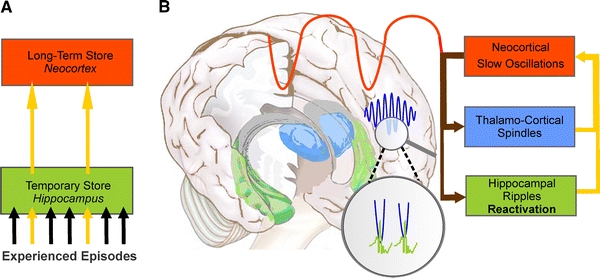
- Active system consolidation occurs mainly during SWS rather than REM sleep; slow oscillations (~0.75 Hz) coordinate hippocampal reactivations, thalamo-cortical spindles (12–15 Hz), and sharp-wave ripples to transfer memories to neocortex.
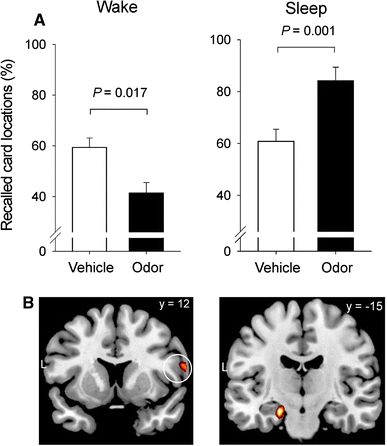
- Reactivation is causal: in Rasch et al. (2007), odour re-exposure during SWS after learning 15 card-pair locations improved memory; the effect occurred only in SWS, not REM or wake, and fMRI showed left hippocampal activation. In Diekelmann et al. (2011), SWS reactivation stabilized memories against interference, whereas wake reactivation destabilized them.
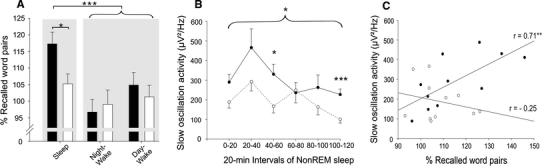
- Consolidation is selective and future-oriented: Wilhelm et al. (2011) found post-learning sleep improved delayed retrieval only when subjects expected retrieval; Fischer & Born (2009) found greater sleep-dependent motor gain for a reward-associated sequence; prospective-memory implementation depended on SWS and was nullified by prior execution.
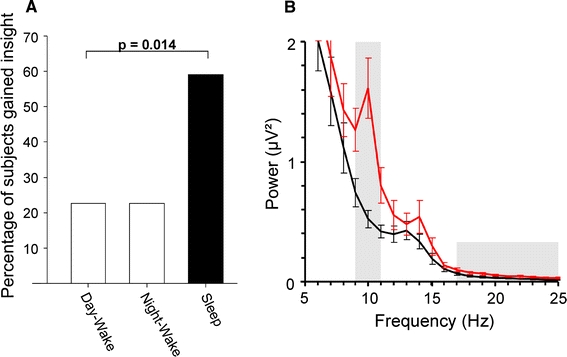
- Sleep changes memory quality: in Wagner et al. (2004), after practice on 90 Number Reduction Task strings, more than twice as many sleep-group subjects gained insight at retest (up to 300 strings) than wake controls; SWS and slow spindles favoured implicit-to-explicit transformation. In Fischer et al. (2006), after a 9-h sleep vs wake interval, sleepers could deliberately generate the trained serial reaction time sequence, while the wake group remained at chance.
Methods
- Narrative review/theoretical synthesis, not a primary empirical study; it integrates animal and human studies to elaborate the active system consolidation model.
- Focuses mainly on declarative memory, with extension to procedural memory; main analysis is conceptual integration of behavioural, EEG/fMRI, and rodent electrophysiology evidence.
- No new sample, data, or statistical analysis is reported.
Limitations
- Stated: factors determining selectivity in offline consolidation are not well understood; mechanisms of selection are obscure; the role of REM sleep in memory consolidation is presently obscure; whether natural reactivations are cue-linked or spontaneous is unsolved.
- Stated: many questions remain about reactivation/redistribution, active unlearning of hippocampal memories, whether prefrontal-hippocampal involvement at encoding is mandatory, and underlying neurophysiological mechanisms.
- Evident: as a narrative review, it does not use a systematic search or quantitative synthesis and cites some submitted/unpublished findings, so conclusions rest on selected evidence.
Model-written summary. Check it against the paper before relying on it.
Integrity signals
Registry
Cites
Statistics
Figures
Verification
Claims the paper makes
18 Valid · 4 Not valid · 47 Not checked · 57 Own results and interpretations
The cited sources support only part of this claim — read each source’s verdict below.
In the paper
“The driving influence of the depolarizing up phase of the slow oscillation on spindle and hippocampal ripple activity enables the ripples and accompanying memory information to become nested into the single oscillatory troughs of spindles (Siapas & Wilson 1998; Sirota & Buzsaki 2005; Wierzynski, Lubenov, Gu, & Siapas 2009; Mölle, Eschenko, Gais, Sara, & Born 2009; Clemens et al. 2011).”
§ System consolidation of memory during sleep > Sleep’s role in active system consolidation
What the sources say
- Not checked — no full text of the sourcecites Siapas & Wilson 1998 matched to “Coordinated interactions between hippocampal Ripples and Cortical Spindles during Slow-Wave Sleep” (1998) source
- Not checked — no full text of the sourcecites Sirota & Buzsaki 2005 matched to “Interaction between neocortical and hippocampal networks via slow oscillations” (2005) source
- Partly supportedcites Wierzynski, Lubenov, Gu, & Siapas 2009 matched to “State-dependent spike-timing relationships between hippocampal and prefrontal circuits during sleep” (2009) sourceExperimental — accuracy not yet measured
The Discussion (page unavailable) says neocortical slow oscillations can bias the timing of hippocampal sharp-wave/ripple events. The Results, under “Biphasic structure of prefrontal responses” (page unavailable), associate stronger hippocampal bursts with increased spindle-band activity after the bursts. Neither passage establishes that the depolarizing up phase drives both activities or that ripples and memory information nest in individual spindle troughs. (LLM, conf=0.86)
plainstates a cause- Asserted: passes — The authors put it forward as true.
- Checkable: passes — It can be checked against evidence.
- Load-bearing: passes — The paper’s conclusions depend on it.
- Based: passes — The paper gives a reason why it holds.
The sources with a verdict support this claim; the rest weren’t checked yet, have no full text we could read, or their verdicts aren’t rated yet.
In the paper
“Sleep-dependent reactivation of activity in brain regions implicated in prior learning was likewise revealed in human neuroimaging studies (Maquet et al. 2000; Peigneux et al. 2004).”
§ System consolidation of memory during sleep > Reactivation as basic mechanism of sleep-dependent memory consolidation
What the sources say
- Not checked — no full text of the sourcecites Maquet et al. 2000 matched to “Experience-dependent changes in cerebral activation during human REM sleep” (2000) source
- Supportedcites Peigneux et al. 2004 matched to “Are spatial memories strengthened in the human hippocampus during slow wave sleep?” (2004) source
The Discussion reports reactivation of the hippocampal formation during slow-wave sleep after training on a spatial memory task. The Introduction describes the PET comparison used to identify regions active both during waking navigation practice and during subsequent sleep. (LLM, conf=0.94)
plainstates an association- Asserted: passes — The authors put it forward as true.
- Checkable: passes — It can be checked against evidence.
- Load-bearing: passes — The paper’s conclusions depend on it.
- Based: passes — The paper gives a reason why it holds.
The cited sources support only part of this claim — read each source’s verdict below.
In the paper
“It is not limited to hippocampal circuitry but occurs also in the thalamus, striatum and neocortex (Pennartz et al. 2004; Euston et al. 2007; Lansink et al. 2008).”
§ System consolidation of memory during sleep > Reactivation as basic mechanism of sleep-dependent memory consolidation
What the sources say
- Supportedcites Pennartz et al. 2004 matched to “The ventral striatum in off-line processing: ensemble reactivation during sleep and modulation by hippocampal ripples” (2004) source
Pennartz et al. is cited here for reactivation in the striatum. The Abstract reports significant reactivation in ventral striatal ensembles during post-behavioral sleep and rest, establishing that reactivation is not limited to hippocampal circuitry. (LLM, conf=0.91)
- Not checked — no full text of the sourcecites Euston et al. 2007 matched to “Fast-Forward Playback of Recent Memory Sequences in Prefrontal Cortex During Sleep” (2007) source
- Partly supportedcites Lansink et al. 2008 matched to “Preferential Reactivation of Motivationally Relevant Information in the Ventral Striatum” (2008) sourceExperimental — accuracy not yet measured
The Abstract reports reactivation in the rat ventral striatum, and the Discussion describes replay across cortical and subcortical structures. The paper mentions thalamo-prefrontal circuits as potential targets of ventral striatal information, but the passages do not establish reactivation in the thalamus. (LLM, conf=0.86)
plain- Asserted: passes — The authors put it forward as true.
- Checkable: passes — It can be checked against evidence.
- Load-bearing: passes — The paper’s conclusions depend on it.
- Based: passes — The paper gives a reason why it holds.
- Supported
The cited sources support only part of this claim — read each source’s verdict below.
In the paper
“In rats, consolidation of hippocampus-dependent memories for a spatial maze was impaired following suppression of sharp-wave ripples typically accompanying memory reactivations during SWS (Girardeau et al. 2009; Ego-Stengel & Wilson 2010).”
§ System consolidation of memory during sleep > Reactivation as basic mechanism of sleep-dependent memory consolidation
What the sources say
- Not checked — no full text of the sourcecites Girardeau et al. 2009 matched to “Selective suppression of hippocampal ripples impairs spatial memory” (2009) source
- Partly supportedcites Ego-Stengel & Wilson 2010 matched to “Disruption of ripple‐associated hippocampal activity during rest impairs spatial learning in the rat” (2010) sourceExperimental — accuracy not yet measured
The Abstract and Introduction report that disrupting ripple-associated hippocampal activity during post-task rest impaired rats’ spatial-maze learning. However, the Discussion says the study did not distinguish effects on ripples during slow-wave sleep from effects on ripples during wakefulness, so it cannot specifically attribute the impairment to suppression during SWS. Page numbers were not provided in our copy. (LLM, conf=0.86)
plainstates a cause- Asserted: passes — The authors put it forward as true.
- Checkable: passes — It can be checked against evidence.
- Load-bearing: passes — The paper’s conclusions depend on it.
- Based: passes — The paper gives a reason why it holds.
The sources with a verdict support this claim; the rest weren’t checked yet, have no full text we could read, or their verdicts aren’t rated yet.
In the paper
“However, reactivations in the hippocampus seem to precede those in neocortex and striatum (Ji & Wilson 2007; Lansink, Goltstein, Lankelma, McNaughton, & Pennartz 2009).”
§ System consolidation of memory during sleep > Reactivation as basic mechanism of sleep-dependent memory consolidation
What the sources say
- Not checked — no full text of the sourcecites Ji & Wilson 2007 matched to “Coordinated memory replay in the visual cortex and hippocampus during sleep” (2007) source
- Supportedcites Lansink, Goltstein, Lankelma, McNaughton, & Pennartz 2009 matched to “Hippocampus leads ventral striatum in replay of place-reward information” (2009) source
The Discussion reports that hippocampus-to-ventral-striatum firing order was overrepresented during postbehavioral reactivation, supporting the part of the sentence attributed to Lansink et al. The paper addresses ventral striatum; the sentence also cites a separate work for neocortex. (LLM, conf=0.91)
hedgedstates an association- Asserted: passes — The authors put it forward as true.
- Checkable: passes — It can be checked against evidence.
- Load-bearing: passes — The paper’s conclusions depend on it.
- Based: passes — The paper gives a reason why it holds.
80 more claims · 8 with their cited sources checked
Create a free account to see all 126 claims and every source verdict.
- It may state two separate claims as one. 20
- Not yet classified. 14
- Probably not a substantial claim. 8
Claims other papers make about this one
Each is checked against this paper’s own text: does it say what the citing paper says it does?
The cited source says what the claim attributes to it.
In the citing paper
“B: system consolidation during SWS relies on a dialogue between neocortex and hippocampus under top-down control by the neocortical slow oscillations (red).”
From About Sleep's Role in Memory (2013) · cites this paper as [125]
The cited source says what the claim attributes to it.
In the citing paper
“A: during SWS, memories newly encoded into a temporary store (i.e., the hippocampus in the declarative memory system) are repeatedly reactivated, which drives their gradual redistribution to the long-term store (i.e., the neocortex).”
From About Sleep's Role in Memory (2013) · cites this paper as [125]
In the citing paper
“SO synchronizes hippocampal sharp wave ripple activity and thus fosters the integration of newly encoded hippocampus-related memories into already existing memory networks located in the neocortex [27,31,46].”
In the citing paper
“This theory, known as active system consolidation (ASC) theory, implies that while an organism is asleep, its memories are reactivated. The concept also suggests that the consolidation process selectively enhances and qualitatively changes memories being transferred to long-term storage (Born and Wilhelm, 2011).”
From Sleep deprivation and memory: A neurobiological perspective (2026) · cites this paper as Born and Wilhelm, 2011
In the citing paper
“While both REM and NREM sleep are widely recognised for their contributions to memory, findings vary across experimental designs, species, and memory domains, highlighting ongoing debates.”
From Sleep deprivation and memory: A neurobiological perspective (2026) · cites this paper as Born and Wilhelm, 2011
1 more claim about this paper
Create a free account to see every claim other papers make about this one.
Citations
Cites
An Integrative Theory of Prefrontal Cortex Function
Miller, E. K., & Cohen, J. D. (2001) · Annual Review of Neuroscience · doi:10.1146/annurev.neuro.24.1.167 · Cited by 12,803 · cited 2×
“Processing of anticipatory aspects of behaviour such as expectancies and plans is particularly linked to executive functions of the prefrontal cortex that regulates activation of memory representations during anticipated retrieval and accommodates specifically the intentional and prospective aspects of a memory repres…”
BackgroundMcClelland, J. L., McNaughton, B. L., & O'Reilly, R. C. (1995) · Psychological Review · doi:10.1037/0033-295x.102.3.419 · Cited by 5,256 · cited 2×
“…consolidation, that sleep and specifically SWS consolidates preferentially memories with relevance for future plans, and that sleep produces qualitative changes in memory representations such that the extraction of explicit and conscious knowledge from implicitly learned materials is facilitated.”
BackgroundDiekelmann, S., & Born, J. (2010) · Nature Reviews Neuroscience · doi:10.1038/nrn2762 · Cited by 3,760
Self-citationReactivation of hippocampal ensemble memories during sleep
Wilson, M. A., & McNaughton, B. L. (1994) · Science · doi:10.1126/science.8036517 · Cited by 3,118
Simple memory: a theory for archicortex
Marr, D. (1971) · Philosophical Transactions of the Royal Society of London. B, Biological Sciences · doi:10.1098/rstb.1971.0078 · Cited by 2,771 · cited 1×
“The standard twostage model of memory offers a widely accepted solution to these issues (Marr 1971; McClelland, McNaughton, & O’Reilly 1995).”
BackgroundThe organization of recent and remote memories
Frankland, P. W., & Bontempi, B. (2005) · Nature Reviews Neuroscience · doi:10.1038/nrn1607 · Cited by 2,138
Huber, R., Felice Ghilardi, M., Massimini, M., & Tononi, G. (2004) · Nature · doi:10.1038/nature02663 · Cited by 1,854 · cited 3×
“the more information is encoded during wakefulness the higher the amplitude of the slow oscillations is over respective cortical areas during succeeding SWS ( Huber, Ghilardi, Massimini, & Tononi 2004 ; M o¨lle, Marshall, Gais, & Born 2004).”
BackgroundInfluentialThe Neurobiology of Consolidations, Or, How Stable is the Engram?
Dudai, Y. (2004) · Annual Review of Psychology · doi:10.1146/annurev.psych.55.090902.142050 · Cited by 1,671 · cited 1×
“System consolidation is commonly dissociated from another type of consolidation termed ‘synaptic consolidation’ which implicates the strengthening of memory representations at the synaptic level and refers to changes of synaptic connections in localized neuronal circuits (Dudai 2004).”
BackgroundCoordinated memory replay in the visual cortex and hippocampus during sleep
Ji, D., & Wilson, M. A. (2007) · Nature Neuroscience · doi:10.1038/nn1825 · Cited by 1,669 · cited 2×
“Consistent with this concept, at the level of neuronal firing, reactivations of newly encoded memory representations in the timeframe of the slow oscillation have been demonstrated both in hippocampal and neocortical circuitry (Ji & Wilson 2007; Euston, Tatsuno, & McNaughton 2007).”
BackgroundSelective suppression of hippocampal ripples impairs spatial memory
Girardeau, G., Benchenane, K., Wiener, S. I., Buzsáki, G., & Zugaro, M. B. (2009) · Nature Neuroscience · doi:10.1038/nn.2384 · Cited by 1,560
Cited by
Rasch, B., & Born, J. (2013) · Physiological Reviews · doi:10.1152/physrev.00032.2012 · Cited by 2,783
Self-citationYaffe, K., Laffan, A. M., Harrison, S. L., Redline, S., Spira, A. P., Ensrud, K. E., Ancoli-Israel, S., & Stone, K. L. (2011) · JAMA · doi:10.1001/jama.2011.1115 · Cited by 1,137
“Sleep itself plays a critical role in the consolidation of long-term memory, which occurs during slow-wave sleep.(28) While experimental studies have reported inconsistent effects of sleep fragmentation and hypoxia on deficits in neurocognitive performance,(29-33) the literature does not extend to the long-term effect…”
BackgroundConsolidation alters motor sequence-specific distributed representations
Pinsard, B., Boutin, A., Gabitov, E., Lungu, O., Benali, H., & Doyon, J. (2019) · eLife · doi:10.7554/elife.39324 · Cited by 1,066
Astill, R. G., Van der Heijden, K. B., Van IJzendoorn, M. H., & Van Someren, E. J. W. (2012) · Psychological Bulletin · doi:10.1037/a0028204 · Cited by 707
Old brains come uncoupled in sleep: slow wave-spindle synchrony, brain atrophy, and forgetting
Helfrich, R. F., Mander, B. A., Jagust, W. J., Knight, R. T., & Walker, M. P. (2018) · Neuron · doi:10.1016/j.neuron.2017.11.020 · Cited by 497
Sleep and emotional processing
Tempesta, D., Socci, V., De Gennaro, L., & Ferrara, M. (2018) · Sleep Medicine Reviews · doi:10.1016/j.smrv.2017.12.005 · Cited by 443
The hippocampal sharp wave-ripple in memory retrieval for immediate use and consolidation
Joo, H. R., & Frank, L. M. (2018) · Nature Reviews Neuroscience · doi:10.1038/s41583-018-0077-1 · Cited by 430
Memory consolidation is linked to spindle-mediated information processing during sleep
Cairney, S. A., Guttesen, A. Á. V., El Marj, N., & Staresina, B. P. (2018) · Current Biology · doi:10.1016/j.cub.2018.01.087 · Cited by 289
Dreaming as mind wandering: evidence from functional neuroimaging and first-person content reports
Fox, K. C. R., Nijeboer, S., Solomonova, E., Domhoff, G. W., & Christoff, K. (2013) · Frontiers in Human Neuroscience · doi:10.3389/fnhum.2013.00412 · Cited by 289
Slow oscillations orchestrating fast oscillations and memory consolidation
Mölle, M., & Born, J. (2011) · Progress in Brain Research · doi:10.1016/b978-0-444-53839-0.00007-7 · Cited by 270
Neuronal regulation of immunity: why, how and where?
Schiller, M., Ben-Shaanan, T. L., & Rolls, A. (2021) · Nature Reviews Immunology · doi:10.1038/s41577-020-0387-1 · Cited by 264
Acoustic Enhancement of Sleep Slow Oscillations and Concomitant Memory Improvement in Older Adults
Papalambros, N. A., Santostasi, G., Malkani, R. G., Braun, R., Weintraub, S., Paller, K. A., & Zee, P. C. (2017) · Frontiers in Human Neuroscience · doi:10.3389/fnhum.2017.00109 · Cited by 259
Differential Effects of Non-REM and REM Sleep on Memory Consolidation?
Ackermann, S., & Rasch, B. (2014) · Current Neurology and Neuroscience Reports · doi:10.1007/s11910-013-0430-8 · Cited by 257
Jadhav, S. P., Rothschild, G., Roumis, D. K., & Frank, L. M. (2016) · Neuron · doi:10.1016/j.neuron.2016.02.010 · Cited by 249
Unraveling the evolutionary determinants of sleep
Joiner, W. J. (2016) · Current Biology · doi:10.1016/j.cub.2016.08.068 · Cited by 232
Precise Slow Oscillation–Spindle Coupling Promotes Memory Consolidation in Younger and Older Adults
Muehlroth, B. E., Sander, M. C., Fandakova, Y., Grandy, T. H., Rasch, B., Shing, Y. L., & Werkle-Bergner, M. (2019) · Scientific Reports · doi:10.1038/s41598-018-36557-z · Cited by 226
Manoach, D. S., Pan, J. Q., Purcell, S. M., & Stickgold, R. (2016) · Biological Psychiatry · doi:10.1016/j.biopsych.2015.10.003 · Cited by 216
“[Adapted with permission from Born and Wilhelm (150).”
MethodEffects of sleep manipulation on cognitive functioning of adolescents: A systematic review
de Bruin, E. J., van Run, C., Staaks, J., & Meijer, A. M. (2017) · Sleep Medicine Reviews · doi:10.1016/j.smrv.2016.02.006 · Cited by 210
Sleeping on the motor engram: The multifaceted nature of sleep-related motor memory consolidation
King, B. R., Hoedlmoser, K., Hirschauer, F., Dolfen, N., & Albouy, G. (2017) · Neuroscience & Biobehavioral Reviews · doi:10.1016/j.neubiorev.2017.04.026 · Cited by 201
“Slow oscillations are suggested to exert a topdown synchronizing influence on hippocampal sharp wave-ripple complexes, sleep spindles and on faster cortical beta and gamma activity (Born and Wilhelm, 2012; Diekelmann and Born, 2010; Rasch and Born, 2013).”
Lutsey, P. L., Misialek, J. R., Mosley, T. H., Gottesman, R. F., Punjabi, N. M., Shahar, E., MacLehose, R., Ogilvie, R. P., Knopman, D., & Alonso, A. (2018) · Alzheimer's & Dementia · doi:10.1016/j.jalz.2017.06.2269 · Cited by 198
“Mechanisms [13,14] hypothesized to underlie these associations include chronic nocturnal hypoxemia [15–17], sleep fragmentation [18], mediation through cardiovascular disease (CVD) risk factors (e.”
BackgroundSpeech perception as an active cognitive process
Heald, S. L. M., & Nusbaum, H. C. (2014) · Frontiers in Systems Neuroscience · doi:10.3389/fnsys.2014.00035 · Cited by 183
“This is especially important as often newly acquired information may represent irrelevant information to the system in a long-term sense (Carpenter and Grossberg, 1988; Born and Wilhelm, 2012).”
BackgroundPrehn-Kristensen, A., Munz, M., Göder, R., Wilhelm, I., Korr, K., Vahl, W., Wiesner, C. D., & Baving, L. (2014) · Brain Stimulation · doi:10.1016/j.brs.2014.07.036 · Cited by 176
“SO synchronizes hippocampal sharp wave ripple activity and thus fosters the integration of newly encoded hippocampus-related memories into already existing memory networks located in the neocortex [27,31,46].”
Self-citationNapping to renew learning capacity: enhanced encoding after stimulation of sleep slow oscillations
Antonenko, D., Diekelmann, S., Olsen, C., Born, J., & Mölle, M. (2013) · European Journal of Neuroscience · doi:10.1111/ejn.12118 · Cited by 163
Self-citationMemory and Sleep: How Sleep Cognition Can Change the Waking Mind for the Better
Paller, K. A., Creery, J. D., & Schechtman, E. (2021) · Annual Review of Psychology · doi:10.1146/annurev-psych-010419-050815 · Cited by 150
“Figure adapted from Born & Wilhelm (2012). embraces selectivity, as some memories are reactivated and others not.”
Obstructive Sleep Apnea and the Risk of Cognitive Decline in Older Adults
Gosselin, N., Baril, A.-A., Osorio, R. S., Kaminska, M., & Carrier, J. (2019) · American Journal of Respiratory and Critical Care Medicine · doi:10.1164/rccm.201801-0204pp · Cited by 162
“consistently show that sleep continuity, slow-wave sleep (SWS), REM sleep, K-complexes, and sleep spindles have specific and essential roles in neurogenesis (14), synaptic plasticity (15), and next-day vigilance (16), as well as in memory formation and consolidation (17, 18).”
BackgroundSleep-dependent memory consolidation – What can be learnt from children?
Wilhelm, I., Prehn-Kristensen, A., & Born, J. (2012) · Neuroscience & Biobehavioral Reviews · doi:10.1016/j.neubiorev.2012.03.002 · Cited by 161
Self-citationSleep spindles mediate hippocampal-neocortical coupling during long-duration ripples
Ngo, H.-V., Fell, J., & Staresina, B. (2020) · eLife · doi:10.7554/elife.57011 · Cited by 158
Chao, O. Y., de Souza Silva, M. A., Yang, Y.-M., & Huston, J. P. (2020) · Neuroscience & Biobehavioral Reviews · doi:10.1016/j.neubiorev.2020.04.007 · Cited by 158
Acetylcholine bidirectionally regulates learning and memory
Huang, Q., Liao, C., Ge, F., Ao, J., & Liu, T. (2022) · Journal of Neurorestoratology · doi:10.1016/j.jnrt.2022.100002 · Cited by 158
Abnormal sleep spindles, memory consolidation, and schizophrenia
Manoach, D. S., & Stickgold, R. (2019) · Annual Review of Clinical Psychology · doi:10.1146/annurev-clinpsy-050718-095754 · Cited by 157
“Figure adapted with permission from Born & Wilhelm (2012).”
BackgroundMethodThe reorganisation of memory during sleep
Landmann, N., Kühn, M., Piosczyk, H., Feige, B., Baglioni, C., Spiegelhalder, K., Frase, L., Riemann, D. W., Sterr, A., & Nissen, C. (2014) · Sleep Medicine Reviews · doi:10.1016/j.smrv.2014.03.005 · Cited by 188
Transparent and Flexible Inorganic Perovskite Photonic Artificial Synapses with Dual‐Mode Operation
Yang, L., Singh, M., Shen, S., Chih, K., Liu, S., Wu, C., Chu, C., & Lin, H. (2020) · Advanced Functional Materials · doi:10.1002/adfm.202008259 · Cited by 161
Delay-dependent contributions of medial temporal lobe regions to episodic memory retrieval
Ritchey, M., Montchal, M. E., Yonelinas, A. P., & Ranganath, C. (2015) · eLife · doi:10.7554/elife.05025 · Cited by 148
“There is considerable evidence suggesting that early stages of systems consolidation can be initiated during the first night of sleep after learning (Born and Wilhelm, 2012), but little is known about how initial changes in hippocampal representation are related to longer-lasting changes.”
BackgroundAmyloid-β diurnal pattern: possible role of sleep in Alzheimer's disease pathogenesis
Lucey, B. P., & Bateman, R. J. (2014) · Neurobiology of Aging · doi:10.1016/j.neurobiolaging.2014.03.035 · Cited by 144
Newbury, C. R., Crowley, R., Rastle, K., & Tamminen, J. (2021) · Psychological Bulletin · doi:10.1037/bul0000348 · Cited by 142
Cairney, S. A., Durrant, S. J., Power, R., & Lewis, P. A. (2015) · Cerebral Cortex · doi:10.1093/cercor/bht349 · Cited by 139
“To examine how SWS and REM, which have been previously implicated in the respective consolidation of neutral and emotional declarative memory (Wagner et al. 2001; Hu et al. 2006; Born and Wilhelm 2012), impacted upon subsequent remote memory performance, we separately correlated these sleep parameters with our scores…”
BackgroundResultInfluentialThe impact of sleep loss on hippocampal function
Prince, T.-M., & Abel, T. (2013) · Learning & Memory · doi:10.1101/lm.031674.113 · Cited by 138
Yang, F. N., Xie, W., & Wang, Z. (2022) · The Lancet Child & Adolescent Health · doi:10.1016/s2352-4642(22)00188-2 · Cited by 168
Targeted Memory Reactivation During Slow Wave Sleep Facilitates Emotional Memory Consolidation
Cairney, S. A., Durrant, S. J., Hulleman, J., & Lewis, P. A. (2014) · Sleep · doi:10.5665/sleep.3572 · Cited by 125
Cellular and System Biology of Memory: Timing, Molecules, and Beyond
Korte, M., & Schmitz, D. (2016) · Physiological Reviews · doi:10.1152/physrev.00010.2015 · Cited by 125
Mind-blanking: when the mind goes away
Ward, A. F., & Wegner, D. M. (2013) · Frontiers in Psychology · doi:10.3389/fpsyg.2013.00650 · Cited by 114
Acoustic enhancement of sleep slow oscillations in mild cognitive impairment
Papalambros, N. A., Weintraub, S., Chen, T., Grimaldi, D., Santostasi, G., Paller, K. A., Zee, P. C., & Malkani, R. G. (2019) · Annals of Clinical and Translational Neurology · doi:10.1002/acn3.796 · Cited by 113
Slow Wave Sleep Is a Promising Intervention Target for Alzheimer’s Disease
Lee, Y. F., Gerashchenko, D., Timofeev, I., Bacskai, B. J., & Kastanenka, K. V. (2020) · Frontiers in Neuroscience · doi:10.3389/fnins.2020.00705 · Cited by 135
Sleep Abnormalities in Schizophrenia: State of the Art and Next Steps
Ferrarelli, F. (2021) · American Journal of Psychiatry · doi:10.1176/appi.ajp.2020.20070968 · Cited by 151
Theta Phase-Coordinated Memory Reactivation Reoccurs in a Slow-Oscillatory Rhythm during NREM Sleep
Schreiner, T., Doeller, C. F., Jensen, O., Rasch, B., & Staudigl, T. (2018) · Cell Reports · doi:10.1016/j.celrep.2018.09.037 · Cited by 105
Frank, M. G., & Heller, H. C. (2018) · Handbook of experimental pharmacology · doi:10.1007/164_2018_140 · Cited by 146
Lehmann, M., Schreiner, T., Seifritz, E., & Rasch, B. (2016) · Scientific Reports · doi:10.1038/srep39229 · Cited by 103
Increased neuronal signatures of targeted memory reactivation during slow-wave up states
Göldi, M., van Poppel, E. A. M., Rasch, B., & Schreiner, T. (2019) · Scientific Reports · doi:10.1038/s41598-019-39178-2 · Cited by 100
Memory consolidation in sleep disorders.
Cellini, N. (2017) · Sleep Medicine Reviews · doi:10.1016/j.smrv.2016.09.003 · Cited by 93
State of the art on targeted memory reactivation: Sleep your way to enhanced cognition
Schouten, D. I., Pereira, S. I. R., Tops, M., & Louzada, F. M. (2016) · Sleep Medicine Reviews · doi:10.1016/j.smrv.2016.04.002 · Cited by 117
Ladenbauer, J., Külzow, N., Paßmann, S., Antonenko, D., Grittner, U., Tamm, S., & Flöel, A. (2016) · NeuroImage · doi:10.1016/j.neuroimage.2016.06.057 · Cited by 116
The contribution of electrophysiology to functional connectivity mapping
Schölvinck, M. L., Leopold, D. A., Brookes, M. J., & Khader, P. H. (2013) · NeuroImage · doi:10.1016/j.neuroimage.2013.04.010 · Cited by 95
Demanuele, C., Bartsch, U., Baran, B., Khan, S., Vangel, M. G., Cox, R., Hämäläinen, M., Jones, M. W., Stickgold, R., & Manoach, D. S. (2017) · Sleep · doi:10.1093/sleep/zsw013 · Cited by 94
Cairney, S. A., Lindsay, S., Sobczak, J. M., Paller, K. A., & Gaskell, M. G. (2016) · SLEEP · doi:10.5665/sleep.5772 · Cited by 93
“There was no main effect of TMR (F(1,29) = 1.”
InfluentialGarbarino, S., Scoditti, E., Lanteri, P., Conte, L., Magnavita, N., & Toraldo, D. M. (2018) · Frontiers in Neurology · doi:10.3389/fneur.2018.00505 · Cited by 108
Zielinski, M. C., Tang, W., & Jadhav, S. P. (2020) · Hippocampus · doi:10.1002/hipo.22821 · Cited by 89
Differential roles of sleep spindles and sleep slow oscillations in memory consolidation
Wei, Y., Krishnan, G. P., Komarov, M., & Bazhenov, M. (2018) · PLOS Computational Biology · doi:10.1371/journal.pcbi.1006322 · Cited by 87
How robust are sleep-mediated memory benefits?
Cordi, M. J., & Rasch, B. (2021) · Current Opinion in Neurobiology · doi:10.1016/j.conb.2020.06.002 · Cited by 87
“One group of theories explains the beneficial effect of sleep for memory by an active role of sleep enhancing the consolidation of memories, for example, the active system consolidation theory [2,3], the information overlap to abstract (iOta) account [4] and the sleep-dependent memory triage theory [5].”
Batterink, L. J., Creery, J. D., & Paller, K. A. (2016) · The Journal of Neuroscience · doi:10.1523/jneurosci.3175-15.2016 · Cited by 89
Dimitriadis, S. I., Salis, C. I., & Linden, D. E. J. (2018) · Clinical Neurophysiology · doi:10.1016/j.clinph.2017.12.039 · Cited by 99
Lutsey, P. L., Bengtson, L. G. S., Punjabi, N. M., Shahar, E., Mosley, T. H., Gottesman, R. F., Wruck, L. M., MacLehose, R. F., & Alonso, A. (2016) · Sleep · doi:10.5665/sleep.5434 · Cited by 86
Affect and Arousal in Insomnia: Through a Lens of Neuroimaging Studies
Schiel, J. E., Holub, F., Petri, R., Leerssen, J., Tamm, S., Tahmasian, M., Riemann, D., & Spiegelhalder, K. (2020) · Current Psychiatry Reports · doi:10.1007/s11920-020-01173-0 · Cited by 86
Job complexity and learning opportunities: A silver lining in the design of global virtual work
Nurmi, N., & HINDS, P. J. (2016) · Journal of International Business Studies · doi:10.1057/jibs.2016.11 · Cited by 105
Spontaneous thought as an unconstrained memory process
Mildner, J. N., & Tamir, D. I. (2019) · Trends in Neurosciences · doi:10.1016/j.tins.2019.09.001 · Cited by 83
Debas, K., Carrier, J., Barakat, M., Marrelec, G., Bellec, P., Tahar, A. H., Karni, A., Ungerleider, L. G., Benali, H., & Doyon, J. (2014) · NeuroImage · doi:10.1016/j.neuroimage.2014.05.022 · Cited by 83
Billig, A. J., Lad, M., Sedley, W., & Griffiths, T. D. (2022) · Progress in Neurobiology · doi:10.1016/j.pneurobio.2022.102326 · Cited by 100
Gorgoni, M., D’Atri, A., Lauri, G., Rossini, P. M., Ferlazzo, F., & Gennaro, L. D. (2013) · Neural Plasticity · doi:10.1155/2013/103949 · Cited by 109
Sleep and epilepsy: A snapshot of knowledge and future research lines
Nobili, L., Frauscher, B., Eriksson, S., Gibbs, S. A., Halász, P., Lambert, I., Manni, R., Peter‐Derex, L., Proserpio, P., Provini, F., et al. (2022) · Journal of Sleep Research · doi:10.1111/jsr.13622 · Cited by 99
Using Testing as a Learning Tool
Yang, B. W., Razo, J. F., & Persky, A. M. (2019) · American Journal of Pharmaceutical Education · doi:10.5688/ajpe7324 · Cited by 113
Non-REM Sleep Characteristics Predict Early Cognitive Impairment in an Aging Population
Taillard, J., Sagaspe, P., Berthomier, C., Brandewinder, M., Amieva, H., Dartigues, J., Rainfray, M., Harston, S., Micoulaud‐Franchi, J., & Philip, P. (2019) · Frontiers in Neurology · doi:10.3389/fneur.2019.00197 · Cited by 93
Age-related differences in sleep-based memory consolidation: a meta-analysis
Gui, W.-J., Li, H.-J., Guo, Y.-H., Peng, P., Lei, X., & Yu, J. (2017) · Neuropsychologia · doi:10.1016/j.neuropsychologia.2017.02.001 · Cited by 78
“Previous studies have confirmed the beneficial effect of sleep on memory consolidation in healthy young adults: compared with a wake interval of equal length, a period of post-learning sleep enhances retention of memory (Born and Wilhelm, 2012; Diekelmann and Born, 2010; Jenkins and Dallenbach, 1924; Lahl et al., 2008…”
Strengthening sleep–autonomic interaction via acoustic enhancement of slow oscillations
Grimaldi, D., Papalambros, N. A., Reid, K. J., Abbott, S. M., Malkani, R. G., Gendy, M., Iwanaszko, M., Braun, R., Sanchez, D. J., Paller, K. A., et al. (2019) · SLEEP · doi:10.1093/sleep/zsz036 · Cited by 90
Lustenberger, C., Maric, A., Dürr, R., Achermann, P., & Huber, R. (2012) · PLoS ONE · doi:10.1371/journal.pone.0049561 · Cited by 77
Sleep heart rate variability assists the automatic prediction of long-term cardiovascular outcomes
Zhang, L., Wu, H., Zhang, X., Wei, X., Hou, F., & Ma, Y. (2019) · Sleep Medicine · doi:10.1016/j.sleep.2019.11.1259 · Cited by 88
Cellini, N., Torre, J., Stegagno, L., & Sarlo, M. (2016) · Neurobiology of Learning and Memory · doi:10.1016/j.nlm.2016.06.015 · Cited by 81
Schema-conformant memories are preferentially consolidated during REM sleep
Durrant, S. J., Cairney, S. A., McDermott, C., & Lewis, P. A. (2015) · Neurobiology of Learning and Memory · doi:10.1016/j.nlm.2015.02.011 · Cited by 75
“…correlation tests between the proportion of time spent in N2, SWS and REM, all of which have been implicated in sleep-dependent consolidation (Born & Wilhelm, 2012; Fogel, Smith, & Cote, 2007; Smith, 2001), and the retrieval difference between consolidated and unconsolidated items,…”
Psychological Effect of an Analogue Traumatic Event Reduced by Sleep Deprivation
Porcheret, K., Holmes, E. A., Goodwin, G. M., Foster, R. G., & Wulff, K. (2015) · Sleep · doi:10.5665/sleep.4802 · Cited by 74
van Rijn, E., Eichenlaub, J.-B., Lewis, P. A., Walker, M. P., Gaskell, M. G., Malinowski, J. E., & Blagrove, M. (2015) · Neurobiology of Learning and Memory · doi:10.1016/j.nlm.2015.01.009 · Cited by 74
The sleep benefit in episodic memory: An integrative review and a meta-analysis.
Berres, S., & Erdfelder, E. (2021) · Psychological Bulletin · doi:10.1037/bul0000350 · Cited by 74
Hippocampal network oscillations at the interplay between innate anxiety and learned fear
Çalışkan, G., & Stork, O. (2019) · Psychopharmacology · doi:10.1007/s00213-018-5109-z · Cited by 72
Haunted by the past: old emotions remain salient in insomnia disorder
Wassing, R., Schalkwijk, F., Lakbila-Kamal, O., Ramautar, J. R., Stoffers, D., Mutsaerts, H. J. M. M., Talamini, L. M., & Van Someren, E. J. W. (2019) · Brain · doi:10.1093/brain/awz089 · Cited by 72
Legault, J., Thompson, C., Martineau‐Dussault, M., André, C., Baril, A., Villar, G. M., Carrier, J., & Gosselin, N. (2021) · Brain Sciences · doi:10.3390/brainsci11060706 · Cited by 82
The beneficial role of memory reactivation for language learning during sleep: A review
Schreiner, T., & Rasch, B. (2016) · Brain and Language · doi:10.1016/j.bandl.2016.02.005 · Cited by 86
Horton, C. L., & Malinowski, J. E. (2015) · Frontiers in Psychology · doi:10.3389/fpsyg.2015.00874 · Cited by 68
Alberini, C. M., Johnson, S. A., & Ye, X. (2013) · Elsevier eBooks · doi:10.1016/b978-0-12-386892-3.00005-6 · Cited by 90
The nonspecific thalamus: A place in a wedding bed for making memories last?
de Vasconcelos, A. P., & Cassel, J. (2014) · Neuroscience & Biobehavioral Reviews · doi:10.1016/j.neubiorev.2014.10.021 · Cited by 78
Zavecz, Z., Shah, V. D., Murillo, O. G., Vallat, R., Mander, B. A., Winer, J. R., Jagust, W. J., & Walker, M. P. (2023) · BMC Medicine · doi:10.1186/s12916-023-02811-z · Cited by 72
Vilberg, K. L., & Davachi, L. (2013) · Neuron · doi:10.1016/j.neuron.2013.07.013 · Cited by 67
Lloret, M.-A., Cervera-Ferri, A., Nepomuceno, M., Monllor, P., Esteve, D., & Lloret, A. (2020) · International Journal of Molecular Sciences · doi:10.3390/ijms21031168 · Cited by 68
Esposito, M., Antinolfi, Gallai, B., Parisi, L., Roccella, M., Marotta, R., Lavano, S. M., Mazzotta, G., Precenzano, F., & Carotenuto, M. (2013) · Neuropsychiatric Disease and Treatment · doi:10.2147/ndt.s47287 · Cited by 92
Lerner, I., & Gluck, M. A. (2019) · Sleep Medicine Reviews · doi:10.1016/j.smrv.2019.05.004 · Cited by 64
Mylonas, D., Baran, B., Demanuele, C., Cox, R., Vuper, T. C., Seicol, B. J., Fowler, R., Correll, D., Parr, E., Callahan, C. E., et al. (2020) · Neuropsychopharmacology · doi:10.1038/s41386-020-00833-2 · Cited by 72
Gorgoni, M., D'Atri, A., Scarpelli, S., Reda, F., & De Gennaro, L. (2020) · Sleep Medicine · doi:10.1016/j.sleep.2019.06.025 · Cited by 66
Brain Stimulation for Improving Sleep and Memory
Malkani, R. G., & Zee, P. C. (2020) · Sleep Medicine Clinics · doi:10.1016/j.jsmc.2019.11.002 · Cited by 79
Tahmasian, M., Samea, F., Khazaie, H., Zarei, M., Masouleh, S. K., Hoffstaedter, F., Camilleri, J. A., Kochunov, P., Yeo, B. T. T., Eickhoff, S. B., et al. (2020) · Communications Biology · doi:10.1038/s42003-020-0892-6 · Cited by 72
A deep learning approach for real-time detection of sleep spindles
Kulkarni, P. M., Xiao, Z., Robinson, E. J., Jami, A. S., Zhang, J., Zhou, H., Henin, S. E., Liu, A. A., Osorio, R. S., Wang, J., et al. (2019) · Journal of Neural Engineering · doi:10.1088/1741-2552/ab0933 · Cited by 75
Sleep spindles track cortical learning patterns for memory consolidation
Petzka, M., Chatburn, A., Charest, I., Balanos, G. M., & Staresina, B. P. (2022) · Current Biology · doi:10.1016/j.cub.2022.04.045 · Cited by 63
Eye-tracking the time‐course of novel word learning and lexical competition in adults and children
Weighall, A. R., Henderson, L. M., Barr, D. J., Cairney, S. A., & Gaskell, M. G. (2017) · Brain and Language · doi:10.1016/j.bandl.2016.07.010 · Cited by 49
Location specific sleep spindle activity in the early visual areas and perceptual learning
Bang, J. W., Khalilzadeh, O., Hämäläinen, M., Watanabe, T., & Sasaki, Y. (2014) · Vision Research · doi:10.1016/j.visres.2013.12.014 · Cited by 62
Caveats on psychological models of sleep and memory: A compass in an overgrown scenario
Conte, F., & Ficca, G. (2012) · Sleep Medicine Reviews · doi:10.1016/j.smrv.2012.04.001 · Cited by 66
Metadata
- Authors
- Born, J., & Wilhelm, I.
- Affiliations
- University of Lübeck (DE)
- Venue
- Psychological Research
- Published
- 2011-05-04
- Volume
- 76
- Issue
- 2
- Pages
- 192-203
- ISSN
- 0033-3026 (ISSN-L)
- 0340-0727
- 1430-2772
- PMC
- PMC3278619
- OpenAlex
- W2067944500
- Cited by
- 667
- References
- 90
- Citations by year
- 2026: 42 · 2025: 70 · 2024: 58 · 2023: 40 · 2022: 55 · 2021: 53 · 2020: 55 · 2019: 53 · 2018: 46 · 2017: 52 · 2016: 40 · 2015: 35 · 2014: 27 · 2013: 27 · 2012: 11
- FWCI
- 1.83
- Type
- journal article
- Language
- en
- Open access
- hybrid
- doi.org
- Licence
- cc-by-nc
- Locations
- Psychological Research (publishedVersion, cc-by-nc)
- Europe PMC (PubMed Central) (publishedVersion, cc-by-nc)
- PubMed Central (publishedVersion, cc-by-nc)
- PubMed (publishedVersion)
- Funders
- Deutsche Forschungsgemeinschaft (SFB654)
- Bundesministerium für Bildung und Forschung
- Topics
- Life Sciences › Neuroscience › Cognitive Neuroscience › Sleep and Wakefulness Research
- Life Sciences › Neuroscience › Cognitive Neuroscience › Memory and Neural Mechanisms
- Life Sciences › Neuroscience › Cognitive Neuroscience › Memory Processes and Influences
- Keywords
- sleep-dependent memory consolidation, slow-wave sleep, REM sleep, memory reactivation, hippocampus, neocortex, declarative memory, memory transfer, implicit learning
- MeSH terms
- Brain, Humans, Memory, Neuronal Plasticity, Neurons, Sleep
About these checks
Registry, retraction, Cites and statistics results are computed, not judged, with one exception: a printed reference that no index lists is read once by a model before it counts as a citation error. Claims are extracted by a model and kept only when their quote appears verbatim in the text; each cited source is then checked, with a model’s help, for whether it says what the claim relies on. Those verdicts can be wrong — read the claim’s quote and the cited source before relying on one.
The claim verdicts this report counts are experimental: their accuracy is not yet measured.
A language model drew the claims from the paper on 2026-09-28, under version 3 of the claim definition (model deepseek-v4.1-flash, prompt extract-v3).
A second model labelled each claim on 2026-09-28 (model jev-1.13-20260917, definition revision gold-guideline-v0.2).
Cited sources are checked with a language model’s help (gpt-6-sol).
Statistics and arithmetic are recomputed, not judged.
Confidence bands are shown only for fields calibrated on our annotated test set. None is calibrated yet, so no band is shown.
What counts as a claim ›How we measure confidence ›How we check this ›
Are you an author, or do you see a problem with this page? Request a review
Data sources
Bibliographic data: Semantic Scholar, OpenAlex, Crossref.
Contains information from the Semantic Scholar Academic Graph Datasets, made available under the ODC Attribution License (ODC-BY 1.0).
Semantic Scholar’s data is described in: Kinney, R., et al. (2023). The Semantic Scholar Open Data Platform. arXiv:2301.10140.
