

Interactive effects of changes in UV radiation and climate on terrestrial ecosystems, biogeochemical cycles, and feedbacks to the climate system
Open accessThe DOI matches its Crossref record; 451 of the 454 references it cites were found in a registry or an index.
Abstract
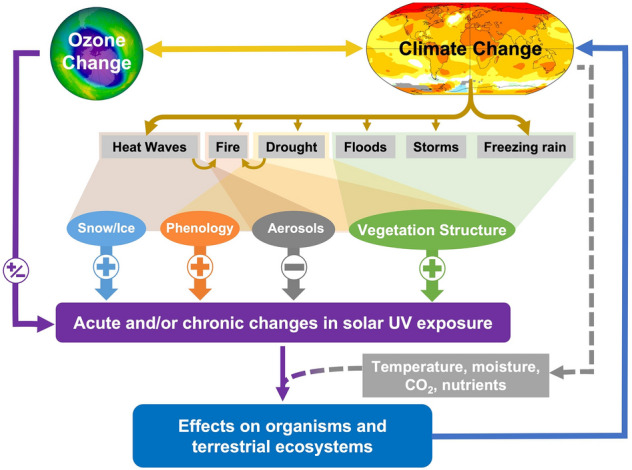
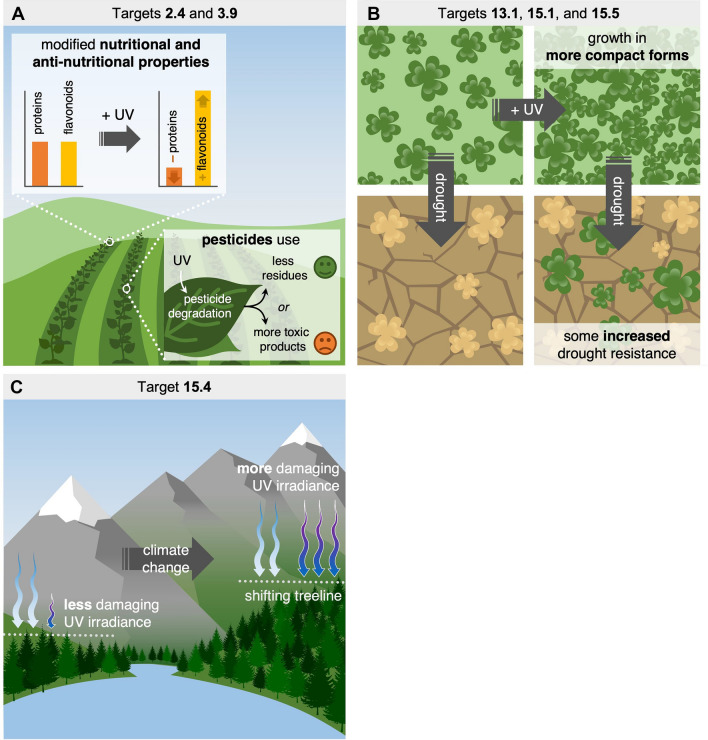
Terrestrial organisms and ecosystems are being exposed to new and rapidly changing combinations of solar UV radiation and other environmental factors because of ongoing changes in stratospheric ozone and climate. In this Quadrennial Assessment, we examine the interactive effects of changes in stratospheric ozone, UV radiation and climate on terrestrial ecosystems and biogeochemical cycles in the context of the Montreal Protocol. We specifically assess effects on terrestrial organisms, agriculture and food supply, biodiversity, ecosystem services and feedbacks to the climate system. Emphasis is placed on the role of extreme climate events in altering the exposure to UV radiation of organisms and ecosystems and the potential effects on biodiversity. We also address the responses of plants to increased temporal variability in solar UV radiation, the interactive effects of UV radiation and other climate change factors (e.g. drought, temperature) on crops, and the role of UV radiation in driving the breakdown of organic matter from dead plant material (i.e. litter) and biocides (pesticides and herbicides). Our assessment indicates that UV radiation and climate interact in various ways to affect the structure and function of terrestrial ecosystems, and that by protecting the ozone layer, the Montreal Protocol continues to play a vital role in maintaining healthy, diverse ecosystems on land that sustain life on Earth. Furthermore, the Montreal Protocol and its Kigali Amendment are mitigating some of the negative environmental consequences of climate change by limiting the emissions of greenhouse gases and protecting the carbon sequestration potential of vegetation and the terrestrial carbon pool. Graphical abstract
Overview
The claims and statistics of this paper haven’t been checked yet.
Free: it reads the open-access text and checks the first 5 claims that cite a source we can check. Create a free account to check every claim.
Integrity signals
Registry
Cites
Statistics
Figures
Verification
Claims the paper makes
The claims and statistics of this paper haven’t been checked yet.
Free: it reads the open-access text and checks the first 5 claims that cite a source we can check. Create a free account to check every claim.
Claims other papers make about this one
Each is checked against this paper’s own text: does it say what the citing paper says it does?
The source backs part of the claim, not all of it — or backs it for a different population, condition or comparison.
In the citing paper
“Changes in weather patterns, including extreme weather events, are not only caused by climate change but also by polar stratospheric ozone depletion, which strengthens the stratospheric polar vortex.”
From Changes in tropospheric air quality related to the protection of stratospheric ozone in a changing climate (2023) · cites this paper as [169]
Experimental — accuracy not yet measuredThe source backs part of the claim, not all of it — or backs it for a different population, condition or comparison.
In the citing paper
“In a changing climate, leached substances can migrate, travel further in the environment, and are more likely to be bioavailable to organisms [137, 138].”
From Environmental consequences of interacting effects of changes in stratospheric ozone, ultraviolet radiation, and climate: UNEP Environmental Effects Assessment Panel, Update 2024 (2025) · cites this paper as [138]
Experimental — accuracy not yet measuredThe source backs part of the claim, not all of it — or backs it for a different population, condition or comparison.
In the citing paper
“The projected recovery of the stratospheric ozone layer due to the implementation of the Montreal Protocol, and contingent return of UV-B radiation at the Earth’s surface to pre-ozone depletion levels (depending on future greenhouse gas emissions), are expected to have multiple direct and indirect consequences for food supply and food quality [138].”
From Environmental consequences of interacting effects of changes in stratospheric ozone, ultraviolet radiation, and climate: UNEP Environmental Effects Assessment Panel, Update 2024 (2025) · cites this paper as [138]
Experimental — accuracy not yet measuredThe cited source says what the claim attributes to it.
In the citing paper
“Changing weather patterns due to the Antarctic ozone hole have been observed in the Southern Hemisphere [23, 169, 170].”
From Changes in tropospheric air quality related to the protection of stratospheric ozone in a changing climate (2023) · cites this paper as [169]
The cited source says what the claim attributes to it.
In the citing paper
“Photodegradation by shortwave radiation (UV-B, UV-A, and blue light) has been identified as a ubiquitous contributing driver of litter decomposition and carbon cycling over the Earth’s biomes [138, 200].”
Self-check
Percentages, sums and reported differences re-computed from the paper’s own numbers.
The self-check needs the paper’s full text.
Citations
Cites
(IPCC), I. P. O. C. C. (2023) · doi:10.1017/9781009325844 · Cited by 10,921 · cited 5×
“Warming temperatures on the Antarctic Peninsula are opening up ice free areas [79] causing the expansion of vascular plants [81] and increasing the possibility of new plant and animal species invading the continent [21, 82].”
BackgroundInfluential(IPCC), I. P. O. C. C. (2023) · doi:10.1017/9781009157896 · Cited by 6,972 · cited 7×
“Globally, extreme climate events (ECEs 1 ) are increasing in frequency and severity with climate change and are projected to become even more prevalent in the future as the climate continues to change [20].”
BackgroundInfluentialEnvironmental Organic Chemistry
Schwarzenbach, R. P., Gschwend, P. M., & Imboden, D. M. (2002) · Wiley eBooks · doi:10.1002/0471649643 · Cited by 4,895
Biodiversity redistribution under climate change: Impacts on ecosystems and human well-being
Pecl, G. T., Araújo, M. B., Bell, J. D., Blanchard, J., Bonebrake, T. C., Chen, I.-C., Clark, T. D., Colwell, R. K., Danielsen, F., Evengård, B., et al. (2017) · Science · doi:10.1126/science.aai9214 · Cited by 3,668 · cited 1×
“Plant and animal species are migrating or shifting their distribution ranges to higher elevations and latitudes in response to ongoing changes in climate [229–231].”
BackgroundSelf-citation(2019) · Cited by 3,602
The Global Methane Budget 2000–2017
Saunois, M., Stavert, A. R., Poulter, B., Bousquet, P., Canadell, J. G., Jackson, R. B., Raymond, P. A., Dlugokencky, E. J., Houweling, S., Patra, P. K., et al. (2019) · doi:10.5194/essd-2019-128 · Cited by 2,760 · cited 4×
“Methane emission from plants also occurs through microbial methane production in the heartwood of trees (reviewed by [421, 424, 430]).”
BackgroundInfluentialThe Global Methane Budget 2000–2017
Saunois, M., Stavert, A. R., Poulter, B., Bousquet, P., Canadell, J. G., Jackson, R. B., Raymond, P. A., Dlugokencky, E. J., Houweling, S., Patra, P. K., et al. (2020) · Earth System Science Data · doi:10.5194/essd-12-1561-2020 · Cited by 2,711
Permafrost is warming at a global scale
Biskaborn, B. K., Smith, S. L., Noetzli, J., Matthes, H., Vieira, G., Streletskiy, D. A., Schoeneich, P., Romanovsky, V. E., Lewkowicz, A. G., Abramov, A., et al. (2019) · Nature Communications · doi:10.1038/s41467-018-08240-4 · Cited by 2,064 · cited 1×
“…and atmospheric CO 2 by influencing plant productivity [3], and the photodeg-radation of modern dead plant material (litter) and ancient organic matter preserved in permafrost soils [377, 378], which becomes exposed to solar radiation because of climate change-induced thawing [379–383] (Box 2).”
BackgroundHugelius, G., Strauss, J., Zubrzycki, S., Harden, J. W., Schuur, E. A. G., Ping, C.-L., Schirrmeister, L., Grosse, G., Michaelson, G. J., Koven, C. D., et al. (2014) · Biogeosciences · doi:10.5194/bg-11-6573-2014 · Cited by 1,731 · cited 1×
“Solar UV radiation affects carbon storage and atmospheric CO2 by influencing plant productivity [3], and the photodegradation of modern dead plant material (litter) and ancient organic matter preserved in permafrost soils [377, 378], which becomes exposed to solar radiation because of climate change-induced thawing [3…”
BackgroundAlbedo enhancement by stratospheric sulfur injections: a contribution to resolve a policy dilemma?
Crutzen, P. J. (2006) · Climatic Change · doi:10.1007/s10584-006-9101-y · Cited by 1,541 · cited 1×
“SAI would involve injecting reflective aerosols, such as sulphate, into the stratosphere to reflect incoming solar radiation away from the Earth’s surface [22].”
BackgroundGlobal-Scale Similarities in Nitrogen Release Patterns During Long-Term Decomposition
Parton, W., Silver, W. L., Burke, I. C., Grassens, L., Harmon, M. E., Currie, W. S., King, J. Y., Adair, E. C., Brandt, L. A., Hart, S. C., et al. (2007) · Science · doi:10.1126/science.1134853 · Cited by 1,326 · cited 1×
“These findings explain, in part, why traditional biogeochemical models of litter decomposition that do not include photodegradation are often inadequate in reproducing measured mass and carbon losses [401, 452, 453].”
BackgroundDavidson, A. M., Jennions, M., & Nicotra, A. B. (2011) · Ecology Letters · doi:10.1111/j.1461-0248.2011.01596.x · Cited by 1,289 · cited 1×
“However, invasive species are generally considered to exhibit greater phenotypic plasticity to new environments than native species, although this may depend on availability of resources [261, 262].”
BackgroundWeiskopf, S. R., Rubenstein, M. A., Crozier, L. G., Gaichas, S., Griffis, R., Halofsky, J. E., Hyde, K. J. W., Morelli, T. L., Morisette, J. T., Muñoz, R. C., et al. (2020) · Science of The Total Environment · doi:10.1016/j.scitotenv.2020.137782 · Cited by 1,262 · cited 1×
“While considerable attention has been given to the effects of climate change on biodiversity [21, 227, 228], far less is known about how solar UV radiation might interact with climate change to influence species distributions and diversity in ecological communities.”
BackgroundPerception of UV-B by the Arabidopsis UVR8 Protein
Rizzini, L., Favory, J.-J., Cloix, C., Faggionato, D., O’Hara, A., Kaiserli, E., Baumeister, R., Schäfer, E., Nagy, F., Jenkins, G. I., et al. (2011) · Science · doi:10.1126/science.1200660 · Cited by 1,134 · cited 1×
“The need to better understand how organisms respond to elevated UV-B radiation, as occurs with stratospheric ozone depletion, stimulated research that eventually led to the discovery of a UV-B photoreceptor in plants (UVR8, which stands for Ultraviolet Resistance Locus 8) [164].”
BackgroundEmission of trace gases and aerosols from biomass burning – an updated assessment
Andreae, M. O. (2019) · Atmospheric Chemistry and Physics · doi:10.5194/acp-19-8523-2019 · Cited by 1,091 · cited 1×
“Forest fires directly contribute to climate change by releasing GHGs such as CO2, methane, and nitrous oxide [15, 434].”
BackgroundSOLAR UV IRRADIATION AND THE GROWTH AND DEVELOPMENT OF HIGHER PLANTS
Caldwell, M. M. (1971) · Photophysiology · doi:10.1016/b978-0-12-282606-1.50010-6 · Cited by 1,088 · cited 1×
“UV-B radiation weighted according to a generalised plant action spectrum [280]).”
BackgroundCrop pests and pathogens move polewards in a warming world
Bebber, D. P., Ramotowski, M. A. T., & Gurr, S. J. (2013) · Nature Climate Change · doi:10.1038/nclimate1990 · Cited by 1,081 · cited 1×
“habitats along latitudinal and elevational gradients [325, 326].”
(2023) · Climate Change 2022 – Impacts, Adaptation and Vulnerability · doi:10.1017/9781009325844.001 · Cited by 907
Nano-enabled pesticides for sustainable agriculture and global food security
Wang, D., Saleh, N. B., Byro, A., Zepp, R., Sahle-Demessie, E., Luxton, T. P., Ho, K. T., Burgess, R. M., Flury, M., White, J. C., et al. (2022) · Nature Nanotechnology · doi:10.1038/s41565-022-01082-8 · Cited by 877
Self-citationComplexity revealed in the greening of the Arctic
Myers-Smith, I. H., Kerby, J. T., Phoenix, G. K., Bjerke, J. W., Epstein, H. E., Assmann, J. J., John, C., Andreu-Hayles, L., Angers-Blondin, S., Beck, P. S. A., et al. (2020) · Nature Climate Change · doi:10.1038/s41558-019-0688-1 · Cited by 864 · cited 1×
“As in the Arctic, there are examples of both plant expansion (i.e. “greening”, [81, 83]) and death of plants by drought (i.e. “browning”, [84–88]).”
BackgroundAbram, N. J., Henley, B. J., Sen Gupta, A., Lippmann, T. J. R., Clarke, H., Dowdy, A. J., Sharples, J. J., Nolan, R. H., Zhang, T., Wooster, M. J., et al. (2021) · Communications Earth & Environment · doi:10.1038/s43247-020-00065-8 · Cited by 853
Plant litter decomposition in a semi-arid ecosystem controlled by photodegradation
Austin, A. T., & Vivanco, L. (2006) · Nature · doi:10.1038/nature05038 · Cited by 827 · cited 1×
“This number is considerably higher than that for photodegradation in semi-arid regions (60%) [412] or across several habitats or biomes (23%) [386], underscoring the importance of forest disturbance in mesic ecosystems.”
BackgroundClimate change, wine, and conservation
Hannah, L., Roehrdanz, P. R., Ikegami, M., Shepard, A. V., Shaw, M. R., Tabor, G., Zhi, L., Marquet, P. A., & Hijmans, R. J. (2013) · Proceedings of the National Academy of Sciences · doi:10.1073/pnas.1210127110 · Cited by 812
Madronich, S. (1987) · Journal of Geophysical Research: Atmospheres · doi:10.1029/jd092id08p09740 · Cited by 804 · cited 1×
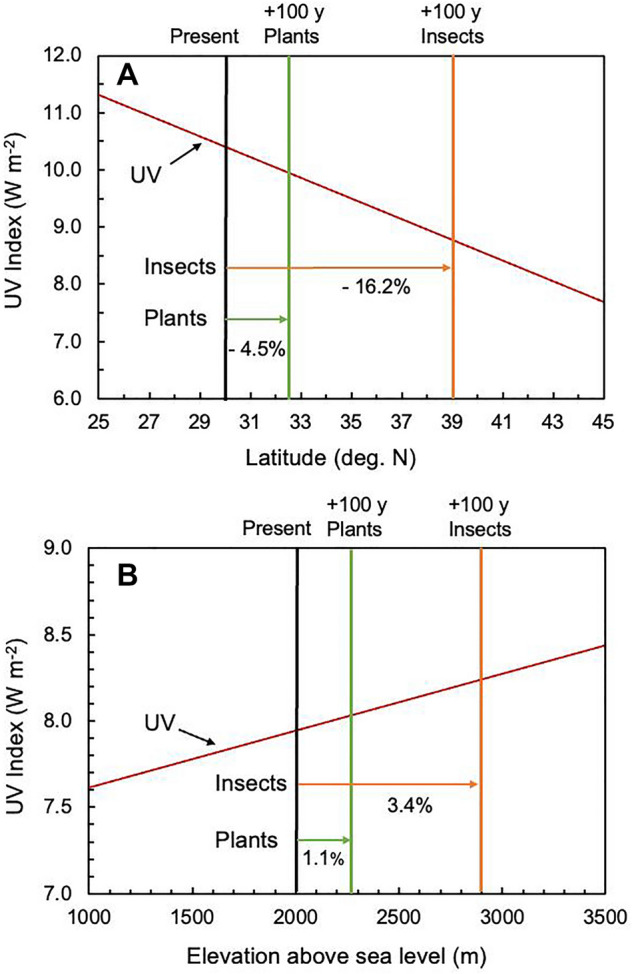
“UV radiation data are simulated midday summer (June 21) UV irradiances (here reported as UV Index; red line) based on stratospheric ozone levels in 1980 at sea level (radiative transfer model TUV; [263]).”
BackgroundNano-based smart pesticide formulations: Emerging opportunities for agriculture
Kumar, S., Nehra, M., Dilbaghi, N., Marrazza, G., Hassan, A. A., & Kim, K.-H. (2019) · Journal of Controlled Release · doi:10.1016/j.jconrel.2018.12.012 · Cited by 778 · cited 1×
“The use of encapsulated pesticides prevents undesirable pesticide losses and release into the environment that otherwise would cause ecological and health concerns [352].”
BackgroundWorld Meteorological Organization (WMO)
Bekiashev, K. A., & Serebriakov, V. V. (1981) · International Marine Organizations · doi:10.1007/978-94-009-8261-1_47 · Cited by 703
Increasing probability of record-shattering climate extremes
Fischer, E. M., Sippel, S., & Knutti, R. (2021) · Nature Climate Change · doi:10.1038/s41558-021-01092-9 · Cited by 694
The changing thermal state of permafrost
Smith, S. L., O’Neill, H. B., Isaksen, K., Noetzli, J., & Romanovsky, V. E. (2022) · Nature Reviews Earth & Environment · doi:10.1038/s43017-021-00240-1 · Cited by 646 · cited 1×
“Consequently, this multilateral treaty, ratified by all 198 United Nations member states, has prevented large-scale detrimental effects of elevated UV-B radiation on agricultural productivity, terrestrial organisms and ecosystems [2–4].”
BackgroundClimate change is increasing the likelihood of extreme autumn wildfire conditions across California
Goss, M., Swain, D. L., Abatzoglou, J. T., Sarhadi, A., Kolden, C. A., Williams, A. P., & Diffenbaugh, N. S. (2020) · Environmental Research Letters · doi:10.1088/1748-9326/ab83a7 · Cited by 642
Methane Feedbacks to the Global Climate System in a Warmer World
Dean, J. F., Middelburg, J. J., Röckmann, T., Aerts, R., Blauw, L. G., Egger, M., Jetten, M. S. M., de Jong, A. E. E., Meisel, O. H., Rasigraf, O., et al. (2018) · Reviews of Geophysics · doi:10.1002/2017rg000559 · Cited by 630 · cited 1×
“In addition to anthropogenic emissions, methane is released naturally by terrestrial ecosystems, particularly wetlands [422, 423].”
BackgroundOzone depletion and climate change: impacts on UV radiation
McKenzie, R. L., Aucamp, P. J., Bais, A. F., Björn, L. O., Ilyas, M., & Madronich, S. (2011) · Photochemical & Photobiological Sciences · doi:10.1039/c0pp90034f · Cited by 609
Increasing anthropogenic methane emissions arise equally from agricultural and fossil fuel sources
Jackson, R. B., Saunois, M., Bousquet, P., Canadell, J. G., Poulter, B., Stavert, A. R., Bergamaschi, P., Niwa, Y., Segers, A., & Tsuruta, A. (2020) · Environmental Research Letters · doi:10.1088/1748-9326/ab9ed2 · Cited by 595 · cited 1×
“In addition to anthropogenic emissions, methane is released naturally by terrestrial ecosystems, particularly wetlands [422, 423].”
BackgroundSunlight controls water column processing of carbon in arctic fresh waters
Cory, R. M., Ward, C. P., Crump, B. C., & Kling, G. W. (2014) · Science · doi:10.1126/science.1253119 · Cited by 585
Effects of ultraviolet‐B radiation on the growth and yield of crop plants
Teramura, A. H. (1983) · Physiologia Plantarum · doi:10.1111/j.1399-3054.1983.tb04203.x · Cited by 546 · cited 1×
“…UV-B radiation resulting from ozone depletion on food production stimulated considerable research into the effects of UV-B radiation on crops, and much of this early research focused mainly on the leaf-level physiology and shoot growth of traditional crop plants (e.g. soybean, rice, maize; [353]).”
BackgroundIncreasing wildfires threaten historic carbon sink of boreal forest soils
Walker, X. J., Baltzer, J. L., Cumming, S. G., Day, N. J., Ebert, C., Goetz, S., Johnstone, J. F., Potter, S., Rogers, B. M., Schuur, E. A. G., et al. (2019) · Nature · doi:10.1038/s41586-019-1474-y · Cited by 541
The Southern Annular Mode: Variability, trends, and climate impacts across the Southern Hemisphere
Fogt, R. L., & Marshall, G. J. (2020) · WIREs Climate Change · doi:10.1002/wcc.652 · Cited by 525 · cited 1×
“Knock-on effects on warming of oceans and melting sea ice cover have been investigated [40–49], but many uncertainties persist [50] as the effects of ozone depletion on weather patterns are occurring against a back-drop of climate change.”
BackgroundFlavonoids as Antioxidants and Developmental Regulators: Relative Significance in Plants and Humans
Brunetti, C., Di Ferdinando, M., Fini, A., Pollastri, S., & Tattini, M. (2013) · International Journal of Molecular Sciences · doi:10.3390/ijms14023540 · Cited by 508 · cited 1×
“…in ameliorating biotic and abiotic environmental-stress, regulating the transport of certain hormones (i.e. auxin) and are required in many species for successful germination and growth of the pollen tube on the stigma of flowers, where they participate in cell signalling and recognition [177–180].”
BackgroundDual role of lignin in plant litter decomposition in terrestrial ecosystems
Austin, A. T., & Ballaré, C. L. (2010) · Proceedings of the National Academy of Sciences · doi:10.1073/pnas.0909396107 · Cited by 506 · cited 3×
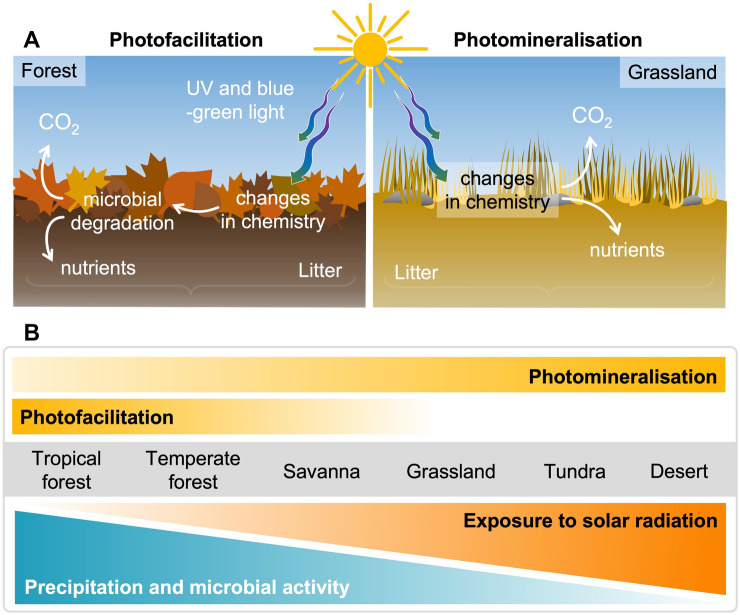
“Among litter components, lignin has been identified as the most photoreactive due to its absorption in the UV and blue–green region of the solar spectrum [384, 391].”
BackgroundZhang, K., Yao, L., Meng, J., & Tao, J. (2018) · Science of The Total Environment · doi:10.1016/j.scitotenv.2018.04.112 · Cited by 489
Plant pathogen infection risk tracks global crop yields under climate change
Chaloner, T. M., Gurr, S. J., & Bebber, D. P. (2021) · Nature Climate Change · doi:10.1038/s41558-021-01104-8 · Cited by 470
Mo, Y., Nagel, C., & Taylor, L. P. (1992) · Proceedings of the National Academy of Sciences · doi:10.1073/pnas.89.15.7213 · Cited by 464 · cited 1×
“…in ameliorating biotic and abiotic environmental-stress, regulating the transport of certain hormones (i.e. auxin) and are required in many species for successful germination and growth of the pollen tube on the stigma of flowers, where they participate in cell signalling and recognition [177–180].”
BackgroundPermafrost collapse is accelerating carbon release
Turetsky, M. R., Abbott, B. W., Jones, M. C., Walter Anthony, K., Olefeldt, D., Schuur, E. A. G., Koven, C., McGuire, A. D., Grosse, G., Kuhry, P., et al. (2019) · Nature · doi:10.1038/d41586-019-01313-4 · Cited by 436 · cited 1×
“…and atmospheric CO 2 by influencing plant productivity [3], and the photodeg-radation of modern dead plant material (litter) and ancient organic matter preserved in permafrost soils [377, 378], which becomes exposed to solar radiation because of climate change-induced thawing [379–383] (Box 2).”
BackgroundLenoir, J., Gégout, J., Guisan, A., Vittoz, P., Wohlgemuth, T., Zimmermann, N. E., Dullinger, S., Pauli, H., Willner, W., & Svenning, J. (2010) · Ecography · doi:10.1111/j.1600-0587.2010.06279.x · Cited by 433 · cited 2×
“, towards lower elevation (lower UV radiation) and latitude (higher UV radiation), to avoid the increased seasonality of temperature at higher latitudes [232, 233].”
BackgroundSchweiger, O., Biesmeijer, J. C., Bommarco, R., Hickler, T., Hulme, P. E., Klotz, S., Kühn, I., Moora, M., Nielsen, A., Ohlemüller, R., et al. (2010) · Biological Reviews · doi:10.1111/j.1469-185x.2010.00125.x · Cited by 431 · cited 1×
“Differential effects of climate change on range shifts and phenology can also lead to spatial and/or temporal or seasonal mismatches between pollinators and their plant hosts [302, 303], posing additional risks to food security.”
BackgroundChanges in ultraviolet radiation reaching the Earth's surface
Madronich, S., McKenzie, R., Caldwell, M. M., & Björn, L. O. (1994) · Lund University Publications (Lund University) · Cited by 418
Ballaré, C. L., Caldwell, M. M., Flint, S. D., Robinson, S. A., & Bornman, J. F. (2011) · Photochemical & Photobiological Sciences · doi:10.1039/c0pp90035d · Cited by 402 · cited 2×
“A prior assessment [38] using results from field studies conducted at high latitude locations indicated that plant productivity declines by about 3% for every 10% increase in plant effective UV-B radiation (i.”
BackgroundMethodSelf-citationPolar amplification dominated by local forcing and feedbacks
Stuecker, M. F., Bitz, C. M., Armour, K. C., Proistosescu, C., Kang, S. M., Xie, S.-P., Kim, D., McGregor, S., Zhang, W., Zhao, S., et al. (2018) · Nature Climate Change · doi:10.1038/s41558-018-0339-y · Cited by 386 · cited 1×
“Collectively, these changes have led to increased variability of weather and climate, which is most pronounced in the polar regions [51].”
BackgroundThe ecological role of climate extremes: current understanding and future prospects
Smith, M. D. (2011) · Journal of Ecology · doi:10.1111/j.1365-2745.2011.01833.x · Cited by 385 · cited 1×
“1 An extreme climate event has been defined as “an episode or occurrence in which a statistically rare or unusual climatic period alters ecosystem structure and ⁄or function well outside the bounds of what is considered typical or normal variability” [112]; or similarly, according to the IPCC, “if the value of a varia…”
BackgroundMessier, C., Parent, S., & Bergeron, Y. (1998) · Journal of Vegetation Science · doi:10.2307/3237266 · Cited by 375 · cited 1×
“…all create openings in forest canopies [127, 128], driving subsequent adjustment in the understo-rey vegetation to an acute or chronic increase in incident solar radiation; these increases in solar radiation are often accompanied by increases in temperature and decreases in soil moisture [129–131].”
BackgroundGlobal Dimensions of Plant Virus Diseases: Current Status and Future Perspectives
Jones, R. A. C., & Naidu, R. A. (2019) · Annual Review of Virology · doi:10.1146/annurev-virology-092818-015606 · Cited by 375 · cited 1×
“habitats along latitudinal and elevational gradients [325, 326].”
Photoperiod constraints on tree phenology, performance and migration in a warming world
WAY, D. A., & MONTGOMERY, R. A. (2015) · Plant, Cell & Environment · doi:10.1111/pce.12431 · Cited by 368
Muhlemann, J. K., Younts, T. L. B., & Muday, G. K. (2018) · Proceedings of the National Academy of Sciences · doi:10.1073/pnas.1811492115 · Cited by 367 · cited 1×
“Additionally, flavonoid glycosides (quercetins and kaempferols), hydroxycinnamic acids and anthocyanins in leaves and pollen act as strong antioxidants, and, as such, they scavenge reactive oxygen species (ROS) produced by abiotic stressors such as excessive solar radiation, including UV-B radiation [178, 184].”
BackgroundCRISPO, E. (2008) · Journal of Evolutionary Biology · doi:10.1111/j.1420-9101.2008.01592.x · Cited by 364 · cited 1×
“Although the capacity for rapid acclimation may be advantageous for adjusting to short-term environmental variability, high phenotypic plasticity may interfere with the capacity for genetic adaptation to changing conditions over long time periods [194–196].”
BackgroundGlobal patterns of interannual climate–fire relationships
Abatzoglou, J. T., Williams, A. P., Boschetti, L., Zubkova, M., & Kolden, C. A. (2018) · Global Change Biology · doi:10.1111/gcb.14405 · Cited by 364 · cited 1×
“Boreal forests are particularly vulnerable to fires as extreme warming is expected in this region [433–439] close to the Arctic circle.”
BackgroundThe impact of multifactorial stress combination on plant growth and survival
Zandalinas, S. I., Sengupta, S., Fritschi, F. B., Azad, R. K., Nechushtai, R., & Mittler, R. (2021) · New Phytologist · doi:10.1111/nph.17232 · Cited by 364 · cited 1×
“For plants, these new combinations of abiotic stresses can have detrimental effects on their growth and survival even though each individual stressor may have a negligible effect [222].”
BackgroundDeep Yedoma permafrost: A synthesis of depositional characteristics and carbon vulnerability
Strauss, J., Schirrmeister, L., Grosse, G., Fortier, D., Hugelius, G., Knoblauch, C., Romanovsky, V., Schädel, C., Schneider von Deimling, T., Schuur, E. A. G., et al. (2017) · Earth-Science Reviews · doi:10.1016/j.earscirev.2017.07.007 · Cited by 356
Ferreyra, M. L. F., Serra, P., & Casati, P. (2021) · Physiologia Plantarum · doi:10.1111/ppl.13543 · Cited by 352 · cited 1×
“There is abundant research demonstrating that exposure to modest levels of UV radiation can improve food quality by enhancing crop flavour [308], taste [309], colour [310], nutritional content [311–314], and pharmaceutical content [315–317] in various plants.”
BackgroundExtreme weather and climate events in northern areas: A review
Walsh, J. E., Ballinger, T. J., Euskirchen, E. S., Hanna, E., Mård, J., Overland, J. E., Tangen, H., & Vihma, T. (2020) · Earth-Science Reviews · doi:10.1016/j.earscirev.2020.103324 · Cited by 351 · cited 2×
“temperature, availability of moisture) may affect biodiversity, productivity, emissions of greenhouse gases [124–126], and ecosystem carbon storage [123].”
BackgroundBais, A. F., Lucas, R. M., Bornman, J. F., Williamson, C. E., Sulzberger, B., Austin, A. T., Wilson, S. R., Andrady, A. L., Bernhard, G., McKenzie, R. L., et al. (2018) · Photochemical & Photobiological Sciences · doi:10.1039/c7pp90043k · Cited by 350
Self-citationA Review of Mushrooms as a Potential Source of Dietary Vitamin D
Cardwell, G., Bornman, J. F., James, A. P., & Black, L. J. (2018) · Nutrients · doi:10.3390/nu10101498 · Cited by 347
Self-citationKhaykin, S., Legras, B., Bucci, S., Sellitto, P., Isaksen, L., Tencé, F., Bekki, S., Bourassa, A., Rieger, L., Zawada, D., et al. (2020) · Communications Earth & Environment · doi:10.1038/s43247-020-00022-5 · Cited by 338
Winter melt trends portend widespread declines in snow water resources
Musselman, K. N., Addor, N., Vano, J. A., & Molotch, N. P. (2021) · Nature Climate Change · doi:10.1038/s41558-021-01014-9 · Cited by 331
Global maps of soil temperature
Lembrechts, J. J., van den Hoogen, J., Aalto, J., Ashcroft, M. B., De Frenne, P., Kemppinen, J., Kopecký, M., Luoto, M., Maclean, I. M. D., Crowther, T. W., et al. (2022) · Global Change Biology · doi:10.1111/gcb.16060 · Cited by 328
Ozone depletion and climate change: impacts on UV radiation
Bais, A. F., McKenzie, R. L., Bernhard, G., Aucamp, P. J., Ilyas, M., Madronich, S., & Tourpali, K. (2014) · Photochemical & Photobiological Sciences · doi:10.1039/c4pp90032d · Cited by 326 · cited 1×
“mainly cloud cover, aerosols and surface reflectivity) rather than changes in stratospheric ozone [10, 12, 13].”
BackgroundThe distribution of biodiversity richness in the tropics
Raven, P. H., Gereau, R. E., Phillipson, P. B., Chatelain, C., Jenkins, C. N., & Ulloa Ulloa, C. (2020) · Science Advances · doi:10.1126/sciadv.abc6228 · Cited by 324 · cited 1×
“The tropics extend over approximately 33% of the Earth’s land surface [285] and harbour a vast reservoir of biodiversity [286] that provides critical resources and essential services for agriculture and food security [287].”
Effects of climate warming on polar bears: a review of the evidence
Stirling, I., & Derocher, A. E. (2012) · Global Change Biology · doi:10.1111/j.1365-2486.2012.02753.x · Cited by 317 · cited 1×
“…m p s ) a nd i n c r ea s e d g r ee nhou s e g a s e m i ss i on s [ 108 ] N e g a ti v e i m p ac t s on o r g a n i s m s t h a t d e p e nd on s ea i ce ; po s iti v e i m p ac t s on a n i m a l s t h a t t h r i v e i n op e n o cea n s [ 95 , 109 , 110 ] A n t a rc t i c a ( N ov e m b er –”
Lawrence, Z. D., Perlwitz, J., Butler, A. H., Manney, G. L., Newman, P. A., Lee, S. H., & Nash, E. R. (2020) · Journal of Geophysical Research: Atmospheres · doi:10.1029/2020jd033271 · Cited by 313 · cited 2×
“These conditions were promoted by weak tropospheric wave activity [90, 94], associated with anomalous sea surface temperature in the North Pacific [33], which caused the stratospheric vortex to become large and stable.”
BackgroundThe Sensitivity of Polar Ozone Depletion to Proposed Geoengineering Schemes
Tilmes, S., Müller, R., & Salawitch, R. (2008) · Science · doi:10.1126/science.1153966 · Cited by 298
Re‐interpreting plant morphological responses to UV‐Bradiation
ROBSON, T. M., KLEM, K., URBAN, O., & JANSEN, M. A. K. (2015) · Plant, Cell & Environment · doi:10.1111/pce.12374 · Cited by 298 · cited 1×
“Depending on the availability of suitable habitats at higher elevations, these changes in species interactions have the potential to negatively affect biodiversity [252] by shifting the balance of competition between species [253, 254].”
BackgroundSelf-citationAre Flavonoids Effective Antioxidants in Plants? Twenty Years of Our Investigation
Agati, G., Brunetti, C., Fini, A., Gori, A., Guidi, L., Landi, M., Sebastiani, F., & Tattini, M. (2020) · Antioxidants · doi:10.3390/antiox9111098 · Cited by 286 · cited 1×
“Additionally, flavonoid glycosides (quercetins and kaempferols), hydroxycinnamic acids and anthocyanins in leaves and pollen act as strong antioxidants, and, as such, they scavenge reactive oxygen species (ROS) produced by abiotic stressors such as excessive solar radiation, including UV-B radiation [178, 184].”
BackgroundVitasse, Y., Ursenbacher, S., Klein, G., Bohnenstengel, T., Chittaro, Y., Delestrade, A., Monnerat, C., Rebetez, M., Rixen, C., Strebel, N., et al. (2021) · Biological Reviews · doi:10.1111/brv.12727 · Cited by 285
Detecting recovery of the stratospheric ozone layer
Chipperfield, M. P., Bekki, S., Dhomse, S., Harris, N. R. P., Hassler, B., Hossaini, R., Steinbrecht, W., Thiéblemont, R., & Weber, M. (2017) · Nature · doi:10.1038/nature23681 · Cited by 284 · cited 1×
“Because the projected recovery of stratospheric ozone is highly dependent on changes in GHG concentrations and lifetimes of ODS, there remains some uncertainty about how UV-B radiation might change in the future for tropical regions [10, 288].”
BackgroundAntarctic Ocean and Sea Ice Response to Ozone Depletion: A Two-Time-Scale Problem
Ferreira, D., Marshall, J., Bitz, C. M., Solomon, S., & Plumb, A. (2015) · Journal of Climate · doi:10.1175/jcli-d-14-00313.1 · Cited by 281
ΔTrait SDMs: species distribution models that account for local adaptation and phenotypic plasticity
Benito Garzón, M., Robson, T. M., & Hampe, A. (2019) · New Phytologist · doi:10.1111/nph.15716 · Cited by 280
Self-citationProjected shifts of wine regions in response to climate change
Moriondo, M., Jones, G. V., Bois, B., Dibari, C., Ferrise, R., Trombi, G., & Bindi, M. (2013) · Climatic Change · doi:10.1007/s10584-013-0739-y · Cited by 275
Hurricane Effects on Forest Ecosystems in the Caribbean
Tanner, E. V. J., Kapos, V., & Healey, J. R. (1991) · Biotropica · doi:10.2307/2388274 · Cited by 264
Combating ecosystem collapse from the tropics to the Antarctic
Bergstrom, D. M., Wienecke, B. C., van den Hoff, J., Hughes, L., Lindenmayer, D. B., Ainsworth, T. D., Baker, C. M., Bland, L., Bowman, D. M. J. S., Brooks, S. T., et al. (2021) · Global Change Biology · doi:10.1111/gcb.15539 · Cited by 257
Self-citationMethane production and emissions in trees and forests
Covey, K. R., & Megonigal, J. P. (2019) · New Phytologist · doi:10.1111/nph.15624 · Cited by 251 · cited 3×
“At present, solar UV radiation is not considered an important driver of methane emission from terrestrial ecosystems [9, 111, 424].”
BackgroundLiving on the edge – plants and global change in continental and maritime Antarctica
Robinson, S. A., Wasley, J., & Tobin, A. K. (2003) · Global Change Biology · doi:10.1046/j.1365-2486.2003.00693.x · Cited by 249 · cited 2×
“Heatwaves such as these accelerate melting of icebanks [79], potentially exposing vegetation to high springtime UV-B radiation from which they have previously been protected [36].”
BackgroundSelf-citationGlobal fire emissions buffered by the production of pyrogenic carbon
Jones, M. W., Santín, C., van der Werf, G. R., & Doerr, S. H. (2019) · Nature Geoscience · doi:10.1038/s41561-019-0403-x · Cited by 246 · cited 1×
“Due to the incomplete combustion of wood and other biomass, fires convert a substantial fraction of vegetation into burnt biomass, termed charcoal or pyrogenic carbon (PyC) [436].”
BackgroundAssessing the impacts of climate change on biodiversity: is below 2 °C enough?
Nunez, S., Arets, E., Alkemade, R., Verwer, C., & Leemans, R. (2019) · Climatic Change · doi:10.1007/s10584-019-02420-x · Cited by 243 · cited 1×
“While considerable attention has been given to the effects of climate change on biodiversity [21, 227, 228], far less is known about how solar UV radiation might interact with climate change to influence species distributions and diversity in”
BackgroundWildfires Alter Forest Watersheds and Threaten Drinking Water Quality
Hohner, A. K., Rhoades, C. C., Wilkerson, P., & Rosario-Ortiz, F. L. (2019) · Accounts of Chemical Research · doi:10.1021/acs.accounts.8b00670 · Cited by 237 · cited 2×
“The impact of wildfires on surrounding water bodies can last for years, affecting biogeochemical processes and drinking water quality [442, 444].”
BackgroundDefense potential of secondary metabolites in medicinal plants under UV-B stress
Takshak, S., & Agrawal, S. B. (2019) · Journal of Photochemistry and Photobiology B: Biology · doi:10.1016/j.jphotobiol.2019.02.002 · Cited by 235 · cited 1×
“More recently, studies have examined effects of UV-B radiation on plants of medicinal value, mushrooms and algae [354].”
BackgroundManney, G. L., Livesey, N. J., Santee, M. L., Froidevaux, L., Lambert, A., Lawrence, Z. D., Millán, L. F., Neu, J. L., Read, W. G., Schwartz, M. J., et al. (2020) · Geophysical Research Letters · doi:10.1029/2020gl089063 · Cited by 233 · cited 1×
“• In the Arctic, unprecedented low total column ozone values occurred in the 2020 boreal spring [90, 91] due to”
BackgroundPhotodegradation alleviates the lignin bottleneck for carbon turnover in terrestrial ecosystems
Austin, A. T., Méndez, M. S., & Ballaré, C. L. (2016) · Proceedings of the National Academy of Sciences · doi:10.1073/pnas.1516157113 · Cited by 231 · cited 2×
“Among litter components, lignin has been identified as the most photoreactive due to its absorption in the UV and blue–green region of the solar spectrum [384, 391].”
BackgroundAustralian PyroCb Smoke Generates Synoptic‐Scale Stratospheric Anticyclones
Kablick, G. P., Allen, D. R., Fromm, M. D., & Nedoluha, G. E. (2020) · Geophysical Research Letters · doi:10.1029/2020gl088101 · Cited by 231
Bornman, J. F., Barnes, P. W., Robinson, S. A., Ballaré, C. L., Flint, S. D., & Caldwell, M. M. (2014) · Photochemical & Photobiological Sciences · doi:10.1039/c4pp90034k · Cited by 226
Self-citationNeale, R. E., Barnes, P. W., Robson, T. M., Neale, P. J., Williamson, C. E., Zepp, R. G., Wilson, S. R., Madronich, S., Andrady, A. L., Heikkilä, A. M., et al. (2021) · Photochemical & Photobiological Sciences · doi:10.1007/s43630-020-00001-x · Cited by 225 · cited 1×
“Ongoing changes in climate, together with associated changes in plant species distribution, are exposing wild plants, forests and crops to new combinations of UV radiation and other climatic conditions [10, 124].”
BackgroundSelf-citationAdjusting the lens of invasion biology to focus on the impacts of climate-driven range shifts
Wallingford, P. D., Morelli, T. L., Allen, J. M., Beaury, E. M., Blumenthal, D. M., Bradley, B. A., Dukes, J. S., Early, R., Fusco, E. J., Goldberg, D. E., et al. (2020) · Nature Climate Change · doi:10.1038/s41558-020-0768-2 · Cited by 224 · cited 1×
“As crop species are grown in these new habitats, they will also encounter new weeds, pests and pathogens, which may disrupt the structure and function of these agroecosystems [300, 301].”
BackgroundMorales, M. S., Cook, E. R., Barichivich, J., Christie, D. A., Villalba, R., LeQuesne, C., Srur, A. M., Ferrero, M. E., González-Reyes, Á., Couvreux, F., et al. (2020) · Proceedings of the National Academy of Sciences · doi:10.1073/pnas.2002411117 · Cited by 223 · cited 1×
“Changes in the stratosphere driven by ozone depletion have also been clearly shown to cause seasonally dependent shifts in near-surface patterns of wind, temperature and precipitation [39–42].”
BackgroundSurface exposure to sunlight stimulates CO2release from permafrost soil carbon in the Arctic
Cory, R. M., Crump, B. C., Dobkowski, J. A., & Kling, G. W. (2013) · Proceedings of the National Academy of Sciences · doi:10.1073/pnas.1214104110 · Cited by 222
Diffuse solar radiation and canopy photosynthesis in a changing environment
Durand, M., Murchie, E. H., Lindfors, A. V., Urban, O., Aphalo, P. J., & Robson, T. M. (2021) · Agricultural and Forest Meteorology · doi:10.1016/j.agrformet.2021.108684 · Cited by 217 · cited 1×
“Thus, these conditions arising from fires and droughts can potentially affect photosynthesis and light-driven development in plants [148], as well as litter decomposition and GHG emissions in ecosystems [19] not directly impacted by these extreme events (Sect.”
BackgroundSelf-citationgl UV: a global UV‐B radiation data set for macroecological studies
Beckmann, M., Václavík, T., Manceur, A. M., Šprtová, L., von Wehrden, H., Welk, E., & Cord, A. F. (2014) · Methods in Ecology and Evolution · doi:10.1111/2041-210x.12168 · Cited by 216 · cited 1×
“Some studies of plants native to China and central Asia include UV-B radiation among the potential explanatory climatic variables that contribute to species distributions, sourcing data from the global climatology [273].”
BackgroundActa Agriculturae Scandinavica Section B, Soil and Plant Science
Skarp, S.-U., & Rendel, J. (1991) · Acta Agriculturae Scandinavica · doi:10.1080/00015129109438591 · Cited by 209
King, J. Y., Brandt, L. A., & Adair, E. C. (2012) · Biogeochemistry · doi:10.1007/s10533-012-9737-9 · Cited by 207 · cited 1×
“This number is considerably higher than that for photodegradation in semi-arid regions (60%) [412] or across several habitats or biomes (23%) [386], underscoring the importance of forest disturbance in mesic ecosystems.”
BackgroundOzone—climate interactions and effects on solar ultraviolet radiation
Bais, A. F., Bernhard, G., McKenzie, R. L., Aucamp, P. J., Young, P. J., Ilyas, M., Jöckel, P., & Deushi, M. (2019) · Photochemical & Photobiological Sciences · doi:10.1039/c8pp90059k · Cited by 206 · cited 2×
“At present, solar UV radiation is not considered an important driver of methane emission from terrestrial ecosystems [9, 111, 424].”
BackgroundDissolved black carbon in aquatic ecosystems
Wagner, S., Jaffé, R., & Stubbins, A. (2018) · Limnology and Oceanography Letters · doi:10.1002/lol2.10076 · Cited by 203 · cited 4×
“Adding to previous findings [440], recent studies confirmed that black carbon is the most photoreactive fraction of PyC [447] and that microbial mineralisation of PyC can be enhanced by prior exposure to UV radiation (i.”
BackgroundMethodResultInfluentialA pause in Southern Hemisphere circulation trends due to the Montreal Protocol
Banerjee, A., Fyfe, J. C., Polvani, L. M., Waugh, D., & Chang, K.-L. (2020) · Nature · doi:10.1038/s41586-020-2120-4 · Cited by 199 · cited 1×
“Changes in the stratosphere driven by ozone depletion have also been clearly shown to cause seasonally dependent shifts in near-surface patterns of wind, temperature and precipitation [39–42].”
BackgroundBornman, J. F., Barnes, P. W., Robson, T. M., Robinson, S. A., Jansen, M. A. K., Ballaré, C. L., & Flint, S. D. (2019) · Photochemical & Photobiological Sciences · doi:10.1039/c8pp90061b · Cited by 197 · cited 16×
“As documented in our previous assessments and elsewhere, these shifts in weather and climate have had pronounced impacts on many Antarctic organisms, from tiny moss and cushion plants to wandering albatross [12, 34, 52, 53].”
BackgroundResultInfluentialSelf-citationTERAMURA, A. H. (1980) · Physiologia Plantarum · doi:10.1111/j.1399-3054.1980.tb03264.x · Cited by 196 · cited 1×
“Some of the earliest concerns raised over stratospheric ozone depletion and the accompanying increase in solar UV-B radiation considered the potential for reductions in crop productivity and compromised food security [278, 279].”
Background(2022) · The Ocean and Cryosphere in a Changing Climate · doi:10.1017/9781009157964.001 · Cited by 195
(2020) · Bulletin of the American Meteorological Society · doi:10.1175/2020bamsstateoftheclimate.1 · Cited by 193
Ultraviolet radiation drives methane emissions from terrestrial plant pectins
McLeod, A. R., Fry, S. C., Loake, G. J., Messenger, D. J., Reay, D. S., Smith, K. A., & Yun, B. (2008) · New Phytologist · doi:10.1111/j.1469-8137.2008.02571.x · Cited by 190 · cited 1×
“Even then, in most habitats, direct emission from plants through photodegradation of pectin [429] is considered only a minor contributor to global terrestrial methane emissions [421, 428].”
BackgroundPhotoreception and vision in the ultraviolet
Cronin, T. W., & Bok, M. J. (2016) · Journal of Experimental Biology · doi:10.1242/jeb.128769 · Cited by 189 · cited 1×
“What research there is on animals, typically addresses vision in the UV-A waveband and its effect on behaviour [150], and the application of these findings for controlling insect pests and pollinators of certain crops [151].”
BackgroundFruit and vegetables – your dietary essentials
(2020) · FAO eBooks · doi:10.4060/cb2395en · Cited by 187
Human disturbance and upward expansion of plants in a warming climate
Dainese, M., Aikio, S., Hulme, P. E., Bertolli, A., Prosser, F., & Marini, L. (2017) · Nature Climate Change · doi:10.1038/nclimate3337 · Cited by 185
Persistent Stratospheric Warming Due to 2019–2020 Australian Wildfire Smoke
Yu, P., Davis, S. M., Toon, O. B., Portmann, R. W., Bardeen, C. G., Barnes, J. E., Telg, H., Maloney, C., & Rosenlof, K. H. (2021) · Geophysical Research Letters · doi:10.1029/2021gl092609 · Cited by 183
Ohneiser, K., Ansmann, A., Baars, H., Seifert, P., Barja, B., Jimenez, C., Radenz, M., Teisseire, A., Floutsi, A., Haarig, M., et al. (2020) · Atmospheric Chemistry and Physics · doi:10.5194/acp-20-8003-2020 · Cited by 181
Australian hot and dry extremes induced by weakenings of the stratospheric polar vortex
Lim, E.-P., Hendon, H. H., Boschat, G., Hudson, D., Thompson, D. W. J., Dowdy, A. J., & Arblaster, J. M. (2019) · Nature Geoscience · doi:10.1038/s41561-019-0456-x · Cited by 180
Yamazaki, Y., Matthias, V., Miyoshi, Y., Stolle, C., Siddiqui, T., Kervalishvili, G., Laštovička, J., Kozubek, M., Ward, W., Themens, D. R., et al. (2020) · Geophysical Research Letters · doi:10.1029/2019gl086577 · Cited by 179 · cited 1×
“These stratospheric conditions played a role in enhancing prolonged drought over the 2019/2020 austral summer that exacerbated the unprecedented wildfires in eastern Australia [57–64] .”
BackgroundPerception and Signaling of Ultraviolet-B Radiation in Plants
Podolec, R., Demarsy, E., & Ulm, R. (2021) · Annual Review of Plant Biology · doi:10.1146/annurev-arplant-050718-095946 · Cited by 179 · cited 1×
“Two overlapping signalling pathways for UV responses (UVR8/WRKY36/HY5 and UVR8/COP1/ SPA-HY5 pathways) have been conserved during the evolution of green plants [170, 171].”
BackgroundUVB and UVA as eustressors in horticultural and agricultural crops
Neugart, S., & Schreiner, M. (2018) · Scientia Horticulturae · doi:10.1016/j.scienta.2018.02.021 · Cited by 177
Record-breaking aerosol levels explained by smoke injection into the stratosphere
Hirsch, E., & Koren, I. (2021) · Science · doi:10.1126/science.abe1415 · Cited by 177
Stratospheric drivers of extreme events at the Earth’s surface
Domeisen, D. I. V., & Butler, A. H. (2020) · Communications Earth & Environment · doi:10.1038/s43247-020-00060-z · Cited by 176 · cited 2×
“Heatwave conditions that occurred in the Siberian Arctic in early 2020 [95] appear to have been aided by atmospheric circulation patterns that were affected by the strong ozone depletion [33, 94].”
BackgroundResponses of plants in polar regions to UVB exposure: a meta‐analysis
NEWSHAM, K. K., & ROBINSON, S. A. (2009) · Global Change Biology · doi:10.1111/j.1365-2486.2009.01944.x · Cited by 175
Self-citationZu, K., Wang, Z., Zhu, X., Lenoir, J., Shrestha, N., Lyu, T., Luo, A., Li, Y., Ji, C., Peng, S., et al. (2021) · Science of The Total Environment · doi:10.1016/j.scitotenv.2021.146896 · Cited by 175 · cited 1×
“As well as species distribution, climatological data that include regional UV-B irradiances can be applied to study whether climatic trends correlate [264] with patterns in plant functional traits among species.”
BackgroundWilliams, A. P., & Abatzoglou, J. T. (2016) · Current Climate Change Reports · doi:10.1007/s40641-016-0031-0 · Cited by 173 · cited 1×
“Boreal forests are particularly vulnerable to fires as extreme warming is expected in this region [433–439] close to the Arctic circle.”
BackgroundRegulatory mechanisms underlying cuticular wax biosynthesis
Lee, S. B., & Suh, M. C. (2021) · Journal of Experimental Botany · doi:10.1093/jxb/erab509 · Cited by 171 · cited 1×
“The leaves of aromatic herbs like thyme emit volatile organic compounds that can further affect the photodegradation of biocides deposited on their leaf surfaces, resulting in the formation of different photoproducts [341, 343–345].”
BackgroundHorticultural crops and climate change: A review
Malhotra, S. K. (2017) · The Indian Journal of Agricultural Sciences · doi:10.56093/ijas.v87i1.67138 · Cited by 170
Escobar-Bravo, R., Klinkhamer, P. G. L., & Leiss, K. A. (2017) · Frontiers in Plant Science · doi:10.3389/fpls.2017.00278 · Cited by 168 · cited 1×
“The multiplicity of roles performed by these plant secondary compounds could, in turn, make some plants more vulnerable to herbivores [238, 239] (Sect.”
BackgroundEcosystem fluxes during drought and recovery in an experimental forest
Werner, C., Meredith, L., Ladd, S. N., Ingrisch, J., Kübert, A., van Haren, J. L. M., Bahn, M., Bailey, K., Bamberger, I., Beyer, M., et al. (2021) · Science · doi:10.1126/science.abj6789 · Cited by 168 · cited 1×
“Wildfires and droughts affect the amount of UV and photosynthetically active radiation (PAR; 400–700 nm) reaching terrestrial ecosystems due to increasing aerosols from smoke and dust, and volatile organic compounds released by plants [143].”
BackgroundClimate Change in the Tropics: Ecological and Evolutionary Responses at Low Latitudes
Sheldon, K. S. (2019) · Annual Review of Ecology, Evolution, and Systematics · doi:10.1146/annurev-ecolsys-110218-025005 · Cited by 165 · cited 1×
“As noted in our 2019 Update Assessment [282], and in other reports [283, 284], most field research to date on the effects of UV radiation on crops has been concentrated on regions outside the tropics and at lower elevations.”
ResultJuroszek, P., Racca, P., Link, S., Farhumand, J., & Kleinhenz, B. (2019) · Plant Pathology · doi:10.1111/ppa.13119 · Cited by 162 · cited 1×
“Rising concentrations of CO2 and associated global warming together with regional increases in UV radiation may also act together to compromise food security through complex effects on plant pests and disease [328].”
BackgroundPierik, R., & Ballaré, C. L. (2021) · Molecular Plant · doi:10.1016/j.molp.2020.11.021 · Cited by 161 · cited 1×
“Some of these compounds enhance a plant’s defence against herbivores and pathogens (e.g. viral, fungal or bacterial) [239, 282, 329].”
BackgroundMeasuring and modelling crop yield losses due to invasive insect pests under climate change
Tonnang, H. E. Z., Sokame, B. M., Abdel-Rahman, E. M., & Dubois, T. (2022) · Current Opinion in Insect Science · doi:10.1016/j.cois.2022.100873 · Cited by 161 · cited 1×
“As crop species are grown in these new habitats, they will also encounter new weeds, pests and pathogens, which may disrupt the structure and function of these agroecosystems [300, 301].”
BackgroundMoreira, X., Petry, W. K., Mooney, K. A., Rasmann, S., & Abdala‐Roberts, L. (2018) · Ecography · doi:10.1111/ecog.03184 · Cited by 159
Perception of solar UV radiation by plants: photoreceptors and mechanisms
Rai, N., Morales, L. O., & Aphalo, P. J. (2021) · PLANT PHYSIOLOGY · doi:10.1093/plphys/kiab162 · Cited by 159 · cited 1×
“Thus, variation in solar UV radiation attenuated by the stratospheric ozone layer (which screens UV radiation up to ca. 335 nm) is well matched to the action spectrum of UVR8 [166, 167].”
BackgroundClimate warming amplified the 2020 record-breaking heatwave in the Antarctic Peninsula
González, S., Barriopedro, D., Trigo, R. M., Bustins, J. A. L., & Oliva, M. (2022) · Communications Earth & Environment · doi:10.1038/s43247-022-00450-5 · Cited by 158 · cited 1×
“…a dv e r s e h ea lt h e ff ec t s ; l o ss o f do m e s ti c a n i m a l s a nd w il d li f e [ 98– 101 ] H ea t w a v e s i n A n t a r c ti ca [ 102 ] A dd iti on a l s no w m e lt t h a t ca u s e d t e m po r a r y g r ee n i ng o f s o m e p r e v i ou s l y m o r i bund m o ss b e d s i n…”
BackgroundTrisos, C. H., Amatulli, G., Gurevitch, J., Robock, A., Xia, L., & Zambri, B. (2018) · Nature Ecology & Evolution · doi:10.1038/s41559-017-0431-0 · Cited by 157 · cited 1×
“In addition to the risks associated with the initiation of SAI, once adopted, any subsequent termination of this climate intervention would lead to a rapid increase in temperature and extreme deleterious effects on ecosystems [26, 27].”
BackgroundPhotoinhibition and recovery in tropical plant species: response to disturbance
Lovelock, C. E., Osmond, C. B., & Jebb, M. (1994) · Oecologia · doi:10.1007/bf00317318 · Cited by 155
Ecological responses to variation in seasonal snow cover
Slatyer, R., Umbers, K. D. L., & Arnold, P. A. (2021) · Conservation Biology · doi:10.1111/cobi.13727 · Cited by 153 · cited 1×
“Changes in thermal regime, such as periods of extreme heat or cold or even an absence of cold temperatures, can disrupt the timing of growth, reproduction, and other aspects of phenology [220, 221].”
BackgroundExamining forest resilience to changing fire frequency in a fire‐prone region of boreal forest
Hart, S. J., Henkelman, J., McLoughlin, P. D., Nielsen, S. E., Truchon‐Savard, A., & Johnstone, J. F. (2019) · Global Change Biology · doi:10.1111/gcb.14550 · Cited by 149
Most ‘global’ reviews of species’ responses to climate change are not truly global
Feeley, K. J., Stroud, J. T., & Perez, T. M. (2016) · Diversity and Distributions · doi:10.1111/ddi.12517 · Cited by 145 · cited 1×
“As noted in our 2019 Update Assessment [282], and in other reports [283, 284], most field research to date on the effects of UV radiation on crops has been concentrated on regions outside the tropics and at lower elevations.”
ResultPost-fire water-quality response in the western United States
Rust, A. J., Hogue, T. S., Saxe, S., & McCray, J. (2018) · International Journal of Wildland Fire · doi:10.1071/wf17115 · Cited by 144 · cited 1×
“The impact of wildfires on surrounding water bodies can last for years, affecting biogeochemical processes and drinking water quality [442, 444].”
BackgroundRapid change in East Antarctic terrestrial vegetation in response to regional drying
Robinson, S. A., King, D. H., Bramley-Alves, J., Waterman, M. J., Ashcroft, M. B., Wasley, J., Turnbull, J. D., Miller, R. E., Ryan-Colton, E., Benny, T., et al. (2018) · Nature Climate Change · doi:10.1038/s41558-018-0280-0 · Cited by 140 · cited 2×
“As documented in our previous assessments and elsewhere, these shifts in weather and climate have had pronounced impacts on many Antarctic organisms, from tiny moss and cushion plants to wandering albatross [12, 34, 52, 53].”
BackgroundResultSelf-citationWildfire smoke destroys stratospheric ozone
Bernath, P. F., Boone, C. D., & Crouse, J. (2022) · Science · doi:10.1126/science.abm5611 · Cited by 139 · cited 3×
“It has been suggested that the Australian wildfires that occurred during the previous summer contributed to this strong ozone loss [18, 54–56, 71, 72, 74].”
BackgroundStratospheric ozone, UV radiation, and climate interactions
Bernhard, G. H., Bais, A. F., Aucamp, P. J., Klekociuk, A. R., Liley, J. B., & McKenzie, R. L. (2023) · Photochemical & Photobiological Sciences · doi:10.1007/s43630-023-00371-y · Cited by 138 · cited 10×
“2019/2020) when episodic large stratospheric ozone depletion has followed anomalously cold stratospheric winters [10].”
BackgroundInfluentialSelf-citationOverland, J. E., & Wang, M. (2021) · International Journal of Climatology · doi:10.1002/joc.6850 · Cited by 137 · cited 2×
“Heatwave conditions that occurred in the Siberian Arctic in early 2020 [95] appear to have been aided by atmospheric circulation patterns that were affected by the strong ozone depletion [33, 94].”
BackgroundHu, X., Jin, Y., Wang, X., Mao, J., & Li, Y. (2015) · PLoS ONE · doi:10.1371/journal.pone.0132326 · Cited by 134 · cited 3×
“These projections suggest that the ranges of some species of native plants from open, dry habitats found in arid and semi-arid shrub-steppe biomes will expand to higher elevations [267–272], while the ranges of willows and other related species from wetter habitats will contract [266].”
BackgroundBrousseau, V. D., Wu, B.-S., MacPherson, S., Morello, V., & Lefsrud, M. G. (2021) · Frontiers in Plant Science · doi:10.3389/fpls.2021.620021 · Cited by 133 · cited 1×
“There is abundant research demonstrating that exposure to modest levels of UV radiation can improve food quality by enhancing crop flavour [308], taste [309], colour [310], nutritional content [311–314], and pharmaceutical content [315–317] in various plants.”
BackgroundClimate‐driven range shifts of montane species vary with elevation
Mamantov, M. A., Gibson‐Reinemer, D. K., Linck, E. B., & Sheldon, K. S. (2021) · Global Ecology and Biogeography · doi:10.1111/geb.13246 · Cited by 130 · cited 1×
“Climate change is also reducing the envelope of suitable habitats for high elevation alpine species to survive, while increasing competition against emigrating species from lower elevations [21, 243].”
BackgroundOn the stratospheric chemistry of midlatitude wildfire smoke
Solomon, S., Dube, K., Stone, K., Yu, P., Kinnison, D., Toon, O. B., Strahan, S. E., Rosenlof, K. H., Portmann, R., Davis, S., et al. (2022) · Proceedings of the National Academy of Sciences · doi:10.1073/pnas.2117325119 · Cited by 130 · cited 1×
“It has been suggested that the Australian wildfires that occurred during the previous summer contributed to this strong ozone loss [18, 54–56, 71, 72, 74].”
BackgroundA review of the mechanisms and controlling factors of methane dynamics in forest ecosystems
Feng, H., Guo, J., Han, M., Wang, W., Peng, C. H., Jin, J., Song, X., & Yu, S. (2019) · Forest Ecology and Management · doi:10.1016/j.foreco.2019.117702 · Cited by 128 · cited 1×
“Additional research is required to at the global scale to provide for a more complete understanding of the effects of climate and UV radiation on terrestrial methane emissions [421, 424, 427, 432].”
BackgroundBrunner-Mendoza, C., Reyes-Montes, M. D. R., Moonjely, S. S., Bidochka, M., & Toriello, C. (2018) · Biocontrol Science and Technology · doi:10.1080/09583157.2018.1531111 · Cited by 127 · cited 2×
“These fungi live naturally in soils but can be mass-produced for application to crops where they have been used against pests including spittlebugs and locusts, which affect crops such as maize, sugarcane and beans [331], as well as against various insect pests in rice [332].”
BackgroundDetectable Increases in Sequential Flood‐Heatwave Events Across China During 1961–2018
Chen, Y., Liao, Z., Shi, Y., Tian, Y., & Zhai, P. (2021) · Geophysical Research Letters · doi:10.1029/2021gl092549 · Cited by 127
Specific leaf area predicts dryland litter decomposition via two mechanisms
Liu, G., Wang, L., Jiang, L., Pan, X., Huang, Z., Dong, M., & Cornelissen, J. H. C. (2017) · Journal of Ecology · doi:10.1111/1365-2745.12868 · Cited by 126 · cited 1×
“buried or covered in dust) is the predominant factor determining carbon loss from photodegradation [398, 417].”
BackgroundBarba, J., Poyatos, R., & Vargas, R. (2019) · Scientific Reports · doi:10.1038/s41598-019-39663-8 · Cited by 124 · cited 2×
“Methane emission from plants is accelerated by interaction with other stressors such as herbivore damage and high temperatures [427].”
BackgroundKah, M., Walch, H., & Hofmann, T. (2018) · Environmental Science Nano · doi:10.1039/c8en00038g · Cited by 122 · cited 1×
“However, photochemical degradation can also reduce the functional effectiveness of biocides as crop protectants, which may lead to greater amounts being administered by growers [337, 338].”
BackgroundMigration in butterflies: a global overview
Chowdhury, S., Fuller, R. A., Dingle, H., Chapman, J. W., & Zalucki, M. P. (2021) · Biological reviews/Biological reviews of the Cambridge Philosophical Society · doi:10.1111/brv.12714 · Cited by 122 · cited 1×
“Plant and animal species are migrating or shifting their distribution ranges to higher elevations and latitudes in response to ongoing changes in climate [229–231].”
BackgroundBernhard, G. H., Neale, R. E., Barnes, P. W., Neale, P. J., Zepp, R. G., Wilson, S. R., Andrady, A. L., Bais, A. F., McKenzie, R. L., Aucamp, P. J., et al. (2020) · Photochemical & Photobiological Sciences · doi:10.1039/d0pp90011g · Cited by 122
Self-citationBarnes, P. W., Robson, T. M., Neale, P. J., Williamson, C. E., Zepp, R. G., Madronich, S., Wilson, S. R., Andrady, A. L., Heikkilä, A. M., Bernhard, G. H., et al. (2022) · Photochemical & Photobiological Sciences · doi:10.1007/s43630-022-00176-5 · Cited by 121 · cited 20×
“Other relevant contributions of the Montreal Protocol are related to pollution and contamination (SDG 3: Good health and well-being ), and climate change ( SGD 13: Climate action ).”
BackgroundMethodInfluentialSelf-citationUncertainty and the basis for confidence in solar geoengineering research
Kravitz, B., & MacMartin, D. G. (2020) · Nature Reviews Earth & Environment · doi:10.1038/s43017-019-0004-7 · Cited by 119 · cited 1×
“There are many uncertainties associated with this intervention, including risks to the stratospheric ozone layer that could increase ground-level UV irradiance [23–25].”
BackgroundPotential ecological impacts of climate intervention by reflecting sunlight to cool Earth
Zarnetske, P. L., Gurevitch, J., Franklin, J., Groffman, P. M., Harrison, C. S., Hellmann, J. J., Hoffman, F. M., Kothari, S., Robock, A., Tilmes, S., et al. (2021) · Proceedings of the National Academy of Sciences · doi:10.1073/pnas.1921854118 · Cited by 119 · cited 1×
“This, and other SRM interventions, would likely expose the Earth’s ecosystems to new and potentially rapidly changing combinations of UV radiation and other biotic and abiotic environmental factors [28].”
BackgroundThe Atmospheric Drivers of the Major Saharan Dust Storm in June 2020
Francis, D., Fonseca, R., Nelli, N., Cuesta, J., Weston, M., Evan, A. T., & Temimi, M. (2020) · Geophysical Research Letters · doi:10.1029/2020gl090102 · Cited by 117
Zheng, G., Sedlacek, A. J., Aiken, A. C., Feng, Y., Watson, T. B., Raveh-Rubin, S., Uin, J., Lewis, E. R., & Wang, J. (2020) · Environment International · doi:10.1016/j.envint.2020.105680 · Cited by 116 · cited 1×
“Importantly, changes in air quality resulting from fires and droughts can occur well beyond the location of these events [145–147].”
BackgroundBostick, K. W., Zimmerman, A. R., Wozniak, A. S., Mitra, S., & Hatcher, P. G. (2018) · Frontiers in Earth Science · doi:10.3389/feart.2018.00043 · Cited by 115 · cited 1×
“During rainfall events following a wildfire, ash and pyrogenic carbon (estimated up to 203 TgC yr−1 in a modelling study [441]) reach nearby watersheds, resulting in increased loads of organic carbon, nutrients, and metals [442, 443].”
BackgroundOhtsuka, K., & Osakabe, M. (2009) · Environmental Entomology · doi:10.1603/022.038.0346 · Cited by 113 · cited 1×
“1 3 agricultural systems, showing that terrestrial invertebrates, including mites [152, 153] and insects such as aphids [154–156], are vulnerable to direct damage from UV-B radiation.”
BackgroundArctic sea-ice loss intensifies aerosol transport to the Tibetan Plateau
Li, F., Wan, X., Wang, H., Orsolini, Y., Cong, Z., Gao, Y., & Kang, S. (2020) · Nature Climate Change · doi:10.1038/s41558-020-0881-2 · Cited by 113
The direct and indirect effects of extreme climate events on insects
Filazzola, A., Matter, S. F., & MacIvor, J. S. (2021) · The Science of The Total Environment · doi:10.1016/j.scitotenv.2021.145161 · Cited by 113
Phenylpropanoid Derivatives Are Essential Components of Sporopollenin in Vascular Plants
Xue, J., Zhang, B., Zhan, H., Lv, Y.-L., Jia, X., Wang, T., Yang, N., Lou, Y., Zhang, Z., Hu, W., et al. (2020) · Molecular Plant · doi:10.1016/j.molp.2020.08.005 · Cited by 112 · cited 1×
“in Clarkia unguiculate; [181]) and flavonoids function in UV screening in pollen, which is essential to maintain viability [182, 183].”
BackgroundSpecies migrations and range shifts: A synthesis of causes and consequences
Tomiolo, S., & Ward, D. (2018) · Perspectives in Plant Ecology Evolution and Systematics · doi:10.1016/j.ppees.2018.06.001 · Cited by 111 · cited 1×
“1 3 than native species and, in some cases, outcompete endemic alpine species [234].”
BackgroundJiang, Q., Zhang, M., & MUJUMDAR, A. S. (2020) · Trends in Food Science & Technology · doi:10.1016/j.tifs.2020.09.011 · Cited by 110 · cited 1×
“For example, mushrooms [355, 356] and certain microalgae [357] synthesise increased amounts of vitamin D after being exposed to UV-B radiation (Sect.”
On Recent Large Antarctic Ozone Holes and Ozone Recovery Metrics
Stone, K. A., Solomon, S., Kinnison, D. E., & Mills, M. J. (2021) · Geophysical Research Letters · doi:10.1029/2021gl095232 · Cited by 110
Fernández, M. B., Tossi, V. E., Lamattina, L., & Cassia, R. (2016) · Frontiers in Plant Science · doi:10.3389/fpls.2016.01698 · Cited by 109 · cited 1×
“The UVR8-signalling pathway likely evolved very early in the transition of plants from aquatic to terrestrial environments [168–170].”
BackgroundBallaré, C. L., & Austin, A. T. (2019) · Journal of Experimental Botany · doi:10.1093/jxb/erz237 · Cited by 108 · cited 1×
“Nevertheless, as species migrate to high elevations, more resources may be allocated towards protection against UV radiation, and this could in turn divert resources away from growth, which could then reduce competitive ability [250, 251].”
BackgroundFang, H., Dong, Y., Yue, X., Chen, X., Hu, J., Hu, J., Jiang, S., Xu, H., Wang, Y., Su, M., et al. (2019) · Plant and Cell Physiology · doi:10.1093/pcp/pcz023 · Cited by 105 · cited 1×
“Furthermore, the scope of such studies needs to go beyond crop yield, as early evidence shows that interactive effects of heat and UV radiation can also affect crop quality [217] (Sect.”
BackgroundProduct-to-Parent Reversion of Trenbolone: Unrecognized Risks for Endocrine Disruption
Qu, S., Kolodziej, E. P., Long, S. A., Gloer, J. B., Patterson, E. V., Baltrušaitis, J., Jones, G. D., Benchetler, P. V., Cole, E. A., Kimbrough, K. C., et al. (2013) · Science · doi:10.1126/science.1243192 · Cited by 103
Thomas, D. T. T., & Puthur, J. T. (2017) · Environmental and Experimental Botany · doi:10.1016/j.envexpbot.2017.03.003 · Cited by 103 · cited 1×
“UV-B radiation can even be exploited for seed priming, resulting in enhanced expression of drought tolerance of plants grown from such UV pre-treated seeds [212].”
BackgroundMethane fluxes from tree stems and soils along a habitat gradient
Pitz, S. L., Megonigal, J. P., Chang, C., & Szlávecz, K. (2018) · Biogeochemistry · doi:10.1007/s10533-017-0400-3 · Cited by 103 · cited 1×
“Plants often serve as conduits of methane produced by bacteria in damp soils [425].”
BackgroundZhang, K., Yin, Z., & Tao, J. (2019) · Forests · doi:10.3390/f10020190 · Cited by 102
The 2019/2020 summer of Antarctic heatwaves
Robinson, S. A., Klekociuk, A. R., King, D. H., Pizarro Rojas, M., Zúñiga, G. E., & Bergstrom, D. M. (2020) · Global Change Biology · doi:10.1111/gcb.15083 · Cited by 102 · cited 1×
“• Since our last assessment there have been two widespread heatwave events in Antarctica, the first in summer 2019/2020 when heat records were broken around the continent [63].”
BackgroundSelf-citationThe Montreal Protocol protects the terrestrial carbon sink
Young, P. J., Harper, A., Huntingford, C., PAUL, N. D., Morgenstern, O., Newman, P. A., Oman, L. D., Madronich, S., & García, R. R. (2021) · Nature · doi:10.1038/s41586-021-03737-3 · Cited by 102 · cited 3×
“Solar UV radiation affects carbon storage and atmospheric CO2 by influencing plant productivity [3], and the photodegradation of modern dead plant material (litter) and ancient organic matter preserved in permafrost soils [377, 378], which becomes exposed to solar radiation because of climate change-induced thawing [3…”
BackgroundSelf-citationA perspective on ecologically relevant plant-UV research and its practical application
Matthew Robson, T., Aphalo, P. J., Banaś, A. K., Barnes, P. W., Brelsford, C. C., Jenkins, G. I., Kotilainen, T. K., Łabuz, J., Martínez-Abaigar, J., Morales, L. O., et al. (2019) · Photochemical & Photobiological Sciences · doi:10.1039/c8pp00526e · Cited by 101
Self-citationPellissier, L., Moreira, X., Danner, H., Pacheco, M. S., Salamin, N., van Dam, N. M., & Rasmann, S. (2016) · Journal of Ecology · doi:10.1111/1365-2745.12580 · Cited by 100
Arctic browning: Impacts of extreme climatic events on heathland ecosystem CO2 fluxes
Treharne, R., Bjerke, J. W., Tømmervik, H., Stendardi, L., & Phoenix, G. K. (2019) · Global Change Biology · doi:10.1111/gcb.14500 · Cited by 98
Lı, T., Yamane, H., & Tao, R. (2021) · Horticulture Research · doi:10.1038/s41438-021-00503-4 · Cited by 97 · cited 1×
“These advances include, (1) accumulation of anthocyanins and other antioxidants in different coloured fruits, such as peach, apple, grapes, and blueberry [313, 362–365] (Sect.”
BackgroundPhotomorphogenic Effects of UV-B Radiation on Plants: Consequences for Light Competition
Barnes, P. W., Ballaré, C. L., & Caldwell, M. M. (1996) · Journal of Plant Physiology · doi:10.1016/s0176-1617(96)80288-4 · Cited by 95 · cited 1×
“Depending on the availability of suitable habitats at higher elevations, these changes in species interactions have the potential to negatively affect biodiversity [252] by shifting the balance of competition between species [253, 254].”
BackgroundSelf-citationMethanogenic Archaea dominate mature heartwood habitats of Eastern Cottonwood (Populus deltoides)
Yip, D. Z., Veach, A. M., Yang, Z. K., Cregger, M. A., & Schadt, C. W. (2018) · New Phytologist · doi:10.1111/nph.15346 · Cited by 95 · cited 1×
“Methane emission from plants also occurs through microbial methane production in the heartwood of trees (reviewed by [421, 424, 430]).”
BackgroundGenomic basis of high-altitude adaptation in Tibetan Prunus fruit trees
Wang, X., Liu, S., Zuo, H., Zheng, W., Zhang, S., Huang, Y., Pingcuo, G., Ying, H., Zhao, F., Li, Y., et al. (2021) · Current Biology · doi:10.1016/j.cub.2021.06.062 · Cited by 92 · cited 1×
“Comparative genomic analysis of 377 Tibetan peach populations showed that the expansion of SINE retrotransposons (genetic variations that regulate gene expression), promotes adaptation to UV-B radiation [200].”
BackgroundWolf, A., Zimmerman, N. B., Anderegg, W. R. L., Busby, P. E., & Christensen, J. (2016) · Global Ecology and Biogeography · doi:10.1111/geb.12423 · Cited by 91 · cited 1×
“While climate change is causing many species to migrate to higher elevations, these climate change-induced shifts in distribution ranges are often most pronounced for non-native, invasive species [255–257].”
BackgroundRai, N., O'Hara, A., Farkas, D., Safronov, O., Ratanasopa, K., Wang, F., Lindfors, A. V., Jenkins, G. I., Lehto, T., Salojärvi, J., et al. (2020) · Plant, Cell & Environment · doi:10.1111/pce.13752 · Cited by 91
Wang, Q., Pieristè, M., Liu, C., Kenta, T., Robson, T. M., & Kurokawa, H. (2021) · New Phytologist · doi:10.1111/nph.17022 · Cited by 91 · cited 6×
“1) decreases photodegradation under natural [395] and controlled laboratory conditions [396].”
BackgroundInfluentialSelf-citationDirect and longer-term carbon emissions from arctic-boreal fires: A short review of recent advances
Veraverbeke, S., Delcourt, C. J. F., Kukavskaya, E., Mack, M., Walker, X., Hessilt, T., Rogers, B., & Scholten, R. C. (2021) · Current Opinion in Environmental Science & Health · doi:10.1016/j.coesh.2021.100277 · Cited by 91
Acceleration of climate warming and plant dynamics in Antarctica
Cannone, N., Malfasi, F., Favero‐Longo, S. E., Convey, P., & Guglielmin, M. (2022) · Current Biology · doi:10.1016/j.cub.2022.01.074 · Cited by 91 · cited 2×
“Warming temperatures on the Antarctic Peninsula are opening up ice free areas [79] causing the expansion of vascular plants [81] and increasing the possibility of new plant and animal species invading the continent [21, 82].”
BackgroundEcosystem UV-B experiments in terrestrial communities: a review of recent findings and methodologies
Flint, S. D., Ryel, R. J., & Caldwell, M. M. (2003) · Agricultural and Forest Meteorology · doi:10.1016/j.agrformet.2003.08.014 · Cited by 90 · cited 1×
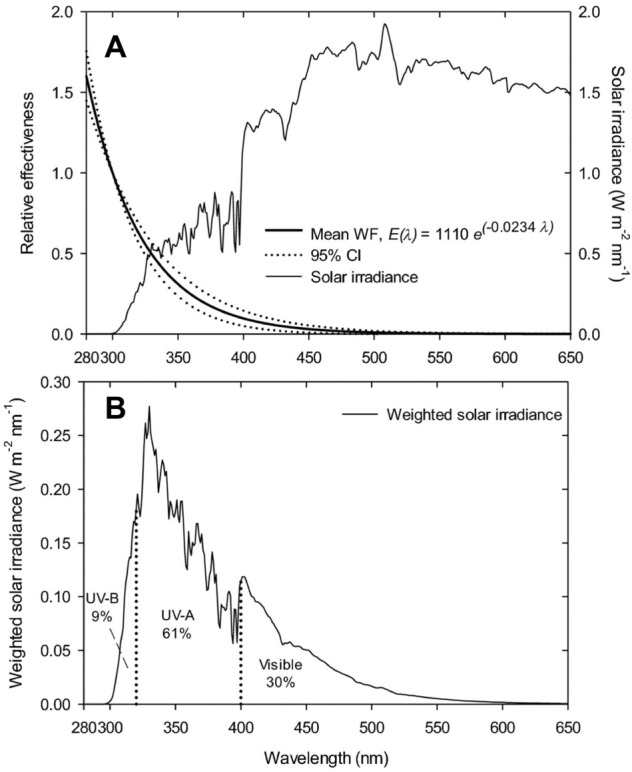
“Action spectra are fundamental to interpreting biological responses to changes in UV radiation that occur with stratospheric ozone depletion and they also serve as spectral weighting functions in both laboratory and field experiments [449].”
BackgroundTropospheric Forcing of the 2019 Antarctic Sudden Stratospheric Warming
Shen, X., Wang, L., & Osprey, S. (2020) · Geophysical Research Letters · doi:10.1029/2020gl089343 · Cited by 90
Beyond the Visible : A handbook of best practice in plant UV photobiology
(2012) · University of Helsinki, Department of Biosciences eBooks · doi:10.31885/9789521083631 · Cited by 89
McKenzie, R., Bernhard, G., Liley, B., Disterhoft, P., Rhodes, S., Bais, A., Morgenstern, O., Newman, P., Oman, L., Brogniez, C., et al. (2019) · Scientific Reports · doi:10.1038/s41598-019-48625-z · Cited by 88 · cited 20×
“Other relevant contributions of the Montreal Protocol are related to pollution and contamination (SDG 3: Good health and well-being ), and climate change ( SGD 13: Climate action ).”
BackgroundInfluentialPerera-Castro, A. V., Waterman, M. J., Turnbull, J. D., Ashcroft, M. B., McKinley, E., Watling, J. R., Bramley-Alves, J., Casanova-Katny, A., Zuniga, G., Flexas, J., et al. (2020) · Frontiers in Plant Science · doi:10.3389/fpls.2020.01178 · Cited by 88 · cited 1×
“Heatwaves may also be particularly detrimental to mosses, as they survive by creating warm microclimates in Antarctica’s cold environments but this may become a disadvantage as air temperatures increase [89].”
BackgroundSelf-citationBarnes, P. W., Tobler, M. A., Keefover‐Ring, K., Flint, S. D., Barkley, A. E., Ryel, R. J., & Lindroth, R. L. (2015) · Plant Cell & Environment · doi:10.1111/pce.12609 · Cited by 87 · cited 1×
“There is increasing evidence that the accumulation of photoprotective compounds (including flavonoids, hydroxycinnamic acids and carotenoids) tracks seasonal and even daily variation in UV radiation [185–190].”
BackgroundSelf-citationReduction in surface climate change achieved by the 1987 Montreal Protocol
Goyal, R., England, M. H., Sen Gupta, A., & Jucker, M. (2019) · Environmental Research Letters · doi:10.1088/1748-9326/ab4874 · Cited by 86 · cited 2×
“The Montreal Protocol and its Kigali Amendment are also directly and indirectly protecting the Earth’s climate and mitigating some of the negative consequences of climate change by limiting the emissions of GHGs and protecting the carbon sequestration potential of vegetation and the terrestrial carbon pool [3, 5].”
BackgroundZhang, Y., Beggs, P. J., McGushin, A., Bambrick, H., Trueck, S., Hanigan, I. C., Morgan, G. G., Berry, H. L., Linnenluecke, M. K., Johnston, F. H., et al. (2020) · Medical Journal of Australia · doi:10.5694/mja2.50869 · Cited by 86 · cited 1×
“…s t r a li a [ 97 ] L o ss o f hu m a n li f e a nd a dv e r s e h ea lt h e ff ec t s ; l o ss o f do m e s ti c a n i m a l s a nd w il d li f e [ 98– 101 ] H ea t w a v e s i n A n t a r c ti ca [ 102 ] A dd iti on a l s no w m e lt t h a t ca u s e d t e m po r a r y g r ee n i ng o f s o m e…”
Effects of altitude on the chemical composition of grapes and wine: a review
Mansour, G., Ghanem, C., Mercenaro, L., Nassif, N., Hassoun, G., & CARO, A. D. (2022) · OENO One · doi:10.20870/oeno-one.2022.56.1.4895 · Cited by 86 · cited 1×
“4.1, climate change is shifting bioclimatic zones and this is allowing certain crops to be grown at higher elevations than was previously possible [293–298].”
BackgroundInfluentialBarnes, P. W., Throop, H. L., Hewins, D. B., Abbene, M., & Archer, S. R. (2011) · Ecosystems · doi:10.1007/s10021-011-9511-1 · Cited by 84 · cited 1×
“In contrast to forests, these dryland systems are experiencing an increase in woody plant cover as a result of changes in land use and climate and these vegetation shifts result in more shading of ground litter and increased soil erosion and deposition, which decrease litter photodegradation [418, 419].”
BackgroundSelf-citationDrought-related hot summers: A joint probability analysis in the Iberian Peninsula
Ribeiro, A. F. S., Russo, A., Gouveia, C. M., & Pires, C. (2020) · Weather and Climate Extremes · doi:10.1016/j.wace.2020.100279 · Cited by 83
Sisson, W. B., & Caldwell, M. M. (1977) · Journal of Experimental Botany · doi:10.1093/jxb/28.3.691 · Cited by 82 · cited 1×
“Some of the earliest concerns raised over stratospheric ozone depletion and the accompanying increase in solar UV-B radiation considered the potential for reductions in crop productivity and compromised food security [278, 279].”
BackgroundEngland, M., Polvani, L. M., & Sun, L. (2018) · Journal of Climate · doi:10.1175/jcli-d-17-0666.1 · Cited by 81
Flavonoids are indispensable for complete male fertility in rice
Wang, L., Lam, P. Y., Lui, A. C. W., Zhu, F., Chen, M., Liu, H., Zhang, J., & Lo, C. (2020) · Journal of Experimental Botany · doi:10.1093/jxb/eraa204 · Cited by 81
Wang, H., Liu, S., Wang, T., Liu, H., Xu, X., Chen, K., & Zhang, P. (2020) · Plant Science · doi:10.1016/j.plantsci.2020.110591 · Cited by 81 · cited 1×
“1 3 studies have shown that overexpression of protective pigments in plants results in enhanced protection against both drought and UV-B radiation [210, 211].”
BackgroundMoving north in China: The habitat of Pedicularis kansuensis in the context of climate change
Wang, D., Cui, B., Duan, S., Chen, J., Fan, H., Lu, B., & Zheng, J. (2019) · The Science of The Total Environment · doi:10.1016/j.scitotenv.2019.133979 · Cited by 79 · cited 1×
“These projections suggest that the ranges of some species of native plants from open, dry habitats found in arid and semi-arid shrub-steppe biomes will expand to higher elevations [267–272], while the ranges of willows and other related species from wetter habitats will contract [266].”
Background
Research works printed but not linked: 6
- Lim E-P Hendon HH Butler AH Garreaud RD Polichtchouk I Shepherd TG Scaife A Comer R Coy L Newman PA Thompson DJW Nakamura H The 2019 Antarctic sudden stratospheric warming SPARC Newsletter 2020 54 10 13
- Newman, P., Nash, E. R., Kramarova, N., & Butler, A. (2020). The 2019 southern stratospheric warming. In: T. Scambos, & S. Stammerjohn (Eds.) “State of the Climate in 2019", Bulletin of the American Meteorological Society (Vol. 101, pp. S297-S298, Vol. 8). · DOI · Paper page
- Bernhard, G. H., Fioletov, V. E., Grooß, J.-U., Ialongo, I., Johnsen, B., Lakkala, K., Manney, G. L., Müller, R., & Svendby, T. (2021). Ozone and ultraviolet radiation. In: J. Blunden, & T. Boyer (Eds.). Vol. 102 “State of the Climate in 2020”, Bull. Amer. Meteor. Soc. (, pp. S299–S303).
- IPCC, 2014: Climate change 2014: Impacts, adaptation, and vulnerability Part A: Global and sectoral aspects. Contribution of working group II to the fifth assessment report of the intergovernmental panel on climate change [Field, C.B., V.R. Barros, D.J. Dokken, K.J. Mach, M.D. Mastrandrea, T.E. Bilir, M. Chatterjee, K.L. Ebi, Y.O. Estrada, R.C. Genova, R. B. Girma, E.S. Kissel, A.N. Levy, S. MacCracken, P.R. Mastrandrea, and L.L. White (eds.)]. Cambridge University Press, Cambridge, United Kingdom and New York, NY, USA, 1132 pp
- Schwarzenbach RP Gschwend PM Imboden DM Schwarzenbach RP Gschwend PM Imboden DM Indirect Photolysis: Reactions with Photooxidants in Natural Waters and in the Atmosphere Environmental Organic Chemistry 2002 John Wiley 655 686 · DOI · Paper page
- Takshak S Agrawal SB Defense potential of secondary metabolites in medicinal plants under UV-B stress Journal of Photochemistry & Photobiology, B: Biology 2019 193 51 88 10.1016/j.jphotobiol.2019.02.002 30818154 · DOI · Paper page
Cited by
The effects of exposure to solar radiation on human health
Neale, R. E., Lucas, R. M., Byrne, S. N., Hollestein, L., Rhodes, L. E., Yazar, S., Young, A. R., Berwick, M., Ireland, R. A., & Olsen, C. M. (2023) · Photochemical & Photobiological Sciences · doi:10.1007/s43630-023-00375-8 · Cited by 162
“1 3 on terrestrial [3] and aquatic [4] ecosystems, and materials [5].”
BackgroundStratospheric ozone, UV radiation, and climate interactions
Bernhard, G. H., Bais, A. F., Aucamp, P. J., Klekociuk, A. R., Liley, J. B., & McKenzie, R. L. (2023) · Photochemical & Photobiological Sciences · doi:10.1007/s43630-023-00371-y · Cited by 138
“High UV radiation at this time, which coincides with the start of the growing season for plants and the peak breeding season for most animals, is a concern [3].”
BackgroundSelf-citationJansen, M. A. K., Andrady, A. L., Bornman, J. F., Aucamp, P. J., Bais, A. F., Banaszak, A. T., Barnes, P. W., Bernhard, G. H., Bruckman, L. S., Busquets, R., et al. (2024) · Photochemical & Photobiological Sciences · doi:10.1007/s43630-024-00552-3 · Cited by 83
“Hydroxyl radicals also play an important role in surface waters in the transformation and breakdown of pollut-ants e.g. pesticides [3].”
Self-citationNeale, P. J., Williamson, C. E., Banaszak, A. T., Häder, D.-P., Hylander, S., Ossola, R., Rose, K. C., Wängberg, S.-Å., & Zepp, R. (2023) · Photochemical & Photobiological Sciences · doi:10.1007/s43630-023-00370-z · Cited by 79
Self-citationMadronich, S., Sulzberger, B., Longstreth, J. D., Schikowski, T., Andersen, M. P. S., Solomon, K. R., & Wilson, S. R. (2023) · Photochemical & Photobiological Sciences · doi:10.1007/s43630-023-00369-6 · Cited by 64
“However, the recovery of stratospheric O3 should decrease the stability of the Antarctic polar vortex, which should lead to wetter conditions in the Southern Hemisphere in the near future for this region.”
BackgroundInfluential
Metadata
- Authors
- Barnes, P. W., Robson, T. M., Zepp, R. G., Bornman, J. F., Jansen, M. A. K., Ossola, R., Wang, Q.-W., Robinson, S. A., Foereid, B., Klekociuk, A. R., Martinez-Abaigar, J., Hou, W.-C., Mackenzie, R., & Paul, N. D.
- Affiliations
- Loyola University New Orleans (US)
- University of Helsinki (FI)
- Environmental Protection Agency (US)
- Murdoch University (AU)
- University College Cork (IE)
- NSF National Center for Atmospheric Research (US)
- Chinese Academy of Sciences (CN)
- University of Wollongong (AU)
- Norwegian Institute of Bioeconomy Research (NO)
- Australian Antarctic Division (AU)
- National Cheng Kung University (TW)
- Instituto de Biodiversidad de Ecosistemas Antárticos y Subantárticos (CL)
- Lancaster University (GB)
- Corresponding author
- Barnes, P. W.
- Robson, T. M.
- ORCID
- Venue
- Photochemical & Photobiological Sciences
- Published
- 2023-02-01
- Volume
- 22
- Issue
- 5
- Pages
- 1049-1091
- ISSN
- 1474-905X (ISSN-L)
- 1474-9092
- PMC
- PMC9889965
- OpenAlex
- W4318754076
- Cited by
- 113
- References
- 449
- Citations by year
- 2026: 27 · 2025: 35 · 2024: 32 · 2023: 19
- FWCI
- 12.48
- Type
- journal article
- Language
- en
- Open access
- hybrid
- doi.org
- Licence
- cc-by
- creativecommons.org/licenses/by/4.0 (tdm)
- creativecommons.org/licenses/by/4.0 (vor)
- Locations
- Photochemical & Photobiological Sciences (publishedVersion, cc-by)
- PubMed Central (publishedVersion, cc-by)
- PubMed (publishedVersion)
- Insight (University of Cumbria) (submittedVersion, cc-by)
- Research Online (University of Wollongong) (submittedVersion)
- Lancaster EPrints (Lancaster University) (submittedVersion)
- Figshare (submittedVersion)
- Työväentutkimus Vuosikirja (submittedVersion)
- NORA - Norwegian Open Research Archives (submittedVersion, cc-by)
- RIUR (Universidad de La Rioja) (submittedVersion, other-oa)
- Funders
- University of Helsinki including Helsinki University Central Hospital
- Topics
- Physical Sciences › Earth and Planetary Sciences › Atmospheric Science › Atmospheric Ozone and Climate
- Life Sciences › Agricultural and Biological Sciences › Plant Science › Plant responses to elevated CO2
- Life Sciences › Agricultural and Biological Sciences › Agronomy and Crop Science › Climate change impacts on agriculture
- Keywords
- solar ultraviolet radiation, stratospheric ozone depletion, climate change, terrestrial ecosystems, biogeochemical cycles, Montreal Protocol, Kigali Amendment, climate extremes, biodiversity, ecosystem services, drought, temperature effects on crops, litter decomposition, climate feedbacks, terrestrial carbon sequestration, greenhouse gas emissions
- MeSH terms
- Feedback, Rwanda, Ultraviolet Rays, Ecosystem, Crops, Agricultural, Climate Change, Stratospheric Ozone
About these checks
Registry, retraction, Cites and statistics results are computed, not judged, with one exception: a printed reference that no index lists is read once by a model before it counts as a citation error. Claims are extracted by a model and kept only when their quote appears verbatim in the text; each cited source is then checked, with a model’s help, for whether it says what the claim relies on. Those verdicts can be wrong — read the claim’s quote and the cited source before relying on one.
Statistics and arithmetic are recomputed, not judged.
Confidence bands are shown only for fields calibrated on our annotated test set. None is calibrated yet, so no band is shown.
What counts as a claim ›How we measure confidence ›How we check this ›
Are you an author, or do you see a problem with this page? Request a review
Data sources
Bibliographic data: Semantic Scholar, OpenAlex, Crossref.
Contains information from the Semantic Scholar Academic Graph Datasets, made available under the ODC Attribution License (ODC-BY 1.0).
Semantic Scholar’s data is described in: Kinney, R., et al. (2023). The Semantic Scholar Open Data Platform. arXiv:2301.10140.
