

Schizophrenia is defined by cell-specific neuropathology and multiple neurodevelopmental mechanisms in patient-derived cerebral organoids
Open accessPublished version of a preprint
The DOI matches its Crossref record; 150 of the 150 references it cites were found in a registry or an index.
Abstract
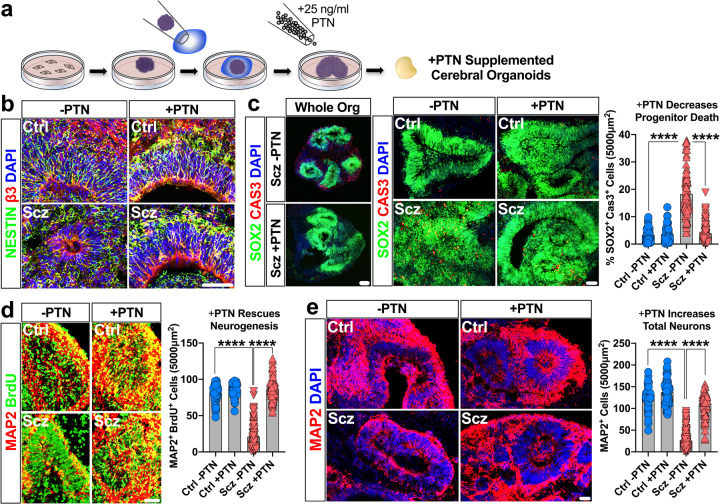
Due to an inability to ethically access developing human brain tissue as well as identify prospective cases, early-arising neurodevelopmental and cell-specific signatures of Schizophrenia (Scz) have remained unknown and thus undefined. To overcome these challenges, we utilized patient-derived induced pluripotent stem cells (iPSCs) to generate 3D cerebral organoids to model neuropathology of Scz during this critical period. We discovered that Scz organoids exhibited ventricular neuropathology resulting in altered progenitor survival and disrupted neurogenesis. This ultimately yielded fewer neurons within developing cortical fields of Scz organoids. Single-cell sequencing revealed that Scz progenitors were specifically depleted of neuronal programming factors leading to a remodeling of cell-lineages, altered differentiation trajectories, and distorted cortical cell-type diversity. While Scz organoids were similar in their macromolecular diversity to organoids generated from healthy controls (Ctrls), four GWAS factors (PTN, COMT, PLCL1, and PODXL) and peptide fragments belonging to the POU-domain transcription factor family (e.g., POU3F2/BRN2) were altered. This revealed that Scz organoids principally differed not in their proteomic diversity, but specifically in their total quantity of disease and neurodevelopmental factors at the molecular level. Single-cell sequencing subsequently identified cell-type specific alterations in neuronal programming factors as well as a developmental switch in neurotrophic growth factor expression, indicating that Scz neuropathology can be encoded on a cell-type-by-cell-type basis. Furthermore, single-cell sequencing also specifically replicated the depletion of BRN2 (POU3F2) and PTN in both Scz progenitors and neurons. Subsequently, in two mechanistic rescue experiments we identified that the transcription factor BRN2 and growth factor PTN operate as mechanistic substrates of neurogenesis and cellular survival, respectively, in Scz organoids. Collectively, our work suggests that multiple mechanisms of Scz exist in patient-derived organoids, and that these disparate mechanisms converge upon primordial brain developmental pathways such as neuronal differentiation, survival, and growth factor support, which may amalgamate to elevate intrinsic risk of Scz.
Overview
The claims and statistics of this paper haven’t been checked yet.
Free: it reads the open-access text and checks the first 5 claims that cite a source we can check. Create a free account to check every claim.
Integrity signals
Registry
Cites
Statistics
Figures
Verification
Claims the paper makes
The claims and statistics of this paper haven’t been checked yet.
Free: it reads the open-access text and checks the first 5 claims that cite a source we can check. Create a free account to check every claim.
Claims other papers make about this one
Each is checked against this paper’s own text: does it say what the citing paper says it does?
The source backs part of the claim, not all of it — or backs it for a different population, condition or comparison.
In the citing paper
“Besides, the depletion of BRN2 and PTN can lead to schizophrenia through different mechanisms [233].”
From Single-cell sequencing to multi-omics: technologies and applications (2024) · cites this paper as [233]
Experimental — accuracy not yet measuredThe cited source says what the claim attributes to it.
In the citing paper
“Notaras et al. performed an integrative analysis of transcriptome and proteome on schizophrenia organoids to identify two disease-associated factors (BRN2 and PTN).”
From Single-cell sequencing to multi-omics: technologies and applications (2024) · cites this paper as [233]
The cited source says what the claim attributes to it.
In the citing paper
“Both BRN2 and PTN promoted neurogenesis, while PTN also inhibited apoptosis.”
From Single-cell sequencing to multi-omics: technologies and applications (2024) · cites this paper as [233]
The cited source says what the claim attributes to it.
In the citing paper
“Both BRN2 and PTN promoted neurogenesis, while PTN also inhibited apoptosis.”
From Single-cell sequencing to multi-omics: technologies and applications (2024) · cites this paper as [233]
Self-check
Percentages, sums and reported differences re-computed from the paper’s own numbers.
The self-check needs the paper’s full text.
Citations
Cites
Controlling the False Discovery Rate: A Practical and Powerful Approach to Multiple Testing
Benjamini, Y., & Hochberg, Y. (1995) · Journal of the Royal Statistical Society Series B: Statistical Methodology · doi:10.1111/j.2517-6161.1995.tb02031.x · Cited by 109,482 · cited 1×
“Resulting p values were adjusted by the Benjamini-Hochberg multi-test adjustment method for a high number of comparisons [121] and statistics performed as previously described [122].”
MethodclusterProfiler: an R Package for Comparing Biological Themes Among Gene Clusters
Yu, G., Wang, L.-G., Han, Y., & He, Q.-Y. (2012) · OMICS: A Journal of Integrative Biology · doi:10.1089/omi.2011.0118 · Cited by 36,259
Systematic and integrative analysis of large gene lists using DAVID bioinformatics resources
Huang, D. W., Sherman, B. T., & Lempicki, R. A. (2009) · Nature Protocols · doi:10.1038/nprot.2008.211 · Cited by 35,890
Wickham, H. (2016) · Use R! · doi:10.1007/978-3-319-24277-4 · Cited by 33,115
Comprehensive Integration of Single-Cell Data
Stuart, T., Butler, A., Hoffman, P., Hafemeister, C., Papalexi, E., Mauck, W. M., Hao, Y., Stoeckius, M., Smibert, P., & Satija, R. (2019) · Cell · doi:10.1016/j.cell.2019.05.031 · Cited by 15,453
Cox, J., & Mann, M. (2008) · Nature Biotechnology · doi:10.1038/nbt.1511 · Cited by 14,855 · cited 2×
“Bioinformatics pipeline for TMT-LC/MS proteomics Mass spectra were pre-processed as described [118] and processed using MaxQuant [119] (1.5.5.1).”
MethodInfluentialggplot2: Elegant Graphics for Data Analysis
Wickham, H. (2009) · doi:10.1007/978-0-387-98141-3 · Cited by 14,447
Biological insights from 108 schizophrenia-associated genetic loci
Schizophrenia Working Group of the Psychiatric Genomics Consortium (2014) · Nature · doi:10.1038/nature13595 · Cited by 7,577 · cited 7×
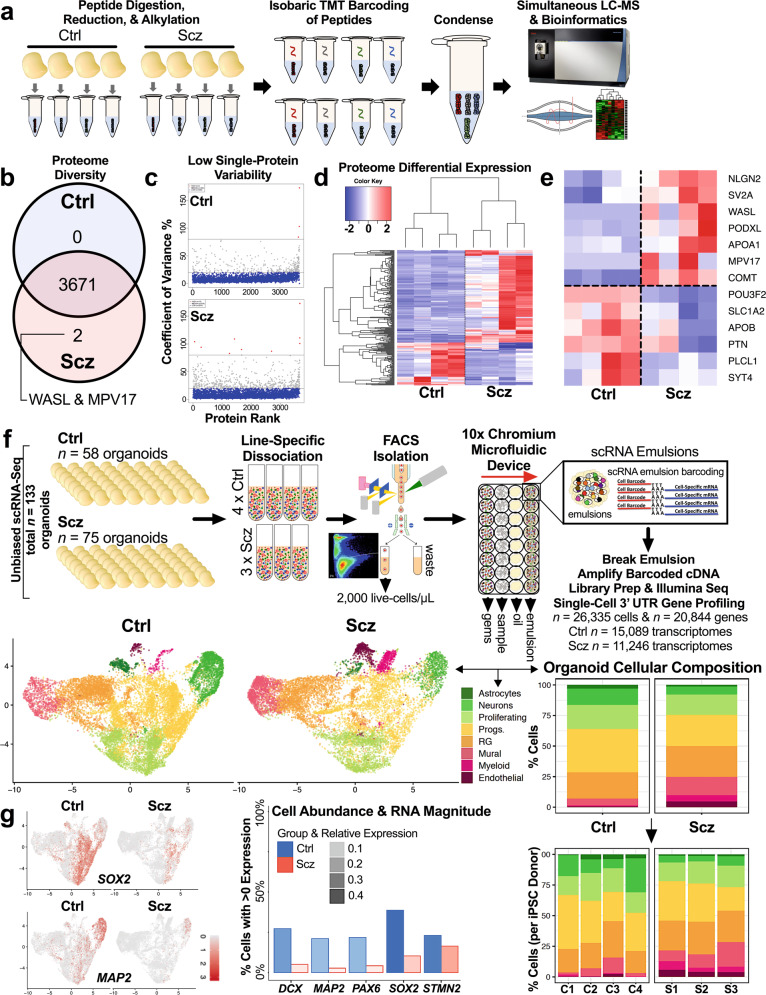
“In humans, FURIN localizes to one of 108 Scz loci with genome-wide significance [33].”
BackgroundInfluentialCerebral organoids model human brain development and microcephaly
Lancaster, M. A., Renner, M., Martin, C.-A., Wenzel, D., Bicknell, L. S., Hurles, M. E., Homfray, T., Penninger, J. M., Jackson, A. P., & Knoblich, J. A. (2013) · Nature · doi:10.1038/nature12517 · Cited by 5,372 · cited 6×
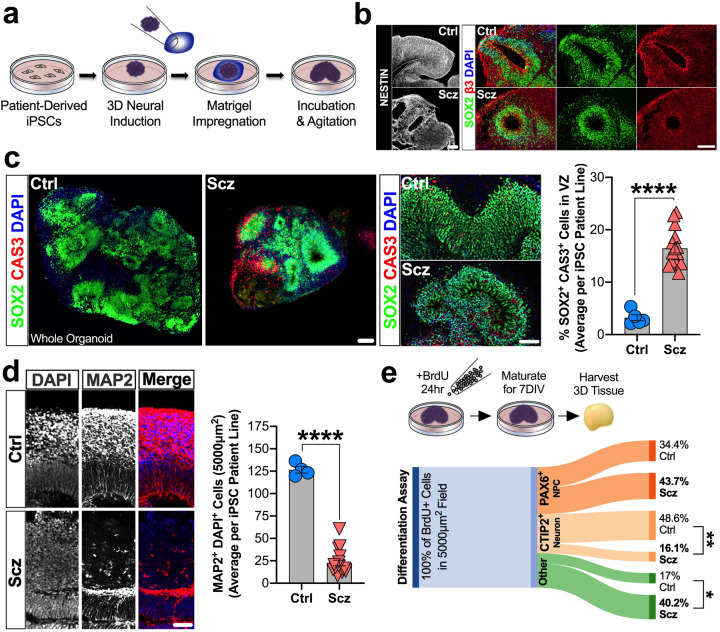
“RESULTS Patient-derived Scz organoids exhibit ventricular entropy and neuropathology To study neurodevelopmental aspects of Scz we generated selfassembling, self-maturating, and human-derived cerebral organoids [37].”
BackgroundMethodInfluentialDimensionality reduction for visualizing single-cell data using UMAP
Becht, E., McInnes, L., Healy, J., Dutertre, C.-A., Kwok, I. W. H., Ng, L. G., Ginhoux, F., & Newell, E. W. (2019) · Nature Biotechnology · doi:10.1038/nbt.4314 · Cited by 5,358
McCarthy, D. J., Chen, Y., & Smyth, G. K. (2012) · Nucleic Acids Research · doi:10.1093/nar/gks042 · Cited by 5,195 · cited 1×
“To identify genes with significantly different expression (DEG) levels between two types of cells, we used methods implemented in the edgeR package including dispersion estimation and gene-wise negative binomial generalized linear models with quasi-likelihood tests [135].”
MethodUniProt: a hub for protein information
The UniProt Consortium (2015) · Nucleic Acids Research · doi:10.1093/nar/gku989 · Cited by 5,106
Aran, D., Looney, A. P., Liu, L., Wu, E., Fong, V., Hsu, A., Chak, S., Naikawadi, R. P., Wolters, P. J., Abate, A. R., et al. (2019) · Nature Immunology · doi:10.1038/s41590-018-0276-y · Cited by 4,984 · cited 1×
“Cell-type clusters were labeled based on marker enrichment, derived from both Seuratidentified clusters (using default parameters) as well as automated assignment with SingleR using reference datasets [133].”
MethodHafemeister, C., & Satija, R. (2019) · Genome Biology · doi:10.1186/s13059-019-1874-1 · Cited by 4,479
Slingshot: cell lineage and pseudotime inference for single-cell transcriptomics
Street, K., Risso, D., Fletcher, R. B., Das, D., Ngai, J., Yosef, N., Purdom, E., & Dudoit, S. (2018) · BMC Genomics · doi:10.1186/s12864-018-4772-0 · Cited by 3,159
Noctor, S. C., Martínez-Cerdeño, V., Ivic, L., & Kriegstein, A. R. (2004) · Nature Neuroscience · doi:10.1038/nn1172 · Cited by 2,229
Brain-Region-Specific Organoids Using Mini-bioreactors for Modeling ZIKV Exposure
Qian, X., Nguyen, H. N., Song, M. M., Hadiono, C., Ogden, S. C., Hammack, C., Yao, B., Hamersky, G. R., Jacob, F., Zhong, C., et al. (2016) · Cell · doi:10.1016/j.cell.2016.04.032 · Cited by 2,127
Generation of cerebral organoids from human pluripotent stem cells
Lancaster, M. A., & Knoblich, J. A. (2014) · Nature Protocols · doi:10.1038/nprot.2014.158 · Cited by 1,823
WNT and β-catenin signalling: diseases and therapies
Moon, R. T., Kohn, A. D., Ferrari, G. V. D., & Kaykas, A. (2004) · Nature Reviews Genetics · doi:10.1038/nrg1427 · Cited by 1,763
Chen, J., Lipska, B. K., Halim, N., Ma, Q. D., Matsumoto, M., Melhem, S., Kolachana, B. S., Hyde, T. M., Herman, M. M., Apud, J., et al. (2004) · The American Journal of Human Genetics · doi:10.1086/425589 · Cited by 1,675 · cited 2×
“Other targets included longstanding Scz risk factors such as PLCL1 (involved in GABAergic neurotransmission [74]) and COMT (involved in dopamine and catecholamine elimination [77] and cognitive response to antipsychotics [78]).”
BackgroundFunctional cortical neurons and astrocytes from human pluripotent stem cells in 3D culture
Paşca, A. M., Sloan, S. A., Clarke, L. E., Tian, Y., Makinson, C. D., Huber, N., Kim, C. H., Park, J.-Y., O'Rourke, N. A., Nguyen, K. D., et al. (2015) · Nature Methods · doi:10.1038/nmeth.3415 · Cited by 1,609 · cited 12×
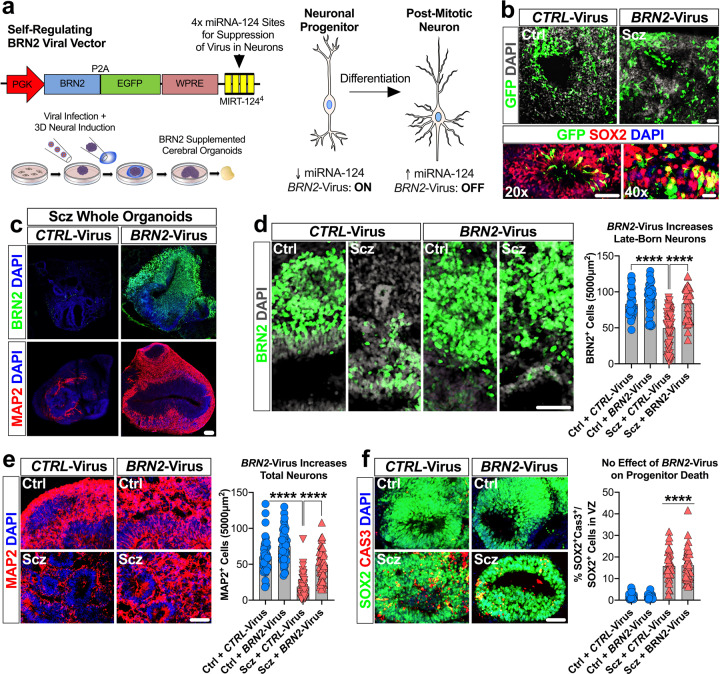
“As described in-text, this hPGK>BRN2:P2A:EGFP.”
BackgroundInfluentialMaternal Immune Activation Alters Fetal Brain Development through Interleukin-6
Smith, S. E. P., Li, J., Garbett, K., Mirnics, K., & Patterson, P. H. (2007) · The Journal of Neuroscience · doi:10.1523/jneurosci.2178-07.2007 · Cited by 1,605
A step-by-step workflow for low-level analysis of single-cell RNA-seq data with Bioconductor
Lun, A. T. L., McCarthy, D. J., & Marioni, J. C. (2016) · F1000Research · doi:10.12688/f1000research.9501.2 · Cited by 1,574
Diffusion pseudotime robustly reconstructs lineage branching
Haghverdi, L., Büttner, M., Wolf, F. A., Buettner, F., & Theis, F. J. (2016) · Nature Methods · doi:10.1038/nmeth.3971 · Cited by 1,385
Englund, C., Fink, A., Lau, C., Pham, D., Daza, R. A. M., Bulfone, A., Kowalczyk, T., & Hevner, R. F. (2005) · The Journal of Neuroscience · doi:10.1523/jneurosci.2899-04.2005 · Cited by 1,261
gplots: Various R Programming Tools for Plotting Data
Warnes, G. R., Bolker, B., Bonebakker, L., Gentleman, R., Huber, W., Liaw, A., Lumley, T., Maechler, M., Magnusson, A., Moeller, S., et al. (2005) · CRAN: Contributed Packages · doi:10.32614/cran.package.gplots · Cited by 1,228
The maternal interleukin-17a pathway in mice promotes autism-like phenotypes in offspring
Choi, G. B., Yim, Y. S., Wong, H., Kim, S., Kim, H., Kim, S. V., Hoeffer, C. A., Littman, D. R., & Huh, J. R. (2016) · Science · doi:10.1126/science.aad0314 · Cited by 1,214
Adult Schizophrenia Following Prenatal Exposure to an Influenza Epidemic
Mednick, S. A. (1988) · Archives of General Psychiatry · doi:10.1001/archpsyc.1988.01800260109013 · Cited by 1,193
Human cerebral organoids recapitulate gene expression programs of fetal neocortex development
Camp, J. G., Badsha, F., Florio, M., Kanton, S., Gerber, T., Wilsch-Bräuninger, M., Lewitus, E., Sykes, A., Hevers, W., Lancaster, M., et al. (2015) · Proceedings of the National Academy of Sciences · doi:10.1073/pnas.1520760112 · Cited by 1,130 · cited 2×
“Cerebral organoids recapitulate transcriptomic [38] and epigenomic [39] programs of fetal development that drive the assembly of ventricular progenitor zones that give rise to neuronal ensembles [7, 8].”
BackgroundIndividual brain organoids reproducibly form cell diversity of the human cerebral cortex
Velasco, S., Kedaigle, A. J., Simmons, S. K., Nash, A., Rocha, M., Quadrato, G., Paulsen, B., Nguyen, L., Adiconis, X., Regev, A., et al. (2019) · Nature · doi:10.1038/s41586-019-1289-x · Cited by 1,094 · cited 1×
“, TGFβ and WNT pathway inhibitors [47, 48]) to forcibly direct the differentiation of progenitors towards a neuronal fate or promote their survival by reducing apoptosis.”
BackgroundAllen, N. C., Bagade, S., McQueen, M. B., Ioannidis, J. P. A., Kavvoura, F. K., Khoury, M. J., Tanzi, R. E., & Bertram, L. (2008) · Nature Genetics · doi:10.1038/ng.171 · Cited by 1,054
miR-124 regulates adult neurogenesis in the subventricular zone stem cell niche
Cheng, L.-C., Pastrana, E., Tavazoie, M., & Doetsch, F. (2009) · Nature Neuroscience · doi:10.1038/nn.2294 · Cited by 1,001 · cited 1×
“Specifically, Expression of miRNA-124 represses SOX9 to direct progenitors towards a post-mitotic neuronal fate [139] where miRNA-124 expression is preferentially maintained [140] and reaches its peak [141].”
BackgroundSpatiotemporal gene expression trajectories reveal developmental hierarchies of the human cortex
Nowakowski, T. J., Bhaduri, A., Pollen, A. A., Alvarado, B., Mostajo-Radji, M. A., Di Lullo, E., Haeussler, M., Sandoval-Espinosa, C., Liu, S. J., Velmeshev, D., et al. (2017) · Science · doi:10.1126/science.aap8809 · Cited by 964 · cited 2×
“2f) identified against human fetal brain samples [79].”
BackgroundMethodOrchestrating single-cell analysis with Bioconductor
Amezquita, R. A., Lun, A. T. L., Becht, E., Carey, V. J., Carpp, L. N., Geistlinger, L., Marini, F., Rue-Albrecht, K., Risso, D., Soneson, C., et al. (2020) · Nature Methods · doi:10.1038/s41592-019-0654-x · Cited by 945
Maternal immune activation and abnormal brain development across CNS disorders
Knuesel, I., Chicha, L., Britschgi, M., Schobel, S. A., Bodmer, M., Hellings, J. A., Toovey, S., & Prinssen, E. P. (2014) · Nature Reviews Neurology · doi:10.1038/nrneurol.2014.187 · Cited by 880 · cited 1×
“Evidence that Scz risk may begin to accumulate in utero has been collected for decades now, and epidemiological evidence suggests that prenatal stress [3], prenatal famine [4], early vitamin D deficiency [5], as well as maternal immune challenges [6, 7] may elevate Scz risk.”
Backgroundggfortify: Unified Interface to Visualize Statistical Results of Popular R Packages
Tang, Y., Horikoshi, M., & Li, W. (2016) · The R Journal · doi:10.32614/rj-2016-060 · Cited by 862
Rates of Adult Schizophrenia Following Prenatal Exposure to the Chinese Famine of 1959-1961
St Clair, D. (2005) · JAMA · doi:10.1001/jama.294.5.557 · Cited by 816
Thompson, P. M., Vidal, C., Giedd, J. N., Gochman, P., Blumenthal, J., Nicolson, R., Toga, A. W., & Rapoport, J. L. (2001) · Proceedings of the National Academy of Sciences · doi:10.1073/pnas.201243998 · Cited by 812
The use of brain organoids to investigate neural development and disease
Di Lullo, E., & Kriegstein, A. R. (2017) · Nature Reviews Neuroscience · doi:10.1038/nrn.2017.107 · Cited by 788
Immune involvement in schizophrenia and autism: Etiology, pathology and animal models
Patterson, P. H. (2009) · Behavioural Brain Research · doi:10.1016/j.bbr.2008.12.016 · Cited by 766
Regulation of miRNA expression during neural cell specification
Smirnova, L., Gräfe, A., Seiler, A., Schumacher, S., Nitsch, R., & Wulczyn, F. G. (2005) · European Journal of Neuroscience · doi:10.1111/j.1460-9568.2005.03978.x · Cited by 707 · cited 1×
“Specifically, Expression of miRNA-124 represses SOX9 to direct progenitors towards a post-mitotic neuronal fate [139] where miRNA-124 expression is preferentially maintained [140] and reaches its peak [141].”
BackgroundXiang, Y., Tanaka, Y., Patterson, B., Kang, Y.-J., Govindaiah, G., Roselaar, N., Cakir, B., Kim, K.-Y., Lombroso, A. P., Hwang, S.-M., et al. (2017) · Cell Stem Cell · doi:10.1016/j.stem.2017.07.007 · Cited by 698
Uranova, N. A., Vostrikov, V. M., Orlovskaya, D. D., & Rachmanova, V. I. (2004) · Schizophrenia Research · doi:10.1016/s0920-9964(03)00181-6 · Cited by 659
destiny : diffusion maps for large-scale single-cell data in R
Angerer, P., Haghverdi, L., Büttner, M., Theis, F. J., Marr, C., & Buettner, F. (2016) · Bioinformatics · doi:10.1093/bioinformatics/btv715 · Cited by 640 · cited 2×
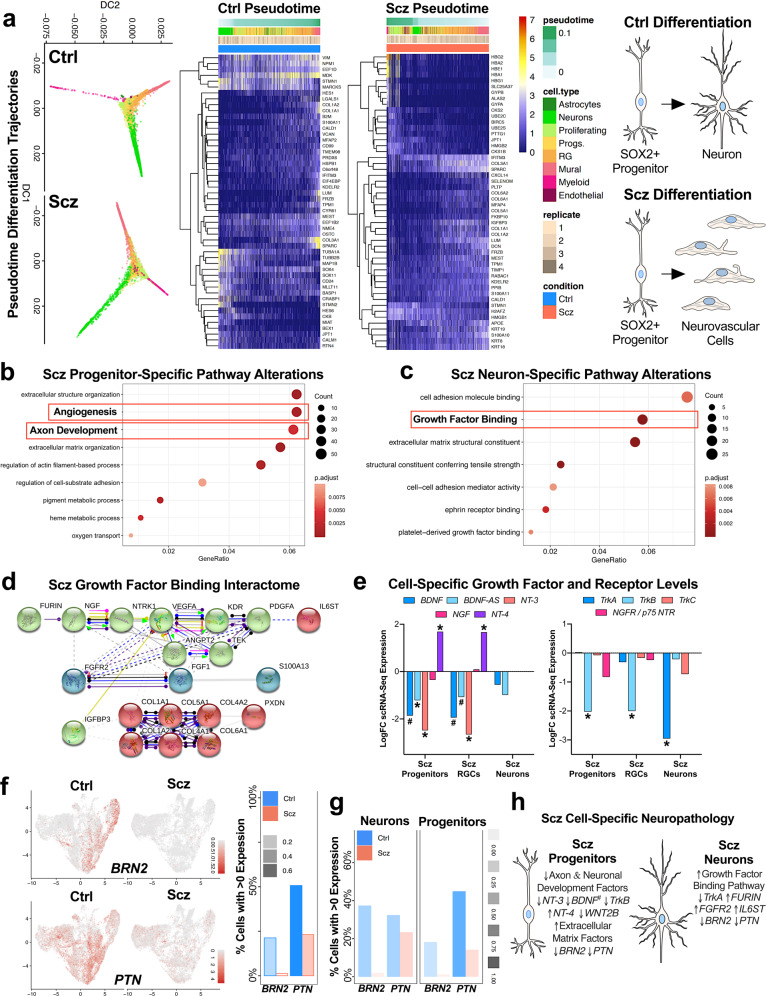
“Diffusion maps and pseudotime trajectories of single-cell transcriptomes For ordering the cells along pseudotime trajectories, we first constructed diffusion maps [137] that are implemented in the destiny package [80].”
MethodNeural stem cell proliferation is decreased in schizophrenia, but not in depression
Reif, A., Fritzen, S., Finger, M., Strobel, A., Lauer, M., Schmitt, A., & Lesch, K.-P. (2006) · Molecular Psychiatry · doi:10.1038/sj.mp.4001791 · Cited by 630 · cited 1×
“, BDNF, NT3, and NT-4) [25–27], neurotrophin receptors [28, 29], cell death markers [30], neural stem cell proliferation [31], and reduced newborn cell numbers [32].”
BackgroundPrenatal Poly(I:C) Exposure and Other Developmental Immune Activation Models in Rodent Systems
Meyer, U. (2014) · Biological Psychiatry · doi:10.1016/j.biopsych.2013.07.011 · Cited by 626
Fillman, S. G., Cloonan, N., Catts, V. S., Miller, L. C., Wong, J., McCrossin, T., Cairns, M., & Weickert, C. S. (2013) · Molecular Psychiatry · doi:10.1038/mp.2012.110 · Cited by 609
Establishing Cerebral Organoids as Models of Human-Specific Brain Evolution
Pollen, A. A., Bhaduri, A., Andrews, M. G., Nowakowski, T. J., Meyerson, O. S., Mostajo-Radji, M. A., Di Lullo, E., Alvarado, B., Bedolli, M., Dougherty, M. L., et al. (2019) · Cell · doi:10.1016/j.cell.2019.01.017 · Cited by 600
Reduced brain-derived neurotrophic factor in prefrontal cortex of patients with schizophrenia
Weickert, C. S., Hyde, T. M., Lipska, B. K., Herman, M. M., Weinberger, D. R., & Kleinman, J. E. (2003) · Molecular Psychiatry · doi:10.1038/sj.mp.4001308 · Cited by 532
Van Os, J., & Selten, J.-P. (1998) · British Journal of Psychiatry · doi:10.1192/bjp.172.4.324 · Cited by 482
Induction of Expansion and Folding in Human Cerebral Organoids
Li, Y., Muffat, J., Omer, A., Bosch, I., Lancaster, M. A., Sur, M., Gehrke, L., Knoblich, J. A., & Jaenisch, R. (2017) · Cell Stem Cell · doi:10.1016/j.stem.2016.11.017 · Cited by 436
Epidemiologic studies of exposure to prenatal infection and risk of schizophrenia and autism
Brown, A. S. (2012) · Developmental Neurobiology · doi:10.1002/dneu.22024 · Cited by 422
Meng, K., Rodríguez-Peña, A., Dimitrov, T., Chen, W., Yamin, M., Noda, M., & Deuel, T. F. (2000) · Proceedings of the National Academy of Sciences · doi:10.1073/pnas.020487997 · Cited by 418
Glial cell lineage in the cerebral cortex: A review and synthesis
Cameron, R. S., & Rakic, P. (1991) · Glia · doi:10.1002/glia.440040204 · Cited by 406
Pericyte loss leads to circulatory failure and pleiotrophin depletion causing neuron loss
Nikolakopoulou, A. M., Montagne, A., Kisler, K., Dai, Z., Wang, Y., Huuskonen, M. T., Sagare, A. P., Lazic, D., Sweeney, M. D., Kong, P., et al. (2019) · Nature Neuroscience · doi:10.1038/s41593-019-0434-z · Cited by 391
Self‐organized developmental patterning and differentiation in cerebral organoids
Renner, M., Lancaster, M. A., Bian, S., Choi, H., Ku, T., Peer, A., Chung, K., & Knoblich, J. A. (2017) · The EMBO Journal · doi:10.15252/embj.201694700 · Cited by 389
Role of Intermediate Progenitor Cells in Cerebral Cortex Development
Pontious, A., Kowalczyk, T., Englund, C., & Hevner, R. F. (2008) · Developmental Neuroscience · doi:10.1159/000109848 · Cited by 378
Cerebral Organoids Recapitulate Epigenomic Signatures of the Human Fetal Brain
Luo, C., Lancaster, M. A., Castanon, R., Nery, J. R., Knoblich, J. A., & Ecker, J. R. (2016) · Cell Reports · doi:10.1016/j.celrep.2016.12.001 · Cited by 370
Phenotypic differences in hiPSC NPCs derived from patients with schizophrenia
Brennand, K., Savas, J. N., Kim, Y., Tran, N., Simone, A., Hashimoto-Torii, K., Beaumont, K. G., Kim, H. J., Topol, A., Ladran, I., et al. (2015) · Molecular Psychiatry · doi:10.1038/mp.2014.22 · Cited by 369
Brain-derived neurotrophic factor and neurotrophin 3 in schizophrenic psychoses
Durany, N., Michel, T., Zöchling, R., Boissl, K. W., Cruz-Sánchez, F. F., Riederer, P., & Thome, J. (2001) · Schizophrenia Research · doi:10.1016/s0920-9964(00)00084-0 · Cited by 362
Hypothesis: Is low prenatal vitamin D a risk-modifying factor for schizophrenia?
McGrath, J. (1999) · Schizophrenia Research · doi:10.1016/s0920-9964(99)00052-3 · Cited by 323
Bauman, M. D., Iosif, A.-M., Smith, S. E. P., Bregere, C., Amaral, D. G., & Patterson, P. H. (2014) · Biological Psychiatry · doi:10.1016/j.biopsych.2013.06.025 · Cited by 294
Wilkins, A., Kemp, K., Ginty, M., Hares, K., Mallam, E., & Scolding, N. (2009) · Stem Cell Research · doi:10.1016/j.scr.2009.02.006 · Cited by 287
Activation of the maternal immune system alters cerebellar development in the offspring
Shi, L., Smith, S. E. P., Malkova, N., Tse, D., Su, Y., & Patterson, P. H. (2009) · Brain, Behavior, and Immunity · doi:10.1016/j.bbi.2008.07.012 · Cited by 277
Disc1 is mutated in the 129S6/SvEv strain and modulates working memory in mice
Koike, H., Arguello, P. A., Kvajo, M., Karayiorgou, M., & Gogos, J. A. (2006) · Proceedings of the National Academy of Sciences · doi:10.1073/pnas.0511189103 · Cited by 275
Notaras, M., Hill, R., & van den Buuse, M. (2015) · Molecular Psychiatry · doi:10.1038/mp.2015.27 · Cited by 274
Self-citationThe Role of Intermediate Progenitor Cells in the Evolutionary Expansion of the Cerebral Cortex
Martínez-Cerdeño, V., Noctor, S. C., & Kriegstein, A. R. (2006) · Cerebral Cortex · doi:10.1093/cercor/bhk017 · Cited by 271
Inflammation-related genes up-regulated in schizophrenia brains
Saetre, P., Emilsson, L., Axelsson, E., Kreuger, J., Lindholm, E., & Jazin, E. (2007) · BMC Psychiatry · doi:10.1186/1471-244x-7-46 · Cited by 267
Zhou, T., Tan, L., Cederquist, G. Y., Fan, Y., Hartley, B. J., Mukherjee, S., Tomishima, M., Brennand, K. J., Zhang, Q., Schwartz, R. E., et al. (2017) · Cell stem cell · doi:10.1016/j.stem.2017.06.017 · Cited by 263
Brn-1 and Brn-2 share crucial roles in the production and positioning of mouse neocortical neurons
Sugitani, Y., Nakai, S., Minowa, O., Nishi, M., Jishage, K.-I., Kawano, H., Mori, K., Ogawa, M., & Noda, T. (2002) · Genes & Development · doi:10.1101/gad.978002 · Cited by 259 · cited 4×
“When disrupted in vivo, stalled production of upper-layer neurons ensues, indicating a functional role for BRN2 in early cortical neurogenesis [71].”
BackgroundInfluentialSchizophrenia Following Pre-natal Exposure to Influenza Epidemics Between 1939 and 1960
Sham, P. C., O'Callaghan, E., Takei, N., Murray, G. K., Hare, E. H., & Murray, R. M. (1992) · British Journal of Psychiatry · doi:10.1192/bjp.160.4.461 · Cited by 250
Oskvig, D. B., Elkahloun, A. G., Johnson, K. R., Phillips, T. M., & Herkenham, M. (2012) · Brain, Behavior, and Immunity · doi:10.1016/j.bbi.2012.01.015 · Cited by 248 · cited 1×
“MIA Scz models have reported increased cell death [20] as well as delayed axon development [21], and have also unveiled alterations in tonic”
BackgroundYoon, K.-J., Nguyen, H. N., Ursini, G., Zhang, F., Kim, N.-S., Wen, Z., Makri, G., Nauen, D., Shin, J. H., Park, Y., et al. (2014) · Cell Stem Cell · doi:10.1016/j.stem.2014.05.003 · Cited by 240
Hafemeister, C., & Satija, R. (2019) · bioRxiv (Cold Spring Harbor Laboratory) · doi:10.1101/576827 · Cited by 238
Synergistic effects of common schizophrenia risk variants
Schrode, N., Ho, S.-M., Yamamuro, K., Dobbyn, A., Huckins, L., Matos, M. R., Cheng, E., Deans, P. J. M., Flaherty, E., Barretto, N., et al. (2019) · Nature Genetics · doi:10.1038/s41588-019-0497-5 · Cited by 234
Robicsek, O., Karry, R., Petit, I., Salman-Kesner, N., Müller, F.-J., Klein, E., Aberdam, D., & Ben-Shachar, D. (2013) · Molecular Psychiatry · doi:10.1038/mp.2013.67 · Cited by 231
Differential dynamics of the mammalian mRNA and protein expression response to misfolding stress
Cheng, Z., Teo, G., Krueger, S., Rock, T. M., Koh, H. W., Choi, H., & Vogel, C. (2016) · Molecular Systems Biology · doi:10.15252/msb.20156423 · Cited by 227
Maternal Infection and Schizophrenia: Implications for Prevention
Brown, A. S., & Patterson, P. H. (2011) · Schizophrenia Bulletin · doi:10.1093/schbul/sbq146 · Cited by 216
Molecular profiles of schizophrenia in the CNS at different stages of illness
Narayan, S., Tang, B., Head, S. R., Gilmartin, T. J., Sutcliffe, J. G., Dean, B., & Thomas, E. A. (2008) · Brain Research · doi:10.1016/j.brainres.2008.08.023 · Cited by 207
Adams, W., Kendell, R. E., Hare, E. H., & Munk-Jørgensen, P. (1993) · British Journal of Psychiatry · doi:10.1192/bjp.163.4.522 · Cited by 204
Johnson, P. J., Tatara, A., Shiu, A., & Sakiyama-Elbert, S. E. (2010) · Cell Transplantation · doi:10.3727/096368909x477273 · Cited by 201
Reductions in neurotrophin receptor mRNAs in the prefrontal cortex of patients with schizophrenia
Weickert, C. S., Ligons, D. L., Romanczyk, T., Ungaro, G., Hyde, T. M., Herman, M. M., Weinberger, D. R., & Kleinman, J. E. (2005) · Molecular Psychiatry · doi:10.1038/sj.mp.4001678 · Cited by 199
DISC1-dependent switch from progenitor proliferation to migration in the developing cortex
Ishizuka, K., Kamiya, A., Oh, E. C., Kanki, H., Seshadri, S., Robinson, J. F., Murdoch, H., Dunlop, A. J., Kubo, K.-I., Furukori, K., et al. (2011) · Nature · doi:10.1038/nature09859 · Cited by 198
Tauro, B. J., Mathias, R. A., Greening, D. W., Gopal, S. K., Ji, H., Kapp, E. A., Coleman, B. M., Hill, A. F., Kusebauch, U., Hallows, J. L., et al. (2013) · Molecular & Cellular Proteomics · doi:10.1074/mcp.m112.027086 · Cited by 195
Self-citationCytokine and growth factor involvement in schizophrenia—support for the developmental model
Nawa, H., Takahashi, M., & Patterson, P. H. (2000) · Molecular Psychiatry · doi:10.1038/sj.mp.4000730 · Cited by 191
Hwang, Y., Kim, J., Shin, J.-Y., Kim, J.-I., Seo, J.-S., Webster, M. J., Lee, D., & Kim, S. (2013) · Translational Psychiatry · doi:10.1038/tp.2013.94 · Cited by 189
Webster, M. J., Knable, M. B., Johnston-Wilson, N., Nagata, K., Inagaki, M., & Yolken, R. H. (2001) · Brain, Behavior, and Immunity · doi:10.1006/brbi.2001.0646 · Cited by 179 · cited 1×
“, oligodendroglia and astrocytes) [69, 70].”
Immune System Disturbances in Schizophrenia
Horváth, S., & Mirnics, K. (2014) · Biological Psychiatry · doi:10.1016/j.biopsych.2013.06.010 · Cited by 177
Brain-Derived Neurotrophic Factor (BDNF): Novel Insights into Regulation and Genetic Variation
Notaras, M., & van den Buuse, M. (2019) · The Neuroscientist · doi:10.1177/1073858418810142 · Cited by 176
Self-citationDISC1 Regulates Neurogenesis via Modulating Kinetochore Attachment of Ndel1/Nde1 during Mitosis
Ye, F., Kang, E., Yu, C., Qian, X., Jacob, F., Yu, C., Mao, M., Poon, R. Y. C., Kim, J., Song, H., et al. (2017) · Neuron · doi:10.1016/j.neuron.2017.10.010 · Cited by 163
Ray, M. T., Shannon Weickert, C., & Webster, M. J. (2014) · Translational Psychiatry · doi:10.1038/tp.2014.26 · Cited by 161
Increased expression of Wnt-1 in schizophrenic brains
Miyaoka, T., Seno, H., & Ishino, H. (1999) · Schizophrenia Research · doi:10.1016/s0920-9964(98)00179-0 · Cited by 161
Overcoming confounding plate effects in differential expression analyses of single-cell RNA-seq data
Lun, A. T. L., & Marioni, J. C. (2017) · Biostatistics · doi:10.1093/biostatistics/kxw055 · Cited by 159
Abnormalities of Wnt signalling in schizophrenia – evidence for neurodevelopmental abnormality
Cotter, D., Kerwin, R., Al-Sarraji, S., Brion, J. P., Chadwich, A., Lovestone, S., Anderton, B., & Everall, I. (1998) · NeuroReport · doi:10.1097/00001756-199805110-00024 · Cited by 152
A role for the BDNF gene Val66Met polymorphism in schizophrenia? A comprehensive review
Notaras, M. J., Hill, R., & van den Buuse, M. (2015) · Neuroscience & Biobehavioral Reviews · doi:10.1016/j.neubiorev.2014.12.016 · Cited by 150
Self-citationPrenatal inflammation and neurodevelopment in schizophrenia: A review of human studies
Miller, B. J., Culpepper, N. H., Rapaport, M. H., & Buckley, P. F. (2012) · Progress in Neuro-Psychopharmacology and Biological Psychiatry · doi:10.1016/j.pnpbp.2012.03.010 · Cited by 144
Weickert, T. W., Goldberg, T. E., Mishara, A. L., Apud, J. A., Kolachana, B. S., Egan, M. F., & Weinberger, D. R. (2004) · Biological Psychiatry · doi:10.1016/j.biopsych.2004.08.012 · Cited by 144
Orchestrating Single-Cell Analysis with BioconductorPreprint
Amezquita, R. A., Carey, V. J., Carpp, L. N., et al. (2019) · bioRxiv (Cold Spring Harbor Laboratory) · doi:10.1101/590562 · Cited by 142
Nguyen, N., Lee, S. B., Lee, Y. S., Lee, K.-H., & Ahn, J.-Y. (2008) · Neurochemical Research · doi:10.1007/s11064-008-9848-9 · Cited by 138
Ibi, D., Nagai, T., Kitahara, Y., Mizoguchi, H., Koike, H., Shiraki, A., Takuma, K., Kamei, H., Noda, Y., Nitta, A., et al. (2009) · Neuroscience Research · doi:10.1016/j.neures.2009.03.015 · Cited by 135
Park, S., Lee, K. S., Lee, Y. J., Shin, H. A., Cho, H. Y., Wang, K., Kim, Y. S., Lee, H. T., Chung, K. S., Kim, E. Y., et al. (2004) · Neuroscience Letters · doi:10.1016/j.neulet.2004.01.073 · Cited by 132
The Cytokine Model of Schizophrenia: Emerging Therapeutic Strategies
Girgis, R. R., Kumar, S. S., & Brown, A. S. (2014) · Biological Psychiatry · doi:10.1016/j.biopsych.2013.12.002 · Cited by 132
Makinodan, M., Tatsumi, K., Manabe, T., Yamauchi, T., Makinodan, E., Matsuyoshi, H., Shimoda, S., Noriyama, Y., Kishimoto, T., & Wanaka, A. (2008) · Journal of Neuroscience Research · doi:10.1002/jnr.21673 · Cited by 130
Neural Stem Cells, Neural Progenitors, and Neurotrophic Factors
Hsu, Y., Lee, D.-C., & Chiu, I. (2007) · Cell Transplantation · doi:10.3727/000000007783464678 · Cited by 129
Purves-Tyson, T. D., Weber-Stadlbauer, U., Richetto, J., Rothmond, D. A., Labouesse, M. A., Polesel, M., Robinson, K., Shannon Weickert, C., & Meyer, U. (2021) · Molecular Psychiatry · doi:10.1038/s41380-019-0434-0 · Cited by 127
Glycogen synthase kinase-3β immunoreactivity is reduced in the prefrontal cortex in schizophrenia
Beasley, C. L., Cotter, D., Khan, N., Pollard, C., Sheppard, P. W., Varndell, I. M., Lovestone, S., Anderton, B. H., & Everall, I. (2001) · Neuroscience Letters · doi:10.1016/s0304-3940(01)01688-3 · Cited by 124
Low GSK-3 activity in frontal cortex of schizophrenic patients
Kozlovsky, N., Belmaker, R. H., & Agam, G. (2001) · Schizophrenia Research · doi:10.1016/s0920-9964(00)00174-2 · Cited by 122
Trzaska, K. A., King, C., Li, K., Kuzhikandathil, E. V., Nowycky, M. C., Ye, J., & Rameshwar, P. (2009) · Journal of Neurochemistry · doi:10.1111/j.1471-4159.2009.06201.x · Cited by 120
Das, K. P., Chao, S., White, L. D., Haines, W. T., Harry, G. J., Tilson, H. A., & Barone, S. (2001) · Neuroscience · doi:10.1016/s0306-4522(01)00011-2 · Cited by 119
Adult neurogenesis and schizophrenia: A window on abnormal early brain development?
Toro, C. T., & Deakin, J. F. W. (2006) · Schizophrenia Research · doi:10.1016/j.schres.2006.09.030 · Cited by 116
BDNF–TrkB signaling and neuroprotection in schizophrenia
Pandya, C. D., Kutiyanawalla, A., & Pillai, A. (2013) · Asian Journal of Psychiatry · doi:10.1016/j.ajp.2012.08.010 · Cited by 110
Cell proliferation is reduced in the hippocampus in schizophrenia
Allen, K. M., Fung, S. J., & Shannon Weickert, C. (2016) · Australian & New Zealand Journal of Psychiatry · doi:10.1177/0004867415589793 · Cited by 108
Murai, K., Sun, G., Ye, P., Tian, E., Yang, S., Cui, Q., Sun, G., Trinh, D., Sun, O., Hong, T., et al. (2016) · Nature Communications · doi:10.1038/ncomms10965 · Cited by 108
Immune system gene dysregulation in autism and schizophrenia
Michel, M., Schmidt, M. J., & Mirnics, K. (2012) · Developmental Neurobiology · doi:10.1002/dneu.22044 · Cited by 107 · cited 1×
“IFITM3 has also been implicated in another disorder defined by immune-related risk during neurodevelopment, namely autism [107].”
BackgroundAlternative splicing takes shape during neuronal development
Grabowski, P. J. (2011) · Current Opinion in Genetics & Development · doi:10.1016/j.gde.2011.03.005 · Cited by 98
Matsumoto, K., Wanaka, A., Takatsuji, K., Muramatsu, H., Muramatsu, T., & Tohyama, M. (1994) · Developmental Brain Research · doi:10.1016/0165-3806(94)90127-9 · Cited by 91
Vitureira, N., Andrés, R., Pérez-Martínez, E., Martínez, A., Bribián, A., Blasi, J., Chelliah, S., López-Doménech, G., De Castro, F., Burgaya, F., et al. (2010) · PLoS ONE · doi:10.1371/journal.pone.0012003 · Cited by 87 · cited 2×
“A prominent target may be another novel Scz risk factor with nascent genome-wide significance [33], namely PODXL (a neural adhesion molecule involved in axonal fasciculation, neurite outgrowth, and synaptogenesis [76]).”
BackgroundJung, C.-G., Hida, H., Nakahira, K., Ikenaka, K., Kim, H.-J., & Nishino, H. (2004) · The FASEB Journal · doi:10.1096/fj.03-0927fje · Cited by 82
Late Origin of Glia-Restricted Progenitors in the Developing Mouse Cerebral Cortex
Costa, M. R., Bucholz, O., Schroeder, T., & Götz, M. (2009) · Cerebral Cortex · doi:10.1093/cercor/bhp046 · Cited by 81
Crampton, S. J., Collins, L. M., Toulouse, A., Nolan, Y. M., & O’Keeffe, G. W. (2012) · Journal of Neurochemistry · doi:10.1111/j.1471-4159.2011.07634.x · Cited by 74
RNA-seq analysis of amygdala tissue reveals characteristic expression profiles in schizophrenia
Chang, X., Liu, Y., Hahn, C.-G., Gur, R. E., Sleiman, P. M. A., & Hakonarson, H. (2017) · Translational Psychiatry · doi:10.1038/tp.2017.154 · Cited by 74
Gopal, S. K., Greening, D. W., Mathias, R. A., Ji, H. L., Rai, A., Chen, M., Zhu, H., & Simpson, R. J. (2015) · Oncotarget · doi:10.18632/oncotarget.3764 · Cited by 73
Self-citationSchizophrenia and the influenza epidemics of 1957 in Japan
Izumoto, Y., Inoue, S., & Yasuda, N. (1999) · Biological Psychiatry · doi:10.1016/s0006-3223(98)00359-x · Cited by 70
Shared effects of DISC1 disruption and elevated WNT signaling in human cerebral organoids
Srikanth, P., Lagomarsino, V. N., Muratore, C., Ryu, S. C., He, A., Taylor, W. M., Zhou, C. Q., Arellano, M., & Young‐Pearse, T. L. (2018) · Translational Psychiatry · doi:10.1038/s41398-018-0122-x · Cited by 69
Expression of pleiotrophin, an embryonic growth and differentiation factor, in rheumatoid arthritis
Pufe, T., Bartscher, M., Petersen, W. J., Tillmann, B. N., & Mentlein, R. (2003) · Arthritis & Rheumatism · doi:10.1002/art.10839 · Cited by 68
Neurotrophin‐3 gene polymorphism associated with schizophrenia
Nanko, S., Hattori, M., Kuwata, S., Sasaki, T., Fukuda, R., Dai, X. Y., Yamaguchi, K., Shibata, Y., & Kazamatsuri, H. (1994) · Acta Psychiatrica Scandinavica · doi:10.1111/j.1600-0447.1994.tb01534.x · Cited by 64
Kalkman, H. O. (2008) · Pharmacology & Therapeutics · doi:10.1016/j.pharmthera.2008.11.002 · Cited by 60
Astroglial IFITM3 mediates neuronal impairments following neonatal immune challenge in mice
Ibi, D., Nagai, T., Nakajima, A., Mizoguchi, H., Kawase, T., Tsuboi, D., Kano, S., Sato, Y., Hayakawa, M., Lange, U. C., et al. (2013) · Glia · doi:10.1002/glia.22461 · Cited by 56
The Interaction of BDNF and NTRK2 Gene Increases the Susceptibility of Paranoid Schizophrenia
Lin, Z., Su, Y., Zhang, C., Xing, M., Ding, W., Liao, L., Guan, Y., Li, Z., & Cui, D. (2013) · PLoS ONE · doi:10.1371/journal.pone.0074264 · Cited by 51
Schizophrenia following prenatal exposure to influenza epidemics between 1939 and 1960
Curtis, D. (1992) · British Journal of Psychiatry · doi:10.1192/bjp.161.5.712 · Cited by 51
Notaras, M. J., Lodhi, A., Barrio-Alonso, E., Foord, C., Rodrick, T. C., Jones, D. R., Fang, H., Greening, D. W., & Colak, D. (2021) · Molecular Psychiatry · doi:10.1038/s41380-021-01189-9 · Cited by 48
Self-citationGenetic variants in transforming growth factor-β gene (TGFB1) affect susceptibility to schizophrenia
Frydecka, D., Misiak, B., Beszlej, J. A., Karabon, L., Pawlak-Adamska, E., Tomkiewicz, A., Partyka, A., Jonkisz, A., & Kiejna, A. (2013) · Molecular Biology Reports · doi:10.1007/s11033-013-2662-8 · Cited by 47
An emerging role for Wnt and GSK3 signaling pathways in schizophrenia
Singh, K. (2013) · Clinical Genetics · doi:10.1111/cge.12111 · Cited by 46
Eagleson, K. L., Fairfull, L. D., Salton, S. R., & Levitt, P. R. (2001) · Journal of Neuroscience · doi:10.1523/jneurosci.21-23-09315.2001 · Cited by 45
Castellani, V., & Bolz, J. (1999) · Development · doi:10.1242/dev.126.15.3335 · Cited by 44
Reduced tyrosine kinase receptor C mRNA levels in the frontal cortex of patients with schizophrenia
Schramm, M., Falkai, P., Feldmann, N., Knable, M. B., & Bayer, T. A. (1998) · Neuroscience Letters · doi:10.1016/s0304-3940(98)00807-6 · Cited by 41
Karabon, L., Frydecka, D., Pawlak, E., Tomkiewicz, A., Sedlaczek, P., Kiejna, A., Beszłej, J. A., & Misiak, B. (2015) · Neuropsychiatric Disease and Treatment · doi:10.2147/ndt.s74672 · Cited by 41
Liu, Y., Lai, W., Tsay, H.-J., Wang, T., & Yu, J. (2013) · Schizophrenia Research · doi:10.1016/j.schres.2013.09.007 · Cited by 41
Elevated Viral Restriction Factor Levels in Cortical Blood Vessels in Schizophrenia
Siegel, B. I., Sengupta, E. J., Edelson, J. R., Lewis, D. A., & Volk, D. W. (2014) · Biological Psychiatry · doi:10.1016/j.biopsych.2013.09.019 · Cited by 41
Lau, S., Ottosson, D. R., Jakobsson, J., & Parmar, M. (2014) · Cell Reports · doi:10.1016/j.celrep.2014.11.017 · Cited by 38
Hemmerle, A. M., Ahlbrand, R., Bronson, S. L., Lundgren, K. H., Richtand, N. M., & Seroogy, K. B. (2015) · Schizophrenia Research · doi:10.1016/j.schres.2015.07.006 · Cited by 36
TGFBR2 gene expression and genetic association with schizophrenia
Numata, S., Ueno, S., Iga, J., Yamauchi, K., Hongwei, S., Hashimoto, R., Takeda, M., Kunugi, H., Itakura, M., & Ohmori, T. (2007) · Journal of Psychiatric Research · doi:10.1016/j.jpsychires.2007.04.002 · Cited by 36
Pleiotrophin antagonizes Bromodomain-containing protein 2 (Brd2) during neuronal differentiation
Garcia-Gutierrez, P., Juarez-Vicente, F., Wolgemuth, D. J., & Garcia-Dominguez, M. (2014) · Journal of Cell Science · doi:10.1242/jcs.147462 · Cited by 35
Nakamura, J., Schroeder, A., Hudson, M. R., Jones, N. C., Gillespie, B., Du, X., Notaras, M. J., Swaminathan, V., Reay, W. R., Atkins, J., et al. (2019) · Brain Behavior and Immunity · doi:10.1016/j.bbi.2019.06.009 · Cited by 35
Self-citationUmeda‐Yano, S., Hashimoto, R., Yamamori, H., Okada, T., Yasuda, Y., Ohi, K., Fukumoto, M., Itô, A., & Takeda, M. (2013) · Schizophrenia Research · doi:10.1016/j.schres.2013.01.026 · Cited by 32
SuperQuant: A Data Processing Approach to Increase Quantitative Proteome Coverage
Gorshkov, V., Verano‐Braga, T., & Kjeldsen, F. (2015) · Analytical Chemistry · doi:10.1021/acs.analchem.5b01166 · Cited by 26
Over-expression of TGF-β1 gene in medication free Schizophrenia
Amoli, M. M., Khatami, F., Arzaghi, S. M., Enayati, S., & Nejatisafa, A. (2018) · Psychoneuroendocrinology · doi:10.1016/j.psyneuen.2018.10.009 · Cited by 25
TGFB-induced factor (TGIF): a candidate gene for psychosis on chromosome 18p
Chavarría‐Siles, I., Walss‐Bass, C., Quezada, P., Dassori, A. M., Contreras, S., Medina, R., Ramírez, M., Armas, R., Salazar, R., Leach, R. J., et al. (2007) · Molecular Psychiatry · doi:10.1038/sj.mp.4001997 · Cited by 20
Zhu, G., Yoshida, S., Migita, K., Yamada, J., Mori, F., Tomiyama, M., Wakabayashi, K., Kanematsu, T., Hirata, M., Kaneko, S., et al. (2011) · Journal of Pharmacology and Experimental Therapeutics · doi:10.1124/jpet.111.182386 · Cited by 17
Gottfried, Y., Rotem, A., KLEIN, E., & Larisch, S. (2007) · Schizophrenia Research · doi:10.1016/j.schres.2007.05.031 · Cited by 12
Cited by
Single-cell sequencing to multi-omics: technologies and applications
Wu, X., Yang, X., Dai, Y., Zhao, Z., Zhu, J., Guo, H., & Yang, R. (2024) · Biomarker Research · doi:10.1186/s40364-024-00643-4 · Cited by 222
“Besides, the depletion of BRN2 and PTN can lead to schizophrenia through different mechanisms [233].”
BackgroundMicroglia-containing human brain organoids for the study of brain development and pathology
Zhang, W., Jiang, J., Xu, Z., Yan, H., Tang, B., Liu, C., Chen, C., & Meng, Q. (2023) · Molecular Psychiatry · doi:10.1038/s41380-022-01892-1 · Cited by 180
“Indeed, scRNA-seq analysis identified mesodermal progenitors [62], myeloid cells [90], and even microglia clusters [68] in HBOs generated from unguided protocols.”
BackgroundAn integrated transcriptomic cell atlas of human neural organoids
He, Z., Dony, L., Fleck, J. S., Szałata, A., Li, K. X., Slišković, I., Lin, H., Santel, M., Atamian, A., Quadrato, G., et al. (2024) · Nature · doi:10.1038/s41586-024-08172-8 · Cited by 210
Modelling human brain development and disease with organoids
Birtele, M., Lancaster, M. A., & Quadrato, G. (2024) · Nature Reviews Molecular Cell Biology · doi:10.1038/s41580-024-00804-1 · Cited by 189
Kim, S.-H., & Chang, M.-Y. (2023) · International Journal of Molecular Sciences · doi:10.3390/ijms241512528 · Cited by 82
Metadata
- Authors
- Notaras, M., Lodhi, A., Dündar, F., Collier, P., Sayles, N. M., Tilgner, H., Greening, D., & Colak, D.
- Affiliations
- Cornell University (US)
- The University of Melbourne (AU)
- Corresponding author
- Colak, Dilek
- Venue
- Molecular Psychiatry
- Published
- 2021-11-17
- Volume
- 27
- Issue
- 3
- Pages
- 1416-1434
- ISSN
- 1359-4184 (ISSN-L)
- 1476-5578
- PMC
- PMC9095467
- OpenAlex
- W3213326888
- Cited by
- 150
- References
- 150
- Citations by year
- 2026: 29 · 2025: 41 · 2024: 30 · 2023: 24 · 2022: 24 · 2021: 1
- FWCI
- 6.20
- Type
- journal article
- Language
- en
- Open access
- hybrid
- doi.org
- Licence
- cc-by
- creativecommons.org/licenses/by/4.0 (tdm)
- creativecommons.org/licenses/by/4.0 (vor)
- Locations
- Molecular Psychiatry (publishedVersion, cc-by)
- bioRxiv (Cold Spring Harbor Laboratory) (acceptedVersion)
- PubMed Central (publishedVersion, cc-by)
- PubMed (publishedVersion)
- Figshare (submittedVersion, cc-by)
- Minerva Access (University of Melbourne) (submittedVersion, cc-by)
- La Trobe University (cc-by)
- Funders
- Weill Cornell Medical College
- National Health and Medical Research Council
- Topics
- Life Sciences › Biochemistry, Genetics and Molecular Biology › Molecular Biology › Pluripotent Stem Cells Research
- Health Sciences › Medicine › Psychiatry and Mental health › Schizophrenia research and treatment
- Life Sciences › Neuroscience › Developmental Neuroscience › Neurogenesis and neuroplasticity mechanisms
- Keywords
- schizophrenia, brain organoids, brain development, neurogenesis, Brn2, POU3F2, pleiotrophin, catechol-O-methyltransferase, PODXL, POU transcription factors, neurotrophic factors, single-cell transcriptomics, proteomic diversity
- MeSH terms
- Humans, Organoids, Schizophrenia, Transcription Factors, Proteomics, Induced Pluripotent Stem Cells
About these checks
Registry, retraction, Cites and statistics results are computed, not judged, with one exception: a printed reference that no index lists is read once by a model before it counts as a citation error. Claims are extracted by a model and kept only when their quote appears verbatim in the text; each cited source is then checked, with a model’s help, for whether it says what the claim relies on. Those verdicts can be wrong — read the claim’s quote and the cited source before relying on one.
Statistics and arithmetic are recomputed, not judged.
Confidence bands are shown only for fields calibrated on our annotated test set. None is calibrated yet, so no band is shown.
What counts as a claim ›How we measure confidence ›How we check this ›
Are you an author, or do you see a problem with this page? Request a review
Data sources
Bibliographic data: Semantic Scholar, OpenAlex, Crossref.
Contains information from the Semantic Scholar Academic Graph Datasets, made available under the ODC Attribution License (ODC-BY 1.0).
Semantic Scholar’s data is described in: Kinney, R., et al. (2023). The Semantic Scholar Open Data Platform. arXiv:2301.10140.
