

Cellular zinc metabolism and zinc signaling: from biological functions to diseases and therapeutic targets
Open accessThe DOI matches its Crossref record; 708 of the 708 references it cites were found in a registry or an index.
Abstract
Zinc metabolism at the cellular level is critical for many biological processes in the body. A key observation is the disruption of cellular homeostasis, often coinciding with disease progression. As an essential factor in maintaining cellular equilibrium, cellular zinc has been increasingly spotlighted in the context of disease development. Extensive research suggests zinc’s involvement in promoting malignancy and invasion in cancer cells, despite its low tissue concentration. This has led to a growing body of literature investigating zinc’s cellular metabolism, particularly the functions of zinc transporters and storage mechanisms during cancer progression. Zinc transportation is under the control of two major transporter families: SLC30 (ZnT) for the excretion of zinc and SLC39 (ZIP) for the zinc intake. Additionally, the storage of this essential element is predominantly mediated by metallothioneins (MTs). This review consolidates knowledge on the critical functions of cellular zinc signaling and underscores potential molecular pathways linking zinc metabolism to disease progression, with a special focus on cancer. We also compile a summary of clinical trials involving zinc ions. Given the main localization of zinc transporters at the cell membrane, the potential for targeted therapies, including small molecules and monoclonal antibodies, offers promising avenues for future exploration.
Overview
The claims and statistics of this paper haven’t been checked yet.
Free: it reads the open-access text and checks the first 5 claims that cite a source we can check. Create a free account to check every claim.
Integrity signals
Registry
Cites
Statistics
Figures
Verification
Claims the paper makes
The claims and statistics of this paper haven’t been checked yet.
Free: it reads the open-access text and checks the first 5 claims that cite a source we can check. Create a free account to check every claim.
Claims other papers make about this one
Each is checked against this paper’s own text: does it say what the citing paper says it does?
The check wasn’t confident either way, so it gives no verdict — never disputed.
In the citing paper
“Zinc strengthens tight junctions through regulation of occludin proteolysis and claudin-3 transcription [290], increases mucus production, and reduces gastric acid secretion [184,291,292], while also promoting wound healing [293].”
From Nutritional Approaches to Enhance GLP-1 Analogue Therapy in Obesity: A Narrative Review (2025) · cites this paper as [291]
Experimental — accuracy not yet measured
Self-check
Percentages, sums and reported differences re-computed from the paper’s own numbers.
The self-check needs the paper’s full text.
Citations
Cites
1 retracted
Majumder, S., Roy, S., Kaffenberger, T. M., Wang, B., Costinean, S., Frankel, W. L., Bratasz, A., Kuppusamy, P., Hai, T., Ghoshal, K., et al. (2010) · Cancer Research · doi:10.1158/0008-5472.can-10-2839 · Cited by 49
RetractedSiegel, R. L., Miller, K. D., Wagle, N. S., & Jemal, A. (2023) · CA: A Cancer Journal for Clinicians · doi:10.3322/caac.21763 · Cited by 16,303
Cancer drug resistance: an evolving paradigm
Holohan, C., Van Schaeybroeck, S., Longley, D. B., & Johnston, P. G. (2013) · Nature Reviews Cancer · doi:10.1038/nrc3599 · Cited by 4,681 · cited 1×
“576,577 Activation of the EMT program enables tumor cells to resist the therapeutic agents, which is consistent with the attribute of CSCs. 578,579 As previously mentioned, zinc transporters are pivotal in cell stemness and EMT programs, re fl ecting their function in chemoresistance.”
BackgroundWalsh, D. M., Klyubin, I., Fadeeva, J. V., Cullen, W. K., Anwyl, R., Wolfe, M. S., Rowan, M. J., & Selkoe, D. J. (2002) · Nature · doi:10.1038/416535a · Cited by 4,291
Intestinal mucosal barrier function in health and disease
Turner, J. R. (2009) · Nature reviews. Immunology · doi:10.1038/nri2653 · Cited by 3,952 · cited 1×
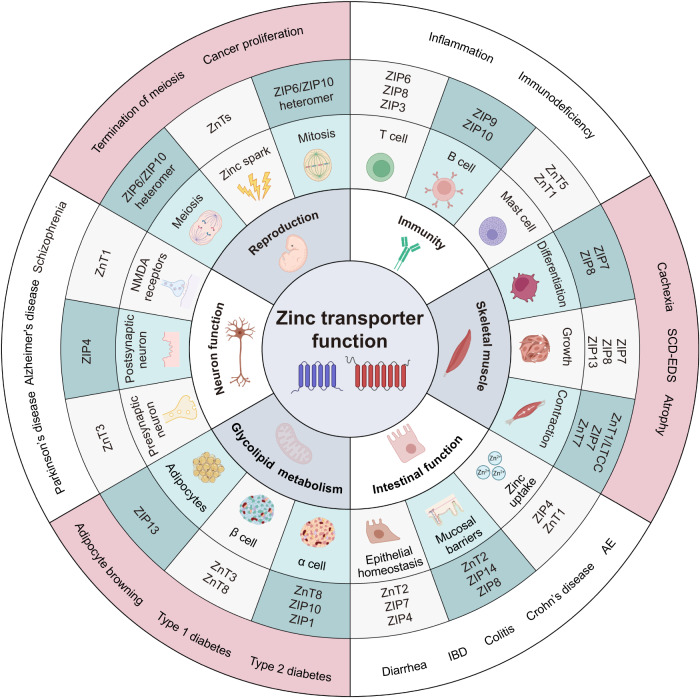
“187 Recent studies have suggested that zinc plays a crucial role in preserving the integrity of mucosal barriers, which is linked to the immunological responses of gastrointestinal diseases in the mucosa 188 – 190 (Fig.”
BackgroundTransitions between epithelial and mesenchymal states: acquisition of malignant and stem cell traits
Polyak, K., & Weinberg, R. A. (2009) · Nature Reviews Cancer · doi:10.1038/nrc2620 · Cited by 3,302 · cited 1×
“576,577 Activation of the EMT program enables tumor cells to resist the therapeutic agents, which is consistent with the attribute of CSCs. 578,579 As previously mentioned, zinc transporters are pivotal in cell stemness and EMT programs, re fl ecting their function in chemoresistance.”
BackgroundPan-cancer analysis of whole genomes
The ICGC/TCGA Pan-Cancer Analysis of Whole Genomes Consortium, Aaltonen, L. A., Abascal, F., Abeshouse, A., Aburatani, H., Adams, D. J., Agrawal, N., Ahn, K. S., Ahn, S.-M., Aikata, H., et al. (2020) · Nature · doi:10.1038/s41586-020-1969-6 · Cited by 3,064
Self-citationA genome-wide association study identifies novel risk loci for type 2 diabetes
Sladek, R., Rocheleau, G., Rung, J., Dina, C., Shen, L., Serre, D., Boutin, P., Vincent, D., Belisle, A., Hadjadj, S., et al. (2007) · Nature · doi:10.1038/nature05616 · Cited by 2,993
The changing landscape of atherosclerosis
Libby, P. (2021) · Nature · doi:10.1038/s41586-021-03392-8 · Cited by 2,873 · cited 1×
“Hyperlipidemic environments and in fl am-matory factors are known to signi fi cantly contribute to the development of AS. 465 Recent research highlights the critical role of ZD in the progression of this condition.”
BackgroundSignal integration by JNK and p38 MAPK pathways in cancer development
Wagner, E. F., & Nebreda, Á. R. (2009) · Nature Reviews Cancer · doi:10.1038/nrc2694 · Cited by 2,586
EMT, cancer stem cells and drug resistance: an emerging axis of evil in the war on cancer
Singh, A., & Settleman, J. (2010) · Oncogene · doi:10.1038/onc.2010.215 · Cited by 2,545 · cited 1×
“576,577 Activation of the EMT program enables tumor cells to resist the therapeutic agents, which is consistent with the attribute of CSCs. 578,579 As previously mentioned, zinc transporters are pivotal in cell stemness and EMT programs, re fl ecting their function in chemoresistance.”
BackgroundFluorescent Sensors for Measuring Metal Ions in Living Systems
Carter, K. P., Young, A. M., & Palmer, A. E. (2014) · Chemical Reviews · doi:10.1021/cr400546e · Cited by 2,451
Diversity, Mechanisms, and Significance of Macrophage Plasticity
Locati, M., Curtale, G., & Mantovani, A. (2020) · Annual Review of Pathology: Mechanisms of Disease · doi:10.1146/annurev-pathmechdis-012418-012718 · Cited by 2,199 · cited 1×
“141 ZIP10 was identi fi ed as a signi fi cant zinc importer in macrophages that activates macrophages and promotes cytokine expression.”
BackgroundMice Lacking p21CIP1/WAF1 undergo normal development, but are defective in G1 checkpoint control
Deng, C., Zhang, P., Wade Harper, J., Elledge, S. J., & Leder, P. (1995) · Cell · doi:10.1016/0092-8674(95)90039-x · Cited by 2,113
Baekkeskov, S., Aanstoot, H.-J., Christgai, S., Reetz, A., Solimena, M., Cascalho, M., Folli, F., Richter-Olesen, H., & Camilli, P.-D. (1990) · Nature · doi:10.1038/347151a0 · Cited by 1,964
Esposito, K., Nappo, F., Marfella, R., Giugliano, G., Giugliano, F., Ciotola, M., Quagliaro, L., Ceriello, A., & Giugliano, D. (2002) · Circulation · doi:10.1161/01.cir.0000034509.14906.ae · Cited by 1,961
The neurobiology of zinc in health and disease
Frederickson, C. J., Koh, J.-Y., & Bush, A. I. (2005) · Nature Reviews Neuroscience · doi:10.1038/nrn1671 · Cited by 1,850
Enhanced Phosphorylation of p53 by ATM in Response to DNA Damage
Banin, S., Moyal, L., Shieh, S.-Y., Taya, Y., Anderson, C. W., Chessa, L., Smorodinsky, N. I., Prives, C., Reiss, Y., Shiloh, Y., et al. (1998) · Science · doi:10.1126/science.281.5383.1674 · Cited by 1,797
Cancer immunoediting and resistance to T cell-based immunotherapy
O’Donnell, J. S., Teng, M. W. L., & Smyth, M. J. (2019) · Nature Reviews Clinical Oncology · doi:10.1038/s41571-018-0142-8 · Cited by 1,759
Roles of vascular oxidative stress and nitric oxide in the pathogenesis of atherosclerosis
Förstermann, U., Xia, N., & Li, H. (2017) · Circulation Research · doi:10.1161/circresaha.116.309326 · Cited by 1,519 · cited 1×
“466 Additionally, it has been suggested that reduced NO generation in atheroprone regions, combined with increased ZnT1 and MT expression, may lead to decreased intracellular free zinc.”
BackgroundGuidelines for measuring reactive oxygen species and oxidative damage in cells and in vivo
Murphy, M. P., Bayir, H., Belousov, V., Chang, C. J., Davies, K. J. A., Davies, M. J., Dick, T. P., Finkel, T., Forman, H. J., Janssen-Heininger, Y., et al. (2022) · Nature Metabolism · doi:10.1038/s42255-022-00591-z · Cited by 1,514
Reed, G. W., Rossi, J. E., & Cannon, C. P. (2017) · The Lancet · doi:10.1016/s0140-6736(16)30677-8 · Cited by 1,507
Femtomolar Sensitivity of Metalloregulatory Proteins Controlling Zinc Homeostasis
Outten, C. E., & O'Halloran, A. T. V. (2001) · Science · doi:10.1126/science.1060331 · Cited by 1,489 · cited 1×
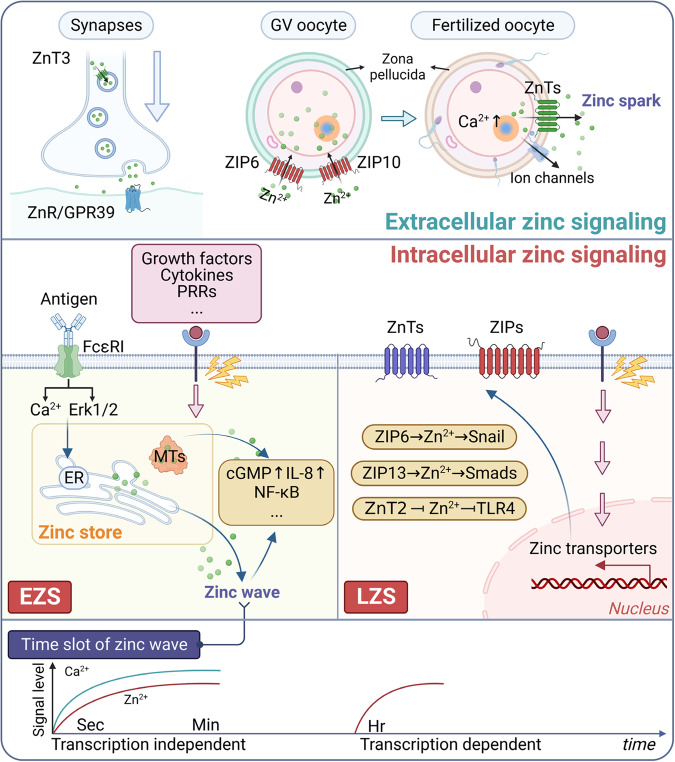
“24 Notably, the cytoplasm contains minimal free zinc since intracellular zinc is mainly sequestered in organelles like the ER, Golgi apparatus, and mitochondria, the so-called zinc store.”
BackgroundMechanisms Underlying Acute Protection From Cardiac Ischemia-Reperfusion Injury
Murphy, E., & Steenbergen, C. (2008) · Physiological Reviews · doi:10.1152/physrev.00024.2007 · Cited by 1,465
Epithelial ovarian cancer: Evolution of management in the era of precision medicine
Lheureux, S., Braunstein, M., & Oza, A. M. (2019) · CA: A Cancer Journal for Clinicians · doi:10.3322/caac.21559 · Cited by 1,423
The metallobiology of Alzheimer's disease
Bush, A. I. (2003) · Trends in Neurosciences · doi:10.1016/s0166-2236(03)00067-5 · Cited by 1,315
Metallothionein: the multipurpose protein
Coyle, P., Philcox, J. C., Carey, L. C., & Rofe, A. M. (2002) · Cellular and Molecular Life Sciences (CMLS) · doi:10.1007/s00018-002-8454-2 · Cited by 1,304
Trace elements in human physiology and pathology: zinc and metallothioneins
Tapiero, H., & Tew, K. D. (2003) · Biomedicine & Pharmacotherapy · doi:10.1016/s0753-3322(03)00081-7 · Cited by 1,298
Brown, K. H., Rivera, J. A., Bhutta, Z. A., Gibson, R. S., King, J. C., Lönnerdal, B. L., Ruel, M. T., Sandtröm, B., Wasantwisut, E., & Hotz, C. (2004) · PubMed · Cited by 1,228
Niu, B., Liao, K., Zhou, Y., Wen, T., Quan, G., Pan, X., & Wu, C. (2021) · Biomaterials · doi:10.1016/j.biomaterials.2021.121110 · Cited by 1,168
Kambe, T., Tsuji, T., Hashimoto, A., & Itsumura, N. (2015) · Physiological Reviews · doi:10.1152/physrev.00035.2014 · Cited by 1,158 · cited 1×
“2,13 These proteins are crucial in the maintenance of cellular zinc homeostasis.”
BackgroundDetection and interpretation of shared genetic influences on 42 human traits
Pickrell, J. K., Berisa, T., Liu, J. Z., Ségurel, L., Tung, J. Y., & Hinds, D. A. (2016) · Nature Genetics · doi:10.1038/ng.3570 · Cited by 1,151
Reprogramming glucose metabolism in cancer: can it be exploited for cancer therapy?
Hay, N. (2016) · Nature Reviews Cancer · doi:10.1038/nrc.2016.77 · Cited by 1,115
Emerging Mechanisms and Disease Relevance of Ferroptosis
Stockwell, B. R., Jiang, X., & Gu, W. (2020) · Trends in Cell Biology · doi:10.1016/j.tcb.2020.02.009 · Cited by 1,099
Insulin antibodies in insulin-dependent diabetics before insulin treatment
Palmer, J. P., Asplin, C. M., Clemons, P., Lyen, K., Tatpati, O., Raghu, P. K., & Paquette, T. L. (1983) · Science · doi:10.1126/science.6362005 · Cited by 1,078
The cation efflux transporter ZnT8 (Slc30A8) is a major autoantigen in human type 1 diabetes
Wenzlau, J. M., Juhl, K., Yu, L., Moua, O., Sarkar, S. A., Gottlieb, P., Rewers, M., Eisenbarth, G. S., Jensen, J., Davidson, H. W., et al. (2007) · Proceedings of the National Academy of Sciences · doi:10.1073/pnas.0705894104 · Cited by 1,014
Krebs, A. M., Mitschke, J., Lasierra Losada, M., Schmalhofer, O., Boerries, M., Busch, H., Boettcher, M., Mougiakakos, D., Reichardt, W., Bronsert, P., et al. (2017) · Nature Cell Biology · doi:10.1038/ncb3513 · Cited by 975
Carcinoma–astrocyte gap junctions promote brain metastasis by cGAMP transfer
Chen, Q., Boire, A., Jin, X., Valiente, M., Er, E. E., Lopez-Soto, A., S. Jacob, L., Patwa, R., Shah, H., Xu, K., et al. (2016) · Nature · doi:10.1038/nature18268 · Cited by 969
Regulators of Iron Homeostasis: New Players in Metabolism, Cell Death, and Disease
Bogdan, A. R., Miyazawa, M., Hashimoto, K., & Tsuji, Y. (2016) · Trends in Biochemical Sciences · doi:10.1016/j.tibs.2015.11.012 · Cited by 893
Metal Chelation and Inhibition of Bacterial Growth in Tissue Abscesses
Corbin, B. D., Seeley, E. H., Raab, A., Feldmann, J., Miller, M. R., Torres, V. J., Anderson, K. L., Dattilo, B. M., Dunman, P. M., Gerads, R., et al. (2008) · Science · doi:10.1126/science.1152449 · Cited by 857
Wnt signaling in colorectal cancer: Pathogenic role and therapeutic target
Zhao, H., Ming, T., Tang, S., Ren, S., Yang, H., Liu, M., Tao, Q., & Xu, H. (2022) · Molecular Cancer · doi:10.1186/s12943-022-01616-7 · Cited by 857
Zinc in Infection and Inflammation
Gammoh, N., & Rink, L. (2017) · Nutrients · doi:10.3390/nu9060624 · Cited by 818
Metal homeostasis and resistance in bacteria
Chandrangsu, P., Rensing, C., & Helmann, J. D. (2017) · Nature Reviews Microbiology · doi:10.1038/nrmicro.2017.15 · Cited by 812 · cited 1×
“131,140,548 This suggests that host-induced zinc toxicity may be relevant to pathogenic Neisseria infection.”
BackgroundZinc and its role in immunity and inflammation
Bonaventura, P., Benedetti, G., Albarède, F., & Miossec, P. (2015) · Autoimmunity Reviews · doi:10.1016/j.autrev.2014.11.008 · Cited by 798
Ion Channels in Innate and Adaptive Immunity
Feske, S., Wulff, H., & Skolnik, E. Y. (2015) · Annual Review of Immunology · doi:10.1146/annurev-immunol-032414-112212 · Cited by 768
Zinc in the physiology and pathology of the CNS
Sensi, S. L., Paoletti, P., Bush, A. I., & Sekler, I. (2009) · Nature Reviews Neuroscience · doi:10.1038/nrn2734 · Cited by 759
The Role of Zinc in Antiviral Immunity
Read, S. A., Obeid, S., Ahlenstiel, C., & Ahlenstiel, G. (2019) · Advances in Nutrition · doi:10.1093/advances/nmz013 · Cited by 749
Cancer stem cells: The challenges ahead
Medema, J. P. (2013) · Nature Cell Biology · doi:10.1038/ncb2717 · Cited by 741
Mammalian Zinc Transporters: Nutritional and Physiologic Regulation
Lichten, L. A., & Cousins, R. J. (2009) · Annual Review of Nutrition · doi:10.1146/annurev-nutr-033009-083312 · Cited by 741
ZnT-3, a putative transporter of zinc into synaptic vesicles
Palmiter, R. D., Cole, T. B., Quaife, C. J., & Findley, S. D. (1996) · Proceedings of the National Academy of Sciences · doi:10.1073/pnas.93.25.14934 · Cited by 709
Control of brown and beige fat development
Wang, W., & Seale, P. (2016) · Nature Reviews Molecular Cell Biology · doi:10.1038/nrm.2016.96 · Cited by 700
Therapy-Induced Evolution of Human Lung Cancer Revealed by Single-Cell RNA Sequencing
Maynard, A., McCoach, C. E., Rotow, J. K., Harris, L., Haderk, F., Kerr, D. L., Yu, E. A., Schenk, E. L., Tan, W., Zee, A., et al. (2020) · Cell · doi:10.1016/j.cell.2020.07.017 · Cited by 685
Chemodynamic Therapy via Fenton and Fenton‐Like Nanomaterials: Strategies and Recent Advances
Jia, C., Guo, Y., & Wu, F. (2022) · Small · doi:10.1002/smll.202103868 · Cited by 685
Zinc and Oxidative Stress: Current Mechanisms
Marreiro, D., Cruz, K., Morais, J., Beserra, J., Severo, J., & De Oliveira, A. (2017) · Antioxidants · doi:10.3390/antiox6020024 · Cited by 679
Emerging roles of lipid metabolism in cancer metastasis
Luo, X., Cheng, C., Tan, Z., Li, N., Tang, M., Yang, L., & Cao, Y. (2017) · Molecular Cancer · doi:10.1186/s12943-017-0646-3 · Cited by 677
Normal Histology of the Prostate
McNeal, J. E. (1988) · The American Journal of Surgical Pathology · doi:10.1097/00000478-198808000-00003 · Cited by 674
Oka, H., Shiozaki, H., Kobayashi, K., Inoue, M., Tahara, H., Kobayashi, T., Takatsuka, Y., Matsuyoshi, N., Hirano, S., & Takeichi, M. (1993) · PubMed · Cited by 661
B cell depletion therapies in autoimmune disease: advances and mechanistic insights
Lee, D. S. W., Rojas, O. L., & Gommerman, J. L. (2021) · Nature Reviews Drug Discovery · doi:10.1038/s41573-020-00092-2 · Cited by 658
Coordination Dynamics of Zinc in Proteins
Maret, W., & Li, Y. (2009) · Chemical Reviews · doi:10.1021/cr800556u · Cited by 644
Zinc in Wound Healing Modulation
Lin, P.-H., Sermersheim, M., Li, H., Lee, P. H. U., Steinberg, S. M., & Ma, J. (2017) · Nutrients · doi:10.3390/nu10010016 · Cited by 643
Nutritional immunity beyond iron: a role for manganese and zinc
Kehl-Fie, T. E., & Skaar, E. P. (2010) · Current Opinion in Chemical Biology · doi:10.1016/j.cbpa.2009.11.008 · Cited by 634
Small-Molecule Fluorescent Sensors for Investigating Zinc Metalloneurochemistry
Nolan, E. M., & Lippard, S. J. (2009) · Accounts of Chemical Research · doi:10.1021/ar8001409 · Cited by 620
Abd El‐Rehim, D. M., Ball, G., Pinder, S. E., Rakha, E., Paish, C., Robertson, J. F. R., Macmillan, D., Blamey, R. W., & Ellis, I. O. (2005) · International Journal of Cancer · doi:10.1002/ijc.21004 · Cited by 606
Hepatic transferrin plays a role in systemic iron homeostasis and liver ferroptosis
Yu, Y., Jiang, L., Wang, H., Shen, Z., Cheng, Q., Zhang, P., Wang, J., Wu, Q., Fang, X., Duan, L., et al. (2020) · Blood · doi:10.1182/blood.2019002907 · Cited by 601
Zinc is a novel intracellular second messenger
Yamasaki, S., Sakata-Sogawa, K., Hasegawa, A., Suzuki, T., Kabu, K., Sato, E., Kurosaki, T., Yamashita, S., Tokunaga, M., Nishida, K., et al. (2007) · The Journal of Cell Biology · doi:10.1083/jcb.200702081 · Cited by 592
Zip14 (Slc39a14) mediates non-transferrin-bound iron uptake into cells
Liuzzi, J. P., Aydemir, F., Nam, H., Knutson, M. D., & Cousins, R. J. (2006) · Proceedings of the National Academy of Sciences · doi:10.1073/pnas.0606424103 · Cited by 577
Cancer stem cell–immune cell crosstalk in tumour progression
Bayik, D., & Lathia, J. D. (2021) · Nature Reviews Cancer · doi:10.1038/s41568-021-00366-w · Cited by 561
Identification of SLC39A4, a gene involved in acrodermatitis enteropathica
Küry, S., Dréno, B., Bézieau, S., Giraudet, S., Kharfi, M., Kamoun, R., & Moisan, J.-P. (2002) · Nature Genetics · doi:10.1038/ng913 · Cited by 539
Bioinorganic chemistry of copper and zinc ions coordinated to amyloid-β peptide
Faller, P., & Hureau, C. (2009) · Dalton Trans. · doi:10.1039/b813398k · Cited by 530 · cited 1×
“667 Notably, as zinc is essential for heme synthesis, which is recognized as increased in the brain of AD sufferers leading to oxidative stress, clioquinol ’ s binding to zinc reduces heme synthesis and oxidative stress.”
BackgroundZinc deficiency, DNA damage and cancer risk
Ho, E. (2004) · The Journal of Nutritional Biochemistry · doi:10.1016/j.jnutbio.2004.07.005 · Cited by 518
The physiology of alternative splicing
Marasco, L. E., & Kornblihtt, A. R. (2023) · Nature Reviews Molecular Cell Biology · doi:10.1038/s41580-022-00545-z · Cited by 505
Loss-of-function mutations in SLC30A8 protect against type 2 diabetes
Go-T2D Consortium, Flannick, J., T2D-GENES Consortium, Thorleifsson, G., Beer, N. L., Jacobs, S. B. R., Grarup, N., Burtt, N. P., Mahajan, A., Fuchsberger, C., et al. (2014) · Nature Genetics · doi:10.1038/ng.2915 · Cited by 492 · cited 1×
“523 As previously mentioned, ZnT3 is crucial for transporting synaptic vesicular zinc, which can impact various signaling pathways downstream.”
BackgroundA novel member of a zinc transporter family is defective in acrodermatitis enteropathica
Wang, K., Zhou, B., Kuo, Y.-M., Zemansky, J., & Gitschier, J. (2002) · The American Journal of Human Genetics · doi:10.1086/341125 · Cited by 491
Immune cell crosstalk in type 1 diabetes
Lehuen, A., Diana, J., Zaccone, P., & Cooke, A. (2010) · Nature Reviews Immunology · doi:10.1038/nri2787 · Cited by 476
Cadmium is a mutagen that acts by inhibiting mismatch repair
Jin, Y. H., Clark, A. B., Slebos, R. J. C., Al-Refai, H., Taylor, J. A., Kunkel, T. A., Resnick, M. A., & Gordenin, D. A. (2003) · Nature Genetics · doi:10.1038/ng1172 · Cited by 474
Zinc: a multipurpose trace element
Stefanidou, M., Maravelias, C., Dona, A., & Spiliopoulou, C. (2006) · Archives of Toxicology · doi:10.1007/s00204-005-0009-5 · Cited by 473
Chimienti, F., Devergnas, S., Favier, A., & Seve, M. (2004) · Diabetes · doi:10.2337/diabetes.53.9.2330 · Cited by 470
Costello, L. C., & FRANKLIN, R. B. (2006) · Molecular Cancer · doi:10.1186/1476-4598-5-17 · Cited by 458
The SLC39 family of zinc transporters
Jeong, J., & Eide, D. J. (2013) · Molecular Aspects of Medicine · doi:10.1016/j.mam.2012.05.011 · Cited by 456
The roles of metallothioneins in carcinogenesis
Si, M., & Lang, J. (2018) · Journal of Hematology & Oncology · doi:10.1186/s13045-018-0645-x · Cited by 454
Zinc in Cellular Regulation: The Nature and Significance of “Zinc Signals”
Maret, W. (2017) · International Journal of Molecular Sciences · doi:10.3390/ijms18112285 · Cited by 449
Zinc and diabetes — clinical links and molecular mechanisms
Jansen, J., Karges, W., & Rink, L. (2009) · The Journal of Nutritional Biochemistry · doi:10.1016/j.jnutbio.2009.01.009 · Cited by 439
Wagner, D., Maser, J., Lai, B., Cai, Z., Barry, C. E., Höner zu Bentrup, K., Russell, D. G., & Bermudez, L. E. (2005) · The Journal of Immunology · doi:10.4049/jimmunol.174.3.1491 · Cited by 435
Cytosolic zinc buffering and muffling: Their role in intracellular zinc homeostasis
Colvin, R. A., Holmes, W. R., Fontaine, C. P., & Maret, W. (2010) · Metallomics · doi:10.1039/b926662c · Cited by 428
E-cadherin expression in primary carcinomas of the breast and its distant metastases
Kowalski, P. J., Rubin, M. A., & Kleer, C. G. (2003) · Breast Cancer Research · doi:10.1186/bcr651 · Cited by 414
The Role of Reactive Oxygen Species in Arsenic Toxicity
Hu, Y., Li, J., Lou, B., Wu, R., Wang, G., Lu, C., Wang, H., Pi, J., & Xu, Y. (2020) · Biomolecules · doi:10.3390/biom10020240 · Cited by 413
The Functions of Metallothionein and ZIP and ZnT Transporters: An Overview and Perspective
Kimura, T., & Kambe, T. (2016) · International Journal of Molecular Sciences · doi:10.3390/ijms17030336 · Cited by 409
Overview of mammalian zinc transporters
Kambe, T., Yamaguchi-Iwai, Y., Sasaki, R., & Nagao, M. (2004) · Cellular and Molecular Life Sciences (CMLS) · doi:10.1007/s00018-003-3148-y · Cited by 407
Zinc-buffering capacity of a eukaryotic cell at physiological pZn
Krężel, A., & Maret, W. (2006) · JBIC Journal of Biological Inorganic Chemistry · doi:10.1007/s00775-006-0150-5 · Cited by 406
The SLC39 family of metal ion transporters
Eide, D. J. (2004) · Pfl�gers Archiv European Journal of Physiology · doi:10.1007/s00424-003-1074-3 · Cited by 400
Bao, B., Prasad, A. S., Beck, F. W., Fitzgerald, J. T., Snell, D., Bao, G. W., Singh, T., & Cardozo, L. J. (2010) · The American Journal of Clinical Nutrition · doi:10.3945/ajcn.2009.28836 · Cited by 400
Zinc deficiency and cellular oxidative stress: Prognostic implications in cardiovascular diseases
Choi, S., Liu, X., & Pan, Z. (2018) · Acta Pharmacologica Sinica · doi:10.1038/aps.2018.25 · Cited by 397 · cited 4×
“270 Zinc exerts in fl uence on various characteristic aspects of AS, including increased apoptosis and disrupted NO levels.”
BackgroundInfluentialHo, E., & Ames, B. N. (2002) · Proceedings of the National Academy of Sciences · doi:10.1073/pnas.222679399 · Cited by 392
Clonal haematopoiesis: connecting ageing and inflammation in cardiovascular disease
Jaiswal, S., & Libby, P. (2020) · Nature Reviews Cardiology · doi:10.1038/s41569-019-0247-5 · Cited by 386
Mycobacterial P1-Type ATPases Mediate Resistance to Zinc Poisoning in Human Macrophages
Botella, H., Peyron, P., Levillain, F., Poincloux, R., Poquet, Y., Brandli, I., Wang, C., Tailleux, L., Tilleul, S., Charrière, G. M., et al. (2011) · Cell Host & Microbe · doi:10.1016/j.chom.2011.08.006 · Cited by 381 · cited 1×
“541 M. tuberculosis infection also up-regulates ZnT1 expression in human macrophages, 542 which probably facilitates the increase of zinc levels in macrophage phagosomes in conjunction with M. tuberculosis .”
BackgroundWang, C.-Y., Jenkitkasemwong, S., Duarte, S., Sparkman, B. K., Shawki, A., Mackenzie, B., & Knutson, M. D. (2012) · Journal of Biological Chemistry · doi:10.1074/jbc.m112.367284 · Cited by 380
Cai, L., Wang, Y., Zhou, G., Chen, T., Song, Y., Li, X., & Kang, Y. J. (2006) · Journal of the American College of Cardiology · doi:10.1016/j.jacc.2006.07.022 · Cited by 378
Adlard, P. A., Parncutt, J. M., Finkelstein, D. I., & Bush, A. I. (2010) · The Journal of Neuroscience · doi:10.1523/jneurosci.5255-09.2010 · Cited by 376
Metalloproteomes: A Bioinformatic Approach
Andreini, C., Bertini, I., & Rosato, A. (2009) · Accounts of Chemical Research · doi:10.1021/ar900015x · Cited by 370
Millward, D. J. (2017) · Nutrition Research Reviews · doi:10.1017/s0954422416000238 · Cited by 368
ZIP8 Regulates Host Defense through Zinc-Mediated Inhibition of NF-κB
Liu, M.-J., Bao, S., Gálvez-Peralta, M., Pyle, C. J., Rudawsky, A. C., Pavlovicz, R. E., Killilea, D. W., Li, C., Nebert, D. W., Wewers, M. D., et al. (2013) · Cell Reports · doi:10.1016/j.celrep.2013.01.009 · Cited by 367 · cited 1×
“145,196 In a study by Li et al., a novel association between Crohn ’ s disease (CD) and ZIP8 was identi fi ed.”
BackgroundZinc transporter LIVI controls epithelial-mesenchymal transition in zebrafish gastrula organizer
Yamashita, S., Miyagi, C., Fukada, T., Kagara, N., Che, Y.-S., & Hirano, T. (2004) · Nature · doi:10.1038/nature02545 · Cited by 351
Effects of zinc supplementation on diabetes mellitus: A systematic review and meta-analysis
Jayawardena, R., Ranasinghe, P., Galappatthy, P., Malkanthi, R., Constantine, G., & Katulanda, P. (2012) · Diabetology & Metabolic Syndrome · doi:10.1186/1758-5996-4-13 · Cited by 346
Huang, L., & Tepaamorndech, S. (2013) · Molecular Aspects of Medicine · doi:10.1016/j.mam.2012.05.008 · Cited by 343
Zinc and the modulation of redox homeostasis
Oteiza, P. I. (2012) · Free Radical Biology and Medicine · doi:10.1016/j.freeradbiomed.2012.08.568 · Cited by 341
Slc39a14 Gene Encodes ZIP14, A Metal/Bicarbonate Symporter: Similarities to the ZIP8 Transporter
Girijashanker, K., He, L., Soleimani, M., Reed, J. M., Li, H., Liu, Z., Wang, B., Dalton, T. P., & Nebert, D. W. (2008) · Molecular Pharmacology · doi:10.1124/mol.107.043588 · Cited by 341
Go, Y.-M., Chandler, J. D., & Jones, D. P. (2015) · Free Radical Biology and Medicine · doi:10.1016/j.freeradbiomed.2015.03.022 · Cited by 336
Metals and Mechanisms of Carcinogenesis
Chen, Q. Y., DesMarais, T., & Costa, M. (2019) · Annual Review of Pharmacology and Toxicology · doi:10.1146/annurev-pharmtox-010818-021031 · Cited by 336
The Neurophysiology and Pathology of Brain Zinc
Sensi, S. L., Paoletti, P., Koh, J.-Y., Aizenman, E., Bush, A. I., & Hershfinkel, M. (2011) · The Journal of Neuroscience · doi:10.1523/jneurosci.3454-11.2011 · Cited by 333
Lemaire, K., Ravier, M. A., Schraenen, A., Creemers, J. W. M., Van de Plas, R., Granvik, M., Van Lommel, L., Waelkens, E., Chimienti, F., Rutter, G. A., et al. (2009) · Proceedings of the National Academy of Sciences · doi:10.1073/pnas.0906587106 · Cited by 330
Qiao, Y.-L., Dawsey, S. M., Kamangar, F., Fan, J.-H., Abnet, C. C., Sun, X.-D., Johnson, L. L., Gail, M. H., Dong, Z.-W., Yu, B., et al. (2009) · JNCI Journal of the National Cancer Institute · doi:10.1093/jnci/djp037 · Cited by 324
Clinical perspective on oxidative stress in sporadic amyotrophic lateral sclerosis
D’Amico, E., Factor-Litvak, P., Santella, R. M., & Mitsumoto, H. (2013) · Free Radical Biology and Medicine · doi:10.1016/j.freeradbiomed.2013.06.029 · Cited by 321
Phenol stabilizes more helix in a new symmetrical zinc insulin hexamer
Derewenda, U., Derewenda, Z., Dodson, E. J., Dodson, G. G., Reynolds, C. D., Smith, G. D., Sparks, C., & Swenson, D. (1989) · Nature · doi:10.1038/338594a0 · Cited by 319
Bacterial zinc uptake and regulators
Hantke, K. (2005) · Current Opinion in Microbiology · doi:10.1016/j.mib.2005.02.001 · Cited by 319
Regulation of the zinc transporter ZnT-1 by dietary zinc
McMahon, R. J., & Cousins, R. J. (1998) · Proceedings of the National Academy of Sciences · doi:10.1073/pnas.95.9.4841 · Cited by 316
SLC39A8 Deficiency: A Disorder of Manganese Transport and Glycosylation
Park, J. H., Hogrebe, M., Grüneberg, M., DuChesne, I., von der Heiden, A. L., Reunert, J., Schlingmann, K. P., Boycott, K. M., Beaulieu, C. L., Mhanni, A. A., et al. (2015) · The American Journal of Human Genetics · doi:10.1016/j.ajhg.2015.11.003 · Cited by 315
Zinc Coordination Environments in Proteins as Redox Sensors and Signal Transducers
Maret, W. (2006) · Antioxidants & Redox Signaling · doi:10.1089/ars.2006.8.1419 · Cited by 307
The emerging role of zinc transporters in cellular homeostasis and cancer
Bafaro, E., Liu, Y., Xu, Y., & Dempski, R. E. (2017) · Signal Transduction and Targeted Therapy · doi:10.1038/sigtrans.2017.29 · Cited by 307
Qin, Y., Dittmer, P. J., Park, J. G., Jansen, K. B., & Palmer, A. E. (2011) · Proceedings of the National Academy of Sciences · doi:10.1073/pnas.1015686108 · Cited by 306
Dufner-Beattie, J., Wang, F., Kuo, Y.-M., Gitschier, J., Eide, D., & Andrews, G. K. (2003) · Journal of Biological Chemistry · doi:10.1074/jbc.m305000200 · Cited by 302
Zinc Oxide Nanoparticles Interfere With Zinc Ion Homeostasis to Cause Cytotoxicity
Kao, Y.-Y., Chen, Y.-C., Cheng, T.-J., Chiung, Y.-M., & Liu, P.-S. (2012) · Toxicological Sciences · doi:10.1093/toxsci/kfr319 · Cited by 302
Copper and Zinc levels in normal and malignant tissues
Margalioth, E. J., Schenker, J. G., & Chevion, M. (1983) · Cancer · doi:10.1002/1097-0142(19830901)52:5<868::aid-cncr2820520521>3.0.co;2-k · Cited by 301
Zinc homeostasis and neurodegenerative disorders
Szewczyk, B. (2013) · Frontiers in Aging Neuroscience · doi:10.3389/fnagi.2013.00033 · Cited by 288 · cited 1×
“66,549,550 In patients with PD, AD, and amyotrophic lateral sclerosis (ALS), there is a signi fi cant increase in the zinc content within the cerebrospinal fl uid.”
BackgroundFukada, T., Civic, N., Furuichi, T., Shimoda, S., Mishima, K., Higashiyama, H., Idaira, Y., Asada, Y., Kitamura, H., Yamasaki, S., et al. (2008) · PLoS ONE · doi:10.1371/journal.pone.0003642 · Cited by 287
Dual Nanomolar and Picomolar Zn(II) Binding Properties of Metallothionein
Krȩżel, A., & Maret, W. (2007) · Journal of the American Chemical Society · doi:10.1021/ja071979s · Cited by 283
Determinants of colonic barrier function in inflammatory bowel disease and potential therapeutics
Hering, N. A., Fromm, M., & Schulzke, J. (2012) · The Journal of Physiology · doi:10.1113/jphysiol.2011.224568 · Cited by 275
Zinc-Mediated Transactivation of TrkB Potentiates the Hippocampal Mossy Fiber-CA3 Pyramid Synapse
Huang, Y. Z., Pan, E., Xiong, Z.-Q., & McNamara, J. O. (2008) · Neuron · doi:10.1016/j.neuron.2007.11.026 · Cited by 274
Zinc availability regulates exit from meiosis in maturing mammalian oocytes
Kim, A. M., Vogt, S., O'Halloran, T. V., & Woodruff, T. K. (2010) · Nature Chemical Biology · doi:10.1038/nchembio.419 · Cited by 271
Zinc Protoporphyrin: A Metabolite with a Mission
Labbé, R. F., Vreman, H. J., & Stevenson, D. K. (1999) · Clinical Chemistry · doi:10.1093/clinchem/45.12.2060 · Cited by 270
hZIP1 zinc uptake transporter down regulation and zinc depletion in prostate cancer
Franklin, R. B., Feng, P., Milon, B., Desouki, M. M., Singh, K. K., Kajdacsy-Balla, A., Bagasra, O., & Costello, L. C. (2005) · Molecular Cancer · doi:10.1186/1476-4598-4-32 · Cited by 270
Taylor, K. M., Hiscox, S., Nicholson, R. I., Hogstrand, C., & Kille, P. (2012) · Science Signaling · doi:10.1126/scisignal.2002585 · Cited by 266
Culina, S., Lalanne, A. I., Afonso, G., Cerosaletti, K., Pinto, S., Sebastiani, G., Kuranda, K., Nigi, L., Eugster, A., Østerbye, T., et al. (2018) · Science Immunology · doi:10.1126/sciimmunol.aao4013 · Cited by 264
Zinc in Specialized Secretory Tissues: Roles in the Pancreas, Prostate, and Mammary Gland
Kelleher, S. L., McCormick, N. H., Velasquez, V., & Lopez, V. (2011) · Advances in Nutrition · doi:10.3945/an.110.000232 · Cited by 263
Molecular portraits and the family tree of cancer
Chung, C. H., Bernard, P. S., & Perou, C. M. (2002) · Nature Genetics · doi:10.1038/ng1038 · Cited by 262
Epithelial-mesenchymal transition, cancer stem cells and treatment resistance
Dave, B., Mittal, V., Tan, N. M., & Chang, J. C. (2012) · Breast Cancer Research · doi:10.1186/bcr2938 · Cited by 257
The LZT proteins; the LIV-1 subfamily of zinc transporters
Taylor, K. M., & Nicholson, R. I. (2003) · Biochimica et Biophysica Acta (BBA) - Biomembranes · doi:10.1016/s0005-2736(03)00048-8 · Cited by 254
Gene therapy using haematopoietic stem and progenitor cells
Ferrari, G., Thrasher, A. J., & Aiuti, A. (2021) · Nature Reviews Genetics · doi:10.1038/s41576-020-00298-5 · Cited by 254
Crystal Structure of Human MMP9 in Complex with a Reverse Hydroxamate Inhibitor
Rowsell, S., Hawtin, P., Minshull, C. A., Jepson, H., Brockbank, S. M. V., Barratt, D. G., Slater, A. M., McPheat, W. L., Waterson, D., Henney, A. M., et al. (2002) · Journal of Molecular Biology · doi:10.1016/s0022-2836(02)00262-0 · Cited by 254
Roles of Zinc and Zinc Signaling in Immunity: Zinc as an Intracellular Signaling Molecule
Hirano, T., Murakami, M., Fukada, T., Nishida, K., Yamasaki, S., & Suzuki, T. (2008) · Advances in Immunology · doi:10.1016/s0065-2776(08)00003-5 · Cited by 252
Role of Zinc Homeostasis in the Pathogenesis of Diabetes and Obesity
Fukunaka, A., & Fujitani, Y. (2018) · International Journal of Molecular Sciences · doi:10.3390/ijms19020476 · Cited by 252
Cadmium induced BEAS-2B cells apoptosis and mitochondria damage via MAPK signaling pathway
Cao, X., Fu, M., Bi, R., Zheng, X., Fu, B., Tian, S., Liu, C., Li, Q., & Liu, J. (2021) · Chemosphere · doi:10.1016/j.chemosphere.2020.128346 · Cited by 252
Current understanding of ZIP and ZnT zinc transporters in human health and diseases
Kambe, T., Hashimoto, A., & Fujimoto, S. (2014) · Cellular and Molecular Life Sciences · doi:10.1007/s00018-014-1617-0 · Cited by 250
Antibody–drug conjugates in solid tumors: a look into novel targets
Criscitiello, C., Morganti, S., & Curigliano, G. (2021) · Journal of Hematology & Oncology · doi:10.1186/s13045-021-01035-z · Cited by 250
Li, M., Zhang, Y., Liu, Z., Bharadwaj, U., Wang, H., Wang, X., Zhang, S., Liuzzi, J. P., Chang, S.-M., Cousins, R. J., et al. (2007) · Proceedings of the National Academy of Sciences · doi:10.1073/pnas.0709307104 · Cited by 249
Self-citationSriskandan, S., & Altmann, D. (2008) · The Journal of Pathology · doi:10.1002/path.2274 · Cited by 248
Analyzing free zinc(ii) ion concentrations in cell biology with fluorescent chelating molecules
Maret, W. (2015) · Metallomics · doi:10.1039/c4mt00230j · Cited by 247
Zinc Sparks Are Triggered by Fertilization and Facilitate Cell Cycle Resumption in Mammalian Eggs
Kim, A. M., Bernhardt, M. L., Kong, B. Y., Ahn, R. W., Vogt, S., Woodruff, T. K., & O’Halloran, T. V. (2011) · ACS Chemical Biology · doi:10.1021/cb200084y · Cited by 247
Jenkitkasemwong, S., Wang, C.-Y., Coffey, R., Zhang, W., Chan, A., Biel, T., Kim, J.-S., Hojyo, S., Fukada, T., & Knutson, M. D. (2015) · Cell Metabolism · doi:10.1016/j.cmet.2015.05.002 · Cited by 245 · cited 1×
“103 ZIP14 ’ s capability to transport non-transferrin-bound iron (NTBI) is considered a vital contribution to iron homeostasis.”
BackgroundClioquinol: Review of its Mechanisms of Action and Clinical Uses in Neurodegenerative Disorders
Bareggi, S. R., & Cornelli, U. (2012) · CNS Neuroscience & Therapeutics · doi:10.1111/j.1755-5949.2010.00231.x · Cited by 243
Costello, L. C., & Franklin, R. B. (2016) · Archives of Biochemistry and Biophysics · doi:10.1016/j.abb.2016.04.014 · Cited by 242
The diabetes-susceptible gene SLC30A8/ZnT8 regulates hepatic insulin clearance
Tamaki, M., Fujitani, Y., Hara, A., Uchida, T., Tamura, Y., Takeno, K., Kawaguchi, M., Watanabe, T., Ogihara, T., Fukunaka, A., et al. (2013) · Journal of Clinical Investigation · doi:10.1172/jci68807 · Cited by 238
Healthful aging mediated by inhibition of oxidative stress
Vatner, S. F., Zhang, J., Oydanich, M., Berkman, T., Naftalovich, R., & Vatner, D. E. (2020) · Ageing Research Reviews · doi:10.1016/j.arr.2020.101194 · Cited by 238
Tozlu, S., Girault, I., Vacher, S., Vendrell, J., Andrieu, C., Spyratos, F., Cohen, P., Lidereau, R., & Bieche, I. (2006) · Endocrine-Related Cancer · doi:10.1677/erc.1.01120 · Cited by 238
Multiple impacts of zinc on immune function
Haase, H., & Rink, L. (2014) · Metallomics · doi:10.1039/c3mt00353a · Cited by 237
Que, E. L., Bleher, R., Duncan, F. E., Kong, B. Y., Gleber, S. C., Vogt, S., Chen, S., Garwin, S. A., Bayer, A. R., Dravid, V. P., et al. (2015) · Nature Chemistry · doi:10.1038/nchem.2133 · Cited by 237
Phosphorescent Sensor for Biological Mobile Zinc
You, Y., Lee, S., Kim, T., Ohkubo, K., Chae, W.-S., Fukuzumi, S., Jhon, G.-J., Nam, W., & Lippard, S. J. (2011) · Journal of the American Chemical Society · doi:10.1021/ja207163r · Cited by 237
Ueno, S., Tsukamoto, M., Hirano, T., Kikuchi, K., Yamada, M. K., Nishiyama, N., Nagano, T., Matsuki, N., & Ikegaya, Y. (2002) · The Journal of Cell Biology · doi:10.1083/jcb.200204066 · Cited by 236
Taylor, K. M., Vichova, P., Jordan, N., Hiscox, S., Hendley, R., & Nicholson, R. I. (2008) · Endocrinology · doi:10.1210/en.2008-0351 · Cited by 236
The redox biology of redox-inert zinc ions
Maret, W. (2019) · Free Radical Biology and Medicine · doi:10.1016/j.freeradbiomed.2019.01.006 · Cited by 236
Boycott, K. M., Beaulieu, C. L., Kernohan, K. D., Gebril, O. H., Mhanni, A., Chudley, A. E., Redl, D., Qin, W., Hampson, S., Küry, S., et al. (2015) · The American Journal of Human Genetics · doi:10.1016/j.ajhg.2015.11.002 · Cited by 235
Zinc and its transporter ZIP10 are involved in invasive behavior of breast cancer cells
Kagara, N., Tanaka, N., Noguchi, S., & Hirano, T. (2007) · Cancer Science · doi:10.1111/j.1349-7006.2007.00446.x · Cited by 234
The important role of the apoptotic effects of zinc in the development of cancers
Franklin, R. B., & Costello, L. C. (2009) · Journal of Cellular Biochemistry · doi:10.1002/jcb.22049 · Cited by 233
Comparison of the NMR solution structure and the x-ray crystal structure of rat metallothionein-2.
Braun, W., Vasák, M., Robbins, A. H., Stout, C. D., Wagner, G., Kägi, J. H., & Wüthrich, K. (1992) · Proceedings of the National Academy of Sciences · doi:10.1073/pnas.89.21.10124 · Cited by 231
The Emerging Role of the LIV-1 Subfamily of Zinc Transporters in Breast Cancer
Taylor, K. M., Morgan, H. E., Smart, K., Zahari, N. M., Pumford, S., Ellis, I. O., Robertson, J. F. R., & Nicholson, R. I. (2007) · Molecular Medicine · doi:10.2119/2007-00040.taylor · Cited by 230
Subramanian Vignesh, K., Landero Figueroa, J. A., Porollo, A., Caruso, J. A., & Deepe, G. S. (2013) · Immunity · doi:10.1016/j.immuni.2013.09.006 · Cited by 230
Zinc transporter ZIP8 (SLC39A8) and zinc influence IFN-γ expression in activated human T cells
Aydemir, T. B., Liuzzi, J. P., McClellan, S., & Cousins, R. J. (2009) · Journal of Leukocyte Biology · doi:10.1189/jlb.1208759 · Cited by 229
Pinilla-Tenas, J. J., Sparkman, B. K., Shawki, A., Illing, A. C., Mitchell, C. J., Zhao, N., Liuzzi, J. P., Cousins, R. J., Knutson, M. D., & Mackenzie, B. (2011) · American Journal of Physiology-Cell Physiology · doi:10.1152/ajpcell.00479.2010 · Cited by 228 · cited 1×
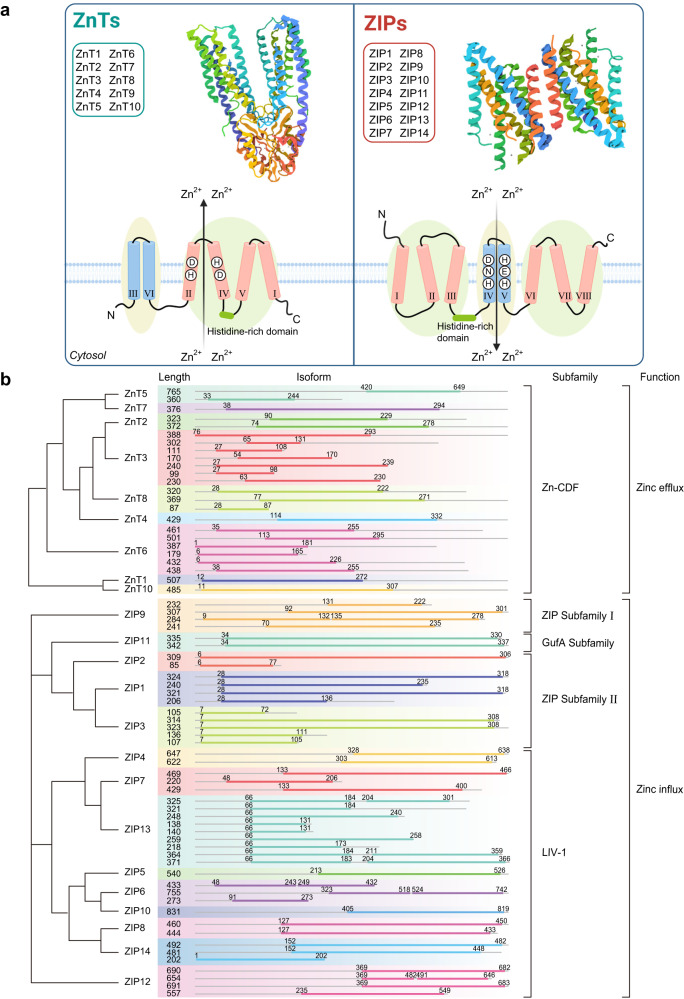
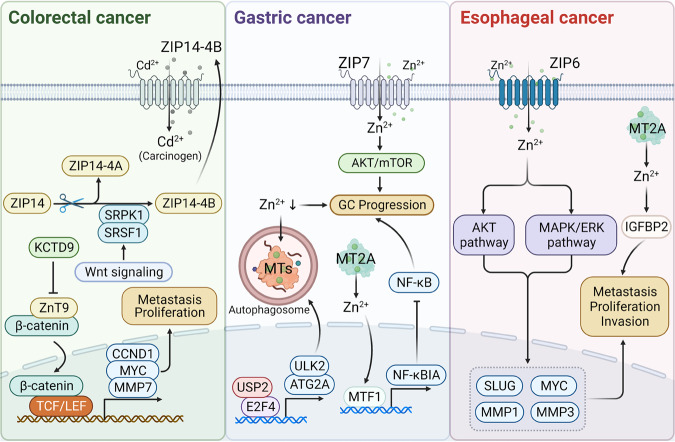
“100 Interestingly, ZIP14 possesses two spliced variants: ZIP14A and ZIP14B.”
BackgroundBesser, L., Chorin, E., Sekler, I., Silverman, W. F., Atkin, S., Russell, J. T., & Hershfinkel, M. (2009) · The Journal of Neuroscience · doi:10.1523/jneurosci.5093-08.2009 · Cited by 228
Wong, H. R., Shanley, T. P., Sakthivel, B., Cvijanovich, N., Lin, R., Allen, G. L., Thomas, N. J., Doctor, A., Kalyanaraman, M., Tofil, N. M., et al. (2007) · Physiological Genomics · doi:10.1152/physiolgenomics.00024.2007 · Cited by 228
STAT3 and HIF1α cooperatively activate HIF1 target genes in MDA-MB-231 and RCC4 cells
Pawlus, M. R., Wang, L., & Hu, C.-J. (2014) · Oncogene · doi:10.1038/onc.2013.115 · Cited by 226
Brooks, W. A., Santosham, M., Naheed, A., Goswami, D., Wahed, M. A., Diener-West, M., Faruque, A. S., & Black, R. E. (2005) · The Lancet · doi:10.1016/s0140-6736(05)67109-7 · Cited by 225
Blindauer, C. A., & Leszczyszyn, O. I. (2010) · Natural Product Reports · doi:10.1039/b906685n · Cited by 225
Three DNA Methylation Epigenotypes in Human Colorectal Cancer
Yagi, K., Akagi, K., Hayashi, H., Nagae, G., Tsuji, S., Isagawa, T., Midorikawa, Y., Nishimura, Y., Sakamoto, H., Seto, Y., et al. (2010) · Clinical Cancer Research · doi:10.1158/1078-0432.ccr-09-2006 · Cited by 223
Zinc transporters and cancer: a potential role for ZIP7 as a hub for tyrosine kinase activation
Hogstrand, C., Kille, P., Nicholson, R. I., & Taylor, K. M. (2009) · Trends in Molecular Medicine · doi:10.1016/j.molmed.2009.01.004 · Cited by 222
Wang, J., Song, Y., Elsherif, L., Song, Z., Zhou, G., Prabhu, S. D., Saari, J. T., & Cai, L. (2006) · Circulation · doi:10.1161/circulationaha.105.537894 · Cited by 222
Dufner-Beattie, J., Kuo, Y.-M., Gitschier, J., & Andrews, G. K. (2004) · Journal of Biological Chemistry · doi:10.1074/jbc.m409962200 · Cited by 219
Giunta, C., Elçioglu, N. H., Albrecht, B., Eich, G., Chambaz, C., Janecke, A. R., Yeowell, H., Weis, M., Eyre, D. R., Kraenzlin, M., et al. (2008) · The American Journal of Human Genetics · doi:10.1016/j.ajhg.2008.05.001 · Cited by 218
Mycobacteria, metals, and the macrophage
Neyrolles, O., Wolschendorf, F., Mitra, A., & Niederweis, M. (2015) · Immunological Reviews · doi:10.1111/imr.12265 · Cited by 216
Lactate regulates cell cycle by remodelling the anaphase promoting complex
Liu, W., Wang, Y., Bozi, L. H. M., Fischer, P. D., Jedrychowski, M. P., Xiao, H., Wu, T., Darabedian, N., He, X., Mills, E. L., et al. (2023) · Nature · doi:10.1038/s41586-023-05939-3 · Cited by 216
Zinc Dynamics and Action at Excitatory Synapses
Vergnano, A. M., Rebola, N., Savtchenko, L. P., Pinheiro, P. S., Casado, M., Kieffer, B. L., Rusakov, D. A., Mulle, C., & Paoletti, P. (2014) · Neuron · doi:10.1016/j.neuron.2014.04.034 · Cited by 213
Otterbein, L. E., Foresti, R., & Motterlini, R. (2016) · Circulation Research · doi:10.1161/circresaha.116.306588 · Cited by 213
Liu, M., Zhang, Y., Yang, J., Zhan, H., Zhou, Z., Jiang, Y., Shi, X., Fan, X., Zhang, J., Luo, W., et al. (2021) · Gastroenterology · doi:10.1053/j.gastro.2020.12.077 · Cited by 211
Self-citationHuang, L., Kirschke, C. P., Zhang, Y., & Yu, Y. Y. (2005) · Journal of Biological Chemistry · doi:10.1074/jbc.m412188200 · Cited by 208
Self-citationThe Bioinorganic Chemistry of Mammalian Metallothioneins
Krężel, A., & Maret, W. (2021) · Chemical Reviews · doi:10.1021/acs.chemrev.1c00371 · Cited by 207
Metal ions in macrophage antimicrobial pathways: emerging roles for zinc and copper
Stafford, S. L., Bokil, N. J., Achard, M. E. S., Kapetanovic, R., Schembri, M. A., McEwan, A. G., & Sweet, M. J. (2013) · Bioscience Reports · doi:10.1042/bsr20130014 · Cited by 206
Wenzlau, J. M., Liu, Y., Yu, L., Moua, O., Fowler, K. T., Rangasamy, S., Walters, J., Eisenbarth, G. S., Davidson, H. W., & Hutton, J. C. (2008) · Diabetes · doi:10.2337/db08-0522 · Cited by 205
Autoantibodies to zinc transporter 8 and SLC30A8 genotype stratify type 1 diabetes risk
Achenbach, P., Lampasona, V., Landherr, U., Koczwara, K., Krause, S., Grallert, H., Winkler, C., Pflüger, M., Illig, T., Bonifacio, E., et al. (2009) · Diabetologia · doi:10.1007/s00125-009-1438-0 · Cited by 199
Cai, L., Wang, J., Li, Y., Sun, X., Wang, L., Zhou, Z., & Kang, Y. J. (2005) · Diabetes · doi:10.2337/diabetes.54.6.1829 · Cited by 199
Kia, D. A., Zhang, D., Guelfi, S., Manzoni, C., Hubbard, L., Reynolds, R. H., Botía, J., Ryten, M., Ferrari, R., Lewis, P. A., et al. (2021) · JAMA Neurology · doi:10.1001/jamaneurol.2020.5257 · Cited by 198
Effects of Zinc supplementation on serum lipids: a systematic review and meta-analysis
Ranasinghe, P., Wathurapatha, W., Ishara, M., Jayawardana, R., Galappatthy, P., Katulanda, P., & Constantine, G. (2015) · Nutrition & Metabolism · doi:10.1186/s12986-015-0023-4 · Cited by 197
Early prediction of autoimmune (type 1) diabetes.
Regnell, S. E., & Lernmark, Å. (2017) · Diabetologia · doi:10.1007/s00125-017-4308-1 · Cited by 195 · cited 1×
“228 231 Furthermore, ZnT8 autoantibodies are detected in approximately 60 – 80% of new cases that are clinically con fi rmed as being affected by type 1 diabetes within the patient population.”
BackgroundPan, E., Zhang, X.-A., Huang, Z., Krezel, A., Zhao, M., Tinberg, C. E., Lippard, S. J., & McNamara, J. O. (2011) · Neuron · doi:10.1016/j.neuron.2011.07.019 · Cited by 191
Besecker, B. Y., Exline, M. C., Hollyfield, J., Phillips, G., DiSilvestro, R. A., Wewers, M. D., & Knoell, D. L. (2011) · The American Journal of Clinical Nutrition · doi:10.3945/ajcn.110.008417 · Cited by 191
Metal swap between Zn7-metallothionein-3 and amyloid-β–Cu protects against amyloid-β toxicity
Meloni, G., Sonois, V., Delaine, T., Guilloreau, L., Gillet, A., Teissié, J., Faller, P., & Vašák, M. (2008) · Nature Chemical Biology · doi:10.1038/nchembio.89 · Cited by 190
Lazarczyk, M., Pons, C., Mendoza, J.-A., Cassonnet, P., Jacob, Y., & Favre, M. (2008) · The Journal of Experimental Medicine · doi:10.1084/jem.20071311 · Cited by 190
Metastatic cancers promote cachexia through ZIP14 upregulation in skeletal muscle
Wang, G., Biswas, A. K., Ma, W., Kandpal, M., Coker, C., Grandgenett, P. M., Hollingsworth, M. A., Jain, R., Tanji, K., Lόpez-Pintado, S., et al. (2018) · Nature Medicine · doi:10.1038/s41591-018-0054-2 · Cited by 188 · cited 1×
“613 This fi nding underscores the importance of zinc homeostasis regulation in metastatic carcinoma-induced muscular dystrophy and suggests new avenues for treatment by targeting ZIP14.”
BackgroundCurrent state for the development of metallopharmaceutics and anti-diabetic metal complexes
Sakurai, H., Yoshikawa, Y., & Yasui, H. (2008) · Chemical Society Reviews · doi:10.1039/b710347f · Cited by 187
Angus-Hill, M. L., Schlichter, A., Roberts, D., Erdjument-Bromage, H., Tempst, P., & Cairns, B. R. (2001) · Molecular Cell · doi:10.1016/s1097-2765(01)00219-2 · Cited by 187
Bao, B., Prasad, A. S., Beck, F. W. J., Snell, D., Suneja, A., Sarkar, F. H., Doshi, N., Fitzgerald, J. T., & Swerdlow, P. (2008) · Translational Research · doi:10.1016/j.trsl.2008.06.001 · Cited by 187
Zhang, T., Liu, J., Fellner, M., Zhang, C., Sui, D., & Hu, J. (2017) · Science Advances · doi:10.1126/sciadv.1700344 · Cited by 187
Research works printed but not linked: 7
- Mulay, I. L. et al. Trace-metal analysis of cancerous and noncancerous human tissues. J. Natl Cancer Inst. 47, 1–13 (1971).
- Liu, M. J. et al. ZIP8 regulates host defense through zinc-mediated inhibition of NF-κB. Cell Rep. 3, 386–400 (2013). · DOI · Paper page
- Davidson, H. W., Wenzlau, J. M. & O’Brien, R. M. Zinc transporter 8 (ZnT8) and β cell function. Trends Endocrinol. Metab. 25, 415–424 (2014). · DOI · Paper page
- Shi, X. et al. Circular RNA ANAPC7 inhibits tumor growth and muscle wasting via PHLPP2-AKT-TGF-beta signaling axis in pancreatic cancer. Gastroenterology 162, 2004–2017.e2002 (2022). · DOI · Paper page
- Janssen, A. M. et al. Metallothionein in human gastrointestinal cancer. J. Pathol. 192, 293–300 (2000). · doi:10.1002/1096-9896(2000)9999:9999<::aid-path712>3.0.co;2-z
- Aguirre-Portolés, C. et al. ZIP9 is a druggable determinant of sex differences in melanoma. Cancer Res. 81, 5991–6003 (2021). · DOI
- Kim, B. et al. Cytoplasmic zinc promotes IL-1β production by monocytes and macrophages through mTORC1-induced glycolysis in rheumatoid arthritis. Sci. Signal. 15, eabi7400 (2022). · DOI
Cited by
Tumilaar, S. G., Hardianto, A., Dohi, H., & Kurnia, D. (2024) · Journal of Chemistry · doi:10.1155/2024/5594386 · Cited by 265
Homeostasis and metabolism of iron and other metal ions in neurodegenerative diseases
Chen, L., Shen, Q., Liu, Y., Zhang, Y., Sun, L., Ma, X., Song, N., & Xie, J. (2025) · Signal Transduction and Targeted Therapy · doi:10.1038/s41392-024-02071-0 · Cited by 242
Self-citationAntioxidants and Reactive Oxygen Species: Shaping Human Health and Disease Outcomes
Manful, C. F., Fordjour, E., Subramaniam, D., Sey, A. A., Abbey, L., & Thomas, R. (2025) · International Journal of Molecular Sciences · doi:10.3390/ijms26157520 · Cited by 216
Aggregation-Induced Emission Luminogen: Role in Biopsy for Precision Medicine
Duo, Y., Han, L., Yang, Y., Wang, Z., Wang, L., Chen, J., Xiang, Z., Yoon, J., Luo, G., & Tang, B. Z. (2024) · Chemical Reviews · doi:10.1021/acs.chemrev.4c00244 · Cited by 125
Feng, X., Luo, Z., Zhang, W., Wan, R., Chen, Y., Li, F., He, Y., Lin, Z., Hui, J. H. P., Conde, J., et al. (2025) · Advanced Functional Materials · doi:10.1002/adfm.202506476 · Cited by 76
Metadata
- Authors
- Chen, B., Yu, P., Chan, W. N., Xie, F., Zhang, Y., Liang, L., Leung, K. T., Lo, K. W., Yu, J., Tse, G. M. K., Kang, W., & To, K. F.
- Affiliations
- Chinese University of Hong Kong (HK)
- Nanfang Hospital (CN)
- Hubei University of Medicine (CN)
- Corresponding author
- Kang, Wei
- To, Ka Fai
- ORCID
- Venue
- Signal Transduction and Targeted Therapy
- Published
- 2024-01-03
- Volume
- 9
- Issue
- 1
- Pages
- 6-6
- ISSN
- 2059-3635 (ISSN-L)
- PMC
- PMC10761908
- OpenAlex
- W4390519793
- Cited by
- 420
- References
- 707
- Citations by year
- 2026: 179 · 2025: 184 · 2024: 57
- FWCI
- 22.21
- Type
- journal article
- Language
- en
- Open access
- gold
- doi.org
- Licence
- cc-by
- creativecommons.org/licenses/by/4.0 (tdm)
- creativecommons.org/licenses/by/4.0 (vor)
- Locations
- Signal Transduction and Targeted Therapy (publishedVersion, cc-by)
- PubMed Central (publishedVersion, cc-by)
- PubMed (publishedVersion)
- DOAJ (DOAJ: Directory of Open Access Journals) (submittedVersion, cc-by-sa)
- Funders
- National Natural Science Foundation of China (82272990)
- Topics
- Health Sciences › Nursing › Nutrition and Dietetics › Trace Elements in Health
- Physical Sciences › Environmental Science › Health, Toxicology and Mutagenesis › Heavy Metal Exposure and Toxicity
- Health Sciences › Medicine › Hematology › Iron Metabolism and Disorders
- Keywords
- zinc signaling, zinc transporters, metallothionein, zinc homeostasis, tumor progression, monoclonal antibodies, targeted therapy
- MeSH terms
- Biological Phenomena, Homeostasis, Humans, Zinc, Disease Progression, Membrane Transport Proteins
About these checks
Registry, retraction, Cites and statistics results are computed, not judged, with one exception: a printed reference that no index lists is read once by a model before it counts as a citation error. Claims are extracted by a model and kept only when their quote appears verbatim in the text; each cited source is then checked, with a model’s help, for whether it says what the claim relies on. Those verdicts can be wrong — read the claim’s quote and the cited source before relying on one.
Statistics and arithmetic are recomputed, not judged.
Confidence bands are shown only for fields calibrated on our annotated test set. None is calibrated yet, so no band is shown.
What counts as a claim ›How we measure confidence ›How we check this ›
Are you an author, or do you see a problem with this page? Request a review
Data sources
Bibliographic data: Semantic Scholar, OpenAlex, Crossref.
Contains information from the Semantic Scholar Academic Graph Datasets, made available under the ODC Attribution License (ODC-BY 1.0).
Semantic Scholar’s data is described in: Kinney, R., et al. (2023). The Semantic Scholar Open Data Platform. arXiv:2301.10140.
