

The DOI matches its Crossref record; 226 of the 226 references it cites were found in a registry or an index.
Immunopathogenic mechanisms and immunoregulatory therapies in MASLD
Open accessAbstract
Metabolic dysfunction-associated steatotic liver disease (MASLD), previously known as nonalcoholic fatty liver disease (NAFLD), is the most prevalent chronic liver disease worldwide, with an estimated global prevalence of approximately 30%; however, effective pharmacotherapies are still limited due to its complex pathogenesis and etiology. Therefore, a more thorough understanding of disease pathogenesis is urgently needed. An increasing number of studies suggest that MASLD and its progressive form, metabolic dysfunction-associated steatohepatitis (MASH), are driven by chronic overnutrition, multiple genetic susceptibility factors, and pathogenic consequences, including hepatocyte damage and liver inflammation. Hepatic inflammation is the key event fueling the conversion from simple steatosis to steatohepatitis and fibrosis. Current therapies for MASH, including the recently approved thyroid hormone receptor-beta agonist resmetirom or the available incretin mimetics, mainly target metabolic injury to the liver but not inflammation directly. In this review, we provide an in-depth discussion of current data related to the immunological mechanisms of MASLD and summarize the effects of current and experimental therapies on immunoregulation in MASLD.
Overview
The claims and statistics of this paper haven’t been checked yet.
Run the check — free, no account needed. It reads the open-access text and checks the sources it cites.
Integrity signals
Registry
Cites
Statistics
Figures
Verification
Claims the paper makes
The claims and statistics of this paper haven’t been checked yet.
Run the check — free, no account needed. It reads the open-access text and checks the sources it cites.
Claims other papers make about this one
Each is checked against this paper’s own text: does it say what the citing paper says it does?
The source backs part of the claim, not all of it — or backs it for a different population, condition or comparison.
In the citing paper
“In addition to competing for survival signals like CSF-1 (9, 33, 34), infiltrating monocytes actively replace embryonic KCs (EmKCs) during injury (35–37).”
From Macrophage duality in liver diseases: heterogeneity, plasticity, and the quest for precision therapeutics (2026) · cites this paper as [37]
Experimental — accuracy not yet measured
Self-check
Percentages, sums and reported differences re-computed from the paper’s own numbers.
The self-check needs the paper’s full text.
Citations
Cites
Obesity is associated with macrophage accumulation in adipose tissue
Weisberg, S. P., McCann, D., Desai, M., Rosenbaum, M., Leibel, R. L., & Ferrante, A. W. (2003) · Journal of Clinical Investigation · doi:10.1172/jci200319246 · Cited by 10,041 · cited 1×
“For example, seminal work has demonstrated that obesity is associated with marked in fi ltration of proin fl ammatory macrophages into adipose tissue, which is correlated with insulin resistance and low-grade systemic in fl ammation [148, 149].”
Ferroptosis: mechanisms, biology and role in disease
Jiang, X., Stockwell, B. R., & Conrad, M. (2021) · Nature Reviews Molecular Cell Biology · doi:10.1038/s41580-020-00324-8 · Cited by 7,973
Obesity induces a phenotypic switch in adipose tissue macrophage polarization
Lumeng, C. N., Bodzin, J. L., & Saltiel, A. R. (2007) · Journal of Clinical Investigation · doi:10.1172/jci29881 · Cited by 4,664 · cited 1×
“For example, seminal work has demonstrated that obesity is associated with marked in fi ltration of proin fl ammatory macrophages into adipose tissue, which is correlated with insulin resistance and low-grade systemic in fl ammation [148, 149].”
Eslam, M., Newsome, P. N., Sarin, S. K., Anstee, Q. M., Targher, G., Romero-Gomez, M., Zelber-Sagi, S., Wai-Sun Wong, V., Dufour, J.-F., Schattenberg, J. M., et al. (2020) · Journal of Hepatology · doi:10.1016/j.jhep.2020.03.039 · Cited by 4,472
Neutrophil extracellular traps in immunity and disease
Papayannopoulos, V. (2017) · Nature reviews. Immunology · doi:10.1038/nri.2017.105 · Cited by 3,571 · cited 2×
“Neutrophils are the most abundant leukocytes in the blood and form a critical arm of innate immunity, playing a well-recognized role in antibacterial defense by extruding a meshwork of chromatin fi bers to establish neutrophil extracellular traps (NETs) via a process known as NETosis [63, 64].”
A multisociety Delphi consensus statement on new fatty liver disease nomenclature
Rinella, M. E., Lazarus, J. V., Ratziu, V., Francque, S. M., Sanyal, A. J., Kanwal, F., Romero, D., Abdelmalek, M. F., Anstee, Q. M., Arab, J. P., et al. (2023) · Hepatology · doi:10.1097/hep.0000000000000520 · Cited by 3,476 · cited 1×
“These concerns led to a multi-stakeholder effort to develop a consensus on a change in nomenclature and the diagnostic criteria for the condition [7, 8].”
Younossi, Z. M., Golabi, P., Paik, J. M., Henry, A., Van Dongen, C., & Henry, L. (2023) · Hepatology · doi:10.1097/hep.0000000000000004 · Cited by 3,383 · cited 1×
“Metabolic dysfunction-associated steatotic liver disease (MASLD), formerly named nonalcoholic fatty liver disease (NAFLD), affects approximately 30% of the global population, leading to a major health and economic burden [1].”
MAFLD: a consensus-driven proposed nomenclature for metabolic associated fatty liver disease
Eslam, M., Sanyal, A. J., George, J., Sanyal, A., Neuschwander-Tetri, B., Tiribelli, C., Kleiner, D. E., Brunt, E., Bugianesi, E., Yki-Järvinen, H., et al. (2020) · Gastroenterology · doi:10.1053/j.gastro.2019.11.312 · Cited by 3,286
A multisociety Delphi consensus statement on new fatty liver disease nomenclature
Rinella, M. E., Lazarus, J. V., Ratziu, V., Francque, S. M., Sanyal, A. J., Kanwal, F., Romero, D., Abdelmalek, M. F., Anstee, Q. M., Arab, J. P., et al. (2023) · Journal of Hepatology · doi:10.1016/j.jhep.2023.06.003 · Cited by 3,100 · cited 1×
“These concerns led to a multi-stakeholder effort to develop a consensus on a change in nomenclature and the diagnostic criteria for the condition [7, 8].”
Kim, H. J., Park, S. Y., Choi, Y. J., Han, S. J., Lee, K. W., & Kim, D. J. (2013) · Hormone Research in Paediatrics · doi:10.1159/000348848 · Cited by 3,061
Ludwig, J., Viggiano, T. R., McGill, D. B., & Ott, B. J. (1980) · Mayo Clinic Proceedings · doi:10.1016/s0025-6196(24)00530-5 · Cited by 2,903
Macrophages in immunoregulation and therapeutics
Chen, S., Saeed, A. F. U. H., Liu, Q., Jiang, Q., Xu, H., Xiao, G. G., Rao, L., & Duo, Y. (2023) · Signal Transduction and Targeted Therapy · doi:10.1038/s41392-023-01452-1 · Cited by 2,477
The role of m6A modification in the biological functions and diseases
Jiang, X., Liu, B., Nie, Z., Duan, L., Xiong, Q., Jin, Z., Yang, C., & Chen, Y. (2021) · Signal Transduction and Targeted Therapy · doi:10.1038/s41392-020-00450-x · Cited by 2,335 · cited 1×
“N 6 -methyladenosine (m 6 A), the most abundant RNA modi fi cation in eukaryotic cells, affects various biological functions and diseases [123], and it has been reported to regulate myeloid cell activation via MASLD.”
Self-citationThe cGAS–STING pathway as a therapeutic target in inflammatory diseases
Decout, A., Katz, J. D., Venkatraman, S., & Ablasser, A. (2021) · Nature Reviews Immunology · doi:10.1038/s41577-021-00524-z · Cited by 2,309 · cited 1×
“The cyclic GMP ‒ AMP synthase (cGAS)-stimulator of interferon genes (STING) pathway, a key mediator of in fl ammation, has emerged as a critical mechanism for sensing and regulating the cellular response toward microbial and host-derived DNAs [129].”
Tacke, F., Horn, P., Wai-Sun Wong, V., Ratziu, V., Bugianesi, E., Francque, S., Zelber-Sagi, S., Valenti, L., Roden, M., Schick, F., et al. (2024) · Journal of Hepatology · doi:10.1016/j.jhep.2024.04.031 · Cited by 2,210
Self-citationInnate Lymphoid Cells: 10 Years On
Vivier, É., Artis, D., Colonna, M., Diefenbach, A., Santo, J. P. D., Eberl, G., Koyasu, S., Locksley, R. M., McKenzie, A. N. J., Mebius, R. E., et al. (2018) · Cell · doi:10.1016/j.cell.2018.07.017 · Cited by 2,136 · cited 1×
“Innate lymphoid cells (ILCs), which are based on developmental and functional trajectories, can be divided into fi ve subsets: natural killer (NK) cells, ILC1s, ILC2s, ILC3s, and lymphoid tissue inducer (LTi) cells [87].”
A phase 3, randomized, controlled trial of resmetirom in NASH with liver fibrosis
Harrison, S. A., Bedossa, P., Guy, C. D., Schattenberg, J. M., Loomba, R., Taub, R., Labriola, D., Moussa, S. E., Neff, G. W., Rinella, M. E., et al. (2024) · New England Journal of Medicine · doi:10.1056/nejmoa2309000 · Cited by 2,084
A Placebo-controlled trial of subcutaneous semaglutide in nonalcoholic steatohepatitis
Newsome, P. N., Buchholtz, K., Cusi, K., Linder, M., Okanoue, T., Ratziu, V., Sanyal, A. J., Sejling, A.-S., & Harrison, S. A. (2021) · New England Journal of Medicine · doi:10.1056/nejmoa2028395 · Cited by 2,039 · cited 1×
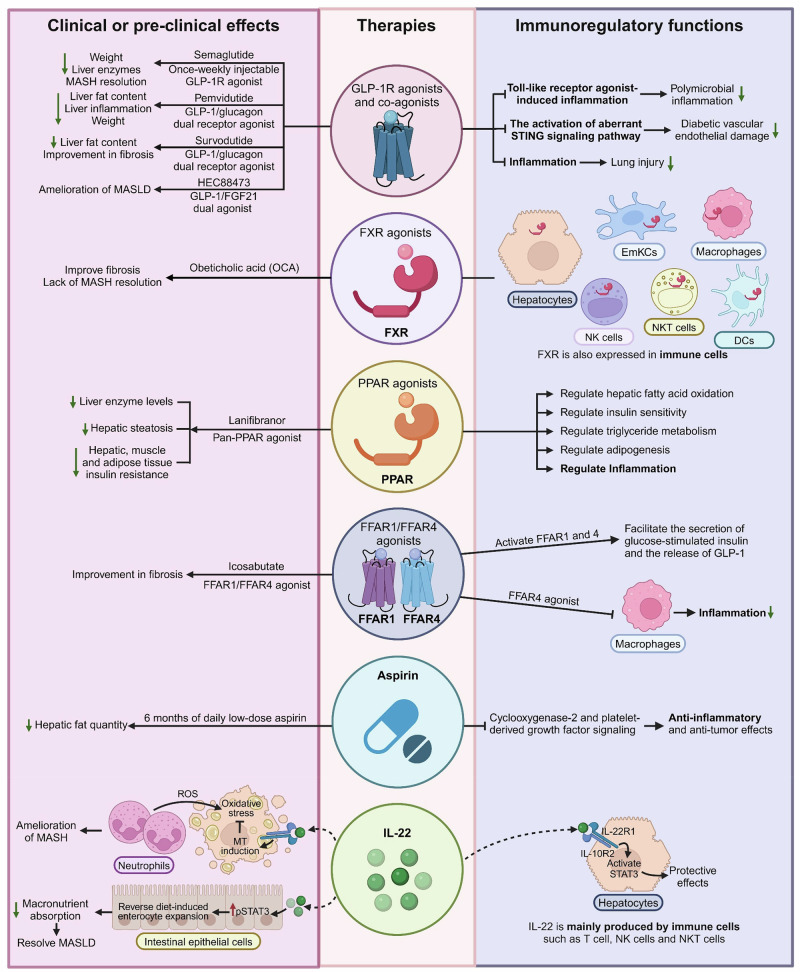
“…a once-weekly injectable GLP-1R agonist, resulted in signi fi cant weight loss, histological resolution of steatohepatitis and improvements in cardiovascular biomarkers [184], although it did not meet the histological anti fi brotic effect threshold or reverse cirrhosis in a separate study [185].”
Mechanisms and disease consequences of nonalcoholic fatty liver disease
Loomba, R., Friedman, S. L., & Shulman, G. I. (2021) · Cell · doi:10.1016/j.cell.2021.04.015 · Cited by 2,002 · cited 1×
“Accumulating evidence supports the concept that ballooned hepatocytes, a de fi ning feature of steatohepatitis, generate a secretome that induces in fl ammatory and fi brogenic responses in neighboring cells [15].”
Resolving the fibrotic niche of human liver cirrhosis at single-cell level
Ramachandran, P., Dobie, R., Wilson-Kanamori, J. R., Dora, E. F., Henderson, B. E. P., Luu, N. T., Portman, J. R., Matchett, K. P., Brice, M., Marwick, J. A., et al. (2019) · Nature · doi:10.1038/s41586-019-1631-3 · Cited by 1,784
Self-citationPawlak, M., Lefebvre, P., & Staels, B. (2015) · Journal of Hepatology · doi:10.1016/j.jhep.2014.10.039 · Cited by 1,578
Control of cell cycle transcription during G1 and S phases
Bertoli, C., Skotheim, J. M., & de Bruin, R. A. M. (2013) · Nature Reviews Molecular Cell Biology · doi:10.1038/nrm3629 · Cited by 1,567 · cited 1×
“E2F2, a crucial member of the E2F family, plays an important role in regulating cell proliferation, differentiation and apoptosis [104].”
Lipid-associated macrophages control metabolic homeostasis in a Trem2-dependent manner
Jaitin, D. A., Adlung, L., Thaiss, C. A., Weiner, A., Li, B., Descamps, H., Lundgren, P., Bleriot, C., Liu, Z., Deczkowska, A., et al. (2019) · Cell · doi:10.1016/j.cell.2019.05.054 · Cited by 1,377 · cited 2×
“In 2019, via index and transcriptional single-cell sorting, a novel and conserved Trem2 + LAM subset was identi fi ed in both mouse and human livers during obesity [35].”
Bouchon, A., Dietrich, J., & Colonna, M. (2000) · The Journal of Immunology · doi:10.4049/jimmunol.164.10.4991 · Cited by 1,284
Mitochondrial DNA in innate immune responses and inflammatory pathology
West, A. P., & Shadel, G. S. (2017) · Nature Reviews Immunology · doi:10.1038/nri.2017.21 · Cited by 1,115 · cited 1×
“Recently, mitochondrial DNA (mtDNA) has been recognized as an endogenous damage-associated molecular pattern (DAMP), thus activating the innate immune response and promoting in fl ammation after release into the cytosol and circulation [130].”
Phase 3 Trial of Semaglutide in Metabolic Dysfunction–Associated Steatohepatitis
Sanyal, A. J., Newsome, P. N., Kliers, I., Østergaard, L. H., Long, M. T., Kjær, M. S., Cali, A. M. G., Bugianesi, E., Rinella, M. E., Roden, M., et al. (2025) · New England Journal of Medicine · doi:10.1056/nejmoa2413258 · Cited by 1,115 · cited 1×
“Semaglutide is currently undergoing phase III trials for MASLD with fi brosis and compensated MASH cirrhosis; interim results show a signi fi cant improvement in fi brosis for the noncirrhotic population at 72 weeks [186].”
Glucagon-like peptide-1 receptor: mechanisms and advances in therapy
Zheng, Z., Zong, Y., Ma, Y., Tian, Y., Pang, Y., Zhang, C., & Gao, J. (2024) · Signal Transduction and Targeted Therapy · doi:10.1038/s41392-024-01931-z · Cited by 1,036 · cited 1×
“…in regulating blood glucose levels, lipid metabolism, and several other critical biological functions by interacting with the GLP-1 receptor (GLP-1R), which is a vital component of the G protein-coupled receptor (GPCR) family and is expressed primarily on the surfaces of various cell types [177].”
Spatial proteogenomics reveals distinct and evolutionarily conserved hepatic macrophage niches
Guilliams, M., Bonnardel, J., Haest, B., Vanderborght, B., Wagner, C., Remmerie, A., Bujko, A., Martens, L., Thoné, T., Browaeys, R., et al. (2022) · Cell · doi:10.1016/j.cell.2021.12.018 · Cited by 985 · cited 2×
“Owing to recent technological advances, including the application of scRNAseq and spatial transcriptomics to mouse models, we now know that the population of EmKCs is depleted during MASLD development and is replaced by distinct subsets of bone marrow-derived macrophages [29, 46].”
Epidemiology of metabolic dysfunction-associated steatotic liver disease
Younossi, Z. M., Kalligeros, M., & Henry, L. (2025) · Clinical and Molecular Hepatology · doi:10.3350/cmh.2024.0431 · Cited by 960 · cited 1×
“Notably, MASH could soon be the top indication for liver transplantation across all subgroups if the current estimates for the increase in MASH remain [21].”
Pyke, C., Heller, R. S., Kirk, R. K., Ørskov, C., Reedtz-Runge, S., Kaastrup, P., Hvelplund, A., Bardram, L., Calatayud, D., & Knudsen, L. B. (2014) · Endocrinology · doi:10.1210/en.2013-1934 · Cited by 876
Barclay, A. N., & van den Berg, T. K. (2014) · Annual Review of Immunology · doi:10.1146/annurev-immunol-032713-120142 · Cited by 841 · cited 1×
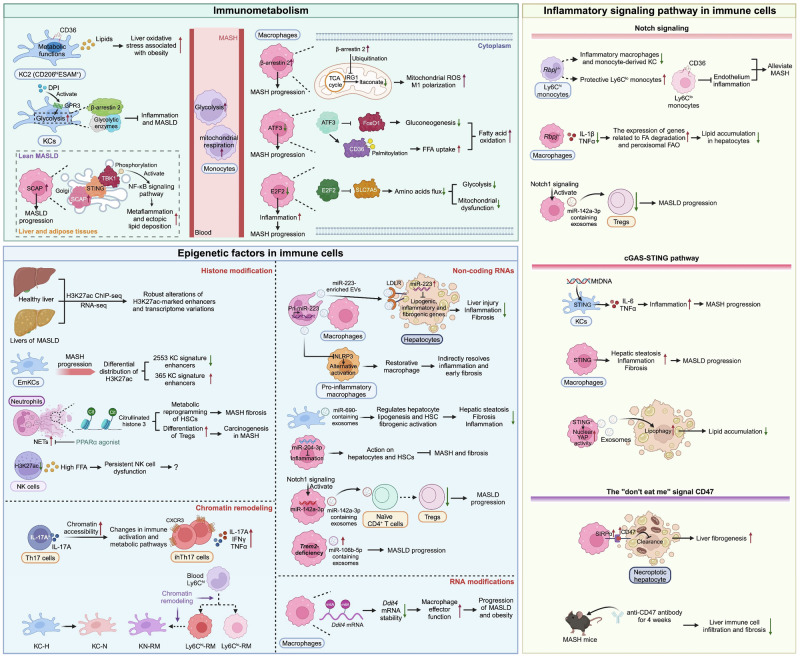
“…’ t-eat-me ” signal cluster of differentiation 47 (CD47), a transmembrane glycoprotein expressed on the surface of various cell types, prevents the inadvertent phagocytosis of live cells owing to CD47-mediated activation of the signal-regulatory protein α (SIRP α ) receptor on myeloid cells [134].”
Ablation of CD11c-Positive Cells Normalizes Insulin Sensitivity in Obese Insulin Resistant Animals
Patsouris, D., Li, P.-P., Thapar, D., Chapman, J., Olefsky, J. M., & Neels, J. G. (2008) · Cell Metabolism · doi:10.1016/j.cmet.2008.08.015 · Cited by 804 · cited 1×
“The causative role of ATMs in systemic metabolic derangements is further supported by studies showing that genetic or pharmacological ablation of ATMs normalizes whole-body insulin sensitivity [152].”
Hepatic inflammatory responses in liver fibrosis
Hammerich, L., & Tacke, F. (2023) · Nature Reviews Gastroenterology & Hepatology · doi:10.1038/s41575-023-00807-x · Cited by 803
Self-citationA Randomized, Controlled Trial of the Pan-PPAR Agonist Lanifibranor in NASH
Francque, S. M., Bedossa, P., Ratziu, V., Anstee, Q. M., Bugianesi, E., Sanyal, A. J., Loomba, R., Harrison, S. A., Balabanska, R., Mateva, L., et al. (2021) · New England Journal of Medicine · doi:10.1056/nejmoa2036205 · Cited by 801
Xiong, X., Kuang, H., Ansari, S., Liu, T., Gong, J., Wang, S., Zhao, X.-Y., Ji, Y., Li, C., Guo, L., et al. (2019) · Molecular Cell · doi:10.1016/j.molcel.2019.07.028 · Cited by 784 · cited 1×
“A Trem2 + MASH-associated macrophage subset, which is a feature of mouse and human MASH that is linked to disease severity, was subsequently identi fi ed [36].”
The CD47-SIRPα Immune Checkpoint
Logtenberg, M. E. W., Scheeren, F. A., & Schumacher, T. N. (2020) · Immunity · doi:10.1016/j.immuni.2020.04.011 · Cited by 760
Neutrophils in chronic inflammatory diseases
Herrero-Cervera, A., Soehnlein, O., & Kenne, E. M. (2022) · Cellular and Molecular Immunology · doi:10.1038/s41423-021-00832-3 · Cited by 749
Cutting Edge: TREM-2 Attenuates Macrophage Activation
Turnbull, I. R., Gilfillan, S., Cella, M., Aoshi, T., Miller, M., Piccio, L., Hernandez, M., & Colonna, M. (2006) · The Journal of Immunology · doi:10.4049/jimmunol.177.6.3520 · Cited by 688 · cited 1×
“Its function in macrophages was fi rst identi fi ed in 2006, revealing that Trem2 plays a crucial role in restraining macrophage activation [34].”
Wolf, M. J., Adili, A., Piotrowitz, K., Abdullah, Z., Boege, Y., Stemmer, K., Ringelhan, M., Simonavicius, N., Egger, M., Wohlleber, D., et al. (2014) · Cancer Cell · doi:10.1016/j.ccell.2014.09.003 · Cited by 678 · cited 1×
“NKT cells are much more abundant in mouse livers than in human livers, and they promote MASH, fi brosis, and carcinogenesis in experimental models [91].”
Wentworth, J. M., Naselli, G., Brown, W. A., Doyle, L., Phipson, B., Smyth, G. K., Wabitsch, M., O’Brien, P. E., & Harrison, L. C. (2010) · Diabetes · doi:10.2337/db09-0287 · Cited by 636
Neutrophils as protagonists and targets in chronic inflammation
Soehnlein, O., Steffens, S., Hidalgo, A., & Weber, C. (2017) · Nature reviews. Immunology · doi:10.1038/nri.2017.10 · Cited by 623
Remmerie, A., Martens, L., Thoné, T., Castoldi, A., Seurinck, R., Pavie, B., Roels, J., Vanneste, B., De Prijck, S., Vanhockerhout, M., et al. (2020) · Immunity · doi:10.1016/j.immuni.2020.08.004 · Cited by 592 · cited 1×
“Owing to recent technological advances, including the application of scRNAseq and spatial transcriptomics to mouse models, we now know that the population of EmKCs is depleted during MASLD development and is replaced by distinct subsets of bone marrow-derived macrophages [29, 46].”
Immune cell-mediated features of non-alcoholic steatohepatitis
Huby, T., & Gautier, E. L. (2022) · Nature Reviews Immunology · doi:10.1038/s41577-021-00639-3 · Cited by 573 · cited 1×
“…stress, mitochondrial dysfunction, and oxidative stress culminate in hepatocyte injury, leading to apoptosis, necrosis, and necroptosis and the release of damage-associated molecular patterns (DAMPs) and proin fl ammatory mediators that drive immune cell in fi ltration and liver in fl ammation [138].”
Epigenetic regulation in metabolic diseases: mechanisms and advances in clinical study
Wu, Y., Lin, Z., Li, C., Lin, X. J., Shan, S., Guo, B., Zheng, M.-H., Li, F., Yuan, L., & Li, Z. (2023) · Signal Transduction and Targeted Therapy · doi:10.1038/s41392-023-01333-7 · Cited by 549 · cited 1×
“Epigenetic regulation is a mechanism that modulates heritable gene expression without altering the DNA sequence and includes chromatin remodeling, histone modi fi cations, and noncoding RNA (ncRNA) regulation, among other mechanisms [108].”
Immunometabolism: an emerging frontier
Mathis, D. J., & Shoelson, S. E. (2011) · Nature reviews. Immunology · doi:10.1038/nri2922 · Cited by 544 · cited 1×
“More than a decade ago, the concept of immunometabolism was proposed to elucidate the intricate interplay between metabolism and immunity [96].”
GDF15: emerging biology and therapeutic applications for obesity and cardiometabolic disease
Wang, D., Day, E. A., Townsend, L. K., Djordjevic, D., Jørgensen, S. B., & Steinberg, G. R. (2021) · Nature Reviews Endocrinology · doi:10.1038/s41574-021-00529-7 · Cited by 543 · cited 1×
“Although GDF15 is a promising target for obesity [160, 161], the function and cellular source of GDF15 during MASLD are not fully understood.”
Loomba, R., Abdelmalek, M. F., Armstrong, M. J., Jara, M., Kjær, M. S., Krarup, N., Lawitz, E., Ratziu, V., Sanyal, A. J., Schattenberg, J. M., et al. (2023) · The Lancet Gastroenterology & Hepatology · doi:10.1016/s2468-1253(23)00068-7 · Cited by 533
A Phase 2 Randomized Trial of Survodutide in MASH and Fibrosis
Sanyal, A. J., Bedossa, P., Fraessdorf, M., Neff, G. W., Lawitz, E., Bugianesi, E., Anstee, Q. M., Hussain, S. A., Newsome, P. N., Ratziu, V., et al. (2024) · New England Journal of Medicine · doi:10.1056/nejmoa2401755 · Cited by 528 · cited 1×
“Survodutide, a GLP-1/glucagon dual agonist, resulted in signi fi cant weight loss and histological MASH resolution as well as fi brosis improvement after one year of treatment [189].”
Auto-aggressive CXCR6+ CD8 T cells cause liver immune pathology in NASH
Dudek, M., Pfister, D., Donakonda, S., Filpe, P., Schneider, A., Laschinger, M., Hartmann, D., Hüser, N., Meiser, P., Bayerl, F., et al. (2021) · Nature · doi:10.1038/s41586-021-03233-8 · Cited by 518 · cited 1×
“These speci fi c CD8 + T cells are more susceptible to metabolic stimuli (including acetate and extra-cellular ATP), triggering autoaggression in an IL-15-induced FOXO1-dependent manner during MASH development [81].”
Self-citationGut barrier disruption and chronic disease
Martel, J., Chang, S.-H., Ko, Y.-F., Hwang, T.-L., Young, J. D., & Ojcius, D. M. (2022) · Trends in Endocrinology & Metabolism · doi:10.1016/j.tem.2022.01.002 · Cited by 514 · cited 1×
“This phenomenon mirrors the critical role of the gut vascular barrier, where the integrity of this barrier is crucial for preventing systemic in fl ammation and maintaining metabolic homeostasis [156, 157].”
FXR activation protects against NAFLD via bile-acid-dependent reductions in lipid absorption
Clifford, B. L., Sedgeman, L. R., Williams, K. J., Morand, P., Cheng, A., Jarrett, K. E., Chan, A. P., Brearley-Sholto, M. C., Wahlstrom, A. M., Ashby, J. W., et al. (2021) · Cell Metabolism · doi:10.1016/j.cmet.2021.06.012 · Cited by 510 · cited 1×
“…highly expressed in the liver and intestine, can regulate the expression of genes involved in the pathogenesis of MASH by regulating cholesterol and bile acid homeostasis, hepatic gluconeogenesis, lipogenesis, intestinal barrier integrity, bacterial translocation and the gut microbiota [192, 193].”
Retrospective on Cholesterol Homeostasis: The Central Role of Scap
Brown, M. S., Radhakrishnan, A., & Goldstein, J. L. (2018) · Annual Review of Biochemistry · doi:10.1146/annurev-biochem-062917-011852 · Cited by 477 · cited 1×
“Sterol regulatory element binding protein cleavage-activating protein (SCAP) is a cholesterol sensor that functions to affect intracellular cholesterol homeostasis [106].”
Bouchon, A., Hernández-Munain, C., Cella, M., & Colonna, M. (2001) · The Journal of Experimental Medicine · doi:10.1084/jem.194.8.1111 · Cited by 460 · cited 1×
“TREM2 was fi rst cloned from human PBMCs in 2000 [32, 33].”
Seidman, J. S., Troutman, T. D., Sakai, M., Gola, A., Spann, N. J., Bennett, H., Bruni, C. M., Ouyang, Z., Li, R. Z., Sun, X., et al. (2020) · Immunity · doi:10.1016/j.immuni.2020.04.001 · Cited by 443 · cited 3×
“…downregulates 2553 enhancers related to the KC signature, whereas only 365 KC signature enhancers are upregulated, which is demonstrated by the differential distribution of H3K27ac, suggesting a vital role of histone acetylation in reprogramming the KC enhancer landscape under MASH conditions [40].”
InfluentialMetabolic reprogramming in liver fibrosis
Horn, P., & Tacke, F. (2024) · Cell Metabolism · doi:10.1016/j.cmet.2024.05.003 · Cited by 432 · cited 1×
“Accelerating evidence suggests that the metabolic reprogramming of immune cells plays essential roles in the pathogenesis of MASLD [97].”
Self-citationLuo, X., Li, H., Ma, L., Zhou, J., Guo, X., Woo, S.-L., Pei, Y., Knight, L. R., Deveau, M., Chen, Y., et al. (2018) · Gastroenterology · doi:10.1053/j.gastro.2018.09.010 · Cited by 415
Self-citationKovall, R. A., Gebelein, B. A., Sprinzak, D., & Kopan, R. (2017) · Developmental Cell · doi:10.1016/j.devcel.2017.04.001 · Cited by 406 · cited 1×
“…cells, leading to proteolytic cleavage of the Notch receptor and release of the Notch intracellular domain (NICD), which subsequently translocates to the cell nucleus, where it complexes with the CSL-type DNA binding proteins CBF1 (RBPJ), Su(H), and Lag-1 to regulate gene expression [126].”
Tran, S., Baba, I., Poupel, L., Dussaud, S., Moreau, M., Gélineau, A., Marcelin, G., Magréau-Davy, E., Ouhachi, M., Lesnik, P., et al. (2020) · Immunity · doi:10.1016/j.immuni.2020.06.003 · Cited by 400 · cited 1×
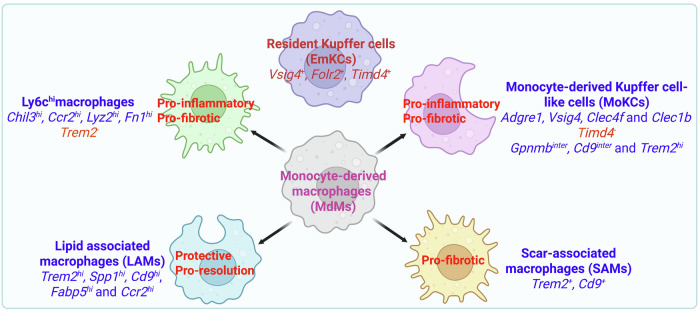
“Furthermore, these MoKCs are partly immature and exhibit a proin fl ammatory status compared with EmKCs [49].”
Malehmir, M., Pfister, D., Gallage, S., Szydlowska, M., Inverso, D., Kotsiliti, E., Leone, V., Peiseler, M., Surewaard, B. G. J., Rath, D., et al. (2019) · Nature Medicine · doi:10.1038/s41591-019-0379-5 · Cited by 398 · cited 1×
“Accumulating studies suggest that aspirin exerts anti-in fl ammatory and antitumor effects by inhibiting cyclooxygenase-2 and platelet-derived growth factor signaling, representing a promising and low-cost strategy for the treatment of MASLD [207 – 209].”
Self-citationWang, H., Zhang, H., Wang, Y., Brown, Z. J., Xia, Y., Huang, Z., Shen, C., Hu, Z., Beane, J., Ansa-Addo, E. A., et al. (2021) · Journal of Hepatology · doi:10.1016/j.jhep.2021.07.032 · Cited by 398 · cited 2×
“In addition, NETs are able to promote the differentiation of regulatory T cells (Tregs), which contribute to carcinogenesis in MASLD [76], whereas activating PPAR α can reduce NET formation in a high-fat diet (HFD) context [111].”
A Gpr120-selective agonist improves insulin resistance and chronic inflammation in obese mice
Oh, D. Y., Walenta, E., Akiyama, T. E., Lagakos, W., Lackey, D. E., Pessentheiner, A. R., Šášik, R., Hah, N., Chi, T. J., Cox, J. M., et al. (2014) · Nature Medicine · doi:10.1038/nm.3614 · Cited by 397
Liver macrophages in health and disease
Guilliams, M., & Scott, C. L. (2022) · Immunity · doi:10.1016/j.immuni.2022.08.002 · Cited by 395 · cited 1×
“KCs are iron storage cells that play a key role in iron metabolism [54].”
Yu, Y., Liu, Y., An, W., Song, J., Zhang, Y., & Zhao, X. (2018) · Journal of Clinical Investigation · doi:10.1172/jci121842 · Cited by 393 · cited 1×
“Strikingly, mtDNA from lipotoxicity-induced hepatocytes induced TNF-α and IL-6 expression in Kupffer cells, whereas STING de fi ciency attenuated this in fl ammation, suggesting that STING functions as a mtDNA sensor in Kupffer cells, contributing to MASH progression [131].”
Cahill, T. J., Thomsen, A. R. B., Tarrasch, J. T., Plouffe, B., Nguyen, A. H., Yang, F., Huang, L.-Y., Kahsai, A. W., Bassoni, D. L., Gavino, B. J., et al. (2017) · Proceedings of the National Academy of Sciences · doi:10.1073/pnas.1701529114 · Cited by 382 · cited 1×
“…much interest because of its importance and heterogeneity. β -Arrestin 2, a multifunctional adaptor protein for the desensitization and internalization of G protein-coupled receptors (GPCRs) [99], was found to be elevated in liver macrophages and circulating monocytes in patients with MASH.”
Israelsen, M. E., Francque, S., Tsochatzis, E. A., & Krag, A. A. (2024) · The Lancet · doi:10.1016/s0140-6736(24)01811-7 · Cited by 381 · cited 1×
“…disease ” to “ steatotic liver disease ” , which includes all conditions characterized by abnormal hepatic lipid accumulation and encompasses MASLD, alcohol-associated liver disease (ALD), metabolic dysfunction, alcohol-associated liver disease (MetALD) and other rare causes of liver steatosis [9].”
Daemen, S., Gainullina, A., Kalugotla, G., He, L., Chan, M. M., Beals, J. W., Liss, K. H., Klein, S., Feldstein, A. E., Finck, B. N., et al. (2021) · Cell Reports · doi:10.1016/j.celrep.2020.108626 · Cited by 378 · cited 4×
“Ccr2 − / − mice, which lack hepatic LAMs, exhibit exacerbated MASH [28].”
InfluentialHildreth, A. D., Ma, F., Wong, Y. Y., Sun, R., Pellegrini, M. A., & O’Sullivan, T. E. (2021) · Nature Immunology · doi:10.1038/s41590-021-00922-4 · Cited by 377 · cited 1×
“Investigating cell ‒ cell ligand ‒ receptor interactions and obesity-enriched signaling pathways in white adipose tissue (WAT) [154] highlighted a dramatic shift from immunoregulatory mechanisms in lean WAT to the establishment of in fl ammatory networks in obese WAT.”
Thymic development of unconventional T cells: how NKT cells, MAIT cells and γδ T cells emerge
Pellicci, D. G., Koay, H., & Berzins, S. P. (2020) · Nature reviews. Immunology · doi:10.1038/s41577-020-0345-y · Cited by 346
Master Regulator Activating Transcription Factor 3 (ATF3) in Metabolic Homeostasis and Cancer
Ku, H.-C., & Cheng, C.-F. (2020) · Frontiers in Endocrinology · doi:10.3389/fendo.2020.00556 · Cited by 345 · cited 1×
“Activating transcription factor 3 (ATF3), a stress-induced transcription factor that binds to the cyclic AMP response element (CRE), plays a vital role in metabolic regulation and immunity [101].”
du Plessis, J., van Pelt, J. F., Korf, H., Mathieu, C., der Schueren, B. V., Lannoo, M., Oyen, T., Topal, B., Fetter, G., Nayler, S., et al. (2015) · Gastroenterology · doi:10.1053/j.gastro.2015.05.044 · Cited by 337 · cited 1×
“These macrophages produce elevated levels of cytokines in culture, establishing a clear link between adipose tissue in fl ammation and advanced liver disease [153].”
An integrated view of anti-inflammatory and antifibrotic targets for the treatment of NASH
Tacke, F., Puengel, T., Loomba, R., & Friedman, S. L. (2023) · Journal of Hepatology · doi:10.1016/j.jhep.2023.03.038 · Cited by 321 · cited 2×
“…in MASLD is rarely linear in its development and progression; rather, it fl uctuates between fl ares and resolution, which may explain why the highly dynamic parameter of in fl ammation is a weaker prognostic feature than fi brosis when it is captured at a single time point via liver histology [172].”
Self-citationNonalcoholic steatohepatitis: the role of peroxisome proliferator-activated receptors
Francque, S., Szabo, G., Abdelmalek, M. F., Byrne, C. D., Cusi, K., Dufour, J.-F., Roden, M., Sacks, F., & Tacke, F. (2021) · Nature Reviews Gastroenterology & Hepatology · doi:10.1038/s41575-020-00366-5 · Cited by 316
Self-citationLefere, S., Puengel, T., Hundertmark, J., Penners, C., Frank, A. K., Guillot, A., de Muynck, K., Heymann, F., Adarbes, V., Defrêne, E., et al. (2020) · Journal of Hepatology · doi:10.1016/j.jhep.2020.04.025 · Cited by 310 · cited 2×
“Lani fi branor is a pan-PPAR agonist that modulates key metabolic, in fl ammatory, and fi brogenic pathways in the pathogenesis of experimental MASH models [200].”
Self-citationWong, C. K., McLean, B. A., Baggio, L. L., Koehler, J. A., Hammoud, R., Rittig, N., Yabut, J. M., Seeley, R. J., Brown, T. J., & Drucker, D. J. (2024) · Cell Metabolism · doi:10.1016/j.cmet.2023.11.009 · Cited by 304 · cited 1×
“For example, central GLP-1R activation inhibits Toll-like receptor agonist-induced in fl ammation, thus reducing the severity of polymicrobial in fl ammation [180].”
Mucosal-associated invariant T cells and disease
Toubal, A., Nel, I., Lotersztajn, S., & Lehuen, A. (2019) · Nature Reviews Immunology · doi:10.1038/s41577-019-0191-y · Cited by 300
GDF15 promotes weight loss by enhancing energy expenditure in muscle
Wang, D., Townsend, L. K., DesOrmeaux, G. J., Frangos, S. M., Batchuluun, B., Dumont, L., Kuhre, R. E., Ahmadi, E., Hu, S., Rebalka, I. A., et al. (2023) · Nature · doi:10.1038/s41586-023-06249-4 · Cited by 272 · cited 1×
“Although GDF15 is a promising target for obesity [160, 161], the function and cellular source of GDF15 during MASLD are not fully understood.”
Neutrophils contribute to spontaneous resolution of liver inflammation and fibrosis via microRNA-223
Calvente, C. J., Tameda, M., Johnson, C. D., del Pilar, H., Lin, Y. C., Adronikou, N., De Mollerat Du Jeu, X., Llorente, C., Boyer, J., & Feldstein, A. E. (2019) · Journal of Clinical Investigation · doi:10.1172/jci122258 · Cited by 268 · cited 1×
“In addition, it has been reported that miR-223 also mediates the function of neutrophils in spontaneous resolution of liver fi brosis [118].”
Wang, X., He, Q., Zhou, C., Xu, Y., Liu, D., Fujiwara, N., Kubota, N., Click, A., Henderson, P., Vancil, J., et al. (2023) · Immunity · doi:10.1016/j.immuni.2022.11.013 · Cited by 262 · cited 2×
“Hepatocyte-derived sphingosine-1 phosphate (S1P) was also shown to induce Trem2 expression in macrophages [39].”
Benedé-Ubieto, R., Cubero, F. J., & Nevzorova, Y. A. (2024) · Gut Microbes · doi:10.1080/19490976.2024.2331460 · Cited by 242 · cited 1×
“The complicated progression of MASLD extends beyond the liver, driven by the “ gut ‒ liver axis ” , where diet and genetic and gut ‒ liver interactions affect disease outcomes [164].”
Neutrophil extracellular traps in the pathology of cancer and other inflammatory diseases
Herre, M., Cedervall, J., Mackman, N., & Olsson, A. (2022) · Physiological Reviews · doi:10.1152/physrev.00062.2021 · Cited by 240
Hou, J., Zhang, J., Cui, P., Zhou, Y., Liu, C., Wu, X., Ji, Y., Wang, S., Cheng, B., Ye, H., et al. (2021) · Journal of Clinical Investigation · doi:10.1172/jci135197 · Cited by 239 · cited 3×
“Strikingly, Trem2 -de fi cient macrophages release exosomes that impair hepatocytic mitochondrial structure and energy supply due to their high content of miR-106b-5p, which blocks Mitofusin 2 (Mfn2) expression in MASLD [38].”
InfluentialThe Differential Roles of T Cells in Non-alcoholic Fatty Liver Disease and Obesity
Van Herck, M. A., Weyler, J., Kwanten, W. J., Dirinck, E. L., De Winter, B. Y., Francque, S. M., & Vonghia, L. (2019) · Frontiers in Immunology · doi:10.3389/fimmu.2019.00082 · Cited by 238 · cited 1×
“Although a role of CD4 + T cells in MASLD has been suggested [72], the exact polarization state of these cells during MASLD development remains obscure.”
A subset of Kupffer cells regulates metabolism through the expression of CD36
Blériot, C., Barreby, E., Dunsmore, G., Ballaire, R., Chakarov, S., Ficht, X., De Simone, G., Andreata, F., Fumagalli, V., Guo, W., et al. (2021) · Immunity · doi:10.1016/j.immuni.2021.08.006 · Cited by 236 · cited 2×
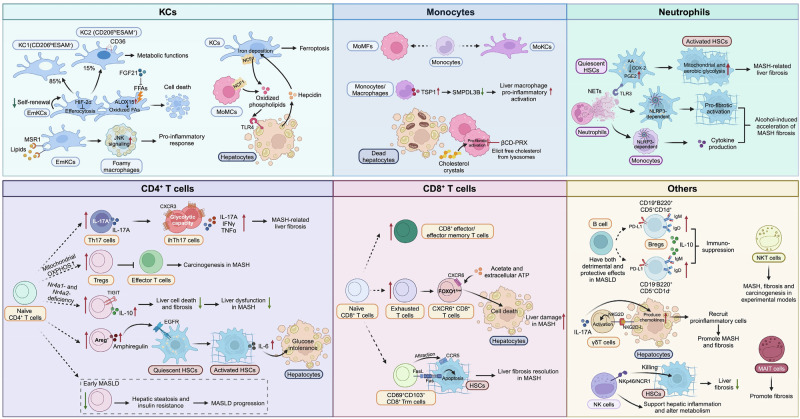
“…population (KC1) and a minor CD206 high ESAM + population (KC2), only KC2-expressing genes are involved in liver metabolism regulation, including fatty acid metabolism both in steady-state and in diet-induced obesity in mice, as well as steatosis induction via the fatty acid transporter CD36 [52].”
Mucosal-associated invariant T cells are a profibrogenic immune cell population in the liver
Hegde, P., Weiss, E., Paradis, V., Wan, J., Mabire, M., Sukriti, S., Rautou, P.-E., Albuquerque, M., Picq, O., Gupta, A. C., et al. (2018) · Nature Communications · doi:10.1038/s41467-018-04450-y · Cited by 232 · cited 1×
“Experimental evidence supports pro fi brogenic functions in chronically injured livers, and inhibiting MAIT cells promotes fi brosis regression via the induction of a repair phenotype in hepatic macrophages [93 – 95].”
Sprinzak, D., & Blacklow, S. C. (2021) · Annual Review of Biophysics · doi:10.1146/annurev-biophys-101920-082204 · Cited by 230 · cited 1×
“Notch signaling is a highly conserved pathway that serves as the primary juxtacrine signaling pathway used for direct cell-to-cell communication between adjacent cells, in fl uencing numerous cell fate decisions in the development of multicellular organisms [125].”
Krenkel, O., Hundertmark, J., Abdallah, A. T., Kohlhepp, M., Puengel, T., Roth, T., Branco, D. P. P., Mossanen, J. C., Luedde, T., Trautwein, C., et al. (2020) · Gut · doi:10.1136/gutjnl-2019-318382 · Cited by 220 · cited 1×
“The majority of hepatic MASH macrophages are derived from recruited bone marrow-derived macrophages, which have diverse functions, as they adapt their phenotype ( “ polarization ” ) in response to the local environment [57].”
Self-citationHendrikx, T., Porsch, F., Kiss, M. G., Rajcic, D., Papac-Miličević, N., Hoebinger, C., Goederle, L., Hladik, A., Shaw, L. E., Horstmann, H., et al. (2022) · Journal of Hepatology · doi:10.1016/j.jhep.2022.06.004 · Cited by 220 · cited 2×
“Given the strong induction of Trem2 expression during MASH, circulating levels of soluble Trem2 (sTrem2) in MASH were demonstrated to correlate with disease severity in mice and humans [37].”
Koda, Y., Teratani, T., Chu, P.-S., Hagihara, Y., Mikami, Y., Harada, Y., Tsujikawa, H., Miyamoto, K., Suzuki, T., Taniki, N., et al. (2021) · Nature Communications · doi:10.1038/s41467-021-24734-0 · Cited by 219 · cited 1×
“…analysis revealed that CD69 + CD103 - CD8 + tissue-resident memory (Trm) cells were enriched in the livers subjected to MASH resolution, which attracted hepatic stellate cells in a CCR5-dependent manner and resulted in HSC apoptosis, thereby promoting MASH-related liver fi brosis resolution [82].”
Incretins (GLP-1 receptor agonists and dual/triple agonists) and the liver
Newsome, P. N., & Ambery, P. (2023) · Journal of Hepatology · doi:10.1016/j.jhep.2023.07.033 · Cited by 211 · cited 1×
“In addition, dual and triple incretin agonists that combine GLP-1 with glucagon or GIP (glucose-dependent insulinotropic polypeptide) activity to enhance metabolic effects are being developed [187].”
Barrow, F., Khan, S., Fredrickson, G., Wang, H., Dietsche, K., Parthiban, P., Robert, S., Kaiser, T., Winer, S., Herman, A., et al. (2021) · Hepatology · doi:10.1002/hep.31755 · Cited by 210 · cited 1×
“B-cell de fi ciency mitigated MASH progression, and adoptively transferring B cells for MASH livers recapitulated the disease [84].”
FXR agonists in NASH treatment
Adorini, L., & Trauner, M. (2023) · Journal of Hepatology · doi:10.1016/j.jhep.2023.07.034 · Cited by 200 · cited 2×
“In the past decade, numerous FXR agonists have been assessed for the treatment of MASH, although side effects such as itching or increases in low-density lipoprotein cholesterol are frequently dose limiting, as summarized in a previous review [192].”
Arab, J. P., Díaz, L. A., Rehm, J. T., Im, G. Y., Arrese, M. A., Kamath, P. S., Lucey, M. R., Mellinger, J. L., Thiele, M. S., Thursz, M. R., et al. (2024) · Journal of Hepatology · doi:10.1016/j.jhep.2024.11.028 · Cited by 193 · cited 2×
“Owing to substantial underreporting and little recognition of the effect of alcohol on SLD, a more accurate prognose and effective management of SLD, addressing both metabolic and alcohol-related factors is crucial to appropriately diagnose, manage, and address the disease [222, 223].”
Harrison, S. A., Browne, S., Suschak, J. J., Tomah, S., Gutierrez, J. A., Yang, J., Roberts, M. S., & Harris, M. S. (2024) · Journal of Hepatology · doi:10.1016/j.jhep.2024.07.006 · Cited by 192 · cited 1×
“…clinical trial (NCT05006885) revealed that pemvidutide, a GLP-1/glucagon dual receptor agonist, may be an effective treatment for MASH, as pemvidutide treatment signi fi cantly reduced liver fat content, noninvasive biomarkers of liver in fl ammation, and body weight compared with placebo [188].”
UCP1 governs liver extracellular succinate and inflammatory pathogenesis
Mills, E. L., Harmon, C., Jedrychowski, M. P., Xiao, H., Garrity, R., Tran, N., Bradshaw, G. A., Fu, A., Szpyt, J., Reddy, A. J., et al. (2021) · Nature Metabolism · doi:10.1038/s42255-021-00389-5 · Cited by 189 · cited 1×
“The de fi ciency of UCP1 led to elevated extracellular succinate in liver tissue, thereby driving in fl ammation via succinate receptor 1 (SUCNR1) in liver-resident stellate cells and macrophage populations [158].”
Dasgupta, D., Nakao, Y., Mauer, A. S., Thompson, J., Sehrawat, T. S., Liao, C., Krishnan, A., Lucien, F., Guo, Q., Liu, M., et al. (2020) · Gastroenterology · doi:10.1053/j.gastro.2020.06.031 · Cited by 188 · cited 1×
“…extracellular vesicles (EVs) facilitate monocyte adhesion via integrin β 1 (ITG β 1)- dependent pathways [140], whereas IRE1A activation in hepatocytes induces the release of ceramide-enriched EVs, which further recruit monocyte-derived macrophages and exacerbate liver in fl ammation [141].”
Guo, Q., Furuta, K., Lucien, F., Sanchez, L. H. G., Hirsova, P., Krishnan, A., Kabashima, A., Pavelko, K. D., Madden, B. J., Alhuwaish, H., et al. (2019) · Journal of Hepatology · doi:10.1016/j.jhep.2019.07.019 · Cited by 185
Böttcher, K., Rombouts, K., Saffioti, F., Roccarina, D., Rosselli, M., Hall, A., Luong, T., Tsochatzis, E. A., Thorburn, D., & Pinzani, M. (2018) · Hepatology · doi:10.1002/hep.29782 · Cited by 183
Interleukin‐22 Ameliorates Neutrophil‐Driven Nonalcoholic Steatohepatitis Through Multiple Targets
Hwang, S., He, Y., Xiang, X., Seo, W., Kim, S., Ma, J., Ren, T., Park, S. H., Zhou, Z., Feng, D., et al. (2019) · Hepatology · doi:10.1002/hep.31031 · Cited by 182 · cited 1×
“A previous study revealed that IL-22 reversed neutrophil-derived reactive oxygen species and the activation of stress kinases via the induction of metallothionein in hepatocytes, ultimately ameliorating MASH [212].”
Self-citationSimon, T. G., Henson, J., Osganian, S., Masia, R., Chan, A. T., Chung, R. T., & Corey, K. E. (2019) · Clinical Gastroenterology and Hepatology · doi:10.1016/j.cgh.2019.04.061 · Cited by 180
Govaere, O., Petersen, S. K., Martínez-López, N., Wouters, J., Haele, M. V., Mancina, R. M., Jamialahmadi, O., Bilkei‐Gorzo, O., Lassen, P. B., Darlay, R., et al. (2021) · Journal of Hepatology · doi:10.1016/j.jhep.2021.12.012 · Cited by 180 · cited 1×
“…-de fi cient mice are resistant to diet-induced metabolic disorders, as evidenced by fewer hepatic foamy macrophages, reduced in fl ammation, improved glucose tolerance and hepatic lipid metabolism [61], suggesting that blocking MSR1 signaling could be a promising approach for the treatment of MASLD.”
Anstee, Q. M., Neuschwander-Tetri, B. A., Wai-Sun Wong, V., Abdelmalek, M. F., Rodriguez-Araujo, G., Landgren, H., Park, G. S., Bedossa, P., Alkhouri, N., Tacke, F., et al. (2024) · Clinical Gastroenterology and Hepatology · doi:10.1016/j.cgh.2023.04.003 · Cited by 179 · cited 1×
“To date, the ef fi cacy of agents that directly target immune cell function and recruitment is still lacking, since the dual CCR2/CCR5 inhibitor cenicriviroc did not demonstrate anti fi brotic ef fi cacy after 1 year of treatment in MASH patients with liver fi brosis in a phase III trial [176].”
Self-citationHarrison, S. A., Rolph, T., Knott, M., & Dubourg, J. (2024) · Journal of Hepatology · doi:10.1016/j.jhep.2024.04.034 · Cited by 179 · cited 2×
“Fibroblast growth factor 21 (FGF21), an endocrine FGF primarily produced in the liver, protects against MASH [50].”
Neutrophils in liver diseases: pathogenesis and therapeutic targets
Liu, K., Wang, F., & Xu, R. (2020) · Cellular and Molecular Immunology · doi:10.1038/s41423-020-00560-0 · Cited by 178 · cited 1×
“However, neutrophils can also be pathogenic by releasing various in fl ammatory mediators, including different cytokines, myeloperoxidase (MPO), reactive oxygen species (ROS), and proteases [65].”
A proteo-transcriptomic map of non-alcoholic fatty liver disease signatures
Govaere, O., Hasoon, M., Alexander, L., Cockell, S., Tiniakos, D., Ekstedt, M., Schattenberg, J. M., Boursier, J., Bugianesi, E., Ratziu, V., et al. (2023) · Nature Metabolism · doi:10.1038/s42255-023-00775-1 · Cited by 178 · cited 1×
“Furthermore, in a multicenter proteomic study, a composite model comprising four proteins (ADAMTSL2, AKR1B10, CFHR4 and Trem2), body mass index and type 2 diabetes mellitus status was used to identify at-risk MASH [43].”
NKp46-Mediated Killing of Human and Mouse Hepatic Stellate Cells Attenuates Liver Fibrosis
Gur, C., Doron, S., Kfir-Erenfeld, S., Horwitz, E., Abu-tair, L., Safadi, R., & Mandelboim, O. (2012) · Gut · doi:10.1136/gutjnl-2011-301400 · Cited by 173 · cited 1×
“Mechanistically, NKp46/NCR1, a speci fi c marker of NK cells, mediates the killing of human and mouse HSCs through unknown ligands, thus resulting in the attenuation of liver fi brosis [88].”
The benefits of GLP-1 drugs beyond obesity
Drucker, D. J. (2024) · Science · doi:10.1126/science.adn4128 · Cited by 172 · cited 1×
“Recently, GLP-1 receptor (GLP-1R) and its agonists have garnered widespread attention in the medical community because they are highly potent treatments for obesity and type 2 diabetes [178].”
He, Y., Rodrigues, R. M., Wang, X., Seo, W., Ma, J., Hwang, S., Fu, Y., Trojnár, E., Mátyás, C., Zhao, S., et al. (2021) · Journal of Clinical Investigation · doi:10.1172/jci141513 · Cited by 165 · cited 1×
“Among these miRNAs, miR-223 is broadly recognized as a protective factor in MASLD via myeloid cell-to-hepatocyte communication by targeting several in fl amma-tory genes and oncogenes in hepatocytes to prevent MASH and MASLD-HCC [116, 117].”
Self-citationYoshida, S., Ikenaga, N., Liu, S. B., Peng, Z.-W., Chung, J., Sverdlov, D. Y., Miyamoto, M., Kim, Y. O., Ogawa, S., Arch, R. H., et al. (2014) · Gastroenterology · doi:10.1053/j.gastro.2014.08.038 · Cited by 164 · cited 1×
“Accumulating studies suggest that aspirin exerts anti-in fl ammatory and antitumor effects by inhibiting cyclooxygenase-2 and platelet-derived growth factor signaling, representing a promising and low-cost strategy for the treatment of MASLD [207 – 209].”
The gut vascular barrier: a new player in the gut–liver–brain axis
Brescia, P., & Rescigno, M. (2021) · Trends in Molecular Medicine · doi:10.1016/j.molmed.2021.06.007 · Cited by 163
Moreno‐Fernandez, M. E., Giles, D. A., Oates, J. R., Chan, C. C., Damen, M. S. M. A., Doll, J., Stankiewicz, T. E., Chen, X., Chetal, K., Karns, R. A., et al. (2021) · Cell Metabolism · doi:10.1016/j.cmet.2021.04.018 · Cited by 163 · cited 3×
“…lymphocyte recruitment is mediated by distinct chemokine axes, including the CXCR6 ‒ CXCL16 pathway for natural killer T (NKT) cells, the CXCR3 ‒ CXCL9 ‒ CXCL10 pathway for in fl ammatory hepatic CXCR3 + Th17 (ihTh17) cells, and the CCR2 ‒ CCR5 signaling pathway for γδ T cells [74, 144, 146, 147].”
The diverse roles of neutrophils from protection to pathogenesis
Herro, R., & Grimes, H. L. (2024) · Nature Immunology · doi:10.1038/s41590-024-02006-5 · Cited by 156 · cited 1×
“Neutrophils are the most abundant leukocytes in the blood and form a critical arm of innate immunity, playing a well-recognized role in antibacterial defense by extruding a meshwork of chromatin fi bers to establish neutrophil extracellular traps (NETs) via a process known as NETosis [63, 64].”
Roles of Regulatory T Cells in Tissue Pathophysiology and Metabolism
Campbell, C., & Rudensky, A. (2020) · Cell Metabolism · doi:10.1016/j.cmet.2019.09.010 · Cited by 154 · cited 1×
“Although Tregs support tissue function and tissue homeostasis by limiting in fl ammation and promoting repair [75], the functions of Tregs in MASLD initiation and progression are not fully understood.”
He, Y., Hwang, S., Cai, Y., Kim, S., Xu, M., Yang, D., Guillot, A., Feng, D., Seo, W., Hou, X., et al. (2019) · Hepatology · doi:10.1002/hep.30645 · Cited by 151 · cited 1×
“Among these miRNAs, miR-223 is broadly recognized as a protective factor in MASLD via myeloid cell-to-hepatocyte communication by targeting several in fl amma-tory genes and oncogenes in hepatocytes to prevent MASH and MASLD-HCC [116, 117].”
Self-citationLipid-associated macrophages' promotion of fibrosis resolution during MASH regression requires TREM2
Ganguly, S., Rosenthal, S. B., Ishizuka, K., Troutman, T. D., Rohm, T. V., Khader, N., Aleman-Muench, G., Sano, Y., Archilei, S., Soroosh, P., et al. (2024) · Proceedings of the National Academy of Sciences · doi:10.1073/pnas.2405746121 · Cited by 145 · cited 7×
“A recent study indicated that macrophage heterogeneity in livers undergoing MASH regression closely mirrors that of active MASH [25].”
InfluentialSelf-citationStanton, M. C., Chen, S., Jackson, J. V., Rojas-Triana, A., Kinsley, D., Cui, L., Fine, J. S., Greenfeder, S. A., Bober, L. A., & Jenh, C. (2011) · Journal of Inflammation · doi:10.1186/1476-9255-8-8 · Cited by 145 · cited 1×
“For example, high-fat diet-induced ATM activation triggers the upregulation of proin fl am-matory gene expression in mouse models [151].”
Immunopathobiology and therapeutic targets related to cytokines in liver diseases
He, Y., Hwang, S., Ahmed, Y. A., Feng, D., Li, N., Ribeiro, M. D. C., Lafdil, F., Kisseleva, T., Szabó, G., & Gao, B. (2020) · Cellular and Molecular Immunology · doi:10.1038/s41423-020-00580-w · Cited by 140 · cited 1×
“IL-22 functions as a tissue-protective cytokine during liver injury by activating STAT3 in hepatocytes through a receptor complex composed of IL-22R1 and IL-10R2 [211].”
Self-citationThe bidirectional immune crosstalk in metabolic dysfunction-associated steatotic liver disease
Sawada, K., Chung, H., Softic, S., Moreno-Fernandez, M. E., & Divanovic, S. (2023) · Cell Metabolism · doi:10.1016/j.cmet.2023.10.009 · Cited by 139
Sanyal, A. J., Ratziu, V., Loomba, R., Anstee, Q. M., Kowdley, K. V., Rinella, M. E., Sheikh, M. Y., Trotter, J. F., Knapple, W., Lawitz, E. J., et al. (2023) · Journal of Hepatology · doi:10.1016/j.jhep.2023.07.014 · Cited by 137
New and emerging treatments for metabolic dysfunction-associated steatohepatitis
Tincopa, M. A., Anstee, Q. M., & Loomba, R. S. (2024) · Cell Metabolism · doi:10.1016/j.cmet.2024.03.011 · Cited by 135
The role of macrophage scavenger receptor 1 (MSR1) in inflammatory disorders and cancer
Gudgeon, J., Marín‐Rubio, J. L., & Trost, M. (2022) · Frontiers in Immunology · doi:10.3389/fimmu.2022.1012002 · Cited by 129
Gao, H., Jin, Z., Bandyopadhyay, G. K., Rocha, K. C. E., Liu, X., Zhao, H., Zhang, D., Jouihan, H. A., Pourshahian, S., Kisseleva, T., et al. (2022) · Cell Metabolism · doi:10.1016/j.cmet.2022.05.008 · Cited by 127 · cited 1×
“Treating MASH mice with miR-690 inhibited hepatic steatosis, fi brosis and in fl ammation [119].”
Self-citationLoomba, R. S., Bédossa, P., Grimmer, K., Kemble, G. W., Martins, E. B., McCulloch, W. F., O’Farrell, M., Tsai, W.-W., Cobiella, J., Lawitz, E., et al. (2024) · The Lancet. Gastroenterology & hepatology · doi:10.1016/s2468-1253(24)00246-2 · Cited by 123 · cited 1×
“Another example of a “ metabolic drug ” is denifanstat, an oral fatty acid synthase (FASN) inhibitor, which led to statistically signi fi cant improvements in disease activity, MASH resolution, and fi brosis in a multicenter, double-blind, randomized, placebo-controlled phase 2b trial [175].”
Babuta, M., Morel, C., Ribeiro, M. D. C., Calenda, C. D., Ortega‐Ribera, M., Nagesh, P. T., Copeland, C., Zhuang, Y., Wang, Y., Cho, Y., et al. (2024) · Gut · doi:10.1136/gutjnl-2023-331447 · Cited by 121
Savage, T. M., Fortson, K. T., de los Santos-Alexis, K., Oliveras-Alsina, A., Rouanne, M., Rae, S. S., Gamarra, J. R., Shayya, H., Kornberg, A., Cavero, R., et al. (2024) · Immunity · doi:10.1016/j.immuni.2024.01.009 · Cited by 120 · cited 1×
“Mechan-istically, Areg can activate pro fi brotic transcriptional programs in hepatic stellate cells via epidermal growth factor receptor (EGFR) signaling and promote hepatocyte gluconeogenesis via IL-6 [79].”
Guillot, A., Winkler, M., Silva Afonso, M., Aggarwal, A., Lopez, D., Berger, H., Kohlhepp, M. S., Liu, H., Özdirik, B., Eschrich, J., et al. (2023) · Hepatology · doi:10.1097/hep.0000000000000270 · Cited by 116 · cited 1×
“In human liver biopsies, the accumulation of macrophages is closely associated with the severity of MASH and fi brosis [26].”
Self-citationNeutrophil extracellular traps promote MASH fibrosis by metabolic reprogramming of HSC
Xia, Y., Wang, Y., Xiong, Q., He, J., Wang, H., Islam, M., Zhou, X., Kim, A. C., Zhang, H., Huang, H., et al. (2024) · Hepatology · doi:10.1097/hep.0000000000000762 · Cited by 116 · cited 2×
“Neutrophil in fi ltration and NET formation are increased during the development of MASLD [68, 69], and NETs reportedly promote MASH by inducing metabolic reprogramming of HSCs [68].”
m6A mRNA methylation-directed myeloid cell activation controls progression of NAFLD and obesity
Qin, Y., Li, B., Arumugam, S., Lu, Q., Mankash, S. M., Li, J., Sun, B., Li, J., Flavell, R. A., Li, H., et al. (2021) · Cell Reports · doi:10.1016/j.celrep.2021.109968 · Cited by 114 · cited 1×
“…regulating cell growth and survival, particularly under various stress conditions, and its transcripts are m 6 A-decorated to decrease its mRNA stability, leading to reduced protein levels of DDIT4, whereas the induction of DDIT4 can mitigate MASLD by reducing macrophage effector function [124].”
FFA4/GPR120: Pharmacology and Therapeutic Opportunities
Milligan, G., Alvarez‐Curto, E., Hudson, B. D., Prihandoko, R., & Tobin, A. B. (2017) · Trends in Pharmacological Sciences · doi:10.1016/j.tips.2017.06.006 · Cited by 113 · cited 1×
“FFAR1 and 4 are activated by medium-and long-chain free fatty acids and are putative targets for the treatment of type 2 diabetes by facilitating the secretion of glucose-stimulated insulin and the release of GLP-1 [203, 204].”
The chromosome folding problem and how cells solve it
Dekker, J., & Mirny, L. A. (2024) · Cell · doi:10.1016/j.cell.2024.10.026 · Cited by 112 · cited 1×
“…including chromatin structure and chromatin stability, are involved in the role of immune cells in MASLD is largely unknown, but newer technologies, such as 5 C, Hi-C, Micro-C, DNAse-Hi-C, Chia-PET, HiChIP, and Plac-seq, are expected to decipher the understanding of chromosome conformation [122].”
Guo, W., Li, Z., Anagnostopoulos, G., Kong, W. T., Zhang, S., Chakarov, S., Shin, A., Qian, J., Zhu, Y., Bai, W., et al. (2024) · Immunity · doi:10.1016/j.immuni.2024.08.016 · Cited by 109
Kotsiliti, E., Leone, V., Schuehle, S., Govaere, O., Li, H., Wolf, M. J., Horvatic, H., Bierwirth, S., Hundertmark, J., Inverso, D., et al. (2023) · Journal of Hepatology · doi:10.1016/j.jhep.2023.04.037 · Cited by 108 · cited 1×
“Furthermore, genetic or therapeutic depletion of systemic or gastrointestinal B cells ameliorated T-cell-driven in fl ammation and fi brosis in MASH by inhibiting the IgA-FcR γ signaling axis on hepatic macrophages [170].”
Self-citationAbushamat, L. A., Shah, P. A., Eckel, R. H., Harrison, S. A., & Barb, D. (2024) · Clinical Gastroenterology and Hepatology · doi:10.1016/j.cgh.2024.01.032 · Cited by 103 · cited 2×
“Many clinical trials have assessed the use of GLP-1R agonists for obesity and type 2 diabetes [183].”
Barb, D., Kalavalapalli, S., Leiva, E. G., Bril, F., Huot-Marchand, P., Dzen, L., Rosenberg, J. T., Junien, J., Broqua, P., Rocha, A. O., et al. (2025) · Journal of Hepatology · doi:10.1016/j.jhep.2024.12.045 · Cited by 101 · cited 1×
“Another phase 2, single-center randomized trial (NCT03459079) also demonstrated that lani fi branor treatment signi fi cantly reduced hepatic steatosis and improved hepatic, muscle and adipose tissue insulin resistance in patients with type 2 diabetes and MASLD [202].”
The Multifaceted Roles of Macrophages in NAFLD Pathogenesis
Vonderlin, J., Chavakis, T., Sieweke, M., & Tacke, F. (2023) · Cellular and Molecular Gastroenterology and Hepatology · doi:10.1016/j.jcmgh.2023.03.002 · Cited by 96 · cited 1×
“Liver macrophages play a central role in MASLD, in fl uencing in fl ammation, fi brosis progression, and resolution [24, 25].”
Self-citationAspirin for Metabolic Dysfunction–Associated Steatotic Liver Disease Without Cirrhosis
Simon, T. G., Wilechansky, R. M., Stoyanova, S., Grossman, A., Dichtel, L. E., Lauer, G. M., Miller, K. K., Hoshida, Y., Corey, K. E., Loomba, R. S., et al. (2024) · JAMA · doi:10.1001/jama.2024.1215 · Cited by 96 · cited 1×
“Interestingly, in a phase 2 randomized clinical trial (NCT04031729) of 80 individuals with MASLD, 6 months of daily low-dose aspirin signi fi cantly reduced hepatic fat quantity compared with placebo, but the fi ndings are preliminary and require con fi rmation in a larger population [210].”
Zhang, J., Wang, Y., Fan, M., Guan, Y., Zhang, W., Huang, F., Zhang, Z., Li, X., Yuan, B., Liu, W., et al. (2024) · Cell Metabolism · doi:10.1016/j.cmet.2024.05.008 · Cited by 94
Spatially restricted and ontogenically distinct hepatic macrophages are required for tissue repair
De Ponti, F. F., Bujko, A., Liu, Z., Collins, P. J., Schuermans, S., Maueroder, C., Amstelveen, S., Thoné, T., Martens, L., McKendrick, J. G., et al. (2025) · Immunity · doi:10.1016/j.immuni.2025.01.002 · Cited by 94 · cited 1×
“In addition to MASH, Trem2 + LAMs have been identi fi ed in various liver injury models, including acetaminophen (APAP)- and carbon tetrachloride (CCl 4 )- induced liver damage, where they play crucial roles in the ef fi cient clearance of dying cells [30].”
MAIT cell inhibition promotes liver fibrosis regression via macrophage phenotype reprogramming
Mabire, M., Hegde, P., Hammoutene, A., Wan, J., Caër, C., Sayegh, R. A., Cadoux, M., Allaire, M., Weiss, E., Thibault-Sogorb, T., et al. (2023) · Nature Communications · doi:10.1038/s41467-023-37453-5 · Cited by 93 · cited 1×
“Experimental evidence supports pro fi brogenic functions in chronically injured livers, and inhibiting MAIT cells promotes fi brosis regression via the induction of a repair phenotype in hepatic macrophages [93 – 95].”
Therapeutic opportunities for the treatment of NASH with genetically validated targets
Lindén, D., & Romeo, S. (2023) · Journal of Hepatology · doi:10.1016/j.jhep.2023.05.007 · Cited by 86 · cited 2×
“Although the fi rst pharmacotherapeutic for MASLD and MASH, resmetirom, has been approved for clinical use [224], we expect more targeted treatments owing to the modest ef fi cacy of resmethrin [2].”
Shi, H., Wang, X., Li, F., Gerlach, B. D., Yurdagul, A., Moore, M. P., Zeldin, S., Zhang, H., Cai, B., Zheng, Z., et al. (2022) · Science Translational Medicine · doi:10.1126/scitranslmed.abp8309 · Cited by 85
Zhou, L., Qiu, X., Meng, Z., Liu, T., Chen, Z., Zhang, P., Kuang, H., Pan, T., Lu, Y., Qi, L., et al. (2024) · Science Translational Medicine · doi:10.1126/scitranslmed.adk1866 · Cited by 85 · cited 1×
“MS4A7, a Trem2 + MASH-associated macrophage-speci fi c pathogenic factor, exacerbated MASH progression in mice by inducing NLRP3 in fl ammasome activation via direct physical interaction, indicating that the LD-MS4A7-NLRP3 in fl ammasome axis is a key pathogenic driver of MASH progression [45].”
Self-citationγδ T Cells Promote Steatohepatitis by Orchestrating Innate and Adaptive Immune Programming
Torres‐Hernandez, A., Wang, W., Nikiforov, Y., Tejada, K., Torres, L., Kalabin, A., Adam, S., Wu, J., Lu, L., Chen, R., et al. (2020) · Hepatology · doi:10.1002/hep.30952 · Cited by 80 · cited 1×
“…lymphocyte recruitment is mediated by distinct chemokine axes, including the CXCR6 ‒ CXCL16 pathway for natural killer T (NKT) cells, the CXCR3 ‒ CXCL9 ‒ CXCL10 pathway for in fl ammatory hepatic CXCR3 + Th17 (ihTh17) cells, and the CCR2 ‒ CCR5 signaling pathway for γδ T cells [74, 144, 146, 147].”
Hwang, S., Wang, X., Rodrigues, R. M., Ma, J., He, Y., Seo, W., Park, S. H., Kim, S., Feng, D., & Gao, B. (2020) · Hepatology · doi:10.1002/hep.31390 · Cited by 78 · cited 1×
“Hepatic overexpression of Cxcl1 and IL8 accelerated the transition from steatosis to MASH in HFD-fed mice and was associated with marked neutrophil in fi ltration and hepatocyte death [67].”
Self-citationMirea, A.-M., Toonen, E. J. M., van den Munckhof, I., Munsterman, I. D., Tjwa, E. T. T. L., Jaeger, M., Oosting, M., Schraa, K., Rutten, J. H. W., van der Graaf, M., et al. (2019) · Molecular Medicine · doi:10.1186/s10020-019-0084-3 · Cited by 77 · cited 1×
“Consequently, the serum NE or NE-to-AAT ratio is commonly used as a biomarker to assess MASLD severity [71].”
Neutrophil-derived trail is a proinflammatory subtype of neutrophil-derived extracellular vesicles
Youn, Y.-J., Shrestha, S., Lee, Y.-B., et al. (2021) · Theranostics · doi:10.7150/thno.51756 · Cited by 77 · cited 1×
“Neutrophils can produce various subtypes of EVs containing proin fl ammatory miRNAs or anti-in fl ammatory miRNAs [115].”
Immunomodulatory functions of FXR
Fiorucci, S., Zampella, A., Ricci, P., Distrutti, E., & Biagioli, M. (2022) · Molecular and Cellular Endocrinology · doi:10.1016/j.mce.2022.111650 · Cited by 75 · cited 1×
“FXR, like other bile acid receptors, is also expressed in various innate immune cells, such as monocytes and macrophages, dendritic cells, and NK and NKT cells, thus modulating several aspects of innate immunity [194].”
Huang, X., Yao, Y., Hou, X., Wei, L., Rao, Y., Su, Y., Zheng, G., Ruan, X. Z., Li, D., & Chen, Y. (2022) · Cellular and Molecular Gastroenterology and Hepatology · doi:10.1016/j.jcmgh.2022.03.006 · Cited by 70 · cited 1×
“Moreover, macrophage-speci fi c Scap deletion ameliorated metain fl ammation and ectopic lipid deposition by promoting the release of in fl ammatory mediators by recruiting STING and tank-binding kinase 1 to the Golgi to activate the NF-κ B signaling pathway [107].”
Self-citationRevisiting the Role of Natural Killer Cells in Non-Alcoholic Fatty Liver Disease
Martínez-Chantar, M. L., Delgado, T. C., & Beraza, N. (2021) · Frontiers in Immunology · doi:10.3389/fimmu.2021.640869 · Cited by 67 · cited 1×
“However, in the context of obesity, NK cells may also support in fl ammation and alter metabolism via the induction of hepatic ER stress via osteopontin production and other mechanisms [89].”
Dong, T., Hu, G., Fan, Z., Wang, H., Gao, Y., Wang, S., Xu, H., Yaffe, M. B., Heiden, M. G. V., Lv, G., et al. (2024) · Nature Communications · doi:10.1038/s41467-024-45167-5 · Cited by 67 · cited 1×
“In addition to lipid metabolism in Kupffer cells, the activation of G-protein coupled receptor 3 (GPR3) in Kupffer cells promotes glycolysis via the formation of complexes between β - arrestin 2 and key glycolytic enzymes, ultimately inhibiting in fl ammation and ameliorating MASLD [98].”
Zhang, Y., Wang, X., Lin, J., Liu, J., Wang, K., Nie, Q., Ye, C., Sun, L., Ma, Y., Qu, R., et al. (2024) · Cell Metabolism · doi:10.1016/j.cmet.2024.07.004 · Cited by 66 · cited 1×
“Moreover, the gut microbiota is involved in the protective effects of time-restricted feeding (TRF) in MASLD via the production of 2-hydroxy-4-methylpentanoic acid (HMP), and oral supplementation with HMP alleviated in fl ammation and fi brosis in a MASH model [169].”
IL-22 resolves MASLD via enterocyte STAT3 restoration of diet-perturbed intestinal homeostasis
Zhang, P., Liu, J., Lee, A. A., Tsaur, I., Ohira, M., Duong, V., Vo, N., Watari, K., Su, H., Kim, J. Y., et al. (2024) · Cell Metabolism · doi:10.1016/j.cmet.2024.08.012 · Cited by 65 · cited 1×
“…that IL-22 resolved MASLD via the entry of IL-22R1 but not hepatic IL-22R1, as demonstrated by the fi nding that hepatocyte-speci fi c Il22r1 ablation still responded to IL-22 therapy, resulting in reduced body and liver weights, decreased liver damage, and decreased collagen accumulation [213].”
Chandran, V. I., Wernberg, C. W., Lauridsen, M. M., Skytthe, M. K., Bendixen, S. M., Larsen, F. T., Hansen, C. D., Grønkjær, L. L., Siersbæk, M. S., Caterino, T. D., et al. (2022) · Hepatology · doi:10.1002/hep.32620 · Cited by 64 · cited 1×
“…histologic features of NAFLD activity scores (NASs), such as steatosis, lobular in fl ammation, and ballooning, but only weakly with fi brosis stage, suggesting that sTrem2 in plasma may be a noninvasive biomarker that can rule-in or rule-out the presence of MASH with elevated liver stiffness [42].”
Envisioning how to advance the MASH field
Allen, A. M., Younossi, Z. M., Diehl, A. M., Charlton, M., & Lazarus, J. V. (2024) · Nature Reviews Gastroenterology & Hepatology · doi:10.1038/s41575-024-00938-9 · Cited by 64 · cited 1×
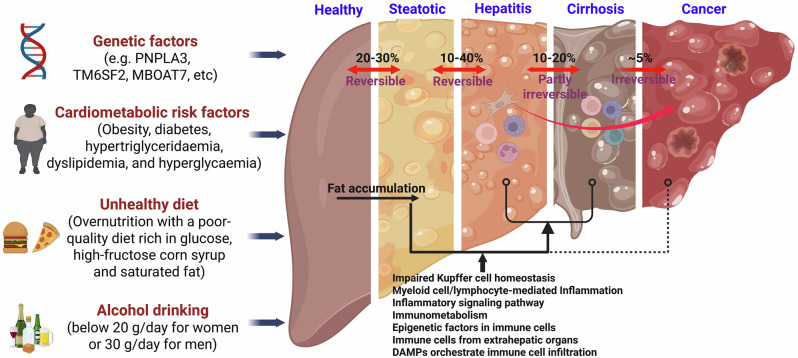
“Overnutrition with a poor-quality diet rich in glucose, high-fructose corn syrup and saturated fat leads to increased intrahepatic triglyceride levels, which are characteristic of MASLD, through multiple pathways [14].”
The Potential Role of Cellular Senescence in Non-Alcoholic Fatty Liver Disease
Engelmann, C., & Tacke, F. (2022) · International Journal of Molecular Sciences · doi:10.3390/ijms23020652 · Cited by 61 · cited 1×
“Furthermore, hepatocyte senescence exacerbates this in fl ammatory cascade through the senescence-associated secretory phenotype (SASP) [139].”
Self-citationYang, T., Qu, X., Wang, X., Xu, D., Sheng, M., Lin, Y., Ke, M., Song, C., Xia, Q., Jiang, L., et al. (2023) · Hepatology · doi:10.1097/hep.0000000000000638 · Cited by 59
IL-8+ neutrophils drive inexorable inflammation in severe alcohol-associated hepatitis
Guan, Y., Peiffer, B., Feng, D., Parra, M. A., Wang, Y., Fu, Y., Shah, V. H., Cameron, A. M., Sun, Z., & Gao, B. (2024) · Journal of Clinical Investigation · doi:10.1172/jci178616 · Cited by 59
Hepatocyte Adenosine Kinase Promotes Excessive Fat Deposition and Liver Inflammation
Li, H., Zheng, J., Xu, Q., Yang, Y., Zhou, J., Guo, X., Cai, Y., Cai, J. J., Xie, L., Awika, J. M., et al. (2022) · Gastroenterology · doi:10.1053/j.gastro.2022.09.027 · Cited by 58 · cited 1×
“These signals activate macrophages through the STING pathway, leading to the upregulation of the expression of proin fl amma-tory cytokines (IL-1 β , IL-6, IL-10, and TNF-α ) and increased expression of Ly6c2, a key marker of in fl ammatory monocyte recruitment [142].”
Inhibition of PU.1 ameliorates metabolic dysfunction and non-alcoholic steatohepatitis
Liu, Q., Yu, J., Wang, L., Tang, Y., Zhou, Q., Ji, S., Wang, Y., SANTOS, L. V. D. S., Haeusler, R. A., Que, J., et al. (2020) · Journal of Hepatology · doi:10.1016/j.jhep.2020.02.025 · Cited by 54 · cited 1×
“For example, the expression of the immune regulator PU.1 is increased in the liver, primarily in macrophages, of obese mice and people, and pharmacologic PU.1 inhibition results in improved metabolic dysfunction in HFD-fed mice [18].”
Macrophage-derived thrombospondin 1 promotes obesity-associated non-alcoholic fatty liver disease
Gwag, T., Mooli, R. G. R., Li, D., Lee, S., Lee, E. Y., & Wang, S. (2020) · JHEP Reports · doi:10.1016/j.jhepr.2020.100193 · Cited by 54
Hu, S., Li, R., Gong, D., Hu, P., Xu, J., Ai, Y., Zhao, X., Hu, C., Xu, M., Liu, C., et al. (2024) · Science Advances · doi:10.1126/sciadv.ado3141 · Cited by 54 · cited 1×
“…via the reduction of cellular glucose levels via the inhibition of head box 1 (FoxO1)-mediated gluconeogenesis and the induction of free fatty acid (FFA) uptake by CD36, suggesting that ATF3 improves glucolipid metabolism in liver macrophages, ultimately protecting against MASH development [102].”
L’homme, L., Sermikli, B. P., Haas, J. T., Fleury, S., Quemener, S., Guinot, V., Barreby, E., Esser, N., Caiazzo, R. J., Verkindt, H., et al. (2024) · Nature Communications · doi:10.1038/s41467-024-51078-2 · Cited by 54 · cited 2×
“However, as the disease progresses toward MASH, Gdf15 expression is induced in the liver, and hepatocytes, rather than macrophages, become its primary source [162].”
Understanding the complex macrophage landscape in MASLD
Ponti, F. F. D., Liu, Z., & Scott, C. L. (2024) · JHEP Reports · doi:10.1016/j.jhepr.2024.101196 · Cited by 54 · cited 2×
“Therefore, a range of conserved markers, including VSIG4, TIM4, and FOLR2, may help to distinguish EmKCs from MoKCs in MASLD [51].”
Spatial genomics: mapping human steatotic liver disease
Matchett, K. P., Paris, J., Teichmann, S. A., & Henderson, N. C. (2024) · Nature Reviews Gastroenterology & Hepatology · doi:10.1038/s41575-024-00915-2 · Cited by 53 · cited 1×
“However, analysis of these multimodal datasets is currently a major area of focus in the fi eld [215].”
Zheng, Y., Zhao, L., Xiong, Z., Huang, C., Yong, Q., Fang, D., Fu, Y., Gu, S., Chen, C., Li, J., et al. (2024) · Clinical and Molecular Hepatology · doi:10.3350/cmh.2024.0047 · Cited by 53 · cited 1×
“Ursolic acid was shown to target secreted phosphoprotein 1 (SPP1) to regulate Th17 cells, thus improving immune in fl ammation in MASLD [20].”
Pang, J., Feng, J. N., Ling, W., & Jin, T. (2022) · Acta Pharmaceutica Sinica B · doi:10.1016/j.apsb.2022.06.003 · Cited by 52 · cited 1×
“The anti-in fl ammatory effects of GLP-1 in lung injury have also been summarized elsewhere [182].”
Lysosomal cholesterol overload in macrophages promotes liver fibrosis in a mouse model of NASH
Itoh, M., Tamura, A., KANAI, S., Tanaka, M., Kanamori, Y., Shirakawa, I., Ito, A., Oka, Y., Hidaka, I., Takami, T., et al. (2023) · The Journal of Experimental Medicine · doi:10.1084/jem.20220681 · Cited by 52 · cited 2×
“Treatment with β CD-PRX effectively mitigated MASH-related liver fi brosis by decreasing cholesterol accumulation and the pro fi brotic activation of macrophages surrounding dead hepatocytes with cholesterol crystals without affecting hepatic and serum levels of cholesterol [62].”
Wei, X., Wu, D., Li, J., Wu, M., Li, Q., Che, Z., Cheng, X., Cheng, Q., Yin, F., Zhang, H., et al. (2024) · Cell Metabolism · doi:10.1016/j.cmet.2024.08.010 · Cited by 51 · cited 1×
“Targeting β -arrestin 2 in myeloid cells may be a potential strategy for MASH treatment [100].”
FGF-based drug discovery: advances and challenges
Chen, G., Chen, L., Li, X., & Mohammadi, M. (2025) · Nature Reviews Drug Discovery · doi:10.1038/s41573-024-01125-w · Cited by 51 · cited 1×
“Fibroblast growth factor 21 (FGF21) is an endogenous liver-secreted hormone that has therapeutic potential for treating obesity, type 2 diabetes, and MASLD [190].”
Chen, J., Liang, B., Bian, D., Luo, Y., Yang, J., Li, Z., Zhuang, Z., Zang, S., & Shi, J. (2019) · Biochemical and Biophysical Research Communications · doi:10.1016/j.bbrc.2019.08.111 · Cited by 50 · cited 2×
“Neutrophil elastase (NE), a serine protease secreted by neutrophils during in fl ammation via the degranulation process, plays a signi fi cant role in the pathogenesis and progression of MASH [70].”
Adipose tissue macrophage dysfunction is associated with a breach of vascular integrity in NASH
Boesch, M., Lindhorst, A., Feio‐Azevedo, R., Brescia, P., Silvestri, A., Lannoo, M., Deleus, E., Jaekers, J., Topal, H., Topal, B., et al. (2023) · Journal of Hepatology · doi:10.1016/j.jhep.2023.10.039 · Cited by 50 · cited 4×
“This loss coincided with the breakdown of vascular integrity in adipose tissue, a key event linked to the worsening of metabolic dysfunction and liver disease [155].”
InfluentialJeelani, I., Moon, J.-S., da Cunha, F. F., Nasamran, C. A., Jeon, S., Zhang, X., Bandyopadhyay, G. K., Dobaczewska, K., Mikulski, Z., Hosseini, M., et al. (2024) · Science Translational Medicine · doi:10.1126/scitranslmed.adi0284 · Cited by 50 · cited 2×
“…in controlling KC death in MASLD, as evidenced by the fact that HIF-2 α decreases lysosomal and phagocytic gene expression in KCs by inducing mammalian target of rapamycin (mTOR)- and extracellular signal-regulated kinase-dependent inhibitory transcription factor EB (TFEB) phosphorylation [48].”
Self-citationReporting discrepancy of alcohol intake affecting estimated prevalence of MetALD and ALD
Krag, A. A., Torp, N., Younossi, Z. M., et al. (2025) · The Lancet. Gastroenterology & hepatology · doi:10.1016/s2468-1253(24)00427-8 · Cited by 49 · cited 1×
“Owing to substantial underreporting and little recognition of the effect of alcohol on SLD, a more accurate prognose and effective management of SLD, addressing both metabolic and alcohol-related factors is crucial to appropriately diagnose, manage, and address the disease [222, 223].”
Xiang, L., Wang, G., Zhuang, Y., Luo, L., Yan, J., Zhang, H., Li, X., Xie, C., He, Q., Peng, Y., et al. (2024) · Journal of Hepatology · doi:10.1016/j.jhep.2024.12.006 · Cited by 49
He, X., Wen, S., Tang, X., Wen, Z., Zhang, R. H., Li, S., Gao, R. B., Wang, J., Zhu, Y., Fang, D., et al. (2024) · Acta Pharmaceutica Sinica B · doi:10.1016/j.apsb.2024.03.011 · Cited by 47
Self-citationTargeting EFHD2 inhibits interferon-γ signaling and ameliorates non-alcoholic steatohepatitis
Fu, J., Liu, J., Wu, W., Chen, Y., Lu, G., Cao, Q., Meng, H., Tong, J., Zhu, J., Wang, X.-J., et al. (2024) · Journal of Hepatology · doi:10.1016/j.jhep.2024.04.009 · Cited by 47 · cited 1×
“…(EFHD2) was also signi fi cantly increased in hepatic macrophages/ monocytes from both patients and mice with MASH, which contributed to liver macrophage/monocyte reprogramming in MASH, whereas targeted EFHD2 inhibition via a hydrocarbon-stapled peptide effectively attenuated disease in mice [19].”
Self-citationMicrobiota modulation by dietary oat beta-glucan prevents steatotic liver disease progression
Jaeger, J. W., Brandt, A., Gui, W., Yergaliyev, T., Hernández-Arriaga, A. M., Muthu, M. M., Edlund, K., Elashy, A., Molinaro, A., Möckel, D., et al. (2024) · JHEP Reports · doi:10.1016/j.jhepr.2023.100987 · Cited by 45 · cited 1×
“…to decrease hepatic leukocyte in fi ltration, especially that of MoMFs, to dampen fi brosis development in diet-induced MASLD, which was associated with the reversal of diet-induced unfavorable changes in microbiota composition and a subsequent reduction in the translocation of TLR4 ligands [167].”
Dual roles of B lymphocytes in mouse models of diet-induced nonalcoholic fatty liver disease
Karl, M., Hasselwander, S., Zhou, Y., Reifenberg, G., Kim, Y. O., Park, K., Ridder, D. A., Wang, X., Seidel, E., Hövelmeyer, N., et al. (2022) · Hepatology · doi:10.1002/hep.32428 · Cited by 44 · cited 2×
“Furthermore, another study demonstrated that B-cell-depleted mice were only partially protected from MASH, whereas B-cell-harboring but antibody-de fi cient IgMi mice were fully resistant to MASH [83].”
Shi, T., Malik, A., Hofe, A. Y. V., Matuschek, L., Mullen, M., Lages, C. S., Kudira, R., Singh, R., Zhang, W.-J., Setchell, K., et al. (2022) · Science Translational Medicine · doi:10.1126/scitranslmed.abi4354 · Cited by 44 · cited 1×
“Although the immunoregulatory role of FXR in MASLD has not been clari fi ed, myeloid cells have been reported to mediate the hepatoprotective effects of pharmacological FXR agonists in sclerosing cholangitis [195].”
Herck, M. A. V., Vonghia, L., Kwanten, W. J., Julé, Y., Vanwolleghem, T., Ebo, D. G., Michielsen, P. P., Man, J. G. D., Gama, L., Winter, B. Y. D., et al. (2020) · Cellular and Molecular Gastroenterology and Hepatology · doi:10.1016/j.jcmgh.2020.04.010 · Cited by 43 · cited 1×
“Importantly, in addition to macrophages, cytotoxic T cells in visceral adipose tissue (VAT) are considered critical regulators of MASH pathogenesis, which links adipose tissue in fl ammation to liver disease [163].”
Marinović, S., Lenartić, M., Mladenić, K., Šestan, M., Kavazović, I., Benić, A., Krapić, M., Rindlisbacher, L., Cokarić Brdovčak, M., Sparano, C., et al. (2023) · Science Immunology · doi:10.1126/sciimmunol.add1599 · Cited by 43 · cited 2×
“IL-17A then induces hepatocytes to release chemokines, which recruit proin fl amma-tory myeloid cells into the liver [86].”
Spatial dimension of macrophage heterogeneity in liver diseases
Guillot, A., & Tacke, F. (2023) · eGastroenterology · doi:10.1136/egastro-2023-000003 · Cited by 40 · cited 1×
“Over the past decade, high-resolution methods, such as single-cell RNA sequencing (scRNAseq), single-nuclear RNA sequencing (snRNAseq), spatial transcriptomics, and spatial proteogenomics, have substantially increased our knowledge of different macrophage subsets [27].”
Self-citationThe steatotic liver disease burden paradox: unravelling the key role of alcohol
Torp, N., Israelsen, M. E., & Krag, A. A. (2024) · Nature Reviews Gastroenterology & Hepatology · doi:10.1038/s41575-024-01022-y · Cited by 39 · cited 2×
“Of particular importance is the new category of individuals with MetALD, whose diagnosis of hepatic steatosis requires the presence of cardiometabolic risk factors (CMRFs) and daily alcohol intake between 20 – 50 g/day for women and between 30 – 60 g/day for men [11, 12].”
Immunological mechanisms in steatotic liver diseases: An overview and clinical perspectives
Yan, M., Man, S., Ma, L., Guo, L., Huang, L., & Gao, W. (2024) · Clinical and Molecular Hepatology · doi:10.3350/cmh.2024.0315 · Cited by 39 · cited 1×
“The “ multiple hit ” hypothesis has emerged as the dominant theory in recent years, indicating the collective impact of immunological mechanisms in the liver, intestines, and adipose tissue on the progression of MASLD [13].”
Hai, S., Li, X., Xie, E., Wu, W., Gao, Q., Yu, B., Hu, J., Xu, F., Zheng, X., Zhang, B., et al. (2024) · Hepatology · doi:10.1097/hep.0000000000000985 · Cited by 38 · cited 1×
“…aiming at ameliorating metabolic dysfunction-driven stress and injury in hepatocytes, these potential “ MASH therapies ” also inhibit the immune cell-mediated in fl ammatory response deletion of Il33 in mice ameliorated metabolic disorders, in fl ammation, and fi brosis associated with MASLD [165].”
TREM2 macrophages mediate the beneficial effects of bariatric surgery against MASH
Fredrickson, G., Florczak, K. L., Barrow, F., Mahmud, S., DIETSCHE, K. B., Wang, H., Parthiban, P., Hakeem, A. N., Almutlaq, R. N., Adeyi, O. A., et al. (2024) · Hepatology · doi:10.1097/hep.0000000000001098 · Cited by 38 · cited 2×
“The regression livers were dominated by the LAM subpopulation [25, 41].”
Jiao, D., Sun, R., Ren, X., Wang, Y., Tian, P., Wang, Y., Yuan, D., Yue, X., Wu, Z., Li, C., et al. (2023) · Cell Reports · doi:10.1016/j.celrep.2023.113211 · Cited by 36 · cited 1×
“Additionally, lipid accumulation results in persistent NK cell dysfunction via histone hypoacetylation, and impaired functions are also observed in liver NK cells from HFD-fed mice [112].”
Nuclear miR-204-3p mitigates metabolic dysfunction-associated steatotic liver disease in mice
Zou, Z., Liu, X., Yu, J., Ban, T., Zhang, Z., Wang, P., Huang, R., Zheng, F., Chang, Y., Peng, W., et al. (2024) · Journal of Hepatology · doi:10.1016/j.jhep.2024.01.029 · Cited by 34 · cited 1×
“…MASLD progression by ameliorating macrophage in fl ammation and coordinating macrophage actions on hepatocytes and HSCs to alleviate steatohepatitis and fi brosis [120]. miR-142a-3p is another miRNA that is essential for the functions of macrophages, whose secretion is regulated by Notch1 signaling.”
Implications of innate immune sexual dimorphism for MASLD pathogenesis and treatment
Booijink, R. S., Ramachandran, P., & Bansal, R. (2024) · Trends in Pharmacological Sciences · doi:10.1016/j.tips.2024.05.004 · Cited by 33 · cited 1×
“Interestingly, there are sex and sex differences in the prevalence of MASLD, and potential sex differences in innate immune cell types have been suggested to affect its development [17].”
Gwag, T., Ma, E., Zhou, C., & Wang, S. (2022) · Liver International · doi:10.1111/liv.15182 · Cited by 33 · cited 1×
“Another study con fi rmed that anti-CD47 antibody treatment did not affect mouse body weight, fat mass or liver steatosis but markedly reduced liver immune cell in fi ltration and fi brosis [137].”
Use of artificial intelligence for liver diseases: A survey from the EASL congress 2024
Žigutytė, L., Sorz-Nechay, T., Clusmann, J., & Kather, J. N. (2024) · JHEP Reports · doi:10.1016/j.jhepr.2024.101209 · Cited by 33 · cited 1×
“…opportunity to advance our understanding and management of MASLD, such as tabular medical data analysis, multiomics data analysis, the generation of synthetic patient data, enhancing the medical imaging fi eld for MASLD, and advancing personalized medicine approaches for MASLD [216, 217].”
Arvanitakis, K., Koufakis, T., Cholongitas, Ε., Francque, S., & Germanidis, G. S. (2025) · Pharmacology & Therapeutics · doi:10.1016/j.pharmthera.2025.108811 · Cited by 32 · cited 1×
“For example, the fi rst FDA-approved drug is an oral, liver-directed thyroid hormone receptor beta-selective agonist that plays a key role in regulating lipid metabolism, cholesterol synthesis, and fatty acid oxidation [173, 174].”
Contamination of isolated mouse Kupffer cells with liver sinusoidal endothelial cells
Hume, D. A., Offermanns, S., & Bonnavion, R. (2022) · Immunity · doi:10.1016/j.immuni.2022.06.010 · Cited by 31 · cited 1×
“However, the identity of KC2 is currently debated in the fi eld because of its close transcriptomic pro fi le to that of liver sinusoidal endothelial cells (LSECs) [51, 53].”
Myeloid-specific blockade of Notch signaling ameliorates nonalcoholic fatty liver disease in mice
Ding, J., Xu, M. J., Du, W., Fang, Z., Xu, H., Liu, J., Song, P., Chen, X., Li, Z., Yue, Z., et al. (2023) · International Journal of Biological Sciences · doi:10.7150/ijbs.80122 · Cited by 30
Liu, Y., Hao, Y., Boeckmans, J., Rodrigues, R. M., & He, Y. (2023) · Pharmacology & Therapeutics · doi:10.1016/j.pharmthera.2023.108353 · Cited by 30 · cited 1×
“Immunological studies on the pathogenesis of MASLD have revealed the key role of macrophages, whereas neutrophils have received less attention [218].”
Self-citationAg-driven CD8+ T cell clonal expansion is a prominent feature of MASH in humans and mice
Burtis, A. E. C., DeNicola, D. M. C., Ferguson, M. E., Santos, R. G., Pinilla, C., Kriss, M. S., Orlicky, D. J., Tamburini, B. A. J., Gillen, A. E., & Burchill, M. A. (2025) · Hepatology · doi:10.1097/hep.0000000000000971 · Cited by 30
Macrophages as Key Players during Adipose Tissue–Liver Crosstalk in Nonalcoholic Fatty Liver Disease
Korf, H., Boesch, M., Meelberghs, L., & der Merwe, V. (2019) · Seminars in Liver Disease · doi:10.1055/s-0039-1687851 · Cited by 29 · cited 1×
“…that obesity-related expansion of adipose tissue is associated with in fi ltration and activation of immune cells, especially adipose tissue macrophages (ATMs), which also contribute to MASLD progression since their proin fl ammatory cytokine repertoire leads to the adipose tissue secretome [159].”
Chan, M. M., Daemen, S., Beals, J. W., Terekhova, M., Yang, B. Q., Fu, C. F., He, L., Park, A. C., Smith, G. I., Razani, B., et al. (2023) · JHEP Reports · doi:10.1016/j.jhepr.2023.100877 · Cited by 29 · cited 1×
“However, EmKC death is not required for bone marrow-derived macrophage in fi ltration in MASLD [47].”
Wade, H., Pan, K., Zhang, B., Zheng, W., & Su, Q. (2024) · eGastroenterology · doi:10.1136/egastro-2024-100115 · Cited by 29 · cited 1×
“Moreover, the functions of noncoding RNAs (ncRNAs), particularly microRNAs (miRNAs), have been widely studied in MASLD [113, 114].”
Multicytokine-producing CD4+ T cells characterize the livers of patients with NASH
Woestemeier, A., Scognamiglio, P., Zhao, Y., Wagner, J., Muscate, F., Casar, C., Siracusa, F., Cortesi, F., Agalioti, T., Müller, S., et al. (2023) · JCI Insight · doi:10.1172/jci.insight.153831 · Cited by 28 · cited 1×
“Interestingly, among these cells, only those with a Th17 polarization state were enriched in patients with MASH-related fi brosis, providing the rationale to target CD4 + T cells with a Th17 polarization state to inhibit MASH-related fi brosis development [73].”
A phase IIb randomised-controlled trial of the FFAR1/FFAR4 agonist icosabutate in MASH
Harrison, S. A., Alkhouri, N., Ortiz‐Lasanta, G., Rudraraju, M., Tai, D., Wack, K., Shah, A., Besuyen, R., Steineger, H. H., Fraser, D. A., et al. (2025) · Journal of Hepatology · doi:10.1016/j.jhep.2025.01.032 · Cited by 28 · cited 1×
“In patients with MASH and liver fi brosis (stages F1--F3), there was an apparent bene fi cial effect of icosabutate on surrogate histological endpoints, particularly fi brosis improvement, although the prespeci fi ed primary endpoint of MASH resolution without worsening of fi brosis was not met [206].”
Cited by
Sorted by citations
Metabolic dysfunction and alcohol-associated liver disease (MetALD)
Gao, B., Arab, J. P., Liangpunsakul, S., Ding, W., Szabó, G., Mehal, W. Z., Wang, H., He, Y., Stärkel, P., Llorente, C., et al. (2025) · eGastroenterology · doi:10.1136/egastro-2025-100319 · Cited by 43
Self-citationZheng, H., Wu, K., Zheng, H., Chen, G., Lan, Y., Chen, S., Casu, G., Sechi, L. A., Wu, S., Vidili, G., et al. (2025) · JHEP Reports · doi:10.1016/j.jhepr.2025.101602 · Cited by 18
“…Neutrophil extracellular trap formation, M1 macrophages polarization, and T-cell imbalance contribute to hepatic inflammation and fibrosis, 38 while the same mechanisms also drive vascular inflammation, foam cell formation, and plaque instability, linking systemic immune activation to…”
Self-citationThe many pathways driving liver inflammation in MASH
Tilg, H., Adolph, T. E., Romeo, S., & Loomba, R. S. (2026) · Cell Metabolism · doi:10.1016/j.cmet.2026.02.018 · Cited by 17
Youhanna, S., Taebnia, N., Liang, Y., Cheng, N., Wang, Y., Michel, M., & Lauschke, V. M. (2025) · Advanced Biology · doi:10.1002/adbi.202500337 · Cited by 9
Eid, R. A., Hamed, A. M., Elgendy, S. O., Orayj, K. M., Ibrahim, A. S., Hamied, A. M. A., Wahsh, E. A., Youssif, M., Rabea, H., Madney, Y. M., et al. (2025) · Metabolites · doi:10.3390/metabo16010025 · Cited by 9
Metadata
- Authors
- He, Y., Chen, Y., Qian, S., van Der Merwe, S., Dhar, D., Brenner, D. A., & Tacke, F.
- Affiliations
- Chinese Academy of Sciences (CN)
- Sanford Burnham Prebys Medical Discovery Institute (US)
- Charité – Universitätsmedizin Berlin (DE)
- Corresponding author
- He, Yong
- Tacke, Frank
- Venue
- Cellular & Molecular Immunology
- Published
- 2025-06-10
- Volume
- 22
- Issue
- 10
- Pages
- 1159-1177
- ISSN
- 1672-7681 (ISSN-L)
- 2042-0226
- PMC
- PMC12480724
- OpenAlex
- W4411162672
- Semantic Scholar
- 7f2f36cf67705164236941f4c20e7acd81779cf2
- Cited by
- 81
- References
- 226
- Citations by year
- 2026: 63 · 2025: 18
- FWCI
- 12.44
- Type
- journal article
- Language
- en
- Open access
- hybrid
- doi.org
- Locations
- Cellular and Molecular Immunology (publishedVersion, cc-by)
- Europe PMC (PubMed Central) (publishedVersion, cc-by)
- PubMed (publishedVersion)
- PubMed Central (publishedVersion, cc-by)
- Lirias (KU Leuven) (submittedVersion, cc-by)
- Funders
- U.S. Department of Health and Human Services (R01DK133930, RO1DK137061)
- Deutsche Forschungsgemeinschaft (SFB 1382, DFGTa434/8‐1, Ta434/8‐1, 403224013)
- National Natural Science Foundation of China (82270601, 403224013)
- National Institutes of Health
- National Key Research and Development Program of China (2024ZD0530604, 2023YFA1800804)
- National Institute of Diabetes and Digestive and Kidney Diseases (R01DK137061, R01DK133930)
- Topics
- Health Sciences › Medicine › Hepatology › Liver Disease Diagnosis and Treatment
- Health Sciences › Medicine › Hepatology › Liver physiology and pathology
- Health Sciences › Medicine › Hepatology › Liver Diseases and Immunity
- Keywords
- non-alcoholic fatty liver disease, nonalcoholic steatohepatitis, immunopathogenesis, liver inflammation, immunomodulatory therapy, resmetirom, incretin mimetics, liver fibrosis, genetic susceptibility, overnutrition
- MeSH terms
- Animals, Humans, Liver, Immunomodulation, Non-alcoholic Fatty Liver Disease
About these checks
Registry, retraction, Cites and statistics results are computed, not judged, with one exception: a printed reference that no index lists is read once by a model before it counts as a citation error. Claims are extracted by a model and kept only when their quote appears verbatim in the text; each cited source is then checked, with a model’s help, for whether it says what the claim relies on. Those verdicts can be wrong — read the claim’s quote and the cited source before relying on one.
Statistics and arithmetic are recomputed, not judged.
Confidence bands are shown only for fields calibrated on our annotated test set. None is calibrated yet, so no band is shown.
What counts as a claim ›How we measure confidence ›How we check this ›
Are you an author, or do you see a problem with this page? Request a review
