

The DOI matches its Crossref record; 94 of the 94 references it cites were found in a registry or an index.
Role of VTA dopamine neurons and neuroligin 3 in sociability traits related to nonfamiliar conspecific interaction
Open accessPublished version of a preprint
Abstract
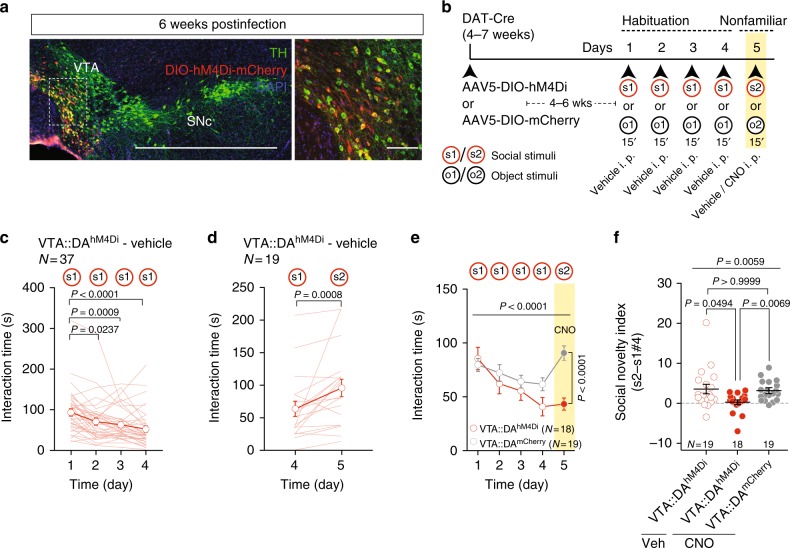
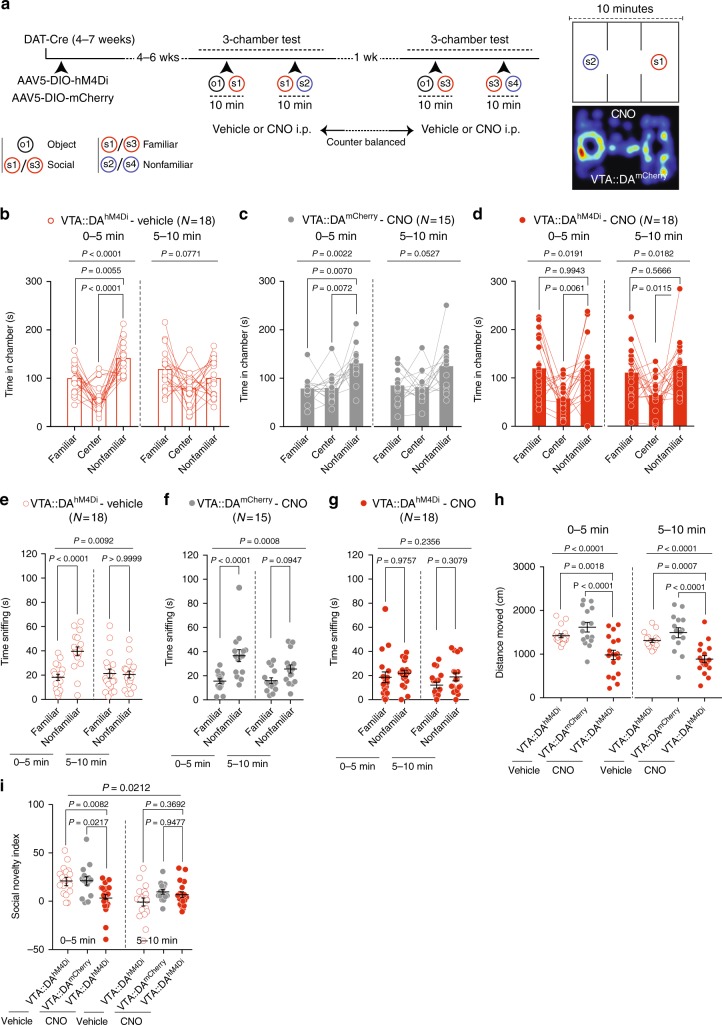
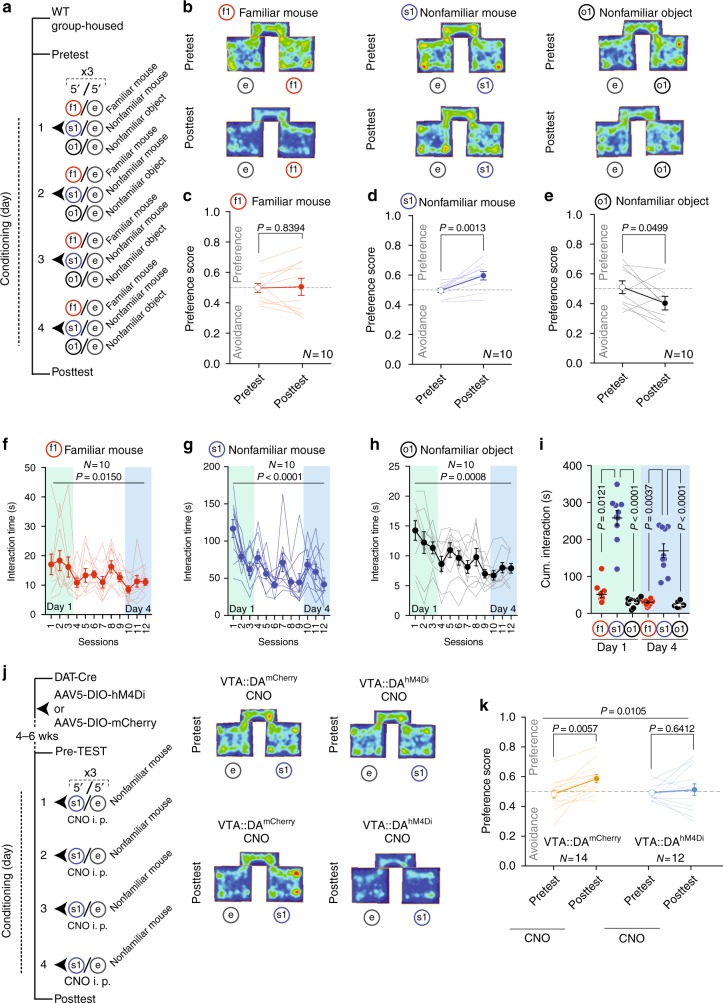
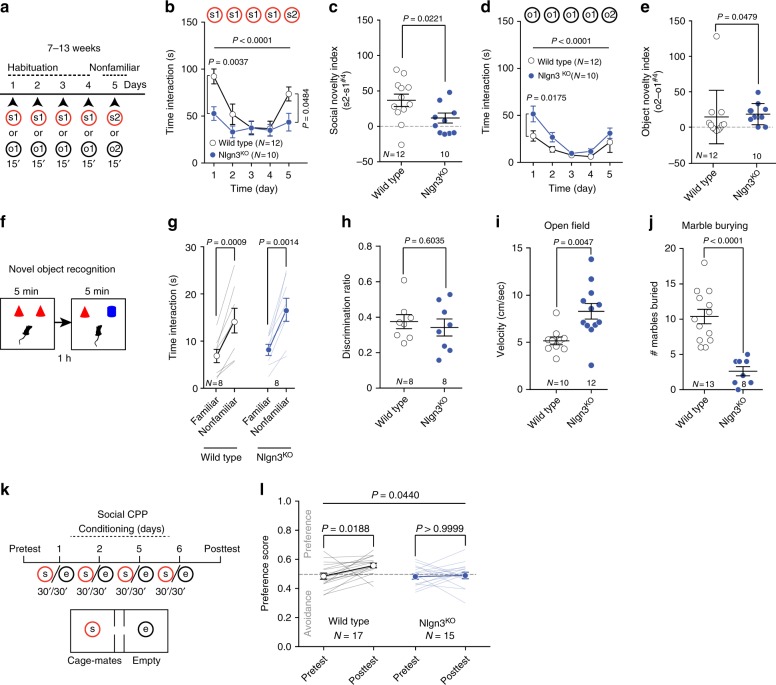
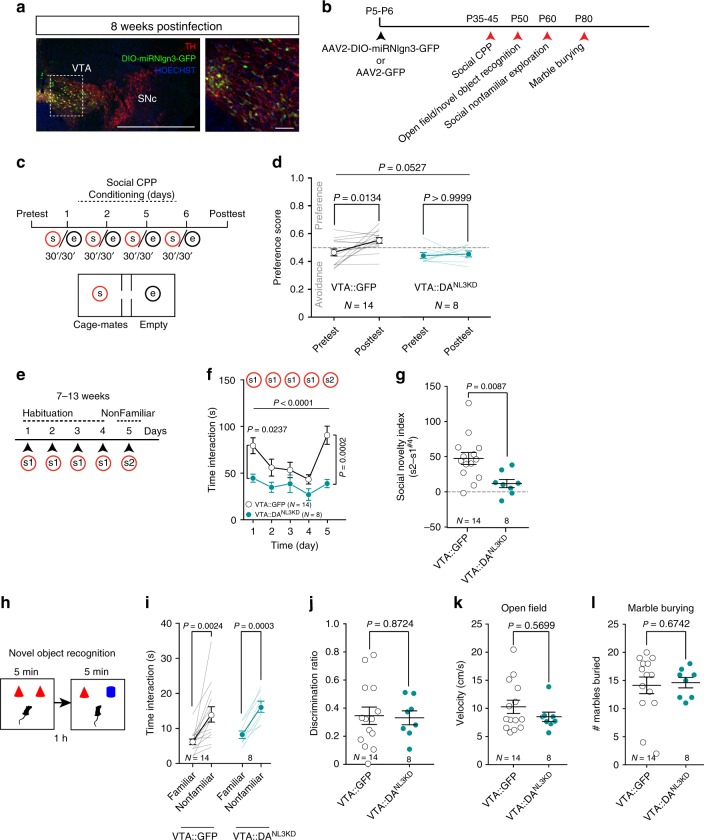
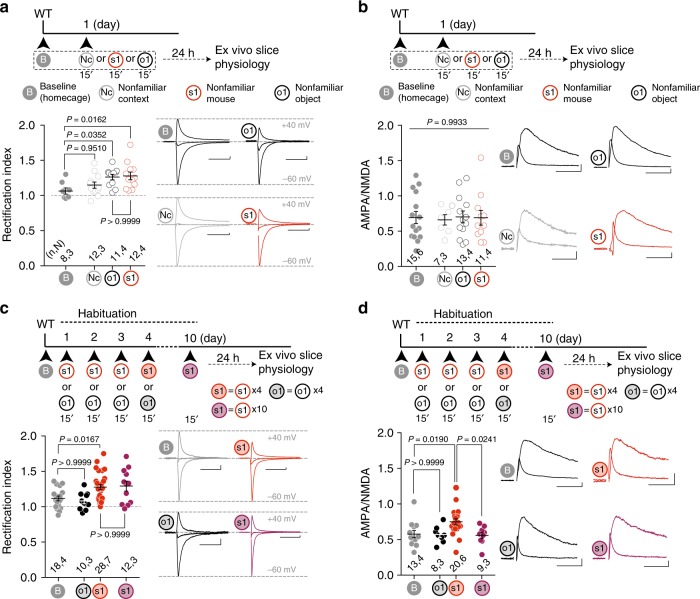
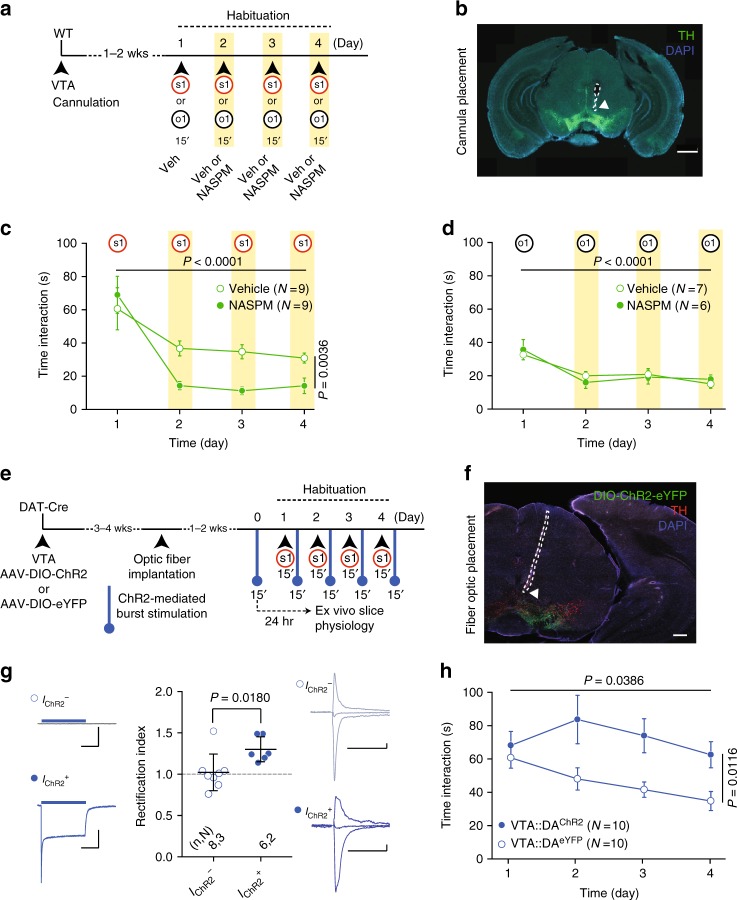
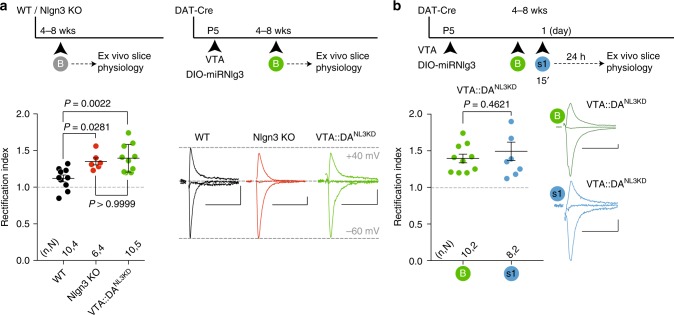
Atypical habituation and aberrant exploration of novel stimuli have been related to the severity of autism spectrum disorders (ASDs), but the underlying neuronal circuits are unknown. Here we show that chemogenetic inhibition of dopamine (DA) neurons of the ventral tegmental area (VTA) attenuates exploration toward nonfamiliar conspecifics and interferes with the reinforcing properties of nonfamiliar conspecific interaction in mice. Exploration of nonfamiliar stimuli is associated with the insertion of GluA2-lacking AMPA receptors at excitatory synapses on VTA DA neurons. These synaptic adaptations persist upon repeated exposure to social stimuli and sustain conspecific interaction. Global or VTA DA neuron-specific loss of the ASD-associated synaptic adhesion molecule neuroligin 3 alters the behavioral response toward nonfamiliar conspecifics and the reinforcing properties of conspecific interaction. These behavioral deficits are accompanied by an aberrant expression of AMPA receptors and an occlusion of synaptic plasticity. Altogether, these findings link impaired exploration of nonfamiliar conspecifics to VTA DA neuron dysfunction in mice.
Overview
The claims and statistics of this paper haven’t been checked yet.
Run the check — free, no account needed. It reads the open-access text and checks the sources it cites.
Integrity signals
Registry
Cites
Statistics
Figures
Verification
Claims the paper makes
The claims and statistics of this paper haven’t been checked yet.
Run the check — free, no account needed. It reads the open-access text and checks the sources it cites.
Claims other papers make about this one
Each is checked against this paper’s own text: does it say what the citing paper says it does?
The source backs part of the claim, not all of it — or backs it for a different population, condition or comparison.
In the citing paper
“Specifically, research has demonstrated that VTA dopaminergic neurons become activated in rodents engaged in conspecific interactions, and increased activity in these neurons promotes social reinforcement learning (Bariselli et al., 2018; D ¨ olen et al., 2013; Soli ´ e et al., 2022).”
From Convergence of oxytocin and dopamine signalling in neuronal circuits: Insights into the neurobiology of social interactions across species (2024) · cites this paper as Bariselli et al., 2018
Experimental — accuracy not yet measuredThe source backs part of the claim, not all of it — or backs it for a different population, condition or comparison.
In the citing paper
“Dopaminergic neurons of the VTA, which extend their projections to the nucleus accumbens (NAc), play a pivotal role in regulating both social cues and reward processing in both humans and rodents (Bariselli et al., 2018; Gunaydin et al., 2014, 2014; Kawamichi et al., 2016).”
From Convergence of oxytocin and dopamine signalling in neuronal circuits: Insights into the neurobiology of social interactions across species (2024) · cites this paper as Bariselli et al., 2018
Experimental — accuracy not yet measuredThe cited source says what the claim attributes to it.
In the citing paper
“Specifically, research has demonstrated that VTA dopaminergic neurons become activated in rodents engaged in conspecific interactions, and increased activity in these neurons promotes social reinforcement learning (Bariselli et al., 2018; D ¨ olen et al., 2013; Soli ´ e et al., 2022).”
From Convergence of oxytocin and dopamine signalling in neuronal circuits: Insights into the neurobiology of social interactions across species (2024) · cites this paper as Bariselli et al., 2018
In the citing paper
“Previous studies have indicated the role of DA neurons in the VTA in social behavior (Gunaydin et al., 2014; Bariselli et al., 2018; Bariselli et al., 2016b) and shown that chronic isolation alters DA levels in the NAc (Hall et al., 1998; ).”
From Oxytocin neurons mediate the effect of social isolation via the VTA circuits (2022) · cites this paper as Bariselli et al., 2018
Self-check
Percentages, sums and reported differences re-computed from the paper’s own numbers.
The self-check needs the paper’s full text.
Citations
Cites
A neural substrate of prediction and reward
Schultz, W., Dayan, P., & Montague, P. R. (1997) · Science · doi:10.1126/science.275.5306.1593 · Cited by 9,388
Shrestha, S., & Offer, S. M. (2016) · Medical Epigenetics · doi:10.1159/000444713 · Cited by 8,951
Predictive reward signal of dopamine neurons
Schultz, W. (1998) · Journal of Neurophysiology · doi:10.1152/jn.1998.80.1.1 · Cited by 4,564
The social motivation theory of autism
Chevallier, C., Kohls, G., Troiani, V., Brodkin, E. S., & Schultz, R. T. (2012) · Trends in Cognitive Sciences · doi:10.1016/j.tics.2012.02.007 · Cited by 2,072
Armbruster, B. N., Li, X., Pausch, M. H., Herlitze, S., & Roth, B. L. (2007) · Proceedings of the National Academy of Sciences · doi:10.1073/pnas.0700293104 · Cited by 2,046
Mutations of the X-linked genes encoding neuroligins NLGN3 and NLGN4 are associated with autism
Study, P. A. R. I. S., Jamain, S., Quach, H., Betancur, C., Råstam, M., Colineaux, C., Gillberg, I. C., Soderstrom, H., Giros, B., Leboyer, M., et al. (2003) · Nature Genetics · doi:10.1038/ng1136 · Cited by 1,851
Moy, S. S., Nadler, J. J., Perez, A., Barbaro, R. P., Johns, J. M., Magnuson, T. R., Piven, J., & Crawley, J. N. (2004) · Genes, Brain and Behavior · doi:10.1111/j.1601-1848.2004.00076.x · Cited by 1,522
Natural neural projection dynamics underlying social behavior
Gunaydin, L. A., Grosenick, L., Finkelstein, J. C., Kauvar, I. V., Fenno, L. E., Adhikari, A., Lammel, S., Mirzabekov, J. J., Airan, R. D., Zalocusky, K. A., et al. (2014) · Cell · doi:10.1016/j.cell.2014.05.017 · Cited by 1,389
Neuron-type-specific signals for reward and punishment in the ventral tegmental area
Cohen, J. Y., Haesler, S., Vong, L., Lowell, B. B., & Uchida, N. (2012) · Nature · doi:10.1038/nature10754 · Cited by 1,318
Input-specific control of reward and aversion in the ventral tegmental area
Lammel, S., Lim, B. K., Ran, C., Huang, K. W., Betley, M. J., Tye, K. M., Deisseroth, K., & Malenka, R. C. (2012) · Nature · doi:10.1038/nature11527 · Cited by 1,300
Sanders, S. J., Ercan-Sencicek, A. G., Hus, V., Luo, R., Murtha, M. T., Moreno-De-Luca, D., Chu, S. H., Moreau, M. P., Gupta, A. R., Thomson, S. A., et al. (2011) · Neuron · doi:10.1016/j.neuron.2011.05.002 · Cited by 1,263
Microbial reconstitution reverses maternal diet-induced social and synaptic deficits in offspring
Buffington, S. A., Di Prisco, G. V., Auchtung, T. A., Ajami, N. J., Petrosino, J. F., & Costa-Mattioli, M. (2016) · Cell · doi:10.1016/j.cell.2016.06.001 · Cited by 1,163
Social reward requires coordinated activity of nucleus accumbens oxytocin and serotonin
Dölen, G., Darvishzadeh, A., Huang, K. W., & Malenka, R. C. (2013) · Nature · doi:10.1038/nature12518 · Cited by 1,161
Drugs of Abuse and Stress Trigger a Common Synaptic Adaptation in Dopamine Neurons
Saal, D., Dong, Y., Bonci, A., & Malenka, R. C. (2003) · Neuron · doi:10.1016/s0896-6273(03)00021-7 · Cited by 1,147
Social amnesia in mice lacking the oxytocin gene
Ferguson, J. N., Young, L. J., Hearn, E. F., Matzuk, M. M., Insel, T. R., & Winslow, J. T. (2000) · Nature Genetics · doi:10.1038/77040 · Cited by 1,130
Circuit architecture of VTA dopamine neurons revealed by systematic input-output mapping
Beier, K. T., Steinberg, E. E., DeLoach, K. E., Xie, S., Miyamichi, K., Schwarz, L., Gao, X. J., Kremer, E. J., Malenka, R. C., & Luo, L. (2015) · Cell · doi:10.1016/j.cell.2015.07.015 · Cited by 1,068
A Neuroligin-3 Mutation Implicated in Autism Increases Inhibitory Synaptic Transmission in Mice
Tabuchi, K., Blundell, J., Etherton, M. R., Hammer, R. E., Liu, X., Powell, C. M., & Südhof, T. C. (2007) · Science · doi:10.1126/science.1146221 · Cited by 997
The hippocampal CA2 region is essential for social memory
Hitti, F. L., & Siegelbaum, S. A. (2014) · Nature · doi:10.1038/nature13028 · Cited by 976
Pten Regulates Neuronal Arborization and Social Interaction in Mice
Kwon, C.-H., Luikart, B. W., Powell, C. M., Zhou, J., Matheny, S. A., Zhang, W., Li, Y., Baker, S. J., & Parada, L. F. (2006) · Neuron · doi:10.1016/j.neuron.2006.03.023 · Cited by 970
Whole genome sequencing resource identifies 18 new candidate genes for autism spectrum disorder
C Yuen, R. K., Merico, D., Bookman, M., L Howe, J., Thiruvahindrapuram, B., Patel, R. V., Whitney, J., Deflaux, N., Bingham, J., Wang, Z., et al. (2017) · Nature Neuroscience · doi:10.1038/nn.4524 · Cited by 844
Locus coeruleus and dopaminergic consolidation of everyday memory
Takeuchi, T., Duszkiewicz, A. J., Sonneborn, A., Spooner, P. A., Yamasaki, M., Watanabe, M., Smith, C. C., Fernández, G., Deisseroth, K., Greene, R. W., et al. (2016) · Nature · doi:10.1038/nature19325 · Cited by 827
Reward and aversion in a heterogeneous midbrain dopamine system
Lammel, S., Lim, B. K., & Malenka, R. C. (2014) · Neuropharmacology · doi:10.1016/j.neuropharm.2013.03.019 · Cited by 804
Automated apparatus for quantitation of social approach behaviors in mice
Nadler, J. J., Moy, S. S., Dold, G., Trang, D., Simmons, N., Perez, A., Young, N. B., Barbaro, R. P., Piven, J., Magnuson, T. R., et al. (2004) · Genes, Brain and Behavior · doi:10.1111/j.1601-183x.2004.00071.x · Cited by 775
Rare de novo and transmitted copy-number variation in autistic spectrum disorders
Levy, D., Ronemus, M., Yamrom, B., Lee, Y.-H., Leotta, A., Kendall, J., Marks, S., Lakshmi, B., Pai, D., Ye, K., et al. (2011) · Neuron · doi:10.1016/j.neuron.2011.05.015 · Cited by 712
From prediction error to incentive salience: mesolimbic computation of reward motivation.
Berridge, K. C. (2012) · European Journal of Neuroscience · doi:10.1111/j.1460-9568.2012.07990.x · Cited by 700
Autistic-like social behaviour in Shank2-mutant mice improved by restoring NMDA receptor function
Won, H., Lee, H.-R., Gee, H. Y., Mah, W., Kim, J.-I., Lee, J., Ha, S., Chung, C., Jung, E. S., Cho, Y. S., et al. (2012) · Nature · doi:10.1038/nature11208 · Cited by 695
Developmental pathways to autism: A review of prospective studies of infants at risk
Jones, E. J. H., Gliga, T., Bedford, R., Charman, T., & Johnson, M. H. (2014) · Neuroscience & Biobehavioral Reviews · doi:10.1016/j.neubiorev.2013.12.001 · Cited by 607
Automated Three‐Chambered Social Approach Task for Mice
Yang, M., Silverman, J. L., & Crawley, J. N. (2011) · Current Protocols in Neuroscience · doi:10.1002/0471142301.ns0826s56 · Cited by 598
Comorbid psychopathology with autism spectrum disorder in children: An overview
Matson, J. L., & Nebel-Schwalm, M. S. (2006) · Research in Developmental Disabilities · doi:10.1016/j.ridd.2005.12.004 · Cited by 590
Gating of social reward by oxytocin in the ventral tegmental area
Hung, L. W., Neuner, S., Polepalli, J. S., Beier, K. T., Wright, M., Walsh, J. J., Lewis, E. M., Luo, L., Deisseroth, K., Dölen, G., et al. (2017) · Science · doi:10.1126/science.aan4994 · Cited by 578
Simple Behavioral Assessment of Mouse Olfaction
Yang, M., & Crawley, J. N. (2009) · Current Protocols in Neuroscience · doi:10.1002/0471142301.ns0824s48 · Cited by 573
Learning and Memory and Synaptic Plasticity Are Impaired in a Mouse Model of Rett Syndrome
Moretti, P., Levenson, J. M., Battaglia, F., Atkinson, R., Teague, R., Antalffy, B., Armstrong, D., Arancio, O., Sweatt, J. D., & Zoghbi, H. Y. (2006) · The Journal of Neuroscience · doi:10.1523/jneurosci.2623-05.2006 · Cited by 545
Dopaminergic terminals in the nucleus accumbens but not the dorsal striatum corelease glutamate
Stuber, G. D., Hnasko, T. S., Britt, J. P., Edwards, R. H., & Bonci, A. (2010) · Journal of Neuroscience · doi:10.1523/jneurosci.1754-10.2010 · Cited by 529
Dawson, G., Carver, L., Meltzoff, A. N., Panagiotides, H., McPartland, J., & Webb, S. J. (2002) · Child Development · doi:10.1111/1467-8624.00433 · Cited by 523
Absolute Coding of Stimulus Novelty in the Human Substantia Nigra/VTA
Bunzeck, N., & Düzel, E. (2006) · Neuron · doi:10.1016/j.neuron.2006.06.021 · Cited by 503
Preference for geometric patterns early in life as a risk factor for autism
Pierce, K., Conant, D., Hazin, R., Stoner, R., & Desmond, J. (2011) · Archives of General Psychiatry · doi:10.1001/archgenpsychiatry.2010.113 · Cited by 486
Rothwell, P. E., Fuccillo, M. V., Maxeiner, S., Hayton, S. J., Gokce, O., Lim, B. K., Fowler, S. C., Malenka, R. C., & Südhof, T. C. (2014) · Cell · doi:10.1016/j.cell.2014.04.045 · Cited by 477
Bäckman, C. M., Malik, N., Zhang, Y., Shan, L., Grinberg, A., Hoffer, B. J., Westphal, H., & Tomac, A. C. (2006) · genesis · doi:10.1002/dvg.20228 · Cited by 463
Scott‐Van Zeeland, A. A., Dapretto, M., Ghahremani, D. G., Poldrack, R. A., & Bookheimer, S. Y. (2010) · Autism Research · doi:10.1002/aur.122 · Cited by 458
Bellone, C., & Lüscher, C. (2006) · Nature Neuroscience · doi:10.1038/nn1682 · Cited by 429
Self-citationFerguson, S. M., Eskenazi, D., Ishikawa, M., Wanat, M. J., Phillips, P. E. M., Dong, Y., Roth, B. L., & Neumaier, J. F. (2011) · Nature Neuroscience · doi:10.1038/nn.2703 · Cited by 418
Dorsal raphe dopamine neurons represent the experience of social isolation
Matthews, G. A., Nieh, E. H., Vander Weele, C. M., Halbert, S. A., Pradhan, R. V., Yosafat, A. S., Glober, G. F., Izadmehr, E. M., Thomas, R. E., Lacy, G. D., et al. (2016) · Cell · doi:10.1016/j.cell.2015.12.040 · Cited by 402
Construction of implantable optical fibers for long-term optogenetic manipulation of neural circuits
Sparta, D. R., Stamatakis, A. M., Phillips, J. L., Hovelsø, N., van Zessen, R., & Stuber, G. D. (2012) · Nature Protocols · doi:10.1038/nprot.2011.413 · Cited by 394
Stamatakis, A. M., Jennings, J. H., Ung, R. L., Blair, G. A., Weinberg, R. J., Neve, R. L., Boyce, F., Mattis, J., Ramakrishnan, C., Deisseroth, K., et al. (2013) · Neuron · doi:10.1016/j.neuron.2013.08.023 · Cited by 364
Neuroligin‐3‐deficient mice: model of a monogenic heritable form of autism with an olfactory deficit
Radyushkin, K., Hammerschmidt, K., Boretius, S., Varoqueaux, F., El-Kordi, A., Ronnenberg, A., Winter, D., Frahm, J., Fischer, J., Brose, N., et al. (2009) · Genes Brain & Behavior · doi:10.1111/j.1601-183x.2009.00487.x · Cited by 362
Etherton, M. R., Földy, C., Sharma, M., Tabuchi, K., Liu, X., Shamloo, M., Malenka, R. C., & Südhof, T. C. (2011) · Proceedings of the National Academy of Sciences · doi:10.1073/pnas.1111093108 · Cited by 354
Cocaine-evoked synaptic plasticity: persistence in the VTA triggers adaptations in the NAc
Mameli, M., Halbout, B., Creton, C., Engblom, D., Parkitna, J. M. R., Spanagel, R., & Lüscher, C. (2009) · Nature Neuroscience · doi:10.1038/nn.2367 · Cited by 349
Neuroligin‐3 is a neuronal adhesion protein at GABAergic and glutamatergic synapses
Budreck, E. C., & Scheiffele, P. (2007) · European Journal of Neuroscience · doi:10.1111/j.1460-9568.2007.05842.x · Cited by 336
Self-citationMacLaren, D. A. A., Browne, R. W., Shaw, J. K., Radhakrishnan, S. K., Khare, P., España, R. A., & Clark, S. D. (2016) · eNeuro · doi:10.1523/eneuro.0219-16.2016 · Cited by 334
Reward-Predictive Cues Enhance Excitatory Synaptic Strength onto Midbrain Dopamine Neurons
Stuber, G. D., Klanker, M., de Ridder, B., Bowers, M. S., Joosten, R. N. J. M. A., Feenstra, M. G. P., & Bonci, A. (2008) · Science · doi:10.1126/science.1160873 · Cited by 319
Hormonal gain control of a medial preoptic area social reward circuit
McHenry, J. A., Otis, J. M., Rossi, M. A., Robinson, J. E., Kosyk, O., Miller, N. W., McElligott, Z. A., Budygin, E. A., Rubinow, D. R., & Stuber, G. D. (2017) · Nature Neuroscience · doi:10.1038/nn.4487 · Cited by 317
Bhattacharya, A., Kaphzan, H., Alvarez-Dieppa, A. C., Murphy, J. P., Pierre, P., & Klann, E. (2012) · Neuron · doi:10.1016/j.neuron.2012.07.022 · Cited by 316
Neurobiology of Sensory Overresponsivity in Youth With Autism Spectrum Disorders
Green, S. A., Hernandez, L. M., Tottenham, N., Krasileva, K. E., Bookheimer, S. Y., & Dapretto, M. (2015) · JAMA Psychiatry · doi:10.1001/jamapsychiatry.2015.0737 · Cited by 310
Shared Synaptic Pathophysiology in Syndromic and Nonsyndromic Rodent Models of Autism
Baudouin, S. J., Gaudias, J., Gerharz, S., Hatstatt, L., Zhou, K., Punnakkal, P., Tanaka, K. F., Spooren, W., Hen, R., De Zeeuw, C. I., et al. (2012) · Science · doi:10.1126/science.1224159 · Cited by 293
Self-citationHippocampal oxytocin receptors are necessary for discrimination of social stimuli
Raam, T., McAvoy, K. M., Besnard, A., Veenema, A. H., & Sahay, A. (2017) · Nature Communications · doi:10.1038/s41467-017-02173-0 · Cited by 292
Minimal aberrant behavioral phenotypes of neuroligin‐3 R451C knockin mice
Chadman, K. K., Gong, S., Scattoni, M. L., Boltuck, S. E., Gandhy, S. U., Heintz, N., & Crawley, J. N. (2008) · Autism Research · doi:10.1002/aur.22 · Cited by 292
Menegas, W., Babayan, B. M., Uchida, N., & Watabe‐Uchida, M. (2017) · eLife · doi:10.7554/elife.21886 · Cited by 267
Reduced Neural Habituation in the Amygdala and Social Impairments in Autism Spectrum Disorders
Kleinhans, N. M., Johnson, L. C., Richards, T., Mahurin, R., Greenson, J., Dawson, G., & Aylward, E. (2009) · American Journal of Psychiatry · doi:10.1176/appi.ajp.2008.07101681 · Cited by 255
Social reward among juvenile mice
Panksepp, J. B., & Lahvis, G. P. (2007) · Genes, Brain and Behavior · doi:10.1111/j.1601-183x.2006.00295.x · Cited by 248
Endocannabinoid signaling mediates oxytocin-driven social reward
Wei, D., Lee, D., Cox, C. D., Karsten, C. A., Peñagarikano, O., Geschwind, D. H., Gall, C. M., & Piomelli, D. (2015) · Proceedings of the National Academy of Sciences · doi:10.1073/pnas.1509795112 · Cited by 218
Silverman, J. L., Pride, M. C., Hayes, J. E., Puhger, K. R., Butler-Struben, H. M., Baker, S., & Crawley, J. N. (2015) · Neuropsychopharmacology · doi:10.1038/npp.2015.66 · Cited by 215
Gkogkas, C. G., Khoutorsky, A., Cao, R., Jafarnejad, S. M., Prager-Khoutorsky, M., Giannakas, N., Kaminari, A., Fragkouli, A., Nader, K., Price, T. J., et al. (2014) · Cell Reports · doi:10.1016/j.celrep.2014.10.064 · Cited by 201
Change detection in children with autism: an auditory event-related fMRI study
Gomot, M., Bernard, F. A., Davis, M. H., Belmonte, M. K., Ashwin, C., Bullmore, E. T., & Baron-Cohen, S. (2006) · NeuroImage · doi:10.1016/j.neuroimage.2005.07.027 · Cited by 199
Legault, M., & Wise, R. A. (2001) · European Journal of Neuroscience · doi:10.1046/j.0953-816x.2000.01448.x · Cited by 191
Brief Report: Circumscribed Attention in Young Children with Autism
Sasson, N. J., Elison, J. T., Turner-Brown, L. M., Dichter, G. S., & Bodfish, J. W. (2011) · Journal of Autism and Developmental Disorders · doi:10.1007/s10803-010-1038-3 · Cited by 181
Piskorowski, R. A., Nasrallah, K., Diamantopoulou, A., Mukai, J., Hassan, S. I., Siegelbaum, S. A., Gogos, J. A., & Chevaleyre, V. (2016) · Neuron · doi:10.1016/j.neuron.2015.11.036 · Cited by 180
Novel designer receptors to probe GPCR signaling and physiology
Wess, J., Nakajima, K., & Jain, S. (2013) · Trends in Pharmacological Sciences · doi:10.1016/j.tips.2013.04.006 · Cited by 169
SHANK3 controls maturation of social reward circuits in the VTA
Bariselli, S., Tzanoulinou, S., Glangetas, C., Prévost-Solié, C., Pucci, L., Viguié, J., Bezzi, P., O'Connor, E. C., Georges, F., Lüscher, C., et al. (2016) · Nature Neuroscience · doi:10.1038/nn.4319 · Cited by 168
Self-citationThiel, K. J., Okun, A. C., & Neisewander, J. L. (2008) · Drug and Alcohol Dependence · doi:10.1016/j.drugalcdep.2008.02.013 · Cited by 164
Winslow, J. T., & Camacho, F. (1995) · Psychopharmacology · doi:10.1007/bf02245626 · Cited by 156
AMPA receptor exchange underlies transient memory destabilization on retrieval
Hong, I., Kim, J., Kim, J., Lee, S., Ko, H.-G., Nader, K., Kaang, B.-K., Tsien, R. W., & Choi, S. (2013) · Proceedings of the National Academy of Sciences · doi:10.1073/pnas.1305235110 · Cited by 148
Male and Female Mice Lacking Neuroligin-3 Modify the Behavior of Their Wild-Type Littermates
Kalbassi, S., Bachmann, S. O., Cross, E., Roberton, V. H., & Baudouin, S. J. (2017) · eNeuro · doi:10.1523/eneuro.0145-17.2017 · Cited by 144
Krebs, R. M., Heipertz, D., Schuetze, H., & Duzel, E. (2011) · NeuroImage · doi:10.1016/j.neuroimage.2011.06.038 · Cited by 135
Babies and Brains: Habituation in Infant Cognition and Functional Neuroimaging
Chun, M. M. (2008) · Frontiers in Human Neuroscience · doi:10.3389/neuro.09.016.2008 · Cited by 130
Demurie, E., Roeyers, H., Baeyens, D., & Sonuga‐Barke, E. (2011) · Journal of Child Psychology and Psychiatry · doi:10.1111/j.1469-7610.2010.02374.x · Cited by 127
Analysis of dopamine transporter gene expression pattern − generation of DAT‐iCre transgenic mice
Turiault, M., Parnaudeau, S., Milet, A., Parlato, R., Rouzeau, J., Lazar, M., & Tronche, F. (2007) · FEBS Journal · doi:10.1111/j.1742-4658.2007.05886.x · Cited by 122
Fritz, M., Rawas, R. E., Salti, A., Klement, S., Bardo, M. T., Kemmler, G., Dechant, G., Saria, A., & Zernig, G. (2011) · Addiction Biology · doi:10.1111/j.1369-1600.2010.00285.x · Cited by 120
Drug-Driven AMPA Receptor Redistribution Mimicked by Selective Dopamine Neuron Stimulation
Brown, M. T. C., Bellone, C., Mameli, M., Labouèbe, G., Bocklisch, C., Balland, B., Dahan, L., Luján, R., Deisseroth, K. A., & Lüscher, C. (2010) · PLoS ONE · doi:10.1371/journal.pone.0015870 · Cited by 116
Self-citationToddlers with Elevated Autism Symptoms Show Slowed Habituation to Faces
Webb, S. J., Jones, E. J. H., Merkle, K. L., Namkung, J. M., Toth, K., Greenson, J., Murias, M., & Dawson, G. (2010) · Child Neuropsychology · doi:10.1080/09297041003601454 · Cited by 110
A Subtype-Specific Function for the Extracellular Domain of Neuroligin 1 in Hippocampal LTP
Shipman, S. L., & Nicoll, R. A. (2012) · Neuron · doi:10.1016/j.neuron.2012.07.024 · Cited by 106
Tanaka, K. F., Ahmari, S. E., Leonardo, E. D., Richardson-Jones, J. W., Budreck, E. C., Scheiffele, P., Sugio, S., Inamura, N., Ikenaka, K., & Hen, R. (2010) · Biological Psychiatry · doi:10.1016/j.biopsych.2009.12.020 · Cited by 99
Self-citationAutism‐Related Neuroligin‐3 Mutation Alters Social Behavior and Spatial Learning
Jaramillo, T. C., Liu, S., Pettersen, A., Birnbaum, S. G., & Powell, C. M. (2014) · Autism Research · doi:10.1002/aur.1362 · Cited by 97
Webb, S. J., Jones, E. J. H., Merkle, K., Murias, M., Greenson, J., Richards, T., Aylward, E., & Dawson, G. (2010) · International Journal of Psychophysiology · doi:10.1016/j.ijpsycho.2010.04.011 · Cited by 85
Bellone, C., Mameli, M., & Lüscher, C. (2011) · Nature Neuroscience · doi:10.1038/nn.2930 · Cited by 83
Self-citationA circuit-based mechanism underlying familiarity signaling and the preference for novelty
Molas, S., Zhao-Shea, R., Liu, L., DeGroot, S. R., Gardner, P. D., & Tapper, A. R. (2017) · Nature Neuroscience · doi:10.1038/nn.4607 · Cited by 78
Vivanti, G., Hocking, D. R., Fanning, P. A. J., Uljarević, M., Postorino, V., Mazzone, L., & Dissanayake, C. (2017) · Developmental Cognitive Neuroscience · doi:10.1016/j.dcn.2017.01.006 · Cited by 66
Differences in social interaction- vs. cocaine reward in mouse vs. rat
Kummer, K. K., Hofhansel, L., Barwitz, C. M., Schardl, A., Prast, J. M., Salti, A., Rawas, R. E., & Zernig, G. (2014) · Frontiers in Behavioral Neuroscience · doi:10.3389/fnbeh.2014.00363 · Cited by 62
Synaptic Plasticity onto Dopamine Neurons Shapes Fear Learning
Pignatelli, M., Umanah, G. K. E., Ribeiro, S. P., Chen, R., Karuppagounder, S. S., Yau, H., Eacker, S. M., Dawson, V. L., Dawson, T. M., & Bonci, A. (2017) · Neuron · doi:10.1016/j.neuron.2016.12.030 · Cited by 59
Abnormal electrodermal reactivity to novel visual stimuli in autistic children
van Engeland, H., Roelofs, J. W., Verbaten, M. N., & Slangen, J. L. (1991) · Psychiatry Research · doi:10.1016/0165-1781(91)90050-y · Cited by 58
Fritz, M., Rawas, R. E., Klement, S., Kummer, K. K., Mayr, M. J., Eggart, V., Salti, A., Bardo, M. T., Saria, A., & Zernig, G. (2011) · PLoS ONE · doi:10.1371/journal.pone.0026761 · Cited by 53
Ventral tegmental area subcircuits process rewarding and aversive experiences
Bariselli, S., Glangetas, C., Tzanoulinou, S., & Bellone, C. (2016) · Journal of Neurochemistry · doi:10.1111/jnc.13779 · Cited by 52
Self-citationSerotonin transporter genotype impacts amygdala habituation in youth with autism spectrum disorders
Wiggins, J. L., Swartz, J. R., Martin, D. M., Lord, C., & Monk, C. S. (2013) · Social Cognitive and Affective Neuroscience · doi:10.1093/scan/nst039 · Cited by 44
O’Connor, E. C., Bariselli, S., & Bellone, C. (2014) · European Journal of Neuroscience · doi:10.1111/ejn.12510 · Cited by 40
Self-citationJaramillo, T. C., Escamilla, C. O., Liu, S., Peca, L., Birnbaum, S. G., & Powell, C. M. (2017) · Autism Research · doi:10.1002/aur.1857 · Cited by 38
Cited by
Sorted by citations
Dissecting the contribution of host genetics and the microbiome in complex behaviors
Buffington, S. A., Dooling, S. W., Sgritta, M., Noecker, C. A., Murillo, O. D., Felice, D., Turnbaugh, P. J., & Costa‐Mattioli, M. (2021) · Cell · doi:10.1016/j.cell.2021.02.009 · Cited by 214
Solié, C., Girard, B., Righetti, B., Tapparel, M., & Bellone, C. (2022) · Nature Neuroscience · doi:10.1038/s41593-021-00972-9 · Cited by 186
Self-citationResponses and functions of dopamine in nucleus accumbens core during social behaviors
Dai, B., Sun, F., Tong, X., Ding, Y., Kuang, A., Osakada, T., Li, Y., & Lin, D. (2022) · Cell Reports · doi:10.1016/j.celrep.2022.111246 · Cited by 187
Dopamine neurons projecting to medial shell of the nucleus accumbens drive heroin reinforcement
Corre, J., van Zessen, R., Loureiro, M., Patriarchi, T., Tian, L., Pascoli, V., & Lüscher, C. (2018) · eLife · doi:10.7554/elife.39945 · Cited by 178
Bermudez-Martin, P., Becker, J. A. J., Caramello, N., Fernández, S. P., Campos, R. C., Canaguier, J., Barbosa, S., Martínez-Gili, L., Myridakis, A., Dumas, M., et al. (2021) · Microbiome · doi:10.1186/s40168-021-01103-z · Cited by 166
Metadata
- Authors
- Bariselli, S., Hörnberg, H., Prévost-Solié, C., Musardo, S., Hatstatt-Burklé, L., Scheiffele, P., & Bellone, C.
- Affiliations
- University of Geneva (CH)
- University of Basel (CH)
- Corresponding author
- Bellone, Camilla
- Venue
- Nature Communications
- Published
- 2018-08-09
- Volume
- 9
- Issue
- 1
- Pages
- 3173-3173
- ISSN
- 2041-1723 (ISSN-L)
- PMC
- PMC6085391
- OpenAlex
- W2886986075
- Cited by
- 171
- References
- 94
- Citations by year
- 2026: 12 · 2025: 20 · 2024: 27 · 2023: 27 · 2022: 31 · 2021: 23 · 2020: 18 · 2019: 9 · 2018: 3
- FWCI
- 6.04
- Type
- journal article
- Language
- en
- Open access
- gold
- doi.org
- Locations
- Nature Communications (publishedVersion, cc-by)
- bioRxiv (Cold Spring Harbor Laboratory) (acceptedVersion)
- Europe PMC (PubMed Central) (publishedVersion, cc-by)
- PubMed Central (publishedVersion, cc-by)
- PubMed (publishedVersion)
- Archive ouverte UNIGE (University of Geneva) (publishedVersion, other-oa)
- MDC Repository (Max-Delbrueck-Center for Molecular Medicine) (acceptedVersion)
- RePEc: Research Papers in Economics (submittedVersion)
- DOAJ (DOAJ: Directory of Open Access Journals) (submittedVersion, cc-by-sa)
- DOAJ (DOAJ: Directory of Open Access Journals) (submittedVersion)
- edoc (University of Basel) (submittedVersion)
- Archive ouverte UNIGE (University of Geneva) (submittedVersion, cc-by)
- Funders
- National Science Foundation
- Schweizerischer Nationalfonds zur Förderung der Wissenschaftlichen Forschung (150704)
- Fondation Pierre Mercier
- Topics
- Life Sciences › Neuroscience › Cellular and Molecular Neuroscience › Neuroscience and Neuropharmacology Research
- Life Sciences › Neuroscience › Cognitive Neuroscience › Autism Spectrum Disorder Research
- Life Sciences › Neuroscience › Cellular and Molecular Neuroscience › Neurotransmitter Receptor Influence on Behavior
- Keywords
- ventral tegmental area, dopaminergic neurons, neuroligin-3, autism spectrum disorder, sociability, habituation, synaptic plasticity, chemogenetic inhibition, social reinforcement, synaptic adhesion molecules
- MeSH terms
- Animals, Behavior, Animal, Female, Male, Membrane Proteins, Mice, Inbred C57BL, Mice, Transgenic, Nerve Tissue Proteins, Neuronal Plasticity, Neurons, Social Behavior, Synapses, Cell Adhesion Molecules, Neuronal, Ventral Tegmental Area, Receptors, AMPA, Mice, Dopaminergic Neurons
About these checks
Registry, retraction, Cites and statistics results are computed, not judged, with one exception: a printed reference that no index lists is read once by a model before it counts as a citation error. Claims are extracted by a model and kept only when their quote appears verbatim in the text; each cited source is then checked, with a model’s help, for whether it says what the claim relies on. Those verdicts can be wrong — read the claim’s quote and the cited source before relying on one.
Statistics and arithmetic are recomputed, not judged.
Confidence bands are shown only for fields calibrated on our annotated test set. None is calibrated yet, so no band is shown.
What counts as a claim ›How we measure confidence ›How we check this ›
Are you an author, or do you see a problem with this page? Request a review
