

Probiotic potential of Lactobacillus acidophilus TMPC 41127 isolated from traditional cheese in inhibiting Salmonella Typhi biofilms and virulence genes
Open accessThe DOI matches its Crossref record; 65 of the 86 references it cites were found in a registry or an index, and 16 are not checked yet; 22 of the 57 sources its claims cite were checked for support.
Abstract
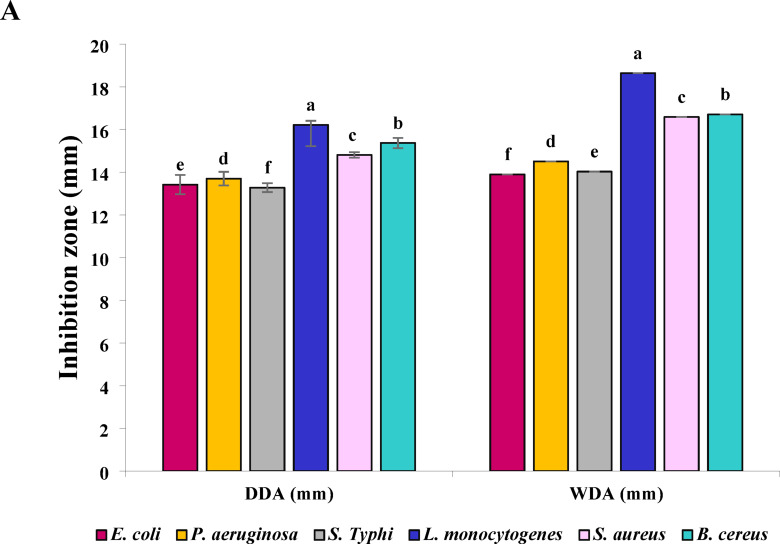
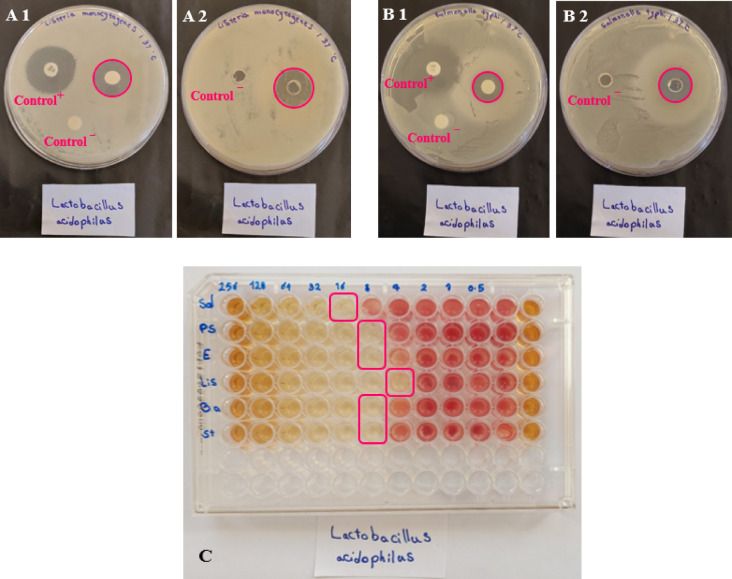
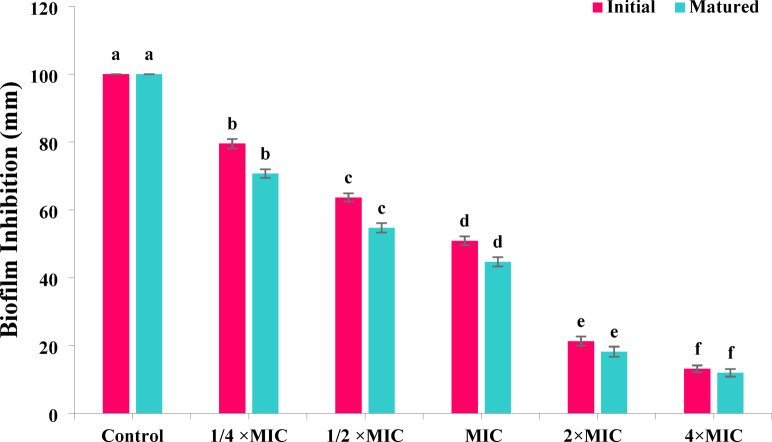
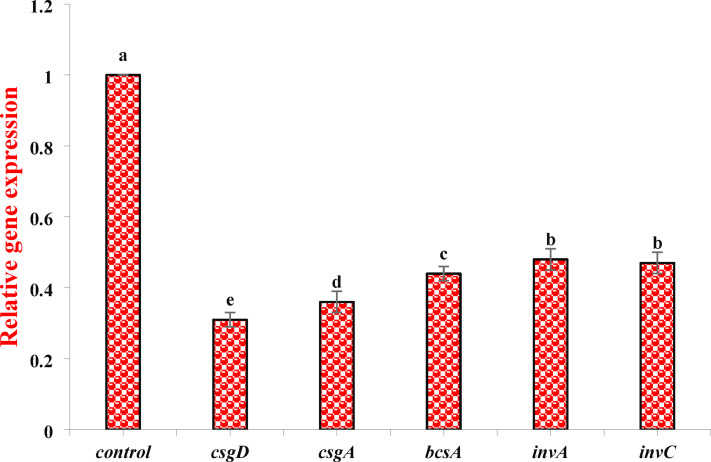
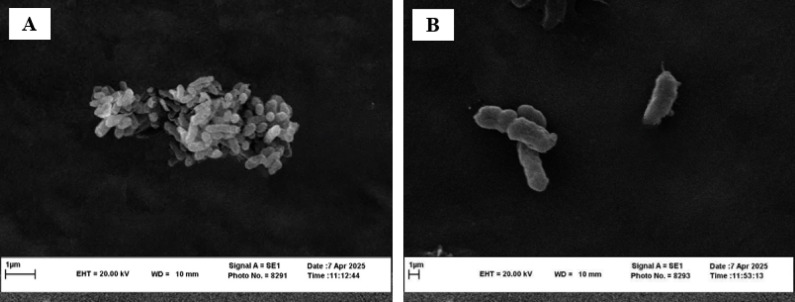
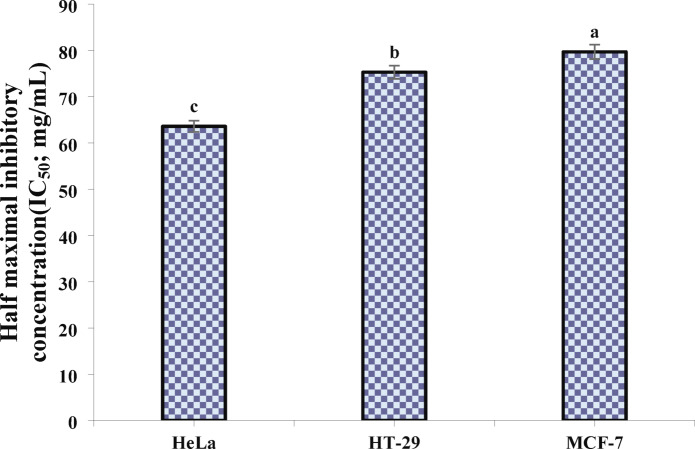
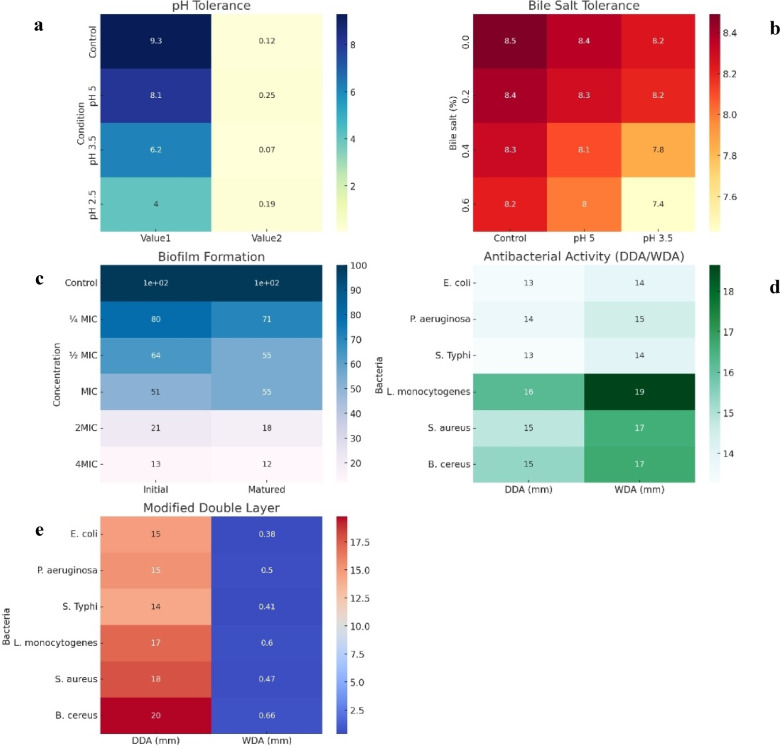
The present study comprehensively investigated the probiotic and anti-biofilm potential of the Lactobacillus acidophilus TMPC 41127 strain, isolated from traditional Khiki cheese. Initially, its phenotypic characteristics, including resistance to harsh gastrointestinal conditions (low pH and bile salts) and its ability to colonize (surface hydrophobicity 58.9%, auto-aggregation 47.5%, and adhesion to Caco-2 cells 13.9%), were evaluated. The results showed that the cell-free supernatant (CFS) of this strain has strong antimicrobial effects against pathogens, particularly Salmonella enterica subsp. enterica serovar Typhi (Salmonella Typhi ). CFS dose-dependently inhibited the formation of Salmonella Typhi biofilms by 79.52% (1/4×MIC) to 13.16% (4×MIC) and degraded mature biofilms, demonstrating anticancer activity against HeLa, HT-29, and MCF-7 cells (IC 50 : 63.6–79.7 mg/mL). These anti-pathogenic effects were confirmed by observing morphological changes in the pathogen’s cells and a reduction in the expression of biofilm and invasion-related genes ( csgD , csgA , bcsA , invA , and invC ). Additionally, the strain demonstrated other health-promoting properties, including cholesterol reduction (54.62%) and high antioxidant activity. The safety assessments (no hemolytic or DNase activity and no biogenic amine production) and its ability to inhibit the proliferation of cancer cells were also favorable. In conclusion, due to its outstanding probiotic and anti-biofilm properties, the L. acidophilus TMPC 41127 strain is introduced as a promising candidate for food and therapeutic applications.
Verified 2026-11-22 · 16 references not checked yet
Overview
CoChat Summary
TL;DR
The paper reports that *Lactobacillus acidophilus* TMPC 41127, isolated from traditional Khiki cheese, showed multiple in vitro probiotic traits and strong antagonism toward *Salmonella Typhi*, including biofilm inhibition, biofilm degradation, and downregulation of virulence genes. The authors conclude it is a promising candidate for food and therapeutic applications, but they also call for in vivo and human validation.
Key findings
- The strain was identified as *Lactobacillus acidophilus* TMPC 41127; the isolate from traditional cheese showed 99% sequence similarity to *L. acidophilus* TMPC 41127.
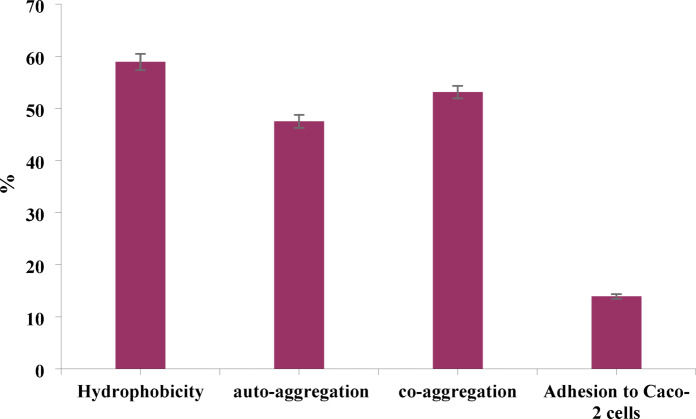
- Probiotic/colonization traits reported in the abstract included surface hydrophobicity of 58.9%, auto-aggregation of 47.5%, and adhesion to Caco-2 cells of 13.9%.
- The cell-free supernatant (CFS) inhibited *S. Typhi* biofilm formation in a dose-dependent manner, from 79.52% biofilm formation at 1/4×MIC to 13.16% at 4×MIC, and also degraded mature biofilms.
- The CFS reduced expression of *S. Typhi* biofilm/invasion genes to 0.31 (csgD), 0.36 (csgA), 0.44 (bcsA), 0.48 (invA), and 0.47 (invC) relative to control; it also showed cholesterol reduction of 54.62%, DPPH activity of 56.05 ± 1.05%, ABTS activity of 68.45 ± 0.97%, and anti-cancer IC50 values of 63.6 ± 1.27 mg/mL (HeLa), 75.3 ± 1.43 mg/mL (HT-29), and 79.7 ± 1.53 mg/mL (MCF-7).
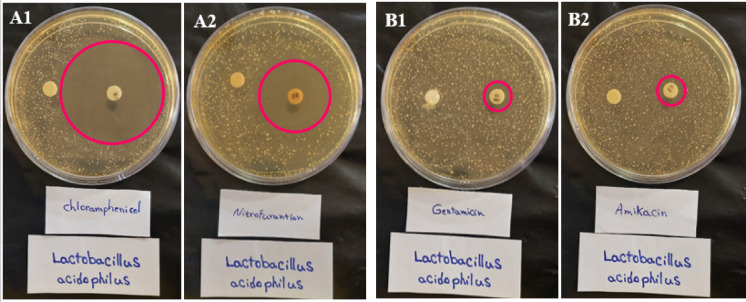
- Safety-related assays reported no hemolysis, no DNase activity, and no biogenic amine production; antibiotic testing showed sensitivity to chloramphenicol, nitrofurfurane, erythromycin, and tetracycline, intermediate resistance to trimethoprim-sulfamethoxazole, imipenem, and penicillin, and resistance to amikacin and gentamicin.
Methods
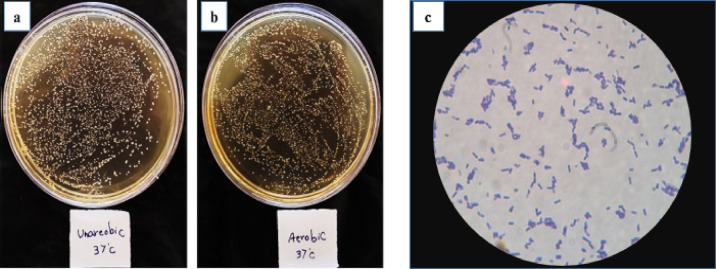
- The study isolated a lactic acid bacterium from 5 g of traditional cheese, cultured on MRS agar under anaerobic conditions, and identified it by phenotypic/biochemical tests plus 16S rRNA PCR and sequencing.
- Probiotic characterization used in vitro assays for acid and bile tolerance, simulated gastric/intestinal survival, hydrophobicity, auto-aggregation/co-aggregation, adhesion to Caco-2 cells, carbohydrate fermentation, API ZYM enzymatic profile, cholesterol assimilation, antioxidant activity, and safety tests.
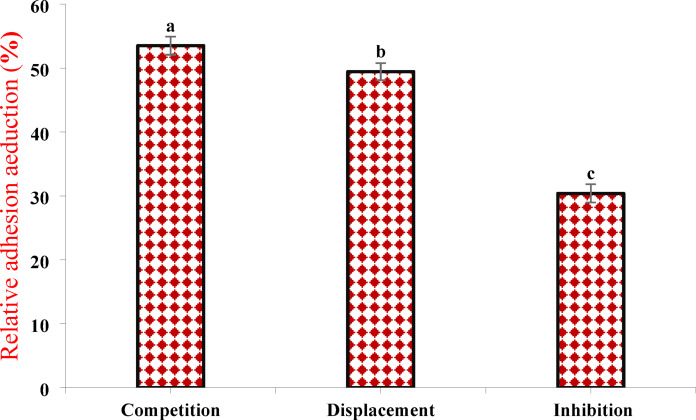
- Antimicrobial/anti-virulence testing used the CFS against pathogens via disc diffusion, well diffusion, modified double-layer assay, MIC testing, biofilm inhibition/degradation assays, Caco-2 anti-adhesion assays, real-time PCR for virulence gene expression, and SEM imaging; all assays were run in triplicate and analyzed by one-way ANOVA with Tukey’s post-hoc test.
Limitations
- The paper explicitly states that the work is based on in vitro evaluations and says the strain requires further in vivo animal studies and ultimately human clinical trials to confirm colonization, immunomodulatory effects, systemic safety, and real-world efficacy.
- Because the conclusions are drawn from in vitro assays only, translational relevance to the human host is not yet established (evident from the text).
- The provided text does not report a formal sample size beyond the cheese isolate source and triplicate assays; this limits how broadly the findings can be generalized (evident from the text).
Model-written summary of a shortened version of the paper’s full text (it is longer than we read). Check it against the paper before relying on it.
Integrity signals
Registry
Cites
Statistics
Figures
Verification
Claims the paper makes
18 Valid · 2 Not valid · 29 Not checked · 132 Own results and interpretations
The cited sources support only part of this claim — read each source’s verdict below.
In the paper
“Traditional antibiotic-based approaches are often ineffective against the resistant microbes within these structures8.”
§ Probiotic potential of Lactobacillus acidophilus TMPC 41127 isolated from traditional cheese in inhibiting Salmonella Typhi biofilms and virulence genes > Introduction
What the sources say
- Partly supportedcites [8] Singh, N. et al. Exploring the antimicrobial potential of lactobacilli against early-stage and mature biofilms of Staphylococcus aureus and Pseudomonas aeruginosa. Front. Chem. 13, 1425666 (2025). 40191159 PMC11969340 sourceExperimental — accuracy not yet measured
The Introduction says biofilm bacteria resist antimicrobial agents and that conventional antimicrobial approaches may not achieve maximal efficacy against microbes in biofilms. This supports reduced effectiveness, but the claim’s “often ineffective” is stronger than the source’s qualified statement. (LLM, conf=0.83)
plainstates a cause- Asserted: passes — The authors put it forward as true.
- Checkable: passes — It can be checked against evidence.
- Load-bearing: passes — The paper’s conclusions depend on it.
- Based: passes — The paper gives a reason why it holds.
- Partly supported
The cited sources support only part of this claim — read each source’s verdict below.
In the paper
“LAB and their antimicrobial metabolites, found in their CFS, offer a promising alternative to antibiotics8,9.”
§ Probiotic potential of Lactobacillus acidophilus TMPC 41127 isolated from traditional cheese in inhibiting Salmonella Typhi biofilms and virulence genes > Introduction
What the sources say
- Partly supportedcites [8] Singh, N. et al. Exploring the antimicrobial potential of lactobacilli against early-stage and mature biofilms of Staphylococcus aureus and Pseudomonas aeruginosa. Front. Chem. 13, 1425666 (2025). 40191159 PMC11969340 sourceExperimental — accuracy not yet measured
The Introduction (no page given) describes LAB metabolites as a promising strategy for controlling biofilm-forming pathogens, and the Discussion reports antibiofilm effects of LAB cell-free supernatants. It presents them as a strategy in addition to antimicrobials; it does not establish LAB or their metabolites as an alternative that can replace antibiotics. (LLM, conf=0.82)
- Supportedcites [9] Soleymanzadeh Moghadam, S., Minaeian, S., Majidpour, A., Adabi, M. & Hosseini Doust, R. The Lactobacillus acidophilus supernatant: An effective and safe alternative to antibiotics. Iran. J. Toxicol. 18 (1), 52–60 (2024). source
The Introduction describes probiotic cell-free supernatants as antimicrobial agents and identifies antibacterial substances secreted by Lactobacillus, including lactic acid and bacteriocins. It also presents lactobacilli and their products as alternatives for managing infections. (LLM, conf=0.93)
plain- Asserted: passes — The authors put it forward as true.
- Checkable: passes — It can be checked against evidence.
- Load-bearing: passes — The paper’s conclusions depend on it.
- Based: passes — The paper gives a reason why it holds.
- Partly supported
The cited sources support only part of this claim — read each source’s verdict below.
In the paper
“a study by Siddique et al.63, demonstrated that CFS derived from various strains of LAB exhibited a significant ability to inhibit the biofilm formation of SalmonellaTyphi, increasing this inhibition by up to 84% compared to the control group.”
§ Probiotic potential of Lactobacillus acidophilus TMPC 41127 isolated from traditional cheese in inhibiting Salmonella Typhi biofilms and virulence genes > Results and discussion > Probiotic and functional characteristics
What the sources say
- Partly supportedcites Siddique et al.63 Siddique, A. et al. Lactobacillus reuteri and Enterococcus faecium from poultry gut reduce mucin adhesion and biofilm formation of cephalosporin and fluoroquinolone-resistant Salmonella enterica. Animals 11 (12), 3435 (2021). 34944212 PMC8697943 sourceExperimental — accuracy not yet measured
The Discussion reports that LAB cell-free supernatants significantly reduced Salmonella biofilm formation by up to 84% compared with controls. However, the Methodology and Results identify the tested serovars as S. Typhimurium and S. Enteritidis, not S. Typhi; the Results also report maximum inhibition of 90% and 92% for those serovars. (LLM, conf=0.90)
boostedstates a cause- Asserted: passes — The authors put it forward as true.
- Checkable: passes — It can be checked against evidence.
- Load-bearing: unclear — It is unclear whether the paper’s conclusions depend on it.
- Based: passes — The paper gives a reason why it holds.
- Partly supported
Every source the paper cites for this claim was checked and supports it.
In the paper
“These results are consistent with the findings of Kiousi et al.37,, who reported that the CFS of Lp. pentosus L33 and Lp. plantarum L125 caused a significant reduction in the expression of the csgA gene in S. enterica.”
§ Probiotic potential of Lactobacillus acidophilus TMPC 41127 isolated from traditional cheese in inhibiting Salmonella Typhi biofilms and virulence genes > Results and discussion > Probiotic and functional characteristics
What the sources say
- Supportedcites Kiousi et al.37 Kiousi, D. E. et al. Genetic and phenotypic assessment of the antimicrobial activity of three potential probiotic lactobacilli against human enteropathogenic bacteria. Front. Cell. Infect. Microbiol. 13, 1127256 (2023). 36844407 PMC9944596 source
The Results section on biofilm-related gene expression reports significant downregulation of csgA in S. enterica after treatment with cell-free culture supernatants (CFCS) from Lp. pentosus L33 and Lp. plantarum L125. The Discussion repeats this finding. (LLM, conf=0.95)
plainstates a cause- Asserted: passes — The authors put it forward as true.
- Checkable: passes — It can be checked against evidence.
- Load-bearing: unclear — It is unclear whether the paper’s conclusions depend on it.
- Based: passes — The paper gives a reason why it holds.
- Supported
The cited sources support only part of this claim — read each source’s verdict below.
In the paper
“It is widely documented that LAB strains possess metabolic enzymes, such as esterases, decarboxylases, and reductases, which actively synthesize or biotransform precursor molecules into the phenolic and flavonoid compounds detected during fermentation73,74.”
§ Probiotic potential of Lactobacillus acidophilus TMPC 41127 isolated from traditional cheese in inhibiting Salmonella Typhi biofilms and virulence genes > Results and discussion > Probiotic and functional characteristics
What the sources say
- Partly supportedcites [73] Gaber, H. S., Saied, E. & Mahdy, H. M. Microbiological and functional assessment of Lactobacillus casei: Probiotic, antimicrobial, and antioxidant properties. Al-Azhar Bull. Sci. 36 (1), 6 (2025). sourceExperimental — accuracy not yet measured
Section 3.7 (page unavailable) says the L. casei cell-free supernatant contains phenolic acids and flavonoids. It does not say that esterases, decarboxylases, or reductases synthesize or biotransform precursors into those compounds during fermentation. (LLM, conf=0.78)
- Partly supportedcites [74] Tong, Y. et al. Optimizing postbiotic production through solid-state fermentation with Bacillus amyloliquefaciens J and Lactiplantibacillus plantarum SN4 enhances antibacterial, antioxidant, and anti-inflammatory activities. Front. Microbiol. 14, 1229952 (2023). 37744928 PMC10512978 sourceExperimental — accuracy not yet measured
The Introduction reports that LAB postbiotics have total phenolic content, and Results §3.5 reports increased phenolic acid, including ferulic acid, after fermentation optimization (page numbers unavailable). The paper does not identify esterases, decarboxylases, or reductases as the mechanism, establish synthesis or biotransformation of precursors by LAB, or report flavonoid compounds. (LLM, conf=0.86)
boostedstates a cause- Asserted: passes — The authors put it forward as true.
- Checkable: passes — It can be checked against evidence.
- Load-bearing: passes — The paper’s conclusions depend on it.
- Based: passes — The paper gives a reason why it holds.
- Partly supported
91 more claims
Create a free account to see all 181 claims and to verify the 2 references still open.
- Probably not a substantial claim. 42
- It may state two separate claims as one. 57
- The quote only partly states this claim. 2
Citations
Cites
Klindworth, A., Pruesse, E., Schweer, T., Peplies, J., Quast, C., Horn, M., & Glöckner, F. O. (2013) · Nucleic Acids Research · doi:10.1093/nar/gks808 · Cited by 8,850
Probiotic Mechanisms of Action
Bermudez-Brito, M., Plaza-Díaz, J., Muñoz-Quezada, S., Gómez-Llorente, C., & Gil, A. (2012) · Annals of Nutrition and Metabolism · doi:10.1159/000342079 · Cited by 1,234 · cited 1×
“This intimate host-microbe interaction is essential for fortifying the mucosal barrier integrity, upregulating tight junction proteins (such as Zonula Occludens-1), and triggering localized immunomodulatory responses 61 .”
Lactic Acid Permeabilizes Gram-Negative Bacteria by Disrupting the Outer Membrane
Alakomi, H.-L., Skyttä, E., Saarela, M., Mattila-Sandholm, T., Latva-Kala, K., & Helander, I. M. (2000) · Applied and Environmental Microbiology · doi:10.1128/aem.66.5.2001-2005.2000 · Cited by 1,093 · cited 1×
“This abrupt loss of osmotic turgor pressure inevitably leads to the catastrophic expulsion of essential cytoplasmic constituents (including ATP and nucleic acids) culminating in the irreversible cellular wrinkling, extensive lysis, and definitive eradication of the pathogen 67 .”
Host interactions of probiotic bacterial surface molecules: comparison with commensals and pathogens
Lebeer, S., Vanderleyden, J., & De Keersmaecker, S. C. J. (2010) · Nature Reviews Microbiology · doi:10.1038/nrmicro2297 · Cited by 1,062 · cited 1×
“This multifaceted anti-adhesive strategy ensures that Salmonella Typhi is strictly physically outcompeted and biochemically neutralized, allowing for its rapid clearance by intestinal peristalsis before establishing a pathogenic foothold 65 .”
Stress Physiology of Lactic Acid Bacteria.
Papadimitriou, K., Alegría, Á., Bron, P. A., de Angelis, M., Gobbetti, M., Kleerebezem, M., Lemos, J. A., Linares, D. M., Ross, P., Stanton, C., et al. (2016) · Microbiology and Molecular Biology Reviews · doi:10.1128/mmbr.00076-15 · Cited by 914
Adhesion mechanisms mediated by probiotics and prebiotics and their potential impact on human health
Monteagudo-Mera, A., Rastall, R. A., Gibson, G. R., Charalampopoulos, D., & Chatzifragkou, A. (2019) · Applied Microbiology and Biotechnology · doi:10.1007/s00253-019-09978-7 · Cited by 743 · cited 1×
“By robustly binding to the specific receptor sites on the enterocytes (likely mediated by surface-layer proteins (SlpA) and mucin-binding proteins) this strain effectively blocks the attachment points for enteric enteropathogens through steric hindrance 60 .”
Metabolism of Oligosaccharides and Starch in Lactobacilli: A Review
Gänzle, M. G., & Follador, R. (2012) · Frontiers in Microbiology · doi:10.3389/fmicb.2012.00340 · Cited by 470 · cited 1×
“These organic acids subsequently participate in dynamic cross-feeding networks with butyrate-producing commensals, ultimately reinforcing the gut epithelial barrier integrity and exerting profound systemic anti-inflammatory effects 49,50 .”
Alvarez, M. A., & Moreno-Arribas, M. V. (2014) · Trends in Food Science & Technology · doi:10.1016/j.tifs.2014.07.007 · Cited by 384
Campana, R., van Hemert, S., & Baffone, W. (2017) · Gut Pathogens · doi:10.1186/s13099-017-0162-4 · Cited by 310 · cited 1×
“…but also ensures that strictly localized gradients of its defense metabolites (namely organic acids, hydrogen peroxide, and specific bacteriocins) are delivered directly to the pathogen’s surface at lethal concentrations, thereby preventing pathogen cross-feeding and systemic dissemination 59 .”
De Marco, S., Sichetti, M., Muradyan, D., Piccioni, M., Traina, G., Pagiotti, R., & Pietrella, D. (2018) · Evidence-Based Complementary and Alternative Medicine · doi:10.1155/2018/1756308 · Cited by 297 · cited 1×
“By increasing endogenous antioxidant enzyme activity and modulating systemic oxidative stress, these probiotic strains protect against carcinogen-induced cellular damage 72 .”
Özogul, F., & Hamed, I. (2018) · Critical Reviews in Food Science and Nutrition · doi:10.1080/10408398.2016.1277972 · Cited by 238 · cited 1×
“Due to the safety concerns they create in food products, they are of special importance ( 23 ; Özogul et al., 2018).”
Khushboo, K., Karnwal, A., & Malik, T. (2023) · Frontiers in Microbiology · doi:10.3389/fmicb.2023.1170725 · Cited by 236 · cited 3×
“Ultimately, the strain was identified as safe and non-hemolytic only if it exhibited gamma hemolysis (Khushboo et al., 2023).”
Yasmin, I., Saeed, M., Khan, W. A., Khaliq, A., Chughtai, M. F. J., Iqbal, R., Tehseen, S., Naz, S., Liaqat, A., Mehmood, T., et al. (2020) · Microorganisms · doi:10.3390/microorganisms8030354 · Cited by 233
Formation of Biofilms by Listeria monocytogenes under Various Growth Conditions
Moltz, A. G., & Martin, S. E. (2005) · Journal of Food Protection · doi:10.4315/0362-028x-68.1.92 · Cited by 190 · cited 18×
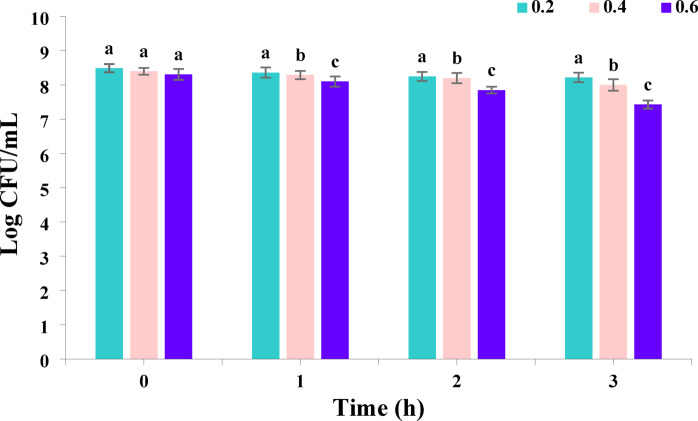
“At time zero, the number of viable cells was 8.49 ± 0.12, 8.40 ± 0.10, and 8.31 ± 0.16 Log CFU/mL at bile salt concentrations of 0.2%, 0.4%, and 0.6%, respectively ( p 0.05).”
InfluentialBarzegar, H., Alizadeh Behbahani, B., & Falah, F. (2021) · Food Science & Nutrition · doi:10.1002/fsn3.2365 · Cited by 108 · cited 5×
“While various L. acidophilus strains typically exhibit a binding range between 11% at 14% based on the findings of Barzegar et al. 27 ,, our TMPC 41127 strain positions itself at the upper end of this spectrum, demonstrating a prominent adhesion characteristic.”
InfluentialSelf-citationHojjati, M., Behabahani, B. A., & Falah, F. (2020) · Microbial Pathogenesis · doi:10.1016/j.micpath.2020.104420 · Cited by 100 · cited 2×
“…provides a steadfast structural scaffold for persistent biofilm architecture (shielding the live bacterial colony from the mechanical shear stress of peristalsis) and establishes an intimate micro-niche essential for sustained immunomodulatory cross-talk with the underlying host epithelia 56,57 .”
Ji, K., Jang, N. Y., & Kim, Y. T. (2015) · Journal of Microbiology and Biotechnology · doi:10.4014/jmb.1501.01077 · Cited by 94 · cited 1×
“Similarly, numerous studies have evaluated the ability of the ABTS cation radical and linoleic acid peroxidation as metrics for assessing the reducing power of CFS of LAB, confirming significant antioxidant potential in these microorganisms 23,70 .”
Lee, J., Lee, N., & Paik, H. (2020) · Food Science and Biotechnology · doi:10.1007/s10068-020-00837-0 · Cited by 90 · cited 1×
“By increasing the ratio of saturated to unsaturated fatty acids, the bacterial cell effectively decreases membrane fluidity, thereby preventing the intracellular accumulation of toxic bile conjugates and ensuring structural integrity throughout the duodenal transit 54 .”
Farid, W., Masud, T., Sohail, A., Ahmad, N., Naqvi, S. M. S., Khan, S., Ali, A., Khalifa, S. A., Hussain, A., Ali, S., et al. (2021) · Food Science & Nutrition · doi:10.1002/fsn3.2468 · Cited by 88 · cited 6×
“However, the research by Farid et al. 32 ,, focusing on indigenous L. acidophilus WFA1 strains isolated from traditional dairy products, recorded a much higher DPPH activity of 80.66%.”
InfluentialPai, L., Patil, S., Liu, S., & Wen, F. (2023) · Frontiers in Cellular and Infection Microbiology · doi:10.3389/fcimb.2023.1327069 · Cited by 85 · cited 1×
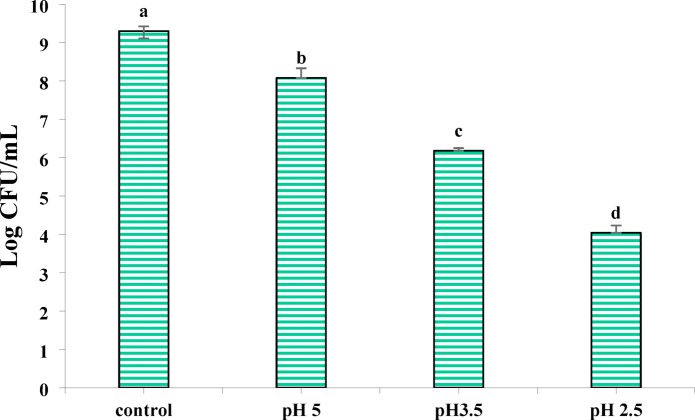
“…and 0.15% w/v bile salt, pH 8.0) and incubated for 3 h at 37 °C. Finally, the resulting bacterial suspension from each step was incubated on MRS agar medium under anaerobic conditions at 37 °C for 24 h, and then the number of surviving bacteria was counted and reported as log CFU/mL 28–30 .”
Influentialİçer, M. A., Özbay, S., Ağagündüz, D., Kelle, B., Bartkienė, E., Rocha, J. M., & Özoğul, F. (2023) · Foods · doi:10.3390/foods12152965 · Cited by 79 · cited 1×
“Hemolytic activity is a critical safety criterion for selecting probiotic strains of LAB to ensure their safe use 81 .”
Saboktakin-Rizi, M., Alizadeh Behbahani, B., Hojjati, M., & Noshad, M. (2021) · Journal of Food Measurement and Characterization · doi:10.1007/s11694-021-00846-5 · Cited by 76 · cited 2×
“Subsequently, the homology of the amplified gene sequences was investigated through nucleotide sequencing 14 .”
InfluentialVasiee, A., Falah, F., & Mortazavi, S. A. (2022) · Journal of Applied Microbiology · doi:10.1111/jam.15772 · Cited by 74
Self-citationFalah, F., Vasiee, A., Yazdi, F. T., & Behbahani, B. A. (2021) · BioMed Research International · doi:10.1155/2021/1057531 · Cited by 70 · cited 1×
“While the general cholesterol-lowering capacity of LAB has been widely documented 36,56,80 , our strain demonstrates a noticeably superior efficiency when compared to recently reported isolates.”
Self-citationTong, Y., Guo, H., Abbas, Z., Zhang, J., Wang, J., Cheng, Q., Peng, S., Yang, T., Bai, T., Zhou, Y., et al. (2023) · Frontiers in Microbiology · doi:10.3389/fmicb.2023.1229952 · Cited by 70 · cited 1×
“It is widely documented that LAB strains possess metabolic enzymes, such as esterases, decarboxylases, and reductases, which actively synthesize or biotransform precursor molecules into the phenolic and flavonoid compounds detected during fermentation 73,74 .”
Behbahani, B. A., & Noshad, M. (2024) · LWT · doi:10.1016/j.lwt.2024.116251 · Cited by 65 · cited 1×
“The susceptibility results for the strain were reported as resistant, intermediately susceptible, and susceptible 45 .”
Self-citationAlizadeh Behbahani, B., Jooyandeh, H., Taki, M., & Falah, F. (2024) · LWT · doi:10.1016/j.lwt.2024.116676 · Cited by 59 · cited 27×
“At time zero, the number of viable cells was 8.49 ± 0.12, 8.40 ± 0.10, and 8.31 ± 0.16 Log CFU/mL at bile salt concentrations of 0.2%, 0.4%, and 0.6%, respectively ( p 0.05).”
InfluentialSelf-citationZhang, H., Zhang, Z., Li, J., & Qin, G. (2023) · Toxins · doi:10.3390/toxins15090570 · Cited by 59 · cited 1×
“These structures, particularly in pathogenic species, act as a reservoir for persistent infections and play a key role in the onset of chronic diseases and the intensification of antimicrobial resistance 62 .”
Jalali, S., Mojgani, N., Haghighat, S., Sanjabi, M. R., & Sarem-Nezhad, S. (2024) · LWT · doi:10.1016/j.lwt.2024.116758 · Cited by 59
Rahmati‐Joneidabad, M., Behbahani, B. A., Taki, M., Hesarinejad, M. A., & Toker, Ö. S. (2024) · LWT · doi:10.1016/j.lwt.2024.116636 · Cited by 56
Self-citationLee, J., Jo, J., Wan, J., Seo, H., Han, S.-W., Shin, Y.-J., & Kim, D. H. (2024) · Foods · doi:10.3390/foods13142301 · Cited by 56 · cited 3×
“Auto-aggregation and co-aggregation The auto-aggregation and co-aggregation assays were performed with modifications based on the method described by Lee et al. 26 .”
Echresh, S., Alizadeh Behbahani, B., Falah, F., Noshad, M., & Ibrahim, S. A. (2024) · LWT · doi:10.1016/j.lwt.2024.116391 · Cited by 55 · cited 1×
“Sequencing analysis revealed that the isolated strain, designated Lactobacillus acidophilus A2, shares 99% similarity with Lactobacillus acidophilus strain TMPC 41127 15,16 .”
Self-citationElmetwalli, A., Abdel-Monem, M. O., El‐Far, A. H., Ghaith, G., Albalawi, N. A. N., Hassan, J., Ismail, N. F., El-Sewedy, T., Alnamshan, M. M., ALaqeel, N. K., et al. (2024) · Medical Oncology · doi:10.1007/s12032-024-02330-8 · Cited by 53 · cited 1×
“In this experiment, the L. acidophilus TMPC 41127 strain and Escherichia coli were used as positive and negative controls, respectively 47 .”
Ko, H. I., Jeong, C. H., Hong, S. W., Eun, J., & Kim, T.-W. (2022) · Microbiology Spectrum · doi:10.1128/spectrum.01625-22 · Cited by 50 · cited 1×
“A negative control containing only the medium without bacterial was included (Khushboo et al., 2023) 24–26 .”
Mousanejadi, N., Barzegar, H., Alizadeh Behbahani, B., & Jooyandeh, H. (2023) · Journal of Food Measurement and Characterization · doi:10.1007/s11694-023-01862-3 · Cited by 49 · cited 1×
“Bacteriocins are also effective against Gram-positive pathogens, while organic acids and hydrogen peroxide demonstrate stronger activity against Gram-negative bacteria, a distinction linked to their different cell wall structures 23,34 .”
Self-citationZhang, J., Ge, P., Liu, J., Luo, Y., Guo, H., Zhang, G., Xu, C., & Chen, H. (2023) · International Journal of Molecular Sciences · doi:10.3390/ijms241512138 · Cited by 47
Kiousi, D. E., Efstathiou, C., Tzampazlis, V., Plessas, S., Panopoulou, M., Koffa, M., & Galanis, A. (2023) · Frontiers in Cellular and Infection Microbiology · doi:10.3389/fcimb.2023.1127256 · Cited by 41 · cited 3×
“These results are consistent with the findings of Kiousi et al. 37 ,, who reported that the CFS of Lp. pentosus L33 and Lp. plantarum L125 caused a significant reduction in the expression of the csgA gene in S. enterica .”
InfluentialBehbahani, B. A., Noshad, M., Namazi, P., & Vasiee, A. (2024) · LWT · doi:10.1016/j.lwt.2024.116850 · Cited by 40
Self-citationDawwam, G. E., Saber, I. I., Yassin, M., & Ibrahim, H. (2022) · Egyptian Academic Journal of Biological Sciences. G, Microbiology · doi:10.21608/eajbsg.2022.213620 · Cited by 36
Anti-Melanogenic and Antioxidant Effects of Cell-Free Supernatant from Lactobacillus gasseri BNR17
Lee, S., Park, H.-O., & Yoo, W. (2022) · Microorganisms · doi:10.3390/microorganisms10040788 · Cited by 35 · cited 1×
“Antioxidant activities and bioactive compounds DPPH and ABTS radical scavenging assay Antioxidants protect cellular structures from destructive damage caused by reactive oxygen species (ROS) and oxidative stress 68 .”
Behbahani, B. A., Rahmati‐Joneidabad, M., & Taki, M. (2025) · Biofilm · doi:10.1016/j.bioflm.2025.100255 · Cited by 34 · cited 2×
“This finding is consistent with previous reports by Alizadeh Behbahani et al. 23 ,, who also confirmed the inability of the L. acidophilus ABC240 strain to produce BAs.”
Self-citationSaidi, N., Saderi, H., Owlia, P., & Soleimani, M. (2023) · Advanced Biomedical Research · doi:10.4103/abr.abr_156_21 · Cited by 34
Siddique, A., Azim, S., Ali, A., Adnan, F., Arif, M., Imran, M., Ganda, E., & Rahman, A. (2021) · Animals · doi:10.3390/ani11123435 · Cited by 33
da Silva, B. S., Díaz-Roa, A., Yamane, E. S., Hayashi, M. A. F., & da Silva, P. I. (2022) · Research in Microbiology · doi:10.1016/j.resmic.2022.103995 · Cited by 31
Liu, C., Han, F., Cong, L., Sun, T., Menghe, B., & Liu, W. (2021) · Food Science & Nutrition · doi:10.1002/fsn3.2662 · Cited by 31 · cited 1×
“These deconjugated bile acids then co-precipitate with unbound cholesterol in the matrix, effectively removing it from the gastrointestinal absorption cycle and facilitating its excretion in feces 77,78 .”
Zena, Y., Periyasamy, S., Alemea, M. T., Tumsa, T. Z., Jayakumar, M., Mohamed, B. A., Asaithambi, P., & Aminabhavi, T. M. (2023) · International Journal of Biological Macromolecules · doi:10.1016/j.ijbiomac.2023.124803 · Cited by 30
Afrin, S., Akter, S., Begum, S., & Hossain, M. N. (2021) · Frontiers in Nutrition · doi:10.3389/fnut.2021.619506 · Cited by 29 · cited 1×
“The observation of a discernible, pinkish halo around the colonies indicated positive DNase enzyme activity 46 .”
Castorena-Alba, M. M., Vázquez-Rodríguez, J. A., López-Cabanillas Lomelí, M., & González-Martínez, B. E. (2018) · CyTA - Journal of Food · doi:10.1080/19476337.2017.1335347 · Cited by 26 · cited 4×
“To evaluate the strains’ ability to lower cholesterol, a method similar to Castorena-Alba et al. 44 , was used.”
InfluentialModeling in vitro cholesterol reduction in relation to growth of probiotic Lactobacillus casei
Kumar, A., Kumar, M., Ghosh, M., & Ganguli, A. (2013) · Microbiology and Immunology · doi:10.1111/1348-0421.12008 · Cited by 25 · cited 1×
“These deconjugated bile acids then co-precipitate with unbound cholesterol in the matrix, effectively removing it from the gastrointestinal absorption cycle and facilitating its excretion in feces 77,78 .”
Jeon, S., Kim, H., Choi, Y., Cho, S., Seo, M., & Kim, H. (2021) · Frontiers in Microbiology · doi:10.3389/fmicb.2021.697351 · Cited by 23
Biofilm and Antimicrobial Resistance
Lahiri, D., Nag, M., Ghosh, A., Das, D., Dey, A., Mukherjee, D., Garai, S., & Ray, R. R. (2021) · Springer eBooks · doi:10.1007/978-981-16-0745-5_8 · Cited by 23
Salam, F., Lekshmi, M., Prabhakar, P., Kumar, S. H., & Nayak, B. B. (2023) · Veterinary World · doi:10.14202/vetworld.2023.431-438 · Cited by 20 · cited 1×
“39 ,”
Kaynakci, E. C. (2025) · Scientific Reports · doi:10.1038/s41598-025-09913-z · Cited by 16 · cited 1×
“The results of this study demonstrated a notable concordance with the values reported by Kaynakci et al., (2025), who documented TPC of 90.89 mg GAE/g and TFC of 21.34 mg QE/g for CFS derived from probiotic strains.”
InfluentialSu, X., Menghe, B., Zhang, H., & Liu, W. (2023) · Metabolites · doi:10.3390/metabo13101077 · Cited by 16 · cited 1×
“( 27,52,53 ; Behrooz Alizadeh et al., 2024).”
Chen, T., Zhao, Y., Fan, Y., Dong, Y., & Gai, Z. (2025) · Frontiers in Microbiology · doi:10.3389/fmicb.2024.1501502 · Cited by 16 · cited 1×
“The results showed no hemolysis halo was observed around the colonies, indicating a negative hemolysis result and classifying the strain as non-hemolytic (gamma-hemolytic). blood cells and degrading the epithelial barrier, thereby leading to opportunistic infections 82 .”
Role of biofilms in antimicrobial resistance of the bacterial bovine respiratory disease complex
Andrés-Lasheras, S., Zaheer, R., Jelinski, M., & McAllister, T. A. (2024) · Frontiers in Veterinary Science · doi:10.3389/fvets.2024.1353551 · Cited by 15
PRISTAVU, M. C., DIGUTA, C. F., Aldea, A. C., Badea, F., Cudalbeanu, M. D., Orțan, A., & Matei, F. (2025) · Microorganisms · doi:10.3390/microorganisms13061348 · Cited by 14 · cited 1×
“Pristavu 76 , stated that phenolic acids, due to their dual function, act as potent antioxidants and agents with antimicrobial activity.”
Lipilkina, T. A., Xu, C., Barbosa, M. D. S., Николаевна, Х. В., Shebeko, S. K., Ermakov, A. M., Иванова, И., & Todorov, S. D. (2024) · Foods · doi:10.3390/foods13233770 · Cited by 13 · cited 4×
“Their bile tolerance allows for better gut colonization, contributing to a healthier digestive system 52 .”
InfluentialJeyagowri, N., Ranadheera, C. S., Manap, M. Y., Gamage, A., Merah, O., & Madhujith, T. (2023) · Fermentation · doi:10.3390/fermentation9090807 · Cited by 12 · cited 1×
“Similarly, Dumitru et al. 51 , showed that L. paracasei CCM 1837 and L. plantarum ATCC 8014 20 ; therefore, the loss or acquisition of plasmids can lead to metabolic inconsistencies and alter the fermentation pattern.”
Khan, M. N., Bashir, S., Afzal, A., Andleeb, N., Krych, Ł., Nielsen, D. S., & Imran, M. (2025) · Folia Microbiologica · doi:10.1007/s12223-025-01244-w · Cited by 11
In-depth genomic identification and safety evaluation of Lactobacillus Acidophilus LA85
Qi, Y., Dong, Y., Gu, J., Cai, Y., Zhang, Y., Gai, Z., & Han, M. (2024) · Journal of Functional Foods · doi:10.1016/j.jff.2024.106604 · Cited by 9 · cited 1×
“This finding is consistent with recent reports; for example, Qi et al. 2 , found that the L. acidophilus LA85 strain did not form any hemolysis halo on Columbia blood agar medium, and its hemolytic activity was reported as negative.”
Singh, N., Gulhane, R. D., Singh, A., Goel, M., Udelal, P. P., Sangwan, V., Sihag, M. K., Goel, G., Panwar, H., & Puniya, A. K. (2025) · Frontiers in Chemistry · doi:10.3389/fchem.2025.1425666 · Cited by 9
In vitro Antioxidant Potential of Cell Free Supernatant of Probiotic Bacteria
Bharti, V., Mehta, A., Kumar Mourya, G., & Ahirwal, L. (2016) · Food & Pharma International · doi:10.5530/fpi.1.4.4 · Cited by 7 · cited 1×
“Additionally, a study by Bharti et al. 71 , also demonstrated remarkable antioxidant activity for an L. acidophilus strain, with the intensity correlated to the concentration of the CFS. Lactobacilli, which are often used in dietary supplements, are known for their intrinsic antioxidant properties.”
Dumitru, M., SORESCU, I., Ciurescu, G., & Hăbeanu, M. (2021) · ROMANIAN BIOTECHNOLOGICAL LETTERS · doi:10.25083/rbl/26.4/2765-2772 · Cited by 4 · cited 2×
“Bile salts act as potent biological detergents that can violently disrupt bacterial lipid bilayers, inducing intracellular oxidative stress and severe DNA damage 51 .”
Dumitru, M., Ciurescu, G., & Hăbeanu, M. (2021) · Archiva zootechnica · doi:10.2478/azibna-2021-0020 · Cited by 4 · cited 2×
“Sequencing analysis revealed that the isolated strain, designated Lactobacillus acidophilus A2, shares 99% similarity with Lactobacillus acidophilus strain TMPC 41127 15,16 .”
InfluentialAleman, R. S., Avila, D., Avila, A., Losso, J. N., Picha, D., Xu, Z., & Aryana, K. (2023) · Fermentation · doi:10.3390/fermentation9080715 · Cited by 4 · cited 1×
“This level is considerably higher than the antioxidant activity reported by Aleman et al. 69 , for the CFS of L. acidophilus LA K, which was 41.76%.”
Influentialaladi, M., Mehrnia, M. A., Barzegar, H., & Behbahani, B. A. (2021) · Food Science and Technology · doi:10.52547/fsct.18.119.61 · Cited by 4
The Lactobacillus acidophilus Supernatant: An Effective and Safe Alternative to Antibiotics
Soleymanzadeh Moghadam, S., Minaeian, S., Majidpour, A., Adabi, M., & Hosseini Doust, R. (2024) · Iranian Journal of Toxicology · doi:10.61186/ijt.18.1.52 · Cited by 2
Larijani, K. S., Nia, A. A. M., Makrani, A. B., Tabari, M. A., & Khodadadi, E. (2021) · Journal of Research in Applied and Basic Medical Sciences · doi:10.52547/rabms.7.4.172 · Cited by 2
Gaber, H. S., Saied, E., & Mahdy, H. M. (2025) · Al-Azhar Bulletin of Science · doi:10.58675/2636-3305.1698 · Cited by 1 · cited 1×
“It is widely documented that LAB strains possess metabolic enzymes, such as esterases, decarboxylases, and reductases, which actively synthesize or biotransform precursor molecules into the phenolic and flavonoid compounds detected during fermentation 73,74 .”
Alizadeh Behbahani, B., Jooyandeh, H. & Namazi, P. Evaluation of probiotic, antibacterial and safety properties of Lacticaseibacillus rhamnosus JCM 1136. Iranian journal of food science and industry, 21(149). (2024).
(n.d.)
UnresolvedAlizadeh Behbahani, B., Hojjati, M. & Goodarzi Shamsabadi, B. Isolation and identification of Lactiplantibacillus plantarum MOHA1 strain from local yogurt and evaluation of its probiotic, antibacterial and safety properties. Food Res. J. 34(3), 29–52 (2024).
Behbahani, B. A. (2024) · Food Res. J.
UnresolvedAlizadeh Behbahani, B., Jooyandeh, H. & Rafiee, H. Molecular Identification of Lactobacillus acidophilus Strain ABC240 Isolated from Traditional Yogurt and Assessing Its Stability and Safety as well as Antibacterial and Antioxidant Activities. Nutrition & Food Sci. Research, 11(4). (2024).
(n.d.)
UnresolvedFilannino, P., Di Cagno, R. & Gobbetti, M. Metabolic strategies of lactic acid bacteria for the synthesis of food bioprotective factors. Int. J. Food Microbiol. 213, 129–136 (2015).
Filannino, P. (2015) · Int. J. Food Microbiol.
UnresolvedGoderska, K. & Czarnecki, Z. Characterization of selected strains from Lactobacillus acidophilus and Bifidobacterium bifidum. Afr. J. Microbiol. Res. 1(6), 065–078 (2007).
Goderska, K. (2007) · Afr. J. Microbiol. Res.
UnresolvedHasan, R. N. Cytotoxicity potential of local isolates of Lactobacillus acidophilus extracts on colon cancer cell line. Ann. Rom. Soc. Cell Biol. 25(3), 6750–6765 (2021).
Hasan, R. (2021) · Ann. Rom. Soc. Cell Biol.
UnresolvedLu, Y. et al. Characterization of biofilm formation by Salmonella enterica serovar Pullorum strains. Afr. J. Microbiol. Res. 5(17), 2428–2437 (2011).
Lu, Y. (2011) · Afr. J. Microbiol. Res.
UnresolvedGhasemi, P., Behbahani, B. A. & Noshad, M. Assessment of the Antioxidant Effects of Urtica dioica Aqueous Extract on Free Radical Scavenging, Determination of Total Phenol and Flavonoid Content, and the Bioactive Compound Groups. Journal Food Sci. & Technology (2024). (2008–8787), 21(154).
(n.d.)
UnresolvedNoshad, M., Behbahani, A. & Barzegar, H. B., Evaluation of total phenol and flavonoid, antioxidant power and antimicrobial activity of Perovskia abrotanoides essential oil for study from Gram-positive and Gram-negative laboratories: a laboratory study. Iranian journal of food science and industry, 2
(n.d.)
UnresolvedZheng, L., Ma, X., Li, J., Huang, X. & Zhang, W. Recent advances in the health benefits of dietary polyphenols. Front. Nutr. 10, 1150499 (2023).
Zheng, L. (2023) · Front. Nutr.
UnresolvedWang, G. et al. Cell surface properties, auto-aggregation, and co-aggregation abilities of lactic acid bacteria. Front. Microbiol. 12, 705423 (2021).
Wang, G. (2021) · Front. Microbiol.
UnresolvedKadhom, U. A., Saleem, A. J. & Kareem, A. A. The effect of supernatant of Lactobacillus plantarum against Salmonella typhi biofilm formation. J. Microbiol. Infect. Dis. 12(2), 703–12 (2022).
Kadhom, U. (2022) · J. Microbiol. Infect. Dis.
UnresolvedKim, B., Lee, J. H., Kim, Y. & Kim, D. H. Protective effects of Lactobacillus acidophilus on maintaining lipid profile and modulating gut microbiota. J. Microbiol. Biotechnol. 27(4), 746–753 (2017).
Kim, B. (2017) · J. Microbiol. Biotechnol.
UnresolvedHussein, M. A., Elsanhoty, R. & Mohammed, A. B. Eco-friendly synthesis of Lactobacillus acidophilus-AgNPs: a novel approach to combat lipid metabolism disorders. Egyptian J. Botany (2025).
(n.d.)
UnresolvedThammavongsa, V., Chuang, M., Ward, P. N., Kim, H. B. & Smeltzer, M. S. Staphylococcus aureus synthesizes an adenosine synthase to escape host immunity. J. Exp. Med. 210(3), 665–680 (2013).
Thammavongsa, V. (2013) · J. Exp. Med.
UnresolvedKardooni, Z., Alizadeh Behbahani, B., Jooyandeh, H. & Noshad, M. Assessing protection mechanisms against Escherichia coli by analyzing auto-and co-aggregation, adhesion ability, antagonistic activity and safety characteristics of potentially probiotic Lactobacillus acidophilus B103. Nutrition and fo
Kardooni, Z. (2023) · Nutrition and food in health and disease
Unresolved
Research works printed but not linked: 1
- Castorena-Alba, M. M., Vázquez-Rodríguez, J. A., López-Cabanillas Lomelí, M. & González-Martínez, B. E. Cholesterol assimilation, acid and bile survival of probiotic bacteria isolated from food and reference strains. CyTA-Journal Food. 16 (1), 36–41 (2018). · DOI · Paper page
Cited by
Behbahani, B. A., Ghasemi, P., Vasiee, A., & Mousavi, Z. (2026) · Antonie van Leeuwenhoek · doi:10.1007/s10482-026-02382-y · Cited by 7
“This activity may be attributed to the presence of bioactive metabolites produced by the strain, including organic acids, peptides, and other reducing compounds, which have previously been associated with antioxidant effects in lactic acid bacteria (Alizadeh Behbahani et al. 2026a, b).”
Self-citationNamazi, P., Behbahani, B. A., Noshad, M., Vasiee, A., Taki, M., & Jooyandeh, H. (2026) · Applied Food Research · doi:10.1016/j.afres.2026.102420 · Cited by 5
Self-citationAbadi, B. G. S., Behbahani, B. A., Jooyandeh, H., Hojjati, M., Vasiee, A., & Taki, M. (2026) · Journal of Food Measurement & Characterization · doi:10.1007/s11694-026-04736-6 · Cited by 2
Self-citationNamazi, P., Behbahani, B. A., Noshad, M., Vasiee, A., Taki, M., & Jooyandeh, H. (2026) · Applied Food Research · doi:10.1016/j.afres.2026.102449 · Cited by 2
Self-citationAntonious, J., Morrison, K., Maclea, R. E., et al. (2026) · Ibn Sina Journal of Medical Science Health & Pharmacy · doi:10.64440/ibnsina/sina0028
Metadata
- Authors
- Alizadeh Behbahani, B., Ghasemi, P., Vasiee, A., & Mousavi, Z.
- Affiliations
- Agricultural Sciences and Natural Resources University of Khuzestan (IR)
- Research Institute of Food Science and Technology (IR)
- Venue
- Scientific Reports
- Published
- 2026-05-03
- Volume
- 16
- Issue
- 1
- ISSN
- 2045-2322 (ISSN-L)
- PMC
- PMC13332207
- OpenAlex
- W7160064224
- Cited by
- 11
- References
- 86
- Citations by year
- 2026: 11
- FWCI
- 33.63
- Type
- journal article
- Language
- en
- Open access
- gold
- doi.org
- Licence
- cc-by-nc-nd
- creativecommons.org/licenses/by-nc-nd/4.0 (tdm)
- creativecommons.org/licenses/by-nc-nd/4.0 (vor, 61 d)
- Locations
- Scientific Reports (publishedVersion, cc-by-nc-nd)
- PubMed Central (publishedVersion, cc-by-nc-nd)
- PubMed (publishedVersion)
- DOAJ (DOAJ: Directory of Open Access Journals) (submittedVersion)
- Funders
- Agricultural Sciences and Natural Resources University of Khuzestan
- Topics
- Life Sciences › Agricultural and Biological Sciences › Food Science › Probiotics and Fermented Foods
- Life Sciences › Biochemistry, Genetics and Molecular Biology › Molecular Biology › Bacterial biofilms and quorum sensing
- Life Sciences › Immunology and Microbiology › Microbiology › Reproductive tract infections research
- Keywords
- Lactobacillus acidophilus, probiotics, Salmonella typhi, biofilm inhibition, virulence genes, traditional cheese, cell-free supernatant, antimicrobial activity, gastrointestinal survival, cell adhesion, anticancer activity, cholesterol lowering, antioxidant activity, probiotic safety, csgD, invA gene
- MeSH terms
- Bacterial Adhesion, Cheese, HeLa Cells, Humans, Lactobacillus acidophilus, Salmonella typhi, Virulence, Biofilms, Caco-2 Cells, HT29 Cells, Probiotics
About these checks
Registry, retraction, Cites and statistics results are computed, not judged, with one exception: a printed reference that no index lists is read once by a model before it counts as a citation error. Claims are extracted by a model and kept only when their quote appears verbatim in the text; each cited source is then checked, with a model’s help, for whether it says what the claim relies on. Those verdicts can be wrong — read the claim’s quote and the cited source before relying on one.
The claim verdicts this report counts are experimental: their accuracy is not yet measured.
A language model drew the claims from the paper on 2026-10-11, under version 3 of the claim definition (model deepseek-v4.1-flash, prompt extract-v3).
A second model labelled each claim on 2026-10-11 (model jev-1.13-20260917, definition revision gold-guideline-v0.2).
Cited sources are checked with a language model’s help (gpt-6-sol).
Statistics and arithmetic are recomputed, not judged.
Confidence bands are shown only for fields calibrated on our annotated test set. None is calibrated yet, so no band is shown.
What counts as a claim ›How we measure confidence ›How we check this ›
Are you an author, or do you see a problem with this page? Request a review
Data sources
Bibliographic data: Semantic Scholar, OpenAlex, Crossref.
Contains information from the Semantic Scholar Academic Graph Datasets, made available under the ODC Attribution License (ODC-BY 1.0).
Semantic Scholar’s data is described in: Kinney, R., et al. (2023). The Semantic Scholar Open Data Platform. arXiv:2301.10140.
