

Euthanasia requests, procedures and outcomes for 100 Belgian patients suffering from psychiatric disorders: a retrospective, descriptive study
Open accessThe DOI matches its Crossref record; 15 of the 16 references it cites were found in a registry or an index; 5 of the 27 sources its claims cite were checked for support.
Abstract
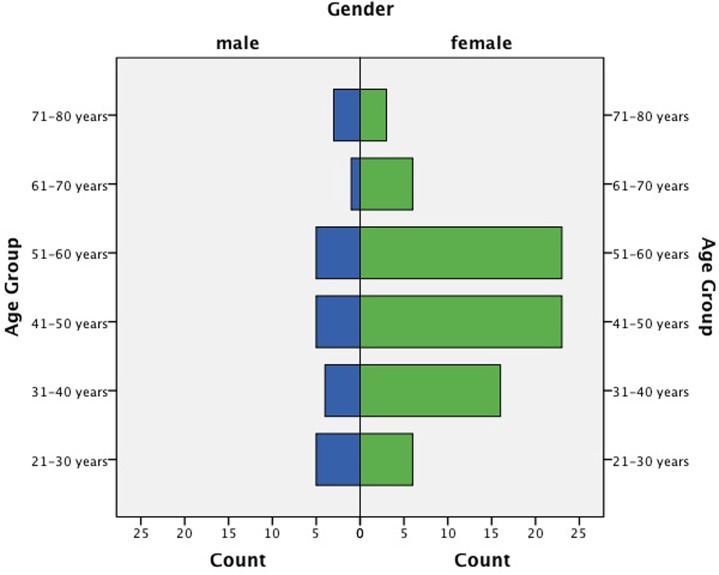
OBJECTIVES: To identify patterns in euthanasia requests and practices relating to psychiatric patients; to generate recommendations for future research. DESIGN: Retrospective analysis of data obtained through medical file review. SETTING: Outpatient psychiatric clinical setting in the Dutch-speaking region of Belgium, between October 2007 and December 2011; follow-up at the end of December 2012. PARTICIPANTS: 100 consecutive psychiatric patients requesting euthanasia based on psychological suffering associated with psychiatric disorders (77 women, 23 men; mean age 47 years; age range 21-80 years). MAIN OUTCOME MEASURES: Patient sociodemographic characteristics; diagnoses; decisions on euthanasia requests; circumstances of euthanasia procedures; patient outcomes at follow-up. RESULTS: Most patients had been referred for psychiatric counselling by their physician (n=55) or by LEIF (Life End Information Forum) (n=36). 90 patients had >1 disorder; the most frequent diagnoses were depression (n=58) and personality disorder (n=50). 38 patients required further testing and/or treatment, including 13 specifically tested for autism spectrum disorder (ASD); 12 received an ASD diagnosis (all Asperger syndrome). In total, 48 of the euthanasia requests were accepted and 35 were carried out. Of the 13 remaining patients whose requests were accepted, 8 postponed or cancelled the procedure, because simply having this option gave them enough peace of mind to continue living. In December 2012, 43 patients had died, including 35 by euthanasia; others died by suicide (6), palliative sedation (1) and anorexia nervosa (1). CONCLUSIONS: Depression and personality disorders are the most common diagnoses in psychiatric patients requesting euthanasia, with Asperger syndrome representing a neglected disease burden. Further research is needed, especially prospective quantitative and qualitative studies, to obtain a better understanding of patients with psychiatric disorders who request euthanasia due to unbearable psychological suffering.
Overview
CoChat Summary
TL;DR
This retrospective case note review describes 100 consecutive Belgian psychiatric patients who requested euthanasia for unbearable psychological suffering, most commonly with depression and/or personality disorder. Of 100 requests, 48 were accepted and 35 were carried out; by follow-up, 43 patients had died, including 35 by euthanasia and 6 by suicide.
Key findings
- The sample comprised 77 women and 23 men, mean age 47 years (range 21–80). Ninety patients had more than one disorder; the most frequent diagnoses were depression (n=58) and personality disorder (n=50), with 29 patients having both.
- Thirty-eight patients were referred for further testing/treatment, including 13 specifically tested for autism spectrum disorder (ASD); 12 received an ASD diagnosis, all Asperger syndrome. Of those 38, 17 requests were accepted (44.7%) and 10 were carried out; of the 62 not referred, 31 requests were accepted (50%) and 25 were carried out.
- In total, 48 of 100 euthanasia requests were accepted and 35 were performed. Among the 48 accepted, 2 patients committed suicide before the procedure and 11 postponed or cancelled; 8 of those 11 said having the option gave enough peace of mind to continue living. Among the 52 not accepted, 38 withdrew their requests, 8 continued to pursue them, 4 committed suicide and 2 died spontaneously.
- By the end of 2012, 43 patients had died: 35 by euthanasia, 6 by suicide, 1 after palliative sedation and 1 from anorexia nervosa. Among the 35 euthanasia procedures, sodium thiopental was used in all cases (31 intravenously, 4 orally); mean time from request to procedure was 8.66±9.55 months, and mean psychiatric counselling sessions with LT after the request was 3.49±4.42.
Methods
- Retrospective case note review of the first 100 consecutive patients requesting euthanasia for psychological suffering associated with psychiatric disorders in an outpatient psychiatric clinical setting in the Dutch-speaking region of Belgium, between October 2007 and December 2011, with follow-up at the end of December 2012.
- Data recorded in patient files were analysed for sociodemographic characteristics, DSM-IV diagnoses, decisions on euthanasia requests including referrals for further testing/treatment, number of consultations, circumstances of euthanasia procedures and patient outcomes. At follow-up, all 100 patients or their practitioners were contacted to establish whether patients were alive and, if not, how they had died.
- A four-track approach based on Dutch Psychiatric Association (NVvP) guidelines and adapted to the Belgian Euthanasia Law was used for all patients. The Ethics Committee confirmed that informed consent was not required on condition that medical records were coded and made anonymous.
Limitations
- The paper states that the retrospective design meant some potentially important determinants, such as personal and social background and details of the psychiatric evaluation, were not systematically collected; the sample size limited generalisability and the ability to detect statistically meaningful differences associated with requests being granted, refused or withdrawn.
- The paper also states that it is not possible to estimate how representative the sample is of the entire population of similar patients, and that comparison with national FCEC data is not helpful because the FCEC reports only patients who died by euthanasia, not all who requested it, and does not differentiate specific determinants of neurological versus psychiatric disorders.
- Evident from the text: all patients came from a single outpatient psychiatric clinical setting, and the first author was involved in counselling, referring and evaluating all patients, which may limit generalisability and introduce single-rater or setting-related bias.
Model-written summary. Check it against the paper before relying on it.
Integrity signals
Registry
Cites
Statistics
Figures
Verification
Claims the paper makes
5 Valid · 0 Not valid · 13 Not checked · 93 Own results and interpretations
A result the paper states — it cites no source for it, so there is none to check. The quote shows it is in the paper.
In the paper
“All patients were legally competent under the Law.”
§ Euthanasia requests, procedures and outcomes for 100 Belgian patients suffering from psychiatric disorders: a retrospective, descriptive study > Results > Referral, diagnoses and mental state
plain- Asserted: passes — The authors put it forward as true.
- Checkable: passes — It can be checked against evidence.
- Load-bearing: passes — The paper’s conclusions depend on it.
- Based: passes — The paper gives a reason why it holds.
A result the paper reports from its own data — it cites no other source for it, so there is none to check. The quote shows it is in the paper.
In the paper
“Thirty of the 35 patients had family and/or friends present at the time of death.”
§ Euthanasia requests, procedures and outcomes for 100 Belgian patients suffering from psychiatric disorders: a retrospective, descriptive study > Results > Euthanasia procedure
plainn = 35- Asserted: passes — The authors put it forward as true.
- Checkable: passes — It can be checked against evidence.
- Load-bearing: unclear — It is unclear whether the paper’s conclusions depend on it.
- Based: passes — The paper gives a reason why it holds.
A result the paper reports from its own data — it cites no other source for it, so there is none to check. The quote shows it is in the paper.
In the paper
“Euthanasia had been performed on 35 patients (9 men and 26 women).”
§ Euthanasia requests, procedures and outcomes for 100 Belgian patients suffering from psychiatric disorders: a retrospective, descriptive study > Results > Outcomes for patients
plainn = 35- Asserted: passes — The authors put it forward as true.
- Checkable: passes — It can be checked against evidence.
- Load-bearing: unclear — It is unclear whether the paper’s conclusions depend on it.
- Based: passes — The paper gives a reason why it holds.
A result the paper reports from its own data — it cites no other source for it, so there is none to check. The quote shows it is in the paper.
In the paper
“Six patients had committed suicide (2 men and 4 women).”
§ Euthanasia requests, procedures and outcomes for 100 Belgian patients suffering from psychiatric disorders: a retrospective, descriptive study > Results > Outcomes for patients
plainn = 6- Asserted: passes — The authors put it forward as true.
- Checkable: passes — It can be checked against evidence.
- Load-bearing: unclear — It is unclear whether the paper’s conclusions depend on it.
- Based: passes — The paper gives a reason why it holds.
In the paper
“The other 62 patients were not referred for further testing or treatment because of the clear absence of reasonable therapeutic alternatives for them, as described in the NVvP guidelines.”
§ Euthanasia requests, procedures and outcomes for 100 Belgian patients suffering from psychiatric disorders: a retrospective, descriptive study > Results > Responses to euthanasia requests
What the sources say
- Not matchedcites NVvP guidelines
This doesn’t read as a citation we can look up.
boostedstates a causen = 62- Asserted: passes — The authors put it forward as true.
- Checkable: passes — It can be checked against evidence.
- Load-bearing: unclear — It is unclear whether the paper’s conclusions depend on it.
- Based: passes — The paper gives a reason why it holds.
- Not matched
59 more claims
Create a free account to see all 111 claims and every source verdict.
- Probably not a substantial claim. 23
- It may state two separate claims as one. 33
- The quote only partly states this claim. 1
Claims other papers make about this one
Each is checked against this paper’s own text: does it say what the citing paper says it does?
The source backs part of the claim, not all of it — or backs it for a different population, condition or comparison.
In the citing paper
“cases have been documented in the United States (2), the Netherlands (6–10), and Belgium (11–13).”
From Assisted death in eating disorders: a systematic review of cases and clinical rationales (2024) · cites this paper as [12]
Experimental — accuracy not yet measuredThe source backs part of the claim, not all of it — or backs it for a different population, condition or comparison.
In the citing paper
“In a study reporting on ten patients with EDs who were euthanized in Belgium, the authors stated: “in all patients, the suffering was chronic, constant and unbearable, without prospect of improvement, due to treatment resistance” (12 p. 5).”
From Assisted death in eating disorders: a systematic review of cases and clinical rationales (2024) · cites this paper as [12]
Experimental — accuracy not yet measuredThe source backs part of the claim, not all of it — or backs it for a different population, condition or comparison.
In the citing paper
“Although psychiatric MAID is relatively uncommon, its use appears to be rising in Belgium and the Netherlands and for a diverse range of disorders and emotional states, including personality disorders and loneliness (2, 3).”
From Medical Assistance in Dying: Challenges for Psychiatry (2018) · cites this paper as [3]
Experimental — accuracy not yet measuredThe source backs part of the claim, not all of it — or backs it for a different population, condition or comparison.
In the citing paper
“As evidence (FCECE, 2020;Thienpont et al., 2015;Vonkel., 2020) points to the large proportion of patients with ASD seeking euthanasia in Belgium (compared to the number of ASD in The Netherlands)”
From Why adults with psychiatric conditions request euthanasia: A qualitative interview study of life experiences, motives and preventive factors (2021) · cites this paper as Thienpont et al., 2015
Experimental — accuracy not yet measuredThe source backs part of the claim, not all of it — or backs it for a different population, condition or comparison.
In the citing paper
“Our sample may seem to lack heterogeneity in terms of gender, with many women included in this study, however more women than men die by means of euthanasia for psychiatric reasons (Evenblij et al., 2019;Thienpont et al., 2015;Dierickx et al., 2017).”
From Why adults with psychiatric conditions request euthanasia: A qualitative interview study of life experiences, motives and preventive factors (2021) · cites this paper as Thienpont et al., 2015
Experimental — accuracy not yet measured
36 more claims about this paper
Create a free account to see every claim other papers make about this one.
Self-check
Percentages, sums and reported differences re-computed from the paper’s own numbers.
Each contradiction between two passages listed here was confirmed by an independent check.
Rated minor: it would not touch a result — a value no result rests on, a p-value that stays on the same side of the significance level, or a conflict that is clerical, resolved elsewhere in the paper, or outside its own findings.
In the paper
§ Euthanasia requests, procedures and outcomes for 100 Belgian patients suffering from psychiatric disorders: a retrospective, descriptive study > Abstract > Results
“the most frequent diagnoses were depression (n=58) and personality disorder (n=50)”
§ Euthanasia requests, procedures and outcomes for 100 Belgian patients suffering from psychiatric disorders: a retrospective, descriptive study > Results > Referral, diagnoses and mental state
“Most of the patients suffered from a treatment-resistant mood disorder (n=58, including 48 with major depressive disorder and 10 with bipolar disorder)”
Rated minor: it would not touch a result — a value no result rests on, a p-value that stays on the same side of the significance level, or a conflict that is clerical, resolved elsewhere in the paper, or outside its own findings.
In the paper
§ Euthanasia requests, procedures and outcomes for 100 Belgian patients suffering from psychiatric disorders: a retrospective, descriptive study > Results > Outcomes for patients
“In nine cases their requests were still in process and no decision had been reached.”
§ Euthanasia requests, procedures and outcomes for 100 Belgian patients suffering from psychiatric disorders: a retrospective, descriptive study > Results > Responses to euthanasia requests
“Among the 52 patients whose requests were not accepted, 38 withdrew their requests before a decision was reached, while another 8 continued to pursue their requests, 4 committed suicide and 2 died spontaneously.”
Citations
Cites
The size and burden of mental disorders and other disorders of the brain in Europe 2010
Wittchen, H. U., Jacobi, F., Rehm, J., Gustavsson, A., Svensson, M., Jönsson, B., Olesen, J., Allgulander, C., Alonso, J., Faravelli, C., et al. (2011) · European Neuropsychopharmacology · doi:10.1016/j.euroneuro.2011.07.018 · Cited by 3,754 · cited 1×
“This is in line with other reports in the literature, which indicate that women fulfil the diagnostic criteria for mental disorders more often than men, except in the case of substance use disorders.(18) Furthermore, demand for mental healthcare(19) and utilisation of mental healthcare services(20) are higher in women…”
ResultDo men consult less than women? An analysis of routinely collected UK general practice data
Wang, Y., Hunt, K., Nazareth, I., Freemantle, N., & Petersen, I. (2013) · BMJ Open · doi:10.1136/bmjopen-2013-003320 · Cited by 622
Dees, M. K., Vernooij-Dassen, M. J., Dekkers, W. J., Elwyn, G., Vissers, K. C., & van Weel, C. (2013) · Palliative Medicine · doi:10.1177/0269216312463259 · Cited by 146 · cited 1×
“This is in line with other reports in the literature, which indicate that women ful fi l the diagnostic criteria for mental disorders more often than men, except in the case of substance use disorders.”
ResultBereavement after the suicide of a significant other
Pompili, M., Shrivastava, A., Serafini, G., Innamorati, M., Milelli, M., Erbuto, D., Ricci, F., Lamis, D., Scocco, P., Amore, M., et al. (2013) · Indian Journal of Psychiatry · doi:10.4103/0019-5545.117145 · Cited by 125 · cited 1×
“turmoil that may last a long time, and, in some cases, may end with the mourner’s own suicide.(21) Accordingly, we note that the fact that their euthanasia request was”
BackgroundDees, M., Vernooij‐Dassen, M., Dekkers, W., & van Weel, C. (2010) · Psycho-Oncology · doi:10.1002/pon.1612 · Cited by 125 · cited 1×
“Unanswered questions and recommendations for future research A literature review made clear that the concept of ‘unbearable suffering’ has not yet been defined adequately, and that views on this concept are in a state of flux.(22) It is generally accepted that this concept is considered to be subjective, dependent on…”
Background(2007) · Tilburg Law Review · doi:10.1163/221125907x00524 · Cited by 117
Perceived need for mental health care: Influences of diagnosis, demography and disability
MEADOWS, G., BURGESS, P., BOBEVSKI, I., FOSSEY, E., HARVEY, C., & LIAW, S.-T. (2002) · Psychological Medicine · doi:10.1017/s0033291701004913 · Cited by 95
Legal Euthanasia in Belgium: Characteristics of All Reported Euthanasia Cases
Smets, T., Bilsen, J., Cohen, J., Rurup, M. L., & Deliens, L. (2010) · Medical Care · doi:10.1097/mlr.0b013e3181bd4dde · Cited by 81 · cited 1×
“This rise over a 6-year period may reflect a true increase or better reporting of cases of euthanasia.(5) Proportionally, no differences with regard to gender, age, diagnoses or the nature of the patients’ suffering were observed over these years.”
BackgroundMcCormack, R., & Fléchais, R. (2012) · Psychosomatics · doi:10.1016/j.psym.2012.03.005 · Cited by 67 · cited 2×
“1 In Europe, psychological suffering stemming from either a somatic or mental disorder is acknowledged as a valid legal basis for euthanasia only in Belgium, the Netherlands and Luxembourg.”
BackgroundVan Wesemael, Y., Cohen, J., Onwuteaka-Philipsen, B. D., Bilsen, J., & Deliens, L. (2009) · BMC Health Services Research · doi:10.1186/1472-6963-9-220 · Cited by 55
Research works printed but not linked: 1
- Distelmans W, Destrooper P, Bauwens S Life End Information Forum (LEIF): professional advice and support at end-of-life issues. Psychooncology 2008; 17: S222.
Cited by
Treasure, J., Duarte, T. A., & Schmidt, U. (2020) · The Lancet · doi:10.1016/s0140-6736(20)30059-3 · Cited by 1,026
The Therapeutic Potential of Psychedelic Drugs: Past, Present, and Future
Carhart-Harris, R. L., & Goodwin, G. M. (2017) · Neuropsychopharmacology · doi:10.1038/npp.2017.84 · Cited by 706
Kim, S. Y. H., De Vries, R. G., & Peteet, J. R. (2016) · JAMA Psychiatry · doi:10.1001/jamapsychiatry.2015.2887 · Cited by 320
“Anxiety other than PTSD, including generalized anxiety disorder, phobias, obsessive-compulsive disorder, panic disorder, social phobia 15 (13)”
BackgroundDierickx, S., Deliens, L., Cohen, J., & Chambaere, K. (2017) · BMC Psychiatry · doi:10.1186/s12888-017-1369-0 · Cited by 129
“This finding differs from a recent study of 100 people suffering from a psychiatric disorder who requested euthanasia, which found that most cases involved younger people [38].”
ResultThe Impact of (the Concept of) Treatment-Resistant Depression: An Opinion Review
Demyttenaere, K., & Van Duppen, Z. (2019) · International Journal of Neuropsychopharmacology · doi:10.1093/ijnp/pyy052 · Cited by 98
When unbearable suffering incites psychiatric patients to request euthanasia: qualitative study
Verhofstadt, M., Thienpont, L., & Peters, G.-J. Y. (2017) · British Journal of Psychiatry · doi:10.1192/bjp.bp.117.199331 · Cited by 97
Self-citationEuthanasia and assisted suicide in psychiatric patients: A systematic review of the literature
Calati, R., Olié, E., Dassa, D., Gramaglia, C., Guillaume, S., Madeddu, F., & Courtet, P. (2021) · Journal of Psychiatric Research · doi:10.1016/j.jpsychires.2020.12.006 · Cited by 88
Physician-Assisted Death for Patients With Mental Disorders—Reasons for Concern
Appelbaum, P. S. (2016) · JAMA Psychiatry · doi:10.1001/jamapsychiatry.2015.2890 · Cited by 81
Nicolini, M. E., Kim, S. Y. H., Churchill, M. E., & Gastmans, C. (2020) · Psychological Medicine · doi:10.1017/s0033291720001543 · Cited by 77
“In these countries, the number of cases has been slowly but steadily increasing since 2010 and empirical papers on the topic have rapidly increased since 2015 (De Hert et al., 2015; Dierickx, Deliens, Cohen, & Chambaere, 2017; Doernberg, Peteet, & Kim, 2016; Kim, De Vries, & Peteet, 2016; Miller & Kim, 2017; Nicolini,…”
BackgroundGamondi, C., Pott, M., Preston, N. J., & Payne, S. A. (2017) · Journal of Pain and Symptom Management · doi:10.1016/j.jpainsymman.2017.12.482 · Cited by 99
Undoing Suicidism: A Trans, Queer, Crip Approach to Rethinking (Assisted) Suicide
BARIL, A. (2023) · Temple University Press eBooks · doi:10.2307/jj.5104041 · Cited by 99
Assisted dying: law and practice around the world
Dyer, O., White, C., & García Rada, A. (2015) · BMJ · doi:10.1136/bmj.h4481 · Cited by 68
Should assisted dying for psychiatric disorders be legalized in Canada?
Kim, S. Y. H., & Lemmens, T. (2016) · Canadian Medical Association Journal · doi:10.1503/cmaj.160365 · Cited by 68
Evenblij, K., Pasman, H. R. W., Pronk, R., & Onwuteaka-Philipsen, B. D. (2019) · BMC Psychiatry · doi:10.1186/s12888-019-2053-3 · Cited by 75
Verhofstadt, M., Van Assche, K., Sterckx, S., Audenaert, K., & Chambaere, K. (2019) · International Journal of Law and Psychiatry · doi:10.1016/j.ijlp.2019.04.004 · Cited by 60
Self-citationNicolini, M. E., Peteet, J. R., Donovan, G. K., & Kim, S. Y. H. (2020) · Psychological Medicine · doi:10.1017/s0033291719000333 · Cited by 52
“Personality disorders are present in at least half of those who request and receive psychiatric EAS (Thienpont et al., 2015; Kim et al., 2016).”
BackgroundResultWarrender, D., Bain, H., Murray, I., & Kennedy, C. M. (2020) · Journal of Psychiatric and Mental Health Nursing · doi:10.1111/jpm.12637 · Cited by 69
Euthanasia in Belgium: Shortcomings of the Law and Its Application and of the Monitoring of Practice
Raus, K., Vanderhaegen, B., & Sterckx, S. (2021) · The Journal of Medicine and Philosophy: A Forum for Bioethics and Philosophy of Medicine · doi:10.1093/jmp/jhaa031 · Cited by 45
“In order for these patients to qualify for euthanasia, the psychiatrist required that: “All therapeutic options that could alleviate suffering, including palliative care, must be discussed with the patients and their practitioners” (Thienpont et al., 2015, 4).”
BackgroundDe Hert, M., Van Bos, L., Sweers, K., Wampers, M., De Lepeleire, J., & Correll, C. U. (2015) · PLOS ONE · doi:10.1371/journal.pone.0144749 · Cited by 44
“What is mental suffering and how unbearable is it? UMS is what the patient says it is and there for subjective [2].”
Rooney, W., Schuklenk, U., & van de Vathorst, S. (2018) · Health Care Analysis · doi:10.1007/s10728-017-0344-8 · Cited by 44
Euthanasia, Ethics and Public Policy: An Argument against Legalisation
Keown, J. (2018) · Cambridge University Press eBooks · doi:10.1017/9781107337909 · Cited by 73
van Veen, S. M. P., Ruissen, A. M., & Widdershoven, G. A. M. (2020) · The Canadian Journal of Psychiatry · doi:10.1177/0706743720923072 · Cited by 57
“Thienpont et al.(49) Quantitative medical file review Methods: A total of 100 medical files of psychiatric patients who requested PAD were retrospectively analyzed.”
BackgroundMehlum, L., Schmahl, C., Berens, A., Doering, S., Hutsebaut, J., Kaera, A., Kramer, U., Moran, P. A., Renneberg, B., Ribaudi, J. S., et al. (2020) · Borderline Personality Disorder and Emotion Dysregulation · doi:10.1186/s40479-020-00131-9 · Cited by 42
Psychiatric euthanasia, suicide and the role of gender
Nicolini, M. E., Gastmans, C., & Kim, S. Y. H. (2022) · The British Journal of Psychiatry · doi:10.1192/bjp.2021.95 · Cited by 40
Medically Assisted Dying and Suicide: How Are They Different, and How Are They Similar?
Friesen, P. (2020) · The Hastings Center Report · doi:10.1002/hast.1083 · Cited by 54
Debating Euthanasia and Physician-Assisted Death in People with Psychiatric Disorders
Grassi, L., Folesani, F., Marella, M., Tiberto, E., Riba, M. B., Bortolotti, L., Toffanin, T., Palagini, L., Belvederi Murri, M., Biancosino, B., et al. (2022) · Current Psychiatry Reports · doi:10.1007/s11920-022-01339-y · Cited by 39
Should Mental Disorders Be a Basis for Physician-Assisted Death?
Appelbaum, P. S. (2017) · Psychiatric Services · doi:10.1176/appi.ps.201700013 · Cited by 37
Doherty, A. M., Axe, C. J., & Jones, D. A. (2022) · BJPsych Open · doi:10.1192/bjo.2022.71 · Cited by 37
Medical assistance in dying: special issues for patients with mental illness
Sheehan, K., Gaind, K. S., & Downar, J. (2017) · Current Opinion in Psychiatry · doi:10.1097/yco.0000000000000298 · Cited by 33
A National Survey of Canadian Psychiatrists’ Attitudes toward Medical Assistance in Death
Rousseau, S., Turner, S., Chochinov, H. M., Enns, M. W., & Sareen, J. (2017) · The Canadian Journal of Psychiatry · doi:10.1177/0706743717711174 · Cited by 32
“Although the quite distinct development of this practice in the unique medical cultures of these countries may complicate comparisons, recently several retrospective descriptive reviews have examined outcome measures for patients receiving assisted death for reasons of mental illness.(12,13) The unexpected variety of…”
BackgroundInfluentialVerhofstadt, M., Pardon, K., Audenaert, K., Deliens, L., Mortier, F., Liégeois, A., & Chambaere, K. (2021) · Journal of Psychiatric Research · doi:10.1016/j.jpsychires.2021.09.032 · Cited by 32
Self-citationScopetti, M., Morena, D., Padovano, M., Manetti, F., Fazio, N. D., Delogu, G., Ferracuti, S., Frati, P., & Fineschi, V. (2023) · Healthcare · doi:10.3390/healthcare11101470 · Cited by 48
“Mostly, this was motivated by the fact that the possibility to proceed with E/PAS had provided the relief they needed to keep on living [37]; in the follow-up performed between 2007 and 2012, 57 of the 100 people who had requested pE/PAS were still alive and, for many of them (48 cases), their requests were on hold be…”
BackgroundIrremediability in psychiatric euthanasia: examining the objective standard
Nicolini, M. E., Jardas, E., Zarate, C. A., Gastmans, C., & Kim, S. Y. H. (2023) · Psychological Medicine · doi:10.1017/s0033291722002951 · Cited by 31
“, persons with extensive psychiatric histories, comparable those requesting and receiving psychiatric EAS currently (Kim, De Vries, & Peteet, 2016; Nicolini, Peteet, Donovan, & Kim, 2020b; Thienpont et al., 2015) – a majority significantly improved – i.”
BackgroundPronk, R., Willems, D. L., & van de Vathorst, S. (2022) · Culture, Medicine, and Psychiatry · doi:10.1007/s11013-021-09726-5 · Cited by 29
End-of-life care in schizophrenia: a systematic review
Baruth, J. M., Ho, J. B., Mohammad, S., & Lapid, M. I. (2020) · International Psychogeriatrics · doi:10.1017/s1041610220000915 · Cited by 34
“Healthcare disparities Thienpont et al., 2015 Belgium N = 100 individuals with psychiatric illness Investigate trends in euthanasia requests of people with psychiatric illness and provide insight for further research.”
BackgroundInfluentialBinder, M. D., Loos, S., Sterckx, S., Thys, E., & Assche, K. V. (2022) · Frontiers in Psychiatry · doi:10.3389/fpsyt.2022.933748 · Cited by 43
What medical conditions lead to a request for euthanasia? A rapid scoping review
Rahimian, Z., Rahimian, L., López‐Castromán, J., Ostovarfar, J., Fallahi, M. J., Nayeri, M. A., & Vardanjani, H. M. (2024) · Health Science Reports · doi:10.1002/hsr2.1978 · Cited by 29
Physician‐assisted death in psychiatry
Appelbaum, P. S. (2018) · World Psychiatry · doi:10.1002/wps.20548 · Cited by 24
Patients requesting and receiving euthanasia for psychiatric disorders in the Netherlands
Kammeraat, M., van Rooijen, G., Kuijper, L., Kiverstein, J. D., & Denys, D. A. J. P. (2023) · BMJ Mental Health · doi:10.1136/bmjment-2023-300729 · Cited by 23
Agency, Autonomy and Euthanasia
Mendz, G. L., & Kissane, D. W. (2020) · The Journal of Law Medicine & Ethics · doi:10.1177/1073110520958881 · Cited by 37
Shaffer, C. S., Cook, A. N., & Connolly, D. A. (2016) · Psychology, Public Policy, and Law · doi:10.1037/law0000082 · Cited by 21
Verhofstadt, M., Audenaert, K., Van den Broeck, K., Deliens, L., Mortier, F., Titeca, K., De Bacquer, D., & Chambaere, K. (2021) · Science Progress · doi:10.1177/00368504211029775 · Cited by 21
“In line with former studies, the APC present with various psychiatric and somatic comorbidities.(13) As comorbidity is perceived as an important challenge in medicine in general,(24,25) it also seems to pose a challenge in euthanasia assessment.”
BackgroundResultInfluentialSelf-citationVerhofstadt, M., Chambaere, K., Pardon, K., Mortier, F., Liégeois, A., Deliens, L., & Audenaert, K. (2022) · BMC Psychiatry · doi:10.1186/s12888-022-04039-2 · Cited by 19
“This finding supports the so-called ‘therapeutic effect’ of euthanasia assessment procedures as it may suppress suicidality [26, 27] and may even offer sufficient peace of mind to give alternatives to death a fair chance of success once their request is positively advised or granted [26, 27].”
ResultSelf-citationAddressing Suffering in Patients With Psychiatric Disorders
Yager, J. (2021) · The Journal of Nervous and Mental Disease · doi:10.1097/nmd.0000000000001348 · Cited by 27
“Nevertheless, because unbearablemental suffering is entirely subjective and depends on the patient's own assessment (Thienpont et al., 2015), and there may be instances in which the mental suffering is a symptom of a treatable psychiatric illness, unbearability might resolve with successful…”
BackgroundThe influence of cognitive distortions on decision-making capacity for physician aid in dying
Dembo, J., van Veen, S., & Widdershoven, G. (2020) · International Journal of Law and Psychiatry · doi:10.1016/j.ijlp.2020.101627 · Cited by 19
Medical Assistance in Dying: Challenges for Psychiatry
Jones, R. M., & Simpson, A. I. F. (2018) · Frontiers in Psychiatry · doi:10.3389/fpsyt.2018.00678 · Cited by 18
Psychiatric Neuroethics: Studies in Research and Practice
Glannon, W. (2018) · doi:10.1093/med/9780198758853.001.0001 · Cited by 31
Persons with mental disorders and assisted dying practices in Spain: An overview
Pozón, S. R., Terribas, N., Falcó‐Pegueroles, A., & Román-Maestre, B. (2023) · International Journal of Law and Psychiatry · doi:10.1016/j.ijlp.2023.101871 · Cited by 36
Assisted death in eating disorders: a systematic review of cases and clinical rationales
Roff, C., & Cook-Cottone, C. (2024) · Frontiers in Psychiatry · doi:10.3389/fpsyt.2024.1431771 · Cited by 16
Verhofstadt, M., Audenaert, K., Van Assche, K., Sterckx, S., & Chambaere, K. (2019) · BMC Medical Ethics · doi:10.1186/s12910-019-0400-z · Cited by 15
Self-citationMedical assistance in dying in Canada: A scoping review on the concept of suffering
Henry, M., Alias, A., Bisson‐Gervais, V., Liu, J. Y., Dargis, L., Gauthier, L. R., Tapp, D., Greenfield, B. J., & Mishara, B. L. (2023) · Psycho-Oncology · doi:10.1002/pon.6196 · Cited by 21
Attitudes Toward Euthanasia for Patients Who Suffer From Physical or Mental Illness
Levin, K., Bradley, G. L., & Duffy, A. L. (2018) · OMEGA - Journal of Death and Dying · doi:10.1177/0030222818754667 · Cited by 15
“In contrast, Belgian law allows euthanasia for patients with either schizophrenia or depression (Thienpont et al., 2015) and, in some jurisdictions (e.”
BackgroundIncidence and Prevalence of Reported Euthanasia Cases in Belgium, 2002 to 2023
Wels, J., & Hamarat, N. (2025) · JAMA Network Open · doi:10.1001/jamanetworkopen.2025.6841 · Cited by 15
Pronk, R., Sindram, N. P., van de Vathorst, S., & Willems, D. L. (2021) · Scandinavian Journal of Primary Health Care · doi:10.1080/02813432.2021.1913895 · Cited by 14
Demedts, D., Cools, W., Fobelets, M., Tricas‐Sauras, S., & Bilsen, J. J. R. (2022) · Journal of Advanced Nursing · doi:10.1111/jan.15539 · Cited by 18
Möller, H. (2020) · International Journal of Psychiatry in Clinical Practice · doi:10.1080/13651501.2020.1797097 · Cited by 21
“Belgium removed the age restriction for euthanasia in 2014; under the new law, children may request physician-assisted suicide if they are terminally ill, suffering from constant and unbearable physical pain, their capacity for understanding and judgement has been verified by a psychologist, and their parents’ provide…”
BackgroundInfluentialMarckmann, G., & Pollmächer, T. (2024) · Annals of Palliative Medicine · doi:10.21037/apm-23-472 · Cited by 18
Verhofstadt, M., Marijnissen, R., Creemers, D., Rasing, S., Schweren, L., Sterckx, S., Titeca, K., van Veen, S., & Pronk, R. (2024) · Frontiers in Psychiatry · doi:10.3389/fpsyt.2024.1463813 · Cited by 13
Self-citationBerens, N., & Kim, S. Y. H. (2022) · American Journal of Geriatric Psychiatry · doi:10.1016/j.jagp.2022.07.003 · Cited by 13
“50”
The First into the Dark: The Nazi Persecution of the Disabled
Robertson, M. S., Ley, A., & Light, E. M. (2019) · University of Technology, Sydney eBooks · doi:10.5130/aae · Cited by 19
Requests for Medical Assistance in Dying by Young Dutch People With Psychiatric Disorders
Schweren, L. J. S., Rasing, S. P. A., Kammeraat, M., Middelkoop, L. A., Werner, R., Mérelle, S. Y. M., Garcia, J. M., Creemers, D. H. M., & van Veen, S. M. P. (2025) · JAMA Psychiatry · doi:10.1001/jamapsychiatry.2024.4006 · Cited by 11
A Conversation on Feminism, Ableism, and Medical Assistance in Dying
Grant, I., Benedet, J., Sheehy, E. A., & Frazee, C. (2023) · Canadian Journal of Women and the Law/Revue Femmes et Droit · doi:10.3138/cjwl_2023_grant3 · Cited by 13
Links, P. S., Aslam, H. M., & O’Donnell, M. (2024) · Current Psychiatry Reports · doi:10.1007/s11920-024-01571-8 · Cited by 12
Droit à mourir et suicide assisté : état des lieux et analyse critique
Dalfin, W., Guymard, M., Kieffer, P., & Kahn, J. P. (2021) · L Encéphale · doi:10.1016/j.encep.2021.04.013 · Cited by 15
Verhofstadt, M., Chambaere, K., Leontjevas, R., & Peters, G.-J. (2019) · BJPsych Open · doi:10.1192/bjo.2019.25 · Cited by 15
Self-citationDemedts, D., Tricas-Sauras, S., & Bilsen, J. (2022) · Creative Nursing · doi:10.1891/cn-2021-0030 · Cited by 14
“The few existing studies on UMS euthanasia focus on the patient, the role of physicians, or legal or ethical aspects (Liégeois, 2013; McCrae & Bloomfield, 2013; Thienpont et al., 2015).”
BackgroundAbout the practice of psychiatric euthanasia: a commentary
Lopez-Castroman, J. (2017) · BMC Medicine · doi:10.1186/s12916-017-0896-3 · Cited by 9
Bastidas-Bilbao, H., Stergiopoulos, V., van Kesteren, M. R., Stewart, D. E., Cappe, V., Gupta, M., Buchman, D. Z., Simpson, A. I. F., Castle, D., Campbell, B. H., et al. (2023) · Social Science & Medicine · doi:10.1016/j.socscimed.2023.116075 · Cited by 9
Konder, R., & Christie, T. (2019) · Healthcare Policy | Politiques de Santé · doi:10.12927/hcpol.2019.26073 · Cited by 9
“Some Belgian data show that patients who request MAiD based solely on mental illnesses are more likely to rescind their requests than patients who file based on “physical” illnesses (Thienpont et al. 2015).”
BackgroundSnijdewind, M. C., de Keijser, J., Casteelen, G., Boelen, P. A., & Smid, G. E. (2022) · Frontiers in Psychiatry · doi:10.3389/fpsyt.2022.894417 · Cited by 27
Assisted Dying and Suicide Prevention
Jones, D. A. (2018) · Journal of Disability & Religion · doi:10.1080/23312521.2018.1486773 · Cited by 10
Mondragón, J. D., Salame, L., Kraus-Weisman, A., & Deyn, P. P. D. (2020) · Bioethics News · doi:10.1007/s40592-020-00112-2 · Cited by 12
Self-citationDer assistierte Suizid aus psychiatrischer Sicht
Pollmächer, T. (2023) · Der Nervenarzt · doi:10.1007/s00115-023-01497-1 · Cited by 17
The need to exercise caution in accepting addiction as a reason for performing euthanasia
Hall, W., & Parker, M. (2018) · Addiction · doi:10.1111/add.14025 · Cited by 8
La pratique de l’euthanasie et du suicide assisté pour motif psychiatrique
Guérinet, L., & Tournier, M. (2021) · L Encéphale · doi:10.1016/j.encep.2020.10.002 · Cited by 9
Utility of Islet Cell Preparations From Donor Pancreases After Euthanasia
Paep, D. L. D., Hulle, F. O. V., Ling, Z., Vanhoeij, M., Hilbrands, R., Distelmans, W., Gillard, P., Keymeulen, B., PIPELEERS, D. G., & Jacobs‐Tulleneers‐Thevissen, D. (2022) · Cell Transplantation · doi:10.1177/09636897221096160 · Cited by 10
Self-citationOrgan donation after euthanasia; medical, legal and ethical considerations
Bollen (2019) · Research Publications (Maastricht University) · doi:10.26481/dis.20191101jb · Cited by 13
Euthanasia requests in a Canadian psychiatric emergency room: A case series
Benrimoh, D., Perreault, A., & Van Den Eynde, F. (2017) · International Journal of Law and Psychiatry · doi:10.1016/j.ijlp.2017.10.006 · Cited by 7
Dom, G., Stoop, H., Haekens, A., & Sterckx, S. (2020) · Psychiatria Polska · doi:10.12740/pp/124078 · Cited by 7
“Ultimately, 48 euthanasia requests were approved and 35 carried out [15].”
BackgroundNanner, H. (2020) · Journal of Public Health Policy · doi:10.1057/s41271-020-00249-8 · Cited by 23
Hawke, L. D., Bastidas-Bilbao, H., Cappe, V., van Kesteren, M. R., Stewart, D. E., Gupta, M., Simpson, A. I. F., Campbell, B. H., Castle, D., Stergiopoulos, V., et al. (2024) · The Canadian Journal of Psychiatry · doi:10.1177/07067437231209658 · Cited by 7
Moshe, S., & Gershfeld-Litvin, A. (2020) · OMEGA - Journal of Death and Dying · doi:10.1177/0030222820961241 · Cited by 10
“These countries even allow euthanasia for those suffering from mental illnesses (Demedts et al., 2018; Thienpont et al., 2015).”
BackgroundL’accès à l’aide médicale à mourir pour les personnes souffrant de troubles mentaux
Provencher-Renaud, G., Larivée, S., & Sénéchal, C. (2019) · Annales Médico-psychologiques, revue psychiatrique · doi:10.1016/j.amp.2018.08.022 · Cited by 7
Futility in adolescent anorexia nervosa and the question of withdrawal of care
Forbes, D. (2019) · Journal of Paediatrics and Child Health · doi:10.1111/jpc.14659 · Cited by 7
Lemmens, T. (2019) · The American Journal of Bioethics · doi:10.1080/15265161.2019.1654026 · Cited by 5
Brodeur, J., Links, P. S., Boursiquot, P.-E., & Snelgrove, N. (2022) · The Canadian Journal of Psychiatry · doi:10.1177/0706743721993645 · Cited by 5
“7% to 27%.(8,9) None of the studies published the proportion of those with BPD requesting MAiD that received the service.”
BackgroundPsychiatric Euthanasia, Mental Capacity, and a Sense of the Possible
Ratcliffe, M. (2020) · Philosophy, psychiatry & psychology · doi:10.1353/ppp.2020.0041 · Cited by 11
“Psychiatric euthanasia is carefully monitored and regulated (Kim et al., 2016; Thienpont et al., 2015).”
Montreuil, M., Séguin, M., Gros, C. P., & Racine, É. (2020) · Canadian Journal of Bioethics · doi:10.7202/1070236ar · Cited by 6
“, Belgium, Luxembourg, the Netherlands), proponents argue that the suffering due to a mental illness is comparable to the suffering from other medical conditions (32,33).”
BackgroundWojtkowiak, J., Geusendam, E., van Dijk, R., et al. (2023) · Death Studies · doi:10.1080/07481187.2023.2186534 · Cited by 5
“In Belgium, 10 out of 100 cases of euthanasia in the period 2007 – 2011 had an eating disorder as one of the diagnoses (Thienpont et al., 2015).”
BackgroundSchomerus, G., Schindler, S., Baumann, E., & Angermeyer, M. C. (2024) · BJPsych Open · doi:10.1192/bjo.2024.4 · Cited by 5
Aslam, H. M., Brodeur, J., & Links, P. S. (2025) · Borderline Personality Disorder and Emotion Dysregulation · doi:10.1186/s40479-025-00284-5 · Cited by 7
“These findings concur with another Belgian study that reported 50% of the participants requesting MAiD were diagnosed with a personality disorder and an additional 29% had both a treatment resistant mood disorder with comorbid personality disorder [4].”
Psychological aspects of medical assistance in dying: A personal reflection.
Wilson, K. G. (2018) · Canadian Psychology/Psychologie canadienne · doi:10.1037/cap0000146 · Cited by 8
“…of 100 Belgian cases of MAiD requests made by psychiatric patients (48 of which were accepted), the most frequent diagnoses were depressive and personality disorders, although there was a broad spectrum of specific problems and most patients had more than one disorder (Thienpont et al., 2015).”
BackgroundDødshjelp: Lovverk, praksis og holdninger i de skandinaviske land
Kleiven, D. J. H., Hartling, O. J., Ståhle, F., Horn, M. A., & Magelssen, M. (2020) · doi:10.23865/noasp.96.ch3 · Cited by 9
Development and Psychometric Properties of the Justified Death Attitude Scale
Zandian, P., Habibi, M., Shariat, S. V., & Tayeri, N. (2016) · Iranian Journal of Psychiatry and Behavioral Sciences · doi:10.17795/ijpbs-3217 · Cited by 6
“All of the participants were categorized by using the GHQ-12, measuring current mental health, as hassle or ordinary individuals (6, 7).”
MethodThree Belgian doctors are investigated over euthanasia of woman with Asperger’s
Day, M. (2018) · BMJ · doi:10.1136/bmj.k5106 · Cited by 4
Glannon, W. (2018) · Oxford University Press eBooks · doi:10.1093/med/9780198758853.003.0009 · Cited by 4
van de Vathorst, S. (2019) · The American Journal of Bioethics · doi:10.1080/15265161.2019.1661152 · Cited by 4
Macri, R., Wagner, F., & Stuckey, M. I. (2020) · Canadian Journal of Community Mental Health · doi:10.7870/cjcmh-2020-009 · Cited by 3
Waddell, M. M. (2020) · Journal of Disability & Religion · doi:10.1080/23312521.2019.1694463 · Cited by 3
Ethical Issues in the Treatment of Eating Disorders
Tan, J. O. A., Jamieson, S. K., & Anderson, S. (2023) · Springer eBooks · doi:10.1007/978-3-030-97416-9_73-1 · Cited by 3
Metadata
- Authors
- Thienpont, L., Verhofstadt, M., Van Loon, T., Distelmans, W., Audenaert, K., & De Deyn, P. P.
- Affiliations
- Universitair Ziekenhuis Brussel (BE)
- Open University of the Netherlands (NL)
- Free University of Brussels, Brussels, Belgium
- Université Libre de Bruxelles (BE)
- Ghent University Hospital (BE)
- University of Antwerp, Institute Born-Bunge, Wilrijk, Belgium
- Corresponding author
- Thienpont, Lieve
- Venue
- BMJ Open
- Publisher
- BMJ
- Published
- 2015-06
- Volume
- 5
- Issue
- 7
- Pages
- e007454
- ISSN
- 2044-6055 (ISSN-L)
- PMC
- PMC4530448
- OpenAlex
- W2116882919
- Cited by
- 231
- References
- 16
- Citations by year
- 2026: 9 · 2025: 19 · 2024: 12 · 2023: 20 · 2022: 23 · 2021: 12 · 2020: 33 · 2019: 16 · 2018: 59 · 2017: 15 · 2016: 9 · 2015: 4
- FWCI
- 30.99
- Type
- journal article
- Language
- en
- Open access
- gold
- doi.org
- Licence
- cc-by-nc
- Locations
- BMJ Open (publishedVersion, cc-by-nc)
- Europe PMC (PubMed Central) (publishedVersion, cc-by-nc)
- PubMed Central (publishedVersion, cc-by-nc)
- PubMed (publishedVersion)
- Ghent University Academic Bibliography (Ghent University) (submittedVersion, cc-by-nc)
- University of Groningen research database (University of Groningen / Centre for Information Technology) (submittedVersion, cc-by-nc)
- VUBIR (Vrije Universiteit Brussel) (submittedVersion)
- Topics
- Health Sciences › Medicine › Public Health, Environmental and Occupational Health › Palliative Care and End-of-Life Issues
- Social Sciences › Psychology › Clinical Psychology › Suicide and Self-Harm Studies
- Health Sciences › Medicine › Public Health, Environmental and Occupational Health › Palliative and Oncologic Care
- Keywords
- euthanasia, psychiatric patients, euthanasia requests, depression, personality disorders, Asperger syndrome, autism spectrum disorder, psychological suffering, palliative care, patient outcomes
- MeSH terms
- Adult, Aged, Aged, 80 and over, Anxiety Disorders, Mental Disorders, Belgium, Bipolar Disorder, Major Depressive Disorder, Female, Humans, Male, Middle Aged, Personality Disorders, Psychotic Disorders, Retrospective Studies, Schizophrenia, Stress Disorders, Post-Traumatic, Euthanasia, Active, Voluntary, Young Adult, Depressive Disorder, Treatment-Resistant
About these checks
Registry, retraction, Cites and statistics results are computed, not judged, with one exception: a printed reference that no index lists is read once by a model before it counts as a citation error. Claims are extracted by a model and kept only when their quote appears verbatim in the text; each cited source is then checked, with a model’s help, for whether it says what the claim relies on. Those verdicts can be wrong — read the claim’s quote and the cited source before relying on one.
The claim verdicts this report counts are experimental: their accuracy is not yet measured.
A language model drew the claims from the paper on 2026-10-10, under version 3 of the claim definition (model deepseek-v4.1-flash, prompt extract-v3).
A second model labelled each claim on 2026-10-10 (model jev-1.13-20260917, definition revision gold-guideline-v0.2).
Statistics and arithmetic are recomputed, not judged.
Confidence bands are shown only for fields calibrated on our annotated test set. None is calibrated yet, so no band is shown.
What counts as a claim ›How we measure confidence ›How we check this ›
Are you an author, or do you see a problem with this page? Request a review
Data sources
Bibliographic data: Semantic Scholar, OpenAlex, Crossref.
Contains information from the Semantic Scholar Academic Graph Datasets, made available under the ODC Attribution License (ODC-BY 1.0).
Semantic Scholar’s data is described in: Kinney, R., et al. (2023). The Semantic Scholar Open Data Platform. arXiv:2301.10140.
